Skip to content
Artwork for The Laura Dowling Experience
Health & FitnessSociety & CultureMental HealthExplicit

The Laura Dowling Experience

Laura Dowling

Conversations about health, science, wellness, life, love, sex and everything in-between. Laura is a Pharmacist who loves to talk to interesting people about their unique life and work experiences. See @fabulouspharmacist on instagram for more information.

Hosted on Acast. See acast.com/privacy for more information.

Play
  • 25 episodes
  • a few times a week
  • Avg 34 min
  • English
Counted on this page — what you have heard stays on this device, so it is not something the list can be paged by.
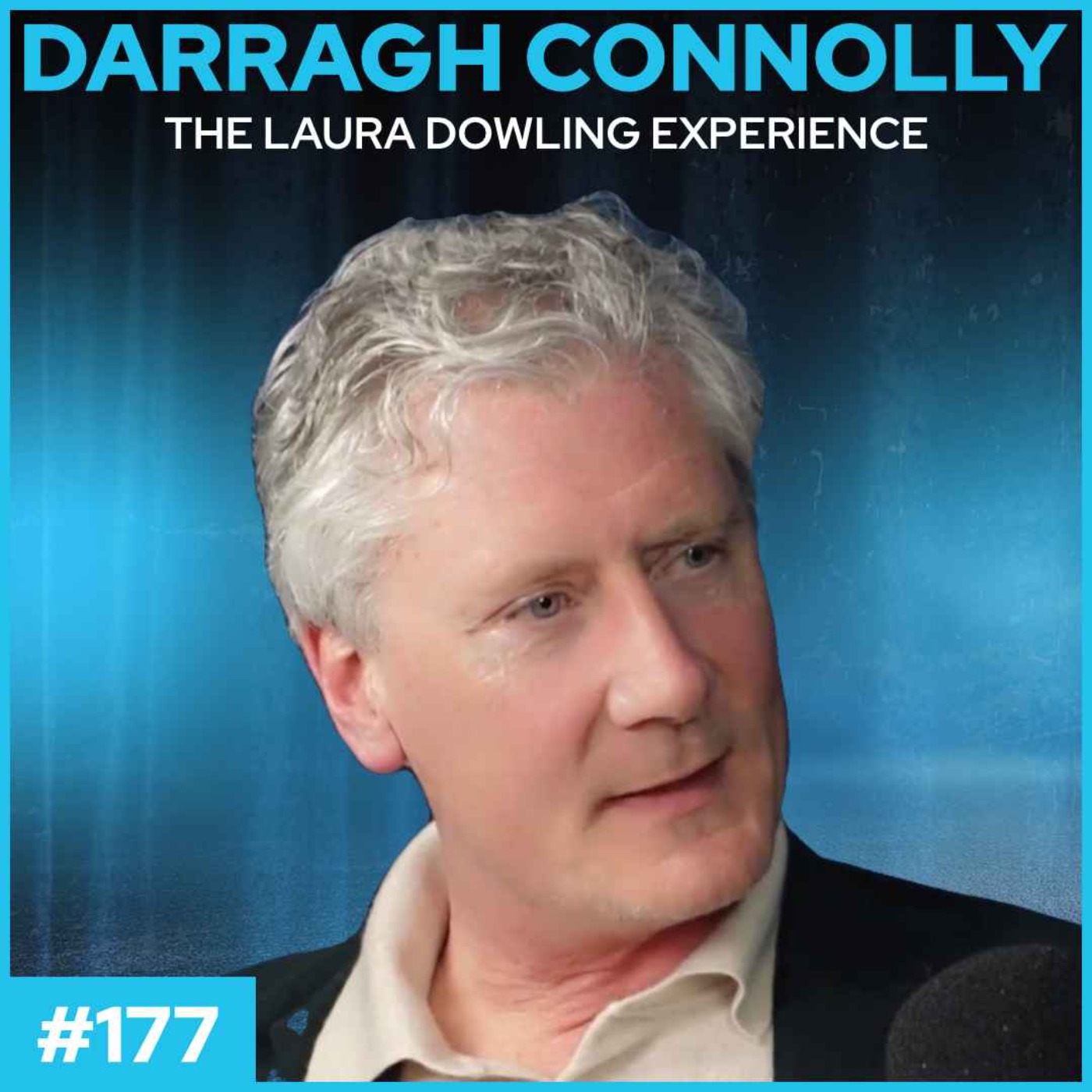
  • #176
    July 2 · 41 min

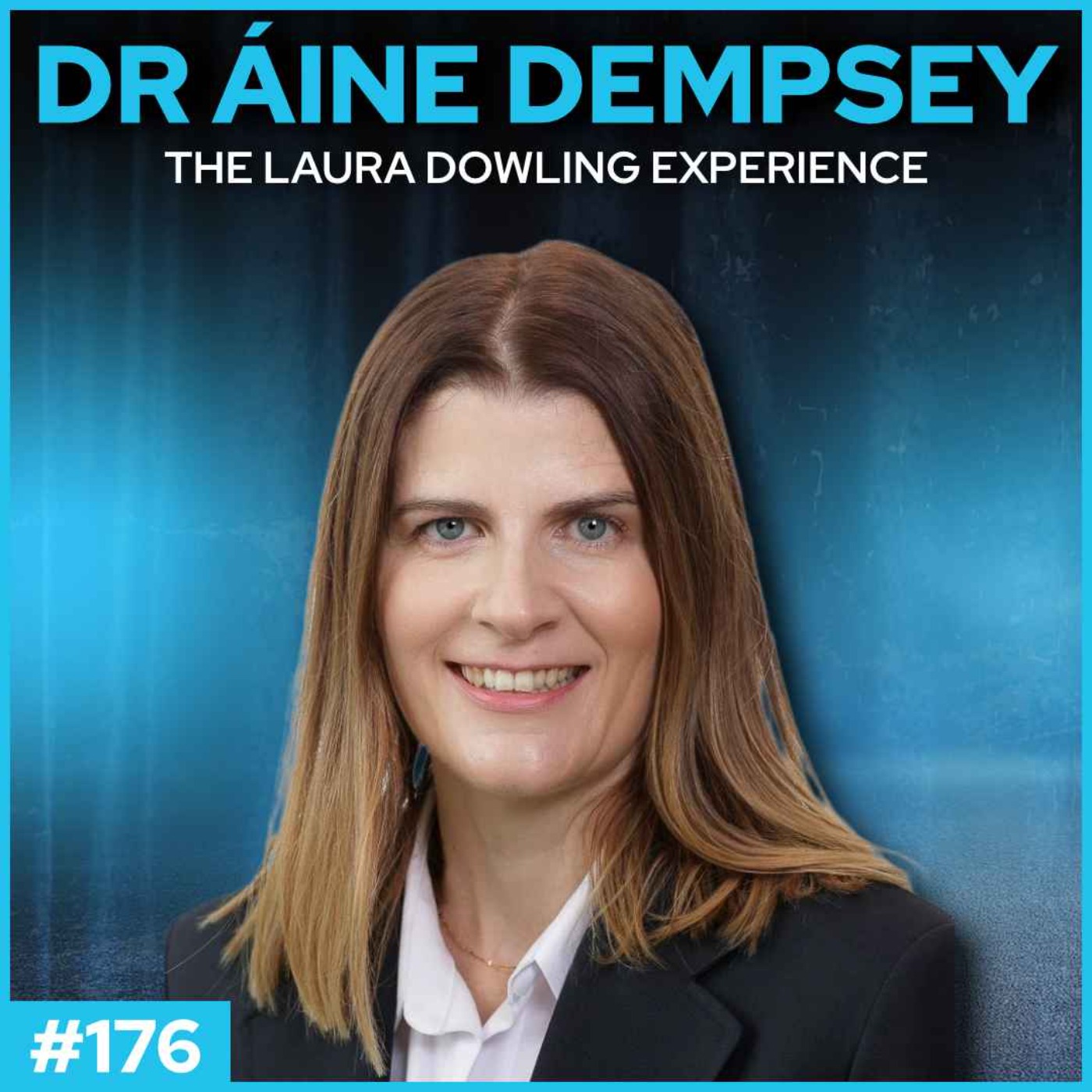
    Heavy Bleeding, the Mirena Coil and Speaking Up with Dr Áine Dempsey #176

    How many women quietly put up with heavy bleeding, painful periods or a difficult coil fitting, telling themselves it is just part of being a woman? In this episode, Laura sits down with obstetrician and gynaecologist Dr Áine Dempsey, who works at BlackRock Women's Health and at the Rotunda, for an honest, practical conversation about the things women are so often told to live with - and what can actually be done about them. Áine explains what a hysteroscopy really involves, why polyps and fibroids drive heavy bleeding, and when the Mirena coil is the right first step before ablation or surgery. She is candid about pain relief during coil fittings, the six-month settling period, and where the copper coil fits in. The conversation moves into perimenopause and HRT, smear tests, HPV and colposcopy, and the realities of painful sex, vaginismus and caring for women who carry past sexual trauma. She closes on labour ward life, her own two pregnancies, the magic of epidurals, and why no woman should feel she has to suffer in silence. At its core, this episode is about taking your own symptoms seriously and making your gynae health a priority. 🔑 Key Points Heavy bleeding is not something to put up with changing a pad every hour, bleeding for more than five days, or planning your life around your period all count, and there is plenty that can help. Flooding is a symptom women rarely volunteer Áine asks directly because most women never mention soaking through their clothes or sheets. A hysteroscopy is not as frightening as it sounds a thin camera and a well-briefed team can investigate bleeding, polyps and fibroids, usually without a general anaesthetic. You deserve proper pain relief for a coil fitting from paracetamol and ibuprofen beforehand to numbing gel and a local cervical block. The Mirena coil takes about six months to settle bloating, tenderness or mood changes often ease, and it can be used as part of HRT. HRT is about long-term health, not just symptoms beyond brain fog and night sweats, it supports heart and bone health. Painful sex is not normal whether it stems from low oestrogen, endometriosis or past trauma, there are options that help. You do not have to suffer in silence if something is affecting your quality of life, make your gynae health a priority. 📚 Resources BlackRock Health Women's Health Centre Hysteroscopy (HSE) The Mirena and copper coils (HSE) HRT and menopause treatment (HSE) Cervical screening and HPV (CervicalCheck, HSE) ⏱️ Timestamps 02:04 - Inside a day at BlackRock Women's Health 03:23 - What a hysteroscopy actually involves 06:21 - Polyps, fibroids and heavy bleeding 09:02 - Heavy bleeding and flooding in perimenopause 10:11 - The Mirena coil as a first-line treatment 13:56 - Pain relief and what to expect from a coil fitting 18:02 - The Mirena as part of HRT, and sleep 20:04 - Mental health support through menopause 22:35 - Smear tests, HPV and colposcopy 24:35 - Painful sex and trauma-informed care 29:18 - Vaginismus, physio and the pelvic floor 33:34 - Her own pregnancies and epidurals 37:56 - Don't suffer in silence Thanks for listening! You can watch the full episode on YouTube here. Don’t forget to follow The Laura Dowling Experience podcast on Instagram @lauradowlingexperience for updates and more information. You can also follow our host, Laura Dowling, @fabulouspharmacist for more insights and tips. If you enjoyed this episode, please subscribe and leave a review—it really helps us out! Stay tuned for more great conversations. Hosted on Acast. See acast.com/privacy for more information.

  • #175
    June 25 · 1 hr

    A Generational Story Behind Women & Dieting with Aimee Donnellan #175

    Aimee Donnellan joins Laura to talk about her new book Off the Scales: The Inside Story of Ozempic and the Race to Cure Obesity, and the much bigger story sitting underneath it - how generations of women learned to live with food. Through interviews with women across the world, Aimee found the same pattern repeating. A trip to a dietitian around the age of seven. A mother quietly carrying her own dieting story, passing it on through Weight Watchers, rice cakes and "don't think cute clothes mean you can come off your diet." For some, GLP-1 medications like Wegovy and Mounjaro have quietened the food noise for the first time in their lives. For others, the more confronting realisation is how differently the world treats them when they shrink. Aimee also explores how the men in her book relate to their bodies very differently, the rising scale of childhood obesity and the shame attached to it, and why the food industry has barely adjusted to a world where appetite itself is shifting. She and Laura reflect on body positivity, menopause and the pressure women carry at every stage of life, before closing on something simpler - why she thinks the meaning of life comes down to picking up the phone. 🔑 Key Points 1. Dieting often starts in childhood — Many of the women Aimee spoke to were first sent to a dietitian around age seven, framing food as something to manage rather than enjoy. 2. Mothers carry the story forward — Weight Watchers, calorie counting and "good" and "bad" foods pass quietly from mother to daughter across generations. 3. Food noise can dominate a life — Constant thoughts about food and shame-based self-talk shape how many women move through the world. 4. GLP-1 drugs change more than weight — When the food noise quietens, work, relationships, shopping and how others treat you can all shift. 5. Men and women relate to weight differently — Men often seek treatment for health reasons, while women carry decades of body criticism and comparison. 6. These drugs are not a quick fix — Muscle loss, side effects, cost and the reality of injecting long-term are rarely talked about honestly. 7. Childhood obesity is rising — Shame and clinics that don't fit larger bodies stop many families seeking help early. 8. The food industry has barely adjusted — Cheap, ultra-processed food still fills shelves, and meaningful change runs into cost and lobbying. 📚 Resources Off the Scales: The Inside Story of Ozempic and the Race to Cure Obesity — Aimee Donnellan ⏱️ Timestamps 01:00 — Welcome and the focus of the book 03:00 — Why the dieting story starts at age seven 04:30 — Rice cakes, Hershey's sauce and a mother's diet 06:00 — Sarah's first Wegovy injection 07:00 — Losing 70 pounds and a life that changes overnight 12:00 — Menopause, microdosing and Ozempic on the black market 14:00 — Body positivity, celebrity bodies and the shift back 22:00 — Plateaus, muscle loss and life-long drugs 28:00 — A Mars executive on a pharma board 36:00 — How men relate to their bodies differently 41:00 — Childhood obesity, shame and small clinic rooms 44:00 — Food deserts and the cost of real change 56:00 — Picking up the phone and choosing connection Thanks for listening! You can watch the full episode on YouTube here. Don’t forget to follow The Laura Dowling Experience podcast on Instagram @lauradowlingexperience for updates and more information. You can also follow our host, Laura Dowling, @fabulouspharmacist for more insights and tips. If you enjoyed this episode, please subscribe and leave a review—it really helps us out! Stay tuned for more great conversations. Hosted on Acast. See acast.com/privacy for more information.
  • #174
    June 18 · 1 hr 6 min

    Grief, Poetry and a New Kind of Masculinity with Darragh Fleming #174

    Darragh Fleming went viral last year for a poem — but this conversation is about everything that came before it. The Cork writer talks to Laura about a childhood spent lost in books, a long detour through sport and self-doubt, and the years he spent convinced he wasn't creative at all. At seventeen, Darragh lost his close friend Irby to suicide, and the grief changed him profoundly. For years afterwards he felt almost nothing — a numbness he didn't recognise as depression — while quietly performing the emotions other people expected of him. He's honest about the survivor's guilt that made him sabotage his own happiness, the panic attack that became his rock bottom, and how therapy and journaling slowly led him back to writing. From there the conversation opens out into the work Darragh is known for now: poetry that reimagines what it means to be a man. He and Laura discuss why anger is so often the only emotion men feel allowed to show, how language like "toxic masculinity" can shape the way boys see themselves, and why he believes emotionally healthier men make life safer for everyone. Warm, funny and full of hope, it's also a conversation about creativity in everyday life and Darragh's belief that the meaning of life is found in the people we share it with. 🔑 Key Points Grief can arrive as numbness, not sadness After losing his friend Irby at seventeen, Darragh didn't feel constant sadness but a flatness he didn't recognise as depression for years. Survivor's guilt can quietly sabotage a life He describes an unconscious sense that he wasn't allowed to be happy, which led him to undo good things whenever they started going well. Writing became a way back to feeling Journaling suggested by his therapist turned naturally into poetry, helping him name emotions he otherwise couldn't reach. Anger is often the only emotion men feel permitted Darragh argues that sadness, rejection and disappointment frequently come out as anger because men aren't given other outlets. Language shapes how boys see themselves Hearing "toxic" almost always paired with "masculinity" can lead young men to believe masculinity itself is something bad. A lighthouse, not a lifeboat Rather than trying to rescue everyone, Darragh sees his public work as showing people a way through and reminding them they're not alone. Success can arrive at the right time He reflects on being glad his career didn't take off in his twenties, when he wouldn't have been ready to carry it. 📚 Resources Thoughts Too Big — Darragh's long-running mental health blog If I Ever Have Boys — Darragh Fleming If I Ever Have Girls — Darragh Fleming Waiting for the Good Guys — Darragh Fleming The Hole — Darragh Fleming, a poem on depression and coping Dangerous Men — Lucas Jones, the poem Darragh's "If I Ever Have Boys" responded to Mental health support — Samaritans, freephone 116 123; Pieta, freephone 1800 247 247 or text 51444 ⏱️ Timestamps 00:00 — "My Dad Could Beat Up Your Dad" (cold open) 01:13 — Welcome and introduction 05:40 — Going viral with "If I Ever Have Boys" 14:53 — Why he started writing 17:31 — Losing Irby at seventeen 18:42 — The numbness he didn't know was depression 21:45 — The panic attack, therapy and journaling 33:35 — A lighthouse, not a lifeboat 35:23 — Masculinity, the manosphere and raising sons 42:42 — Language, mental illness and "toxic masculinity" 50:30 — "A Snake Named Snake" and his dad 01:01:36 — Darragh reads "My Dad Could Beat Up Your Dad" 01:03:09 — Advice for young people and the meaning of life Thanks for listening! You can watch the full episode on YouTube here. Don’t forget to follow The Laura Dowling Experience podcast on Instagram @lauradowlingexperience for updates and more information. You can also follow our host, Laura Dowling, @fabulouspharmacist for more insights and tips. If you enjoyed this episode, please subscribe and leave a review—it really helps us out! Stay tuned for more great conversations. Hosted on Acast. See acast.com/privacy for more information.

Showing 1–20 of 25 episodes