Skip to content
Artwork for The Last Mixed Tape

The Last Mixed Tape

The Last Mixed Tape

TLMT Podcast is a weekly music review show, featuring reviews and editorials on the Irish Music Scene from critic and photographer Stephen White.

Play
  • 34 episodes
  • weekly
  • Avg 14 min
  • English
Counted on this page — what you have heard stays on this device, so it is not something the list can be paged by.
  • July 11 · 15 min

    Why Julian Casablancas Refuses to Shut Up | The Strokes, Gaza & Political Speech

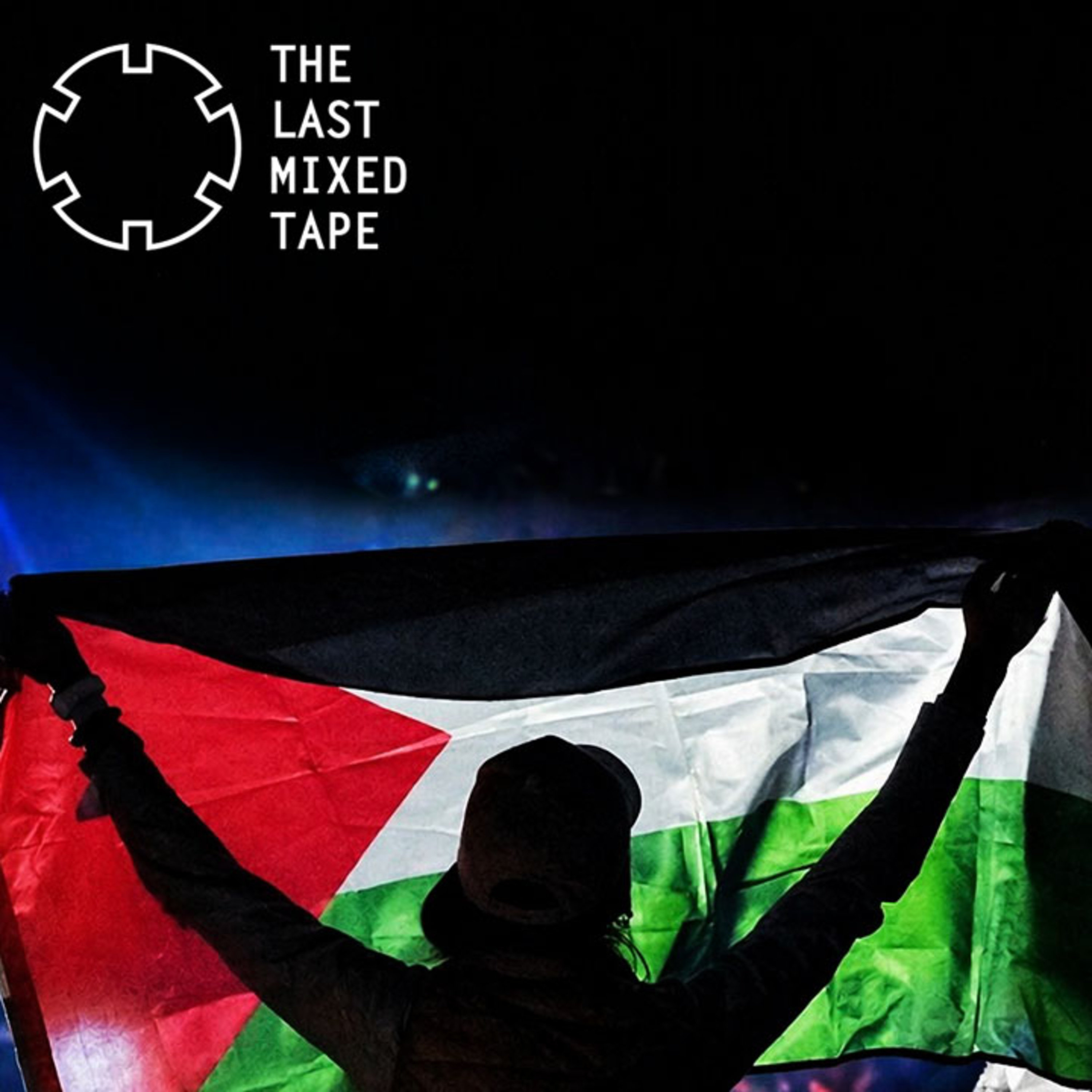
    Julian Casablancas sparked controversy after comparing American Zionists to Black people living under slavery on SubwayTakes. It was a comparison I believe was historically clumsy, rhetorically reckless and ultimately damaging to the point he was trying to make. But five weeks later, at the Oxford Union, Casablancas returned to the subject with a clearer argument centred on settlements, expansion and the reality facing Palestinians in Gaza and the occupied West Bank. In this episode of The Last Mixed Tape, Stephen White explores why context matters, why criticism and clarification can coexist, and why the conversation about a musician’s words can sometimes eclipse the people living through the reality those words were attempting to describe. From The Strokes’ politically charged Coachella performance to Douglas Murray’s comments on Irish voices discussing Israel and Palestine, this episode asks a broader question: What happens when a bad analogy becomes more famous than the reality it was trying to describe?
  • July 4 · 11 min

    Phoebe Bridgers’ Lost Boys: The Machine Killing Us

    Phoebe Bridgers is back with Lost Boys, her first solo music in six years — a song haunted by nostalgia, isolation, masculinity and the machines we carry in our pockets. At its centre is a dark inversion of one of the most famous slogans in protest music. Where Woody Guthrie wrote “This Machine Kills Fascists,” Bridgers sings: “This machine is killing me.” In this episode of The Last Mixed Tape, Stephen White explores what Lost Boys tells us about smartphones, social media, male loneliness and generations who no longer simply use technology, but have grown up inside it. From the reckless young men haunting the song’s lyrics, to Bridgers’ phone-free Lost Tour and her attempts to rebuild a more direct emotional connection with audiences, this is a story about the machines built to connect us, the people getting lost inside them… and what happens when we decide to leave the machine at the door. The song identifies the machine. The tour attempts to dismantle it.

  • June 27 · 12 min

    The Continued Fall of Róisín Murphy

    Following renewed controversy around Roisin Murphy over comments about transgender people, criticism from artists including The Blessed Madonna and CMAT, and a growing divide between Murphy and the LGBTQ+ community that helped shape her career, this episode explores a larger question. What happens when an artist becomes estranged from the community that gave their work meaning? From queer club culture and collective memory to the politics of belonging and audience, this episode examines how music is shaped not only by the people who create it, but by the communities who embrace it.

  • June 20 · 12 min

    Why Gen Z Loves The Cure | Olivia Rodrigo, Robert Smith & Music Discovery

    Olivia Rodrigo’s latest album features Robert Smith of The Cure, but this collaboration tells a much bigger story than a pop star working with one of her heroes. In this episode of The Last Mixed Tape, we explore why The Cure continue to resonate with younger listeners, how TikTok and streaming have transformed music discovery, and whether modern audiences are inheriting music differently than previous generations. Drawing on an idea from David Byrne, we examine how music now exists in a giant cultural “bucket” where new and old songs coexist without chronology, allowing artists like Olivia Rodrigo to become gateways into entire musical worlds. From The Cure and Talking Heads to Spotify playlists and TikTok algorithms, this episode is about the changing nature of musical discovery and why great songs continue to find new listeners.

  • June 13 · 14 min

    Why Ireland Still Sings Viva la Quinta Brigada | Christy Moore, Anti-Fascism & the Belfast Riots

    Following the recent unrest in Belfast, I found myself returning to one of the most powerful songs in Irish music: Christy Moore’s Viva la Quinta Brigada. What begins as a song about Irish volunteers who travelled to Spain to fight fascism during the Spanish Civil War reveals a much deeper story about Ireland itself. In this episode of The Last Mixed Tape, I explore the Connolly Column, the Blueshirts, Irish support for Franco, and Christy Moore’s role as one of Ireland’s great custodians of cultural memory. More than a history lesson, this is a story about identity, belonging, and a question Ireland has been asking for nearly a century: Who gets to define what Ireland is? From the Spanish Civil War to modern Ireland, Viva la Quinta Brigada remains a song that refuses to let us forget the choices that surround us. Topics discussed: • Christy Moore • Viva la Quinta Brigada • The Spanish Civil War • The Connolly Column • The Blueshirts • Irish history • Anti-fascism • Belfast and modern Ireland • Protest music and cultural memory The Last Mixed Tape is a podcast and video essay series exploring music, culture and the stories that connect them.

  • June 6 · 12 min

    AI Ozzy and the Death of Endings

    When reports emerged that an AI-powered version of Ozzy Osbourne could continue interacting with fans after his death, many people focused on the technology. I found myself thinking about something else. For most of human history, art survived the artist. Using Ozzy Osbourne as a starting point, this episode explores digital resurrection, AI, memory, grief, nostalgia, Mark Fisher’s “slow cancellation of the future,” and what happens when culture becomes increasingly uncomfortable with endings. Is AI Ozzy really a story about technology? Or is it a story about our growing inability to let things go?

  • May 30 · 15 min

    CMAT Just Said What Most Pop Stars Won’t

    When CMAT won Best Album at the Ivor Novello Awards, she used her acceptance speech to challenge fellow artists to stop “sitting on the fence” as fascism and far-right politics continue to rise across Britain and Ireland. It was a speech that immediately made headlines. But this episode isn’t really about one speech. It’s about the role artists play during moments of political and social tension. From Euro-Country and its examination of post-Celtic Tiger Ireland, to her support of drag culture at the Choice Music Prize, CMAT’s intervention at the Ivors didn’t come from nowhere. It was the latest expression of ideas that have been present throughout her work for years. This episode explores the speech itself, the atmosphere in which it was delivered, and a bigger question that sits at the heart of modern music culture

  • May 23 · 20 min

    How Irish Music Helped Break the Catholic Church’s Power

    For much of the twentieth century, the Catholic Church shaped almost every aspect of Irish life education, sexuality, family, politics, shame and silence. But long before Ireland changed politically, Irish artists began documenting the emotional cost of that world through music. From Christy Moore’s response to the death of Ann Lovett… to Sinéad O’Connor tearing up a photograph of the Pope on live television… to Hozier, Marriage Equality, Repeal the 8th and Fontaines D.C… this episode explores how Irish music became both witness and protest during one of the most profound cultural transformations in modern Irish history. Part music documentary, part cultural essay, this is the story of how songs carried truths Ireland often struggled to say aloud until eventually the silence itself began to collapse.

  • May 16 · 13 min

    Why Artists Are Scared To Change | Charli XCX, Rock Music & Authenticity in the Streaming Era

    “I think the dance floor is dead… so now we’re making rock music.” One sentence from Charli XCX sparked immediate online discourse. Was this the end of Brat? A reinvention? A provocation? Or something much bigger about modern music culture itself? In this episode of The Last Mixed Tape, Stephen White explores Charli XCX’s Rock Music as a case study in artistic reinvention during the streaming era — where algorithms reward familiarity, audiences expect consistency, and authenticity itself has become increasingly performative. From David Bowie and LCD Soundsystem to hyperpop, TikTok culture and the collapse of scene identity, this episode asks: What does authenticity actually mean in 2026? And maybe more importantly: Is risking your audience now the only truly authentic thing an artist can do? 🎧 The Last Mixed Tape Hosted by Stephen White

  • May 9 · 11 min

    Beyond Gender: The Real Meaning of Running Up That Hill

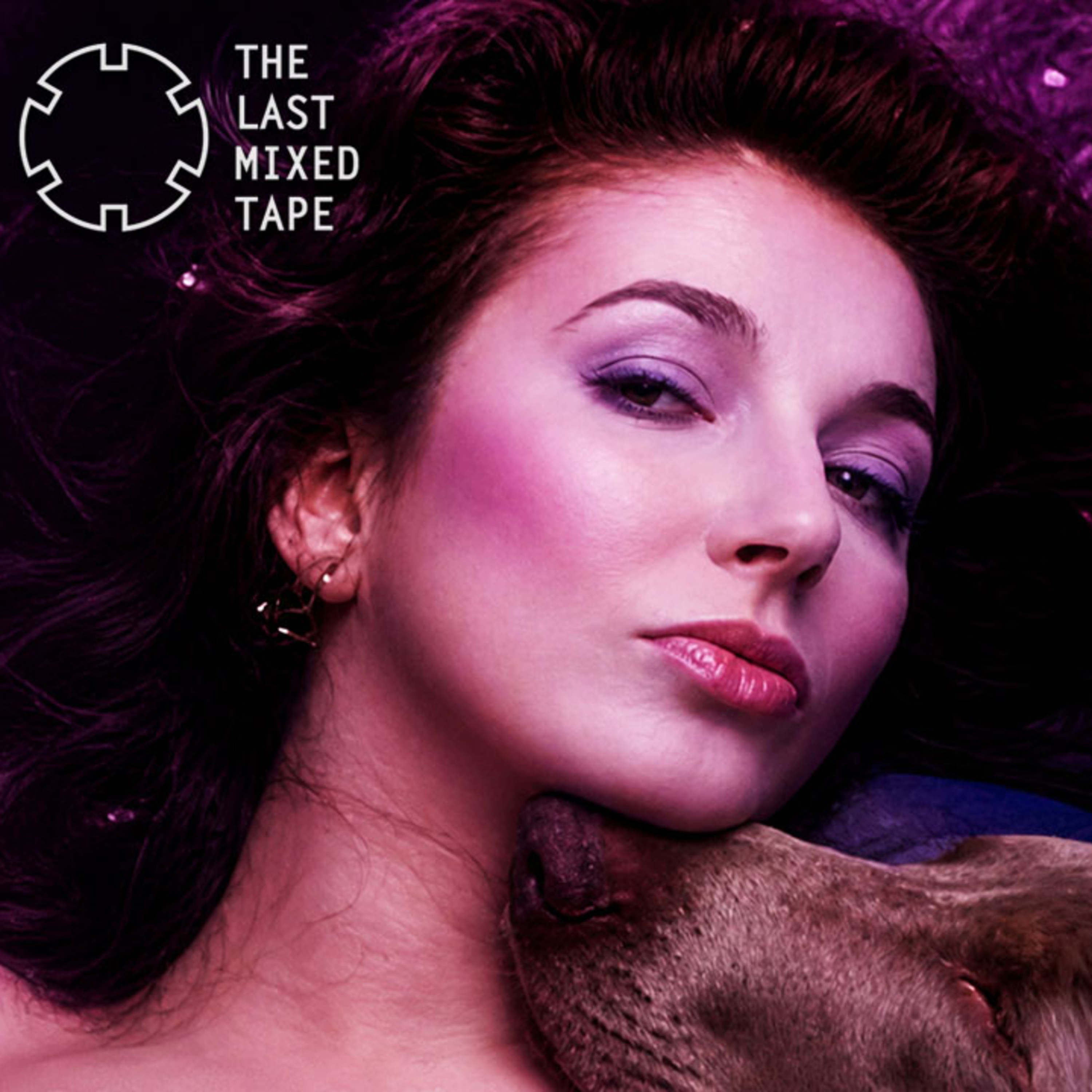
    Kate Bush described Running Up That Hill as a song about a man and a woman trying to understand each other. But what makes the song endure goes far beyond romance. In this episode of The Last Mixed Tape, Stephen White explores how Kate Bush used shifting narrative perspectives across Running Up That Hill, Cloudbusting, and This Woman’s Work to examine empathy, identity, transformation, and the impossible challenge of truly understanding another person. From the theatrical world of Hounds of Love to modern conversations around identity and perspective, this is a deep dive into why Running Up That Hill still feels decades ahead of its time.

  • May 2 · 13 min

    Fenian: Language, Identity & Kneecap’s Most Political Album

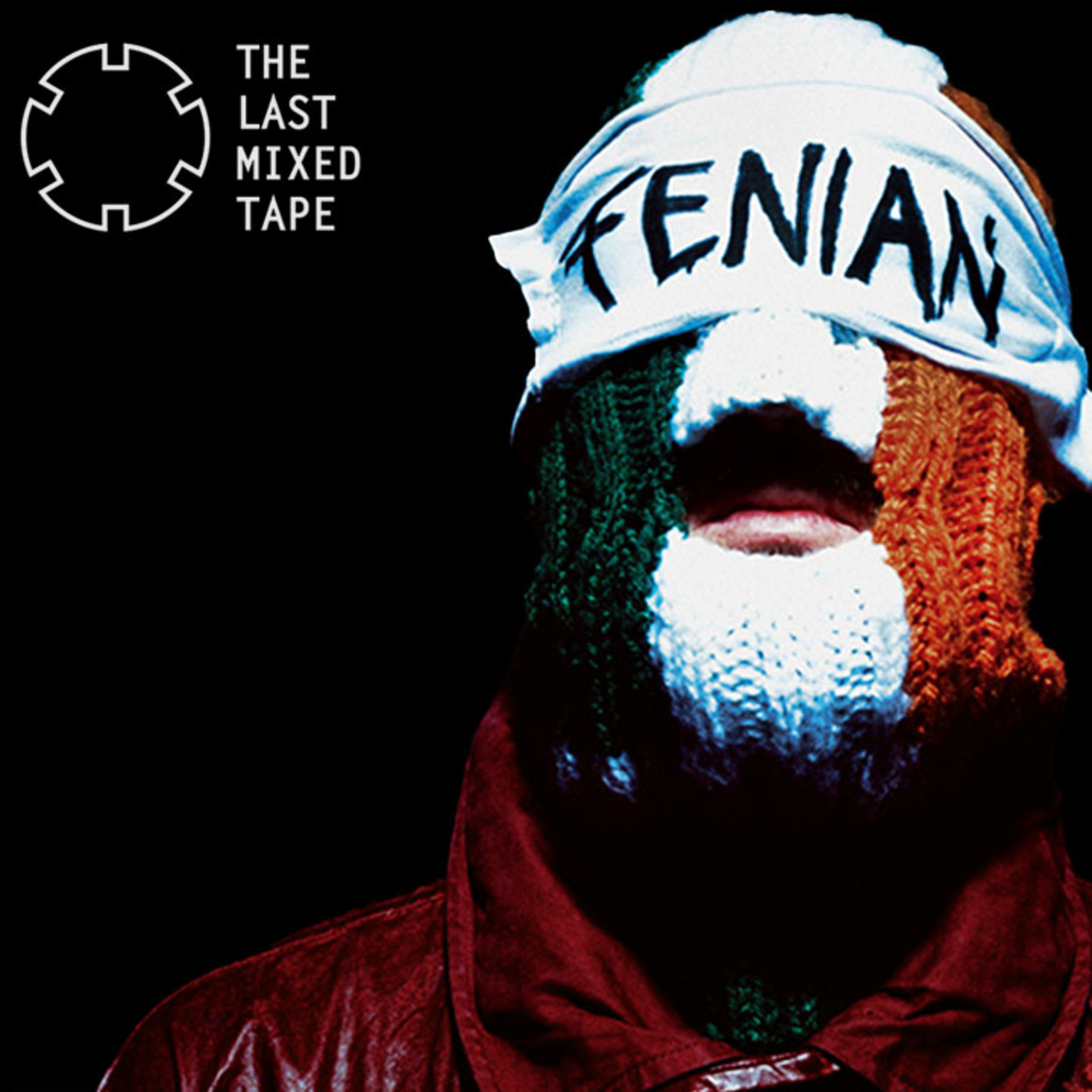
    What does the word “Fenian” really mean and can it ever be reclaimed? In this episode of The Last Mixed Tape, we explore Fenian, the new album from Kneecap, and the complex history behind one of the most loaded words in Irish identity. From its origins in Irish mythology and the Fianna, through revolutionary movements and into its use as a sectarian slur during the Troubles, “Fenian” is a word shaped by conflict, resistance, and power.

  • April 25 · 16 min

    Who Gets Banned From Eurovision? Politics, Boycotts & the 2026 Crisis

    Is the Eurovision Song Contest really apolitical or has it always been shaped by politics? With over 1,000 artists calling for a boycott of Eurovision 2026 and multiple countries withdrawing from the contest, this year’s competition has become one of the most controversial in its history. With the question of Isreal’s participation at its core. Drawing on past moments from Bosnia’s wartime entry in 1993 to political controversies involving Armenia and Ukrainethis episode examines how Eurovision has always reflected the tensions of the world around it. Because the real question isn’t whether Eurovision is political.

  • April 18 · 13 min

    Why Female Pop Stars Still Have to Do More | Bieber vs Sabrina Carpenter at Coachella

    At Coachella 2026, two performances sparked completely different reactions. Justin Bieber took to the stage with a laptop, revisiting old performances and creating a stripped-back, introspective set that divided opinion. Some called it lazy. Others called it art. Meanwhile, Sabrina Carpenter delivered a full-scale headline performance choreography, costume changes, live band and was praised for doing exactly what was expected. So why are these performances judged so differently? This video explores the double standard in pop music, and why female artists are still expected to do more to prove themselves, while male artists are often given the space to do less and have it framed as artistic. From performance, to perception, to the language we use to describe both, this is about more than just Coachella. It’s about who gets to define what “good” looks like.

  • April 11 · 14 min

    Ali Ghamsari’s Power Plant Protest: Music, Risk, and War in Iran

    In this episode of The Last Mixed Tape, Stephen White explores the meaning of Ali Ghamsari’s recent performance a US targeted Power Plant in Iran, placing it within a wider history of artists who have faced real consequences for their work from Sarajevo to the North of Ireland to Tehran.

Showing 21–34 of 34 episodes