Skip to content
Artwork for The John Batchelor Show
NewsSociety & CultureArtsBooks

The John Batchelor Show

John Batchelor Show.

The John Batchelor Show is a hard news-analysis radio program on current events, world history, global politics and natural sciences. Based in New York City for two decades, the show has travelled widely to report, from the Middle East to the South Caucasus to the Arabian Peninsula and East Asia.

Play
  • 975 episodes
  • Avg 22 min
  • English
Counted on this page — what you have heard stays on this device, so it is not something the list can be paged by.
  • S8 · E1229
    August 10 · 39 min

    S8 Ep1229: Craig Symonds, Part Two: This phase of the war focuses on the Central Pacific campaign, beginning with the brutal amphibious landing at Tarawa in 1943, where the Marines had to "invent" amphibious operations under fire. Nimitz continued to manage complex

    Craig Symonds, Part Two: This phase of the war focuses on the Central Pacific campaign, beginning with the brutal amphibious landing at Tarawa in 1943, where the Marines had to "invent" amphibious operations under fire. Nimitzcontinued to manage complex interpersonal dynamics, including the volatile "Howling Mad" Holland Smith and the difficult aviator John Towers. Despite skepticism from subordinates, Nimitz applied "calculated risk" by targeting Kwajalein directly, a decision vindicated by its swift capture. The account details the contrasting leadership styles of Raymond Spruance and Bull Halsey. Spruance's cautious but effective defense during the "Great Marianas Turkey Shoot" drew criticism from aviators, while Halsey's aggressive pursuit of "bait" carriers at Leyte Gulf nearly led to disaster. Nimitz often chose to retain Halsey despite major errors, including his failure to avoid two devastating typhoons, citing the importance of Halsey's public image and American morale. As the war reached the Japanese home islands, Nimitz faced the terrifying kamikaze threat and debated the merits of a naval blockade versus a full-scale invasion. After being briefed on the atomic bomb, the war concluded with the surrender in Tokyo Bay. Post-war, Nimitz served as Chief of Naval Operations and later co-edited the influential naval history textbook Sea Power. (2)

  • S8 · E1228
    August 10 · 39 min

    S8 Ep1228: Craig Symonds, author of Nimitz at War: Command Leadership from Pearl Harbor to Tokyo Bay, Part One: Following the devastating attack on Pearl Harbor, Admiral Chester Nimitz assumed command of the Pacific Fleet with a mission to stabilize a wrecked comman

    Craig Symonds, author of Nimitz at War: Command Leadership from Pearl Harbor to Tokyo Bay, Part One: Following the devastating attack on Pearl Harbor, Admiral Chester Nimitz assumed command of the Pacific Fleet with a mission to stabilize a wrecked command and shift from defeat to offense. Selected by FDR and Frank Knox despite initial skepticism from Admiral Ernest J. King, Nimitz's leadership was characterized by a calm, humble, and collaborative approach, contrasting with King's hard-driving nature. Central to his strategy was the concept of "calculated risk"—the principle of assuming no risk greater than the potential benefit. The narrative explores Nimitz's reliance on intelligence officers like Edwin Layton and Joseph Rochefort, whose code-breaking efforts were vital to successes at the Battle of the Coral Sea and the Battle of Midway. Nimitz demonstrated a keen ability to manage difficult personalities and navigate naval rivalries, such as the friction between "brown shoe" aviators and "black shoe" ship drivers. During the precarious Guadalcanal campaign, Nimitz made the critical decision to replace the cautious Admiral Ghormley with the aggressive William "Bull" Halsey to maintain momentum against the Japanese. Throughout this period, Nimitz balanced professional pressures with personal discipline, maintaining a rigorous exercise routine while communicating his private concerns only to his wife. (1)

  • S8 · E1227
    August 10 · 37 min

    S8 Ep1227: Serhii Plokhy, Part Two: The second part focuses on the 2022 full-scale invasion, defined by Putin's catastrophic miscalculation that his troops would be welcomed as liberators. Instead, Ukraine demonstrated remarkable resilience under President Zelenskyy

    Serhii Plokhy, Part Two: The second part focuses on the 2022 full-scale invasion, defined by Putin's catastrophic miscalculation that his troops would be welcomed as liberators. Instead, Ukraine demonstrated remarkable resilience under President Zelenskyy and military leaders like General Oleksandr Syrskyi. Plokhy highlights the "outright criminality" of Russian tactics, specifically the reckless use of nuclear sites like Chernobyl and Zaporizhzhia as military shields and tools of international blackmail. He notes that the defense of sites like the Azovstal steel plant in Mariupolbecame global symbols of Ukrainian resistance. The war has triggered profound global shifts, including Germany's "Zeitenwende" and Japan's move toward providing military support. Former "interlocutors" like Emmanuel Macronhave shifted from seeking accommodation to joining the US-led coalition, while diplomatic mediation has fallen to leaders like President Erdoğan of Turkey. Furthermore, Ukraine's effective defense has likely contributed to stability in East Asia by discouraging a Chinese military adventure in Taiwan. While Putin views the war through an imperial lens, NATO has rediscovered its purpose in defending the international order. Plokhy concludes that while Putin is destroying Russia's future, the war may eventually force the nation to rethink itself as a modern state rather than an empire. (2)

  • S8 · E1226
    August 10 · 37 min

    S8 Ep1226: Stephen Moss, Part Two: Moss explores the Raven, a bird of deep mythology and intelligence, appearing in Norse legends as Odin's messengers and in modern culture like Game of Thrones. Though often seen as harbingers of doom in works by Shakespeare and Poe

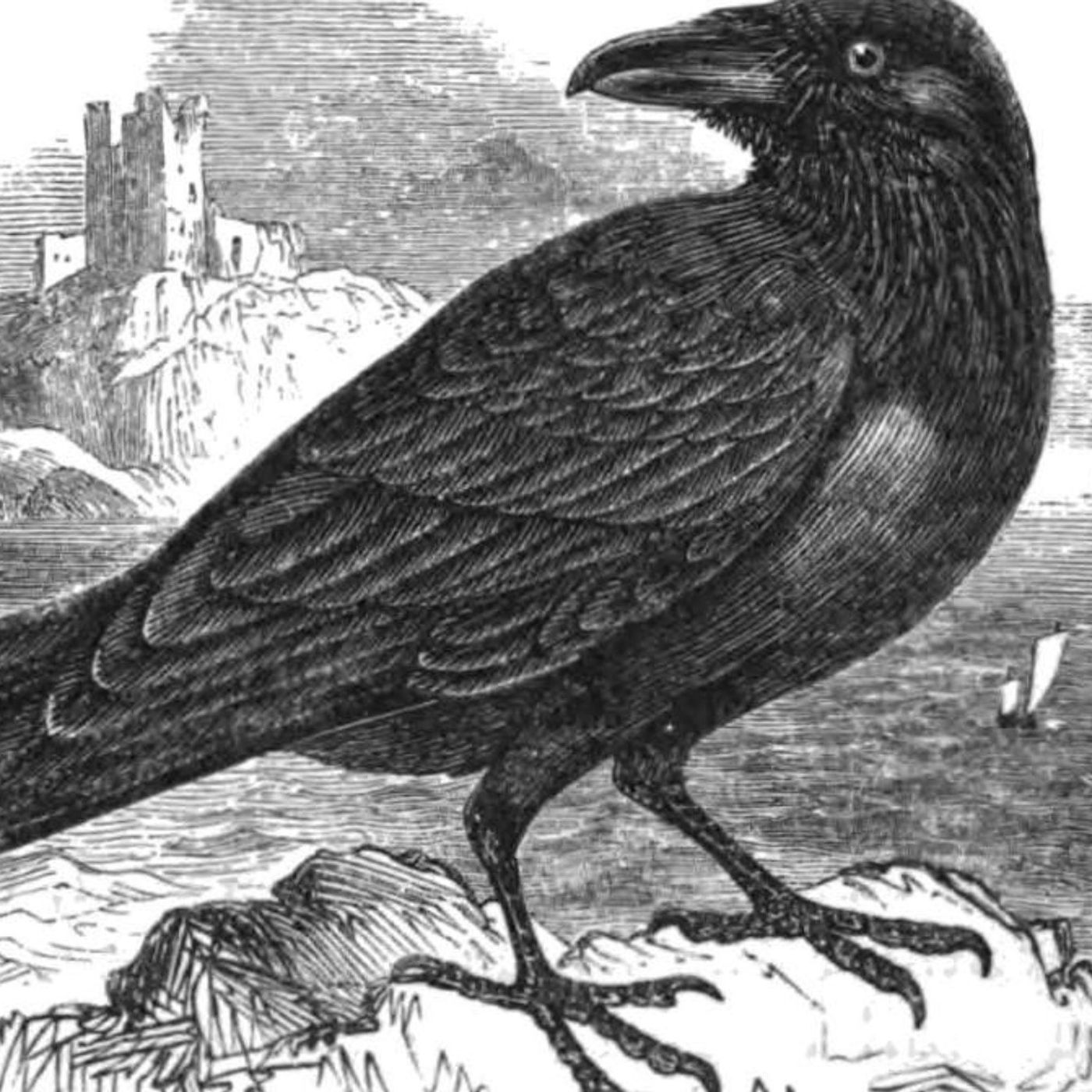
    Stephen Moss, Part Two: Moss explores the Raven, a bird of deep mythology and intelligence, appearing in Norselegends as Odin's messengers and in modern culture like Game of Thrones. Though often seen as harbingers of doom in works by Shakespeare and Poe, Ravens are highly adaptable and have successfully recolonized urban areas. The narrative shifts to the Cormorant, whose guano fueled a 19th-century fertilizer boom that enriched businessmen while exploiting Chinese indentured laborers. This led to synthetic fertilizers, which Moss argues have caused a decline in farmland birds like the Gray Partridge and Skylark. A tragic highlight is Mao Zedong's campaign against the Tree Sparrow, which triggered a massive insect population boom and a famine killing up to 50 million people. Moss also recounts the "Emu War," where the Emu successfully evaded the Australian army's machine guns. The Snowy Egret's near-extinction due to the fashion industry's demand for plumes is credited with sparking the founding of the Audubon Society by women activists. Finally, the Emperor Penguin is presented as a modern "miner's canary," signaling the urgent threat of the climate crisis to global biodiversity. (2)

  • S8 · E1225
    August 10 · 37 min

    S8 Ep1225: Stephen Moss, author of Ten Birds That Changed the World, Part One: Moss discusses how birds shaped human history, starting with the Wild Turkey, which nearly became America's national bird and was essential to pilgrim survival. The naming of the Turkey s

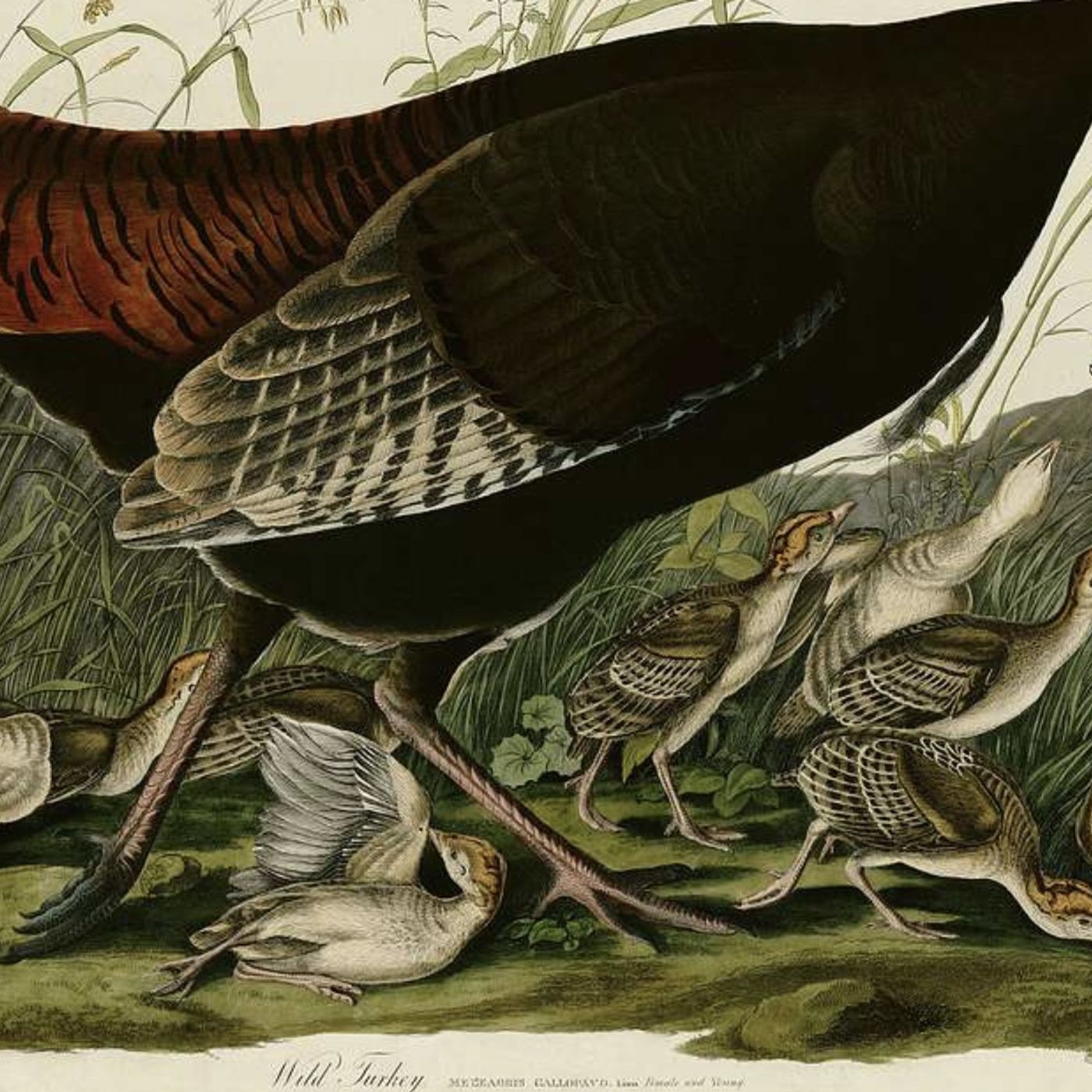
    Stephen Moss, author of Ten Birds That Changed the World, Part One: Moss discusses how birds shaped human history, starting with the Wild Turkey, which nearly became America's national bird and was essential to pilgrim survival. The naming of the Turkey stems from 16th-century confusion regarding Turkish merchants and African Guinea Fowl. Moss contrasts the Turkey with the Bald Eagle, a symbol of predatory power adopted from Roman traditions and later by Napoleon and the Nazis. The segment explores the Pigeon, the "great communicator" crucial for military messaging during D-Day and World War I, including the heroic pigeon Cher Ami. A significant portion debunks the myth of Darwin's Finches, noting that Charles Darwin initially misidentified them and failed to label their specific islands. The discussion touches on the intelligence and convergent evolution of Australian species like the Magpie and Willie Wagtail. Finally, the Dodo is introduced as the "icon of extinction." This flightless bird's demise on Mauritius, caused by human-introduced predators like monkeys and rats, forced humanity to confront the reality that species could vanish forever. Moss notes that while the Dodo is gone, its story inspired modern conservation efforts to save birds like the Pink Pigeon and Mauritius Kestrel. (1)

  • S8 · E1224
    August 9 · 37 min

    S8 Ep1224: H.W. Brands, Part Two: In 1941, the debate intensifies over the Lend-Lease Act, which Lindbergh argues supports British imperialism rather than democracy. Lindbergh testifies before Congress, asserting that air power makes the Western Hemisphere more defe

    H.W. Brands, Part Two: In 1941, the debate intensifies over the Lend-Lease Act, which Lindbergh argues supports British imperialism rather than democracy. Lindbergh testifies before Congress, asserting that air power makes the Western Hemisphere more defensible, contradicting Roosevelt's claims that technology has made America more vulnerable. Roosevelt declares an "unlimited national emergency," casting anti-interventionists as disloyal "copperheads" and "fifth columnists." The America First movement is effectively ruined following Lindbergh's Des Moines speech, in which he identifies "Jewish Americans" as a group pushing the U.S. toward war, leading to widespread accusations of anti-Semitism. The national debate ends abruptly with the attack on Pearl Harbor and Hitler's subsequent declaration of war. Although Roosevelt bars his chief critic from official military service, Lindbergh eventually flies combat missions surreptitiously as a civilian consultant in the Pacific. (2) v

  • S8 · E1223
    August 9 · 37 min

    S8 Ep1223: H.W. Brands, author of America First: Roosevelt vs. Lindbergh in the Shadow of War, Part One: In April 1939, world-famous aviator Charles Lindbergh returns to the United States as global tensions escalate. Lindbergh, who moved to Europe following the "tri

    H.W. Brands, author of America First: Roosevelt vs. Lindbergh in the Shadow of War, Part One: In April 1939, world-famous aviator Charles Lindbergh returns to the United States as global tensions escalate. Lindbergh, who moved to Europe following the "trial of the century" regarding his son's kidnapping, admires German technical proficiency but is deeply skeptical of British endurance. President Franklin Roosevelt attempts to co-opt Lindbergh into his administration to control his influence, but Lindbergh refuses, fiercely guarding his independence. When war erupts in Europe, Lindbergh uses his celebrity status to broadcast radio appeals for neutrality, believing American intervention would repeat the "mistake" of World War I. Meanwhile, Roosevelt maneuvers to modify the Neutrality Act and shift public opinion toward supporting Britain. Lindbergh views the fall of France as vindication for staying out of the conflict, while FDRuses the international emergency to justify a historic third term, a move Lindbergh fears will lead to a "presidency for life." (1)

  • S8 · E1222
    August 9 · 37 min

    S8 Ep1222: Anne Stevenson-Yang, author of Wild Ride: A Short History of the Opening and Closing of the Chinese Economy, provides an account of China's economic arc over five decades. The narrative begins in the mid-1980s, transitioning from a Maoist culture characte

    Anne Stevenson-Yang, author of Wild Ride: A Short History of the Opening and Closing of the Chinese Economy, provides an account of China's economic arc over five decades. The narrative begins in the mid-1980s, transitioning from a Maoist culture characterized by extreme poverty to a burgeoning export-led economy envisioned by Deng Xiaoping. This "miracle" was fueled by "red capitalism," where the children of political elites—the princelings—amassed massive wealth by controlling key economic nodes and resources. The central government sustained growth through aggressive interventions, including "golden projects" for state control and massive cash injections following the 1998 and 2008 financial crises. This led to an era of "ghost cities" and redundant infrastructure as the country became "drowned in cash." However, this expansion was built on unsustainable debt and unproductive assets. By 2020, the COVID-19 pandemic and subsequent severe lockdowns shattered public trust and triggered a financial crisis in the real estate sector. Currently, the Chinese economy faces deflation and stagnation. Under Xi Jinping, the state has prioritized surveillance and national security over capitalistic freedom, marking the closing of the Chinese economic miracle. (1)

  • S8 · E1216
    August 9 · 37 min

    S8 Ep1216: William Taubman, Part Two: Taubman examines McNamara's "double life" during the Vietnam War under Lyndon Johnson. While acting as the public architect of escalation, including his role in securing the 1964 Gulf of Tonkin Resolution through omitted facts,

    William Taubman, Part Two: Taubman examines McNamara's "double life" during the Vietnam War under Lyndon Johnson. While acting as the public architect of escalation, including his role in securing the 1964 Gulf of Tonkin Resolution through omitted facts, McNamara privately harbored deep doubts. By 1966, he secretly confessed to aides a desperate desire to bring troops home. His personal life was marked by a close, "opaque" friendship with Jackie Kennedy, who repeatedly begged him to "end the slaughter." Facing increasing pressure from anti-war protests and a fracturing relationship with Johnson, McNamara left the Pentagon to lead the World Bank. He redirected the bank's mission toward helping "the poorest of the poor," which Taubman characterizes as a form of "repentance" for Vietnam. In his later years, McNamara issued serial confessions regarding his mistakes, Agent Orange, and the war's devastating human cost. (2)

  • S8 · E1215
    August 9 · 37 min

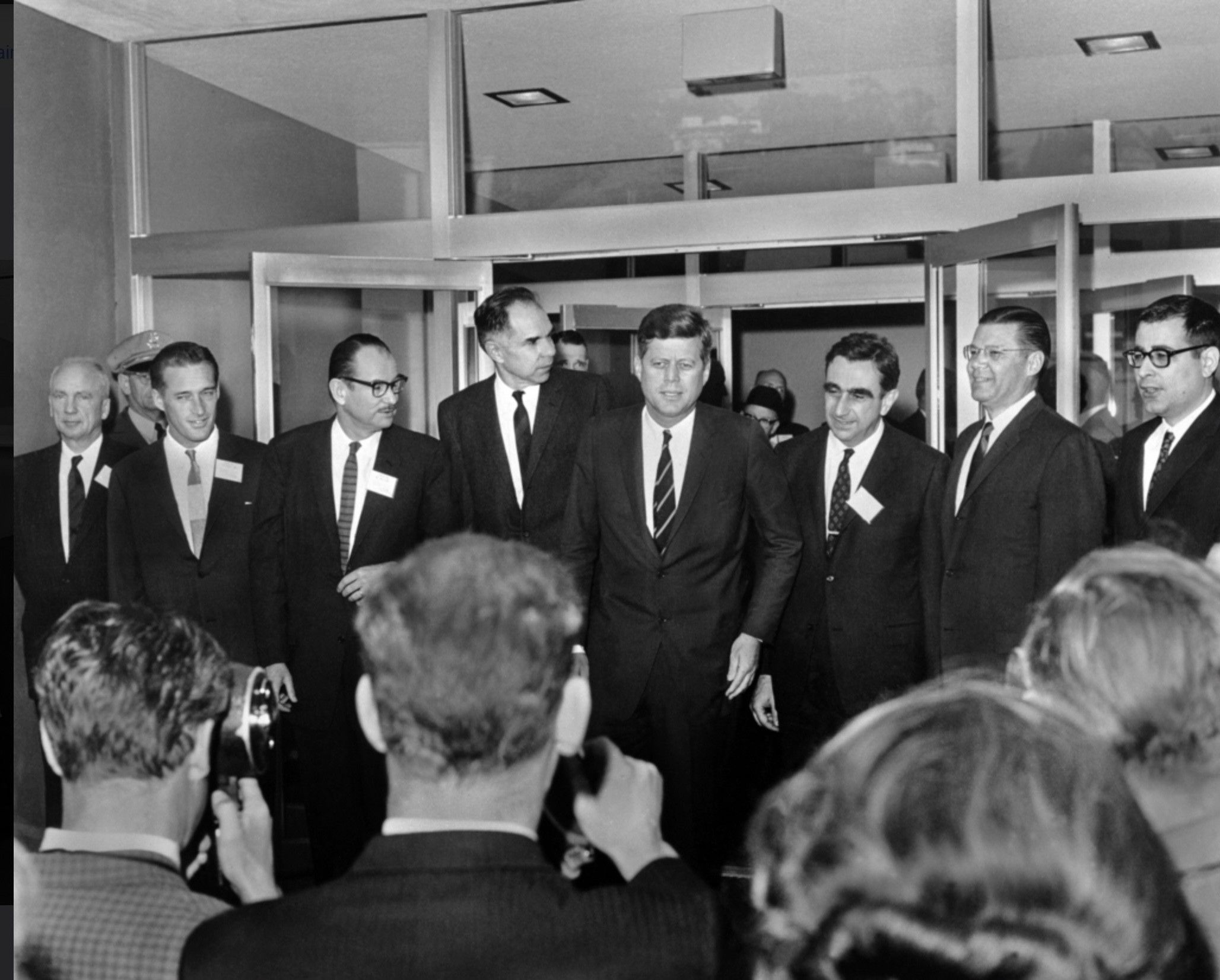
    S8 Ep1215: William Taubman, author of McNamara at War: A New History, Part One: Taubman discusses Robert McNamara's early career and rise to power, beginning with his role as a World War II statistician on Guam. McNamara advised General Curtis LeMay on low-altitudee

    William Taubman, author of McNamara at War: A New History, Part One: Taubman discusses Robert McNamara's early career and rise to power, beginning with his role as a World War II statistician on Guam. McNamara advised General Curtis LeMay on low-altitude bombing tactics that led to the devastating Tokyo firebombing, a success he later considered a moral "stain." Taubman explores his psychological need to serve "strong men," a trait tracing back to his childhood with a cold father and a mother who relentlessly pushed him to excel. After becoming one of the "Whiz Kids" who modernized Ford Motor Company, McNamara was recruited by John F. Kennedy as Secretary of Defense. He quickly became the "star" of the cabinet, guiding the administration through the Bay of Pigs and the Cuban Missile Crisis. Following JFK's assassination, McNamara immediately committed his loyalty to Lyndon Johnson, despite the friction between the Kennedy inner circle and the new president. (1)

  • S8 · E1222
    August 9 · 34 min

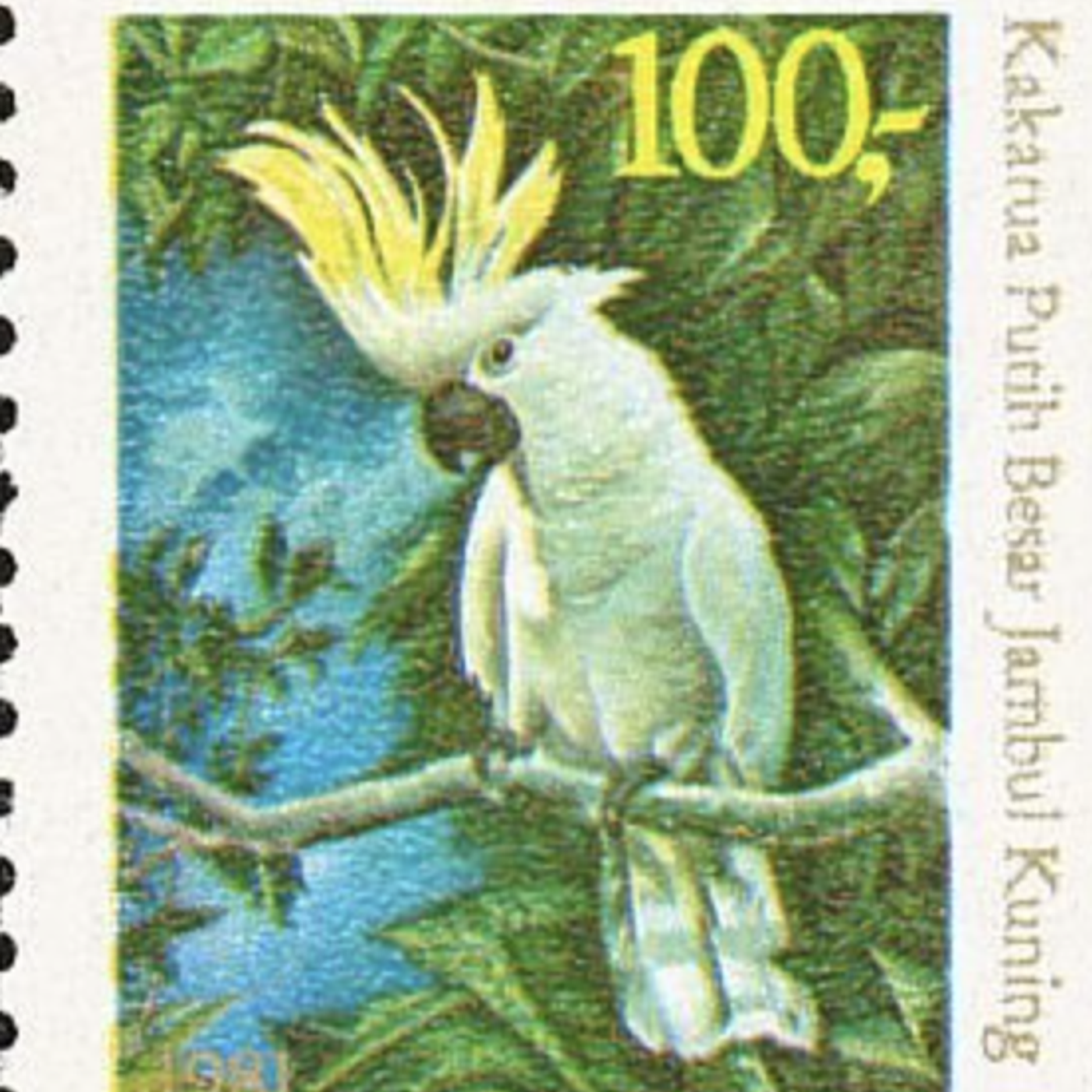
    S8 Ep1222: Jeremy Zakis, Part Two: Zakis joins John Batchelor to explore accounts of animal mischief and human deception. Two beagle puppies, Jada and Scooter, consumed 2.4 pounds of gummy snakes after breaking into a pantry in Queensland; while Scooter was the prim

    Jeremy Zakis, Part Two: Zakis joins John Batchelor to explore accounts of animal mischief and human deception. Two beagle puppies, Jada and Scooter, consumed 2.4 pounds of gummy snakes after breaking into a pantry in Queensland; while Scooter was the primary culprit and required veterinary intervention, both survived. Other dogs, such as spaniels Charlie and Sailor, have learned to intercept Amazon and UPS delivery packages to steal snack cookies and cooked knuckles, acting like "jewel thieves," while the spoodle Dallas previously learned to smash plastic containers off shelves at specific angles to pop the lids and access treats. In New South Wales, cockatoos are described as "vandals of the sky" for systematically destroying birdhouses and stripping materials from roofs; while Dallas is territorial and keeps them off his property, he maintains a "best friends" relationship with the local magpies, allowing them to feed in the yard. Finally, Zakis examines "Clickgate," a scandal in English cricket following a July 25th match between Saltburn and Norton in North Yorkshire: a fielder was caught on camera clicking his fingers at the exact moment a ball passed a batter, mimicking the sound of ball hitting bat—the cue umpires rely on for "caught behind" calls. This "sneaky underhanded tactic" resulted in the batter being wrongly called out, ultimately costing his team the game. (2)

  • S8 · E1221
    August 9 · 11 min

    S8 Ep1221: Jeremy Zakis, Part One: Zakis discusses the looming threat of a Super El Niño, characterized by sea surface temperatures in the Eastern Pacific rising 2.5°C above normal, resulting in extreme atmospheric turmoil and more severe weather patterns than a sta

    Jeremy Zakis, Part One: Zakis discusses the looming threat of a Super El Niño, characterized by sea surface temperatures in the Eastern Pacific rising 2.5°C above normal, resulting in extreme atmospheric turmoil and more severe weather patterns than a standard El Niño. Meteorologists in Australia are warning that this event may be the strongest in 500 to 1,000 years, potentially causing upwards of $600 billion in damage worldwide. Australians are being urged to prepare much earlier than usual—by September—for a catastrophic bushfire season, clearing "leaf litter" and shrubbery that acts as kindling and cutting back eucalyptus trees that overhang homes. Zakis describes a "vicious cycle": heavy rains currently hitting parts of Australia encourage rapid undergrowth, and when the intense heat and drought arrive, this growth dries out and becomes fuel, while eucalyptus trees become "balls of fire" due to the oil in their trunks. The heating of the Pacific has made weather highly unpredictable—South Australia has already experienced localized flooding in Adelaide, and heavy rain bands are expected to impact Queensland, Victoria, and New South Wales. In North America, the event is expected to bring drought to the Southwest but unusual precipitation and heavy snow to New England. (1)

  • S8 · E1221
    August 9 · 37 min

    S8 Ep1221: **Mary Roach**, author of *Replaceable You*, explores the past, present, and future of reconstructing or replacing human anatomy. Roach details the treatment of severe third-degree burns using allografts from cadavers or unconventional biological dressing

    Mary Roach, author of Replaceable You, explores the past, present, and future of reconstructing or replacing human anatomy. Roach details the treatment of severe third-degree burns using allografts from cadavers or unconventional biological dressings like Icelandic cod skin. Advancements in 3D-printing allow researchers to use "ink" made of cells and collagen to create complex structures like heart ventricles and valves. Furthermore, the book examines xenotransplantation, which involves using genetically edited pigs to provide "stop-gap" organs for patients on waiting lists, and the potential for chimeras to grow human-compatible kidneys. Beyond high-tech solutions, Roach highlights the impact of tissue donation, where a single deceased donor can benefit 70 people through gifts of bone, skin, and corneas. Finally, Roach investigates the history of nasal repair and modern plastic surgeons' application of the Fibonacci sequence to achieve mathematical perfection in aesthetic procedures. (1)

  • S8 · E1221
    August 9 · 38 min

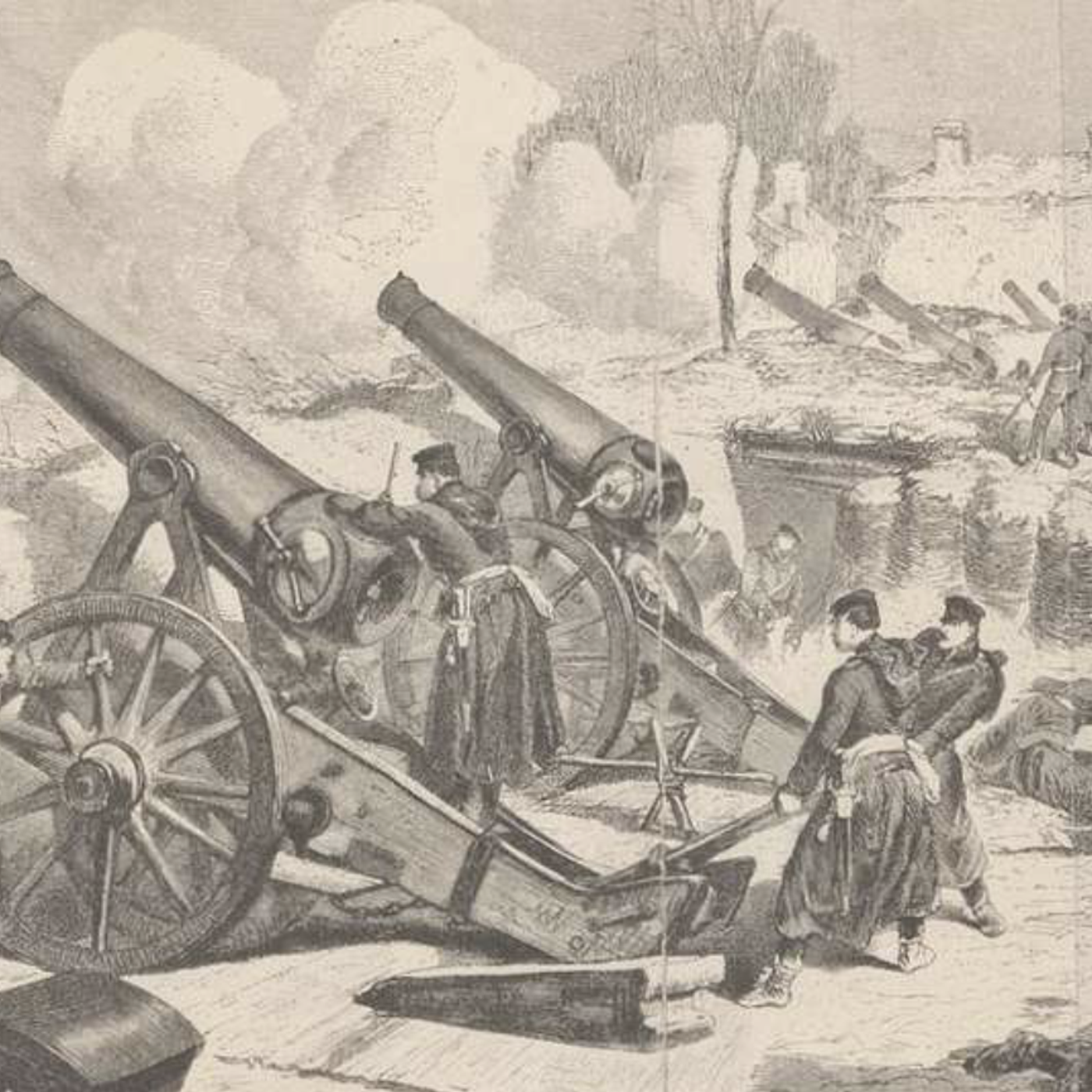
    S8 Ep1221: Sebastian Smee, Part Two: The narrative follows the 1871 Paris Commune and "Bloody Week," where civil war left the city in ruins. Amidst this trauma, Berthe Morisot resolved to become a professional artist, developing a radical style focused on domesticit

    Sebastian Smee, Part Two: The narrative follows the 1871 Paris Commune and "Bloody Week," where civil war left the city in ruins. Amidst this trauma, Berthe Morisot resolved to become a professional artist, developing a radical style focused on domesticity and the "fugitive effects" of light. Smee details the technical shift to "en plein air" painting, prioritizing direct observation over traditional studio structure. The personal saga concludes with Morisot's marriage to Manet's brother and her legacy as a pioneer of the movement. Ultimately, Impressionism is defined as an art of transience, capturing fleeting beauty within a fragile society. (2)

  • S8 · E1221
    August 9 · 37 min

    S8 Ep1221: Sebastian Smee, author of Paris in Ruins: Love, War, and the Birth of Impressionism, Part One: In 1874, artists staged a revolutionary independent exhibition in Paris, marking the birth of Impressionism. Smee explores how painters like Monet and Morisot r

    Sebastian Smee, author of Paris in Ruins: Love, War, and the Birth of Impressionism, Part One: In 1874, artists staged a revolutionary independent exhibition in Paris, marking the birth of Impressionism. Smee explores how painters like Monet and Morisot revolted against the rigid Salon hierarchy, seeking to capture contemporary life and light rather than mythology. The movement's name originated from a critic's insult regarding Monet's Impression, Sunrise. Central to the narrative is Édouard Manet, a passionate Republican whose loathing of Napoleon III influenced his peers. The story details the intimate bond between Manet and Berthe Morisot before the catastrophic Franco-Prussian War and the 1870 siege of Paris devastated the nation. (1)

  • S8 · E1220
    August 8 · 9 min

    S8 Ep1220: SCHEDULE THE JOHN BATCHELOR SHOW, 8-7-2026. Kevin Frazier addresses the growing misinformation surrounding data centers, particularly in rural America where they are often viewed as threats to water and power.

    SCHEDULE THE JOHN BATCHELOR SHOW, 8-7-2026. Kevin Frazier addresses the growing misinformation surrounding data centers, particularly in rural America where they are often viewed as threats to water and power. He argues that these facilities provide massive tax base contributions and high-paying construction jobs, yet are often rejected by the communities that need them most. Frazier highlights New York's moratorium on large data centers as a counterproductive move that pushes infrastructure to less suitable locations. He proposes a "cap and trade" system to prevent states from free-riding on the national digital infrastructure. Comparing data centers to the interstate highway system, Frazier emphasizes that the physical "cloud" is essential for the modern economy. He calls for Congressional action to codify a "ratepayer protection pledge," ensuring that tech companies, rather than consumers, bear the costs of grid upgrades. (8)

  • S8 · E1219
    August 8 · 19 min

    S8 Ep1219: Kevin Frazier addresses the growing misinformation surrounding data centers, particularly in rural America where they are often viewed as threats to water and power. He argues that these facilities provide massive tax base contributions and high-paying co

    Kevin Frazier addresses the growing misinformation surrounding data centers, particularly in rural America where they are often viewed as threats to water and power. He argues that these facilities provide massive tax base contributions and high-paying construction jobs, yet are often rejected by the communities that need them most. Frazier highlights New York's moratorium on large data centers as a counterproductive move that pushes infrastructure to less suitable locations. He proposes a "cap and trade" system to prevent states from free-riding on the national digital infrastructure. Comparing data centers to the interstate highway system, Frazier emphasizes that the physical "cloud" is essential for the modern economy. He calls for Congressional action to codify a "ratepayer protection pledge," ensuring that tech companies, rather than consumers, bear the costs of grid upgrades. (8)

  • S8 · E1218
    August 8 · 17 min

    S8 Ep1218: Henry Sokolski discusses the stalled nuclear cooperative agreement between the U.S. and Saudi Arabia, noting that the lack of enrichment restrictions has left the deal in limbo. He explains that a new condominium between Saudi Arabia, Turkey, and Pakistan

    Henry Sokolski discusses the stalled nuclear cooperative agreement between the U.S. and Saudi Arabia, noting that the lack of enrichment restrictions has left the deal in limbo. He explains that a new condominium between Saudi Arabia, Turkey, and Pakistan is designed to counter Iran and Israel, making the Abraham Accords seem "delusional." Sokolski also reflects on the atomic bombings of Hiroshima and Nagasaki, noting that Japan's new leadership is considering a review of its non-nuclear principles. Furthermore, he reports on a Chinese study simulating the use of nuclear warheads to intercept asteroids, which he interprets as a potential cover for placing weapons in space. The conversation ends with a discussion on the need for increased drone regulations at critical facilities like Vandenberg Space Force Base following an incident involving an unregistered drone and a foreign national. (7)

  • S8 · E1218
    August 8 · 37 min

    S8 Ep1218: Harry Sidebottom explores the world of Roman gladiators, describing the Colosseum as a building that reinforced social hierarchy through strictly assigned seating. The day's events began with a stylized procession representing Roman dominance over nature

    Harry Sidebottom explores the world of Roman gladiators, describing the Colosseum as a building that reinforced social hierarchy through strictly assigned seating. The day's events began with a stylized procession representing Roman dominance over nature and foreign lands. Sidebottom highlights Emperor Commodus, who was genuinely obsessed with fighting in the arena, a choice that earned him animosity from the Senate. The schedule included beast hunts in the morning and gruesome midday executions of criminals, which were often staged as mythological plays. While some scholars view the martyrdom of Christians like Perpetua as literary propaganda, Sidebottom details the intense physical strain and strict rules enforced by referees during paired combat. The gladiatorial games eventually disappeared in the fifth century as the cultural and moral outlook of Rome shifted. (6)

  • S8 · E1217
    August 8 · 19 min

    S8 Ep1217: Bob Zimmerman highlights several developments in space, starting with the startup Catalyst's daring mission to rescue the decaying Swift space telescope. Despite thruster failures, engineers are attempting to use the remaining hardware to move the telesco

    Bob Zimmerman highlights several developments in space, starting with the startup Catalyst's daring mission to rescue the decaying Swift space telescope. Despite thruster failures, engineers are attempting to use the remaining hardware to move the telescope's orbit. Zimmerman also discusses a Falcon 9 upper stage that impacted the moon, providing valuable spectroscopic data. Good news arrives from Voyager 2, which underwent a "big bang" power reconfiguration to extend its life to at least 2027. On Pluto, new analysis of Sputnik Planitia suggests the planet is geologically active, featuring melting nitrogen underneath its frozen surface. Regarding corporate updates, Blue Origin has identified an oxygen valve failure as the cause of a recent engine explosion, while SpaceX prepares for an orbital Starship flight this month. Finally, Zimmerman reviews the struggles of commercial spaceports in New Zealand and the UK. (5)

Showing 921–940 of 975 episodes