Skip to content
Artwork for The Jazz Real Book
MusicMusic Commentary

The Jazz Real Book

Jay Sweet

In this podcast, Jazz History professor, biographer, musician, and popular podcaster Jay Sweet will help guide you through the tunes included in the Jazz Real Book. For decades, this book (often called "The Jazz Bible") has been a resource for jazz musicians looking to learn jazz standards and repertoire. This podcast will discuss essential recordings and details associated with the songs in the Jazz Real Book, the musicians who created the material, and the recordings that inspire jazz musicians and fans worldwide.

Play
  • 27 episodes
  • Avg 44 min
  • English
Counted on this page — what you have heard stays on this device, so it is not something the list can be paged by.
  • Sunday · 1 hr 32 min

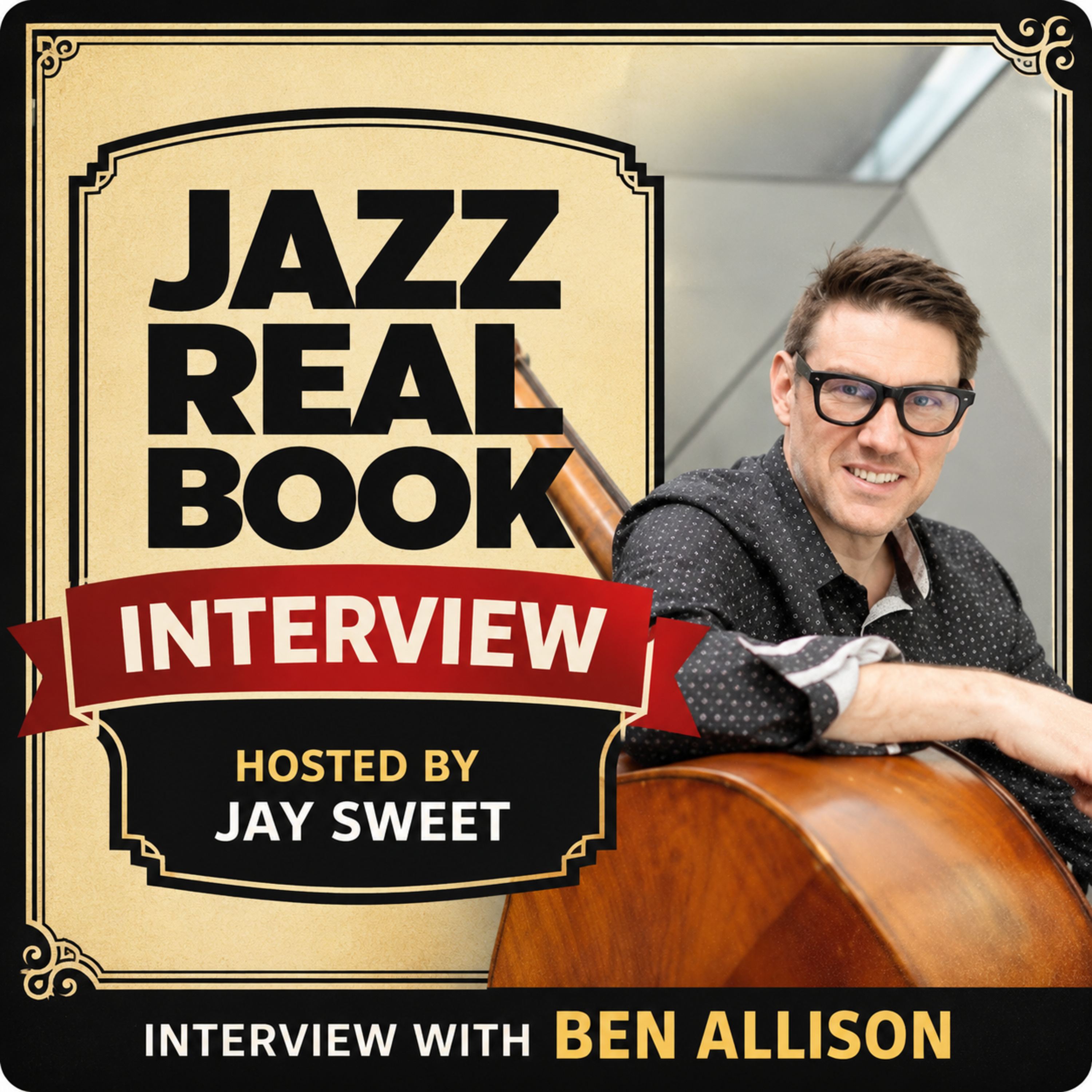
    Ben Allison Interview

    Ben Allison Interview Ben Allison is an American jazz bassist, composer, bandleader, and educator known for bringing a distinctive contemporary voice to the acoustic bass. Born in New Haven, Connecticut, in 1966, Allison studied jazz at New York University before becoming an important figure in New York’s downtown jazz scene. In 1992, he co-founded the Jazz Composers Collective, an influential organization that provided musicians with opportunities to perform and develop original music outside the traditional jazz-club system. As a bandleader, Allison blends jazz with rock, funk, folk, and contemporary classical influences. His playing emphasizes groove, melodic invention, and interaction rather than simply serving as a traditional rhythm-section foundation. He has recorded numerous albums, including Buzz, Cowboy Justice, Little Things Run the World, and Action-Refraction. Allison has also championed the music of overlooked jazz composer Herbie Nichols. His work demonstrates how the modern bassist can function equally as accompanist, composer, bandleader, and musical innovator.

  • September 6 · 20 min

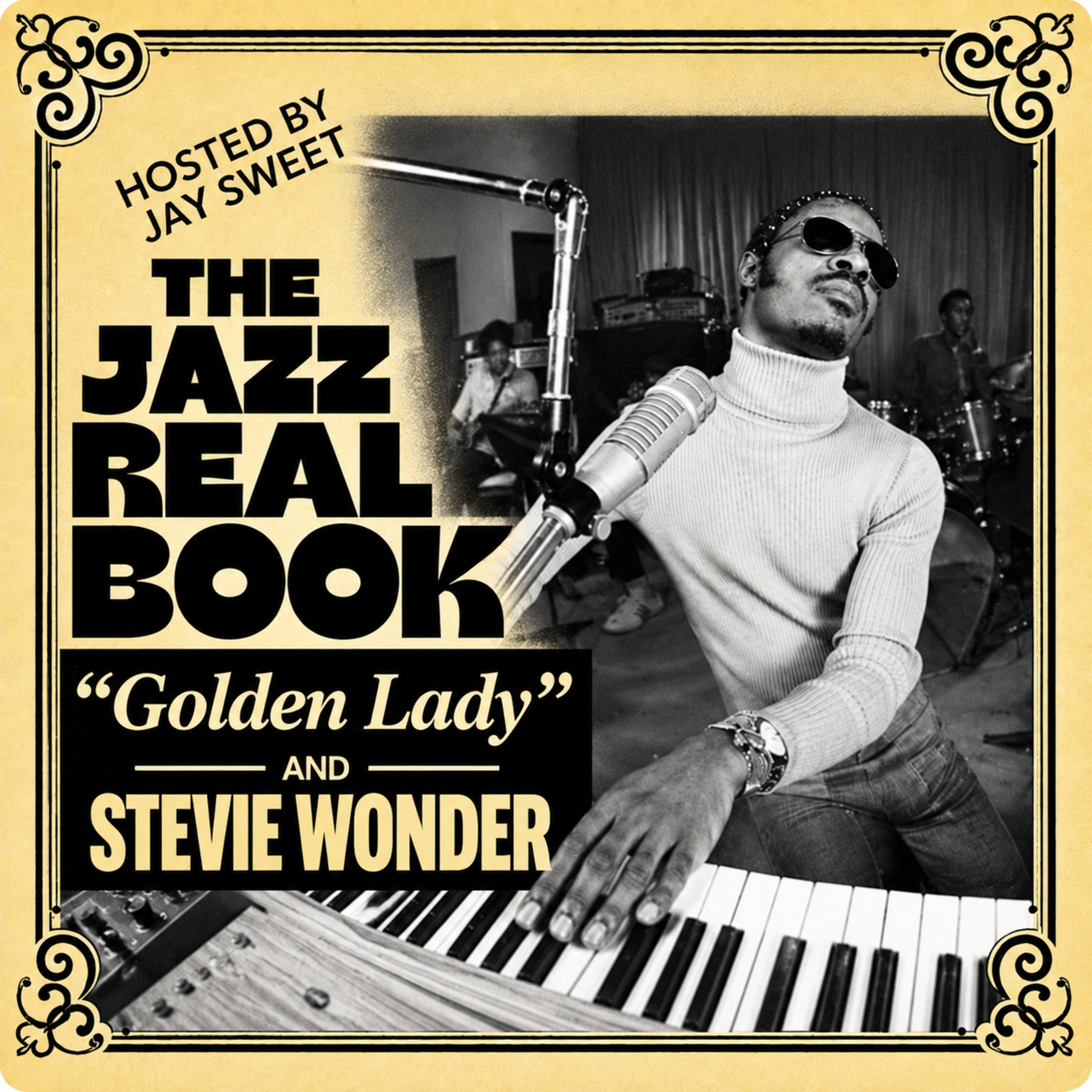
    Golden Lady and Stevie Wonder

    “Golden Lady” and Stevie Wonder Stevie Wonder’s “Golden Lady,” from his landmark 1973 album Innervisions, represents everything that makes Wonder such an extraordinary musician. On the surface, it is a warm and uplifting love song, but underneath it is a sophisticated mixture of soul, funk, pop, rock, and jazz influences. Wonder’s inventive harmonies, memorable melodies, rhythmic feel, and use of keyboards and synthesizers give the song a sound that remains remarkably fresh. “Golden Lady” also demonstrates Wonder’s strong connection to jazz. Although he has never been primarily considered a jazz musician, jazz harmony, improvisation, and musical experimentation have always been important parts of his work. That connection began early with The Jazz Soul of Little Stevie and continued throughout his career, including collaborations with major jazz artists. More than fifty years later, “Golden Lady” remains a great example of Wonder’s genius: sophisticated music that never sounds complicated, combining remarkable musicianship with an immediately memorable song. Stevie Wonder Soulive The Jazz Real Book Playlist Vol 2

  • August 29 · 56 min

    Boris Kozlov Interview

    Boris Kozlov Interview Boris Kozlov’s connection to Charles Mingus runs far deeper than simply directing the Mingus Big Band. Growing up in the Soviet Union, Kozlov first encountered Mingus through photocopied music, playing “Pussy Cat Dues” before he had even heard Mingus’s recordings. After moving to New York, hearing Mingus Ah Um proved transformative—Kozlov describes it as such a perfect recording that it could be sent into space as a representation of “what human jazz is.” Kozlov joined the Mingus Big Band in 1998 as a last-minute substitute and quickly earned Sue Mingus’s confidence. Within weeks, she entrusted him with creating what became Charles Mingus: More Than a Play-Along. Now the band’s frequent musical director, Kozlov brings that nearly three-decade relationship to the group. His philosophy remains wonderfully Mingus-like: don’t imitate the master—use his music to find your own voice.

  • August 17 · 1 hr 15 min

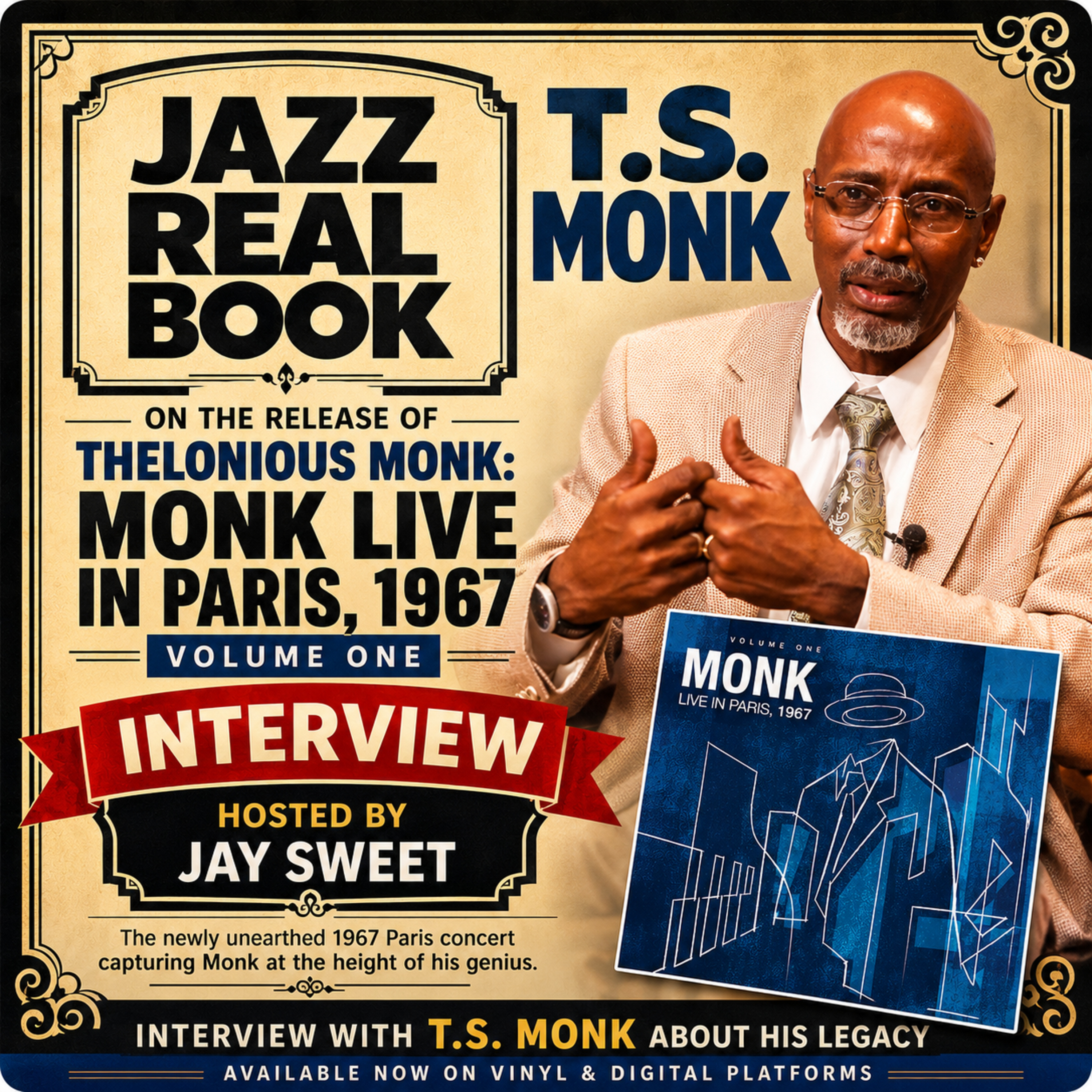
    T.S. Monk Interview

    T.S. Monk Interview T.S. Monk has built a remarkable career both as a musician and as the steward of his father Thelonious Monk’s extraordinary legacy. A respected drummer, bandleader, composer, and recording artist, he performed with his father as a young musician before establishing his own career, eventually devoting significant energy to preserving and expanding awareness of Monk’s music. Today, T.S. Monk is helping lead an important new chapter through the Thelonious Monk Estate and Rhythm-A-Ning Entertainment. The newly unearthed and fully restored Monk Live in Paris, 1967 Volume One represents the first official release from the Monk Estate and launches a series devoted to reclaiming rare and previously unauthorized archival recordings. The Paris recording captures Monk with Charlie Rouse, Larry Gales, and Ben Riley, joined by guests including Phil Woods, Jimmy Cleveland, Ray Copeland, and Johnny Griffin. Volume Two, featuring Clark Terry, is scheduled for October 9, 2026. For T.S. Monk, these releases are about more than rediscovery—they represent preserving, protecting, and reintroducing his father’s revolutionary music for future generations.

  • August 15 · 1 hr 33 min

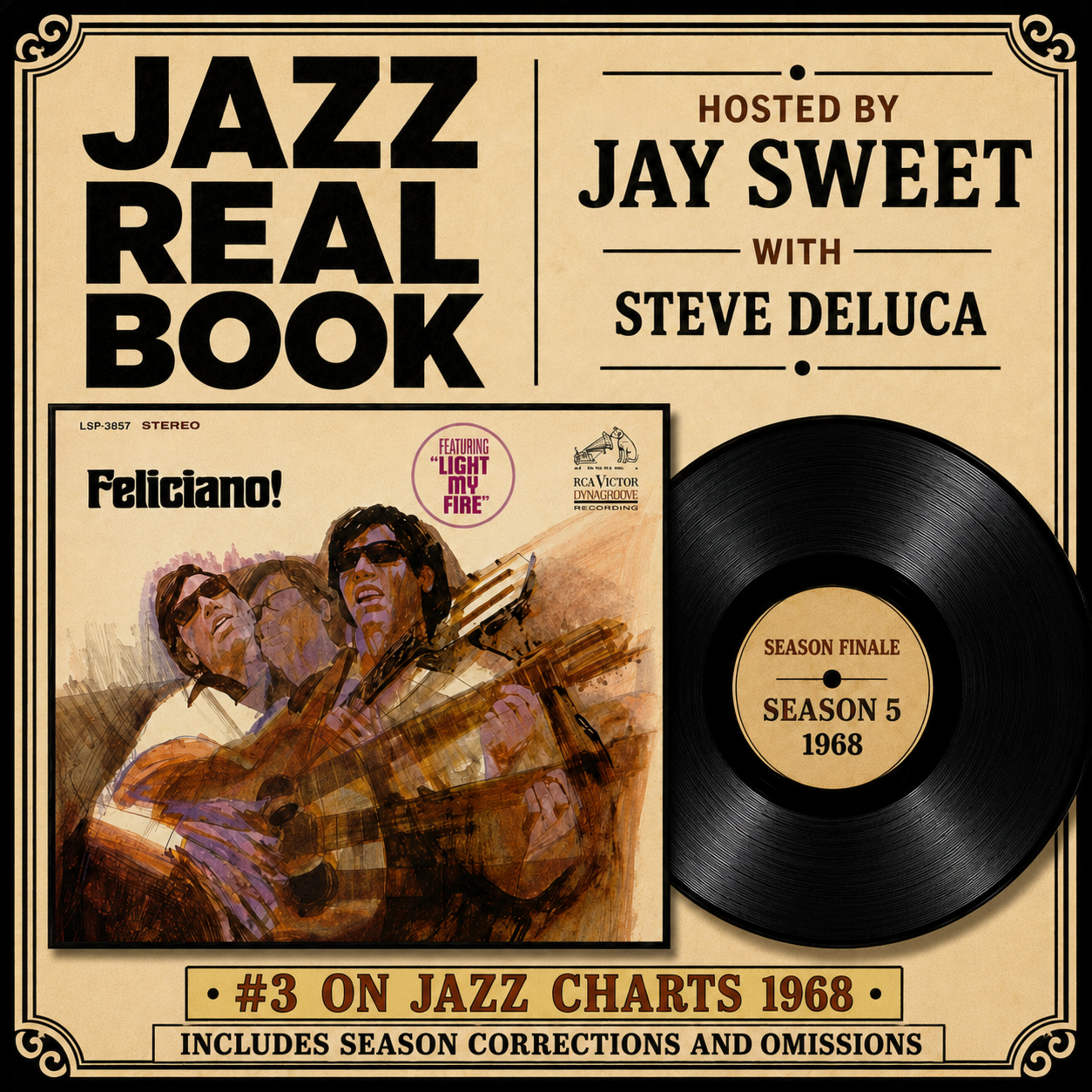
    José Feliciano’s- Feliciano! (RCA-Victor)

    José Feliciano’s Feliciano! (RCA-Victor) Released June 1968 Bonus: Season Corrections and Omissions José Feliciano’s Feliciano! is a remarkable example of how a great interpreter can completely reinvent familiar material. Released in 1968, the album consists entirely of covers, but Feliciano transforms them through his distinctive combination of classical guitar, jazz, Latin rhythms, folk, blues, and soul. His versions of “California Dreamin’” and especially “Light My Fire” are the centerpieces, demonstrating his ability to make established songs sound completely new. The musicianship is exceptional, with jazz legend Ray Brown on bass, Milt Holland on percussion, and Jim Horn on flute and woodwinds supporting Feliciano’s extraordinary guitar playing and soulful vocals.The album reached No. 2 in America, while “Light My Fire” reached No. 3, helping Feliciano earn two Grammy Awards. Feliciano! is a masterclass in interpretation—proof that covering someone else’s music can become an original artistic statement. (S5-EP30)

  • August 12 · 1 hr 9 min

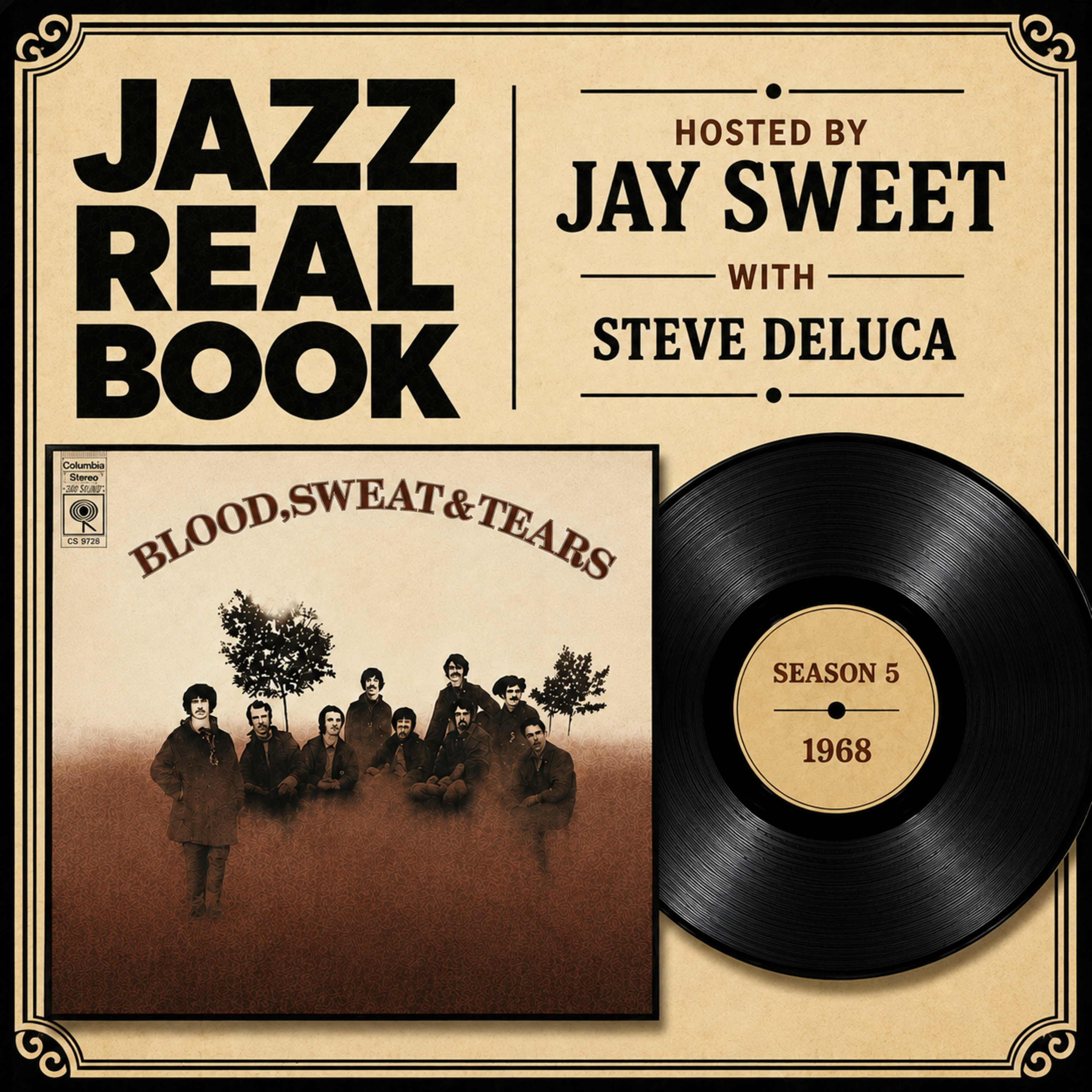
    Blood, Sweat & Tears- Self Titled

    Blood, Sweat & Tears- Self Titled (Columbia Records) Release Date: December 11, 1968 Blood, Sweat & Tears’ self-titled 1968 album proved that sophisticated, horn-driven jazz-rock could also be enormously commercial. With David Clayton-Thomas replacing Al Kooper as the band’s focal point, BS&T combined jazz, soul, blues, classical music, Latin rhythms, and rock with remarkably tight arrangements and musicianship. Three singles—“Spinning Wheel,” “And When I Die,” and “You’ve Made Me So Very Happy”—reached No. 2, while the album topped the charts and eventually won the Grammy for Album of the Year. The album has been certified quadruple platinum with sales of more than four million units in the U.S. Beyond the hits, tracks such as “Smiling Phases” and the brilliant reinvention of Billie Holiday’s “God Bless the Child” demonstrate the band’s authentic connection to jazz and willingness to experiment with changing time feels, improvisation, and complex horn writing. Producer James William Guercio helped give the record precision without sacrificing energy. It remains a masterful achievement and proof that advanced musicianship could compete with the psychedelic studio experimentation dominating late-1960s rock. (S5-EP29)

  • August 8 · 29 min

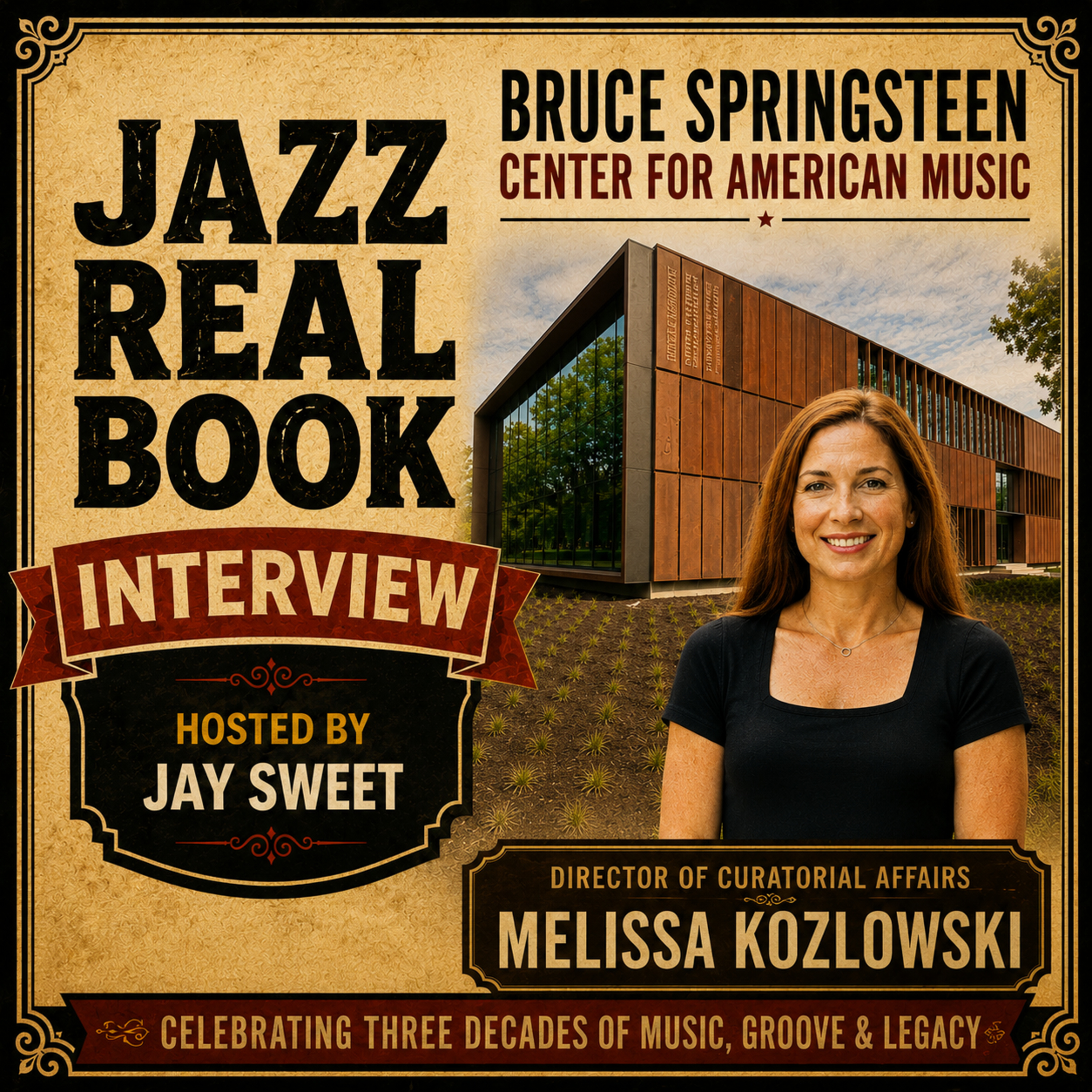
    Melissa Kozlowski on the Bruce Springsteen Center for American Music

    Melissa Kozlowski serves as curator of the Bruce Springsteen Center for American Music at Monmouth University, bringing extensive experience as a historian, archivist, educator, and curator. The center’s roots date to a fan-created collection established in 2001. It moved to Monmouth University in 2011 and became the official repository for Bruce Springsteen’s archival materials in 2017. Today, its mission extends well beyond Springsteen, using exhibitions, concerts, lectures, films, workshops, educational programs, and archival research to explore the diversity and cultural importance of American music across genres and generations. The center entered an exciting new era with the public opening of its new home on June 13, 2026, on the campus of Monmouth University. The approximately 32,000-square-foot, $50 million facility, and includes exhibition galleries, research archives, immersive and interactive experiences, and a performance theater. Visitors can explore Springsteen’s career and creative process, experience a new film narrated by Springsteen, and discover exhibitions examining the much broader history of American music.

  • August 2 · 1 hr 10 min

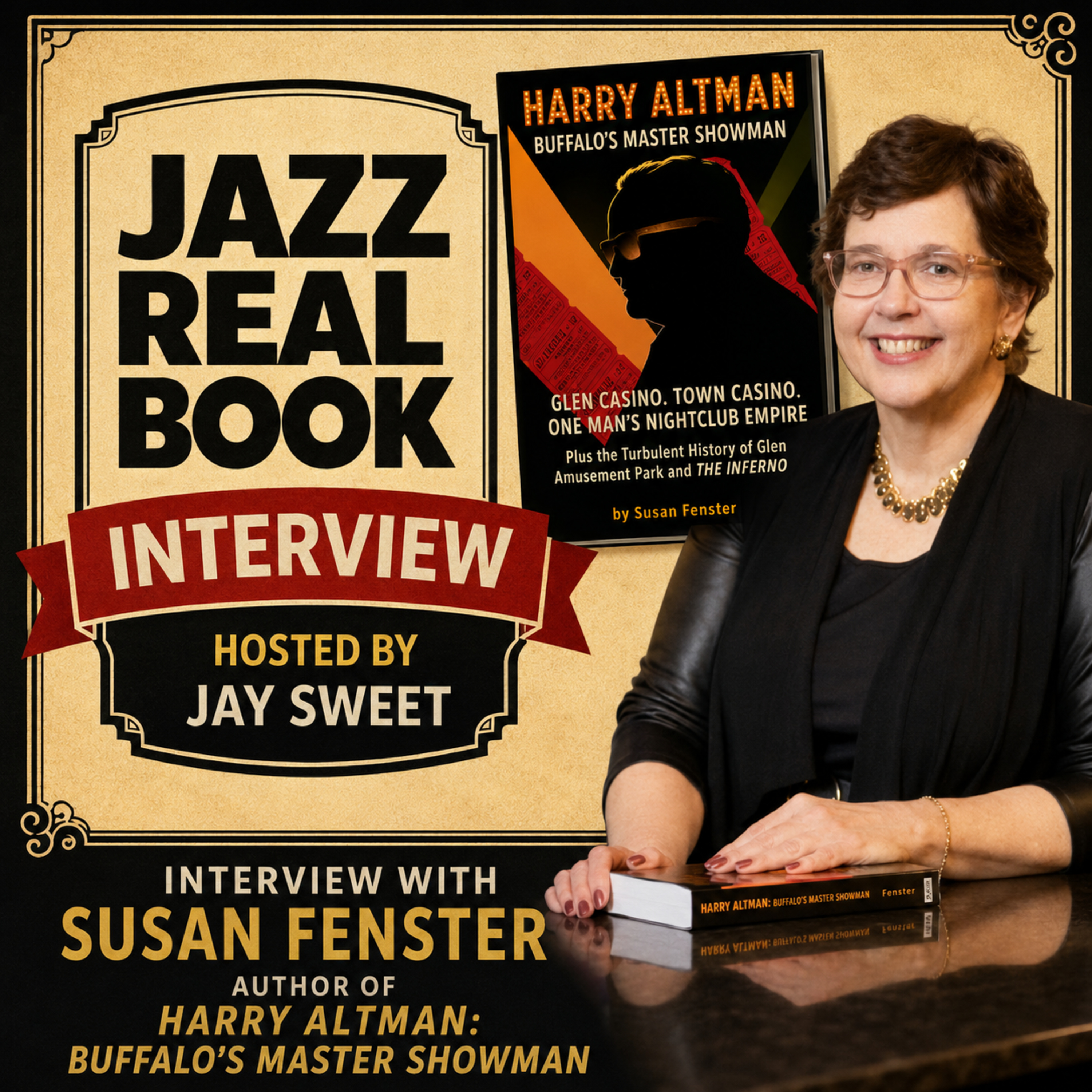
    Susan Fenster on the book Harry Altman: Buffalo's Master Showman

    Susan Fenster is a historian, journalist, and nonfiction author whose work focuses on preserving the history of Western New York. A graduate of Buffalo State College with degrees in History and Journalism, she has spent more than three decades researching regional history through archival documents, newspapers, photographs, and firsthand accounts. Fenster is an active member of the Williamsville Historical Preservation Commission and the Williamsville Historical Society, where she has helped document and preserve the area's cultural heritage. Harry Altman: Buffalo's Master Showman is her fourth nonfiction book and represents one of her most ambitious historical projects. Published in 2025, Harry Altman: Buffalo's Master Showman chronicles the remarkable life of Harry Altman, the son of Russian Jewish immigrants who rose from poverty to become one of the most influential nightclub promoters in Western New York. Through the Glen Casino and Town Casino, Altman presented legendary entertainers including Sammy Davis Jr., Vic Damone, Jayne Mansfield, Johnnie Ray, and countless others, helping transform Buffalo into a nationally recognized entertainment destination during the 1940s and 1950s. Drawing upon years of meticulous research, Fenster not only reconstructs Altman's fascinating career but also examines the changing landscape of American entertainment, the impact of television and Las Vegas on live nightlife, and the ways important local figures can fade from public memory despite their enormous cultural contributions. The result is both a compelling biography and an important work of regional and American entertainment history

  • July 26 · 18 min

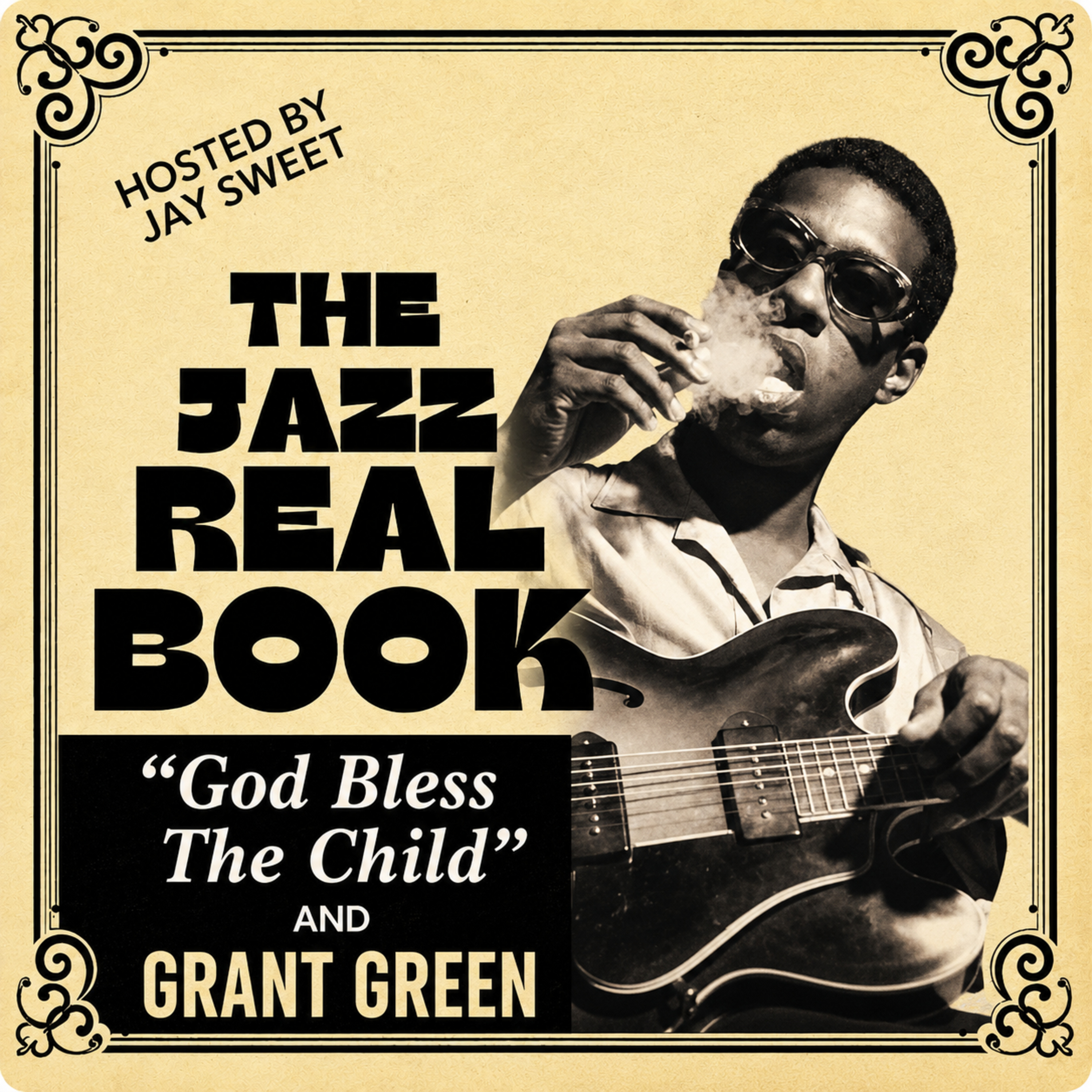
    God Bless The Child and Grant Green

    "God Bless The Child" and Grant Green (133) "God Bless the Child," written by Billie Holiday and Arthur Herzog Jr., is one of the most enduring songs in the Great American Songbook. Inspired by Holiday's reflections on poverty, independence, and self-reliance, the tune combines a soulful, blues-infused melody with sophisticated harmonies and an unusual 38-bar form. Its rich sequence of ii–V progressions and expressive chord-quality changes have made it a favorite vehicle for jazz improvisers, while its timeless message has led to memorable recordings by artists ranging from Ella Fitzgerald and Sarah Vaughan to Sonny Rollins and Tony Bennett. Grant Green (1935–1979) was one of Blue Note Records' most influential guitarists, celebrated for his warm tone, lyrical single-note lines, and deep blues feeling. Recording with legends including Herbie Hancock, Joe Henderson, Lee Morgan, Hank Mobley, and McCoy Tyner, Green helped define the sound of modern jazz guitar. His interpretation of "God Bless the Child" is a masterclass in melodic improvisation, presenting the melody with sensitivity before moving into a relaxed double-time feel alongside pianist Kenny Drew, creating one of the tune's most soulful instrumental performances. Billie Holiday Grant Green The Jazz Real Book Podcast Playslist t Vol. 2 Grant Green Jr. Interview

  • July 22 · 53 min

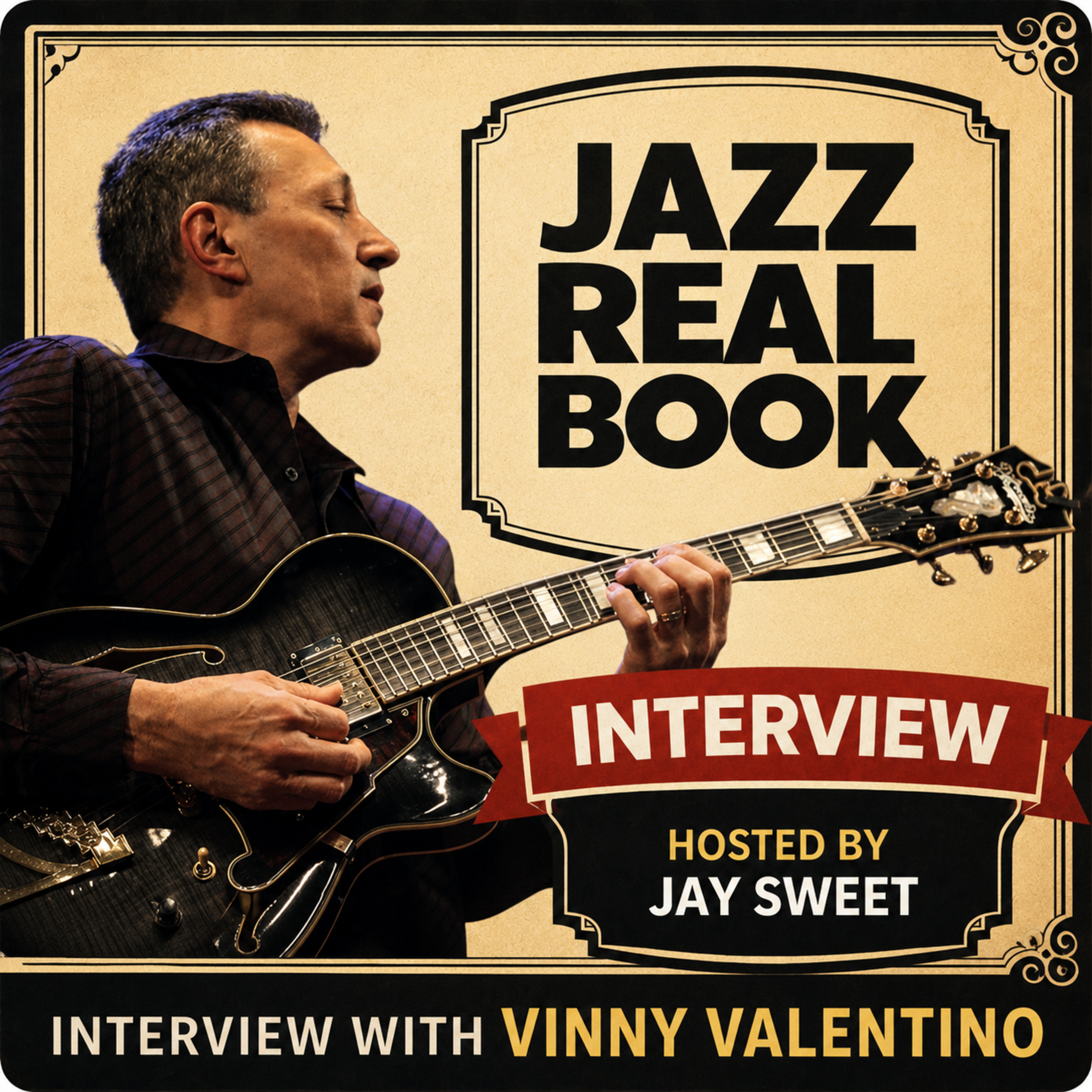
    Vinny Valentino Interview

    Vinny Valentino is an acclaimed jazz guitarist, composer, educator, and internet pioneer whose career has successfully bridged performance, technology, and music education. Raised in Northern Virginia, he studied at Northern Virginia Community College, George Mason University, and Howard University, where he earned his degree in jazz. Inspired by guitar legends Wes Montgomery, Joe Pass, Pat Martino, and George Benson, Valentino developed a lyrical, modern style that earned Benson's personal endorsement and praise. Throughout his career he has performed and recorded with Chick Corea, Steve Smith, Steve Gadd, Randy Brecker, Tom Scott, Gary Bartz, Russell Ferrante, Dennis Chambers, Jimmy McGriff, John Patitucci, John Benitez, and Tom Coster. As one of the first musicians to embrace the internet, he launched Vinny.com, offering online lessons, clinics, and performances while creating the innovative Play Along Jazz educational platform. He also serves as Music Director of Drum Fantasy Camp, where he oversees the camp's musical programming, directs concerts and jam sessions, teaches groove classes, and mentors drummers on musical interaction and ensemble performance.

  • July 19 · 20 min

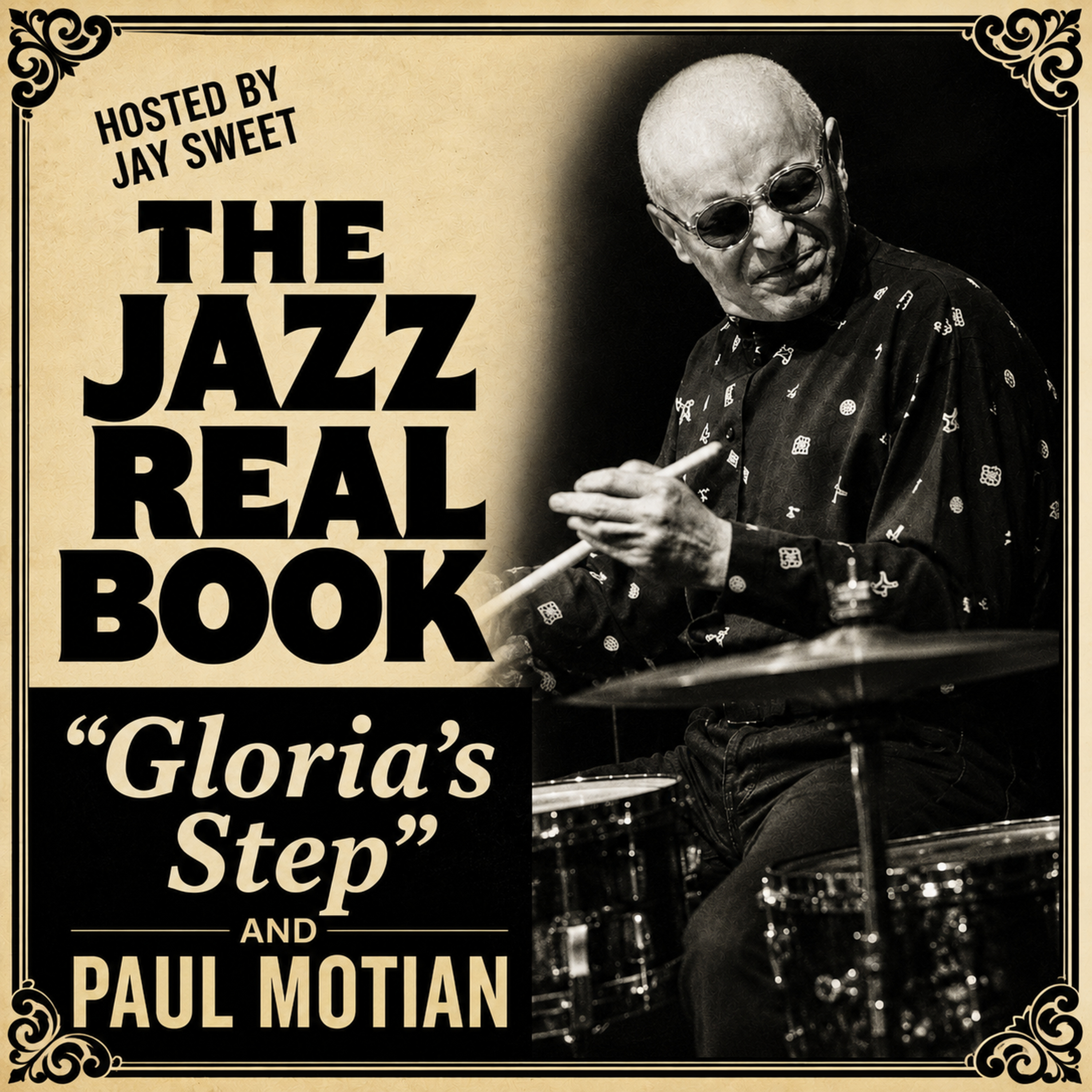
    Gloria's Step and Paul Motion

    "Gloria’s Step" and Paul Motion (132) Scott LaFaro's "Gloria's Step" is one of the defining compositions of modern jazz and a lasting testament to his brilliance as both a bassist and composer. Introduced on the landmark 1961 album Sunday at the Village Vanguard, the tune departs from conventional jazz forms through its asymmetrical 20-bar structure, shifting major-seventh harmonies, and absence of a clearly defined key center. These qualities create a floating, conversational framework that mirrors the trio's remarkable interplay. Drummer Paul Motian was essential to the performance's success. Rather than marking time conventionally, Motian painted the music with subtle brushwork, shifting textures, and elastic rhythms that allowed Bill Evans and LaFaro complete freedom. His sensitive, interactive approach helped redefine the role of the jazz drummer, making the trio an ensemble of equal voices rather than a piano-led group. Together, LaFaro's innovative composition and Motian's understated artistry helped create one of the most influential recordings in jazz history. Bill Evans Trio Chick Corea The Jazz Real Book Vol.2

  • July 15 · 1 hr 5 min

    Steve Swallow Interview

    Steve Swallow is one of the most influential electric bassists and composers in jazz history. Born in Fair Lawn, New Jersey, in 1940, he began on acoustic bass before pioneering the use of electric bass in a jazz context, developing his signature pick technique and lyrical improvisational style. Throughout his remarkable career, he has collaborated with artists including Carla Bley, Gary Burton, John Scofield, Pat Metheny, Jimmy Giuffre, Stan Getz, Chick Corea, and John Abercrombie. His compositions, including "Falling Grace," "Eiderdown," and "Chelsea Bells," have become modern jazz standards. Swallow also played a significant role in the creation of The Real Book while teaching at Berklee College of Music, contributing compositions and helping shape one of jazz education's most influential publications. His latest ECM release, Winter Songs (2026), features Gil Goldstein, Chris Cheek, Steve Cardenas, Mike Rodriguez, and Adam Nussbaum, presenting nine lyrical originals that reaffirm Swallow's enduring creativity and unmistakable voice.

  • July 12 · 21 min

    The Girl From Ipanema and the album Francis Albert Sinatra & Antônio Carlos Jobim (131) 

    “The Girl From Ipanema” and the album Francis Albert Sinatra & Antônio Carlos Jobim (131) “The Girl from Ipanema” one of the most performed and beloved jazz standards reached its definitive artistic expression through two landmark recordings. The 1964 Verve release Getz/Gilberto introduced bossa nova to an international audience, pairing Stan Getz’s lyrical tenor saxophone with João Gilberto’s understated guitar and vocals, Antônio Carlos Jobim’s elegant piano, and Astrud Gilberto’s unforgettable English-language debut. The album became a historic success, winning the 1965 Grammy Award for Album of the Year while the single earned Record of the Year, firmly establishing Brazilian music within the jazz mainstream. Three years later, Francis Albert Sinatra & Antonio Carlos Jobim presented a more intimate and orchestrated interpretation. Claus Ogerman’s lush yet restrained arrangements allowed Sinatra’s relaxed phrasing to blend seamlessly with Jobim’s nylon-string guitar and piano. The performance becomes especially memorable when Jobim sings in Portuguese before the two artists trade lines in both languages, creating a graceful musical dialogue that remains one of the finest cross-cultural collaborations in jazz history. Getz/Gilberto Sinatra/Jobim The Jazz Real Book Vol 2

  • July 5 · 21 min

    Giant Steps and the album John Coltrane Giant Steps (131) 

    “Giant Steps” and the album John Coltrane Giant Steps (131) Released in 1960, Giant Steps is one of the defining albums in jazz history, showcasing John Coltrane's extraordinary growth as both a composer and improviser. The title track introduced the revolutionary harmonic system now known as the "Coltrane Changes," cycling through the distant key centers of B, G, and E-flat major with unprecedented speed and precision. Its angular melody outlines each chord through arpeggios and guide tones, making the complex harmony surprisingly clear while presenting one of jazz's greatest improvisational challenges. The remainder of the album reveals Coltrane's remarkable versatility, balancing the harmonic intensity of "Giant Steps" and "Countdown" with the bluesy warmth of "Cousin Mary," the lyrical beauty of "Naima," and the driving minor blues "Mr. P.C." Together, the album bridges hard bop and the more adventurous musical directions Coltrane would soon pursue, establishing a new vocabulary that continues to shape jazz performance, composition, and education today. John Coltrane Pat Metheny The Jazz Real Book Playlist Vol. 2

  • June 28 · 15 min

    Gemini and Jimmy Heath

    “Gemini” and Jimmy Heath (130) “Gemini” is one of Jimmy Heath’s finest and most enduring compositions, a graceful 24-bar waltz that reflects his gift for memorable melodies and sophisticated harmony. Built around a spacious, lyrical theme and unexpected harmonic movement, the tune combines bebop vocabulary with Heath’s unmistakable melodic elegance. Since its debut on the 1962 album Triple Threat, “Gemini” has become a favorite among jazz musicians, admired for its flowing melody, subtle use of harmonic tension, and improvisational possibilities. The composition perfectly illustrates Heath’s ability to write music that is intellectually engaging while remaining highly singable. Born in Philadelphia in 1926, Jimmy Heath became one of the most respected tenor saxophonists, composers, arrangers, and educators in jazz history. A member of the legendary Heath musical family with brothers Percy and Albert “Tootie” Heath, he overcame personal setbacks to build a remarkable career spanning more than seven decades. His compositions, including “Gingerbread Boy,” “CTA,” “For Minors Only,” and “Gemini,” have become modern jazz standards. As a performer, bandleader, and longtime professor at Queens College, Heath influenced generations of musicians with his lyrical playing, masterful writing, and deep commitment to preserving and advancing the jazz tradition. Jimmy Heath Small Group Version Jimmy Heath Big Band The Jazz Real Book Playlist Vol.2

  • June 25 · 43 min

    Al MacSween from Your Brother's Keeper

    Al MacSween continues to emerge as one of the most creative voices in London's contemporary jazz scene with Where Rivers Meet, a remarkable collaboration between his collective Your Brother's Keeper and legendary saxophonist Gary Bartz. As pianist, synthesist, composer, and producer, MacSween creates a rich sonic landscape that blends acoustic jazz with modular synthesis and live electronics, allowing Bartz's iconic saxophone to interact with modern textures while preserving its emotional depth. Originally developing through collaborations in Maisha, the project reflects years of shared performance and musical trust. McSween's vision places collective improvisation at the center, bringing together trumpeter Axel Kaner-Lidstrom, bassist Twm Dylan, percussionist Tim Doyle, and saxophonist Chelsea Carmichael. Rather than simply accompanying a jazz legend, Your Brother's Keeper engages Bartz in a genuine artistic dialogue, demonstrating MacSween's gift for connecting generations while pushing the boundaries of spiritual and contemporary jazz.

  • June 20 · 18 min

    Full House and Johnny Griffin

    “Full House” and Johnny Griffin (129) Johnny Griffin’s appearance on Wes Montgomery’s “Full House” remains one of the great examples of hard bop improvisation captured live. Recorded on June 25, 1962, at Tsubo in Berkeley, California, the performance features Montgomery with an extraordinary rhythm section of Wynton Kelly, Paul Chambers, and Jimmy Cobb, along with Griffin on tenor saxophone. The tune itself, a bluesy jazz waltz in F minor composed by Montgomery, combines a Latin-flavored introduction, a memorable AABA melody, and extended solo sections that allow each musician to stretch out. Montgomery’s warm thumb-picked lines and signature octave passages are complemented perfectly by Griffin’s explosive tenor work. Nicknamed “The Little Giant,” Johnny Griffin was one of the most technically dazzling saxophonists of the hard bop era. His powerful tone, breathtaking speed, and deep bebop vocabulary made him a favorite collaborator of Thelonious Monk, Art Blakey, and many others. On “Full House,” Griffin’s soulful, swinging improvisation helps elevate the performance into one of the finest live recordings in jazz history. Wes Montgomery Christian McBride Jazz Real Book Playlist Vol 2

  • June 18 · 35 min

    Chris van Voorst van Beest Interview

    Chris van Voorst van Beest’s Bye Design brings together jazz improvisation and classical structure in a deeply personal and compelling statement. Joined by pianist Zach Lapidus and drummer Nathan Ellman-Bell, the New York-based bassist and composer creates music that balances intricate written passages with fluid, highly interactive improvisation. A student of Pulitzer Prize-winning composer David Del Tredici, van Voorst van Beest draws inspiration from classical forms, contrapuntal writing, and modern harmony while maintaining the spontaneity of jazz. Highlights include the suite-like sequence “The Long Line,” “Interludio,” and “Pastiche,” which showcases the trio’s remarkable sensitivity and shared musical language. Influenced by artists ranging from Charles Mingus to Eivind Opsvik, van Voorst van Beest has developed a distinctive compositional voice that avoids cliché and embraces originality. Bye Design is an elegant and adventurous debut that establishes him as one of the most thoughtful emerging voices in New York’s progressive jazz scene.

  • June 14 · 18 min

    Gee Baby, Ain't Good To You and Sonny Clark

    “Gee Baby, Ain’t I Good To You” and Sonny Clark “Gee Baby, Ain’t I Good to You” is one of the most enduring standards in the jazz repertoire. Written in 1929 by composer Don Redman and lyricist Andy Razaf, the tune combines a blues-infused harmonic structure with a warm, conversational melody that has attracted generations of performers. Unlike many songs of its era that focused on heartbreak, the lyric is playful and affectionate, with the singer reminding a loved one of the devotion and generosity they have shown. The melody is memorable for its simple shape, blues inflections, and rhythmic use of triplets, while the harmony cleverly delays resolution to the tonic, creating a relaxed sense of tension and release. The tune became a favorite of artists such as Nat King Cole, Louis Armstrong, Count Basie, and Billie Holiday. Sonny Clark’s interpretation reveals why he remains one of the most admired pianists of the hard bop era. His performance is relaxed, bluesy, and deeply melodic, emphasizing lyricism and swing rather than technical display. Clark treats the melody with great respect while subtly embellishing it through tasteful phrasing and inventive harmonic touches. Supported by a sensitive rhythm section, he transforms the familiar standard into an intimate statement filled with warmth, elegance, and emotional depth. The recording perfectly captures Clark’s gift for combining sophistication with accessibility, qualities that continue to make his music influential more than sixty years after his passing. Sonny Clark Billie Holiday Jazz Real Book Podcast Playslist

  • June 10 · 1 hr 7 min

    Peter Bernstein Interview

    Peter Bernstein is widely regarded as one of the premier jazz guitarists of his generation, celebrated for his warm tone, lyrical improvisations, and deep mastery of the bebop and straight-ahead jazz traditions. Born in New York City, Bernstein began on piano before switching to guitar at age thirteen, learning largely by ear. He later studied at Rutgers University with legendary educators Ted Dunbar and Kenny Barron, refining the musical vocabulary that would become the hallmark of his style. While attending The New School in New York, Bernstein attracted the attention of guitar icon Jim Hall, who invited him to perform at the 1990 JVC Jazz Festival. Since then, he has built an impressive career performing and recording with artists including Lou Donaldson, Diana Krall, Joshua Redman, Lee Konitz, Jimmy Cobb, Tom Harrell, Dr. Lonnie Smith, and Larry Goldings. His long-running trio with organist Larry Goldings and drummer Bill Stewart has become one of the most admired small groups in modern jazz, known for its telepathic interplay, swinging grooves, and inventive improvisation. Now, Goldings, Bernstein, and Stewart reunite for Rhombus, their first trio recording in more than two decades, scheduled for release on August 7, 2026, on Smoke Sessions Records. The album showcases the group's remarkable chemistry and enduring musical connection while reaffirming why they remain one of jazz's most beloved and influential ensembles. Bernstein continues to balance tradition and innovation, making him an ideal guest for The Jazz Real Book as he discusses the creation of Rhombus, his celebrated career, and the enduring legacy of this extraordinary trio.

Showing 1–20 of 27 episodes