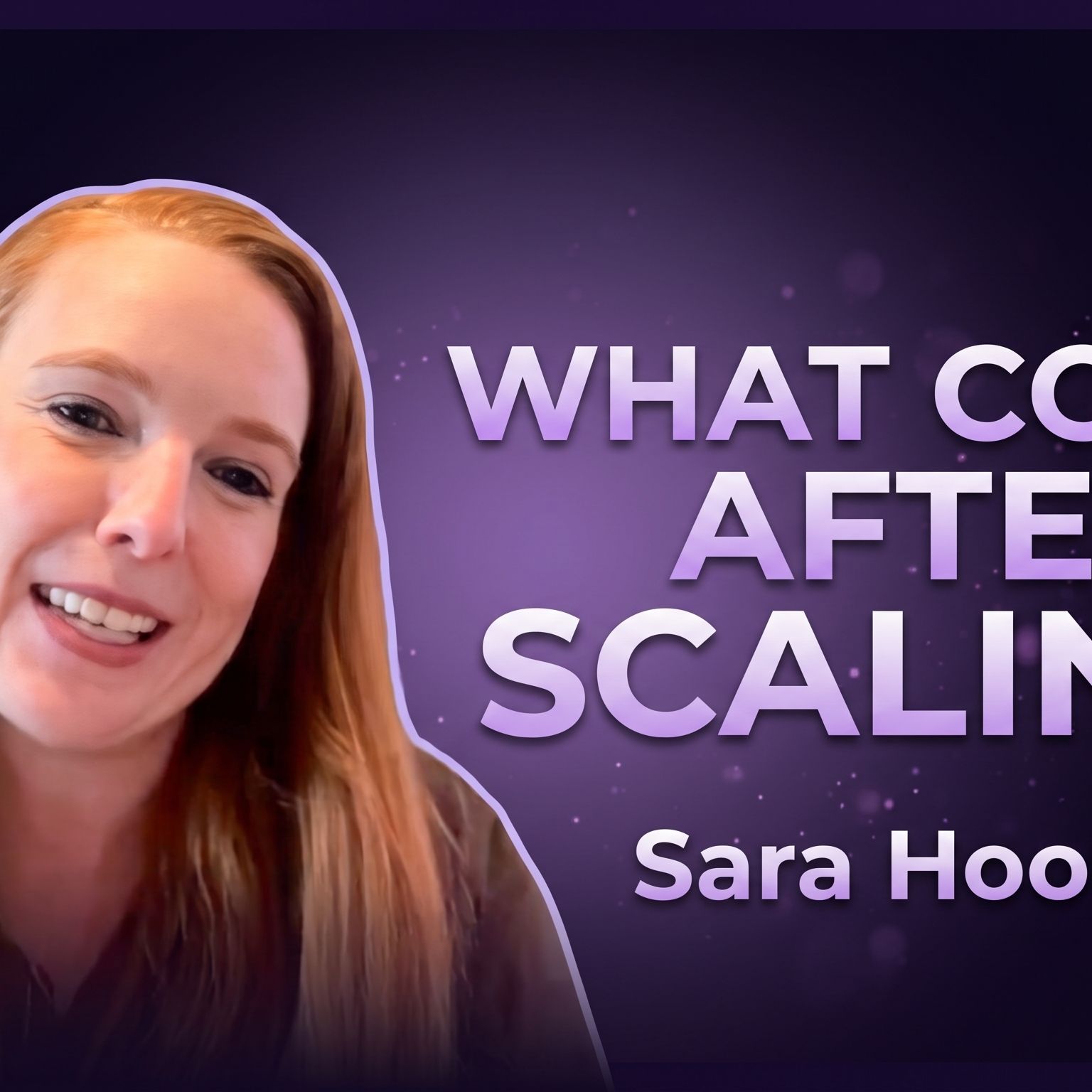
Sara Hooker on the End of Static AI
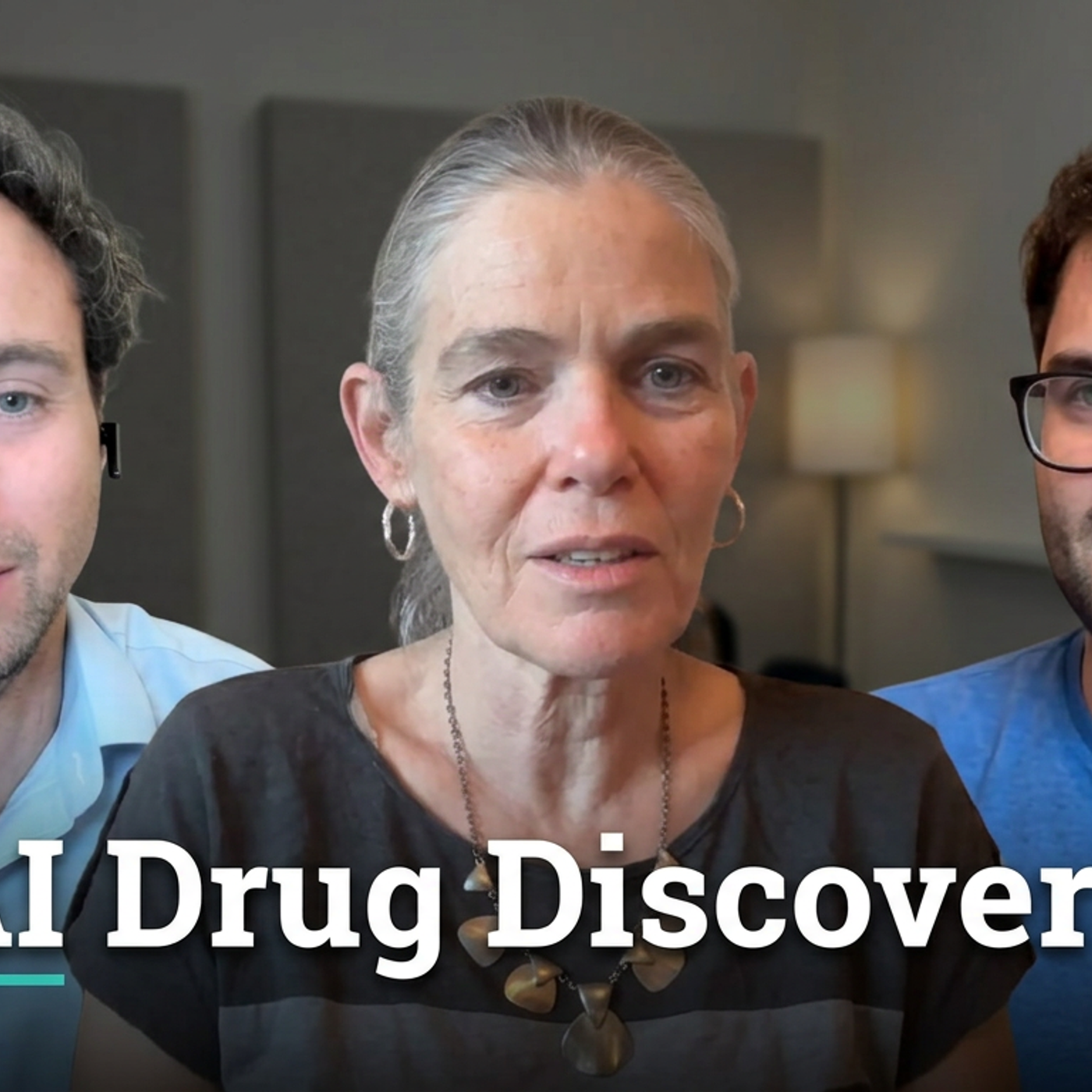
What comes after scaling? We talk with Sara Hooker, co-founder and CEO of Adaptation Lab, about why the next generation of AI may look very different from today's static models. Sara argues that models should continuously adapt to new tasks, data, users, and environments—and that doing this efficiently will require rethinking much more than fine-tuning. We discuss continual learning, AutoScientist and automated research, why non-verifiable tasks may become the next major bottleneck, and why interfaces could be as important as the models themselves. We also get into open vs. closed models, distillation and Chinese AI labs, AI regulation and safety, cybersecurity and biorisk, AI companionship, and what may eventually come after Transformers and tokenization. Topics Continuous learning and adaptive AI Fine-tuning, memory, and AutoScientist AI agents and automated research Non-verifiable tasks and human feedback Adaptive interfaces Open vs. closed models and distillation AI safety, regulation, cyber risk, and biorisk AI companionship and persuasion The limits of Transformers Multilingual models and tokenization Chapters 00:00 — Introduction 02:15 — Why start another AI lab? The return of research 05:46 — What continuous learning actually means 12:04 — Should every company have its own adapting model? 13:59 — Fine-tuning and platforms like Tinker 18:04 — AutoScientist and automated optimization 22:52 — Can AI really improve its own research? 28:38 — The problem of non-verifiable tasks 31:30 — Human feedback and the limits of exponential progress 34:43 — Why the AI interface matters 40:36 — Distillation, China, and open models 49:05 — Open-model licensing 52:19 — Will open models catch closed models? 58:43 — AI regulation and compute thresholds 1:03:07 — AI safety and agent failures 1:10:19 — Biorisk vs. cybersecurity 1:14:03 — Persuasion, AI companionship, and overlooked risks 1:20:41 — Where will AI have the biggest real-world impact? 1:25:41 — What is missing from current AI architectures? 1:29:03 — Neurosymbolic AI 1:31:30 — Multilingual models and tokenization 1:34:02 — Byte-level models and alternatives to tokenization 1:35:03 — Closing Music "Kid Kodi" - Blue Dot Sessions - via Free Music Archive - CC BY-NC 4.0
- Transcript