Skip to content
Artwork for The Health Pulse
TechnologyBusiness

The Health Pulse

SAS

How can data, AI and advanced analytics accelerate health innovation? Which new technologies hold the most promise? What are the biggest roadblocks to progress? How can we solve endemic problems?

Join us for The Health Pulse podcast series as we explore fresh perspectives on digital transformation in health care and life sciences. With a special guest expert on each episode*, we’ll tackle the most pressing issues affecting the delivery of health care and therapies worldwide.

All presentations represent the opinions of the presenter and do not represent the position or the opinion of SAS.

Play
  • 21 episodes
  • monthly
  • Avg 31 min
  • English
Counted on this page — what you have heard stays on this device, so it is not something the list can be paged by.
  • #94
    August 25 · 49 min

    Can Health Systems Improve Outcomes Without Increasing Costs?

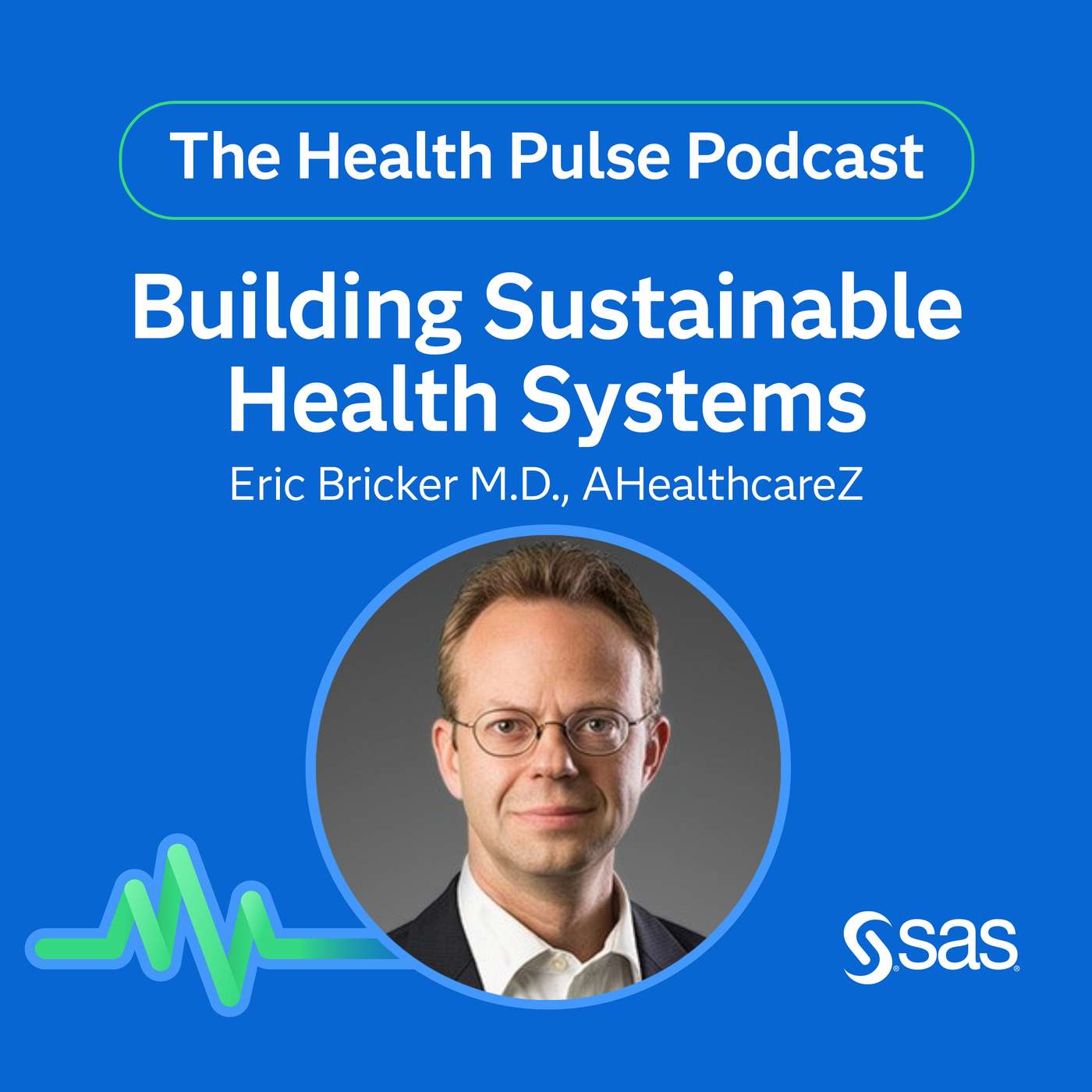
    How can health systems improve outcomes while remaining financially sustainable? Dr. Eric Bricker, physician, entrepreneur and founder of AHealthcareZ, shares his perspective on the financial, operational and leadership challenges facing health systems today. He explores what it takes to shift from reactive care to proactive, value-based care. He also explains the critical role of incentives, accountability and financial risk in improving outcomes. The conversation also looks at the role of AI in supporting clinical decisions, improving efficiency and giving clinicians more time to spend with patients. Learn how leadership, technology and innovative care models can support value-based care and a more sustainable future for health systems.

    • Transcript
    • Chapters
  • #93
    August 4 · 44 min

    From Snapshots to Continuous Evidence: How We Learn

    Clinical trials provide critical answers, but they're only part of the story. In this episode of The Health Pulse, Aaron Berger and Dr. Massoud Toussi, real-world evidence executives at United BioSource (UBC), explore how the life sciences and health care ecosystem is moving beyond isolated snapshots toward continuous evidence generation. They discuss how organizations are building a more complete picture of treatment effectiveness, safety and patient outcomes in the real world. Electronic health records, connected devices, patient-centered research and global evidence networks are making that possible. Making this vision a reality requires data quality, interoperability, regulatory alignment and trusted evidence generation. AI is playing a growing role in research and analysis. It is creating new opportunities to accelerate evidence generation and uncover insights at a scale previously impossible. Ultimately, they share an optimistic vision for the future: one where real-world evidence, AI and modern data ecosystems help us learn faster, answer more questions and accelerate scientific discovery for patients who need new therapies most.

    • Transcript
  • #92
    July 14 · 35 min

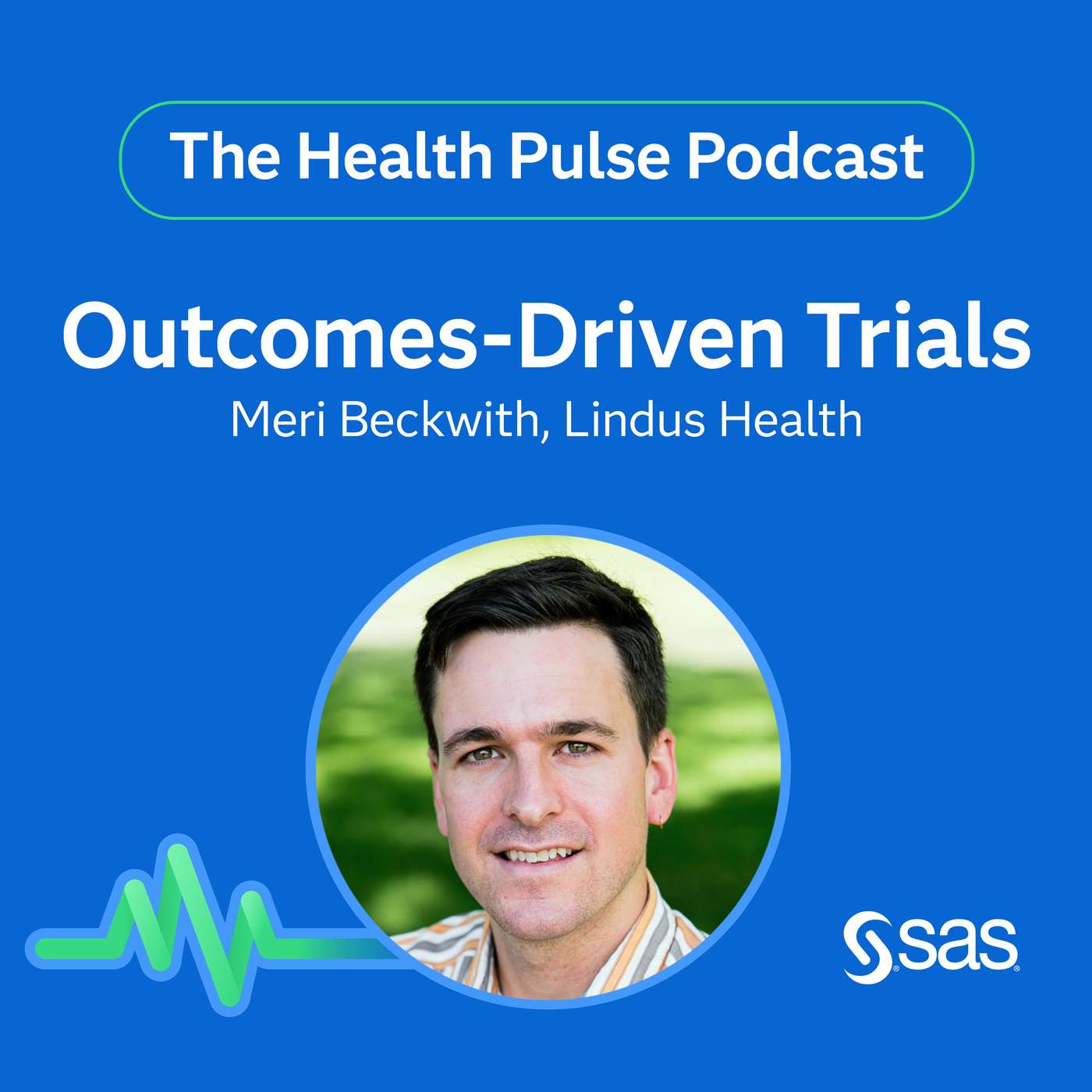
    Faster, Smarter, Outcomes-Focused Clinical Trials

    Clinical trials are more complex than ever, but new models are emerging to improve how they’re designed and delivered. On this episode of The Health Pulse, host Alex Maiersperger sits down with Meri Beckwith, co-founder and co-CEO of Lindus Health, a company rethinking the traditional contract research organization model with a more outcome-focused approach to clinical research. Drawing on his experience as both a trial participant and industry innovator, Beckwith shares how aligning incentives, improving patient and physician experiences and using AI can accelerate studies and improve results. He introduces the concept of an “accountable research organization,” where success is tied to study milestones and outcomes, helping better align stakeholders across the clinical trial process. The conversation also explores how outcome-oriented approaches, adaptive trial designs and more efficient infrastructure can help bring treatments to patients faster while maintaining the rigor and trust that clinical research demands. Tune in to hear how fresh approaches to clinical trials are helping organizations improve efficiency, strengthen patient centricity and deliver meaningful impact across the health care ecosystem.

    • Transcript
  • #91
    June 23 · 32 min

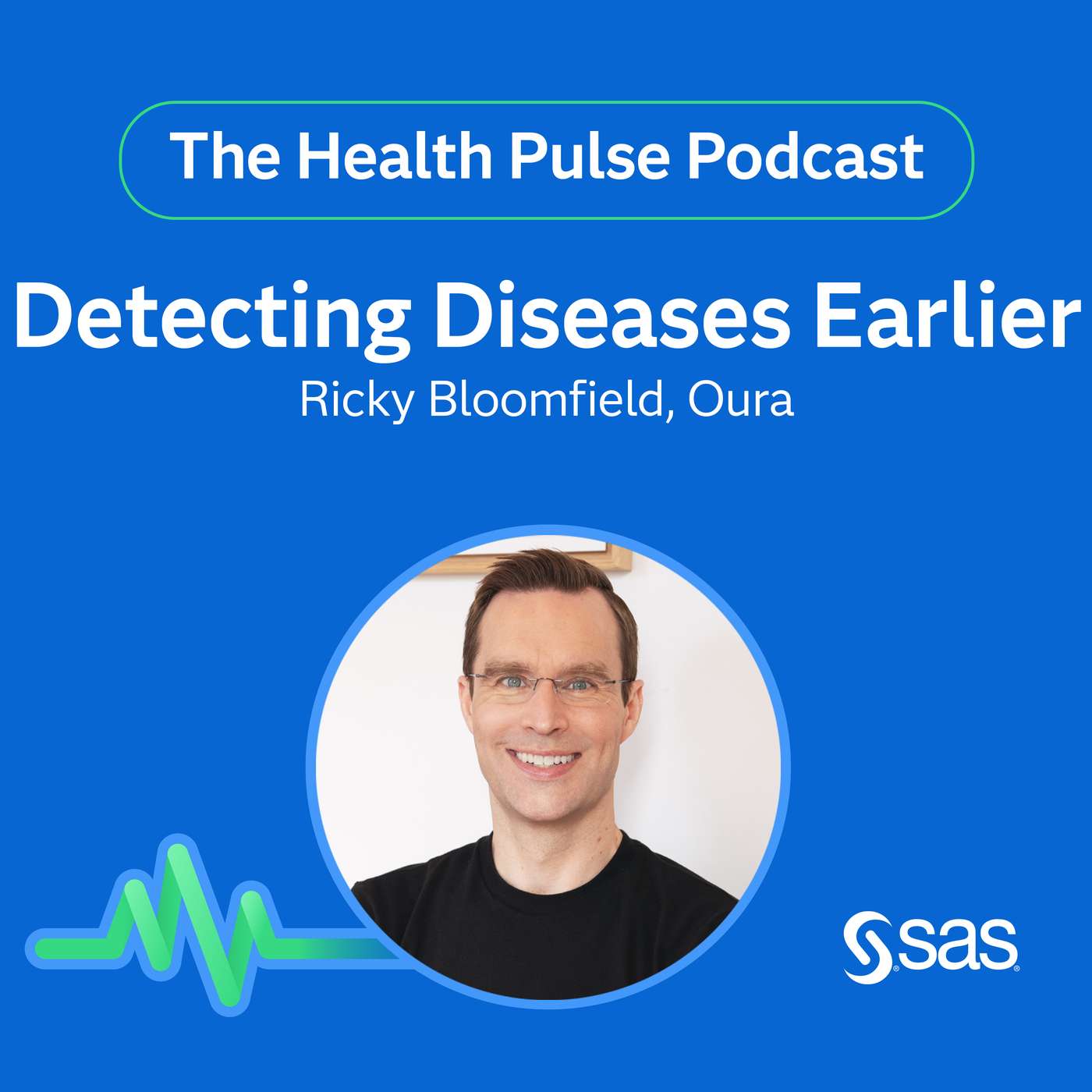
    Using Wearables and AI to Detect Disease Earlier

    What if your ring knew you were getting sick before you did and could one day monitor chronic conditions around the clock? In this episode, Dr. Ricky Bloomfield, Chief Medical Officer of Oura, explores how continuous health monitoring with wearable devices is shifting health care from reactive treatment to early prevention. The Oura Ring can detect illness days before symptoms appear, from COVID to lymphoma to appendicitis, because earlier diagnosis can make all the difference. Rings are becoming the wearable of choice. By tracking meaningful metrics such as cardiovascular age and cumulative stress scores, people can act on what they see, adjusting diet, exercise and sleep habits and watching their health improve. Finally, Dr. Bloomfield unpacks what it will take for wearable data to be meaningfully integrated into clinical care. He also explores how AI is transforming the health care landscape, from Oura Advisor, an AI-powered tool that lets users query and understand their own health data, to AI-generated summaries designed to highlight the most important and actionable insights for doctors.

    • Transcript
  • #90
    June 2 · 34 min

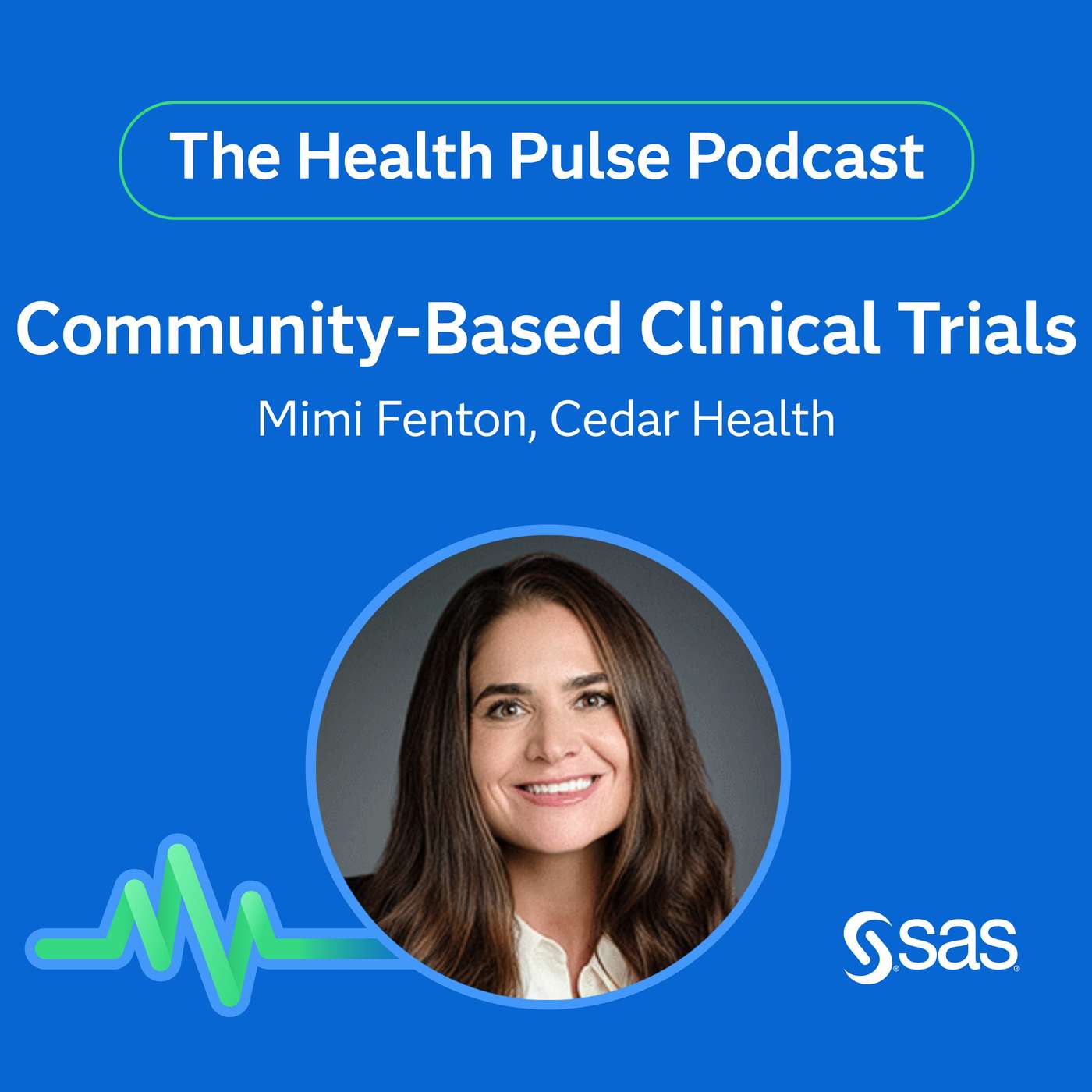
    Reimagining Clinical Trials Through Community Care and AI

    Contrary to historical processes, clinical trials do not have to be limited to large academic centers or homogeneous populations. On this episode, host Alex Maiersperger speaks with Dr. Mimi Fenton, CEO of Cedar Health Research, a community based clinical research organization using AI to bring trials into trusted local care settings. Drawing on her experience across academia, pharma, CROs and retail health, Dr. Fenton explains why access, education and patient support remain major barriers to participation. She discusses how Cedar embeds research into trusted community settings. The conversation also explores how AI and large language models help connect the right patients to the right trials while preserving the human relationships that drive trust and retention.

    • Transcript
  • #89
    May 12 · 39 min

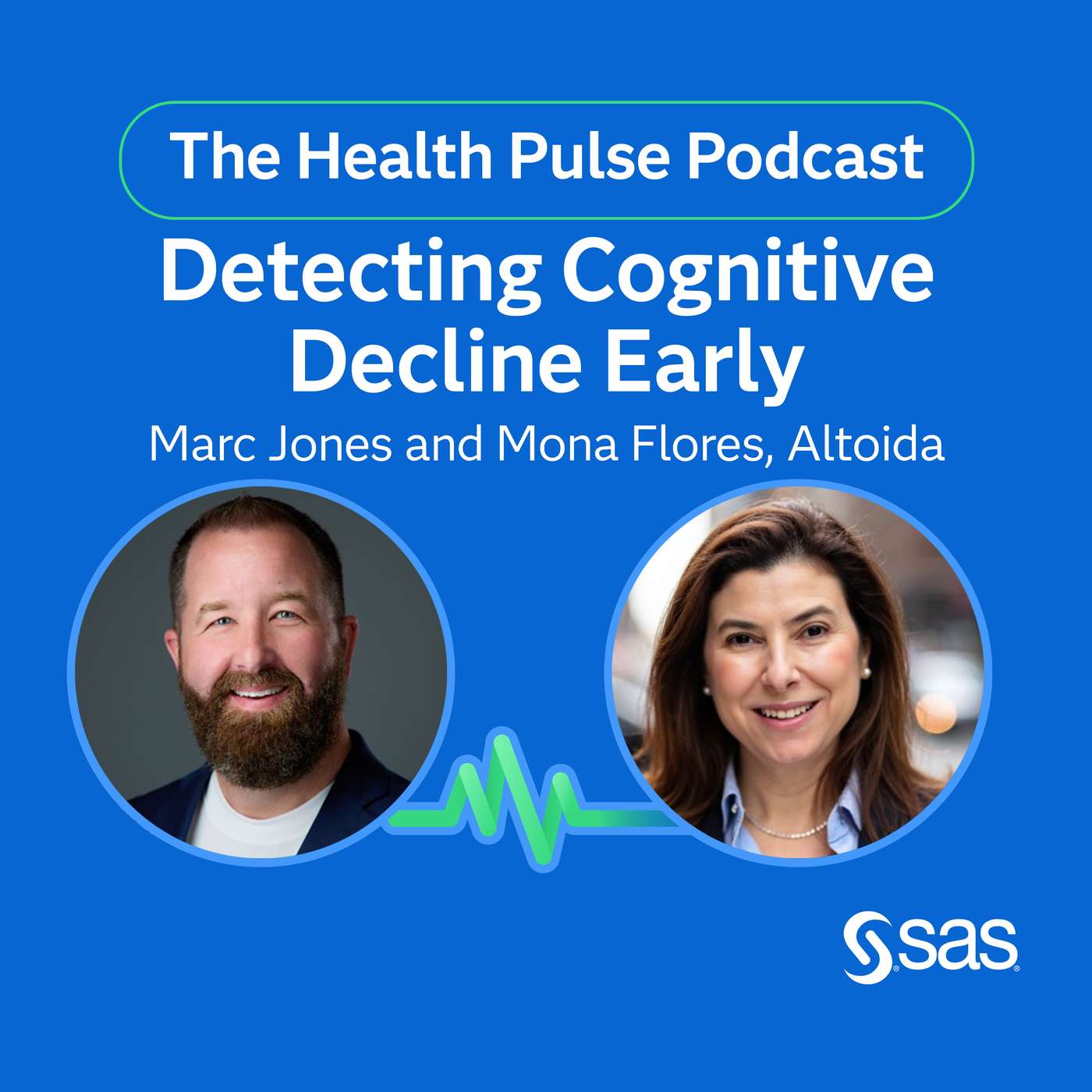
    Detecting cognitive decline early with AI and digital biomarkers

    Up to 200 million people worldwide may be living with undiagnosed mild cognitive impairment – many unaware that early intervention could change their trajectory. In this episode, host Alex Maiersperger is joined by Marc Jones, CEO of Altoida, and Dr. Mona Flores of Altoida's Clinical Advisory Board to explore how AI and digital biomarkers are reshaping early detection of cognitive decline. Digital biomarkers register how the brain processes information, translating how brain networks function through the way we move, speak and remember. Altoida's platform tracks motor skills, speech complexity and memory recall, mapping them to data points to identify where brain function diverges from that of a healthy population. They also discuss how AI acts as a force multiplier, giving clinicians tools to spot trends, make informed decisions and spend more time with patients.

    • Transcript
  • #88
    Nov 18, 2025 · 30 min

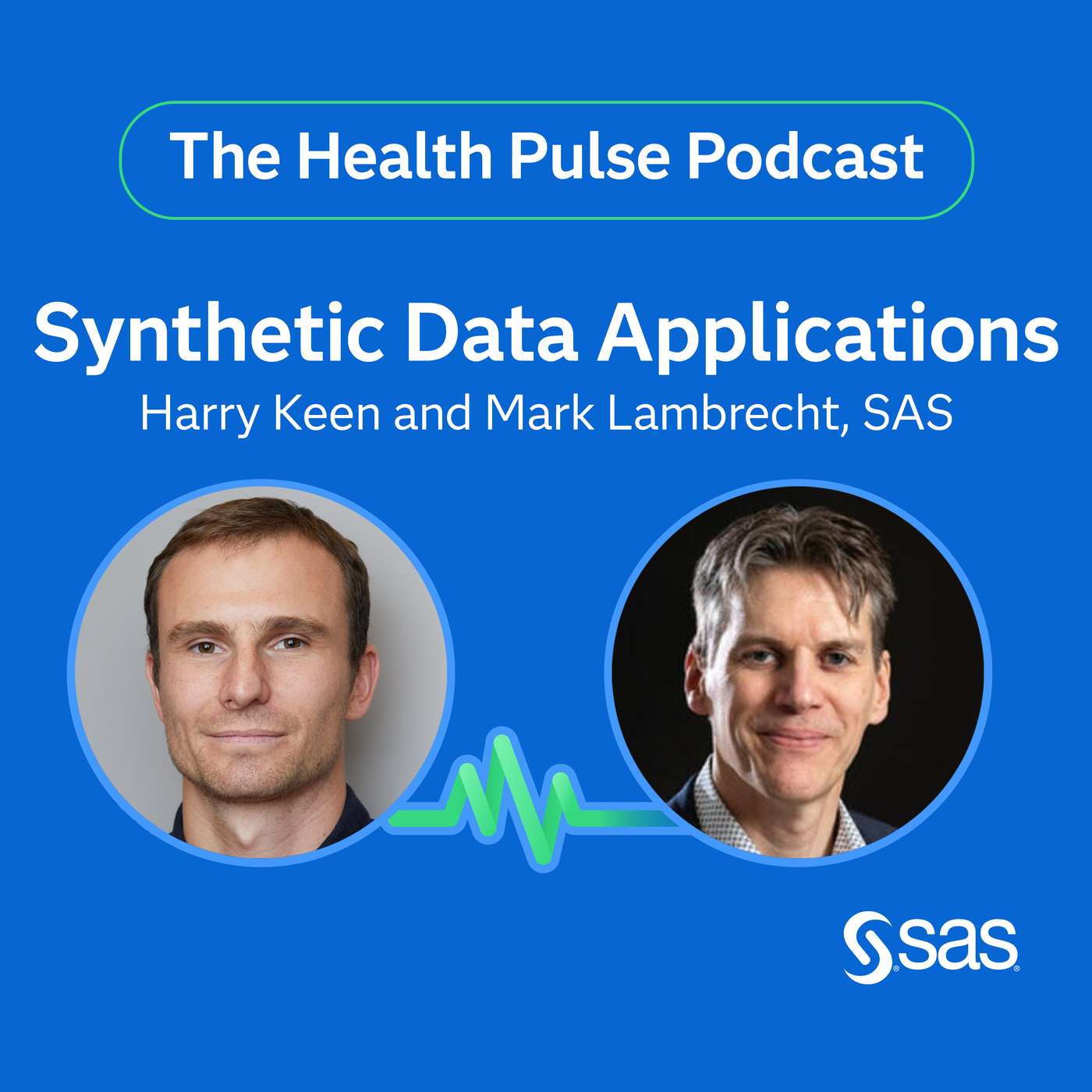
    Unlocking Health Innovation with Synthetic Data

    On this episode, Alex explores the role of synthetic data in health care and life sciences with Harry Keen, Co-Founder of Hazy, and Dr. Mark Lambrecht, Global Head of Health and Life Sciences Advisory at SAS. The conversation explores practical use cases for synthetic data in the health ecosystem as well as important limitations and considerations for ensuring security and governance. A core challenge for all health and life sciences organizations is the fragmented and decentralized nature of their data. Keen and Dr. Lambrecht agree that synthetic data can be used to remove barriers, improve efficiency and test approaches to extract more value from existing data, thereby driving innovation and enhancing patient outcomes. Tune in to hear their advice for all leaders interested in building or growing the utility of synthetic data for their organizations.

    • Transcript
  • #87
    Oct 28, 2025 · 38 min

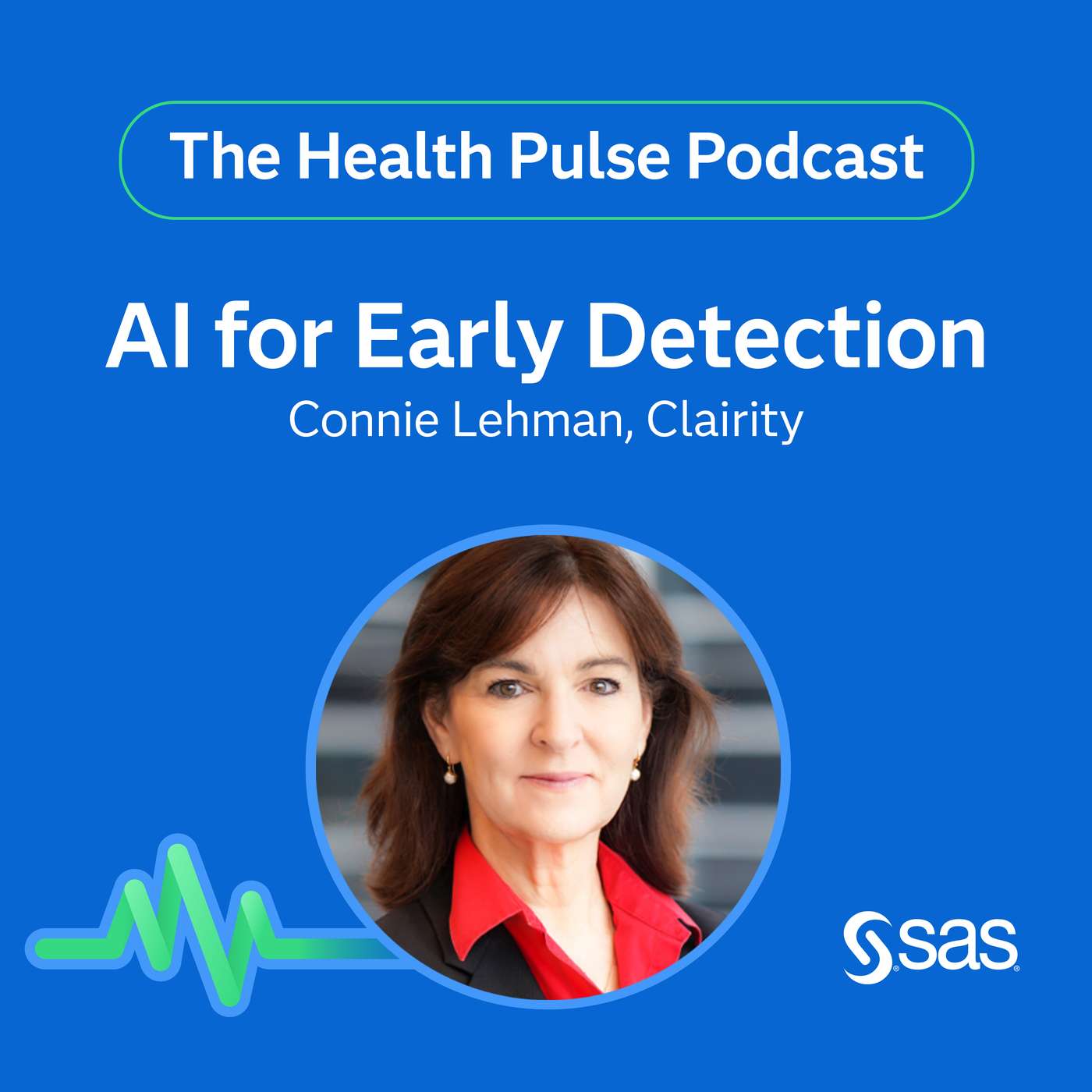
    AI for Early Detection: A New Chapter in Breast Cancer Prevention

    Is 2025 a pivotal inflection point for AI in health care? Dr. Connie Lehman, Co-Founder of Clairity, thinks so, and she has strong cause for optimism. Her organization’s software-as-a-medical-device product, Clairity Breast, recently received authorization from the Food and Drug Administration as the first AI platform that predicts a woman’s five-year risk of developing breast cancer. On this episode, Dr. Lehman shares her journey with Clairity, from the paper she read as a medical student that sparked the idea, to her experience navigating the new domain of image-based risk assessment with the FDA. Her current focus is on implementing the technology through education and advocacy. Dr. Lehman is passionate about advancing medicine toward risk assessment and disease prevention. Understanding risk empowers patients and their health care providers to choose the best path. Dr. Lehman envisions a future where image-based risk information is accessible and available to improve health outcomes for all.

    • Transcript
  • #86
    Oct 7, 2025 · 22 min

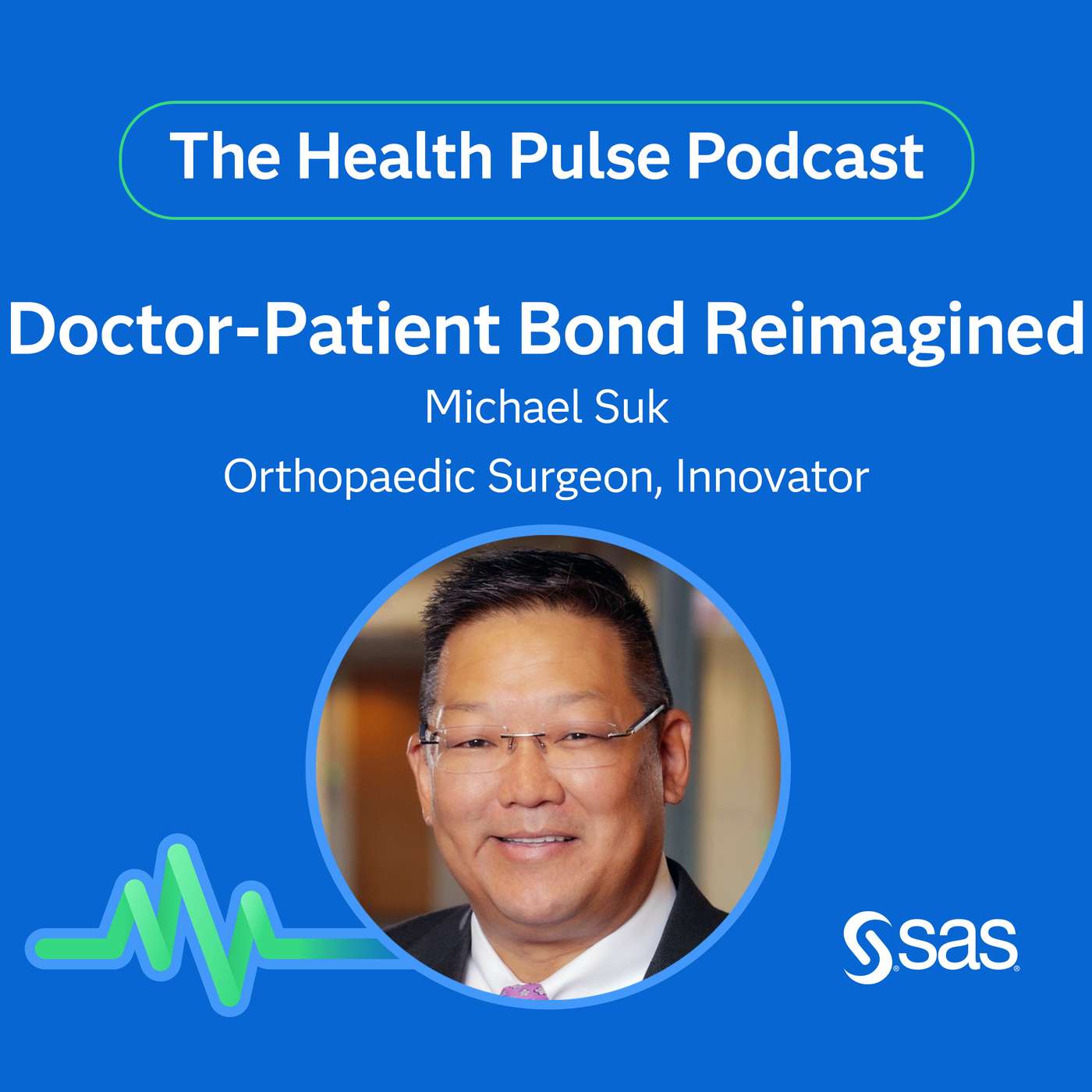
    Strengthening the Doctor-Patient Bond with AI

    Can AI empower the doctor-patient bond? Dr. Michael Suk, orthopedic surgeon, visionary leader and innovator, believes it can. In this discussion, he explores how AI can help to free up time for patients and speaks about the current AI adoption, highlighting its use in documentation and clinical decision support. He stresses the need for ethical AI solutions and for clinicians to be involved in the design of technological solutions. The conversation touches on the pioneering lifetime joint replacement warranty, illustrating how forging lasting partnerships can lead to improved outcomes, fewer complications and lower costs. Dr. Suk explains that the next evolution of health care demands a purpose-driven, holistic approach and explores how trust, connection and technology will intersect in the future. Tune in for this thought-provoking discussion that challenges the status quo and focuses on the doctor-patient bond.

    • Transcript
  • #85
    Sep 16, 2025 · 29 min

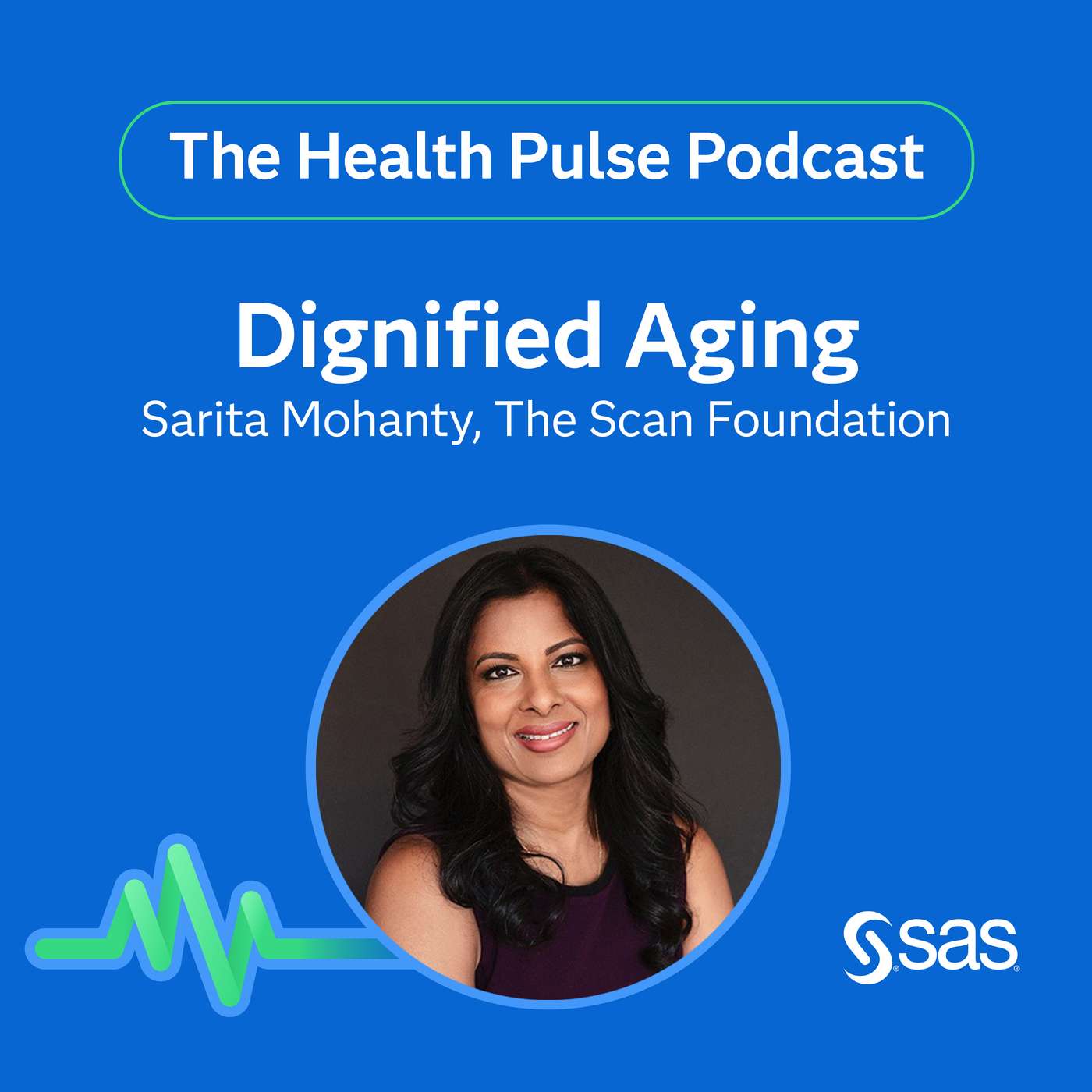
    The Path to Purposeful and Independent Aging

    What if aging meant maintaining independence and dignity at home and in the community? In this episode, Dr. Sarita Mohanty, President and CEO of The SCAN Foundation, speaks about the foundation’s innovative community-based, person-centered approach to elder care for marginalized adults. The conversation touches on common challenges like fragmented care, affordability, cultural barriers and loneliness – a major public health issue. Did you know that loneliness can harm your health as much as smoking 15 cigarettes a day? Mohanty discusses the importance of designing systems with the input of older adults in mind for policy and system reforms. She explains that technology offers significant potential for prediction, prevention and intervention, and stresses the importance of adaptable, unbiased AI algorithms. Tune in for the foundation’s formula for purposeful and dignified aging and Mohanty’s insights into the role of technology.

    • Transcript
  • #84
    Aug 26, 2025 · 30 min

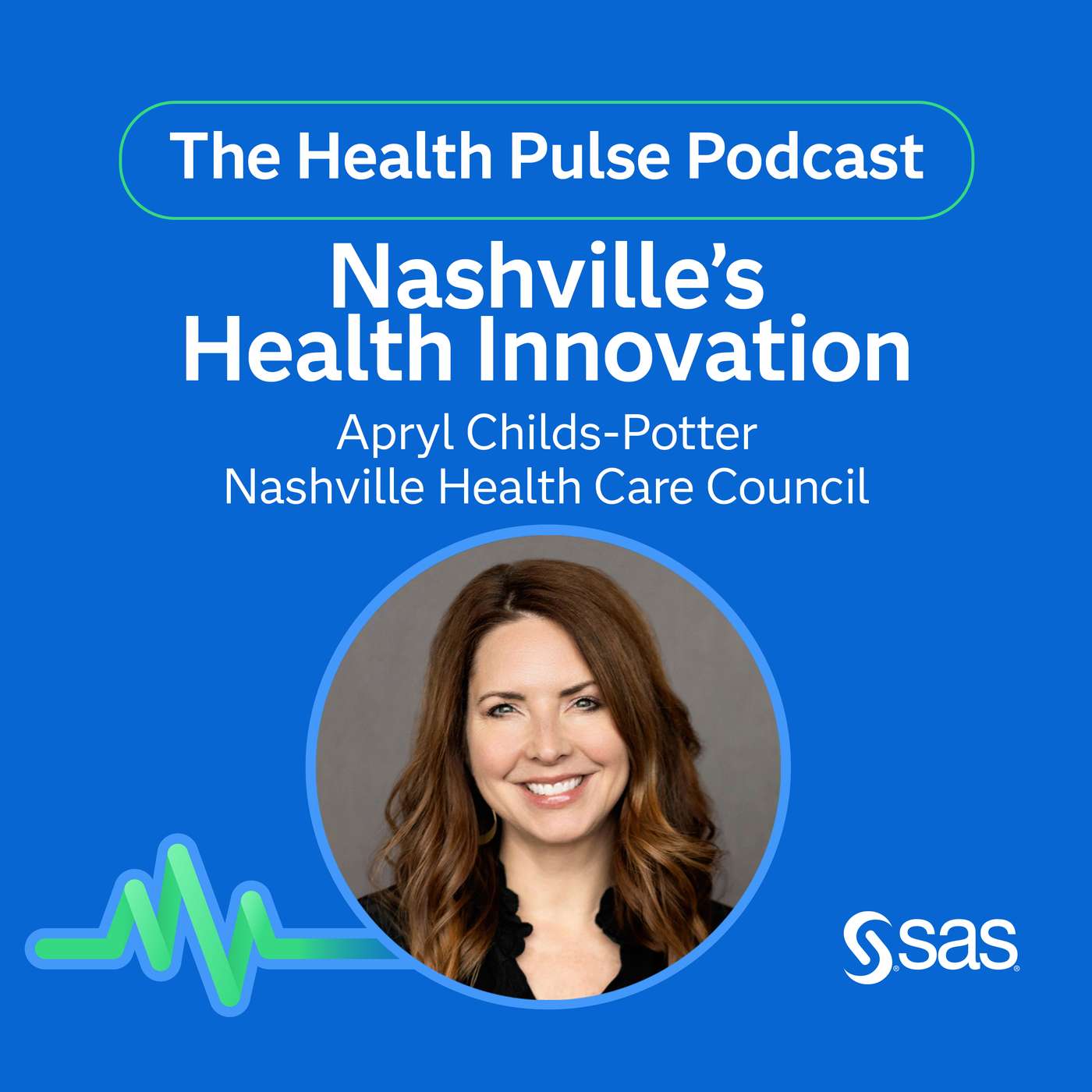
    The Hidden Formula Behind Nashville’s Health Innovation

    Get ready for a behind-the-scenes journey into Nashville’s booming health care sector with Apryl Childs-Potter, President of the Nashville Health Care Council. In this episode, Childs-Potter speaks about the council’s unique ecosystem, where leaders from payer, provider, tech and educational organizations come together to create a space for dialogue to enhance collaboration across common goals and challenges. The city’s collaboration culture fosters innovation, economic growth and improved outcomes. Childs-Potter reveals how the council’s programs and events connect everyone from emerging leaders to executives, accelerating careers, forging vital networks and improving the health care industry overall. The conversation highlights the power of AI to reduce administrative burden for health organizations, improve clinical decision support and enhance member experience. Tune in for Childs-Potter’s formula for efficient and booming health care systems and her insights on the role of AI.

    • Transcript
  • #83
    Aug 5, 2025 · 26 min

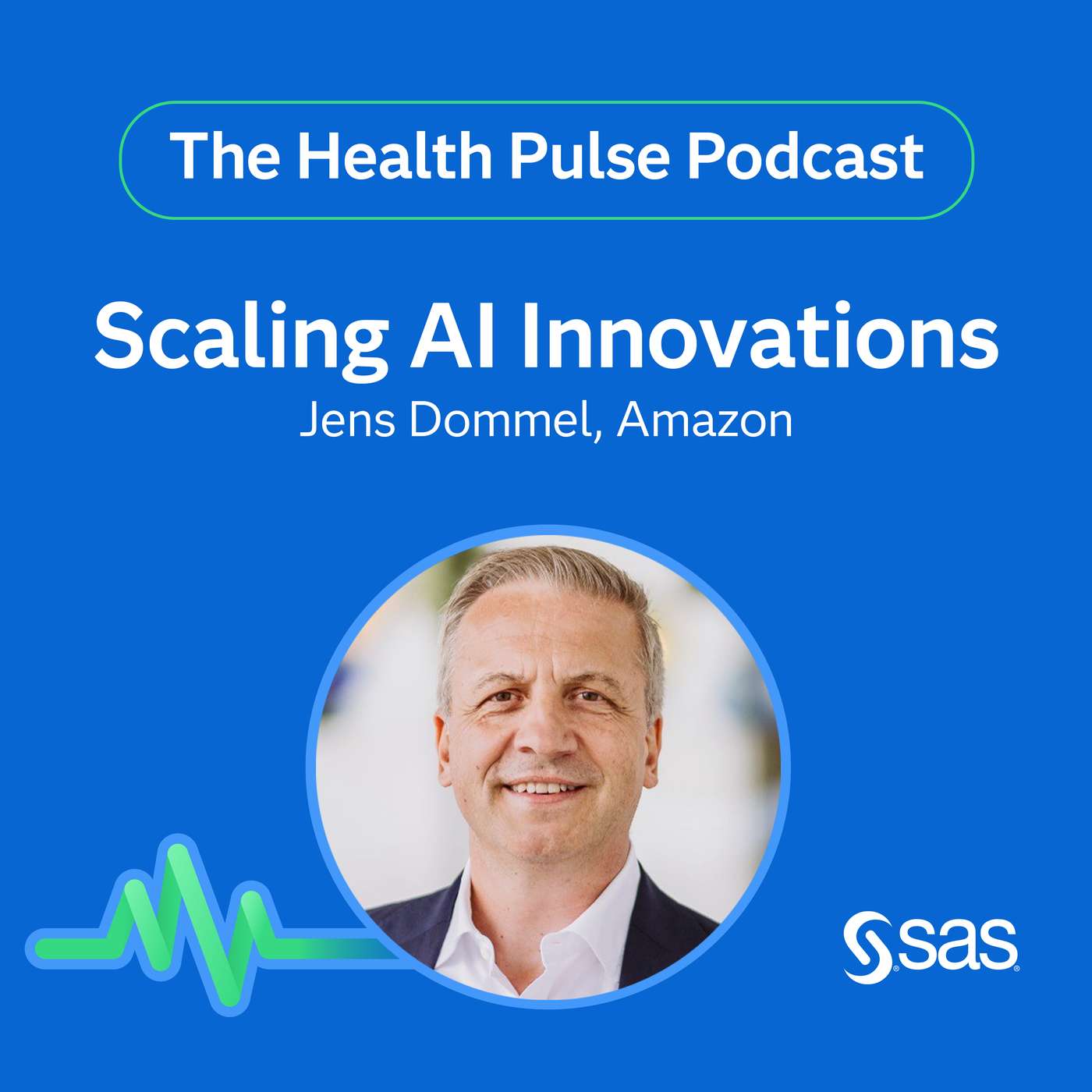
    The New Era of AI-Supported Health Care

    Jens Dommel, Head of Healthcare EMEA at AWS, explores the transformative power of AI in health care for decision support and shares what his experience tells him successful implementations look like. Common global health care challenges – such as an aging population, burnout, preventable adverse events and costs – are on the rise. Dommel emphasizes the potential of AI in enhancing efficiency, reducing costs, and improving outcomes and access. Dommel discusses the importance of accessible and integrated data, governance, trust and scalability for AI models. Dommel explains that successful digital transformations happen with the right skills, clearly defined goals by the leadership team, and a strategy of starting small and scaling up. He emphasizes the importance of strong regulations such as the European Health Data Space (EHDS) and EU Artificial Intelligence Act in fostering international cooperation, innovation and trust. Tune in for insights on building scalable solutions and unlocking the true value of data and AI.

    • Transcript
  • #82
    Jul 15, 2025 · 24 min

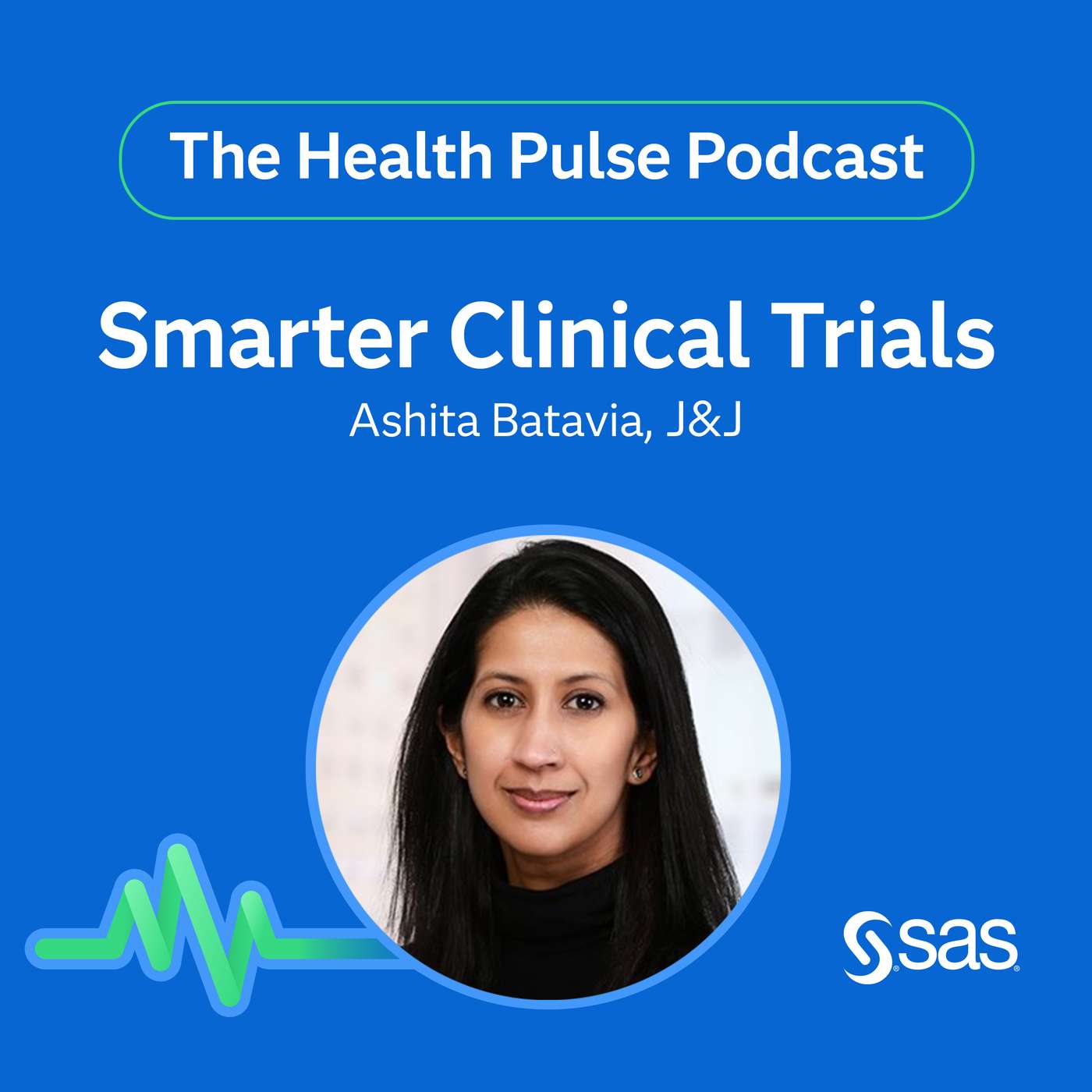
    Harnessing the power of data to advance clinical research

    As an attending physician, principal investigator and academic publisher, Dr. Ashita Batavia has a deep appreciation for the importance of data in clinical development. In her role as Head of Hematology and Oncology Data Sciences, R&D, at Johnson & Johnson, she’s helping shape the future of clinical trials. In this podcast episode, Dr. Batavia shares her ideas for improving clinical trials and delivering better therapies to patients. She is particularly interested in pragmatic trial designs where data and AI help reduce the burden of trial participation for patients and providers without compromising the collection of safety and efficacy data. Dr. Batavia leaves us with her belief that bringing together multimodal health data is key to fully unlocking advanced analytics capabilities in clinical research and explains why achieving a first win is the springboard to building a culture of data-driven innovation.

    • Transcript
  • #81
    Jun 24, 2025 · 25 min

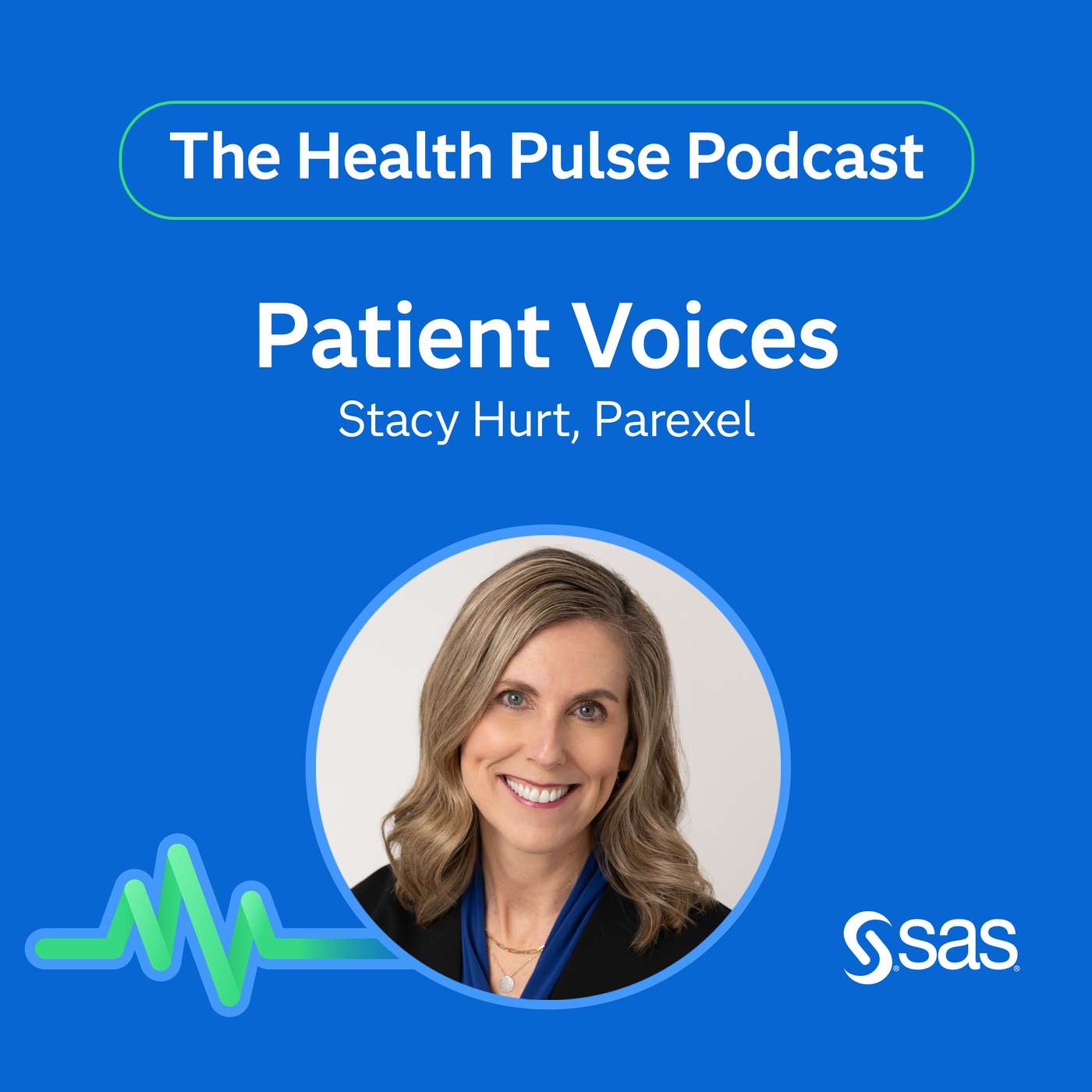
    What everyone in health care can learn from a Chief Patient Officer

    Stacy Hurt has found her dream job as Chief Patient Officer at Parexel. On this episode of The Health Pulse, Hurt shares how her 25-year career in health care, along with personal experiences as a caregiver and Stage 4 cancer survivor, fuel her passion for patient advocacy. From AI’s clinical applications to patient data ownership, Hurt sees all innovations through the lens of patient empowerment – offering time, information, resources and hope. Tune in for her insights and inspirations for organizations and patients alike.

    • Transcript
  • #80
    Jun 3, 2025 · 22 min

    Scaling AI projects for life-changing impact in pharma

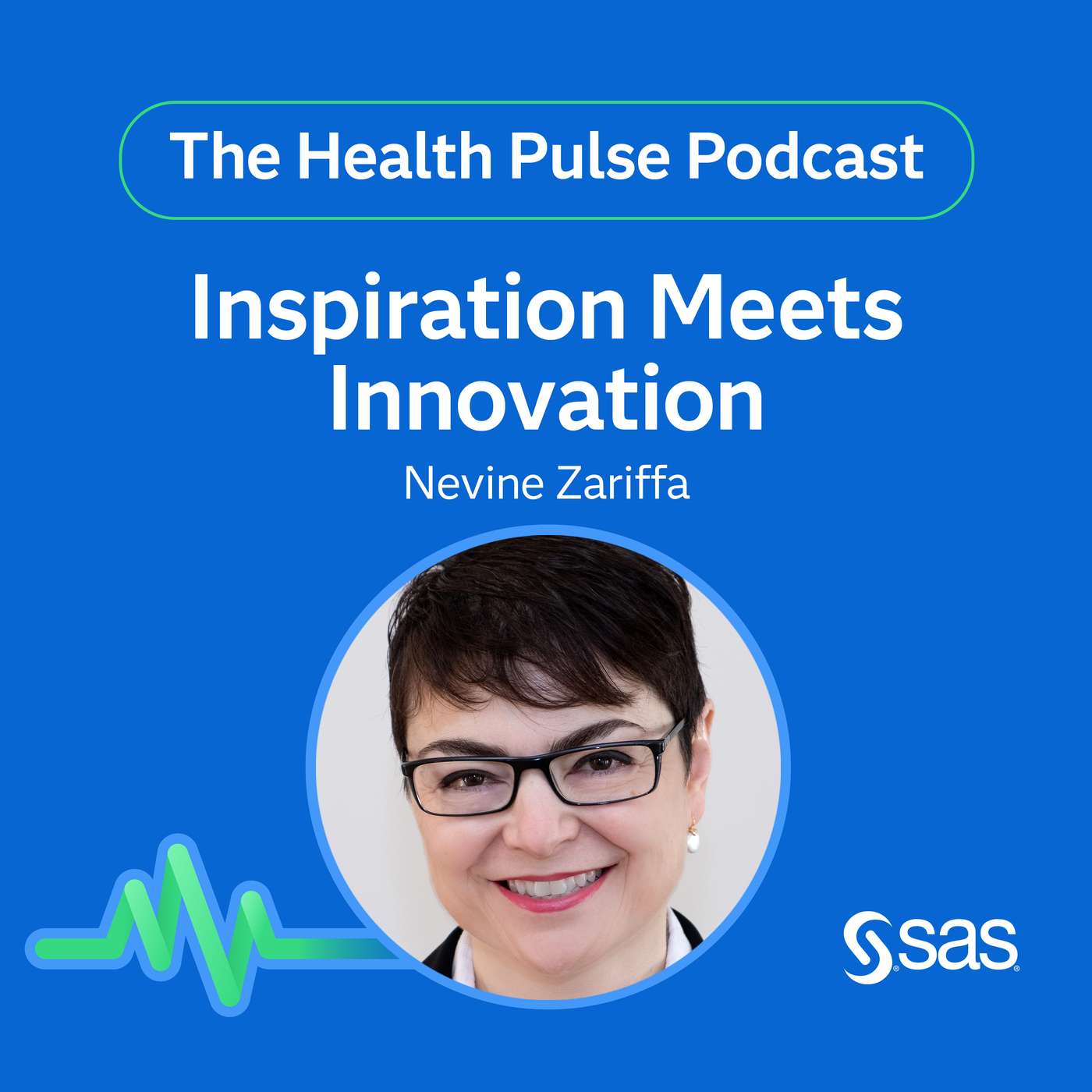
    The work of delivering innovative therapies to patients must be done well and quickly. This became the leadership mantra for Nevine Zariffa, former Head of Biometrics and Information Sciences at AstraZeneca, following her personal battle with cancer. Diagnosed with chronic myeloid leukemia (CML) at 33, Zariffa's cancer has been in remission for 25 years thanks to an investigational drug she received through a compassionate use clinical trial. In this episode, Zariffa joins Alex to discuss the evolution of AI in the pharmaceutical industry. She emphasizes the importance of a strong connection between business leaders and data scientists in scaling AI projects. Tune in to discover Zariffa’s formula for effective change management and her insights on the future of AI in pharma and health tech.

    • Transcript
  • #79
    May 13, 2025 · 34 min

    From Research to Patient Care: Bridging the Gap

    What is a learning health care system, and how close are we to achieving it? According to Dr. Marc Berger, we have a long way to go, but there’s plenty of cause for optimism. Berger is a physician, scientist and researcher who spent much of his career in clinical and outcomes research in the pharmaceutical industry. Now semiretired and consulting, Berger recently joined host Alex Maiersperger on the podcast. He explained that a true learning health care system removes the barriers between research and patient care. This goal requires digitization and integration of all health care data in a responsible way to better inform decision making, and it will need computing and analysis power the world has yet to master. It’s a big task, but Berger’s message is clear: If we continue to make progress, stay humble about what we don’t yet know and are kind to one another, we’ll get there.

    • Transcript
  • #78
    Oct 29, 2024 · 26 min

    People, Technology and the Journey to a Healthier Tomorrow

    Lita Sands, Managing Director of Life Sciences at Deloitte, is passionate about how people and technology come together to create a healthier future. In this episode, Sands explains to Host Alex Maiersperger why life sciences organizations must strengthen their relationships with health care and ensure data and analytics form the backbone of their companies. According to Sands, technology is easy, while change management and the partnership between business and IT represent critical challenges. When it comes to generative AI, Sands advises life sciences organizations to focus on what she calls “no regrets bets,” emphasizing the importance of a person in the loop. Tune in to learn more.

    • Transcript
  • #77
    Oct 1, 2024 · 28 min

    Teaching Medical Students About Equity and AI

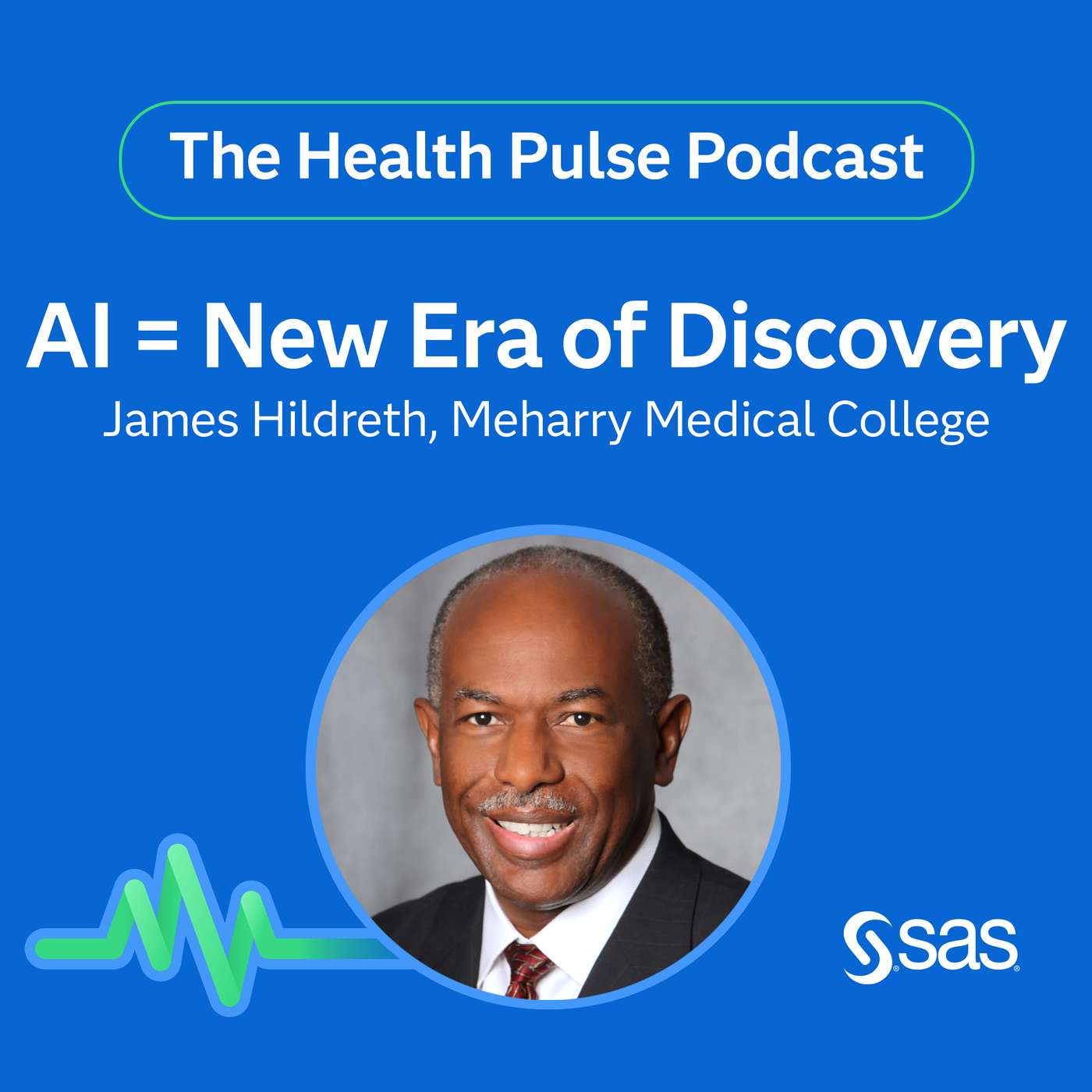
    Dr. James Hildreth, MD, PhD, President and CEO of Meharry Medical College, is a passionate leader speaking about health equity, the power of AI in medicine and how aspiring physicians can be supported throughout their studies. In this episode, Hildreth speaks about the influence of social determinants of health-on-health equity and offers advice on reducing inequities. Host Alex Maiersperger and Hildreth discuss impactful AI use cases in health care, such as the documentation of notes from patient and physician interactions, so that physicians can focus their time on the patient. Hildreth explains that AI can accelerate the discovery of disease causes, drugs and new interventions and that representation matters so that the data sets from genome sequencing also include people of African ancestry to ensure discoveries are representative of the diverse population and interventions are working. Lastly, Hildreth shares his leadership experience in making medical school more affordable for aspiring doctors and the importance of exposure to technology and AI from an early age.

    • Transcript
  • #76
    Sep 10, 2024 · 28 min

    Unlocking the Potential of AI in Health Care: A Vision for Change

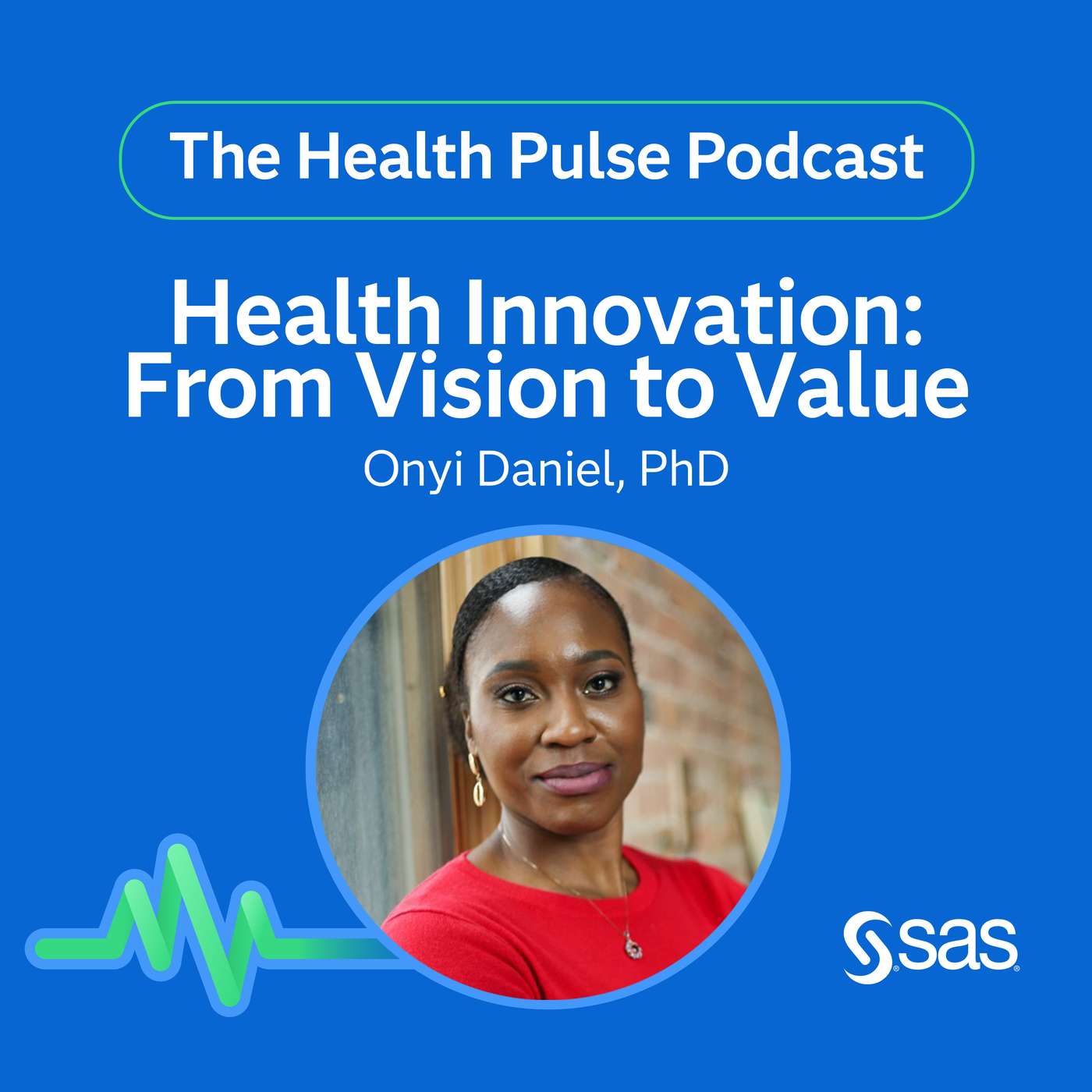
    Dr. Onyi Daniel, Sinai Health System Board Member and former Vice President for Data and Analytics Strategy at Highmark Health, is a passionate health tech leader who speaks about change management, AI use cases, health equity and the importance of responsible AI. In this episode, Daniel shares her leadership experience and explains why it is incremental that health care leadership can articulate the vision for technological change and define the associated value. Host Alex Maiersperger and Daniel discuss emerging AI use cases in the health care industry, such as ambient listening or code generation, which can improve productivity and experience and reduce burnout. Despite the infinite opportunities that new technologies bring, Daniel emphasizes the importance of upstream data collection, data quality, governance and inclusion, ensuring models and outcomes represent diverse populations to enhance health equity.

    • Transcript
  • #75
    Aug 20, 2024 · 27 min

    AI, Imaging and the Race to Develop Therapies

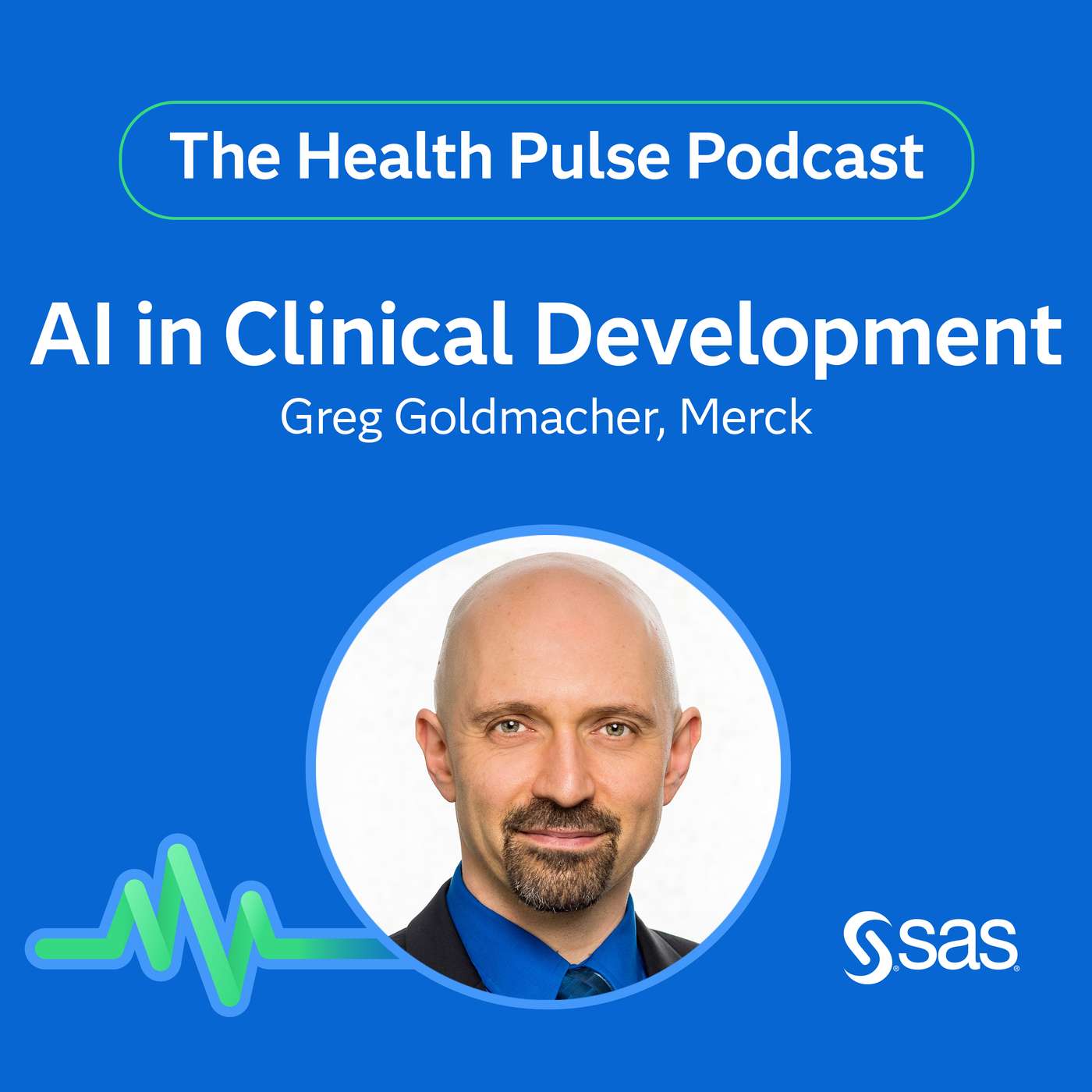
    Artificial intelligence holds tremendous potential for advancing clinical research. On this episode of The Health Pulse podcast, host Alex Maiersperger connects with Dr. Greg Goldmacher, Associate Vice President for Clinical Research and Head of Clinical Imaging and Pathology at Merck. Goldmacher identifies AI’s ability to automate advanced image measurements and improve insight into disease biology to support clinical development. From a clinical radiology perspective, AI has the potential to improve diagnosis and opportunistic screening for earlier disease detection. Goldmacher leaves us with his thoughts on the synergies needed within life sciences organizations to bring clinical development and data science teams together and move AI projects from idea to execution.

    • Transcript
Showing 1–20 of 21 episodes