Skip to content
Artwork for The Global Disability News Network Podcast: Accessible. Collaborative. Multimedia.
NewsNews Commentary

The Global Disability News Network Podcast: Accessible. Collaborative. Multimedia.

GADIM

TGDN Network is an accessible, multimedia platform sharing authentic stories about disability from around the world. Our content, created by disabled professionals and allies, elevates authentic disability stories worldwide while highlighting diverse perspectives and collaborative storytelling powered by GADIM. Through a mix of news reporting and interviews with disabled journalists, filmmakers, and other media makers, TGDN Network’s Podcast connects global events to the lived realities they shape, and makes those stories easier to follow through an ongoing commitment to access.

Play
  • 6 episodes
  • monthly
  • Avg 46 min
  • English
  • Monday · 32 min

    How News and TV Shape the Way We See Disability with Dr. Beth Haller

    In this guest-hosted episode, Leah Smith sits down with Dr. Beth Haller, media scholar and co-founder of the Global Alliance for Disability in Media and Entertainment (GADIM), to talk about how news and entertainment shape public perception of disability. Beth traces her path from print journalist to researcher, explains what the disability rights movement lost when it stepped away from the media after the ADA passed, and looks back at television history from Life Goes On to Designing Women. She also shares the story behind the Props No More documentary and the Global Disability News Network, and why media skills training matters for people with disabilities. Chapters 0:00 Welcome and cold open 0:48 Introducing Dr. Beth Haller 2:35 From print journalist to disability media scholar 4:05 How the ADA story was lost in the media 6:10 Inside the newsroom: Bloom County and inspiration porn 9:14 Why media representation matters: Parenthood 13:00 Founding GADIM at the United Nations 15:30 Life Goes On and Chris Burke's self-advocacy 18:35 How the AIDS crisis reshaped TV storylines 25:10 Why disability stories deserve retelling 27:44 Building the Global Disability News Network and Props No More 31:58 One piece of advice for journalists Links: GADIM (Global Alliance for Disability in Media and Entertainment): Beth's organization and organization of behind the podcast https://gadim.org/ Props No More: GADIM's documentary and education platform. https://propsnomore.org/ Global Disability News Network: https://globaldisabilitynews.org/ Dr. Beth Haller: Beth's website, research, and CV. https://bethhaller.wordpress.com/ Disabled People Transforming Media Culture for a More Inclusive World - Beth's book discussed in the episode https://www.routledge.com/Disabled-People-Transforming-Media-Culture-for-a-More-Inclusive-World/Haller/p/book/9781032106625
  • September 7 · 51 min

    Gary O'Donoghue on Journalism, Blindness, and a Career at the BBC

    BBC Chief North America Correspondent Gary O'Donoghue has covered Washington for over a decade, and he has done it as a blind journalist in a field that still assumes that is not possible. In this episode he talks with hosts Karina Sturm and Amy Zayed about breaking into daily news before anything was digitized, learning the grammar of television so a braille script does not distract the viewer, and the constant work of making each new platform usable. He also makes the case that listening, interpreting people, and putting them at ease make journalism a natural fit for blind reporters, and shares the advice he gave from the stage at the RTS Television Journalism Awards: “don't take no for an answer.” 0:00 Welcome and self-descriptions 3:15 From blind football into journalism 7:42 Breaking into UK news before digitization 10:43 From reel-to-reel to TikTok: learning each new technology 15:58 Paddling furiously: the extra work nobody sees 17:56 Workarounds, AI, and screen-readers 19:48 Smart glasses, Aira, and the privacy debate 26:48 Should disabled journalists cover disability? 29:05 Learning the grammar of television 33:52 Why blindness can be a journalistic superpower 38:54 Covering America: the ADA and who's missing 45:55 Advice for the next generation Gary O’Donoghue’s wikipedia page https://en.wikipedia.org/wiki/Gary_O%27Donoghue GADIM Global Alliance for Disability in Media and Entertainment https://gadim.org/ Karina Sturm https://www.karina-sturm.com/en/about-me-my-work/ Amy Zayed https://leidmedien.de/amy-zayed/ Peter White - The broadcaster Gary names as a trailblazer https://en.wikipedia.org/wiki/Peter_White_(broadcaster) . RTS Television Journalism Awards 2025 - The award Gary references at the end of the episode https://rts.org.uk/article/rts-announces-winners-rts-television-journalism-awards-2025 Coverage of Gary’s RTS win and his acceptance speech https://www.rsbc.org.uk/blogs/news/gary-o-donoghue-s-win-at-the-rts-television-journalism-awards

  • August 5 · 48 min

    Sophie Morgan on Rights on Flights, Accessible Travel, and Representation

    Broadcaster, bestselling author, and advocate Sophie Morgan joins hosts Karina Sturm and Amy Zayed to talk about moving through the world on your own terms: travel writing, flying while disabled, and seeing ourselves reflected in the stores we shop in. Sophie shares how she fell into travel journalism, why she deliberately writes about luxury destinations to push the whole travel industry toward accessibility, and how broken wheelchairs led to her documentary Fight to Fly and the Rights on Flights campaign. You'll also hear the hosts' own airport stories, from sunflower lanyards to intersectional profiling, plus the story behind Sophie the Mannequin, the wheelchair-using mannequin she designed with Primark. If this conversation resonates, share it with someone who travels and tell us your own story in the comments. Chapters 0:00 Welcome and audio descriptions 2:31 How Sophie became a travel writer 4:44 A car crash, a BBC expedition, and falling into TV 6:53 External and internalized ableism in broadcasting 11:57 “Have you always been such a badass?” 13:33 Why Sophie targets luxury travel: the trickle-down strategy 17:02 Broken wheelchairs, Fight to Fly, and Rights on Flights 22:38 Sunflower lanyards: help or forced label? 27:22 Flying while disabled and Arab: Amy's airport story 30:26 Karina's walkie-talkie ordeal in Egypt 32:24 Sophie the Mannequin and Primark's adaptive range 36:57 Disability's “brand problem” and telling your own story Links Sophie Morgan official website: https://www.sophiemorgan.com/ (TV presenter, author, artist, and advocate.) Sophie Morgan on Instagram: https://www.instagram.com/sophlmorg/ (Follow Sophie's travel and advocacy work.) Rights on Flights: https://rightsonflights.com/ (Sophie's campaign for accessible, dignified air travel.) Sophie Morgan's Fight to Fly (Channel 4): https://www.channel4.com/programmes/sophie-morgans-fight-to-fly (Documentary exposing how airlines treat disabled passengers. [verify manually]) Driving Forwards, Sophie's memoir: https://www.amazon.com/Driving-Forwards-Resilience-Starting-Adversity/dp/0751582247 (A journey of resilience and empowerment after life-changing injury.) Primark's wheelchair-user mannequin announcement: https://corporate.primark.com/en-gb/a/news/corporate-news/primark-unveils-new-mannequin-designed-to-represent-wheelchair-users (The launch of Sophie the Mannequin, co-designed with Sophie Morgan.) GADIM (Global Alliance for Disability in Media and Entertainment): https://gadim.org/ (The organization powering the Global Disability News Network.) Hidden Disabilities Sunflower: https://hdsunflower.com/ (The sunflower lanyard program discussed in the episode.) Christiane Link, The Accessible Link: https://accessiblelink.substack.com/ (Newsletter on accessibility and travel by the journalist Amy mentions.) Condé Nast Traveller: https://www.cntraveller.com/ (The travel magazine Sophie writes for.)

  • July 2 · 51 min

    How Blind and Low-Vision People Are Reclaiming Style and Fashion with Hairstylist Anna Cofone

    Fashion is one of the most visual industries in the world, so where does that leave blind and low-vision people? In this episode, hosts Karina Sturm and Amy Zayed talk with Anna Cofone, founder of the Hair & Care Project, about how hair, beauty, and style become powerful tools of identity, confidence, and belonging. Anna shares how her father's sight loss inspired her work, what really happens inside her accessible hair workshops, and how she's brought touch tours, audio-described runways, and even a blind model with her guide dog to London and Copenhagen Fashion Week. This conversation explores disability, self-expression, and who gets to feel seen. Watch, share, and let us know your thoughts in the comments. 0:00 - Welcome to the Global Disability News Network 1:23 - Where Hair & Care began: Anna's father 4:03 - Style as identity and quiet coping 5:53 - Inside a Hair & Care workshop 8:15 - The ripple effect: community and confidence 9:52 - Amy's story: family, tailors, and Vivienne Westwood 15:14 - The 2019 moment that launched Hair & Care 18:52 - Training stylists to work with blind clients 23:11 - Styling a blind client: touch and description 25:44 - Making Fashion Accessible: touch tours and audio 31:44 - Lucy Edwards and Miss Molly walk the runway 37:02 - The industry's fear and the Purple Pound 43:23 - Heightened senses, personal style, and the 2029 vision Link to full transcript: ⁠https://globaldisabilitynews.org/how-blind-and-low-vision-people-are-reclaiming-style-and-fashion-with-anna-cofone/⁠ Links Hair and Care Project (Anna Cofone's organization) https://www.hairandcareproject.com Hair and Care Instagram https://www.instagram.com/hairandcareproject/?hl=en Making Fashion Accessible Instagram https://www.instagram.com/makingfashionaccessible/ The Global Disability News Network https://globaldisabilitynews.org GADIM — Global Alliance for Disability in Media and Entertainment https://gadim.org Lucy Edwards (blind broadcaster/model in the runway story) https://www.lucyedwards.com Sinéad O'Dwyer (designer of the Copenhagen show Lucy Edwards walked) https://sineadodwyer.com Chet Lo (designer) https://www.chetlo.com

  • June 4 · 45 min

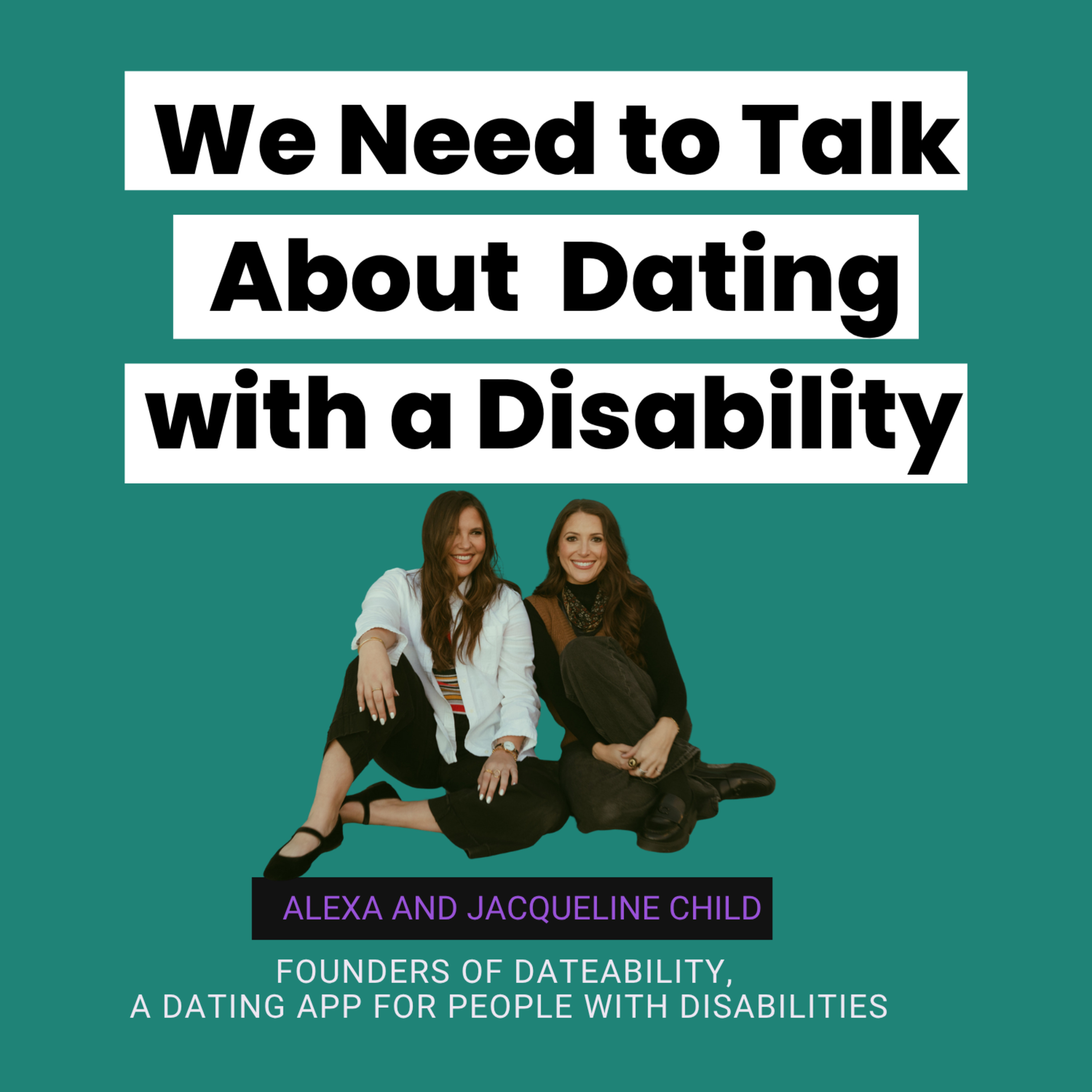
    We Need to Talk About Dating With a Disability - with Dateability App Founders | TGDNN Podcast

    Dating with a disability comes with a set of questions most apps never consider, from when to disclose to whether a community of your own means inclusion or separation. In this episode of the TGDNN Podcast, hosts Karina Sturm and Amy Zayed talk with Jacqueline and Alexa Child, the sisters who founded Dateability, a dating app made for disabled and chronically ill people. The conversation gets honest about ableism and the things people actually say, visible versus invisible disability, safety and devotees, internalized bias, and the real love stories that have come out of the app. Listen to the full conversation and tell us in the comments where you land on the separation versus inclusion question. 0:00 - Welcome and meet the founders of Dateability 2:11 - Why they created Dateability 4:10 - What makes Dateability different 5:54 - Searching by condition vs. broad categories 8:52 - Separation or inclusion: the big debate 15:01 - Media, representation, and changing stigma 17:02 - Visible vs. invisible disability and disclosure 22:30 - The audacity of ableism 28:13 - Keeping users safe: moderation, devotees, scams 32:49 - Inter-abled vs. disabled relationships 36:11 - Internalized ableism and self-worth 41:31 - Favorite Dateability love stories Video available on Youtube https://youtu.be/XpJ7B_IdoiI?si=QiRkguB1emE_pYVG Dateability https://info.dateabilityapp.com/ Dateability on the App Store https://apps.apple.com/us/app/dateability-disabled-dating/id6443474660Dateability on Google Play https://play.google.com/store/apps/details?id=com.dateabilityappThe Global Disability News Network https://globaldisabilitynews.org/Global Alliance for Disability in Media and Entertainment (GADIM) https://gadim.org/Karina Sturm (host, News Director of TGDNN) https://www.karina-sturm.com/Amy Zayed (host and journalist) https://www.linkedin.com/in/amyzayed/

  • April 30 · 47 min

    “I Wrote the Disability Story I Needed as a Child”: NYT Editor Wendy Lu on Her Novel “Casting April”

    New York Times editor and debut author Wendy Lu joins co-hosts Karina Sturm and Amy Zayed to talk about her middle-grade novel Casting April, a story about a 12-year-old girl with a tracheostomy tube who fights to prove she belongs in her school play. Wendy shares why she wrote the book she wished she'd had as a child, how publishing's challenges with the middle-grade market played into her path to Penguin Random House, and what it really means to write complex, nuanced characters with disabilities. The conversation ranges from the "disability gaze" in classrooms to the trauma parents carry, to what it's like building a career in disability journalism. 00:00 - Teaser 00:49 - Welcome to TGDNN + Introducing Wendy Lu 02:32 - What Casting April Is About 04:30 - Why Disability Representation in Kids' Books Matters 06:41 - The "Disability Gaze" and Classroom Experiences 12:41 - Balancing Disability as a Theme Without Overshadowing the Story 15:04 - The Road to Penguin Random House 19:05 - On Writing Complex Characters -- Not Just Villains 23:54 - Writing as a Coping Mechanism Since Childhood 27:01 - How All Three Hosts Found Their Way Into Journalism 30:52 - Overprotective Parents and Disability: A Universal Story 36:37 - Real Medical Emergencies and What They Do to a Family 44:24 - Career Highlights: Disabled Doctors and a Long Road to the Times Links: Full Transcript of Episode: https://globaldisabilitynews.org/i-wrote-the-disability-story-i-needed-as-a-child-nyt-editor-wendy-lu-on-her-novel-casting-april/ Casting April by Wendy Lu (Penguin Random House / Knopf Books for Young Readers) https://www.penguinrandomhouse.com/bo... Wendy Lu's official author website https://www.wendyluwrites.com/ The Global Disability News Network (TGDNN) https://globaldisabilitynews.org/ GADIM -- Global Alliance for Disability in Media and Entertainment https://gadim.org/ National Center on Disability and Journalism (NCDJ) -- Arizona State University https://ncdj.org/" Disabled Doctors Were Called Too 'Weak' to be in Medicine" -- Wendy Lu's HuffPost story https://www.huffpost.com/entry/disabl...

Showing 1–6 of 6 episodes