Sep 30, 2017 · 1 hr 1 min

The Field Guides
Nature nerds rejoice! The Field Guides is a monthly podcast that will bring you out on the trail, focusing on the science of our North American wildlife.
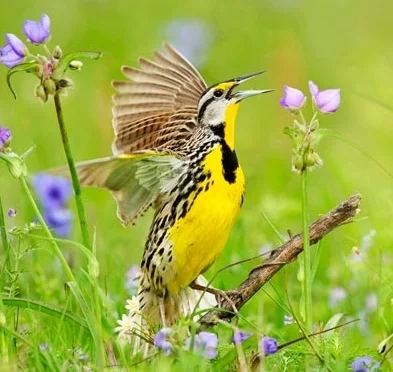
Grasslands birds and the habitats they depend on are some of the most threatened components of our North American landscape. But take heart! Because people like this month's guest co-host, Kyle Webster, are working to restore and maintain grasslands.

Join Bill and special guest Kristen Rosenburg as they hunt down some deer exclosures - structures designed to keep deer out of an area - and discuss what the research shows about these fascinating fences.
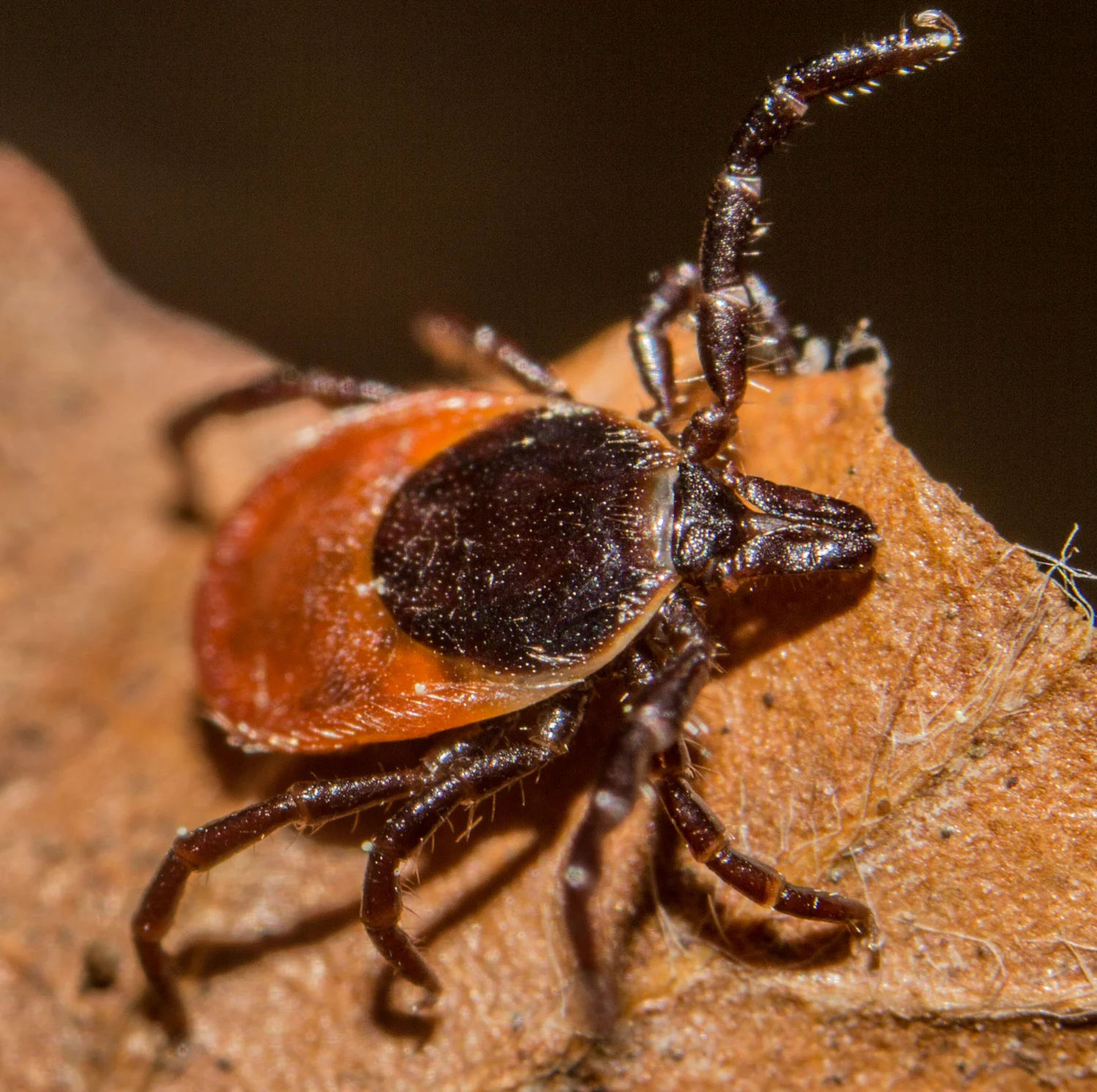
Ep. 19 - Ticks Suck The Big One The Field Guides Download This episode is all about ticks! Bill and Steve describe the difference between Ixodidae (hard ticks), Argasidae (soft ticks), and Nuttalliellidae (a single extant African species with ancestral tick traits). They also discuss the right way to remove a tick, Lyme disease, and how ticks may be partly responsible for humans being “naked apes.” We hope you enjoy! Relavent Links: Taylor Road Hamburg Family Recreation Facility: http://www.hamburg-youth-rec-seniors.com/taylor-road-family-recreation-facility.html Ticks That Bite Humans: https://www.cdc.gov/ticks/geographic_distribution.html Tick Borne Diseases: https://www.cdc.gov/ticks/diseases/index.html Removing Ticks: https://www.cdc.gov/ticks/removing_a_tick.html Corrections: Steve said that “Permian times … were around 250 million years ago.” He was in the ball park with that one, but to be more exact, the Permian period lasted from 299 to 251 million years ago. http://www.ucmp.berkeley.edu/permian/permian.php Steve mentioned that soft ticks (Argasidae) exude excess water from their anus instead of their salivary glands like hard ticks (Ixodidae) do. He was mixed up on that! The soft ticks secrete excess fluid through their coxal glands (on the base of their leg), while Nuttalliella Namaqua secretes excess fluid from it's anus. Bill claimed that the tick that causes Lyme Disease is the Black-legged Tick. While this isn't incorrect, it's not the whole picture; the CDC says that "Lyme disease is transmitted by the blacklegged tick (Ixodes scapularis) in the northeastern U.S. and upper midwestern U.S. and the western blacklegged tick (Ixodes pacificus) along the Pacific coast." Further Notes: Steve brings up "chronic Lyme disease" as a rare version of Lyme disease that lasts 6 months or longer. "Chronic Lyme disease has been a hotly debated topic in pseudoscience and alternative medicine circles. For more information, check out this writeup https://sciencebasedmedicine.org/chronic-lyme-disease-another-negative-study/ Shout-outs: http://colinpurrington.com/ http://foragedfoodie.blogspot.com/ http://isthisfood.co.uk/chocolate-cake-veganism/ Picture Credit: Lennart Tange - Female Blacklegged Tick (2012) Work Cited: "Geographic distribution of ticks that bite humans." Centers for Disease Control and Prevention. Centers for Disease Control and Prevention, 01 June 2015. Web. 13 Apr. 2017. <https://www.cdc.gov/ticks/geographic_distribution.html>. "Pictorial keys to anthropods, reptiles, birds and mammals of public health significance" U. S. Dept. of Health, Education, and Welfare, Public Health Service, Communicable Disease Center. Atlanta, Georgia. 1966 “Tickborne Diseases of the United States.” Centers for Disease Control and Prevention. Centers for Disease Control and Prevention, 16 August 2016. Web. 13 Apr. 2017. <https://www.cdc.gov/ticks/diseases/index.html>.Guglielmone, Alberto A., et al. "The Argasidae, Ixodidae and Nuttalliellidae (Acari: Ixodida) of the world: a list of valid species names." (2010). Berger, K. A., Ginsberg, H. S., Dugas, K. D., Hamel, L. H., & Mather, T. N. (2014). Adverse moisture events predict seasonal abundance of Lyme disease vector ticks (Ixodes scapularis). Parasites & vectors, 7(1), 181. Granter, Scott R., Aaron Bernstein, and Richard S. Ostfeld. "Of Mice and Men: Lyme Disease and Biodiversity." Perspectives in biology and medicine, vol. 57, no. 2, 2014, pp. 198-207, doi:10.1353/pbm.2014.0015. Mans, Ben J., et al. "Nuttalliella namaqua: a living fossil and closest relative to the ancestral tick lineage: implications for the evolution of blood-feeding in ticks." PloS one 6.8 (2011): e23675. Pagel, Mark, and Walter Bodmer. "A naked ape would have fewer parasites." Proceedings of the Royal Society of London B: Biological Sciences 270.Suppl 1 (2003): S117-S119. Rantala, Markus J. "Human nakedness: adaptation against ectoparasites?." International journal for parasitology 29.12 (1999): 1987-1989. Schauber, Eric M., Richard S. Ostfeld, and Andrew S. Evans Jr. "What is the best predictor of annual Lyme disease incidence: weather, mice, or acorns?." Ecological Applications 15.2 (2005): 575-586. Simon, Julie A., et al. "Climate change and habitat fragmentation drive the occurrence of Borrelia burgdorferi, the agent of Lyme disease, at the northeastern limit of its distribution." Evolutionary Applications 7.7 (2014): 750-764. Werden, Lisa, et al. "Geography, deer, and host biodiversity shape the pattern of Lyme disease emergence in the Thousand Islands Archipelago of Ontario, Canada." PLoS One 9.1 (2014): e85640. Wood, Chelsea L., et al. "Does biodiversity protect humans against infectious disease? Reply." Ecology 97.2 (2016): 543-546.
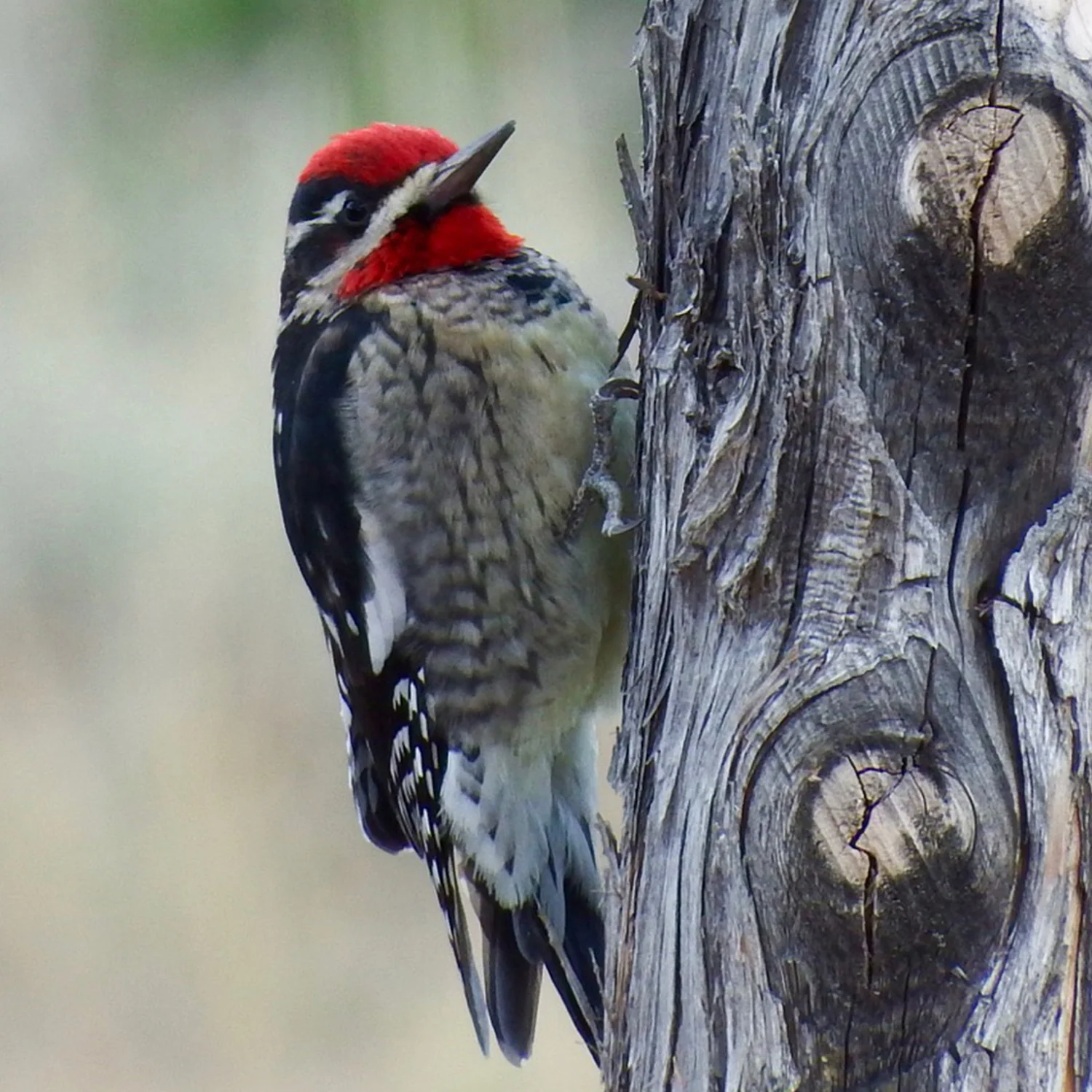
Ep. 18 - Sap! Nature's Junk Food The Field Guides Download During this episode, Steve talks about EVERY SINGLE extant non-human animal that drinks xylem or phloem sap. Join the guys as they explore the paradox of phloem sap, the barriers to eating it, how squirrels tap maple trees, hemipterans (true bugs), yellow-bellied sapsuckers, and much, much more. This episode stands alone, but we highly recommend listening to episode 17, "The Sappiest Podcast Ever..." either before or after this one. Either way, we hope you enjoy the episode! Awkward Botany's Review of The Field Guides https://awkwardbotany.com/2017/03/04/podcast-review-the-field-guides/ Work Cited: Batts, H. Lewis. "Siskin and goldfinch feeding at sapsucker tree." The Wilson Bulletin 65.3 (1953): 198-198. Bolles, Frank. "Yellow-bellied Woodpeckers and their uninvited guests." The Auk 8.3 (1891): 256-270. Douglas, A. E. "Phloem-sap feeding by animals: problems and solutions." Journal of Experimental Botany 57.4 (2006): 747-754. Eberhardt, Laurie S. "Use and selection of sap trees by Yellow-bellied Sapsuckers." The Auk 117.1 (2000): 41-51. Giuggio, Vicki M. "What If You Drink Saltwater?" HowStuffWorks Science. HowStuffWorks, 16 Feb. 2012. Web. 17 Mar. 2017. <http://science.howstuffworks.com/science-vs-myth/what-if/what-if-you-drink-saltwater1.htm>. Heinrich, Bernd. "Maple sugaring by red squirrels." Journal of mammalogy 73.1 (1992): 51-54. Hopkins, William G. Introduction to plant physiology. No. Ed. 2. John Wiley and Sons, 1999. Kilham, Lawrence. "Warblers, hummingbird, and sapsucker feeding on sap of yellow birch." The Wilson Bulletin 65.3 (1953): 198-198. Kitching, Hugo, and Douglas C. Tozer. "Observations of American Marten (Martes americana) feeding at sap wells of Yellow-bellied Sapsuckers (Sphyrapicus varius)." Northeastern Naturalist 17.2 (2010): 333-336. Sandro, Bertolino. "Introduction of the American grey squirrel (Sciurus carolinensis) in Europe: a case study in biological invasion." Current Science 95.7 (2008): 903-906. Wright, A. A., and A. H. Wright. "Sap Drinking by Sapsuckers and Hummingbirds." The Auk 35.1 (1918): 79-80. Image: Davidd - Yellow-Bellied Sapsucker (2016)
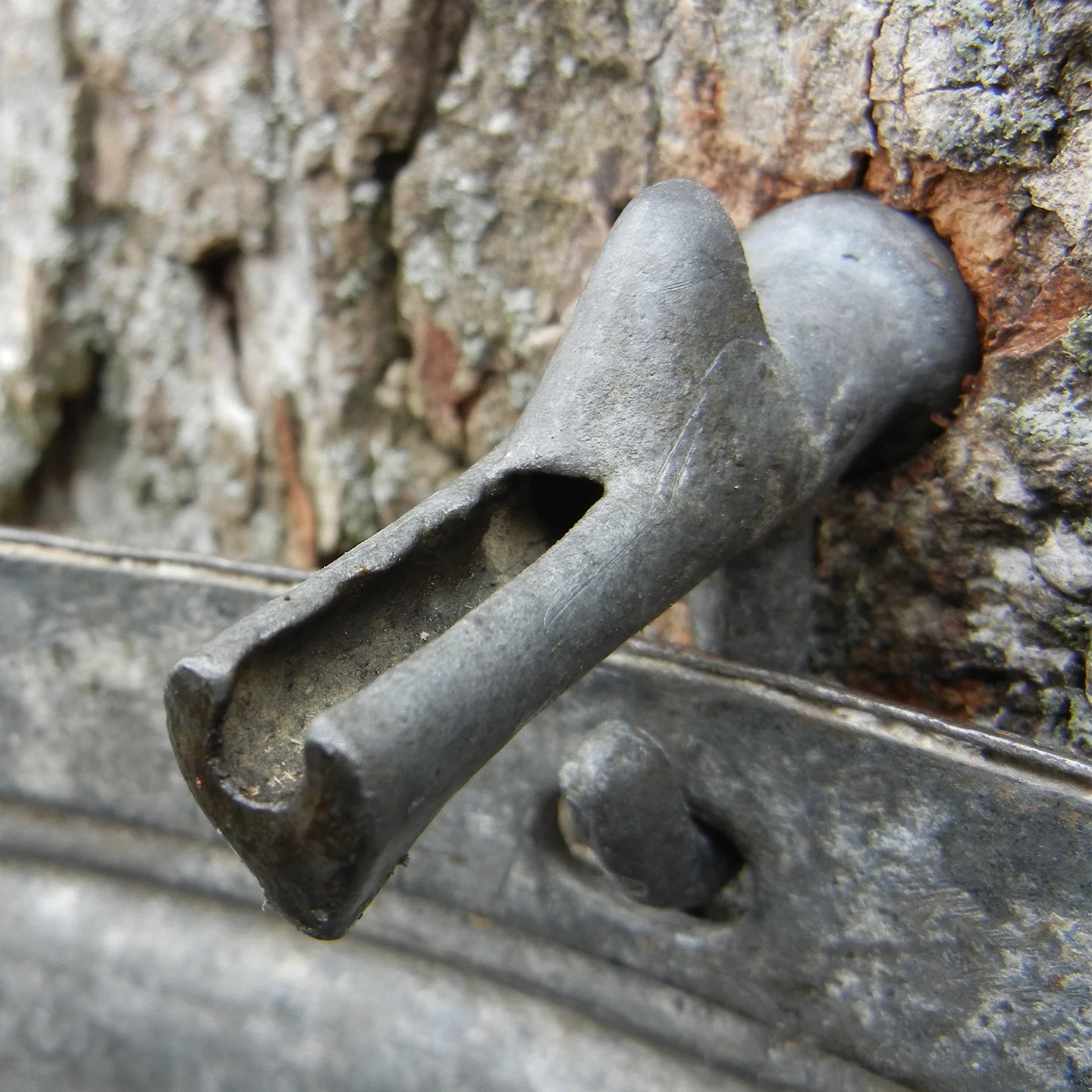
Ep. 17 - The Sappiest Podcast Ever... The Field Guides Download During this episode, Bill and Steve talk about nature's junk food - sap! Join the guys as they cover how sap moves through Maple trees, as well as how climate change will affect Maples and the sap collecting season. They also interview two volunteers at the Beaver Meadow Audubon Center about turning Maple sap into syrup, cream, and sugar. Enjoy the episode! Useful links: Beaver Meadow Audubon Center: http://www.buffaloaudubon.org/beavermeadow.php Buffalo Audubon Society: http://www.buffaloaudubon.org/ One of the best breakdowns I’ve ever read about what’s specifically happening inside maples with regard to sap, sugar, and tapping - https://botanistinthekitchen.blog/2013/03/18/maple-syrup-mechanics/#comments The website for the University of Vermont Proctor Maple Research Center is a treasure trove of information on maple research: http://www.uvm.edu/~pmrc/?Page=publications.html Learn About the Science of Maple Sugaring - http://www.caryinstitute.org/newsroom/learn-about-science-maple-syrup Work Cited: Ball, David W. "The chemical composition of maple syrup." Journal of Chemical Education, vol. 84, no. 10, 2007, pp. 1647 Brown, Laura J., Daniel Lamhonwah, and Brenda L. Murphy. "Projecting a spatial shift of Ontario's sugar maple habitat in response to climate change: A GIS approach." The Canadian Geographer/Le Géographe canadien 59.3 (2015): 369-381. Copenheaver, Carolyn A., et al. "Decreased radial growth in sugar maple trees tapped for maple syrup." The Forestry Chronicle 90.6 (2014): 771-777. Copenheaver, Carolyn A., et al. "Dendroclimatic Responses of Sugar Maple Tapped for Maple Syrup: A Case Study from Pennsylvania." Tree-Ring Research 73.1 (2017): 35-41. Duchesne, Louis, and Daniel Houle. "Interannual and spatial variability of maple syrup yield as related to climatic factors." PeerJ 2 (2014): e428. https://doi.org/10.7717/peerj.428 Farrell, Michael L., and Richard C. Stedman. "Landowner attitudes toward maple syrup production in the northern forest: A survey of forest owners with ≥ 100 acres in Maine, New Hampshire, New York, and Vermont." Northern Journal of Applied Forestry 30.4 (2013): 184-187. Groffman, Peter M., et al. "Long-term integrated studies show complex and surprising effects of climate change in the northern hardwood forest." BioScience 62.12 (2012): 1056-1066. Hopkins, William G. Introduction to plant physiology. No. Ed. 2. John Wiley and Sons, 1999. Mozumder, Pallab, et al. "Risk perceptions and adaptation to climate variability: Survey evidence from maple syrup farmers." International Journal of Ecological Economics and Statistics™ 36.4 (2015): 1-17. Rapp, Joshua M., and Elizabeth E. Crone. "Maple syrup production declines following masting." Forest Ecology and Management 335 (2015): 249-254. Skinner, Christopher B., Arthur T. DeGaetano, and Brian F. Chabot. "Implications of twenty-first century climate change on Northeastern United States maple syrup production: impacts and adaptations." Climatic Change 100.3-4 (2010): 685-702. Stephen N. Matthews & Louis R. Iverson (2017) Managing for delicious ecosystem service under climate change: can United States sugar maple (Acer saccharum) syrup production be maintained in a warming climate?, International Journal of Biodiversity Science, Ecosystem Services & Management, 13:2, 40-52, DOI: 10.1080/21513732.2017.1285815http://dx.doi.org/10.1080/21513732.2017.1285815
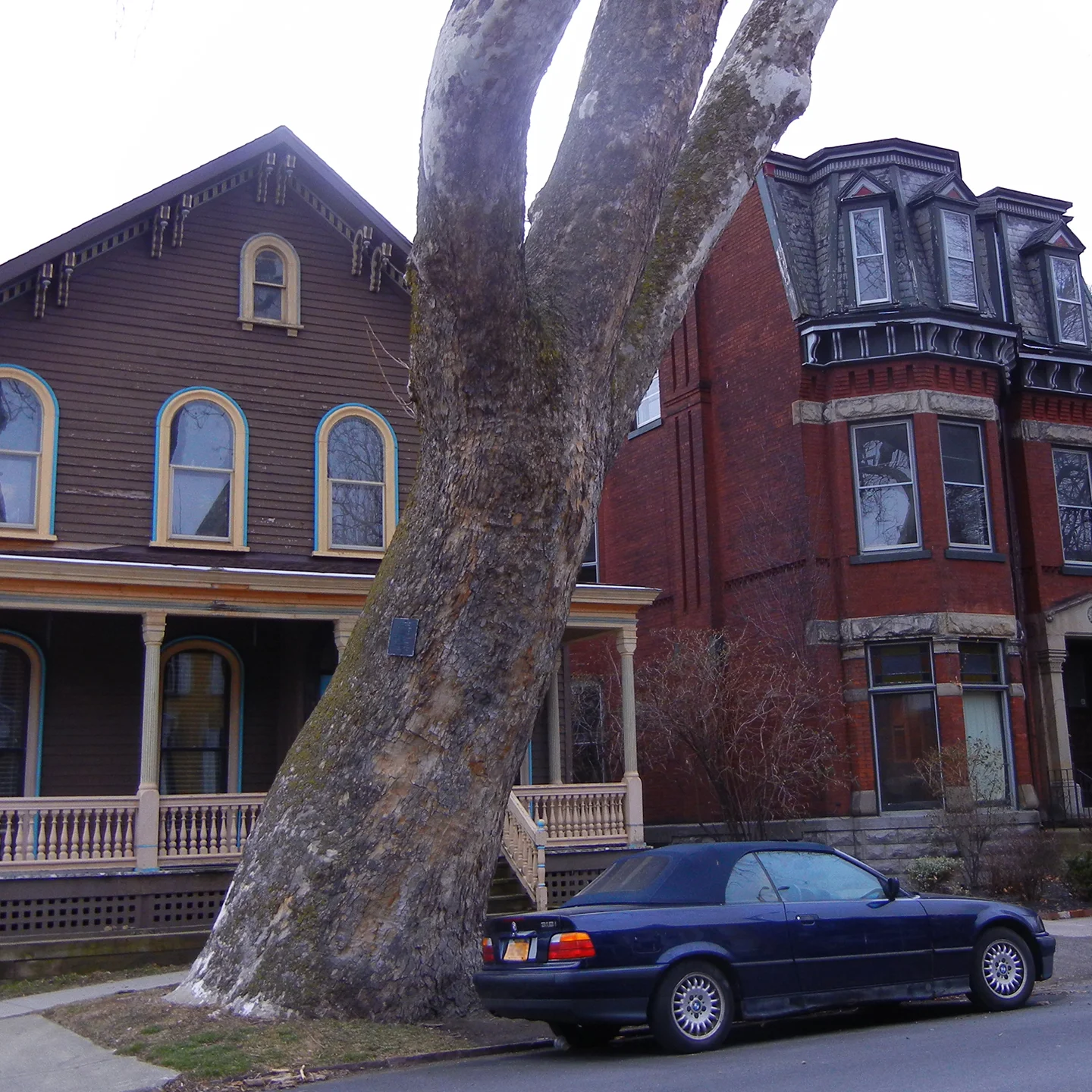
Bonus 02 - Bark! The Field Guides Download Our 2nd bonus episode has arrived! This episode, Steve is joined by Matt from ‘In Defense of Plants’ & Sara from ‘Midwest Explorer’ for a hike at Hunter’s Creek Park. We talk about tree bark, bird poop, and American Sycamore Trees. Steve also ventures into Buffalo, NY to see the oldest American Sycamore in the world… allegedly (but probably not). Enjoy! Useful Links and relevant time stamps: 01. In Defense of Plants: http://www.indefenseofplants.com/ https://www.patreon.com/indefenseofplants https://www.facebook.com/InDefenseOfPlants/ In Defense of Plants – Bark! http://www.indefenseofplants.com/blog/2016/1/27/bark 02. Midwest Explorer: https://www.facebook.com/themidwestexplorer/ 03. Mystery Pupa [02:23] Tomato Hornworm/ Five-spotted Hawk Moth (Manduca quinquemaculatus) [02:35] http://bugguide.net/node/view/5011 04. Hunter’s Creek Park [02:52] http://www.wnymba.org/static/maps/hunters.pdf Friends of Hunter’s Creek https://www.facebook.com/Friends-of-Hunters-Creek-128946483795779/ 05. Blackberry (Rubus sp.) [03:21] https://plants.usda.gov/core/profile?symbol=rubus 06. Multiflora Rose (Rosa multiflora) [03:51] https://plants.usda.gov/core/profile?symbol=romu The Field Guides – Ep. 05 - Multiflora Blows http://www.thefieldguidespodcast.com/new-blog/2016/2/7/the-field-guides-ep-05-multiflora-rose 07. Epilobium (Willowherb) [04:02] https://plants.usda.gov/core/profile?symbol=EPILO 08. Achene [05:02] https://en.wikipedia.org/wiki/Achene 09. Anemochory & Myrmecochory [05:17] https://en.wikipedia.org/wiki/Seed_dispersal_syndrome 10. Pink Etymology [05:47] http://www.etymonline.com/index.php?term=pink 11. Betalains [06:22] https://en.wikipedia.org/wiki/Betalain David L. Des Marais - To betalains and back again: a tale of two pigments http://onlinelibrary.wiley.com/store/10.1111/nph.13556/asset/nph13556.pdf;jsessionid=6FCC35B48271BFEFF143E64398B0B4D3.f04t04?v=1&t=izpvn6n1&s=1f638b188825a59732b66f9e08217d8f3bf4e2e9 The Field Guides – Ep. 12 – Pokeweed Every Day http://www.thefieldguidespodcast.com/new-blog/2016/11/3/the-field-guides-ep-12-pokeweed-every-day 12. Foxes of North America [07:10] http://wildliferesponse.org/index.php?option=com_content&view=article&id=54:foxes-of-north-america&catid=36:mammals&Itemid=57 13. Musclewood/American Hornbeam (Carpinus caroliniana) [07:26] https://plants.usda.gov/core/profile?symbol=caca18 14. Ironwood/American Hophornbeam (Ostrya virginiana) [09:12] https://plants.usda.gov/core/profile?symbol=OSVI 15. Black Cherry (Prunus serotina) [10:09] https://plants.usda.gov/core/profile?symbol=prse2 16. Lenticels [10:56] http://www.mhhe.com/biosci/genbio/raven6b/graphics/raven06b/other/raven06_38.pdf Search for “lenticel” 17. Tree-ring formation [11:31] https://www.ncbi.nlm.nih.gov/pmc/articles/PMC4880555/pdf/fpls-07-00734.pdf 18. Downy Serviceberry (Amelanchier arborea) [12:27] https://plants.usda.gov/core/profile?symbol=amar3 19. Striped Maple/Moosewood (Acer pensylvanicum) [13:19] https://plants.usda.gov/core/profile?symbol=acpe American Forests Champion Trees http://www.americanforests.org/explore-forests/americas-biggest-trees/champion-trees-national-register/ 20. Red Maple (Acer rubrum) [14:02] https://plants.usda.gov/core/profile?symbol=acru 21. Frullania sp. [14:42] https://plants.usda.gov/core/profile?symbol=FRULL (not much help) http://eol.org/pages/36257/overview 22. Red Maple’s “reptilian” bark [16:16] https://nhgardensolutions.files.wordpress.com/2013/03/10-pattern-in-red-maple-tree-bark.jpg 23. Evolution of bark [17:05] 24. Marsessence [17:58] https://www.arboretum.harvard.edu/leaves-dont-leave/ http://nhpr.org/post/something-wild-how-trees-survive-nh-winters-0 25. American Sycamore (Platanus occidentalis) [19:49] https://plants.usda.gov/core/profile?symbol=ploc 26. Eastern Hemlock (Tsuga Canadensis) [20:20] https://plants.usda.gov/core/profile?symbol=tsca 27. Yellow Birch (Betula alleghaniensis) [20:44] https://plants.usda.gov/core/profile?symbol=BEAL2 Oil of Wintergreen (Methyl salicylate) https://en.wikipedia.org/wiki/Methyl_salicylate 28. Maple-Beech-Birch Forests [21:18] http://www.nhdfl.org/about-forests-and-lands/bureaus/natural-heritage-bureau/photo-index/yellow-birch-forest.aspx 29. Hemlock Woolly Adelgid (Adelges tsugae) [21:27] https://www.invasivespeciesinfo.gov/animals/hwa.shtml 30. Mystery purple poop guesses [22:18] Buckthorn (Rhamnus sp.) https://plants.usda.gov/core/profile?symbol=RHAMN Pokeweed (Phytolacca americana) https://plants.usda.gov/core/profile?symbol=pham4 Privet (Ligustrum sp.) https://plants.usda.gov/core/profile?symbol=LIGUS2 31. Big-Tooth Aspen (Populus grandidentata) [21:55] https://plants.usda.gov/core/profile?symbol=POGR4 Quaking Aspen (Populus tremuloides) https://plants.usda.gov/core/profile?symbol=potr5 Eastern Cottonwood (Populus deltoides) https://plants.usda.gov/core/profile?symbol=PODE3 32. American Witch-hazel (Hamamelis virginiana) [24:49] https://plants.usda.gov/core/profile?symbol=havi4 The Field Guides - Ep. 10 - Witch Hazel: An Explosive Late Bloomer http://www.thefieldguidespodcast.com/new-blog/2016/10/2/the-field-guides-ep-10-a-late-bloomer 33. Mystery "five o'clock shadow" fungi [26:30] 34. Woodfern (Dryopteris sp.) [27:20] https://plants.usda.gov/core/profile?symbol=DRYOP New York Fern (Thelypteris noveboracensis) https://plants.usda.gov/core/profile?symbol=THNO 35. Plaintain Leaved Sedge (Carex plantaginea) [27:52] https://plants.usda.gov/core/profile?symbol=CAPL4 36. Hawthorn (Crataegus sp.) [28:20] https://plants.usda.gov/core/profile?symbol=CRATA 37. Radula sp. [28:26] https://plants.usda.gov/core/profile?symbol=RADUL 38. Japanese barberry (Berberis thunbergii) [28:46] https://plants.usda.gov/core/profile?symbol=beth CORRECTION: To say that Berberis is a non-native genus and Mahinia is a native genus is either a gross over simplification on my part, or just simply wrong. While there are non-native Berberis species in North America, there are also some native species as well (5 native spp., 5 non-native spp.). Mahonia, on the other hand, has all but 1 native species in North America (10 native spp., 1 non-native sp.). Barberry (Berberis spp.) https://plants.usda.gov/core/profile?symbol=BERBE Barberry (Mahonia spp.) https://plants.usda.gov/core/profile?symbol=MAHON 39. Ulota [29:26] https://plants.usda.gov/core/profile?symbol=ULOTA 40. Sensitive/Bead Fern (Onoclea sensibilis) [29:15] https://plants.usda.gov/core/profile?symbol=onse 41. Black Willow (Salix nigra) [29:48] https://plants.usda.gov/core/profile?symbol=SANI 42. Wild Grape (Vitis sp.) [31:26] https://plants.usda.gov/core/profile?symbol=VITIS 43. Dickcissel (Spiza americana) [32:12] https://www.allaboutbirds.org/guide/Dickcissel/lifehistory Group names for different bird species http://www.birdnature.com/groupnames.html 44. American Sycamore (Platanus occidentalis) [32:40] https://plants.usda.gov/core/profile?symbol=ploc London Planetree (Platanus ×hispanica) [occidentalis × orientalis] https://plants.usda.gov/core/profile?symbol=PLHI Why the Sycamore Sheds Its Bark https://www.nycgovparks.org/news/daily-plant?id=19242 45. Buffalo’s Oldest Tree – American Sycamore [36:42] http://www.buffaloah.com/a/franklin/404/tree/index.html Champion Sycamores on American Forests http://www.americanforests.org/?s=sycamore&lang=en Champion American Sycamores on Monumental Trees https://www.monumentaltrees.com/en/trees/platanusoccidentalis/records/ 46. To Know The Land – 93.3 fm cfru (Byron’s radio show) [39:48] http://cfru.ca/recordings/315

Ep. 16 - (Don't?) Feed The Birds, Nerds! The Field Guides Download Episode Notes: This episode, Bill and Steve discuss whether or not we should be feeding birds. Do filled feeders stop birds from migrating? Do they help birds survive the winter? Do they contribute to spreading disease throughout bird populations? All this and more - enjoy! Useful links! Ep. 04 - Brrrrrds in Winter: http://www.thefieldguidespodcast.com/new-blog/2016/1/6/the-field-guides-ep-04-brrrrrds-in-winter Bonus 01 - The Christmas Bird Count: http://www.thefieldguidespodcast.com/new-blog/2017/2/14/the-field-guides-bonus-01-the-christmas-bird-count Work Cited: Brittingham, Margaret Clark, and Stanley A. Temple. "A survey of avian mortality at winter feeders." Wildlife Society Bulletin (1973-2006) 14.4 (1986): 445-450. Brittingham, Margaret Clark, and Stanley A. Temple. "Impacts of Supplemental Feeding on Survival Rates of Black‐Capped Chickadees." Ecology 69.3 (1988): 581-589. Chace, Jameson F., and John J. Walsh. "Urban effects on native avifauna: a review." Landscape and urban planning 74.1 (2006): 46-69. Fuller, Richard A., et al. "Garden bird feeding predicts the structure of urban avian assemblages." Diversity and Distributions 14.1 (2008): 131-137. Galbraith, Josie A., et al. "Risks and drivers of wild bird feeding in urban areas of New Zealand." Biological Conservation 180 (2014): 64-74. Galbraith, Josie A., et al. "Supplementary feeding restructures urban bird communities." Proceedings of the National Academy of Sciences 112.20 (2015): E2648-E2657. Malpass, Jennifer S., Amanda D. Rodewald, and Stephen N. Matthews. "Species-dependent effects of bird feeders on nest predators and nest survival of urban American Robins and Northern Cardinals." The Condor 119.1 (2016): 1-16. Martinson, Tammie J., and David J. Flaspohler. "Winter bird feeding and localized predation on simulated bark-dwelling arthropods." Wildlife Society Bulletin (2003): 510-516. Robb, Gillian N., et al. "Food for thought: supplementary feeding as a driver of ecological change in avian populations." Frontiers in Ecology and the Environment 6.9 (2008): 476-484. Robb, Gillian N., et al. "Winter feeding of birds increases productivity in the subsequent breeding season." Biology letters 4.2 (2008): 220-223. Project: Feederwatch analysis: https://www.allaboutbirds.org/analysis-do-bird-feeders-help-or-hurt-birds/ Photo Credit: Jeff Sharpe - February... spring's getting closer (02/11/2017) https://flic.kr/p/Rt9feS
For this bonus episode, Bill, Steve, Chris, and Dave participate in the Christmas Bird Count. They count birds, talk about the history and findings of the count, and tell their own birding stories. Enjoy!
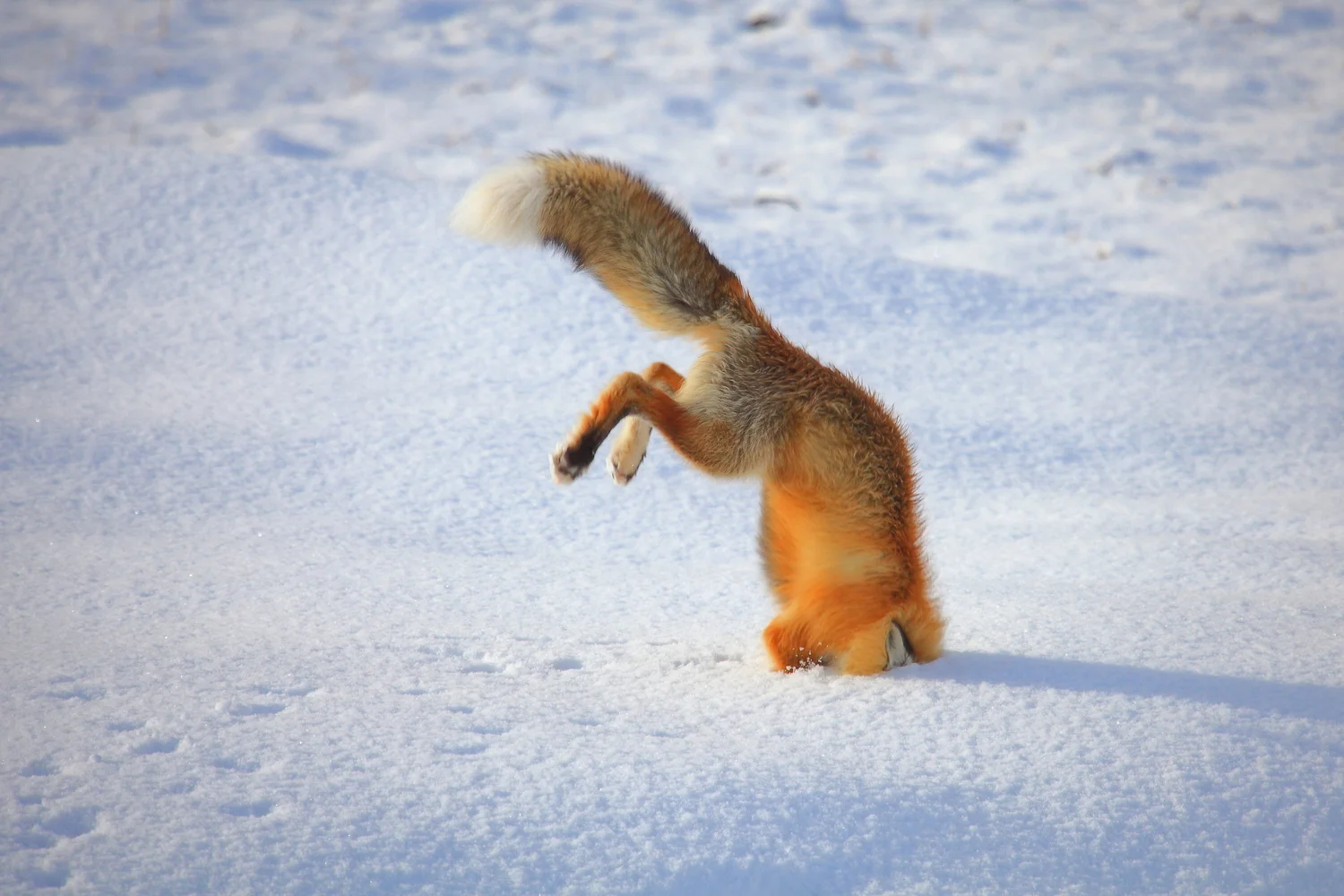
Join Bill and Steve as they explore the world of winter wildlife interactions going on UNDER the snow – in the fascinating world of the subnivean zone.
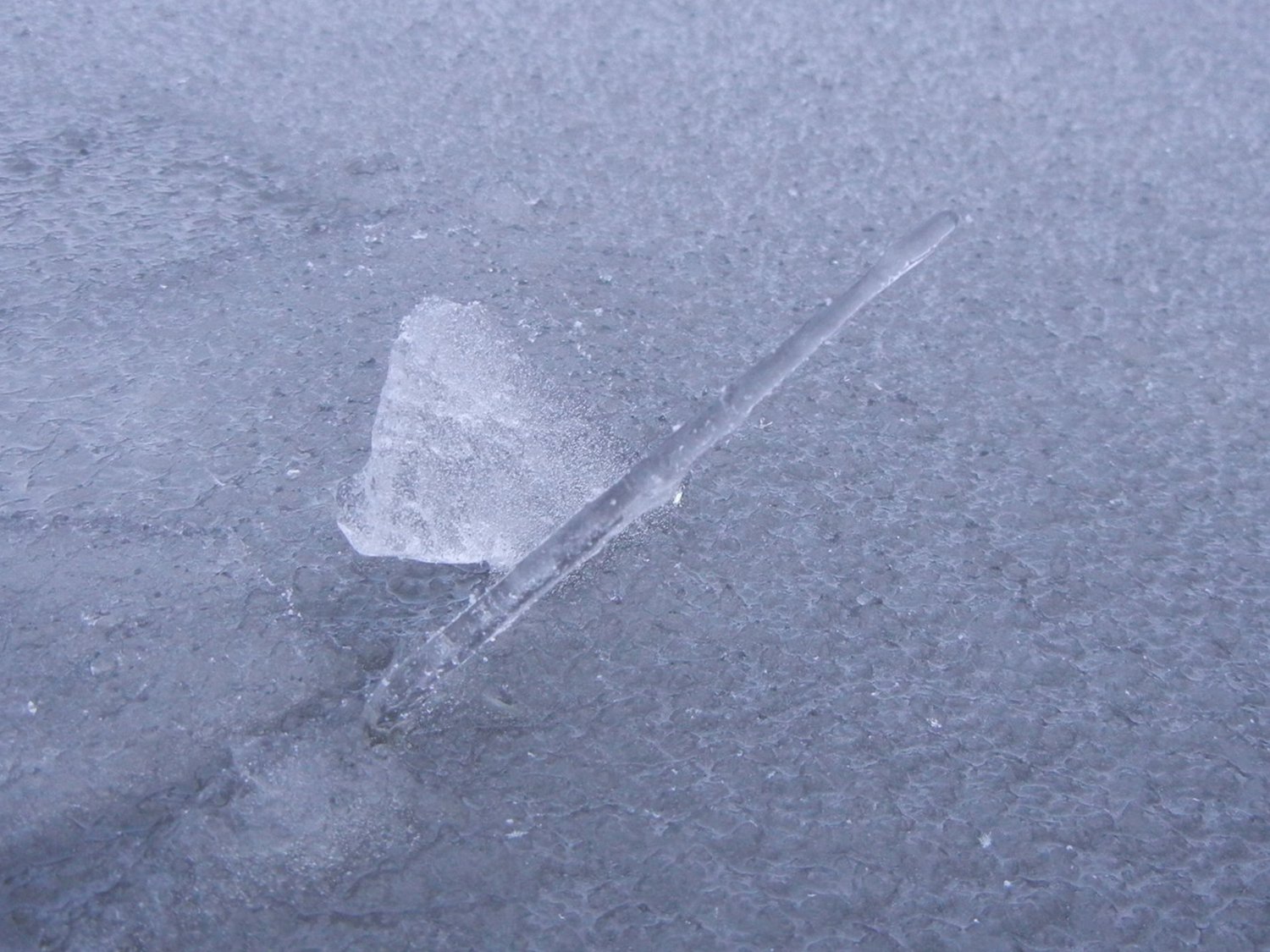
Ep. 14 - Vases and Candles and Spikes! Oh My! The Field Guides Download Episode notes: This week Steve leads the discussion on "ice spikes." This is a rare winter phenomenon that Bill and Steve stumbled across at Stiglmeier Park (Cheektowaga, NY) during January, 2016. Join the guys as they run through two (presumably) incorrect hypotheses on how ice spikes form, and one well-documented method for their formation within freezers. We also explore the conditions that increase the chance of ice spikes forming in natural areas. While the episode mainly focuses on the "spike" form, "vase," "candle," and "tower" forms are also possible. Mistakes: Very likely... Work Cited: Carter, James R., Dr. "Ice Formations Diurnal Freeze-Thaw Cycles." Ice Formations Diurnal Freeze-Thaw Cycles. Illinois State University, n.d. Web. 1 Dec. 2016. <http://my.ilstu.edu/~jrcarter/ice/diurnal/>. Hill, Lesley, Edward Lozowski, and Russell D. Sampson. "Experiments on ice spikes and a simple growth model." Journal of Glaciology 50.170 (2004): 375-381. Libbrecht, Kenneth G., and Kevin Lui. "An investigation of laboratory-grown ice spikes." Journal of Glaciology 50.170 (2004): 371-374. Olovsson, Ivar. Snow, Ice and Other Wonders of Water: A Tribute to the Hydrogen Bond. World Scientific, 2015. Samuel, Ä. Ö. Ö. "The Effect of Chemical Additives on Ice-Spike Formation." The Board of Trustees of the Center for Excellence in Education: 31
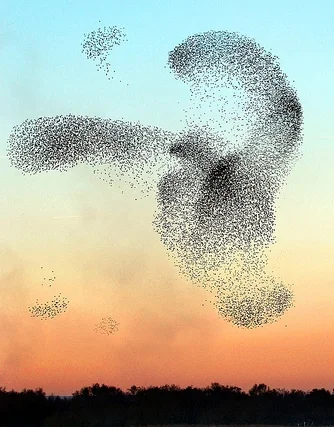
What the flock is up with murmurations? In this episode, Bill and Steve explore the world of collective behavior, and take a specific look at murmurations of the European Starling (Sturnus vulgaris).

Ep. 12 - Pokeweed Every Day The Field Guides Download Episode Notes: This month's episode features Pokeweed (Phytolacca americana). This is a fascinating plant with some surprising tie-ins with American history. Join Steve and Bill as they tell you about pokeweed's uncommon red pigment, its use in phytoremediation, and the various ways in which it demonstrates toxicity. Mistakes: We're crossing our fingers Work Cited: Eastman, John Andrew. The Book of Field and Roadside: Open-Country Weeds, Trees, and Wildflowers of Eastern North America. Stackpole Books, 2003. Edwards, Maurice E., et al. "Seed germination of American pokeweed (Phytolacca americana). I. Laboratory techniques and autotoxicity." American Journal of Botany (1988): 1794-1802. Gao, Lu, et al. "Cadmium and manganese accumulation in Phytolacca americana L. and the roles of non-protein thiols and organic acids."International journal of phytoremediation 15.4 (2013): 307-319. Newcomb, Lawrence. "Newcomb’s wildflower guide." Little, Brown, and Company, Boston. xxii (1977). Orrock, John L. "The effect of gut passage by two species of avian frugivore on seeds of pokeweed, Phytolacca americana." Canadian journal of botany83.4 (2005): 427-431. Orrock, John L., et al. "Seed predation, not seed dispersal, explains the landscape‐level abundance of an early‐successional plant." Journal of Ecology 94.4 (2006): 838-845. Peterson, Roger Tory, and Margaret McKenny. A field guide to wildflowers: northeastern and north-central North America. Houghton Mifflin Harcourt, 1968. Schliemann, Willibald, et al. "Betacyanins from plants and cell cultures of Phytolacca americana." Phytochemistry 42.4 (1996): 1039-1046. Strack, Dieter, Thomas Vogt, and Willibald Schliemann. "Recent advances in betalain research." Phytochemistry 62.3 (2003): 247-269. Taira, Junsei, et al. "Antioxidant capacity of betacyanins as radical scavengers for peroxyl radical and nitric oxide." Food chemistry 166 (2015): 531-536. Wei, Yuan, et al. "Molecular diversity of arbuscular mycorrhizal fungi associated with an Mn hyperaccumulator—Phytolacca americana, in Mn mining area." Applied Soil Ecology 82 (2014): 11-17. Photo credit: H. Zell (left & right)
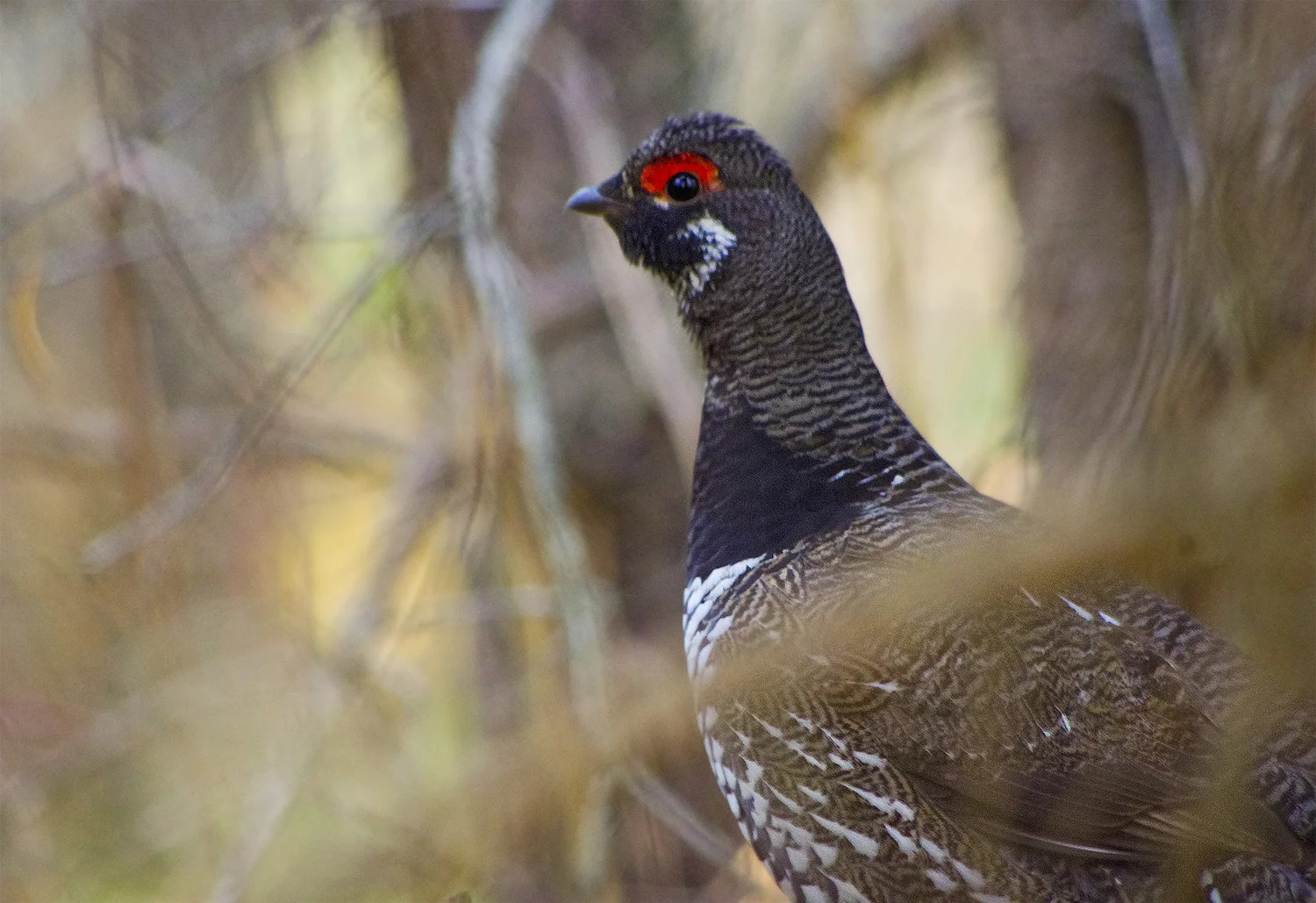
Have you ever heard of a Fool's Hen? Join Steve and Bill as they head into the wilds of Ontario Canada to search for this elusive critter, better known as the Spruce Grouse (Falcipennis canadensis)!
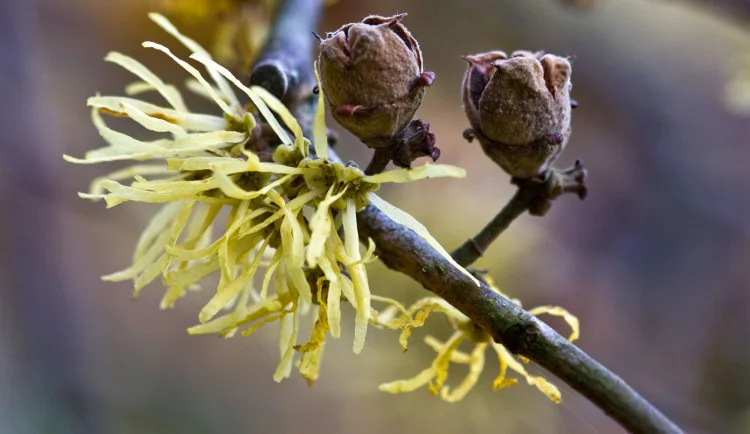
Join Steve and Bill as they hunt for the weird and wonderful Witch Hazel (Hamemelis virginiana), a small tree with a fascinating array of adaptations, including "exploding" seed pods!

Bill and Steve hit the road and travel to Valcour Island on Lake Champlain, searching for rare plants and the largest heron rookery in New York State.

Bill and Steve delve into the research behind the environmental impacts of our food choices, including the fun and carefree world of veganism.

It may be "the most numerous forest vertebrate" in many areas of the northeast, but the Redbacked Salamander (Plethodon cinereus) is rarely seen unless you're looking for it. In this episode, Steve and Bill hunt for some Redbacks while sharing recent research on its ecology. Give a listen!
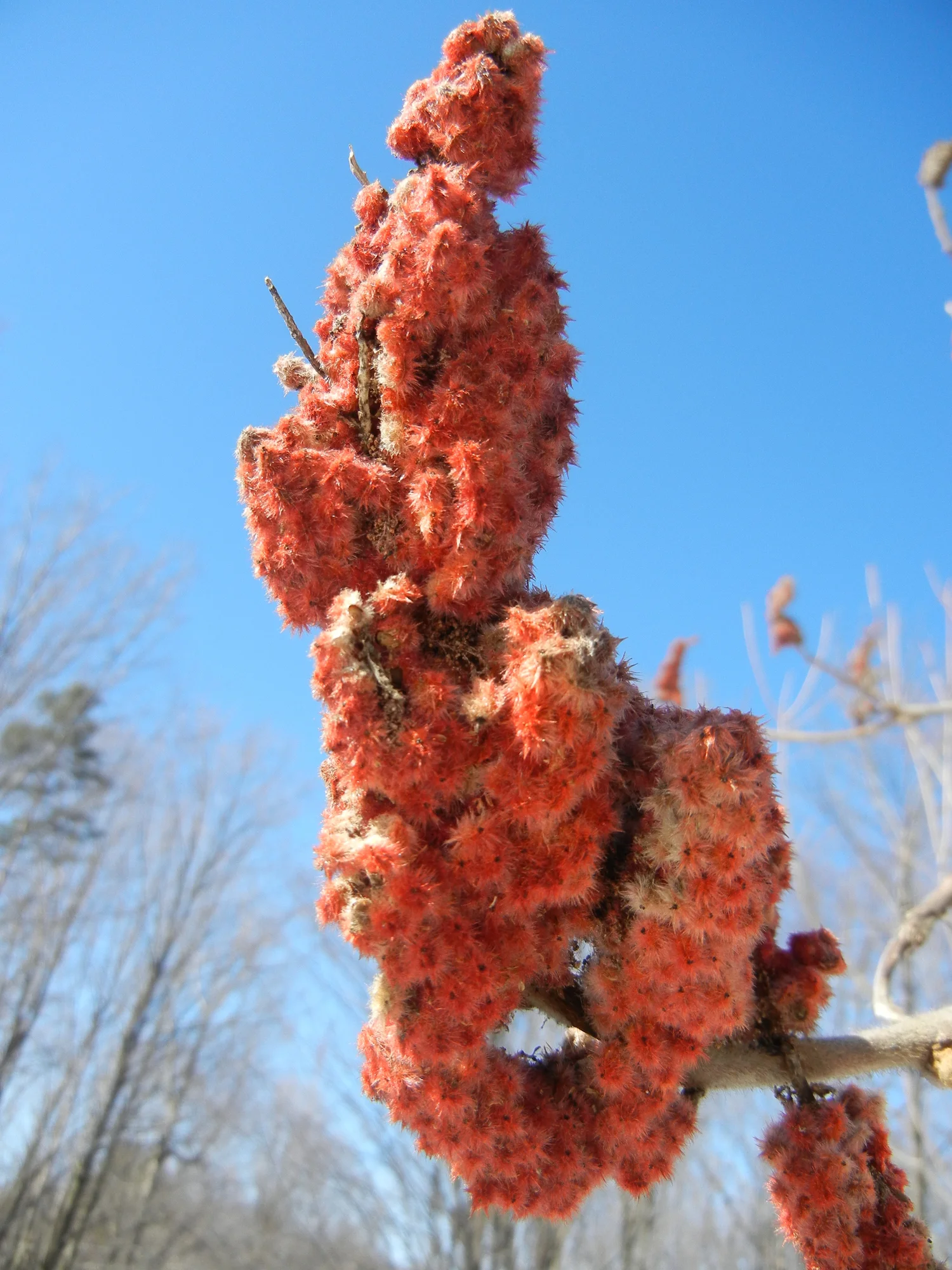
Episode 6 of The Field Guides is here! SPOILER ALERT!!! This episode Bill and Steve talk about Staghorn Sumac (Rhus typhina).
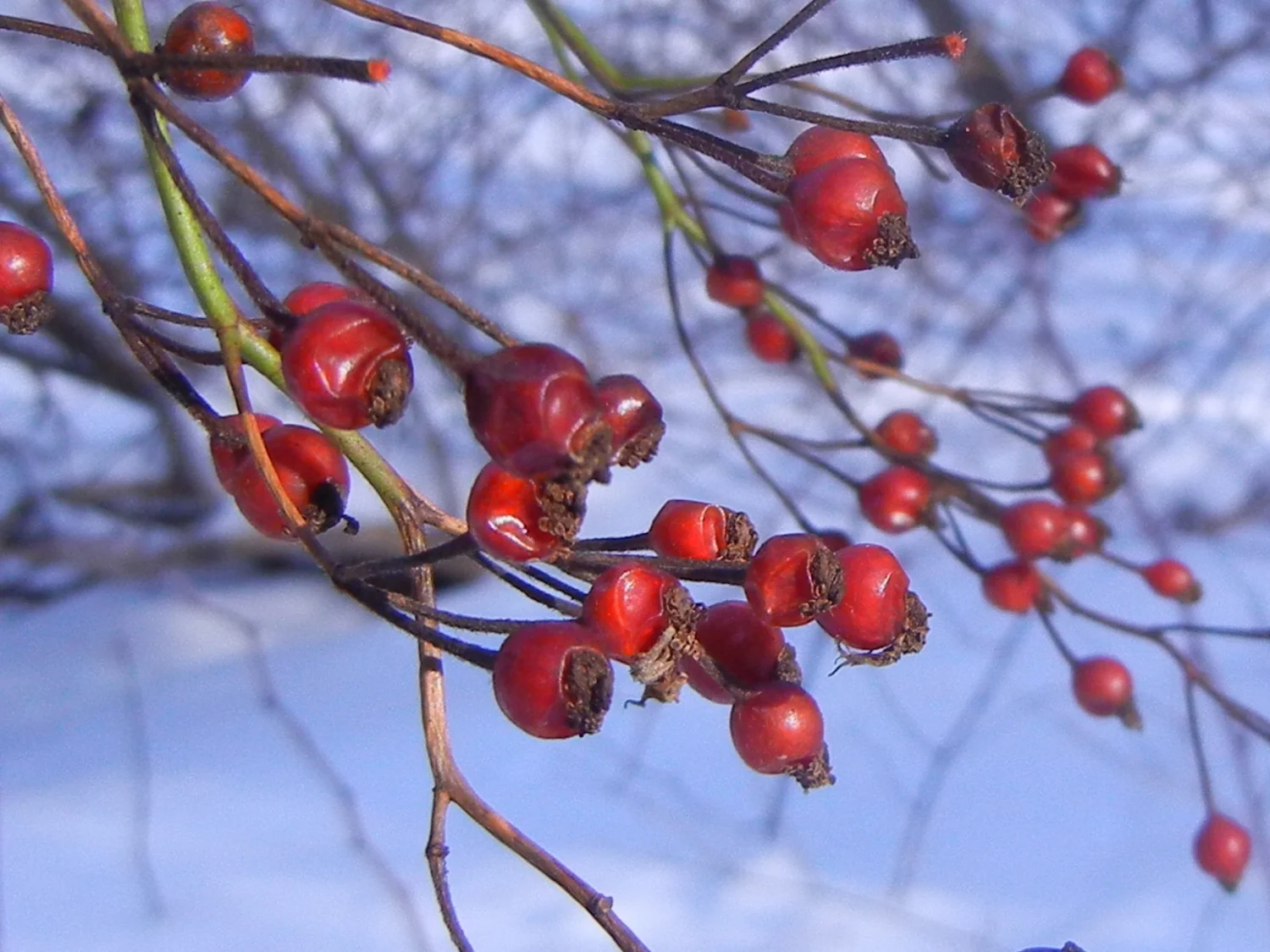
This month we talk about the hippest plant we know, Multiflora Rose (Rosa multiflora). Let us know what you think, enjoy!
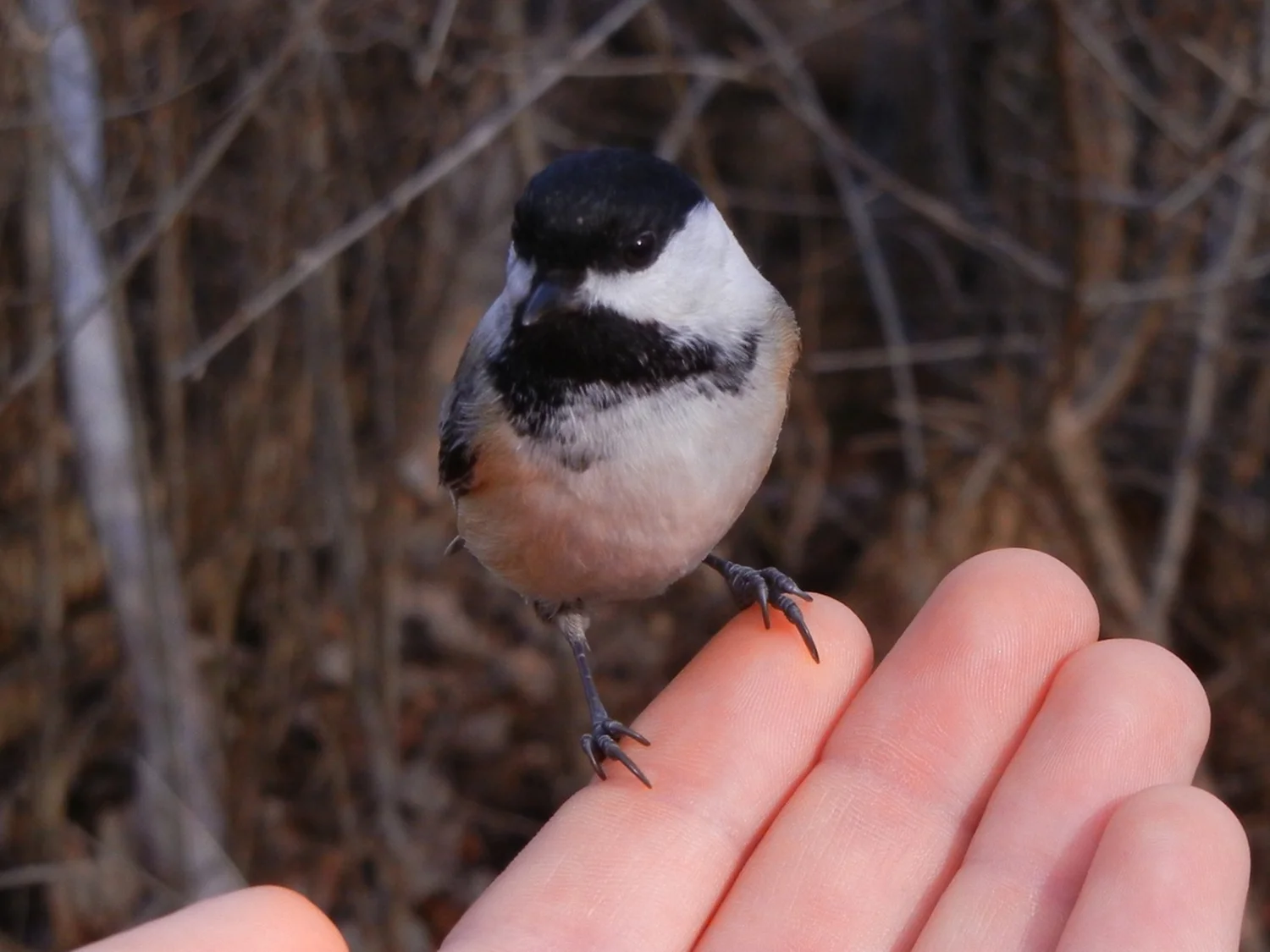
Ep. 04 - Brrrrrds in Winter The Field Guides Download Episode notes: At one point we wonder if a bird we see is a grebe. We know that there aren't any grebes that have winter ranges in Western New York, but this has been a strange winter and less likely things have happened. Questions that came up during the episode: Although it was cut during editing, Bill and Steve wondered during recording, “Why do flamingos stand on one leg?” Bill thought he had come across the answer in the past, but had forgotten it. Steve just plain didn’t know. The answer? No one knows! While many theories are out there, no one has found a definitive answer (yet). The folks at How Stuff Works have done their usual great job of collecting solid information, and they present the reigning theories here: http://animals.howstuffworks.com/birds/flamingos-stand-on-one-leg.htm And for a relatively recent study on one researcher’s efforts to get to the bottom of the flamingo-on-one-leg mystery, check out this article: http://www.livescience.com/5732-flamingos-stand-leg.html Mistakes: While Steve was correct about the Red Knot (Calidris canutus), Dark-eyed Junco (Junco hyemalis), Northern Mockingbird (Mimus polyglottos), American Robin (Turdus migratorius), and House Sparrow (Passer domesticus), he was incorrect about the scientific name for the White-breasted Nuthatch (Sitta carolinensis) which he thought was Sitta canadensis (Red-breasted Nuthatch); idiot! Additionally, Steve said "hyperthermia" instead of "hypothermia" when talking about swimming in winter; double idiot! Surprise surprise, Steve also explained phenotypes and genotypes rather poorly. In his excitement, he described both in terms of "changes in" observable characteristics and genes, respectively. What he should have said was that a genotype is an individual's gene for a trait, and that a phenotype is the observable expression of a gene; triple idiot! But the quadruple idiot award for this episode goes to Bill, who insisted emphatically that House Sparrows were not Sparrows at all, but Weaver Finches. This is incorrect. Following the release of this episode, Steve researched Bill's claim, and being a great guy, he didn't call Bill a moron, but sent him a few Wikipedia links with the kind message, "I think you might be wrong about House Sparrows..." After just a few minutes of internet searching, Bill found out why he thought what he did. Old editions of the Audubon Society Encyclopedia of North American Birds places House Sparrows in the Weaver Finch family, but all recent references (within the past 30 years) Bill could find to their taxonomy refer to them as "Old World Sparrows," the family Passeridae. National Geographic Complete Birds of North America states, "Old World Sparrows are not closley related to New World sparrows in the family Emberizidae. Instead their closest alliance is with the family Ploceidae, in which they were formerly placed." Ploceidae is the Weaver Finch family. So, basically, House Sparrows used to be considered Weaver Finches but research has revealed that they are only closely related to them. Work Cited: Björklund, Mats, et al. "Increase in body size is correlated to warmer winters in a passerine bird as inferred from time series data." Ecology and evolution 5.1 (2015): 59-72. Brittingham, Margaret C., and Stanley A. Temple. "Use of winter bird feeders by black-capped chickadees." The Journal of wildlife management (1992): 103-110. Brodin, Anders. "Why do hoarding birds gain fat in winter in the wrong way? Suggestions from a dynamic model." Behavioral Ecology 11.1 (2000): 27-39. Carr, Jennie M., and Steven L. Lima. "Wintering birds avoid warm sunshine: predation and the costs of foraging in sunlight." Oecologia 174.3 (2014): 713-721. R. R. J. Chaffee, et al. “Studies on thermogenesis in cold acclimated birds.” Canadian Journal of Biochemistry and Physiology, 41 (1963): 2215-2220 Coughlan, Neil E., et al. "Humid microclimates within the plumage of mallard ducks (Anas platyrhynchos) can potentially facilitate long distance dispersal of propagules." Acta Oecologica 65 (2015): 17-23. Ederstrom, H. E., and S. J. Brumleve. "Temperature gradients in the legs of cold-acclimatized pheasants." American Journal of Physiology--Legacy Content 207.2 (1964): 457-459. Houston, Alasdair I., and John M. McNamara. “A Theoretical Investigation of the Fat Reserves and Mortality Levels of Small Birds in Winter”. Ornis Scandinavica 24.3 (1993): 205–219. Klaassen, Raymond HG, et al. "When and where does mortality occur in migratory birds? Direct evidence from long‐term satellite tracking of raptors."Journal of Animal Ecology 83.1 (2014): 176-184. Koskenpato, Katja, et al. "Is the denser contour feather structure in pale grey than in pheomelanic brown tawny owls Strix aluco an adaptation to cold environments?." Journal of Avian Biology (2015). Macdonald, Christie A., et al. "Cold tolerance, and not earlier arrival on breeding grounds, explains why males winter further north in an Arctic‐breeding songbird." Journal of Avian Biology (2015). Martinson, Tammie J., and David J. Flaspohler. "Winter bird feeding and localized predation on simulated bark-dwelling arthropods." Wildlife Society Bulletin (2003): 510-516. Mori, Emiliano, and Sandro Bertolino. "Feeding ecology of Long-eared Owls in winter: an urban perspective." Bird Study 62.2 (2015): 257-261. Murray, Molly. "Did You Know? Nature's Winter Survival Strategies." www.delawareonline.com. 20 Jan. 2015. Web. 9 Dec. 2015. Petit, Daniel R., Lisa J. Petit, and Kenneth E. Petit. "Winter caching ecology of deciduous woodland birds and adaptations for protection of stored food." Condor (1989): 766-776. Reinertsen, Randi Eidsmo, and Svein Haftorn. "Different metabolic strategies of northern birds for nocturnal survival." Journal of Comparative Physiology B156.5 (1986): 655-663. Robb, Gillian N., et al. "Winter feeding of birds increases productivity in the subsequent breeding season." Biology letters 4.2 (2008): 220-223. Roth, Timothy C., and Steven L. Lima. "Hunting behavior and diet of Cooper's hawks: an urban view of the small-bird-in-winter paradigm." The Condor 105.3 (2003): 474-483. Sibley, David. Sibley field guide to birds of eastern North America. Alfred A. Knopf, 2003. Smit, Ben, and Andrew E. McKechnie. "Avian seasonal metabolic variation in a subtropical desert: basal metabolic rates are lower in winter than in summer." Functional Ecology 24.2 (2010): 330-339. Swanson, David, et al. "Relative roles of temperature and photoperiod as drivers of metabolic flexibility in dark-eyed juncos." The Journal of experimental biology 217.6 (2014): 866-875. Thompson, John N., and Mary F. Willson. “Evolution of Temperate Fruit/bird Interactions: Phenological Strategies”. Evolution 33.3 (1979): 973–982.