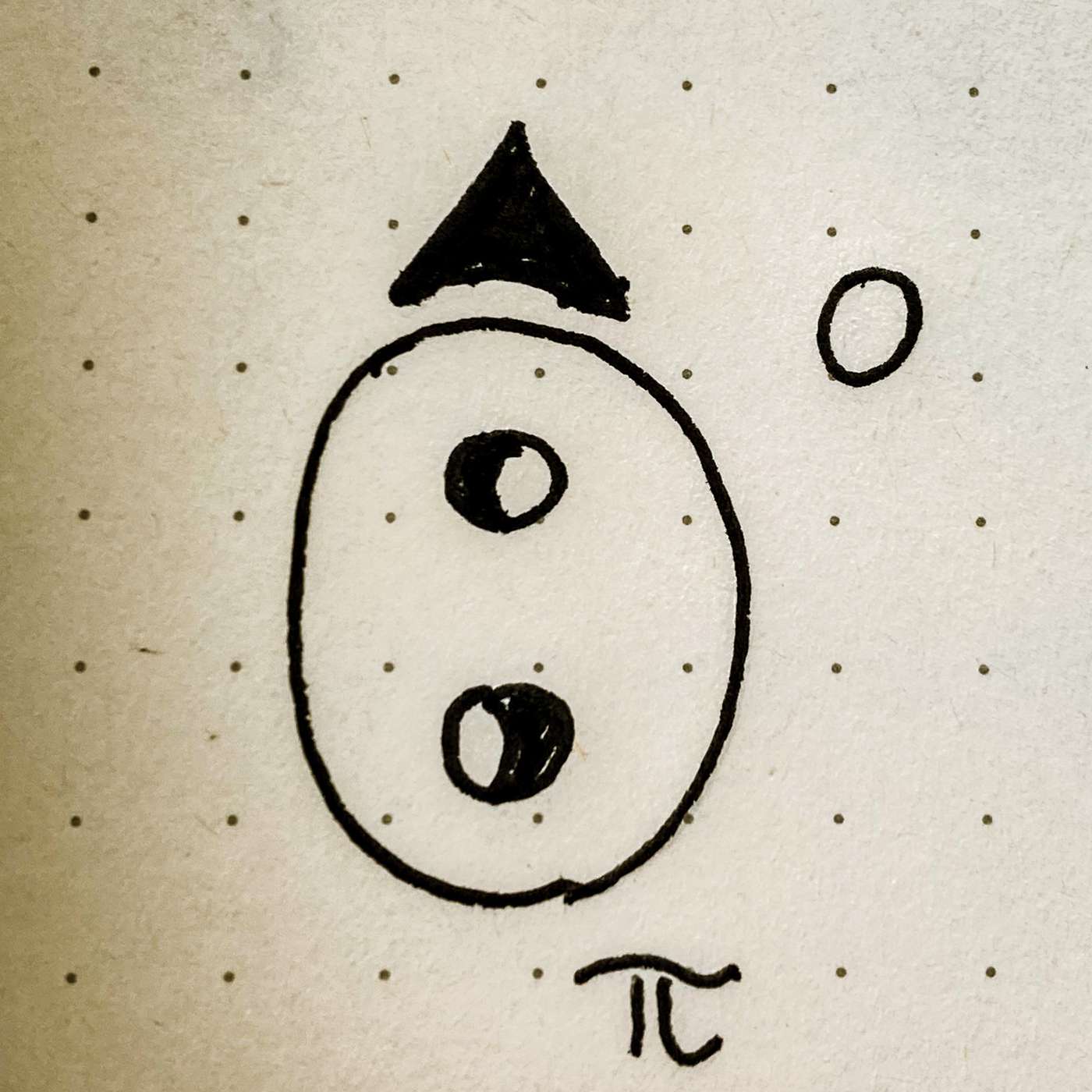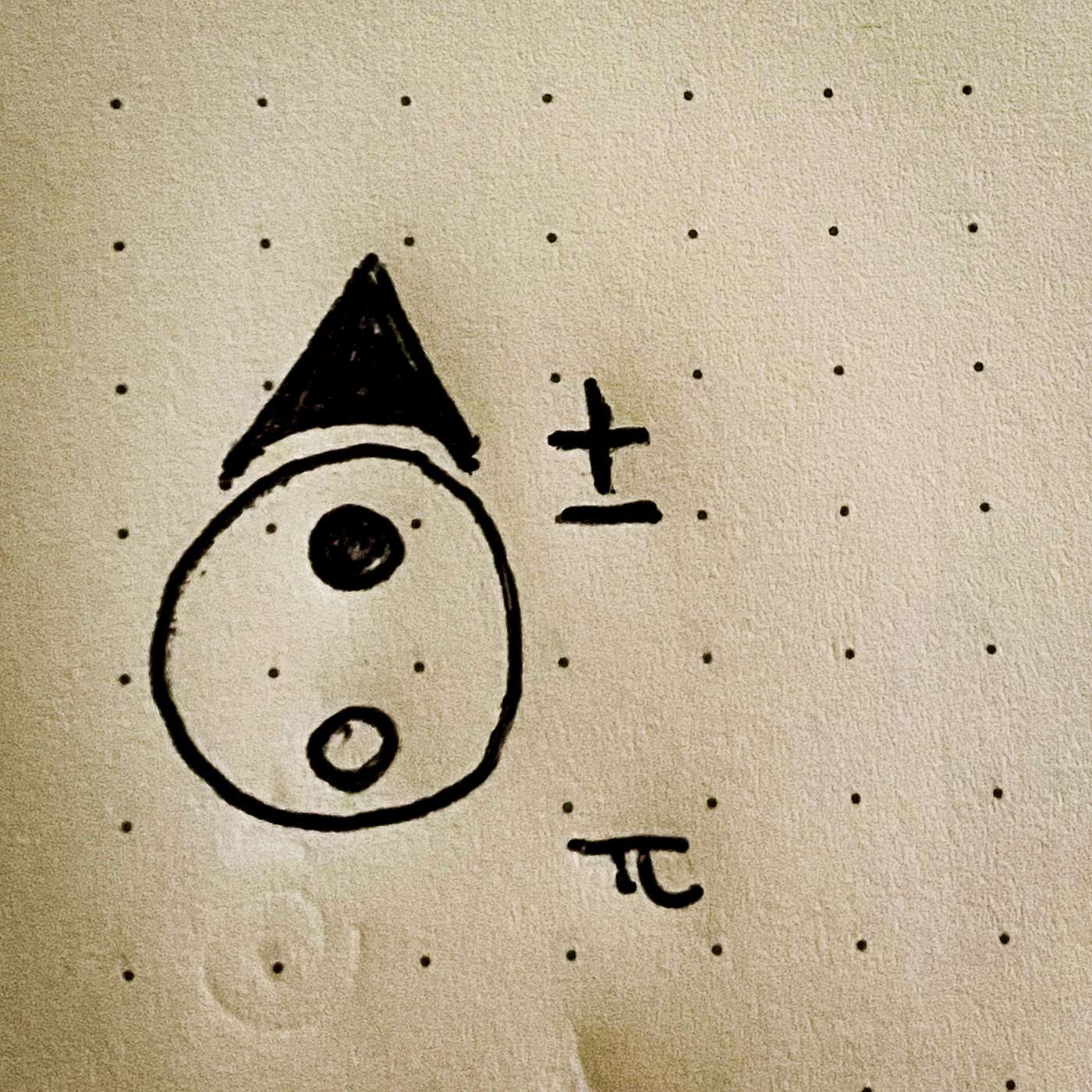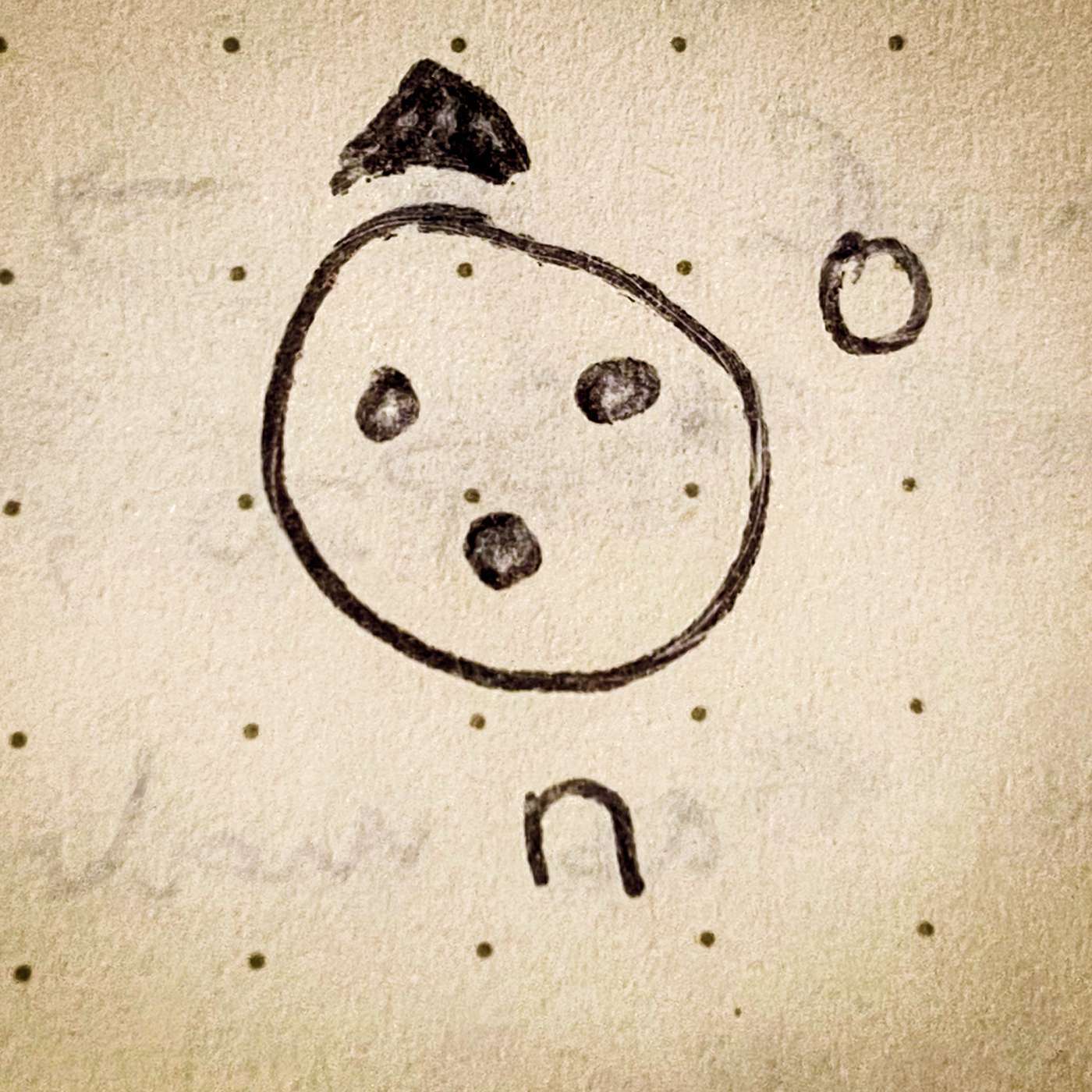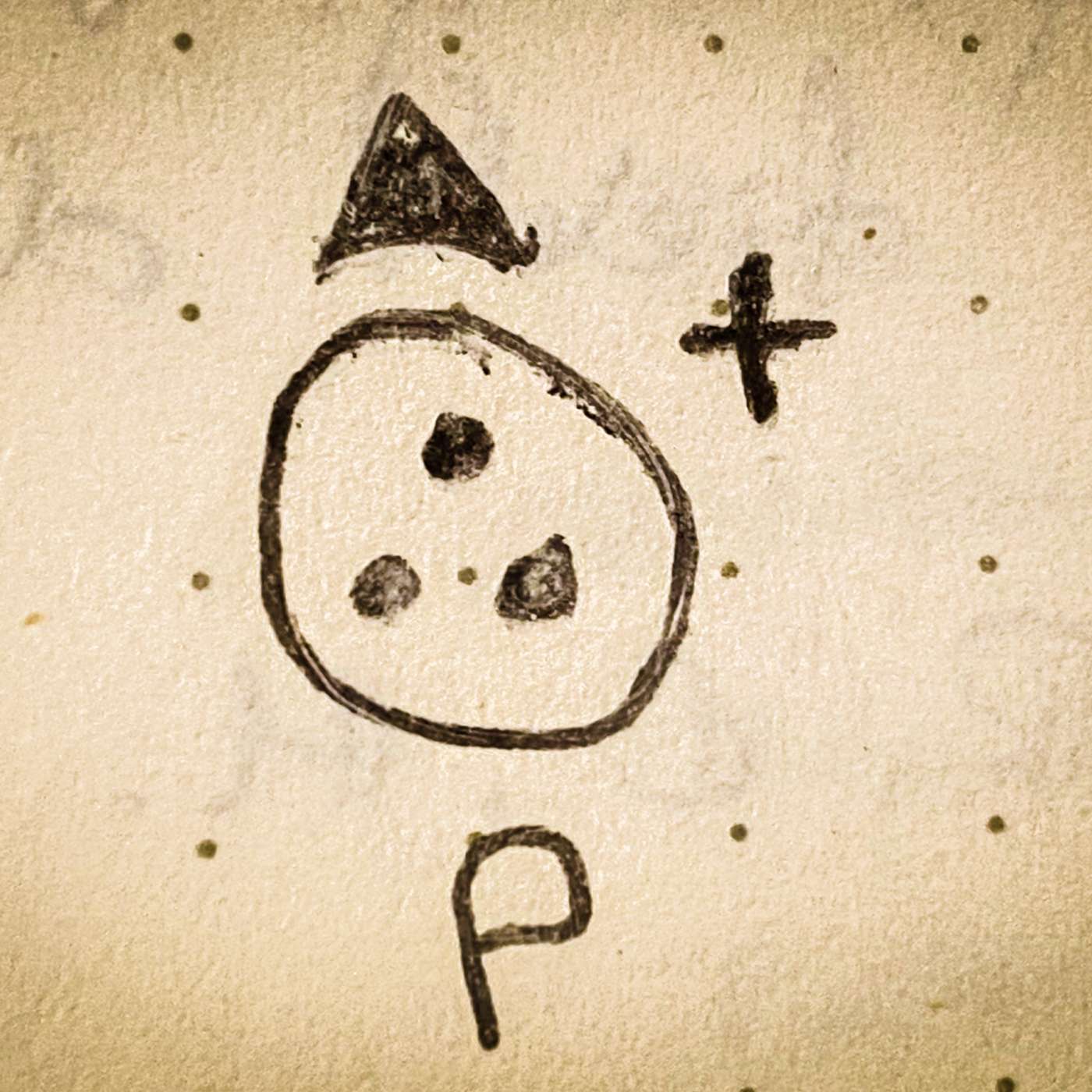
Artwork for The Field Guide to Particle Physics
Science

The Field Guide to Particle Physics

Sean Downes

This is your informal guide to the subatomic ecosystem we’re all immersed in. In this series, we explore the taxa of particle species and how they interact with one another. Our aim is give us all a better foundation for understanding our place in the universe.

The guide starts with a host of different particle species. We’ll talk about their masses, charges and interactions with other particles. We’ll talk about how they are created, how they decay, and what other particles they might be made of.

  • 49 episodes
  • Updated Dec 7, 2022

Episodes49

  • Feb 4, 2022 · 6 min

    The Neutral Kaons

    The neutral kaons are strange mesons that also live unexpectedly long. The difference between these two brings even more surprises. Their identities are a bit mixed up; they depend upon which nuclear force they're talking to.
  • Jan 28, 2022 · 5 min

    The Eta and Eta Prime Mesons

    The Eta and Eta Prime particles are a pair of electrically neutral particles that were - for a moment anyway - the center of a fierce debate among physicists.

  • Jan 21, 2022 · 4 min

    The Charged Kaons

    Strangeness - as a property of particles - was an attempt to explain why some particles took a really long time to decay. By that measure, the charged Kaons are definitely strange.

  • Jan 14, 2022 · 4 min

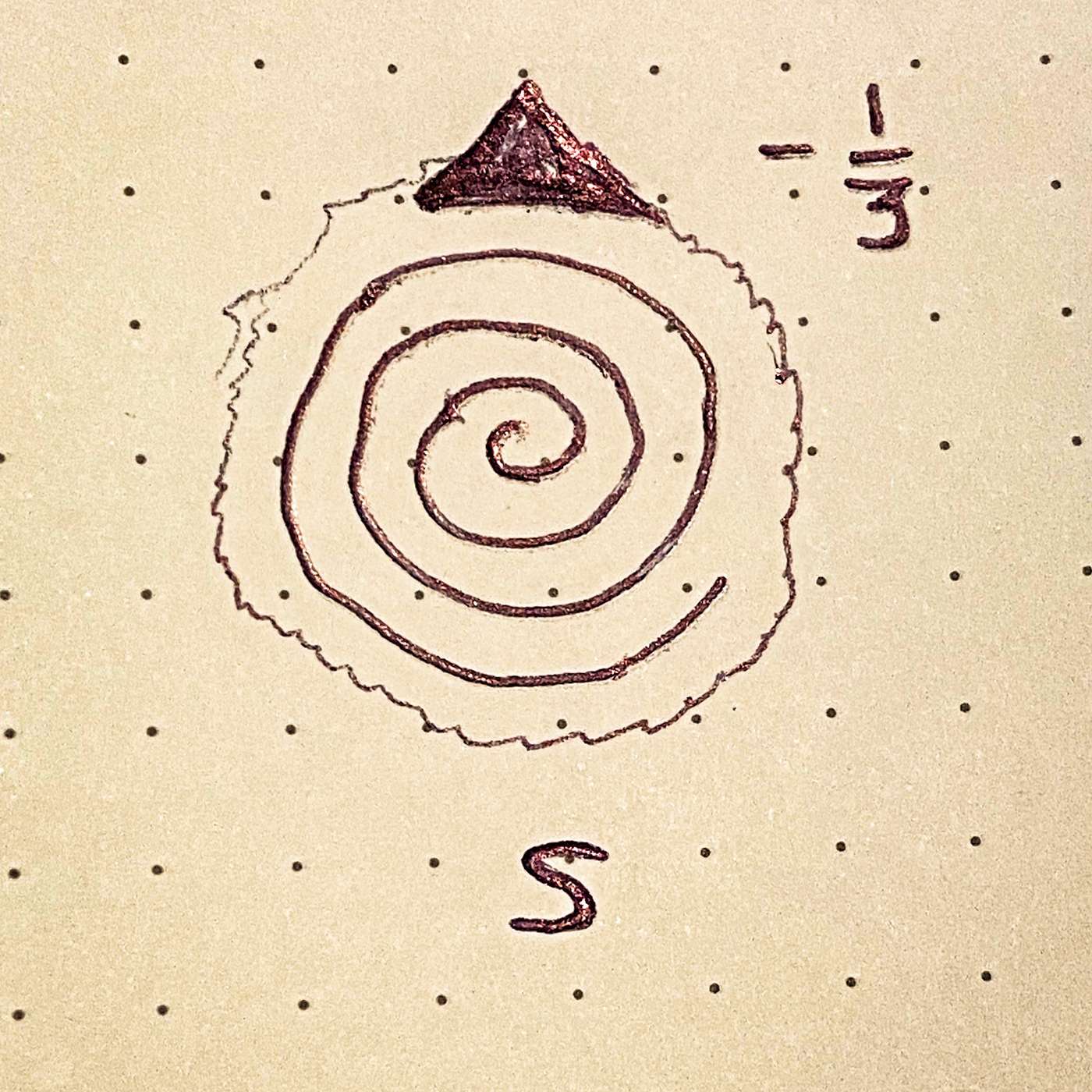
    The Strange Quark

    Quarks make up baryons like the proton and the neutron. Or more exotic things like the Lambda0 or the Delta++. Previously, we’ve learned about the up and down quarks - those fundamental constituents of matter like protons and neutrons. Today we’re learnin

  • Jan 12, 2022 · 3 min

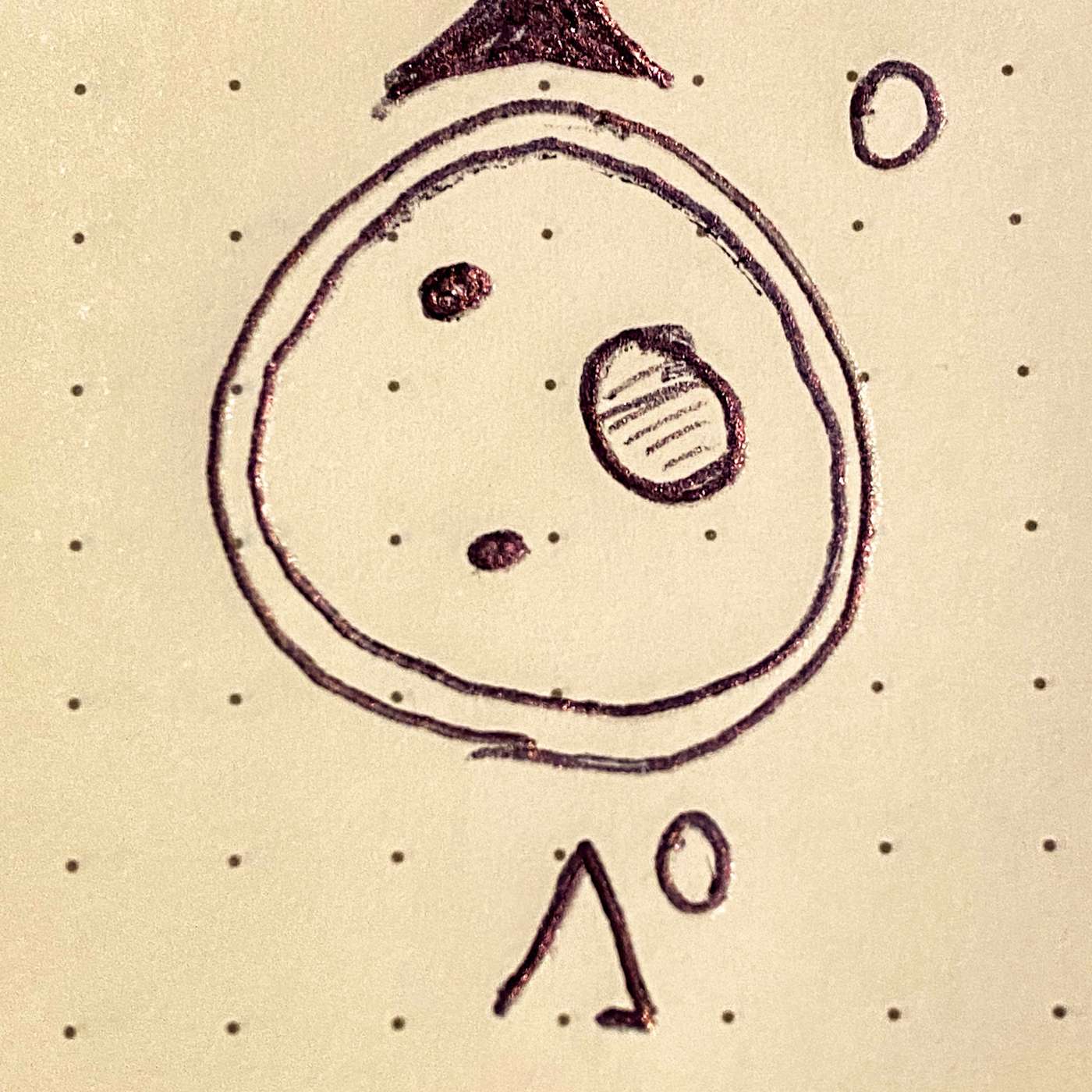
    The Lambda 0 Baryon

    The long lifetime of the Lambda 0 was so strange that physicists knew there was something special about that particle. It had a special property. And in the 50’s this new property of particles was showing up in more and more experiments.

  • Dec 6, 2021 · 12 min

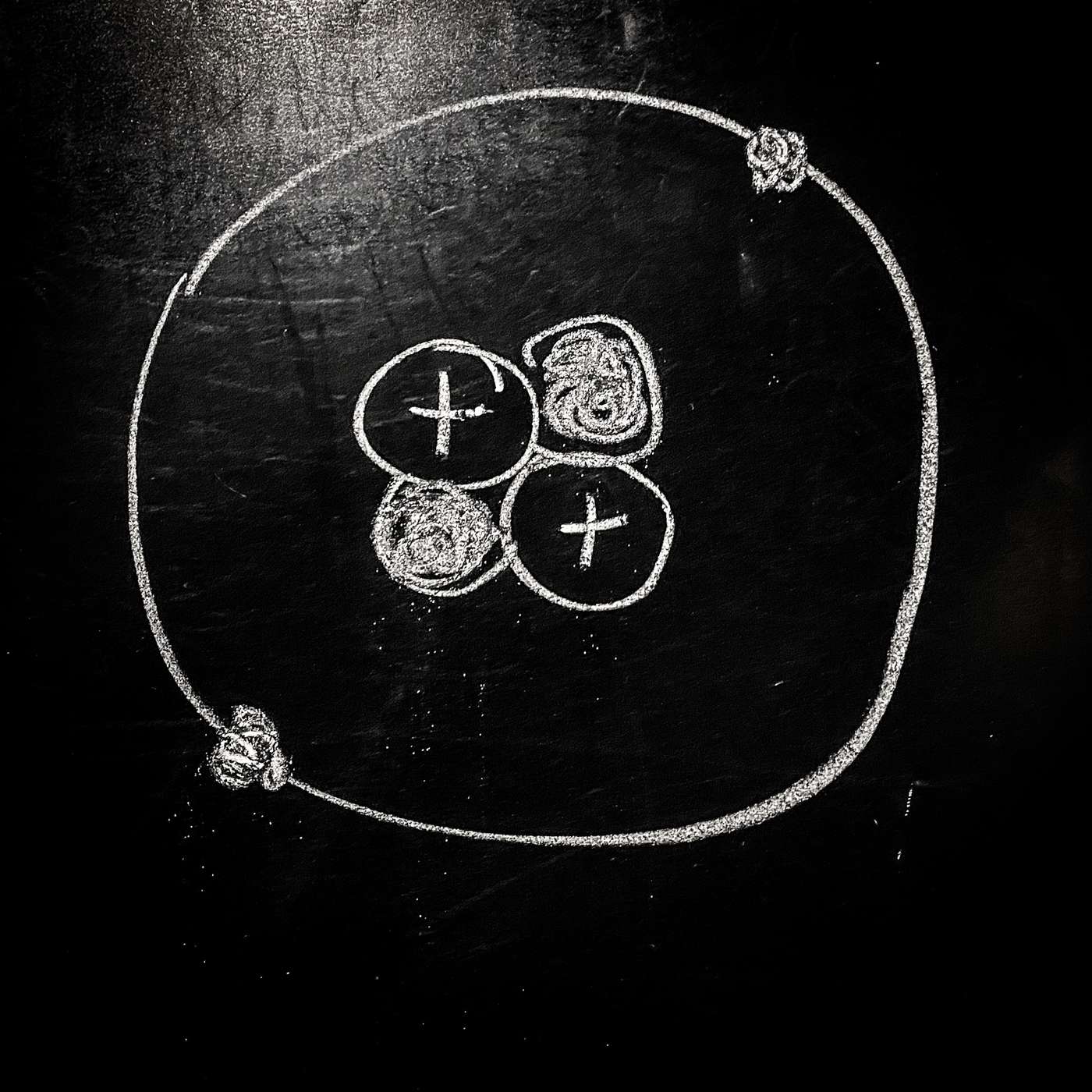
    The Alpha Particle : Part 2 : The Helium Shortage

    Helium is at scale used for all kinds of industrial purposes, including superconducting magnets! We explore these example, and describe where on Earth Helium comes from. Finally we review the recent history of government policy and the commodities market

  • Dec 2, 2021 · 6 min

    The Alpha Particle : Part 1 : Helium

    The Alpha Particle Mini-Series begins with a discussion of Helium gas. What on EARTH does Helium have to do with particle physics?

  • Oct 8, 2021 · 4 min

    The Higgs Boson

    As far as we know, there is no other particle like the Higgs Boson, but there probably should be.

  • Oct 7, 2021 · 3 min

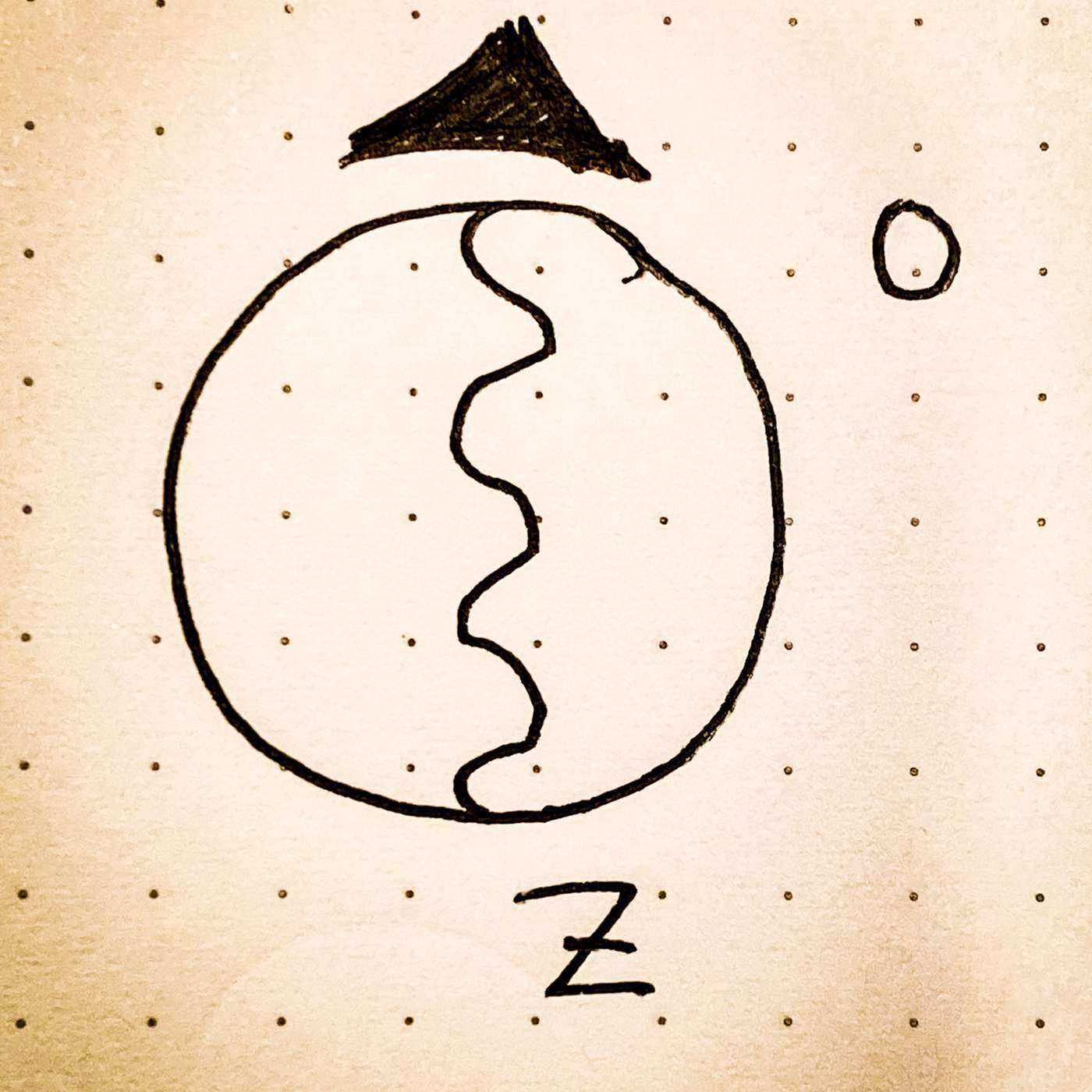
    The Z Boson

    Every once in a while, without warning, an electron is accelerated seemingly out of nowhere. Ripped from whatever atom, molecule or metal it had been associated with, it suddenly becomes it’s own ballistic particle. When this happens, a Z-boson has almost

  • Oct 6, 2021 · 3 min

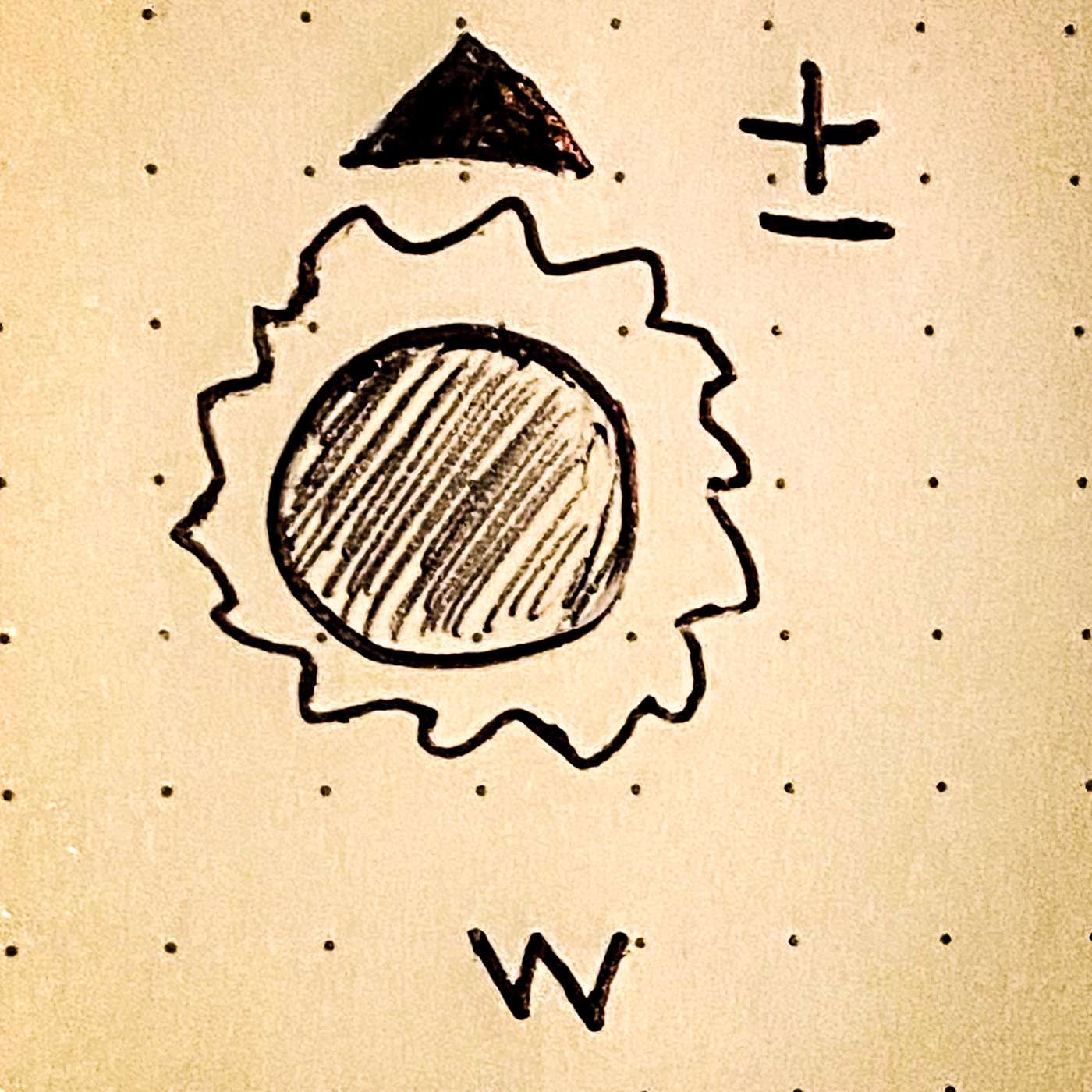
    W Boson

    With a mass of 80.4 GeV, the W-bosons are heavy particles. On paper, they carry the weak nuclear force and have much in common with the photon and the gluon. But look closely, these bosons are very different beasts.

  • Oct 5, 2021 · 6 min

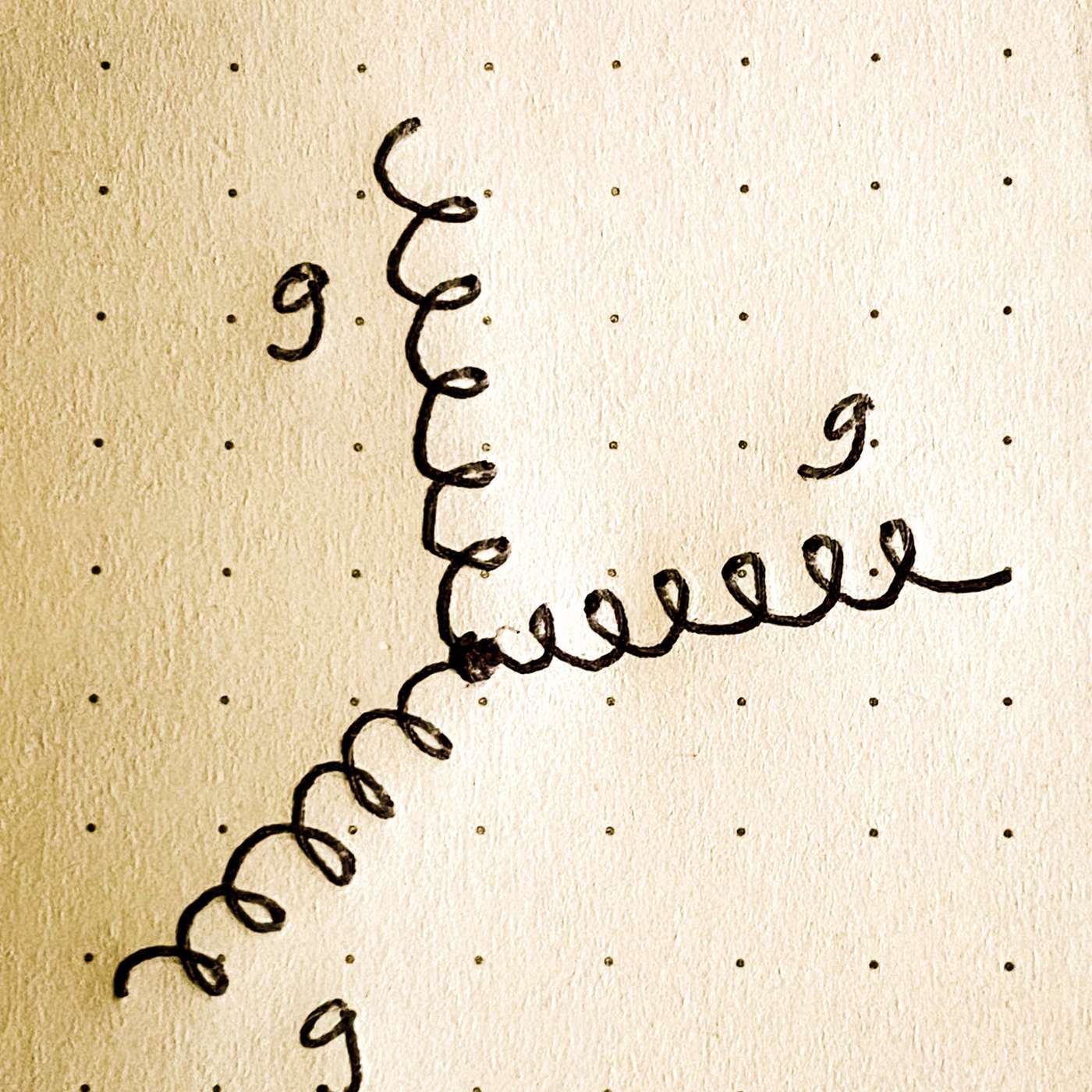
    The Gluon

    The strong nuclear force - the fundamental force behind the subnuclear junk we find inside the nucleons - is communicated via a particle very similar to the photon. But you’ll have to excuse their name, however apt. The particles that communicate between

  • Oct 4, 2021 · 4 min

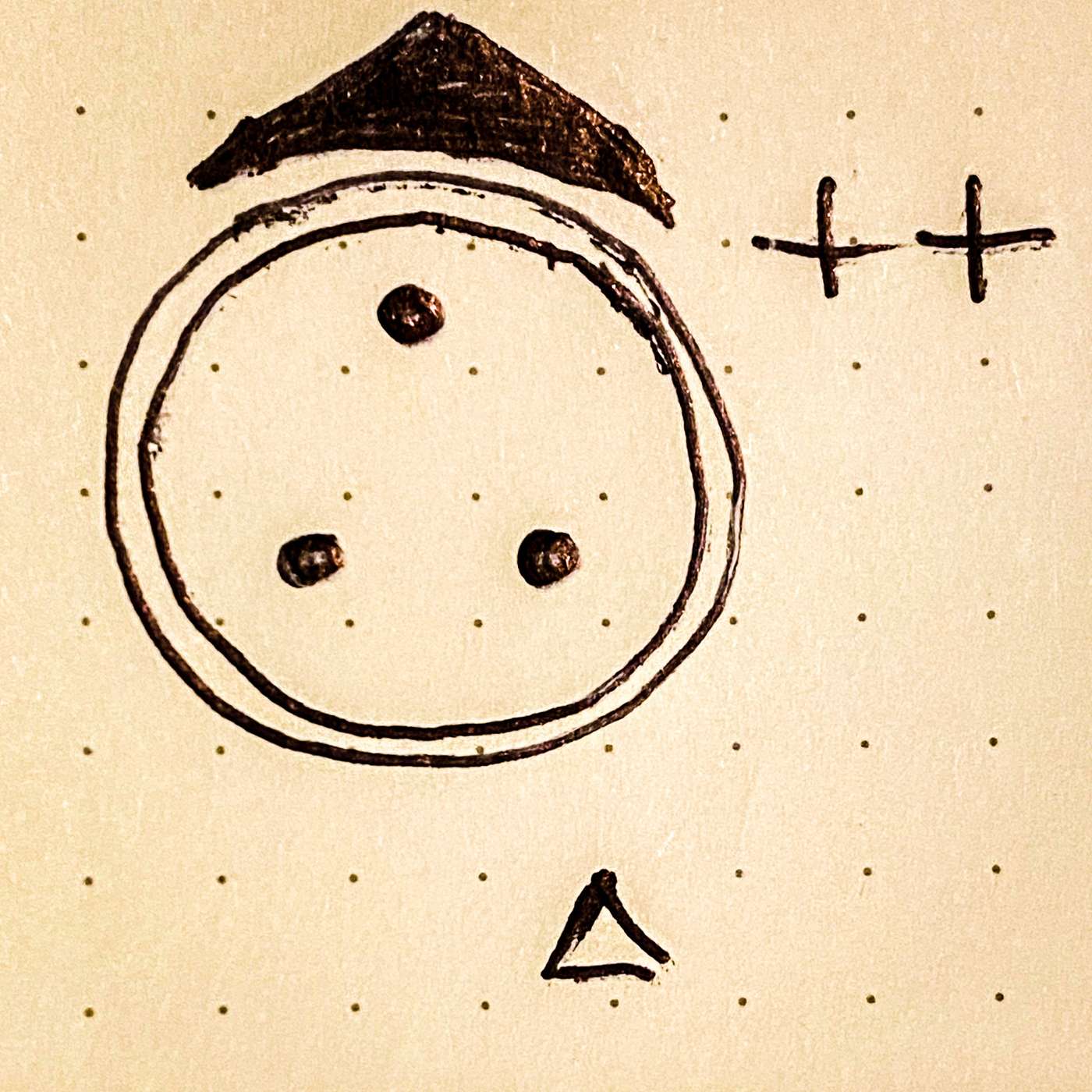
    The Delta Baryons

    The Delta baryons are combinations of up and down quarks. They’re like the proton and the neutron, only much more heavy and much less stable. They all seem to have about the same mass - around 1232 MeV, but we don’t really have a good handle on it. That i

  • Oct 3, 2021 · 3 min

    The Neutral Pion

    In many ways, the neutral pion - sometimes call the π0 meson - is closely related to the charged pions. In others, the neutral pion is a truly bizarre little beast.

  • Oct 2, 2021 · 4 min

    The Charged Pion

    There are three kinds of pions: pi plus, pi minus and pi zero. Compared to the proton, they’re quite small and a little quirky. They’re certainly unstable. Today we’ll talk about those charged pions, π±.

  • Oct 1, 2021 · 3 min

    The Neutron

    With a mass of 939.565 MeV, the neutron is the second lightest baryon - that is, a particle made up of three quarks. The neutron's quarks include one up and two downs, so it is total electric charge is zero. The neutron may be electrically neutral, but do

  • Sep 30, 2021 · 3 min

    The Proton

    With a mass of 938.27 MeV, the proton is the lowest energy configuration of a trio of quarks. It has two up quarks and a down, but remember most of that mass is made up of subnuclear goo. You can find protons literally everywhere: from the nuclei of atoms