Skip to content
Artwork for The Emergency Management Network Podcast
The Emergency Management Network Podcast · Yesterday · 32 min

Island Math: What Hawai’i’ Storm season Teaches Every Emergency Manager

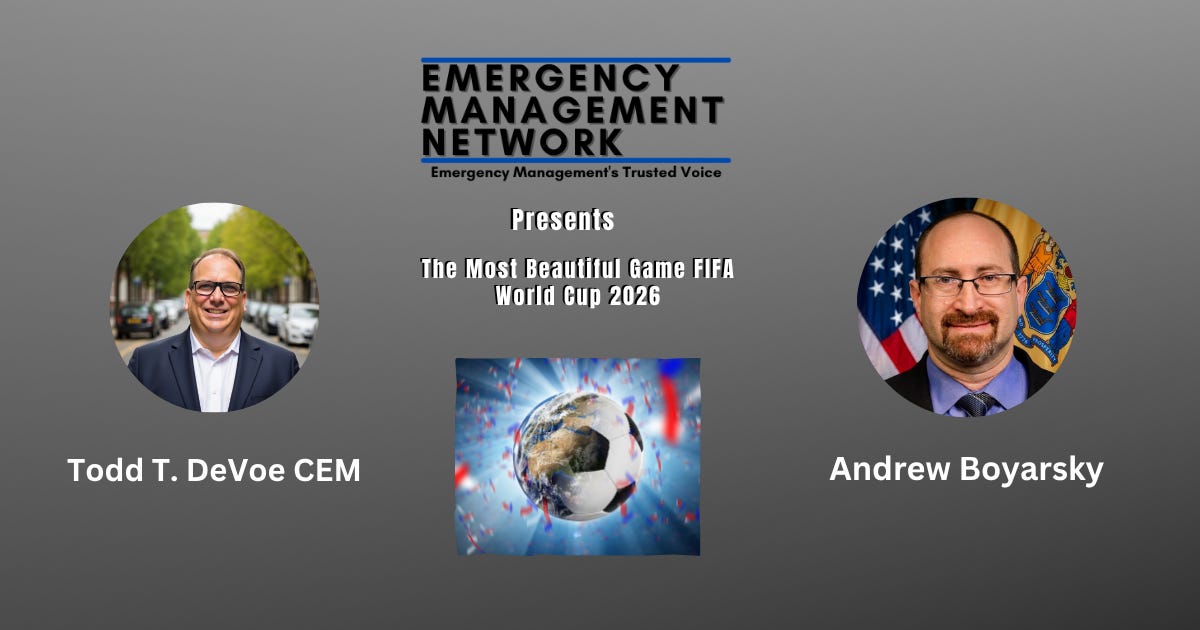
Episode Description What can emergency managers learn when disasters strike very different communities at nearly the same time? In this episode of the Emergency Management Network Podcast, Todd DeVoe and Andrew Boyarsky return from the IAEM Region 9 Symposium in Honolulu with a fresh perspective on preparedness, logistics, resilience, and the power of community. The conversation begins in Hawaii, where geography changes nearly every assumption emergency managers make about mutual aid and logistics. When help, equipment, food, and personnel may be thousands of miles away, “leaning forward” isn’t simply good practice—it can be essential. Todd and Andrew then turn to the severe storms, flooding, and tornadoes affecting Indiana and other parts of the country. Different hazards. Different geography. But many of the same lessons. Emergency managers cannot afford to plan only for what happened last time. Wildfires can create tomorrow’s debris-flow problem. Extreme rainfall can overwhelm places that have never flooded before. And communities that wait until disaster strikes to build relationships have already lost valuable time. The most important lesson may also be the simplest: preparedness begins with people. From involving residents in emergency planning to knowing the people who live next door, resilience is built long before the EOC activates. Government can facilitate the process, but it cannot create resilient communities by itself. Two storms. Two very different places. One lesson: know your community, understand your vulnerabilities, build relationships before the disaster, and prepare for the events everyone says could never happen here. Two Storms, One Lesson Community, Preparedness, and the Paradox of Paradise Hosts: Todd DeVoe and Andrew BoyarskyPodcast: Emergency Management Network Podcast In This Episode Todd and Andrew reflect on their time at the IAEM Region 9 Symposium in Honolulu and the lessons that Hawaii offers emergency managers everywhere. Hawaii’s beauty comes with significant vulnerabilities. Distance from the mainland, separation between islands, limited transportation routes, and dependence on imported resources mean emergency managers must think differently about logistics and mutual aid. The discussion then moves to severe weather affecting Indiana and other parts of the United States, including flooding, tornadoes, high winds, and the challenge of preparing for hazards in places where people may believe, “That doesn’t happen here.” Todd and Andrew explore what these events mean for emergency managers preparing for the next disaster—and why yesterday’s assumptions may no longer be enough. Topics Discussed * Lessons from the IAEM Region 9 Symposium in Honolulu * Hawaii’s unique emergency management challenges * The logistics of supporting remote and island communities * The importance of pre-positioning resources and leaning forward * Severe storms, tornadoes, flooding, and changing hazard conditions * Wildfires and the secondary threat of debris flows and land movement * Normalcy bias and the danger of saying, “That never happens here” * Thinking about the unthinkable * Community Lifelines and community preparedness * Bringing residents into the emergency planning process * Building relationships before disaster strikes * Knowing your neighbors as a preparedness strategy * CERT, VOAD, COAD, nonprofits, and volunteer organizations as force multipliers * Government’s role as a facilitator rather than the sole source of solutions * Hawaii’s “paradox of paradise” * The spirit of Ohana and what it can teach emergency managers about resilience Two Storms, One Lesson The hazards may be different, but the lesson is remarkably similar. Emergency managers must understand the communities they serve—not simply their hazards, infrastructure, and response capabilities, but their people, relationships, vulnerabilities, strengths, and culture. Preparedness cannot begin when the warning is issued. It begins when neighbors meet one another. It happens when residents participate in emergency planning. It grows when government, nonprofits, volunteers, businesses, and community organizations build relationships before anyone needs them. As Todd observes in the episode, government doesn’t always have the answer to every problem. But it can help create the conversations, partnerships, and conditions that allow a community to become stronger. Key Takeaway Understand where you live. Know your vulnerabilities. Listen to your community. Build relationships before the emergency. Because when disaster strikes, resilience isn’t something we suddenly create. It’s something we discover we have already built. Stay safe. Stay hydrated. This is a public episode. If you'd like to discuss this with other subscribers or get access to bonus episodes, visit emnetwork.substack.com/subscribe

0:00-32:46

transcript

No transcript — this publisher did not publish one.

show notes

Episode Description

What can emergency managers learn when disasters strike very different communities at nearly the same time?

In this episode of the Emergency Management Network Podcast, Todd DeVoe and Andrew Boyarsky return from the IAEM Region 9 Symposium in Honolulu with a fresh perspective on preparedness, logistics, resilience, and the power of community.

The conversation begins in Hawaii, where geography changes nearly every assumption emergency managers make about mutual aid and logistics. When help, equipment, food, and personnel may be thousands of miles away, “leaning forward” isn’t simply good practice—it can be essential.

Todd and Andrew then turn to the severe storms, flooding, and tornadoes affecting Indiana and other parts of the country. Different hazards. Different geography. But many of the same lessons.

Emergency managers cannot afford to plan only for what happened last time. Wildfires can create tomorrow’s debris-flow problem. Extreme rainfall can overwhelm places that have never flooded before. And communities that wait until disaster strikes to build relationships have already lost valuable time.

The most important lesson may also be the simplest: preparedness begins with people.

From involving residents in emergency planning to knowing the people who live next door, resilience is built long before the EOC activates. Government can facilitate the process, but it cannot create resilient communities by itself.

Two storms. Two very different places. One lesson: know your community, understand your vulnerabilities, build relationships before the disaster, and prepare for the events everyone says could never happen here.

Two Storms, One Lesson

Community, Preparedness, and the Paradox of Paradise

Hosts: Todd DeVoe and Andrew BoyarskyPodcast: Emergency Management Network Podcast

In This Episode

Todd and Andrew reflect on their time at the IAEM Region 9 Symposium in Honolulu and the lessons that Hawaii offers emergency managers everywhere.

Hawaii’s beauty comes with significant vulnerabilities. Distance from the mainland, separation between islands, limited transportation routes, and dependence on imported resources mean emergency managers must think differently about logistics and mutual aid.

The discussion then moves to severe weather affecting Indiana and other parts of the United States, including flooding, tornadoes, high winds, and the challenge of preparing for hazards in places where people may believe, “That doesn’t happen here.”

Todd and Andrew explore what these events mean for emergency managers preparing for the next disaster—and why yesterday’s assumptions may no longer be enough.

Topics Discussed

* Lessons from the IAEM Region 9 Symposium in Honolulu

* Hawaii’s unique emergency management challenges

* The logistics of supporting remote and island communities

* The importance of pre-positioning resources and leaning forward

* Severe storms, tornadoes, flooding, and changing hazard conditions

* Wildfires and the secondary threat of debris flows and land movement

* Normalcy bias and the danger of saying, “That never happens here”

* Thinking about the unthinkable

* Community Lifelines and community preparedness

* Bringing residents into the emergency planning process

* Building relationships before disaster strikes

* Knowing your neighbors as a preparedness strategy

* CERT, VOAD, COAD, nonprofits, and volunteer organizations as force multipliers

* Government’s role as a facilitator rather than the sole source of solutions

* Hawaii’s “paradox of paradise”

* The spirit of Ohana and what it can teach emergency managers about resilience

Two Storms, One Lesson

The hazards may be different, but the lesson is remarkably similar.

Emergency managers must understand the communities they serve—not simply their hazards, infrastructure, and response capabilities, but their people, relationships, vulnerabilities, strengths, and culture.

Preparedness cannot begin when the warning is issued.

It begins when neighbors meet one another. It happens when residents participate in emergency planning. It grows when government, nonprofits, volunteers, businesses, and community organizations build relationships before anyone needs them.

As Todd observes in the episode, government doesn’t always have the answer to every problem. But it can help create the conversations, partnerships, and conditions that allow a community to become stronger.

Key Takeaway

Understand where you live. Know your vulnerabilities. Listen to your community. Build relationships before the emergency.

Because when disaster strikes, resilience isn’t something we suddenly create.

It’s something we discover we have already built.

Stay safe. Stay hydrated.


This is a public episode. If you'd like to discuss this with other subscribers or get access to bonus episodes, visit emnetwork.substack.com/subscribe
links1