Artwork for The Edition
News

The Edition

The Spectator

Lara Prendergast and William Moore host weekly conversations with Spectator writers and friends of the magazine. Over a glass of wine, they dissect the biggest stories across news, politics and culture – and how they are covered in that week’s edition of The Spectator.

Hosted on Acast. See acast.com/privacy for more information.

  • 406 episodes
  • Updated Saturday

Episodes406

  • Jan 23, 2025 · 42 min

    Industry tragedy, Trump vs the Pope & the depressing reality of sex parties

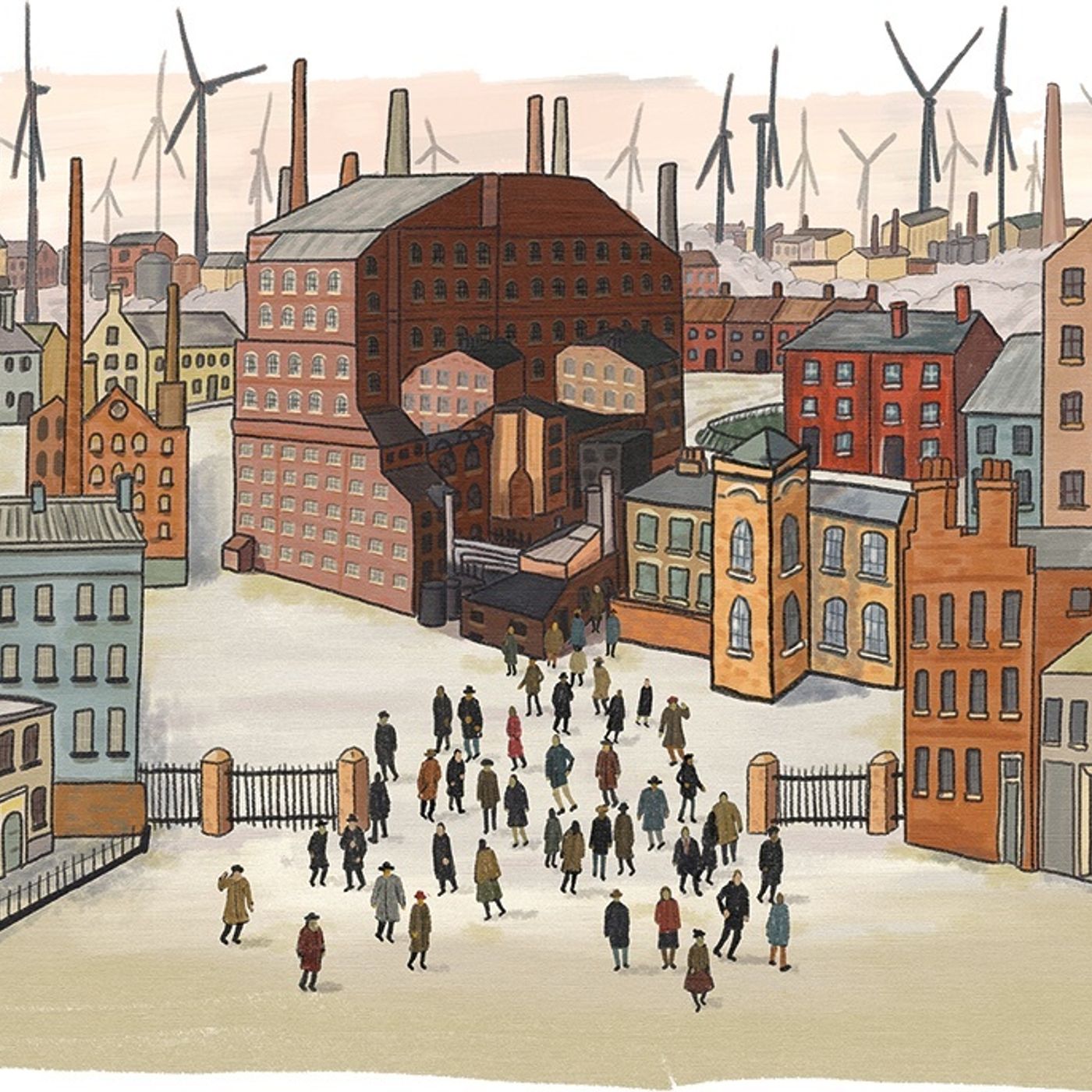
    This week: the death of British industry In the cover piece for the magazine, Matthew Lynn argues that Britain is in danger of entering a ‘zero-industrial society’. The country that gave the world the Industrial Revolution has presided over a steep decline in British manufacturing. He argues there are serious consequences: foreign ownership, poorer societies, a lack of innovation, and even national security concerns. Why has this happened? Who is to blame? And could Labour turn it around? Matthew joined the podcast, alongside the head of the Trades Union Congress (TUC), Paul Nowak. (1:05) Next: the Pope takes on President Trump The Pope has nominated Cardinal Robert McElroy to be the new Archbishop of Washington. Damian Thompson writes that on the face of it, this might sound like a routine appointment, but the reality is that this is retaliation against the Trump administration. for the nomination of an arch-MAGA loyalist, and uncompromising Catholic, as the new ambassador to the Holy See. Subsequently, the Vatican has appointed an outspoken liberal. What does this tell us about the power of both the Papacy and the President? And how much sway does the Catholic hierarchy really have in Trump’s America? Damian joined us to reveal more, alongside our deputy editor Freddy Gray, who has been in D.C. for Trump’s inauguration. (19:02) And finally: what are sex parties really like? Far from being a sexy affair, sex parties are depressing, with most attendees leaving unfulfilled and rather disappointed, writes James Innes-Smith. He says that he spent more time in the kitchen at a recent party than in the bedroom. So, what makes them appealing in the first place? Are people looking for connection in all the wrong places? James joined the podcast alongside Sophia Money-Coutts, who has written about the subject for Tatler magazine. (30:35) Hosted by Lara Prendergast and William Moore. Produced by Patrick Gibbons and Oscar Edmondson. Become a Spectator subscriber today to access this podcast without adverts. Go to spectator.co.uk/adfree to find out more. For more Spectator podcasts, go to spectator.co.uk/podcasts. Contact us: podcast@spectator.co.uk Hosted on Acast. See acast.com/privacy for more information.

  • Jan 16, 2025 · 42 min

    Empire of Trump, the creep of child-free influencers & is fact-checking a fiction?

    This week: President Trump’s plan to Make America Greater In the cover piece for the magazine, our deputy editor and host of the Americano podcast, Freddy Gray, delves into Trump’s plans. He speaks to insiders, including Steve Bannon, about the President’s ambitions for empire-building. Could he really take over Canada, Greenland and the Panama Canal? And if not, what is he really hoping to achieve? Academic and long-time friend of J.D. Vance, James Orr, also writes in the magazine this week about how the vice president-elect could be an even more effective standard-bearer for the MAGA movement. Freddy and James joined the podcast, just before Freddy heads off to cover Trump’s inauguration. (1:00) Next: the child-free influencers waging war on motherhood Kara Kennedy also writes in the magazine about the popularity of social media influencers advocating child-free lives. It’s well documented that more and more young people are choosing not to have children. However, while some might think this is about championing different lifestyles, Kara writes that many of these influencers are, in fact, shaming those who choose to have children. What motivates them? Kara joined the podcast alongside Brittany Brantley, an influencer who started out in the child-free community, before choosing to have a child. (16:58) And finally: can fact-checking ever be objective? Following the news that Mark Zuckerberg’s Meta will reduce its fact-checking service, Matt Ridley examines the world of fact-checking and declares the practice ‘corrupted’. Matt argues that fact-checking is riddled with bias – can it ever be objective? Matt joined the podcast alongside The Spectator’s very own fact-checking team, Sam McPhail and Michael Simmons – who get a positive mention in Matt’s piece. They lift the lid on how the magazine approaches fact-checking. (26:58) Hosted by Lara Prendergast and William Moore. Produced by Patrick Gibbons and Oscar Edmondson. Become a Spectator subscriber today to access this podcast without adverts. Go to spectator.co.uk/adfree to find out more. For more Spectator podcasts, go to spectator.co.uk/podcasts. Contact us: podcast@spectator.co.uk Hosted on Acast. See acast.com/privacy for more information.
  • Jan 9, 2025 · 47 min

    The truth about grooming gangs, 'why I'm voting for the AfD' & exploring YouTube rabbit holes

    This week: what does justice look like for the victims of the grooming gangs? In the cover piece for the magazine, Douglas Murray writes about the conspiracy of silence on the grooming gangs and offers his view on what justice should look like for the perpetrators. He also encourages the government to take a step back and consider its own failings. He writes: ‘If any government or political party wants to do something about the scandal, they will need to stop reviewing and start acting. Where to begin? One good starting point would be to work out why Pakistani rapists in Britain seem to have more rights than their victims.’ To unpack his piece in a little more detail, we were joined by journalist Julie Bindel, who has been reporting on the grooming gangs for almost 20 years. (03:20) Next: ‘Why I’m voting for the AfD’ In the magazine, Elisabeth Dampier explains why she will be voting for Germany’s AfD party – Alternative for Deutschland. Support for the hard-right AfD party grew dramatically in 2024 and is often used as an example of a broader trend of support for right-wing politics in the West. But is the key to their success as simple as an unpopular incumbent government and the salience of immigration? And how do they deal with constant comparisons to National Socialism? To discuss, we were joined by Elisabeth and German historian and journalist Katja Hoyer. (17:09) And finally: Help! I’m addicted to videos of plane crashes Damian Thompson writes an excellent guest Life column this week on his latest obsession: binge-watching aeroplane crash videos on YouTube. Now, this does sound a little bit morbid but – as he explains – it’s actually very educational, especially when you are being talked through the intricacies of air accidents by Petter Hörnfeldt, who runs the Mentour Pilot YouTube channel. We thought it would be fun to get Damian in conversation with his new hero, Petter. (29:46) Hosted by Lara Prendergast and William Moore. Produced by Oscar Edmondson. Become a Spectator subscriber today to access this podcast without adverts. Go to spectator.co.uk/adfree to find out more. For more Spectator podcasts, go to spectator.co.uk/podcasts. Contact us: podcast@spectator.co.uk Hosted on Acast. See acast.com/privacy for more information.

  • Jan 2, 2025 · 46 min

    The West's right turn, Michael Gove interviews Jordan Peterson & the ADHD trap

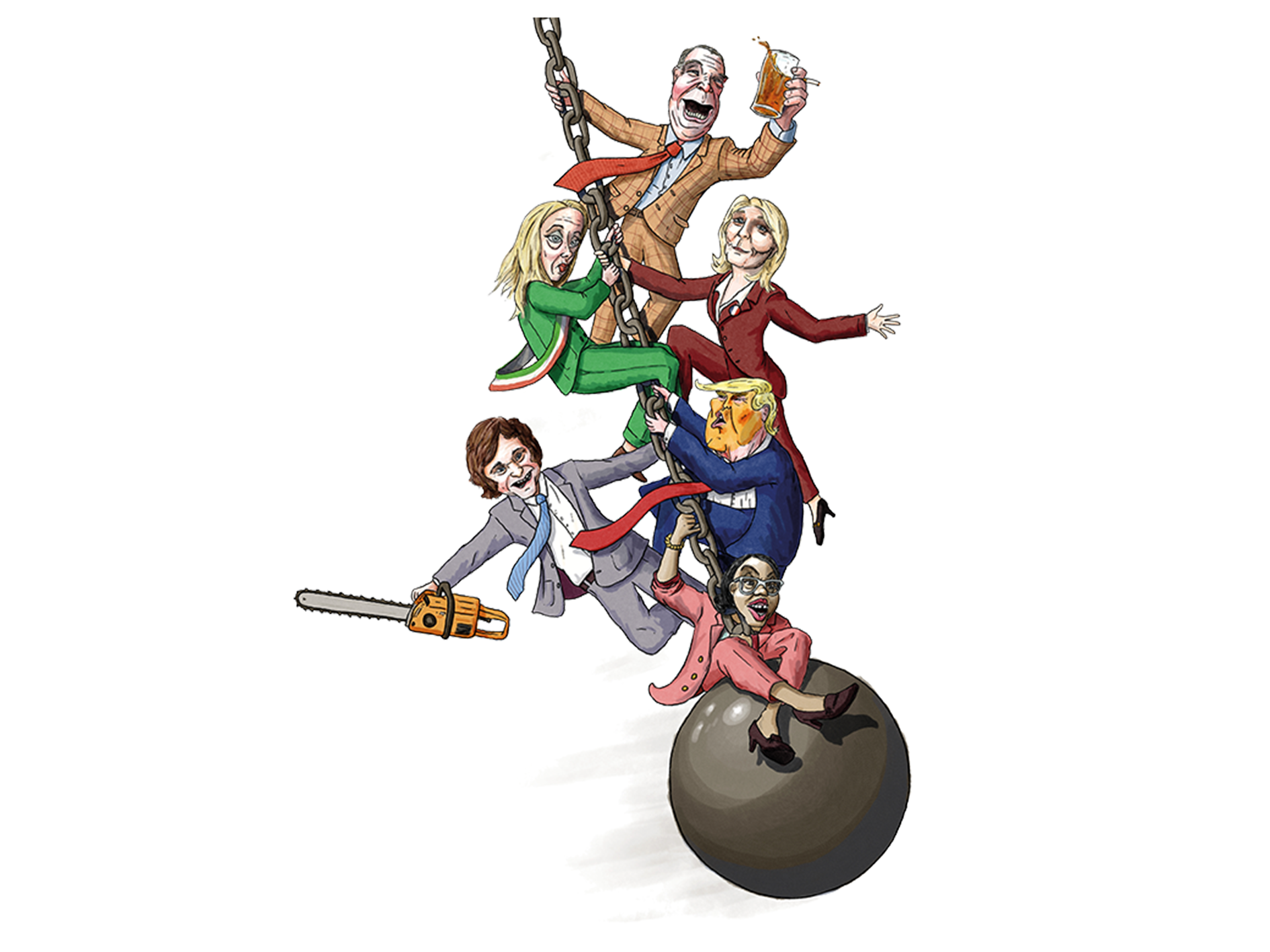
    This week: the fight for the future of the right From Milei in Argentina to Trump in the US, Meloni in Italy to the rise of the AfD in Germany, the world appears to be turning to the right, say James Kanagasooriam and Patrick Flynn. One country, however, seems to be the exception to this rule: our own. Britain under Keir Starmer appears to be putting on a revival of the old classic Socialism in One Country. However, beyond Westminster, the data show that Britain is not moving to the left in line with its government. While the Conservatives and Reform are locked in a near-constant struggle for supremacy, polling shows that the public are moving to the right. Both parties can pitch for the socially conservative vote, but it is on the economy that Britain’s battle for the right becomes interesting. James and Patrick joined the podcast earlier this week to unpack their cover piece. Next: Jordan Peterson on faith, family and conservatism In the magazine this week, our editor Michael Gove interviews Canadian psychologist and commentator Professor Jordan Peterson. His latest book, We Who Wrestle with God, explores the psychological significance of Bible stories. He spoke to Michael about supernatural relationships, the folly of Conservatives and the future of Europe. You can hear an extract from that interview on the podcast, but the full interview is available on The Spectator’s YouTube channel, Spectator TV. And finally: the dangers of over-diagnosing ADHD ‘Just a decade or so ago I rarely saw anyone in a clinic with “attention deficit hyperactivity disorder”,’ writes Max Pemberton, a consultant psychiatrist, in The Spectator this week. Now, he says, he sees at least one case a day. Have all these people simply been undiagnosed for years? To what extent are we medicalising normal everyday issues, difficulties and problems? To discuss, Max joined the podcast alongside Mary Wakelfield, The Spectator’s commissioning editor, who has had her own run-in with the adult ADHD trap. Presented by Lara Prendergast and William Moore. Produced by Oscar Edmondson. Become a Spectator subscriber today to access this podcast without adverts. Go to spectator.co.uk/adfree to find out more. For more Spectator podcasts, go to spectator.co.uk/podcasts. Contact us: podcast@spectator.co.uk Hosted on Acast. See acast.com/privacy for more information.

  • Dec 26, 2024 · 1 hr 14 min

    Best of 2024 with Dominic Sandbrook, Mary Beard and Harriet Harman

    This week is a special episode of the podcast where we are looking back on some of our favourite pieces from the magazine over the past year and revisiting some of the conversations we had around them. First up: the Starmer supremacy Let’s start with undoubtedly the biggest news of the year: Starmer’s supermajority and the first Labour government in 14 years. In April, we spoke to Katy Balls and Harriet Harman about just what a supermajority could mean for Keir Starmer. Listening back, it’s an incredibly interesting discussion to revisit. The aim of Katy’s piece was to communicate the internal problems that could arise from such a sweeping victory and, crucially, how Starmer might manage a historic cohort of backbenchers. One MP who knows about adjusting to life in government after a supermajority is Harriet Harman, former leader of the Labour party and a member of Tony Blair’s first cabinet. (01:51) Reflections from the editor’s chair The change in No. 10 Downing Street is, of course, not the only notable shake-up in Westminster this year. Fraser Nelson stepped down as editor of The Spectator in September after 15 years of wielding the editor’s pen, with 784 issues to his name. We sat down with him on his final day in the office to reflect on his time at 22 Old Queen Street. (08:31) Do historians talk down to children? In June, Mary Wakefield dedicated her column to this very question. She wrote about her experience trying to find engaging and challenging history books for her 8-year-old and compared the dumbed-down, one-dimensional version of history portrayed in modern children’s books with the classic Ladybird books of the 1960s. She joined the podcast to discuss this with Dominic Sandbrook, author of the Adventures in Time children’s book series and host of The Rest is History podcast. (17:18) Are ultra-processed foods really so bad? On The Edition podcast, we enjoy a fiery debate, and none was more heated than our discussion on ultra-processed foods. This debate, between columnist Matthew Parris and Christoffer van Tulleken, associate professor at UCL and author of the bestselling book Ultra-Processed People, took place in May. It was sparked by Matthew’s column on the myths surrounding ultra-processed foods—foods engineered to be hyper-palatable and typically containing preservatives, emulsifiers, sweeteners, artificial colours, flavours, and so on. Such additives are widely considered detrimental to our health. Matthew says we shouldn’t be worried, but we’ll let you decide. (29:10) By whose values should we judge the past? On the podcast, we showcase articles from across the magazine—from the front half to the life pages, to books and arts. One of the most intriguing books of the year was Joan Smith’s Unfortunately, she was a nymphomaniac: A New History of Rome’s Imperial Women. An eye-catching title that is ‘as thought-provoking as it is provocative’, as Daisy Dunn wrote in October. Many popular historians are singled out for their analysis of women in ancient Rome, including Professor Dame Mary Beard. In the interest of granting a right of reply, we invited Mary onto the podcast to discuss the merit of judging history by today’s standards. (49:40) And finally: the politics of the breakfast buffet We thought we would leave you with one of the most prescient discussions we had on the podcast this year: the politics of the hotel breakfast buffet. Is it ethical to pocket a sandwich at a hotel breakfast buffet? Laurie Graham explored that question in the magazine back in September. Specifically, she revealed the very British habit of swiping food from free breakfasts to save for lunch later in the day. Laurie joined us alongside Mark Jenkins, a former hotel manager in Torquay, whom listeners may remember from the Channel 4 documentary The Hotel. (01:04:04) Hosted by William Moore and Lara Prendergast. Produced by Oscar Edmondson and Patrick Gibbons. Become a Spectator subscriber today to access this podcast without adverts. Go to spectator.co.uk/adfree to find out more. For more Spectator podcasts, go to spectator.co.uk/podcasts. Contact us: podcast@spectator.co.uk Hosted on Acast. See acast.com/privacy for more information.
  • Dec 12, 2024 · 1 hr 10 min

    Christmas Special 2024 with Rod Liddle, Lionel Shriver, Matthew Parris and Mary Wakefield

    Welcome to a special festive episode of The Edition podcast, where we will be taking you through the pages of The Spectator’s Christmas triple issue. Up first: our review of the year – and what a year it has been. At the start of 2024, the outcome of the US election looked very different, the UK had a different Prime Minister, and The Spectator had a different editor! Luckily, The Spectator’s regular columnists are on hand to declare what they got right – and wrong – throughout the year, and whether they’re optimistic for 2025. Rod Liddle, Matthew Parris, Mary Wakefield and Lionel Shriver take us through everything from Trump to trans (03:24). Next: ‘Good riddance 2024’ – in his own alternative review of the year, Roger Lewis declares 2024 one to forget. The actor Robert Bathurst voices a special out-loud version of the article, taking us through the year in Roger’s typically acerbic style (28:37). Then: the unsung heroes at Christmas time. While most of the country will be sitting down to Christmas dinner, hundreds of people will face an atypical day, not least of all those deployed on the Royal Navy's Continuous At Sea Deterrent mission. Journalist Ali Kefford takes us through the relentless schedule of Royal Navy submariners in the Christmas issue, and explores the strangely isolating but oddly communal experience of Christmas at sea, where the traditions of land meet the peculiarities of life under the water. To explain what it’s really like, Ali joins the podcast alongside naval officer Alex Kubara (42:56). And finally: the prescient politics of Tintin. Few characters have captured the spirit of adventure quite like Tintin, the intrepid boy reporter with a knack for stumbling into international intrigue. From the deserts of Arabia to the jungles of South America – and even to the moon – Tintin has been a global icon of curiosity and courage for nearly a century. In the Christmas magazine former foreign correspondent and ‘Tintinologist’ Michael Farr celebrates the genius of the Belgian reporter and how politics was never far from Hergé’s agenda. To take us through a history of Tintin, and to understand its appeal and influence, we're joined by Michael and another author who took inspiration from the character, Anthony Horowitz (52:18). Throughout the podcast, you will also hear from The Spectator’s agony aunt Dear Mary, and the special celebrity guests who have sought her advice in this year’s Christmas magazine, including Jacob Rees-Mogg (27:07), James MacMillan (50:51) and Sophie Winkleman (1:09:49). Hosted by William Moore and Lara Prendergast. Produced by Oscar Edmondson and Patrick Gibbons. Become a Spectator subscriber today to access this podcast without adverts. Go to spectator.co.uk/adfree to find out more. For more Spectator podcasts, go to spectator.co.uk/podcasts. Contact us: podcast@spectator.co.uk Hosted on Acast. See acast.com/privacy for more information.

  • Dec 5, 2024 · 37 min

    How twee triumphed, Graham Brady on Tory turmoil & celebrating pigs in blankets

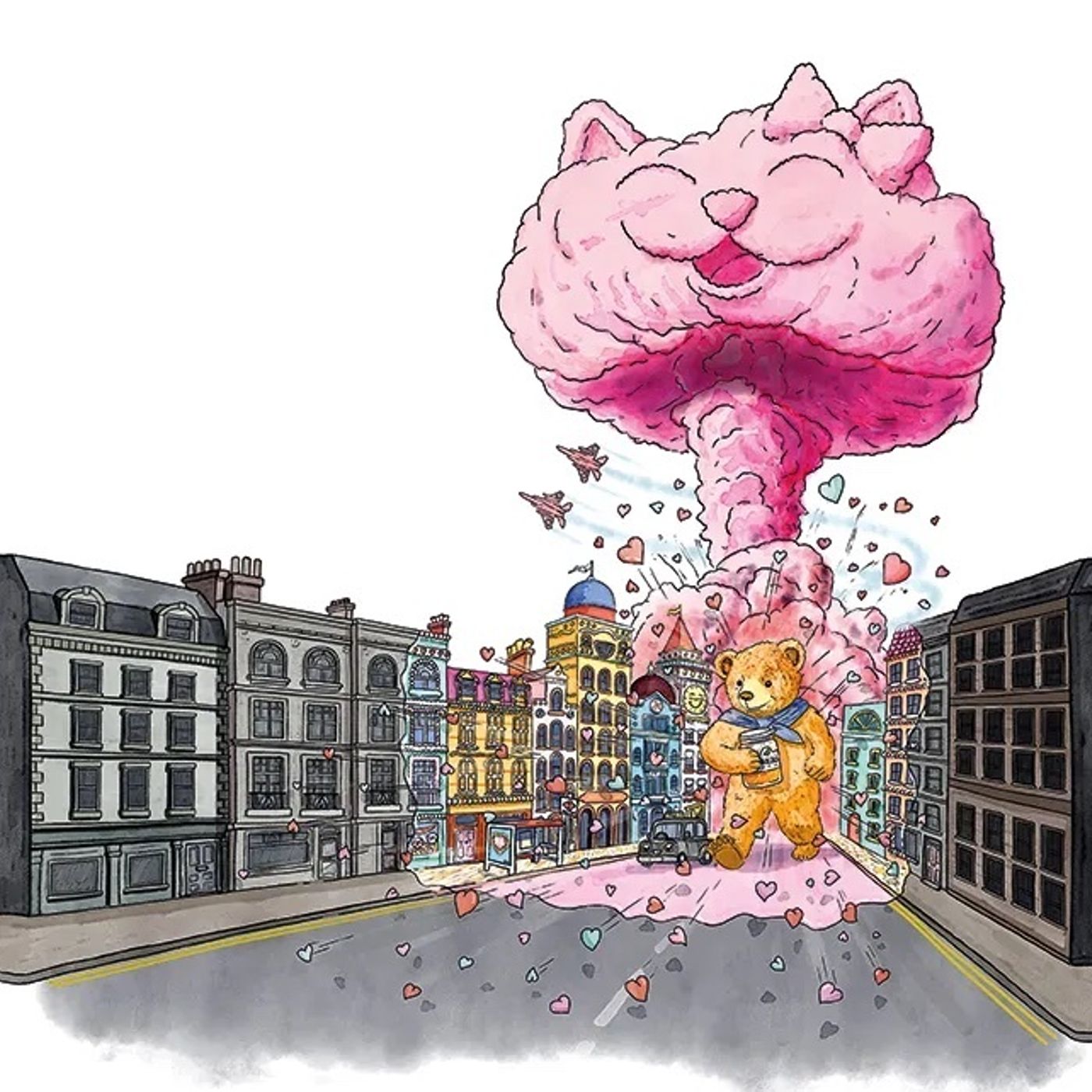
    This week: are we drowning in a sea of twee? Gareth Roberts writes the cover article this week, arguing against what he sees as the hideous triviality of our times. ‘The British have lost their aversion to glutinous sentimentality,’ he declares. How did we get here, and who are the worst offenders? Gareth argues that the triumph of twee has left us unable to face serious things with seriousness. Could there be sinister consequences if we don’t take this more seriously? Gareth joined the podcast to make his case, alongside Josh Cohen, psychoanalyst and author of All The Rage (00:49). Then: was Graham Brady the ‘kingmaker’ or the ‘kingslayer’ of the past Tory era? The shadow cabinet member and Conservative M.P. Alex Burghart has reviewed Graham Brady’s new book Kingmaker: Secrets, Lies and the Truth about Five Prime Ministers in the books section of the magazine this week. Looking back on his time as chair of the influential 1922 Committee, Graham provides his reflections on what has been an historic, and often turbulent, period in British politics. Having now taken a seat in the Lords, Graham joins the podcast with The Spectator’s political editor, Katy Balls, to reveal what he really thought about that time in office and what his advice to his successor would be (16:07). And finally: are pigs in blankets the best Christmas food? It would seem so, according to The Spectator’s data editor Michael Simmons, who provides his notes on the festive treat in the magazine this week. His only gripe, as a proud Scot, is that they should really be called ‘kilted sausages’. He reveals that Brits are expected to eat a whopping 668 million of them over the Christmas season. Why are they so good, and how can you elevate your Christmas meal over the coming season? Michael joins the podcast alongside Martyn Lee, head of product at Yeo Valley and the former executive chef of Waitrose and Tesco. Plus, a guest appearance of pigs in blankets from The Spectator’s local pub, The Two Chairmen – will they pass Michael’s taste test? (26:58). Hosted by William Moore and Lara Prendergast. Produced by Patrick Gibbons, Oscar Edmondson, and Cindy Yu. Become a Spectator subscriber today to access this podcast without adverts. Go to spectator.co.uk/adfree to find out more. For more Spectator podcasts, go to spectator.co.uk/podcasts. Contact us: podcast@spectator.co.uk Hosted on Acast. See acast.com/privacy for more information.
  • Nov 28, 2024 · 47 min

    SAS betrayal, the battle for Odesa & in defence of film flops

    This week: SAS SOS The enemy that most concerns Britain’s elite military unit isn’t the IRA, the Taliban or Isis, but a phalanx of lawyers armed with the European Convention on Human Rights (ECHR), writes Paul Wood in The Spectator. Many SAS soldiers now believe that if they kill a terrorist during an operation, they’ll spend decades being hounded through the courts. Paul speaks to former SAS soldiers who say that stories of men being ‘dragged back to be screamed at in interview rooms’ are ‘flying around the canteens now’. Soldiers feel like ‘the good guys have become the bad guys – and the bad guys are now the good guys’. This is hurting morale and may eventually hit recruitment. Paul joins the podcast to discuss further, alongside Colonel Richard Williams, a former SAS commanding officer in Iraq and Afghanistan. (01:36) Then: how much more punishment can Ukrainian city Odesa take? The Black Sea port of Odesa occupies a unique role in Ukrainian – and Soviet – history. Added significance has been thrust on it by the Russian invasion: both symbolically, as well as practically, given how central it is to grain exports. But while war weariness sets in for Ukrainians – and their allies – the battle for Odesa is ever more crucial; further deadly aerial attacks took place only days ago. In the magazine this week, journalist Peter Pomerantsev reviews a new book looking at the port city by Julian Evans. Undefeatable: Odesa in Love and War is part-history book, part-memoir exploring many of the human stories that make up the city. How has the conflict changed the people of Odesa? And for Ukrainians who grew up consuming Russian-speaking media and culture, did the war challenge their identity? Peter joins the podcast alongside the author of the Spectator’s Ukraine newsletter, Svitlana Morenets. (18:24) And finally: do we secretly love a good film flop? ‘I’ve fallen out of love with cinemas,’ declares long-standing (or should that be long-suffering?) film critic Chris Tookey in the magazine this week. He argues the experience isn’t as good, and Hollywood is partly to blame. Perhaps films are getting worse? Some people love a good film flop though – the big-budget blockbuster disasters. Fellow film critic Tim Robey is one such person, and he explores his love of Hollywood flops in his new book Box Office Poison, out now. But how has the experience of cinema changed? And what’s the worst film they’ve ever seen? Tim and Chris join the podcast. (32:58) Hosted by William Moore and Lara Prendergast. Produced by Oscar Edmondson and Patrick Gibbons. Become a Spectator subscriber today to access this podcast without adverts. Go to spectator.co.uk/adfree to find out more. For more Spectator podcasts, go to spectator.co.uk/podcasts. Contact us: podcast@spectator.co.uk Hosted on Acast. See acast.com/privacy for more information.
  • Nov 21, 2024 · 43 min

    Streeting vs Starmer, medical misinformation & the surprising history of phallic graffiti

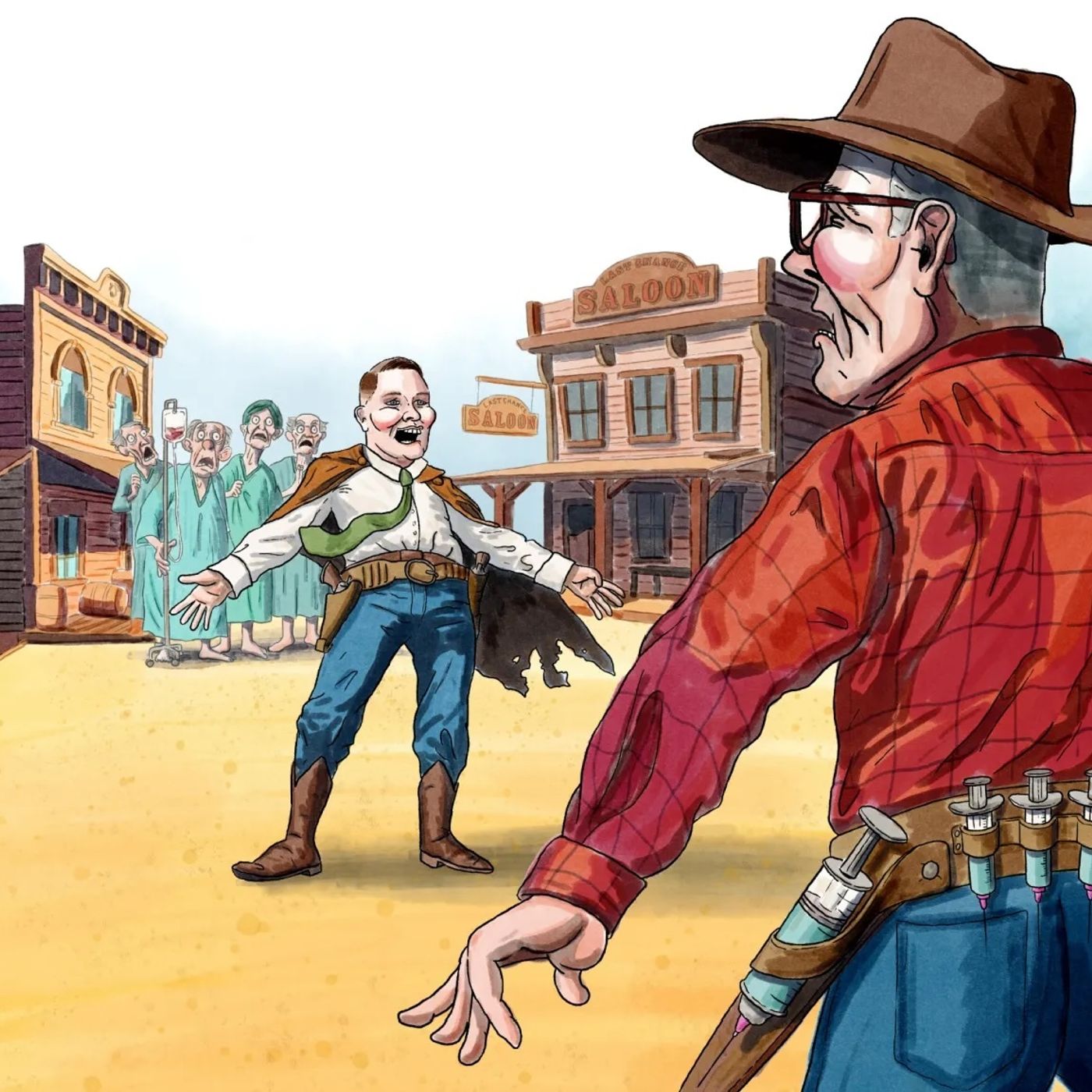
    This week: Wild Wes. Ahead of next week’s vote on whether to legalise assisted dying, Health Secretary Wes Streeting is causing trouble for Keir Starmer, writes Katy Balls in the magazine this week. Starmer has been clear that he doesn’t want government ministers to be too outspoken on the issue ahead of a free vote in Parliament. But Streeting’s opposition is well-known. How much of a headache is this for Starmer? And does this speak to wider ambitions that Wes might have? Katy joins the podcast to discuss, alongside Labour MP Steve Race. Steve explains why he plans to vote in favour of the change in the law next week (00:57). Then: how concerned should we be about medical misinformation? President-elect Donald Trump has announced vaccine sceptic Robert F. Kennedy Jr. as his pick for Secretary of Health and Human Services in the US. In the magazine this week, Matt Ridley explains that it’s not the man himself that’s as interesting, as the reasons how he has ended up in such a position: scientific misinformation has fuelled his rise. So how concerned should we be about medical misinformation? Firstly, Matt joined the podcast to explain his thesis and why reactions to the covid pandemic are to blame (16:24). Later, Sander van der Linden, professor of social psychology at the University of Cambridge, also joins the podcast to discuss his concerns and how susceptible we are here in Britain to misinformation (23:46). And finally: did you know that crude graffiti has a storied history? Harry Mount examines the notorious penis gang that has appeared in Dulwich, daubing penises across trees. Whatever you think of such graffiti, scribbling phalluses, and even erotic art, are actually as old as time – from ancient Rome to India. What’s the line between graffiti and erotic art? And should Westerners be less prudish when confronted with these images? Harry joins the podcast alongside academic, and author of Pha(bu)llus: A Cultural History, Dr Alka Pande (30:50). Hosted by William Moore and Lara Prendergast. Produced by Patrick Gibbons. Become a Spectator subscriber today to access this podcast without adverts. Go to spectator.co.uk/adfree to find out more. For more Spectator podcasts, go to spectator.co.uk/podcasts. Contact us: podcast@spectator.co.uk Hosted on Acast. See acast.com/privacy for more information.

  • Nov 14, 2024 · 44 min

    Elon's America, Welby's legacy & celebrating Beaujolais Day

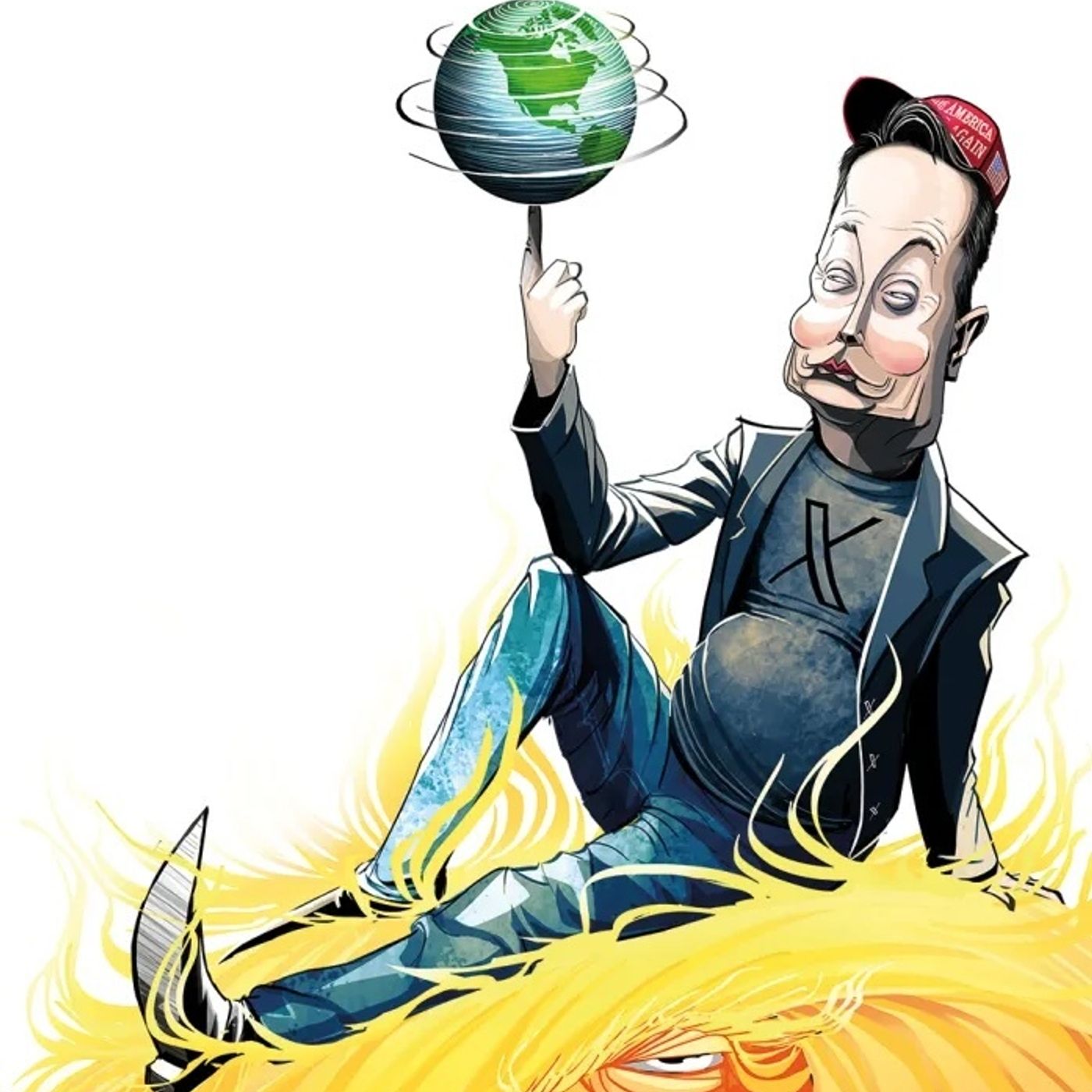
    This week: welcome to Planet Elon. We knew that he would likely be a big part of Donald Trump’s second term, so it was unsurprising when this week Elon Musk was named – alongside entrepreneur Vivek Ramaswamy – as a co-leader of the new US Department of Government Efficiency, which will look at federal government waste. When Musk took over Twitter, he fired swathes of employees whose work was actively harming the company, so he’s in a perfect position to turn his sights on the bloated federal government. It is, writes Douglas Murray, a once-in-a-generation opportunity to strip a whole layer of rot from the body politic. But can he translate his success in the private sector to the public sector? James Ball, political editor of The New European, and Bridget Phetasy, Spectator World contributing editor, joined the podcast to discuss. (02:17) Then: what’s next for the Church of England? The nature of Justin Welby’s resignation as Archbishop of Canterbury has no historic precedent in the C of E, writes William Moore, of this parish. One certainty is that the Church leadership will now be under enormous pressure to create a new independent body for safeguarding, but who could be next? The Smyth scandal means that appointing a conservative evangelical would be difficult, but appointing an out-and-out progressive would have its own problems. Whoever eventually succeeds Welby, he or she will inherit a Church more at war with itself than at any time in living memory. Joining the podcast is Rev Julie Conalty, the Bishop of Birkenhead and deputy lead bishop for safeguarding. (20:58) And finally: can you tell your Claret from your Beaujolais? In the magazine this week, drinks writer Henry Jeffreys discusses Beaujolais Day, the festivities started in the famous French appellation d’origine contrôlée that celebrate the first wine of the season. He joined us to discuss everything Beaujolais with Johnny Ray, The Spectator’s wine critic. (35:39) Hosted by William Moore and Lara Prendergast. Produced by Oscar Edmondson. Become a Spectator subscriber today to access this podcast without adverts. Go to spectator.co.uk/adfree to find out more. For more Spectator podcasts, go to spectator.co.uk/podcasts. Contact us: podcast@spectator.co.uk Hosted on Acast. See acast.com/privacy for more information.
  • Nov 7, 2024 · 36 min

    Trump's comeback, Labour's rural divide, and World of Warcraft

    This week: King of the Hill You can’t ignore what could be the political comeback of the century: Donald Trump’s remarkable win in this week’s US election. The magazine this week carries analysis about why Trump won, and why the Democrats lost, from Freddy Gray, Niall Ferguson and Yascha Mounk, amongst others. To make sense of how Trump became only the second President in history to win non-consecutive terms, we’re joined by the journalist Jacqueline Sweet and Cliff Young, president of polling at Ipsos (00:58). Next: is Labour blind to rural communities? The changes to inheritance tax for farmers are one of the measures from Labour’s budget that has attracted the most attention. In the magazine this week The Telegraph’s Simon Heffer argues that it needs to be seen as part of a wider attack on rural communities. But is it intentional, or simply a blind spot Labour has to the countryside? Simon joined us alongside Ed Barker from the Agricultural Industries Confederation (16:42). And finally: what makes World of Warcraft so addictive? The Spectator’s literary editor Sam Leith joins the podcast to talk about the gaming phenomenon that is World of Warcraft. In just two decades, it has now made more money than three times the most successful Hollywood film ever. Why is it so successful and what makes it so addictive? And, as the landscape of gaming has changed over the decades, should parents still really be worried about their children spending time online or has gaming opened new areas for kids to socialise? Sam joined us to discuss and reveals the inspiration behind his avatar’s name… (27:37). Hosted by William Moore and Lara Prendergast. Produced by Patrick Gibbons. Become a Spectator subscriber today to access this podcast without adverts. Go to spectator.co.uk/adfree to find out more. For more Spectator podcasts, go to spectator.co.uk/podcasts. Contact us: podcast@spectator.co.uk Hosted on Acast. See acast.com/privacy for more information.
  • Oct 31, 2024 · 43 min

    Team Trump, astrologers versus pollsters & debating history

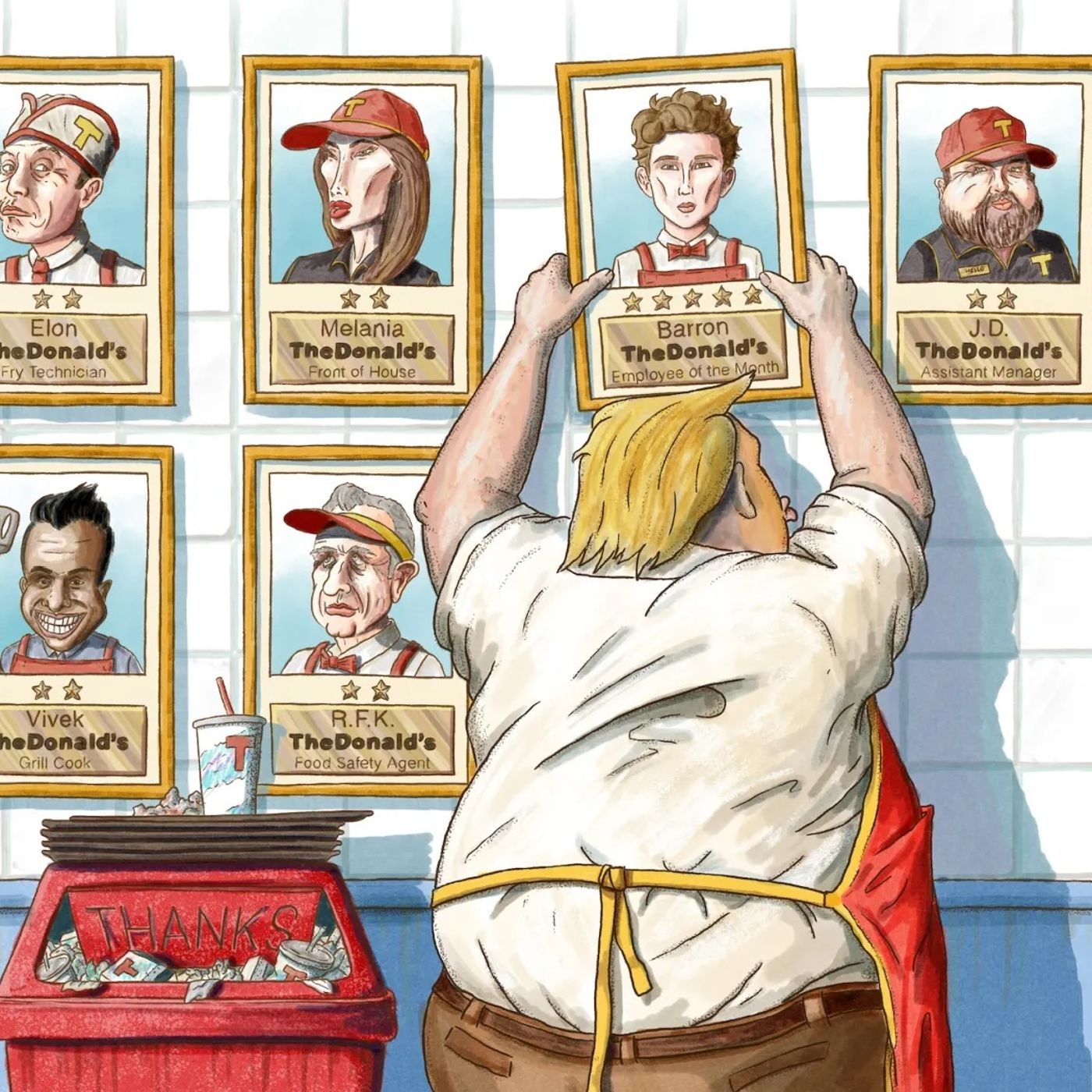
    This week: Team Trump – who’s in, and who’s out? To understand Trumpworld you need to appreciate it’s a family affair, writes Freddy Gray in the magazine this week. For instance, it was 18-year-old Barron Trump who persuaded his father to do a series of long ‘bro-casts’ with online male influencers such as Joe Rogan. In 2016, Donald’s son-in-law Jared Kushner was the reigning prince; this year, he has been largely out of the picture. Which family figures are helping Trump run things this time around, and which groups hold the most influence? Freddy joins the podcast alongside economics editor Kate Andrews. What are the most important personnel decisions facing Trump if he wins next week? (0:58). Next: do astrologers predict elections better than pollsters? When pollster Nate Silver declared that dissecting an individual poll is like ‘doing astrology’, it led Andrew Watts to ponder what sorts of predictions astrologers make about elections. Could there be some merit in consulting them? And are astrologists better predictors than pollsters? Andrew joined the podcast to discuss further alongside The Oxford Astrologer’s Christina Rodenbeck, host of podcast Astrology Talk. What do the planets tell us about next week’s US election? (13:18). And finally: by whose values should we judge the past? Joan Smith’s new book Unfortunately, she was a nymphomaniac: a new history of Rome’s imperial women is reviewed in the Books section of the magazine this week. An eye-catching title which is ‘as thought provoking as it is provocative’ Daisy Dunn writes. Many popular historians are singled out for criticism for how they analyse women from ancient Rome, including Professor Dame Mary Beard. Is there merit in judging history by today’s standards? Well Mary Beard joined us to provide her thoughts (26:32). Hosted by William Moore and Lara Prendergast. Produced by Patrick Gibbons and Oscar Edmondson. Become a Spectator subscriber today to access this podcast without adverts. Go to spectator.co.uk/adfree to find out more. For more Spectator podcasts, go to spectator.co.uk/podcasts. Contact us: podcast@spectator.co.uk Hosted on Acast. See acast.com/privacy for more information.
  • Oct 24, 2024 · 52 min

    Cambridge in crisis, Trump’s wicked humour & the beauty of AI ceramics

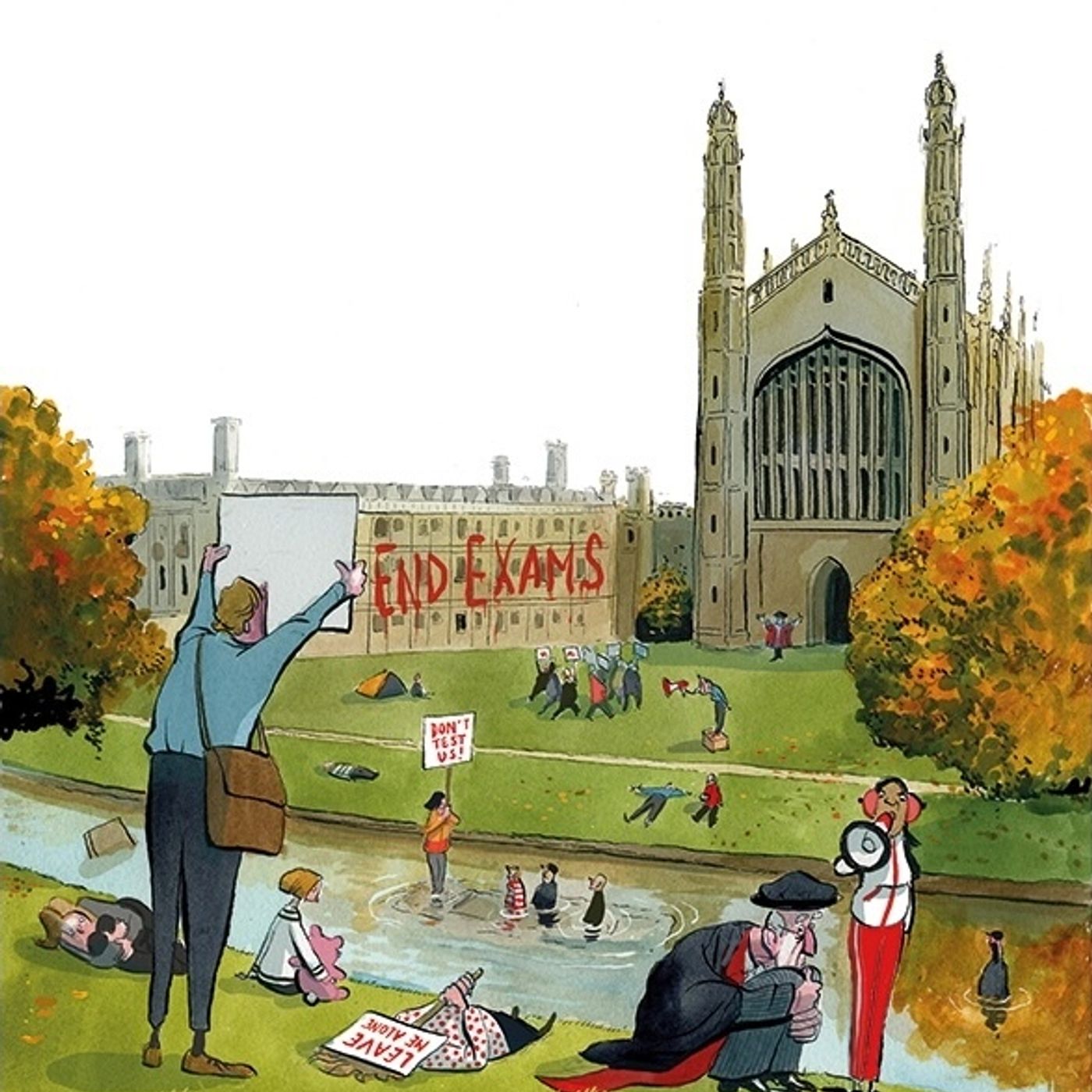
    This week: Decline and Fall – how our greatest universities are betraying students. Our greatest universities are betraying students, writes David Butterfield, who has just resigned from teaching Classics at Cambridge after 21 years. What went wrong? First, class lists of exam results became private, under alleged grounds of ‘data protection’, which snuffed out much of the competitive spirit of the university. Now even the fate of examinations hangs in the balance. Grade inflation is rampant, and it is now unheard of for students to be sent down for insufficient academic performance. For students, the risks have never been lower. ‘The pace of change over the past decade has been astonishing, driven on by three forces: an administrative class that wants to minimise complaints, a subset of academics who actively resent the no-nonsense traditions of the university, and a proportion of students who will take the easiest path proffered.’ David joined the podcast alongside the author Philip Womack, who recalls his own run-in with university administrators in the magazine. (01:46) Next: the return of Trump the stand-up comedian. There had been a lot of talk that Trump had lost some of his spark, with declining attendance at his rallies and his jokes failing to land. But, as The Spectator’s economics editor Kate Andrews writes this week, he appears to have his mojo back. At the Al Smith dinner, he delivered a series of wicked barbs aimed at his opponent Tim Walz and Kamala Harris, to a rapturous reception in the room. So what has changed? And why is humour so important to Trump? Kate joined the podcast alongside journalist and former speechwriter to Tony Blair, Philip Collins. (18:06) And finally: could AI lead to a revival of decorative beauty? In her arts lead for the magazine, Lara Prendergast meets the founders of a company in Stoke-on-Trent using AI technology to mass-produce uncannily authentic Delftware tiles, the iconic blue and white ceramics. ‘Josiah Wedgwood would have loved what we are doing… I suspect William Morris would have hated it,’ says the co-founder of Not Quite Past – the company creating these tiles – and who joins the podcast to discuss further. (37:55) Hosted by Lara Prendergast and William Moore. Produced by Oscar Edmondson. Become a Spectator subscriber today to access this podcast without adverts. Go to spectator.co.uk/adfree to find out more. For more Spectator podcasts, go to spectator.co.uk/podcasts. Contact us: podcast@spectator.co.uk Hosted on Acast. See acast.com/privacy for more information.

  • Oct 17, 2024 · 52 min

    Reeves's gambit, a debate on assisted dying & queer life in postwar Britain

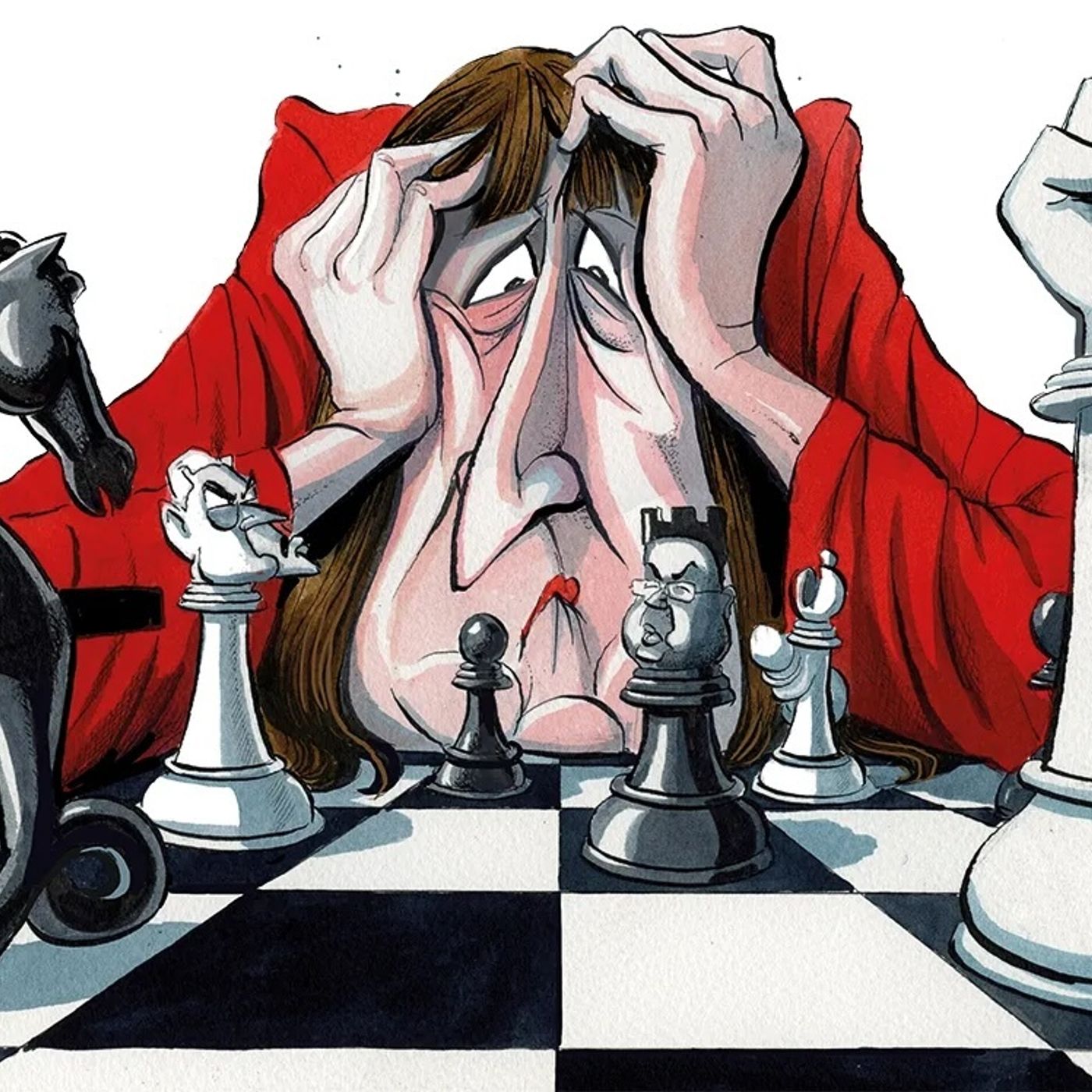
    This week: the Chancellor’s Budget dilemma. ‘As a former championship chess player, Rachel Reeves must know that the first few moves can be some of the most important of the game,’ writes Rupert Harrison – former chief of staff to George Osborne – for the cover of the magazine this week. But, he says, the truth is that she has played herself into a corner ahead of this month's Budget, with her room for manoeuvre dramatically limited by a series of rash decisions. Her biggest problem is that she has repeatedly ruled out increases in income tax, national insurance and VAT. ‘So which taxes will rise, given that the easy options have been ruled out? The answers appear to be evolving rapidly when ministers are confronted with the OBR’s harsh reality.’ Rupert joined the podcast alongside The Spectator’s economics editor Kate Andrews. (01:29) Next: Charlie Falconer and Charles Moore debate assisted dying. As Kim Leadbeater’s private member’s bill comes before the Commons, the former justice secretary Lord Falconer (who introduced a similar bill to the Lords) and The Spectator’s chairman Lord Moore debate assisted dying. The full conversation can be found on SpectatorTV but we have an extract from their conversation on the podcast. (19:01) And finally: In his Books & Arts lead, Philip Hensher reviews Peter Parker’s history of homosexuality from 1945 to 1967, revealing many of the era’s bizarre and, at times, amusing speculations. They both join the podcast to discuss the demonising of homosexuals in postwar Britain and the role of the tabloids in stirring up fear and distrust. (33:26) Hosted by William Moore and Lara Prendergast. Produced by Oscar Edmondson and Patrick Gibbons. Become a Spectator subscriber today to access this podcast without adverts. Go to spectator.co.uk/adfree to find out more. For more Spectator podcasts, go to spectator.co.uk/podcasts. Contact us: podcast@spectator.co.uk Hosted on Acast. See acast.com/privacy for more information.

  • Oct 10, 2024 · 48 min

    Labour’s China pivot, Yvette Cooper’s extremism crackdown & the ladies who punch

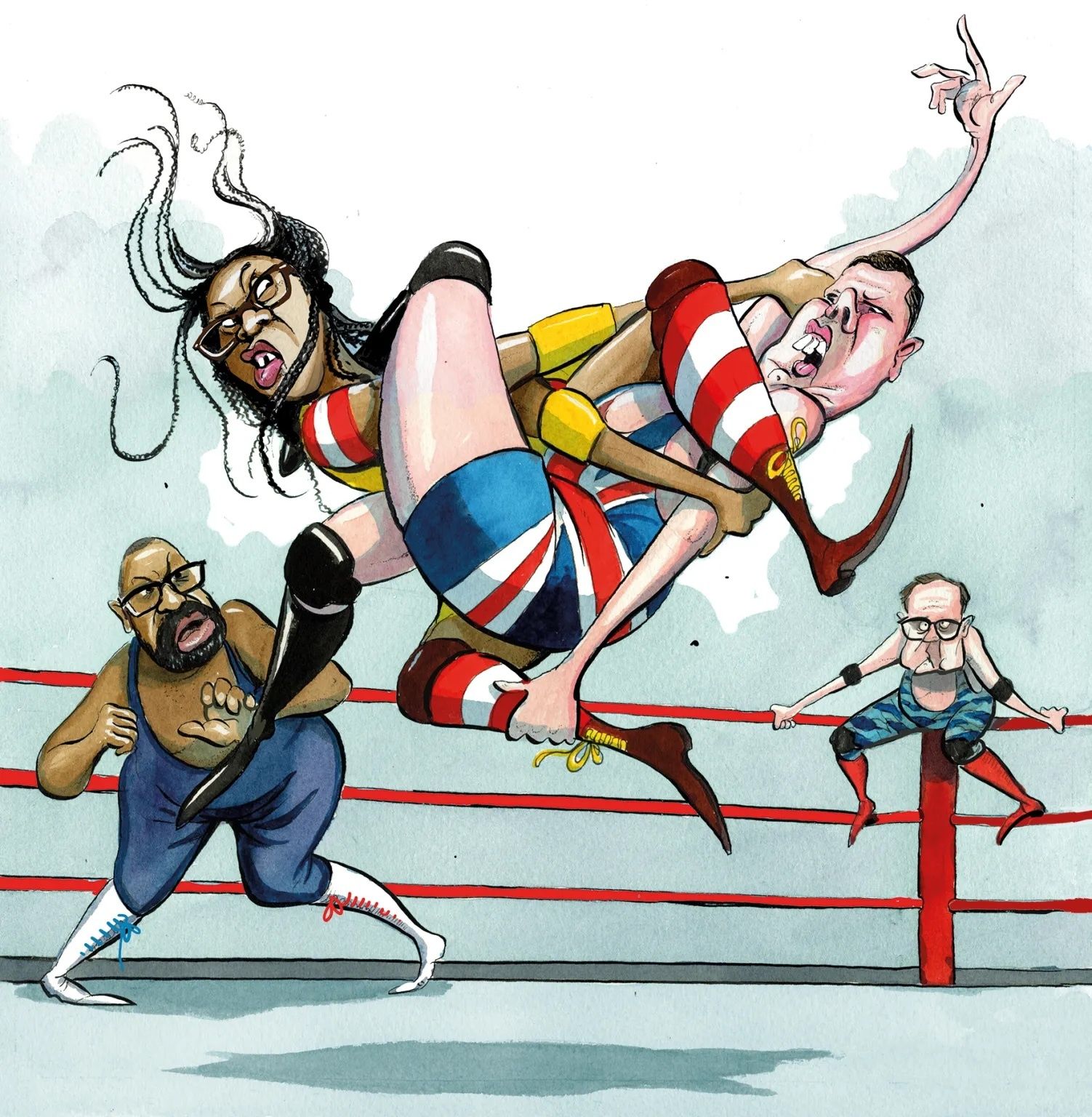
    Successive governments have struggled with how to deal with China, balancing them as a geopolitical rival yet necessary trade partner. Recent moves from Labour have sent mixed signals, from the free speech act to the return of the Chagos Islands. Further decisions loom on the horizon. As Rachel Reeves seeks some economic wiggle room, can Labour resist the lure of the Chinese market? The Spectator’s Katy Balls, and visiting fellow at the European Council on Foreign Relations (ECFR) James Crabtree, join the podcast to discuss further (02:05). Plus: as the first issue under The Spectator’s new editor Michael Gove, what are his reflections as he succeeds Fraser Nelson? He reads an excerpt from his diary (19:05). Next: could the government’s plans for dealing with extremism have unintended consequences on young men? With plans to reclassify extreme misogyny as extremism, Toby Young argues this week that Labour’s broadening of this issue exposes the flaws of the Prevent strategy. For all the focus on ‘toxic masculinity’, do we risk alienating and prematurely criminalising teenagers? Toby joins the podcast, alongside The Spectator’s deputy features editor – often host of this podcast – Gus Carter (22:05). And finally: the rise of the female fight club. Emily Rhodes talks about her experience taking up kickboxing, and the unexpected consequence of channelling her anger. How should women, and society, understand and deal with female anger? Emily joins the podcast, alongside the author of Rage Becomes Her, Soraya Chemaly, to explain (34:28). Hosted by William Moore and Lara Prendergast. Produced by Oscar Edmondson and Patrick Gibbons. Become a Spectator subscriber today to access this podcast without adverts. Go to spectator.co.uk/adfree to find out more. For more Spectator podcasts, go to spectator.co.uk/podcasts. Contact us: podcast@spectator.co.uk Hosted on Acast. See acast.com/privacy for more information.
  • Oct 3, 2024 · 37 min

    Israel's revenge, farewell Fraser & the demise of invitations

    This week: Israel’s revenge and Iran’s humiliation. As the anniversary of the October 7th attacks by Hamas approaches, the crisis in the Middle East has only widened. Israel has sent troops into southern Lebanon and there have been attempted missile strikes from the Houthi rebels in Yemen and from Iran. Is there any way the situation can de-escalate? And how could Israel respond to Iran? Former BBC foreign correspondent Paul Wood and defence and security research Dr Limor Simhony join the podcast (1:03). Next: it’s the end of an era for The Spectator. This issue is Fraser Nelson’s last as he hands over the reins to Michael Gove. Having spent 15 years as editor, with 784 issues to his name, what are his reflections on his time here at 22 Old Queen Street? You can also hear an extract from Toby Young’s column, where he reveals a coincidental dinner that took place last week (13:25). And finally: should we mourn the demise of the physical invitation? Yes, says Philip Womack in his Notes on in the magazine this week, as he declares ‘bring back the stiffy!’. They’re a ritual, a pleasure, a memento that will be most missed. Philip joined the podcast to ponder their decline, alongside our Dear Mary columnist Mary Killen (29:00). Hosted by William Moore and Lara Prendergast. Produced by Patrick Gibbons and Oscar Edmondson. Become a Spectator subscriber today to access this podcast without adverts. Go to spectator.co.uk/adfree to find out more. For more Spectator podcasts, go to spectator.co.uk/podcasts. Contact us: podcast@spectator.co.uk Hosted on Acast. See acast.com/privacy for more information.

  • Sep 26, 2024 · 42 min

    Tory wars, the reality of trail hunting & is Sally Rooney-mania over?

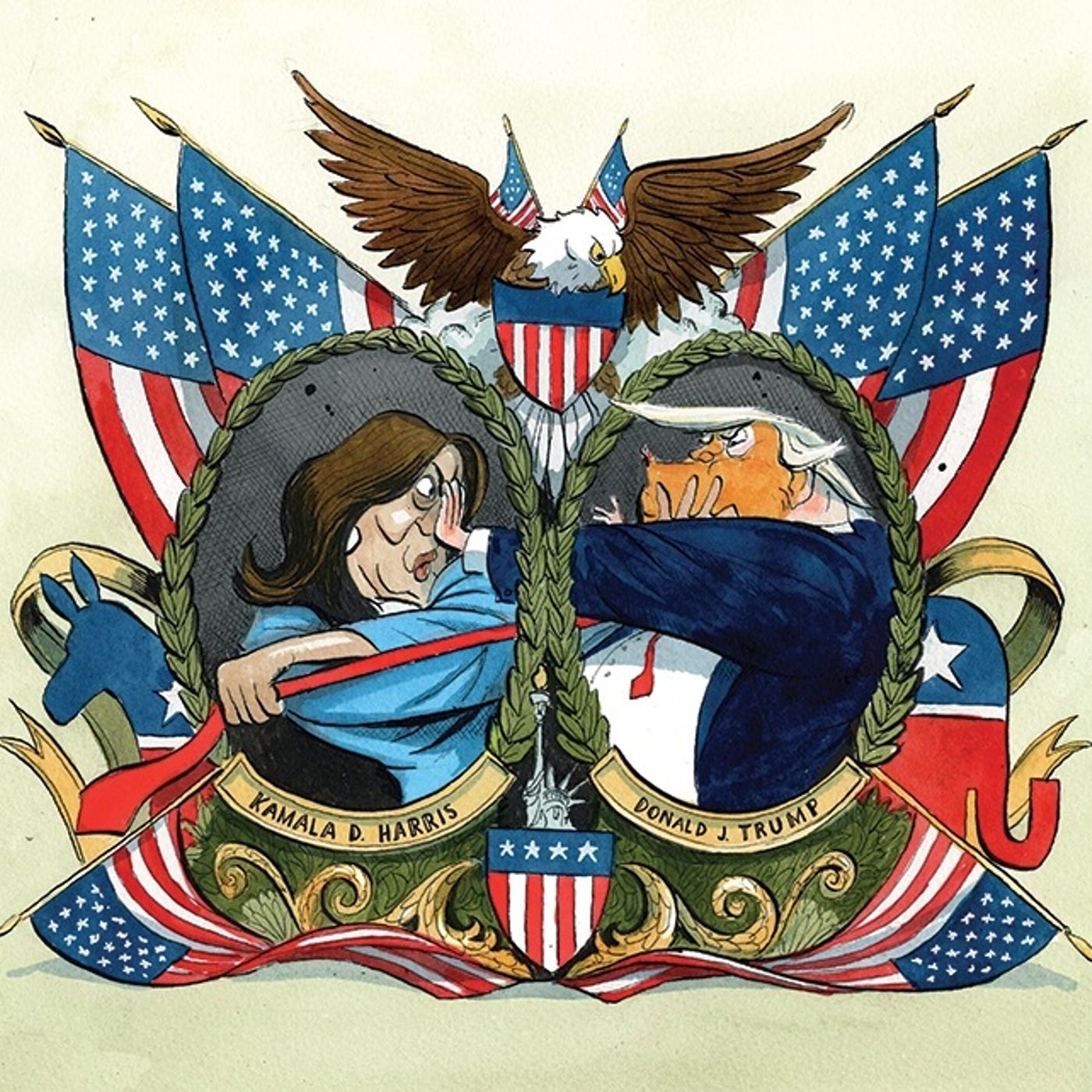
    This week: who’s on top in the Conservative leadership race? That’s the question Katy Balls asks in the magazine this week as she looks ahead to the Conservative Party conference. Each Tory hopeful will be pitching for the support of MPs and the party faithful ahead of the next round of voting. Who’s got the most to lose, and could there be some sneaky tactics behind the scenes? Katy joins the podcast to discuss, alongside Conservative peer Ruth Porter, who ran Liz Truss’s leadership campaign in 2022. We also include an excerpt from the hustings that Katy conducted with each of the candidates earlier this week. You can find the full interviews on The Spectator’s YouTube channel: https://www.youtube.com/@SpectatorTV (02:07) Next: should trail hunting be banned? Flora Watkins concedes that the hunting community has not helped its case over the years when considering the future of the sport. However, she argues that a minority should not spoil a sport that is ‘thrilling, sociable and bloodless’. In a heated discussion, Flora joins the podcast to make her case with campaigner Dominic Dyer. (17:43) And finally: what to make of Sally Rooney’s new novel Intermezzo? In the magazine this week Claire Lowdon argues that the novel is an ‘enjoyable old-fashioned love story… but high literature it is not’. Why? Reviewing the book for the Times James Marriott argues Rooney’s characters are ‘sensitive’ but also too ‘precious and prissy’. How warranted is the criticism of Rooney? Claire and James join the pod. (31:50) Hosted by William Moore and Gus Carter. Produced by Oscar Edmondson and Patrick Gibbons. Become a Spectator subscriber today to access this podcast without adverts. Go to spectator.co.uk/adfree to find out more. For more Spectator podcasts, go to spectator.co.uk/podcasts. Contact us: podcast@spectator.co.uk Hosted on Acast. See acast.com/privacy for more information.
  • Sep 19, 2024 · 44 min

    Farage's plan, the ethics of euthanasia & Xi's football failure

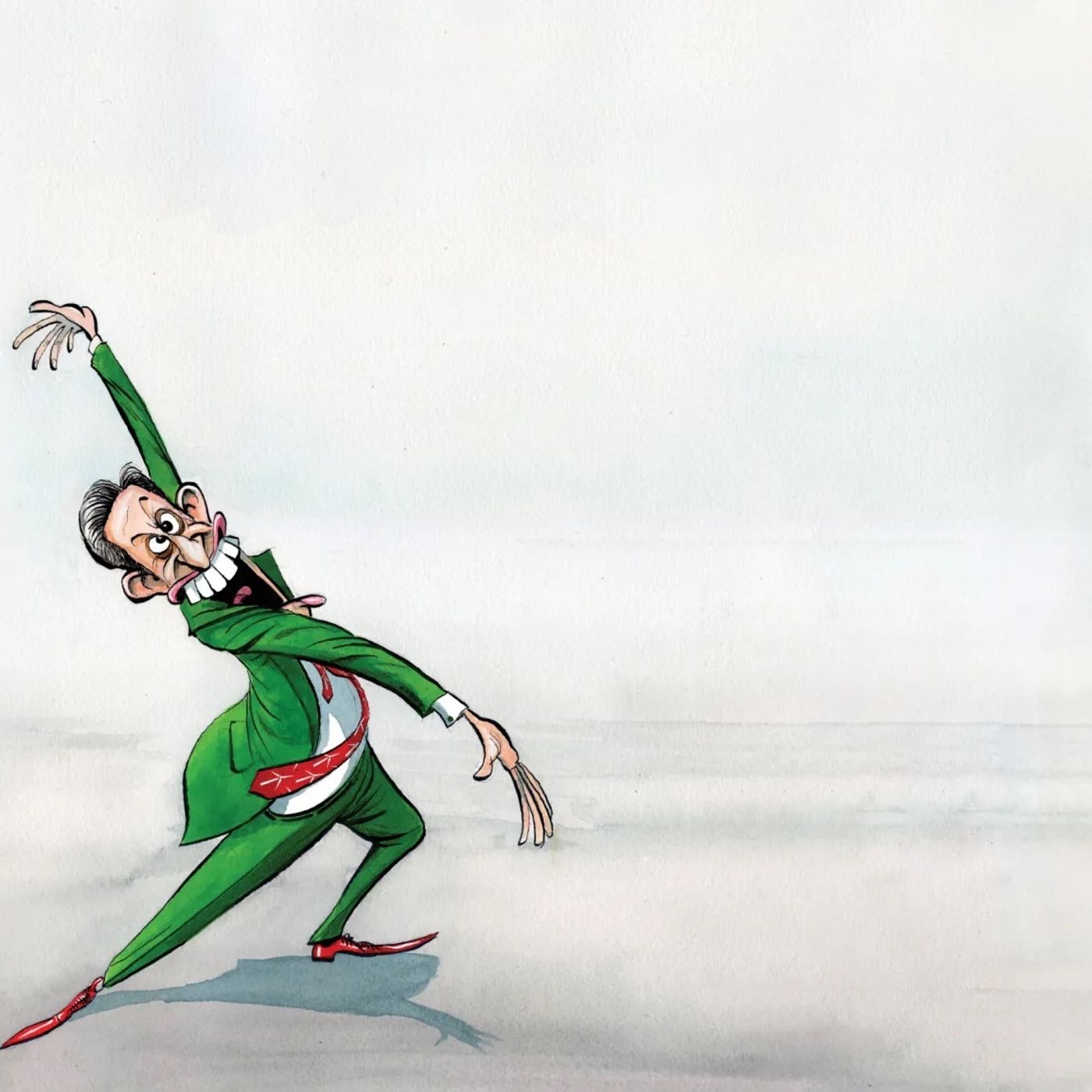
    This week: Nigel’s next target. What’s Reform UK’s plan to take on Labour? Reform UK surpassed expectations at the general election to win 5 MPs. This includes James McMurdock, who Katy interviews for the magazine this week, who only decided to stand at the last moment. How much threat could Reform pose and why has Farage done so well? Katy joins the podcast to discuss, alongside Jovan Owusu-Nepaul, who fought Nigel Farage as the Labour candidate for Clacton (1:02). Next: who determines the morality of euthanasia? Matthew Hall recounts the experience of his aunt opting for the procedure in Canada, saying it ‘horrified’ him but ‘was also chillingly seductive’. Does Canada provide the model for the rest of the world? Or should we all be worried of where this could lead? Matthew joined the podcast, alongside commentator Richard Hanania. Hanania is president of the Centre for the Study of Partisanship and Ideology and has hailed the Canadian model as ‘moral progress’ (19:52). And finally: why isn’t China a football superpower? Ian Williams joins the podcast to discuss his article exploring the failure of President Xi to realise his ambitions for Chinese football. Despite spending billions of yuan, why hasn’t China been more successful? Cameron Wilson, founding editor of Wild East Football, the world’s leading English-language news source on soccer in China joins too (35:44). Hosted by William Moore and Lara Prendergast. Produced by Oscar Edmondson and Patrick Gibbons. Become a Spectator subscriber today to access this podcast without adverts. Go to spectator.co.uk/adfree to find out more. For more Spectator podcasts, go to spectator.co.uk/podcasts. Contact us: podcast@spectator.co.uk Hosted on Acast. See acast.com/privacy for more information.
  • Sep 12, 2024 · 38 min

    Trump’s debate woes, how to catch a paedo & the politics of the hotel breakfast buffet

    This week: The US election is back on a knife-edge. Republicans hoped this week’s debate would expose Kamala Harris’s weaknesses. ‘They forgot that, when it comes to one-on-one intellectual sparring matches with candidates who aren’t senile, Donald Trump is very bad indeed,’ writes Freddy Gray. ‘A skilled politician would have been able to unpick Harris’s act, but Trump could not.’ Harris is enigmatic to the point of absurdity, but Trump failed to pin her down and may well have squandered his narrow lead. To discuss further, Freddy joined the podcast alongside Amber Duke, Washington editor at Spectator World. (02:05) Next: Lara and Will take us through some of their favourite pieces from this week, including Fraser Nelson’s diary on the sale of The Spectator Magazine to Sir Paul Marshall. Then: how to catch a paedophile. London Overwatch, a paedophile hunting group, pose as children online to snare unsuspecting sexual predators. They then confront the suspect and livestream the arrest to thousands of viewers. The Spectator’s Max Jeffery went along to see them catch a man who believes he has been speaking to a 14-year-old girl. Max was joined on the podcast by Nick, who runs London Overwatch. (18:34) And finally: is it ethical to pocket a sandwich at a hotel breakfast buffet? Laurie Graham explores the ethics of plundering the hotel buffet in the magazine this week. Specifically, she reveals the very British habit that many Brits swipe food from their free breakfasts to save for lunch later in the day. Laurie joined us alongside Mark Jenkins, a former hotel manager in Torquay who listeners may remember from the Channel 4 documentary ‘The Hotel’ (27:51) Hosted by William Moore and Lara Prendergast. Produced by Oscar Edmondson and Patrick Gibbons. Become a Spectator subscriber today to access this podcast without adverts. Go to spectator.co.uk/adfree to find out more. For more Spectator podcasts, go to spectator.co.uk/podcasts. Contact us: podcast@spectator.co.uk Hosted on Acast. See acast.com/privacy for more information.

  • Sep 5, 2024 · 38 min

    Miliband's net zero madness, meet Reform’s new poster boy & the plight of the restaurant critic

    This week: Miliband’s empty energy promises. Ed Miliband has written a public letter confirming that Labour plans to decarbonise the electricity system by 2030. The problem with this, though, is that he doesn’t have the first idea about how to do it. The grid doesn’t have the capacity to transmit the required energy, Ross Clark writes, and Miliband’s claim that wind is ‘nine times cheaper’ than fossil fuels is based upon false assumptions. What is more, disclosed plans about ‘GB Energy’ reveal that Miliband’s pet project isn’t really a company at all – but an investment scheme. This empty vessel will funnel taxpayer money into the hands of private companies rather than produce any energy itself. To discuss, Lara and Will were joined by Shaun Spiers, executive director of the Green Alliance and Stanley Johnson, former MEP, environmental campaigner and author of the new book In the footsteps of Marco Polo deals extensively on China’s energy problems and opportunities. (02:26) Then: Lara and Will take us through some of their favourite pieces from the magazine, including the lead book review and Catriona Olding’s Still Life column. Next: meet Nigel Farage’s millionaire Reform chairman. The Reform party has a new poster boy, the 37-year-old party Chairman Zia Yusuf. Self-dubbed a ‘British Muslim patriot’, Yusuf is a former Goldman Sachs partner and tech owner with an expensive taste for cars. He is tasked with transforming Farage’s outfit from a limited company into a proper party. You can read James Heale’s full interview with Yusuf in this week’s magazine, but they have kindly allowed us to hear a section of their discussion on the podcast. They talk about the Nigel Farage effect and Lee Anderson’s comments about Sadiq Khan. (18:34) And finally: should we feel sorry for restaurant critics? Angus Colwell, The Spectator’s assistant online editor, writes about the plight of the restaurant critic and the stresses of doing what many would consider the best job in the world. To discuss further, Angus joined us alongside the Observer’s restaurant critic Jay Rayner, whose new book Nights Out, At Home celebrates his 25 years as a food critic and is available to buy now. (29:41) Hosted by Lara Prendergast and William Moore. Produced by Oscar Edmondson and Patrick Gibbons. Become a Spectator subscriber today to access this podcast without adverts. Go to spectator.co.uk/adfree to find out more. For more Spectator podcasts, go to spectator.co.uk/podcasts. Contact us: podcast@spectator.co.uk Hosted on Acast. See acast.com/privacy for more information.