Skip to content
Artwork for The Driverless Digest Podcast
TechnologyLeisureAutomotive

The Driverless Digest Podcast

Harry Campbell

Covering the intersection of autonomy x rideshare, and the business of AVs.

www.thedriverlessdigest.com
Play
  • 20 episodes
  • weekly
  • Avg 38 min
  • English
  • August 24 · 41 min

    Balancing AV Innovation and Regulation with CalSTA’s Emily Warren

    Listen to this episode on Apple Podcasts, YouTube, Spotify, and Substack. Transcripts are also available by clicking on the “transcripts” button in the top right corner of this post on the app/web version. You can also access them from the email version by clicking here. In today’s episode, I’m speaking with Emily Warren, Deputy Secretary for Innovative Mobility Solutions at the California State Transportation Agency (CalSTA). Emily explains CalSTA’s role overseeing California’s transportation agencies, how the state balances innovation with regulation, and what she has learned since transitioning from the private sector into public service. We also take a closer look at California’s newly updated autonomous vehicle regulatory framework, including how the DMV’s rulemaking process unfolded, what has changed, and how public feedback shaped the final regulations. Emily breaks down the respective roles of CalSTA, the DMV, and the California Public Utilities Commission in overseeing AV deployment, as well as how California approaches safety, data sharing, and coordination among local, state, and federal regulators. Finally, we discuss what the new rules mean for robotaxis and autonomous trucks, how driverless trucking could scale in California, and where the state’s AV regulations may still need to evolve, including the possibility of personally owned autonomous vehicles. Chapters * (00:00) Introduction to Emily Warren * (02:20) Background on CalSTA, the agencies they oversee, and Emily’s role * (05:00) How CalSTA balances transportation innovation and regulation * (07:05) What Emily has learned from transitioning from the private sector to public service at CalSTA * (09:20) The roles of CalSTA, the DMV, and the CPUC in California’s AV permitting process * (10:33) California’s new AV regulatory framework, how long it took, and what’s new * (13:40) Public feedback on the new AV regulatory framework * (16:46) Behind the scenes of the California DMV rulemaking process * (21:01) The right cadence for reviewing California’s AV regulations * (21:42) Areas for improvement in California’s AV regulations, including personal AV ownership * (23:01) How AV trucking could scale in California * (25:23) How CalSTA thinks about AV safety * (29:25) The differences between AV trucks and robotaxis in the new AV regulations * (32:56) AV regulation and coordination between the local, state, and federal regulators * (37:30) Data sharing between cities and state regulators * (40:04) Conclusion and final thoughts Notes/Links: * You can find Emily Warren on LinkedIn. * CalSTA’s website (link). * My podcast episode with CPUC Deputy Executive Director Pat Tsen, mentioned at the 09:24 timestamp (link). * California’s new AV regulatory framework, mentioned at the 10:42 timestamp (link). -Harry This is a public episode. If you would like to discuss this with other subscribers or get access to bonus episodes, visit www.thedriverlessdigest.com
  • August 17 · 44 min

    Scaling Driverless Trucking with Kodiak AI CEO Don Burnette

    Listen to this episode on Apple Podcasts, YouTube, Spotify, and Substack. Transcripts are also available by clicking on the “transcripts” button in the top right corner of this post on the app/web version. You can also access them from the email version by clicking here. In today’s episode, I’m speaking with Don Burnette, founder and CEO of Kodiak AI. Don shares what has kept him motivated after more than a decade in the autonomous vehicle industry, why he remains confident in the future of AVs, and how the space has evolved from years of R&D into real-world commercialization. We also dive into what Kodiak AI is building and its vehicle-agnostic physical AI approach, which spans long-haul trucking, industrial applications, defense, and more. Don explains why long-haul trucking remains such a large opportunity, what it will take to reach fully driverless operations at scale, and why highway-only autonomy isn’t enough to make the product viable. Finally, we discuss the differences between highway and city-street autonomy, how Kodiak approaches proving safety, and what it has learned from earlier deployments. Don also shares his perspective on scaling KPIs, the competitive landscape, Kodiak’s experience as a public company, and whether autonomous trucking could ultimately be a larger market than robotaxis. Chapters * (00:00) Introduction to Don Burnette * (01:30) What’s kept Don going in the AV space for over a decade * (02:15) Why Don is confident in the future of AVs, and some of the challenges the industry faces today * (04:09) How AVs have moved from R&D to commercialization * (06:30) What Kodiak AI does * (07:55) Kodiak AI’s generalized physical AI and how it’s vehicle agnostic * (10:07) Kodiak AI’s verticals: including long-haul trucking, industrial trucking and defense * (18:03) The role of robotaxis in propagating autonomy to the general public * (19:50) Why long-haul trucking has a bigger total addressable market than industrial trucking * (21:30) Steps to reaching full driverless operations in long-haul trucking, and how Kodiak AI is approaching it * (23:44) Why highway-only autonomy isn’t enough * (25:10) Highway vs. city-street autonomous driving * (26:59) Public perception of accidents and proving the safety case in AV trucking vs. robotaxis * (30:20) Learning from the experiences of earlier, broader AV deployments * (33:10) Experience operating as a publicly listed company * (34:50) KPIs for autonomous truck deployments and which ones Kodiak AI focuses on * (37:42) Competition in the AV trucking space and Kodiak AI’s position * (39:25) How individual incidents affect the general perception of autonomy * (41:50) Is autonomous trucking’s total addressable market bigger than robotaxi’s? * (43:41) Conclusion and final thoughts Notes/Links: * You can find Don Burnette on LinkedIn and X. * Kodiak AI’s website (link). -Harry This is a public episode. If you would like to discuss this with other subscribers or get access to bonus episodes, visit www.thedriverlessdigest.com
  • August 10 · 32 min

    Wayve’s GAIA-4 and the Future of AV Simulation with Brandon Basso

    Listen to this episode on Apple Podcasts, YouTube, Spotify, and Substack. Transcripts are also available by clicking on the “transcripts” button in the top right corner of this post on the app/web version. You can also access them from the email version by clicking here. In today’s episode, The Driverless Digest Editor Ben Hubbard speaks with Brandon Basso, VP of Engineering at Wayve. Brandon breaks down the role of world models in autonomous driving and how Wayve is using them to train, test, and validate its AI Driver. He explains what problems world models can solve, where their limitations still lie when it comes to rare edge cases, and how Wayve’s latest model, GAIA-4, advances the company’s approach to simulation. The conversation dives into GAIA-4’s closed-loop capabilities, how it can simulate multiple sensor modalities, and why closed-loop testing could give Wayve an edge in virtual testing and validation. Brandon also explains the distinction between “AV 1.0” and “AV 2.0,” including how an AI-first approach changes the role of data, development, and validation. Ben and Brandon also discuss the challenge of optimizing autonomous vehicles for passenger comfort, what it takes to validate a more generalizable AI driving system, and how Wayve sees GAIA-4 playing a central role in the future of AV development and validation. Chapters * (00:00) Introduction to Brandon Basso * (02:20) Brandon’s day-to-day role at Wayve * (03:00) What is the Wayve AI Driver? * (04:05) What is a world model, and why is it used to teach an AI how to drive? * (05:11) What problem does the world model solve? * (08:04) How some edge cases constrain what can be tested using world models * (09:21) How far off are we from capturing all edge cases using world models? * (11:35) GAIA-4, Wayve’s latest world model and its new features * (12:06) Closed-loop vs. open-loop testing with GAIA-4 * (14:30) Multimodality and how GAIA-4 simulates different sensors * (15:27) How closed-loop simulation gives an edge in virtual testing * (17:38) The difference between AV 1.0 and AV 2.0 * (26:13) How difficult is it to optimize for comfort in the AV industry? * (27:02) How important data is to the AI Driver * (27:38) The challenges of developing and validating an AV 2.0 system * (30:55) The future of validation and GAIA-4’s central role * (32:18) Conclusion and final thoughts Notes/Links: * You can find Brandon Basso on LinkedIn. * Wayve’s article about GAIA-4 (link). * The diagram explaining the difference between closed-loop and open-loop, mentioned in the 12:08 timestamp (link). * Check out Harry’s earlier interview with Wayve CEO Alex Kendall (link). This is a public episode. If you would like to discuss this with other subscribers or get access to bonus episodes, visit www.thedriverlessdigest.com
  • August 3 · 36 min

    Building the Energy Infrastructure for Autonomous Vehicles with Alex Pischalnikov

    Listen to this episode on Apple Podcasts, YouTube, Spotify, and Substack. Transcripts are also available by clicking on the “transcripts” button in the top right corner of this post on the app/web version. You can also access them from the email version by clicking here. In today’s episode, I’m speaking with Alex Pischalnikov, Senior Director of Strategy at MN8 Energy. Alex explains how MN8 has grown into one of the country’s largest renewable energy infrastructure companies and why its experience building and operating energy assets positions it to play a critical role in the AV ecosystem. We discuss the company’s business across renewable generation, battery storage, EV charging, and energy management, along with what differentiates MN8 in an increasingly competitive market. We also dive into the growing intersection between energy infrastructure and autonomous vehicles. Alex explains why charging is becoming one of the most important considerations for commercial AV deployments, how the needs of robotaxi and autonomous trucking fleets compare to large data centers, and why the location, design, and operation of depots can have a major impact on fleet economics. We discuss deadheading, charging strategies, fleet utilization, and the operational challenges companies face as they scale from hundreds to thousands of autonomous vehicles. Finally, Alex shares lessons the AV industry can learn from years of EV charging deployment, how MN8 works with autonomous vehicle companies to accelerate commercialization, and what the next generation of AV fleet hubs could look like as autonomous transportation scales over the coming decade. Chapters * (00:00) Introduction to Alex Pischalnikov and MN8 Energy * (03:05) What verticals is MN8 Energy focused on? * (03:58) MN8 Energy’s unique differentiator in the energy sector * (06:00) Inside MN8 Energy’s renewable energy infrastructure business * (07:33) The different types of customers MN8 Energy caters for * (10:00) Similarities between powering data centers and AVs * (11:45) How early are we in the AV cycle? * (14:25) The importance of charging to AV deployments * (16:20) The major cost factor in AV deployments * (18:52) How MN8 Energy helps AV companies deploy better * (21:40) The importance of different depot layouts for effective fleet management * (23:15) How to locate depots effectively to balance costs and reduce deadheading * (25:45) The biggest fleet management challenges when scaling AV fleets from hundreds to thousands of vehicles * (29:44) Lessons the AV fleet charging industry can learn from EV customer charging * (32:27) The future of AV fleet hubs and what they might look like * (35:40) Conclusions and final thoughts Notes/Links: * You can find Alex Pischalnikov on LinkedIn. * MN8 Energy’s website (link). * MN8 Energy’s article about AV fleets: Autonomous Fleets May Be Self-Driving, But They’re Not yet Fully Self-Reliant (link). -Harry This is a public episode. If you would like to discuss this with other subscribers or get access to bonus episodes, visit www.thedriverlessdigest.com
  • July 27 · 34 min

    How NVIDIA Alpamayo Is Accelerating Autonomous Driving with Matt Cragun

    Listen to this episode on Apple Podcasts, YouTube, Spotify, and Substack. Transcripts are also available by clicking on the “transcripts” button in the top right corner of this post on the app/web version. You can also access them from the email version by clicking here. In today’s episode, I’m speaking with Matt Cragun, Director of Product for Autonomous Vehicles at NVIDIA. Matt breaks down NVIDIA’s strategy for autonomous vehicle development and how the company is approaching both the hardware and software sides of the AV stack. We discuss how NVIDIA works with AV developers to accelerate development, the role of its Hyperion platform, and how NVIDIA is making its technology easier to integrate across different vehicle platforms. We also dive deep into Alpamayo, NVIDIA’s open-source family of AI models for autonomous driving. Matt explains how Alpamayo works, how it was trained, and how developers can adapt the models to their own use cases. We discuss the limitations of the technology, how it approaches edge cases, and how Alpamayo combines end-to-end AI with more classical autonomous driving approaches rather than relying entirely on one or the other. Matt also discusses how Level 4 autonomy will eventually make its way from robotaxis into consumer vehicles, where the AV industry stands today, and what still needs to happen before AV technology can scale more broadly. Finally, he shares what excites him most about the next few years of autonomous driving and where he expects the technology to make the biggest advances. Chapters * (00:00) Introduction to Matt Cragun * (02:10) What is Alpamayo? * (03:50) Is NVIDIA more focused on building the hardware (chips) or software (models) for AVs? * (05:29) NVIDIA’s strategy for AV development * (07:03) How NVIDIA helps new AV developers accelerate development * (08:44) How open-source is Alpamayo, and can it be run on non-NVIDIA chips? * (09:28) Hyperion and how NVIDIA democratizes access to AV hardware * (10:40) How Hyperion is vehicle-agnostic and easy to integrate into different vehicle platforms * (11:20) How Level 4 autonomy will make its way from robotaxis to consumer vehicles in the coming years * (15:10) Digging deep into Alpamayo: How it works and how it was trained * (17:16) The limitations of Alpamayo and how AV developers can tailor it to their use cases * (19:20) The different use cases for Alpamayo, and its approach * (22:15) How Alpamayo combines the end-to-end AI and classical AV approaches * (27:23) How their AV models handle edge cases * (30:46) The current state of AV development * (32:52) What excites Matt most about the next few years for AVs * (33:50) Conclusions and final thoughts Notes/Links: * You can find Matt Cragun on LinkedIn. * An article about Alpamayo 2 Super on Hugging face, mentioned at the 04:43 timestamp (link). * NVIDIA’s article about Alpamayo 2 Super (link). * NVIDIA Alpamayo landing page (link). -Harry This is a public episode. If you would like to discuss this with other subscribers or get access to bonus episodes, visit www.thedriverlessdigest.com
  • July 20 · 36 min

    Rethinking AV Safety as Robotaxis Scale with Junko Yoshida

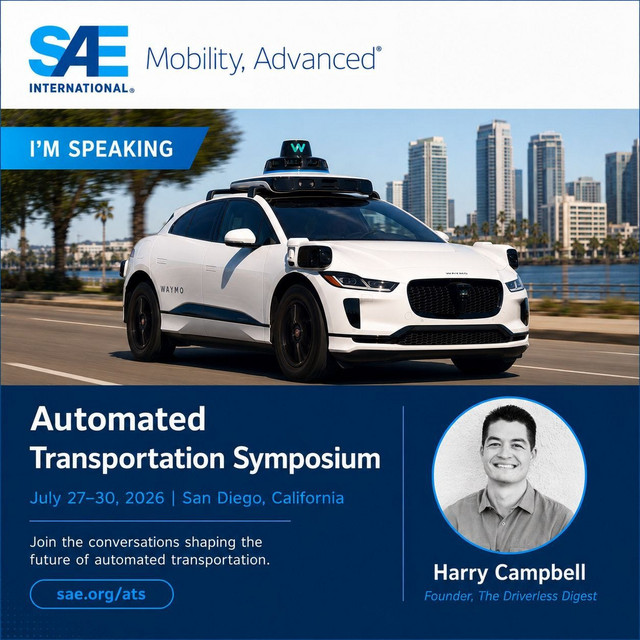
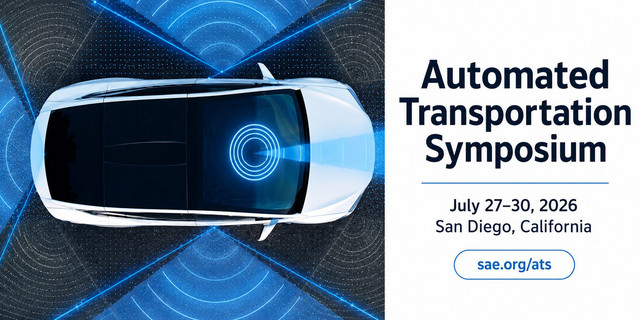
    Listen to this episode on Apple Podcasts, YouTube, Spotify, and Substack. Transcripts are also available by clicking on the “transcripts” button in the top right corner of this post on the app/web version. You can also access them from the email version by clicking here. In today’s episode, I’m speaking with Junko Yoshida, a veteran technology journalist and one of the industry’s leading voices on autonomous vehicles. We discuss where the AV industry stands today, why Waymo has emerged as the clear commercial leader, and whether autonomous driving is really a solved problem, or if the industry’s biggest challenges are still ahead. Junko shares her perspective on the importance of edge cases, what the recent Fourth of July Waymo incident in San Francisco reveals about scaling robotaxi operations, and how AV companies should be judged as commercial deployments continue to expand. We also dive into hybrid autonomy, the role of remote operators, and whether removing the safety driver is truly the right benchmark for autonomy maturity. Junko explains why transparency remains one of the industry’s biggest challenges, how journalists can better cover autonomous vehicles, and why there is often a disconnect between industry reporting and academic research. Finally, we discuss end-to-end AI, exciting developments in London’s AV ecosystem, and preview our upcoming ‘Journalist Panel’ at ATS 2026. Chapters * (00:00) Introduction to Junko Yoshida * (03:30) What journalists still get wrong in their coverage of AVs today * (05:03) Where we are in the AV landscape today and the factors still being overlooked * (08:30) Are AVs a solved problem? Why edge cases still matter * (10:26) Waymo’s 4th of July incident, and what they could have done better * (17:00) Should all AV companies be judged by the same standard as Waymo? * (17:48) Hybrid autonomy as a path to scaling AVs * (19:00) Is removing the safety driver proof of autonomy maturity? * (19:30) The importance of remote operators in scaling AV operations and boosting passenger confidence * (22:40) AV regulation and how to ensure the safest deployments * (26:29) London’s AV landscape and its key players * (27:14) Transparency and why it’s so difficult to cover the AV industry as a journalist * (28:30) The gap between industry reporting and academic research in the AV space * (29:17) End-to-end AI and the potential it could unlock if successful * (30:35) Exciting AV developments in London * (31:40) ATS 2026: What to look out for and our ‘Journalist Panel’ * (35:38) Conclusions and final thoughts I’ll be on stage with Junko Yoshida at SAE International’s Automated Transportation Symposium on July 30th at 11:40 am on the ‘Journalist Panel’ alongside Jane Lappin, Alan Ohnsman of Forbes, and David Welch of Bloomberg. Feel free to reach out if you’ll be in attendance! Notes/Links: * You can find Junko Yoshida on LinkedIn and X. * Junko’s blog: Junko’s Tech Probe (link). * Junko’s podcast/newsletter with Prof. emeritus Phil Koopman: Phil & Junko on AV Safety (link). * Waymo’s article on their remote operators ratio, mentioned at the 20:00 timestamp (link). * Here are some of my food recommendations for ATS 2026 in San Diego, mentioned at the 32:17 timestamp: * Downtown/Midtown * Lucha Libre * Luchador themed taco shop. Must get the Surf and Turf Burrito with fries (California Style) and try the cilantro crema (great salsa bar). * Las Cuatro Milpas * Longtime hole in the wall spot but recently renovated. Love the homemade tortillas and rolled tacos. * Phils BBQ (multiple locations) * Bronx Pizza * Blue Water (middle town) * Great fish tacos * Hodad’s * PB/La Jolla * Leilani’s cafe * El Pescador Fish Market & Restaurant * Famous Fish Sandwich * Other * Lolita’s Mexican Food (Clairemont Mesa) * Punjabi Tandoor (multiple locations) -Harry This is a public episode. If you would like to discuss this with other subscribers or get access to bonus episodes, visit www.thedriverlessdigest.com
  • July 13 · 40 min

    Building Autonomous Vessels for Cleaner Waterways (Michael Arens, Clean Earth Rovers CEO)

    Listen to this episode on Apple Podcasts, YouTube, Spotify, and Substack. Transcripts are also available by clicking on the “transcripts” button in the top right corner of this post on the app/web version. You can also access them from the email version by clicking here. In today’s episode, I’m speaking with Michael Arens, Founder and CEO of Clean Earth Rovers. We discuss how Michael went from an early failed prototype to building an autonomous maritime robotics company focused on cleaning waterways and collecting environmental data. Michael explains how Clean Earth Rovers’ autonomous vessels operate, the types of debris they collect, and the different deployment models they use for ports, marinas, municipalities, and other customers. We also dive into the company’s approach to autonomy, including where human operators remain in the loop, why a hybrid human-autonomous model makes sense for maritime applications, and how the hardware stack compares to what’s used in robotaxis. Michael shares his perspective on the broader maritime autonomy landscape, why the economics differ from autonomous driving, and where he sees the biggest opportunities for automation on the water. We also discuss the growing role of environmental data in Clean Earth Rovers’ business, how remote operations could evolve over time, and what the future holds for autonomous systems beyond roads and into waterways. Chapters * (00:00) Introduction to Michael Arens * (01:40) What inspired Michael to start Clean Earth Rovers * (04:10) From a failed prototype to Clean Earth Rovers * (04:50) Their Rover’s specifications, how it works, and its use cases * (06:44) Where Clean Earth Rovers operates, and how debris migrates there * (09:00) How the Rovers are deployed, and the different operating models for various clients * (11:10) How autonomous are the Rovers, and where human intervention comes in * (12:20) What kind of debris do the Rovers collect, and how is it handled? * (17:00) Advantages of the Human-Autonomous hybrid approach * (21:15) The hardware stack of the Rovers, and how they compare to robotaxis * (25:30) The maritime autonomy landscape and the innovations popping out of it * (28:20) The value of autonomy in the maritime industry * (30:34) The data side of the business and how they use the collected data * (35:22) How remote operation and autonomy would evolve for Clean Earth Rovers * (39:18) Conclusions and final thoughts Notes/Links: * You can find Michael Arens on LinkedIn. * Clean Earth Rovers website (link). -Harry This is a public episode. If you would like to discuss this with other subscribers or get access to bonus episodes, visit www.thedriverlessdigest.com
  • July 6 · 37 min

    Einride’s Autonomous Freight Strategy with CTO Henrik Green

    Listen to this episode on Apple Podcasts, YouTube, Spotify, and Substack. Transcripts are also available by clicking on the “transcripts” button in the top right corner of this post on the app/web version. You can also access them from the email version by clicking here. In today’s episode, I’m speaking with Henrik Green, Chief Technology Officer at Einride. Henrik shares his journey from a long career in the traditional automotive industry to helping lead one of the most unique companies in autonomous freight. We discuss the differences between building vehicles for consumers versus commercial autonomy, what attracted him to Einride, and why he believes the AV industry is entering an exciting new phase. We also take a deep dive into Einride’s business model, including its cabless autonomous trucks, hybrid network of autonomous and human-driven vehicles, and how the company combines electric trucking, autonomy, and logistics into a single platform. Henrik explains the technical and economic realities of Einride’s purpose-built vehicle design, how the company approaches scaling deployments, and the regulatory considerations unique to autonomous freight. We also explore some of the biggest technical challenges facing the industry today, Einride’s hardware choices and operational design, mapping, AI, and how they handle edge cases in real-world deployments. Finally, Henrik shares his outlook on the future of autonomous freight, where he sees the industry over the next five years, and what he’s most excited about as commercialization continues to accelerate. Chapters * (00:00) Introduction to Henrik Green * (02:33) Henrik’s background in the automotive industry * (04:00) The differences between the B2C automotive industry and the AV industry * (05:09) What drew Henrik to Einride * (05:50) Trends in the AV career space * (06:50) Einride’s background, and what makes them stand out in the industry * (07:35) Einride’s footprint, and their focus * (10:40) Einride’s cabless autonomous trucks, their specs, and current applications * (13:11) How Einride plans to scale, and their goals for the next year * (13:50) The economics of Einride’s autonomous trucks, and technical specs * (15:29) What hardware/software is unique to their cabless autonomous truck design? * (16:30) Regulatory requirements for autonomous freight vs robotaxi operations * (17:12) Hardware/operational differences: autonomous freight vehicles vs. robotaxis * (19:12) How Einride’s autonomous truck form factors could be optimized in the coming years * (20:14) Einride’s competitive advantage: Hybrid network of human-driven and autonomous freight vehicles * (22:50) Biggest technical challenges involved in building and operating autonomous freight vehicles today * (23:30) How Einride’s autonomous freight trucks are trained for deployment, and edge cases * (25:48) Pre-mapping vs. end-to-end AI: how Einride uses a hybrid approach for safe deployments * (28:40) Balancing commercialization with scaling: Einride’s approach * (31:00) What are you most excited about over the coming years * (34:55) 5-year outlook for the autonomous freight and robotaxi industry * (36:24) Conclusions and final thoughts See You at ATS 2026 The SAE Automated Transportation Symposium (ATS) is one of the premier gatherings for the autonomous vehicle industry, bringing together engineers, researchers, regulators, policymakers, and executives from across the ecosystem. I’ll be speaking on the Journalist Panel on Thursday, July 30 at 11:40 a.m. This year’s keynote speakers include Uber’s Head of Autonomous Mobility & Delivery, Sarfraz Maredia, Zoox Co-Founder and CTO Jesse Levinson, along with other leaders helping shape the future of automated transportation. Drop me a note if you’ll be in attendance, and registration is still open if you haven’t signed up yet. I hope to see you in San Diego. Notes/Links: * You can find Henrik Green on LinkedIn. * Einride’s website (link). * You can find details/pictures of their cabless autonomous trucks here. -Harry This is a public episode. If you would like to discuss this with other subscribers or get access to bonus episodes, visit www.thedriverlessdigest.com
  • June 29 · 37 min

    Autonomous Charging for Robotaxis with Rocsys CEO Crijn Bouman

    Listen to this episode on Apple Podcasts, YouTube, Spotify, and Substack. Transcripts are also available by clicking on the “transcripts” button in the top right corner of this post on the app/web version. You can also access them from the email version by clicking here. In today’s episode, I’m speaking with Crijn Bouman, CEO and Co-founder of Rocsys. Crijn shares his background in the EV charging industry, what led him to found Rocsys, and why he believes charging has become one of the biggest operational bottlenecks for autonomous vehicle fleets. We discuss why depot operations deserve far more attention as robotaxi fleets scale, how much of fleet management can ultimately be automated, and why charging is the logical place to start. Crijn also discusses the Rocsys M1, the company’s hands-free charging solution designed specifically for autonomous fleets. We explore how the system works, why it is designed to be vehicle- and charger-agnostic, the challenges Rocsys faced bringing it to market, and what operators should consider when designing an efficient robotaxi depot. We also cover where the M1 is already deployed, what the AV depot of the future could look like, and the common mistakes companies make when planning fleet operations. Finally, we zoom out to discuss the global robotaxi landscape, including the differences between the U.S. and Europe, what Europe needs to do to become more competitive, and Crijn’s vision for how automation will transform depot operations over the coming years. Chapters * (00:00) Introduction to Crijn Bouman * (01:30) Crijn’s background, his history in the charging industry, and how he founded Rocsys * (04:31) How Rocsys supports AV fleets * (05:30) How much of AV fleet management can be automated? * (07:35) Why charging is such an important part of AV depot management, and why it should be automated first * (09:51) Initial challenges faced with automating AV fleet charging * (13:22) The Rocsys M1 hands-free charging solution for AV fleets * (14:50) The ease of deploying the Rocsys M1, and its other benefits * (18:20) Where the Rocsys M1 chargers are currently deployed and future deployments * (20:15) The ideal robotaxi partner/depot layout for deploying the Rocsys M1 * (22:40) What the AV depot of the future will look like * (27:05) Common oversights AV companies make when designing depot operations * (28:28) Rocsys’ global scale and the benefits of operating from the U.S. and Europe * (30:00) What Europe needs to do to catch up in the robotaxi space * (32:10) How Rocsys will transform the AV depot of the future * (35:15) What can’t be automated in the AV fleet depot, and why * (36:47) Conclusions and final thoughts Notes/Links: * You can find Crijn Bouman on LinkedIn and X. * Rocsys website (link). * Check out the Rocsys M1 (link). -Harry This is a public episode. If you would like to discuss this with other subscribers or get access to bonus episodes, visit www.thedriverlessdigest.com
  • June 15 · 36 min

    Inside Waymo’s Interview Process: An Engineer’s First-Hand Experience

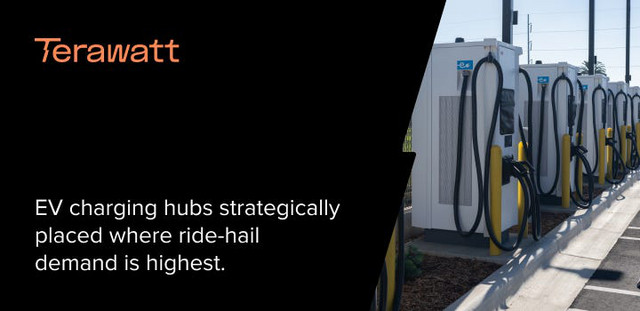
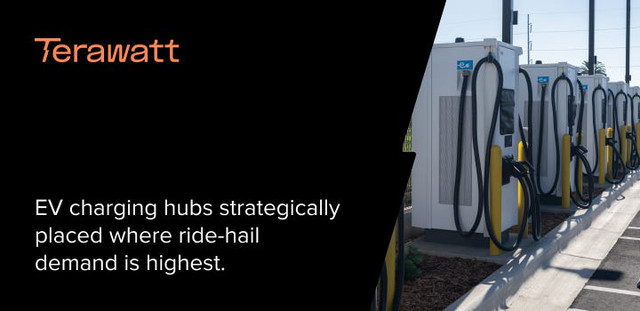
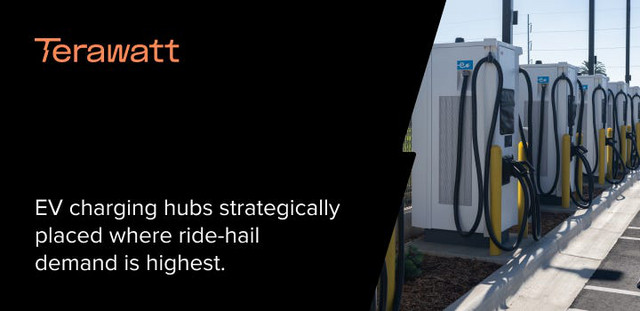
    This week’s podcast is brought to you by Terawatt – purpose-built charging for autonomous vehicle fleets. Listen to this episode on Apple Podcasts, YouTube, Spotify, and Substack. Transcripts are also available by clicking on the “transcripts” button in the top right corner of this post on the app/web version. You can also access them from the email version by clicking here. In today’s episode, I’m speaking with an anonymous AI and machine learning engineer with a background in computer vision and autonomous systems. After advancing to the final round of interviews for a Senior Software Engineering role at Waymo, he joins me to share a rare candidate’s perspective on one of the most sought-after engineering jobs in autonomy. We discuss Waymo’s interview process from start to finish, including the types of technical questions candidates can expect, how the company evaluates engineering talent, and what stood out compared to interviews at other autonomous vehicle companies such as Zoox where he has previously been interviewed at. He shares insights into Waymo’s engineering culture, the skills and experience the company appears to value most, and why preparing for an autonomy-focused role can be very different from a traditional software engineering interview. The conversation also explores broader hiring trends across the AV industry, what it’s like interviewing during a period of innovation, rapid growth and commercialization, and how candidates can position themselves for success at leading AV companies. Finally, he reflects on what surprised him most throughout the process and what aspiring engineers should know before pursuing a role in the industry. Chapters * (00:00) Introduction to our guest * (03:00) What made him want to work for Waymo * (04:30) How the Waymo user experience influences potential employees * (05:31) How job applicants perceive working at Waymo * (06:50) The Waymo application and interview process * (11:20) Tips for the Waymo online job application * (14:12) Feedback during the interview process and screening tips * (15:44) How Waymo helps applicants prepare for the interview process * (16:20) How he prepared for the interview and the role of AI in his interview prep * (18:40) How Waymo’s interview questions differ from those at other companies * (21:57) Something he wished he knew before the interview process * (22:48) The Waymo vs. Zoox interview process * (24:50) His reaction to being rejected for the role * (28:05) What Waymo applicants should do to stand out from their peers * (31:34) How to position yourself for a future role in an AV company * (34:22) His future plans for working in the AV space * (36:05) Conclusions and final thoughts Designing Charging Hubs for Autonomous Fleets We are excited to partner with Terawatt, one of the leading providers of charging infrastructure. To learn more about Terawatt’s network of AV charging hubs and track record of 99%+ uptime, reach out to Logan Szidik at lszidik@terawattinfrastructure.com Notes/Links: * Waymo’s careers page (link). * Zoox’s careers page (link). -Harry This is a public episode. If you would like to discuss this with other subscribers or get access to bonus episodes, visit www.thedriverlessdigest.com
  • June 8 · 44 min

    Europe’s First Driverless Vehicle Approval with Bliq CEO Julian Glaab

    Listen to this episode on Apple Podcasts, YouTube, Spotify, and Substack. Transcripts are also available by clicking on the “transcripts” button in the top right corner of this post on the app/web version. You can also access them from the email version by clicking here. In today’s episode, I’m speaking with Julian Glaab, co-founder and CEO of bliq.ai, a Berlin-based autonomous mobility company that recently received Europe’s first approval for road operations without a driver behind the wheel in Estonia. Julian shares the story of how Bliq evolved from a ride hailing platform into an autonomous vehicle company, the challenges of making that transition, and why he believes the future of autonomy extends well beyond traditional robotaxi services. We discuss Bliq’s unique approach to autonomous vehicles, including its vision for privately owned driverless cars, the role of teleoperation in enabling safe deployments, and the technology stack powering its vehicles. Julian also explains why the Hyundai IONIQ 5 has become a popular platform for autonomous vehicle developers, how much their AV stack costs, and the different ways Bliq plans to commercialize its autonomous vehicle technology, including a subscription model for private users. The conversation also explores the broader autonomous vehicle landscape in Europe, including the region’s regulatory environment, how it compares to the United States, and why Bliq chose a different path to commercialization than many of its peers. Finally, Julian shares where people can experience Bliq’s vehicles today, the most promising use cases for autonomous vehicles in Europe, and what’s next for the company as it expands its driverless operations. Chapters * (00:00) Introduction to Julian Glaab * (02:35) Bliq’s history and how they evolved from ride hailing to autonomous vehicles, including the challenges involved, and public perception * (10:10) Julian’s definition of a robotaxi, and Bliq’s approach to building driverless cars for private ownership * (14:06) The current state of Bliq’s teleoperation and their approach to safety * (15:05) Bliq’s tech stack * (16:28) Why Bliq (and most of the AV industry) chose the Hyundai IONIQ 5 platform * (18:25) Bliq’s fleet size, and the cost of their AV stack/vehicles * (21:12) Bliq’s business model, and how their AV subscription model unlocks new use cases for private users * (23:41) Is Bliq more of an AV operator or an AV provider? * (26:25) Why Bliq didn’t start as a robotaxi provider and future plans for AV ride hailing * (27:40) The most valuable use cases for autonomous vehicles in Europe * (30:30) How restrictive the European AV regulatory landscape is, how it compares to the U.S., and the way forward * (35:20) How Bliq’s teleoperation works, its advantages, challenges, and the critical metrics they look out for * (42:04) Where to find Julian and Bliq’s AVs * (44:00) Conclusions and final thoughts Notes/Links: * You can find Julian an LinkedIn and X. * Bliq Receives Europe’s First Approval for Fully Driverless Road Operation. Without a Driver Behind the Wheel (link). -Harry This is a public episode. If you would like to discuss this with other subscribers or get access to bonus episodes, visit www.thedriverlessdigest.com
  • June 1 · 39 min

    Lyft’s Hybrid Approach to Autonomy with CEO David Risher

    Listen to this episode on Apple Podcasts, YouTube, Spotify, and Substack. Transcripts are also available by clicking on the “transcripts” button in the top right corner of this post on the app/web version. You can also access them from the email version by clicking here. In today’s episode, I’m speaking with David Risher, Chief Executive Officer of Lyft. We discuss how Lyft is thinking about the autonomous vehicle transition, where the company fits into the broader AV ecosystem, and why David believes Lyft can play a meaningful role even without developing its own self-driving technology. We also dive into Lyft’s partnerships with autonomous vehicle companies, including its recent big launch with Waymo in Nashville, and explore how Lyft and AV operators can complement one another through a hybrid marketplace model. David shares how receptive AV companies have been to Lyft’s value proposition, the biggest challenges facing autonomous vehicle deployment today, and what Lyft’s investors, drivers, and riders think about the growing role of autonomy in the industry. We also discuss David’s first ride in a Zoox robotaxi, whether consumers are likely to use multiple autonomous vehicle and rideshare apps, and how Lyft views competition and cooperation with companies like Uber and Waymo. Finally, David explains how Lyft’s Flexdrive subsidiary fits into the company’s long-term autonomous vehicle strategy, highlights progress with international partners, and shares what excites him most about Lyft’s autonomous future. Chapters (00:00) Introduction to David Risher (02:27) What Lyft’s overall AV strategy looks like (03:35) How confident is David in the maturity of AV tech? (04:40) How important are AVs to Lyft right now, and how much are they focusing on them? (06:47) Are Lyft’s investors interested in AVs? (08:57) Where Lyft stands out most in the AV future, and what they bring to the table (12:20) How receptive are AV companies to Lyft’s value proposition? (13:30) The hardest challenge for AV companies (15:29) Lyft’s partnership with Waymo in Nashville, and how it works (17:01) How Lyft and Waymo complement each other in Nashville through their hybrid partnership (19:01) The biggest challenge in the hybrid partnership (22:04) What Lyft drivers think of the partnership with Waymo (24:04) How does AV proliferation affect human drivers in the long run, and what are their current concerns? (27:09) David’s first Zoox ride, and his experience (29:00) Are customers likely to download multiple rideshare/AV apps? (30:50) David’s thoughts on Waymo’s relationship with Uber (32:35) How Lyft’s demand aggregator role connects with the AV fleet maintenance role of their Flexdrive subsidiary (34:20) Lyft’s AV strides with their international partners (37:15) What the ideal Lyft AV product/partnership would look like in London (38:19) What has David most excited about Lyft’s AV future (38:55) Conclusions and final thoughts Notes/Links: * You can find David on LinkedIn and X. * Lyft’s article about former drivers filling in AV roles in their new AV depot, mentioned in the 22:07 timestamp (link). * David’s first Zoox ride. -Harry This is a public episode. If you would like to discuss this with other subscribers or get access to bonus episodes, visit www.thedriverlessdigest.com
  • May 26 · 42 min

    Inside Uber’s AV Strategy with Founding Member Eduardo Rojas

    Listen to this episode on Apple Podcasts, YouTube, Spotify, and Substack. Transcripts are also available by clicking on the “transcripts” button in the top right corner of this post on the app/web version. You can also access them from the email version by clicking here. In today’s episode, I’m speaking with Eduardo Rojas, an autonomous delivery operator and former founding member of Uber’s Autonomous Mobility & Delivery team. Eduardo shares insights from his time helping shape Uber’s early autonomous vehicle strategy, how the company’s thinking around AVs has evolved over the years, and why partnerships have become such a central part of Uber’s approach. We also discuss the current relationship between Uber and Waymo, including the tradeoffs between Waymo’s vertically integrated model and Uber’s demand aggregation strategy, whether Waymo risks sidelining an important partner, and how investors may be interpreting Uber’s position as autonomous vehicles scale. Eduardo explains how Uber supports AV partners today, where he sees the biggest opportunities in autonomous delivery, and what the future could look like for both companies as robotaxis and autonomous logistics continue expanding. Finally, we explore the broader competitive landscape, the evolving economics of autonomy, and where Eduardo believes the biggest opportunities lie as autonomous delivery and rideshare move toward larger scale commercialization. We’re now at 10,000+ subscribers and currently looking for podcast sponsors. The Driverless Digest podcast reaches thousands of industry insiders every week across autonomous vehicles, mobility, robotics, transportation, and tech, including teams at companies like Waymo, Uber, Zoox, Lyft, DoorDash, and more. If that sounds interesting, please reach out below and let’s chat. Chapters (00:00) Introduction to Eduardo Rojas and his background at Uber (03:07) Uber’s AV delivery strategy in its early days (06:59) How Uber’s autonomous delivery/rideshare strategy has evolved (14:40) Has Uber’s focus shifted from mobility to delivery? (16:34) How Uber supports their AV partners. (18:00) Uber’s stock price and how it’s reacting to Waymo’s AV dominance (20:34) Waymo’s first-party model vs. Uber’s demand/supply aggregator model (23:50) Waymo’s first-party model vs. partnerships with TNCs. (31:13) The direction of Waymo and Uber’s relationship, and why Waymo might have snubbed Uber in recent launches. (33:57) Why Waymo should further partner with Uber, and the potential downsides of sidelining Uber (35:32) The potential future direction of Waymo and Uber’s partnership (37:32) The future of autonomous delivery and where the opportunities lie (42:00) Conclusions and final thoughts Notes/Links: * You can find Eduardo on LinkedIn. * My article about the Waymo and Uber relationship, mentioned at the 31:10 timestamp - Is the Uber x Waymo Partnership Coming to an End? * Uber CTO’s tweet criticizing Waymo, mentioned at the 31:27 timestamp (link). * Eduardo’s post about the Waymo-Uber relationship, mentioned at the 31:39 timestamp (link). -Harry This is a public episode. If you would like to discuss this with other subscribers or get access to bonus episodes, visit www.thedriverlessdigest.com
  • May 11 · 44 min

    Zoox’s Approach to Scaling Autonomy with Marc Wimmershoff

    Listen to this episode on Apple Podcasts, YouTube, Spotify, and Substack. Transcripts are also available by clicking on the “transcripts” button in the top right corner of this post on the app/web version. You can also access them from the email version by clicking here. In today’s episode, I’m speaking with Marc Wimmershoff, Vice President of Autonomy Software at Zoox. Marc shares his long journey through the autonomous vehicle industry, what has kept him motivated through multiple hype cycles, and why he believes the industry is finally entering a more mature phase of real-world deployment. We also dive into Marc’s role at Zoox and how the company is approaching autonomy differently with its purpose-built robotaxi platform. Marc explains the advantages and tradeoffs of designing a vehicle specifically for autonomous driving, how Zoox is thinking about scaling operations across cities, and why their technical approach stands out compared to other players in the industry. We also discuss the company’s remote operations process, the importance of teleguidance, and what it actually takes to operate autonomous vehicles safely at scale. The conversation also explores the broader competitive landscape in autonomy, including whether there are advantages to being a later mover in the space, how the AV industry structure has evolved over the years, and where foundation models could have the biggest impact on autonomous driving in the near future. Finally, Marc shares what’s next for Zoox as the company continues expanding deployments and working toward larger scale commercialization. Chapters (00:00) Introduction to Marc Wimmershoff (01:45) Marc’s background in the AV industry and what’s kept him going for so long (02:35) What phase of the AV development/hype cycle are we in right now? (03:22) How the structure of the AV industry has changed over the years (05:36) Marc’s role at Zoox, and what his team does (07:55) Marc’s advice/pitch for prospective Zoox employees (10:07) Where Zoox is at right now with scaling up (14:05) Where can you ride a Zoox? Current cities and rollout details (17:00) How Zoox’s purpose-built robotaxis give them an advantage in autonomous deployments, and the philosophy behind them (22:30) The biggest advantage of Zoox’s purpose-built robotaxi design (23:00) The challenges with Zoox’s purpose-built robotaxi design (26:54) The importance of Zoox’s remote operation process (teleguidance), and how it works (31:57) Advantages of coming second in autonomy deployments (34:24) Why Zoox’s technical approach stands out: The top-down vs. bottom-up approach (38:10) How foundation models will improve Zoox’s autonomous driving in the near future (42:30) What’s next for Marc and Zoox? (44:20) Conclusions and final thoughts Notes/Links: * You can find Marc on LinkedIn. * Leadership in Focus: Marc Wimmershoff, Vice President, Autonomy Software (link). -Harry This is a public episode. If you would like to discuss this with other subscribers or get access to bonus episodes, visit www.thedriverlessdigest.com
  • May 6 · 32 min

    The 'Waymo on Uber' Experience, Feedback From a Power User (Ethan McKanna)

    This week’s podcast is brought to you by Terawatt – purpose-built charging for autonomous vehicle fleets. Listen to this episode on Apple Podcasts, YouTube, Spotify, and Substack. Transcripts are also available by clicking on the “transcripts” button in the top right corner of this post on the app/web version. You can also access them from the email version by clicking here. In today’s episode, I’m speaking with Ethan McKanna, an autonomous vehicle power user, industry observer, and the creator of Robotaxi Tracker. Ethan shares how he first got into AVs and what led him to build Robotaxi Tracker as a way to better understand and track real-world AV deployments. We also dive into why Austin has quickly become one of the most important cities for autonomous vehicle rollouts, and what the Waymo on Uber experience actually looks like from a rider’s perspective. Ethan walks through what works well today, what’s missing from the product, and how pricing and availability compare to expectations. We also explore the differences between Waymo’s partnerships with Uber in Austin and Lyft in Nashville, and whether these models are something Waymo is likely to replicate in other markets. The conversation touches on how the product could improve, and what features are still needed. Finally, we zoom out to discuss Uber’s long-term role as an AV demand aggregator, the balance of power between platforms and autonomy companies, and what’s next for Robotaxi Tracker as the space continues to evolve. Our Urban Autonomy Summit is heading to Detroit on June 9, and we’re excited to bring it to the Motor City. We’ve already brought together hundreds of operators, policymakers, and mobility leaders at past events in New York and San Francisco, and the conversations have been some of the best we’ve seen anywhere in the AV space. It’s a half-day event with panels, networking, and refreshments/light bites, all focused on what’s actually happening on the ground today with ridehailing, autonomous vehicle deployment, and urban transportation policy, and we’ll have some of the smartest operators and builders in the space joining us. You can RSVP here and if you want a preview of what it’s like, check out our highlights clip from SF. Hope to see you there! Chapters (00:00) Introduction to Ethan McKanna and how he got into AVs (04:51) The inspiration behind the creation of Robotaxi Tracker (05:39) Austin gradually becoming the epicenter of AV deployments (06:30) The Waymo on Uber user experience/partnership in Austin (09:39) Missing features in the Waymo on Uber product in Austin (11:51) The customer advantages of the Waymo on Uber product/partnership in Austin, and pricing insights (13:57) How the Waymo-Uber partnership compares to the Waymo-Lyft partnership in Nashville (15:20) Is Waymo likely to repeat their Austin partnership model with Uber in other cities? (16:05) The Waymo-Lyft partnership model in Nashville (19:17) Ways to improve the Waymo product in Austin (22:30) Uber’s future as the AV demand aggregator (27:22) Who needs who more? Uber vs. Waymo (29:40) What’s next for Robotaxi Tracker? (31:30) Conclusion and final thoughts Designing Charging Hubs for Autonomous Fleets We are excited to partner with Terawatt, one of the leading providers of charging infrastructure. To learn more about Terawatt’s network of AV charging hubs and track record of 99%+ uptime, reach out to Logan Szidik at lszidik@terawattinfrastructure.com Notes/Links: * You can find Ethan on LinkedIn and Twitter/X. * Check out Robotaxi Tracker (link). * Ethan’s speech at Ride AI 2026 (link). -Harry This is a public episode. If you would like to discuss this with other subscribers or get access to bonus episodes, visit www.thedriverlessdigest.com
  • April 27 · 44 min

    Keep On Rolling: Electrifying, Scaling & Automating The Vehicles of Tomorrow (Curbivore 2026)

    Listen to this episode on Apple Podcasts, YouTube, Spotify, and Substack. Transcripts are also available by clicking on the “transcripts” button in the top right corner of this post. Join panelists at the just concluded Curbivore conference as they discuss what it takes to electrify, scale, and automate the vehicles of tomorrow, and the key systems supporting autonomy as deployments expand. This panel featured Aileen Zhong (Director of Government Affairs, Starship Technologies), Will Graylin (CEO & Chairman, indiGOtech), Nick Allen (Head of AV/Mobility Solutions, TaskUs), John McLean (Head of Market Development, Voltera), and Ed Walker (Senior Vice President, Hub International), and was moderated by Lloyd Lee (Reporter, Business Insider). The conversation explores the infrastructure backbone enabling autonomy, from charging and fleet support to the human-in-the-loop systems that underpin AV safety today. It also covers key regulatory hurdles in cities, barriers to deploying sidewalk robots, and the most important metrics for early pilot programs. Panelists discuss how insurability evolves with scale, including the role of real-world versus simulated miles, how remote assistance may shift globally, and how risk and compliance frameworks change as drivers are removed. The discussion also touches on labor dynamics, the infrastructure versus scale “chicken-and-egg” challenge, public and regulatory perception, and which pieces of the ecosystem will have the biggest impact on AV growth in the coming years. Curbivore 2026 brought together leaders across autonomy, delivery, and mobility in downtown Los Angeles for a full day of panels, firesides, exhibitions, and street food, focused on the ideas shaping the future of the curb and cities. You can check out the highlights clip here to get a feel for the event, and we’ve curated recordings of the panels, firesides, and speeches here. Also check out hundreds of our event photos here. We’re bringing that same energy to our next Urban Autonomy Summit in Detroit on June 9. After that, we’ll be in Austin this fall and back in San Francisco in the winter for our next series of AV summits. Chapters (00:00) Introduction and overview (03:45) The backbone that makes autonomy work and the infrastructure layer (09:45) The human-in-the-loop layer behind AV safety (11:04) Regulatory hurdles facing autonomous vehicle deployments in cities (14:05) Barriers to deploying sidewalk robots in major cities (15:37) The most critical metrics for AV pilot deployments (19:03) Key requirements for autonomous fleets to ensure insurability at scale (22:09) How physical vs. simulated miles impact AV fleet insurability (23:23) How human-in-the-loop systems will evolve as AVs scale (25:05) Overseas remote assistance for autonomous vehicles (27:34) How risk and compliance dynamics change as drivers are removed (30:34) Balancing labor concerns with scaling autonomy (33:06) The “chicken and egg” problem of infrastructure vs. scaling (36:20) Regulator and public perception of AVs today (40:22) Which infrastructure pieces will most impact AV scaling, and how insurance may evolve - Harry This is a public episode. If you would like to discuss this with other subscribers or get access to bonus episodes, visit www.thedriverlessdigest.com
  • April 27 · 50 min

    Urban Autonomy in America: What’s Real & What’s Next (Curbivore 2026)

    Listen to this episode on Apple Podcasts, YouTube, Spotify, and Substack. Transcripts are also available by clicking on the “transcripts” button in the top right corner of this post. Join panelists at the just concluded Curbivore conference as they discuss how autonomy has progressed over the last few years, the challenges the industry still faces, and what it will take to accelerate progress as AV services begin to scale. This panel featured Pat Tsen (Deputy Executive Director, California Public Utilities Commission), Phillip Pierce (City Policy Lead, Zoox), Jon Miller (Chief Business Officer, Nexar), Ashwini Anburajan (CEO, Obi), and Aaron Park (Chief Business Development Officer, Robotis), and was moderated by Alan Ohnsman (Senior Editor, Forbes). The conversation explores how AV deployments are evolving in real-world environments, including Zoox’s current rollout and safety approach, the regulatory and operational hurdles that remain, and how agencies like the CPUC are handling approvals and data reporting. It also covers early pricing dynamics and consumer perception, how companies like Nexar support AV safety as services scale, the growing role of autonomous robotics and emerging use cases, and how industry players can better align to standardize testing, improve edge case readiness, and support safe, scalable growth. Curbivore 2026 brought together leaders across autonomy, delivery, and mobility in downtown Los Angeles for a full day of panels, firesides, exhibitions, and street food, focused on the ideas shaping the future of the curb and cities. You can check out the highlights clip here to get a feel for the event, and we’ve curated recordings of the panels, firesides, and speeches here. Also check out hundreds of our event photos here. We’re bringing that same energy to our next Urban Autonomy Summit in Detroit on June 9. After that, we’ll be in Austin this fall and back in San Francisco in the winter for our next series of AV summits. Chapters (00:00) Introduction, and overview (06:25) Zoox’s current AV deployment position and the challenges so far (08:51) Steps to a more harmonized system of approval for robotaxis (Federal and state), and the CPUC’s place in this system (12:40) How the CPUC handles data reporting for AV companies in the testing phase, and what qualifies as an autonomous vehicle deployment (14:40) Early pricing trends, and customer perception insights in current robotaxi deployments (21:30) Zoox’s approach to safety and how they handle edge cases (24:20) How Nexar supports AV companies and their safety cases as services begin to scale (30:40) How the autonomous robotics market is developing and how their use cases are evolving. (34:58) Standardizing AV testing and validation, and how to better prepare for edge cases (42:30) Consumer perception of AVs/pricing and how it has evolved (46:20) Projections for the future of autonomy - Harry This is a public episode. If you would like to discuss this with other subscribers or get access to bonus episodes, visit www.thedriverlessdigest.com
  • April 27 · 21 min

    Meet Dot: DoorDash’s Accelerated Autonomous Local Commerce Solution (Curbivore 2026)

    Listen to this episode on Apple Podcasts, YouTube, Spotify, and Substack. Transcripts are also available by clicking on the “transcripts” button in the top right corner of this post. Join Harry and Harrison Shih, Senior Director at DoorDash Labs, DoorDash for a fireside chat from the recently concluded Curbivore conference. They dive into DoorDash’s push into autonomy, with a focus on their latest delivery robot, DOT, and how it fits into a broader shift toward multimodal delivery. The conversation covers everything from the timing behind automation to how cities, consumers, and logistics networks are evolving alongside it. They also unpack where DOT fits within DoorDash’s ecosystem, how the company collaborates with cities, and what real-world use cases are emerging today versus what’s coming next. Curbivore 2026 brought together leaders across autonomy, delivery, and mobility in downtown Los Angeles for a full day of panels, firesides, exhibitions, and street food, focused on the ideas shaping the future of the curb and cities. You can check out the highlights clip here to get a feel for the event, and we’ve curated recordings of the panels, firesides, and speeches here. Also check out hundreds of our event photos here. We’re bringing that same energy to our next Urban Autonomy Summit in Detroit on June 9. After that, we’ll be in Austin this fall and back in San Francisco in the winter for our next series of AV summits. Chapters (00:00) Introduction (00:40) Harrison’s background and the philosophy behind DoorDash Labs (02:29) DOT robot specs and design philosophy (04:00) Why now is the right moment for delivery automation (04:59) DOT’s role in a multimodal delivery ecosystem (07:10) How DoorDash works with cities to automate delivery (10:15) Problems autonomy solves in delivery (12:32) Key use cases for DOT (14:00) Consumer behavior trends in delivery (15:44) The “other half” of the delivery equation, alongside autonomy (19:37) How autonomous delivery evolves in cities over time - Harry This is a public episode. If you would like to discuss this with other subscribers or get access to bonus episodes, visit www.thedriverlessdigest.com
  • April 6 · 37 min

    DoorDash’s Autonomous Delivery Strategy with Ashu Rege

    This week’s podcast is brought to you by Terawatt – purpose-built charging for autonomous vehicle fleets. Listen to this episode on Apple Podcasts, YouTube, Spotify, and Substack. Transcripts are also available by clicking on the “transcripts” button in the top right corner of this post on the app/web version. You can also access them from the email version by clicking here. In today’s episode, I’m speaking with Ashu Rege, Vice President of DoorDash Labs at DoorDash. Ashu shares his journey through the autonomous vehicle industry, including roles at NVIDIA and Zoox, before leading autonomy efforts within one of the largest delivery platforms in the world. We dive into what drew him to DoorDash Labs and how the team is thinking about autonomy differently from robotaxi companies. Ashu explains the origins of DoorDash’s delivery robot DOT, the goals of the DoorDash Labs, and how their Autonomous Delivery Platform (ADP) is designed to support a wide range of delivery modalities. The conversation explores what makes autonomous delivery fundamentally different from human delivery, how mature DoorDash’s delivery solutions are today, and the different categories of autonomy DoorDash is pursuing. We also get into the economics of autonomous delivery and the unique problems autonomy is best suited to solve in delivery. Ashu breaks down how DOT operates in the real world, including its limitations and where it stands out the most. Finally, we look ahead to what’s next for DoorDash and DoorDash Labs’ autonomy efforts over the coming year, including how the company is balancing partnerships with in‑house development. DoorDash will also be bringing a DOT delivery vehicle to our flagship Curbivore conference on April 17 in Downtown LA, and we’ll have Harrison Shih, Senior Director of DoorDash Labs, joining me for a fireside chat. Join industry experts across autonomy, mobility, and delivery for a can’t-miss gathering shaping the future of curbside commerce. Register now and use the code Autonomy25 to save an extra 25%. Chapters * (00:00) Introduction to Ashu Rege * (02:47) Ashu’s background in the AV industry (Nvidia, Zoox, and DoorDash). * (04:30) What excited Ashu about joining DoorDash Labs, and its autonomy goals. * (05:43) The story behind the creation of DOT and its perks * (08:23) The goal of DoorDash Labs and what they do * (09:18) DoorDash Labs’ Autonomous Delivery Platform (ADP) explained. * (10:34) One key difference between an autonomous delivery solution and a human. * (11:52) How commercially mature are DoorDash’s autonomous delivery solutions? * (12:54) DoorDash’s autonomous delivery categories, and how they compare to each other. * (14:29) Why is now the right time to scale autonomy in delivery, and how autonomous delivery differs from robotaxis. * (18:30) How DoorDash approaches the balance between partnering and building autonomous delivery solutions in-house. * (23:31) How autonomous deliveries compare to human deliveries in cost, and the unique problem autonomous deliveries solve. * (25:20) How autonomous deliveries work using DOT, its limitations, and where it stands out. * (35:11) What to expect from DoorDash and DoorDash Labs over the next year in autonomy. * (36:52) Conclusions and final thoughts Designing Charging Hubs for Autonomous Fleets We are excited to partner with Terawatt, one of the leading providers of charging infrastructure. To learn more about Terawatt’s network of AV charging hubs and track record of 99%+ uptime, reach out to Logan Szidik at lszidik@terawattinfrastructure.com Notes/Links: * You can find Ashu on LinkedIn. * DOT is DoorDash’s first in-house autonomous delivery robot. You can find more info about it here (link). * DoorDash Labs is DoorDash’s robotics and automation arm. You can find more info about them on their website (link). * Open roles at DoorDash Labs (link). -Harry This is a public episode. If you would like to discuss this with other subscribers or get access to bonus episodes, visit www.thedriverlessdigest.com

  • March 30 · 26 min

    The Humans Powering Autonomous Vehicle Operations (Omar Zoubi, TaskUs)

    Listen to this episode on Apple Podcasts, YouTube, Spotify, and Substack. Transcripts are also available by clicking on the “transcripts” button in the top right corner of this post on the app/web version. You can also access them from the email version by clicking here. In today’s episode, I’m speaking with Omar Zoubi, VP of Autonomous Mobility & Rideshare Network Strategy at TaskUs. Omar breaks down how TaskUs supports autonomous vehicle operators behind the scenes, from remote assistance to handling edge cases that today’s AI systems still struggle to navigate. We get into TaskUs’ role across the AV ecosystem, including who they partner with and how their human-in-the-loop model helps fleets operate safely and scale more efficiently. Omar explains the types of real-world scenarios where AVs need intervention, how those interventions feed back into improving AI systems, and what it takes to support different types of fleets with varying operational needs. The conversation also covers the current stage of the AV industry, including how companies like Waymo are approaching remote assistance and safety, and what challenges emerge as fleets grow. We discuss operational complexity, cost structures, and how companies think about cost per mile as they move toward commercialization. Finally, Omar shares his perspective on where TaskUs adds the most value today, how the human-in-the-loop model will evolve over time, and what the future of the AV industry looks like as autonomy matures. Chapters * (00:00) Introduction to Omar Zoubi and TaskUs * (03:19) TaskUs’ domain of operation * (03:30) TaskUs’ AV business model, and their partners * (04:43) What services does TaskUs provide to its AV clients? * (06:10) How does TaskUs’ assistance in edge cases help AV clients improve their AI? * (07:53) Common scenarios where AV companies might need remote assistance, and how TaskUs helps. * (09:30) Differences between supporting different AV fleets * (10:41) How Omar thinks about Waymo’s remote assistance and safety * (12:40) What stage of the AV industry are we in? * (14:19) Biggest operational challenges as AV fleets start to scale * (15:46) Common traits across operators and companies in the AV industry * (17:00) How the human-in-the-loop model will evolve as AVs mature * (19:05) How do you plan for unpredictable scenarios, like the recent SF blackout? * (21:38) How AV operational costs are distributed and cost per mile * (23:10) Where does TaskUs offer the biggest value or opportunity for AV companies? * (24:00) What does the future of the AV industry look like? * (25:43) Conclusions and final thoughts Notes/Links: * You can find Omar Zoubi on Linkedin. * TaskUs website (link). * Learn how TaskUs supports AV operations in their case study (link). - Harry This is a public episode. If you would like to discuss this with other subscribers or get access to bonus episodes, visit www.thedriverlessdigest.com

Showing 1–20 of 20 episodes