Skip to content
Artwork for The Curious Bartender Podcast

The Curious Bartender Podcast

Tristan Stephenson

Long-form conversations with the leading minds in drinks, spanning history, science, culture, and craft, with bestselling author and bartender Tristan Stephenson.

Play
  • 23 episodes
  • weekly
  • Avg 1 hr 42 min
  • English
Counted on this page — what you have heard stays on this device, so it is not something the list can be paged by.
  • #93
    Yesterday · 1 hr 51 min

    #93 Is This The World's Best Distillery? Capreolus, Eau De Vie, Inadequacy, Capturing Nature, King Charles, Baby's Heads - Barney Wilczak

    Barney Wilczak spent the first part of his career as a conservation photojournalist, building a media library of habitat restoration for botanic gardens around the world, and then, in what he calls his first midlife crisis, walked away from it to convert the lean-to greenhouse of his childhood home in Cirencester into Capreolus Distillery. In this episode we sit just outside that greenhouse, going deep on what happens when you commit entirely to representing fruit rather than making alcohol: wild fermentation with no cultivated yeast or added enzymes, hand-grading tens of thousands of kilos of fruit a year on a sorting table his father welded together, and cutting away roughly nine times the volume of heads a conventional producer would keep — judged by nose and palate alone, with no meters. We talk through the arithmetic behind that obsession: a thousand kilos of raspberries yielding just eighteen litres of finished spirit, sixty-two kilos of fruit compressed into a single litre of elderberry eau de vie, and a thousand-variety orchard that ended up, improbably, in King Charles's Coronation cake. We get into what it actually feels like to have thousands of pounds of irreplaceable fruit sitting in a still, twenty seconds from ruin, and the philosophy underneath all of it — why Barney sees his own inadequacy as a producer as the whole point, why tasting notes can miss what actually makes a drink profound, and why art that's built to be consumed rather than preserved on a wall might be the more honest kind. Along the way we taste through raspberry, apple, quince, damson, blackcurrant and elderberry eau de vie.

  • #92
    August 24 · 1 hr 39 min

    #92 Jeff Bell - New York's Most Famous Speakeasy + Philosophy, Fatherhood, KP'ing, Pandemic & More...

    Jeff Bell is the owner of PDT — Please Don't Tell — the hidden-phone-booth speakeasy that helped define modern New York cocktail culture, alongside Crif Dogs, Mixteca, Kees and the newly opened Highball Ltd inside Grand Central's 10 Grand Central building. We get into the arithmetic of running one of the busiest small rooms in the city — turning a 44-seat bar nine times on a Saturday night — and the guest-first heuristic he runs every new idea through: is this cool, tested against whether it's actually feasible, not whether the business can capitalise on it. Jeff traces his path from a philosophy degree in metaphysics at the University of Washington, through a brief and unhappy stint selling annuities, to a barback job at PDT in 2010 under Jim Meehan. We talk about what it actually took to buy PDT and Crif Dogs from their founder in the middle of the pandemic — the year the bar sat dark, the unemployment cheques, and he's candid about how much harder ownership turned out to be than he expected, and the burnout of rebuilding a team from nothing. That experience fed directly into Kees, his West Village bar built with longtime PDT colleague Victor Lopez: eight core cocktails, four variations each, and a menu stripped of anything that might confuse a guest before they've had a sip. We also cover the pitch that landed him the Waldorf Astoria's Peacock Alley and Lex Yard, and the story behind Highball Ltd, a bar named for a train signal a few hundred feet from Grand Central Terminal. Along the way: fatherhood as bartending training, why the industry's best operators eventually miss being behind the stick, and why specialising — rather than trying to be everything to everyone — is what keeps an old bar alive. With thanks to our sponsors: Fever-Tree Mixers for the best fizzy liquids going Belvedere for additive free, organic Polish vodka

  • #91
    August 17 · 1 hr 54 min

    #91 Liquipedia Live – Tree Shrews vs Andre the Giant, Getting Drunk on Sweat, Champagne Tower Architecture, How Old is Water, Ian Fleming, Drinking Rocket Fuel, Soju & Swimming Pools

    We're doing something different this time: a special edition replaying the Liquipedia seminar we delivered live at Tales of the Cocktail 2026 in New Orleans, sponsored by Belvedere — forty-five increasingly unhinged questions about liquids, alcohol and drinking, answered (mostly correctly) in just under two hours. Jake Burger returns as the show's first repeat guest, joined by Mike Foster running the questions and Matt Pomeroy handling demonstrations, both from Belvedere. We test whether vacuum ice buckets actually chill wine faster than a plain ice bucket, work out why Bloody Marys taste better at 35,000 feet, and establish that you'd need roughly half a million licks — or five thousand people — to get drunk off other people's sweat. We go deep on water's age (some of it in your glass may predate the sun), whether climate change is quietly reshaping the world's great spirits regions, and why a Malaysian pen-tailed tree shrew is pound-for-pound a more accomplished drinker than Andre the Giant. There's a live blind taste test where Jake and Tris try to identify beer brands purely by the sound of the bottle opening, a full run-through of the maths behind why champagne towers waste hundreds of litres of fizz, and a proper history detour into the life and death of Mad Jack Mytton, the Regency-era MP who rode a bear into a dinner party and set fire to his own nightshirt to cure hiccups. We track down the world's most expensive liquid (spoiler: it's either horseshoe crab blood or deathstalker scorpion venom, depending how you count), debunk the myth that Ian Fleming actually drank his martinis at Dukes, and finally solve the mystery of why Jack Daniel's and Coke gets that strange white foam that no other whiskey and cola does. We close out with the story of Alfred Barnard, who visited 162 distilleries by horse and carriage in two years, and the real reason 19th-century restaurants had to lock up the Worcestershire sauce. A few sound and video issues in this episode due to the intoxicated state of the producer and cast. Hope you enjoy it though!

  • #90
    August 10 · 1 hr 38 min

    #90 David Wondrich – Cocktail History: The Only William, Savoy Without a American Bar, WW2 Supply Officers, Business Cards, Unmarked Graves, America's Love of Ice

    David Wondrich is a drinks historian and author of Imbibe!, Punch and the Oxford Companion to Spirits and Cocktails, and The Comic Book History of the Cocktail. The conversation runs from a $3,000 freelance gig in December 1999 to four centuries of drinking history. Wondrich left academia, almost by accident, to become Esquire's drinks editor, and that training in chasing sources and revising a story when new evidence turns up has shaped every book since. We get into how The Comic Book History of the Cocktail came together and what a graphic novel forced him to cut that a straight history wouldn't. From there we go back to the beginning: what punch actually was before it became shorthand for a bad party bowl, the unresolved fight over where the word "punch" comes from, and the likely, disputed origin of "cocktail" itself. We spend real time on the people usually left out of the story: William Schmidt, "the only William," New York's most famous 19th-century bartender, buried without a headstone; and Ned Stokes, who reinvented American bar service after doing time for murder. Along the way: the birth of the American ice trade and why George Washington's "wine and bitters" might be an early cocktail. We didn't get past the early 20th century, so we'll be back for a part two, picking up the mid-century, the dark ages of the cocktail, and tiki. 🍋‍🟩 Fever-Tree - For the very best mixers that taste pretty damn good even by themselves☕ Algebra Drinks - The world's best coffee liqueur (partly because it's low in sugar - get 15% off at http://www.algebradrinks.com with the code CURIOUS15🌾 Belvedere Vodka - Organic vodka, with substance, made from Polish rye and absolutely no additives.🍷 Denver & Liely - The best glassware on the planet - get 15% off at http://www.denverandliely.com with the code CURIOUS15📷 Follow me on Instagram - https://www.instagram.com/tristanstephenson/📚 I've written quite a few books on spirits and cocktails - https://www.thecuriousbartender.com/

  • #89
    August 3 · 1 hr 5 min

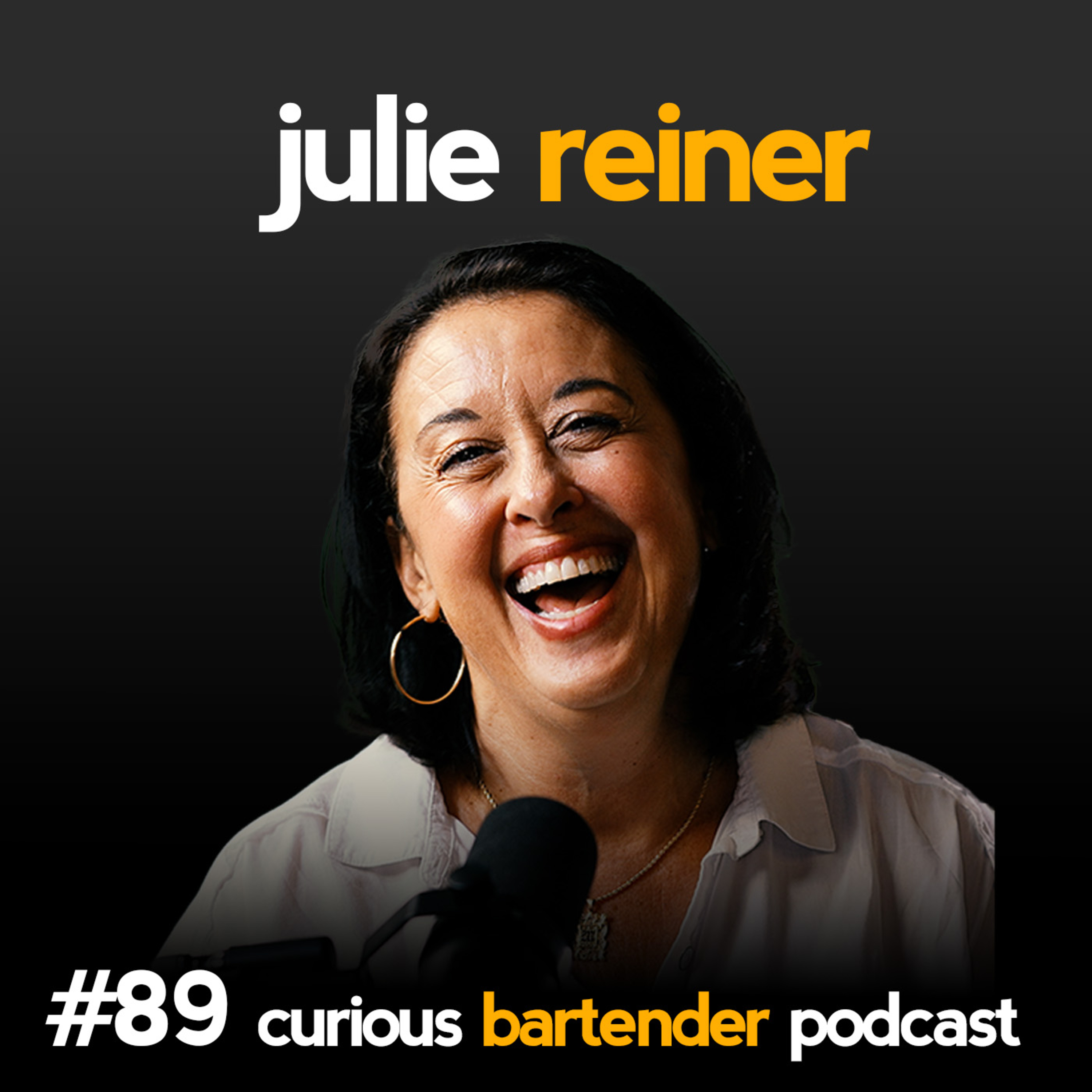
    #89 Julie Reiner - NYC, Clover Club, Pegu Club, Cocktail Renaissance, Milady's

    Julie Reiner arrived in New York in 1998 after a stint bartending in San Francisco, following her wife to a city she'd always wanted to live in, and found a scene stuck on sour mix and nothing fresh, years behind the coast she'd left. In this episode we trace the accidental, instinct-led arc of one of modern cocktail culture's defining bar owners: from cocktail waitressing in Waikiki and freewheeling San Francisco service through to Flatiron Lounge in 2003, the bar that introduced her to jiggers, consistency, that spearheaded the culinary cocktail movement, and that ran almost entirely on female talent in a scene that had never seen anything like it. We talk about the partnership with Dale DeGroff and Audrey Saunders that led to Pegu Club — a training ground that sent bartenders like Phil Ward, Sam Ross, Toby Maloney and Jim Meehan on to shape the industry's next chapter — and the move to Brooklyn for Clover Club, built around a 130-year-old antique bar and a classically-focused menu, nominated five years running before finally taking Best American Cocktail Bar. We get into the ventures that didn't survive too: the ahead-of-its-time tropical concept Lani Kai, and Leyenda, built around Ivy Mix's expertise in agave spirits, which closed after a ten-year run. We finish talking about Milady's, the revival of a beloved 70-year-old Soho dive bar, why nostalgia has to be earned rather than just served up, and how, after roughly ten bars and twenty-five years, she's settled into running the ones she loves rather than chasing the next opening.

  • #88
    July 27 · 1 hr 17 min

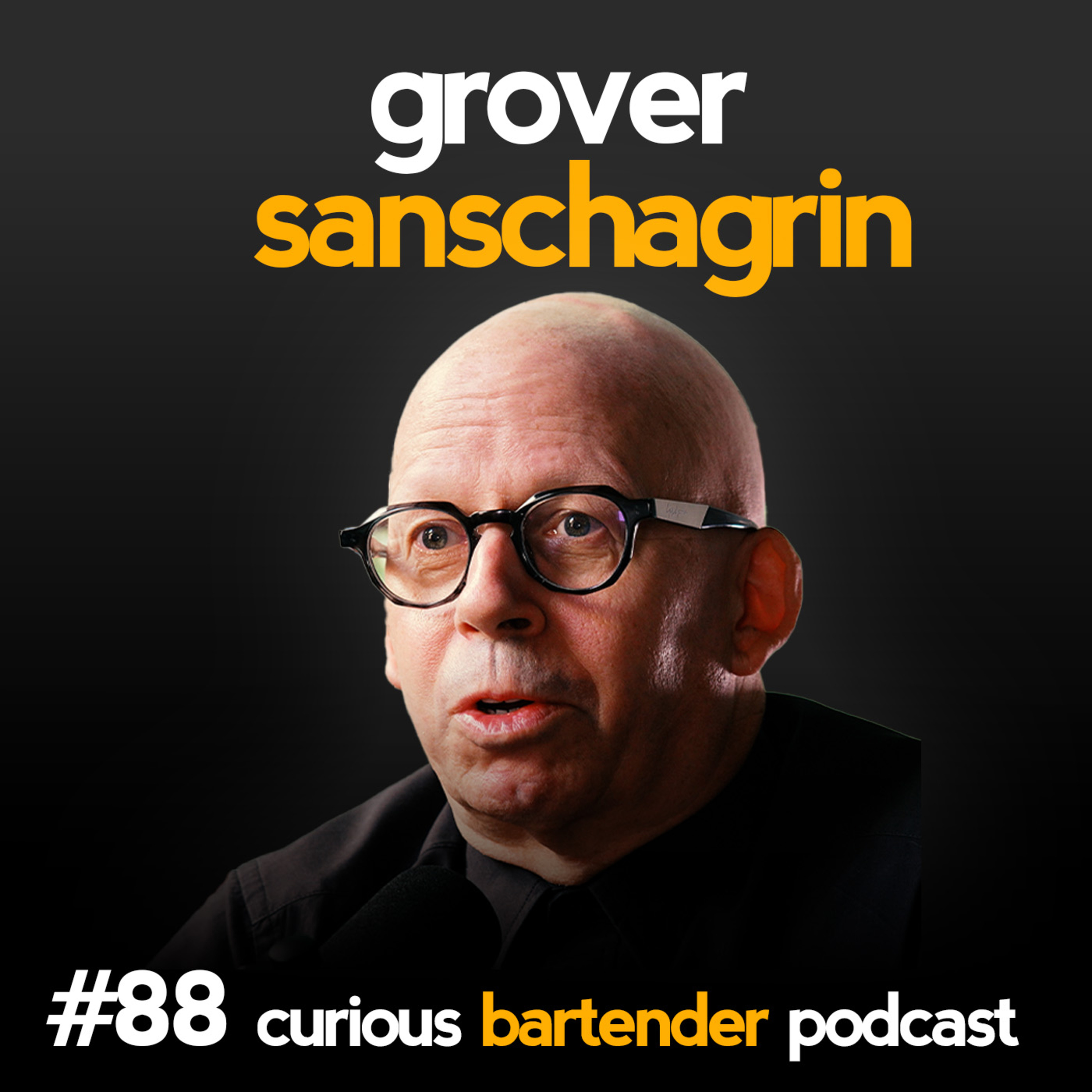
    #88 Grover Sanschagrin - Agave Matchmaker, CRT, Additives, Lawsuits, Police Raids, Agave Syrup

    Grover Sanschagrin is the co-founder, alongside his wife Scarlet, of Agave Matchmaker — the platform, formerly known as Tequila Matchmaker, that has spent over a decade cataloguing how tequila and other agave spirits are actually made. Grover found tequila through Scarlet, who discovered it while working as a journalist in Mexico City, and the pair went on to live in Guadalajara, at the heart of Mexico's tequila region, for eight years, visiting hundreds of distilleries and eventually building an app now used by over 400,000 people to navigate a notoriously opaque category. Grover walks us through how additives — both the legally permitted abocantes (glycerin, caramel colour, oak extract, sugar syrup) and a wider set of undisclosed synthetic ingredients — found their way into a huge share of the market, which by his and Scarlet's own estimate runs as high as 85%, and how their attempt to flag which products were additive-free grew from a simple checkbox into a full verification programme built on sensory training and, eventually, laboratory testing. That work made them two of the most influential, and for parts of the industry most uncomfortable, voices in tequila, and in March 2024 their home in Guadalajara was raided by federal agents while they were thousands of miles away in New York — an experience Grover walks us through in detail. Their legal situation is still working its way through the courts, so there's a fair amount here we've had to leave out or keep light on for now, and we've deliberately avoided naming the parties involved directly. Grover also gives us his read on the recent wave of US class-action lawsuits alleging that some major tequila brands, including names linked to Diageo, Costco and Michael Jordan, fall well short of their 100% agave claims, and we close out talking about where tequila and the wider agave spirits category — now expanding well beyond Mexico's borders — goes from here, plus a look at Rispetto, his own traditionally-made agave syrup.

  • #87
    July 20 · 2 hr 17 min

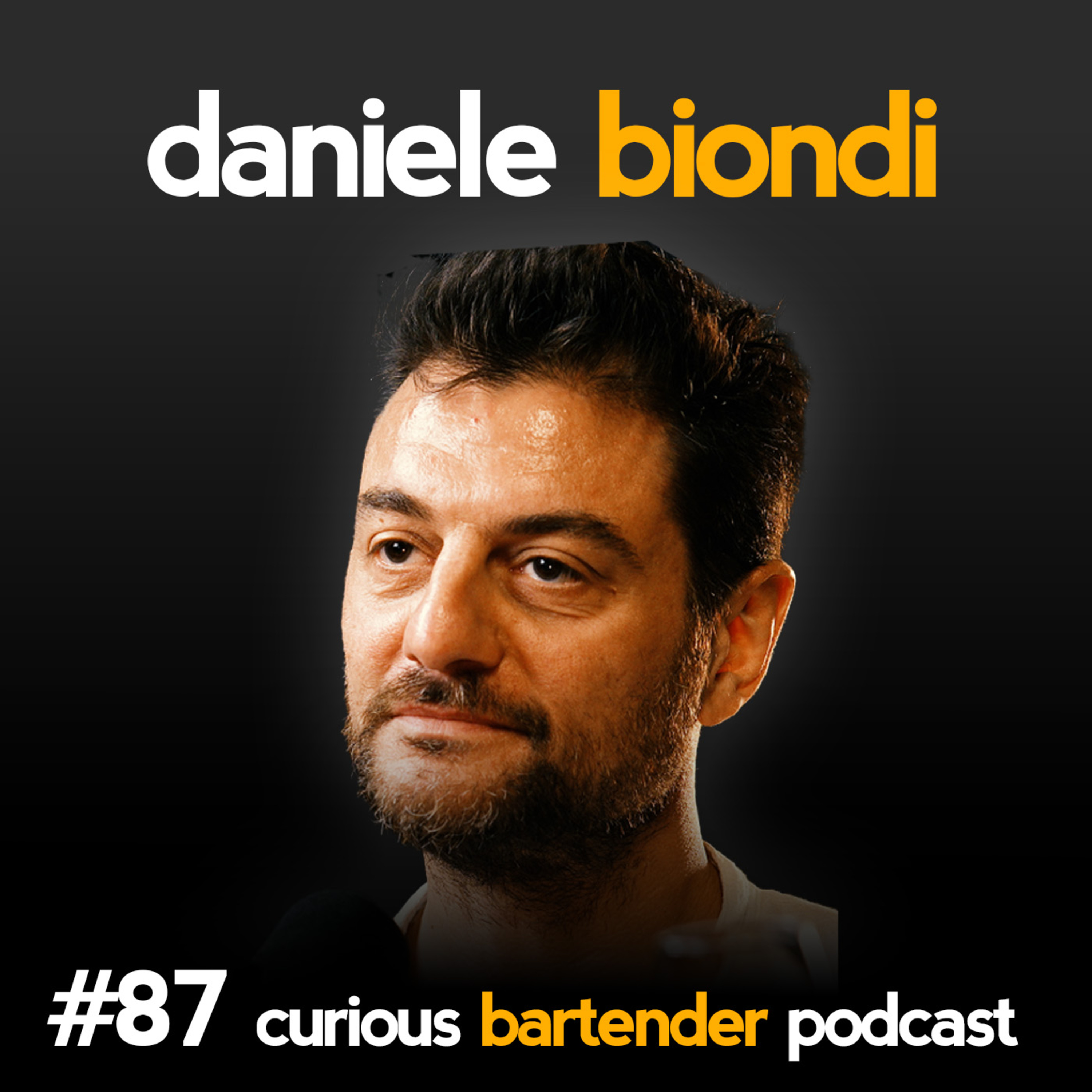
    #87 Daniele Biondi - Indiana Jones of Rum, Clairin & Haiti, Viche & Colombia, Hampden, Velier, Luca Gargano

    Daniele Biondi is one of the world's leading experts on the rum category. Working with Luca Gargano at Velier, he is one of the key figures behind the international rediscovery of Haitian clairin, the new wave of Colombian sugarcane spirits, and a driving force behind the Hampden Estate story. He's been working with rum since the 90's but over the last 15 years particularly, Daniele has spent much of his time travelling to the world's least-documented rum-producing regions — Haiti, Colombia, the Philippines, and more — searching out distilleries that, in his words, "aren't on Google." These distilleries are often so numerous and geographically dispersed that it bodes the question - have we actually seen or tasted much of the world's rums? Daniele began his career bartending in Milan in the late 1990s, and found there was almost no reliable information on the category available anywhere so he began researching obsessively. That personal research project became, in February 2007, one of the first rum blogs in Europe: not just a blog, but a functioning reference work, a "kind of Wikipedia" for rum at a time when the internet had almost nothing on the subject. It grew past 3,000 readers before he even realised it was a significant following, and led directly to him becoming president of Italy's Rum Club. From there, his path diverges from almost every other rum communicator working today. Rather than build a personal media brand, he was recruited into an EU-funded Caribbean producers' association and spent years as a full-time, on-the-ground rum educator — travelling constantly (by his own account, "14 islands in 14 days," well over 100 days a year in some markets), running tastings, PR and trade negotiations, and building direct relationships with producers across Italy, France, Spain and the UK. Then came the discovery work most people do associate with him, even if they don't always connect the name to it: it was Daniele who, in 2012, first went looking for Haiti's undocumented clairin distilleries — "not on Google" — and helped bring what's now a globally recognised spirit category into being. He did the same, more quietly, in Colombia, surfacing viche and the Afro-Colombian women producers behind it, and again in the Philippines, discovering a young distiller working in methods inspired by Hampden. And alongside Luca Gargano, he's been one of the central figures shaping Hampden Estate's modern reputation and the whole aged-clairin project — categories and products that are now widely celebrated, even if the person who did much of the groundwork isn't always credited alongside them. That's arguably the throughline of Daniele's career: he's one of the most consistent, sustained driving forces in modern rum education and discovery over the last two decades, and by his own description, one of the least self-promotional. He calls Velier "a dependent bottler" rather than claiming credit, describes his own day-to-day as "90% of my time on Excel," and treats the travel and discovery as the job itself rather than a platform. He's recognised within the trade — but given the scale and duration of what he's actually built, still arguably deserves to be a much bigger name than he is. Side note: he also wrote the introduction for the Italian version of my rum book. The conversation ranges from muddy backroads in rural Haiti to the fermentation room at Hampden, and from the mechanics of ester chemistry to why flavour is ultimately an emotional, personal experience. With thanks to our sponsors: Fever-Tree Mixers for the best fizzy liquids going Belvedere for additive free, organic Polish vodka 🥃 Get 15% off the world's best drinking vessels at ⁠Denver & Liely⁠ using the discount code CURIOUS15 at checkout ☕ Get 15% off the best coffee liqueur I have tried at ⁠Algebra Drinks ⁠with code CURIOUS15 📷 ⁠Follow me on Instagram⁠ 📚 I've written ⁠quite a few books⁠ on spirits and cocktails

  • #86
    July 13 · 1 hr 46 min

    #86 British Rum Special - Dropworks, Outlier, J. Gow: History, Production, GI, Tasting, Rum Market, Future of Rum, British vs. Caribbean

    We sat down — hungover, under-slept, and drinking before nine in the morning — with three of the people actually building British rum from the ground up: Lewis Hayes of DropWorks, Collin van Schayk of J. Gow, and Gergo Murath of Outlier. Between them they cover the full range of what this young category can be — Lewis running Europe's largest rum distillery out of Sherwood Forest with England's first copper double retort still, Collin fermenting wild yeast isolated from orchids beside a 2,000-litre pot still on an uninhabited Orkney island, and Gergo repping Outlier's wine-yeast, high-gravity, unfiltered rum out of the Isle of Man after thirteen years behind some of London's best bars. We trace how strange it is that Britain drank rum for centuries without distilling a drop of it until 2012, and dig into what's actually stopping British rum from having an identity yet — the fact that of roughly a hundred brands calling themselves British rum, only a third are fermenting and distilling here, and what a Geographical Indication might do about that. We get into the guts of production — dunder, backset, battonage, cane honey, double retorts versus double pot stills — and challenge the assumption that British ageing must be slower or lesser than tropical: DropWorks is releasing gold-medal-winning rum at a single year old, while J. Gow has just put out the oldest UK-distilled rum in existence, an eight-year-old matured through Orkney winters that regularly bottom out at two degrees. We talk about Haiti and clairin as a model of rum untouched by commoditisation, about the uncomfortable history British producers have to reckon with honestly, and about whether the long-promised rum boom is finally, slowly, arriving — and why slow might be exactly what keeps it from crashing the way gin did. Along the way we taste through six rums, including a whiskey-cask DropWorks expression built to provoke whiskey drinkers, And Outlier rum finished in Sauternes casks, and J. Gow's newest wild yeast release. We close by asking where each of them sees British rum in ten years — and get answers ranging from international distribution to a British "Japanese whiskey" moment. 📷 ⁠Follow me on Instagram⁠ 📚 I've written ⁠quite a few books⁠ on spirits and cocktails 🥃 Get 15% off the world's best drinking vessels at ⁠Denver & Liely⁠ using the discount code CURIOUS15 at checkout ☕ Get 15% off the best coffee liqueur I have tried at ⁠Algebra Drinks ⁠with code CURIOUS15

  • #85
    July 6 · 1 hr 52 min

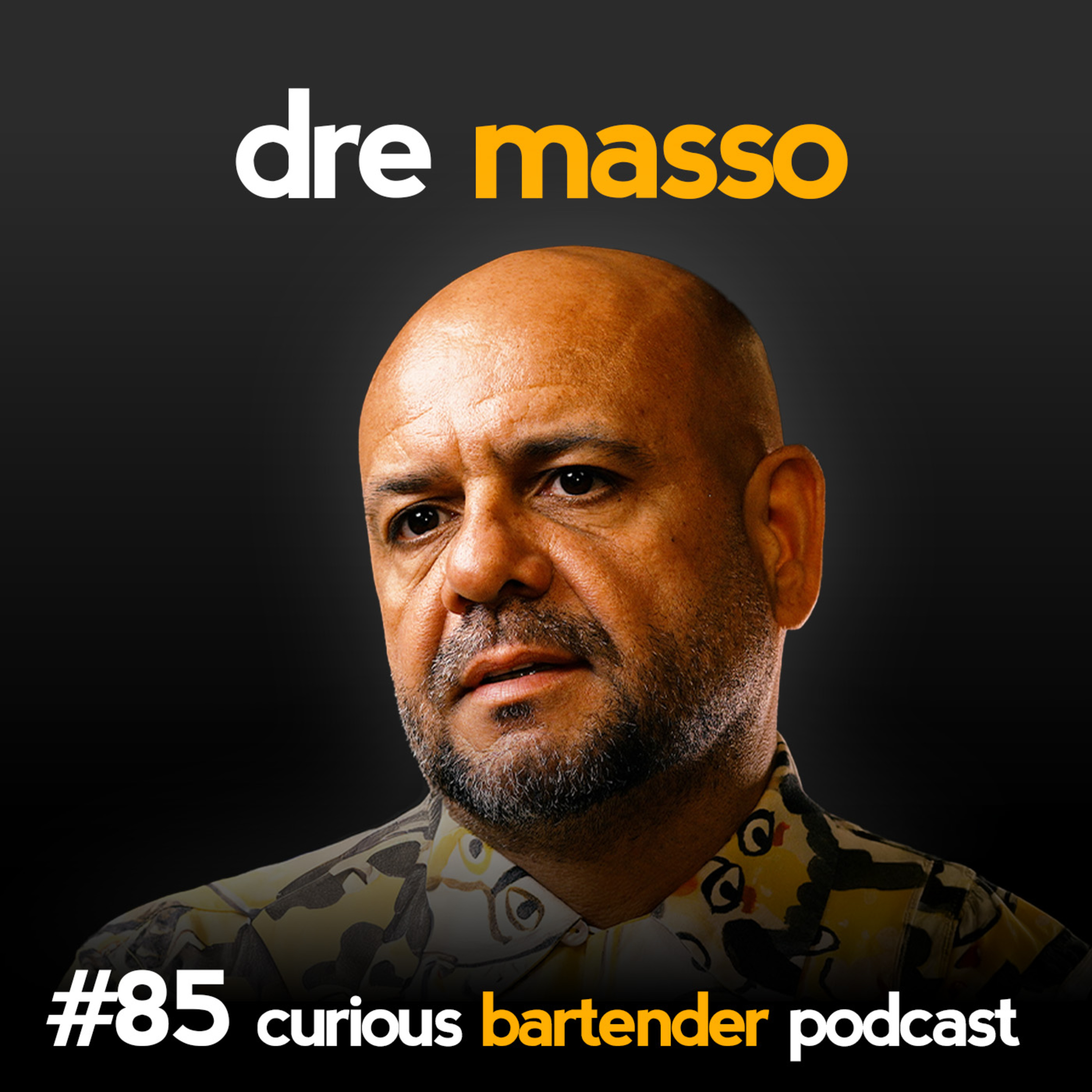
    #85 Dré Masso - 30 Years of Bartending, Creating Altos, Henry Besant, LAB Bar, Nusa Caña, Dick Bradsell, Potato Head

    Dré Masso is one of the most consequential figures in the modern cocktail world — a British-Colombian bartender whose career has stretched from the epicentre of 1990s London to a beach club in Bali and a cantina in Cartagena. We cover the moments that shaped him: growing up watching his Colombian mother work bar and restaurant shifts, the revolution quietly being assembled at the Atlantic Bar & Grill under Dick Bradsell, formative years at LAB with Douglas Ankrah, a brief stint at Jamie Oliver's landmark restaurant Fifteen, and the Lonsdale Bar meeting that sparked a creative partnership with Henry Besant. We get into the tequila pilgrimage that changed everything — six months following Julio Bermejo around San Francisco, a 2004 trip to Mexico he describes as the best of his life, and the extraordinary story of how a visit to Destilería Colonial and an impromptu tasting session with maestro Jesús Hernandez became the birth of Olmeca Altos, now one of the biggest tequila brands in the world. Dre speaks honestly about the commercial reality of co-founding a brand as a bartender, the grief of losing Henry Besant in 2013, and how that loss collided with a new chapter running Potato Head's sprawling Bali beach club alongside one of the most visionary entrepreneurs he has ever encountered. We close with a tasting of Nusa Cana rum, a deep dive into the forgotten history of Batavia Arak, and Dre's plans for what comes next, including a very public desire to get back behind the stick. With thanks to our sponsors: Fever-Tree Mixers for the best fizzy liquids going Belvedere for additive free, organic Polish vodka

  • #86
    June 29 · 1 hr 31 min

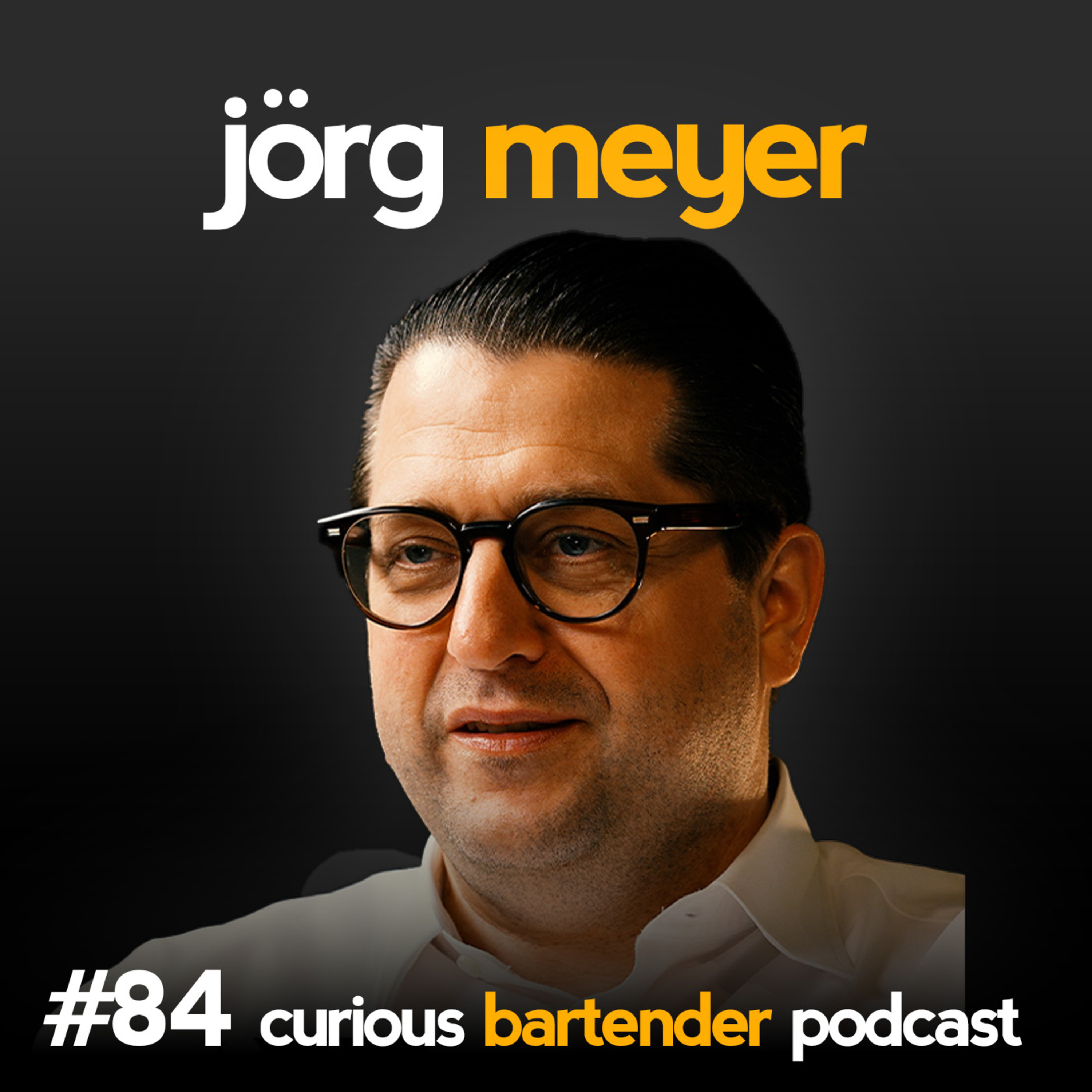
    #84 Jörg Meyer - Gin Basil Smash, 50 Best Bars, Le Lion, German Bar Scene

    Jörg Meyer is the founder of Le Lion — Bar de Paris in Hamburg, one of the most consistently recognised cocktail bars in the world and the birthplace of the Gin Basil Smash, a drink he created in 2008 that now accounts for upwards of 25,000 pours a year at Le Lion alone and has become one of the few genuine modern classics produced outside London and New York. In this episode we go deep on the full origin story of that drink: the Whiskey Smash he fell for at Pegu Club in New York, the G'Vine recipe booklet with a basil garnish that caught his eye, the batch of basil he borrowed from a restaurant warehouse next door, and the blog post on July 10th 2008 that set the whole thing in motion. We talk about the strange position of being a committed classicist who loves two-ingredient drinks and measures success in restraint... and yet being best known for a vivid green herb cocktail that outsells everything else on the menu by a considerable margin. Along the way we get into the surprisingly technical world of basil sourcing (500 kilograms a year, with quality varying dramatically by country of origin), why over-muddling produces a drink that tastes of chlorophyll rather than basil, and what a gin fizz served at Bar High Five in Tokyo taught Jörg about the cost of too much lemon. We also get into the World's 50 Best Bars list in considerable depth — Jörg was on it for seven consecutive years, peaked at number 16 in 2013, and has since developed a very clear-eyed view of what the list actually is, how it can be gamed, and why being on it can sometimes be more damaging than helpful for small independent bars. Elsewhere we cover the Diageo World Class competition and what happened when Jörg started asking questions about how it was being run in Russia, the business mechanics of Le Lion right now (sales up 30% without a price increase), the Le Lion summer pass modelled on an 80s German youth leisure scheme, and a Midori cocktail that a Ueno San of High Five in Tokyo served him with barely concealed contempt. We end on Germany's bar scene — where it came from, where it is, and Jörg's honest and slightly uncomfortable answer to the question of what Germany uniquely contributes to global cocktail culture.📷 Follow me on Instagram - https://www.instagram.com/tristanstephenson/📚 I've written quite a few books on spirits and cocktails - https://www.thecuriousbartender.com/

  • #83
    June 22 · 1 hr 58 min

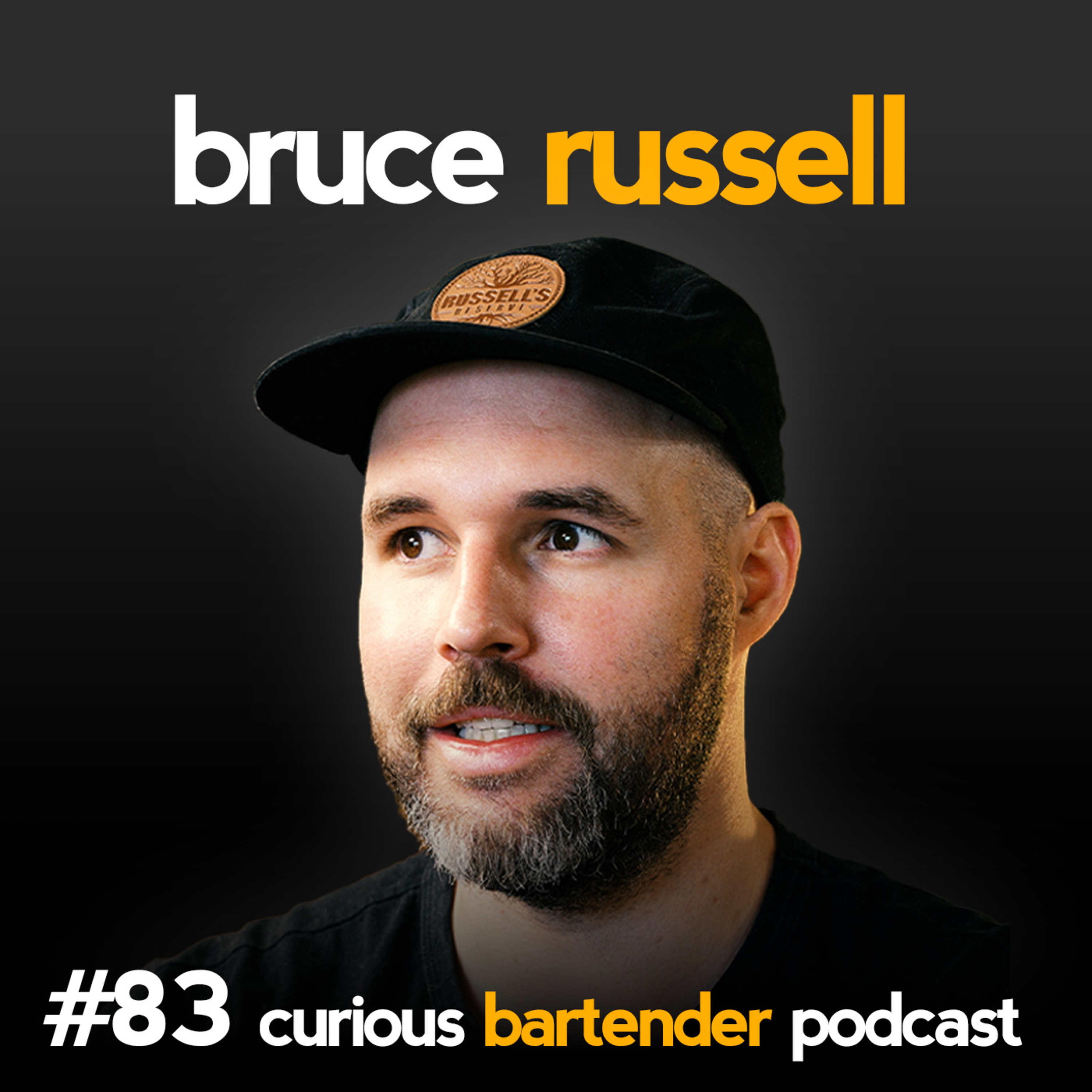
    #83 Bruce Russell - Wild Turkey, Rye, Barrels, Blending, Custodianship, Bourbon Glut, Jimmy Russell, Eddie Russell, Vintage Bourbon

    This week we're filming on location at Wild Turkey in Lawrenceburg, sitting in the old station house with Bruce Russell — third-generation whiskey maker and associate blender, grandson and son of the two living legends whose names hang over the place: Jimmy Russell, the longest-tenured master distiller of any spirit, and his son Eddie. Bruce was headed for a career in robotics until a summer giving distillery tours, and one quietly devastating afternoon when his introverted father walked his tour and told him he didn't know much of anything, redirected the whole course of his life. We get into what it means to carry a name like Russell, the freedom in being told you'll never be Jimmy or Eddie so you'd better be yourself, and the uncanny way personality and palate skip a generation. We discover Jimmy's handwritten 1950s notebooks and the by-hand, by-feel craft that's quietly vanishing, chase the elusive "Wild Turkey Funk" of vintage bourbon and ask whether it can ever be made again. We don't dodge the state of the market — the glut, the overproduction, the correction coming around 2029-30, and why the big houses ride out storms that sink smaller players. There's plenty for the nerds: angel's share losses of 75 to 90 percent on the oldest barrels, the freakish top floors at Camp Nelson where the highest-proof whiskey somehow tastes the best, and how a single recipe becomes Jimmy whiskey or Eddie whiskey depending only on the warehouse. We trace the rise of rye, the difference between Wild Turkey's stewardship and the offence of Russell's Reserve, and the tight, almost familial culture binding the Kentucky distilling families. Along the way we taste through some genuinely rare liquid: Bruce's first solo project - Austin Nichols Gold Foil 16 Year Old - a sneak peek of Russell's 13 made for Eddie's 45th anniversary, then onto the near-mythical Russell's 1998, and hear how Generations brought all three Russells together for what turned out to be the last whiskey Jimmy actively worked on. We finish on a Wild Turkey that travelled to Japan, took on a second life at Chichibu, and came back tasting like nothing any of us expected.

  • #82
    June 15 · 2 hr 15 min

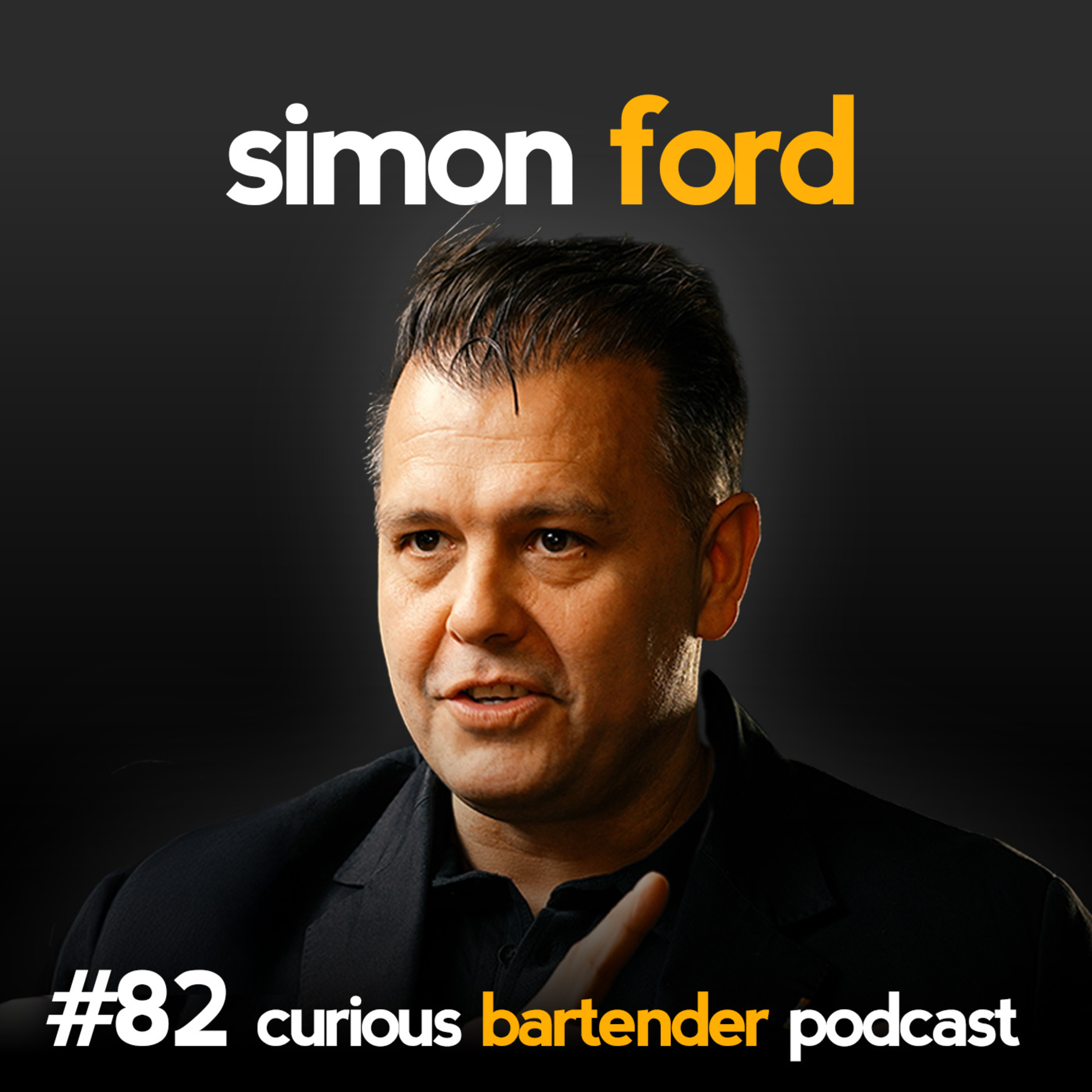
    #82 Simon Ford - Ford's Gin, Plymouth Gin, 86 Co., Martinis, London, NYC, First Brand Ambassador, Tales of the Cocktail,

    Simon Ford is the co-founder of The 86 Co. and creator of Ford's Gin, and the man widely credited as the first brand ambassador the modern spirits industry ever produced (though he's not so sure about that). In this episode, we trace his career from a London wine shop job secured despite admitting he didn't actually like wine, through his years at Ideal Brands working on Absolut alongside Nick Blacknell, Dick Bradsell and Wayne Collins, to opening the celebrated Koba bar in Brighton and the call that sent him off to launch Plymouth Gin around the world. We follow Simon through his years as Plymouth's North America ambassador, the move to New York in 2006 at the height of the craft cocktail renaissance, and the senior Pernod Ricard directorship he turned down to build something of his own. We dig deep into the founding of The 86 Co. in 2012 alongside Employees Only's Jason Kosmas and Dushan Zaric — the survey of 149 bartenders that shaped Ford's Gin, the 90-plus formula iterations before Simon was satisfied, the moment Dale DeGroff invested on the spot after tasting it at the distillery, and the blind taste test at Pegu Club where Audrey Saunders put Ford's up against 14 other gins and Simon picked it out. We cover the famously oversubscribed Tales of the Cocktail launch party in 2013 (which I was at), the 2019 acquisition by Brown-Forman — including the full story of how it came together and the day Simon fell fully clothed into a pond on the Louisville campus — and the unvarnished realities of scaling a spirit brand from nothing. The episode closes with Simon's current projects: a campaign to revive sloe gin, a new Ford's innovation in development at Thames Distillers, and the annual Ford's Gin party at Tales of the Cocktail. 🥃 Get 15% off the world's best drinking vessels at ⁠Denver & Liely⁠ using the discount code CURIOUS15 at checkout ☕ Get 15% off the best coffee liqueur I have tried at ⁠Algebra Drinks ⁠with code CURIOUS15

  • #81
    June 8 · 1 hr 17 min

    #81 Valentine Warner - Food & Art, Eating Seasons, Douglas Fir, Cider, Hepple, Nick Strangeway

    Valentine Warner is a chef, food writer and broadcaster who trained as a portrait painter before swapping the brush for the spoon in the kitchens of Alastair Little. He went on to make his name on BBC2 with What to Eat Now and a run of further series, and is co-founder of the Moorland Spirit Company, the Northumberland distillery behind Hepple Gin, as well as curator of the immersive food-and-craft retreat series Kitchen in the Wild. We talk cider as Britain's lost wine, the chef's view of saké, and the allure of martinis. We dig into a Dorset childhood spent dividing the world into edible and inedible — including the eating of his sister's paints — the lessons of Alastair Little's kitchen, and why he insists he isn't a forager. On Hepple we get the founder's view on Douglas fir, supercritical CO2 extraction, why no one else was using green juniper berries, and what a properly built martini actually requires. We then turn to the closing of the Norwegian chapter and what comes next for Kitchen in the Wild, a portrait of Nick Strangeway, the state of British hospitality, and the in-progress Sketchbook Cookbook. 🍋‍🟩 Fever-Tree - For the very best mixers that taste pretty damn good even by themselves☕ Algebra Drinks - The world's best coffee liqueur (partly because it's low in sugar - get 15% off at http://www.algebradrinks.com with the code CURIOUS15🌾 Belvedere Vodka - Organic vodka, with substance, made from Polish rye and absolutely no additives.🍷 Denver & Liely - The best glassware on the planet - get 15% off at http://www.denverandliely.com with the code CURIOUS15📷 Follow me on Instagram - https://www.instagram.com/tristanstephenson/📚 I've written quite a few books on spirits and cocktails - https://www.thecuriousbartender.com/
  • June 1 · 2 hr 6 min

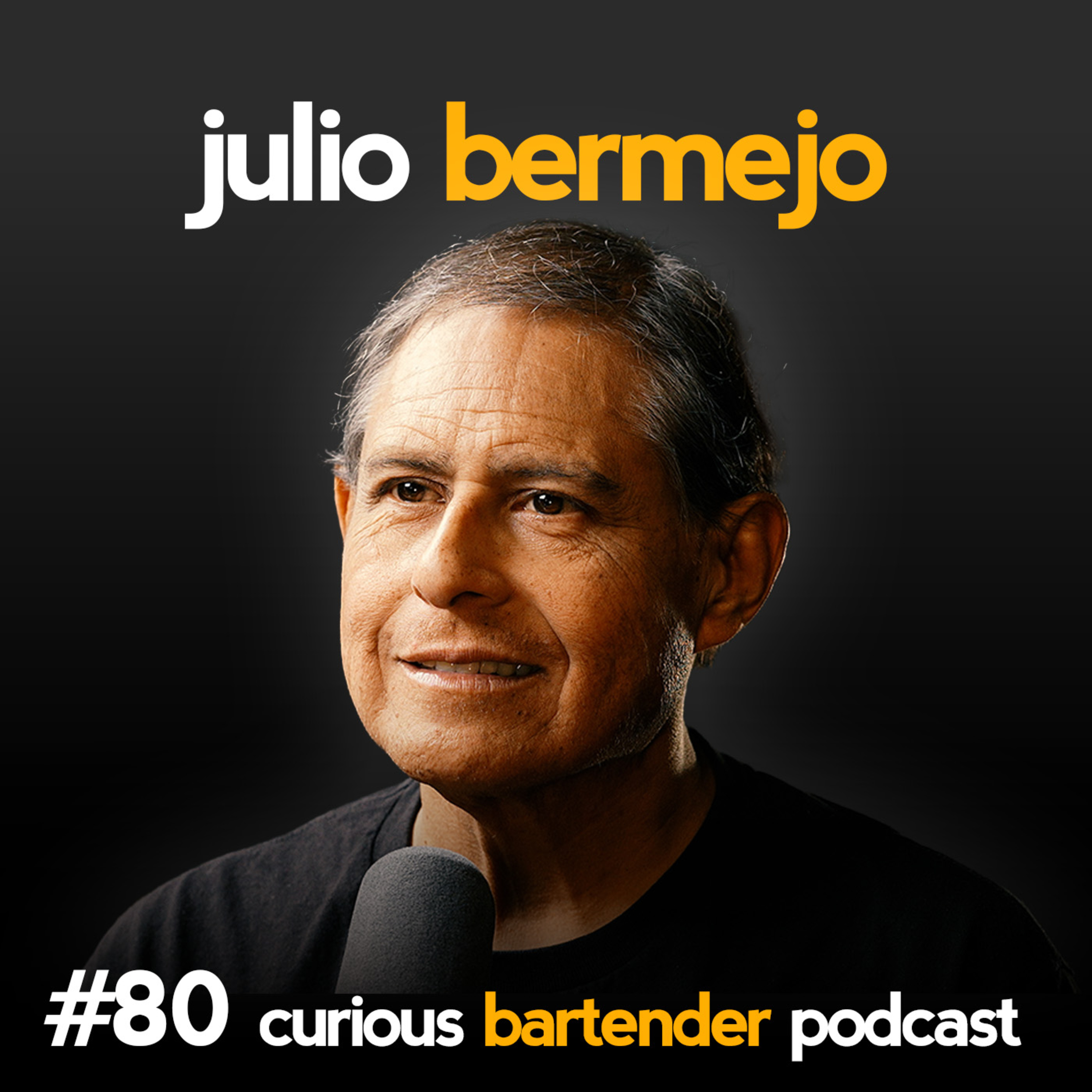
    #80 Julio Bermejo - 61 Years of Tommy's, Tequila Production, Margaritas, Mexico, 100% Agave, Dre Masso, Tom Estes

    Julio Bermejo is the owner of Tommy's Mexican Restaurant in San Francisco, which is the bar credited by the Wall Street Journal as "the epicentre of tequila in the United States" and the place where the Tommy's Margarita was created in the 90's. In this episode we trace his journey from the family's Yucatecan roots and the early days of a restaurant that didn't even hold a liquor licence until 1972, through his decision in the mid-1980s to go exclusively 100% agave on the well — years before the mainstream caught up — and into the creation of the Blue Agave Club, now with over 7,000 members worldwide. We get into the philosophy behind the Tommy's Margarita itself: why agave syrup replaced triple sec, and how Dre Masso, Henry Besant and others carried the drink into bars globally before it became the first venue-specific cocktail ever added to the IBA Official list. Julio also shares what his early distillery trips taught him, from meetings with Guillermo Romo de la Peña at Herradura, Don Felipe Camarena at Tapatio and Fernando Gonzales at Siete Leguas, to the lesson about never putting your opinions in a tequila menu — as well as his principled stance on regulation and safety, the Highland versus Valley divide, what agave boom-and-bust cycles reveal about the industry, and the persistent problem of contracted tequilas and shifting NOM numbers. We also talk about Tommy's post-pandemic reality, what his mother Elmy — now 92 — still brings to the place, and the 60 pop-ups in 20-plus countries he did to mark the restaurant's 60th anniversary.🍋‍🟩 Fever-Tree - For the very best mixers that taste pretty damn good even by themselves☕ Algebra Drinks - The world's best coffee liqueur (partly because it's low in sugar - get 15% off at http://www.algebradrinks.com with the code CURIOUS15🌾 Belvedere Vodka - Organic vodka, with substance, made from Polish rye and absolutely no additives.🍷 Denver & Liely - The best glassware on the planet - get 15% off at http://www.denverandliely.com with the code CURIOUS15

  • #80
    May 25 · 1 hr 22 min

    #79 Yumi Yoshikawa - Chichibu Distillery, Ichiro Akuto, Japanese Whisky, Mizunara Oak, Floor Malting, Scotch Whisky

    Yumi Yoshikawa is the global brand ambassador for Chichibu Distillery, the small operation in Saitama Prefecture, Japan, which has become the most celebrated whisky producer in the world. We map out the full picture: two malt distilleries in Chichibu and a brand-new grain distillery that started production in Hokkaido in January 2026, before going deep into what actually happens at Distillery I — the multi-origin barley programme, the floor malting Ichiro Akuto spent years visiting England to learn, the Mizunara oak washbacks and the lactic bacteria they bring to every fermentation, and the switch to direct fire at Distillery II that Ichiro always wanted but waited a decade to attempt. We discuss cask management and work through an extraordinary range of wood: bourbon, sherry, wine, cognac, rum, Madeira, port, IPA beer, tequila and the occasional grappa cask. We taste three whiskies together, including the first UK pour of the Distillery II single malt, an unreleased Double Distilleries blend, and a cask sample straight from the warehouse — seven years old, local Japanese barley, 59.4%, 100% Mizunara Oak — that has no right to taste as good as it does. We also cover Ichiro's story: 21 generations of brewing, the loss of Hanyu, the rescue of 400 casks and the two years he spent visiting 2,000 bars across Japan to build support for a distillery he hadn't yet opened. Yumi's own journey closes things out: a bartender who cycled around Scotland with her CV, worked at The Highlander Inn in Craigellachie alongside a young Tatsuya Minagawa, negotiated simultaneous seasons at both The Highlander and Bruichladdich, and joined Chichibu in 2013 With thanks to our sponsors: Fever-Tree Mixers for the best fizzy liquids going Belvedere for additive free, organic Polish vodka 🥃 Get 15% off the world's best drinking vessels at ⁠Denver & Liely⁠ using the discount code CURIOUS15 at checkout ☕ Get 15% off the best coffee liqueur I have tried at ⁠Algebra Drinks ⁠with code CURIOUS15 📷 ⁠Follow me on Instagram⁠ 📚 I've written ⁠quite a few books⁠ on spirits and cocktails

  • #78
    May 18 · 1 hr 38 min

    #78 Freddy Andreasson - El Gallo Altinero, Tequila & Jalisco, 50 Best, Terroir, Coffee

    Freddy Andreasson is a 6'4" Swede from the small town of Falkenburg who grew up working a conveyor belt at the Falcon Brewery, spent his late teens dealing weed, and bought a one-way ticket to Melbourne with the proceeds.He arrived in Melbourne with nowhere to stay and a litre of Jim Beam in his bag. That journey through Australian kitchens and coffee machines, via a period of real personal darkness in Guadalajara, eventually led him to co-found El Gallo Altanero in 2017: a bar dedicated entirely to independent agave spirits from Jalisco, with a menu that changed every week. Eight years in, the bar the bar has been featured on global 50 Best list, and Freddy has just been named the 2026 Altos Bartenders' Bartender Award winner for North America — the only peer-voted accolade in the programme. On the episode we talk about what it actually takes to earn the trust of Mexican tequila producers as an outsider, why terroir means more in agave than almost anywhere else in the spirits world, and what happened when the 50 Best spotlight hit a bar that was never designed to be a destination. We also get into the new bar — Fandango, a classics-only concept two years in the making, built around a simple question: what do you actually want to drink? — plus the politics of mezcal DOCs, raicilla, why the most romantic bars in the world are often the most stubborn, and a dream distillery project coming soon. With thanks to our sponsors: 🍋‍🟩 Fever-Tree - For the very best mixers that taste pretty damn good even by themselves 🌾 Belvedere Vodka - Organic vodka, with substance, made from Polish rye and absolutely no additives. 🍷 Denver & Liely - The best glassware on the planet - get 15% off at http://www.denverandliely.com with the code CURIOUS15 📷 Follow me on Instagram - https://www.instagram.com/tristanstephenson/📚 I've written quite a few books on spirits and cocktails - https://www.thecuriousbartender.com/

  • #77
    May 11 · 2 hr 1 min

    #77 Liam Davy - Director of Bars for 14 Hawksmoor Restaurants: Martinis, US vs UK Drinking, Gen Z, Natural Wine, Mezcal, Pubs

    Liam Davy is Director of Bars at Hawksmoor, the British steakhouse group that's grown from a single Spitalfields opening in 2006 to fourteen sites across the UK, Ireland and the US, with Boston due in September. We sat down after a night at Hawksmoor's new St Pancras Martini Bar, which has sold over twenty thousand martinis since November.On the episode we dig into what it's like running a bar programme across cities and countries: what travels, what doesn't, and why a steakhouse group has bet so hard on the martini. We talk about the gin boom and its bust, why the Hawksmoor cocktail list is deliberately unfussy and built around the steakhouse experience, and what genuine training looks like inside a fast-growing group. We also get into his time outside Hawksmoor — running the Bad Sports taco place on Hackney Road and co-creating the War in Terroir Instagram account, the wine influencer parody that started during a stretch of unemployment and ended up shaping how a lot of the trade now talks about natural wine. Along the way we cover the cost of going out, what Gen Z actually want from bars, hospitality in the age of top-50 lists and content creators, the operators he genuinely rates — Dukes, the Connaught, Attaboy, Three Sheets, Bar Snack — the institutions that never miss, the elegant decline of bars that fall off lists, the state of British pubs, the resurgence of mezcal, and of course Shaky Pete's Ginger Brew. 🍷 War on Terroir - https://www.instagram.com/waronterroir/A shout out to our sponsors:🍋‍🟩 Fever-Tree - For the very best mixers that taste pretty damn good even by themselves☕ Algebra Drinks - The world's best coffee liqueur (partly because it's low in sugar - get 15% off at https://www.algebradrinks.com with the code CURIOUS15🌾 Belvedere Vodka - Organic vodka, with substance, made from Polish rye with absolutely no additives🍷 Denver & Liely - The best glassware on the planet - get 15% off at https://www.denverandliely.com with the code CURIOUS15 00:00:00 Hawksmoor's new Martini Bar at St Pancras00:02:34 14 restaurants and Boston coming next00:03:19 Why a martini bar00:05:08 The martini's cultural moment00:08:13 Gin's boom, bubble and aftermath00:09:52 Running a bar programme across cities and countries00:13:37 Lessons from the great American steakhouses00:17:03 How a British steakhouse plays in America00:21:39 Recruitment and training inside a growing group00:27:07 Liam's Hawksmoor history00:28:45 Bad Sports, hot dogs and Surfside Cornwall00:43:06 Lessons for anyone opening their own place00:47:38 The state of pubs and independents00:52:28 Who's doing it right00:55:33 The cost of going out01:00:19 Gen Z, phones and the truth about drinking habits01:09:59 War on Terroir: the wine parody Instagram01:14:51 Tribal drinking, natural wine, mezcal01:21:15 We are not normal: rethinking who bars are for01:25:26 Hospitality as entertainment and top 50 culture01:32:26 Dukes, Connaught, attaboy: institutions that don't miss01:39:52 Awards, recognition and elegant decline01:43:50 Shaky Pete's Ginger Brew01:46:45 20,000 martinis since November01:47:42 The Sour Cherry Negroni's lockdown roots01:48:36 Boston Hawksmoor01:55:05 Bringing UK bars on tour01:59:07 Mezcal, education and final thoughts📷 Follow me on Instagram - https://www.instagram.com/tristanstephenson/📚 I've written quite a few books on spirits and cocktails - https://www.thecuriousbartender.com/
  • #76
    May 4 · 1 hr 12 min

    #76 Thibaut Hontanx - World's Most Travelled Distiller: Cognac, South African Agave Spirits, Rhum Clement, Courvoisier, Hennessy

    Thibaut Hontanx is only the seventh master blender in Courvoisier's nearly 200-year history, but that might not be the most interesting thing about his incredibly eclectic career. From growing up around his grandfather's sawmill in France, to arriving in South Africa at 21 with a brief and a blank piece of paper to build the country's first agave spirits distillery from scratch, to seven years at Hennessy deepening his understanding of cognac ageing — all while completing an oenology degree in Bordeaux mid-career. Thibaut has accumulated a breadth of experience that very few people in this industry can match. We follow him to Martinique, where he oversaw production at Rhum Clément, and explore the surprising parallels between rhum agricole and cognac — two AOC-protected, terroir-driven spirits that share a philosophy but feel like completely different worlds. Back in Cognac, we get into the technical craft behind Courvoisier's house style, the challenges of recent vintages in a changing climate, new grape varieties being trialled within the AOC, and what it means to hold a role where the decisions you make today will be drunk by someone thirty years from now. And why growing up around a sawmill turns out to be surprisingly useful preparation for a life spent thinking about oak. To support the show please subscribe. It really means a lot to me. With thanks to our sponsors: Fever-Tree mixers for incredible mixers and soft drinks Belvedere Vodka making vodka the right way, with characterful organic rye, and absolutely no additives.

  • #75
    April 27 · 1 hr 26 min

    #75 Dave Mulligan - Is Poitín Ireland's Mezcal? History, Production, Brands, Tasting

    Dave Mulligan is the owner of Dublin's Bar 1661 and The Sackville Lounge, founder of Bán Poitín, and one of the most committed advocates for Ireland's oldest spirit currently working the floor. Poitín was banned by the British Crown in 1661 and remained illegal for 336 years, surviving in the hills of Connemara and Donegal as both an act of cultural defiance and a working farmer's economy. Now legal, GI-protected, and slowly finding its place on the world's best back bars, the category is at one of the most interesting moments in its history. On the episode we trace the spirit's origins back through the 1500s and earlier, separating monkish folklore from the documentary record. We taste a remarkable bottle from the 1830s that may rewrite some of what we think we know about Irish distillation. And we work through a flight of contemporary expressions including Micil's malted barley poitín, the Micil x Kneecap collaboration finished in Buckfast casks, Killowen's peated Dead & Buried, Bán Poitín itself, a Bán expression finished in cocktail-seasoned casks, and an unlabelled brown-paper-bag illicit bottle from an unnamed distiller ;-) We talk about what 1997 legalisation actually changed, why the 2008 PGI imposed a ten-week barrel limit, and why every poitín we taste sits as a fully resolved spirit in its own right rather than a stop on the way to something else. We also get into the early days of Sibín in Kentish Town, the founding of Bar 1661 and The Sackville Lounge, the Belfast Coffee origin story, and what it would take for poitín to become a serious global spirit category. POITÍN TASTED IN THIS EPISODE In rough order of tasting: ​Bán Poitín (in the Belfast Coffee at the open, then neat later in the episode) — Dave's own brand. Blended from malted barley, Comber potatoes and Irish grain, distilled at Echlinville. https://www.ban-poitin.com ​A forgotten ~1830s spirit from County Tyrone — discovered around 2019–2020. Not commercially available. ​Micil Poitín — six-generation family recipe dating to 1848. https://micildistillery.com ​Micil x Kneecap Poitín — limited collaboration, Buckfast-cask seasoned. Available via Micil. https://micildistillery.com ​Killowen Dead & Buried — peated, 67.9% ABV, distilled by Brendan Carty in collaboration with historian Fionnán O'Connor. https://www.killowendistillery.com ​Bán 1661 (cocktail-cask finish) — limited release finished in casks seasoned with Bar 1661's own cocktails. https://www.ban-poitin.com ​A mystery stout based poitín — from a sizable distillery; not yet released. ​An illicit, unlabelled bottle — currently being made off-grid; not commercially available. Featured venues: Bar 1661 — https://www.bar1661.ie · The Sackville Lounge — https://thesackvillelounge.com Fionnán O'Connor is the mentioned author of A Glass Apart

  • #47
    April 20 · 1 hr 54 min

    #74 Edward Slingerland - The Evolutionary Case for Getting Drunk, Alcohol and Neurochemistry, Socialisation, Archaeology, Philosophy

    Edward Slingerland is a distinguished University Scholar and Professor of Philosophy at the University of British Columbia, whose research spans early Chinese thought, cognitive science, and evolutionary psychology. He is, among other works, the author of Drunk: How We Sipped, Danced, and Stumbled Our Way to Civilization. Our conversation starts by traging the origins of his thinking on alcohol to his earlier work on wu wei, the ancient Chinese concept of effortless action, and explore how downregulating the prefrontal cortex, whether through drinking, flow states, or long-distance running, unlocks the lateral thinking and spontaneity that the self-conscious mind tends to suppress. We get into the Ballmer Peak, the Google whisky room, and our own experiences of writing and creating under the influence, before turning to the central argument: that alcohol is not an evolutionary mistake but a genuine cultural technology, one that has been helping humans solve the problems of creativity and large-scale cooperation for at least 13,000 years. We dig into what the archaeological record reveals, from Gobekli Tepe to the Epic of Gilgamesh, making the case that the desire for intoxication may have preceded and even driven the development of agriculture and civilisation itself. We explore the hidden social intelligence embedded in drinking rituals, the way toasting customs, rounds at the pub, and the unspoken etiquette of sharing a bottle all serve to pace and regulate consumption within a group, before examining the two conditions that make alcohol most dangerous: distillation and isolation. We compare northern and southern European drinking cultures, look at what Italy's historically low alcoholism rates can teach us, and ask what cultures that abstain entirely reveal about alcohol's social role. Along the way we taste through two whiskies, discuss whether a pill that replicated alcohol's effects would ever replace the real thing, and hear Ed's thoughts on his next book, which turns his evolutionary lens on foraging, food, and our need to reconnect with the natural world.00:00:00 Introduction00:00:06 From Wu Wei to Whisky: How This Book Came About00:03:56 Flow State, Wu Wei and the Prefrontal Cortex00:10:45 Why Does a Poison Persist in Every Culture?00:11:07 Alcohol and Religion: Costly Behaviours, Hidden Benefits00:14:18 The Brain Hijack Theory and Why It Falls Short00:27:02 Humans as the Creative and Communal Animal00:29:20 Creativity, Lateral Thinking and the Maturing PFC00:33:05 The Ballmer Peak and Google's Whisky Room00:35:22 Writing Drunk: Personal Experiences with Alcohol and Creativity00:37:34 The Negroni That Wrote the Book Proposal00:52:59 The Pub as Social Infrastructure00:57:01 Whisky Tasting: Kilchoman00:58:30 Toasting Rituals and the Hidden Etiquette of Drinking Together01:01:28 The Twin Dangers: Distillation and Isolation01:05:15 Getting Drunk: The Bonding Functions Beyond 0.0801:09:35 Those Who Puke Together Stay Together01:10:07 Archaeology: The Beer Before Bread Hypothesis01:16:32 The Epic of Gilgamesh: Beer Makes You Human01:19:31 Hard Numbers vs the Intangible Benefits of Alcohol01:21:23 Northern vs Southern Drinking Cultures01:24:16 Italy as a Natural Experiment01:28:00 Cultures That Don't Drink: Islam and Mormonism01:29:34 Whisky Tasting: Highland Park 1401:49:00 Ed's Next Book: Foraging and Reconnecting with Nature01:51:24 Alcohol as Culture, Place and Technology01:53:19 Would We Still Drink if a Pill Could Replace It?📷 Follow me on Instagram - https://www.instagram.com/tristanstephenson/📚 I've written quite a few books on spirits and cocktails - https://www.thecuriousbartender.com/

Showing 1–20 of 23 episodes