Skip to content
Artwork for The Context
NewsPoliticsGovernmentHistory

The Context

Alex Lovit, Charles F. Kettering Foundation

Do you ever watch the news and wonder, “How did we get here?” Or think to yourself, “Things are bad . . . What can I do?”

The Context is here to help. Our show breaks down the ideas, history, and trends that are shaping democracy. And you don’t need to be an expert to follow along. Every other Tuesday, host Alex Lovit talks about timely topics with big-picture thinkers and hands-on practitioners, like activists, writers, historians, and community leaders.

The topics are heavy, but we try to have fun along the way. To build the future we want, we’ll need knowledge—but also camaraderie and joy.

We hope you’ll join us.

Play
  • 20 episodes
  • fortnightly
  • Avg 38 min
  • English
  • #73
    Tuesday · 33 min

    How to Get More Americans to Vote

    For the Americans who feel—justifiably—that they’re excluded from participating in elections, what can be done to help them claim their place at democracy’s table? Meet three activists from Dayton, Ohio, who’ve found a way. With a high-stakes midterm election right around the corner, we’re highlighting the work of local community members who’ve been thinking about and working on election engagement for years. Host Alex Lovit is joined by Destiny Brown, Robert Mackey II, and Kevin O’Donnel
  • September 29 · 41 min

    Citizens United (Part 1): Special Series with This Day Podcast

    For the fourth and final installment of our month-long collaboration with the This Day podcast, we go to 2010 and the Supreme Court's Citizens United decision—which enshrined corporate spending as protected speech and unleashed a new era of dark money in American politics. This Day hosts Jody Avirgan, Nicole Hemmer, and Kellie Carter Jackson are joined by Celina Stewart, CEO of the League of Women Voters, to trace how we got here: from the Tillman Act of 1907 through Watergate, the FEC, the McCa

  • September 22 · 44 min

    Southern Realignment (Part 1): Special Series with This Day Podcast

    For the third installment of our month-long collaboration with the This Day podcast, we go to 1964 and a moment when the two major parties in this country, in a sense, switched. This Day hosts Jody Avirgan, Nicole Hemmer, and Kellie Carter Jackson are joined by Eric K. Ward, executive vice president of Race Forward, to trace the story from Jim Crow through the New Deal and into the Civil Rights Act—and to understand why the Democratic coalition that produced it was always too contradictory to su

  • September 15 · 43 min

    Seneca Falls (Part 1): Special Series with This Day Podcast

    For the second installment of our month-long collaboration with This Day, we go to western New York in the summer of 1848. This Day’s hosts, Jody Avirgan, Nicole Hemmer, and Kellie Carter Jackson, are joined by Deva Woodly, Kettering research fellow and professor at Brown University, to discuss the Seneca Falls Convention on women’s rights—the characters who cooked it up over afternoon tea, the Declaration of Sentiments they wrote in the shadow of the Declaration of Independence, and the one res

  • September 8 · 40 min

    Bill of Rights (Part 1): Special Series with This Day Podcast

    Special series announcement! For the next four weeks, we’re bringing you a special series as part of Kettering’s America 250 initiative, “Democracy, Under Construction.” It’s about key events in American history that have brought us toward, or away from, an inclusive democracy—and the work that remains to be done. We coproduced this series with our friends at a podcast called This Day. It’s a history show, and they’re doing a whole year of episodes about major events that shaped our nation. S

  • #72
    August 25 · 42 min

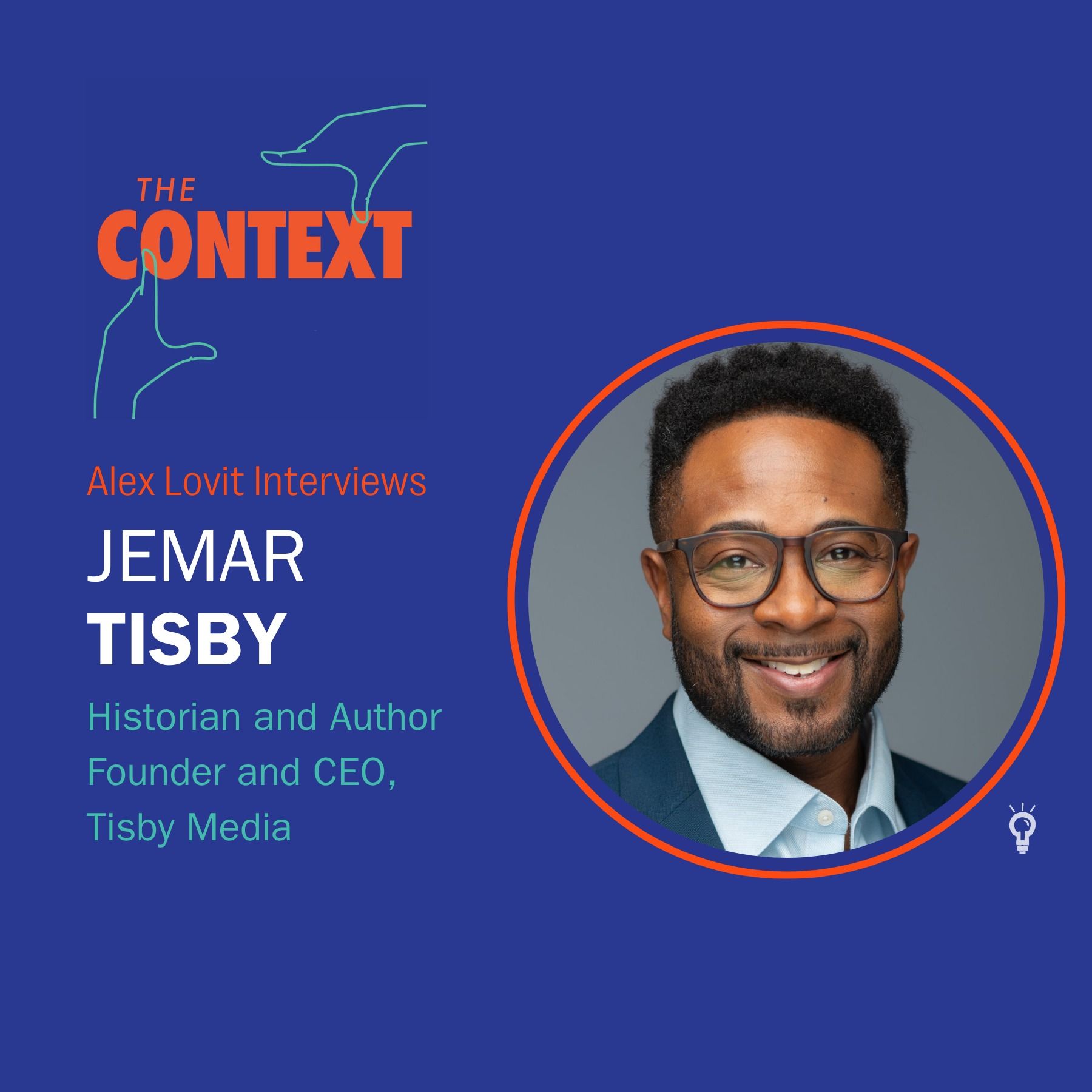
    Religion, Racism, and Representation

    Faith-led movements in the US have catalyzed some of our greatest expansions of civil rights. But, at the same time, Christianity has also been used as justification for some of the worst evils in American history. How do people of faith reckon with this tension? And what will it take for Americans of all racial backgrounds, ethnic origins, and faith traditions to commit to dismantling faith-cloaked racism? Jemar Tisby joins host Alex Lovit to discuss how to protect the progress toward racial

  • #71
    August 11 · 38 min

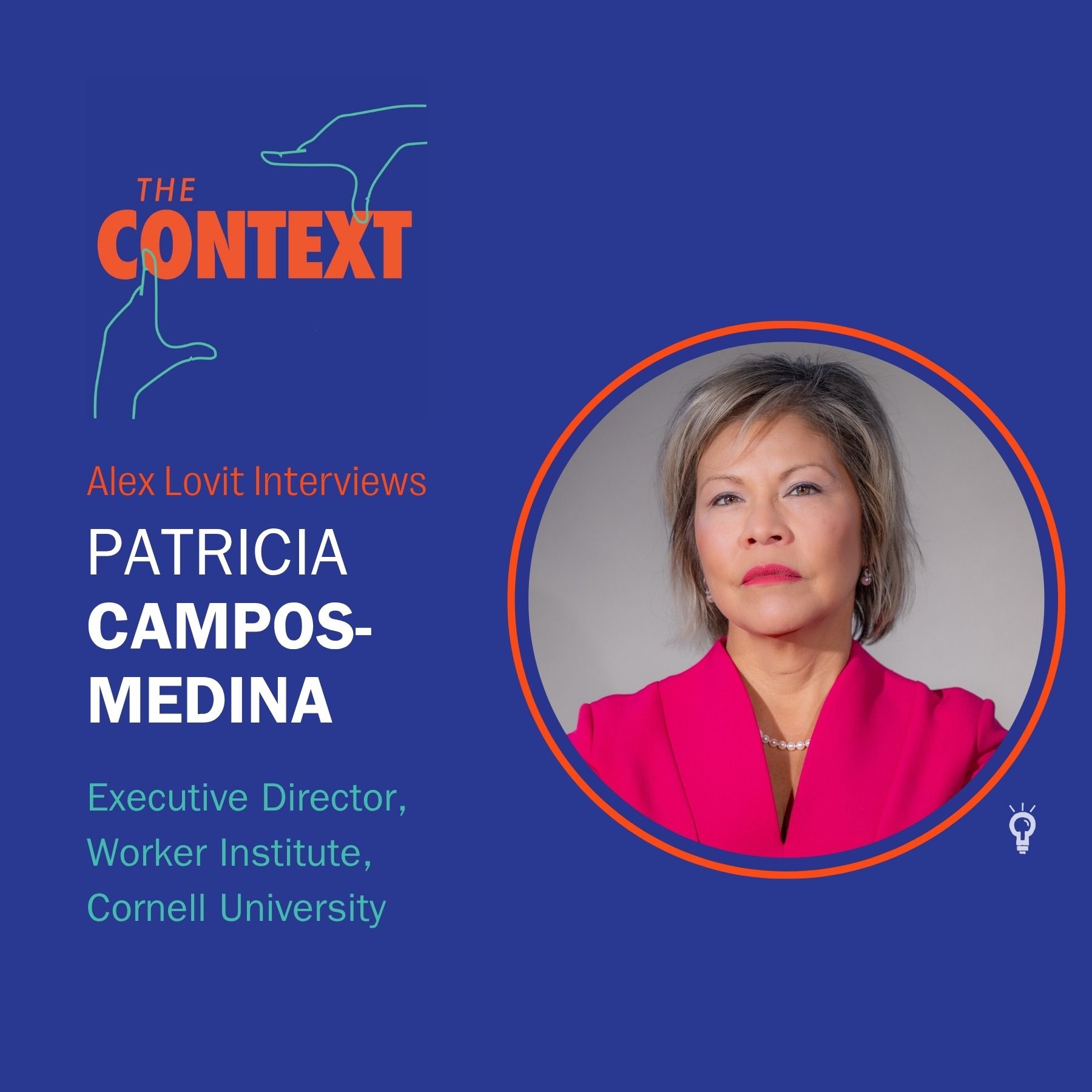
    Who Gets to Be American?

    How long do people have to live in America before they’re considered American? How long does it take to prove themselves as productive, peaceful members of society? For millions of immigrants who have lived in the United States for decades, the answer seems to be, “never.” Immigrants without documents or with temporary status are vulnerable to exploitation by their employers and have been made scapegoats by xenophobic politicians. Patricia Campos-Medina joins host Alex Lovit to discuss how probl

  • #70
    July 28 · 36 min

    The Making of a Dissident

    How does a dissident become a dissident? The Atlantic staff writer Gal Beckerman joins host Alex Lovit to discuss his new book, How to Be a Dissident. It’s part instruction manual, part history, and part call to action to resist the oppressive forces of our own times. Gal Beckerman is a writer and editor. His previous books include The Quiet Before: On the Unexpected Origins of Radical Ideas and When They Come for Us, We’ll Be Gone: The Epic Struggle to Save Soviet Jewry. https://www.galbeck

  • #69
    July 14 · 35 min

    How Oligarchy Undermines Democracy

    In the United States, elections hold our representatives accountable. But voters get a limited slate of options—and significant economic redistribution is usually excluded from the ballot. Meanwhile, economic inequality in the United States is growing to record levels, and many wealthy Americans are paying a lower effective tax rate than most of their fellow citizens. Jeffrey Winters joins host Alex Lovit to discuss American oligarchy, how it distorts our democracy, and what we can do about it.

  • #68
    June 30 · 42 min

    The Constitution Is Not the Problem

    The US Constitution is more than two centuries old. For most of that time, its purpose has been to maintain representative government and the peaceful transfer of power. That’s started to break down in recent years. Politicians try to win elections by gerrymandering voters, rather than convincing them. More and more power has been consolidated in the executive branch, bypassing traditional checks and balances. Melissa Murray joins host Alex Lovit to talk about the Supreme Court’s role in this de

  • #67
    June 16 · 50 min

    Want to Save Democracy? Focus on What Voters Care About.

    Democracy is a conversation. In the United States, and every other democracy, we’re continually talking with one another about what issues deserve our attention, what our nation stands for, and what we want from our government. Politicians, parties, and media organizations compete for attention by telling compelling stories. This marketplace of ideas offers citizens and voters a wide selection of storylines and solutions. But even when free speech is protected, that doesn’t mean everyone is equa

  • #66
    June 2 · 37 min

    What Does Conservatism Mean in a Changing World?

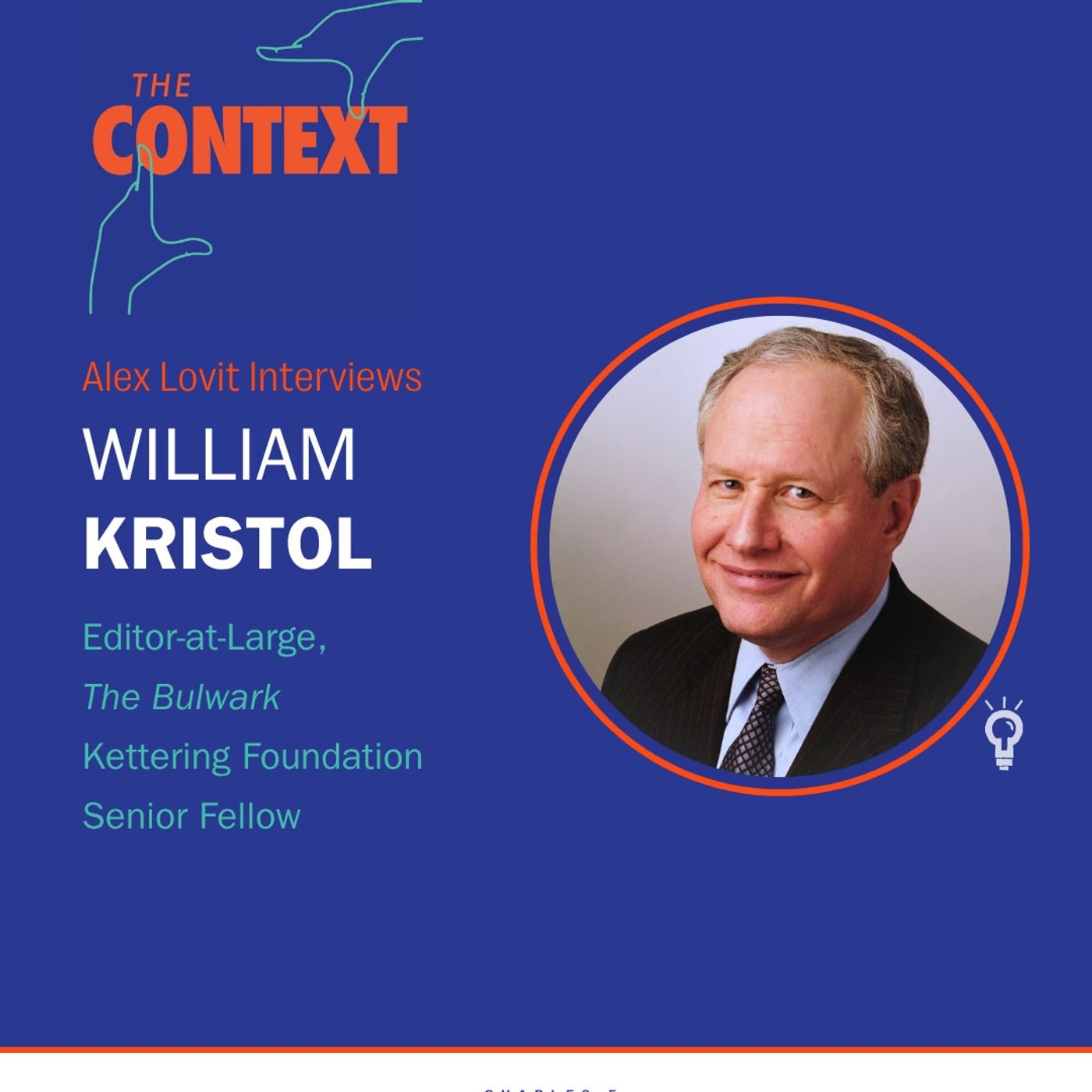
    Authoritarianism is gaining ground in democracies around the world—often with populist, nativist rhetoric. In the United States, this trend threatens to demolish democratic government. And shifts in American foreign policy are also uprooting the previous world order around the globe. William Kristol joins host Alex Lovit to discuss what’s changed in the last few years in American politics, in international relations, and in his own beliefs. William Kristol is editor-at-large at The Bulwark and

  • #65
    May 19 · 36 min

    Building Peace, One Story at a Time

    The line between peaceful politics and violent conflict can be fragile. In recent years, there have been many instances of election-related violence around the world. One of the worst examples occurred in Kenya. Following a disputed election in 2007, opposing political and ethnic factions clashed in the streets. More than a thousand people were killed, and more than 300,000 were forced from their homes. As is often true, these hostilities were based in cultural narratives—the stories people tell

  • #64
    May 5 · 24 min

    The Country We Have, the Country We Want

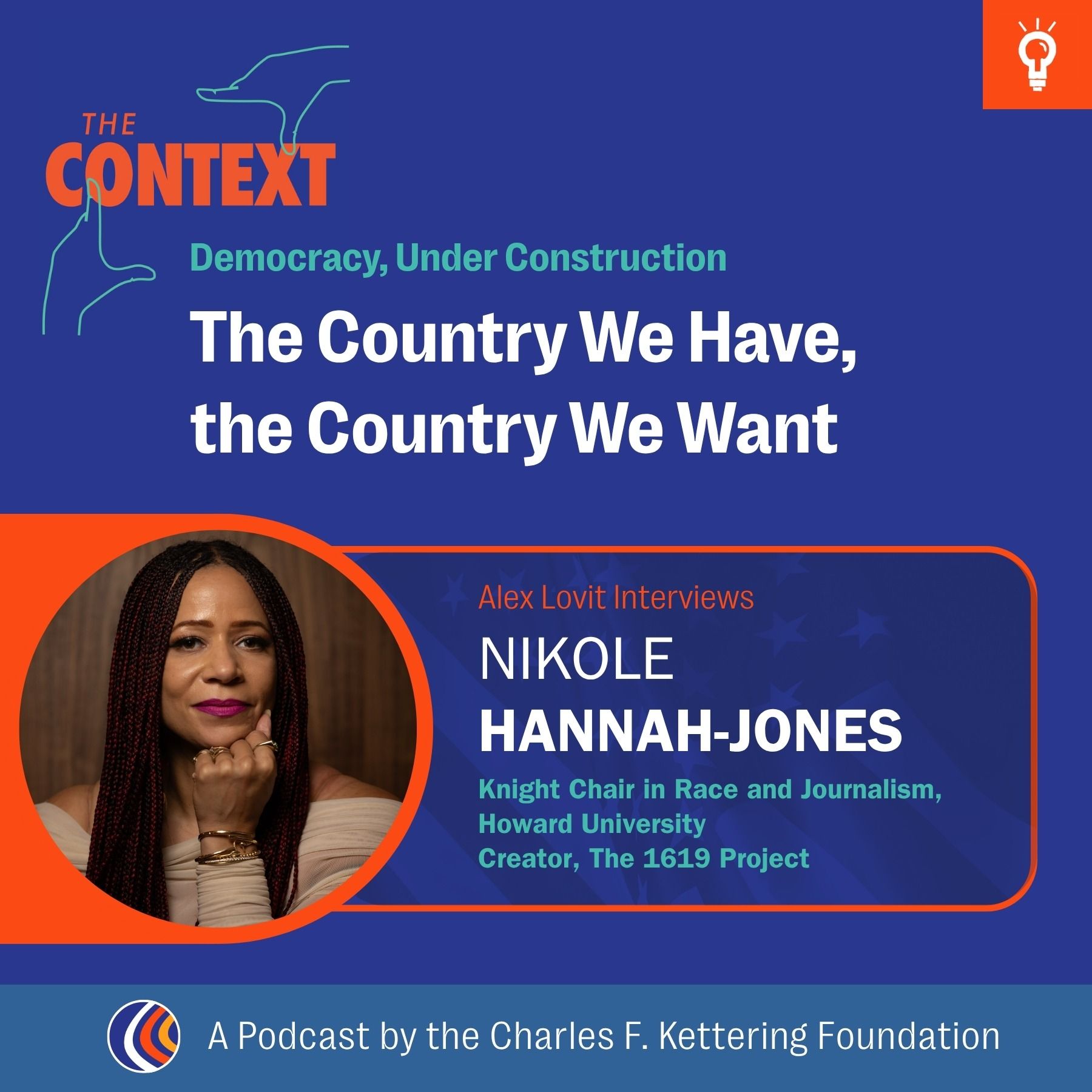
    The history of the United States is littered with injustices. What should patriotism look like when our country does wrong? And how can we be patriotic, in spite of injustices? Can we hope for better? Nikole Hannah-Jones joins host Alex Lovit to talk about America’s history, our country's truest historical heroes, and how we can push for a more inclusive democracy in the future, Nikole Hannah-Jones is the Knight Chair in Race and Journalism and the founder of the Center for Journalism & Democr

  • #63
    April 21 · 42 min

    The Unfinished Fight for Transgender Freedom

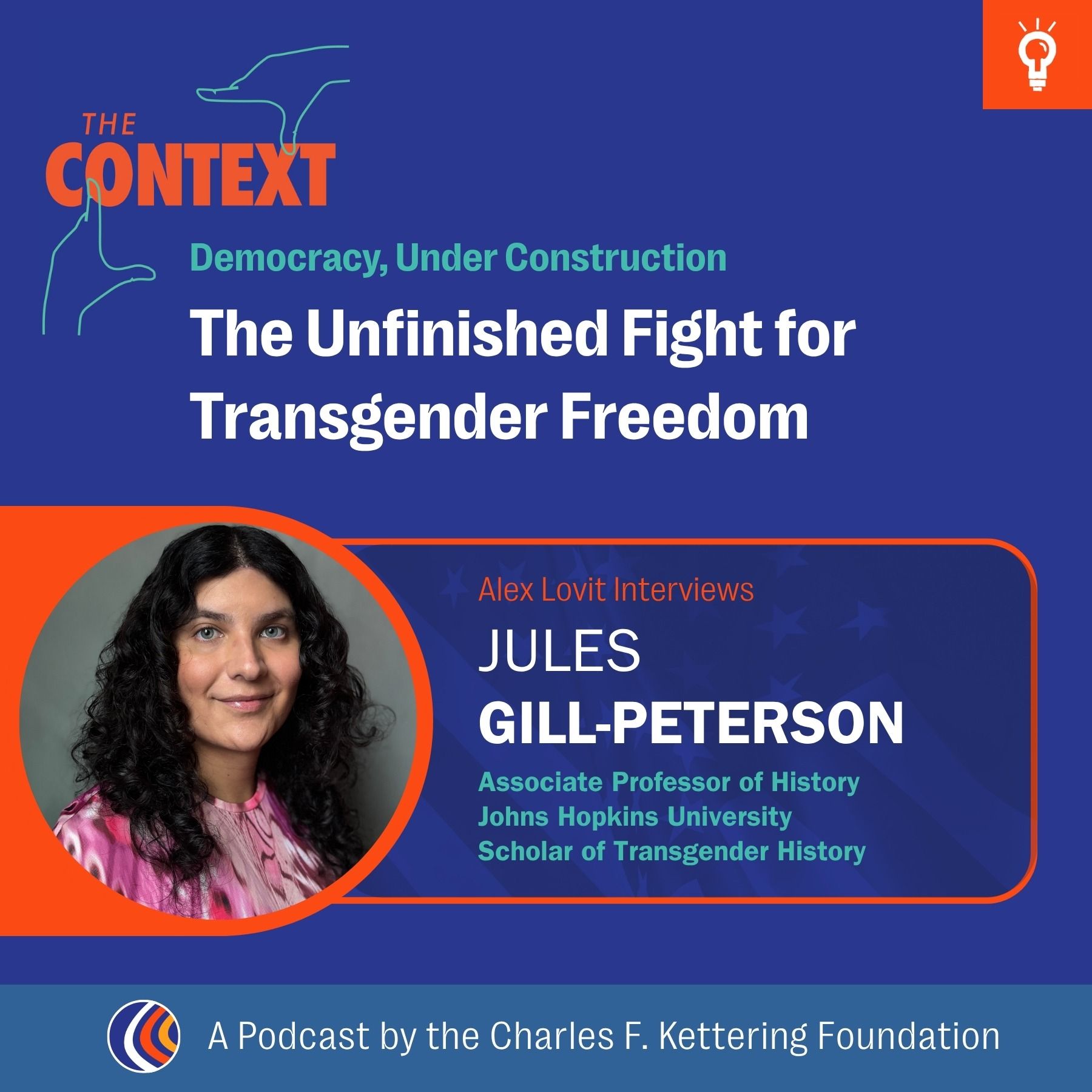
    LGBTQ+ people have been part of the American story from the beginning, fighting for the right to pursue happiness long before Stonewall. In recent decades, the movement has achieved major cultural, political, and legal gains. Yet these advances have disproportionately benefited middle-class individuals who can conform to cultural norms and can afford to assert their legal rights. Jules Gill-Peterson joins host Alex Lovit to discuss who has been left behind, why solidarity matters, and how to bui

  • #62
    April 7 · 38 min

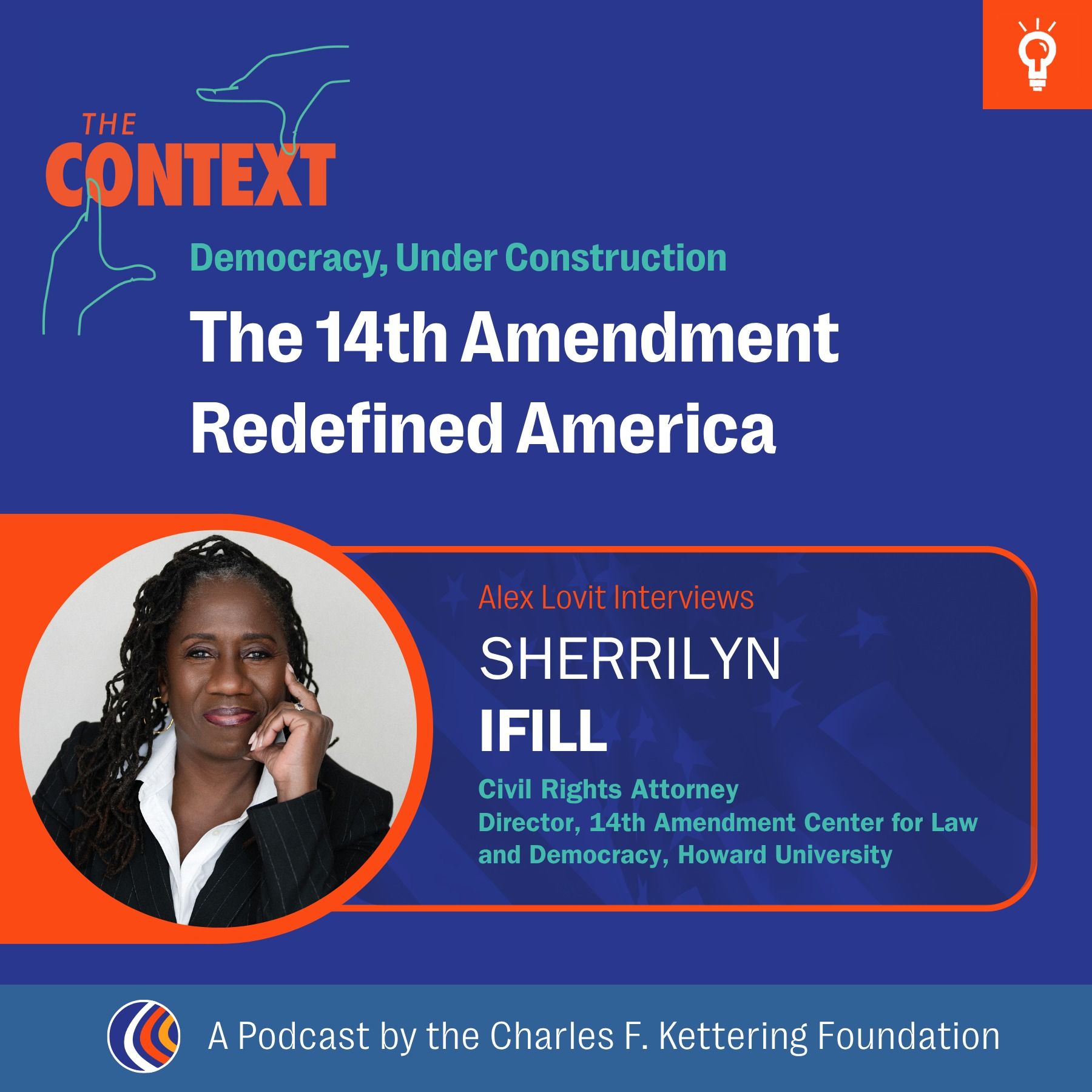
    The 14th Amendment Redefined America

    In this first episode of our series, “Democracy, Under Construction,” Sherrilyn Ifill joins host Alex Lovit to discuss the Second Founding, when the Reconstruction Amendments—and in particular the 14th Amendment—fundamentally changed American rights and who was defined as American. Birthright citizenship, protections from abuses by state governments, and equality before the law all entered the Constitution following the ratification of the 14th Amendment in 1868. The “Democracy, Under Constru

  • #61
    March 24 · 41 min

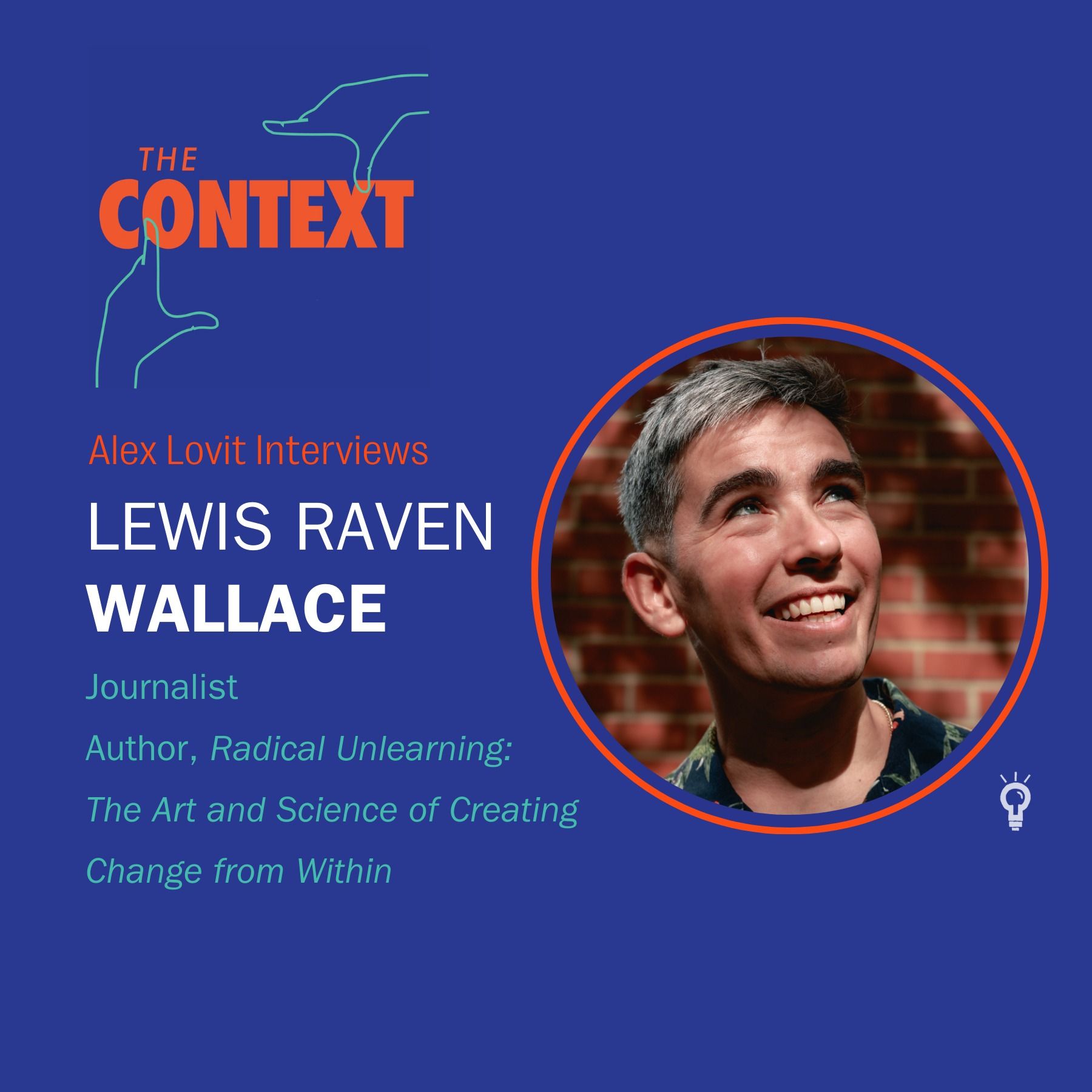
    Changing Minds Is Hard—Especially Your Own

    Lewis Raven Wallace joins host Alex Lovit to discuss the conditions that make it possible for people to change their minds. Children gradually learn about the world: what to expect from themselves and from others, who is or isn’t part of their social group, and what society looks like. But for adults, learning new ideas requires unlearning old ones first. Wallace has advice for anyone who wants to shift their own perspectives or encourage others to do the same. Lewis Raven Wallace is a jour

  • #60
    March 10 · 38 min

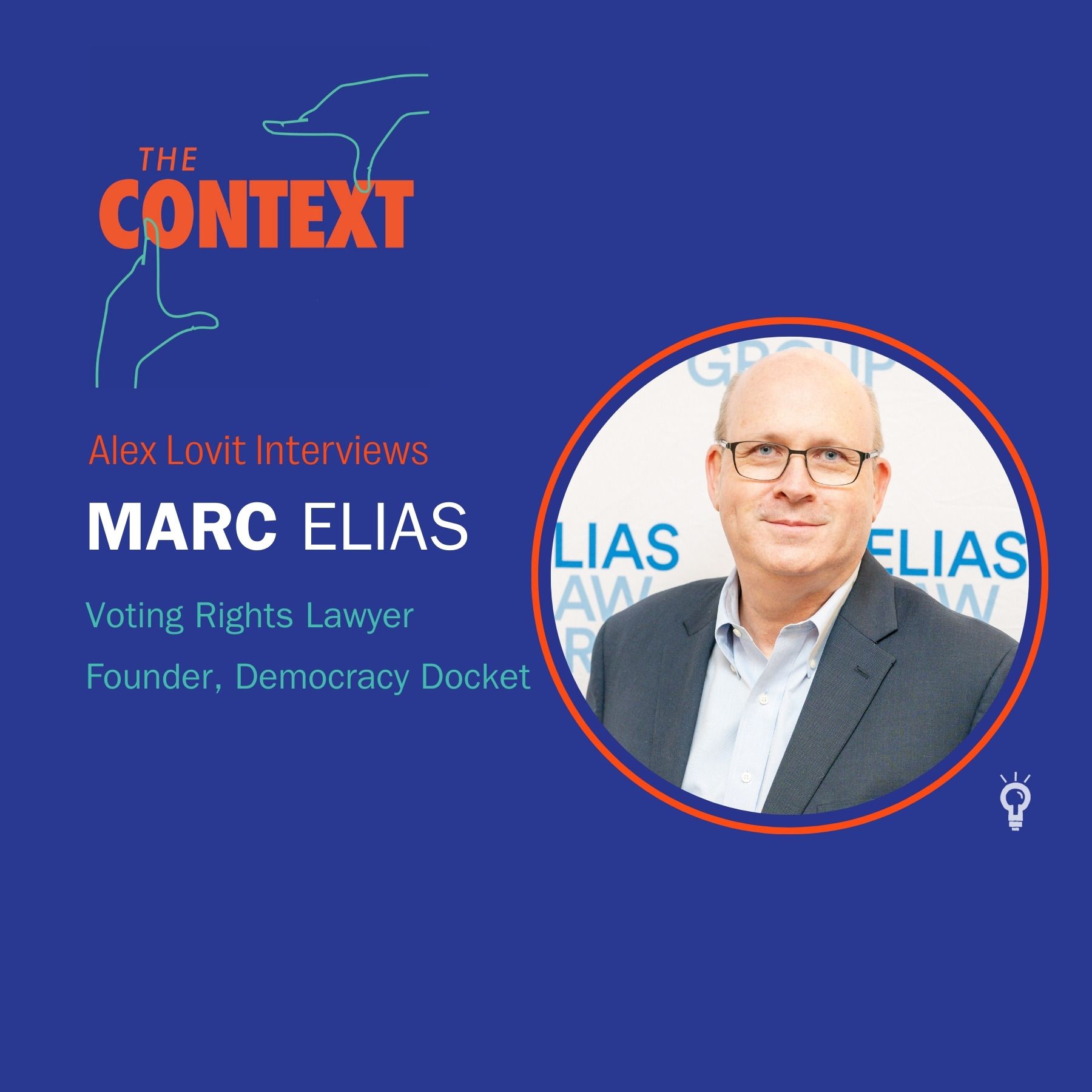
    Can the Courts Protect the Ballot?

    The decisions judges make during the coming months in various active legal cases will affect who can vote, which districts they vote in, and what political advertising they see—among many other factors. What’s at stake is not just the outcomes of this year’s elections but also the future integrity of democracy in the US. Voting rights attorney Marc Elias joins host Alex Lovit to discuss threats to ballot access in the United States, how lawyers are fighting back, and what the rest of us can do t

  • #59
    February 24 · 28 min

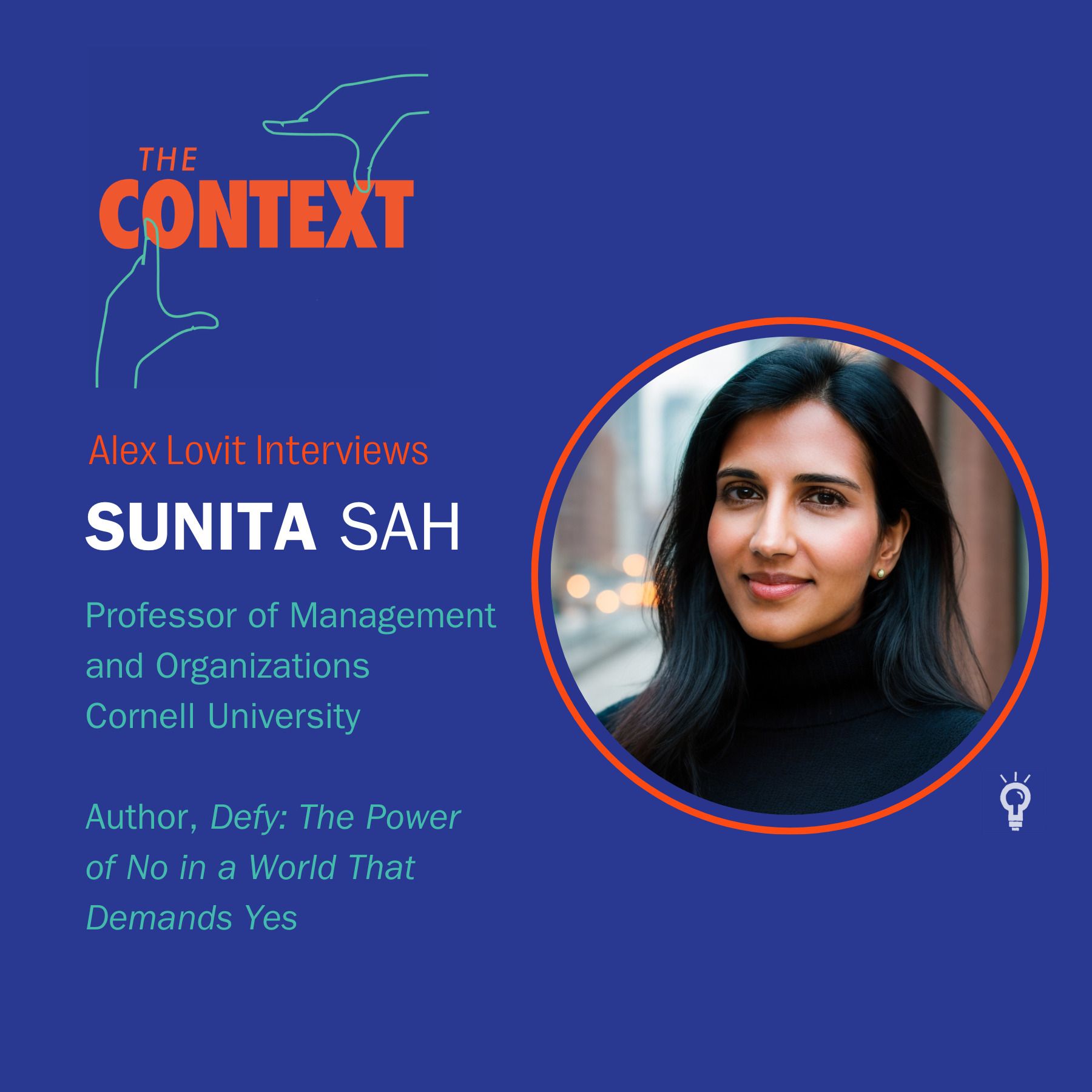
    Saying No to Authority When Yes Is Easier

    As the United States continues to experience democratic backsliding, people are looking for ways to rise to the moment. But what does it take for someone to stay true to their values and say, “no, I refuse to participate in this?” Organizational psychologist Sunita Sah joins host Alex Lovit to discuss why people have more trouble standing up to injustice than they think they will and how we can prepare ourselves to make difficult choices. Sunita Sah is professor of management and organization

  • #58
    February 10 · 39 min

    How Christian Nationalism Undermines Democracy

    Christian nationalists view other religious, cultural, and racial identities as less than fully American. Andrew Whitehead joins host Alex Lovit to discuss the threat that this poses to democracy. Andrew Whitehead is a professor of sociology and executive director of the Association of Religion Data Archives at the Center for the Study of Religion and American Culture at Indiana University Indianapolis. He is also a research fellow for the Charles F. Kettering Foundation. https://andrewwhite

Showing 1–20 of 20 episodes