
Skip to content
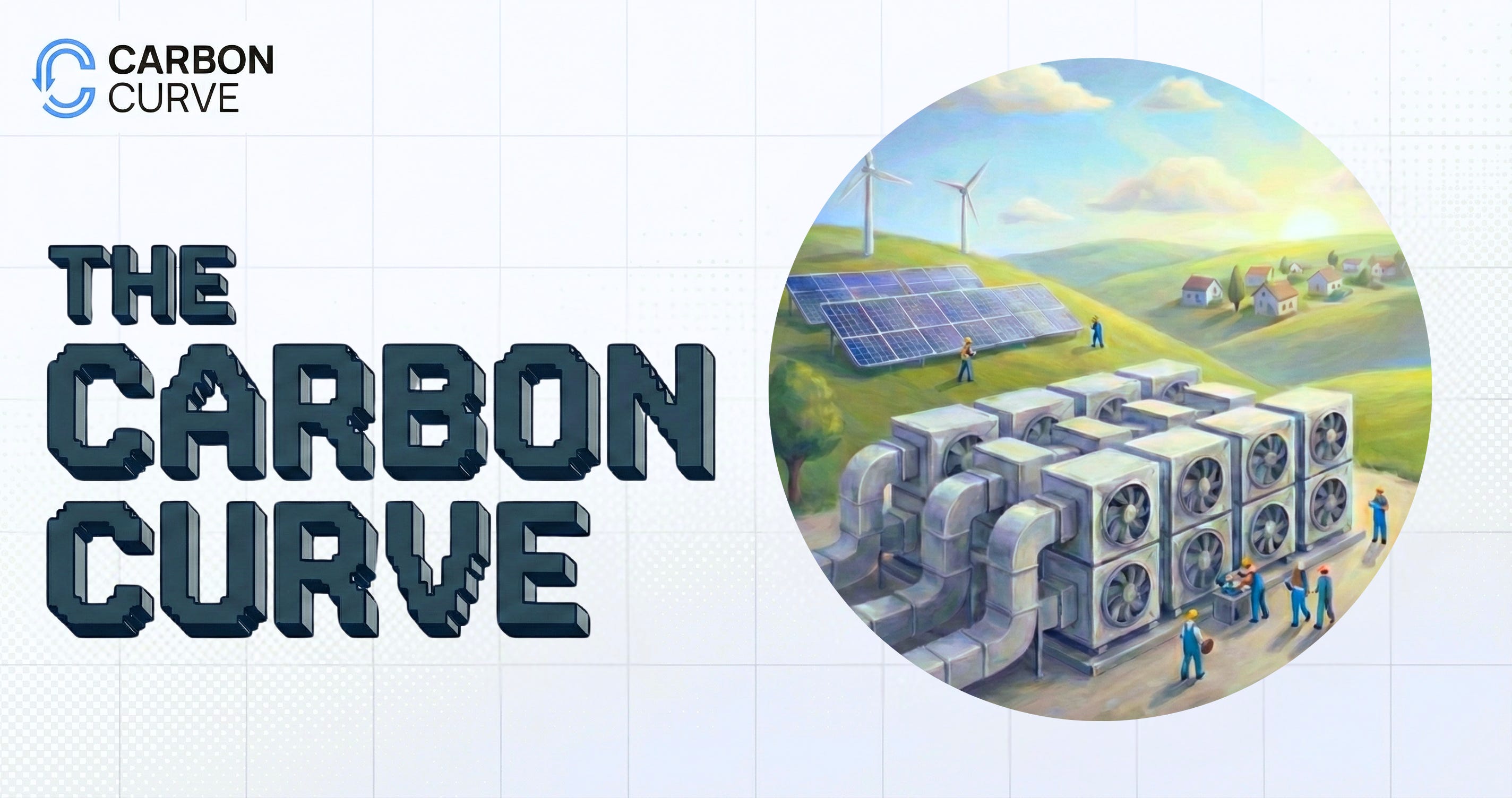
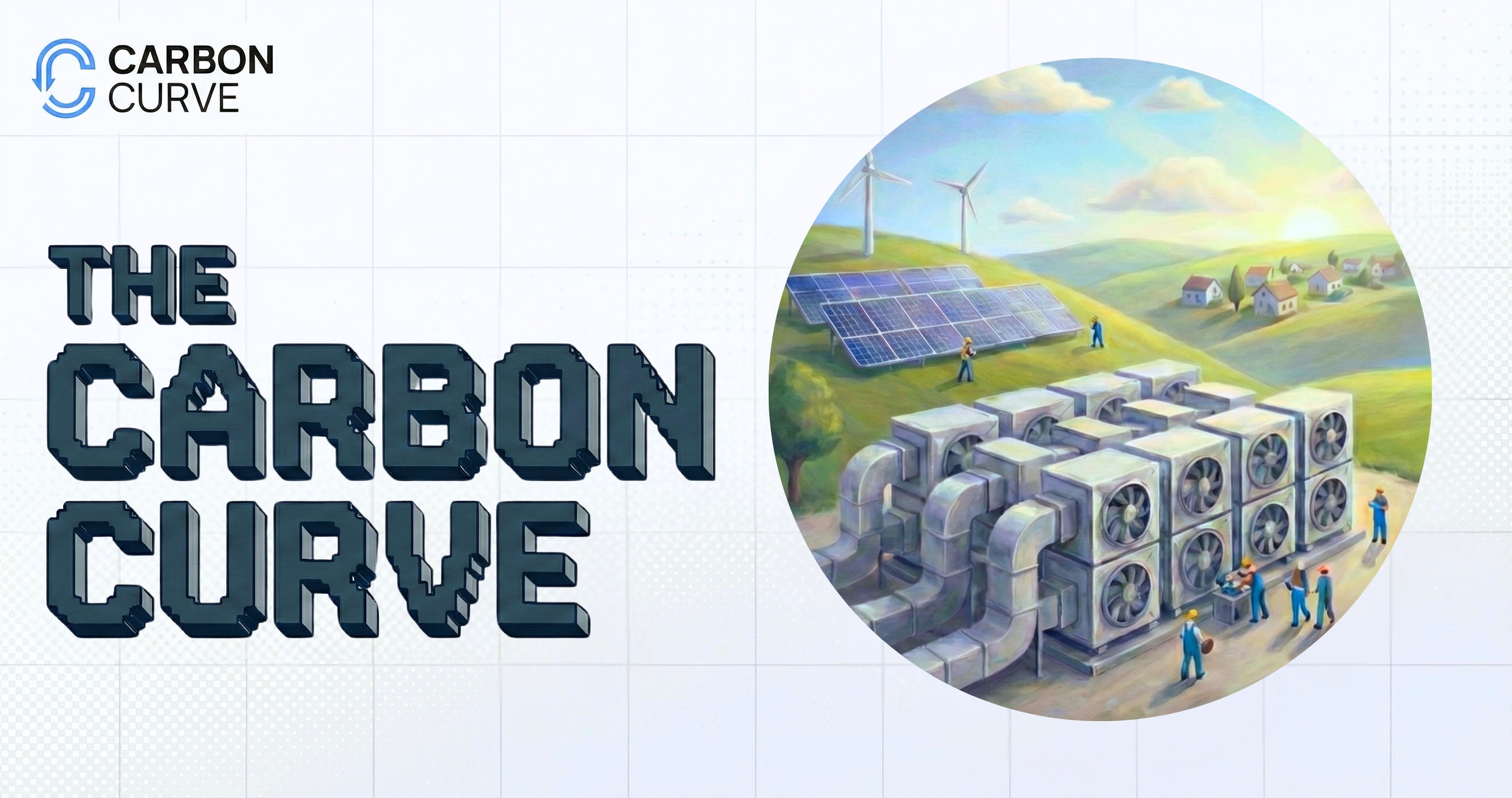
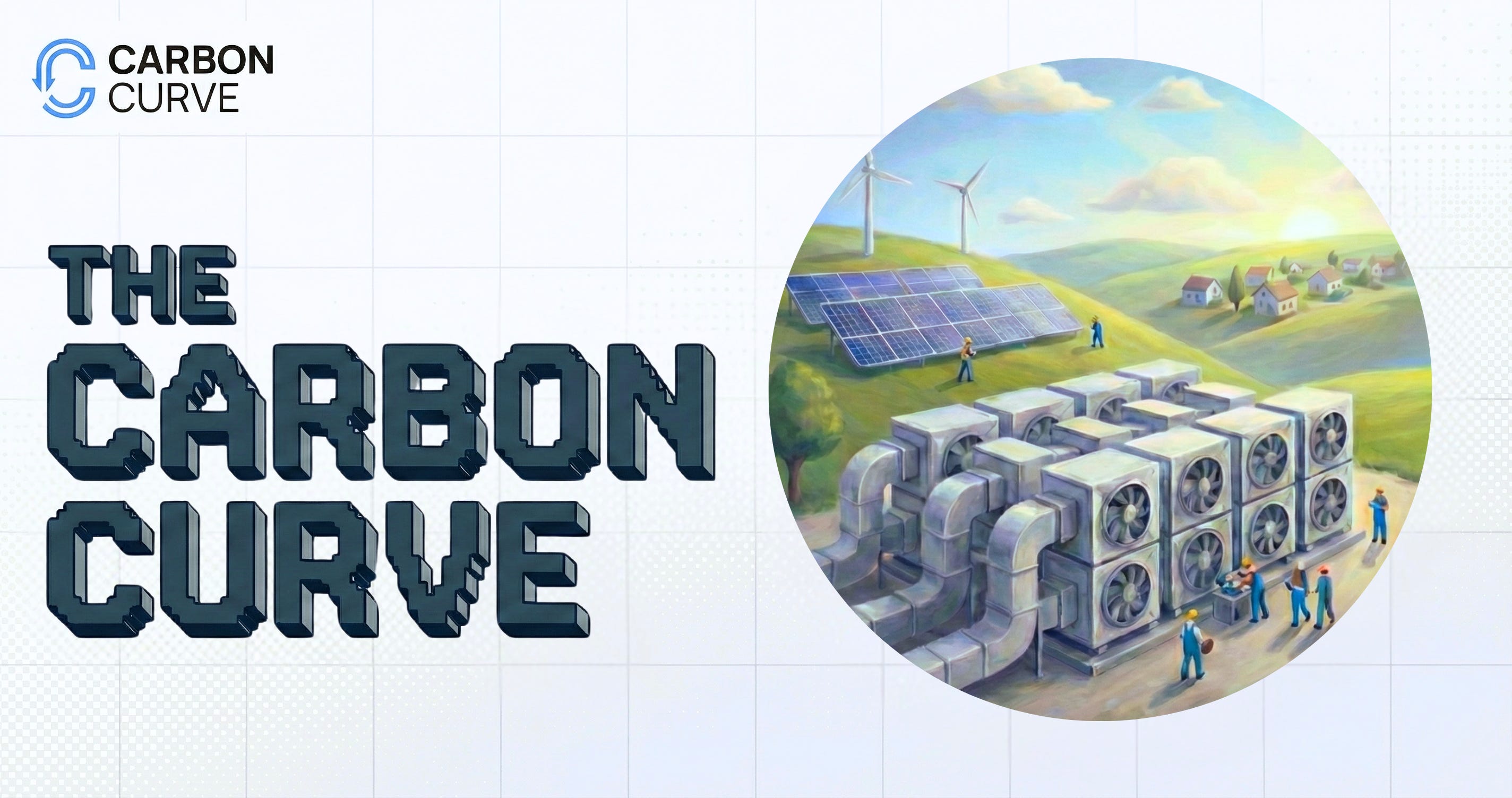
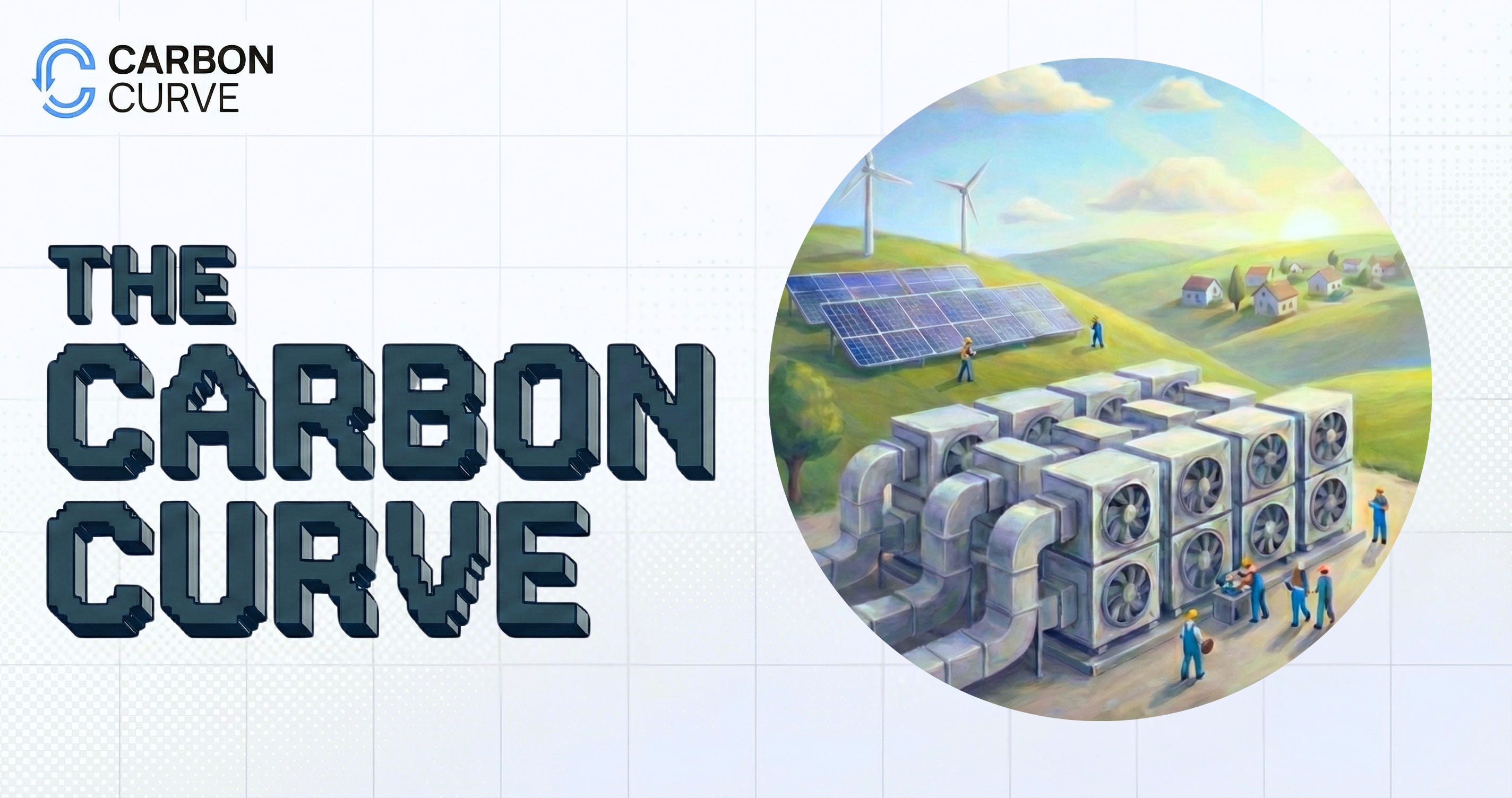
Artwork for The Carbon Curve
TechnologyScienceNature

The Carbon Curve

Na’im Merchant

The world needs to remove billions of tons of CO₂ from the atmosphere — and an entirely new industry is emerging to do it. On The Carbon Curve, Na'im Merchant explores the people, policies, and technologies driving carbon removal forward through conversations with the sector's leading voices. From policy wins and market shifts to breakthrough technologies and global perspectives, each episode unpacks what it takes to scale carbon removal to meet the enormous climate challenge. New episodes every two weeks.

carboncurve.substack.com
Play
  • 21 episodes
  • monthly
  • Avg 43 min
  • English
Counted on this page — what you have heard stays on this device, so it is not something the list can be paged by.
  • August 26 · 37 min

    Canada’s Next Industrial Play: What It Takes to Earn a Farmer’s Yes

    This is the first episode of The Carbon Curve: Canada’s Next Industrial Play, a special miniseries about embedding carbon removal into Canadian industry. Na’im speaks with Jim Mann, founder and CEO of UNDO, and Brodie Berrigan, senior director of government relations and farm policy at the Canadian Federation of Agriculture. Jim explains enhanced rock weathering: finely crushed silicate rock is spread on farmland, where it pulls CO2 from the air and locks it away while feeding the soil. UNDO uses equipment farms already have and typically picks up the cost instead of sharing carbon revenue with the farmer. The farmer gets the material and whatever the field gives back. Brodie focuses on adoption. Farmers are business owners first. A new practice only scales if it works as a farm business, if neighbours can see it working, and if the policy around it feels safe enough to last. Na’im, Jim, and Brodie discuss: * What enhanced rock weathering is and why its permanence is measured in geologic time * How UNDO works on a farm: existing spreaders, no new plant, and UNDO organizing the haul and application * Why Canada, and especially the Prairies: feedstock, agriculture at scale, rail, and Farm Credit Canada as an agricultural lender * What a Microsoft-scale buyer does for the category, and why Jim wants agriculture treated as part of the solution * Who the CFA represents in Ottawa, and what the sector is facing from input costs, trade risk, and weather * The first question farmers ask when a new practice arrives * What would make an incentive last, and Brodie’s three-legged stool: environmental, economic, and social Relevant Links: * UNDO - Website * Canadian Federation of Agriculture - Website * Farm Credit Canada - Website About Jim Mann: Jim Mann is the founder and CEO of UNDO, one of the largest enhanced rock weathering companies in the world. UNDO spreads crushed silicate rock on farmland to permanently store CO2 and return minerals to the soil. Before UNDO, Jim started the Future Forest Company. UNDO’s buyers include Microsoft, Barclays, and British Airways, and the company is expanding across the Canadian prairies. Farm Credit Canada invested in UNDO in 2025. About Brodie Berrigan: Brodie Berrigan is senior director of government relations and farm policy at the Canadian Federation of Agriculture, the largest farm organization in the country. He works the files that keep producers up at night: business risk management, food security, labour, trade, and transportation. Before the CFA, he spent years in the federal government at Public Services and Procurement, the Privy Council Office, and Employment and Social Development. About UNDO: UNDO uses enhanced rock weathering to permanently remove CO2 by spreading crushed silicate rock on farmland. The company works with existing farm equipment and existing extraction sites, and it sells durable carbon removal to corporate buyers. Learn more at un-do.com. About the Canadian Federation of Agriculture: The CFA is Canada’s largest general farm organization. Its members include provincial and territorial farm groups and national commodity associations. It represents about 190,000 farmers and farm families in Ottawa. The wider agri-food system employs about 2.3 million people and generated about $150 billion in GDP in the year Brodie cites. This episode was made possible thanks to the generous support of the Consecon Foundation. This episode was created and published by Na’im Merchant. Episode production and content support provided by Daniel Kelter and Tank Chen. Na’im Merchant is the co-founder and Executive Director of Carbon Removal Canada, a policy initiative focused on scaling carbon removal in Canada. He is on the advisory board of the Carbon Removal Standards Initiative and Terraset, and a former policy fellow with Elemental Impact. He previously ran carbon removal consulting practice Carbon Curve, and publishes The Carbon Curve newsletter and podcast. This episode is part of Carbon Curve: Canada’s Next Industrial Play, a special mini-series. The views here are his own. Tank Chen is the Head of Content and Community at CDR.fyi, a public benefit corporation dedicated to accelerating carbon removal through transparency. He is also the co-founder of CDRjobs, a career platform for the carbon removal industry. Daniel is the Senior Director of Public Affairs for Carbon Removal Canada. Based in Ottawa, he leads the organization's engagement with Parliament, federal departments, and the wider carbon removal community, bringing experience from industry associations in the steel and fertilizer sectors and from the offices of Members of Parliament. His career has centred on building coalitions across industry, government, and civil society to move shared priorities forward. If you enjoyed this episode, please subscribe to this podcast on your favorite podcast app or subscribe via The Carbon Curve newsletter here. If you’d like to get in touch with Na’im, you can reach out via LinkedIn. This is a public episode. If you would like to discuss this with other subscribers or get access to bonus episodes, visit carboncurve.substack.com
  • August 5 · 38 min

    Carbon removal that utilities actually want

    Episode 67 is with Dr. Joachim Katchinoff, Co-founder and CEO of CREW Carbon In this episode, Na’im speaks with Dr. Joachim “Jo” Katchinoff, co-founder and CEO of CREW Carbon, about how wastewater treatment plants can become permanent carbon sinks. Jo explains how dosing calcium carbonate into wastewater bioreactors converts microbe-produced CO2 into stable bicarbonate, why closed treatment systems make measurement far easier than open-ocean approaches, how the same intervention helps utilities remove more nitrogen and phosphorus while deferring major capital upgrades, what it takes to scale in a slow-moving regulated sector, and more. This conversation was recorded before some big news from CREW: the company just signed an offtake agreement with Microsoft for up to 23,602 durable carbon removal units — bringing CREW to more than $40 million in committed carbon removal contracts with buyers including JP Morgan, Google, Autodesk, and Stripe through Frontier. It’s a strong signal that the approach Jo describes in this episode is resonating with the market’s most demanding buyers. Na’im and Jo discuss: * Jo’s Journey From Environmental Consulting To Yale * Commercializing Alkalinity-Based Carbon Removal * How Wastewater Treatment Actually Works * Wastewater Alkalinity Enhancement Explained * MRV Advantages Of Closed Reactor Systems * Co-Benefits For Wastewater Utilities * Scaling In A Regulated, Risk-Averse Sector * What Policymakers Need To Know * CREW’s Series A And What’s Next Relevant Links: * CREW Carbon - Website * Wastewater Alkalinity Enhancement - CREW’s Approach * CREW Carbon Signs Offtake Agreement with Microsoft for Wastewater Carbon Removal * Isometric’s Certified Protocol for Carbon Removal via Wastewater * CREW Carbon and Isometric Announce the World’s First Wastewater Alkalinity Enhancement Carbon Removal Credits About Jo Katchinoff: Jo is the co-founder and CEO of CREW Carbon, a scientist with multiple patents and over a decade in environmental research and climate modeling. Jo leads CREW’s scientific strategy, partnerships, and commercialization of a novel platform that lets wastewater facilities remove and permanently store atmospheric carbon dioxide. Previously, Jo was a postdoctoral researcher and project manager at Yale, where his work on alkalinity-based carbon removal laid the scientific foundation for CREW’s platform. During his PhD at Yale’s Earth and Planetary Sciences Department, he published in journals like Nature and won the Hammer Prize for Outstanding Geologist. He was also a Marie Curie Fellow at Oxford, studying weathering and carbon dioxide removal. He holds a PhD and MPhil from Yale and a BS in Earth Science from William & Mary. About CREW Carbon: Founded in 2022 out of Yale University, CREW Carbon is a water technology company providing wastewater treatment facilities with a solution that improves performance, lowers cost, and permanently removes greenhouse gases. By dosing carbon-negative alkalinity like calcium carbonate directly into wastewater bioreactors, CREW captures biogenic CO2 as stable bicarbonate while improving biological treatment efficiency. CREW is now deployed at 10 wastewater treatment facilities across the US and Europe, has raised over $35 million in funding including a recent Series A, and holds more than $40 million in committed carbon removal contracts with buyers including Microsoft, JP Morgan, Google, Autodesk, and Stripe through Frontier. You can learn more at crewcarbon.com. This episode was made possible thanks to the generous support of the Consecon Foundation. This episode was created and published by Na’im Merchant. Episode production and content support provided by Tank Chen. Na’im Merchant is the co-founder and Executive Director of Carbon Removal Canada, a policy initiative focused on scaling carbon removal in Canada. He is on the advisory board of the Carbon Removal Standards Initiative and Terraset, and a former policy fellow with Elemental Impact. He previously ran carbon removal consulting practice Carbon Curve, and publishes The Carbon Curve newsletter and podcast. Every two weeks, Na’im will release a short interview with individuals advancing the policies, technologies, and collective action needed to scale up carbon removal around the world. Tank Chen is the Head of Content and Community at CDR.fyi, a public benefit corporation dedicated to accelerating carbon removal through transparency. He is also the co-founder of CDRjobs, a career platform for the carbon removal industry. Based in Taiwan, Tank is a carbon removal advocate focused on educating policymakers, corporate leaders, and the public on the importance of carbon removal, using data-driven insights to support communication and policy advocacy. If you enjoyed this episode, please subscribe to this podcast on your favorite podcast app or subscribe via The Carbon Curve newsletter here. If you’d like to get in touch with Na’im, you can reach out via LinkedIn. This is a public episode. If you would like to discuss this with other subscribers or get access to bonus episodes, visit carboncurve.substack.com
  • June 25 · 46 min

    Carbon removal is not one thing

    Episode 66 is with Richard Barker, Partner at Counteract In this episode, Na’im speaks with Richard Barker, a partner at Counteract, about why financing models vary widely by pathway, capex/opex profile, and deployment context. Richard highlights industrial integration opportunities, the need for team and financial readiness for long corporate timelines, how policy should set stable expectations akin to landfill tax, and more. Na’im and Richard discuss: * Richard’s Journey Into Climate Investing * Counteract’s Investment Thesis * Financing Models Evolving * CDR Pathways With Industrial Fit * Financing In Tight Markets * Preparing Startups To Scale * Lessons From Other Industries * Policy Expectations And Demand * Counteract Next Delivery Fund Relevant Links: * Counteract - Website * Counteract’s Portfolio Companies About Richard Barker: Richard is a Partner at Counteract. His varied experience spans over 35 years and working in a number of countries. He studied engineering at Oxford University, before lecturing in Economics at UCC in Ireland. After spells in strategic consulting and as Head of Strategy at ANZ Investment Bank in Australia, Richard founded and grew a number of sustainable businesses - in chemical process technology, aluminium recycling and biomethane - before moving onto the investment side about 10 years ago. He has advised a number of investors on sustainable infrastructure investment before joining Counteract. About Counteract: Founded in 2021, Counteract was the world’s first early stage investor dedicated to carbon removals. They’re a team of experienced entrepreneurs who saw a huge opportunity in an overlooked part of climate. The team has looked at over 1,000 companies on its journey to investing in 27 companies to date - diverse by both geography and CDR pathway. This, together with Counteract’s own research capability, puts it at the centre of this nascent market with unparalleled knowledge and a strong reputation within the CDR ecosystem This episode was made possible thanks to the generous support of the Consecon Foundation. This episode was created and published by Na’im Merchant. Episode production and content support provided by Tank Chen. Na’im Merchant is the co-founder and Executive Director of Carbon Removal Canada, a policy initiative focused on scaling carbon removal in Canada. He is on the advisory board of the Carbon Removal Standards Initiative and Terraset, and a former policy fellow with Elemental Impact. He previously ran carbon removal consulting practice Carbon Curve, and publishes The Carbon Curve newsletter and podcast. Every two weeks, Na’im will release a short interview with individuals advancing the policies, technologies, and collective action needed to scale up carbon removal around the world. Tank Chen is the Head of Content and Community at CDR.fyi, a public benefit corporation dedicated to accelerating carbon removal through transparency. He is also the co-founder of CDRjobs, a career platform for the carbon removal industry. Based in Taiwan, Tank is a carbon removal advocate focused on educating policymakers, corporate leaders, and the public on the importance of carbon removal, using data-driven insights to support communication and policy advocacy. If you enjoyed this episode, please subscribe to this podcast on your favorite podcast app or subscribe via The Carbon Curve newsletter here. If you’d like to get in touch with Na’im, you can reach out via LinkedIn. This is a public episode. If you would like to discuss this with other subscribers or get access to bonus episodes, visit carboncurve.substack.com
  • June 11 · 45 min

    Is carbon removal stronger than the headlines suggest?

    Episode 65 is with Luke Connell (CarbonRun), Trish Nixon (Amplify), and Brandon Vlaar (Mangrove Systems) recorded live during Toronto Climate Week For this special Toronto Climate Week wrap-up, Na’im sits down in person with three of the sharpest minds in the Toronto climate scene, each bringing a different vantage point on where carbon removal really stands. Trish Nixon (Venture Partner at Amplify Capital) brings the finance and capital side, Brandon Vlaar (CEO of Mangrove Systems) brings measurement and verification, and Luke Connell (CEO of CarbonRun) brings the supplier and operator side. A year after many feared the bottom would fall out of climate, the conversation is candid about the headwinds: a venture market that cannot scale this sector alone, a punishing “missing middle” in project finance, and an affordability lens now applied to every climate policy. At the same time, the panel makes the case that the structural foundations for a durable market are further along than the vibes suggest. It is an honest look at the valley of death ahead, and the real opportunity waiting for the companies that make it to the other side. In this episode, we discuss: * Whether the sector feels better or worse than a year ago, and why we are “over the hype cycle” * The “missing middle” in project finance, and why venture was the wrong tool to scale an infrastructure-heavy market * Canada as a safe haven for carbon removal: real advantage or comforting story? * CarbonRun’s first verified river alkalinity enhancement credits, and how audits expose optimistic models fast * The role of MRV and VVBs in reducing friction from operational activity to revenue * Consolidation ahead for a field of roughly 1,100 permanent-CDR companies, and why that can be healthy * The affordability trap, the move from “desktop to deployment,” and what success looks like five years out Guests Trish Nixon, Venture Partner, Amplify Capital. Trish is a climate-finance leader with roots in project finance and impact investing. She co-led CoPower, a clean-energy fintech, through its acquisition by Vancity, then served as Managing Director of Climate Finance at VCIB. At Amplify Capital she invests in early-stage climate and health ventures, and she also advises companies in the space, including CarbonRun. Brandon Vlaar, CEO & Co-Founder, Mangrove Systems. Brandon is a repeat founder who came up through Canadian fintech, co-founding Lending Loop, the country’s first peer-to-peer lending platform, before turning to climate. He launched Mangrove Systems in 2022, and today it builds digital MRV (dMRV) software trusted by some of the largest carbon projects in the world, spanning carbon removal, carbon capture, low-carbon fuels, and super-pollutants. Luke Connell, CEO & Co-Founder, CarbonRun. Luke is an entrepreneur whose career has bridged social impact and commercialization before he found his way to carbon dioxide removal in 2020. He now leads CarbonRun, the Nova Scotia company pioneering river alkalinity enhancement: adding finely ground limestone to acidified rivers to restore them while permanently converting atmospheric CO₂ into stable ocean bicarbonate. Under Luke, CarbonRun recently issued its first verified credits. Referenced in this episode * CarbonRun * Mangrove Systems * Amplify Capital * Carbon Removal Canada * Toronto Climate Week This episode was made possible thanks to the generous support of the Consecon Foundation. This episode was created and published by Na’im Merchant. Episode production and content support provided by Tank Chen. Na’im Merchant is the co-founder and Executive Director of Carbon Removal Canada, a policy initiative focused on scaling carbon removal in Canada. He is on the advisory board of the Carbon Removal Standards Initiative and Terraset, and a former policy fellow with Elemental Impact. He previously ran carbon removal consulting practice Carbon Curve, and publishes The Carbon Curve newsletter and podcast. Every two weeks, Na’im will release a short interview with individuals advancing the policies, technologies, and collective action needed to scale up carbon removal around the world. Tank Chen is the Head of Content and Community at CDR.fyi, a public benefit corporation dedicated to accelerating carbon removal through transparency. He is also the co-founder of CDRjobs, a career platform for the carbon removal industry. Based in Taiwan, Tank is a carbon removal advocate focused on educating policymakers, corporate leaders, and the public on the importance of carbon removal, using data-driven insights to support communication and policy advocacy. If you enjoyed this episode, please subscribe to this podcast on your favorite podcast app or subscribe via The Carbon Curve newsletter here. If you’d like to get in touch with Na’im, you can reach out via LinkedIn. This is a public episode. If you would like to discuss this with other subscribers or get access to bonus episodes, visit carboncurve.substack.com
  • April 30 · 44 min

    Carbon removal is stuck in low earth orbit. Here's how we get out.

    Episode 64 is with Dr. Julio Friedmann, Chief Scientist at Carbon Direct In this episode, Na’im speaks with Dr. Julio Friedmann about Carbon Direct’s recent publication “ 5 Pillars of Successful Project Deployment and Delivery” on what the carbon dioxide removal industry needs to de-risk projects in order to attract new buyers and to stand up infrastructure-scale carbon removal projects.In this episode, Na’im and Julio discuss: * How CDR 1.0 built markets * What buyers today really want * Overview of Five Pillars Carbon Direct outlined * Why project assurance matter * The bottleneck project management talents * Industry-led standard setting * Basics of bankable offtake agreements Relevant Links: * CDR 2.0: Five Pillars of Successful Project Deployment and Delivery - Report * 2026 State of the Voluntary Carbon Market - Report * 2026 State of the Voluntary Carbon Market - Webinar * Carbon Direct - Website * Advance Carbon Removal Coalition - Website * Quebec Surficial Mineralization Hub About Dr. Julio Friedmann:  Julio is Chief scientist at Carbon Direct. He works directly with clients, the science team, and the leadership of Carbon Direct to solve major technical challenges around carbon management and CO2 removal, making clean power in products and reducing greenhouse gas emissions. Dr. Friedmann is one of the most widely known and authoritative experts in the US on carbon dioxide removal, CO2 conversion, and hydrogen industrial decarbonization and carbon capture and sequestration. He recently served as principal deputy assistant secretary for the Office of Fossil Energy at the Department of Energy, where he was responsible for doe’s r and d program in advanced fossil energy systems, carbon capture and storage, CO2 utilization, and CO2 removal. More recently, he was a senior research scholar at the Center on Global Energy Policy at Columbia. He has held positions at Lawrence Livermore National Laboratory, including Chief Energy Technologist. About Carbon Direct: Carbon Direct is a trusted energy and climate solutions company that combines world-class scientific expertise, technical rigor, and market insights to help clients achieve their business goals. Carbon Direct 70 plus scientists work closely with their finance policy and market experts to design diligence and deliver decarbonization solutions across industries. From JP Morgan Chase to Microsoft. Carbon Direct helps leading companies with carbon dioxide removal, carbon measurement from clean power opportunities and low carbon energy solutions. This episode was made possible thanks to the generous support of the Consecon Foundation. This episode was created and published by Na’im Merchant. Episode production and content support provided by Tank Chen. Na’im Merchant is the co-founder and Executive Director of Carbon Removal Canada, a policy initiative focused on scaling carbon removal in Canada. He is on the advisory board of the Carbon Removal Standards Initiative and Terraset, and a former policy fellow with Elemental Impact. He previously ran carbon removal consulting practice Carbon Curve, and publishes The Carbon Curve newsletter and podcast. Every two weeks, Na’im will release a short interview with individuals advancing the policies, technologies, and collective action needed to scale up carbon removal around the world. Tank Chen is the Head of Content and Community at CDR.fyi, a public benefit corporation dedicated to accelerating carbon removal through transparency. He is also the co-founder of CDRjobs, a career platform for the carbon removal industry. Based in Taiwan, Tank is a carbon removal advocate focused on educating policymakers, corporate leaders, and the public on the importance of carbon removal, using data-driven insights to support communication and policy advocacy. If you enjoyed this episode, please subscribe to this podcast on your favorite podcast app or subscribe via The Carbon Curve newsletter here. If you’d like to get in touch with Na’im, you can reach out via LinkedIn. This is a public episode. If you would like to discuss this with other subscribers or get access to bonus episodes, visit carboncurve.substack.com
  • April 16 · 41 min

    Seven buyers in a trench coat

    Episode 63 is with Jack Andreasen Cavanaugh Last week, Heatmap reported that Microsoft — the single largest buyer of durable carbon dioxide removal in the world, accounting for 80–90% of all purchases ever made — is pausing new CDR purchases. Jack Andreasen Cavanaugh, Director of the Carbon Management Program at Columbia’s Center on Global Energy Policy, published a piece over the weekend arguing this isn’t really a Microsoft story. The real story is that Microsoft was ever alone in the first place. In this conversation, Jack makes the case that voluntary corporate buying was never going to get us to gigatonnes, and that policy has to do the heavy lifting — just like it did for solar and wind. We get into what the next 12 months actually look like for CDR companies, why enhanced oil recovery deserves a fresh look, the limits of 45Q, and the one policy Jack would write into law tomorrow if he could. In this episode: * Why Microsoft’s dominance was a structural vulnerability, not market health — and the “seven buyers in a trench coat” problem * Governments have committed $45M to CDR purchases but spent essentially $0 * The case for enhanced oil recovery and why “greenwashing” arguments fall apart under scrutiny * Where 45Q falls short and why most CDR pathways still get no support * Why Big Tech lobbying for CDR policy may be worth more than their purchases * Jack’s dream policy: a low-carbon-intensity product standard embedded in global trade About the guest: Jack Andreasen Cavanaugh is Director of the Carbon Management Program at the Center on Global Energy Policy at Columbia University’s School of International and Public Affairs. He previously led Carbon Management Policy at Breakthrough Energy. Referenced in this episode: * Jack’s piece: “The Private Sector Built the Market — Time for Us to Scale It” * Heatmap’s reporting on Microsoft’s CDR pause This episode was made possible thanks to the generous support of the Consecon Foundation. This episode was created and published by Na’im Merchant. Episode production and content support provided by Tank Chen. Na’im Merchant is the co-founder and Executive Director of Carbon Removal Canada, a policy initiative focused on scaling carbon removal in Canada. He is on the advisory board of the Carbon Removal Standards Initiative and Terraset, and a former policy fellow with Elemental Impact. He previously ran carbon removal consulting practice Carbon Curve, and publishes The Carbon Curve newsletter and podcast. Every two weeks, Na’im will release a short interview with individuals advancing the policies, technologies, and collective action needed to scale up carbon removal around the world. Tank Chen is the Head of Content and Community at CDR.fyi, a public benefit corporation dedicated to accelerating carbon removal through transparency. He is also the co-founder of CDRjobs, a career platform for the carbon removal industry. Based in Taiwan, Tank is a carbon removal advocate focused on educating policymakers, corporate leaders, and the public on the importance of carbon removal, using data-driven insights to support communication and policy advocacy. If you enjoyed this episode, please subscribe to this podcast on your favorite podcast app or subscribe via The Carbon Curve newsletter here. If you’d like to get in touch with Na’im, you can reach out via LinkedIn. This is a public episode. If you would like to discuss this with other subscribers or get access to bonus episodes, visit carboncurve.substack.com
  • March 25 · 48 min

    Why carbon removal needs a new story

    Episode 62 is with Robert Höglund (Head of Climate Strategy and CDR, Milky Wire; Co-Founder, CDR FYI; CEO, Marginal Carbon). In this episode, host Na’im Merchant catches up with Robert Höglund to discuss his latest thinking on the carbon removal sector’s trajectory. Robert makes the case that CDR needs a narrative shift away from speed and scale, toward prove and learn. They explore why aviation and shipping are largely ignoring carbon removal in their decarbonization plans, why voluntary demand may outpace compliance demand for the next decade or more, and why the sector should stop treating CDR as a last resort and start positioning it as a legitimate mitigation solution alongside everything else. Key Topics: * From “Speed and Scale” to “Prove and Learn”: Focus on driving down costs, proving out methods, and nailing MRV rather than racing toward gigatons by mid-century. * Voluntary vs. Compliance Demand: Voluntary buyers, led by high-profit, low-emission sectors like tech, could remain the larger demand source for 10 to 15 years. * Aviation and Shipping’s CDR Blind Spot: Legislation like Refuel EU and Fuel EU Maritime effectively shuts out carbon removal in favor of fuel switching, reflecting an advocacy gap in international forums. * CDR Is Not a Last Resort: Carbon removal is rate-limited, not stock-limited, and should compete on cost and sustainability alongside other mitigation solutions. * The Ability to Pay: There are plenty of high-profit, low-emission companies that could be buying CDR today but aren’t yet. About Robert Höglund: Robert is the Head of Climate Strategy and CDR at Milky Wire, Co-Founder of CDR FYI, and CEO of Marginal Carbon. He writes reports for Carbon Gap and serves on several advisory groups including the EU Commission’s Expert Group on Carbon Removal and the Science Based Targets Initiative’s Expert Working Group. Relevant Links: * The carbon removal sector needs a new story — Robert Hoglund * Marginal Carbon Substack * Robert Höglund’s LinkedIn Profile * The Billion Tonne Blueprint — Carbon Removal Canada * Removals into Revenue — Carbon Removal Canada * Advance Carbon Removal Coalition This episode was made possible thanks to the generous support of the Consecon Foundation. This episode was created and published by Na’im Merchant. Episode production and content support provided by Tank Chen. Na’im Merchant is the co-founder and Executive Director of Carbon Removal Canada, a policy initiative focused on scaling carbon removal in Canada. He is on the advisory board of the Carbon Removal Standards Initiative and Terraset, and a former policy fellow with Elemental Impact. He previously ran carbon removal consulting practice Carbon Curve, and publishes The Carbon Curve newsletter and podcast. Every two weeks, Na’im will release a short interview with individuals advancing the policies, technologies, and collective action needed to scale up carbon removal around the world. Tank Chen is the Head of Content and Community at CDR.fyi, a public benefit corporation dedicated to accelerating carbon removal through transparency. He is also the co-founder of CDRjobs, a career platform for the carbon removal industry. Based in Taiwan, Tank is a carbon removal advocate focused on educating policymakers, corporate leaders, and the public on the importance of carbon removal, using data-driven insights to support communication and policy advocacy. If you enjoyed this episode, please subscribe to this podcast on your favorite podcast app or subscribe via The Carbon Curve newsletter here. If you’d like to get in touch with Na’im, you can reach out via LinkedIn. This is a public episode. If you would like to discuss this with other subscribers or get access to bonus episodes, visit carboncurve.substack.com

  • February 26 · 45 min

    Policy wins and hard lessons as carbon removal finds its footing

    Episode 61 is with Giana Amador (Executive Director, Carbon Removal Alliance), Erin Burns (Executive Director, Carbon180), and Peter Minor (CEO, Absolute Climate). In this inaugural Removers Roundtable episode, host Na’im Merchant sits down with three leaders in the carbon removal space: Giana Amador (Executive Director, Carbon Removal Alliance), Erin Burns (Executive Director, Carbon180), and Peter Minor (CEO, Absolute Climate). They discuss the current state of US carbon removal policy, industry consolidation, and the sector’s evolution from hype to maturity—emphasizing that carbon removal is playing the long game, building toward gigatonnes over decades, not years. Key Topics: * Policy Wins in Appropriations: Congress allocated $45 million for the CDR purchase pilot prize and over $70 million for RD&D at DOE, signaling bipartisan support. The DAC hubs program saw $1 billion redirected, leaving $800 million remaining. * Shift from Hype to “Prove and Learn”: The industry is transitioning to real-world deployment, with opportunities to engage communities and understand practical challenges like permitting and project finance. * Industry Consolidation: Mergers bring advantages of scale including better supplier terms and buyer confidence. * Talent and Long-term Vision: While some talent may leave as the market normalizes, the focus should be on creating durable political coalitions and maintaining strategy rather than reacting to short-term politics. Guest Bios: * Erin Burns is the Executive Director of Carbon180, a US nonprofit focused on scaling carbon removal through equitable, science-based policy and market development. * Peter Minor is the CEO and Co-Founder of Absolute Climate and serves as a Science Advisor to the Carbon Removal Alliance. * Giana Amador is the Executive Director of the Carbon Removal Alliance, a nonprofit coalition focused on advancing carbon removal policy and market development. Relevant Links: * Noah Deich’s Substack * The carbon removal sector needs a new story - Robert Hoglund * Durable carbon removal delivers 1 million tons - Carbon Herald This episode was made possible thanks to the generous support of the Consecon Foundation. This episode was created and published by Na’im Merchant. Episode production and content support provided by Tank Chen. Na’im Merchant is the co-founder and Executive Director of Carbon Removal Canada, a policy initiative focused on scaling carbon removal in Canada. He is on the advisory board of the Carbon Removal Standards Initiative and Terraset, and a former policy fellow with Elemental Impact. He previously ran carbon removal consulting practice Carbon Curve, and publishes The Carbon Curve newsletter and podcast. Every two weeks, Na’im will release a short interview with individuals advancing the policies, technologies, and collective action needed to scale up carbon removal around the world. Tank Chen is the Head of Content and Community at CDR.fyi, a public benefit corporation dedicated to accelerating carbon removal through transparency. He is also the co-founder of CDRjobs, a career platform for the carbon removal industry. Based in Taiwan, Tank is a carbon removal advocate focused on educating policymakers, corporate leaders, and the public on the importance of carbon removal, using data-driven insights to support communication and policy advocacy. If you enjoyed this episode, please subscribe to this podcast on your favorite podcast app or subscribe via The Carbon Curve newsletter here. If you’d like to get in touch with Na’im, you can reach out via LinkedIn. This is a public episode. If you would like to discuss this with other subscribers or get access to bonus episodes, visit carboncurve.substack.com

  • January 8 · 55 min

    A year of renewal: carbon removal in the climate pullback era

    Episode 60 is a special ask me anything style episode with Na’im Merchant and Rahima Dosani In this annual “flip the script” episode of The Carbon Curve, Na’im is back in the hot seat as his wife Rahima Dosani interviews him AMA-style to reflect on the past year in carbon removal and life outside of work. The conversation starts with personal (and intentionally uncomfortable) questions—turning 40, parenting two young kids, and hard-earned life lessons—before zooming out to the state of carbon removal in 2025. Na’im shares why 2025 felt like a year of renewal at Carbon Removal Canada, what climate pullback has meant for the sector, why he’s even less patient than last year with narratives that dismiss carbon removal as a “distraction”, and the people who inspire him in the carbon removal community. In this episode, Na’im and Rahima discuss: * Turning 40: practical life lessons and hot takes * Parenting a 3.5-year-old and 1.5-year-old and why year two can feel harder than year one. * Why 2025 felt like “renewal” at Carbon Removal Canada * What climate pullback is changing: a shift from targets and rhetoric toward delivery, results, and co-benefits. * 2025 carbon removal highlights: record contracting volumes, the XPRIZE outcomes, and policy momentum in Europe * Leadership lessons and people who have inspired Na’im in 2025 Relevant links * Carbon Removal Canada and registration link for Carbon Removal Day (March 5th in Ottawa) * The Carbon Console tracking 12+ megatonnes of carbon removal projects in Canada * Tank Chen and team’s excellent work over at CDR.fyi tracking sales and deliveries * XPRIZE Carbon Removal winners Mati Carbon * Vaclav Smil white paper on physical infrastructure transition * Erin Burns Substack (Carbon180 Executive Director) * Sebastian Manhart, the CDR Policy Scoop podcast, and Gigaten Monthly newsletter * Robert Höglund on carbon removal as mitigation, not a last resort * Chris Neidl (High-Level Climate Champions) and Chris Sherwood (The Negative Emissions Platform) on getting carbon removal on the COP agenda and its own pavilion About Rahima Dosani Rahima Dosani is the Director of Strategy, Learning, and Innovation at Global Health Visions, a women-owned global health consulting firm . She previously worked at USAID’s Center for Innovation and Impact and the Clinton Health Access Initiative, with experience in Myanmar and Malawi, after starting her career in strategy consulting in New York City . Rahima holds a BA from the University of Pennsylvania, an MBA from Harvard Business School, and a Master’s in Public Health from the Harvard T.H. Chan School of Public Health . About Na’im Merchant Na’im Merchant is the co-founder and Executive Director of Carbon Removal Canada, a policy initiative focused on scaling carbon removal in Canada . He publishes The Carbon Curve newsletter and hosts The Carbon Curve podcast, exploring the people, policies, and technologies needed to scale carbon removal globally. This episode was made possible thanks to the generous support of the Consecon Foundation. This episode was created and published by Na’im Merchant. Episode production and content support provided by Tank Chen. Na’im Merchant is the co-founder and Executive Director of Carbon Removal Canada, a policy initiative focused on scaling carbon removal in Canada. He is on the advisory board of the Carbon Removal Standards Initiative and Terraset, and a former policy fellow with Elemental Impact. He previously ran carbon removal consulting practice Carbon Curve, and publishes The Carbon Curve newsletter and podcast. Every two weeks, Na’im will release a short interview with individuals advancing the policies, technologies, and collective action needed to scale up carbon removal around the world. Tank Chen is the Head of Content and Community at CDR.fyi, a public benefit corporation dedicated to accelerating carbon removal through transparency. He is also the co-founder of CDRjobs, a career platform for the carbon removal industry. Based in Taiwan, Tank is a carbon removal advocate focused on educating policymakers, corporate leaders, and the public on the importance of carbon removal, using data-driven insights to support communication and policy advocacy. If you enjoyed this episode, please subscribe to this podcast on your favorite podcast app or subscribe via The Carbon Curve newsletter here. If you’d like to get in touch with Na’im, you can reach out via LinkedIn. This is a public episode. If you would like to discuss this with other subscribers or get access to bonus episodes, visit carboncurve.substack.com

  • Dec 10, 2025 · 30 min

    How will this newly launched DAC facility hold up to a Canadian winter?

    Episode 59 is with Rory Brown, Co-Founder & CEO at Airhive In this episode, Na’im speaks with Rory about his journey into carbon removal technology with a focus on direct air capture (DAC). Other major themes include the importance of financing, the policy landscape for carbon removal in different regions, and the need for transparency about DAC costs.In this episode, Na’im and Rory discuss: * Rory’s transition to climate and DAC * The founding and growth of Airhive, including their technology and team * Key features and operational efficiency of Airhive’s DAC technology * The operational progress of their 1,000 tonne per year commercial demonstrator in Alberta, Canada * The main barriers to scaling DAC and how Airhive addresses these challenges * The complexity and transparency issues around the cost of DAC * Future projections and cost reduction goals for DAC technology * The benefits and opportunities of deploying DAC technology in Alberta, Canada * The role of policy in shaping the global development of carbon removal technologies * Airhive’s plans for future projects, including CO2 supply for industrial processes and further R&D advancements Relevant Links: * Airhive - Website * List of Airhive’s current and upcoming projects - Webpage * The launch of Airhive’s operation at Deep Sky Alpha - Article * More details and registration for Carbon Removal Day 2026 (in-person only) About Rory Brown and Airhive: Rory is the CEO of Airhive, which he co-founded in 2022 after nearly a decade and a half in international affairs. Airhive is a London, England-based DAC developer. Founded in 2022 by Rory and CTO Dr. Jasper Wong, Airhive are a team of 15 engineers and operators with active pilot and commercial projects in the UK, Canada, EU and Asia-Pacific. An XPRIZE Carbon Removal Finalist, they recently announced they have begun capturing CO2 from their 1,000 tonne per year commercial demonstrator at the Deep Sky Alpha facility in Alberta, Canada. This episode was made possible thanks to the generous support of the Consecon Foundation. This episode was created and published by Na’im Merchant. Episode production and content support provided by Tank Chen. Na’im Merchant is the co-founder and Executive Director of Carbon Removal Canada, a policy initiative focused on scaling carbon removal in Canada. He is on the advisory board of the Carbon Removal Standards Initiative and Terraset, and a former policy fellow with Elemental Impact. He previously ran carbon removal consulting practice Carbon Curve, and publishes The Carbon Curve newsletter and podcast. Every two weeks, Na’im will release a short interview with individuals advancing the policies, technologies, and collective action needed to scale up carbon removal around the world. Tank Chen is the Head of Content and Community at CDR.fyi, a public benefit corporation dedicated to accelerating carbon removal through transparency. He is also the co-founder of CDRjobs, a career platform for the carbon removal industry. Based in Taiwan, Tank is a carbon removal advocate focused on educating policymakers, corporate leaders, and the public on the importance of carbon removal, using data-driven insights to support communication and policy advocacy. If you enjoyed this episode, please subscribe to this podcast on your favorite podcast app or subscribe via The Carbon Curve newsletter here. If you’d like to get in touch with Na’im, you can reach out via LinkedIn. This is a public episode. If you would like to discuss this with other subscribers or get access to bonus episodes, visit carboncurve.substack.com

  • Oct 23, 2025 · 1 hr 10 min

    The carbon market's original sin

    Episode 58 is with Marc Roston (Stanford’s Precourt Institute for Energy) and Peter Minor (Absolute Climate) This episode features Marc Roston, senior research scholar at Stanford’s Precourt Institute for Energy, and Peter Minor, co-founder of Absolute Climate. They explore fundamental flaws undermining voluntary carbon markets, focusing on how carbon credits are accounted and valued. Mark explains challenges like the “original sin” of credit retirement, custody issues, and fungibility differences among carbon removal types. Together, they discuss a new concept of carbon delivery companies as long-term counterparties to enhance accountability and trust. The dialogue highlights the urgent need to align carbon market practices with the realities of durable climate impact and robust financial frameworks. In this episode, Na’im, Peter, and Marc discuss: * The problems with current carbon accounting and credit retirement; * The distinction between emissions reductions and carbon removals; * The concept of carbon delivery companies and long-term liabilities, and the need for fungibility in carbon credit markets; * Solutions for aligning short-term and long-term carbon liabilities; * Emission liability management as a core concept to improve carbon markets * The necessity of differentiating between avoidance and removal credits in trading markets * Experimentation in policy and trading to create a reliable market infrastructure for carbon removal Relevant links: * The Market That Won’t Trade: Fixing Structural Failures in the Spot Market for Carbon Removals - Paper * What’s next after carbon accounting? Emissions liability management - PaperAccounting for Climate Change - Article * Sustainable Finance Initiative - Website * Absolute Climate - Website About Marc: Marc Roston is a Senior Research Scholar at the Precourt Institute for Energy in the Stanford Doerr School of Sustainability where he leads research efforts in carbon accounting and carbon markets, financial institution transitions and climate-related insurance markets. He’s also a Senior Fellow at the E-ledgers Institute, where he’s been helping to define the concept of E-liabilities. Prior to joining Stanford in 2020, Roston spent 25 years in the asset management industry where he held senior investment positions in quantitative finance, private equity, and advisory services. He earned a PhD in Economics from the University of Chicago and a B.S. in Economics at Carnegie Mellon University. About Peter: Peter Minor is a co-founder of Absolute Climate, which is building independent standards that apply universal assessment criteria to all CDR pathways. A veteran of the carbon removal industry, he previously served as the Director of Science & Innovation at Carbon180. While there, he contributed to the development of key programs like the DOE Regional DAC Hubs, and pioneered core principles required for high-accountability MRV. A UC Berkeley Mechanical Engineering PhD by training, he applies his expertise in sensors, numerical modeling, and carbon removal science towards building the MRV solutions needed to unlock gigaton scale. This episode was made possible thanks to the generous support of the Consecon Foundation. This episode was created and published by Na’im Merchant. Episode production and content support provided by Tank Chen. Na’im Merchant is the co-founder and Executive Director of Carbon Removal Canada, a policy initiative focused on scaling carbon removal in Canada. He is on the advisory board of the Carbon Removal Standards Initiative and Terraset, and a former policy fellow with Elemental Impact. He previously ran carbon removal consulting practice Carbon Curve, and publishes The Carbon Curve newsletter and podcast. Every two weeks, Na’im will release a short interview with individuals advancing the policies, technologies, and collective action needed to scale up carbon removal around the world. Tank Chen is the Head of Content and Community at CDR.fyi, a public benefit corporation dedicated to accelerating carbon removal through transparency. He is also the co-founder of CDRjobs, a career platform for the carbon removal industry. Based in Taiwan, Tank is a carbon removal advocate focused on educating policymakers, corporate leaders, and the public on the importance of carbon removal, using data-driven insights to support communication and policy advocacy. If you enjoyed this episode, please subscribe to this podcast on your favorite podcast app or subscribe via The Carbon Curve newsletter here. If you’d like to get in touch with Na’im, you can reach out via LinkedIn. This is a public episode. If you would like to discuss this with other subscribers or get access to bonus episodes, visit carboncurve.substack.com

  • Sep 18, 2025 · 39 min

    Philanthropy's role in shaping climate finance

    Episode 57 is with Adam Fraser, CEO of Terraset. In this episode, Na’im speaks with Adam Fraser about Terraset, an innovative nonprofit dedicated to removing greenhouse gases from the atmosphere. They discuss Adam's background in sports journalism and his transition to climate action. They highlight the unique approaches Terraset uses to fund carbon removal, including a recently launched revolving fund which pre-purchases carbon removal and reinvests proceeds to create a sustainable funding model. They also discuss the importance of philanthropic capital to catalyze the nascent carbon removal industry and how Terraset collaborates with various stakeholders to support and scale early-stage carbon removal companies. The episode delves into the diverse motivations and profiles of Terraset’s donors, the gaps and challenges in funding permanent carbon removal and potential solutions, and the future plans for Terraset and how interested parties can get involved. In this episode, Na’im and Adam discuss: * Adam’s journey into carbon removal; * Terraset’s mission and approach; * Challenges and opportunities in funding carbon removal; * Innovative funding models for carbon removal; * Terraset's Revolving Fund. Relevant Links: * What carbon removal suppliers need most in 2025 - Terraset Survey Finding * Launching the Terraset Revolving Fund - Terraset Substack * New carbon removals fund aims to spur project development - Trellis About Adam: In 2023 he was named as the first CEO of Terraset, a nonprofit focused on removing greenhouse gases from the atmosphere. Prior to Terraset, Adam served as Chief Executive of the Laureus Sport for Good Foundation, a global nonprofit founded under the Patronage of Nelson Mandela after the role he saw sport play in rebuilding post-apartheid South Africa. He now sits on the organization’s 501(c)(3) Board, as well as the Board of YPO Manhattan. He has worked as a journalist and writer, communications lead, and nonprofit brand and business development specialist, and has built successful funding partnerships on every continent. Background on Terraset: Terraset is a nonprofit that uses philanthropic capital to catalyze the nascent carbon removal industry. They pool tax-deductible donations from individuals, foundations, family offices, and donor-advised funds, and make strategic purchases of permanent, high-quality carbon removal from innovative projects and companies. This episode was created and published by Na’im Merchant. Episode production and content support provided by Tank Chen. Na’im Merchant is the co-founder and Executive Director of Carbon Removal Canada, a policy initiative focused on scaling carbon removal in Canada. He is on the advisory board of the Carbon Removal Standards Initiative and Terraset, and a former policy fellow with Elemental Impact. He previously ran carbon removal consulting practice Carbon Curve, and publishes The Carbon Curve newsletter and podcast. Every two weeks, Na’im will release a short interview with individuals advancing the policies, technologies, and collective action needed to scale up carbon removal around the world. Tank Chen is the Head of Content and Community at CDR.fyi, a public benefit corporation dedicated to accelerating carbon removal through transparency. He is also the co-founder of CDRjobs, a career platform for the carbon removal industry. Based in Taiwan, Tank is a carbon removal advocate focused on educating policymakers, corporate leaders, and the public on the importance of carbon removal, using data-driven insights to support communication and policy advocacy. If you enjoyed this episode, please subscribe to this podcast on your favorite podcast app or subscribe via The Carbon Curve newsletter here. If you’d like to get in touch with Na’im, you can reach out via LinkedIn. This is a public episode. If you would like to discuss this with other subscribers or get access to bonus episodes, visit carboncurve.substack.com

  • Sep 2, 2025 · 38 min

    CO280 is turning pulp and paper mills into carbon removal factories

    Episode 56 is with Jonathan Rhone and Natalie Khtikian, co-founders of CO280. In this episode, Na’im speaks with Jonathan and Natalie about their groundbreaking work in large-scale carbon dioxide removal (CDR) projects, specifically in partnership with pulp and paper companies. They discuss their innovative approach to carbon removal by partnering with pulp and paper companies. They highlight the importance of leveraging existing industrial frameworks to scale effectively. The episode delves into their successful partnerships with major companies like JP Morgan and Microsoft, and the critical role of government policies in facilitating large-scale carbon removal projects. In this episode, Na’im, Jonathan, and Natalie discuss: * Their journey into carbon removal and founding CO280; * The challenges and opportunities of integrating carbon removal technology with the pulp and paper industry * CO280's business model and project financing strategies * Recent high-profile agreements with companies like Frontier, Microsoft, and Frontier; * Technical and logistical aspects of CDR project development; * The importance of regulatory and policy certainties for supporting the CDR market; and * The outlook and future plans for CO280. Relevant Links: * CO280 - Website * CO280 and Frontier’s offtake agreement - Article * Why Microsoft is buying carbon credits from a pulp and paper mill - Article by Trellis * CO280 and JPMorgan’s offtake agreement - News About Jon Jonathan Rhone is a serial cleantech entrepreneur with extensive experience commercializing hard-tech, developing large-scale projects, and partnering with industrials to solve tough energy and environmental problems. As co-founder and CEO of Axine Water, he led commercialization of a disruptive technology and hardware-as-a-service model for the pharmaceutical and other industrial markets.​ Jonathan is also co-founder and director of Evok Innovations, where he helped launch one of Canada’s largest and most successful cleantech venture funds. As founder and CEO of Nexterra Systems, he created a global supplier of bioenergy heat and power systems for industrial and institutional customers. Prior to Nexterra, he held leadership positions with a NASDAQ-listed cleantech company, and the Delphi Group. He began his career in oil and gas with Amoco Canada (now BP). About Natalie Natalie Khtikian is a commercialization and sales leader with experience spanning software, advertising, and hard-tech. She is cofounder and chief commercial officer at Prior to joining CO280, Natalie was Climeworks' first employee in North America, before pivoting to climate tech, Natalie was part of two teams that were acquired by Google, Wildfire Interactive and Waze. There, she worked with Fortune 50 clients and opened new markets and verticals. Natalie also was VP of Sales for Yondr, a hardware team focused on removing cellphone distraction from shows, events, and spaces. About CO280 CO280 is a developer of large-scale carbon dioxide removal (CDR) projects. In partnership with pulp and paper companies, CO280 develops, finances, owns, and operates carbon removal projects that deliver a new standard of permanent, verifiable, and affordable CDR credits to customers in the carbon market. They have more than 10m tonnes per year of CDR under development in the US and Canada. They have had recent public CDR customer announcements with JPMorgan, Microsoft, and Frontier. This episode was made possible thanks to the generous support of the Consecon Foundation. This episode was created and published by Na’im Merchant. Episode production and content support provided by Tank Chen. Na’im Merchant is the co-founder and Executive Director of Carbon Removal Canada, a policy initiative focused on scaling carbon removal in Canada. He is on the advisory board of the Carbon Removal Standards Initiative and Terraset, and a former policy fellow with Elemental Impact. He previously ran carbon removal consulting practice Carbon Curve, and publishes The Carbon Curve newsletter and podcast. Every two weeks, Na’im will release a short interview with individuals advancing the policies, technologies, and collective action needed to scale up carbon removal around the world. Tank Chen is the Head of Content and Community at CDR.fyi, a public benefit corporation dedicated to accelerating carbon removal through transparency. He is also the co-founder of CDRjobs, a career platform for the carbon removal industry. Based in Taiwan, Tank is a carbon removal advocate focused on educating policymakers, corporate leaders, and the public on the importance of carbon removal, using data-driven insights to support communication and policy advocacy. If you enjoyed this episode, please subscribe to this podcast on your favorite podcast app or subscribe via The Carbon Curve newsletter here. If you’d like to get in touch with Na’im, you can reach out via LinkedIn. This is a public episode. If you would like to discuss this with other subscribers or get access to bonus episodes, visit carboncurve.substack.com

  • Aug 13, 2025 · 39 min

    Has Avnos flipped the script on DAC?

    Episode 55 is with Will Kain, Founder & CEO of Avnos In this episode, Na’im speaks with Will Kain about the advancement and commercialization of hybrid direct air capture (HDAC) technology at Avnos. The conversation also covers Will’s journey into the climate tech space, the unique hybrid DAC approach and the resource-efficient and cost-effective benefits of HDAC, as well as the challenges of scaling DAC technologies and the role of supportive policy regimes. In this episode, Na’im and Will discuss: * Will’s journey in carbon removal * Avnos’ approach to Direct Air Capture Technology * Avnos’ latest project, Brighton, and future plans * The importance of partnership and policy support * Challenges and opportunities in scaling DAC Relevant Links: Avnos - Website Avnos HDAC Technology - Explainer - Youtube Avnos’ Demonstration Unit in Bridgewater, NJ - News About Will Kain: Will is the Founder & CEO of Avnos, bringing nearly a decade of leadership experience across early-stage cleantech companies. He previously launched Rusheen Capital Management and served as VP of Corporate Development at NanoH2O, a global desalination tech company. Will began his career at UBS Investment Bank and holds a BA in Economics and Government from the University of Virginia. About Avnos: Avnos is commercializing a unique approach to direct air capture – Hybrid Direct Air Capture (HDAC™) – which removes CO2 from the air, while producing water and requiring no external heat. The result is a resource-efficient, geographically flexible, and cost-effective approach to DAC. Avnos’ approach has been awarded multi-million-dollar projects from the U.S. Department of Energy and has backing from the U.S. Office of Naval Research to pilot DAC-sourced CO2 for e-fuels production. This episode was made possible thanks to the generous support of the Consecon Foundation. This episode was created and published by Na’im Merchant. Episode production and content support provided by Tank Chen. Na’im Merchant is the co-founder and Executive Director of Carbon Removal Canada, a policy initiative focused on scaling carbon removal in Canada. He is on the advisory board of the Carbon Removal Standards Initiative and Terraset, and a former policy fellow with Elemental Impact. He previously ran carbon removal consulting practice Carbon Curve, and publishes The Carbon Curve newsletter and podcast. Every two weeks, Na’im will release a short interview with individuals advancing the policies, technologies, and collective action needed to scale up carbon removal around the world. Tank Chen is the Head of Content and Community at CDR.fyi, a public benefit corporation dedicated to accelerating carbon removal through transparency. He is also the co-founder of CDRjobs, a career platform for the carbon removal industry. Based in Taiwan, Tank is a carbon removal advocate focused on educating policymakers, corporate leaders, and the public on the importance of carbon removal, using data-driven insights to support communication and policy advocacy. If you enjoyed this episode, please subscribe to this podcast on your favorite podcast app or subscribe via The Carbon Curve newsletter here. If you’d like to get in touch with Na’im, you can reach out via LinkedIn. This is a public episode. If you would like to discuss this with other subscribers or get access to bonus episodes, visit carboncurve.substack.com
  • Jul 10, 2025 · 43 min

    Mati Carbon's $50M leap forward

    Episode 54 is with Shantanu Agrawal, Founder and CEO of Mati Carbon and Nikki Batchelor, Executive Director for the $100M Carbon Removal XPRIZE. In this episode, Na’im delves into the groundbreaking achievements in carbon removal led by Mati Carbon and the XPRIZE Carbon Dioxide Removal Competition. Shantanu Aggarwal, CEO of Mati Carbon, discusses winning the $50 million grand prize of the XPRIZE competition. Nikki Bachelor from XPRIZE highlights the competition’s impact in catalyzing the carbon removal market, with insights into scaling solutions and responsible deployment. The conversation covers the intersection of carbon removal, economic development, and global collaboration to combat climate change. In this episode, Na’im, Nikki, and Shantanu discuss: * The journey and development of the XPRIZE Carbon Removal Prize; * The catalytic impact of XPRIZE on the carbon removal industry; * The significant achievements and challenges faced by the finalist teams; * Mati Carbon’s strategy and successes, specifically their work with small holder farmers; * The importance of maintaining high standards for carbon removal verification and community engagement; * The ambitious goals and global development impact driven by Mati Carbon's enhanced rock weathering approach; and * Future directions and initiatives for XPRIZE. Relevant Links: * XPRIZE Carbon Removal - Website * XPRIZE Carbon Removal Winners - Article * Meet the Winners - Video * Mati Carbon - Website About Shantanu: Shantanu Agrawal is a serial entrepreneur with over 22 years of experience in the energy and sustainability sectors. He holds a B.Tech in Chemical Engineering from the Indian Institute of Technology (IIT) Roorkee and an MBA from Harvard Business School. He is a Schmidt Innovation Fellow and a Henry Fellow, recognized for his work in advancing scalable climate solutions in the Global South. As the Founder & CEO of Mati Carbon, he directs strategy,fundraising and leads cross functional teams to deliver large-scale carbon-removal initiatives that strengthen climate resilience for smallholder farmers. Prior to founding Mati Carbon, Shantanu co-founded Sustaera, a Direct Air Capture company. He has also led investments in a number of energy and industrial tech startups in the past as a general partner in a venture capital fund. About Nikki: Nikki Batchelor is the Executive Director for the $100M XPRIZE Carbon Removal, a competition supported by the Musk Foundation to drive innovation, market adoption, and responsible deployment of carbon removal solutions. In this capacity she oversees program operations, develops partnerships, and leads strategic initiatives on topics such as environmental justice and investor engagement, including the Circular Carbon Network that provides market insights for the growing carbon tech and carbon removal sectors. Nikki also supports XPRIZE’s work across the Energy & Climate Domain and previously managed operations and impact programs for the $20M NRG COSIA Carbon XPRIZE from 2015-2021. She also serves on the Carbon Business Council Board of Directors and Puro.Earth Advisory Board. Background on Mati: Mati Carbon does durable carbon removal through Enhanced Rock Weathering (ERW) with smallholder farmers of the Global South. The company partners with smallholder farmers to apply finely ground basalt to croplands, accelerating the natural geochemical process of rock weathering that permanently removes atmospheric CO₂ while restoring soil fertility and increasing crop yields.Mati Carbon is the winner of the $50M XPRIZE Carbon Removal Grand Prize, and its high-quality carbon credits are purchased by marquee buyers including Stripe, Shopify, H&M, and Siemens. By the end of 2025, the company is on track to engage 30,000 Background on XPRIZE: XPRIZE is an established global leader in designing, launching, and executing large scale competitions to solve humanity’s greatest challenges. The XPRIZE unique model democratizes innovation by incentivizing crowd-sourced, scientifically viable solutions to create a more equitable and abundant future for all. This episode was made possible thanks to the generous support of the Consecon Foundation. This episode was created and published by Na’im Merchant. Episode production and content support provided by Tank Chen. Na’im Merchant is the co-founder and Executive Director of Carbon Removal Canada, a policy initiative focused on scaling carbon removal in Canada. He is on the advisory board of the Carbon Removal Standards Initiative and Terraset, and a former policy fellow with Elemental Impact. He previously ran carbon removal consulting practice Carbon Curve, and publishes The Carbon Curve newsletter and podcast. Every two weeks, Na’im will release a short interview with individuals advancing the policies, technologies, and collective action needed to scale up carbon removal around the world. Tank Chen is the Head of Content and Community at CDR.fyi, a public benefit corporation dedicated to accelerating carbon removal through transparency. He is also the co-founder of CDRjobs, a career platform for the carbon removal industry. Based in Taiwan, Tank is a carbon removal advocate focused on educating policymakers, corporate leaders, and the public on the importance of carbon removal, using data-driven insights to support communication and policy advocacy. If you enjoyed this episode, please subscribe to this podcast on your favorite podcast app or subscribe via The Carbon Curve newsletter here. If you’d like to get in touch with Na’im, you can reach out via LinkedIn. This is a public episode. If you would like to discuss this with other subscribers or get access to bonus episodes, visit carboncurve.substack.com
  • Jun 26, 2025 · 38 min

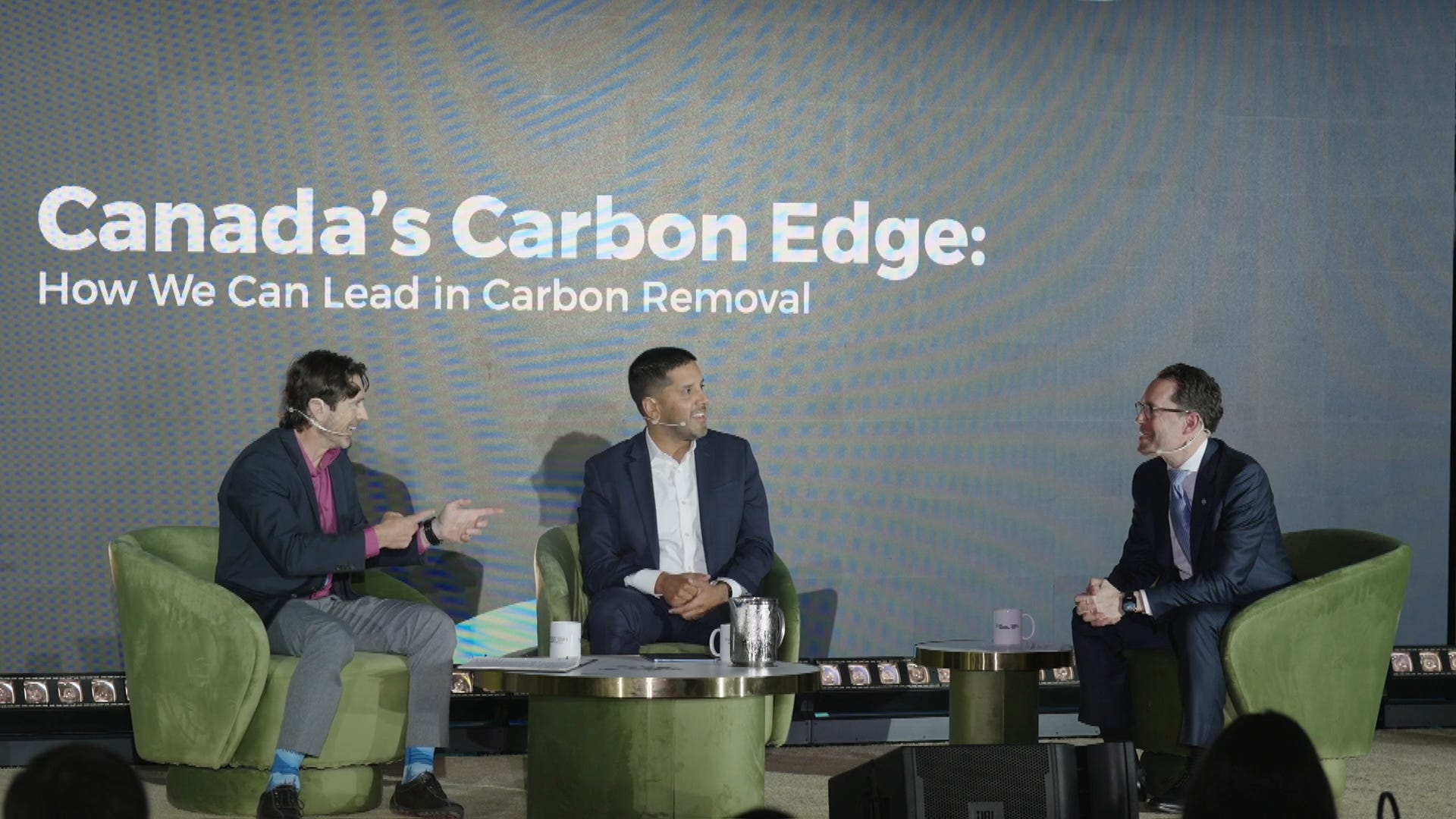
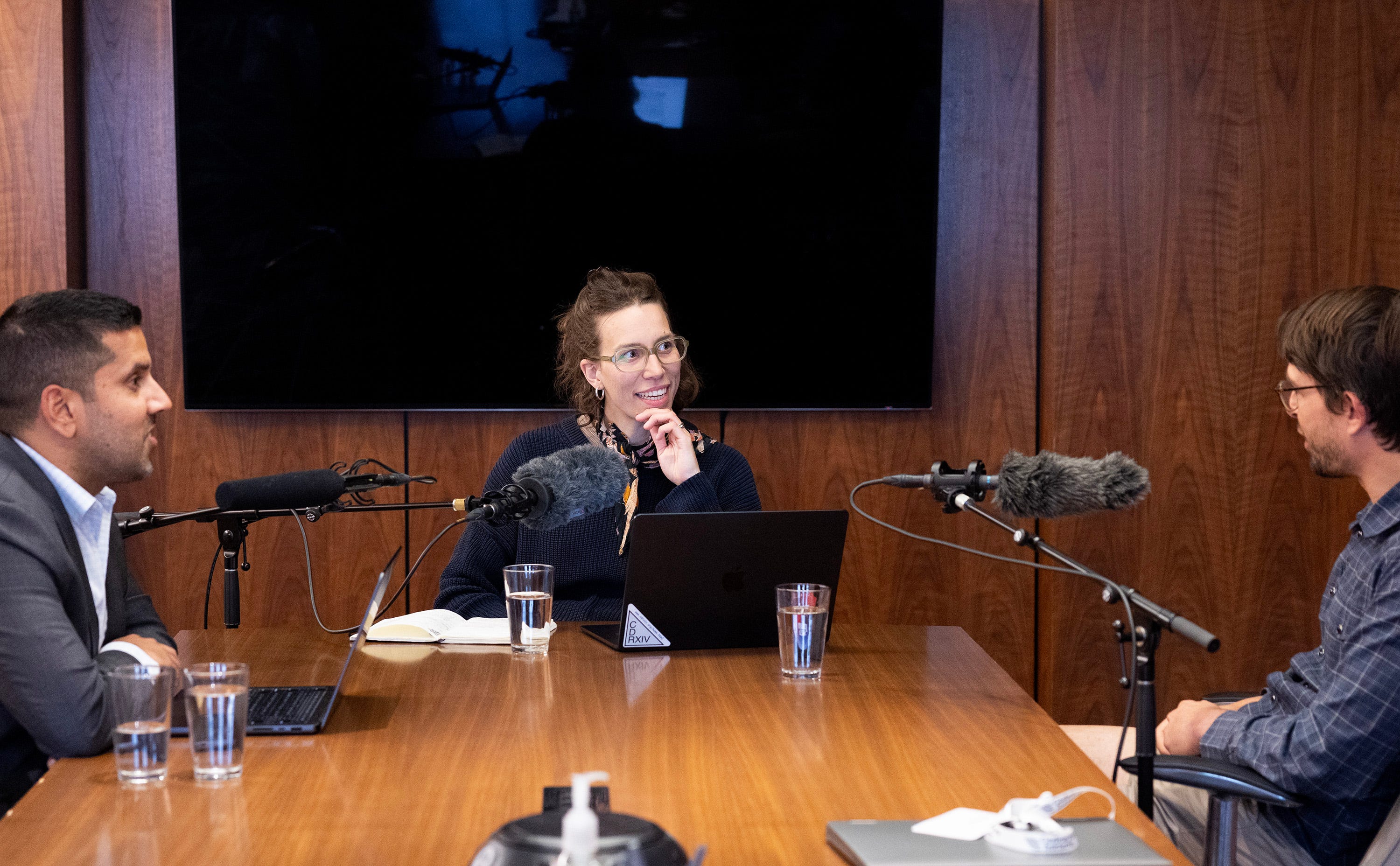
    Special Episode: Canada's Carbon Edge

    Episode 53 is a Special Episode with Ed Whittingham of Advance Climate Solutions and Grégoire Baillargeon, President of BMO Québec and Vice Chair of BMO Capital Markets. In this special live episode of The Carbon Curve, Na’im is joined by Ed Whittingham of Advance Climate Solutions and host of the Energy vs. Climate podcast and Grégoire Baillargeon, President of BMO Quebec, Vice Chair of BMO Capital Markets, and Board Member of Carbon Removal Canada. Recorded at the Climate Solutions Prize Festival, the “multi-host” panel discusses the potential of Canada to scale carbon removal technologies and seize a leadership role in this burgeoning field. Key topics include the integration of policy, markets, and innovation, the economic and job creation potential of carbon removal in Canada, and the role of the government and private sector in supporting this sector. The conversation also highlights existing challenges and the need for concerted action to realize Canada's carbon removal ambitions. This episode was cross-published on the Energy vs. Climate podcast. Na’im Merchant is the co-founder and Executive Director of Carbon Removal Canada, a policy initiative focused on scaling carbon removal in Canada. He was a policy fellow with Elemental Impact. He previously ran carbon removal consulting practice Carbon Curve, and publishes The Carbon Curve newsletter and podcast. This post represents his personal views and not those of Carbon Removal Canada. You can get in touch with him on LinkedIn. This is a public episode. If you would like to discuss this with other subscribers or get access to bonus episodes, visit carboncurve.substack.com

  • Jun 5, 2025 · 34 min

    Special Episode by Plan Sea and The Carbon Curve: Insights from the Carbon to Sea 2025 Annual Convening

    Episode 52 is a special joint episode with Plan Sea host Anna Madlener and Lennart Bach, Associate Professor and ocean alkalinity enhancement (OAE) scientist at the University of Tasmania. In this episode, Na’im joins Anna Madlener for a special co-hosted episode between Plan Sea and The Carbon Curve, recorded live at the Carbon to Sea 2025 Annual Convening. Anna and Na’im speak with Lennart Bach, to share insights and key takeaways from this year’s convening. Last month, Carbon to Sea hosted its third Annual Convening in Washington, D.C., bringing together scientists, entrepreneurs, and policymakers to share recent progress and discuss a path forward for OAE. Building on the conversations started during the convening, Na’im and Bach highlight the importance of aligning on MRV approaches, cross-sector partnerships, increased community and policymaker engagement, and new funding pathways as key avenues to explore. Na’im Merchant is the co-founder and Executive Director of Carbon Removal Canada, a policy initiative focused on scaling carbon removal in Canada. He was a policy fellow with Elemental Impact. He previously ran carbon removal consulting practice Carbon Curve, and publishes The Carbon Curve newsletter and podcast. This post represents his personal views and not those of Carbon Removal Canada. You can get in touch with him on LinkedIn. This is a public episode. If you would like to discuss this with other subscribers or get access to bonus episodes, visit carboncurve.substack.com

  • May 29, 2025 · 46 min

    What's in store for carbon removal under America's policy pivot?

    Episode 51 is with Erin Burns, Executive Director of Carbon180. This episode highlights the critical need for long-term strategies and adaptability in carbon removal policies amidst changing political landscapes. Key takeaways include the importance of making carbon removal efforts tangible and real for policymakers by emphasizing measurable impacts and local benefits, the necessity of building broad coalitions and engaging various stakeholders to sustain and expand carbon removal initiatives, and the focus on developing new, specialized carbon removal policies while defending existing programs to ensure continued progress in the sector. In this episode, Na’im and Erin discuss: * Erin's unique journey into the carbon removal sector; * The mission and strategic direction of Carbon180; * Key policy wins and challenges faced in the carbon removal field; * The importance of taking a long-term view in carbon removal efforts; * Strategies for adapting to changing political landscapes; * Practical advice for carbon removal professionals and companies on maintaining momentum and engagement; * The necessity of building broader coalitions for durable policy success. Relevant Links: * Carbon180 - Website * Six defining moments for carbon removal in 2024 - Carbon180 Blog * A Carbon180 cofounder reflects on his time in Biden’s DOE - Carbon180 Blog * The Carbon Removal Industry’s Trump Playbook - Heatmap News [🔒Paywall ] About Erin Burns:  Erin shapes the organization's strategic direction while growing the organization's influence in both policy and the carbon removal field. Previously, she worked in the Senate for Joe Manchin handling energy environment, labor, and agricultural issues, including staffing for the Energy and Natural Resources Committee and the public land subcommittee. She also worked at third way, a DC-based think tank, managing carbon capture and removal innovation and clean energy. A native of West Virginia. She has worked on the Coal Community transition. Erin sits on the Board of the Good Energy Collective and serves as an advisor to the University of Michigan's global CO2 initiative, the Carbon Removal Standards Initiative, and Absolute Climate. About Carbon180:  Carbon180 is reversing two centuries of legacy carbon emissions. They work with policymakers, entrepreneurs, and peer organizations across the US to design policies that will bring necessary carbon removal solutions to gigaton scale. This episode was made possible thanks to the generous support of the Consecon Foundation. This episode was created and published by Na’im Merchant. Episode production and content support provided by Tank Chen. Na’im Merchant is the co-founder and Executive Director of Carbon Removal Canada, a policy initiative focused on scaling carbon removal in Canada. He is on the advisory board of the Carbon Removal Standards Initiative and Terraset, and a former policy fellow with Elemental Impact. He previously ran carbon removal consulting practice Carbon Curve, and publishes The Carbon Curve newsletter and podcast. Every two weeks, Na’im will release a short interview with individuals advancing the policies, technologies, and collective action needed to scale up carbon removal around the world. Tank Chen is the Head of Content and Community at CDR.fyi, a public benefit corporation dedicated to accelerating carbon removal through transparency. He is also the co-founder of CDRjobs, a career platform for the carbon removal industry. Based in Taiwan, Tank is a carbon removal advocate focused on educating policymakers, corporate leaders, and the public on the importance of carbon removal, using data-driven insights to support communication and policy advocacy. If you enjoyed this episode, please subscribe to this podcast on your favorite podcast app or subscribe via The Carbon Curve newsletter here. If you’d like to get in touch with Na’im, you can reach out via LinkedIn. This is a public episode. If you would like to discuss this with other subscribers or get access to bonus episodes, visit carboncurve.substack.com

  • Jan 30, 2025 · 37 min

    We need to stand up for carbon removal in a turbulent 2025 to build on the gains of the past few years

    Episode 50 is a special AMA style episode with Na’im Merchant and Rahima Dosani In this special “ask me anything” episode of the Carbon Curve podcast, the tables are turned and Na’im is interviewed by his wife, Rahima Dosani, to discuss the past year's accomplishments and challenges, as well as future plans for 2025 in the carbon removal space. With Na’im leading Carbon Removal Canada, he shares insights on policy achievements, the growth of the sector, and the balancing act of managing an organization and parenthood. The conversation covers significant policy milestones and Na’im shares frustrations about the negative discourse aimed at carbon removal technologies, future goals and personal priorities for 2025, and a leadership framework needed to address climate change as a complex systems problem. In this episode, Na’im and Rahima discuss: * Discussion about the challenges and experiences of running a carbon removal organization, including balancing work and family life. * Highlights of exciting experiences in 2024 and a review of policy wins and successes. * Anticipating the future: looking ahead to 2025 and addressing criticisms of carbon removal. * Sharing future plans for the Carbon Curve and sharing personal goals and reflections. Relevant links in the episode: * Carbon Removal Canada website * Write-up following Na’im’s Mammoth visit: We’ve come a long way. We have a long way to go. * Episode on adaptive leadership with Josh Albert (Konu) About Rahima Dosani:  Rahima is the Director of Strategy, Learning, and Innovation at Global Health Visions, a women owned and operated global health consulting firm. She previously worked for the Center for Innovation and Impact at USAID and the Clinton Health Access Initiative in Myanmar and Malawi, after she did strategy consulting in New York City. Rahima holds a BA from the University of Pennsylvania, an MBA from the Harvard Business School, and a master's in public health from the Harvard School of Public Health. This episode was created and published by Na’im Merchant. Episode production and content support provided by Tank Chen. Na’im Merchant is the co-founder and Executive Director of Carbon Removal Canada, a policy initiative focused on scaling carbon removal in Canada. He is on the advisory board of the Carbon Removal Standards Initiative and Terraset, and a former policy fellow with Elemental Impact. He previously ran carbon removal consulting practice Carbon Curve, and publishes The Carbon Curve newsletter and podcast. Every two weeks, Na’im will release a short interview with individuals advancing the policies, technologies, and collective action needed to scale up carbon removal around the world. Tank Chen is the Head of Content and Community at CDR.fyi, a public benefit corporation dedicated to accelerating carbon removal through transparency. He is also the co-founder of CDRjobs, a career platform for the carbon removal industry. Based in Taiwan, Tank is a carbon removal advocate focused on educating policymakers, corporate leaders, and the public on the importance of carbon removal, using data-driven insights to support communication and policy advocacy. If you enjoyed this episode, please subscribe to this podcast on your favorite podcast app or subscribe via The Carbon Curve newsletter here. If you’d like to get in touch with Na’im, you can reach out via LinkedIn. This is a public episode. If you would like to discuss this with other subscribers or get access to bonus episodes, visit carboncurve.substack.com

  • Jan 9, 2025 · 43 min

    A new standard could help restore trust in carbon markets

    Episode 49 is with Peter Minor (Absolute Climate) and Travis Caddy (Evident) Despite all of the recent progress to integrate carbon removal in carbon markets globally, a significant problem remains. Existing market mechanisms continue to commoditize carbon removal credits that we haven’t effectively standardized yet. Carbon credits are sold as interchangeable units despite differences in how project quality is evaluated. Absolute Climate thinks it has solved this problem with the Absolute Carbon Standard and its partnership with longstanding registry Evident. I speak to Peter Minor and Travis Caddy about this standard and exciting new partnership. In this episode, Na’im, Peter and Travis discuss: * the importance of standardized carbon removal measures; * Creating conflict-free certification mechanisms; * the creation of the Absolute Carbon Standard by Absolute Climate * the role of Evident in offering independent certification * the challenges of commoditizing carbon credits * the significance of separation of responsibilities Relevant Links: * Absolute Climate - Website * Evident - Website * C-Capsule - Website * A Standardized Test for Carbon Removal - Heatmap News * Absolute Carbon Standard V1.0 About Peter: Peter Minor is a co-founder and CEO of Absolute Climate, and a veteran of the carbon removal industry. He previously served as the Director of Science & Innovation at Carbon180, the premier US federal policy organization for carbon removal. While there, he contributed to the development of key programs like the DOE Regional DAC Hubs, and pioneered core principles required for high-accountability MRV. Peter is also a technical reviewer for the carbon removal XPRIZE and steered development of Activate’s Carbon Management vertical. Always the optimist, Peter is a firm believer in humanity’s capacity to solve big problems. About Absolute Climate: Absolute Climate develops industry-leading carbon removal standards and methodologies without the conflicts of interest. They partner with registries, rather than operating their own, in order to better align incentives with climate impact. Their first product is the Absolute Carbon Standard, the first “standardized test” for carbon removal. It applies the same universal criteria to all projects, providing apples-to-apples quality comparisons even for dramatically different approaches. About Travis: Travis Caddy is the Business Development Director of Evident, where he is leading growth and partnerships across multiple registries certifying the Clean Economy. Beyond renewable energy, he also supports market design and implementation for other emerging asset classes, including carbon removal, sustainable aviation fuel and biomethane. Travis holds a Bachelor of Arts from University College London and is a Fellow of the Royal Geographical Society in London. About Evident: Evident is the world leader in certification of the Clean Economy and provider of the world's most widely used registry of environmental assets, serving customers in over 140 countries. Evident collaborates with governments and standard-setters to implement robust, credible certification standards that encourage transition to a certified, global Clean Economy. Evident manages the I-REC certificate service for electricity, MiQ certificate service for low-methane natural gas, among others. This episode was made possible thanks to the generous support of the Consecon Foundation. This episode was created and published by Na’im Merchant. Episode production and content support provided by Tank Chen. Na’im Merchant is the co-founder and Executive Director of Carbon Removal Canada, a policy initiative focused on scaling carbon removal in Canada. He is on the advisory board of the Carbon Removal Standards Initiative and Terraset, and a former policy fellow with Elemental Impact. He previously ran carbon removal consulting practice Carbon Curve, and publishes The Carbon Curve newsletter and podcast. Every two weeks, Na’im will release a short interview with individuals advancing the policies, technologies, and collective action needed to scale up carbon removal around the world. Tank Chen is the Head of Content and Community at CDR.fyi, a public benefit corporation dedicated to accelerating carbon removal through transparency. He is also the co-founder of CDRjobs, a career platform for the carbon removal industry. Based in Taiwan, Tank is a carbon removal advocate focused on educating policymakers, corporate leaders, and the public on the importance of carbon removal, using data-driven insights to support communication and policy advocacy. If you enjoyed this episode, please subscribe to this podcast on your favorite podcast app or subscribe via The Carbon Curve newsletter here. If you’d like to get in touch with Na’im, you can reach out via LinkedIn. This is a public episode. If you would like to discuss this with other subscribers or get access to bonus episodes, visit carboncurve.substack.com

Showing 1–20 of 21 episodes