Skip to content
Artwork for The Capitalist
NewsGovernment

The Capitalist

The Capitalist, from CapX

The Capitalist: where economics meets politics. New episodes every Wednesday.

briefing.capx.co
Play
  • 46 episodes
  • weekly
  • Avg 20 min
  • English
Counted on this page — what you have heard stays on this device, so it is not something the list can be paged by.
  • #98
    Yesterday · 33 min

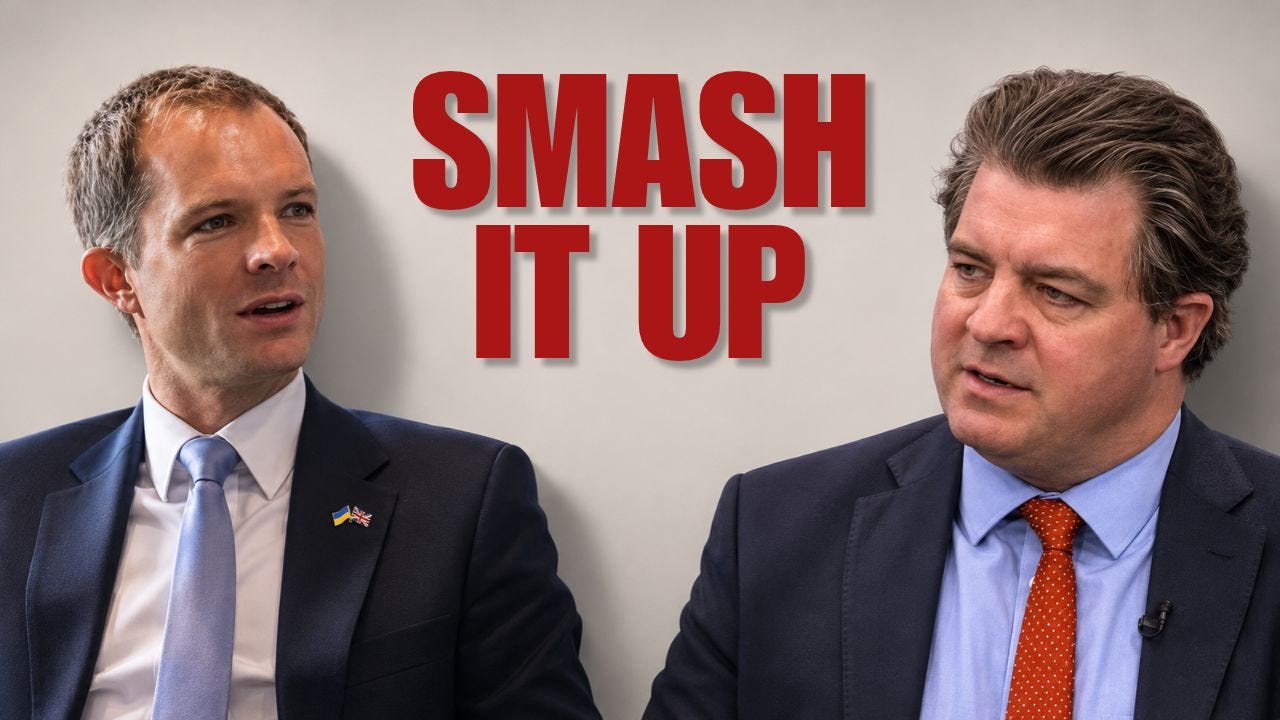
    Andrew Bowie: How the Tories will smash the energy consensus

    ‘Every other country in the world that is lucky enough to have an oil and gas basin is expanding that industry. The only country that isn’t, and is laying people off, is this country here.’ This week on The Capitalist, Liam Halligan spoke to Andrew Bowie, the Shadow Energy Secretary and Conservative MP for West Aberdeenshire and Kincardine. Britain has the most expensive energy in the developed world. That cost is hitting investment, growth and household budgets all at once, and the price cap is set to rise again in January. Andrew sets out the Conservatives’ plan to break with the consensus that has held since the Climate Change Act 2008. He says that means scrapping the legal Net Zero 2050 target and stripping the levies and policy costs out of bills. They discussed the fight over Rosebank now that Jackdaw has been approved. They also cover the energy wealth fund, why the grid is a ‘national embarrassment’ and why Britain’s small modular reactors are taking so long. Get full access to The CapX Briefing at briefing.capx.co/subscribe

    • Transcript
  • #97
    November 11 · 30 min

    Ed Conway: is free trade in retreat?

    ‘‘If there’s an insight in the book that I think is relatively novel, it’s that the coming tidal wave of car imports from China isn’t just about the finished car. It’s about the stuff that goes inside the car.’ Is the era of globalisation over? This week on The Capitalist, Marc Sidwell spoke to Ed Conway, economics and data editor at Sky News and author of Trade World, the follow-up to his bestseller Material World. While protectionism is clearly on the rise – with Donald Trump’s tariffs as Exhibit A – Ed argues that it’s too soon to say that globalisation has peaked. Yet even if global trade keeps growing in the long run, he thinks we are at a moment where what we prioritise may be changing: giving more weight to security of supply rather than just cheap imports. Free traders would question whether the trade-off is really so simple – British factories benefit from cheap imports too, and access to global markets can protect against domestic shortages. But, he says, it’s a conversation we need to have more openly. They also discuss why he sees the repeal of the Corn Laws as the Brexit of the 19th century, why the US-China trade war looks set to outlast Trump and why he thinks the real threat from Chinese car imports lies less in the finished cars than in the components inside them. Get full access to The CapX Briefing at briefing.capx.co/subscribe

    • Transcript
  • #96
    November 5 · 26 min

    Ross Clark: Britain is heading for a debt crisis

    ‘The basis of this crisis is a very fundamental truth: it is politically easier to spend money than it is to raise it.’ This week on The Capitalist, Marc Sidwell speaks with veteran journalist Ross Clark about his new book, Britain is Bust: The coming sovereign debt crisis and what it will mean for you. Debt interest cost the UK taxpayer £109 billion last year, no government has balanced the books in a quarter of a century and long-dated gilt yields have broken 6%. Clark argues the country faces a choice: cut spending now, on our own terms, or have far deeper cuts imposed by the bond markets, as Greece did in 2010. They discuss why he thinks neither tax rises nor a growth strategy built on public spending can get us out of the hole, why welfare and the state pension can’t be off limits, and why Clark would cut the state pension by 10% to unwind the effect of the triple lock. Then they turn to the politics: why he doesn’t expect this Labour government to take a penny off welfare, why both the Conservatives’ and Reform UK’s plans fall short and whether voters can still be persuaded to back fiscal responsibility, as they did in 2010. Get full access to The CapX Briefing at briefing.capx.co/subscribe

    • Transcript
  • November 4 · 10 min

    Best of CapX: What’s anti-fascist about price controls?

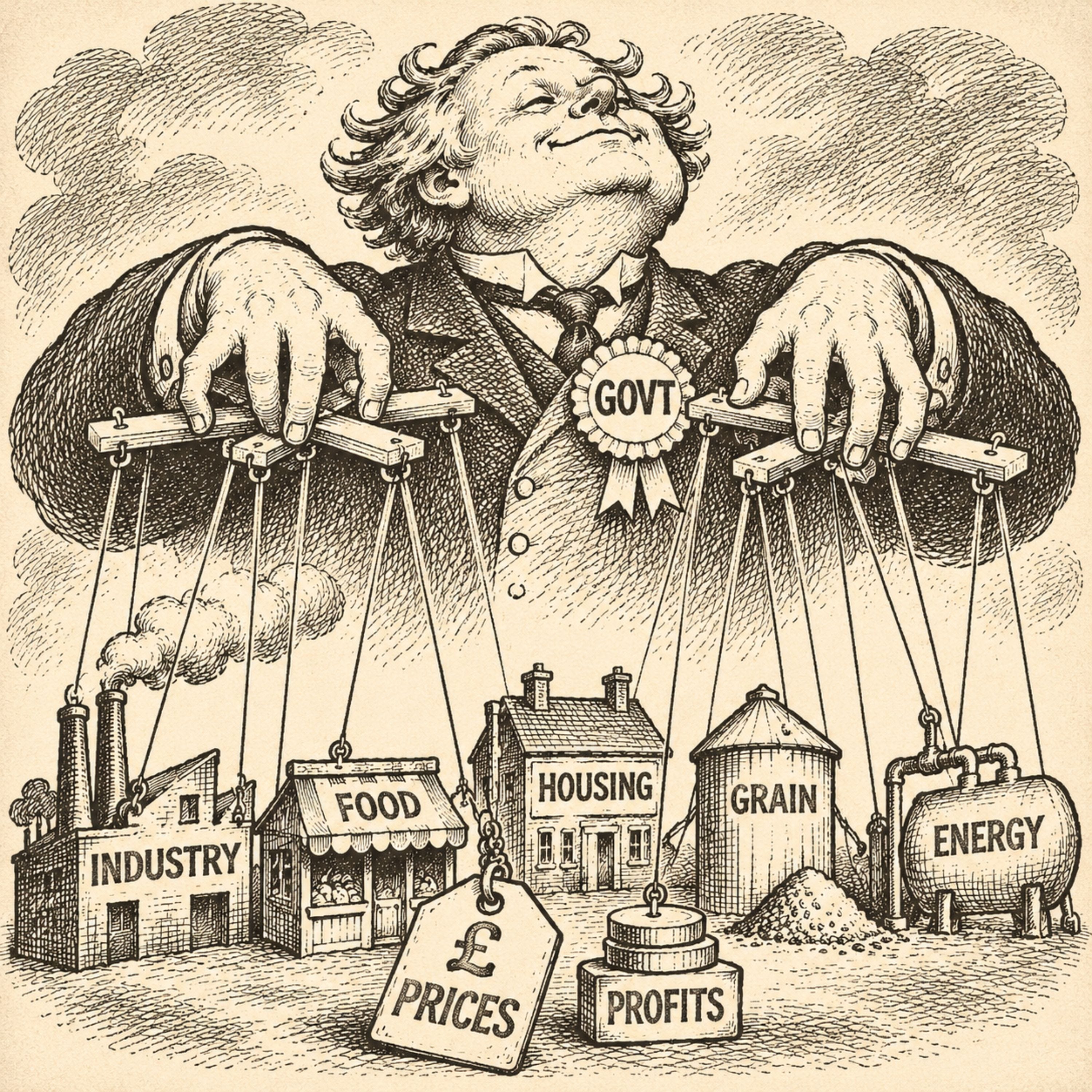
    ‘And do we really think government is going to speculate better than the assembled forces of the world’s speculators? Or is it more likely to be the idiot player in the market that others then profit from, at the taxpayer’s expense?’ Tim Worstall reviews Isabella Weber’s new book, which supposedly celebrates and promotes anti-fascist economics. The Guardian is loving it. Yet Fascist economics was a system which was nominally capitalist, but with all aspects under close political control. Strange then that Weber's 'anti-fascist' economic prescription insists politicians should have far more power over prices. Each week we bring you an example of the best writing from CapX, read aloud. For hosted conversations, listen to The Capitalist, every Wednesday. Get full access to the CapX Briefing at briefing.capx.co Get full access to The CapX Briefing at briefing.capx.co/subscribe

    • Transcript
  • #95
    October 28 · 28 min

    Liam Halligan & Daniel Herring: what’s in the Budget?

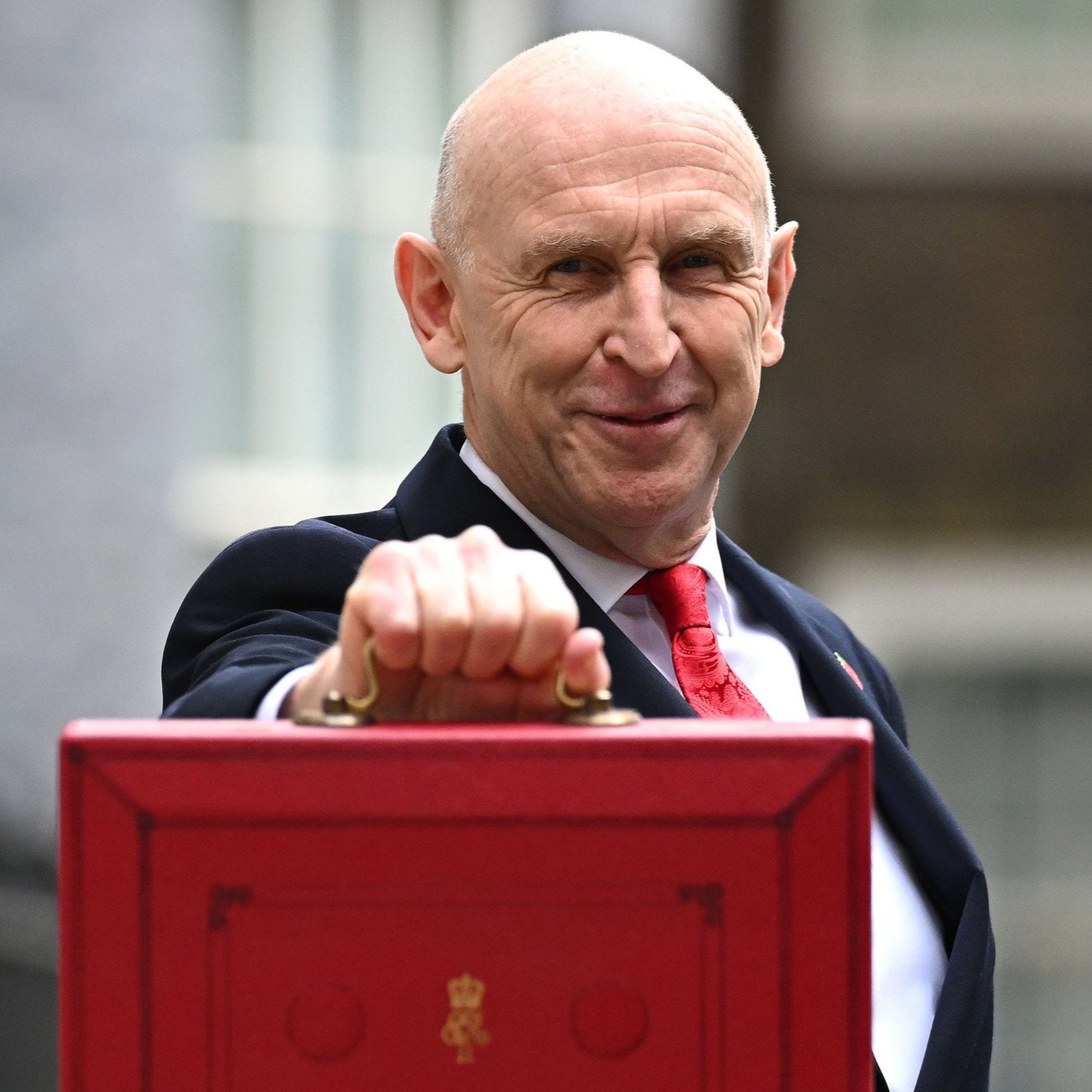
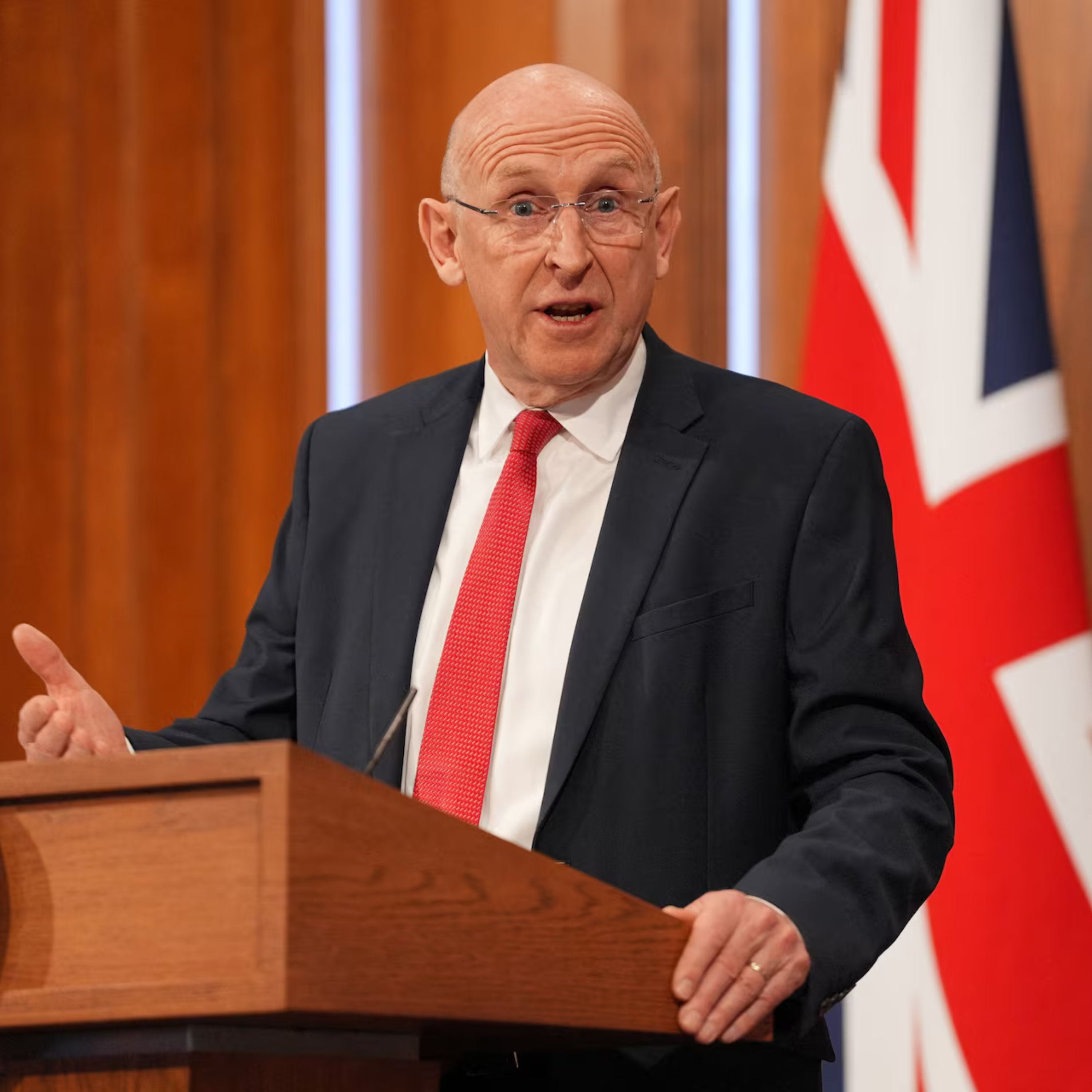
    John Healey has delivered his first Budget as Chancellor. In this special edition of The Capitalist, Liam Halligan is joined by Daniel Herring, the Centre for Policy Studies’ Head of Economic and Fiscal Policy, to go through what was announced and what it means for taxes, growth and the public finances. Get full access to The CapX Briefing at briefing.capx.co/subscribe

    • Transcript
  • October 28 · 6 min

    Best of CapX: Healey’s Budget will be built on sand

    'The best course would be to grip spending, not least on welfare, and use the savings to cut the deficit and taxes on business, that essential engine of growth.’ As John Healey delivers his first Budget, the markets will be watching closely, says Mel Stride. In all likelihood Healey will leave himself a very slender headroom, the smallest amount that markets will tolerate. Healey would be wise to reassure the markets further by at least signalling that significant welfare cuts are coming. But who would believe him? Each week we bring you an example of the best writing from CapX, read aloud. For hosted conversations, listen to The Capitalist, every Wednesday. Get full access to the CapX Briefing at briefing.capx.co Get full access to The CapX Briefing at briefing.capx.co/subscribe

    • Transcript
  • #94
    October 22 · 30 min

    David Frost: the fight to stay out of the EU starts now

    ‘Most people believe we’ve been living in some sort of crazy neoliberal lab experiment for the last 40 years… And that’s because nobody has tried to challenge it.’ This week on The Capitalist, Marc Sidwell spoke to Lord Frost, who led the UK’s Brexit negotiations and later served as Brexit minister under Boris Johnson. They discussed why Andy Burnham’s move towards rejoining the EU didn’t surprise him, why he thinks the stay-out side is at risk of complacency and why the campaign to keep Brexit’s freedoms needs to start now. But much of the conversation was about what Britain has failed to do since leaving, and the ‘massive, massive liberalisation’ he says is needed. Frost resigned from the Johnson government at the end of 2021 because it wasn’t challenging the big-state, high-spend status quo. He sets out what he thinks has gone wrong: state spending well above early Blair-era levels, markets of every kind gummed up by regulation and the erosion of a shared national project. He also explains why neither the Conservatives nor Reform UK are yet going far enough, and what it would take to make the Civil Service serve ministers again. Get full access to The CapX Briefing at briefing.capx.co/subscribe

    • Transcript
  • #93
    October 15 · 25 min

    Robert Tombs: Britain needs a better story

    Why has it become a reflex for Britain to emphasise the worst of our history while neglecting the best? This week on The Capitalist, Marc Sidwell speaks with Robert Tombs, emeritus professor of French history at Cambridge and author of The English and Their History, about Our Islands’ Story, the new book he has written with Nigel Biggar. It’s out next week. They discussed why the history of empire and slavery has come to crowd out everything else, why Britain’s part in abolition gets so little attention and what the empire did for global trade. They also covered why he thinks the institutions are now too captured for the free market of ideas to fix things on its own, and why he fears Britain’s precious inheritance of free speech and thought is under threat. Get full access to The CapX Briefing at briefing.capx.co/subscribe

    • Transcript
  • October 13 · 5 min

    Best of CapX: The Tories rediscover Adam Smith

    ‘She [Badenoch] promised to build a missile and drone defence system called Britannia Shield, telling the hall that if Russia fires a missile at Manchester, Andy Burnham’s £2 bus fares will not save anybody.’ Are the Tories back on track? That’s what Kemi Badenoch was trying to prove in her speech on the final day of the Conservative conference last week. James Price says her approach was a welcome return to the principles of Adam Smith. Whether this will be enough to win round disaffected voters remains to be seen. Each week we bring you an example of the best writing from CapX, read aloud. For hosted conversations, listen to The Capitalist, every Wednesday. Get full access to the CapX Briefing at briefing.capx.co Get full access to The CapX Briefing at briefing.capx.co/subscribe

    • Transcript
  • #93
    October 8 · 1 hr 5 min

    Andrew Griffith: we’re ready for the battle of ideas

    At a Centre for Policy Studies fringe event at the Conservative Party Conference in Birmingham, the CPS's new Director Liam Halligan put the questions to Shadow Chancellor Andrew Griffith. Griffith, a former FTSE 100 finance director, begins with why Britain’s growth rate never recovered after 2008. He points to a tax system that discourages risk, a state now spending 45p in every pound, an ageing population that governments tried to offset with high immigration and years of quantitative easing that rewarded owning assets over building businesses. He accepts that Conservative governments share the blame. In his view the party’s biggest failure was that it stopped making the case for markets, and by the end it was telling people how to heat their homes and regulating how fruit yogurt is advertised. On the public finances, he compares Britain to Wile E. Coyote, clinging to the cliff edge while paying more for 30-year borrowing than Greece, Portugal, Morocco and Bulgaria. He insists the problem is political rather than economic: the Chancellor, John Healey, could find the savings ‘this afternoon’ if Labour were willing to reform welfare. He also explains why high energy costs are only one layer of ‘the whole stack’ holding British business back, and why he thinks handing power to arm’s-length regulators has been a disaster. Get full access to The CapX Briefing at briefing.capx.co/subscribe

    • Transcript
  • October 7 · 8 min

    Best of CapX: How to make British infrastructure cheap again

    ‘The Bakerloo line extension, if it is ever built, will be the most expensive underground line built anywhere in the world outside of New York City.’ Britain is pretty good at spending money on infrastructure. But Ben Hopkinson argues we don’t get much for our money. HS2, at up to £102.7 billion for 140 miles of track, is the most expensive high-speed railway in the world. Ben's new report for the Centre for Policy Studies lays out eight policy challenges – and how to fix them. Each week we bring you an example of the best writing from CapX, read aloud. For hosted conversations, listen to The Capitalist, every Wednesday. Get full access to the CapX Briefing at briefing.capx.co Get full access to The CapX Briefing at briefing.capx.co/subscribe

    • Transcript
  • #92
    October 3 · 21 min

    Helen Whately: young people need jobs, not handouts

    What should we do about the nearly one million young people not in education, employment or training? The Shadow Work and Pensions Secretary Helen Whately joined Marc Sidwell on The Capitalist on the day the Conservatives unveiled their answer: a Get to Work plan that would require under-25s claiming benefits to join an intensive programme from day one, or lose their payments. They discuss the case for taking family finances into account when young people claim, as well as the party’s separate proposal for a prepaid benefits card for the long-term unemployed that would block spending on alcohol, tobacco and gambling. She also explained why she still sees Margaret Thatcher, not the 1970s Andy Burnham looks back to, as the model for a Conservative government. Get full access to The CapX Briefing at briefing.capx.co/subscribe

    • Transcript
Showing 1–20 of 46 episodes