Skip to content
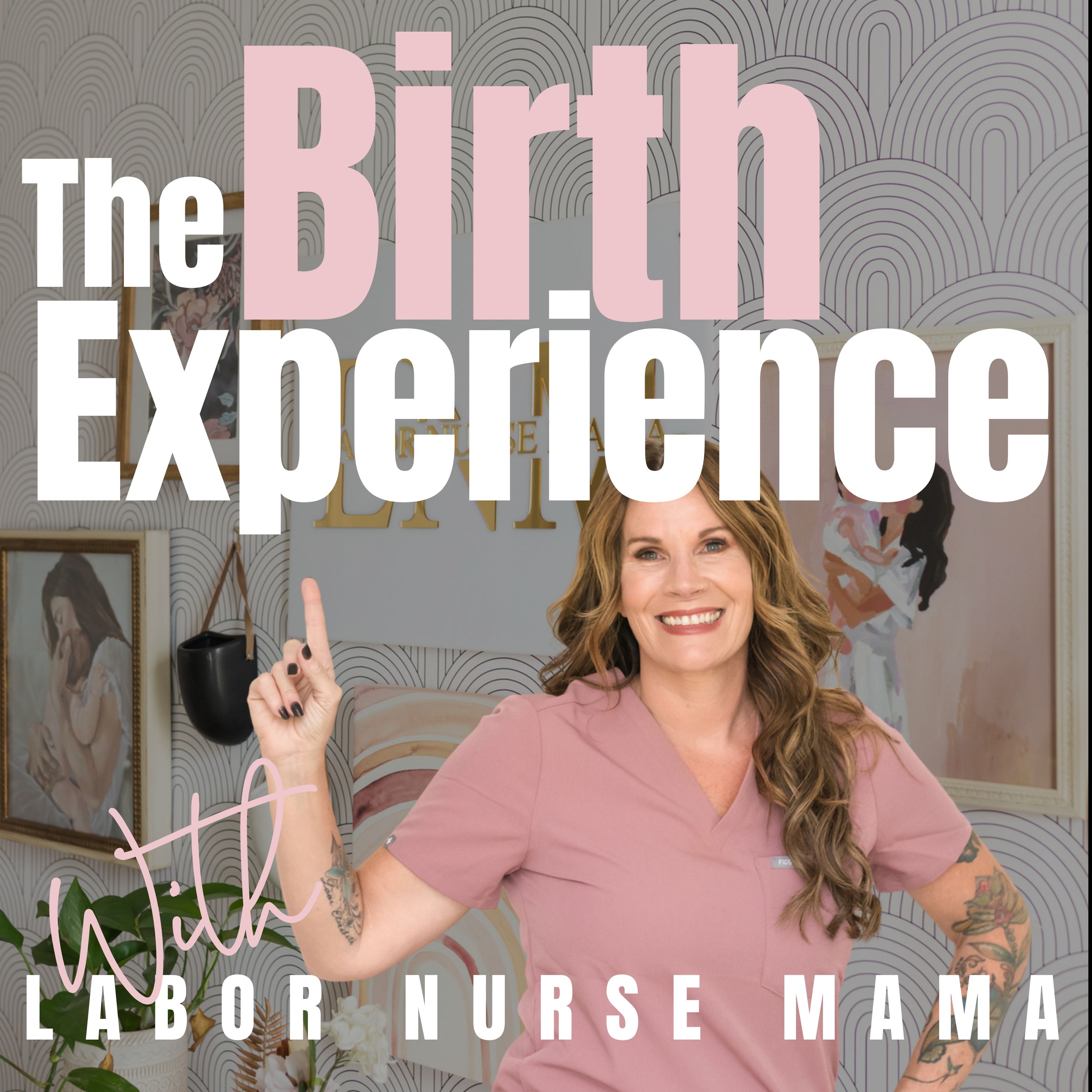
Artwork for The Birth Experience with Labor Nurse Mama
Kids & FamilyParentingEducationCoursesHealth & Fitness

The Birth Experience with Labor Nurse Mama

Trish Ware, RN

How do I actually push during labor? Should I get an epidural? Why is breastfeeding so hard? What exactly is Pitocin, and how much will induce labor? Is there a secret to having a successful VBAC? What happens if I poop during labor *shudder*? And oh yeah, how do I take care of a newborn?

I know you’ve got a ton of questions and fears when it comes to giving birth. How? Because I’ve delivered thousands of babies as a labor nurse! I’ve seen it all...and as @labor.nurse.mama on IG, I’ve helped mamas all over the world stand up to their fears and walk into the labor room with confidence.

The Birth Experience with Labor Nurse Mama is here to guide you through every step of your pregnancy, labor, and delivery. I’ll show you how to embrace your inner feminine wisdom and teach you to feel totally comfortable owning the labor room.

Your body was made to deliver this baby, mama...let’s face all those fears and doubts and answer those nagging questions — so you can be ready for the most important day of your life!

Play
  • 35 episodes
  • weekly
  • Avg 24 min
  • English
Counted on this page — what you have heard stays on this device, so it is not something the list can be paged by.
  • S1 · E283
    Friday · 22 min

    5 Common Pregnancy Old Wives’ Tales: A Labor Nurse Fact Checks | 283

    The moment you announce a pregnancy, everyone turns into a detective. They study your bump, your cravings and even your heartburn to predict everything from your baby’s sex to when labor will start. Trish Ware - L&D nurse, mama of seven, and your labor nurse bestie - takes five of the most popular pregnancy old wives’ tales and checks each one against the evidence. She brings her own pregnancy stories and plenty of moments from the labor floor, including the baby who was “supposed” to have a full head of hair. Some of these tales are just plain fun, a few have a tiny bit of research behind them, and some put pressure on pregnant mamas that they don’t need. Trish breaks down which is which so you can laugh, shrug, or ask your provider, and get back to eating your spaghetti in peace. In this episode, Trish covers: Heartburn = a baby with lots of hair: what a small 2006 study of 64 pregnant women found, and why a link between two things doesn’t make one a reliable predictor Carrying high vs. low: why the shape of your bump can’t tell you if you’re having a boy or a girl Sweet vs. salty cravings: why cravings don’t reveal your baby’s sex, and the cravings you should tell your OB about, since they can be linked to iron deficiency Raising your arms above your head: why it does NOT wrap the cord around your baby’s neck Spicy food (and the famous eggplant parm) to start labor: why your body has to be ready first, and why “I ate it, then labor started” doesn’t prove the meal started it A word to friends and family: how to ask a pregnant mama how she’s feeling without telling her how she should feel Let’s connect! What’s the strangest old wives’ tale someone told you while you were pregnant? Trish wants to hear it. Comment on this episode, comment on Instagram at @labor.nurse.mama or send the team an email at info@labornursemama.com. Resources mentioned: The Calm Birth Bundle: Get Trish’s birth classes for 50% off in the pre-Black Friday sale at labornursemama.com/calm with code BFBABY Source of the heartburn study mentioned: https://pubmed.ncbi.nlm.nih.gov/17150070/ Read the blog: Does the Midwives Brew Recipe Induce Labor at Home? Read our Top Insider Tips Your Impact Era Live event in Nashville, TN happening January 27th-28th, 2027: Come work on your next move with women who understand your customer. Bring the offer you’re trying to sell, the messaging you’re stuck on, or the content you’re struggling with. 🎟️ Get your tickets for Your Impact Era in Nashville: trishwarecoaching.com/impact Helpful Timestamps: 00:00 5 Pregnancy Old Wives’ Tales 03:12 Heartburn = Hair Baby? 06:14 Carrying High or Low 11:18 Sweet vs Salty Cravings 14:14 Raising Arms Above Head While Pregnant 16:54 Spicy Foods & Labor Induction Join The Calm Labor Birth Bundle - everything you need from bump to baby! Use code POD50 for $50 off! Over 15k mamas have used our classes to prepare for a birth that they love 🤍 ⭐ Download immediately ⭐App available ⭐Life-time access⭐ Connect w/ Trish: On Instagram On YouTube For more pregnancy & birth education, subscribe to The Birth Experience on Spotify, Apple Podcasts, or wherever you listen to podcasts. Produced and Edited by Vaden Podcast Services

    • Transcript
    • Chapters
  • S1 · E282
    November 13 · 29 min

    NICU Mom Birth Story: From Hospital to Home with a Preemie | 282

    November is Prematurity Awareness Month, and Trish is joined by Jodi Klaristenfeld, a NICU and preemie parent expert, coach, and founder of FLRRiSH, the premier resource for NICU families working through the unexpected journey from hospital to home and the years beyond. Jodi’s own journey started at 28 weeks and 4 days, when she went from shopping for baby furniture to an emergency C-section in a matter of hours. A bloody nose that wouldn’t stop, orange urine, sudden weight gain, and double vision all turned out to be signs of severe preeclampsia and HELLP syndrome. She met her daughter Jenna three days later. Jodi shares her full birth story, the fear and disconnection she felt when she first met her baby, and why coming home was even harder than the NICU stay. That experience is exactly why she created FLRRiSH, built by a preemie parent for preemie parents. Through coaching, resources, and programs, Jodi helps moms reclaim their strength and reframe their mindset through it all. That includes deciding when to take maternity leave, facing a forced career pause, choosing the right education and support for their child, and learning to travel the road less traveled. She’s also launching The Steady Circle, a community helping NICU moms build confidence as their child’s advocate. ⚠️ A heads-up from Trish: This is a rare but very hard birth story. If you’re currently pregnant, you’re welcome to skip this one or come back to it later. You never have to listen to the hard stories while you’re expecting. In this episode, Trish and Jodi talk about: The warning signs of preeclampsia and HELLP syndrome that Jodi didn’t recognize until it was nearly too late Waking up after an emergency C-section under general anesthesia, and meeting her daughter three days later What life in the NICU really looks like, from asking permission to hold your own baby to the desats and bradys Why the transition home is often harder than the NICU stay Grieving the motherhood you expected so you can embrace the one you have Separating fact from fear, and learning to trust your mother’s intuition again Why Jodi doesn’t believe in “wait and see” when it comes to early intervention Jodi’s 3 tips for any mom in the NICU right now or just heading home Connect with Jodi Klaristenfeld: www.flrrish.com Follow her on Instagram, TikTok, & FaceBook: @FLRRiSH Helpful Timestamps: 00:00 Prematurity Awareness 02:14 Trigger Warning: Hard Birth Story 03:11 Symptoms and Red Flags 06:00 OB Visit and Emergency Transfer 08:56 Emergency C-Section and Aftermath 11:32 Meeting Baby in the NICU 16:06 What Flourish Offers Families 18:28 Life After the NICU Mindset 23:18 Three Tips for NICU Moms Join The Calm Labor Birth Bundle - everything you need from bump to baby! Use code POD50 for $50 off! Over 15k mamas have used our classes to prepare for a birth that they love 🤍 ⭐ Download immediately ⭐App available ⭐Life-time access⭐ Connect w/ Trish: On Instagram On YouTube For more pregnancy & birth education, subscribe to The Birth Experience on Spotify, Apple Podcasts, or wherever you listen to podcasts. Produced and Edited by Vaden Podcast Services

    • Transcript
    • Chapters
  • S1 · E281
    November 6 · 38 min

    Your Water Broke. Do You REALLY Have to Go to the Hospital? | 281

    Your water just broke. Do you grab the hospital bag, wake up your partner, and race to labor and delivery? Or eat a sandwich and take a shower first? 🤔 Trish explains what really happens when your water breaks: what to do first, when it’s okay to labor at home, and the red flags that mean you head straight in, do not pass - go. Her answer to “do I have to rush to the hospital?” is: it depends. In this episode, Trish covers: How to tell if your water actually broke or if it’s discharge or pee, plus her simple pad-and-cough test Why your water breaking does NOT automatically mean you’re in labor The C.O.A.T. acronym every pregnant mama needs to know: Color, Odor, Amount, Time Expectant management: when low-risk mamas at term can stay home and wait for labor to start What changes if you’re GBS positive and want antibiotics Trish’s 4-1-2 rule for first-time moms and 5-1-1 rule for experienced mamas, plus how to adjust if you live far from the hospital The red flags that mean go in now: heavy bleeding, green or brown fluid, a foul smell, preterm rupture, or reduced fetal movement What to do while you wait for contractions to kick in, and why nothing goes in your vagina 🙅‍♀️ Send this episode to every pregnant friend you know so she knows exactly what to do when her water breaks. Mentioned in this episode: Listen to episode 279: Labor Nurse Mama’s Adoption Birth Story: Stuck in India Helpful Timestamps: 00:00 Did Your Water Really Break? 07:04 Water Breaking Doesn't Mean Labor 09:19 COAT Quick Checklist 14:01 When To Go To Hospital 25:24 Contraction Timing Rules 28:40 Red Flag Scenarios 32:33 Waiting At Home Safely Join The Calm Labor Birth Bundle - everything you need from bump to baby! Use code POD50 for $50 off! Over 15k mamas have used our classes to prepare for a birth that they love 🤍 ⭐ Download immediately ⭐App available ⭐Life-time access⭐ Connect w/ Trish: On Instagram On YouTube For more pregnancy & birth education, subscribe to The Birth Experience on Spotify, Apple Podcasts, or wherever you listen to podcasts. Produced and Edited by Vaden Podcast Services

    • Transcript
    • Chapters
  • S1 · E280
    October 30 · 40 min

    Babywearing Isn’t a Fad: Why Keeping Baby Close Changes Everything | 280

    Thanks to our Sponsor Haakaa What if the most powerful postpartum tool you own isn’t a gadget at all, but a piece of fabric that keeps your baby close? This week, Trish sits down with Skye Amundsen and Mallory Bransfield, the best friends and co-founders behind hope&plum. They’re the size-inclusive baby carrier brand that moms across Trish’s community can’t stop talking about, and Trish’s own team happens to be full of fangirls. In 2018, Skye and Mallory were two new moms who were fed up with carriers that didn’t fit every body and brands that turned babywearing into a race to “score the drop.” So they built something better. Skye shares how a ring sling became her first “faith purchase” during IVF, and how babywearing helped her reclaim her motherhood during her daughter’s two-week NICU stay. Mallory opens up about how it kept her connected to her baby through a hard breastfeeding journey. Trish, a mom of seven who has watched babywearing go in and out of style for nearly three decades, brings the real talk. Moms have been sold a myth, she says, that keeping baby close holds them back. It actually gives them more freedom. In this episode: How a frustrating shopping experience turned into an eight-figure, size-inclusive brand Skye’s NICU story and why babywearing felt like a way to take back control Babywearing through breastfeeding struggles, triple feeds, and pumping The research-backed benefits: co-regulation, less crying, support for nursing, and lower rates of postpartum depression Why babywearing is a cultural practice, not a trend, and why education matters as much as the carrier Safety, the legal bar that’s “entirely too low,” and brands chasing a money grab Staying true to your mission as a founder (and a mom) when things get hard Two pieces of advice for expecting mamas: find your community, and trust your intuition More from Skye & Mallory: Website: hopeandplum.co Instagram: @hopeandplum TikTok: @hopeandplum Thanks to our Sponsor Haakaa: Grab the Haakaa Petal Soft Silicone Milk Collector and use code ‘LOVELNM10’ for 10% off! Helpful Timestamps: 00:00 Hope and Plum 06:17 Skye’s NICU Babywearing Experience 08:27 Mallory’s Breastfeeding Struggles 14:45 Benefits of Babywearing 30:04 Business And Motherhood Never Pause 38:43 Where To Find Hope And Plum Join The Calm Labor Birth Bundle - everything you need from bump to baby! Use code POD50 for $50 off! Over 15k mamas have used our classes to prepare for a birth that they love 🤍 ⭐ Download immediately ⭐App available ⭐Life-time access⭐ Connect w/ Trish: On Instagram On YouTube For more pregnancy & birth education, subscribe to The Birth Experience on Spotify, Apple Podcasts, or wherever you listen to podcasts. Produced and Edited by Vaden Podcast Services

    • Transcript
    • Chapters
  • S1 · E279
    October 23 · 18 min

    Labor Nurse Mama’s Adoption Birth Story: Stuck in India | 279

    At 28, with four little boys at home, no money for the trip, and a stomach virus she couldn’t shake, Trish boarded a plane to India alone to bring her daughter home. She didn’t know if she’d leave with her. She definitely didn’t know that September 11th would happen while she was there, and that every flight to America would be grounded. This episode is deeply personal. Trish’s adoption story went viral as an Instagram carousel, but she’s telling the parts a carousel couldn’t hold. There’s the courtroom, the embassy, the stranding in Mumbai, and the homecoming that still chokes her up. It’s a story about being scared and going anyway, and about the people who show up to carry you when you can’t see the whole path. In this episode, Trish shares: Why she stopped waiting at home for a court date and decided she had to show up in person The surprise buddy pass that made the trip possible, first class, y’all Meeting her 15-month-old daughter, who screamed and ran the other way, and the lollipop that changed everything Getting in trouble in an Indian courtroom for crossing her legs A taxi door to the head, a very sick baby, and refusing to leave the American Embassy without her paperwork Being stranded in Mumbai on 9/11 with no flights and no phone lines home, and the one person she met that saved them Flying home with a plane full of military men passing her baby around, and the 50 people waiting in Chattanooga The three lessons from that trip that shaped who she is today What Trish carries with her: You can make a meaningful decision without feeling confident about it. You can stick with something important when it gets complicated. You can take the next step without knowing the whole path, and let people come alongside you to help. If there’s a decision in front of you right now, ask yourself: what’s one thing you can do with what you know today, and who can come alongside you? Then take the scary step. If this story moved you, share it with a mama who’s facing her own leap of faith. Helpful Timestamps: 00:00 Adoption Leap Begins 04:23 First Meeting Sithara 05:55 Courtroom Culture Shock 09:58 9/11 & Stranded in Mumbai 10:52 Help from Shikha 14:21 Homecoming 15:03 Three Lessons from This Trip Join The Calm Labor Birth Bundle - everything you need from bump to baby! Use code POD50 for $50 off! Over 15k mamas have used our classes to prepare for a birth that they love 🤍 ⭐ Download immediately ⭐App available ⭐Life-time access⭐ Connect w/ Trish: On Instagram On YouTube For more pregnancy & birth education, subscribe to The Birth Experience on Spotify, Apple Podcasts, or wherever you listen to podcasts. Produced and Edited by Vaden Podcast Services

    • Chapters
  • S1 · E278
    October 16 · 29 min

    How to Prepare Your Body for Breastfeeding (Before Baby Arrives) | 278

    You spend months preparing for birth, but what about the feeding journey that starts the moment baby arrives? Breastfeeding isn’t just a “from the chest up” experience. It’s a whole-body journey for both mama and baby. This week, Trish sits down with Melissa Bradley, a pediatric occupational therapist, certified lactation counselor, and mom of four. Together they talk through how to prepare your mind, body, and home for breastfeeding before baby gets here. They cover the emotional prep no one talks about, the “mommy injuries” that come from poor positioning, why the hospital’s Breastfeeding 101 class is only the beginning, and the few supplies Melissa says you truly need. In this episode: Why breastfeeding is a whole-body experience for mom and baby How to plan for emotional regulation and support before you come home Setting boundaries around visitors without the guilt, and choosing your “village” Mommy shoulder, mommy wrist, and mommy thumb: what they are and how to prevent them Creating a comfortable, supportive feeding space Why the medical system is reactive, and how to have support ready before problems start Debunking breastfeeding myths from social media and even providers Pumping vs. nursing, wearable pumps, and choosing what works for you Melissa’s short list of must-have breastfeeding supplies Connect with Melissa Bradley, OT, CLC: mamababecharlotte.com Follow her on Instagram @mamababecharlotte Helpful Timestamps: 00:00 Preparing for Breastfeeding 04:45 Emotional Prep And Support 08:26 Setting Boundaries 12:13 Physical Setup And Injuries 17:07 Get Proactive Lactation Help 21:59 Personalized Goals And Myths 26:52 Minimal Must Have Supplies Join The Calm Labor Birth Bundle - everything you need from bump to baby! Use code POD50 for $50 off! Over 15k mamas have used our classes to prepare for a birth that they love 🤍 ⭐ Download immediately ⭐App available ⭐Life-time access⭐ Connect w/ Trish: On Instagram On YouTube For more pregnancy & birth education, subscribe to The Birth Experience on Spotify, Apple Podcasts, or wherever you listen to podcasts. Produced and Edited by Vaden Podcast Services

    • Transcript
    • Chapters
  • S1 · E277
    October 9 · 17 min

    5 Things Every Pregnant Mama Should Know Before Labor and Delivery | 277

    This episode is sponsored by Motif Medical After 16 years as a high-risk labor and delivery nurse, Trish shares the five truths she wishes every mama heard before she puts on that hospital gown. Spoiler: you don't have to be the "good patient," and you don't have to prove a thing. In this episode: You don't lose your autonomy in a hospital gown. Trish explains why "they won't let you" thinking starts in your head, and how to ask questions calmly without becoming combative. You don't need to prove anything in labor. There's no trophy for suffering. Unmedicated, epidural, or somewhere in between, it's your birth, and you're allowed to change your mind. Your support person needs to know their assignment. Trish shares what your partner should know before labor starts, from counterpressure to knowing when you want quiet. Labor doesn't look the same for everyone. Stalls, starts, long pushes, and short ones are all normal variations. Trish explains the difference between labor taking time and labor becoming unsafe. A good birth isn't one where everything went to plan. Trish talks about preparing without trying to control your birth, and why you're allowed to grieve the parts that didn't go how you hoped. "Birth preparation is not about controlling your birth. It is about helping you feel prepared enough to navigate birth." - Trish Send this episode to the person who'll be in the delivery room with you, or to a pregnant bestie. You shouldn't be the only one preparing for this birth.💗 Thanks to our sponsor Motif Medical: Go to motifmedical.com and use code ‘TRISH15’ for 15% off! Helpful Timestamps: 00:00 5 Things Every Pregnant Mama Should Know 02:03 Autonomy 04:10 No Need To Prove Anything 06:33 Your Support Partner 09:47 Every Labor Looks Different 12:13 Redefining A Good Birth 14:52 The Right Birth Prep Join The Calm Labor Birth Bundle - everything you need from bump to baby! Use code POD50 for $50 off! Over 15k mamas have used our classes to prepare for a birth that they love 🤍 ⭐ Download immediately ⭐App available ⭐Life-time access⭐ Connect w/ Trish: On Instagram On YouTube For more pregnancy & birth education, subscribe to The Birth Experience on Spotify, Apple Podcasts, or wherever you listen to podcasts. Produced and Edited by Vaden Podcast Services

    • Transcript
    • Chapters
  • S1 · E276
    October 2 · 29 min

    Vaginal Tearing Doesn't Have to Be Scary: How Your Pelvic Floor Can Help Reduce Tearing | 276

    What if tearing isn't inevitable? There is so much more you can do than "hope for the best," and it starts with a part of your body nobody ever taught you about: your pelvic floor. My friend Sarah Almodovar is a mom of three, a prenatal yoga teacher, and a pelvic floor expert. She started by teaching yoga on a rooftop in NYC, and now she helps moms all over the world show up to birth prepared, confident, and far less afraid. We're talking about the thing you've all told me you're most scared of - vaginal tearing - and how to take the fear out of it with practical tips to lessen your chance of tearing. What We Cover: Why vaginal tearing is such a hot topic (and why it's only a tiny part of your birth experience) Why the pelvic floor's real job is to release and open, not tense and push Sarah's 3 tips for moms worried about tearing Why "one, two, three, push" doesn't make sense, and what the research says about spontaneous pushing Why your birth team matters for your pelvic floor, too Red flags your body may be sending you now, like leaking when you sneeze, painful sex, or tailbone pain How learning to relax your pelvic floor can influence labor length, risk of tearing, and even C-section risk Why seeing a pelvic floor specialist and a Webster-certified chiropractor during pregnancy is worth it More from Sarah Almodovar Birth-Ready Pelvic Floor Masterclass First 6 Weeks - use coupon code ‘TRISH’ www.sarahjoalmo.com Follow her on Instagram & YouTube: @sarahjoalmo Mentioned in this episode: Listen to: Vaginal Tearing during Birth: Real & Gritty Helpful Timestamps: 00:00 Is Tearing Inevitable? 01:30 Sarah’s No Tear Story 03:38 Mindset Over Outcomes 08:22 Three Tips To Prevent Tearing 15:33 Pelvic Floor Basics Explained 17:56 Advocacy And Red Flags 23:49 Masterclass And Programs 28:00 Where To Find Sarah Join The Calm Labor Birth Bundle - everything you need from bump to baby! Use code POD50 for $50 off! Over 15k mamas have used our classes to prepare for a birth that they love 🤍 ⭐ Download immediately ⭐App available ⭐Life-time access⭐ Connect w/ Trish: On Instagram On YouTube For more pregnancy & birth education, subscribe to The Birth Experience on Spotify, Apple Podcasts, or wherever you listen to podcasts. Produced and Edited by Vaden Podcast Services

    • Transcript
    • Chapters
  • S1 · E275
    September 25 · 12 min

    Prodromal Labor: It's Labor That Keeps Starting and Stopping, From a Labor Nurse | 275

    This episode is sponsored by Haakaa Prodromal labor is one of the most frustrating things you can go through at the end of pregnancy, and hardly anyone prepares you for it. I'm walking you through what it is, what your body may be doing, how to tell it apart from active labor, and what to do when you're up night after night. You'll leave with a plan and a lot less panic. In This Episode: What prodromal labor is, and how it differs from Braxton Hicks Why it can be your body's rehearsal for the real thing How to tell prodromal contractions from real, active labor contractions The Miles Circuit, a 90-minute positioning sequence to try Whether an Epsom salt bath helps (honest answer inside) Why rest is your best strategy, and why ignoring prodromal labor as long as you can is a skill More from this episode: Read the Blog: The Miles Circuit: Here's How To Induce Labor and Birth at the End of Pregnancy Listen to this FREE Mini Audio Birth Class: Birth Insider Thanks to our Sponsor Haakaa: Grab the Haakaa Petal Soft Silicone Milk Collector and use code ‘LOVELNM10’ for 10% off! Helpful Timestamps: 00:00 Prodromal Labor 02:32 What Prodromal Labor Is 03:31 What Your Body Is Doing 04:23 Prodromal Vs Active Labor 06:26 Mile Circuit Positions 08:20 Baths Walking And Rest Join The Calm Labor Birth Bundle - everything you need from bump to baby! Use code POD50 for $50 off! Over 15k mamas have used our classes to prepare for a birth that they love 🤍 ⭐ Download immediately ⭐App available ⭐Life-time access⭐ Connect w/ Trish: On Instagram On YouTube For more pregnancy & birth education, subscribe to The Birth Experience on Spotify, Apple Podcasts, or wherever you listen to podcasts. Produced and Edited by Vaden Podcast Services

    • Transcript
    • Chapters
  • S1 · E274
    September 18 · 30 min

    Low Iron in Pregnancy: Why ‘Normal’ Labs Could Still be Wrong | 274

    This episode is sponsored by Snugghug Have you ever been told your iron levels are "fine" and still felt exhausted, anxious, and completely off during pregnancy? I'm sitting down with Samantha Chandler of Wellness & Womb, a women's wellness coach who has completely changed the way I think about iron, minerals, and what our blood work is actually - and isn't - telling us. Samantha's own journey started with a simple question during her second pregnancy: why were so many women around her low in iron? What she uncovered led her down a path most OBs never talk about - the difference between low iron in the blood and iron that's dysregulated in the body. And as someone who has stood at the bedside for a lot of hemorrhages, this conversation hit close to home for me. We're getting into: Why "your iron is fine" doesn't tell the whole story - and what copper has to do with it The symptoms doctors write off as "just pregnancy" that may actually point to a mineral imbalance What the placenta can reveal about what was really happening in mom's body Why prenatal vitamins might not be doing what you think they're doing Practical, whole-food ways to support iron regulation - without supplements or infusions The "five minute rule" that helped Samantha decline an unnecessary induction Samantha has worked with hundreds of women (and even coaches health providers) on this exact topic, and the results she's seen - including drastically reduced blood loss at birth - are the reason I wanted her on the show. This one might change how you look at your next lab work. More from Samantha Chandler: Visit wellnessandwomb.com Connect on Instagram, TikTok, and YouTube @wellnessandwomb Thanks to our Sponsor Snugghug: Grab the Snugghug Nursing Cover and Nursing Shirt and use code 'LNMAMA10' for 10% off! Helpful Timestamps: 00:00 Low Iron in Pregnancy 02:19 Samantha’s Health Journey 04:44 Iron Dysregulation Explained 06:34 Pregnancy Labs Misread 10:13 Testing Beyond Basics 17:45 Prenatals and Whole Foods 20:38 Labor and Birth Support Join The Calm Labor Birth Bundle - everything you need from bump to baby! Use code POD50 for $50 off! Over 15k mamas have used our classes to prepare for a birth that they love 🤍 ⭐ Download immediately ⭐App available ⭐Life-time access⭐ Connect w/ Trish: On Instagram On YouTube For more pregnancy & birth education, subscribe to The Birth Experience on Spotify, Apple Podcasts, or wherever you listen to podcasts. Produced and Edited by Vaden Podcast Services

    • Transcript
    • Chapters
  • S1 · E273
    September 11 · 10 min

    10 Things I Wish I Knew in My First Trimester (From a Labor Nurse) | 273

    Just found out you're pregnant and wondering "now what?" Trish is breaking down the first trimester essentials - the stuff nobody tells you until you're six weeks in and suddenly flattened by exhaustion. From what's really happening in your baby's development to the food rules, spotting fears, and when (or if) to tell people your news, this episode is the guide Trish wishes every mama had the moment she saw two pink lines. In this episode: Why folate (not folic acid) matters for your prenatal vitamin - and how the MTHFR gene variant plays a role The truth about first trimester fatigue and how to actually cope with it What to do if you experience spotting (and why it's more common than you think) How prenatal care is shifting toward telehealth in 2026 Morning sickness vs. hyperemesis gravidarum - when to ask for help What genetic screening (NIPT) can tell you, and when it's offered Navigating the noise around pregnancy vaccines Food safety musts: what to skip and what's actually fine When to share your pregnancy news - and why it's nobody's call but yours Trish's own experience with nine pregnancies, six live births, and three losses Mentioned in this episode: Grab our Free Third Trimester Prep Pack Helpful Timestamps: 00:00 First Trimester Tips 02:10 Prenatal Folate Basics 02:53 Fatigue 03:48 Spotting and When to Call 04:23 Appointments and Telehealth 05:45 Morning Sickness Help 06:25 Genetic Screening NIPT 06:59 Vaccines and Food Safety 08:07 Sharing Pregnancy News Join The Calm Labor Birth Bundle - everything you need from bump to baby! Use code POD50 for $50 off! Over 15k mamas have used our classes to prepare for a birth that they love 🤍 ⭐ Download immediately ⭐App available ⭐Life-time access⭐ Connect w/ Trish: On Instagram On YouTube For more pregnancy & birth education, subscribe to The Birth Experience on Spotify, Apple Podcasts, or wherever you listen to podcasts. Produced and Edited by Vaden Podcast Services

    • Transcript
  • S1 · E272
    September 4 · 39 min

    Baby Eczema, Allergies & Colic? It Might Start in the Gut | 272

    This Episode is Sponsored by Snugghug Did you know 80% of your immune system lives in your gut - and your baby gets theirs from you? Whether you had a vaginal birth or a C-section, breastfed or formula fed, this episode is going to change the way you think about your baby's health from day one. Trish sits down with Cheryl Hoy, CEO and founder of Tiny Health, the first at-home microbiome testing company for moms and babies. Cheryl's journey started with her own breech C-section birth and a mission to understand what that meant for her daughter's long-term health. What she found led her to build a company backed by scientists from Mayo Clinic, Johns Hopkins, and UCSF - and to become one of the loudest voices reminding moms that their birth mode isn't the end of the story. Trish and Cheryl dig into the science of the vaginal, gut, and skin microbiomes, why laboring (even before a C-section) still matters, and how the first 1,000 days of life set the stage for your child's immune system for years to come. This one is equal parts science lesson and permission slip - you are not powerless, no matter how your baby arrived earthside. What You'll Learn Inside This Episode: Why babies born vaginally have a different gut microbiome than babies born via C-section - and how that connects to the "atopic march" (eczema → food allergies → asthma → hay fever) Why laboring - even if it ends in a C-section - still seeds your baby's microbiome with beneficial bacteria How vaginal exams during labor can introduce antibiotic-resistant hospital bacteria to your baby Why dads contribute up to 20% of a baby's microbiome in the first year (and even more with a C-section birth ) What actually happens when you order a Tiny Health test, and how simple the process really is Why "failure to progress" might have less to do with your body and more to do with how supported you felt in the room How feeding mode (breast vs. formula) is the #1 most impactful lever for course-correcting gut health after a C-section Why the first 1,000 days - conception through age 2-3 - is the critical window for immune training, and what you can actually do about it More from Tiny Health: Go to TinyHealth.com and use code LNM! Follow on Instagram: @tiny.health hello@tinyhealth.com Thanks to our Sponsor Snugghug: Grab the Snugghug Nursing Cover and Nursing Shirt and use code 'LNMAMA10' for 10% off! Mentioned in this episode: The VBAC Lab - Trish's course for vaginal birth after C-section Helpful Timestamps: 00:00 Meet Cheryl from Tiny Health 07:04 What Is The Microbiome 12:46 Course Correcting In Early Life 19:07 Results, Support, And Dad’s Role 20:26 Microbiome Roles at Birth 23:07 Fighting for Breech Birth 33:30 Tiny Health Mission and Testing 36:09 Research Results and Future Care 37:26 Where to Find Tiny Health Join The Calm Labor Birth Bundle - everything you need from bump to baby! Use code POD50 for $50 off! Over 15k mamas have used our classes to prepare for a birth that they love 🤍 ⭐ Download immediately ⭐App available ⭐Life-time access⭐ Connect w/ Trish: On Instagram On YouTube For more pregnancy & birth education, subscribe to The Birth Experience on Spotify, Apple Podcasts, or wherever you listen to podcasts. Produced and Edited by Vaden Podcast Services

    • Transcript
    • Chapters
  • S1 · E271
    August 28 · 17 min

    Pushing Positions: What Nobody Tells You Before You're in That Bed | 271

    You're 10 centimeters, and your nurse says "okay, let's push" - and without any discussion, you're guided into whatever position is easiest for everyone else in the room. Except it doesn't have to go that way. Trish is breaking down pushing positions, what the research actually says about each one, and exactly how to get the birth room to work with you - even if you have an epidural. Trish pulls back the curtain on one of the most overlooked parts of birth prep: how you push. She traces the surprising (and slightly wild) history of why flat-on-your-back became the hospital default, walks through what the Cochrane Review actually found about upright versus lying-down pushing, and breaks down six different pushing positions - who each one is best for, what the research shows, and how to advocate for the one that's right for you. Whether you're planning unmedicated or you know an epidural is part of your plan, this episode makes sure you walk into your birth room already knowing your options. What You'll Learn: The real history behind the "default" position - and why it has nothing to do with what's best for you What the Cochrane Review found when comparing upright vs. lying-down pushing - fewer interventions, fewer abnormal fetal heart patterns, and a shorter pushing stage The tearing nuance nobody explains - upright positions may carry a higher chance of minor tearing, but a lower chance of episiotomy Six pushing positions, including who each one is best for: Lithotomy (on your back), Semi-recumbent, Side lying (Sims position), Hands and knees, Squatting and supported squatting, & Leaning forward on a raised bed Which positions work with an epidural - yes, you still have options Exactly what to say to your nurse or provider if they default to what's easiest for them, not what's best for you How to put your pushing preferences in your birth map before you ever walk into the hospital Resources Mentioned Labor Like a Pro Guide - Trish's illustrated labor positions guide, showing every pushing position and exactly when to use it. The Calm Birth Bundle - the full kit and caboodle, including the labor positions guide: labornursemama.com/calm Thanks to our Sponsor Haakaa: Grab the Haakaa Gen.2 Plus Manual Breast Pump and use code ‘LNMAMA20’ for 20% off! Offer available through 11/13/26 Helpful Timestamps: 00:00 Pushing Positions 03:11 What Research Shows 05:23 Lithotomy and Semi Recumbent 06:39 Side Lying for Control 07:46 Hands and Knees Benefits 09:25 Squatting for More Space 11:01 Leaning Forward Upright 11:58 Epidural Friendly Choices 13:21 How to Advocate Early Join The Calm Labor Birth Bundle - everything you need from bump to baby! Use code POD50 for $50 off! Over 15k mamas have used our classes to prepare for a birth that they love 🤍 ⭐ Download immediately ⭐App available ⭐Life-time access⭐ Connect w/ Trish: On Instagram On YouTube For more pregnancy & birth education, subscribe to The Birth Experience on Spotify, Apple Podcasts, or wherever you listen to podcasts. Produced and Edited by Vaden Podcast Services

    • Transcript
    • Chapters
  • S1 · E270
    August 21 · 34 min

    She Prepared for a VBAC - Then Her Baby Flipped Breech in Labor | 270

    What would it feel like to go into labor fully prepared for your VBAC - and then have your baby flip breech in the middle of it? That's exactly what happened to Kathryn May, a VBAC Lab student and stay-at-home mom of two from Charlotte, NC. After a traumatic first birth that ended in an unplanned C-section, Kathryn was determined to do things differently the second time around. She switched to a VBAC-supportive practice, brought her husband fully into the process, and walked into labor informed and ready. Things were progressing beautifully - until a routine check revealed something no one expected: baby James had flipped breech. Kathryn's story isn't about getting the birth she planned. It's about what happens when you're prepared enough to handle it when the plan changes anyway - and still walk away feeling like you were part of every decision, confident, and empowered. In this episode: Why Kathryn's first C-section left her feeling like things were "happening to her" instead of with her How to spot red flags with a provider who isn't truly VBAC-supportive (and why body language matters as much as their words) Getting her husband trained as an active advocate, not just a bystander The moment her midwife said, "I don't feel a head" - and what came next How Kathryn made her unplanned C-section feel informed and participatory instead of traumatic Why "you can refuse anything, but should you?" became her guiding question in the moment that mattered most If Kathryn's story hit home for you - especially if your own birth didn't go the way you planned - be gentle with yourself. Whatever happened, you showed up, and that matters. Share this episode with a mama preparing for her VBAC or preparing for birth. Hit subscribe, leave a review, and help us reach every mama who needs to hear this. Connect with Kathryn: Follow her on Instagram @drkathrynmay More from this episode: Join The VBAC Lab or explore The Calm Labor Birth Bundle Helpful Timestamps: 00:00 VBAC Lab Student Birth Story 01:56 First Birth C-Section 05:26 Switching to Supportive Team 10:45 Labor Begins at Home 15:32 Baby is Breech 18:09 Redemptive C-Section Plan 20:16 Baby James Arrives 26:36 Advice for VBAC Moms 28:26 Why Education Matters Join The Calm Labor Birth Bundle - everything you need from bump to baby! Use code POD50 for $50 off! Over 15k mamas have used our classes to prepare for a birth that they love 🤍 ⭐ Download immediately ⭐App available ⭐Life-time access⭐ Connect w/ Trish: On Instagram On YouTube For more pregnancy & birth education, subscribe to The Birth Experience on Spotify, Apple Podcasts, or wherever you listen to podcasts. Produced and Edited by Vaden Podcast Services

    • Transcript
    • Chapters
  • S1 · E269
    August 14 · 11 min

    Birth Vibes vs. Birth Map - Is Jen Hamilton Right? | 269

    Birth vibes are everywhere right now - and Jen Hamilton's book earned every bit of its #1 spot. But vibes alone won't get you through a decision in the delivery room. This week, Trish breaks down what Jen gets so right, and why you need both the vibes and the map. Jen Hamilton's Birth Vibes has taken over birth prep conversations everywhere, and moms keep asking Trish the same question: is it vibes over plans now? Trish's answer - Jen's right, but it's not the whole picture. In this episode, Trish unpacks what "birth vibes" actually means (mindset, values, and grounded adaptability - not just "good energy and hope for the best"), and why that emotional preparation matters so much. As a 16-year L&D nurse, Trish has watched moms walk in with beautiful energy and zero information, and freeze the moment a real decision hits. Her take: vibes get you into the right headspace, but you still need to know your options - because if you don't know your options, you don't have any. That's why Trish calls it a birth map, not a birth plan - a living, "why-behind-it" version of your preferences that holds both your values and your knowledge. What You'll Learn Inside This Episode: What Jen Hamilton's "birth vibes" concept really means - and why it's not just "hope for the best" Why mindset and grounded confidence genuinely change birth outcomes The difference between a birth plan (a checklist) and a birth map (values + knowledge + flexibility) Why "if you don't know your options, you don't have any" How to bring vibes and information together so you can advocate for yourself in the moment What Trish's Birth Mastery Workshop adds to your birth prep after reading Birth Vibes More from this episode: Birth Plan Mastery Workshop Read Birth Vibes by Jen Hamilton Helpful Timestamps: 00:00 Birth Vibes 01:26 What Jen Really Means 03:04 Why Vibes Need Knowledge 04:26 Birth Map, Not a Checklist 06:47 Birth Mastery Workshop 08:26 Personal Note to Jen Join The Calm Labor Birth Bundle - everything you need from bump to baby! Use code POD50 for $50 off! Over 15k mamas have used our classes to prepare for a birth that they love 🤍 ⭐ Download immediately ⭐App available ⭐Life-time access⭐ Connect w/ Trish: On Instagram On YouTube For more pregnancy & birth education, subscribe to The Birth Experience on Spotify, Apple Podcasts, or wherever you listen to podcasts. Produced and Edited by Vaden Podcast Services

    • Transcript
    • Chapters
  • S1 · E268
    August 7 · 37 min

    Let's Talk Pelvic Health: Common, But Not Normal with Dr. Brooke Kalisiak | 268

    I'm joined by Dr. Brooke Kalisiak, a pelvic physical therapist and owner of Legacy Physical Therapy in St. Louis. We’re diving into one of the most overlooked - but incredibly important - parts of your birth and postpartum journey: your pelvic floor. Dr. Brooke Kalisiak helps women prepare for birth, recover postpartum, and overcome pelvic health issues like pain and bladder leakage so they can feel strong and confident without relying on medications or surgery. She’s passionate about educating women on what’s normal, what’s not, and how to take control of their pelvic health. In this episode, we talk about: The biggest misconceptions about pushing during labor Why your pelvic floor needs to relax - not tighten - for birth Common postpartum symptoms women are told to “just live with” What actually happens during a pelvic floor therapy appointment How pelvic floor health impacts pregnancy, birth, postpartum recovery, and even menopause Why bladder leakage is common, but not normal Simple breathing techniques that support your core and pelvic floor When to see a pelvic floor therapist (hint: it’s never too early or too late) If you've ever worried about tearing, leaking, painful recovery, or wondered whether pelvic floor therapy is right for you, this conversation is packed with practical information and reassurance. Remember, mama: just because something is common doesn't mean it's normal. You deserve answers, support, and a body that feels strong and supported through every stage of motherhood. More from Dr. Brooke Kalisiak: legacytherapystl.com Find her @legacyphysicaltherapystl on Instagram, FaceBook, & YouTube Helpful Timestamps: 00:00 Pelvic Health 06:28 Practice Pushing Positions 09:57 Bladder Leakage And Stigma 12:21 When To See Pelvic PT 16:02 Pregnancy Core Breathing 20:59 Postpartum Visits Explained 29:21 Why a Baseline Matters 32:11 Hidden Pelvic Symptoms 34:40 Where to Find Dr Brooke Join The Calm Labor Birth Bundle - everything you need from bump to baby! Use code POD50 for $50 off! Over 15k mamas have used our classes to prepare for a birth that they love 🤍 ⭐ Download immediately ⭐App available ⭐Life-time access⭐ Connect w/ Trish: On Instagram On YouTube For more pregnancy & birth education, subscribe to The Birth Experience on Spotify, Apple Podcasts, or wherever you listen to podcasts. Produced and Edited by Vaden Podcast Services

    • Transcript
    • Chapters
  • S1 · E267
    July 31 · 19 min

    GBS Positive - What It Actually Steals From You (Spoiler: Not Much)

    You got your GBS results back and they're positive - and suddenly it feels like your entire birth plan just got ripped out of your hands. Does this mean induction? Antibiotics no matter what? Is an unmedicated birth even still on the table? Before you spiral into a Google hole at midnight, Trish is here to set the record straight. As a 16-year high-risk L&D nurse who's been in the room with hundreds of GBS positive mamas, she's breaking down exactly what this diagnosis does - and doesn't - mean for your birth. In this episode, Trish covers: What GBS actually is (and why it's not about hygiene or "doing something wrong") Myth #1: GBS positive means automatic induction - it doesn't Myth #2: No membrane sweeps allowed - what the Strip G Study really found Myth #3: You have to rush to the hospital the second contractions start - Trish's real timing rules for first-time and experienced moms Myth #4: You can't have an unmedicated birth - how the antibiotics actually work with your birth plan The real numbers behind antibiotic prophylaxis, and what happens if you decline What other countries do differently - and why that matters for how you think about your options The bottom line: GBS positive is a piece of information, not a life sentence for your birth plan. You deserve a provider who explains the "why," shows you the evidence, and lets you be part of the decision. This is still your birth. Loved this episode? Share it with a pregnant friend who just got her GBS results, or post it in your birth group - these are the conversations that should be happening at every 36-week appointment. And if you want more of Trish's no-fear-mongering, straight-from-research approach, hit subscribe so you never miss an episode. More resources for GBS+ Pregnancy: Read the blog: Here's What You Need to Know About GBS (Group B Strep) and Pregnancy Listen to episode 196: Pregnancy Unpacked Week 36: Preparing For the Final Stretch Listen to episode 189: Membrane Sweeps - What You Need to Know and How to Handle Them Helpful Timestamps: 00:00 GBS Positive Pregnancy 02:24 What GBS Really Is 04:25 Myth One 05:19 Myth Two 07:14 Myth Three 09:42 Myth Four 11:37 Antibiotics Risks And Rights 15:03 Other Countries Approach Join The Calm Labor Birth Bundle - everything you need from bump to baby! Use code POD50 for $50 off! Over 15k mamas have used our classes to prepare for a birth that they love 🤍 ⭐ Download immediately ⭐App available ⭐Life-time access⭐ Connect w/ Trish: On Instagram On YouTube For more pregnancy & birth education, subscribe to The Birth Experience on Spotify, Apple Podcasts, or wherever you listen to podcasts. Produced and Edited by Vaden Podcast Services

    • Chapters
  • S1 · E266
    July 24 · 34 min

    "Touched Out" & No Sex Drive After Baby? Here's What's Really Going On (Sex Therapist Explains) | 266

    If your sex life basically disappeared after baby, this one's for you, mama. You're touched out, running on fumes, and the LAST thing on your mind is sex - but your partner keeps bringing it up, and now you're stuck in this exhausting cycle of guilt, resentment, and disconnection. Sound familiar? This week I'm sitting down with Dr. Rebecca Howard Eudy, a certified sex and couples therapist (and mama of two) who's spent 15 years helping couples navigate exactly this. We're getting real about why your desire disappears after baby, why "just fix the emotional connection and the sex will follow" is actually bad advice, and what's really going on when one partner pursues and the other withdraws. We also dig into resentment, the mental load, reclaiming your body, and why accepting imperfect help from your partner might be the missing piece (pajama drama included 😂). In this episode, we cover: Why low libido after baby is so common - and it's not "just about sex" The pursuer/withdrawer cycle and how to break it How resentment and mental load quietly kill intimacy Reclaiming your body after birth (even after trauma) 3 practical ways to reconnect with your partner, starting today This is such an honest, validating conversation - whether you're the one who's touched out or the one who feels rejected, you'll walk away with real tools (and a lot less shame). More from Dr. Rebecca Howard Eudy, PhD, LMHC: Grab her book: Parents in Love: A Guide to Great Sex After Kids rebeccaeudy.com Follow her on Instagram: @RebeccaHowardEudy Loved this episode? Leave a review and tell me - are you the pursuer or the withdrawer? I read every single one. 💛 Helpful Timestamps: 00:00 Why Sex Drive Disappears Postpartum 02:43 Desire vs Connection After Baby 06:05 Pursuer Withdrawer Cycle 10:35 Birth Trauma and Triggers 15:15 When Sex Becomes a Chore 16:44 Resentment and Mental Load 23:49 Accepting Imperfect Help 28:09 Micro Moments Connection 30:26 What Holds Desire Back 33:14 Book And Where To Find Join The Calm Labor Birth Bundle - everything you need from bump to baby! Use code POD50 for $50 off! Over 15k mamas have used our classes to prepare for a birth that they love 🤍 ⭐ Download immediately ⭐App available ⭐Life-time access⭐ Connect w/ Trish: On Instagram On YouTube For more pregnancy & birth education, subscribe to The Birth Experience on Spotify, Apple Podcasts, or wherever you listen to podcasts. Produced and Edited by Vaden Podcast Services

    • Transcript
    • Chapters
  • S1 · E265
    July 17 · 20 min

    The Epidural Episode: What Nobody Actually Explains Before You're in the Room | 265

    You've probably already made a decision about your epidural. The problem? You made it before anyone walked you through what actually happens. In this episode, I'm breaking down the entire epidural process from the moment you say "I think I want it" to the moment we pull the catheter out after delivery - the timing, the placement, what it actually feels like, the side effects nobody mentions, and the questions I get asked most as a 16+ year L&D nurse. Whether you're planning to get one, planning to go unmedicated, or you're a "let's see how I feel" mama, this episode is for you. Because pain management is part of every birth map, and knowing what's coming means you make the decision from education - not fear. No horror stories. No agenda. Just what really happens in the labor room. In this episode: When you can actually ask for an epidural (and why timing isn't as simple as "too early" or "too late") What has to happen behind the scenes before the anesthesiologist walks in The step-by-step placement process - and the one moment that actually hurts Common epidural side effects and how your nurse manages them What "recovery" looks like and why it's not the time for visitors How to know you're progressing once your epidural is in More from this episode: Grab our free Third Trimester Birth Prep Bundle at labornursemama.com/third or comment "THIRD" on any Instagram post @labor.nurse.mama. Listen to episode 245: Epidural or Unmedicated? How to Decide Without Regret Helpful Timestamps: 00:00 Epidural Decision Reality 03:27 Why Preparation Matters 05:43 When To Request It 07:11 Hospital Prep Steps 08:58 Positioning And Placement 11:12 Recovery And Monitoring 12:44 Blood Pressure + Side Effects 14:58 What It Feels Like 16:53 Rest And Pushing Tips 18:08 Turning It Off And Removal Join The Calm Labor Birth Bundle - everything you need from bump to baby! Use code POD50 for $50 off! Over 15k mamas have used our classes to prepare for a birth that they love 🤍 ⭐ Download immediately ⭐App available ⭐Life-time access⭐ Connect w/ Trish: On Instagram On YouTube For more pregnancy & birth education, subscribe to The Birth Experience on Spotify, Apple Podcasts, or wherever you listen to podcasts. Produced and Edited by Vaden Podcast Services

    • Transcript
    • Chapters
  • S1 · E264
    July 10 · 47 min

    Your Vaginal Discharge is INFORMATION You Need to Know to Get Pregnant or Avoid it: Fertility Awareness Method | 264

    Your discharge is not a problem to Google in a panic - it's one of the most powerful fertility signals your body produces. And yet, most of us were never taught that. In this episode, Trish sits down with Sabrina Nowicki, CEO of Cyclisity - the official charting app of the landmark book Taking Charge of Your Fertility - for a conversation about body literacy, fertility awareness, and why understanding your cycle might be the most empowering thing you do for your reproductive health. Sabrina brings an engineering and product design background to her role as CEO of Cyclisity, the official charting app of Taking Charge of Your Fertility (TCOYF). Cyclisity was co-founded alongside Toni Weschler, MPH, the author of Taking Charge of Your Fertility and Sabrina's aunt. Built from the ground up to align with the TCOYF knowledge base, Cyclisity is designed to make the Fertility Awareness Method (FAM) as accessible as possible for women everywhere - without sacrificing the science or the agency that makes FAM so powerful. What You'll Learn in This Episode What the Fertility Awareness Method (FAM) actually is The three biomarkers FAM uses to identify your fertile window: cervical fluid, basal body temperature (BBT), and optional cervical positioning What your cervical fluid is actually telling you - from dry to sticky to creamy to egg white - and why that progression matters How BBT confirms ovulation and why that temperature shift is your body's built-in confirmation system Why stress, illness, and lifestyle can delay ovulation The problem with predictive cycle apps and why apps that just calculate averages from past cycles are not the same as tracking your actual body More from Sabrina Nowicki, CEO of Cyclisity: Cyclisity App - Available now on the Apple App Store (US & Canada); Android version coming soon Taking Charge of Your Fertility by Toni Weschler, MPH Follow Cyclisity on Instagram: @Cyclisity & on TikTok: @Cyclisityapp Follow Sabrina personally: @wanderingsabrina on all platforms Visit Cyclisity.com Helpful Timestamps: 00:00 Discharge as Fertility Signal 02:21 Why Fertility Awareness 05:56 FAM Basics Explained 13:04 Stress Delays Ovulation 16:48 Cycle Syncing Myths 22:07 Why Build Cyclisity App 27:39 Why Predictive Apps Fail 39:01 Regulating After Birth Control 45:35 Where To Find Cyclisity Join The Calm Labor Birth Bundle - everything you need from bump to baby! Use code POD50 for $50 off! Over 15k mamas have used our classes to prepare for a birth that they love 🤍 ⭐ Download immediately ⭐App available ⭐Life-time access⭐ Connect w/ Trish: On Instagram On YouTube For more pregnancy & birth education, subscribe to The Birth Experience on Spotify, Apple Podcasts, or wherever you listen to podcasts. Produced and Edited by Vaden Podcast Services

    • Transcript
    • Chapters
Showing 1–20 of 35 episodes