Skip to content
Artwork for The Autism Dad
Kids & FamilyParentingHealth & FitnessMental Health

The Autism Dad

Rob Gorski

The Autism Dad podcast delivers autism parenting support, special needs advice, and real stories for families raising neurodivergent kids.

Hosted by Rob Gorski — a single father to three autistic children and the voice behind the widely-read TheAutismDad.com blog (a lifeline for parents since 2009) — each episode offers honest insight into autism, ADHD, sensory needs, and special needs parenting. Rob's work has been featured on The Tamron Hall Show, ABC News, BBC Worldwide, CNN, and Entrepreneur Magazine. New episodes drop every Wednesday, mixing personal stories, expert interviews, and actionable advice for autism moms, autism dads, caregivers, educators, and anyone supporting a neurodivergent child.

Whether you're newly navigating an autism diagnosis or years into the journey, The Autism Dad podcast provides understanding, community, and education. Don't go this journey alone — tune in for a community committed to awareness, acceptance, and growth.


Play
  • 22 episodes
  • Avg 34 min
  • English
Counted on this page — what you have heard stays on this device, so it is not something the list can be paged by.
  • S9 · E16
    Thursday · 24 min

    I Feel Like I'm Tolerated | Melvin Lopez (S9E16)

    Melvin Lopez is autistic. So is his five year old son, Mateo. And the first thing Melvin does in this conversation is take apart the assumption that those two facts give them something in common. "If you know one person with autism, you know one person with autism." That is a saying in his house. He talks about a day that starts at 4:30 in the morning because his son does not sleep. Not up and getting ready. Up and fully charged. He talks about fighting his own autism at the exact moment he is trying to parent his son's. And he gives the best description of coping skills I have heard in a long time, which is that nobody buys a good tool for the garage hoping to use it every day, because using it every day means something is always broken. Then I asked him the question this series is named after. Do you feel seen and heard? He said, "I feel like I'm tolerated." He was just as honest about the autism community as he was about everyone outside it. That is why I wanted this one out. Melvin lives in Clarksville, Tennessee, with his wife and their four children. He was diagnosed autistic as an adult, at Level 2, and has a background in the military. His son Mateo is five, is also Level 2, is in kindergarten, and is in ABA therapy. Level 2 is the designation that reads "requires substantial support." Melvin served, he works, and he is raising four kids. Both of those things are true at the same time, and that is most of what this episode is about. SPONSOR Thanks to Lovebug Probiotics for supporting this episode. Probiotics by age, from babies through adults, focused on digestive and immune support. Go to lovebug.com and use code THEAUTISMDAD20 for 20% off. These statements have not been evaluated by the FDA. These products are not intended to diagnose, treat, cure, or prevent any disease. ABOUT SEEN AND HEARD Seen and Heard is a short series from The Autism Dad Podcast. Real families get about fifteen minutes to describe their actual lives, in their own words, without anyone smoothing it out for them. MY BOOK So Your Child Was Just Diagnosed with Autism: Real Talk, Support, and Next Steps from a Dad Who's Been There is out December 29, 2026 from Fair Winds Press. If your child has just been diagnosed with autism, this is your compassionate first step guide from someone who has lived it. Preorder at theautismdad.com/book MORE FROM ME Everything I do lives at theautismdad.com. More Seen and Heard episodes at listen.theautismdad.com Melvin does not have public social accounts, so there is nothing to tag.
  • S9 · E15
    August 20 · 1 hr 5 min

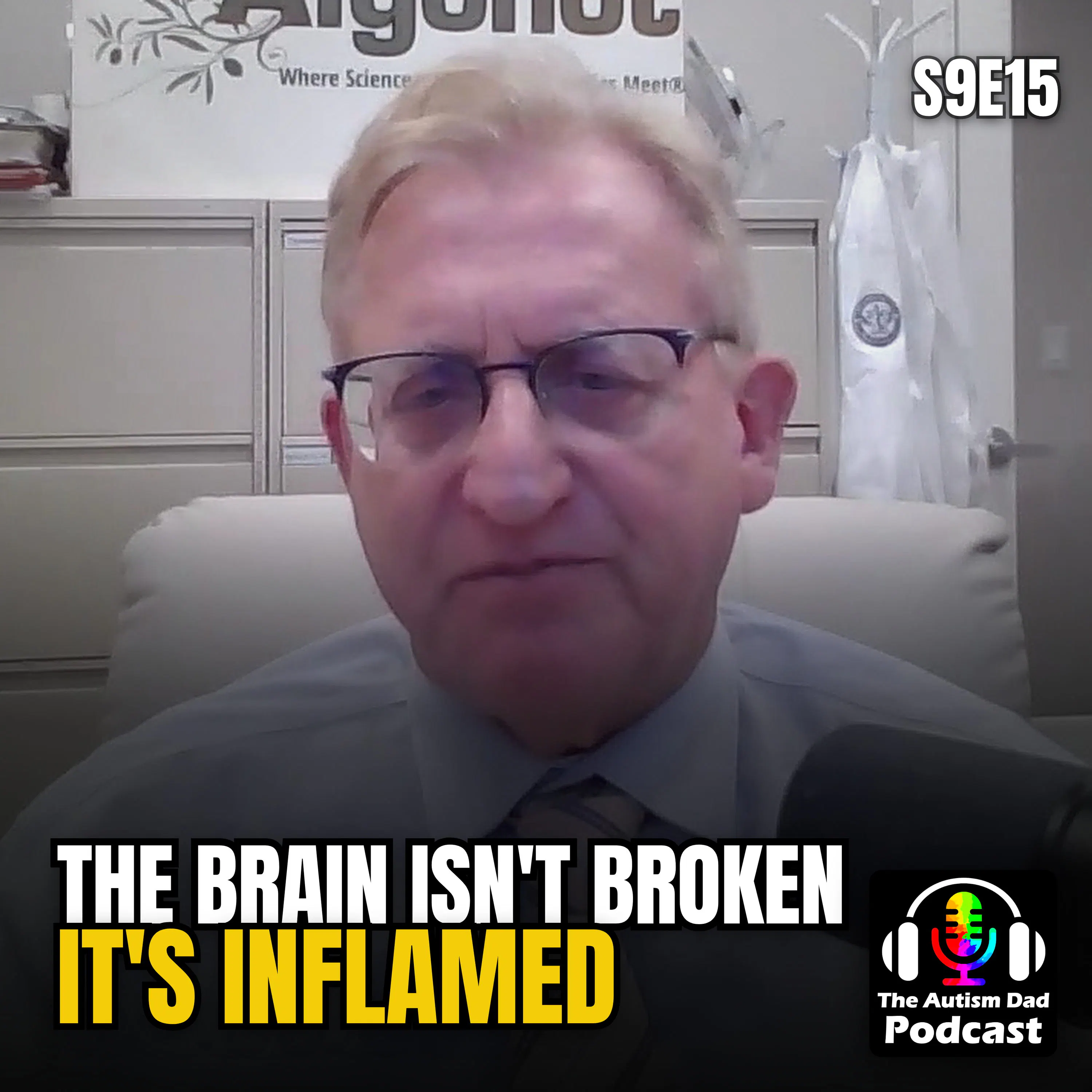
    The Brain Isn't Broken, It's Inflamed | Dr. Theoharides (S9E15)

    Dr. Theoharis Theoharides is back, and this time we got into the stuff that has been all over the news. Leucovorin. Tylenol. Benadryl. Underneath the headlines there is actual science, and Dr. Theo walks through what inflammation, mast cells, and folate really have to do with our kids. The throughline is simple. A diagnosis is a label, not a treatment plan, and there is measurable biology underneath that label that most workups never look at. Dr. Theo holds five degrees from Yale, spent 37 years at Tufts, has published more than 500 peer reviewed papers, and was the first researcher to connect mast cells to autism. He now runs the Center of Excellence for Neuroinflammation Research in Florida. In this episode: - What a mast cell actually is, and why the ones in the brain matter - Propionic acid, and why it is sitting in most kids' cereal - The four things he wants every autism workup to cover - The folate test most kids never get, and why normal bloodwork can still be wrong - A 30-second test you can run at your kitchen table tonight - Why constipation changes behavior more than almost anything he has seen - What to do when your pediatrician refuses to order a test - How to tell a real supplement from an expensive one - Twenty years of autism fads, and why stem cells do not work - When to stop something that is not working His most honest moment: "I hate the term therapeutic because I don't know what I'm treating." His best one: "The brain is working. The fact that they don't speak doesn't mean anything." RESOURCES FRAT, the Folate Receptor Autoantibody Test. Must be ordered by a physician. MTHFR gene analysis. RBC folate and RBC B12, to see what is getting inside the cells. Flat abdominal X-ray, when behavior spikes and nobody can explain it. FIND DR. THEO drtheoharides.com, which has an intake form. Instagram: @drtheoharides He sees patients in Fort Lauderdale the third week of each month, adolescents and adults only. FIND ROB theautismdad.com The book, So Your Child Was Just Diagnosed with Autism, is out December 29. Preorder at theautismdad.com/book/ DISCLAIMER Dr. Theoharides is a physician and PhD pharmacologist with five degrees from Yale and more than 500 peer reviewed publications. This conversation is education, not personalized medical advice. He names specific tests, supplements, medications, and doses, and he gives them as clinical context. The right number for any individual child depends on age, weight, and labs. Do not start, stop, or change anything based on a podcast. Talk to your child's doctor.

  • August 12 · 23 min

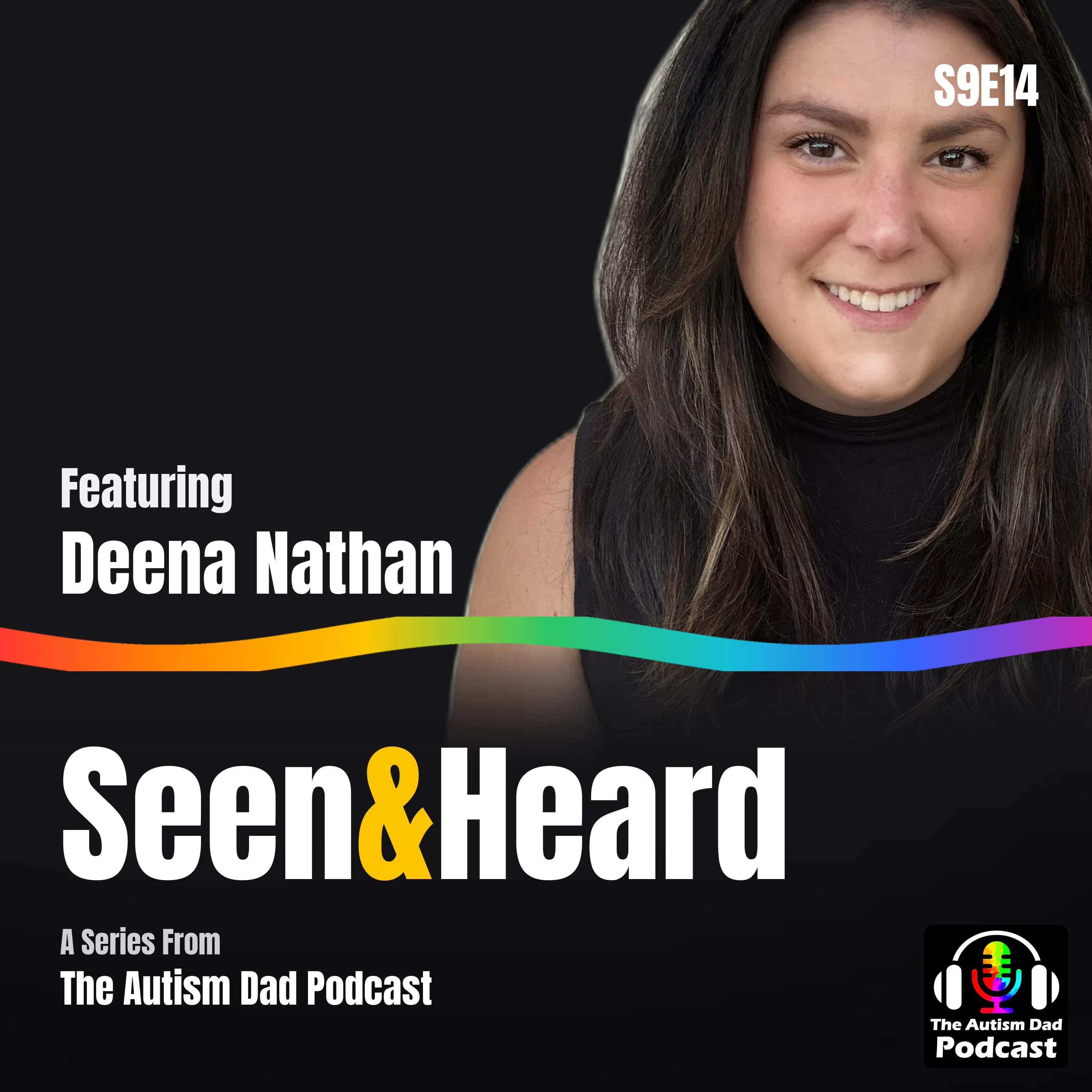
    The Day He Called Her Mom | Deena Nathan (S9E14)

    Deena Nathan's five year old son Hayden is autistic and non-speaking, and he's fluent on his AAC device. In this episode she walks through a day that starts with therapy at 8am, the win she's still not over, and the one thing she wants people to understand about a kid who doesn't talk. She's also honest about something most people won't say out loud. She has real support, good family, friends who get it, and it's still lonely. Both of those things are true at once, and that might be the most useful thing in this conversation. What you'll hear 00:00 Welcome 00:43 Meet Deena, Hayden, and the family 01:43 A day built around therapy, and being the chauffeur 04:42 The hardest part is time, and the guilt that comes with it 06:16 The win, the day he called out for Mom 08:02 Who Hayden is, hyperlexic, happy, and fluent on his AAC device 10:28 What she wishes people outside the community understood 12:00 Supported and still lonely 13:22 What she wishes autism families understood, no one's future is predicted 14:57 Feeling seen and heard inside the community 15:58 Why families at different levels end up disconnected 17:48 Deena's coaching work with special needs parents 18:21 Why Rob started sharing in the first place 21:33 Closing About the guest Deena Fierstein Nathan is a Certified Life Coach at DFN Connected Growth Coaching, where she works with parents of kids with unique needs. She lives in the North Shore suburbs of Chicago with her husband Kevin and their two kids. She stopped working when Hayden was diagnosed and went all in, including taking classes with his AAC device company so she could use it with him. Website: dfnconnectedgrowth.com Instagram: @connectedgrowthwithdeena Sponsors This episode is sponsored. Mightier is a biofeedback emotional regulation program for kids developed at Boston Children's Hospital. Use code theautismdad22 for 10% off at theautismdad.com/mightier-review. Best Part Kids is a sensory-friendly multivitamin for selective eaters created by dietitian Brittyn Coleman. Use code THEAUTISMDAD for 10% off at BestPartKids.com. About your host Rob Gorski is the founder of The Autism Dad. His book, So Your Child Was Just Diagnosed with Autism, is out December 29 2026. theautismdad.com/book

  • S9 · E13
    July 22 · 34 min

    Outsourcing the Panic | Erin Lamb (S9E13)

    Erin Lamb has been a speech language pathologist for 26 years. She runs a Baltimore nonprofit with its own school for autistic kids. She has a Ph.D. She still missed her own daughter's autism. Why does autism get missed in girls? Most of the foundational autism research was done on boys. As Erin puts it, everything she knew about autism she learned from boys in the 90s, because that's what the research was done on. That research shaped the training, and the training shaped what people picture when they hear the word autism. Girls who talk early, who mask well, or whose struggles get read as anxiety often reach their teens before anyone says it out loud. This is a Seen and Heard episode, so Erin gets the floor. She walks Rob through what a day actually looks like in a house with a kid in autistic burnout, with a PDA profile and ARFID, where separation anxiety is the most clinically significant thing in the room. She's honest about what it costs her. "People are like, what are you doing this weekend? And my answer is always caregiving. Because I do not know. I cannot plan." Then she tells us what changed. She calls it outsourcing the panic. If the school professional isn't panicking, why is she? She handed the worry to the people whose job it is to worry, and her daughter started coming back to her within weeks. She also gives the best description of an autistic kid this show has had. In the wrong environment it's like parenting all the kids from Willy Wonka at once. In the right one, with the right accommodations and supports, her kid is Charlie. WHAT YOU'LL HEAR Why a speech language pathologist with 26 years of practice missed autism in her own daughter What a day really looks like with a kid in autistic burnout, a PDA profile, and ARFID What outsourcing the panic means, and how she started doing it Who her daughter actually is: the Lorax, Willy Wonka, and Charlie What she wishes the outside world, and the autism community, understood TERMS FROM THIS EPISODE Autism in girls: autism is underdiagnosed in girls largely because the foundational research was conducted on boys, so the diagnostic picture most clinicians trained on describes boys. Girls who mask well or present as anxious are routinely missed. PDA, pathological demand avoidance: a profile in which an autistic person's nervous system treats demands as threats, even small or pleasant ones. Approaches that add pressure usually make it worse. ARFID, avoidant restrictive food intake disorder: more than picky eating. A child avoids whole categories of food by texture, smell, or fear, to the point that nutrition and growth are affected. Autistic burnout: exhaustion and loss of previously held skills following a long stretch of masking, sensory overload, and unmet needs. Recovery takes fewer demands and real rest, not more pushing. Outsourcing the panic: Erin's strategy of handing specific worries to the professionals whose job it is to hold them, instead of carrying every worry herself. ABOUT ERIN LAMB Erin Lamb is the President and CEO of Gateway Maryland, the Baltimore nonprofit formerly known as HASA, which has served Maryland families for nearly 100 years. She's a licensed speech language pathologist, holds a Ph.D. in public policy, and is the mom of two neurodivergent teenage daughters. SPONSOR This episode is sponsored by Mightier, a biofeedback emotional-regulation gaming program for kids, developed and tested at Boston Children's Hospital. Kids wear a heart-rate monitor and play games that get harder when they get dysregulated and easier as they calm down, so they practice regulating themselves in the moment. Read Rob's full review at theautismdad.com/mightier-review and use code theautismdad22 for 10% off. #ad RESOURCES Gateway Maryland: gatewaymaryland.org Rob's full Mightier review: theautismdad.com/mightier-review More Seen and Heard episodes: listen.theautismdad.com Find Rob at theautismdad.com, and on Facebook, Instagram, TikTok, and YouTube at The Autism Dad.

  • S9 · E12
    July 15 · 15 min

    What Level 2 Autism Can Look Like | Lauren Murray (S9E12)

    “Most people don’t even tag her with autism, because she’s smart, she’s so articulate.” Lauren Murray Lauren Murray is a New Jersey mom of two, and her daughters are almost twenty years apart. Her oldest is about to turn 21, a UCF graduate thriving in Florida. Her youngest is four, level two autistic, with sensory processing disorder and a short list of safe foods. She is also, in Lauren’s words, doing fantastic. In this Seen and Heard episode, Lauren gives Rob an honest look at a day that starts at six in the morning and does not end until nine at night. Her husband works long days, so most of the week she is her daughter’s sole care provider. Lauren is a former teacher who kept a tight schedule at home, and school does it even better, down to the minute, and her daughter loves it. Then there is the part so many parents will feel in their chest. Lauren’s daughter is bright and verbal, she speaks better than most of her peers, and that is exactly why people do not believe she is autistic. At the park, one mom packs up her kids and leaves every time she sees them coming, because Lauren’s daughter does not understand personal space and just wants to play. In public, a meltdown gets read as a bratty toddler, when the truth is they have done everything from A to Z to get ahead of it. And the win. Flying home from a day trip to visit her oldest in Florida, their flight got canceled. They spent the night in the airport, then got emergency landed at an airport none of them had ever seen. Her four-year-old took the whole thing in stride, iPad, comfort snacks, a blanket Lauren packed just in case, a bench, and a kid who just went with the flow. Lauren also names something a lot of families hit. In New Jersey, the services show up the moment you are diagnosed, but if you do not use them inside six months, they close your file. Not because you will never need help, just because you did not need it that week. What you’ll hear: “She took it better than I did.” Lauren Murray This episode is sponsored by Mightier, a biofeedback emotional-regulation gaming program for kids, developed and tested at Boston Children’s Hospital. Kids play games that get harder when they get dysregulated and easier as they calm down, so they practice regulating themselves in the moment. Read Rob’s full review at theautismdad.com/mightier-review and use code theautismdad22 for 10% off. #ad About Rob: Rob Gorski is the founder of The Autism Dad, a blog and podcast dedicated to supporting parents raising kids on the autism spectrum. As a dad of three autistic sons with over 25 years of experience, Rob brings lived experience, honesty, and heart to every conversation. Rob’s book, So Your Child Was Just Diagnosed with Autism, lands December 29, 2026 from Fair Winds Press. Updates and preorder: theautismdad.com/book Where to find Rob: You can find me at theautismdad.com, on Facebook, Instagram, and TikTok at The Autism Dad, and on YouTube at The Autism Dad. New episodes drop every week at listen.theautismdad.com.

  • S9 · E11
    July 1 · 14 min

    Autism in Real Life | Christine Bauereis (S9E11)

    "Accommodating these children is like giving them a lifeline, and these children are worthy of it." Christine Bauereis didn't find out she was autistic and ADHD until her 30s. The clarity came the way it does for so many parents, after her own kids were diagnosed. She looked at her son's reports, then at her own childhood, and the whole picture finally made sense. Christine is a mom of three in central Massachusetts, part of a blended family. Her 14-year-old, her 10-year-old son Archer, who has ADHD, and her youngest, River, who is six and autistic. River is level two, verbal with moderate support needs, and as she puts it, just wonderful. In this Seen and Heard episode, Christine gives Rob an honest look at what their days hold. The mornings that used to be a battle, before a new psychiatrist, an ADHD diagnosis, and medication that she calls life-changing turned school refusal into a kid who pops up asking if he has school today. The afternoons that get hard, because River masks all day and lets it all out when he's finally home and safe. And a win that will stay with you, a three-hour food drive she and River did together for families in Worcester, the first full day they ever got through without a single meltdown. But the heart of this one is Christine's voice as an advocate. When her district's entire SEPAC resigned because the district wouldn't collaborate, she didn't go quiet. She stood up at a town meeting and said the thing every parent in that room needed to hear. Special education isn't a choice. It is a right. What you'll hear: Finding out she's autistic and ADHD in her 30s, after her kids How ADHD medication turned school refusal into excitement Why masking all day leads to afternoon meltdowns at home The Worcester food drive that became their first meltdown-free day When the whole SEPAC resigned, and what she did next Why she begs parents to listen to autistic adults "No matter what level it is, it's still hard. Everyone's hard is hard." Christine Bauereis This episode is sponsored by Time To Evaluate. If you've tried to get your child, or yourself, evaluated for autism or ADHD, you know the wait can be months, even years. Time To Evaluate does it with live telehealth, often within two weeks, from home. A self-paced intake in your own words, one licensed psychologist start to finish, and a formal report you can use at school. One flat fee, no waiting room. Better outcomes, without the wait. Visit timetoevaluate.com. #ad About Rob: Rob Gorski is the founder of The Autism Dad, a blog and podcast dedicated to supporting parents raising kids on the autism spectrum. As a dad of three autistic sons with over 25 years of experience, Rob brings lived experience, honesty, and heart to every conversation. My NEW book, So Your Child Was Just Diagnosed with Autism, lands December 29, 2026 from Fair Winds Press. Updates and preorder: theautismdad.com/book Where to find Rob: You can find me at theautismdad.com, on Facebook, Instagram, and TikTok at The Autism Dad, and on YouTube at The Autism Dad. New episodes drop every week at listen.theautismdad.com.

  • S9 · E10
    June 17 · 20 min

    Stop Comparing the Hard, Start Validating It | Heidi Price (S9E10)

    "Stop comparing the hard. Start validating the hard." That one line from Heidi Price might be the whole episode. Heidi spent years in the autism community before she was a mom. She worked as a recreational therapist, and she married into a family that knows autism well, with two brothers-in-law on the spectrum and two nephews too. She thought she understood it. Then she had her own kids, and she learned how much the level one experience can humble even someone who works in the field. Heidi and her husband live in North Carolina with their three kids. Two of the three are autistic, and both are level one. Her six-year-old son has autism, ADHD, and a PDA, or pathological demand avoidance, profile. Her five-year-old daughter was diagnosed at three and spent about a year and a half in ABA therapy. Her youngest, who is three, has severe food allergies. As Heidi puts it, it's a fun place at her house. In this Seen and Heard episode, Heidi gives Rob a real, unscripted look at what their days actually hold. The morning rules you can't break. The clothing battles when the seasons change. The way her son and daughter can need the exact opposite things at the exact same time. And one recent win that will stick with you, where a couple of soda cans, a pair of new shoes, and three days of patience turned a meltdown into a victory lap. But the heart of this one is Heidi's message about comparison. Every level of autism is hard. The level threes and the level ones. The non-verbal days and the principal-calling days. They can coexist, and one does not have to threaten the other. She's honest about the services gap too, about how her daughter could not get an IEP because she wasn't considered bad enough, even while she was still struggling. What you'll hear: Why working in autism for years still didn't prepare her for level one PDA, control, and why you can't just wake her kids up The soda-can trick that got her son into new shoes How autism showed up differently in her son than her daughter Why level one kids can fall through the cracks for services "Stop comparing the hard. Start validating the hard." "Everyone's hard is hard. We need to stop comparing the hard. We need to start validating the hard." Heidi Price This episode is presented by Best Part Kids, a sensory-friendly multivitamin for selective eaters created by dietitian Brittyn Coleman. Use code THEAUTISMDAD for 10% off at BestPartKids.com. #ad About Rob: Rob Gorski is the founder of The Autism Dad, a blog and podcast dedicated to supporting parents raising kids on the autism spectrum. As a dad of three autistic sons with over 25 years of experience, Rob brings lived experience, honesty, and heart to every conversation. Rob's book, So Your Child Was Just Diagnosed with Autism, lands December 29, 2026 from Fair Winds Press. Updates and preorder: theautismdad.com/book Where to find Rob: You can find me at theautismdad.com, on Facebook, Instagram, and TikTok at The Autism Dad, and on YouTube at The Autism Dad. New episodes drop every week at listen.theautismdad.com. Where to find Heidi: You can find Heidi on Instagram at @triple.a_mom, on Facebook at Triple A Mom, and on my website at www.tripleamom.net. I actually started a business to help families like ours with visual resources that actually work.

  • S9 · E7
    May 13 · 13 min

    This Is What Level 1 Autism Parenting Can Look Like | Liz Covington (S9E07)

    Liz Covington's son Bennett was diagnosed with ADHD and ODD at age four. The autism diagnosis didn't come until he was ten. Now he's 18, in college, and just spent two hours shoveling the driveway in a snowstorm without being asked twice. That's the kind of win that doesn't make the highlight reels but means everything to families like hers. In this Seen and Heard episode, Rob sits down with Liz, a Utah mom of four, for a 15-minute glimpse into what level 1 autism parenting can actually look like. They cover late diagnosis, the daughter who has friends at school but can't handle anything else after, and why some autism families feel like they don't belong inside their own community. What you'll hear in this episode: Why ADHD and ODD diagnoses came years before autism for Bennett What the win looks like at 18: independence, problem-solving, and no resistance The ten-year-old daughter who masks at school and crashes at home Why "high functioning" families can feel invisible inside the autism community The school principal who misread Bennett's nervous laugh as disrespect The phrase Liz heard too many times: "autistic kids don't do that" Why every kid wants to be connected, appreciated, and seen "Every kid is good. They all want to be connected. They all want to be appreciated. And they're all trying their best." — Liz Covington ABOUT THE GUEST Liz Covington is a mom of four based in Utah. Her oldest son Bennett, 18, was diagnosed with ADHD and ODD at age four and with autism at age ten. He is now in college. Liz's ten-year-old daughter is believed to be on the spectrum and is awaiting formal evaluation. Liz advocates for autism families whose kids' challenges aren't visible on the surface. ABOUT YOUR HOST Rob Gorski is the founder of The Autism Dad, a blog and podcast dedicated to supporting parents raising kids on the autism spectrum. As a dad of three autistic sons with over 25 years of experience, Rob brings lived experience, honesty, and heart to every conversation. Rob's first book lands early 2027 from Quarto. Updates and preorder: theautismdad.com/book THIS EPISODE IS PRESENTED BY ALGONOT This episode is presented by Algonot. Algonot makes science-backed supplements developed by Dr. Theoharis Theoharides, a Yale-trained researcher who has spent decades studying neuroinflammation, mast cells, and the brain. Every product is third-party tested for purity and free of common irritants. Visit algonot.com and use code ROB5 to save on your order. RESOURCES MENTIONED More Seen and Heard episodes: listen.theautismdad.com Algonot supplements (use code ROB5): algonot.com Preorder Rob's book: theautismdad.com/book If you found this episode helpful, please follow The Autism Dad Podcast on Apple Podcasts, Spotify, or wherever you listen. Visit listen.theautismdad.com for past episodes, resources, and ways to support the show. You can find Rob at theautismdad.com, on Facebook, Instagram, and TikTok at The Autism Dad, and on YouTube at The Autism Dad. New episodes drop every week at listen.theautismdad.com.

  • S9 · E6
    May 6 · 35 min

    We Rock the Spectrum (S9E06)

    She got kicked out of five indoor playgrounds with her autistic son. Then she built her own. Today, We Rock the Spectrum has over 200 sensory-friendly, inclusive gyms in eight countries, and her son Gabriel just earned an academic scholarship to Loyola Marymount University. In this episode, Rob sits down with Dina Kimmel, founder and CEO of We Rock the Spectrum Kids Gym, and Christopher Reyes, autism dad and owner of the Clovis, California location, to talk about what an autism family can build when the world tells them no. What you'll hear: • How one mom turned daily occupational therapy at home into a global sensory gym franchise • Why Gabriel's scholarship proves a diagnosis is a baseline, not a prophecy • Inside the gym: zip lines, crash pits, sensory tunnels, trampolines, and 12 pieces of OT equipment • The "play with a purpose" philosophy behind every piece of equipment • Christopher's path from nurse to owner of Central Valley's only sensory gym • Parents Night Out drop-off addressing California's childcare shortage • Big news: We Rock the Spectrum is now Medicaid waiver and Medi-Cal approved • The My Brother Rocks the Spectrum Foundation grants for open play and respite "This was all inspired from these two children that I have. I had no idea the need. I had no idea there were so many of us." — Dina Kimmel About Dina: Dina Kimmel is the CEO and founder of We Rock the Spectrum Kids Gym, a sensory friendly inclusive franchise with over 200 locations in eight countries. An autism mom first, Dina launched the first location in 2009 after seeing her son Gabriel thrive on OT equipment. About Christopher: Christopher Reyes is an autism dad and owner of We Rock the Spectrum Clovis. He's father to Jacob, six, level two, and Roxanne, four, level one. He opened his location to serve the Central Valley community. Resources: Find a location: https://wrtsfranchise.com/locations Clovis: https://werockthespectrumclovis.com This episode is brought to you by Mightier, a clinically proven app that helps kids build emotional regulation skills through biofeedback-based video games. Visit mightier.com and use code theautismdad22 for 10% off. Also brought to you by VizyPlan. Built by a dad who gets it, VizyPlan uses AI to create visual routines with photos of your actual child. Visit vizyplan.com/app and use code theautismdad for your first month free. About Rob: Rob Gorski is the founder of The Autism Dad, a blog and podcast dedicated to supporting parents raising kids on the autism spectrum. As a dad of three autistic sons with over 25 years of experience, Rob brings lived experience, honesty, and heart to every conversation. Rob's first book lands early 2027 from Quarto. Updates and preorder: theautismdad.com/book You can find me at theautismdad.com, on Facebook, Instagram, and TikTok at The Autism Dad, and on YouTube at The Autism Dad. New episodes drop every week at listen.theautismdad.com.

  • S9 · E4
    April 22 · 34 min

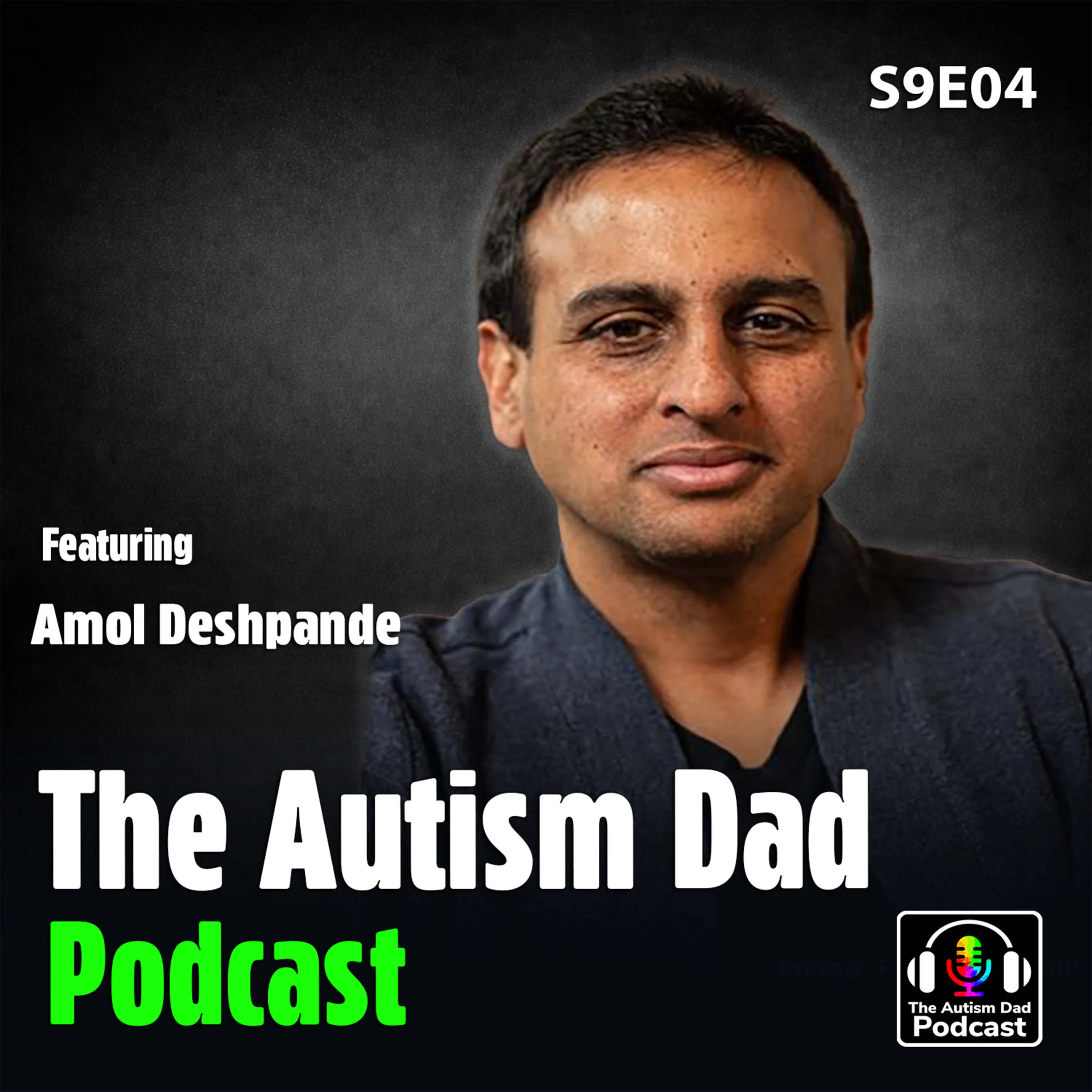
    This Is Not What We Were Told to Expect | Amol Deshpande (S9E04)

    What if you could get access to a Masters or PhD level BCBA for free, within 24 hours, from your phone? That is exactly what Amol Deshpande built after spending years fighting a broken system just to get his own son diagnosed and into care. Amol is the founder and CEO of Frontera, a Silicon Valley tech entrepreneur who previously founded Farmers Business Network, growing it into a nearly four billion dollar company, and served as a general partner at Kleiner Perkins Caufield and Byers. He pivoted his entire career after his son was diagnosed with autism at age two. In this episode, he shares what the journey has looked like over the past 12 years, why he believes the clinical community is failing parents at the moment of diagnosis, and why his son is now 14, badgering him to watch South Park, spending too much money at Shake Shack, and heading to a Knicks game. This is a conversation about hope, access, and what happens when a parent decides to do something about the system instead of just surviving it. What you will hear in this episode: • Why even a Silicon Valley entrepreneur with every advantage struggled to get his son diagnosed • How his son went from a serious autism diagnosis at age two to thriving as a teenager • Why the clinical community gets the moment of diagnosis completely wrong • Why a diagnosis label is a baseline, not a prophecy • How Frontera gives parents free access to expert BCBA support within 24 hours • Why community is one of the most underrated tools in the autism parenting toolkit • Rob shares his own sons' outcomes including what they were told would never happen ABOUT THE GUEST Amol Deshpande is a seasoned entrepreneur and parent of a child with autism. His personal experience navigating a fragmented and inefficient care system inspired the creation of Frontera, a suite of tools that harnesses technology to expand access to high-quality behavioral healthcare for families everywhere. Amol also invests in mission-oriented ventures through Divergent Investments, his family office. Before Frontera he founded and built Farmers Business Network into a nearly four billion dollar company with 1,000 employees from scratch. Prior to that he was a general partner at Kleiner Perkins Caufield and Byers, where he was the first investor in companies such as Beyond Meat and Axia Vegetable Seeds. ABOUT YOUR HOST Rob Gorski is the founder of The Autism Dad, a blog and podcast dedicated to supporting parents raising kids on the autism spectrum. As a dad of three autistic sons with over 25 years of experience, Rob brings lived experience, honesty, and heart to every conversation. THIS EPISODE IS BROUGHT TO YOU BY If your mornings feel like a battle before the day even starts, I want to tell you about something that is genuinely changing that for families in our community. It is called VizyPlan, and it was built by a dad who gets it. The app uses AI to create visual routines with images of your actual child doing each step. Not stock photos. Not generic pictures. Your kid. Your home. Your routine. And it goes way beyond mornings. Calming tools, social stories, and advocacy support, it is all in one place. A real autism playbook for life after diagnosis. Your family's photos and information stay private and protected. VizyPlan was built with that in mind from day one. When your child can see their day before they live it, everything shifts. Visit VizyPlan.com/app to learn more and download the app. Use the code theautismdad to get your first month free. See your day. Mightier is a clinically proven app that helps kids build emotional regulation skills through biofeedback-based video games. It meets kids where they are and gives parents real tools to support them at home. Visit mightier.com and use code theautismdad22 for 10% off. ONE MORE THING My first book is coming. It is called Your Child Was Just Diagnosed with Autism: Real Talk, Support and Next Steps from a Dad Who Has Been There, and it is everything I wish I had when we were in the thick of it. You can get updates, early access information, and preorder details at theautismdad.com/book. Go check it out. If you found this episode helpful, please follow The Autism Dad Podcast on Apple Podcasts, Spotify, or wherever you listen. Visit listen.theautismdad.com for past episodes, resources, and ways to support the show. Produced in partnership with Frontera.

  • S9 · E2
    April 8 · 15 min

    This Is What Level 1 Autism Parenting Can Look Like | Brandon Shaw (S9E02)

    What does it really feel like to fight for your child's autism diagnosis, navigate school battles, and find joy in a glove and a game of catch? In this episode of Seen and Heard, I'm joined by Brandon Shaw, an autism dad from Orlando, Florida, who shares a candid, unfiltered look at life with his seven-year-old son Mason, who is diagnosed level one but often teeters between one and two. Brandon opens up about the moment everything changed, the silence that followed diagnosis, and the small victories that keep his family moving forward. What you will hear in this episode: How Brandon and his wife Alyssa fought for Mason's autism diagnosis after being turned away by two pediatricians Why there was no roadmap after diagnosis and how the family built one on their own The everyday reality of raising two brothers, one neurotypical and one autistic, under the same roof How Mason went from an autism-specific pre-K unit to a mainstream first-grade classroom with an IEP Why small wins, like answering how his school day went or grabbing a baseball glove, mean everything What Brandon wishes the outside world understood about Mason and the autism community Why Brandon believes advocacy is a team sport and how community support changes everything ABOUT THE GUEST Brandon Shaw is an autism dad living in Orlando, Florida with his wife Alyssa and their two sons, Mason, age seven, and Hunter, who is nearly three. Mason was diagnosed as autistic around age three and a half after his family fought to be heard by multiple doctors. Since diagnosis, Brandon and Alyssa have dedicated themselves to learning, advocating, and celebrating every step of Mason's journey. Brandon is passionate about breaking autism stigmas, building community, and reminding other parents that they are not alone. ABOUT YOUR HOST Rob Gorski is the founder of The Autism Dad, a blog and podcast dedicated to supporting parents raising kids on the autism spectrum. As a dad of three autistic sons with over 25 years of experience, Rob brings lived experience, honesty, and heart to every conversation. THIS EPISODE IS BROUGHT TO YOU BY VizyPlan — If your mornings feel like a battle before the day even starts, check out VizyPlan. Built by a dad who gets it, VizyPlan uses AI to create visual routines with photos of your actual child. Visit VizyPlan.com/app and use code theautismdad to get your first month free. If you found this episode helpful, please follow The Autism Dad Podcast on Apple Podcasts, Spotify, or wherever you listen. Visit listen.theautismdad.com for past episodes, resources, and ways to support the show.

  • S8 · E28
    Oct 1, 2025 · 56 min

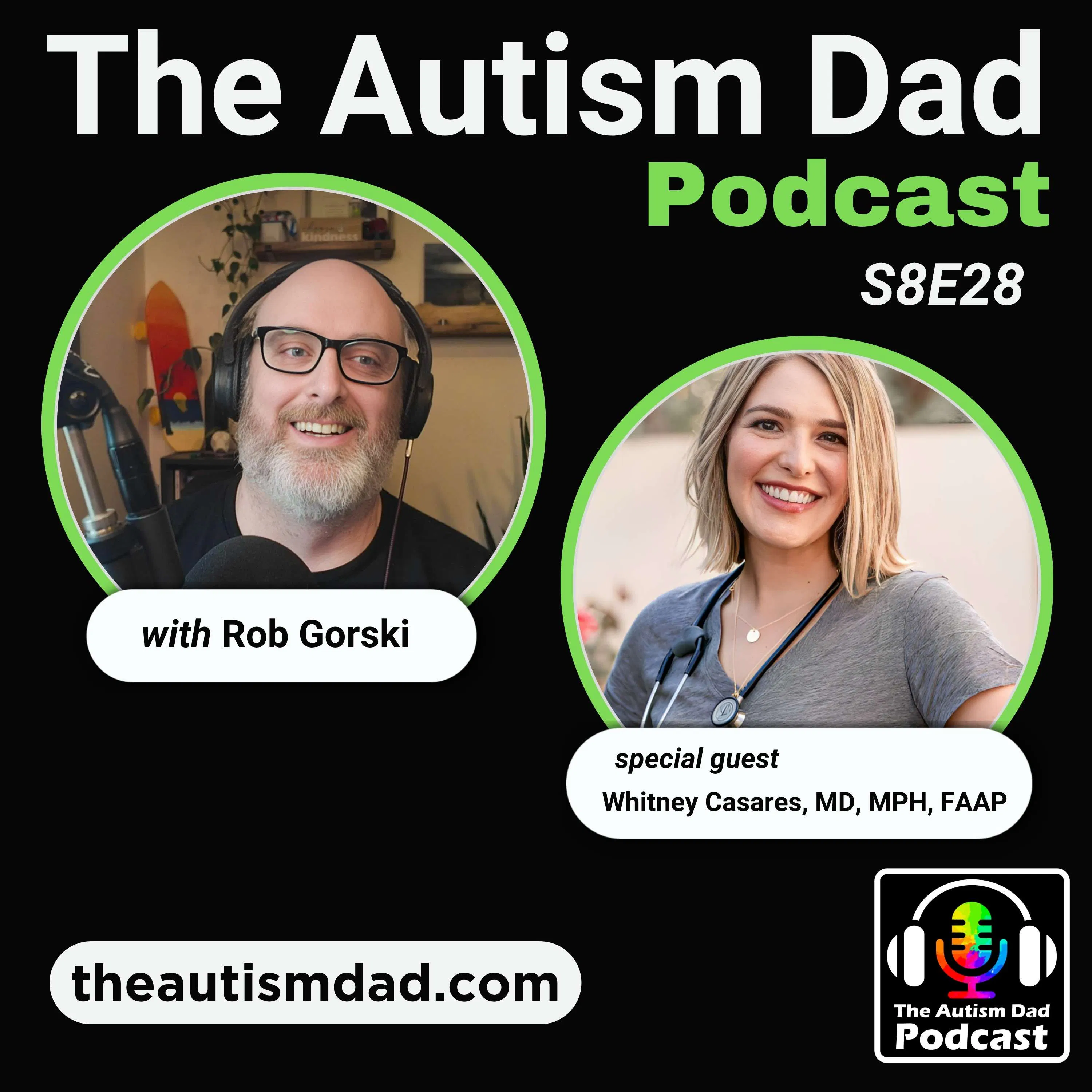
    Raising Body Confident Kids with Autism and ADHD (S8E28)

    How do we help our neurodivergent kids feel confident in their own bodies? That’s the big question in this week’s episode of The Autism Dad Podcast. I’m joined by Dr. Whitney Casares, pediatrician, public health expert, autism mom, and fellow at the American Academy of Pediatrics, to talk about her new book My One of a Kind Body: The Ultimate Guide to Caring for Me. Dr. Casares opens up about raising her autistic and ADHD children, why body image hits differently for neurodivergent kids, and how parents can support healthy habits without shame or pressure. We talk about diet culture, social media, body bullies, and how to help kids see themselves as enough, exactly as they are. If you’ve ever worried about your child’s self-esteem, eating struggles, or how to navigate tricky conversations about body changes, this episode will give you guidance, validation, and tools to move forward. • Why body image issues impact autistic and ADHD kids differently • How Dr. Casares’ daughter inspired her new book • The lasting effects of diet culture on kids (and parents) • Helping neurodivergent kids navigate social media pressure • Practical ways to address sensory eating and movement challenges • Scripts and strategies parents can use when tough questions come up • Why BMI isn’t the full picture of health for children • How to model body confidence while managing your own struggles Dr. Casares is a board-certified pediatrician and public health expert, and autism mom. She is a fellow at the American Academy of Pediatrics, host of The Modern Mommy Doc Podcast, and author of several books, including My One of a Kind Body. Her work helps parents raise confident, resilient kids while giving themselves grace along the way. Website: modernmommydoc.com Rob Gorski is the founder of The Autism Dad blog and host of The Autism Dad Podcast. A single father to three autistic children, Rob shares his family’s journey to validate and support parents raising neurodivergent kids. His work has been featured by CNN, ABC News, BBC Worldwide, and more. Algonot: Check out NeuroProtek, a brain-supporting flavonoid supplement developed by a Yale-trained neuroinflammation expert. Save 5% with code ROB5 at algonot.com. Mightier: Help your child build emotional regulation skills through fun, game-based biofeedback. Save 10% with code theautismdad22 at mightier.com. If you found this episode helpful, please follow The Autism Dad Podcast on Apple Podcasts, Spotify, or wherever you listen. Visit listen.theautismdad.com for past episodes, resources, and ways to support the show.

  • S8 · E27
    Aug 20, 2025 · 36 min

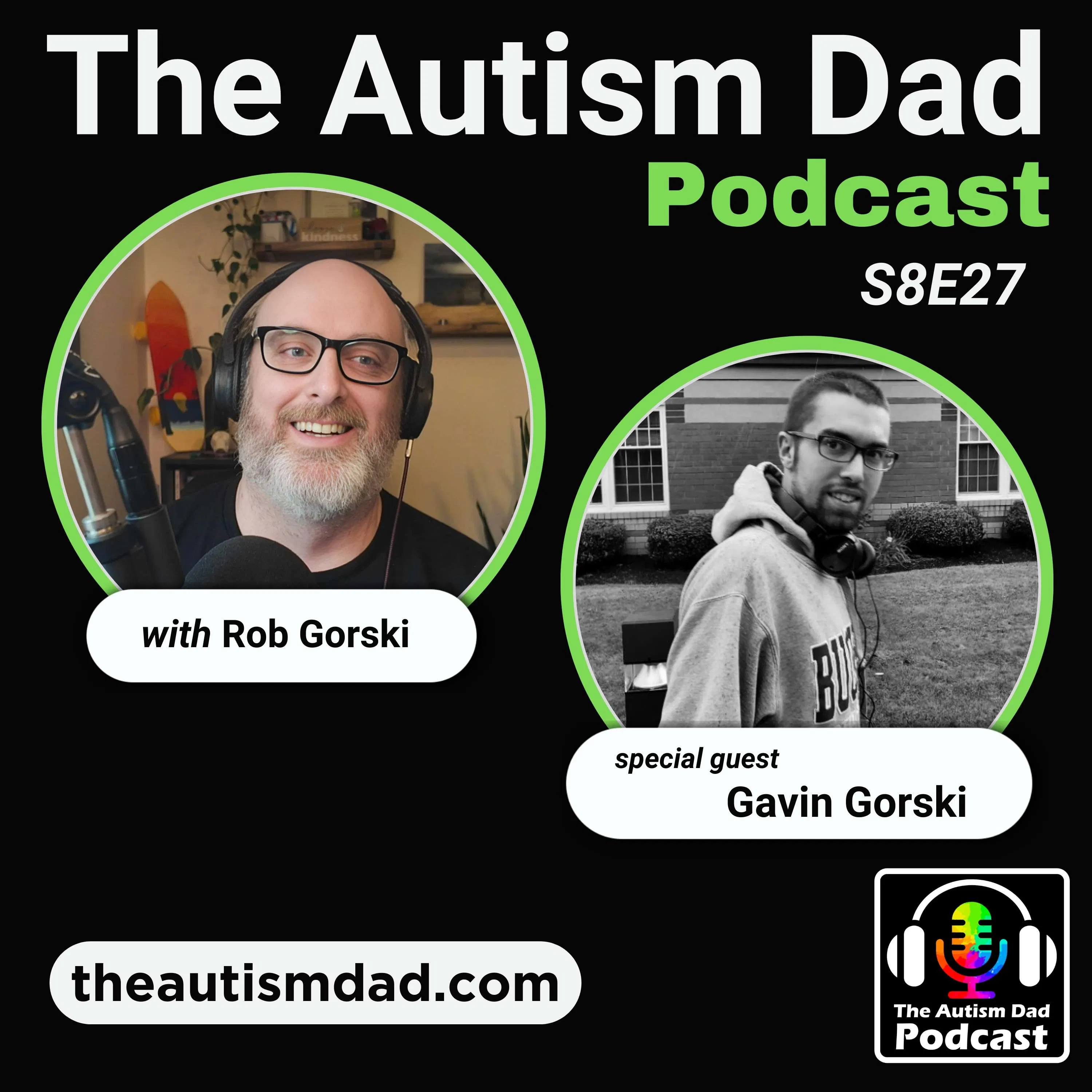
    Parenting Autism into Adulthood: My Son Gavin’s Journey at 25 (S8E27)

    In this episode of The Autism Dad Podcast, I sit down with my 25-year-old autistic son, Gavin, for a candid update on his journey. We talk about his transition out of a group home, what he’s learning along the way, and his hopes for the future. If you’re parenting autistic children or supporting neurodivergent kids as they grow into adulthood, this conversation offers both real-world challenges and encouraging progress. Gavin shares openly about work, housing, self-care, and even his dream of becoming a streamer. These insights matter for families navigating the shift from childhood to adult life with autism. What you’ll hear in this episode: Why Gavin left his group home and what families should look out for The importance of stable hours and fair pay when autistic adults enter the workforce How self-advocacy and job coaching can support independence Gavin’s goals for future housing and financial stability Honest reflections on managing stress and remembering to ask for help His interest in streaming, content creation, and sharing his experiences online The role of grandparents and family support in transitional stages Gavin’s approach to self-care and why he’s trying a massage for stress relief If you’re raising neurodivergent kids, this episode is both relatable and inspiring. It shows the ups and downs of supporting an autistic young adult, while also reminding us how much growth is possible with patience, advocacy, and support. Don’t forget to subscribe to The Autism Dad Podcast on your favorite platform so you never miss an episode. You can also visit theautismdad.com for more autism parenting resources, personal stories, and ways to connect. Sponsors Algonot – NeuroProtek® A brain-supporting flavonoid supplement developed by a Yale-trained neuroinflammation expert. Supports brain health, immune function, and neuroinflammation. Save 5% with code ROB5 at ⁠algonot.com Mightier — Help your kids build emotional regulation skills through play. Save 10% with code theautismdad22 at mightier.com. About Rob Gorski Rob Gorski is the father of three autistic children and the host of The Autism Dad Podcast. As the founder of The Autism Dad blog and podcast, Rob shares his family’s 25-year autism journey to educate, validate, and support parents worldwide. His work has been featured on CNN, ABC News, BBC Worldwide, and the Tamron Hall Show. About Gavin Gorski Gavin Gorski is a 25-year-old autistic adult navigating the challenges of independent living, employment, and personal growth. He brings unique insight into the adult autism experience and shares openly about his goals, struggles, and dreams for the future.

  • S8 · E25
    Aug 7, 2025 · 41 min

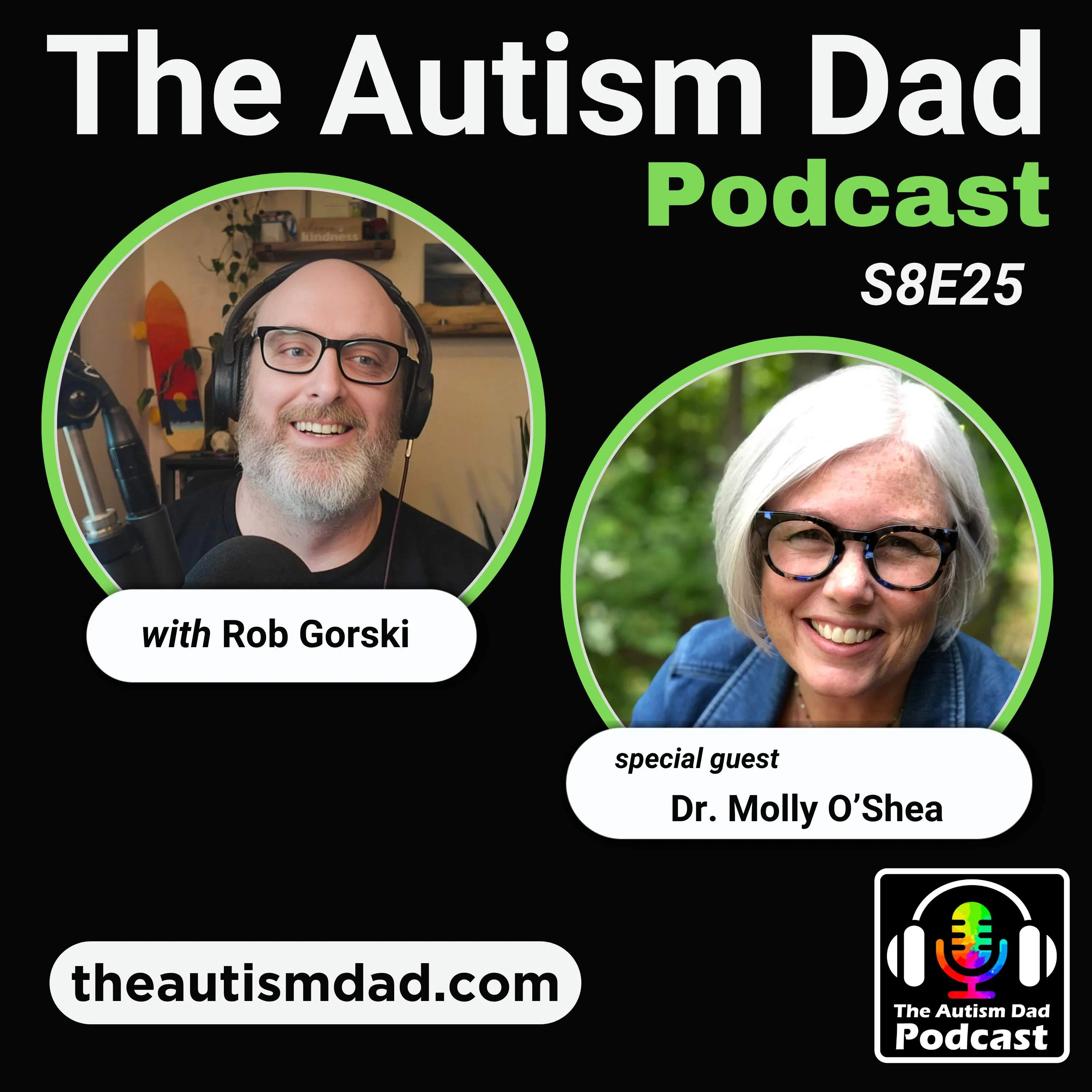
    Autism and Water Safety: What Every Parent Needs to Know (S8E25)

    This week, we’re talking about something every autism parent needs to think about—but many don’t until it’s too late: water safety and wandering. If you’ve ever felt the panic of not knowing where your child went or struggled to keep them safe near water, this episode is for you. I’m joined by Dr. Molly O’Shea, a pediatrician with the American Academy of Pediatrics, autism mom, and the official pediatrician for Goldfish Swim School. We explore the very real risks around drowning in the autism community and what parents can do to keep their neurodivergent kids safe—starting as early as infancy. What You’ll Learn in This Episode: Why autistic children are at significantly higher risk of drowning The connection between wandering and sensory-driven curiosity How kids on the spectrum process water differently Why swim lessons need to start earlier than most parents realize How swim programs like Goldfish adapt to neurodivergent learners Why swimming builds more than safety—it builds confidence and cognitive development What parents can expect from a sensory-friendly swim program If you found this episode helpful, please share it with someone who needs to hear it. Don’t forget to subscribe to The Autism Dad Podcast, leave a review, and check out our amazing sponsors below - your support keeps this podcast going strong. Visit theautismdad.com for more resources, blog posts, and episodes. Sponsors This Week: Algonot – NeuroProtek® A brain-supporting flavonoid supplement developed by a Yale-trained neuroinflammation expert. Supports brain health, immune function, and neuroinflammation. Save 5% with code ROB5 at algonot.com Mightier Created at Boston Children’s Hospital, Mightier helps kids build emotional regulation through biofeedback video games. A helpful tool for autism and ADHD. Save 10% with code theautismdad22 Learn more at mightier.com Guest Bio: Dr. Molly O’Shea is a board-certified pediatrician, autism mom, and the official pediatrician for Goldfish Swim School. With over 30 years of experience, she consults nationally on sensory-friendly care and water safety for kids of all developmental profiles. Goldfish Swim School: goldfishswimschool.com Host Bio: Rob Gorski is a single dad to three autistic kids, the voice behind The Autism Dad blog, and host of The Autism Dad Podcast. Rob shares honest, experience-based insights to help families feel more supported and less alone. More from Rob: theautismdad.com

  • Jul 30, 2025 · 1 hr 12 min

    The Day This Autism Dad Almost Gave Up (S8E24)

    In this powerful and deeply personal episode of The Autism Dad Podcast, I open up about one of the darkest moments of my life—a time when the weight of burnout, single parenting, and undiagnosed ADHD nearly pushed me past the brink. But more importantly, I talk about the moment I chose five more minutes—and how that choice changed everything. Joining me is Dr. Kristen Guillory, a leading voice in men’s mental health and founder of Candid Conversations for Men. Together, we break down what often goes unspoken, especially for dads raising neurodivergent kids. This isn’t just a conversation—it’s a lifeline. If you're a dad feeling like you're carrying the weight of the world or a parent trying to support your partner, this episode is for you. What We Talk About: - Why men’s mental health is still a taboo topic—and how we can change that - What it’s really like to parent autistic children as a solo dad - The emotional toll of trying to be “strong” all the time - How societal expectations silence men’s pain - The moment I considered giving up—and what pulled me back - How to break the silence and ask for help without shame - The importance of presence over perfection in fatherhood - The five-minute rule that can help you survive even the hardest days This Week’s Sponsors: NeuroProtek® Developed by a Yale-trained neuroinflammation expert, NeuroProtek is a brain-supporting flavonoid supplement designed to help with neurological inflammation often seen in autism. Save 5% with code ROB5 at https://algonot.com Mightier Mightier helps kids with autism and ADHD learn emotional regulation through biofeedback and fun video games. It's a tool I used personally with my own kids, and it made a huge difference. Learn more at https://mightier.com use the code "theautismdad22" and save 10%. If this episode resonates with you, please consider subscribing and sharing it with someone who needs to hear it. Visit listen.theautismdad.com for all episodes and guest info. You’re not alone—there’s always someone listening. Guest Bio: Dr. Kristen Guillory is a former professor of counseling and social work, a speaker, coach, and founder of KSGL Enterprises. She leads “Candid Conversations for Men”—a national initiative providing spaces where men are seen, heard, affirmed, and celebrated. With over 25 events hosted nationwide, Dr. Guillory is changing how we approach men’s mental health. Website: https://kristenguillory.com Instagram: @drkristenguillory Host Bio: Rob Gorski is the founder of The Autism Dad platform and host of The Autism Dad Podcast. A single father to three autistic children, Rob turned his personal journey into a lifeline for other families. He’s been featured by CNN, ABC News, BBC, and more, and his award-winning blog and podcast reach hundreds of thousands of parents seeking hope and support. Website: https://theautismdad.com Instagram: @theautismdad

Showing 1–20 of 22 episodes