Skip to content
Artwork for The Assessment
NewsPoliticsGovernment

The Assessment

IISS

The Assessment podcast examines the geopolitical questions that matter most. Each episode opens with an AI-generated probability forecast, which a panel of leading experts then interrogates - testing the assumptions, weighing the evidence and probing the limits of what forecasting can reliably tell us. 


The Assessment podcast show is hosted by Charlie Edwards, Senior Fellow for Strategy & National Security; Head of Analytics, Six Analytic. The podcast is produced by the IISS Crowd Forecasting, Collective Intelligence and Strategic Risks programme and supported by Acacia


For more information, visit https://www.iiss.org/ 


Hosted on Acast. See acast.com/privacy for more information.

Play
  • 6 episodes
  • fortnightly
  • Avg 30 min
  • English
  • S1 · E5
    Thursday · 35 min

    Controlling Copper

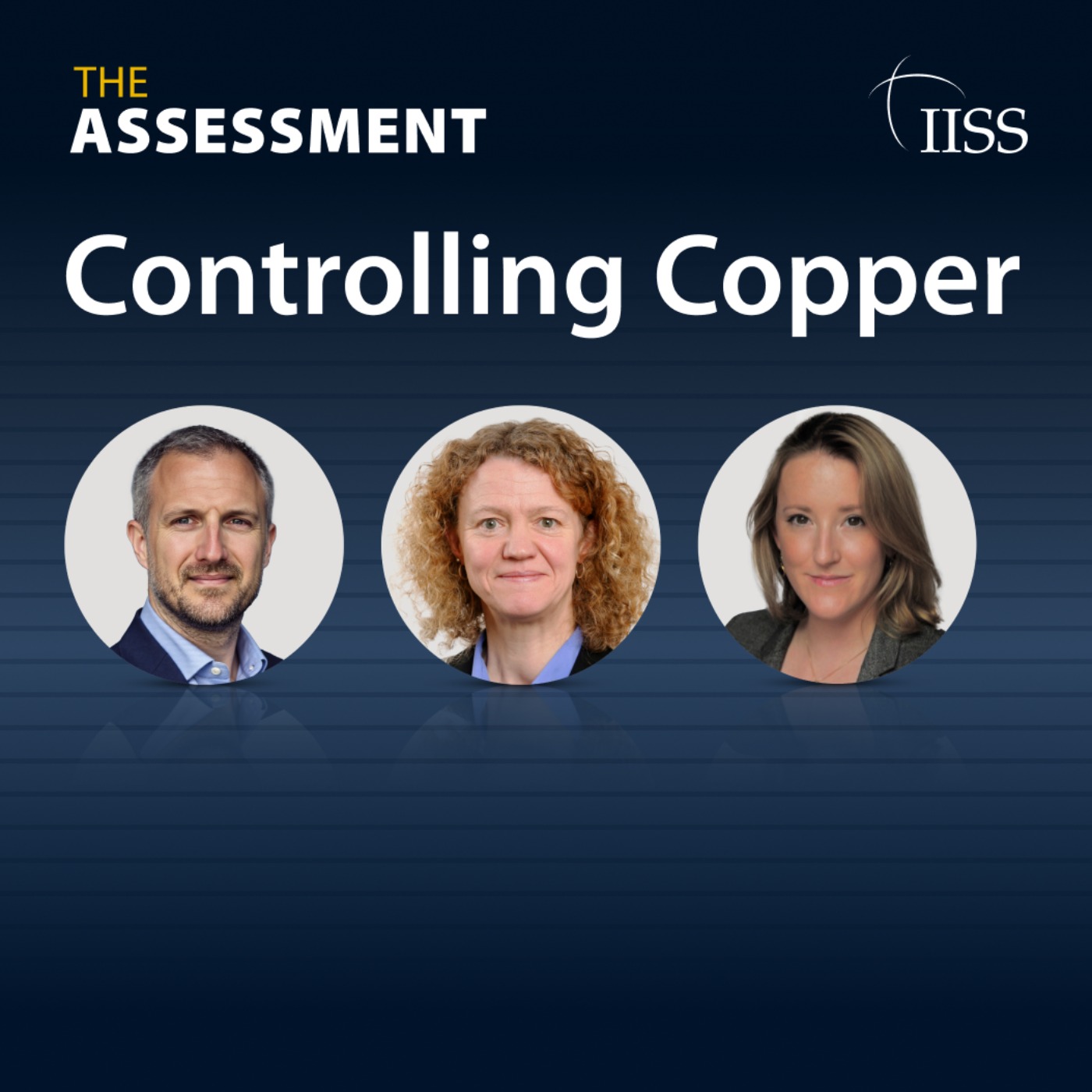
    In episode five of The Assessment, Charlie Edwards is joined by Caroline Bain, founder of Bain Commodities Research, and Natalie Scott-Gray, Senior Metals Demand Analyst at StoneX, to unpack the tightening outlook for the copper market. With ore grades falling at ageing mines and Chinese smelters facing record-low treatment charges, is the market heading for a structural deficit, or will new supply come through faster than expected? Copper underpins the green transition, AI data centres, semiconductors and defence hardware, while China accounts for around half of global copper smelting and roughly 45% of refined production. Our experts discuss the effects of the Iran War and US tariffs on copper trade, China’s dominance of smelting, the EU’s supply-chain challenges, and what could push the market into a sustained surplus. The AI models face a particular challenge in this episode: with decades of statistics and a settled analyst consensus to draw on, can they do more than anchor on received wisdom? The question: will the ICSG report that global apparent refined copper usage grew by less than 1.0% year-on-year in any calendar year between 2026 and 2029? The experts and the AI models do not agree. Hosted on Acast. See acast.com/privacy for more information.
  • S1 · E4
    August 13 · 38 min

    Crisis in the Sahel

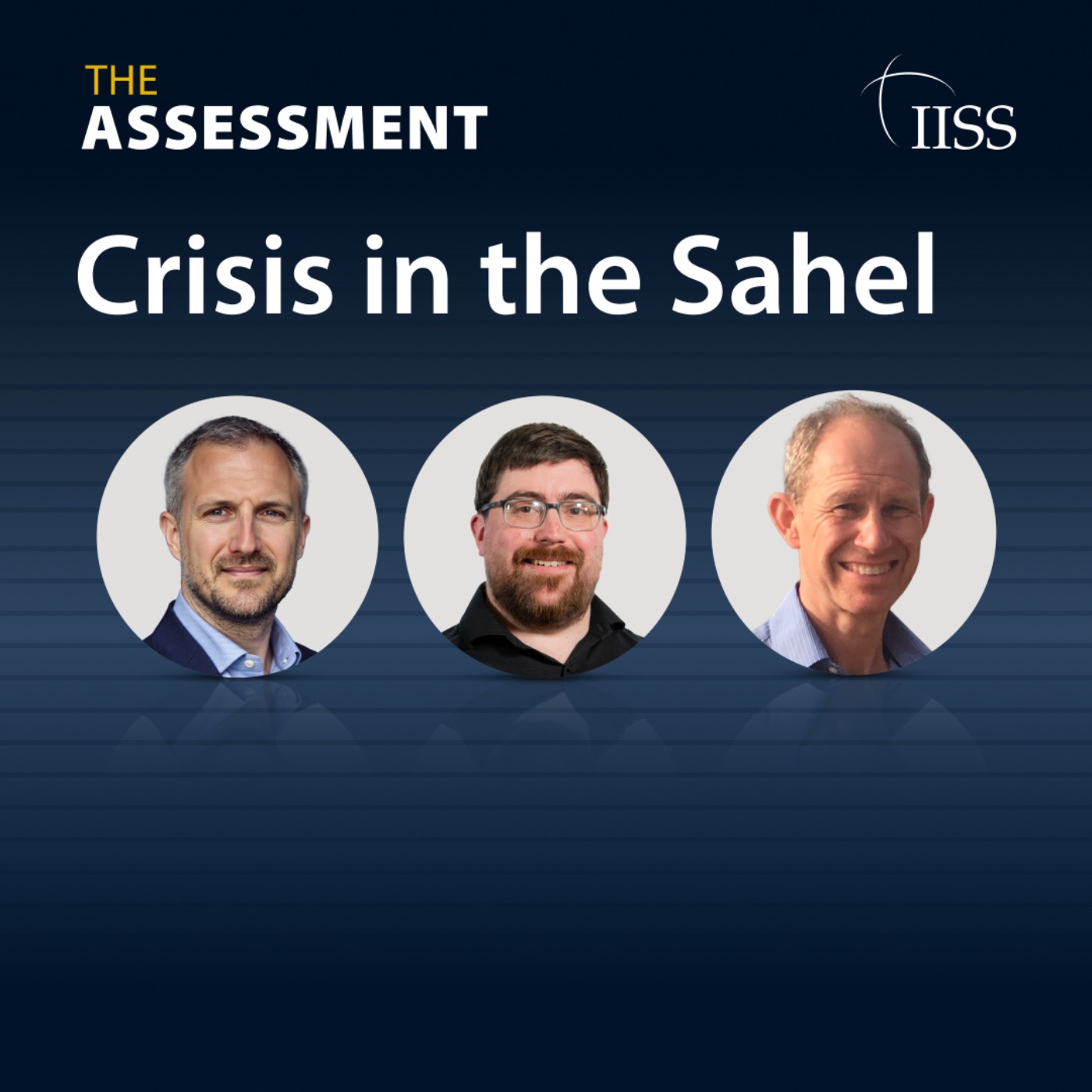
    In episode four of The Assessment, Charlie Edwards is joined by Dr Dan Watson, Research Associate for Conflict, Security and Development at the IISS, and Paul Melly, Consulting Fellow in the Africa Programme at Chatham House, to unpack the deepening crisis across Mali, Niger and Burkina Faso. With insurgents making gains against the Malian junta, is Russia's Africa Corps quietly shifting from counterinsurgency operations to serving as a palace guard? As the crisis in the Sahel continues to intensify, allied insurgent groups JNIM and the FLA launched dramatic joint offensives in April and July. Our experts explore the redeployment of troops, Mali's conflict economy and the use of urban asphyxiation tactics by insurgents. The AI models were set a challenge in this episode: can they forecast an event when there are few independent media reports, only limited statistics and a stream of unverifiable government statements to ground their answer? Tune in to find out. Hosted on Acast. See acast.com/privacy for more information.
  • S1 · E3
    July 30 · 38 min

    Hormuz: choking the Strait

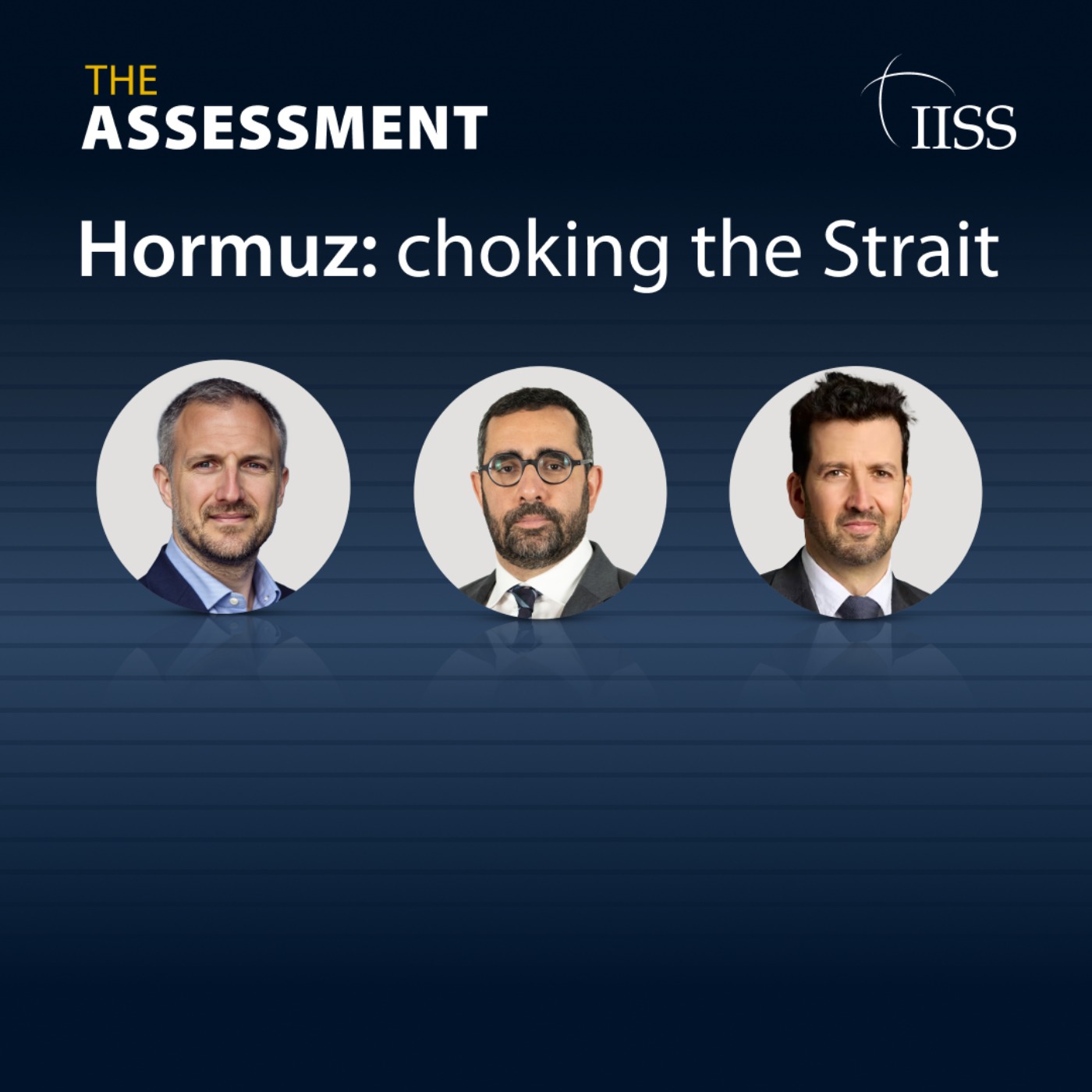
    In the third episode of The Assessment, Charlie Edwards, Emile Hokayem and Elliot Hentov probe an AI forecast suggesting that it is unlikely that major carriers will announce a full resumption of services through the Strait of Hormuz before the end of the year. They explore Iran's 17 August fee deadline, the insurance and mine-clearance bottlenecks and what a semi-permanent Cape detour would mean for global trade. Hosted on Acast. See acast.com/privacy for more information.
  • S1 · E2
    July 16 · 32 min

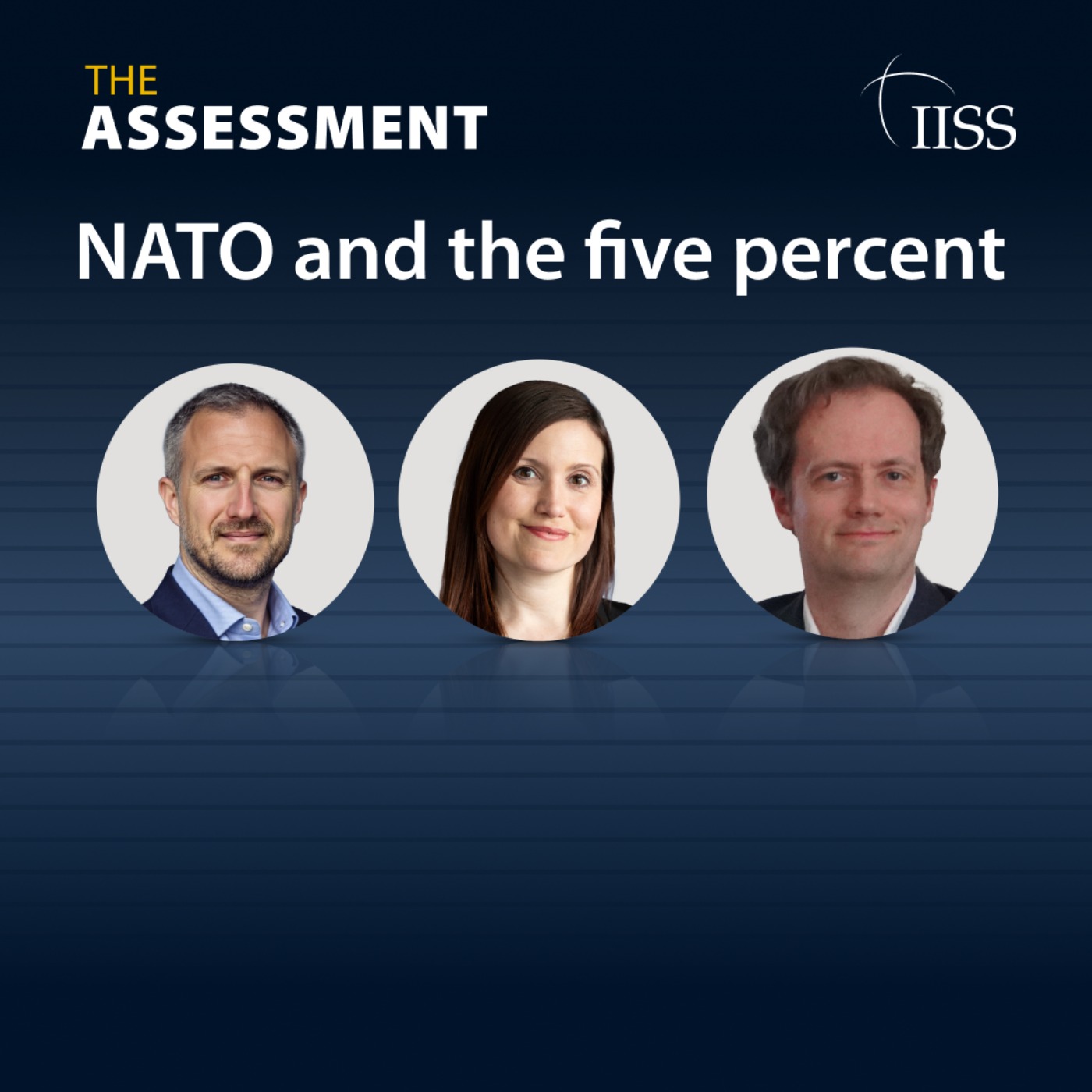
    NATO and the five percent

    In episode two of The Assessment, our experts revisit the Hague summit pledge of 5% of GDP on defence by 2035 one year on and ask whether it's already fiscally out of reach for key NATO members. Host Charlie Edwards is joined by Fenella McGerty, Senior Fellow for Defence Economics at the IISS, and Howard Mustoe, Editor of The Rearmament. They interrogate an AI generated forecast that assesses it is highly likely that, following Spain’s lead, at least one major European member will also publicly seek an exemption, and what that would mean for NATO's unity and capability. Hosted on Acast. See acast.com/privacy for more information.

  • S1 · E1
    July 1 · 34 min

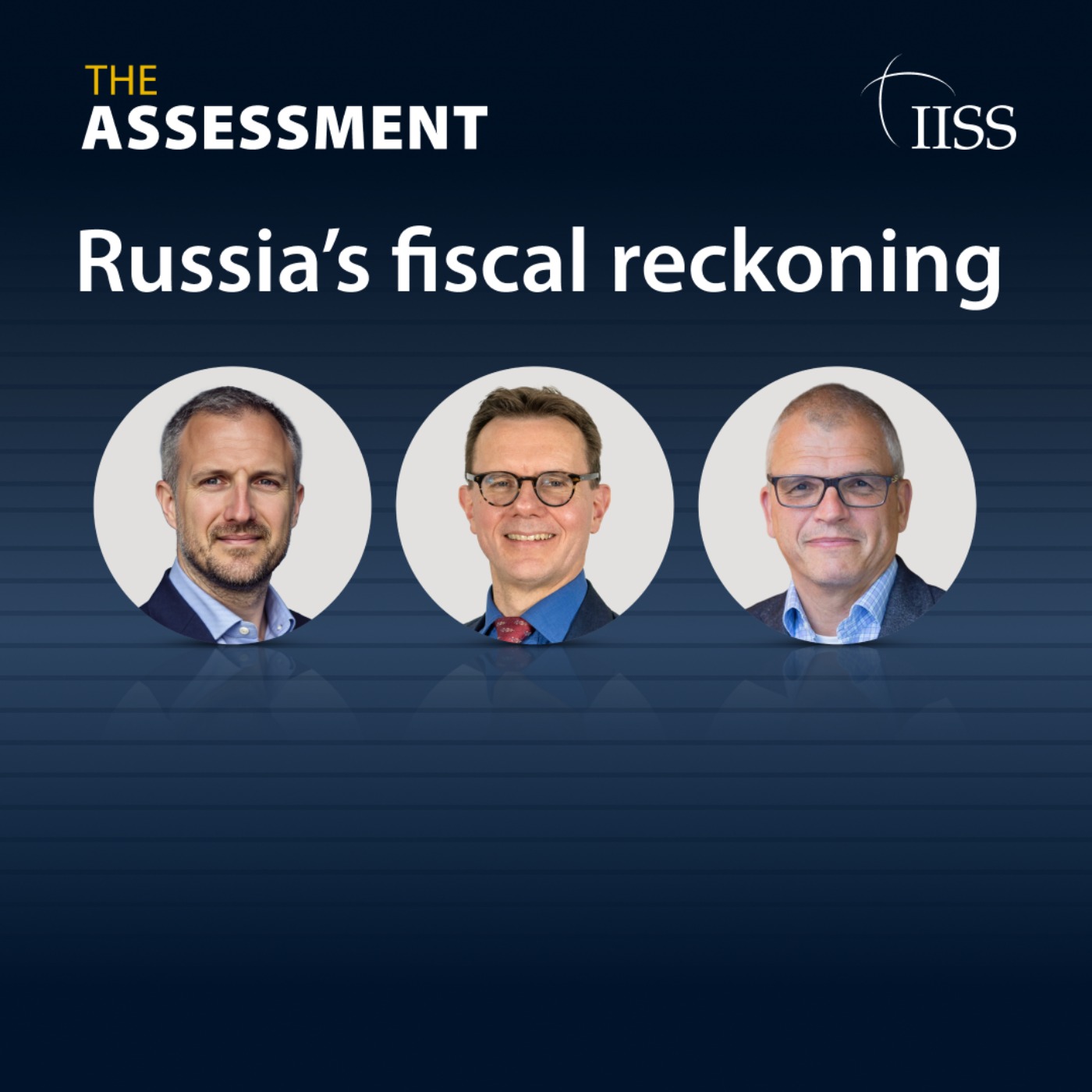
    Russia’s fiscal reckoning

    In the inaugural episode of The Assessment, host Charlie Edwards holds discussions with Nigel Gould-Davies, IISS Senior Fellow for Russia and Eurasia, and Timothy Ash, BlueBay Senior Sovereign Strategist for Emerging Markets, to explore whether Russia could face a formal fiscal crisis within the next two years. Using an AI-generated forecast they explore the country’s worsening fiscal pressures, oil-price vulnerability, sanctions and the implications for the war in Ukraine. Hosted on Acast. See acast.com/privacy for more information.

  • June 29 · 46 sec

    The Assessment

    Most analysis tells you what just happened. The Assessment podcast asks what comes next. Hosted by Charlie Edwards, each episode takes a geopolitical question and opens with a forecast generated by an AI-powered platform. That forecast is then put to leading experts who examine its assumptions, identify its limits, and bring regional and subject-matter expertise to bear on the question the models alone cannot resolve. The topics span great-power competition, economic statecraft and the structural forces reshaping international security. The Assessment podcast show is hosted by Charlie Edwards, Senior Fellow for Strategy & National Security; Head of Analytics, Six Analytic. The podcast is produced by the IISS Crowd Forecasting, Collective Intelligence and Strategic Risks programme and supported by Acacia. For more information, visit https://www.iiss.org/ Hosted on Acast. See acast.com/privacy for more information.

Showing 1–6 of 6 episodes