Why Are Museum Wall Texts So Bad?
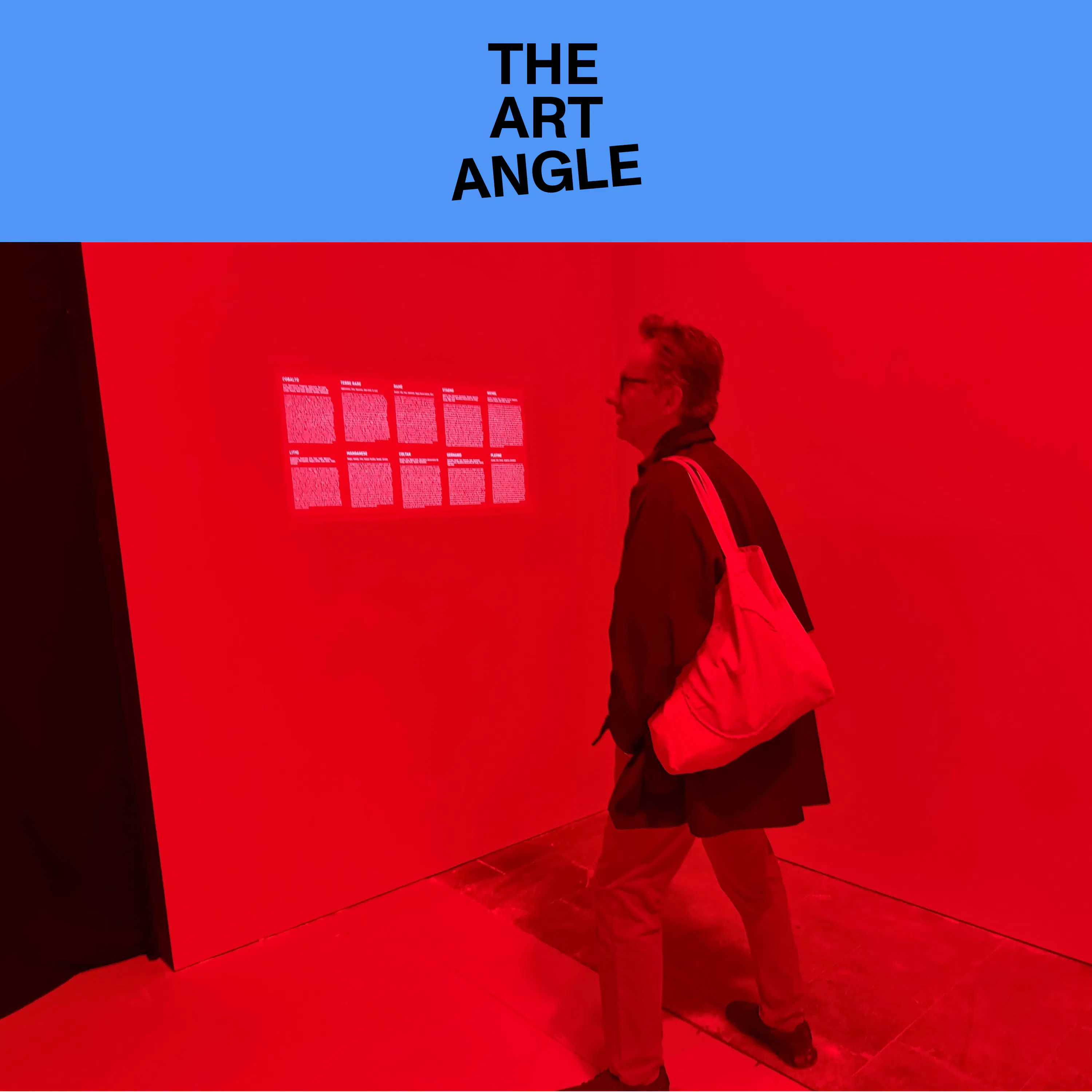
The humble wall label at an art exhibition has a funny status. It feels, on the one hand, like a side note or an afterthought. On the other, it is a first point of contact and literal guide for a visitor looking to know more. There is an entire undersung discipline, Visitor Studies, which has put a lot of time into thinking about how museums communicate. And yet, even so, some of the most prestigious exhibitions in the world are crawling with texts that I can barely understand. As a matter of fact, I’ve griped so much about bad text at art biennials and shows that I try not to do it anymore, just to avoid repeating myself. But recently, I decided I would get it out of my system for good and be constructive and write an essay about where I think these texts go wrong and what I think works. Katherine Whitney thinks about museum texts professionally, she has worked with a number of museums and with Beverly Serrell on the 2024 edition of Serrell’s Exhibit Labels: An Interpretive Approach, a standard resource on this subject. So, let’s talk about texts. This is a nerdy topic, maybe, but it’s also an essential topic, one that helps clear your mind about what you want from a museum in the first place. Unlike a lot of problems facing art right now, the problem of bad texts is one that can be fixed.