Skip to content
Artwork for The American Idea
EducationHistory

The American Idea

Ashbrook Center

The American Idea explores America's history and principles and what they mean today. The podcast is a production of the Ashbrook Center and hosted by Dr. Jeff Sikkenga.

Play
  • 20 episodes
  • weekly
  • Avg 41 min
  • English
  • S7 · E5
    Wednesday · 47 min

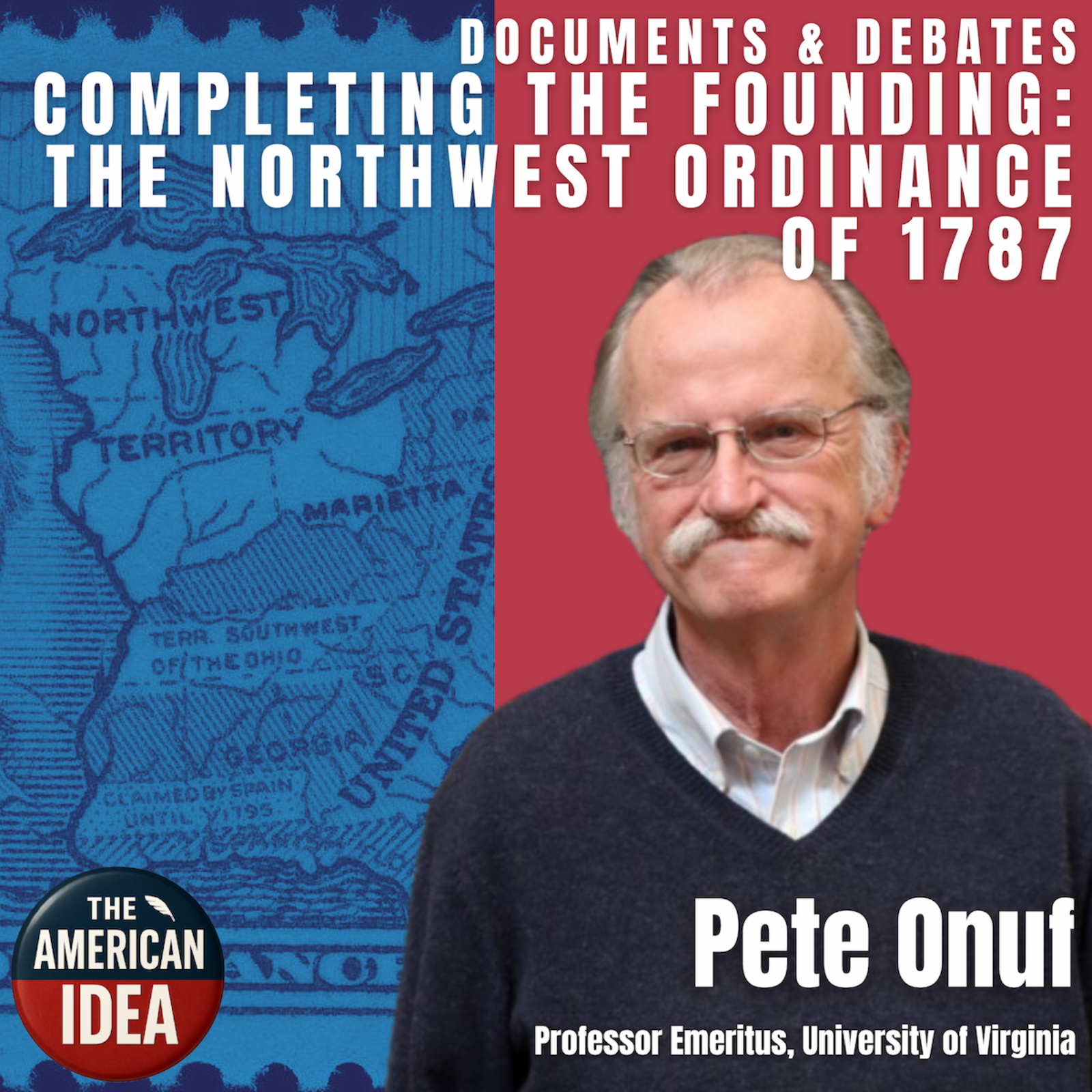
    Completing the Founding: The Northwest Ordinance of 1787

    Written while the Constitutional Convention was taking place in 1787, the Northwest Ordinance was adopted fully by the new government, despite being a production of the Articles of Confederation. It also laid the foundation for many of the Founders’ priorities and aspirations in terms of governance, land usage, economics, and slavery. How would the new, expanding America look, and what would it be like? The Northwest Ordinance is an essential enabler for the America that came on the heals of the Revolution. Jeff is joined by historian Peter Onuf to discuss this essential, yet largely overlooked, document. Read the document: https://teachingamericanhistory.org/document/the-northwest-ordinance/ Host: Jeff Sikkenga Executive Producer: Jeremy Gypton Subscribe: https://linktr.ee/theamericanidea Homepage: https://ashbrook.org/the-american-idea-podcast/ Thank you for being part of The American Idea community. Follow on Twitter https://x.com/amideapodcast Follow on Facebook https://www.facebook.com/ashbrookcenter/
  • August 19 · 36 min

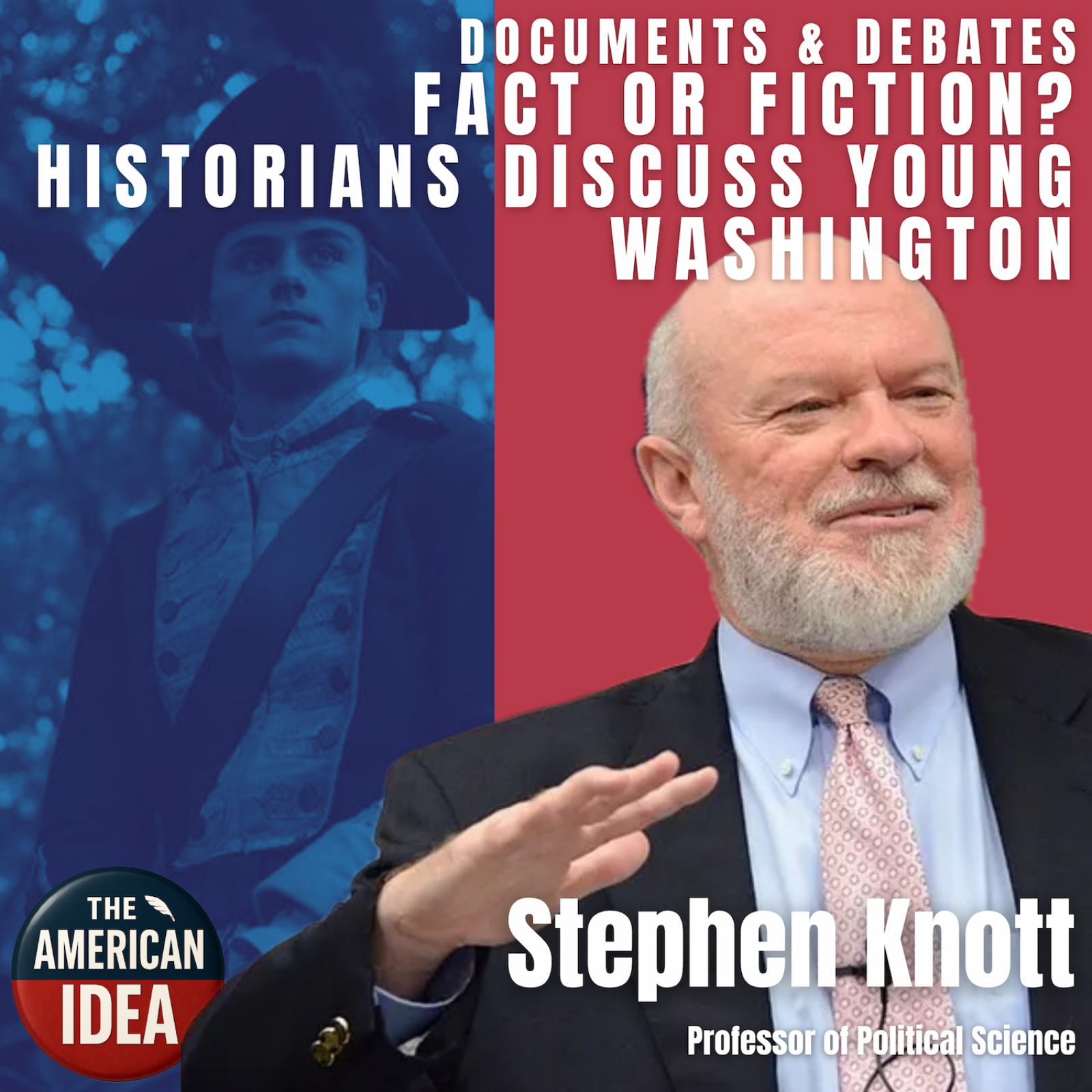
    Fact or Fiction? Historians Discuss Young Washington

    Young Washington purports to tell the story of George Washington’s early life, and the choices, situations, and actions that defined him as a young man, and in the eyes of his countrymen. But how accurate is it, and considering how many people seem to get their history from films, what should we know about this movie when thinking about the story it tells? Presidential historian Stephen Knott worked as an advisor for the movie, and sits down with Dr. Cara Rogers Stevens to discuss what’s fact, where the film took creative license, and how challenging it is to make a good historical film. Read David Hackett Fischer’s book, as suggested by Steve: https://a.co/d/05GDbgbO Host: Jeff Sikkenga Executive Producer: Jeremy Gypton Subscribe: https://linktr.ee/theamericanidea Homepage: https://ashbrook.org/the-american-idea-podcast/ Thank you for being part of The American Idea community. Follow on Twitter https://x.com/amideapodcast Follow on Facebook https://www.facebook.com/ashbrookcenter/
  • S7 · E4
    August 12 · 35 min

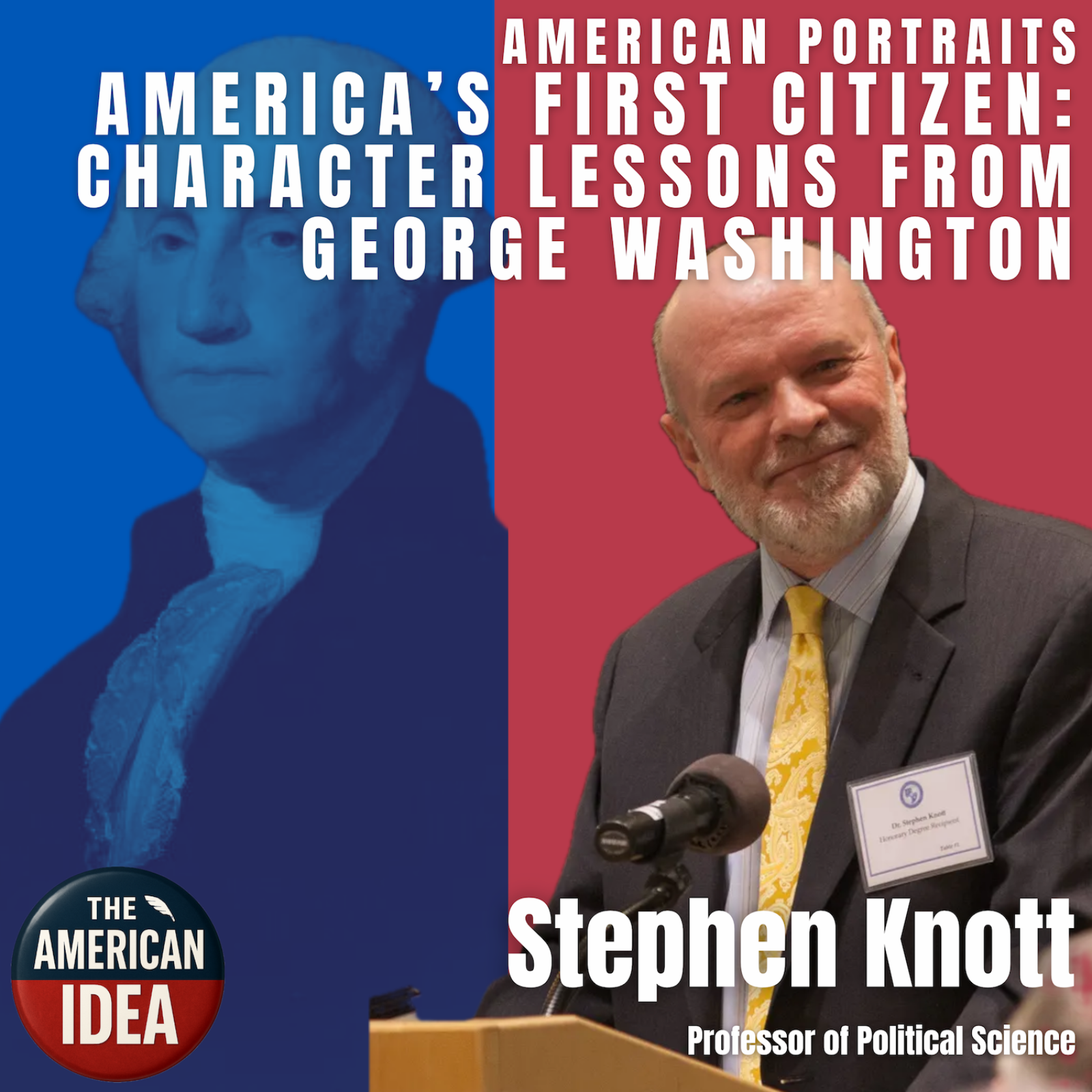
    America's First Citizen: Character Lessons from George Washington

    First in war, first in peace, and traditionally first in the hearts of Americans - what can we learn from Washington, the man? What made him the person around whom history seemed to turn, and why is his character worth studying and, in many ways, emulating? Professor Stephen Knott, noted presidential historian, discusses Washington, the man, and three key moments in his life when his decisions and integrity shifted the arc of history. Read David Hackett Fischer’s book, recommended by Steve: https://a.co/d/05GDbgbO Host: Jeff Sikkenga Executive Producer: Jeremy Gypton Subscribe: https://linktr.ee/theamericanidea Homepage: https://ashbrook.org/the-american-idea-podcast/ Thank you for being part of The American Idea community. Follow on Twitter https://x.com/amideapodcast Follow on Facebook https://www.facebook.com/ashbrookcenter/
  • S7 · E3
    July 29 · 39 min

    Why Did the Founders Create a Republic?

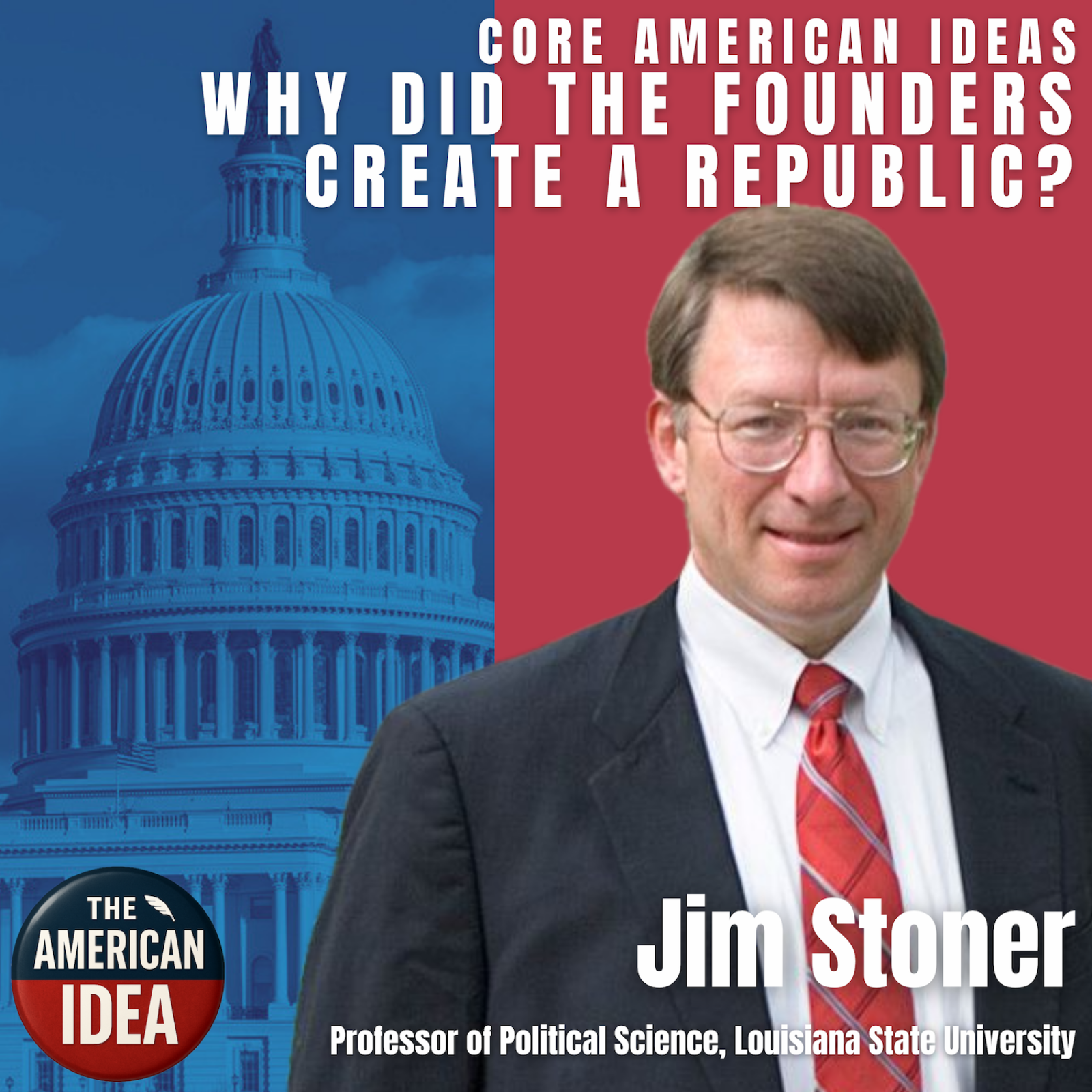
    America is often called a democracy, sometimes a democratic republic, and probably less-often a republic. But to be precise, the American system of constitutional government, first in the original 13 states, then in the general government, and since 1787, consists of a series of republics. Each state is a republic, and the national (or general, or federal) government is, as well. But what exactly is a republic, and does it matter? What is republican (little R) government, and what did the Founders see in it that was superior to a democracy? What qualities did they see in their fellow Americans, and hope to see in their progeny - us? Professor of Political Science Jim Stoner, of Louisiana State University, discusses the difference between a republic and a democracy, and how the Founders understood republicanism as both a system and a set of civic values. Host: Jeff Sikkenga Executive Producer: Jeremy Gypton Subscribe: https://linktr.ee/theamericanidea Homepage: https://ashbrook.org/the-american-idea-podcast/ Thank you for being part of The American Idea community. Follow on Twitter https://x.com/amideapodcast Follow on Facebook https://www.facebook.com/ashbrookcenter/
  • S7 · E2
    July 15 · 41 min

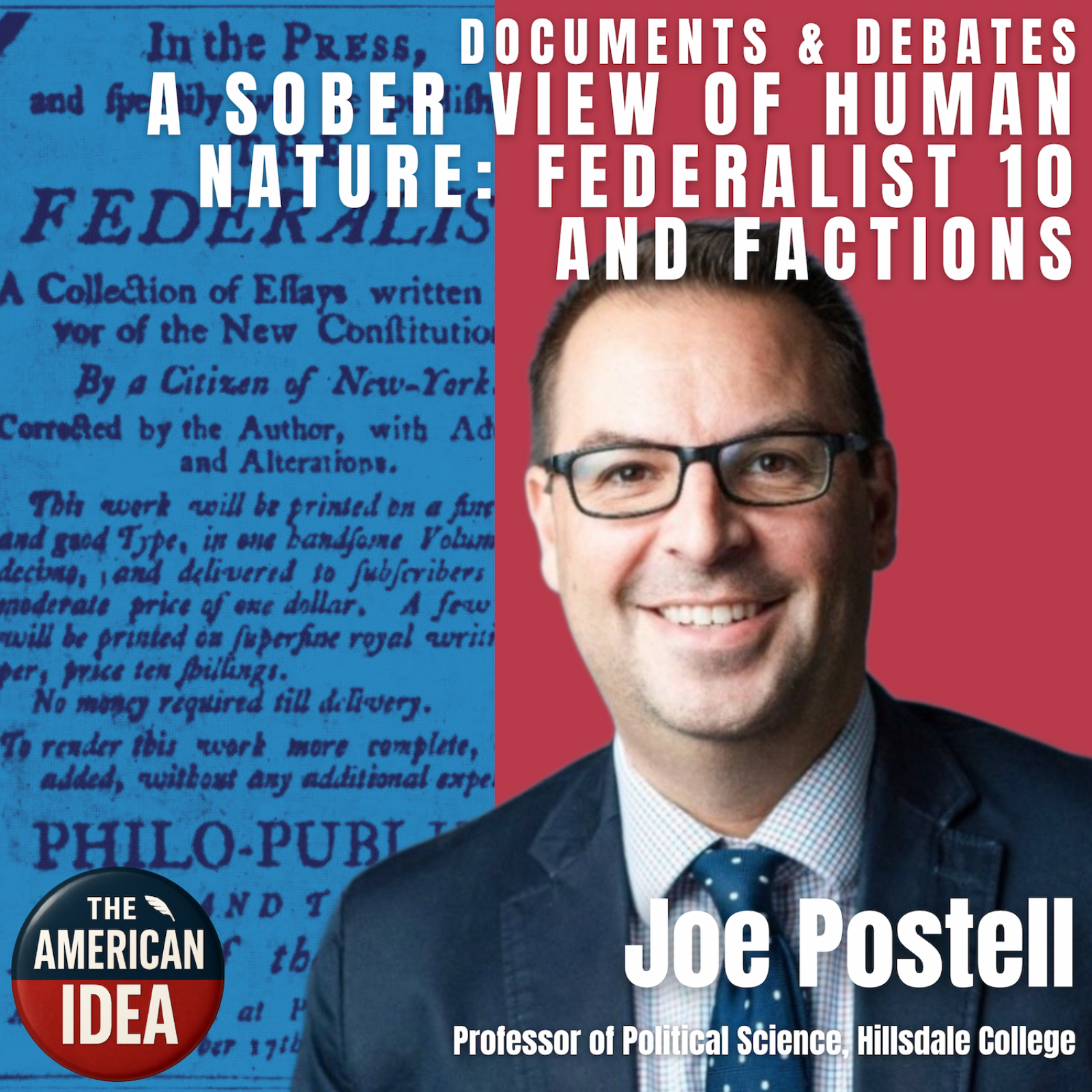
    A Sober View of Human Nature: Federalist 10 and Factions

    In Federalist 10, James Madison identified what he saw as one of the greatest dangers to popular government: factions. How did he define and understand them? Does his definition and his argument still stand up today? How can, by understanding the view on this issue at the Founding, better understand our current politics? Read Federalist 10: https://teachingamericanhistory.org/document/federalist-no-10-3/ Read Madison’s “Consolidation”: https://teachingamericanhistory.org/document/consolidation/ Read Madison’s “A Candid State of Parties”: https://teachingamericanhistory.org/document/a-candid-state-of-parties-2/ Read Joe’s article on political parties: https://www.heritage.org/political-process/report/the-rise-and-fall-political-parties-america Find American Covenant on Amazon: https://a.co/d/00voBuXV Host: Jeff Sikkenga Executive Producer: Jeremy Gypton Subscribe: https://linktr.ee/theamericanidea Homepage: https://ashbrook.org/the-american-idea-podcast/ Thank you for being part of The American Idea community. ​​​Click to learn about how we're planning for America's 250th birthday!​ https://www.ashbrookfreedom250.org/ Follow on Twitter https://x.com/amideapodcast Follow on Facebook https://www.facebook.com/ashbrookcenter/
  • S7 · E1
    July 1 · 41 min

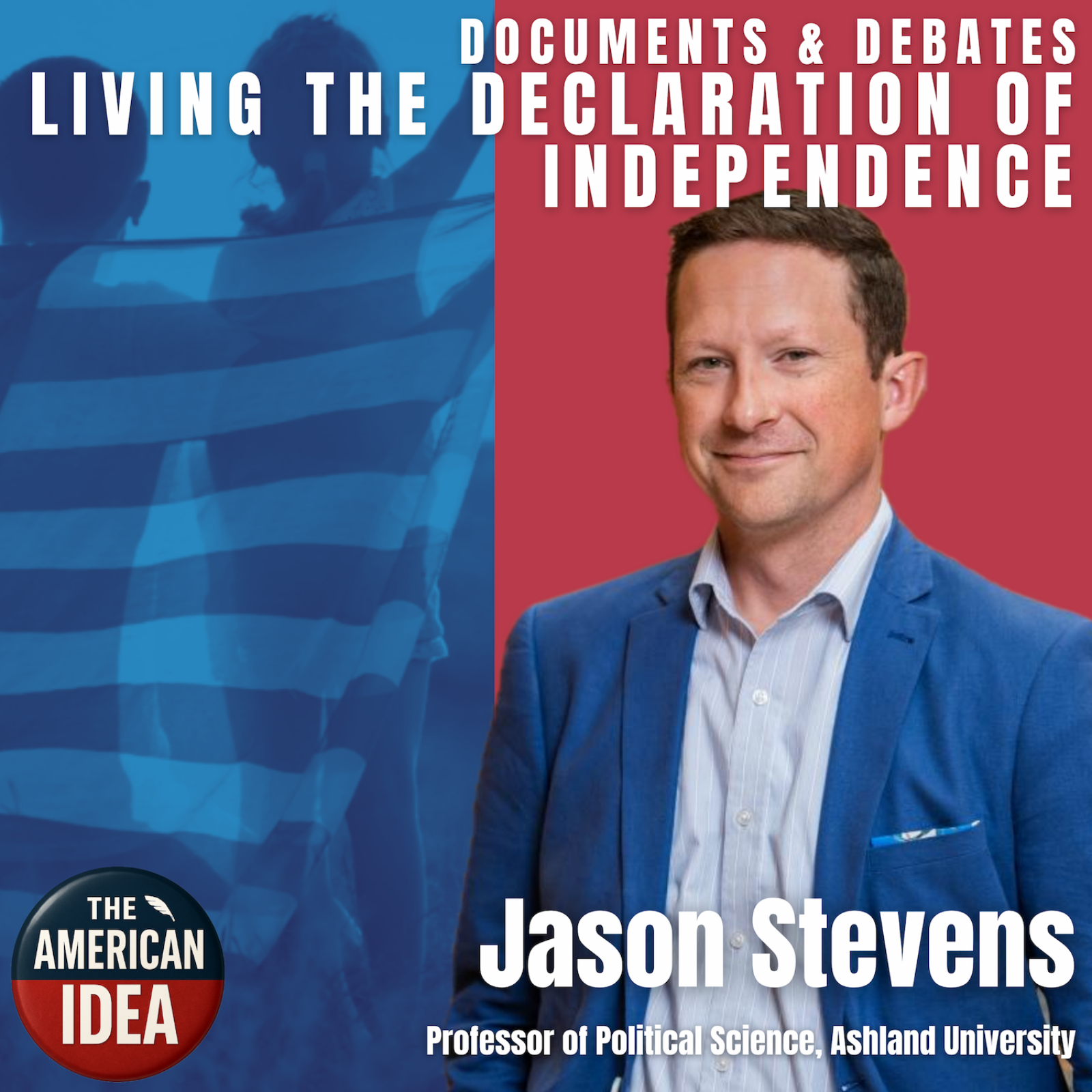
    More than a Document: Living the Declaration of Independence

    The ideals, values, and aspirations in the Declaration of Independence aren’t just the words of an old document - they’re a statement of political and public faith in how we should see one another and how we should conduct ourselves as a political body. In preparation for America’s 250th birthday, don’t just focus on the years and accomplishments - get in touch with the ideas that underpin them, and consider how you can live out the Declaration of Independence, and encourage others, as well, so that we can bequeath another 250 years of freedom to the generations that follow us. Read the Declaration of Independence: https://teachingamericanhistory.org/document/declaration-of-independence/ Read Calvin Coolidge's speech about the DI: https://teachingamericanhistory.org/document/speech-on-the-occasion-of-the-one-hundred-and-fiftieth-anniversary-of-the-declaration-of-independence/ Host: Jeff Sikkenga Executive Producer: Jeremy Gypton Subscribe: https://linktr.ee/theamericanidea Homepage: https://ashbrook.org/the-american-idea-podcast/

  • S6 · E25
    June 24 · 45 min

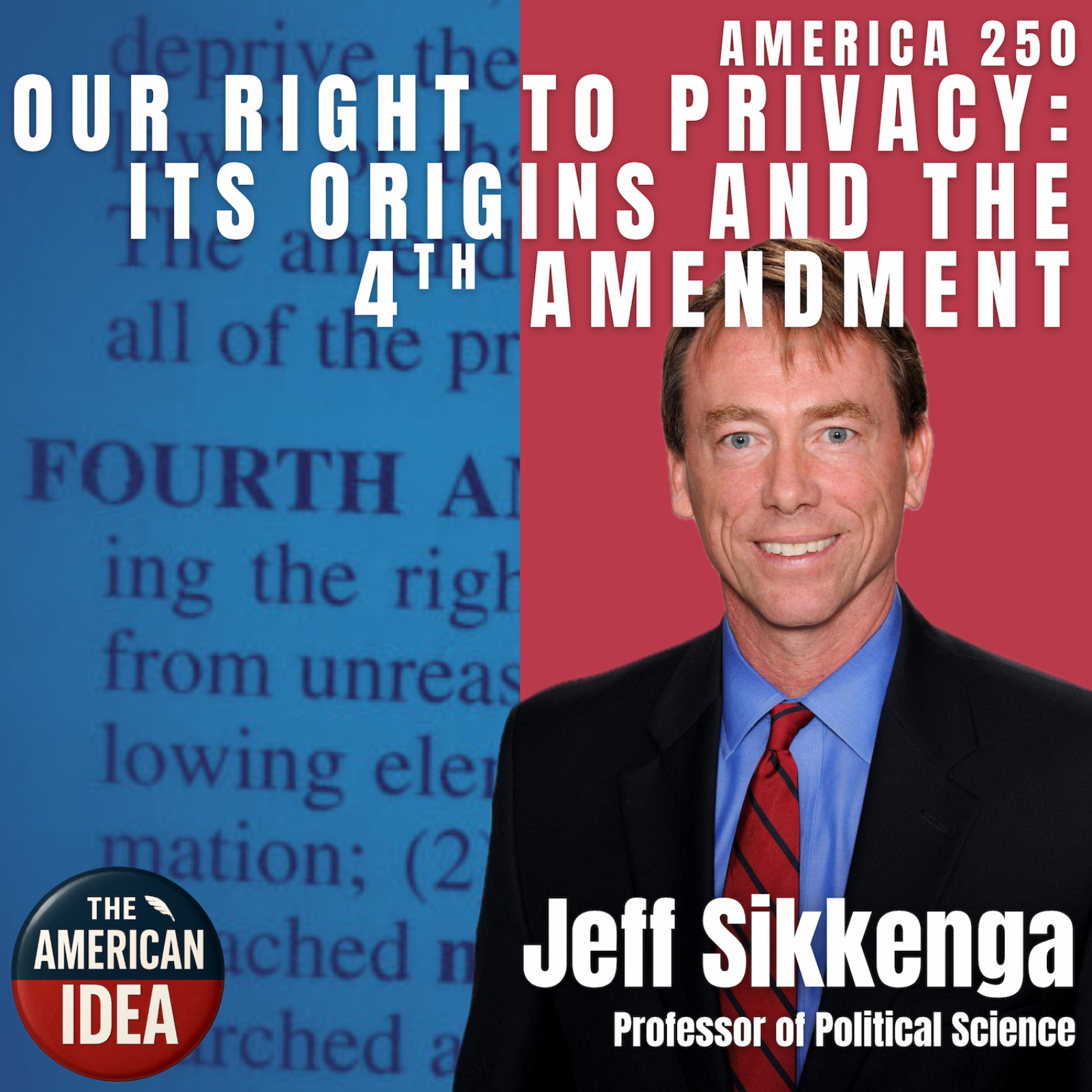
    Our Right to Privacy and the 4th Amendment

    Our 4th Amendment rights to privacy, in various forms, has its origins before the Declaration of Independence, and is at the foundation of Americans’ understanding of natural rights. In this episode, Dr. Cara Rogers-Stevens discusses the importance and evolution of our privacy rights, and how they set us apart from so many other peoples in the world. Host: Jeff Sikkenga Executive Producer: Jeremy Gypton Subscribe: https://linktr.ee/theamericanidea Homepage: https://ashbrook.org/the-american-idea-podcast/

  • S6 · E24
    June 17 · 49 min

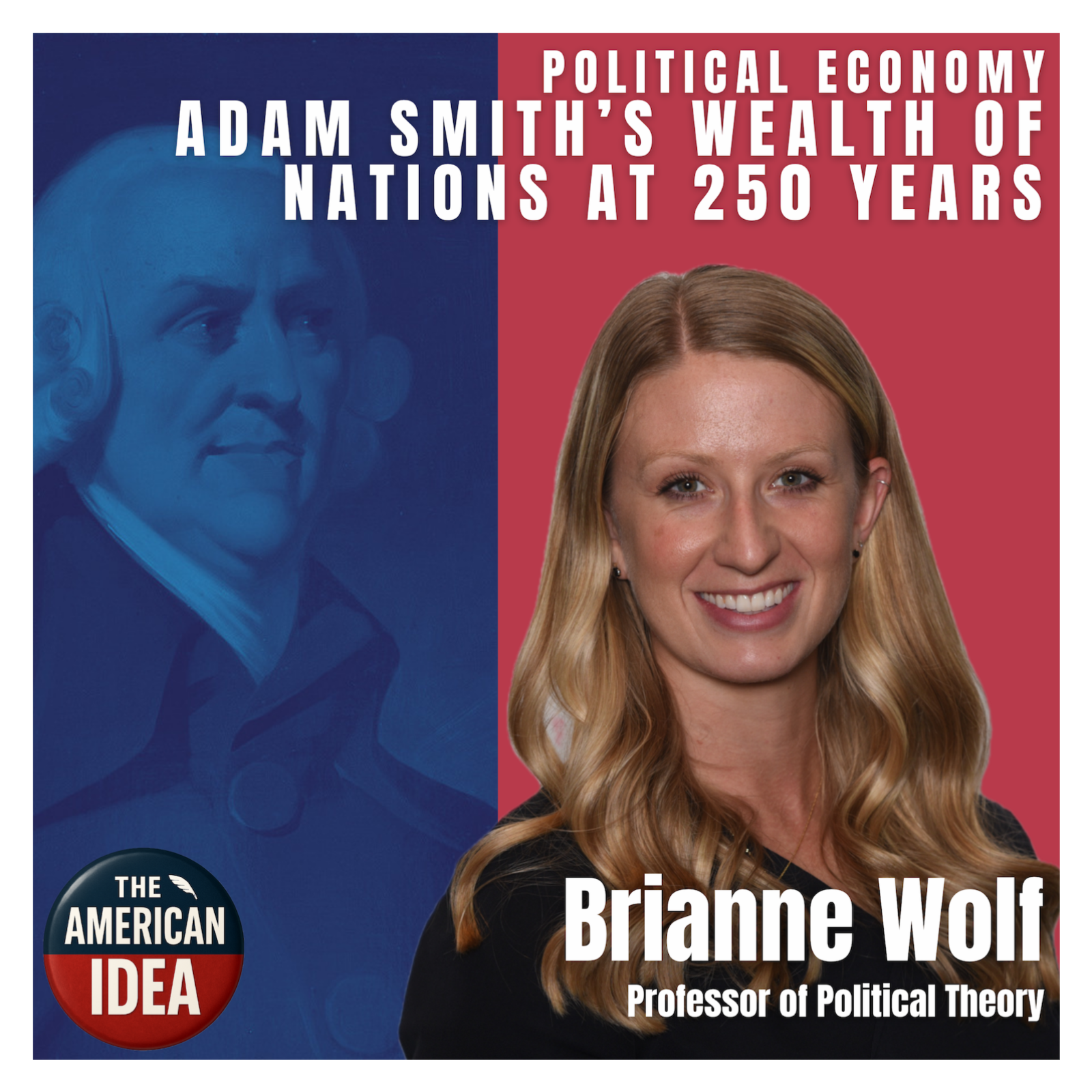
    Adam Smith's Wealth of Nations at 250 Years

    Adam Smith’s “Wealth of Nations” was published in 1776, shortly before America’s Declaration of Independence. Smith famously described an “invisible hand” at work behind markets and exchanges, but what did he really mean, and how have so many people misunderstood his many ideas about trade, markets, and free enterprise? Professor Brianne Wolf discusses Smith in surprising terms: he was first concerned with human morality and behavior, in the connections and community that individuals built with one another. Trade and economics were downstream of those fundamentals. Beyond that, Smith’s explanation of the advantages of markets over central planning or forced commerce are not well-known today - despite their relevance in the face of arguments in favor of government control of economic behavior. Would you like to give us some feedback about this episode? Go to this short survey: https://tinyurl.com/ym6zktkk Read Bri's article on Smith: https://tinyurl.com/5yuwsc9b Host: Jeff Sikkenga Executive Producer: Jeremy Gypton Subscribe: https://linktr.ee/theamericanidea Homepage: https://ashbrook.org/the-american-idea-podcast/

  • S6 · E23
    June 10 · 37 min

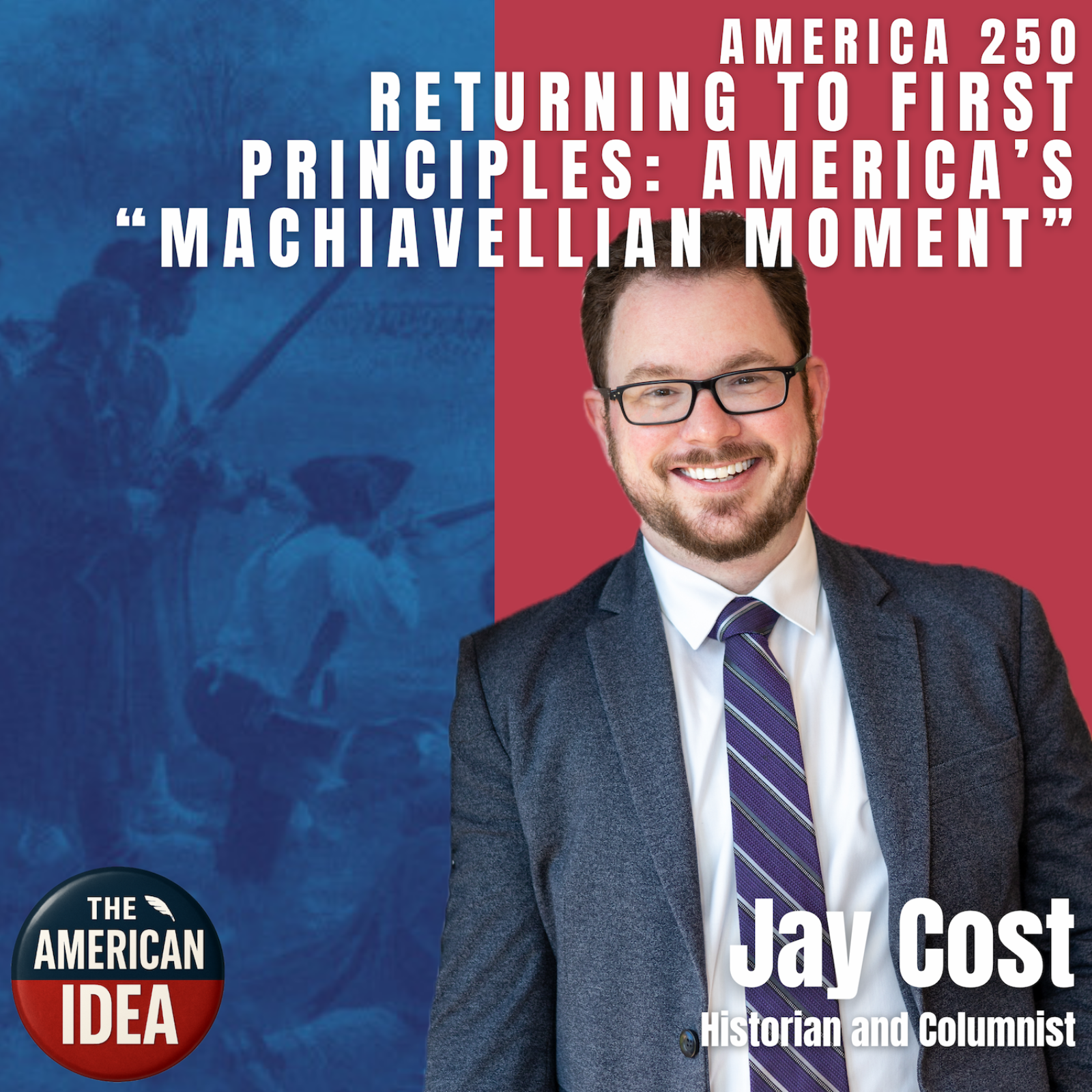
    Returning to First Principles: America's Machiavellian Moment?

    Niccolo Machiavelli, is usually cast as something of a villain for supposedly promoting cut-throat politics. Regarded as the father of modern political theory and science, however, among his many ideas was that when regimes - governments - slip into a state of decline, a return to first principles was necessary to save them. Turning back to the ideas that were most pure at a founding was, he believed, essential to revive a country that had lost its way. Is America at such a point today? Political theorist, commentator, and author Jay Cost believes we are, and discusses what a “Machiavellian Moment” is, and why America, especially as we approach our 250th birthday, is in need of one. Read his article: https://tinyurl.com/3ytfx3fb Host: Jeff Sikkenga Executive Producer: Jeremy Gypton Subscribe: https://linktr.ee/theamericanidea Homepage: https://ashbrook.org/the-american-idea-podcast/

  • S6 · E22
    June 3 · 42 min

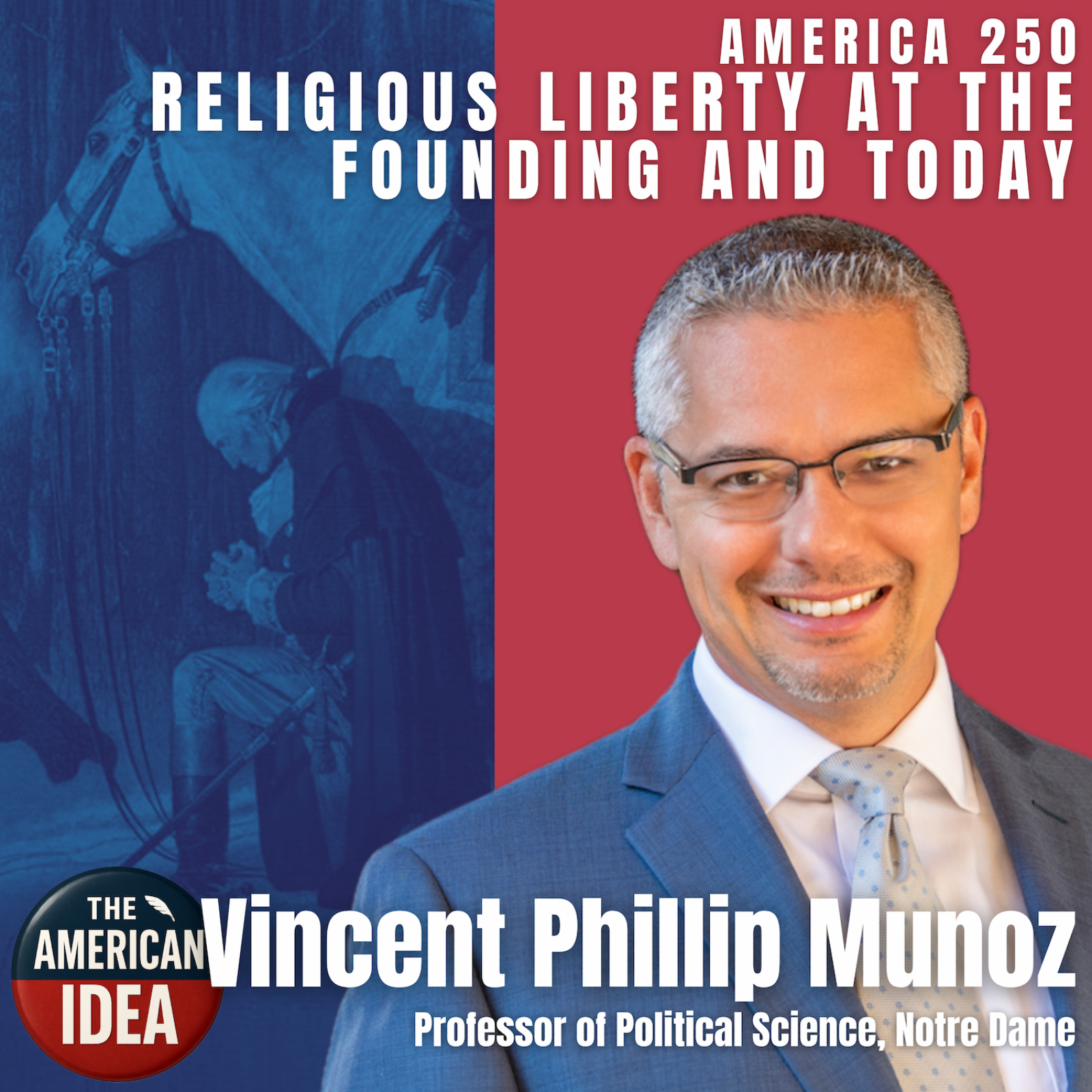
    Religious Liberty at the Founding and Today

    Religious liberty is at the foundation of the American Idea - but how was it understood and protected at America’s Founding, and how what does this fundamental right look like today? Jeff and Dr. Vincent Phillip Munoz, of Notre Dame University, discuss the earliest state of religious freedom, and how it has evolved today. Read the Virginia Declaration of Rights: https://teachingamericanhistory.org/document/virginia-declaration-of-rights-2/ Read the Virginia Statue for Religious Freedom: https://teachingamericanhistory.org/document/virginia-statute-for-religious-liberty/ Read Washington’s Letter to the Hebrew Congregation: https://teachingamericanhistory.org/document/letter-to-the-hebrew-congregation-at-newport/ Read JFK’s Speech to the Houston Ministerial Association: https://www.jfklibrary.org/learn/about-jfk/historic-speeches/address-to-the-greater-houston-ministerial-association Host: Jeff Sikkenga Executive Producer: Jeremy Gypton Subscribe: https://linktr.ee/theamericanidea Homepage: https://ashbrook.org/the-american-idea-podcast/

  • S6 · E21
    May 27 · 39 min

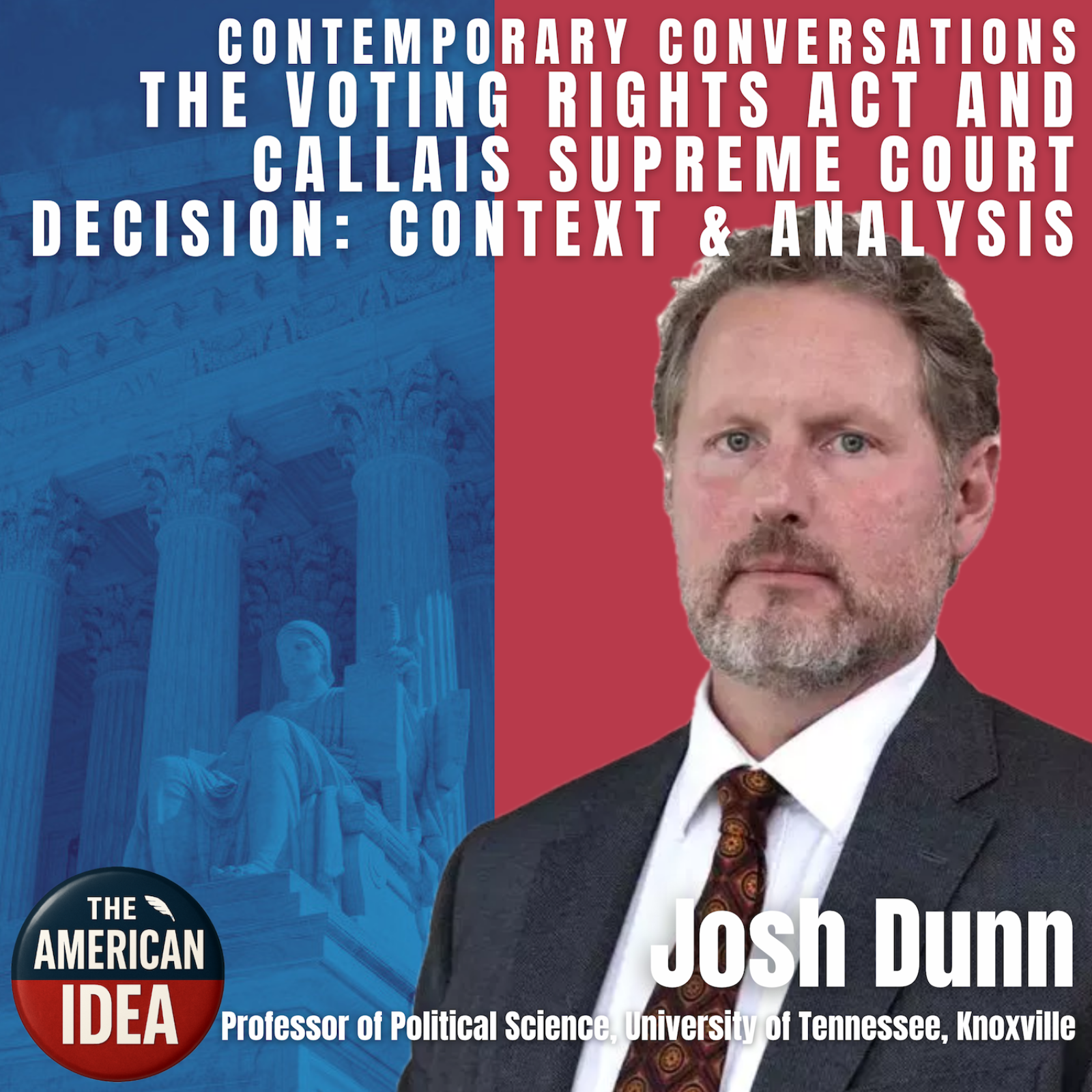
    The Voting Rights Act and the Callais Supreme Court Decision - Context and Analysis

    The United States Supreme Court handed down its decision on Louisiana v. Callais in early May, and it’s impossible to understand this 6-3 ruling without having some background knowledge of the Voting Rights Act of 1965 and how courts between then and now have interpreted it. Don’t get lost in the political rhetoric surrounding this case; learn the background for yourself and make up your own mind. Host: Jeff Sikkenga Executive Producer: Jeremy Gypton Subscribe: https://linktr.ee/theamericanidea Homepage: https://ashbrook.org/the-american-idea-podcast/

  • S6 · E20
    May 20 · 47 min

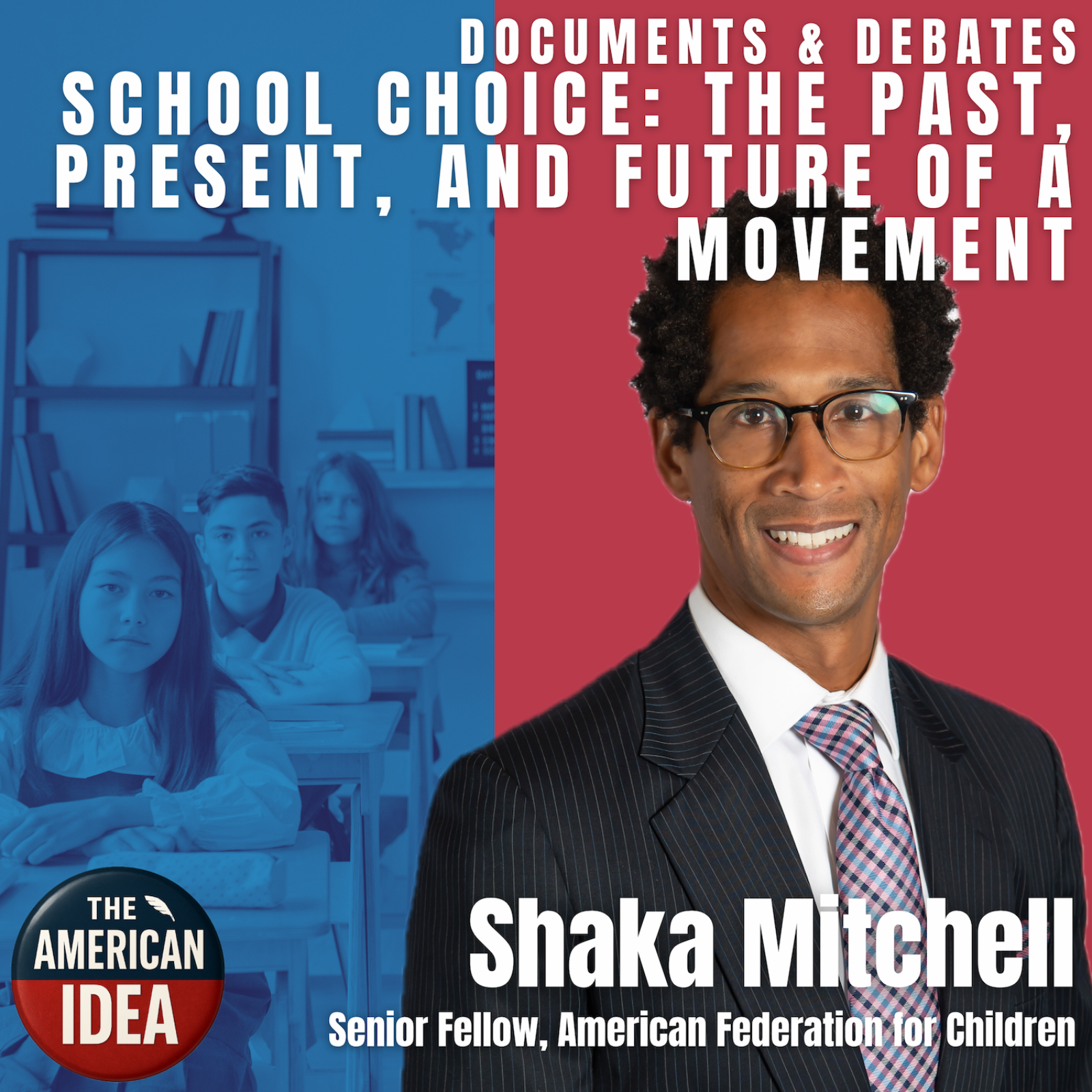
    School Choice: The Past, Present, and Future of a Movement

    School choice has moved to the forefront of national conversations and debates most notably since COVID; however the ‘educational choice’ movement is not new in America at all. Jeff is joined by Shaka Mitchell, Senior Fellow at the American Federation for Children, to trace the history of school choice and schooling in America, drawing clear policy, political, and cultural connections between what was, what has been, and what is ‘normal’ now, and how that’s changing. You can follow Shaka on his Substack: https://shakamitchell.substack.com/ Host: Jeff Sikkenga Executive Producer: Jeremy Gypton Subscribe: https://linktr.ee/theamericanidea Homepage: https://ashbrook.org/the-american-idea-podcast/

  • S6 · E19
    May 13 · 37 min

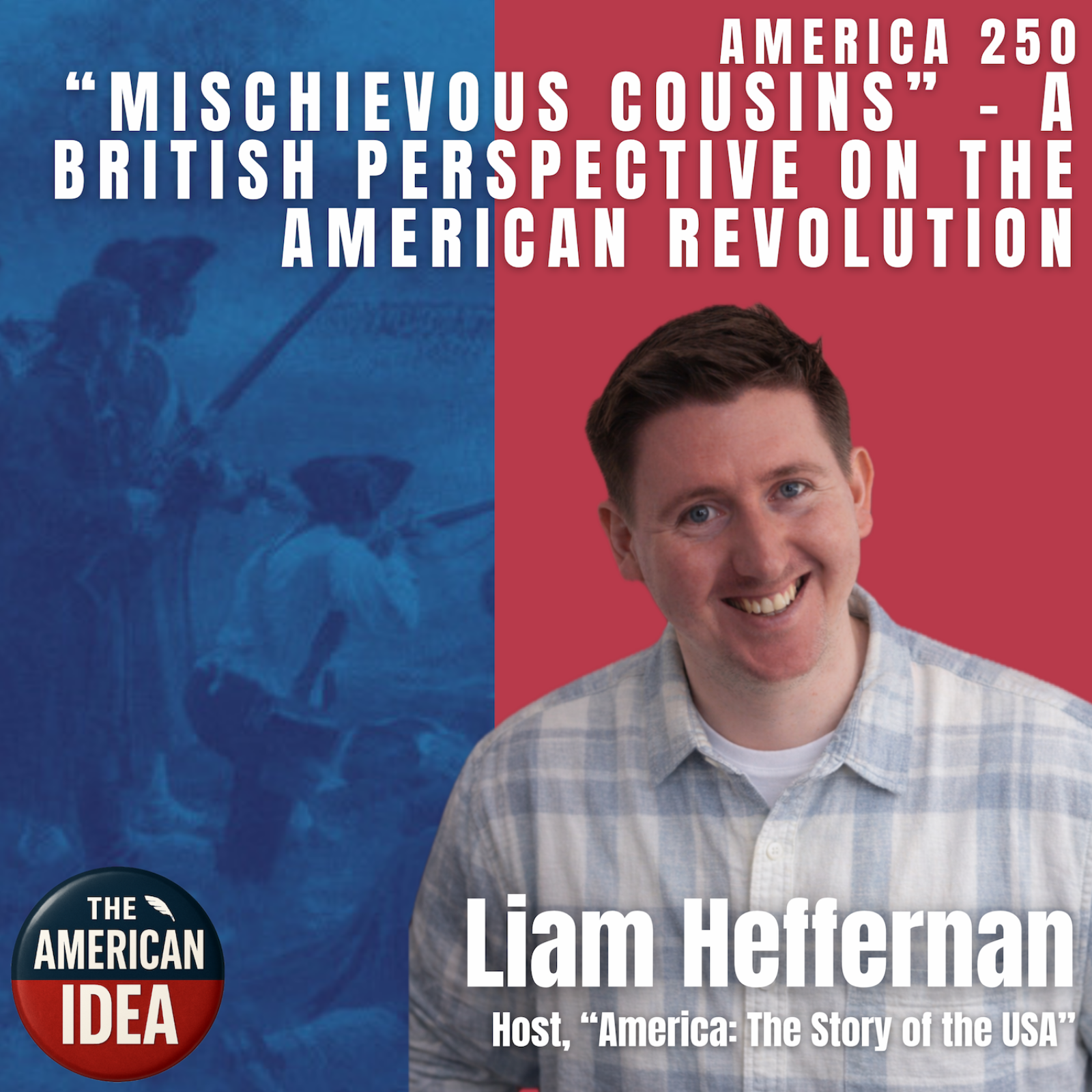
    "Mischievous Cousins' - A British Perspective on the American Revolution

    What’s taught in British schools about the American Revolution? How are Americans’ motivations during the Founding understood by our ‘cousins’ on the other side of the Atlantic? Jeff discusses the fascinating history of British history and perspectives on America with Liam Heffernan, host of America: The Story of the USA, a British podcast that seeks to explain American to the British. You can find Liam's pod at https://tinyurl.com/puysecxp Host: Jeff Sikkenga Executive Producer: Jeremy Gypton Subscribe: https://linktr.ee/theamericanidea Homepage: https://ashbrook.org/the-american-idea-podcast/

  • S6 · E18
    May 6 · 52 min

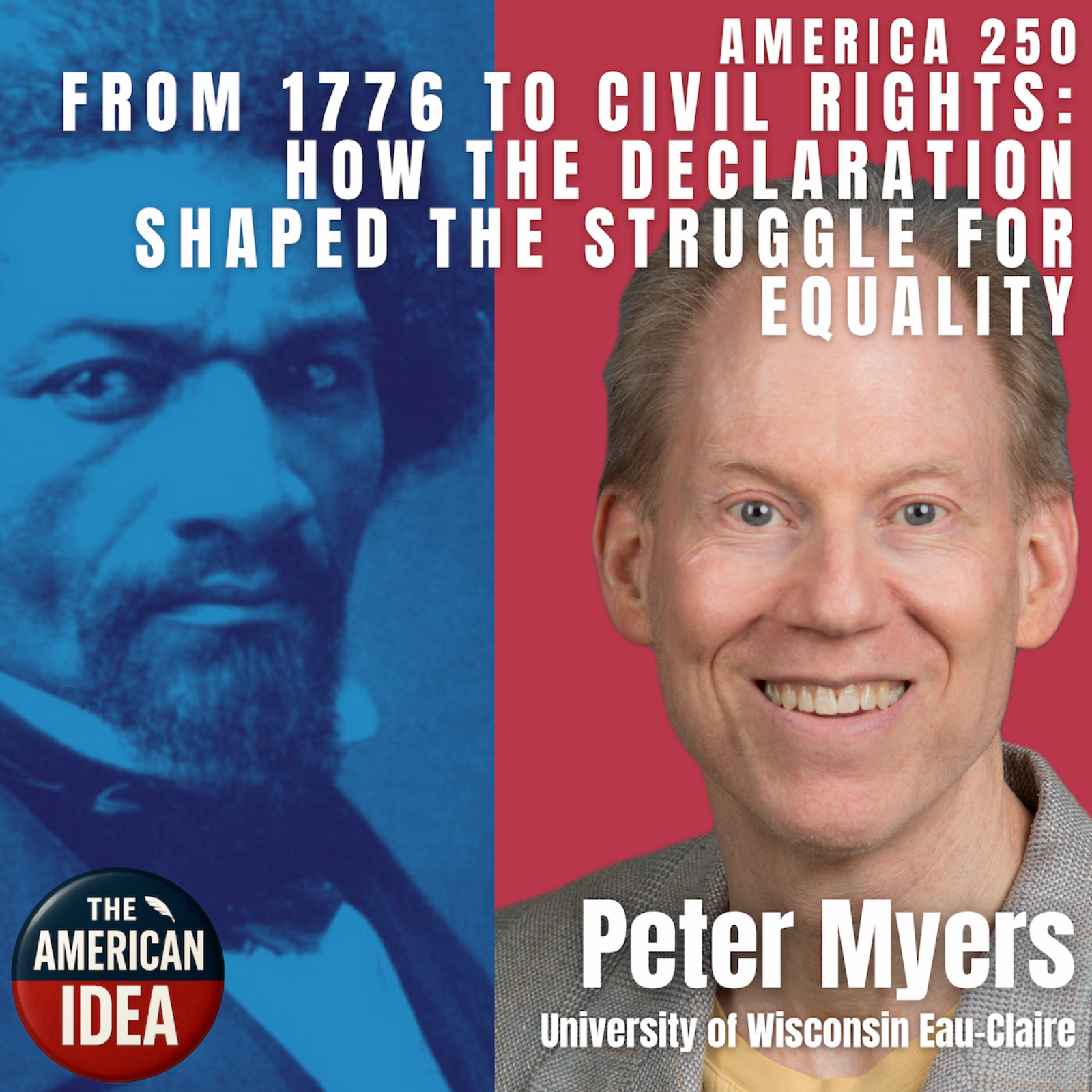
    From 1776 to Civil Rights: How the Declaration Shaped the Struggle for Equality

    The Abolition and Civil Rights movements are often presented as solutions to the failures of the American Founding, or replacements for its ideas. The relationship between the core ideas of America, as asserted in the Declaration of Independence and those of these two movements is complicated and has evolved over time. As we approach our 250th birthday, let’s take a look at how the Declaration is, in fact, the moral and intellectual foundation of both abolition and civil rights. Jeff is joined by Dr. Peter Myers, Professor of Political Science and expert in the politics of abolition and civil rights. Read Peter's book on Douglass: https://a.co/d/0b1TiSI3 Host: Jeff Sikkenga Executive Producer: Jeremy Gypton On Apple Podcasts: https://tr.ee/aTARALr9Gx On Spotify: https://tr.ee/09Ca21CCp- On iHeartRadio: https://www.iheart.com/podcast/269-the-american-idea-119582945/

  • S6 · E17
    April 29 · 43 min

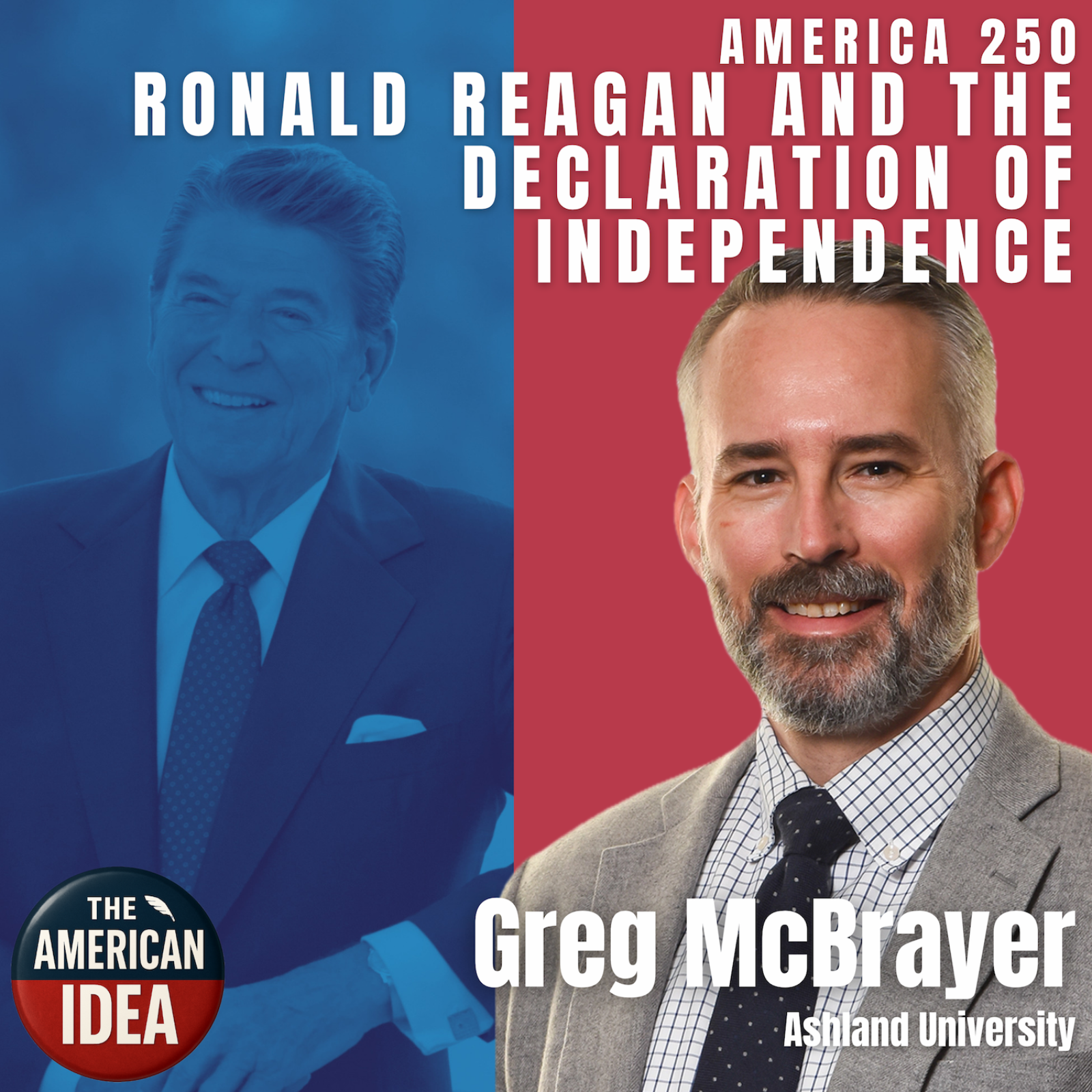
    Ronald Reagan and the Declaration of Independence

    Abraham Lincoln once asserted that all of his political philosophy was rooted in the Declaration of Independence. Other presidents have spoken positively about our founding document, and some have disparaged the ideas promoted in it. What about Ronald Reagan? Where did he stand on the Declaration’s core ideas of natural rights, limited government, and liberty? Jeff is joined by Greg McBrayer, who looks back on decades of speeches from Reagan in order to establish a clear connection between the principles of our 40th president and America’s original mission statement. Read Reagan’s “A Time for Choosing”: https://tinyurl.com/btvr8mu9 Read Reagan’s 1986 Independence Day speech: https://tinyurl.com/ycyfvnka Read Reagan’s Farewell Address: https://tinyurl.com/mu92b545 Host: Jeff Sikkenga Executive Producer: Jeremy Gypton Subscribe: https://linktr.ee/theamericanidea Homepage: https://ashbrook.org/the-american-idea-podcast/

  • S6 · E16
    April 21 · 38 min

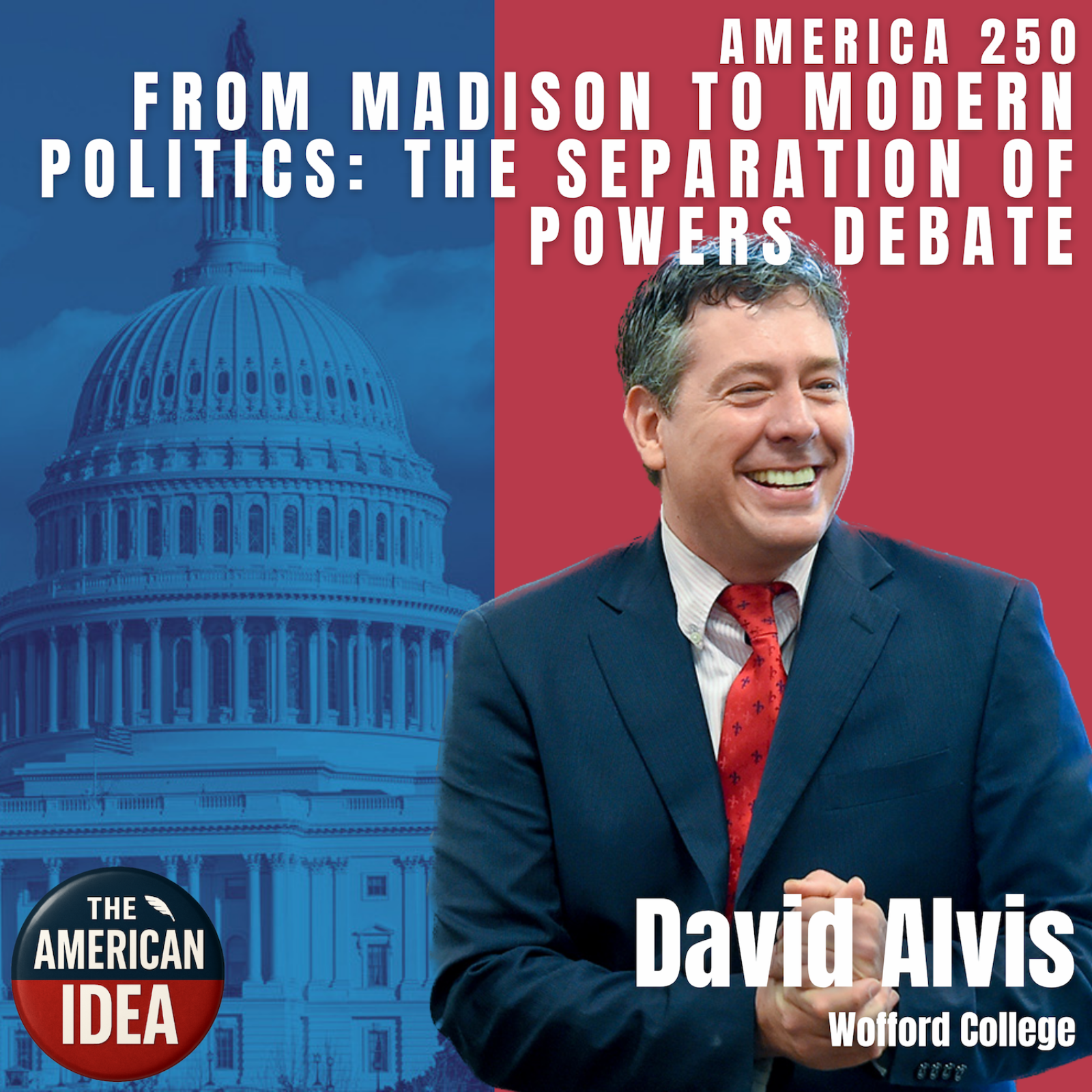
    From Madison to Modern Politics: The Separation of Powers Debate

    This episode examines the constitutional principle of separation of powers: what it is, why the American founders considered it essential to liberty, and how it works in practice through checks and balances. The conversation explores the distinct roles of Congress, the presidency, and the courts, and then turns to major controversies that continue to shape American government, including executive removal power, independent agencies, and war powers. The result is a clear discussion of why separation of powers remains one of the most important and contested features of the American constitutional order. Download the Separation of Powers documents collection for free: https://tinyurl.com/mr3274xx Host: Jeff Sikkenga Executive Producer: Jeremy Gypton Subscribe: https://linktr.ee/theamericanidea Homepage: https://ashbrook.org/the-american-idea-podcast/

  • S6 · E15
    April 15 · 38 min

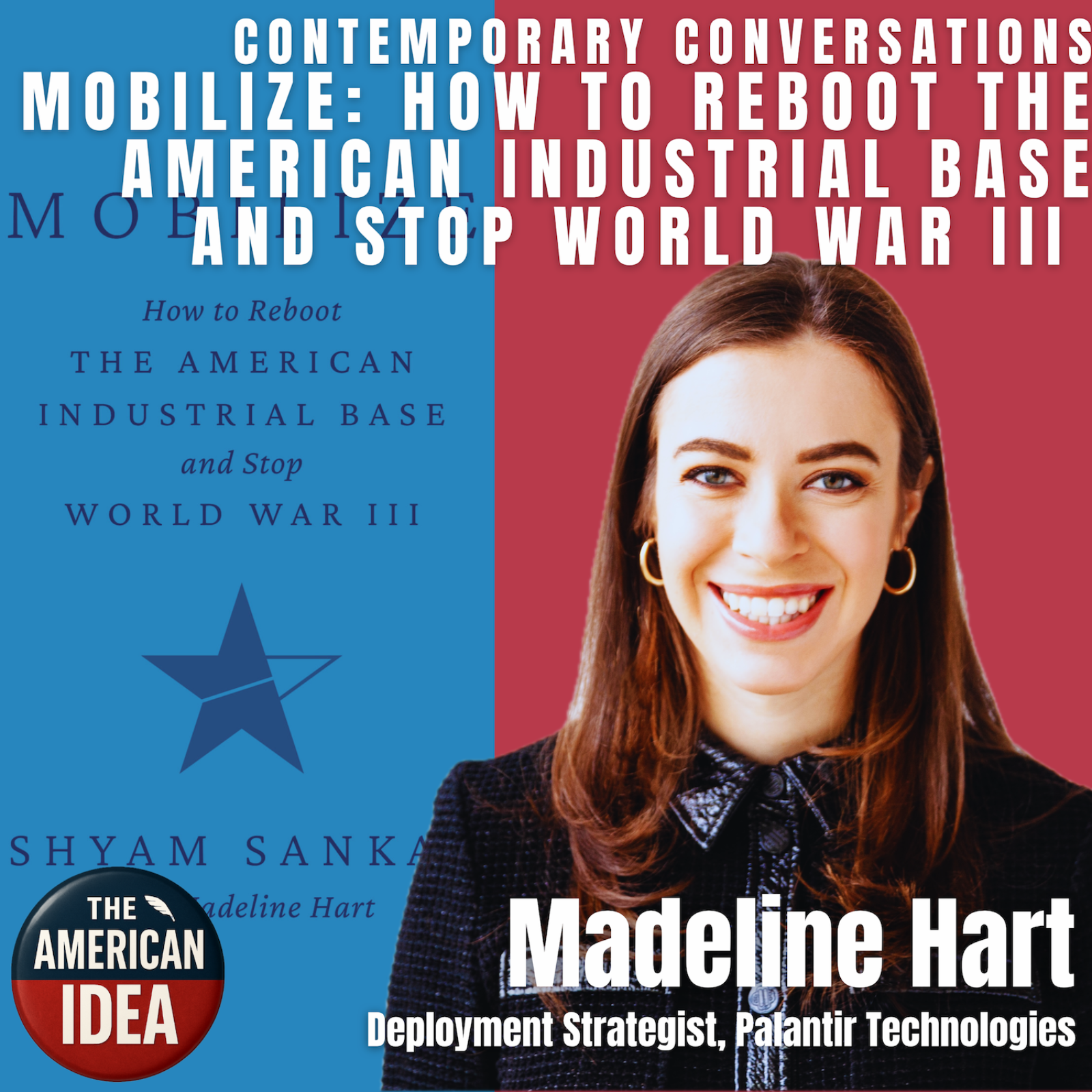
    Mobilize: How to Reboot the American Industrial Base and Prevent World War III

    Jeff is joined by Palantir Technologies Development Strategist and author Madeline Hart to discuss her book, co-authored with Palantir’s CTO, about what’s wrong with America’s military industrial base, how we got here, and what we can do to fix this vital part of our national defense. Read about Madeline’s book: https://mobilizebook.com/ Get the book: https://a.co/d/0ikuJ5tb Host: Jeff Sikkenga Executive Producer: Jeremy Gypton Subscribe: https://linktr.ee/theamericanidea Homepage: https://ashbrook.org/the-american-idea-podcast/

  • S6 · E14
    April 8 · 29 min

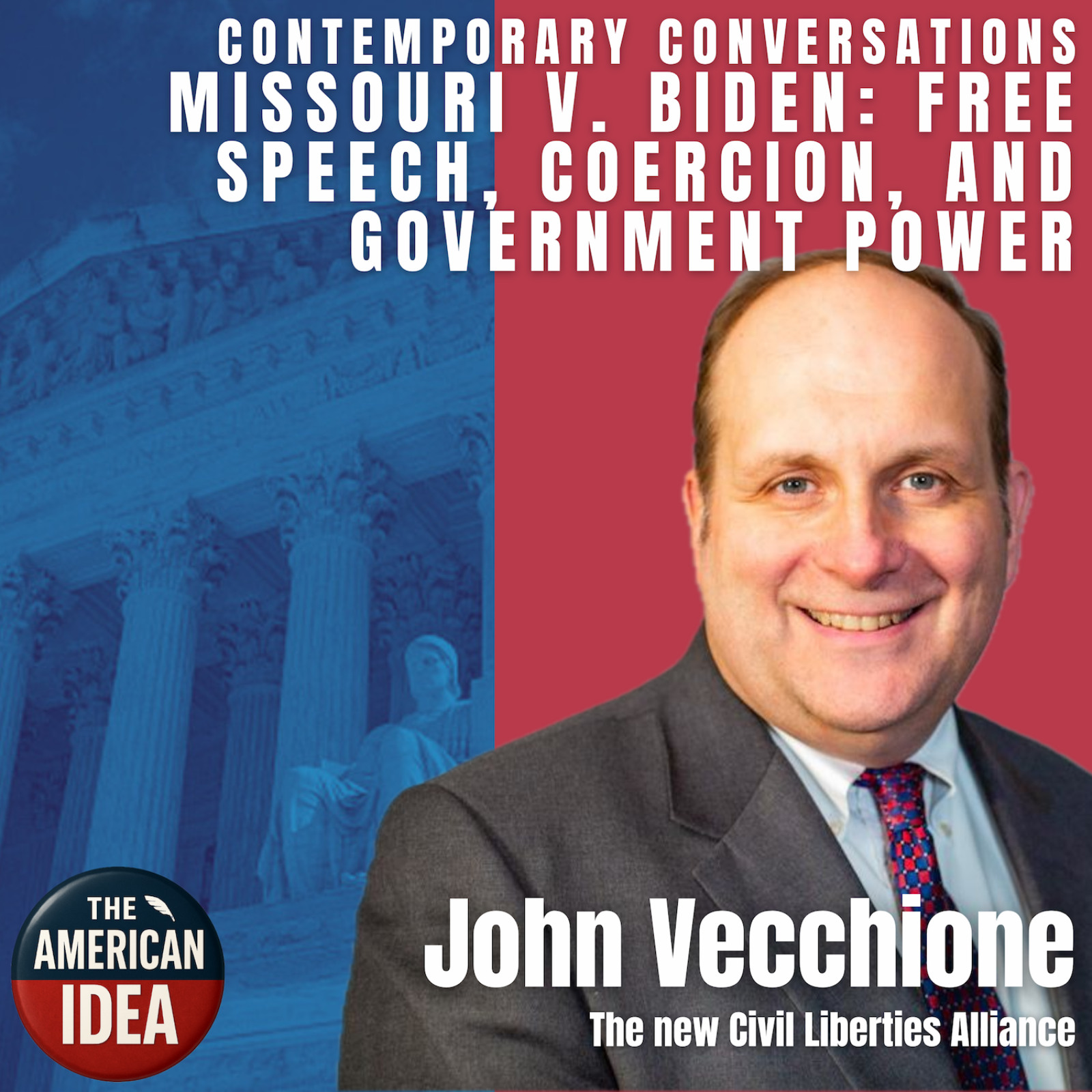
    Missouri v. Biden: Free Speech, Coercion, and Government Power

    The First Amendment’s free speech clause is meant to protect Americans against government abridgment of free expression. How does this apply to social media companies when they are subjected to both formal and informal pressure from members of a president’s inner circle? Although a narrow ruling, MO v. Biden makes clear the relevance of free speech, regardless of the state of technology at a given time in our history. Read NCLA’s press release: https://nclalegal.org/press_release/ncla-reaches-historic-settlement-strikes-major-blow-against-governments-social-media-censorship/ Host: Jeff Sikkenga Executive Producer: Jeremy Gypton Subscribe: https://linktr.ee/theamericanidea Homepage: https://ashbrook.org/the-american-idea-podcast/

  • S6 · E13
    April 1 · 37 min

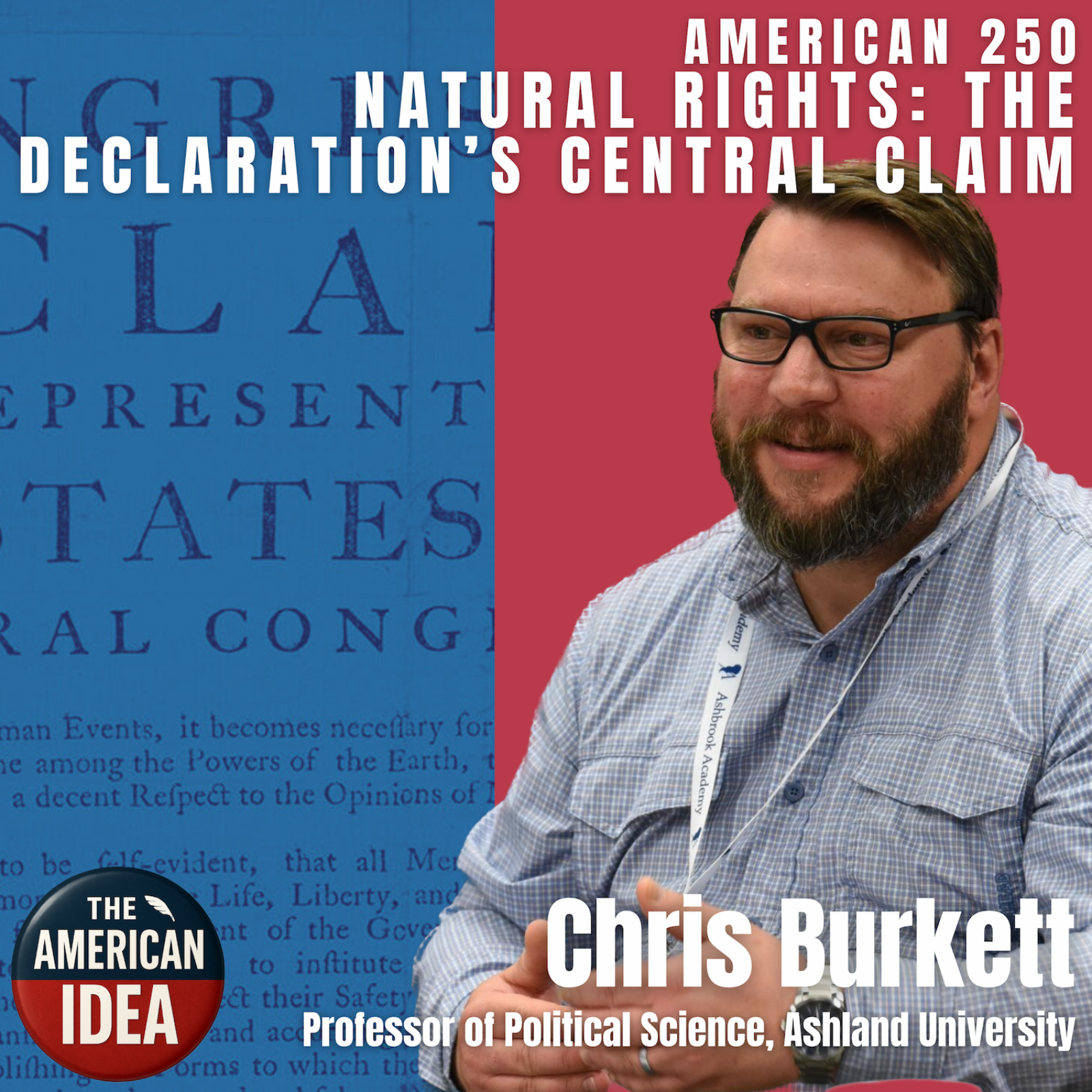
    Natural Rights: The Declaration's Central Claim

    What are natural rights, and why, without them, are the ideas in the Declaration of Independence empty without them? Americans talk a lot about rights, but natural rights are the foundation of them all, and all the Declaration’s assertions and ideals flow from them. Jeff discusses what they are, how they relate to government, and why the are at the core of what Jefferson called ‘the American mind.” Download the 50 Core Documents book mentioned in the episode for free: https://tinyurl.com/yckez9c3 Host: Jeff Sikkenga Executive Producer: Jeremy Gypton Subscribe: https://linktr.ee/theamericanidea Homepage: https://ashbrook.org/the-american-idea-podcast/

  • S6 · E12
    March 25 · 42 min

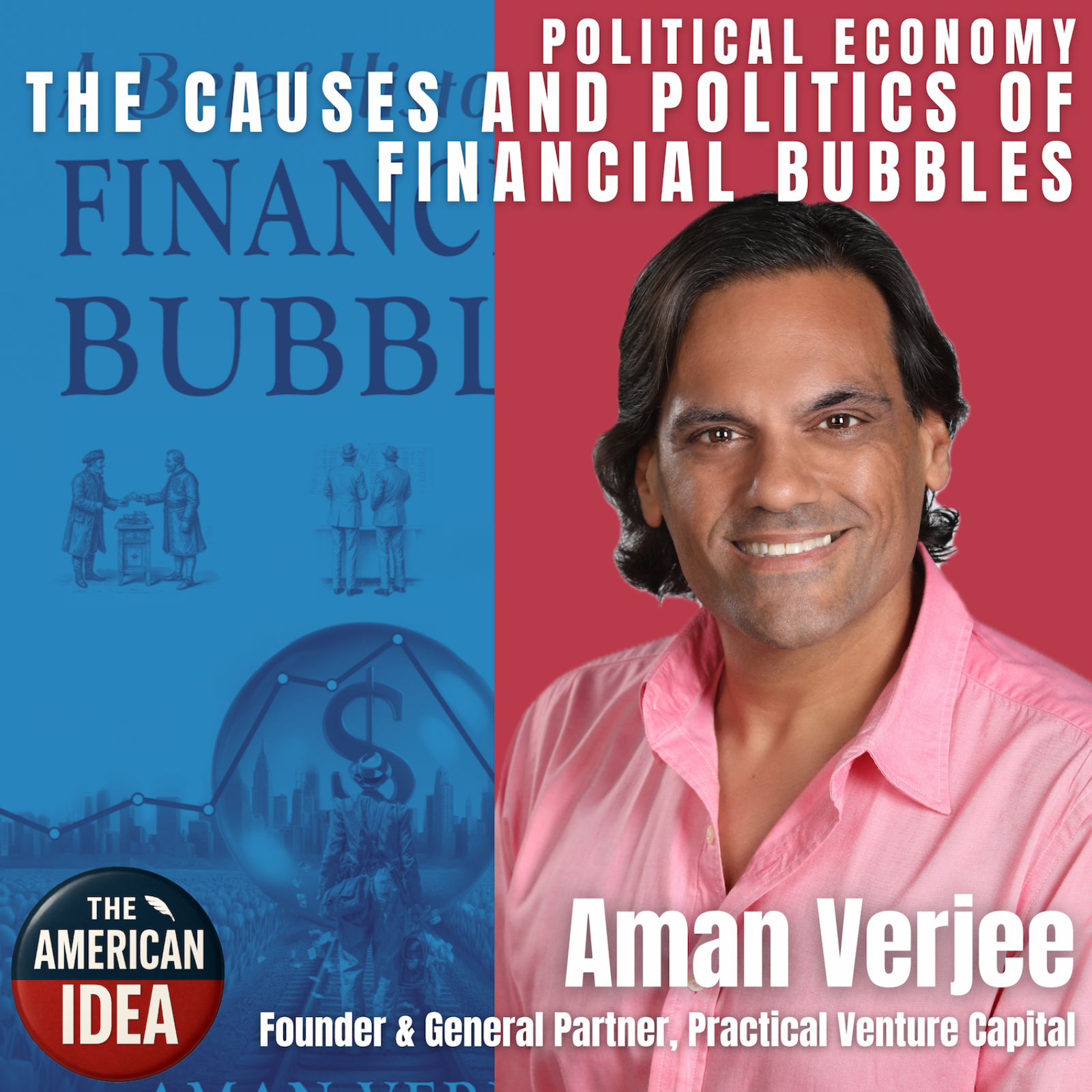
    The Causes and Politics of Financial Bubbles

    What is a financial bubble, and what are its causes? What are the political, as well as economic, impacts of these events? Jeff welcomes investment capital expert Aman Verjee to discuss these events, and the role they’ve played throughout history. You’ll learn not only a great deal more about what really caused the stock market crash of 1929, but how it compares to a tulip sales bubble (yes, tulips) in the Netherlands in the 1600s. Read Aman’s new book about the topic: https://www.amanverjee.com/the-book Host: Jeff Sikkenga Executive Producer: Jeremy Gypton Subscribe: https://linktr.ee/theamericanidea Homepage: https://ashbrook.org/the-american-idea-podcast/

Showing 1–20 of 20 episodes