Skip to content
Artwork for The AI Kubernetes Show

The AI Kubernetes Show

The AI Kubernetes Show

The Kubernetes AI Show dives deep into the real-world challenges of adopting AI on Kubernetes platforms.

Play
  • 22 episodes
  • Avg 36 min
  • English
Counted on this page — what you have heard stays on this device, so it is not something the list can be paged by.
  • S1 · E7
    Dec 24, 2025 · 27 min

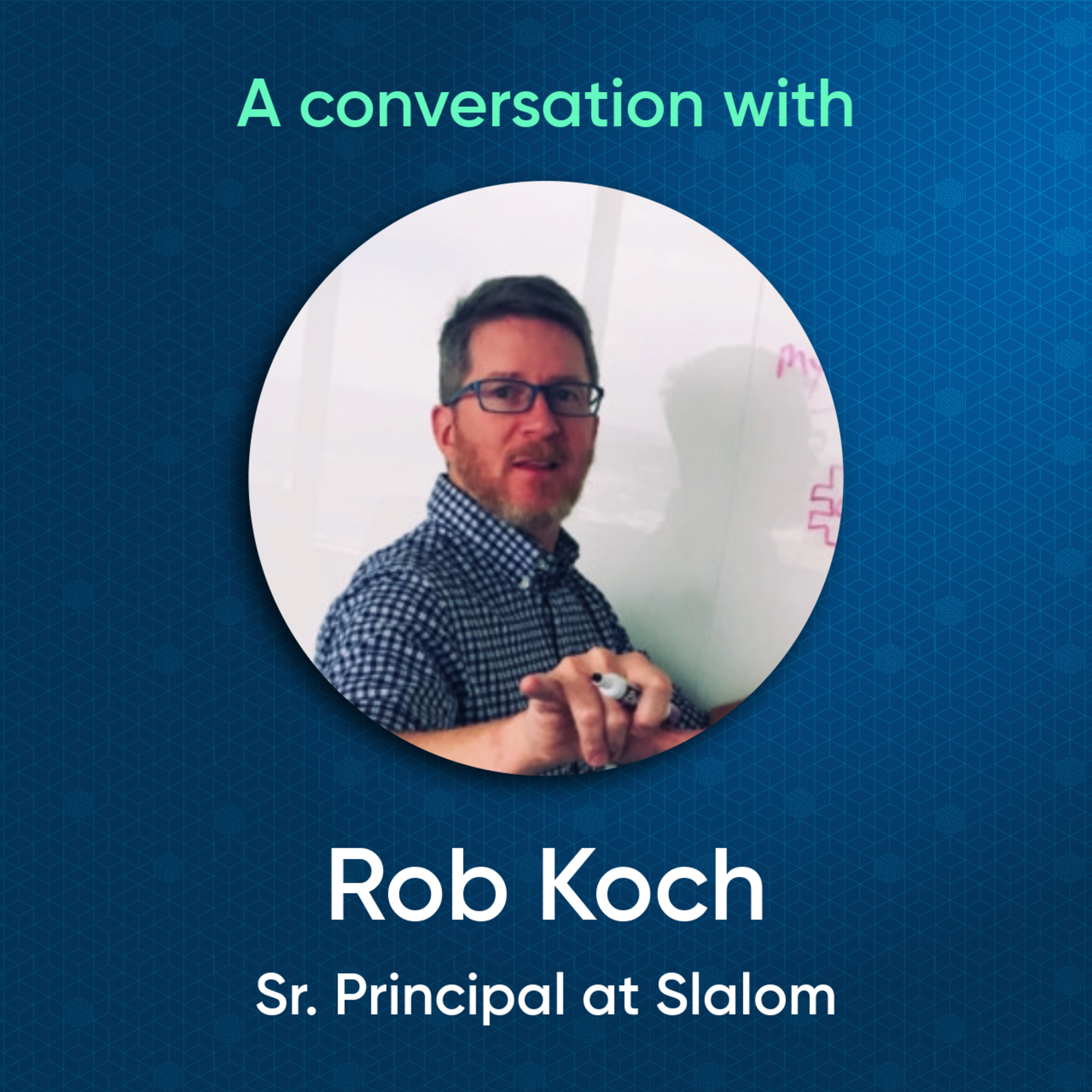
    The Engineering Mindset for AI: From Automation to Guardrails

    Is your organization ready for the rapid pace of AI adoption? We sat down with Rob Koch (Slalom Build, CNCF Deaf and Hard of Hearing Working Group Co-Chair) to discuss how engineers can master automation in the age of non-deterministic systems, focusing on real-world use cases in Kubernetes and platform engineering. In this episode of the AI Kubernetes Show, Koch provides essential insights on building a robust strategy for AI adoption. He emphasizes moving beyond a "move fast, fail fast" approach to focus on clear outcomes, which he describes as applying the engineering mindset to AI. A key discussion point is mitigating risk in non-deterministic systems by implementing strong guardrails, constraints, and human oversight—often by providing precise context and clear specifications. Koch shares a successful example of automating repetitive tasks using AI sub-agents in a database upgrade project. The system analyzed logs, diagnosed resource needs (checking for over/under-provisioning), and automatically drafted documentation, aligning with the "Don't Repeat Yourself" (DRY) principle. Additionally, he highlights the transformative power of AI for accessibility and the promise of LLMs in sign language recognition. Read the blog post: www.buoyant.io/ai-kubernetes-episode/the-engineering-mindset-for-ai-from-automation-to-guardrails Follow us on LinkedIn: https://www.linkedin.com/company/the-ai-kubernetes-show/ Takeaways ✓ Strategic AI adoption starts with defining the desired outcome and working backward, not a "fail fast" approach. ✓ Mitigate risk in non-deterministic AI systems by implementing guardrails, human oversight, and limiting context. ✓ AI is best suited for automating repetitive tasks (DRY principle) to free up engineering time. ✓ Subject matter expertise remains crucial for verifying AI output and detecting "hallucinations." ✓ AI is a powerful tool for accessibility, helping bridge communication gaps (e.g., English syntax correction for ASL users). If you're tackling AI implementation or just getting started, hit the like button and subscribe for more deep dives into platform engineering! What is the biggest challenge your team faces when adopting AI? Let us know in the comments below! #AI #Kubernetes #PlatformEngineering #AIAutomation #Accessibility
  • Dec 17, 2025 · 18 min

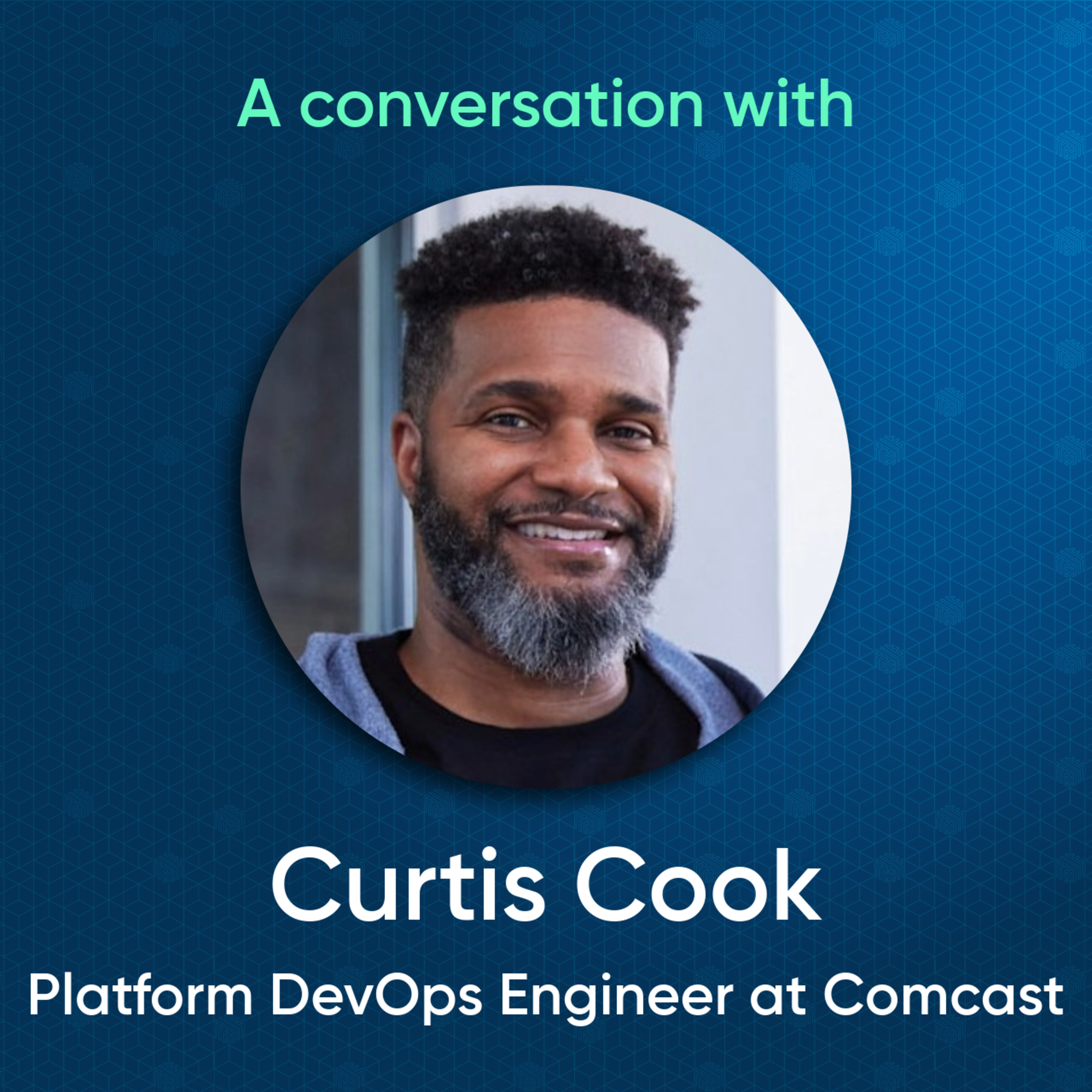
    Comcast's Platform Engineering: Guardrails and Scale in the Age of AI

    The rise of AI has dramatically increased code velocity. Join us as Comcast Platform DevOps Engineer Curtis Cook breaks down the shift to platform-level controls and a "zero trust" mindset to secure the future of Platform Engineering. In this episode of the AI Kubernetes show, Curtis Cook shares his expert insights on how the accelerating pace of code development driven by AI tooling is forcing platform teams to completely rethink code quality and security management. He explains that the massive amount of AI-generated code is like "hiring thousands of junior developers," creating a significant scaling problem. Drawing lessons from Kubernetes, Comcast is implementing platform-level controls to automate mundane tasks and enforce standards, adopting the cultural shift of "guardrails, not gates." Curtis dives into Security in the age of AI, where the concern moves beyond infrastructure because AI actively makes decisions, making securing AI workloads absolutely crucial. Comcast’s strategy involves a "zero trust by default" mindset and applying the least privileged access model to AI agents to combat risks like mitigating hallucinations and "context bloat." In the section "The non-deterministic world of AI," he discusses the profound change presented by non-deterministic AI outputs and security threats like prompt injection and model drift. This shift requires new testing methods like statistical validation instead of traditional unit tests. Curtis also highlights the importance of the CNCF community for aspiring platform engineers, noting how AI can help newcomers learn Kubernetes fundamentals. Find all resources and more in the blog post: Takeaways ✓ The increase in code velocity from AI-generated code requires a move from policing individual commits to implementing robust platform-level controls. ✓ AI is treated as a critical system at Comcast, secured with a "zero trust by default" mindset. ✓ Mitigating hallucinations and context bloat is achieved by applying the least privileged access model to AI tools. ✓ Non-deterministic AI systems introduce security threats and require advanced testing methods like statistical validation and confidence scoring. ✓ The Kubernetes and CNCF community is essential for platform engineers, and AI-powered tools can help new members get started. What is your biggest security concern with generative AI in your software development lifecycle? Let us know in the comments below! If you found this discussion valuable, please like this video, share it with your team, and subscribe for more deep dives into Platform Engineering and cloud-native technology! #PlatformEngineering #GenerativeAI #Kubernetes #ComcastTech #CNCF #ZeroTrust #AIsecurity #CodeVelocity #DevOps

Showing 21–22 of 22 episodes