
Skip to content
Artwork for The AI Frontier Playbook

The AI Frontier Playbook

Samuel Boulanger

AI Frontier Playbook exists because the real conversations about enterprise AI deserve to be heard. The guests here are the practitioners, researchers, and executives actually making decisions inside organizations, not summarizing trends from the sidelines. Every episode is a front-row seat to how AI is reshaping work, leadership, and business strategy in real time.

Whether you are leading an AI initiative, advising your organization, or just trying to cut through the noise, this is your space to think clearly, lead confidently, and stay ahead.

Play
  • 20 episodes
  • fortnightly
  • Avg 43 min
  • English
  • September 18 · 39 min

    STOP Asking If AI Can Build It — Ask If You Can Trust It?

    Customers almost never ask "can you build this" anymore. What they actually want to know is "can I trust it." In this episode of The AI Frontier Playbook, I sit down with Sapna Grover, Senior Director at Microsoft leading the Cloud, Data & AI Center of Excellence. Before this, she spent close to three decades in software, as a scientist at India's Defense Research and Development Organization, in leadership roles at Pegasystems, and in engineering leadership at Microsoft across Windows and Search. Today she's helping the world's largest companies actually put AI into production. Sapna breaks down why AI flips the traditional software path: you start with the business outcome and the data, not the code, and you have to define what a "good" answer even looks like since AI rarely gives the same response twice. Using a live airline customer-support example, she walks through what AI evaluation really takes: a golden data set, an LLM as judge, and tracing every decision so AI stops being a black box. We also get into why the most dangerous AI failures are silent, quality drifting while every dashboard stays green, and the single most expensive mistake she's seen companies make: falling for the technology before the problem. She closes by sharing the AI agents she's built for her own life, including one that drafts her Friday team update and another that tracks her protein intake better than any app could. You'll learn: Why the fundamentals of building great products haven't changed, even though AI has changed the engineering problems underneath them How AI flips the traditional software path, starting with business outcome and data instead of code Why "did it produce the expected answer" is the wrong question for AI, and what to ask instead How to build a golden data set and use an LLM as a judge to evaluate AI at scale Why tracing turns AI from a black box into a glass box you can actually debug Why the most dangerous AI failures are silent, with quality and trust eroding while every system metric stays green The most expensive mistake companies make with AI, and why it usually isn't a technical one Why AI needs the same financial discipline as cloud infrastructure, and how uncontrolled cost quietly kills ROI Whether you're a product leader shipping your first AI feature or a technology leader responsible for what happens after launch, this episode gives you a practical framework for building AI your organization can actually trust. Resources & Links Guest LinkedIn:linkedin.com/in/sapna-grover-9170032 📬 Enjoyed this episode? Subscribe to the AI Frontier Playbook:https://theaifrontierplaybook.substack.com/ Connect with me on LinkedIn: https://www.linkedin.com/in/samuelboulanger/ Visit the website: https://frontierplaybook.ai #AI #FutureOfWork #Startups #MicrosoftCopilot #EnterpriseAI
  • September 3 · 42 min

    Why the Biggest AI Transformation in Retail Is Not What Customers See

    AI in retail isn't the chatbot on the website — it's the frontline worker running the store floor, and that's where the real transformation is happening. In this episode of The AI Frontier Playbook, I sit down with Ghazanfar Riaz, Senior Vice President of the Global Digital Solutions Group for the Microsoft Business Unit at Visionet, who has spent 20 years shipping enterprise technology and is now deploying AI into some of the biggest retailers in North America. We're not talking about shopping assistants or chatbots — we're talking about the person restocking shelves, running the till, and checking if your size is in the back. Ghazanfar walks through what a frontline AI co-pilot actually does in practice: starting an associate's shift with a prioritized brief instead of a stack of emails, catching shelf exceptions before a customer notices a product missing, and guiding new hires through SOPs without pulling a manager off the floor. We get into why the biggest bottleneck in AI adoption isn't the technology or the data — it's people, and specifically whether frontline workers are trained and involved early enough to actually trust the tool. Ghazanfar also shares a real example of a retailer whose shelf exceptions were happening 100 times a week, taking 25 minutes to catch and fix, with only 70% resolved in the same shift — and how closing that gap became the model for a good AI use case. We close on what a retailer risks by waiting another year, and what the frontline retail job might look like a decade from now. You'll learn: Why the real AI transformation in retail is happening on the store floor, not in the customer-facing chatbot How a co-pilot morning briefing turns an associate's shift into a prioritized to-do list instead of guesswork Why shelf-exception detection and auto-generated replenishment tasks are closing an expensive, invisible retail gap Why the biggest bottleneck in retail AI adoption is people, not technology or data What separates a retailer that's actually ready for AI from one whose project stalls in the first few weeks How assisted selling and cross-store inventory visibility turn a lost sale into a substitute purchase Why returns are one of the highest-impact, lowest-effort use cases for frontline AI Why waiting a year to deploy AI costs a retailer more in lost organizational learning than in outdated technology Whether you're a retail operator trying to figure out where to start with AI, or a technology leader building the next generation of frontline tools, this episode gives you a practical framework for turning daily store friction into your first AI use case. Resources & Links Ghazanfar Riaz on LinkedIn: linkedin.com/in/gsheikh-01 📬 Enjoyed this episode? Subscribe to the AI Frontier Playbook: samuelboulangerai.substack.com Connect with me on LinkedIn: linkedin.com/in/samuelboulanger Visit the website: frontierplaybook.ai #AI #FutureOfWork #Startups #MicrosoftCopilot #enterpriseai

  • #26
    August 19 · 40 min

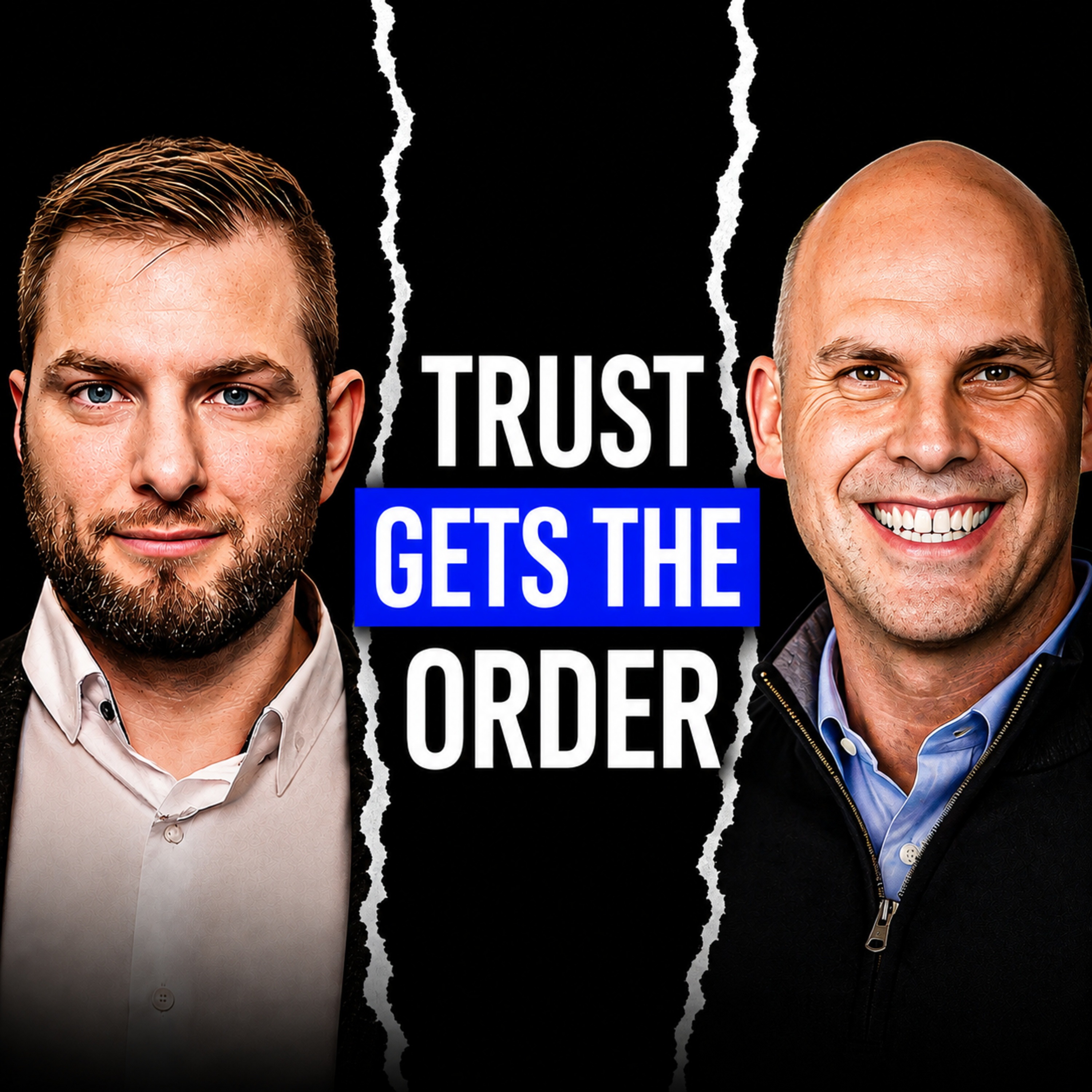
    The REAL Reason AI Gets the Attention But Trust Gets the Purchase Order

    AI gets the attention, but trust gets the PO. The coolest demo in the world means nothing if an enterprise does not believe you are safe, compliant, and serious about data. In this episode of The AI Frontier Playbook, I sit down with Tom Davis, Partner at Microsoft for Startups, who founded Solair in 2011, built it on Azure, and sold it to Microsoft in 2016. Tom has spent the last several years helping thousands of founders turn AI and cloud innovation into real business outcomes, and he brings a rare perspective: he has built and sold a company, and now he sits on the other side helping the next generation of startups scale. We talk about why speed to a working product stopped being the advantage it used to be, why plugging into something like Microsoft Copilot can matter more than the product itself, when a founder should build a tool in house instead of buying one off the shelf, and the one mistake that quietly kills startups that looked incredible in the demo. Tom also shares how his own son is building a two person startup powered by AI agents, and why he believes trust, not technology, is what closes enterprise deals. You'll learn: Why time to MVP has collapsed and what that means for founders competing on speed alone How to decide whether to build your own tool or buy something off the shelf Why distribution through platforms like Microsoft Copilot can matter as much as the product itself What enterprises actually check before they trust a startup with their data Why technical founders often overbuild and lose sight of what customers actually want How AI agents are changing the size and structure of a modern startup team What founders should build into their architecture from day one to avoid costly rework later How to test an idea with a proof of concept before committing months of runway to it Whether you are a founder building your first AI powered product or an operator trying to understand how enterprise buying decisions really get made, this episode gives you a practical framework for the next 90 days. Quick thanks to our sponsor OS4 Techno Services, a Quebec based IT firm helping organizations navigate infrastructure, cybersecurity, cloud, and AI with strong Microsoft expertise. Learn more about OS4 Techno Services: https://www.os4techno.com/ 📌 Resources & Links Tom Davis on LinkedIn: https://www.linkedin.com/in/tom-davis-startups/ 📬 Enjoyed this episode? Subscribe to the AI Frontier Playbook: https://theaifrontierplaybook.substack.com/ Connect with me on LinkedIn: https://www.linkedin.com/in/samuelboulanger/ Visit the website: https://frontierplaybook.ai

  • August 5 · 46 min

    MS Copilot Studio CVP: Why Most AI Projects Are Solving the Wrong Problem From Day One

    AI projects stall when nobody names the real business bottlenecks first. In this episode of The AI Frontier Playbook, I sit down with Ryan Cunningham, Microsoft CVP of Copilot Studio and Power Platform, to talk about why, and what actually separates a good AI use case from a wasted one. Ryan leads agents, apps, and automation across the entire Microsoft stack, and in this conversation we get into why most AI projects stall before they even start, whether apps and low code still matter now that you can generate almost anything from a chat window, how to actually choose between pro code, low code, and vibe coding, and how Copilot Studio's credit based pricing is reshaping the way teams think about cost. Ryan shares the real story behind a customer who turned a 36 hour quote generation process into a 2 hour one, and why that is the model for a good AI use case. Quick thanks to Kezber, a Microsoft partner, for sponsoring this episode. You'll learn: Why most AI projects fail because nobody defined the outcome before picking a tool How to turn a vague business problem into a measurable AI use case with a clear ROI Why apps and structured interfaces are not going away even as chat based AI expands What actually happens to custom software and SaaS as vibe coding becomes mainstream How to decide between pro code, low code, and vibe coding for a given problem Why credit based consumption pricing is replacing flat per user licensing for AI How Power Apps turning into MCP servers changes what agents can do with your data What governance and oversight look like once agents start operating with less human involvement Whether you are a business leader trying to justify your first AI investment or a developer deciding which tool fits the job in front of you, this episode gives you a practical framework for making that call. Thanks to Kezber for sponsoring this episode. Learn more about Kezber: https://kezber.com/ 📌 Resources & Links Ryan Cunningham on LinkedIn: https://www.linkedin.com/in/rycu 📬 Enjoyed this episode? Subscribe to Mastering AI for Productivity: https://samuelboulangerai.substack.com/ Connect with me on LinkedIn: https://www.linkedin.com/in/samuelboulanger/ Visit my website: https://frontierplaybook.ai

  • July 8 · 39 min

    AI Expert: Stop Automating Your Entire Department — Do This Instead

    Learn how to automate sales and back-office processes with AI for business, without overwhelming your team. In this episode of The AI Frontier Playbook, I sit down with Eric Murray, Director of Innovation at Kezber, a Microsoft partner in Quebec, to break down AI implementation and business workflow automation with Microsoft Copilot, Power Platform, and Copilot Studio. Many companies fail when they try to automate an entire department at once. Eric's approach starts instead with repetitive tasks that are low risk for your business, owned by a champion who knows every exception. We dig into how to identify the right processes to automate first, why most AI projects stall before delivering anything, and what it really takes to move from a working prototype to a secure production system. Eric brings a practitioner's view shaped by real client deployments. We walk through a full accounts payable automation scenario, from the invoice landing in a shared mailbox to the data reaching the ERP, and break down which steps should be plain deterministic automation with Power Automate and which ones genuinely need AI reasoning in the loop. We also cover human-in-the-loop design, exception handling, data residency under Quebec's Law 25, governance with tools like Microsoft Purview and Agent 365, and why a single model swap took one of his AP solutions from 50 dollars a month to 5 dollars a month. You'll learn: Why deploying Copilot licenses is the starting line, not the finish line How to spot a strong first automation candidate: repetitive, low risk, and owned by a champion What red flags signal a process is not ready to automate How to slice a process like accounts payable into small chunks that deliver value in weeks, not months When to use straight automation versus AI reasoning inside the same workflow How to design human-in-the-loop escalation so people trust the system instead of working around it Why security, access control, and data residency are the real work behind any AI agent How to measure ROI after launch and diagnose whether the problem is the tool or adoption Whether you are a business leader wondering where to start with AI automation or a Power Platform and Copilot Studio builder taking prototypes into production, this episode gives you a concrete framework for picking the right first project and scaling it without losing trust. 📌 Resources & Links Eric Murray on LinkedIn: linkedin.com/in/eric-murray-ing-18851a6 Kezber: https://kezber.com/en/ 📬 Enjoyed this episode? Subscribe to The AI Frontier Playbook Newsletter: samuelboulangerai.substack.com Connect with me on LinkedIn: linkedin.com/in/samuelboulanger Visit my website: samuelboulanger.com #AI #FutureOfWork #MicrosoftCopilot #PowerPlatform #Automation

  • June 10 · 43 min

    The AI Grok Moment: Why Most Companies Miss It | Stacey Mulcahy Microsoft Senior Director

    Why does AI adoption fail in business? In this episode of The AI Frontier Playbook, an AI podcast for enterprise leaders, I sit down with Stacey Mulcahy, Senior Director of the Microsoft Garage, to break down the real AI adoption challenges companies face and how Microsoft solves them with curiosity, hackathons, and hands-on AI skilling. Stacey leads the team behind the Microsoft Global Hackathon and the Skill Up AI program, engaging over 70,000 employees in grassroots AI learning and employee enablement across the company. We go deep on why formal learning paths are not enough, why curiosity and exploration drive real behavior change, and what Stacey calls the grok moment: the point where AI stops being a search engine and starts changing how you work. She also shares why leadership modeling makes or breaks adoption, how she runs learning in the open by streaming her own experiments, and why the GitHub Copilot CLI has completely changed her daily workflow. You'll learn: Why AI adoption gets stuck even when the tools and programs are good How to create the grok moment that turns skeptics into adopters Why leadership modeling matters more than any champion program What community skilling looks like and why learning with others beats learning alone How creativity and play outperform productivity use cases as an entry point to AI Why durable skills like adaptability, delegation, and taste matter more than tool knowledge How Stacey uses the GitHub Copilot CLI, custom agents, and MCP integrations to run her day What the future of work looks like when everyone manages a team of agents Whether you are a leader driving AI transformation in your organization or an individual contributor trying to build AI literacy on your team, this episode gives you a practical playbook for making adoption actually stick. 📌 Resources & Links Stacey Mulcahy on LinkedIn: https://www.linkedin.com/in/staceymakes/ 📬 Enjoyed this episode? Subscribe to Mastering AI for Productivity: https://samuelboulangerai.substack.com/ Connect with me on LinkedIn: https://www.linkedin.com/in/samuelboulanger/ Visit my website: https://samuelboulanger.com #AI #FutureOfWork #AIAdoption #Microsoft #AILiteracy

  • May 28 · 31 min

    Beyond the Prompt: Finding Authenticity in AI Work | Jack Rowbotham Microsoft PMM

    How to use AI for content creation without losing your voice. Jack Rowbotham earned 7.5 million LinkedIn impressions in a year at Microsoft, and in this episode of The AI Frontier Playbook he breaks down his exact AI content workflow. The real skill in the AI era is not creating more. It is having the judgment to ignore almost all of it. I sit down with Jack Rowbotham, Senior Product Marketing Manager for Copilot Studio at Microsoft, who built a personal brand of over 90,000 followers while working full-time and was named a Microsoft Frontier Trailblazer for FY26. We unpack the line between using AI tools to amplify your voice and letting them replace your thinking. You'll learn: How to use AI tools for content creation without sounding like a robot or losing your voice Why leading with your own perspective before touching AI is what protects authenticity How Jack runs AI evals on his own LinkedIn posts to keep AI-generated content accurate What separates using AI to amplify your voice from outsourcing your thinking How the agentic AI agent boss model reshapes work for marketers, creators, and knowledge workers Why prioritization and judgment are the new edge once AI removes the execution barrier What a personal brand agent built in Microsoft Copilot Studio can actually do for you How to turn event photos, whiteboards, and slides into usable notes with AI in minutes 📌 Resources & Links Jack Rowbotham on LinkedIn: https://www.linkedin.com/in/jackrowbotham/ Jack's LinkedIn Learning course, How to be an Agent Boss: https://www.linkedin.com/learning/how-to-be-an-agent-boss-leading-ai-agents-at-work Enjoyed this episode? Subscribe to the newsletter: https://samuelboulangerai.substack.com/ Connect with me on LinkedIn: https://www.linkedin.com/in/samuelboulanger/ Visit my website: https://frontierplaybook.ai

    • Transcript
  • #21
    May 6 · 45 min

    The Hard Truth About Your AI Strategy | Pam Maynard, Microsoft Chief Transformation AI Officer

    AI strategy stuck in pilot purgatory? In this episode of The AI Frontier Playbook, I sit down with Pam Maynard, Microsoft's first ever Chief AI Transformation Officer, on artificial intelligence adoption, organizational change, leadership, automation, and the future of work. Pam led Avanade as CEO across 60,000 employees before taking on this pioneering role at Microsoft. We unpack the four-layer metrics framework that prevents pilot purgatory, the Manulife $1 billion AI value example, why middle managers decide whether AI adoption sticks, and the McKinsey research showing companies with AI led from the top perform 3x higher than those without. A big thank you to ITI for sponsoring this episode. ITI is a proudly Canadian company that has spent over 30 years helping organizations bring their IT projects to life by making technology accessible, meaningful, and human. Whether you are a C-suite leader trying to scale AI across your enterprise or a manager closing the adoption gap on the ground, this episode delivers a practical framework you can put into action this quarter. Learn more about ITI: https://iti.ca/en/microsoft-365-copilot/ 📌 Resources & Links Pam Maynard on LinkedIn: https://www.linkedin.com/in/pam-maynard/ ITI Microsoft 365 Copilot solutions: https://iti.ca/en/microsoft-365-copilot/ Episode with Meaghan Platt from ITI on AI, accessibility and inclusion: https://www.youtube.com/watch?v=v5ydmRrYXnQ 📬 Enjoyed this episode? Subscribe to the AI Frontier Playbook Newsletter: https://samuelboulangerai.substack.com/ Connect with me on LinkedIn: https://www.linkedin.com/in/samuelboulanger/ Visit my website: https://frontierplaybook.ai #ArtificialIntelligence #FutureOfWork #Leadership #EnterpriseAI #DigitalTransformation

    • Transcript
  • #20
    April 23 · 30 min

    The Shift Nobody's Talking About: AI and Human Independence | Meaghan Platt, ITI

    The AI Frontier Playbook - Meaghan Platt Episode Description Microsoft Copilot, AI accessibility, and dignity: what most GenAI conversations completely skip. Meaghan Platt from ITI joins The AI Frontier Playbook to explore what real inclusion looks like in the age of AI. Most people talk about AI and productivity. Meaghan Platt talks about AI and dignity. As a Copilot Sales and Adoption Specialist at ITI and a mom navigating the daily reality of raising a daughter with PCDH19, a condition that causes epilepsy, seizures, cognitive delays, and significant communication challenges, Meaghan sees GenAI through a lens most enterprise conversations never touch. We go deep on what most AI conversations completely skip: dignity. The moment a child realizes the world was not built for how she communicates. The confidence that erodes every time a tool fails her. And why Copilot, used intentionally, starts to flip that. We also talk about language barriers, neurodivergence, burnout, and what it actually means to lead AI adoption with people at the center. You'll learn: Why dignity is the missing word in every accessibility and AI conversation How GenAI removes friction that most of us never even notice but that stops others completely What it looks like to build a custom voice model so a child can use speech-to-text in her own pronunciation Why AI adoption fails when leaders treat it like a software rollout instead of a people strategy How a trilingual team with no shared language built real collaboration using Microsoft Copilot When AI shifts from adapting people to technology, to technology adapting to people What parents and teachers can do right now to prepare kids for an AI-native world Whether you lead AI adoption at an enterprise level or you are a parent, educator, or anyone who navigates the world a little differently, this episode will change how you think about what inclusion actually means in the age of AI. Learn more about ITI: https://iti.ca/en/microsoft-365-copilot/ 📌 Resources and Links Meaghan Platt on LinkedIn: https://www.linkedin.com/in/meaghanplatt/ 📬 Enjoyed this episode? Subscribe to the AI Frontier Playbook newsletter: https://samuelboulangerai.substack.com/ Connect with me on LinkedIn: https://www.linkedin.com/in/samuelboulanger/ Visit my website: https://frontierplaybook.ai #MicrosoftCopilot #AIAccessibility #FutureOfWork #ArtificialIntelligence #AIAdoption

    • Transcript
  • #19
    April 8 · 52 min

    Hands-On or Left behind : The new reality of AI fluency | Steve Gustavson, Microsoft CVP

    What if the biggest obstacle to AI in your business isn't the technology, but the organizational structures built for humans to be the bottleneck? In this episode of the AI Frontier Playbook, I sit down with Steve Gustavson, CVP of Design and Research at Microsoft, leading the Business Apps and Agents division with a 350-person team spanning design, research, and content. We explore how organizational transformation, AI agents, and user experience converge to reshape how companies build and run their business processes. Steve brings 20+ years of experience from Adobe, ServiceNow, and now Microsoft, where he leads the design thinking behind Copilot Studio, Agent 365, and the broader agentic ecosystem. What makes this conversation different is how concrete it gets. We go deep on why rigid org charts become liabilities when AI teammates start handling workflows at scale, what it actually takes to evaluate agents beyond technical accuracy, and why generative UX is forcing a complete rethink of how business applications get built. If you want to understand where the future of work is heading across agent ecosystems, this is the conversation. What You'll Learn Why organizational structures designed for human decision-making become liabilities in an AI-enabled workplace. How generative agents are shifting Dynamics 365 and business applications from rigid tools to flexible, adaptive systems. What it means to evaluate AI systems beyond technical accuracy to include human qualities like empathy and voice authenticity. How the future of work requires flatter organizations with fluid project-based team assignments rather than static org charts. Why user researchers and design leaders are becoming the primary voices defining what makes AI assistance trustworthy and effective. What the ethical and transparency challenges are when deploying AI agents in organizations alongside human teams. How to balance using cutting-edge AI tools daily while maintaining security and ethical boundaries around sensitive data. Why the next generation of agents will be customizable by end users, PMs, and other non-engineers using plain-language markdown specifications. Whether you are an enterprise leader grappling with legacy systems or a designer thinking about human-centered AI, this episode challenges conventional thinking about how technology and people will work together. Sponsored by Talan Learn more about Talan's AI Commerce Agent for B2B Buyers: https://bit.ly/4kZRDTj Resources & Links Steve Gustavson on LinkedIn: https://www.linkedin.com/in/stevegustavson/ Microsoft Agent 365: https://www.microsoft.com/en-us/microsoft-agent-365 Enjoyed this episode? Subscribe to the AI Frontier Playbook Newsletter: https://samuelboulangerai.substack.com/ Connect with me on LinkedIn: https://www.linkedin.com/in/samuelboulanger/ Visit my website: https://samuelboulanger.com

    • Transcript
  • March 25 · 47 min

    Why AI Agents Will End the Attention Economy | David Rothschild, Microsoft Research

    What if the real battle for AI isn't about productivity, but about who controls the market when your agent is the one doing the shopping? In this episode of Mastering AI with the Experts, I sit down with David Rothschild, Economist at Microsoft Research and lead author of the paper "The Agentic Economy." We explore a shift most people aren't asking about yet: what happens to competition, discovery, and consumer welfare when AI agents, not humans, become the primary interface between buyers and businesses? David brings over a decade of research in market design and information flows to explain our transition from an attention economy to a preference economy. We discuss whether we are headed for tighter walled gardens or if open protocols will finally level the playing field for small businesses and consumers alike. The choices being made right now by developers and regulators will shape the next decade of global commerce. You'll Learn: The Preference Economy: Why marketing dollars are shifting from catching eyes to satisfying automated agent criteria. Breaking Platform Lock-in: How AI agents could virtually eliminate switching costs for consumers. Stage One vs. True Transformation: The difference between AI-assisted tasks and AI-first autonomous workflows. The Small Business Advantage: How an open agent ecosystem allows companies to compete on product quality and fit instead of massive ad spends. Zero Friction: Why a drop in communication friction is more disruptive to the economy than raw processing power. Walled Gardens vs. Web of Agents: The high stakes of closed ecosystems for future innovation. The ACP Protocol: Why businesses may soon have to rebuild their digital presence to be readable by every major agent platform. Whether you are a business leader preparing for the next wave of disruption or a consumer curious about your future shopping experience, this episode provides a research-backed framework to position yourself on the right side of the agentic shift. 📌 Resources & Links David Rothschild on LinkedIn: https://www.linkedin.com/in/davmicrot/ David Rothschild at Microsoft Research: https://www.microsoft.com/en-us/research/people/davidmr/ The Agentic Economy paper: https://www.microsoft.com/en-us/research/publication/the-agentic-economy/ 📬 Enjoyed this episode? Subscribe to Mastering AI for Productivity: https://samuelboulangerai.substack.com/ Connect with me on LinkedIn: https://www.linkedin.com/in/samuelboulanger/ Visit my website: https://samuelboulanger.com #AI #FutureOfWork #AgenticEconomy #MicrosoftResearch #AIAgents

    • Transcript
  • March 12 · 40 min

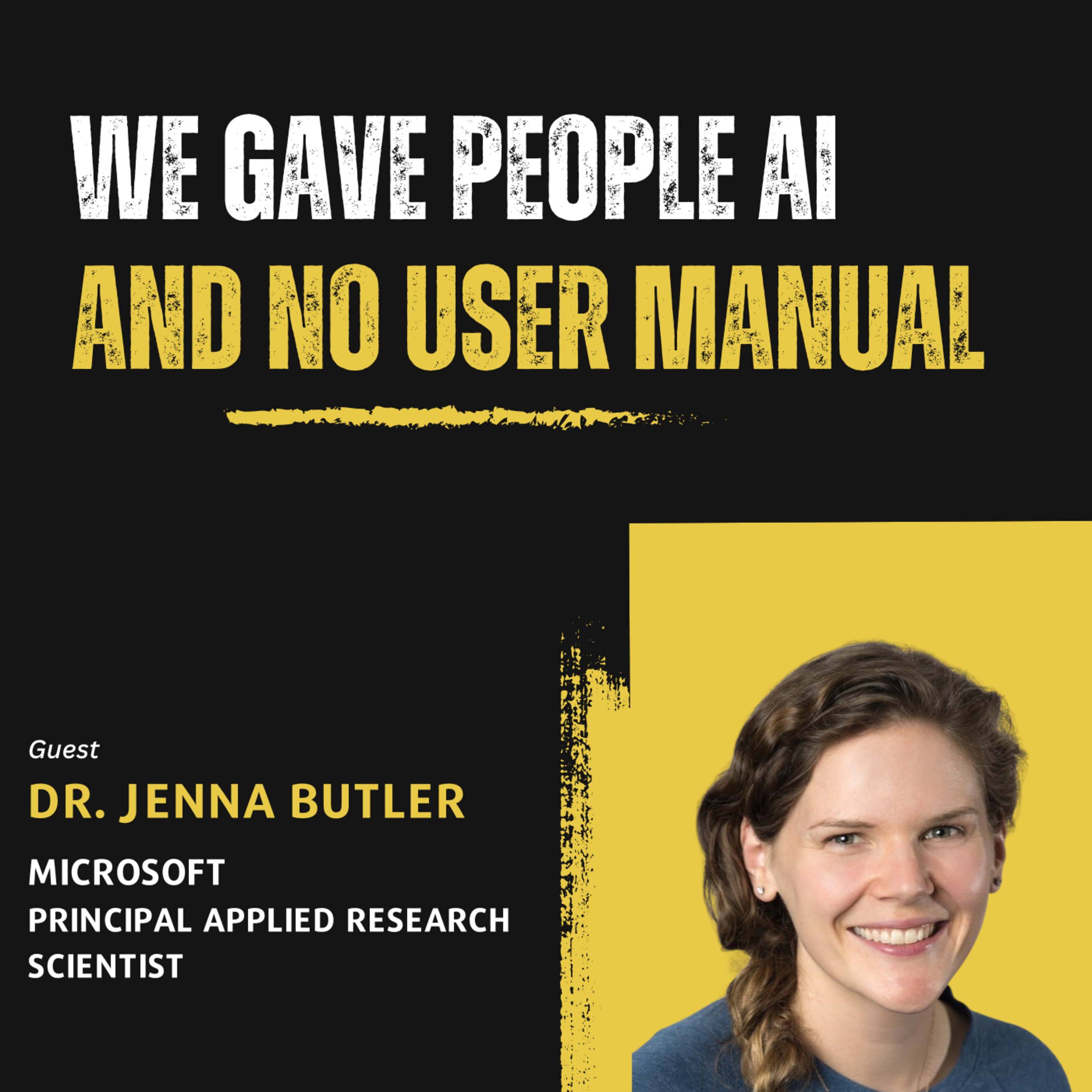
    Microsoft's Future of Work Report 2025: What Leaders Need to Know | Dr. Jenna Butler, Microsoft

    We gave people AI and no user manual. That's the problem Microsoft researcher Dr. Jenna Butler sees playing out in every organization right now. In this episode of Mastering AI with the Experts, I sit down with Dr. Jenna Butler, Principal Applied Research Scientist at Microsoft and one of the editors behind the New Future of Work Report 2025. Jenna has spent years studying what actually happens to humans when the tools around them change, from cancer biology simulations to developer productivity to the AI wave reshaping every workspace today. We dig into what AI literacy really means for non-technical people, why the shift from creating content to evaluating it changes everything about how we work, and what the productivity pressure paradox is doing to teams that were told to "go be more productive" without a roadmap. Jenna also shares why she thinks technology never removes toil, it just shifts it, and what leaders can do this week to change the conversation. You'll learn: 1. Why most people don't understand that AI is a probability engine, not a search engine, and why that distinction matters2. How the shift from content creation to content evaluation is redefining what "doing your job" looks like3. What the productivity pressure paradox is and how it's quietly backfiring inside organizations4. Why AI models carry deep cultural and gender biases that most users never notice5. How one researcher fell for a complete AI fabrication while writing a paper about AI hallucinations6. What minimum viable AI literacy looks like for a non-technical employee in 20267. Why leaders should reframe AI adoption as a chance to experiment, not a mandate to perform8. How Jenna builds her own custom tools with AI when existing software falls short Whether you are a leader trying to drive AI adoption without burning out your team, or a professional figuring out how to use these tools effectively, this episode gives you a research-backed framework for navigating the shift. 📌 Resources & Links Dr. Jenna Butler on LinkedIn: linkedin.com/in/dr-jenna-butler Dr. Jenna Butler at Microsoft Research: microsoft.com/research/people/jennbu Microsoft New Future of Work Report 2025: microsoft.com/research/the-new-future-of-work 📬 Enjoyed this episode? Subscribe to Mastering AI for Productivity: samuelboulangerai.substack.com Connect with me on LinkedIn: linkedin.com/in/samuelboulanger Visit my website: samuelboulanger.com #AI #FutureOfWork #AILiteracy #MicrosoftResearch #ProductivityParadox

    • Transcript
  • February 26 · 52 min

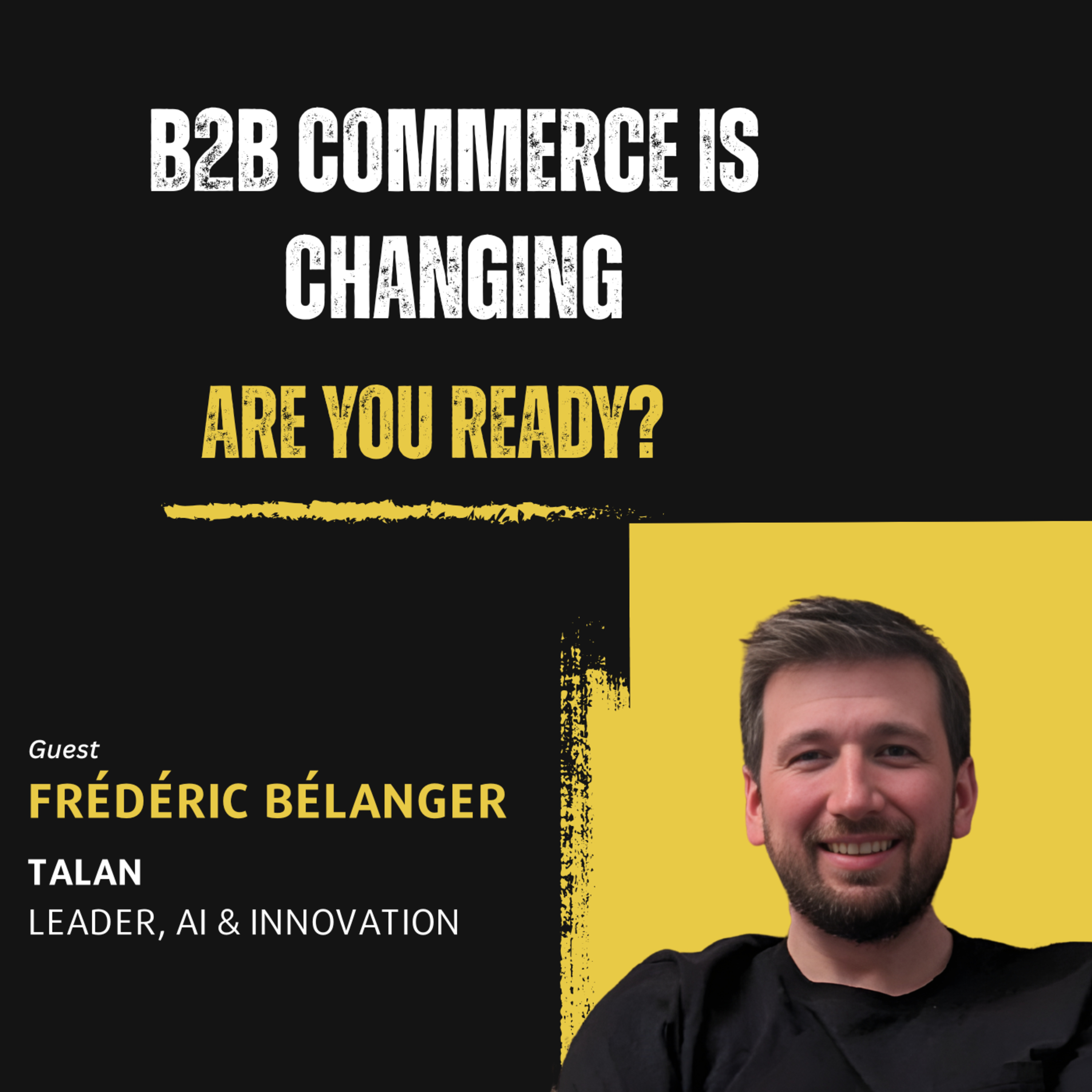
    The Death of the Workflow: What Agentic B2B Commerce Really Looks Like

    What if the biggest obstacle to AI in your business isn’t the technology, but the way your systems were built to assume a human would always be clicking? In this episode of Mastering AI with the Experts, I sit down with Frédéric Bélanger, Leader AI & Innovation at Talan.Frédéric has spent years architecting B2B commerce and procurement systems. He knows exactly where the friction lives and why it has been so difficult to fix. We go deep into what actually breaks when you move from portals and workflows to intent-driven buying, what it takes to make your data and systems agent-ready, and how to deploy AI agents safely inside enterprise environments. No theory. No slideware. Just real architecture decisions and hard-won lessons. You’ll learn: Why B2B commerce was built around a human clicking and why that assumption is now a liability What shifts when you move from workflow-based APIs to intent-based APIs How to tell if you have an AI opportunity or a data architecture problem Why data field names and database column names now matter more than ever What “human in the loop” really means as a design decision How MCP servers simplify agent integration without requiring a full rearchitecture What agent-to-agent commerce looks like and the questions we need to start answering now Why non-deterministic tools in enterprise environments are manageable if you build them correctly Whether you are a business leader evaluating AI investments in your commerce stack, or an architect designing the next generation of B2B systems, this episode gives you a practical framework for building agent-ready enterprise environments the right way. Learn more about Talan's AI Commerce Agent for B2B Buyers: https://bit.ly/4kZRDTjResources & Links Frédéric Bélanger on LinkedIn https://www.linkedin.com/in/frederic-belanger/ Subscribe to Mastering AI for Productivity https://samuelboulangerai.substack.com/ Connect with Samuel Boulanger on LinkedIn https://www.linkedin.com/in/samuelboulanger/ Visit samuelboulanger.com https://samuelboulanger.com/

    • Transcript
  • February 11 · 51 min

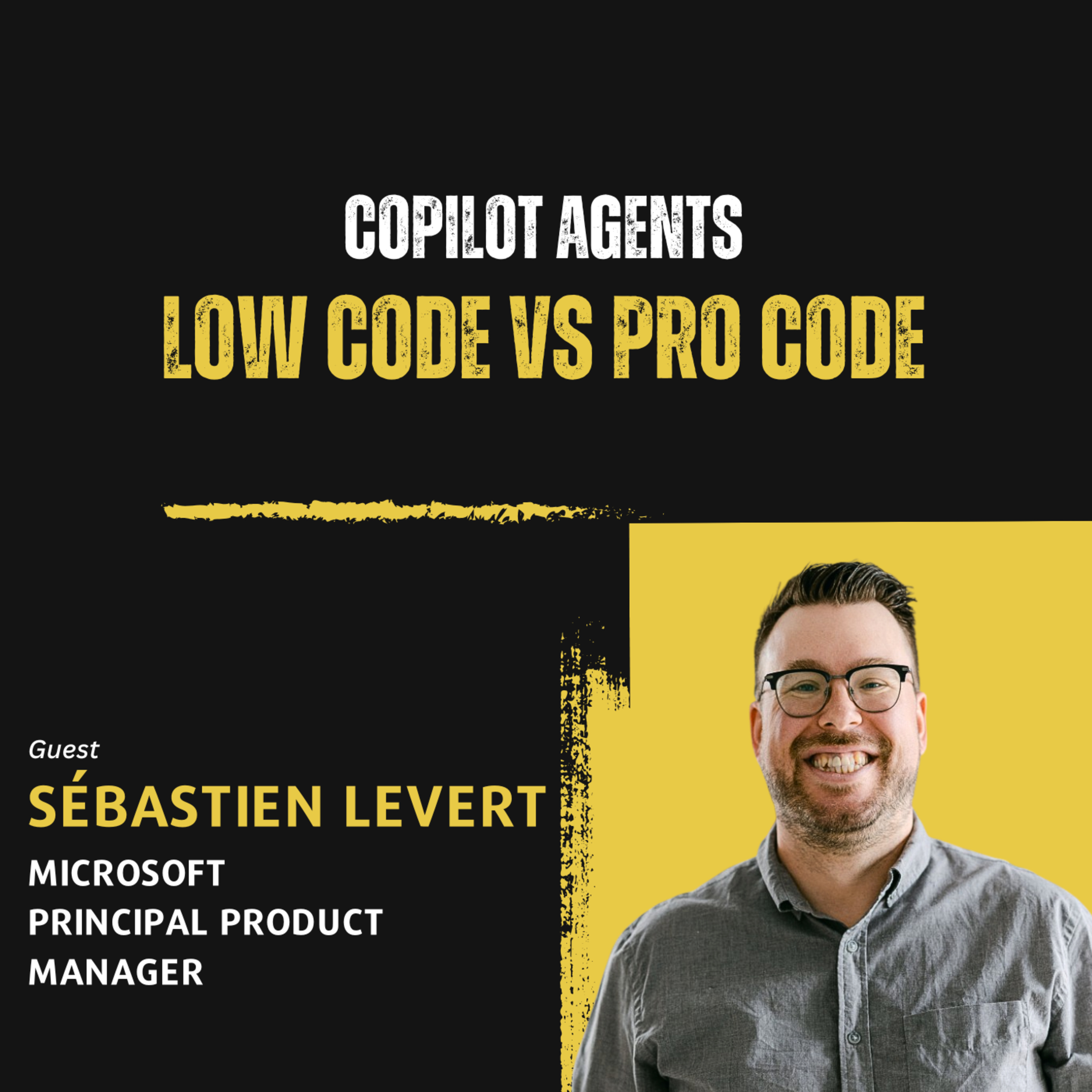
    Inside the Microsoft 365 Agents Toolkit for Developers | Sébastien Levert, Microsoft PPM

    What if extending Microsoft 365 Copilot wasn’t about adding features, but about building real enterprise agents that act on your business systems? In this episode of Mastering AI with the Experts, I sit down with Sébastien Levert, Principal Product Manager at Microsoft working on Copilot extensibility and the Microsoft 365 agent platform. We break down what Copilot agents actually are, what “extensibility” really means in concrete terms, and when low code stops being enough. We go deep into pro code tooling, engineering discipline, and what it takes to ship agents like real software inside Microsoft 365 Copilot. This is not theory. It is architecture, workflow, and decision frameworks you can use immediately. You’ll learn: What Copilot agents are beyond simple retrieval or Q&A The real difference between low code and pro code agents When to use Copilot Studio versus developer tooling Why building inside Microsoft 365 Copilot unlocks productivity context How to version, deploy, and roll back agents using CI/CD Why you usually do not want to build your own orchestration layer How WorkIQ changes the way developers build agents The enterprise signals that tell you it is time to move to pro code How to avoid painful rearchitecture later Whether you are a business leader deciding where to invest, or a developer building scalable agent solutions, this episode will give you a clear framework for navigating Copilot extensibility the right way.

    • Transcript
  • January 29 · 40 min

    Harnessing the Power of AI Collaboration | Simon Lacasse , Microsoft GBB

    What if your next business team isn’t just made of humans, but also intelligent agents? In this episode of Mastering AI with the Experts, I sit down with Simon Lacasse, Global Black Belt for AI at Microsoft and author of the white paper Scaling Agents for Enterprise. Simon is part of Microsoft’s SWAT team of AI experts, working with global organizations to bring multi-agent systems to life in real-world production environments. We go deep into what’s actually changed in the last 12 to 18 months to make multi-agent systems deployable at enterprise scale, and why it’s no longer just research labs or prototypes. It’s happening right now. You’ll learn: What agent orchestration actually means (and why it’s like a project manager for AI) Why the real shift isn’t smarter models, it’s smarter ecosystems How protocols like A2A and MCP are creating an “internet of agents” Why GitHub Copilot is secretly a multi-agent system and what that means for your tools How to start implementing multi-agent architecture in your organization without creating chaos The biggest misconceptions about cost, complexity, and governance Simon’s productivity tips on breaking problems down and avoiding “giant prompts” Whether you're building agent infrastructure or just trying to keep up with the pace of AI change, this episode will make the architecture and strategy behind multi-agent systems finally click. 📌 Resources Mentioned 🔹 Scaling Agents for Enterprise – White Paper by Simon Lacasse https://github.com/slacassegbb/azure-a2a-main/blob/main/Scaling_Agents_Enterprise.pdf 🔹 A Guide to Designing a Multi-Agent System – White Paper by Simon Lacasse https://github.com/slacassegbb/WebBrowser_Example/blob/main/A%20Guide%20to%20Designing%20a%20Multi-Agent%20System.pdf 🔹 A2A Protocol (Agent-to-Agent by Google) https://a2a-protocol.org/ 🔹 MCP Protocol (Model Context Protocol by Anthropic) https://modelcontextprotocol.io/ 🔹 Simon Lacasse on LinkedIn https://www.linkedin.com/in/simon-lacasse-3545386/ 📬 Enjoyed this episode? 🔹 Subscribe to Mastering AI for Productivity, my newsletter https://samuelboulangerai.substack.com/ 🔹 Connect with me on LinkedIn https://www.linkedin.com/in/samuelboulanger/ 🔹 Visit my website https://samuelboulanger.com/

    • Transcript
  • Dec 9, 2025 · 42 min

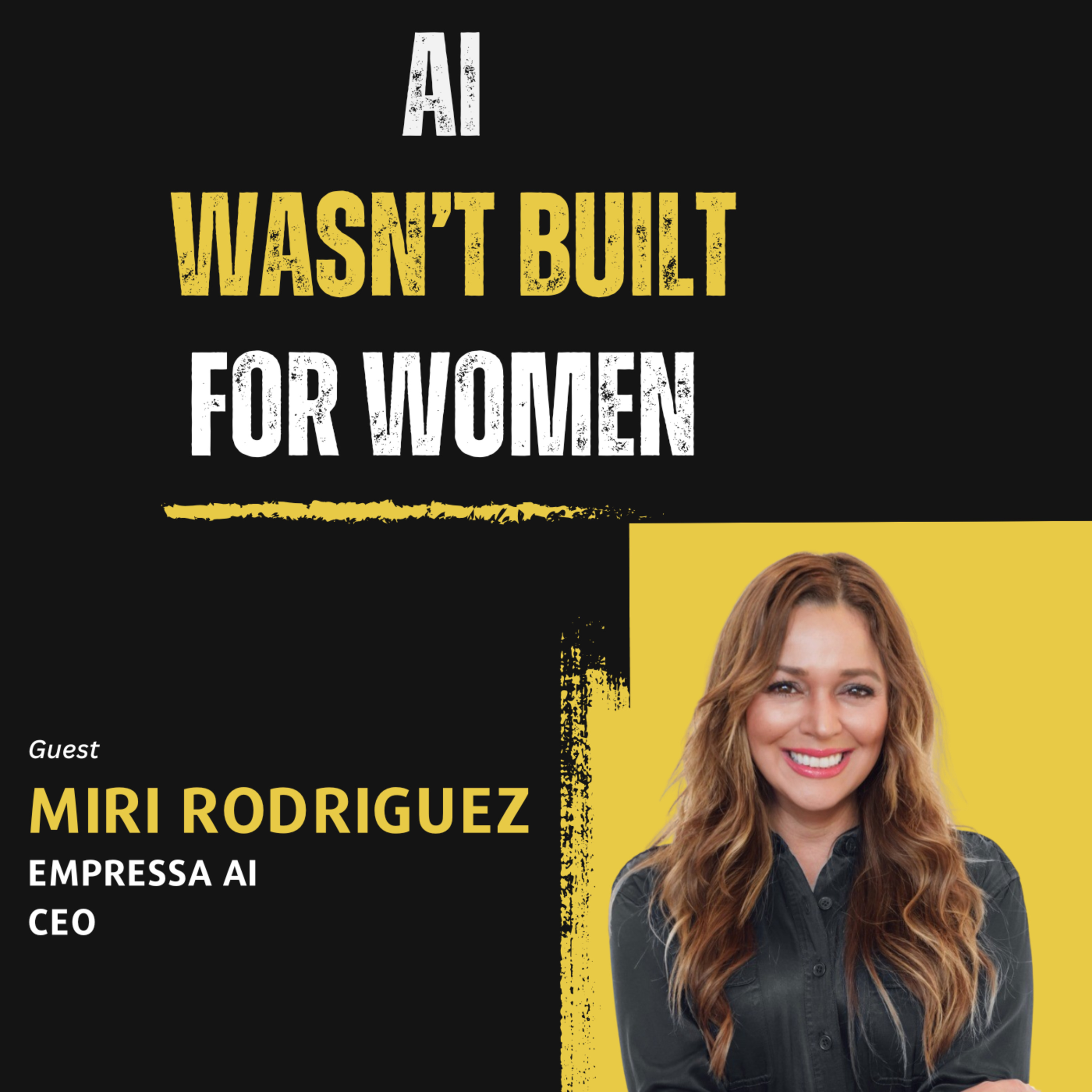
    How AI Is Failing Women (And How to Fix It Now) | Miri Rodriguez CEO Empressa.ai

    🎙️Unlock the future of Inclusive AI: What does it truly take to build systems that are responsible and equitable from the ground up?In this essential episode on Gender Bias in AI and Responsible AI, we sit down with Miri Rodriguez, former star storyteller at Microsoft and the groundbreaking CEO/Founder of Empressa.ai. After 13 years crafting narratives within Big Tech, a personal health journey — including battling cancer —pushed Miri to pioneer a solution for one of technology's biggest challenges: the AI gender gap.Miri shares the emotional and strategic story behind Empressa — a pioneering AI platform built by women, for women. She exposes how reliance on traditional data sets has created deep-seated biases, consistently excluding female perspectives. You'll learn:- Why the legacy of male-designed technology (like the car airbag) proves that gender-neutral is often just male-default.- How Empressa.ai is rewriting this reality by implementing a royalty model that fairly compensates women for contributing their insights, stories, and lived experience, transforming silence into scalable knowledge.- Actionable design principles for building inclusive AI agents and foundational models, ensuring your next product is equitable.- Why the true barrier for women in tech and AI adoption is often confidence and the need for safe learning spaces—not capability.If you are building with Generative AI, leading product teams, or focused on accelerating gender parity in the workforce, this episode is mandatory listening. It will fundamentally challenge how you think about data, inclusion, and the systems we are all shaping.⏱️ Timestamps (YouTube Chapters)00:00 Intro 01:37 Meet Miri Rodriguez: Microsoft, Storytelling, and the Strategic Leap06:42 Why AI Systems Are Biased Against Women09:08 The Hidden Cost of Biased Data12:15 The Legacy of Male-Designed Tech (Cars & Airbags)14:48 How Empressa is Building AI with Women's Insights19:36 A New Royalty Model for AI Contributors22:05 Designing an Equitable AI: "By Women, For Women"25:11 The Domestic Workload Barrier (Why Women Don't Apply)25:45 Cohorts, Safe Spaces, and How Women Learn AI29:03 Building Inclusive AI Agents37:45 Practical Tip: Training AI for the Next Generation39:15 The Road to Gender Parity and AI's Role📌 Resources MentionedEmpressa.ai : https://empressa.aiMiri Rodriguez on LinkedIn: linkedin.com/in/mirirod/Gender bias in AI data sources (Harvard, McKinsey, etc.)Women in AI Quaterly Index Report: https://empressa.ai/wp-content/uploads/2025/11/Women-in-AI-Index-Quarterly-Report-Q4-2025.pdf📬 Enjoyed this episode?Subscribe to Mastering AI for Productivity, my newsletter: https://samuelboulangerai.substack.com/Connect with me on LinkedIn: linkedin.com/in/samuelboulanger/Visit my website: samuelboulanger.com

    • Transcript
  • Nov 26, 2025 · 42 min

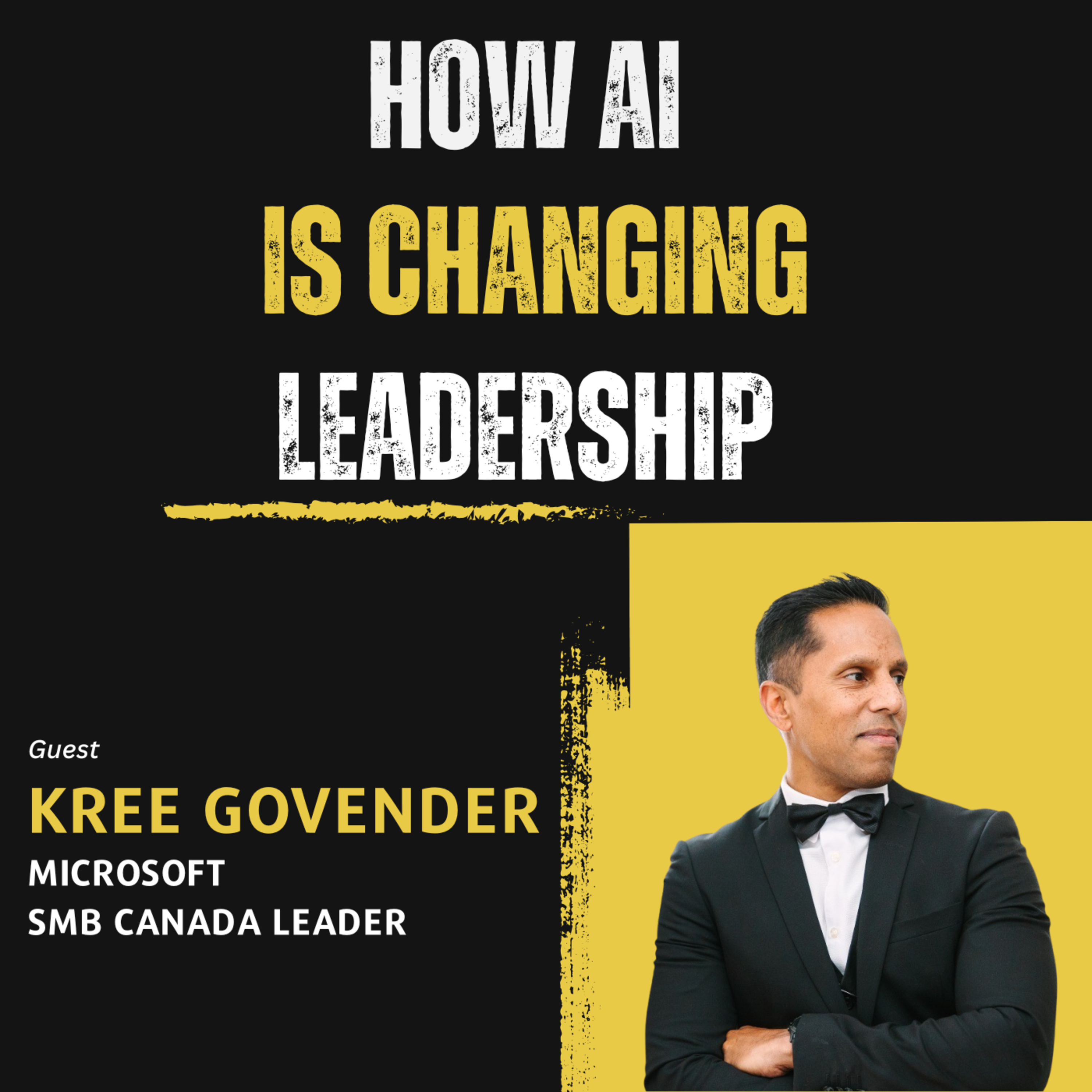
    The Future of Leadership Isn’t Human-Only | Kree Govender, Microsoft Leader

    AI isn’t just changing how we work — it’s changing how we lead.But most leaders are still trying to apply old thinking to a very new game.Kree Govender leads SMB sales at Microsoft Canada, supporting 1.4 million businesses through Microsoft’s partner ecosystem. With over a decade of experience leading teams across South Africa and Canada, Kree has had a front-row seat to the AI transformation — and he’s helping shape what modern leadership looks like in this new reality.In this episode, Kree breaks down what it means to be an “AI-enhanced leader,” why trust and curiosity are now strategic advantages, and how to lead teams that include not just people, but AI agents. We talk about cultural resistance to change, the risk of outsourcing your thinking, and how to stay human in a world of automation.Whether you're managing a team, experimenting with Copilot, or just figuring out where AI fits in your decision-making, this conversation gives you a grounded look at the leadership skills that still matter — and the ones you’ll need next.📌 Resources MentionedWork Trend Index by Microsoft:https://www.microsoft.com/en-us/worklab/work-trend-index?msockid=3b2712741f9262f50f5d07521e446344Kree Govender on LinkedIn: https://www.linkedin.com/in/kree-govender-12b2651b/📬 Enjoyed this conversation?Subscribe to Mastering AI for Productivity: https://samuelboulangerai.substack.com/Connect with me on LinkedIn: https://www.linkedin.com/in/samuelboulangerVisit my website: https://samuelboulanger.com

    • Transcript
  • Nov 12, 2025 · 49 min

    Inside Microsoft Canada: Becoming a Frontier Sales Firm with AI, Ehsan Youssef, Microsoft VP

    Everyone’s talking about AI in sales. But what does it actually look like to lead a modern sales organization that runs on it?Ehsan Youssef, Lead of Small and Medium Enterprise & Channel Sales at Microsoft Canada, has spent 20 years helping teams adapt to constant change—and now he’s transforming how his organization sells in the age of AI.In this episode, Ehsan breaks down what it means to operate as a frontier firm—one that infuses AI into every process, from planning and prospecting to customer engagement. He shares how his team measures the “ROI of time,” how they’re building trust in AI across hundreds of sellers, and why every leader needs to lead by example and use the tools themselves.Whether you’re running a sales org, experimenting with Copilot, or figuring out where AI fits in your business, this conversation gives you a clear playbook for turning strategy into action. 📌 Resources MentionedMicrosoft Cloud Adoption Framework for AI: https://learn.microsoft.com/en-us/azure/cloud-adoption-framework/scenarios/ai/Erin Chapple on LinkedIn: https://www.linkedin.com/in/erinmchapple/📬 Enjoyed this conversation?Subscribe to my newsletter Mastering AI for Productivity: https://samuelboulangerai.substack.com/Connect with me on LinkedIn: https://www.linkedin.com/in/samuelboulanger/Visit my website : Samuelboulanger.com

    • Transcript
  • S1 · E10
    Oct 22, 2025 · 43 min

    Real-World AI Use Cases You Can Deploy Today| | Ben Vollmer, RSM US Product leader

    Everyone’s talking about AI. But how do you go from personal productivity wins to real, enterprise-scale impact?Ben Vollmer has spent 30+ years helping organizations answer that question—leading product teams at Microsoft, IFS, and now RSM, where he drives AI and Power Platform strategy for some of the largest businesses in the US.In this episode, Ben breaks down what’s actually working on the ground: from AI agents processing invoices and summarizing shift reports, to how edge AI and micro-vertical models are quietly reshaping operations. We also talk about the biggest blockers to adoption (hint: it’s not the tech), how to roll out AI without overwhelming your teams, and why most companies are still underestimating the power of data readiness.Whether you’re deploying Copilot, building with Power Platform, or trying to drive real change in your org—this conversation cuts through the noise.⏱️ Timestamps00:00 – Intro 02:28 – What’s working now: tech + organizational alignment 04:05 – Real-world AI agent examples: invoices, IT tickets, and internal copilots 06:39 – “AI is a lot of magic being sold” — grounding the hype 09:36 – Intelligent applications: the next evolution of forms and decision-making 11:04 – Broad vs. micro-vertical models: the real AI frontier 17:39 – Tangible ROI: shift reports, document handling, internal service automation 23:15 – The GPS metaphor: how AI adoption builds trust over time 39:06 – Ben’s productivity tip: the Louis Litt email rewriting agent 📌 Resources MentionedRSM Power Factory: https://rsmus.comBen Vollmer on LinkedIn: https://www.linkedin.com/in/benvollmer/📬 Enjoyed this conversation?Subscribe to my newsletter Mastering AI for Productivity: https://samuelboulangerai.substack.com/Connect with me on LinkedIn: https://www.linkedin.com/in/samuelboulanger/Visit my website: https://samuelboulanger.com

    • Transcript
  • S1 · E9
    Oct 8, 2025 · 57 min

    How Microsoft Is Rewriting Enterprise AI Adoption | Erin Chapple, Microsoft CVP

    Everyone’s talking about AI. But how do you actually get it working across a 100,000-person organization?Erin Chapple breaks down how Microsoft is doing exactly that—and what you can learn from it.In this episode, Erin shares what she’s learned from 30 years at Microsoft, first leading engineering teams for Windows Server and Azure, and now helping some of the world’s largest enterprises adopt AI at scale. She explains why Microsoft radically simplified its entire cloud portfolio, what it really means to become a “Frontier Firm,” and why governance isn’t a blocker, it’s your launchpad for innovation.Whether you’re building AI, selling AI, or trying to make sense of how it fits into your org structure, this conversation delivers real-world clarity from someone at the center of it all. 📌 Resources MentionedMicrosoft Cloud Adoption Framework for AI: https://learn.microsoft.com/en-us/azure/cloud-adoption-framework/scenarios/ai/Erin Chapple on LinkedIn: https://www.linkedin.com/in/erinmchapple/ 📬 Enjoyed this conversation?Subscribe to my newsletter Mastering AI for Productivity: https://samuelboulangerai.substack.com/Connect with me on LinkedIn: https://www.linkedin.com/in/samuelboulanger/Visit my website : Samuelboulanger.com

Showing 1–20 of 20 episodes