TA
The Academic Minute
Academic Minute
- 21 episodes
- daily
- Avg 2 min
- English
Counted on this page — what you have heard stays on this device, so it is not something the list can be paged by.
- TA
 Thursday · 2 min
Katherine Wilkinson, San Jose State University – Proprioception
Understanding how your body senses muscle movement is essential for balance. Katherine Wilkinson, professor of biology at San Jose State University, examines how it works. Katherine Wilkinson is a Professor of biology at San José State University in San
- TA
 Wednesday · 2 min
Sonia Villapol, Houston Methodist Research Institute - Trust Your Gut to Heal Your Brain
Can you trust your gut to heal your brain? Sonia Villapol, associate professor and neuroscientist at the Center for Neuroregeneration and the Department of Neurosurgery at the Houston Methodist Research Institute, delves into the microbiome. Faculty Bio: Dr. Sonia Villapol is an Associate Professor and neuroscientist at the Center for Neuroregeneration and the Department of Neurosurgery, Houston Methodist Research Institute (Houston, TX). She received her B.Sc. in Molecular Biology and Biotechnology from the University of Santiago de Compostela (2003) and completed an M.Sc. and Ph.D. in Neuroscience at the Autonomous University of Barcelona (2007). She pursued postdoctoral research at the CNRS–Université Pierre et Marie Curie (VI) and INSERM in Paris, and later at the National Institutes of Health/Center for Neuroscience and Regenerative Medicine and the Uniformed Services University in Bethesda, MD. In 2014 she joined Georgetown University as a Research Assistant Professor of Neuroscience, moving to HMRI in 2018.Dr. Villapol’s work, funded by the NIH, Department of Defense, and private foundations, investigates mechanisms of neuroinflammation and neurodegeneration across AD and TBI models, the brain–gut axis, and the development of neurorestorative drug-delivery systems. She has published more than 80 peer-reviewed articles and book chapters. Transcript: Brain injuries and neurodegenerative disorders such as Alzheimer’s disease remain some of the greatest challenges in modern medicine. My research is centered on understanding how inflammation, the immune system, and the gut microbiome interact to shape brain health after injury and during disease progression. When the brain experiences trauma, such as a traumatic brain injury, the damage extends far beyond the initial event. The injury triggers a cascade of biological responses that includes immune activation, metabolic dysfunction, and communication among multiple organs, particularly the brain, liver, and gut. This interconnected network, often described as the gut-brain axis, plays a critical role in regulating inflammation, recovery, and long-term neurological outcomes. In our laboratory, we investigate how signals derived from the microbiome influence the brain’s immune environment and how these interactions can amplify or prolong neuroinflammation after injury. We are especially interested in understanding how these processes may contribute to neurodegenerative conditions such as Alzheimer’s disease, where chronic inflammation is believed to accelerate disease progression. To address these questions, our work combines a wide range of approaches, including animal models, clinical research, microbiome sequencing, integration of personalized data using AI, advanced imaging, and nanomedicine. One major focus is the development of targeted nanomedicine therapies that deliver treatments directly to specific brain cells involved in inflammation and tissue damage. At the same time, we are exploring whether modulating the microbiome through diet, probiotics, or related strategies can help restore balance to the gut-brain axis and promote recovery after injury. By integrating microbiology, neuroscience, and biomedical engineering, we aim to uncover new mechanisms and identify innovative therapeutic opportunities. Ultimately, our goal is to translate this knowledge into more effective treatments that protect the brain, reduce long-term damage, and improve patient outcomes. The future of brain health may depend not only on treating the brain itself, but on understanding the entire biological system that supports it. This is a public episode. If you would like to discuss this with other subscribers or get access to bonus episodes, visit www.academicminute.org
- TA
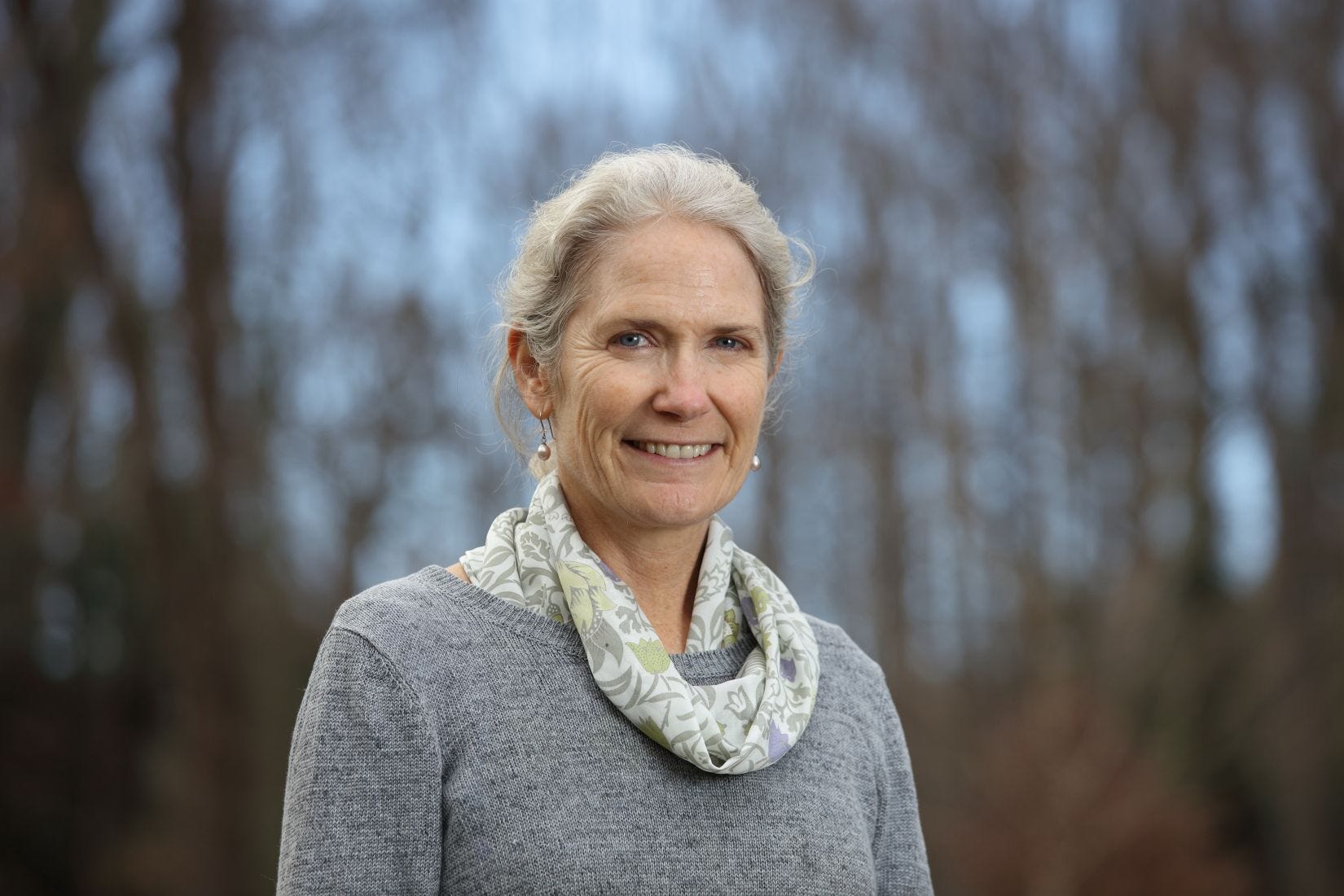 Tuesday · 2 min
Angeline S. Lillard, Virginia Tech - Montessori Schools Lead to Better Outcomes at Lower Cost
How do we get better outcomes at lower cost for preschool children? Angeline S. Lillard, Commonwealth professor of psychology at the University of Virginia, explores one option. Faculty Bio: Angeline S. Lillard is the Commonwealth Professor of Psychology at the University of Virginia where she directs the Early Development Laboratory and the Montessori Science Program; her research focuses on children’s play and Montessori education. She is an elected Fellow of the American Association for the Advancement of Science, the American Psychological Association, and the Association for Psychological Science, and Chief Editor of Frontiers in Developmental Psychology. She received her PhD in Psychology from Stanford University in 1991, and the American Psychological Association’s Boyd McCandless Award for her early career contributions to Developmental Science. Her book, Montessori: The Science Behind the Genius (Oxford University Press) received the Cognitive Development Society Book Award, is translated into several languages, and is currently in its 3rd edition. She has been keynote speaker at dozens of Psychology and Montessori conferences worldwide. Her research has been funded by the Institutes of Education Sciences, the National Science Foundation, the National Institutes of Health, and many private foundations. Transcript: Preschool has been around for over a century, but we can't seem to settle on the best models to use--entirely free play, or dive into academics. New research shows the Montessori method yields better outcomes at lower cost. The study followed for 3 years 588 children who had entered a random lottery for a seat at one of 24 public Montessori schools across the country. About a third won a spot, and the rest were waitlisted. The children were no different on outcomes at baseline when they started pre-K, nor were they different at the end of PK3 or PK4. But at ages 5-6, several differences emerged, and the effects were large. First, children who attended Montessori were better readers; specifically, a child who would have scored at the 50th percentile in reading at a traditional school would have scored at the 71st percentile had they attended Montessori. Children who got into Montessori also had better executive function, short-term memory and social understanding at the end of kindergarten. And the cost savings were $13,127 per child as compared to traditional PK3 through kindergarten programs--a savings that would really add up across all the 3- to 6-year-olds in a district. This is not the first study to show better outcomes from Montessori--other randomized controlled trials (RCTs) and two meta-analyses done in 2023 all come to the same conclusion.Why isn't there more of this model? One reason may be that there are many poor exemplars. Real Montessori has 3-year age groupings, and teachers give children structured lessons on how to use hundreds of hands-on materials Dr. Maria Montessori and her collaborators developed to convey learning, and then children freely explore those materials with their peers, without grades, and without teachers dictating their schedules. Bridging play and work, the public Montessori preschool model yields better outcomes, at lower cost. Read More: [PNAS] - A national randomized controlled trial of the impact of public Montessori preschool at the end of kindergarten This is a public episode. If you would like to discuss this with other subscribers or get access to bonus episodes, visit www.academicminute.org
- TA
 Monday · 2 min
Marcos Fernandez-Tous, University of North Dakota - AI is Making Spacecraft Propulsion More Efficient
Can AI make spacecraft propulsion more efficient? Marcos Fernandez-Tous, associate professor of space propulsion and hypersonic aerodynamics at the University of North Dakota, discusses this topic. Faculty Bio: I currently coordinate the Space Studies Propulsion Lab within the Department of Space Sciences and offer courses on space propulsion, air-breathing engines, and hypersonic aerodynamics. My teaching emphasizes project-based learning and follows the Innovation-Based Learning methodology.I hold a Ph.D. in Space Sciences from the University of North Dakota, where my dissertation focused on developing a novel synchronization protocol for unmanned aerial vehicles (UAVs). Additionally, I earned an M.S. in Aeronautical Engineering with a specialization in Air Traffic Management from the Polytechnic University of Madrid, Spain, completing a thesis on GPS-based approach procedures for Palma de Mallorca Airport.My research focuses on interdisciplinary approaches to integrating artificial intelligence technologies to advance space propulsion development. Beyond academia, I actively contribute to the community of Grand Forks, where I have resided since 2018. Transcript: Every year, hundreds of rockets are launched into space, with numbers rising as missions to the Moon, Mars, and beyond become the new reality. But these ambitions depend on propulsion—the technology that moves spacecraft forward. Breakthroughs in this technology are essential to make interplanetary travel faster and more efficient, and artificial intelligence is emerging as a key enabler for that.One branch of AI, reinforcement learning, teaches machines through trial and error, improving performance by interpreting outcomes and adjusting strategies. This capability is particularly valuable for complex systems that exceed human intuition, such as propulsion systems design. Reinforcement Learning can optimize flight paths to minimize fuel use and travel time, or it can assist engineers by analyzing countless variables—materials, geometry, and heat transfer—to identify configurations that maximize efficiency.Nuclear propulsion is among the most promising concepts for deep-space missions. Fission-based systems have been tested before, while fusion remains a frontier. Nuclear thermal propulsion, which transfers heat from atomic reactions to hydrogen propellant, could dramatically reduce travel time compared to conventional propulsion. Reinforcement Learning supports this technology by optimizing reactor designs, such as those explored since NERVA program at NASA in the 60s and 70s.Beyond design, Reinforcement Learning can manage real-time operations, including fuel consumption for adaptable missions. This flexibility is critical for spacecraft that must respond to changing priorities, such as military or multi-role satellites. The ability of Reinforcement Learning to learn and adapt makes it a powerful tool for addressing uncertainty in mission planning.As propulsion technologies evolve, AI—and derivative tools such as reinforcement learning—will play a central role in enabling faster, safer, and more sustainable space exploration, opening pathways to destinations across and beyond our solar system. Read More: [The Conversation] - AI is making spacecraft propulsion more efficient – and could even lead to nuclear‑powered rockets This is a public episode. If you would like to discuss this with other subscribers or get access to bonus episodes, visit www.academicminute.org
- TA
 August 21 · 2 min
Dana Cusano, Syracuse University - Finding Whales Before It's Too Late
Despite efforts to avoid it, vessel collisions are still hindering conservation efforts for whales. Dana Cusano, research assistant professor in the Department of Biology at Syracuse University, explores what changes can occur. Faculty Bio: Dana Cusano is a bioacoustician and behavioral ecologist whose research focuses primarily on the acoustic behavior of marine mammals. Her interests include the use of vocal signaling in animals and the link between vocalizations and behavior. Specifically, she is interested in the social interactions between individuals and how arousal may be reflected in acoustic signals. Past research has also centered on investigating the movement of animals in response to anthropogenic disturbance with the use of animal movement models.Currently, Dana’s research involves studying the acoustic and movement behavior of sei whales, North Atlantic right whales, and humpback whales with the use of biologging tags. Transcript: Many whale species feed in Massachusetts Bay and Stellwagen Bank National Marine Sanctuary, but two face an especially urgent threat: the critically endangered North Atlantic right whale, with only about 384 left, and the endangered sei whale, a species we know very little about. Both can be found close to shore and in heavily populated areas. They also often feed on the same prey near the surface where they are difficult to see, putting them at high risk for vessel collisions, or ship strikes, one of the most serious threats large whales face.Decades of conservation efforts have worked to reduce maximum speeds during specific times of year, and even to shift shipping lanes to avoid critical habitats. Despite this, ship strikes remain one of the leading causes of death and injury to right whales — and the number of sei whales struck in the North Atlantic appears to be increasing and is likely underestimated.A better understanding of what conditions increase that risk, and how to prevent collisions, is critical. My research uses suction-cup tags attached to whales in Massachusetts Bay and the Stellwagen Bank National Marine Sanctuary to understand how they move near the surface and underwater while they feed in this important spring-time foraging habitat. These data are combined with information on prey to build models that can identify and predict foraging hot spots — areas where feeding whales are likely to aggregate.Using remote-sensing technology, we can identify these hot spots from space even before whales are detected in the area. That information is then pushed as alerts to vessels using the global Automatic Identification System network and to vessel operators in the app WhaleAlert — so mariners can respond before it’s too late. This is a public episode. If you would like to discuss this with other subscribers or get access to bonus episodes, visit www.academicminute.org
- TA
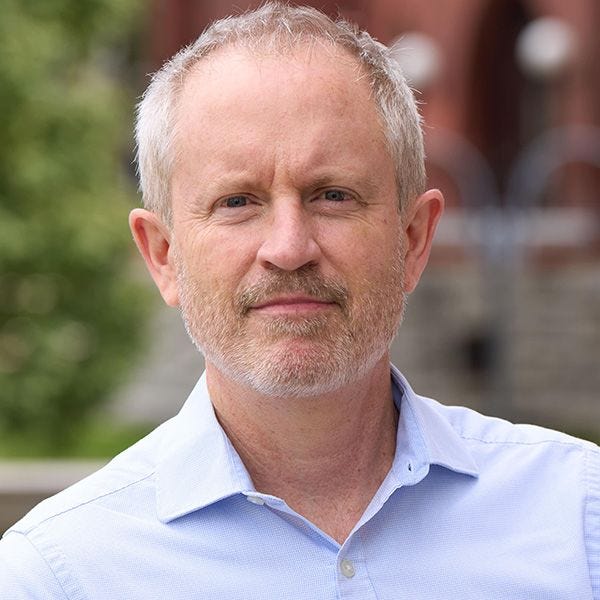 August 20 · 2 min
Ryan Griffiths, Syracuse University - The Case Against Breaking Up America Why Secession Would Make Things Worse, Not Better
Would secession work in America? Ryan Griffiths, professor in the Department of Political Science at Syracuse University, looks into why or why not. Faculty Bio: Ryan Griffiths focuses on the dynamics of secession and the study of sovereignty, state systems, and international order. He teaches a variety of courses in international relations. His two recent books include: (1) The Disunited States: Threats of Secession in Red and Blue America and Why They Won’t Work (Oxford University Press, 2025); and (2) Before Colonization: Non-Western States and Systems in the Nineteenth Century (Columbia University Press, 2025, with Charles Butcher). Previously, he taught at both the University of Sydney in Australia and at John Hopkins University. He earned a Ph.D. in international relations and comparative politics at Columbia University in 2010. Transcript: There is a growing interest in secession between Red and Blue America. A 2023 Axios poll found that 20% of Americans support a national divorce, and a 2025 Times/Siena poll found that 64% of Americans think the country is too politically divided to solve the nation’s problems.The key factor driving this interest in secession is polarization. Whether it is the Red-State secessionists, the California Independence Party, or the Texas Nationalists, they all point to unstoppable polarization and political dysfunction as the reason secession is necessary. Secession occurs when part of a sovereign state breaks away to form its own recognized sovereign state. In my research, I argue that while polarization is a serious problem in America, secession is not the solution. Roughly half of secessionist movements turn violent, and most of them fail to gain independence. When they do secede peacefully, it is when specific conditions hold: there is a distinct and regionally concentrated nation, with clear internal borders, and a special administrative status that justifies why that nation can secede when others cannot. None of these conditions hold in America.The attempt to divide America into two or more countries would almost certainly produce great violence. The so-called red and blue populations are intermixed. Trying to unmix that population and would create a cascade of hyper-polarization and ideological conflict. I argue that rather than turning to secession as a solution to America’s problems, the better choice is to target the roots of polarization and seek common ground. Read More: [Oxford University Press] - The Disunited States [Columbia University Press] - Before Colonization Non-Western States and Systems in the Nineteenth Century This is a public episode. If you would like to discuss this with other subscribers or get access to bonus episodes, visit www.academicminute.org
- TA
 August 19 · 2 min
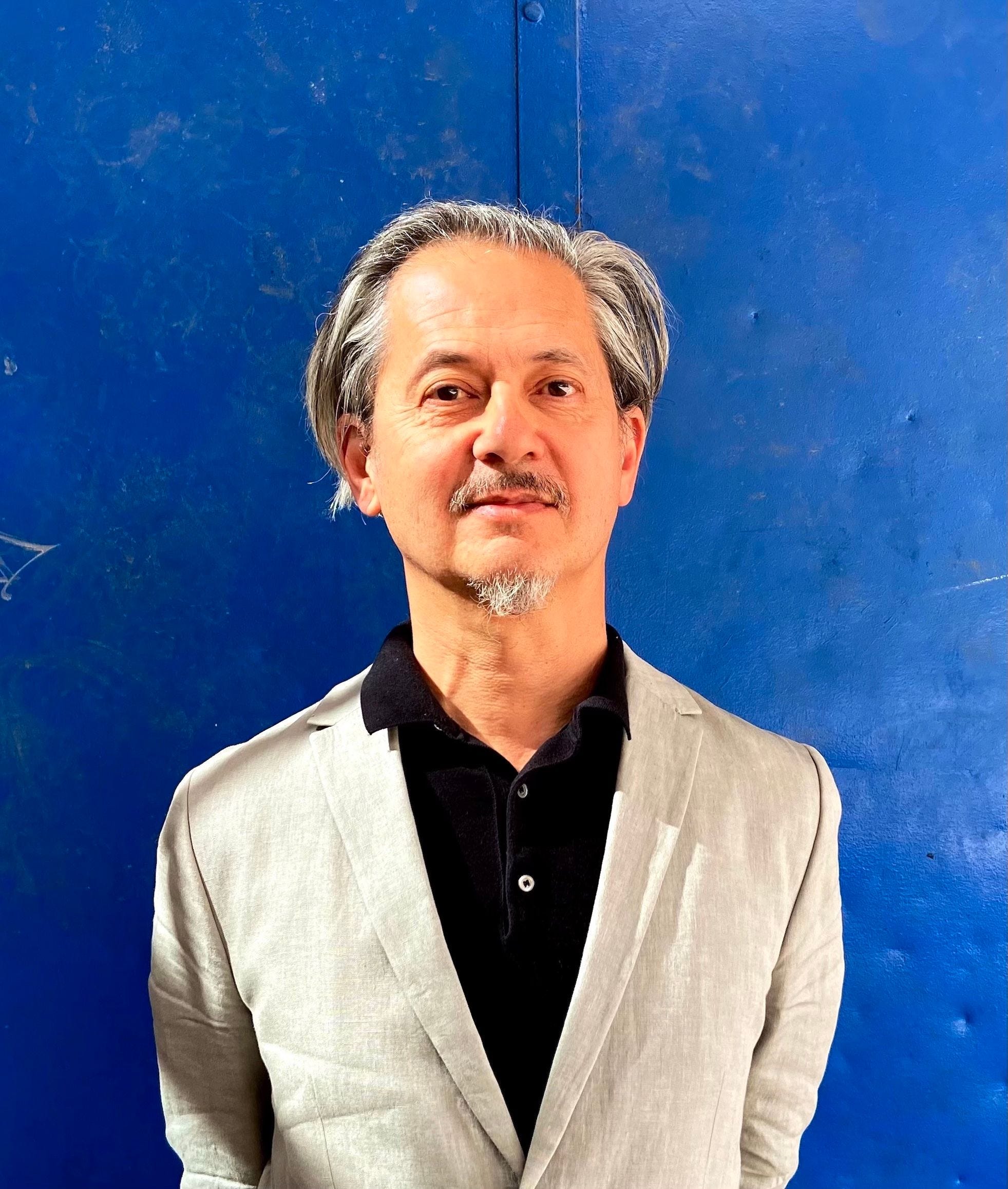
Lawrence Chua, Syracuse University - Architecture as Chronopolitical Infrastructure
How space are designed can lead to longer wait times for some. Lawrence Chua, associate professor of Architectural History at Syracuse University, explores why. Faculty Bio: Lawrence Chua is a historian of the modern built environment with an emphasis on the trans-regional histories of Asian architecture and urban cultures. He is the author of Bangkok Utopia: Modern Architecture and Buddhist Felicities, published in the University of Hawai’i Press’ Spatial Habitus series in 2021. His current research project, “Untimely Interventions,” investigates the ways modern architecture structured colonial and nationalist perceptions of time and sovereignty in Thailand, Cambodia, and Laos from 1893 to 1958. The study frames modern built-forms as “chronopolitical infrastructure”—material sites where the historical consciousness and territorial logic of empire were actively constructed. Through archival and field-based research, it examines temples, museums, monuments, and exposition pavilions as mediated structures through which colonial powers and indigenous regimes shaped national imaginaries. Dr. Chua is also writing a history of “mid-century modern” architecture from the perspective of the 1955 Afro-Asian Conference at Bandung and editing a collection of translations of primary source documents from the early history of the architectural profession across Asia. Dr. Chua’s scholarship has also appeared in the Journal of the Society of Architectural Historians, October, the Journal of Urban History, Fabrications, the Journal of Architecture, Traditional Dwellings and Settlements Review, and Southeast of Now. He currently serves on the editorial board of the Journal of the Society of Architectural Historians. He is co-editor of the ArchAsia book series for Hong Kong University Press. He also serves as co-chair of the Race and Architectural History Affiliate Group of the Society of Architectural Historians.Dr. Chua was most recently a scholar in residence at the Center for Southeast Asian Studies, Kyoto University. He has been a Marie S. Curie Junior Fellow at the Freiburg Institute for Advanced Studies at the Albert-Ludwigs-Universität and a research fellow at the Getty Research Institute, the Center for Khmer Studies, and the International Institute of Asian Studies at Universiteit Leiden. At Syracuse University, he teaches courses in the histories of global modern architecture, Chinese architecture, Buddhist architecture, postcolonial utopias, and monuments, memory, and melancholia. As a Faculty Fellow in the Special Collections Research Center 2024-2025, he developed a course on the spatial histories of LGBTQ+ communities in Syracuse. Dr. Chua has taught courses in the history and theory of architecture and urbanism as well as studio courses at Hamilton College, New York University, and Chulalongkorn University. He received his PhD in the History of Architecture and Urban Development from Cornell University in 2012. In addition to his scholarship and teaching, he is a founding board member with the artists Julie Mehretu and Paul Pfeiffer, of Denniston Hill, a not-for-profit arts center. Transcript: What if power isn’t just exercised through space—borders, buildings, highways—but through time itself?Take an airport terminal. Its long corridors are designed around an ideal walking speed. Security checkpoints create waiting as an architectural condition—ropes, scanners, holding areas. Departure gates synchronize passengers to global time zones, while detention rooms and passport control stretch time into hours or days for others. And from above, the control tower coordinates it all.This is chronopolitical infrastructure: architecture that organizes who moves quickly, who waits, and whose time is valued. The same building can accelerate executives through priority lanes while slowing migrants, service workers, or asylum seekers through layered delays.During the twentieth century, architects and planners increasingly designed buildings around political timelines—speed, efficiency, productivity, and development. Those assumptions hardened into concrete, circulation paths, and zoning codes.Seeing architecture as chronopolitical infrastructure reminds us that time is not abstract, it’s designed. And if time has been designed to serve power, it can also be redesigned to support care, repair, and more just futures. Read More: [Taylor & Francis] - Perfecting Siam: Sovereignty, Sacred Space, and Territory at Wat Rachathiwat [University of California Press] - A Tale of Two Crematoria: Funeral Architecture and the Politics of Representation in Mid-Twentieth-Century Bangkok This is a public episode. If you would like to discuss this with other subscribers or get access to bonus episodes, visit www.academicminute.org
- TA
 August 18 · 2 min
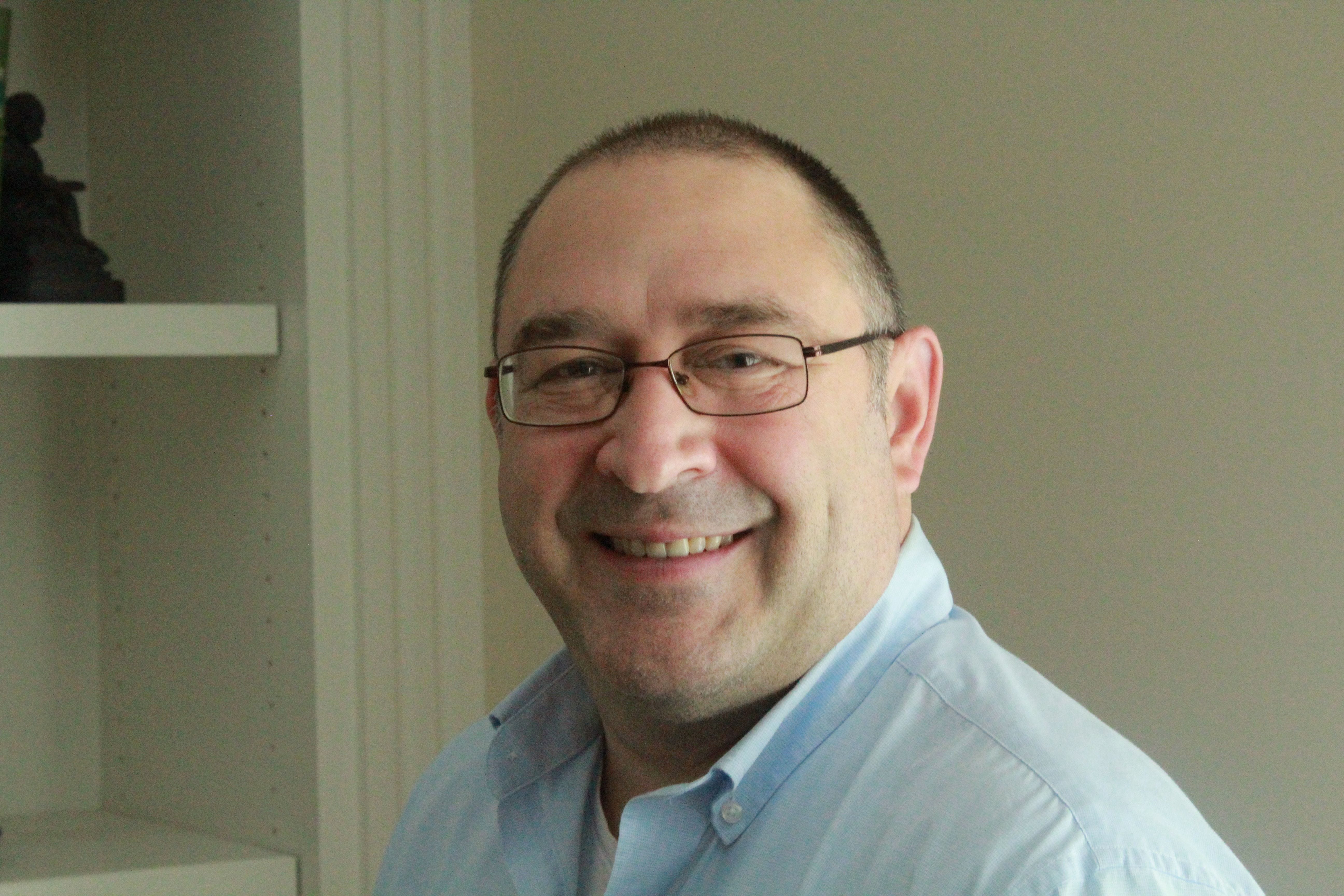
Jason Davis, Syracuse University - Does This Person Even Exist?
Are you talking to a real person? How do you know? Jason Davis, research professor and co-director of the Newhouse Synthetic Media Lab at Syracuse University, examines these questions. Faculty Bio: Dr. Jason Davis is a research professor in the office of Research and Creative Activity at the S.I. Newhouse School of Public Communications and co-director of both the Newhouse Synthetic Media Lab and the Emerging Insight Lab. At Syracuse University, Dr. Davis research focuses on the development of AI tools for the detection of synthetic media and disinformation well as STEM focused communication and professional development.Prior to joining Syracuse University, Dr. Davis was director of Business Development and Operations at the Center for Biotechnology and Interdisciplinary Studies at Rensselaer Polytechnic Institute where he developed research partnerships in the area of upstream and downstream biologics manufacturing and served as Academic co-chair for the National Institute for Innovation in Manufacturing Biopharmaceuticals (NIIMBL) workforce development committee. Prior to RPI, he served as global training and development leader at General Electric’s Global Research Center, and as a principal scientist leading research efforts in water purification technologies, CO2 capture, nano-particle drug delivery and DNA and RNA stabilization technology. Prior to his role at GE, Davis was a Senior Research Scientist at Curia Global where his research focused on drug discovery in the areas of oncology, Alzheimer’s disease, and diabetes.Davis’s current research focuses on the detection of misinformation and disinformation using AI/ML tools and the development of detection systems for synthetic media including text, images, audio and video as well as explainability frameworks for AI and Human-in-the-Loop decision making.Dr. Davis holds more than 10 patents in the areas of diabetes, water purification technology, anti-fouling coatings, and RNA sample stabilization technology.Davis earned a Ph.D. in Chemistry from McGill University, and a B.Sc. in Biochemistry (with honors) from Laurentian University. Transcript: Over the past year my collaborator Dr. Gina Luttrell and I have been asking a deceptively simple question: Can humans still tell if a person even exists? To answer this question, we first wanted to find out if people could tell when a short profile was written by a machine rather than a human. To find out, we assembled one hundred profiles, half authored by real journalism students and subject matter experts, and half generated by four different large language models. We asked people to read the profiles and label them as “human” or “synthetic.” The result was striking. Participants were correct only 54% of the time, just a shade above the 50% level that equates to random guessing.At the same time, we built an AI detector trained on a separate set of 3,000 profiles. When we ran that detector over the same hundred profiles, it correctly identified 46 of the 50 synthetic profiles and 42 of the 50 human profiles, for an overall accuracy of 88%. What do these numbers tell us? First, as large language models become more fluent, human heuristics, or the gut reactions we take for granted, for spotting deception erode quickly. Second, with the arrival of generative AI, the need to determine if something is real or synthetic represents a new layer of complexity for humans to navigate. Our research suggests breaking this task into three distinct components can help: The first is Detection: Is the content human-generated or synthetic? Second is Attribution: Is it coming from who it says it’s coming from? Finally, Characterization: What is the intent? Is it malicious deception, genuine content, or something in between?By developing robust, trained AI analytics with clear, human readable evidence, we can assist humans with the first two tasks and help preserve digital trust and transparency. This lets us return to the deeply human task of deciding if the content is good or bad and what to do about it.As AI creates new challenges in digital trust and transparency, it also illuminates a broader reality: that perhaps the safest path forward is collaboration, not competition, between humans and machines. This is a public episode. If you would like to discuss this with other subscribers or get access to bonus episodes, visit www.academicminute.org
- TA
 August 17 · 2 min
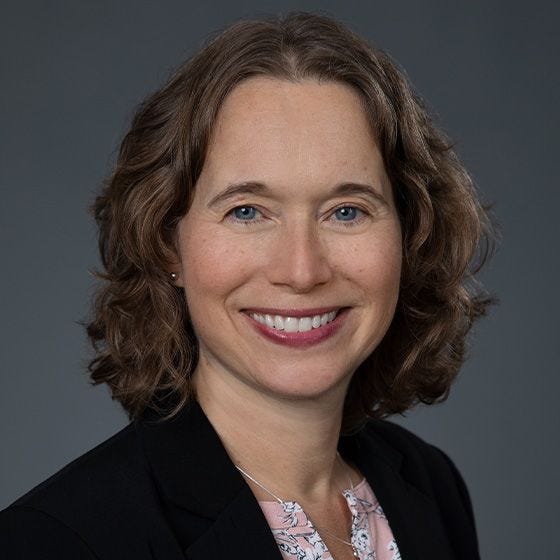
Colleen Heflin, Syracuse University - New SNAP Rules Threaten the Ability of Older Adults to Retire and Live With Dignity
Taxpayers will be footing the bill for reduced SNAP benefits for older adults. Colleen Heflin, professor of public administration and international affairs at Syracuse University, explains why. Faculty Bio: Colleen Heflin is a professor of public administration and international affairs. She is also a senior research associate in the Center for Policy Research and a research affiliate in the Lerner Center for Public Health Promotion and Population Health. She has served as associate dean of the Maxwell School of Citizenship and Public Affairs and chair of the Public Administration and International Affairs Department.As a research and policy scholar for over twenty-five years, Heflin is regarded as a national expert on food insecurity, poverty and social policy. Heflin’s research has helped document the causes and consequences of food insecurity, identify the barriers and consequences of participation in nutrition programs, and understand the changing role of the public safety net in the lives of low-income Americans.Heflin has published over 80 research articles, and her work has appeared in leading journals such as the American Sociological Review, Demography, Social Problems, Health Affairs, Medical Care, and the Journal of Policy Analysis and Management. Her research is regularly funded by the National Institutes for Health, U.S. Department of Agriculture, the Robert Wood Johnson Foundation and the Russell Sage Foundation. From 2012-2017, Heflin was supported by a five-year award from the U.S. Department of Health and Human Service as Family Self-Sufficiency and Stability Research Scholar to explore how multiple program participation affects vulnerable families’ well-being.Heflin has experience engaging with federal policymakers, providing expert testimony before Congress, providing technical assistance to states working to improve access to food and nutrition assistance programs, and working with county agencies to redesign their Supplemental Nutrition Assistance Program (SNAP) application process. She founded the University of Missouri Federal Statistical Research Data Center and Missouri Population, Education and Health Center. She received the W. Richard Scott Award for Distinguished Scholarship from the American Sociological Association in 2014. Transcript: Nationally, one in five of all SNAP recipients are over age 60. Until now, older adults were not subject to work requirements like their younger counterparts. But provisions in President Trump’s One Big Beautiful Bill limit SNAP benefits for adults ages 60 to 64 without a dependent or disability to three months within a 36-month period unless they can show that they are spending 80-hours per month in work, training, or volunteer activities. Work requirements for programs like SNAP and Medicaid do not lead to increased work but instead result in fewer people receiving benefits. Nonetheless, an even more onerous version of work requirements were expanded for other groups as well, including adults 55-59, those with children who reach age 14, veterans, the homeless, and foster care youth.Reducing older adults’ access to SNAP is particularly shortsighted given the strength of the evidence regarding SNAP’s effectiveness at reducing food insecurity, which already affects 1 in 10 adults over age 60 nationally. Since food insecurity is associated with poor health, the ability to consistently afford nutritious food is considered important enough that the Veterans Health Administration, among others, now regularly screen for food insecurity. Because SNAP participation is associated with $1,400 in health care savings per year, reducing access will increase health care costs in the long run. And the increased health care costs will largely be shouldered by taxpayers since the federal government covers medical costs after age 65 through Medicare and many SNAP participants qualify for Medicaid. It is already too difficult for older adults to obtain SNAP benefits. Currently, just over one in two adults age 60 and older who qualify for SNAP participate. Increasing work requirements is a step in the wrong direction and will decrease SNAP participation, increase food insecurity, and make it harder to cope with diabetes and hypertension, increasing the public costs of Medicaid and Medicare. Read More: [Russell Sage Foundation] - Food for Thought: Understanding Older Adult Food Insecurity This is a public episode. If you would like to discuss this with other subscribers or get access to bonus episodes, visit www.academicminute.org
- TA
 August 14 · 2 min
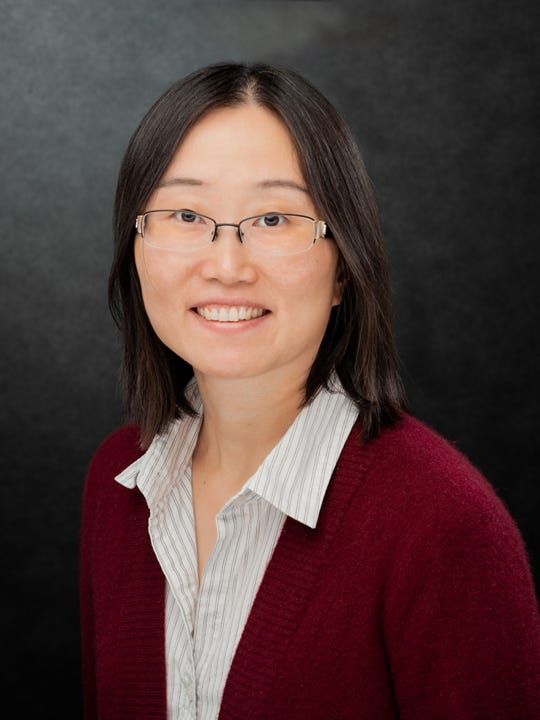
Nancy Huang, Texas A&M University - Inside the Cell’s Secret Droplets
One aggressive form of cancer can be set off by an accident in our cells. How do we fight this? Nancy Huang, professor at the Institute of Biosciences and Technology at Texas A&M University, examines. Faculty Bio: Yun (Nancy) Huang, PhD, is a professor at Texas A&M University Institute of Biosciences and Technology and Associate Director of the Center for Epigenetic and Disease Prevention (CEDP) in the Department of Translational Medical Sciences at the Naresh K. Vashisht College of Medicine. A principal investigator on grants from the National Institutes of Health, the CPRIT, the American Cancer Society and the American Heart Association, Dr. Huang’s research focuses on investigating transcriptional regulatory mechanisms that support normal development and on how epigenetic defects contribute to pathological conditions, including aging and cancer. Her work involves advanced understanding of TET enzymes and 5-hydroxymethylcytosine, pioneering tools to study the “sixth DNA base” and its role in gene regulation and disease. As a highly recognized scientist with over 120 publications and numerous awards, Dr. Huang leads innovative studies at Texas A&M’s Institute of Biosciences and Technology, supported by multiple major research grants. She received her medical degree from Zhejiang University School of Medicine and her doctorate in biochemistry from Georgia State University. She completed postdoctoral fellowships at Harvard Medical School and La Jolla Institute. Transcript: Sometimes, a single glitch in our DNA can rewrite a cell’s destiny. In one rare and aggressive form of kidney cancer—called translocation renal cell carcinoma, or translocation kidney cancer—two genes that should never touch break apart and fuse together. That tiny accident sets off a biological chain reaction that turns normal kidney cells into unstoppable cancer factories.This disease mostly affects children and young adults, and one of its key culprits is a gene known as Transcription Factor E3, or TFE3. When TFE3 fuses with another gene, it creates a hybrid called a TFE3 oncofusion—a molecular impostor that rewires how genes are switched on and off. For years, researchers suspected these fusions somehow “supercharged” the cell’s control systems, but the underlying mechanism remained unclear.Now, scientists led by Dr. Lei Guo, Dr. Yubin Zhou, and Dr. Yun Huang, reports that many TFE3 fusion partners can bind to ribonucleic acid (RNA)—the messenger molecule that carries instructions from DNA.This RNA-binding ability lets the hybrid protein form microscopic droplet-like structures, known as biomolecular condensates, inside the cell nucleus. Within these droplets, TFE3 oncofusions pull together key gene-activation engines such as RNA polymerase II and paraspeckle component 1 (PSPC1), creating powerful “gene hubs” that drive cancer growth.Even more remarkably, the team designed a nanobody-based chemogenetic tool that can dissolve these droplets on demand. When they triggered it, the condensates broke apart—and tumor growth slowed sharply in both cultured cells and mice.By revealing how cancer cells weaponize these tiny droplets, the discovery opens a bold new way to disarm fusion-driven cancers—not by blocking genes, but by melting their molecular engines. Read More: [Nature] - RNA-mediated condensation of TFE3 oncofusions facilitates transcriptional hub formation to promote translocation renal cell carcinoma [Vital Record from TAMU] - Disrupting cancer’s secret hubs: A new way to halt tumor growth [EurekAlert!] - Disrupting cancer’s secret hubs: A new way to halt tumor growth This is a public episode. If you would like to discuss this with other subscribers or get access to bonus episodes, visit www.academicminute.org
- TA
 August 13 · 2 min
Amaryllis Tsiknia, University of Southern California - Novel Markers May Offer Early Clues to Alzheimer’s Risk
We are always looking for new ways to detect Alzheimer’s disease early. Amaryllis Tsiknia, neuroscience PhD candidate at the University of Southern California, may have found a clue. Faculty Bio: Amaryllis is a 4th-year neuroscience PhD candidate at the University of Southern California. She completed her undergraduate studies at UC Berkeley with a degree in Cognitive Science, and then acquired her Master’s degree in Neuroimaging and Informatics. Her current research uses neuroimaging techniques to uncover how metabolic and vascular factors increase our risk for dementia with a special focus on type 2 diabetes mellitus. Transcript: Alzheimer’s disease is often discussed in terms of amyloid plaques and memory loss. But changes in how the brain manages blood flow and oxygen may also provide important early clues about risk.In our research, we studied older adults with and without cognitive impairment and looked at whether measures of cerebrovascular function were linked to known markers of Alzheimer’s risk.We used two noninvasive tools while participants rested quietly. One measured how fast blood moves through the major arteries in the brain. The other measured blood oxygen levels in the brain tissue near the surface of the cortex. We then used mathematical models to summarize how well the brain adjusts blood flow and oxygen levels in response to normal changes in blood pressure and carbon dioxide.What we found was notable. People with healthier vascular patterns, meaning blood vessels that behaved more like those seen in cognitively healthy aging, tended to have lower amyloid burden and larger hippocampal volume. The hippocampus is a brain region that is essential for memory, and smaller hippocampal volume is associated with greater Alzheimer’s risk.We also found that people with mild cognitive impairment or dementia showed poorer vascular indicators than cognitively normal adults.These findings suggest that cerebrovascular function is closely related to brain changes associated with Alzheimer’s risk and may be part of the disease continuum.Just as importantly, these measures are relatively low-cost and noninvasive compared with some other brain imaging approaches, and they do not require injections, radiation, or active participation during testing.This study does not prove cause and effect, but it supports ongoing work to test whether these vascular signals can help identify higher-risk individuals earlier and track brain health over time. Read More: [Keck School of Medicine at USC] - Novel markers of brain blood flow and oxygenation may offer early clues to Alzheimer’s risk This is a public episode. If you would like to discuss this with other subscribers or get access to bonus episodes, visit www.academicminute.org
- TA
 August 12 · 2 min
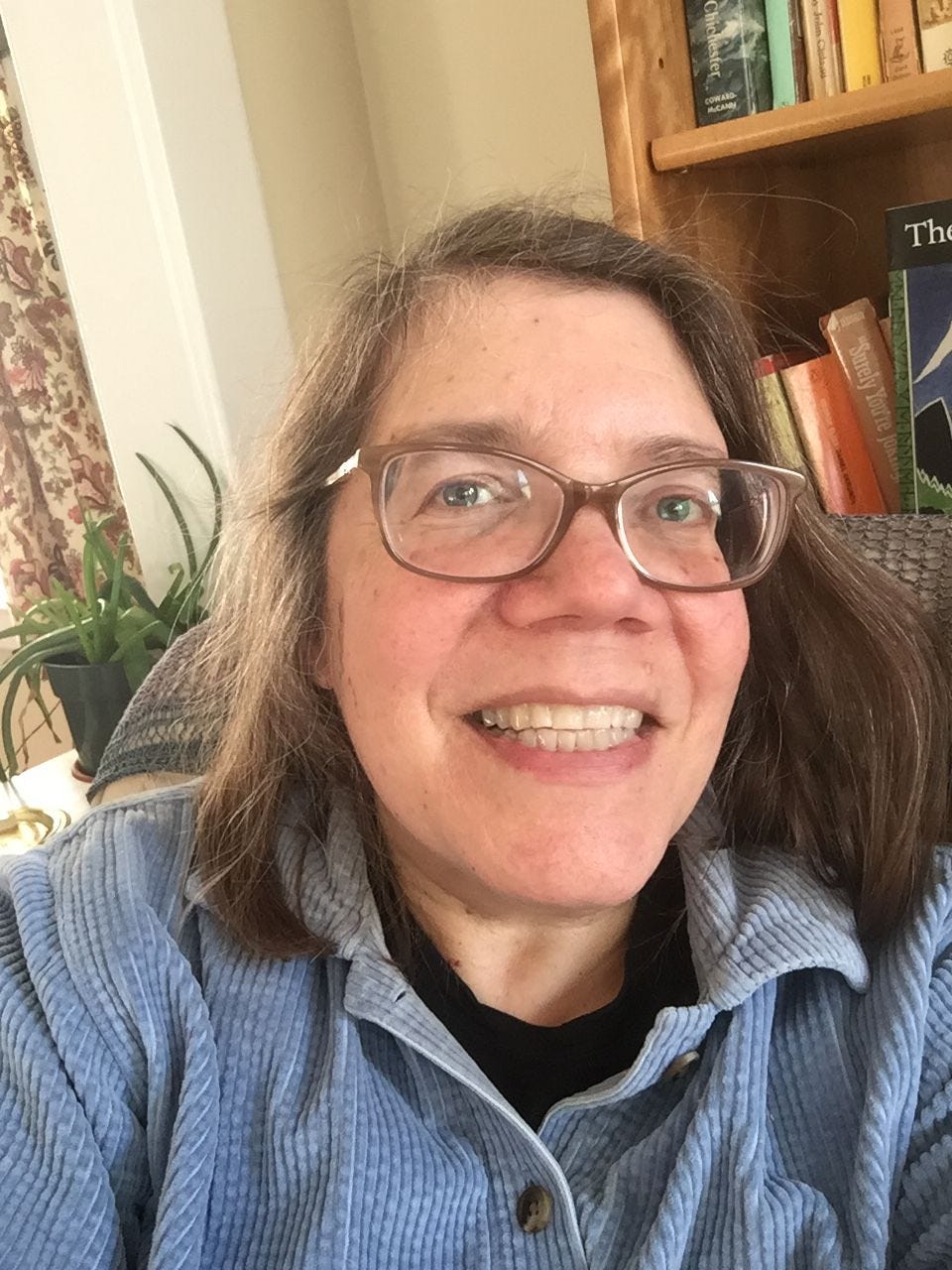
Kim Plofker, Union College - International Math in 18th-century India
Collaboration in mathematics has a long history. Kim Plofker, associate professor of mathematics at Union College, examines this. Faculty Bio: Kim Plofker is Associate Professor of Mathematics at Union College in Schenectady, New York. She received her doctorate from the Department of the History of Mathematics at Brown University in 1995. Her research focuses on the history of mathematics and astronomy in India and its connections with Islamic and early modern European science. Kim Plofker’s books include Mathematics in India (Princeton, 2009); (with Anuj Misra and Clemency Montelle) The Sanskrit Astronomical Table Text Brahmatulyasarini (Brill, 2021); and (with Clemency Montelle and Glen Van Brummelen) From Samarqand to Jaipur: Evolving al-Kashi’s Approximation to the Sine of One Degree (Springer, 2025). Transcript: When you took math tests in school, the teacher told you to keep your eyes on your own paper. But the history of mathematical sciences in the real world is full of professional scientists glancing at their neighbors’ work, and often expanding it through ingenious discoveries of their own. In the days before modern physics and the automated clocks, calendars and computers arising from it, timekeeping methods and models of the universe were major scientific enterprises, and often quite controversial. Mathematicians from many different schools and cultures competed to develop theoretical models and computational techniques that were the most efficient, the most empirically accurate, or just the most impressively clever. And when they encountered a foreign visitor doing some interesting math in a different language, they called in a translator and got to work exchanging ideas. My current research focuses on a group of scholars in early 18th-century India, including Hindu and Muslim court astronomers writing in Sanskrit and Persian respectively, as well as European Jesuit missionaries bringing printed books in Latin. This was barely a century after the trial of Galileo by the Inquisition, so scientific hypotheses about the earth orbiting the sun instead of vice versa, and planets moving in elliptical orbits, were still somewhat debatable issues even in European astronomy. The Indian court astronomers were intrigued by these ideas although maybe not totally convinced, while the European visitors in turn were fascinated by some of the ingenious mathematical methods of their hosts. My colleagues and I are reading the manuscripts they created to find out more about how they put their ideas together. Read More: [Springer Nature] - From Samarqand to Jaipur Evolving al-Kāshī’s Approximation to the Sine of One Degree This is a public episode. If you would like to discuss this with other subscribers or get access to bonus episodes, visit www.academicminute.org
- TA
 August 11 · 2 min
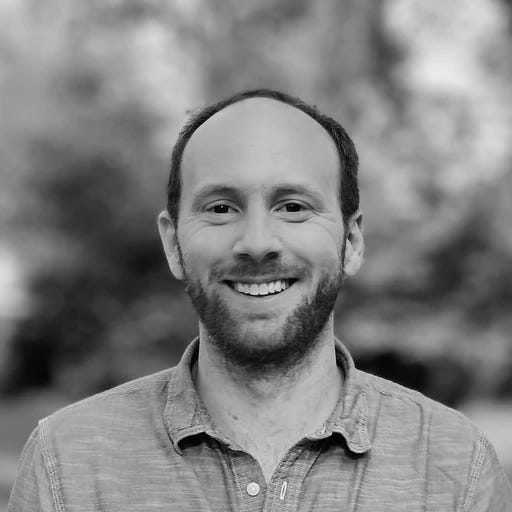
Jonathan Lambert, New York University - Green Clay Tennis Courts Sequester Carbon Dioxide in Plain Sight
What do green clay tennis courts have to do with climate change? Jonathan Lambert, visiting assistant professor of Interdisciplinary Climate Science at New York University, says it’s more than you might think. Faculty Bio: Jonathan Lambert is a geochemist and paleoclimatologist in the interdisciplinary-focused Gallatin School of Individualized Study at NYU. His research themes are twofold - past climate change and modern climate solutions. In his paleoclimate research, he uses fossil plankton to reconstruct ocean conditions in the Pacific over the past 1.5 Million years. In his climate solutions work, he evaluates carbon dioxide removal strategies such as enhanced rock weathering, and develops new teaching and outreach approaches for emerging climate solutions. He teaches interdisciplinary seminars on ancient earth extremes, local climate change, and climate solutions. Dr. Lambert believes that engaging students of all backgrounds and interests in climate change education, outreach, and research is a bridge to better environmental understanding and contributes to lowering climate anxiety through the power of practical knowledge. Transcript: If you have seen one of the thousands of green clay tennis courts in America, you have witnessed a climate change mitigation technique called enhanced rock weathering. This is a natural process in which rocks like basalt undergo chemical weathering which converts atmospheric carbon dioxide into stable bicarbonate ions that do not contribute to global warming. Crushing these rocks and spreading them over large areas expedites weathering, and dozens of startups are applying this technique on farmland. Research is expanding on other suitable areas for enhanced weathering, and for our study we quantified its climate impact on green clay tennis courts – the American counterpart of the red clay courts common in Europe. As opposed to the crushed brick of red clay, all green clay courts are built using weatherable metabasalt. We used a database of 17,000 green clay courts and built a model to calculate the gross carbon sequestration at each court given the rocks’ grain size, chemical composition, and local air temperature. We also calculated carbon emissions associated with mining and transportation of material to each court during construction and maintenance. In total, we found that all courts in the US sequester a net total of approximately 25,000 metric tons of carbon dioxide per year – equivalent to the emissions of 4,200 passenger cars. Additionally, compared to the more common concrete courts, green clay courts emit at least 1.6 times less carbon dioxide from construction. Green clay courts therefore have high climate mitigation potential, and one simple opportunity to increase their carbon sequestration is to shift the proportion of newly built courts to favor clay over concrete. Additional climate benefits can be found by using smaller grain size materials for new clay courts, and by rigorously tracking and iterating on court maintenance practices. Read More: [NYU] - Green Clay Courts Serve Up Environmental Solutions by Absorbing Carbon Dioxide Pavia Lab at UW Carbon dioxide removal by enhanced weathering on American green clay tennis courts This is a public episode. If you would like to discuss this with other subscribers or get access to bonus episodes, visit www.academicminute.org
- TA
 August 10 · 2 min
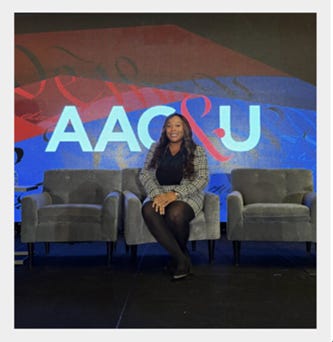
Victoria Fields, University of Illinois Urbana-Champaign - The National Alliance of Black Feminists
Revisiting the history of the National Alliance of Black Feminists provides a new lens through which to view intersectionality. Victoria Fields, doctoral candidate and instructor of record in Communication at the University of Illinois Urbana-Champaign, explores this. Faculty Bio: Victoria T. Fields is an award-winning educator and scholar. She is currently a doctoral candidate and instructor of record in the Department of Communication at the University of Illinois at Urbana-Champaign. Victoria is also a graduate assistant for instructional design at the John N. Gardner Institute for Excellence in Higher Education, where she crafts content for Gardner Institute academies and co-leads faculty workshops on topics such as engaged pedagogy, moral imagination, and civic engagement in the classroom. Victoria’s research focuses on the rhetoric of Black women, archival rhetorics, and social movements. In 2025, Victoria was the recipient of the K. Patricia Cross Future Leaders Award from the Association for American Colleges and Universities (AAC&U). Her work has been published in Volume 11 of the Eastern Michigan University McNair Scholars Journal and Bloomsbury Press, along with co-authorship in the International Review for the Sociology of Sport, the Sociology of Sport Journal, and Political Communication. Transcript: As Black women were excluded from leadership in both the Black Freedom Movement and mainstream white feminism, they turned to one another to form independent organizations and advance critiques of racism, sexism, and capitalism—grounding their intersectional oppression within their lived experiences. One of the organizations that arose was the National Alliance of Black Feminists, or NABF, a nonprofit organization, active between 1976-1981 and headquartered in Chicago, Illinois. NABF was committed to achieving full equality for Black women in America. NABF was led by founder and executive director Brenda Eichelberger, who was a guidance counselor in the Chicago Public Schools. NABF used media to promote and generate critical awareness of Black women’s intersectional oppression. Their efforts are seen in public appearances on the Phil Donahue Show, published essays in the Chicago Defender, women’s news for a Change…and Essence Magazine. In addition, NABF led, organized, and facilitated consciousness-raising sessions, conferences, and assertiveness training for Black women. These rhetorical strategies functioned as key sites of NABF’s engagement in political education and organizing, yet the NABF has been understudied and undervalued within dominant historical and feminist scholarship. Revisiting the NABF allows us to uncover the depth and complexity of their rhetorical strategies and contributions to what we now recognize as “intersectionality.” NABF’s work rested on the premise that Black feminism is infused with humanism, linking their identity as Black women to humanity, one that has historically been subject to surveillance, regulation, and violence. They recreated the Bill of Rights through a Black feminist lens—insisting that dignity, agency, and liberation are inseparable. While the NABF was short-lived, the Alliance reframed ephemerality not as failure but as an intentional and responsive space for Black feminist organizing. The NABF’s legacy offers a living template of constructive engagement guiding our collective journey toward liberation. This is a public episode. If you would like to discuss this with other subscribers or get access to bonus episodes, visit www.academicminute.org
- TA
 August 7 · 2 min
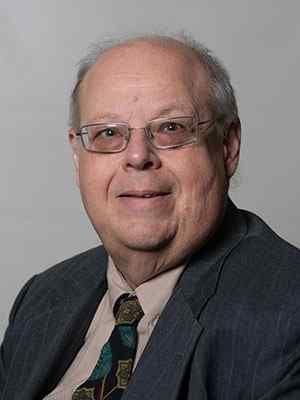
Nick Solomey, Wichita State University - Helping NASA Study Energy From The Solar Core
On Wichita State University Week: What can we learn about the core of the Sun? Nick Solomey, professor at the Farimount College of Liberal Arts and Sciences, looks for answers. Faculty Bio: Nickolas Solomey’s research is in the area of experimental particle and astroparticle physics, in the past he worked extensively on quark flavor physics by rare decays of hadrons, CP violation with Kaons, the study of nuclear states of matter and hadronic interaction physics. He was the co-spokesman of the Fermilab E907 experiment. He is also author of the book The Elusive Neutrino, and continues as editor of the Conference series on Hyperon, Charm and Beauty Hadrons, and has over 200 referred articles in physics research. His current experiments include neutrino experiments of NOvA and DUNE at Fermilab, and he is the PI of a new NASA project Neutrino Solar Orbiting Laboratory that aims to do unique neutrino science with a neutrino space-craft. Since 2018 he has been NASA Innovation Advanced Concept Fellow. Transcript: In 2016, I brought what many considered a “crazy” idea to NASA. It relates to neutrinos, which are mysterious subatomic particles that can go through matter as if it’s not there. Neutrinos should be massless, but we’ve proven they have mass. Most neutrino detectors are massive and experiments must be conducted underground. I suggested studying solar neutrinos, and noted that a small detector would be powerful enough to allow us to learn more about the solar neutrinos produced inside the Sun’s core. At the time, NASA was preparing to launch a spacecraft that would travel close to the Sun. Named the Parker Solar Probe, it entered space in 2018 and is still making close passes by the Sun. Solar neutrinos fly directly to and through the Earth at nearly the speed of light, and the number of these particles increases dramatically closer to the Sun—about 1,000 times higher at seven solar radii than at Earth. A detector placed there becomes effectively 1,000 times more powerful. Building a 250-killigram detector would result in, by far, the largest terrestrial solar neutrino experiment ever. The detector would allow us to study the nuclear fusion core of the Sun in unprecedented detail, and to investigate neutrino properties in new ways, including measuring how solar neutrinos change with distance. We’re now preparing to launch a .1 kg test detector into low-Earth polar orbit, with funding to operate it for one year. Ultimately, we hope to propose a small spacecraft carrying an approximately 250 kg detector close to the Sun. Operating for 5 to 10 years, such a mission would dramatically improve our understanding of the Sun’s fusion core—the source of the energy that sustains life on Earth. Read More: In-Space Neutrino Detection This is a public episode. If you would like to discuss this with other subscribers or get access to bonus episodes, visit www.academicminute.org
- TA
 August 6 · 2 min
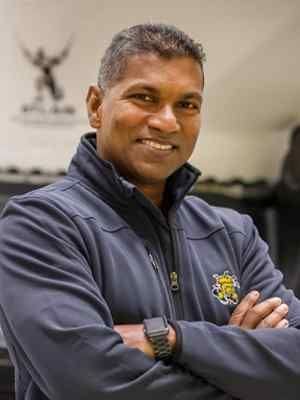
Waruna Seneviratne, Wichita State University - Automated Toolless Manufacturing of Composite Structures in Space
On Wichita State University Week: Reducing lift-off weight can be crucial for spaceflight. Waruna Seneviratne, director of the Advanced Technologies Lab for Aerospace Systems (ATLAS) at the National Institute for Aviation Research, explores one way to do so. Faculty Bio: Waruna Seneviratne is the Director of the Advanced Technologies Lab for Aerospace Systems (ATLAS) at the National Institute for Aviation Research (NIAR), Wichita State University. With over 25 years at NIAR, he leads a diverse research portfolio in advanced manufacturing, inspection, durability, damage tolerance, certification, and aging of composite aircraft structures—supported by agencies including the FAA, DoD, DHS, NASA, and major aerospace manufacturers. In 2019, he founded the NIAR ATLAS Manufacturing Innovation Center to create a makerspace-style environment for accelerating advanced manufacturing research and prototyping. He also leads the Manufacturing for Affordable Sustainable Composites (MASC) initiative, sponsored by the Air Force Research Lab, which focuses on integrating in-process inspection technologies into manufacturing. His team’s automated fiber placement (AFP) inspection system received the 2023 JEC Composites Innovation Award for Digital, AI & Data. In 2024, his work on thermoplastic injection overmolded aircraft window plugs—adapting automotive technologies for high-rate aerospace production—earned both the Best Technical Paper Award at SAMPE and the CAMX Innovation Award. Waruna serves on the Technical Oversight Committee for NASA’s Advanced Composites Consortium (HiCAM) and the Executive Steering Committee for the Office of Naval Research’s Composites Manufacturing Technology Center through The Composites Consortium. He is a recipient of NASA’s Group Achievement Award (2022) for his contributions to the Advanced Composites Project, and the “Turning Goals into Reality” Honor Award (2002) for his work with the AGATE Alliance. Before joining NIAR, Waruna worked as a stress analyst on the Airbus A380 program, ensuring compliance with FAA and EASA certification standards. He holds BS, MS, and PhD degrees in Aerospace Engineering from Wichita State University and has lived in Wichita for over 30 years. Transcript: Today’s space structures are built to survive one of the most violent environments imaginable—launch. As a result, they are often overdesigned, carrying extra mass, cost, and complexity just to endure those few critical minutes. At the same time, everything we send to space must fit within the space of a payload bay. This constraint forces engineers to fold structures into compact, origami-like forms—packed with joints, motors, and deployment mechanisms that add weight, introduce risk, and create potential points of failure. But what if we didn’t have to build everything on Earth? What if we could build them in space instead? To meet this challenge, a new approach is emerging: Automated Tool-less Manufacturing, or AToM. This system uses two coordinated robotic arms to fabricate high-performance thermoplastic composite structures directly in space. Working together, they place continuous fibers with precision, creating strong, lightweight, three-dimensional parts—without molds, without ovens or autocalves, and without the constraints of traditional manufacturing. Think of it as additive manufacturing—but engineered for structural strength with continuous fiber composites. The impact is transformative. By eliminating tooling and reducing dependence on multiple launches, AToM removes traditional limits on size, weight, and complexity. Structures no longer need to fold or deploy—they can be built exactly as designed, with fewer joints and far less mechanical complexity and weight. And this isn’t theoretical. At the NIAR ATLAS Manufacturing Innovation Center, this technology has already demonstrated the ability to rapidly produce aerospace-quality composite structures on-site. Even more, the thermoplastic materials used are recyclable—opening the door to a circular manufacturing economy in space, where every resource matters. From orbit to the Moon, to Mars and beyond, this technology redefines not just how we build—but where we build. Read More: Advanced Technologies Lab for Aerospace Systems - ATLAS New Technology Can Create Composite Structures in Space In-Situ Consolidation Thermoplastic Process Development for Toolless Automated Fiber Placement Manufacturing in Space This is a public episode. If you would like to discuss this with other subscribers or get access to bonus episodes, visit www.academicminute.org
- TA
 August 5 · 2 min
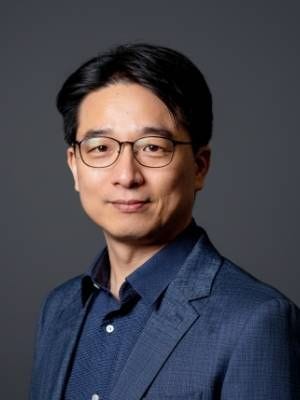
JaeHwan Byun, Wichita State University - Rethinking Learning with AI
On Wichita State University Week: Should we change the way we think about using generative AI for learning? JaeHwan Byun, associate professor in the College of Education, explores this question. Faculty Bio: Dr. JaeHwan Byun is an Associate Professor in the School of Education, College of Applied Studies at Wichita State University. He joined WSU in 2015 and currently serves as Program Chair for the Master of Education in Learning and Instructional Design and Director of the Applied AI in Education Research Lab. Dr. Byun’s work focuses on how educators and learners can engage in learning experiences that are engaging, infused with meaning, and experienced as coherent and complete. Building on longstanding work in educational technology, his current scholarship foregrounds generative AI (GenAI) in education, including studies of teacher adoption and needs, design-based approaches to educator preparation, and how GenAI can function as “design material” that reshapes instructional activity and learning paradigms. Transcript: Today, many see GenAI as a quick tool to get answers. A shortcut. This view misses its real potential and leads to widespread concerns about cheating and shallow learning.My research, conducted with my colleague Dr. Mara Alagić, proposes a new paradigm called Generativism. We argue that real learning with GenAI isn’t about the answer it gives you. It’s about the cognitive work you do with that answer.We define this deep learning in a cycle: You prompt. The GenAI generates. And then, the most important part begins: the critique.That critique then becomes a new prompt to ask GenAI. This process iterates, until you and the AI build a refined learning outcome. This is a moment of critical reflection followed by action.The GenAI acts as a partner that challenges your thinking. Your job isn’t to simply accept its answer. Your job is to question it, validate it, and refine it. That reflective, iterative process is the learning in the era of GenAI.This process creates a dynamic learning space. The AI provides a “scaffold” that pushes you just beyond what you already know. In this model, the GenAI isn’t a simple tool. It’s a semi-autonomous partner and collaborator. Therefore, the learner cannot be a passive receiver. They must become the orchestrator of this complex process.The “ah-ha” moment is this: The true goal of GenAI in education is not to deliver information. It is to provoke the critical reflection and deep engagement needed to build real, lasting understanding.For the younger generations who will inevitably live with this technology, this means teaching them how to think critically is more important than ever. Read More: College of Education This is a public episode. If you would like to discuss this with other subscribers or get access to bonus episodes, visit www.academicminute.org
- TA
 August 4 · 2 min
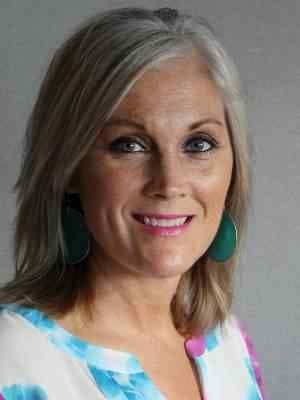
Heidi VanRavenhorst-Bell, Wichita State University - Measuring Performance of the Mighty Human Tongue
On Wichita State University Week: Your tongue matters more than you might think. Heidi VanRavenhorst-Bell, chair and associate professor in the Department of Human Performance Studies, explores why. Faculty Bio: Dr. Heidi VanRavenhorst-Bell has an established interdisciplinary line of research in clinical exercise physiology and orofacial myology. Her work in promoting healthy tongue muscle performance through physical activity has been internationally recognized and showcased on NPR’s Science Friday with Ira Flatow. Her research also includes R&D and product validation in the health & fitness industry. Dr. Bell has developed a systematic network purposed toward bridging the gap between healthcare and fitness. Her entrepreneurial background has further led to three start-up companies, secured intellectual property and established a platform to mentor students aspiring to be the next leaders in the field. Besides serving as Chair and Associate Professor of the Department of Human Performance Studies at Wichita State, Bell is the undergraduate coordinator for Exercise Science, manager of the Human Performance Laboratory, a Faculty Fellow for the Dorothy and Bill Cohen Honors College, and an affiliated faculty member in the Department of Biomedical Engineering. Transcript: Eight muscles. One tongue. And it might be the hardest-working muscle group you never think about. That is, unless you bite it. The tongue helps us speak, chew, swallow, and even keep the airway open during sleep. But for more than one in three people, tongue and facial movement patterns don’t work as efficiently as they should—what clinicians call orofacial myofunctional disorders, or OMD. Here’s the tricky part: in clinic, tongue performance measures are often recorded with tools that capture only a slice of what the tongue does. One challenge is slippage of the oral device within the mouth. The tongue’s anterior and posterior have different muscle fiber composition and functional roles, so even small shifts can change what’s actually measured. We tested and patented an oral-safe anti-slip patch, and participants reported better stability without meaningful changes in the pressure values, which is clinically important. Another area of consideration during assessments is head posture. Research shows even the simplest change in position may shift lingual measures. Measuring tongue motion and force in real life—not just during brief clinical visits—presents challenges, too. PARROT, a patented research prototype, could address this. Fitting like a palatal mouthpiece, it wirelessly captures spatial positioning of the tongue within the oral cavity, while also mapping how hard and for how long the tongue is pressing against various structures. The scientific goal? Attain objective, repeatable data that can improve screening, guide therapy, and support telepractice. A deeper physiology question involves fascia, which links human body structures from the tip of the tongue down the tips of the toes. Manipulating fascia and other physiological factors through physical activity and targeted stretching are shown to favor tongue strength or endurance. So, the next time you swallow, yawn, talk or even exercise… remember: your tongue is doing a quiet biomechanical ballet. Read More: Department of Public Health Sciences [Science Friday] - When Your Tongue Needs A Tuneup This is a public episode. If you would like to discuss this with other subscribers or get access to bonus episodes, visit www.academicminute.org
- TA
 August 3 · 2 min
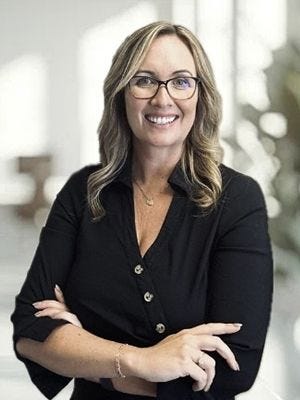
Nikki Keene Woods, Wichita State University - Why Patient Trust Determines Whether Technology Improves Care During Pregnancy
On Wichita State University Week: Technology can only help if people are willing to use it. Nikki Keene Woods, professor and chair of Public Health Sciences, reveals why some may not trust devices that could help them. Faculty Bio: Dr. Nikki Keene Woods is an applied behavioral scientist and public health professor. She joined WSU in 2012. She has master’s degrees in behavioral science and public health in addition to a PhD in Behavioral Psychology from the University of Kansas. She is a member of the American College of Healthcare Executives (ACHE) and the local chapter the Kansas ACHE. Her research centers on maternal/child health, with an emphasis on advancing health outcomes for women and underserved populations through applied interdisciplinary research. She has led or co-led numerous federally and state-funded projects, including a National Institutes of Health grant on wearable devices for fetal heart rate monitoring, a PCORI grant to improve women’s health, and authored more than 40 peer-reviewed publications. Dr. Keene Woods’ scholarship integrates community-engaged methods and applied data analytics to improve population health outcomes in Kansas and beyond. Transcript: When we think about new health technology, we often assume that better tools automatically lead to better care. But when it comes to care during pregnancy, that is not always the case. In my research, my team and I studied how women feel about using wearable devices that allow health care providers to remotely monitor a baby’s heart rate. These tools have great potential, especially for women in rural areas or communities with limited access to prenatal services. We surveyed women of reproductive age to understand what would make them willing or hesitant to use a remote fetal heart monitoring device. What we found was both practical and revealing. First, acceptance depended heavily on whether the technology fits into everyday life. Women were not opposed to technology, but they were clear about their expectations. Comfort and size mattered. Most women said the device would need to be small and fit easily into their daily routines. Second, age mattered in unexpected ways. Women in their thirties and forties were more accepting of the technology than younger women. We often assume that being younger automatically means being more comfortable or accepting of health technology, but pregnancy has a way of rewriting those assumptions. During pregnancy, trust, experience, and perceived risk may matter more than comfort with technology. Finally, privacy and accuracy were concerns as some women worried about who would have access to their data, and whether inconsistent readings might increase anxiety instead of providing reassurance. The takeaway is simple but important. If we want technology to improve care during pregnancy and reduce disparities, we have to design it with women. It’s about adding technology thoughtfully, in ways that make care feel more supportive, more human, and improve quality. Listening to women’s experiences and concerns is not a barrier to innovation. It is how innovation succeeds. Read More: Public Health Sciences at Wichita State University This is a public episode. If you would like to discuss this with other subscribers or get access to bonus episodes, visit www.academicminute.org