Skip to content
Artwork for Sustainability Now! on KSQD.org
ScienceNatureSociety & CulturePhilosophy

Sustainability Now! on KSQD.org

KSQD 90.7 FM in Santa Cruz & KSQD.org

Are you concerned about the Earth's future? Are you interested in what is being done in Northern California and the world to address environmental issues? Do you want to act? Then tune in every other Sunday to Sustainability Now! on KSQD.org. SN!! was launched on KSQD in 2019 by Ronnie Lipschutz. The show features interviews with activists, scholars, scientists, authors, philosophers, and others on a range of topics and issues that address the relationships among humans and nature, including life, death, taxes, biodiversity, energy, electricity, climate change, nuclear matters, animal rights, environmental activism, books, articles and many others. If you have a question, we have a podcast for you! SN! is broadcast on KSQD every two weeks, on Sundays, from 5-6 PM. Archives for shows beginning in 2019 are here and other podcast sites.

Sustainability Now! is underwritten by the Sustainable Systems Research Foundation in Santa Cruz, California.
Play
  • 21 episodes
  • fortnightly
  • Avg 53 min
  • English
Counted on this page — what you have heard stays on this device, so it is not something the list can be paged by.
  • #192
    September 27 · 52 min

    Fire and Ice on the Roof of the World, with Jonathan Mingle, Independent journalist and science writer

    We’ve all heard about the terrible Himalayan flash flood that traveled nearly 100 km down the Lende Kholā and Trishuli̇̄ Kholā rivers on the Nepal-Chinese border, devastating towns and villages along the way, killing at least 1,250 people and leaving more than 5,000 missing in the two countries.  The causes remain under investigation, but climate change appears to have played a major role in the disaster.  Join host Ronnie Lipschutz for a conversation with Jonathan Mingle, an independent journal

    • Transcript
  • #191
    September 14 · 50 min

    Rancho Coyote Viejo--A Pilot Land Access Project for Farmers, with Josefina Lara Chavez, Executive Director of RegenerationLA

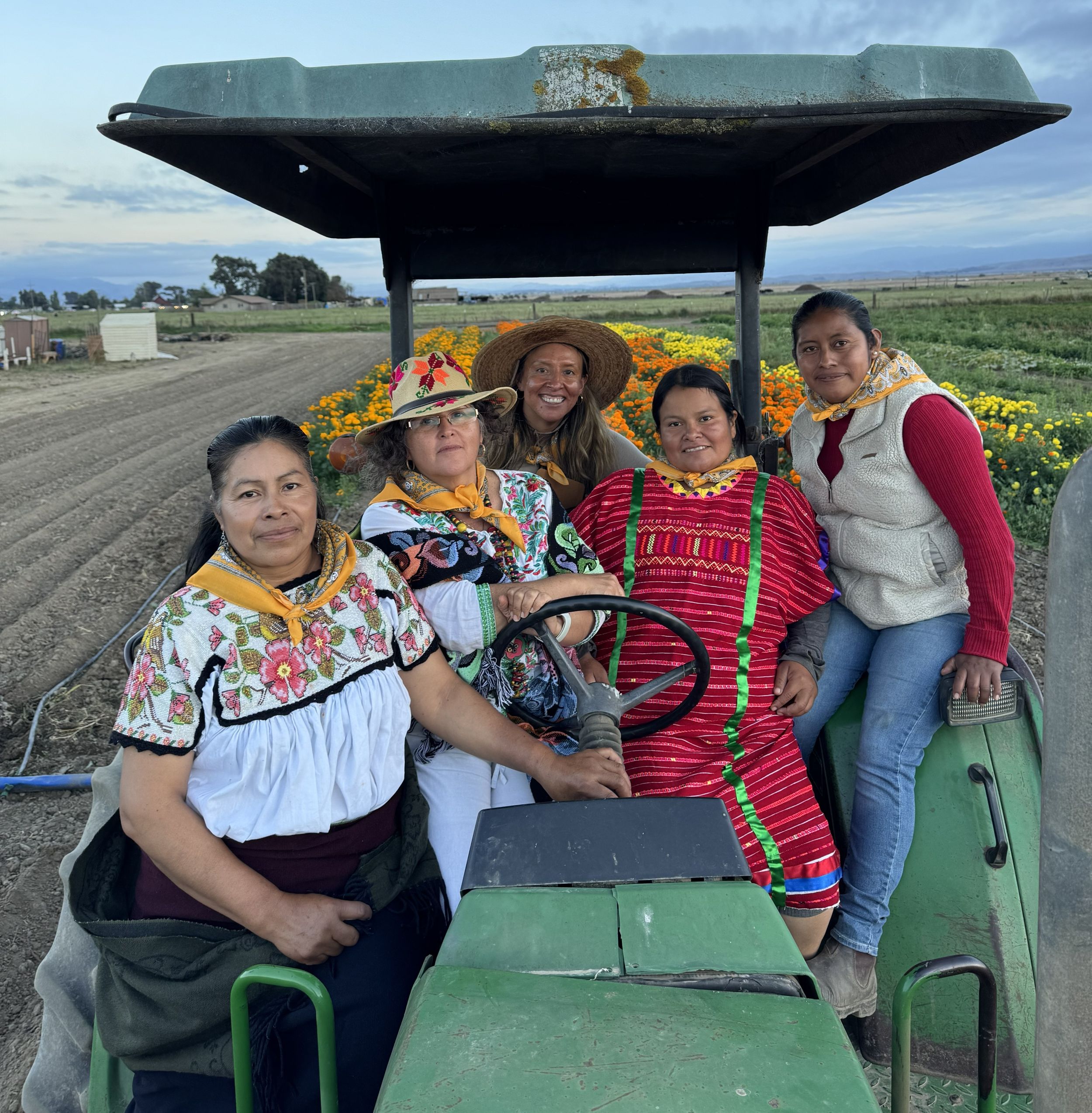
    Local food systems are of great importance to the Monterey Bay Region and, indeed, to California, and there is a growing number of small farms across the state supplying these systems.  Join Ronnie Lipschutz for a conversation with Josefina Lara Chavez, Executive Director of RegenerationLA, the Latine Alliance in Agroecology and the Food System, which has just launched Rancho Coyote Viejo in south San Benito County. The Rancho is a 25-acre pilot land access farm for beginning farmers practicing

    • Transcript
  • #190
    August 30 · 54 min

    Speculations on Conjunctural Futures: What Might We Expect, What Must We Do? With Kim Stanley Robinson, author of The Ministry for the Future

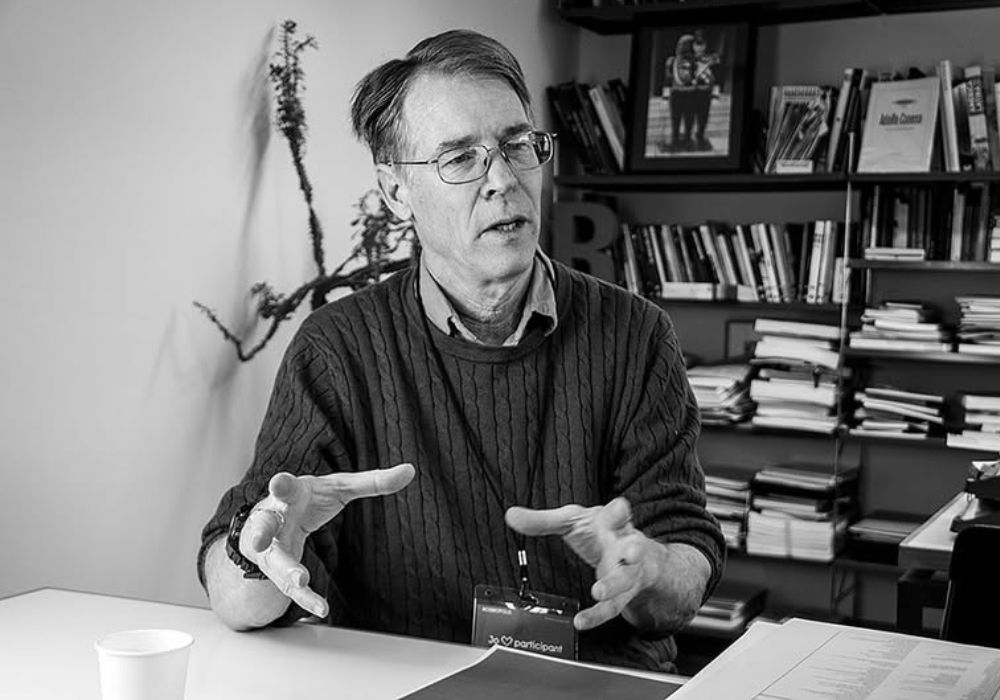
    There are lots of dystopian futures floating around in the air and on the air.  Imagining the future is never really about the future; it’s more like commentary about the present. “Conjunctural futures” extrapolate from the present: they are not-so-distant, generational futures that could or might be. What might those conjunctural futures look like? Can we imagine a positive one?  And what must we do to get there?  Join host Ronnie Lipschutz for a conversation with Kim Stanley Robinson, author,

    • Transcript
  • #174
    August 16 · 54 min

    Plutonium Pit Production--The Risks and Costs of US Plans to Build New Nuclear Weapons with Dr. Dylan K. Spaulding of the Union of Concerned Scientists

    Nuclear weapons have been with us for 80 years.  There are fewer today than was the case at the height of the Cold War, but there are more countries with nukes than ever before.  Some heads of state have been, of late, threatening to use them.  If you’ve seen Kathryn Bigelow’s recent film, “House of Dynamite,” you’ll know that human psychology is the linchpin on which the entire system of nuclear deterrence rests: would the President (or Premier or whatever) exchange their capitals for others? 

    • Transcript
  • #188
    August 2 · 54 min

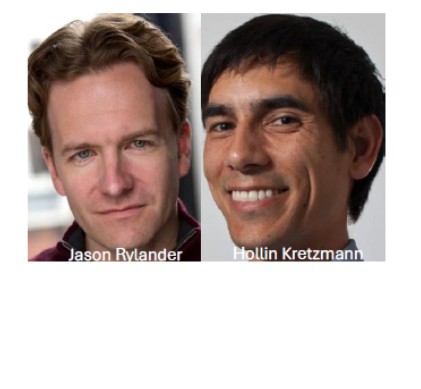
    Trump’s War on California’s Environment, with Jason Rylander and Hollin Kretzmann from the Center for Biological Diversity

     The Trump Administration has declared war on California and is hell-bent on eliminating any and all of the state’s environmental protections. As part of its “drill baby, drill” strategy, it is moving to open the California Coast to oil drilling and to increase exploration and extraction on BLM lands across the state.  And not wanting to stay out of the action, the Supreme Court recently ruled that the makers of the herbicide Roundup do not have to warn users of cancer risks associated with its

    • Transcript
  • #187
    July 19 · 55 min

    The Santa Cruz Mountains Stewardship Network With Dylan Skybrook, Network Manager

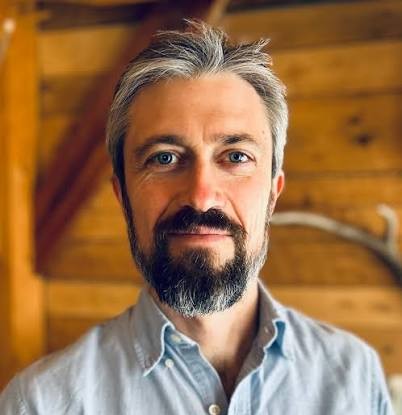
    The Santa Cruz Mountains cover more than 1,000 square miles of the Central California Coast, running from just south of San Francisco all the way down to the Salinas Valley.  The region has been actively stewarded for thousands of years by indigenous people and is a place of significant cultural, biological, and environmental diversity which supports many native plant and animal species found nowhere else on Earth.  Join host Ronnie Lipschutz for a conversation about the mountains and the networ

    • Transcript
  • #186
    July 5 · 53 min

    The San Francisco Bay Area—An Environmental History With David D. Schmidt

    Over the past four centuries, the transformation of the Greater San Francisco Bay Region has been extraordinary.  What was once a near paradise for a few hundred thousand indigenous First Peoples is now home to nearly 8 million whose accumulated activities since the arrival of Europeans have created an industrialized landscape interspersed with large areas of open space where nature is in recovery. How did this happen? Join host Ronnie Lipschutz for a conversation with David D. Schmidt, who spen

    • Transcript
  • #175
    June 21 · 1 hr

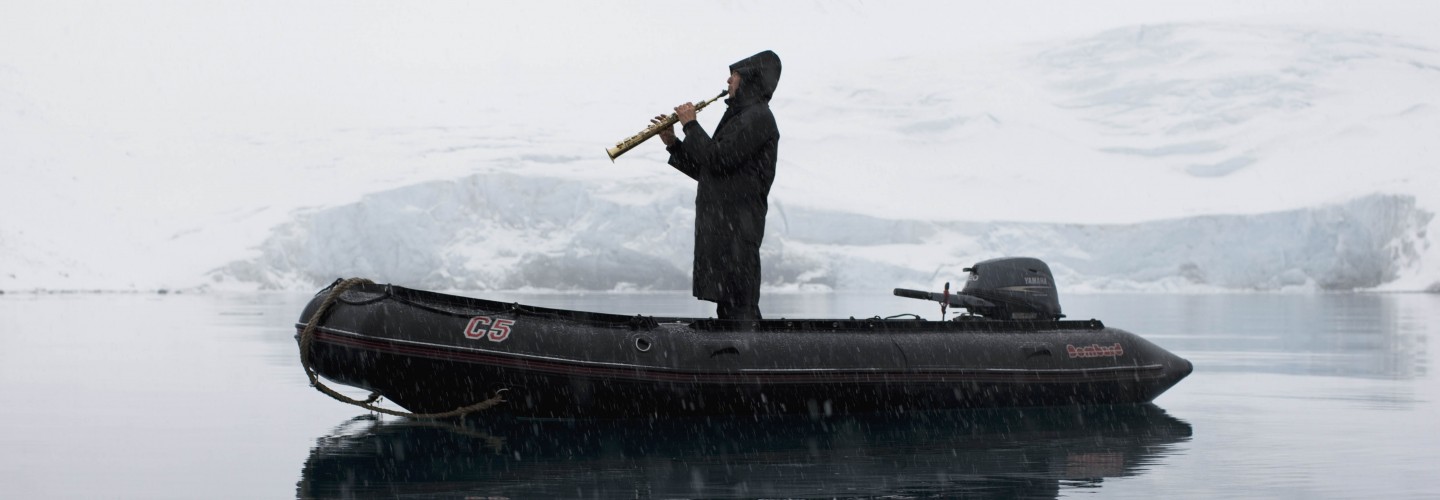
    Secret Sounds of Ponds and Other Animal Music with Professor David Rothenberg, NJ Institute of Technology

    Who knew that ponds make music?  To the eye and ears, they seem silent and tranquil—except at night when, maybe, choruses of frogs serenade listeners.  But ponds are much noisier than that: you have to be very quiet and have the right equipment to really hear what’s going on.  And there is a lot going on: both the critters and the plants speak out.  Indeed, nature is full of sounds, many of them musical and, quite possible, the forerunners of human music. Join host Ronnie Lipschutz for a convers

    • Transcript
  • #184
    June 7 · 53 min

    Everyone talks about climate, but no one does anything about it with Dr. Daniel Swain, UCANR and NCAR

    Everyone talks about climate but no one does anything about it.  In recent months, parts of Maui were nearly washed away by Kona Lows that dropped 60 inches of rain.  An unusual trio of Pacific cyclones on both sides of the equator drove warm oceanic water to the east, adding to climate turbulence.  And the world is being warned of an “off-the-charts” El Niño this coming fall and winter. And there’s more!  Are you having trouble keeping track of all of these phenomena?  Relief is at hand! Join h

    • Transcript
  • #183
    May 24 · 54 min

    Extractive Frontiers: Critical Minerals and Green Capitalism, with Professor Thea Riofrancos, Providence College

    The attack on Iran by the United States and Israel demonstrated, among other things, the necessity of a rapid transition to renewable fuels, like solar and wind.  The technologies for capturing and converting them into usable form are heavily dependent on critical minerals, such as lithium, cobalt and others. Indeed, critical minerals are driving a new wave of resource nationalism and extraction around the globe, many of them being eyed by President Trump as potential regions of intervention and

    • Transcript
  • #182
    May 10 · 53 min

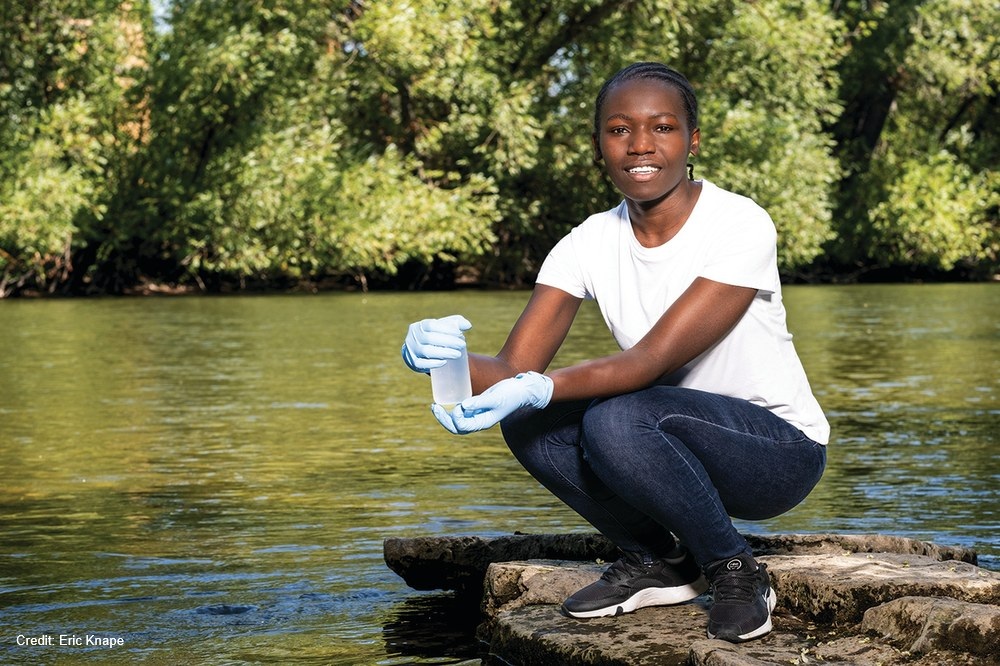
    Is that Teflon in your food and water? Good for eggs, maybe, but probably not for you! with Dr. Faith Kibuye, Penn State University

    Perfluoroalkyl and polyfluoroalkyl substances—commonly known as PFASs and "forever chemicals"—have become ubiquitous in the environment and are being found almost everywhere in soil, water, plants and bodies.    The Trump Administration has lowered drinking water standards for PFASs presence but that does not mean the stuff has gotten safer. You might know PFASs in the form of Teflon which, for many years, are applied to non-stick cookware so those eggs slide off the pan.  But if you overheat th

    • Transcript
  • #181
    April 26 · 52 min

    Microplastics: invisible, insidious, and...fixable with Dr. Myra Finkelstein and Dr. Steven Mentor

    We’ve heard a lot about the problem of microplastics pollution. Just how bad is it?  What are its causes?  What are microplastics doing to us and the world?  Is anything being done to stem the accelerating production and consumption of plastics that end up in our water, our air, in animals, and in human bodies? Join host Ronnie Lipschutz for a conversation about microplastics with Dr. Myra Finkelstein, Adjunct Professor in the Microbiology and Environmental Toxicology Department at UC Santa Cruz

    • Transcript
  • #180
    April 12 · 45 min

    "We think they'll kill someone" indigenous resistance in Oaxaca, Mexico, with Anjan Sundaram, The Stringer Foundation

    Indigenous peoples around the world are under threat, especially from massive development projects engineered by governments and corporations, which promise to destroy the lands, forests and waters on which those peoples depend.    In an article that appeared in a recent issue of The New York Review of Books, “We Think They'll Kill Someone” journalist Anjan Sundaram reported on one such project in the Southern Mexico Oaxacan town of San Blas Atempa, where a new factory will wipe out a communally

    • Transcript
  • #179
    March 29 · 52 min

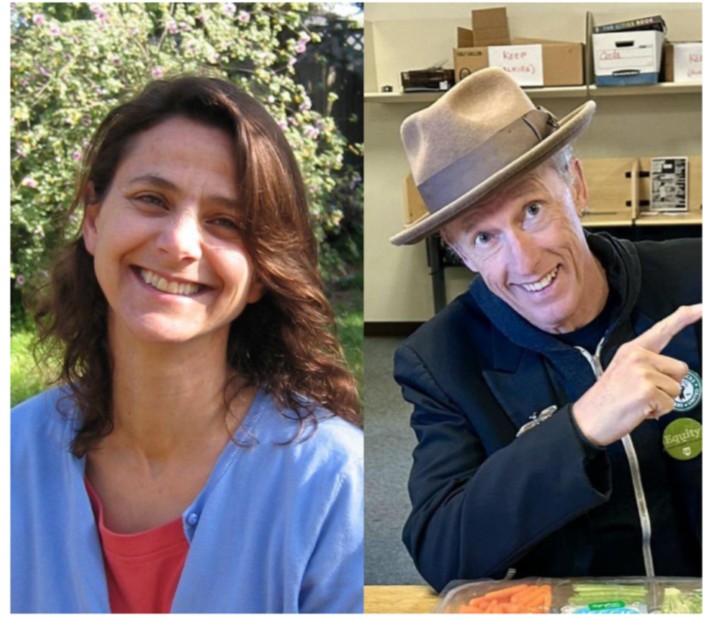
    Transformative Climate Communities in California With Nancy Faulstitch and Eloy Ortiz, Regeneración Pajaro Valley

    The State of California has created a program called “Transformative Climate Communities,” focused on making low-income, urban areas more resilient, efficient and responsive to housing, energy and climate challenges. What does this mean on the ground? Join host Ronnie Lipschutz for a conversation with Nancy Faulstitch, Executive Director and Eloy Ortiz, Special Projects Manager at Regeneración Pajaro Valley which, along with Monterey County, received a TCC planning grant in 2021. They have been

    • Transcript
  • #178
    March 15 · 54 min

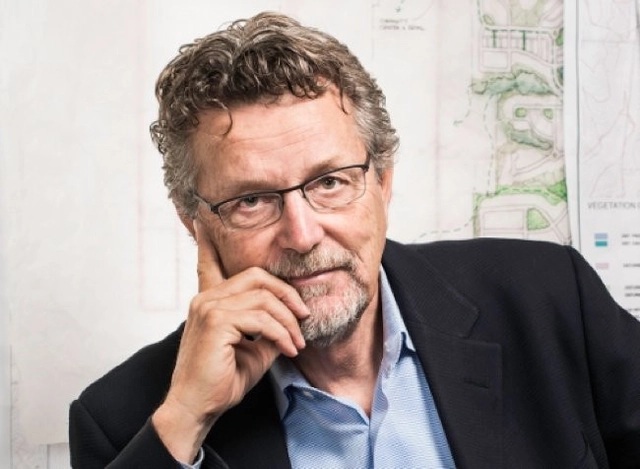
    The Past and Future of Sustainable Communities with Peter Calthorpe, Architect & Urban Designer

    The world’s cities are big and getting bigger.  By 2050, 80% of the world’s people will live in cities. Can cities be made sustainable?  Who is thinking about this? Join host Ronnie Lipschutz for a conversation with Peter Calthorpe, architect and urban designer with HDR, a global company specializing in architecture, engineering, environmental and construction services. Over the past 45 years, Calthorpe has been a primary advocate for sustainable communities, the New Urbanism and transit-oriente

    • Transcript
  • #177
    March 1 · 53 min

    Biologists Unite! The Rise and Fall of Ecosystem Services with Professor Daniel Suarez, Middlebury College

    Over the past several decades, there has been a concerted effort by biologists, economists and others to put a value on nature’s services: what would it cost, for example, to provide clean water the way nature does?  Oxygen, photosynthesis, soil?  Early estimates were around $30 trillion per year; arguably, today they are much higher, over $100 trillion.  But getting from hypothetical calculations to actual incorporation into real work policy and development projects is no easy task.  Join host

    • Transcript
  • #176
    February 15 · 54 min

    The Water Remembers—My Indigenous Family’s Fight to Save a River and a Way of Life with Amy Bowers Cordalis Ridges to Riffles Indigenous Conservation Group

    The removal of four dams from the Klamath River in Northern California is rapidly becoming one of the great recent success stories in conservation and restoration.  The riverbank habitat is returning to its former condition and salmon have been spotted swimming upriver past the sites where the dams once blocked their passage.  Along with this comes the restoration of the indigenous peoples’ way of life, heavily dependent on those fish.  Join Host Ronnie for an update on the Klamath in a conversa

    • Transcript
  • S1 · E173
    January 4 · 52 min

    The Living Green Myth: The Promise and Limits of Lifestyle Environmentalism with Dr. Michael Maniates

    Many listeners are probably familiar with the tags found in hotel bathrooms that read: “Save Our Planet,” followed by instructions about reusing and replacing towels, and concluding “Thank you for helping us converse the Earth’s vital resources.”  Reusing towels might help conserve the hotel’s financial resources but does that make any difference for the Planet?  Such “lifestyle environmentalism” is widespread, providing a sense of doing something in a world in which collective action is so diff

    • Transcript
  • #172
    Dec 21, 2025 · 52 min

    Microplastics in Lake Tahoe: What are They Doing There? What are they Doing? With Madison “Madio” Wallner

    Lake Tahoe is one of California’s natural jewels but it is under siege and increasingly awash in plastic wastes, as visitors carelessly dispose of bottles and packages and discarded items degrade into small pieces washed into the lake.  What happens to that stuff? As we have been learning, microplastics are everywhere, in the environment and in our bodies.  What are their impacts on people, animals and nature?  Join host Ronnie Lipschutz for a conversation with Madison “Madio” Wallner, a UCSC Ph

    • Transcript
  • #171
    Dec 8, 2025 · 53 min

    The Norris Center for Natural History at UCSC: What is it? Why is it there? With Professor Ingrid Parker and Center Director Chris Lay

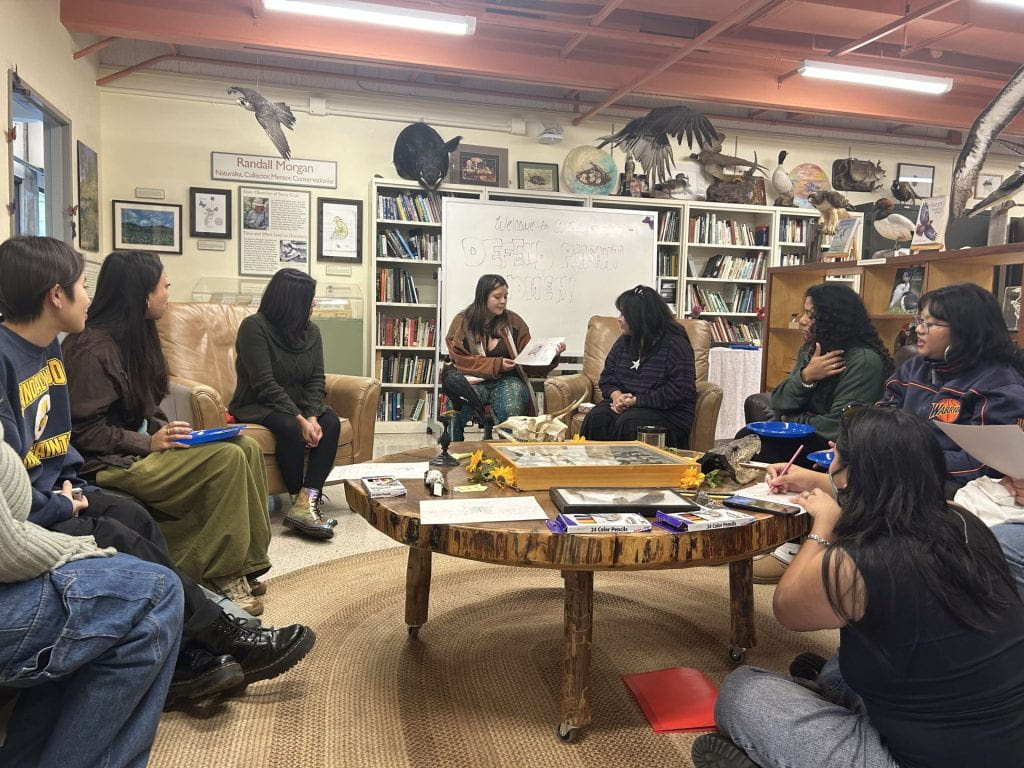
    The Kenneth S. Norris Center at UC Santa Cruz is one of the little-known jewels of the campus as well as the Monterey Bay Region. Ken Norris was an American marine mammal biologist, conservationist, naturalist, and co-founder of SeaWorld, as well as a professor of natural history at UCSC.  He was the creator of the UC Natural Reserve System, too.  The Norris Center holds a vast collection of insects, plants and seeds from the Santa Cruz Mountains and supports classes, internships and research by

    • Transcript
Showing 1–20 of 21 episodes