Skip to content
Artwork for STR Data Lab™ by AirDNA
BusinessInvesting

STR Data Lab™ by AirDNA

Jamie Lane

Whether you're on your first property or your 100th, having the right market data is crucial to starting and scaling your short-term rental business. Join Travel Economist Jamie Lane as he provides trusted insights and delves deep into the numbers that drive this multi-billion dollar industry.

Play
  • 21 episodes
  • weekly
  • Avg 43 min
  • English
Counted on this page — what you have heard stays on this device, so it is not something the list can be paged by.
  • #194
    Thursday · 54 min

    The Insider Take: Why Growth at All Costs Is Failing in Short-Term Rentals

    The short-term rental industry is entering a new phase—and the old playbook of growth at all costs may no longer be the answer. In this episode of The STR Data Lab, Jamie Lane sits down with Annie Holcombe and Alex Husner, to unpack how the industry has evolved, what operators have learned from the post-COVID growth boom, and why professionalism isn't necessarily about managing hundreds of properties. From individual hosts to large property managers, success increasingly comes down to building sustainable operations, delivering great guest experiences, and understanding what actually drives profitability. The conversation also dives into some of the biggest forces reshaping the industry: AI, property management technology, local vs. national brands, and the changing relationship between operators and OTAs. Alex and Annie share their perspectives on where AI is already making an impact, why smaller operators may actually be better positioned to adopt new technology, and how property managers can balance direct bookings with the reach of OTAs and emerging AI-driven search. They also explore what professionalization really means—and why the industry needs to do a better job of bringing newer and smaller operators into the broader conversation. The future of STR is changing quickly—and you don’t want to miss this episode! Key Takeaways Growth isn't the only measure of success: Sustainable operations, stronger margins, and better owner and guest experiences can be more valuable than simply adding units. Professionalization is about fundamentals: Strong accounting, guest safety, consistent service, profitability, and intentional operations matter more than hitting a specific property count. AI adoption will depend on the operator: Smaller businesses may have an advantage because they can implement new tools without having to overhaul a massive existing tech stack. Local expertise still matters: The future may be less about choosing between local and national models and more about combining local market knowledge with the efficiencies of scale. Marketing is becoming more complex: Operators need to think beyond individual OTAs and direct bookings, with SEO, reviews, social content, repeat guests, and AI-driven discovery all becoming part of the demand-generation strategy. Sign up for AirDNA for FREE 👇 https://bit.ly/4j6s6qy ————— Connect with Jamie on social media LinkedIn: https://www.linkedin.com/in/jamiehlane/ Twitter: https://twitter.com/Jamie_Lane ————— Connect with Alex and Annie on social media Alex Husner, Founder and CEO of Directly Alex: https://www.linkedin.com/in/alex-o-husner%F0%9F%8C%8E-1844306/ Annie Holcombe, Founder and CEO of Annie & Co. : https://www.linkedin.com/in/annie-holcombe-vrgal/ Podcast page: https://www.alexandanniepodcast.com/ ————— Connect with AirDNA on social media: Instagram: https://instagram.com/airdna.co LinkedIn: https://www.linkedin.com/company/airdna/ Twitter: https://twitter.com/airdna TikTok: https://www.tiktok.com/@airdna.co ————— Episode 194

  • #193
    August 20 · 55 min

    How AI Is Transforming Short-Term Rental Bookings

    The way travelers discover short-term rentals is changing—and the biggest shift may be happening before they ever visit Airbnb, Vrbo, or a property manager’s website. In this episode of The STR Data Lab, AirDNA Chief Economist Jamie Lane sits down with Jason Cincotta, co-founder of Kismet, to unpack how AI-powered search is reshaping travel discovery, how much revenue it may already be influencing, and why traditional attribution models could be missing a huge part of the picture. The conversation goes beyond the headline numbers. Jamie and Jason explore why AI-driven guests may convert at higher rates, why so much AI research happens “in the dark” without appearing in traditional analytics, and how the rise of AI could change the long-standing balance between OTAs and direct bookings. They also discuss what property managers and hosts can do today—from improving imagery and website experiences to making their property data easier for AI systems to understand. You don’t want to miss this episode if you want to understand where STR distribution is headed next. Key Takeaways AI search is already influencing STR bookings. Traditional referral and UTM data may dramatically undercount the impact of AI-driven travel research. The travel “front door” is changing. Guests are increasingly using AI to research destinations, build itineraries, compare properties, and determine where they want to stay before visiting a booking platform. Direct bookings could gain an advantage. AI can potentially compare OTAs with direct channels and surface properties based on the individual traveler’s needs, preferences, and previous experiences. Your website still matters. More AI visibility only helps if your direct booking experience can convert the traffic. Strong imagery, compelling copy, mobile functionality, branding, and a seamless booking engine are becoming increasingly important. Make your property easy for AI to understand. Structured, accurate information about your homes—including amenities, imagery, availability, pricing, and other commercial data—can help ensure your inventory is discoverable in emerging AI-powered search environments. Sign up for AirDNA for FREE 👇 https://bit.ly/4j6s6qy ————— Connect with Jamie on social media LinkedIn: https://www.linkedin.com/in/jamiehlane/ Twitter: https://twitter.com/Jamie_Lane ————— Connect with AirDNA on social media: Instagram: https://instagram.com/airdna.co LinkedIn: https://www.linkedin.com/company/airdna/ Twitter: https://twitter.com/airdna TikTok: https://www.tiktok.com/@airdna.co ————— Episode 193

  • August 13 · 34 min

    Why July Was So Strong for Short-Term Rentals

    The U.S. short-term rental market is showing surprising strength—even as the broader economy sends mixed signals. In this episode of The STR Data Lab, Jamie Lane and Bram Gallagher break down July’s performance and explore what’s really driving growth across the STR market. U.S. RevPAR jumped 7.2% in July, with ADR emerging as the biggest contributor, while occupancy also moved into positive year-over-year growth. The conversation goes beyond the headline numbers to separate the impact of the 2026 World Cup from broader market trends. While World Cup host cities saw significant gains in both rates and supply, the rest of the country also delivered strong rate growth—and supply growth outside host cities remained below 2%. Looking ahead, Jamie and Bram discuss why higher interest rates could keep supply growth constrained, why improving occupancy and ADR could support strong unit-level performance through the rest of 2026, and what changing booking behavior means for pricing strategy. One of the most encouraging signals for operators is a reversal in the long-running trend toward shorter booking windows. Lead times have increased or held steady for four consecutive months, with coastal markets seeing particularly notable gains. For hosts and managers, that shift could create new opportunities to capture demand earlier and price more strategically. You don’t want to miss this episode if you’re planning your STR strategy for the rest of 2026. Key Takeaways RevPAR is accelerating: U.S. RevPAR increased 7.2% in July, driven primarily by stronger ADR and supported by improving occupancy. The World Cup boosted rates, but it wasn't the whole story: Rate growth was especially strong in host cities, but gains were broad-based across the country. Supply growth is likely to remain limited: Outside World Cup host cities, supply growth was below 2% in June and July, with high mortgage rates and expensive real estate continuing to constrain new listings. Longer lead times could change pricing strategy: Travelers are increasingly booking further in advance, reversing a years-long trend toward last-minute bookings. Hosts should pay attention to pacing and adjust pricing accordingly. The outlook for unit-level performance remains strong: With occupancy trending upward, ADR growth remaining healthy, and limited new competition expected, operators could see continued gains through the remainder of 2026. Sign up for AirDNA for FREE 👇 https://bit.ly/4j6s6qy ————— Connect with Jamie on social media LinkedIn: https://www.linkedin.com/in/jamiehlane/ Twitter: https://twitter.com/Jamie_Lane ————— Connect with Bram on social media LinkedIn: https://www.linkedin.com/in/bram-gallagher/ ————— Connect with AirDNA on social media: Instagram: https://instagram.com/airdna.co LinkedIn: https://www.linkedin.com/company/airdna/ Twitter: https://twitter.com/airdna TikTok: https://www.tiktok.com/@airdna.co ————— Episode 192

  • #191
    August 6 · 49 min

    The Truth About World Cup Rentals

    Did the FIFA World Cup live up to the hype for short-term rental hosts—or did the headlines get it wrong? After months of tracking booking trends, pricing, and occupancy across all 16 host cities, Jamie Lane sits down with AirDNA Senior Research Analyst Linda Rollins and Kansas City Short-Term Rental Alliance leader Susan Brown to separate fact from fiction. They unpack what actually happened during one of the biggest global travel events, why so many media narratives missed the mark, and what hosts can learn before the next major event comes to town. From Kansas City's massive supply surge to the reality of last-minute booking behavior, this episode dives into the numbers behind the World Cup and explains why revenue growth wasn't driven by more travelers alone. Whether you're preparing for a major sporting event, concert series, or convention, these lessons will help you make smarter pricing decisions, set realistic expectations, and build a stronger hosting business. Key Takeaways: You don't want to miss this episode! Why the World Cup became a rate-driven event rather than a demand-driven one—and what that means for host revenue. How Kansas City successfully partnered with local government, OTAs, and hosts to rapidly expand STR supply. Why many hosts underestimated the importance of pricing strategy and last-minute booking behavior. How a surge in new listings lowered occupancy even as guest demand reached record highs. Practical lessons hosts can use to prepare for future mega-events like the Olympics, World Cup, or major conventions. Sign up for AirDNA for FREE 👇 https://bit.ly/4j6s6qy ————— Connect with Jamie on social media LinkedIn: https://www.linkedin.com/in/jamiehlane/ Twitter: https://twitter.com/Jamie_Lane ————— Connect with AirDNA on social media: Instagram: https://instagram.com/airdna.co LinkedIn: https://www.linkedin.com/company/airdna/ Twitter: https://twitter.com/airdna TikTok: https://www.tiktok.com/@airdna.co ————— Episode 191

  • #190
    July 30 · 45 min

    How STR Property Managers Are Valued Today: EBITDA, Growth, and What Buyers Really Want

    What is your short-term rental business really worth—and more importantly, what are buyers actually looking for right now? In this episode of The STR Data Lab, CEO of AirDNA Rohit Bezewada sits down with C2G Advisors' Managing Partner Jacobie Olin. They unpack the realities behind today’s M&A market for property managers, cutting through the noise of tech buzzwords and surface-level metrics. If you’ve ever wondered how growth, profitability, and operations translate into valuation, this conversation brings clarity where it matters most. The truth is, buyers aren’t chasing shiny tools or trendy “AI-native” claims—they’re focused on fundamentals. Clean financials, predictable revenue trends, strong margins, and a capable team still win the day. But layered on top of that are evolving deal structures, shifting expectations around growth, and a competitive landscape where demand for quality operators continues to outpace supply. Whether you’re planning to sell soon or just building with the end in mind, understanding these dynamics can shape smarter decisions today. Zooming out, they also explore where the STR industry is headed: continued consolidation at the top, rapid growth among mid-sized operators, and the role technology (including AI) may play in expanding margins—not valuations—over time. It’s a grounded, data-driven look at how to build a business that performs now and positions you for future opportunities. You don’t want to miss this episode! Key Takeaways: Clean financials matter more than anything else—buyers prioritize clarity, consistency, and reliable performance over flashy tools. Growth + profitability = premium valuations—steady portfolio expansion and strong EBITDA margins drive the most interest. Revenue mix impacts your bottom line—ancillary income (like cleaning fees) can significantly boost margins since it’s not shared with homeowners. Deal structure is just as important as price—offers with higher cash upfront and simpler terms tend to win over complex, contingency-heavy deals. AI won’t boost your valuation—yet—it only matters if it clearly improves revenue or margins in your financials. Sign up for AirDNA for FREE 👇 https://bit.ly/4j6s6qy ————— Connect with Rohit on social media LinkedIn: https://www.linkedin.com/in/rohit-bezewada-3010b48/ ————— Connect with Jacobie on social media LinkedIn: https://www.linkedin.com/in/jacobieolin/ ————— Connect with AirDNA on social media: Instagram: https://instagram.com/airdna.co LinkedIn: https://www.linkedin.com/company/airdna/ Twitter: https://twitter.com/airdna TikTok: https://www.tiktok.com/@airdna.co ————— Episode 190

  • #189
    July 16 · 43 min

    World Cup Boom, Rising Rates & What June’s STR Data Says About the Rest of 2026

    The first half of 2026 is in the books—and the latest data is telling a much stronger story than many expected. In this episode of The STR Data Lab, AirDNA CEO Rohit sits down with economist Bram Gallagher to break down June’s performance, the impact of the FIFA World Cup on short-term rentals, and why existing hosts may be entering one of the strongest competitive positions they've seen in years. From record ADR gains and rising pricing power to slowing supply growth and stronger-than-expected travel demand, Bram explains why the industry's fundamentals remain healthy despite ongoing macroeconomic uncertainty. They also unpack which markets truly benefited from the World Cup, why many bookings arrived at the last minute, and what hosts should expect as the industry heads into a promising second half of 2026. Whether you're managing one property or scaling a portfolio, this episode offers practical insights into pricing strategy, market timing, and where future demand is likely to emerge. Plus, Bram shares the biggest risks he's watching—and why he's still optimistic about what's ahead. You don't want to miss this episode! Key Takeaways Established hosts are gaining pricing power. AirDNA's Repeat Rent Index climbed 6.8% year over year, showing experienced operators are raising rates well above inflation thanks to reviews, repeat guests, and stronger market positioning. The FIFA World Cup delivered for hosts. Most host cities experienced meaningful demand increases and ADR growth exceeding 30%, with many bookings arriving just days before matches—reinforcing the importance of staying patient with pricing. New supply is slowing dramatically. Listing growth has fallen below 2% for the first time since the pandemic as higher mortgage rates discourage new investors, creating a more favorable environment for existing hosts. Demand is expanding beyond major cities. Smaller cities and rural destinations continue attracting travelers, proving that guests are seeking unique experiences beyond traditional urban markets. The second half of 2026 is shaping up well. Easier year-over-year comparisons, strong event calendars, healthy pricing trends, and slowing supply point toward improving occupancy and continued revenue growth for hosts. Sign up for AirDNA for FREE 👇 https://bit.ly/4j6s6qy ————— Connect with Rohit on social media LinkedIn: https://www.linkedin.com/in/rohit-bezewada-3010b48/ ————— Connect with Bram on social media LinkedIn: linkedin.com/in/bram-gallagher ————— Connect with AirDNA on social media: Instagram: https://instagram.com/airdna.co LinkedIn: https://www.linkedin.com/company/airdna/ Twitter: https://twitter.com/airdna TikTok: https://www.tiktok.com/@airdna.co ————— Episode 189

  • #188
    July 9 · 42 min

    2026 Midyear STR Outlook: What's Driving Demand, Pricing & Growth for the Rest of the Year

    What happens when the biggest trends shaping short-term rentals don't come from within the industry at all? In this special midyear outlook, Jamie Lane and Bram Gallagher unpack the economic forces influencing STR performance—from inflation and interest rates to international travel and changing consumer behavior—and explain what hosts and property managers should be watching for during the second half of 2026. While the year hasn't unfolded exactly as forecasted, the fundamentals remain encouraging. The conversation explores why occupancy has been slower than expected, why ADRs have held up better than anticipated, and how geopolitical events unexpectedly delayed the next wave of STR supply growth. Jamie and Bram also break down the booking trends they're tracking most closely, including shorter trip lengths, last-minute booking behavior, and shifting traveler confidence. The episode closes with a forward-looking discussion about why existing operators may be entering one of the strongest competitive positions they've seen in years. From luxury versus budget performance to the continued strength of larger homes, this conversation is packed with practical insights to help hosts make smarter decisions as market conditions continue to evolve. You don't want to miss this episode! In this episode, you'll learn: Why the second half of 2026 is expected to outperform the first and what easier year-over-year comparisons could mean for occupancy. How inflation, interest rates, and consumer confidence are shaping travel demand—and the economic indicators every STR operator should monitor. What changing booking behavior reveals about today's traveler, including shorter stays and continued last-minute reservations. Why existing operators continue to have an advantage, with stronger pricing power despite slower-than-expected supply growth. Which property types are winning in today's market, and why larger homes and premium experiences continue to outperform. Sign up for AirDNA for FREE 👇 https://bit.ly/4j6s6qy ————— Connect with Jamie on social media LinkedIn: https://www.linkedin.com/in/jamiehlane/ Twitter: https://twitter.com/Jamie_Lane ————— Connect with Bram on social media LinkedIn: https://www.linkedin.com/in/bram-gallagher/ ————— Connect with AirDNA on social media: Instagram: https://instagram.com/airdna.co LinkedIn: https://www.linkedin.com/company/airdna/ Twitter: https://twitter.com/airdna TikTok: https://www.tiktok.com/@airdna.co ————— Episode 188

  • #187
    July 2 · 53 min

    Golden Age of Airbnb? The STR Investing Playbook for 2026

    Is now still a smart time to invest in short-term rentals—or has the opportunity already passed? In this episode of The STR Data Lab, AirDNA CEO Rohit sits down with John Bianchi, better known as the Airbnb Data Guy, to unpack the data-driven framework that's helped identify more than 400 profitable STR investments. From finding resilient markets to evaluating deals and designing properties that outperform the competition, John shares the methodology he uses to separate great investments from costly mistakes. The conversation goes far beyond market selection. John explains why regulation should always come before revenue analysis, how his "20% Rule" helps quickly identify markets with cash-flow potential, and why amenities, marketing, and guest experience often matter more than the property itself. Along the way, Rohit and John explore how today's market differs from the easy-money era—and why thoughtful investors may still have a significant advantage. Whether you're buying your first vacation rental or scaling a portfolio, this episode is packed with practical insights on underwriting, property optimization, and long-term investment strategy. If you're looking to make smarter decisions with your next STR investment, this conversation offers a roadmap grounded in data—not hype. You don't want to miss this episode! Key Takeaways Start with regulation—not revenue. Before analyzing any market, understand its STR regulations and prioritize locations with stable, well-defined rules. Use the 20% Rule as a quick filter. Compare a property's purchase price to its revenue potential to quickly determine whether a market is worth deeper analysis. Design for experiences, not bedrooms. Amenities, outdoor spaces, and memorable guest experiences consistently outperform standard listings and drive higher revenue. Marketing matters more than most hosts realize. The order of your listing photos, storytelling, and presentation can dramatically influence bookings—even before guests read a single word. Think long-term, not just this year's cash flow. Combining cash flow, appreciation, principal paydown, and tax advantages can create powerful compounding returns for investors who buy strategically. Sign up for AirDNA for FREE 👇 https://bit.ly/4j6s6qy ————— Connect with Rohit on social media LinkedIn: https://www.linkedin.com/in/rohit-bezewada-3010b48/ ————— Connect with John on social media Linkedin: https://www.linkedin.com/in/john-bianchi-245608a6/ Website: https://strsearch.com/about-us ————— Connect with AirDNA on social media: Instagram: https://instagram.com/airdna.co LinkedIn: https://www.linkedin.com/company/airdna/ Twitter: https://twitter.com/airdna TikTok: https://www.tiktok.com/@airdna.co ————— Episode 187

  • #186
    June 25 · 52 min

    After the Reset: AI and the Next Phase for Short-Term Rentals

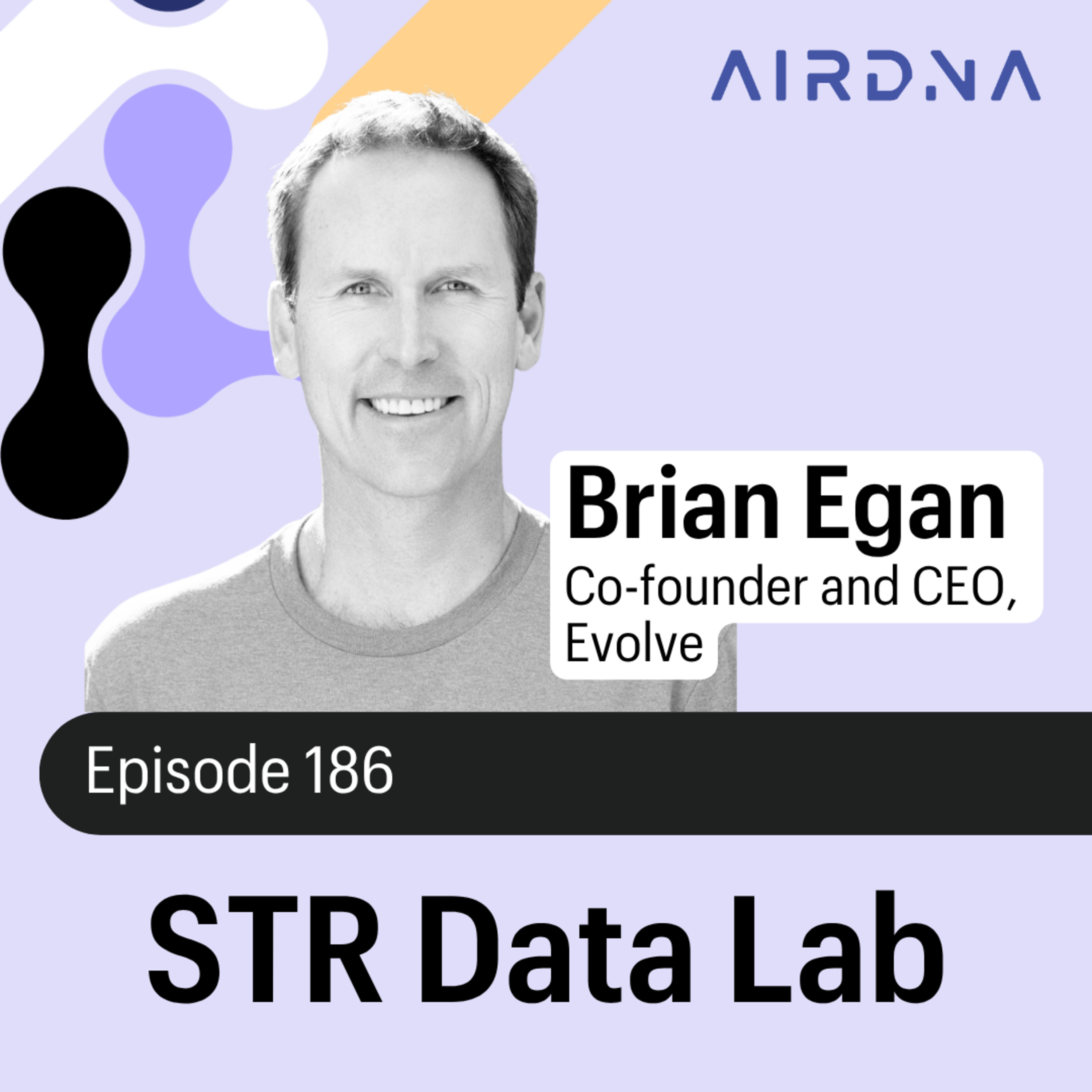
    What does it take to survive—and thrive—through 15 years of nonstop change in the short-term rental industry? In this episode of The STR Data Lab, AirDNA Chief Economist Jamie Lane sits down with Brian Egan, Co-Founder and CEO of Evolve, to unpack the evolution of one of the industry's earliest and most influential companies. From launching before Airbnb became a household name to navigating COVID, supply surges, regulatory shifts, and today's AI revolution, Brian shares hard-earned lessons from building through every phase of the market. The conversation explores how Evolve pioneered an asset-light management model long before it became a trend, why the industry's post-pandemic hangover was more challenging than the boom itself, and what it takes to maintain growth when market conditions are constantly shifting. Brian offers an owner-focused perspective on performance, explaining why metrics like RevPAN matter and how operators can adapt as supply, demand, and traveler behavior continue to evolve. Jamie and Brian also dive deep into the transformative role of AI. From guest communications and revenue management to product development and operational efficiency, they discuss how technology is reshaping the way vacation rental businesses operate—and why the companies that combine strong foundations with rapid innovation will be best positioned for the next chapter of growth. You don't want to miss this episode! Key Takeaways The strongest businesses are built for long-term market cycles. Evolve's 15-year journey highlights the importance of staying focused through both industry booms and downturns. RevPAN remains a critical metric for understanding owner success. Looking beyond occupancy and ADR provides a clearer picture of real property performance. AI is becoming a force multiplier across every part of STR operations. Guest support, listing optimization, revenue management, and product development are already seeing meaningful gains. The future belongs to flexible management models. Owners increasingly want a balance of professional support, operational efficiency, and control over their assets. The industry's fundamentals remain strong. Despite recent challenges, growing travel demand, shifting consumer preferences, and continued innovation point toward a promising future for short-term rentals. Sign up for AirDNA for FREE 👇 https://bit.ly/4j6s6qy ————— Connect with Jamie on social media LinkedIn: https://www.linkedin.com/in/jamiehlane/ Twitter: https://twitter.com/Jamie_Lane ————— Connect with Brian on social media https://www.linkedin.com/in/brianwegan/ Evolve Website Connect with Evolve on social media: LinkedIn: https://www.linkedin.com/company/evolve-vacation-rental/ Instagram: https://www.instagram.com/evolvevacationrental/ Facebook: https://www.facebook.com/evolvevacationrental/ ————— Connect with AirDNA on social media: Instagram: https://instagram.com/airdna.co LinkedIn: https://www.linkedin.com/company/airdna/ Twitter: https://twitter.com/airdna TikTok: https://www.tiktok.com/@airdna.co ————— Episode 186

  • #185
    June 18 · 45 min

    170 Properties, 2 People: The AI-Powered Property Manager

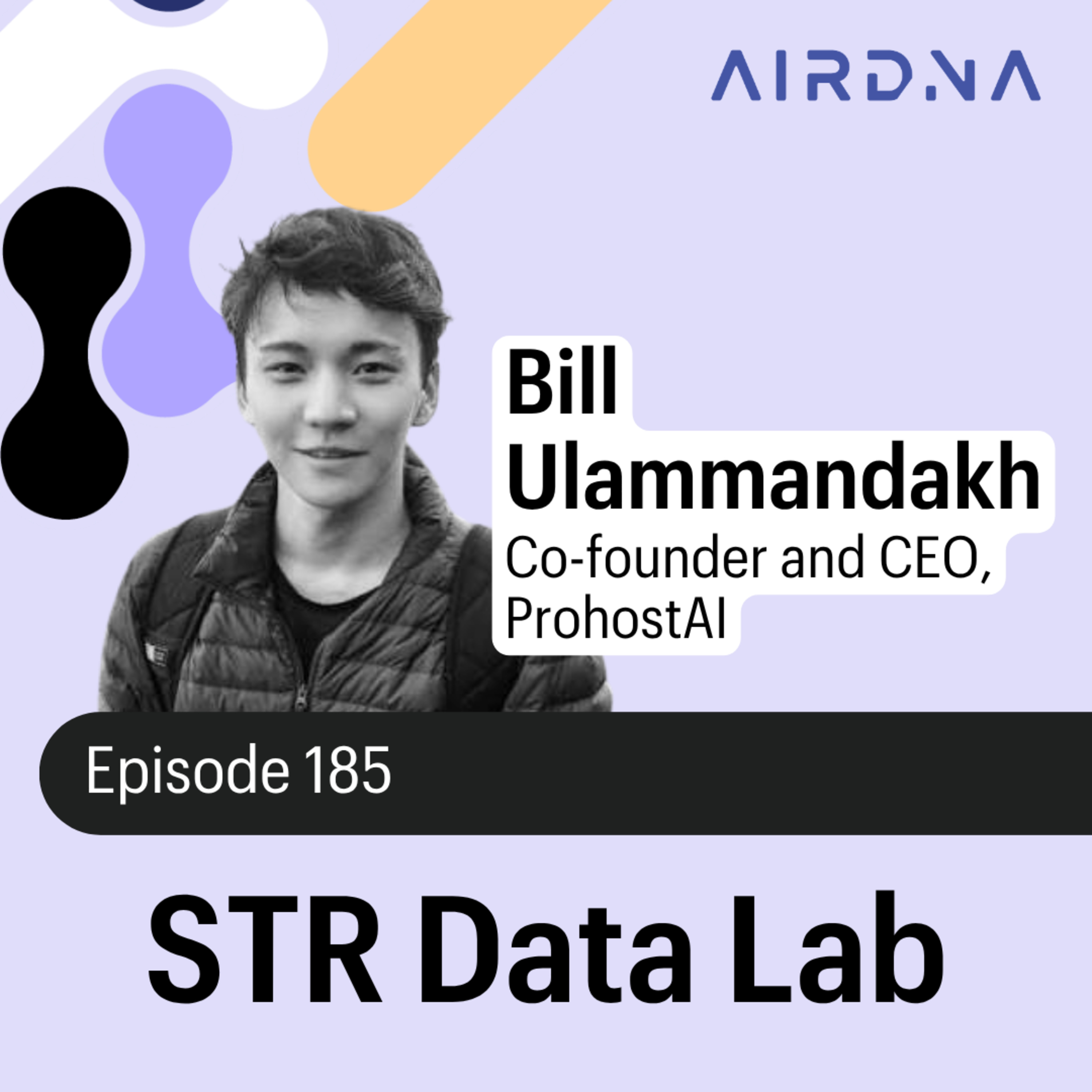
    What if your next hire wasn’t a person—but an AI employee that never sleeps, never misses a task, and proactively manages your business? As labor costs rise and operational complexity grows, short-term rental operators are looking for new ways to scale without sacrificing guest experience. In this episode of The STR Data Lab, AirDNA Chief Economist Jamie Lane sits down with Bill Ulammandakh, former Airbnb data scientist and Co-Founder & CEO of ProHost AI, to explore how artificial intelligence is reshaping the way STR businesses operate. Drawing on experience from both Airbnb and managing his own portfolio of short-term rentals, Bill shares why guest messaging is only the beginning. The conversation dives into the evolution of AI-powered operations—from automating maintenance coordination and cleaning workflows to the emergence of “AI employees” that proactively monitor your business, identify issues, and take action. Along the way, Bill offers an insider perspective on Airbnb’s ecosystem, the realities of scaling a portfolio, and the operational bottlenecks that hold many hosts back. Whether you manage one property or hundreds, this episode offers a practical look at where AI is already delivering value today—and where the industry may be headed next. You don’t want to miss this episode. Key Takeaways Guest communication is one of the easiest AI wins. Faster response times, more consistent messaging, and improved guest satisfaction can all be achieved with minimal setup. Operational efficiency—not messaging—is the biggest long-term opportunity. AI is increasingly being used to automate maintenance workflows, cleaning coordination, task routing, and quality control. The future is moving beyond automation toward autonomy. New AI systems can proactively identify issues, recommend actions, and manage workflows without waiting for human prompts. Great operations drive better rankings. Consistent communication, strong reviews, and reliable property management remain critical factors in creating a better guest experience and stronger marketplace performance. Small teams can scale dramatically further with AI. Operators are already leveraging automation to manage significantly larger portfolios without proportionally increasing administrative headcount. Sign up for AirDNA for FREE 👇 https://bit.ly/4j6s6qy ————— Connect with Jamie on social media LinkedIn: https://www.linkedin.com/in/jamiehlane/ Twitter: https://twitter.com/Jamie_Lane ————— Connect with Bill on social media LinkedIn: https://www.linkedin.com/in/bulam/ ————— Connect with AirDNA on social media: Instagram: https://instagram.com/airdna.co LinkedIn: https://www.linkedin.com/company/airdna/ Twitter: https://twitter.com/airdna TikTok: https://www.tiktok.com/@airdna.co ————— Episode 185

  • #184
    June 11 · 35 min

    STR Demand Rebounds: World Cup Surge, Summer Travel Trends & What Hosts Need to Know

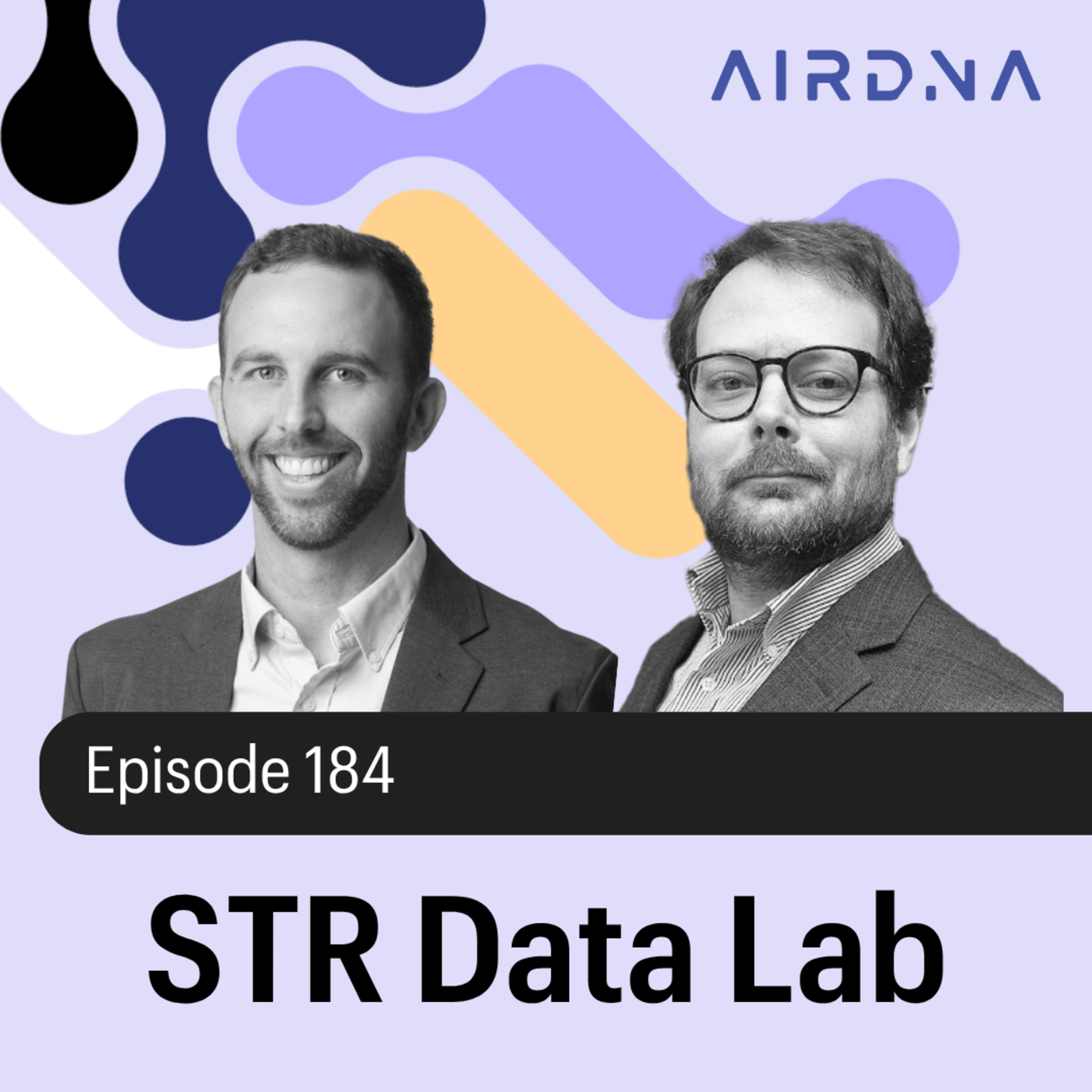
    After a slow and uneven start to the year, short-term rental performance is finally showing signs of life. In this episode of The STR Data Lab, Jamie Lane and Bram Gallagher break down the latest data—and what it really means for hosts, property managers, and investors navigating today’s shifting travel landscape. From the first occupancy gains in nearly a year to surprising demand patterns across luxury and budget listings, the signals are getting clearer… but not simpler. The conversation dives into a nuanced recovery story: modest demand growth paired with improving occupancy, a supply pipeline that may not be expanding as quickly as expected, and a consumer that’s splitting into two very different segments. Add in global forces like rising oil prices, interest rate uncertainty, and major events like the World Cup and the U.S. 250th anniversary, and you get a travel economy full of both opportunity and complexity. Looking ahead, the data points to a stronger second half of the year—driven by easier comparisons, major event demand, and resilient high-income travelers. But success won’t come from broad assumptions. It will come from understanding where demand is growing, who is traveling, and how to position your property accordingly. You don’t want to miss this episode. Key Takeaways Occupancy is finally rising—but demand growth is still modest May marked the first occupancy increase in nearly a year, signaling improving fundamentals even as demand grows at a slower pace. Luxury and larger homes continue to outperform Higher-income travelers are still spending, driving stronger occupancy gains in premium listings compared to budget properties. Major events are reshaping demand patterns The World Cup is already boosting bookings and rates in host cities—and even nearby markets—though supply surges may temporarily impact occupancy. Regional and drive-to destinations are gaining momentum Higher travel costs (like gas prices) are pushing more travelers toward closer, outdoor, and regional destinations—especially around holidays like July 4th. A strong second half of the year is taking shape Booking pace for summer and even shoulder season is up significantly, suggesting continued momentum—especially compared to weaker comps in late 2025. Sign up for AirDNA for FREE 👇 https://bit.ly/4j6s6qy ————— Connect with Jamie on social media LinkedIn: https://www.linkedin.com/in/jamiehlane/ Twitter: https://twitter.com/Jamie_Lane ————— Connect with Bram on social media LinkedIn: https://www.linkedin.com/in/bram-gallagher/ ————— Connect with AirDNA on social media: Instagram: https://instagram.com/airdna.co LinkedIn: https://www.linkedin.com/company/airdna/ Twitter: https://twitter.com/airdna TikTok: https://www.tiktok.com/@airdna.co ————— Episode 184

  • #183
    June 4 · 39 min

    STR Outlook 2026: Why Travel Demand Is Strong Despite Economic Uncertainty

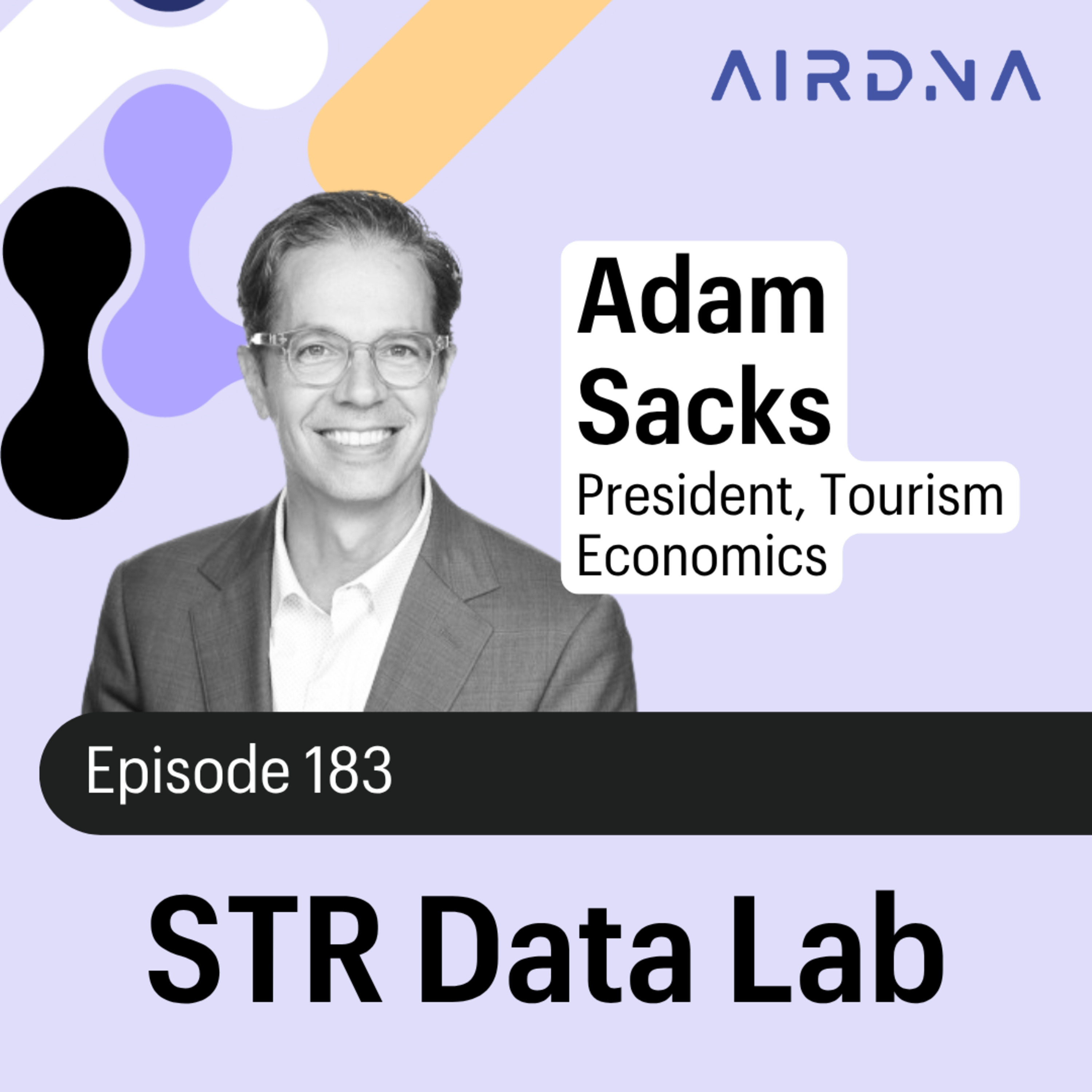
    What happens when consumer confidence is shaky, global tensions are rising, and yet… travel demand keeps growing? In this episode of The STR Data Lab, AirDNA’s Jamie Lane sits down with Tourism Economics President Adam Sacks to unpack one of the most important—and confusing—trends shaping the short-term rental and lodging industry right now: resilience in the face of uncertainty. From stronger-than-expected hotel performance in early 2026 to the shifting dynamics of international travel, this conversation reveals why traditional economic signals aren’t telling the full story anymore. Instead, a deeper force is at play—the rise of a “K-shaped” economy—where high-income travelers are driving a disproportionate share of demand. For STR operators, this has big implications for pricing, positioning, and understanding who your real customer is. They also explore the risks ahead—from geopolitical instability to declining inbound travel—and where there may actually be upside. The takeaway? Even in turbulent conditions, there are clear signals pointing to continued growth for those paying attention. You don’t want to miss this episode! Key Takeaways: Travel demand is outpacing expectations in 2026, even with low consumer sentiment and economic uncertainty High-income households are driving a growing share of bookings, reshaping demand across STR and hotel markets International travel remains a weak spot—but may rebound gradually through the second half of the year Experiences continue to outperform goods, keeping a strong floor under travel demand The biggest risk factors to watch: fuel prices, geopolitical conflict, and shifts in global travel patterns Sign up for AirDNA for FREE 👇 https://bit.ly/4j6s6qy ————— Connect with Jamie on social media LinkedIn: https://www.linkedin.com/in/jamiehlane/ Twitter: https://twitter.com/Jamie_Lane ————— Connect with Adam Sacks on social media LinkedIn: https://www.linkedin.com/in/adam-sacks-2ba7443/ ————— Connect with AirDNA on social media: Instagram: https://instagram.com/airdna.co LinkedIn: https://www.linkedin.com/company/airdna/ Twitter: https://twitter.com/airdna TikTok: https://www.tiktok.com/@airdna.co ————— Episode 183

  • #182
    May 21 · 18 min

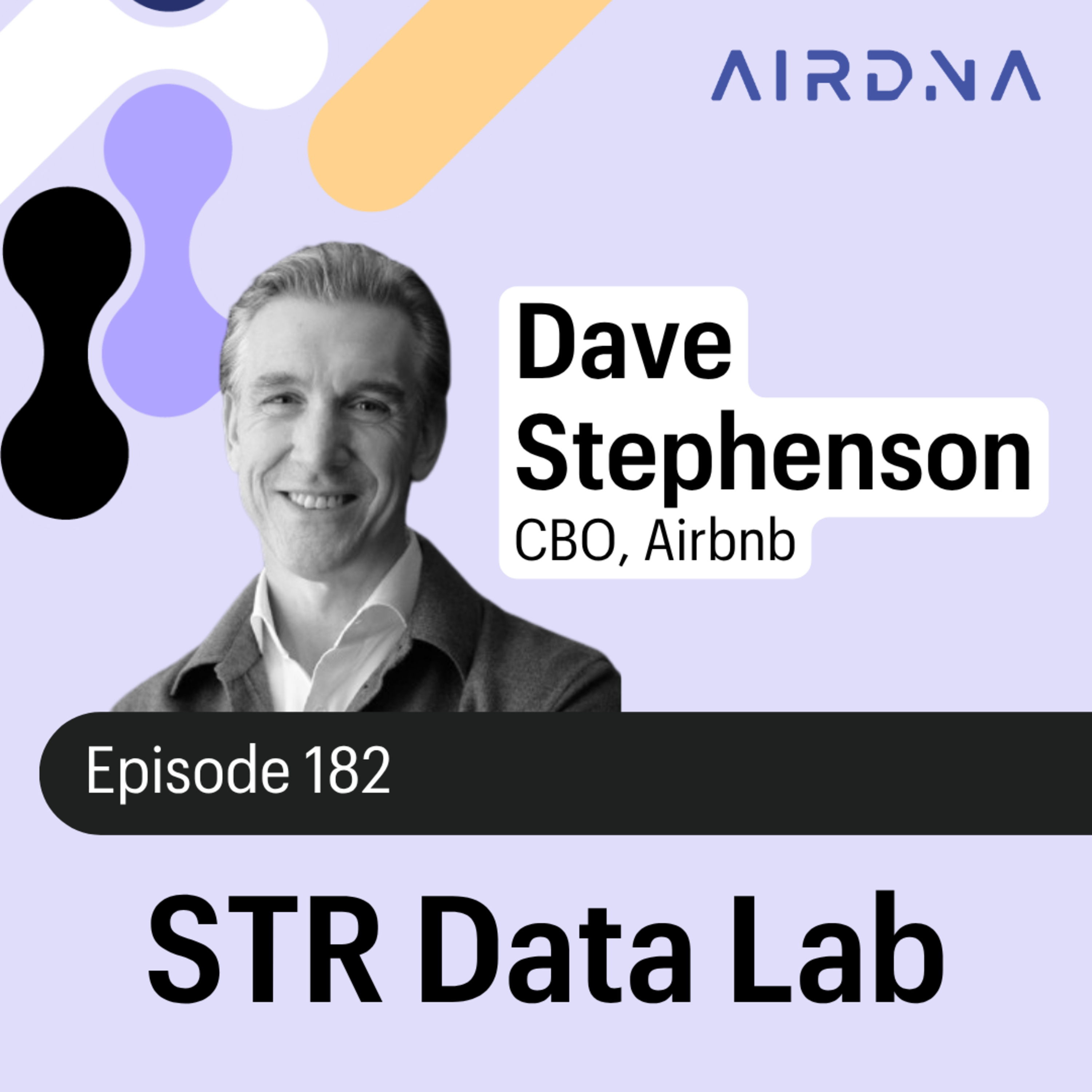
    Airbnb’s 2026 Product Drop: AI, Hotels & the Future of STR Demand

    Airbnb is no longer just a marketplace for stays—it’s becoming a fully integrated travel platform. In this special episode recorded live from Airbnb’s 2026 Summer Product Release in San Francisco, Jamie Lane sits down with Airbnb’s Chief Business Officer, Dave Stephenson, to unpack what these changes really mean for hosts, property managers, and the broader STR ecosystem. At the center of it all is AI. From personalized listing pages to smarter review insights and improved comparison tools, Airbnb is quietly reshaping how guests discover and book properties. Instead of generic search results, guests are moving toward highly customized experiences—where each listing dynamically adapts to what matters most to them. For hosts, that raises the stakes: the quality, structure, and specificity of your listing data has never been more important. But the bigger story may be Airbnb’s expansion beyond homes. With hotels, services, and experiences now deeply integrated—and a bold 15% hotel credit creating a powerful loyalty loop—Airbnb is building a travel flywheel designed to capture demand at every stage of the journey. The result? More travelers entering the ecosystem, and more opportunities for hosts to win bookings—if they’re positioned correctly. You don’t want to miss this episode. Key Takeaways for Hosts & Operators: AI is reshaping conversion: Airbnb is using AI to personalize search results, highlight specific listing features, and guide booking decisions—meaning optimized listings will outperform more than ever. Your listing is now dynamic: Different guests may see different aspects of your property first (e.g., pool, design, location), so clear, detailed, and well-structured content is critical. Hotels = more demand, not just competition: Airbnb’s hotel push (with a 15% credit incentive) is designed to bring more travelers into the ecosystem—benefiting hosts through increased exposure. The “travel flywheel” is real: With services, experiences, and stays all connected, Airbnb is aiming to own the full trip—keeping users on-platform and driving repeat bookings. Big events still favor STRs: For major demand drivers like the FIFA World Cup, group travel and price-per-person value continue to give short-term rentals a strong edge. Sign up for AirDNA for FREE 👇 https://bit.ly/4j6s6qy ————— Connect with Jamie on social media LinkedIn: https://www.linkedin.com/in/jamiehlane/ Twitter: https://twitter.com/Jamie_Lane ————— Connect with Dave Stephenson, Chief Business Officer at Airbnb Linkedin: https://www.linkedin.com/in/dave-stephenson-856729/ ————— Connect with AirDNA on social media: Instagram: https://instagram.com/airdna.co LinkedIn: https://www.linkedin.com/company/airdna/ Twitter: https://twitter.com/airdna TikTok: https://www.tiktok.com/@airdna.co ————— Episode 182

  • #181
    May 15 · 25 min

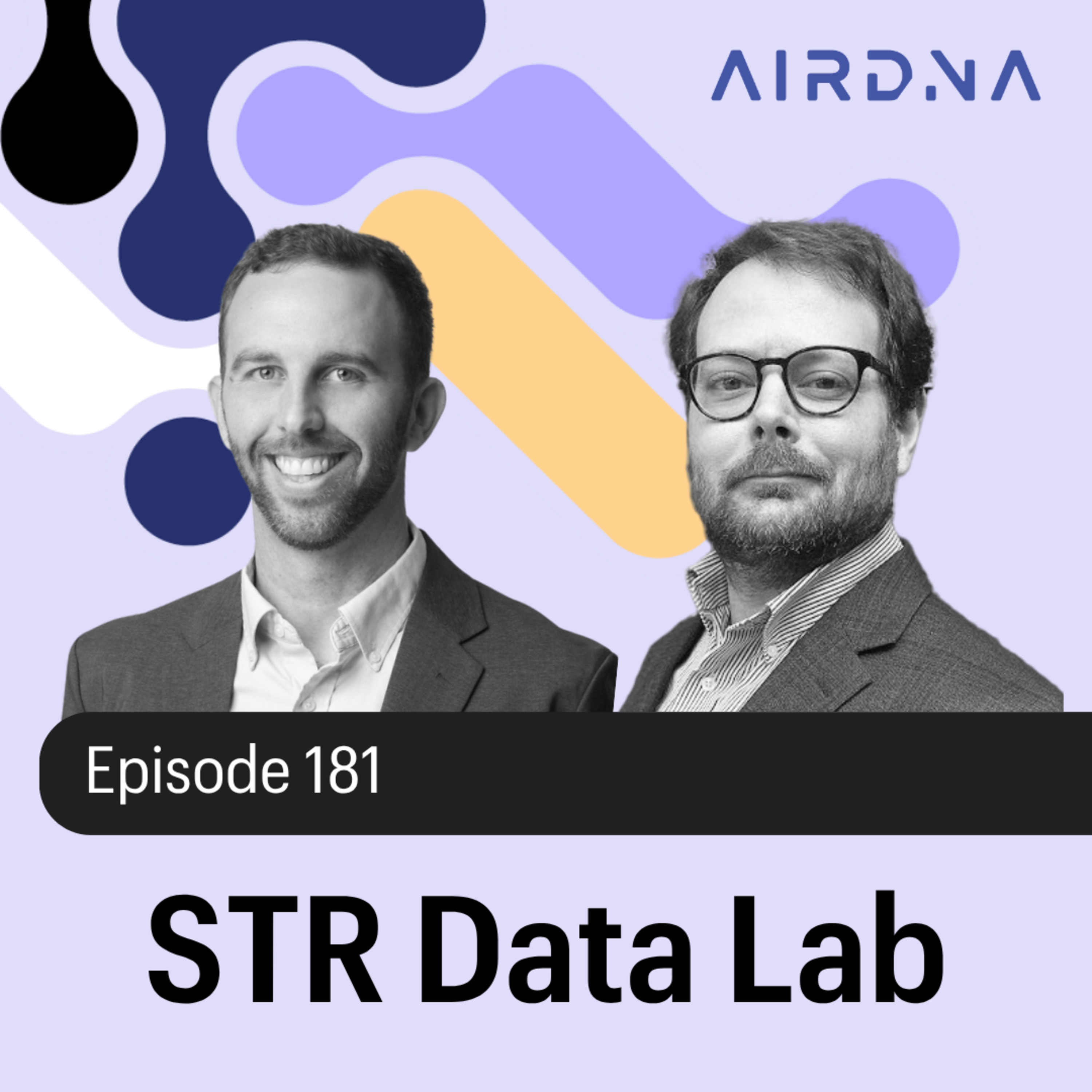
    STR Market Update: April Trends, Rising Rates & World Cup Demand Surge

    What happens when strong travel demand collides with rising costs and global uncertainty? April’s data gives us a clearer picture—and it’s more nuanced than you might expect. In this episode of The STR Data Lab, Jamie Lane and Bram Gallagher break down the latest U.S. short-term rental performance and what it signals for the critical summer season ahead. On the surface, the numbers look solid: ADR growth is outpacing inflation, demand continues to climb, and booking trends remain resilient. But beneath that strength are important signals hosts and operators can’t ignore—elevated inflation, persistent interest rates, and a shifting supply landscape that could reshape competition in the months ahead. The conversation also dives into one of the biggest demand drivers of the year: the upcoming World Cup. While expectations may have started sky-high, the real story is how demand is spreading—not just across host cities, but into nearby “spillover” markets benefiting from longer stays and regional travel patterns. The result? A summer that’s shaping up to be strong—but not without complexity. You don’t want to miss this episode! Key Takeaways: ADR growth remains a bright spot: Existing operators are seeing ~6%+ year-over-year rate growth—outpacing inflation and signaling continued pricing power. Supply is accelerating (again): New listings are ramping up, especially in World Cup host markets, which could increase competition heading into peak season. Demand is steady—but not explosive: Overall demand is growing, though slightly trailing supply, leading to relatively flat occupancy levels. World Cup impact goes beyond host cities: Nearby and drive-to markets are seeing major “spillover” demand as travelers extend stays and explore multiple destinations. Macro factors still matter: Elevated inflation, high energy costs, and interest rate uncertainty could influence traveler behavior—especially for international bookings. Sign up for AirDNA for FREE 👇 https://bit.ly/4j6s6qy ————— Connect with Jamie on social media LinkedIn: https://www.linkedin.com/in/jamiehlane/ Twitter: https://twitter.com/Jamie_Lane ————— Connect with Bram on social media LinkedIn: https://www.linkedin.com/in/bram-gallagher/ ————— Connect with AirDNA on social media: Instagram: https://instagram.com/airdna.co LinkedIn: https://www.linkedin.com/company/airdna/ Twitter: https://twitter.com/airdna TikTok: https://www.tiktok.com/@airdna.co ————— Episode 181

  • #180
    May 7 · 38 min

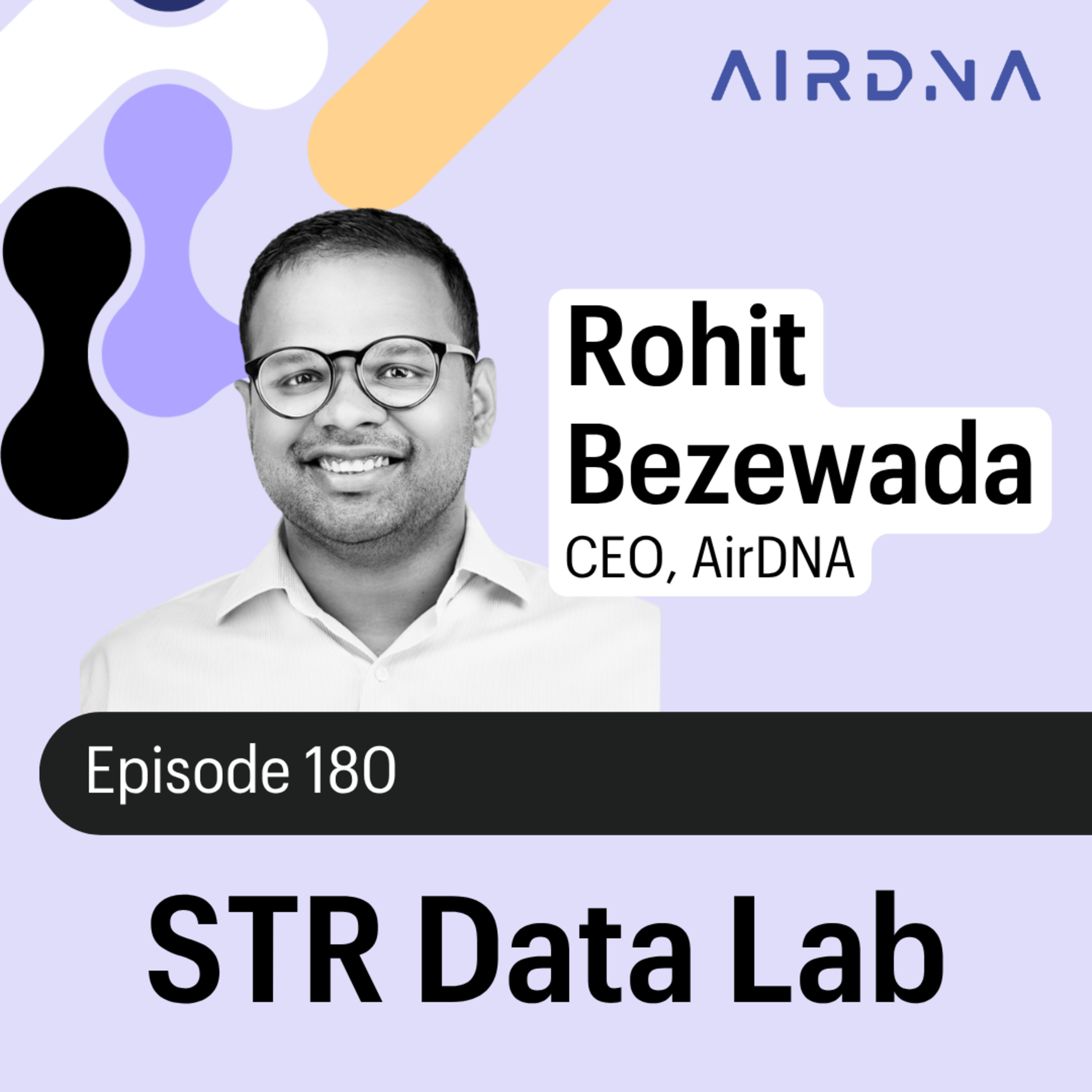
    AI Is Rewriting the STR Playbook: From Dashboards to Autonomous Revenue Management

    What if the dashboards you rely on today are already obsolete? In this forward-looking conversation, AirDNA CEO Rohit Bezewada joins Jamie Lane to unpack how AI is fundamentally reshaping the short-term rental industry—from how software is built to how hosts operate day-to-day. This episode goes beyond the hype. Rohit breaks down what “AI-native” actually means (and why most tools aren’t there yet), how agents and MCPs are changing the way hosts interact with data, and why the future of STR tech may not live inside traditional platforms at all. The conversation also dives into AirDNA’s latest moves—from launching an AI-powered pricing tool to rebuilding its entire data architecture to support a new generation of decision-making. For hosts, property managers, and investors, the takeaway is clear: AI isn’t just another feature—it’s redefining how you analyze deals, set pricing, and run operations. Those who learn how to leverage it effectively will have a meaningful edge in an increasingly competitive market. You don’t want to miss this episode. Key Takeaways: Dashboards are giving way to AI interfaces: Instead of static reports, the future is dynamic—hosts can query their data directly and get tailored insights instantly through AI agents. “AI-native” tools require more than a chatbot: True AI-native platforms are built across multiple layers—data ownership, normalization, memory/context, model flexibility, and user interface. Most tools today only scratch the surface. Agents are becoming your operational co-pilot: From pricing adjustments to performance tracking, AI agents can handle repetitive, analytical tasks—freeing up hosts to focus on guest experience and hospitality. The STR tech stack is consolidating: Expect fewer point solutions and more all-in-one platforms that combine market data, pricing, listing optimization, and performance tracking into a single ecosystem. Human touch still wins in hospitality: While AI can automate operations and analytics, guest experience remains a key differentiator—personalization and service still drive reviews and repeat bookings. Sign up for AirDNA for FREE 👇 https://bit.ly/4j6s6qy ————— Connect with Jamie on social media LinkedIn: https://www.linkedin.com/in/jamiehlane/ Twitter: https://twitter.com/Jamie_Lane ————— Connect with Rohit Bezewada, CEO at AirDNA LinkedIn: https://www.linkedin.com/in/rohit-bezewada-3010b48/ ————— Connect with AirDNA on social media: Instagram: https://instagram.com/airdna.co LinkedIn: https://www.linkedin.com/company/airdna/ Twitter: https://twitter.com/airdna TikTok: https://www.tiktok.com/@airdna.co ————— Episode180

  • #179
    April 30 · 50 min

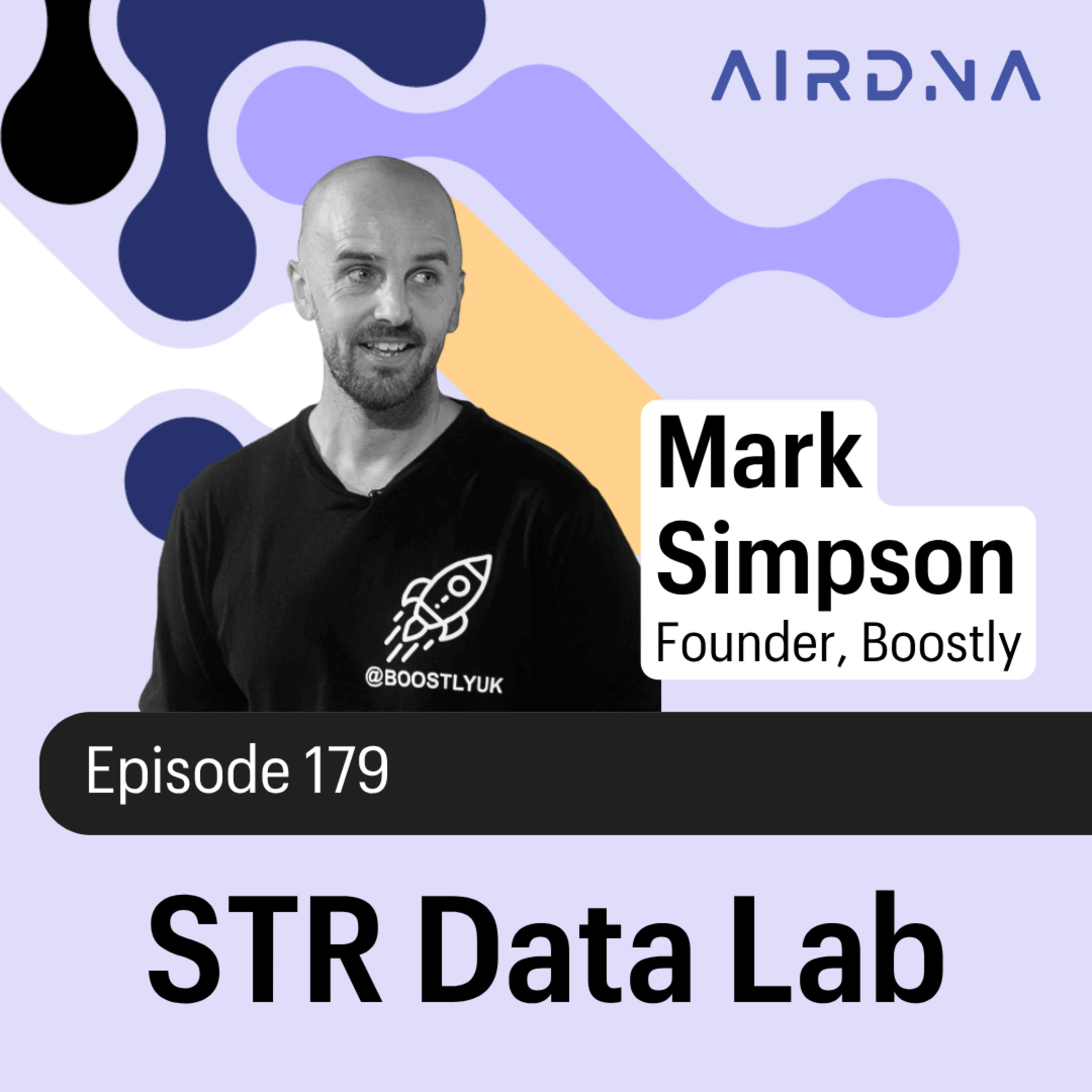
    AI Is Changing STRs Fast

    What if the biggest threat to your short-term rental business… is also your biggest opportunity? In this episode of The STR Data Lab, Jamie Lane sits down with returning guest Mark Simpson to unpack how AI is rapidly reshaping the STR landscape—and what hosts and property managers need to do right now to stay ahead. From London conference “carnage” to real-world AI experiments generating thousands in bookings, Mark shares a front-row view of how operators are no longer just using tech—they’re building it. The conversation dives into the rise of AI-powered workflows, custom-built tools, and “AI chiefs of staff” that can analyze, optimize, and even run parts of your business. The result? A shift from reactive hosting to proactive, data-driven growth. But this isn’t just about automation—it’s about strategy. As OTAs continue to dominate, Mark makes the case that direct bookings aren’t dead—they’re evolving. With AI lowering the barrier to entry, hosts now have unprecedented access to tools that can drive repeat guests, unlock new revenue streams, and personalize guest experiences at scale. The question isn’t whether AI will change your business—it’s whether you’ll adapt fast enough to benefit. You don’t want to miss this episode. Key Takeaways AI is eliminating traditional barriers to growth Lack of time, money, or technical expertise is no longer an excuse—hosts can now build powerful workflows and tools with minimal effort. Direct bookings aren’t dead—they’re entering a new phase With smarter targeting, personalization, and AI-driven outreach, operators can reclaim repeat guests and drive more direct revenue. Your “AI Chief of Staff” is closer than you think By connecting your PMS, CRM, and tools to AI, you can get real-time insights, automate decisions, and run your business more efficiently. The real revenue opportunity goes beyond the stay Upsells, services, and partnerships (like private chefs or local experiences) are becoming critical profit drivers—not just nice-to-haves. Not all AI tools are created equal—buyer beware Many flashy tools are just “AI slop.” Look for real functionality, proven results, and tools that actually integrate into your workflow. Sign up for AirDNA for FREE 👇 https://bit.ly/4j6s6qy ————— Connect with Jamie on social media LinkedIn: https://www.linkedin.com/in/jamiehlane/ Twitter: https://twitter.com/Jamie_Lane ————— Connect with Mark LinkedIn: https://www.linkedin.com/in/mrmarksimpson/ ————— Connect with AirDNA on social media: Instagram: https://instagram.com/airdna.co LinkedIn: https://www.linkedin.com/company/airdna/ Twitter: https://twitter.com/airdna TikTok: https://www.tiktok.com/@airdna.co ————— Episode 179

  • #178
    April 23 · 43 min

    How AI & No-Code Automation Are Redefining 5-Star Short-Term Rentals

    What if you could guarantee five-star reviews—without being on-site, glued to your phone, or buried in repetitive tasks? In this episode, AirDNA’s Jamie Lane sits down with Sean McGregor, Founder of NoCodeSTR.com to unpack how automation, no-code tools, and AI are transforming what’s possible in short-term rental operations. Sean McGregor helps short-term rental hosts and property managers “Automate the Annoying” parts of their business using NoCode tools, automation, and AI — so they can run leaner, deliver better guest experiences, and get their time back. He’s the founder of NoCodeSTR.com (has hosted over 5,000 groups on Airbnb, and has maintained a 4.98★ rating since 2018. He even offers a 5★ Guarantee — meaning he doesn’t take a commission if a guest leaves anything less than a 5-star review. All while running his business remotely from 40+ countries with his family). Sean shares how he went from manually managing a growing STR portfolio to building fully automated systems that deliver consistent, high-quality guest experiences—even while traveling internationally. By focusing relentlessly on guest satisfaction and eliminating friction through proactive communication, he created a system so reliable that he offered a bold guarantee: no five-star review, no commission. The conversation dives deep into the evolving tech stack—from tools like Airtable and Zapier to AI-powered messaging and custom-built workflows—and what it means for hosts and property managers today. Whether you’re managing one listing or scaling to hundreds, this episode explores how to think about automation strategically, balance tech with hospitality, and unlock new levels of efficiency without sacrificing the human touch. You don’t want to miss this episode! Key Takeaways for STR Hosts & Managers Automate proactively, not reactively: Anticipate guest needs (like check-in details or local recommendations) before they ask to prevent issues from turning into negative reviews. Use “second-day check-ins” to protect reviews: A simple automated message during the stay can surface problems early—giving you a chance to fix them before checkout. Centralize your data to unlock automation: Tools like Airtable can act as the brain of your operation, connecting bookings, messaging, maintenance, and guest insights. Start small, then layer complexity: Even a basic automation (like sending booking data to a spreadsheet) can spark momentum and lead to more advanced systems over time. Balance AI with human touch: Automate repetitive tasks, but stay personally available for high-touch moments—hospitality still matters. Sign up for AirDNA for FREE 👇 https://bit.ly/4j6s6qy ————— Connect with Jamie on social media LinkedIn: https://www.linkedin.com/in/jamiehlane/ Twitter: https://twitter.com/Jamie_Lane ————— Follow Sean on LinkedIn: LinkedIn: https://www.linkedin.com/in/seanmcgregor/ NoCodeSTR.com ————— Connect with AirDNA on social media: Instagram: https://instagram.com/airdna.co LinkedIn: https://www.linkedin.com/company/airdna/ Twitter: https://twitter.com/airdna TikTok: https://www.tiktok.com/@airdna.co ————— Episode 178

  • #177
    April 16 · 29 min

    March Market Review: Navigating Energy Shocks, Economic Ambiguity, and the World Cup Surge

    How resilient is the short-term rental market in the face of a "camel’s back" economy? In this month's episode of the STR Data Lab, AirDNA Chief Economist Jamie Lane and Director of Economics and Forecasting Bram Gallagher peel back the layers of a complex March performance. While headlines grapple with energy price shocks and an ambivalent labor market, the underlying data reveals a sector that is proving remarkably robust. This conversation is essential for any host or manager looking to separate temporary "noise"—like the recent snow drought that skewed seasonal averages—from the long-term trends shaping the summer ahead. From the surprising strength of urban markets like Philadelphia and Chicago to the early booking signals of the 2026 World Cup, Jamie and Bram provide the clarity you need to optimize your rates and expectations for the high season. You don’t want to miss this deep dive into the data driving the next six months of STR performance! Key Takeaways Look Beyond the Headline Occupancy: While national occupancy saw its 10th consecutive month of decline (down 0.3%), the data shows that excluding mountain and lake resorts—which suffered from a massive "snow drought"—occupancy actually increased across all other location types. Monitor Urban Market Resurgence: Urban occupancy is trending upward (up 1%), with cities like Denver, Chicago, and Nashville showing positive growth, signaling a healthy return of business and group travel interest. Prepare for the "Halo Effect" of Major Events: World Cup demand isn't just hitting host cities; markets near national parks and secondary cities like Austin and Buffalo are seeing elevated pacing as international travelers plan extended "once in a lifetime" American tours. Factor in Energy-Driven "Drive-To" Shifts: High energy and gas prices may actually benefit regional "drive-to" markets as travelers recalibrate international flight plans in favor of domestic coastal destinations. Existing Hosts Hold the Pricing Power: While new listings may feel pressure to lower rates, the Repeat Rent Index (RRI) remains strong, suggesting that established operators with high-quality listings are successfully maintaining their pricing power despite inflationary worries. Sign up for AirDNA for FREE 👇 https://bit.ly/4j6s6qy ————— Connect with Jamie on social media LinkedIn: https://www.linkedin.com/in/jamiehlane/ Twitter: https://twitter.com/Jamie_Lane ————— Connect with Scott on social media LinkedIn: https://www.linkedin.com/in/sagescott ————— Connect with AirDNA on social media: Instagram: https://instagram.com/airdna.co LinkedIn: https://www.linkedin.com/company/airdna/ Twitter: https://twitter.com/airdna TikTok: https://www.tiktok.com/@airdna.co ————— Episode 177

  • #176
    April 9 · 50 min

    AI Is Reshaping STR Operations: How One Host Automated 90% of Guest Messaging

    What happens when the biggest bottleneck in your short-term rental business—guest communication—gets automated almost entirely? In this episode of The STR Data Lab, Jamie Lane sits down with Jay Ullrich, CEO and Co-founder of HostBuddy AI, to unpack how AI is transforming the way hosts and property managers operate at scale. From missed bookings due to slow responses to overwhelmed virtual assistants, this conversation dives into a pain point every STR professional knows too well—and shows what’s possible on the other side. Jay shares his journey from managing 30+ properties in San Diego to building a tool born out of necessity—one that now handles up to 90% of guest communication automatically. But this isn’t just about saving time. It’s about unlocking better reviews, higher occupancy, and more efficient teams. As guest expectations rise and response times shrink, AI is no longer a “nice-to-have”—it’s becoming foundational to staying competitive in today’s STR landscape. The conversation also tackles the bigger picture: Are AI tools just “ChatGPT wrappers”? How should operators evaluate new tech? And what does the future look like when automation approaches 100% of guest interactions? Whether you're managing one property or scaling a portfolio, this episode offers a grounded, operator-first perspective on where the industry is headed—and how to adapt. You don’t want to miss this episode! Key Takeaways Speed = Revenue: Responding even an hour late can cost you bookings—AI ensures instant replies and captures demand in real time. 80–90% Automation Is Achievable Today: With the right setup, most guest communication can be fully automated, freeing teams to focus on higher-value tasks. Better Communication = Better Reviews: As AI adoption rises, guest satisfaction scores—especially for communication—are improving across the industry. AI Isn’t Just Support—It’s a Sales Tool: Automated messaging can proactively upsell gap nights and drive incremental revenue that’s often missed manually. Specialization Wins in Tech: The best tools aren’t trying to do everything—they focus deeply on one problem (like messaging) and integrate with the rest of your stack. Sign up for AirDNA for FREE 👇 https://bit.ly/4j6s6qy ————— Connect with Jamie on social media LinkedIn: https://www.linkedin.com/in/jamiehlane/ Twitter: https://twitter.com/Jamie_Lane ————— Connect with Scott on social media LinkedIn: https://www.linkedin.com/in/sagescott ————— Connect with AirDNA on social media: Instagram: https://instagram.com/airdna.co LinkedIn: https://www.linkedin.com/company/airdna/ Twitter: https://twitter.com/airdna TikTok: https://www.tiktok.com/@airdna.co ————— Episode 176

  • #175
    April 2 · 1 hr

    The Future of STR Tech: AI, OTAs, and the Rise of the Operating System

    What happens when AI, massive tech consolidation, and shifting guest behavior all collide at once? In this episode, Jamie sits down with industry veteran Richard Vaughton who’s seen every cycle of short-term rentals—from early spreadsheets to today’s AI-powered ecosystems. Together, they unpack a rapidly evolving landscape where yesterday’s tools are becoming obsolete, and tomorrow’s winners are being shaped right now. At the center of it all is a fundamental shift: the move from fragmented tech stacks to powerful, enterprise-level “operating systems” that could redefine how property managers run their businesses. Meanwhile, AI is no longer a buzzword—it’s quietly automating pricing, guest communication, and even operations, raising a critical question: what does a property manager actually do in the future? And then there’s the elephant in the room—OTAs. Despite years of pushback and the rise of direct booking strategies, platforms like Airbnb and Booking.com continue to gain ground. With AI entering the search and booking experience, will that dominance strengthen—or finally be disrupted? This conversation explores where the leverage is shifting, and what it means for anyone trying to stay competitive in STR. You don’t want to miss this episode. Key Takeaways: The “Operating System” Era Is Coming: The future of STR tech isn’t dozens of disconnected tools—it’s consolidated platforms that do everything, powered by deep integrations and AI. AI Will Compress Margins (and Headcount): From pricing to guest messaging, AI is rapidly replacing manual workflows—unlocking efficiency, but also increasing competition and driving prices down. Most Tech Startups Won’t Survive: With low barriers to building AI tools, the market is flooding with new solutions—but only a handful will scale. The rest risk being replaced or absorbed. Property Management Is Fragmenting: Full-service models aren’t the only path anymore. Expect more “menu-based” services—where operators pick and choose exactly what they outsource. OTAs Aren’t Going Anywhere (Yet): Despite the promise of AI-driven direct booking, OTAs still win on trust, convenience, and scale—and they’re investing heavily in AI to stay ahead. Sign up for AirDNA for FREE 👇 https://bit.ly/4j6s6qy ————— Connect with Jamie on social media LinkedIn: https://www.linkedin.com/in/jamiehlane/ Twitter: https://twitter.com/Jamie_Lane ————— Connect with Scott on social media LinkedIn: https://www.linkedin.com/in/sagescott ————— Connect with AirDNA on social media: Instagram: https://instagram.com/airdna.co LinkedIn: https://www.linkedin.com/company/airdna/ Twitter: https://twitter.com/airdna TikTok: https://www.tiktok.com/@airdna.co ————— Episode 175

Showing 1–20 of 21 episodes