Join host Stuart Gary for weekly explorations into Astronomy, Space, and Science News, featuring insights from 19 years on Australian Public Radio and industry experts.
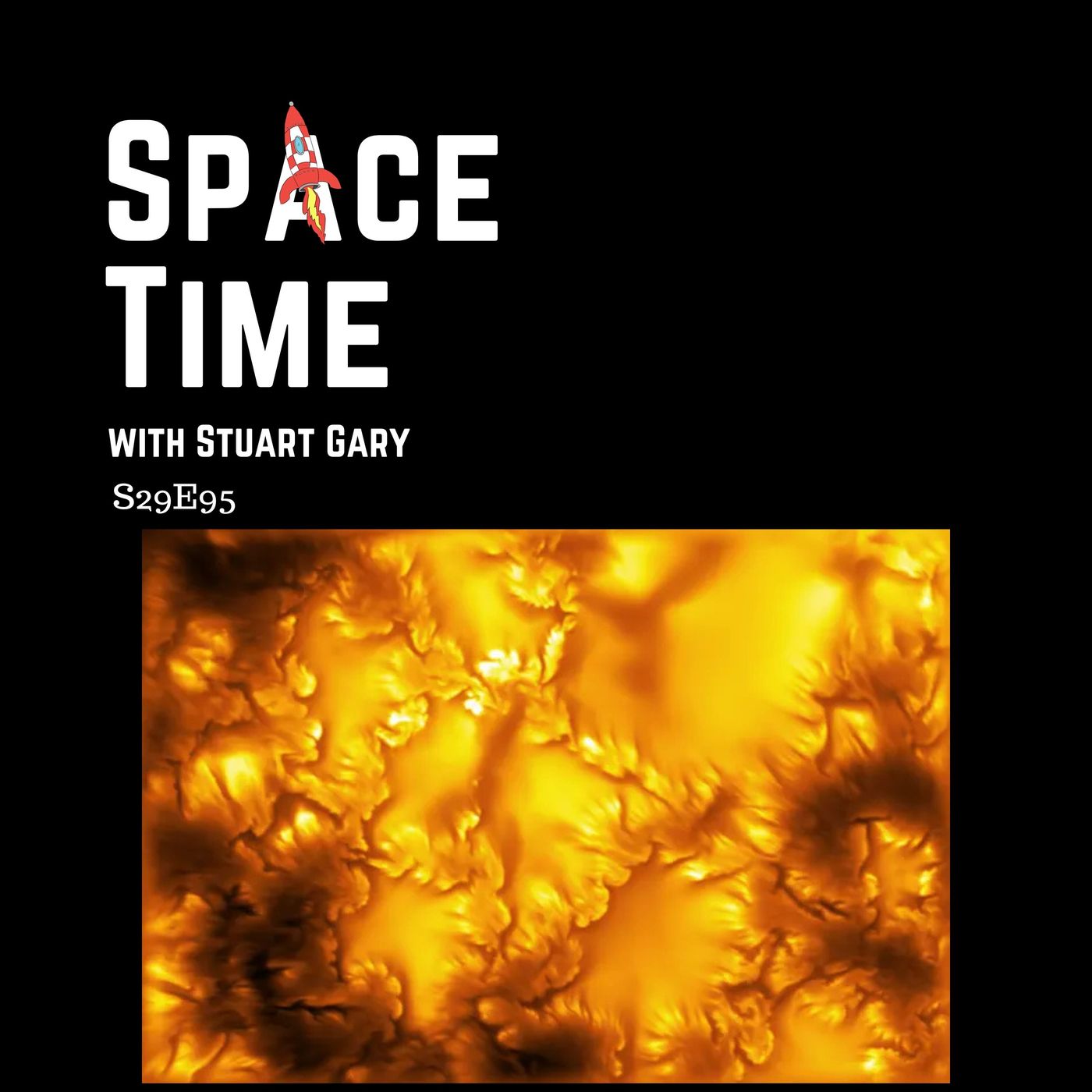
SpaceTime Series 29 Episode 95 Spectacular vortices discovered on the Sun’s surface Astronomers have for the first time observed swirling whirlpool like vortices deep in the Sun’s photosphere – its visible surface. The event horizon of merging black...
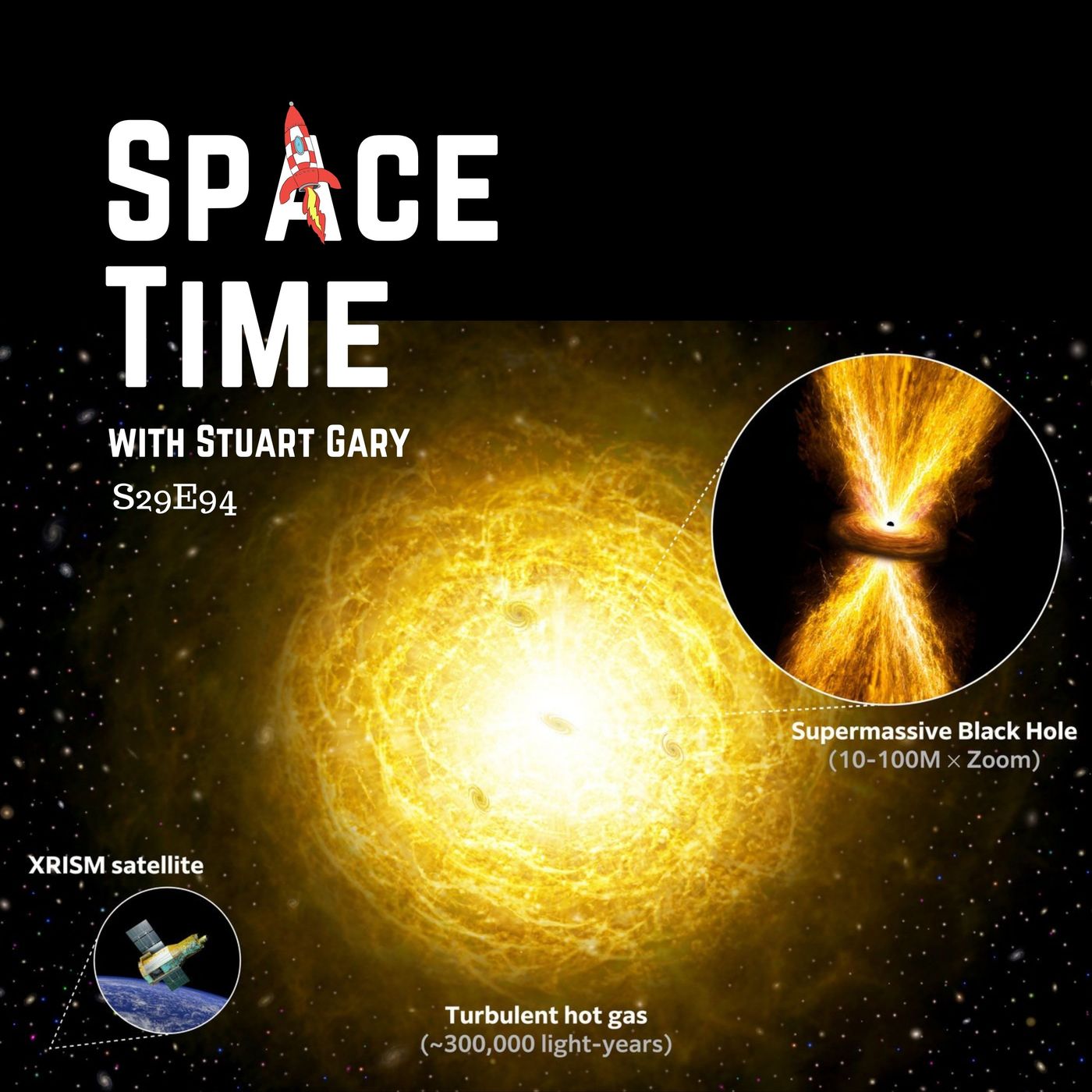
SpaceTime Series 29 Episode 94 Black holes are a hundred times more powerful than we thought Astronomers have been forced to rewrite their textbooks on the power of supermassive black holes after new observations have shown that these cosmic...
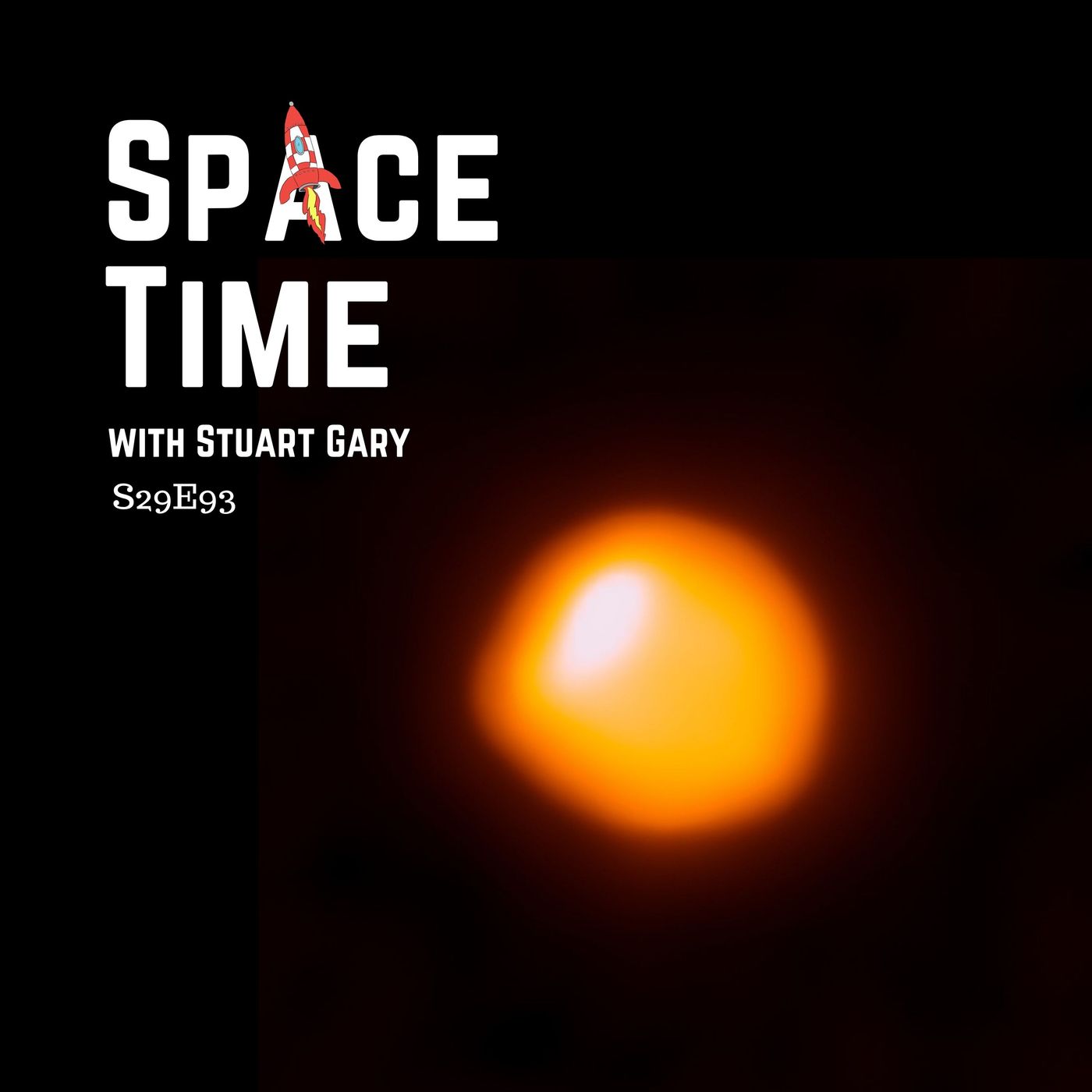
SpaceTime Series 29 Episode 93 The strongest evidence yet that Betelgeuse is not alone Astronomers have finally demonstrated that the red supergiant star Betelgeuse has a binary companion star about two to three times the mass of the Sun. Is the...
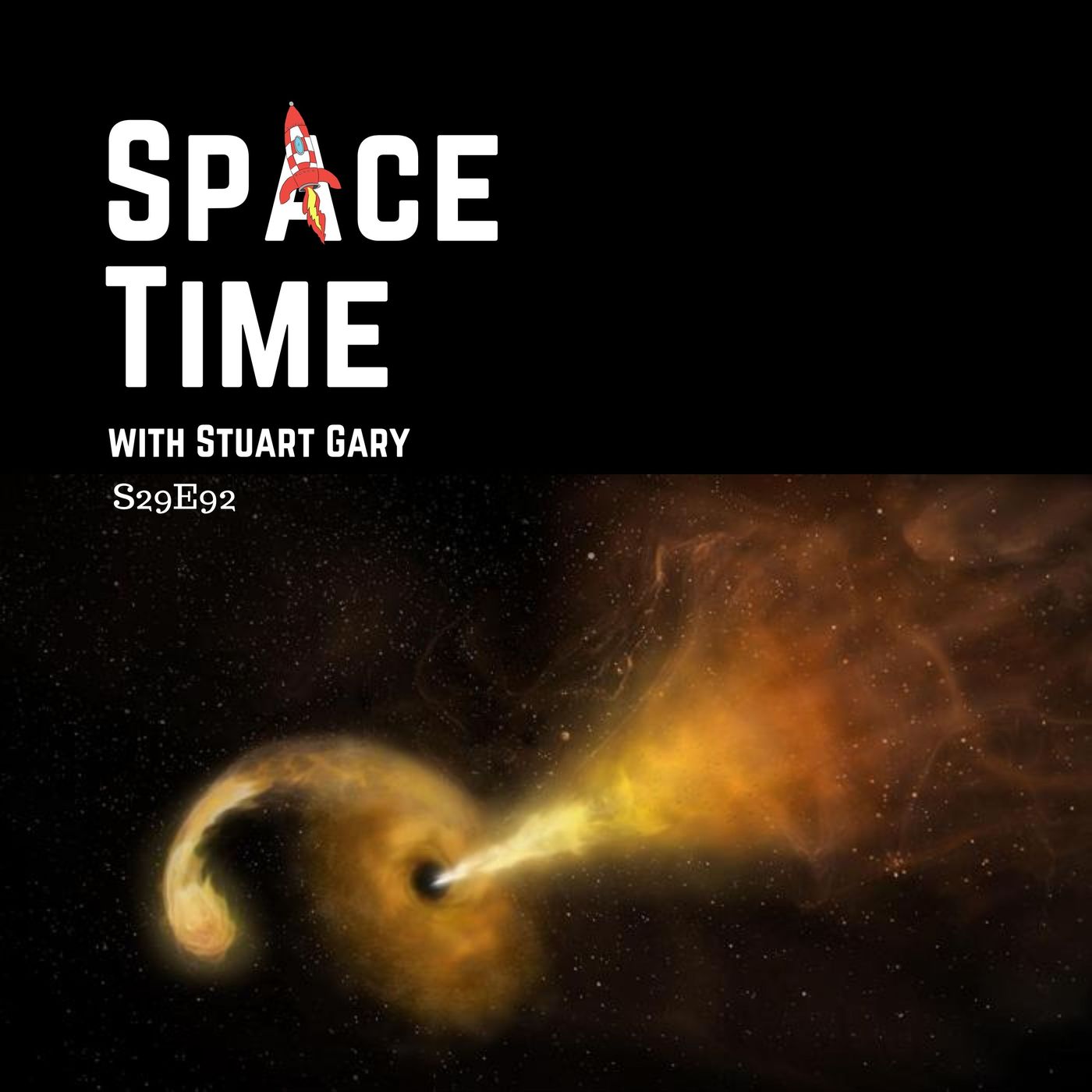
SpaceTime Series 29 Episode 92 The monster that’s been let out of its cage Astronomers have for the first time discovered a monstrous supermassive black hole wandering unseen near the edge of a galaxy. Counting down to next week’s solar eclipse...
Sponsor Link:
This episode of SpaceTime is brought to you with the support of NordVPN. Now more than ever, you need a reliable VPN service to protect you online. Governments, bad actors and who knows are all trying to access your details online. Get...
SpaceTime Series 29 Episode 90 Discovery of an atmosphere on a planet orbiting a red dwarf Astronomers think they may have detected an atmosphere on a super-Earth exo-planet orbiting in the habitable zone of a nearby red dwarf star. How mega-dust...
SpaceTime Series 29 Episode 89 A lucky 13th test flight for the world’s biggest rocket The world’s largest and most powerful rocket has successfully launched on its latest test flight bringing it a step closer to NASA’s Artemis program’s aim of...
SpaceTime Series 29 Episode 88 The hellish planets orbiting a nearby star Astronomers have painted the most detailed portrait yet of the planetary system orbiting Barnard’s Star – the Sun’s closest stellar neighbour after Alpha Centauri, just under...
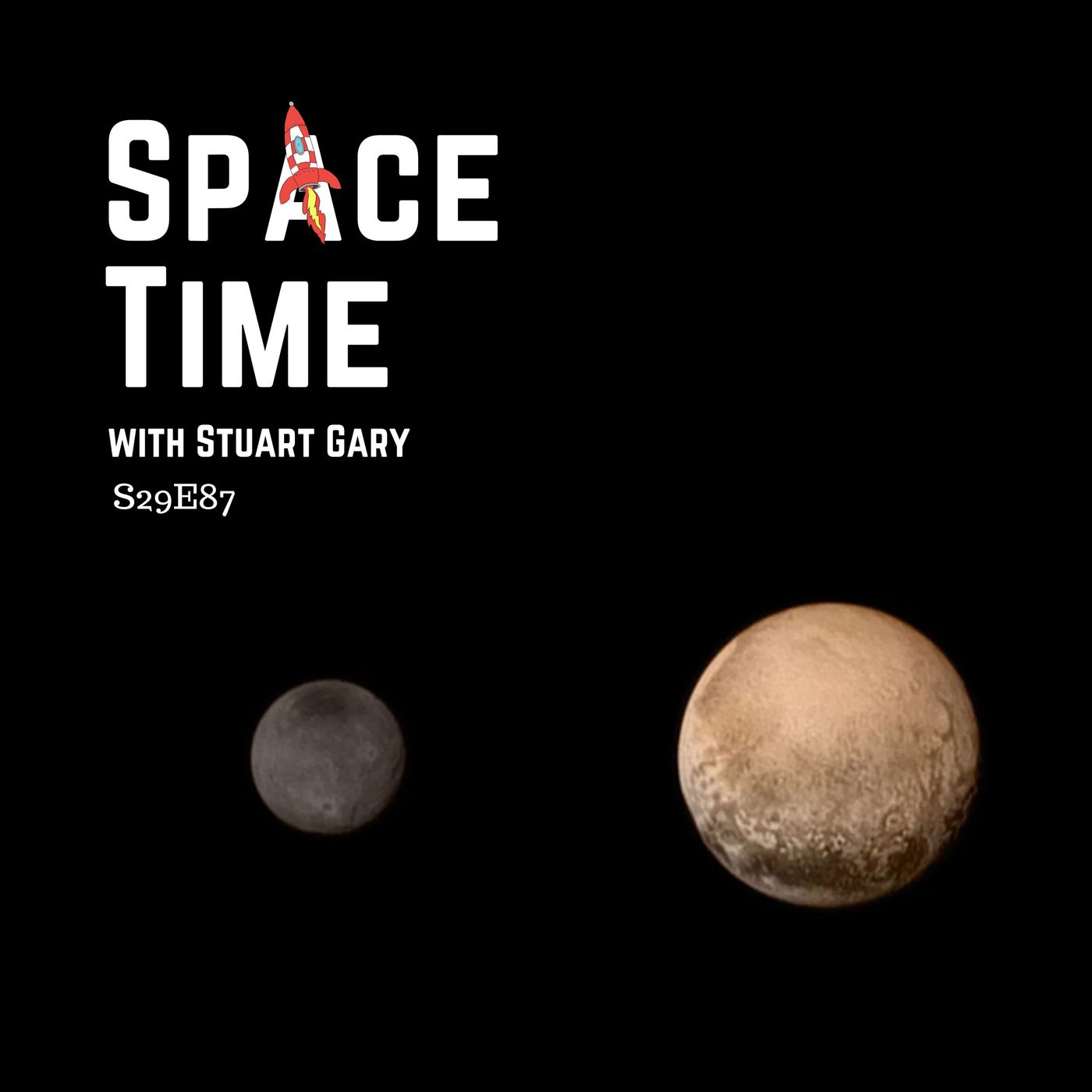
SpaceTime Series 29 Episode 87 Ancient impacts display the red planet’s past history A new study has shown how ancient Martian rocks exposed on the rim of Jezero Crater are preserving a 3.9-billion-year-old “weather report” from the solar system’s...
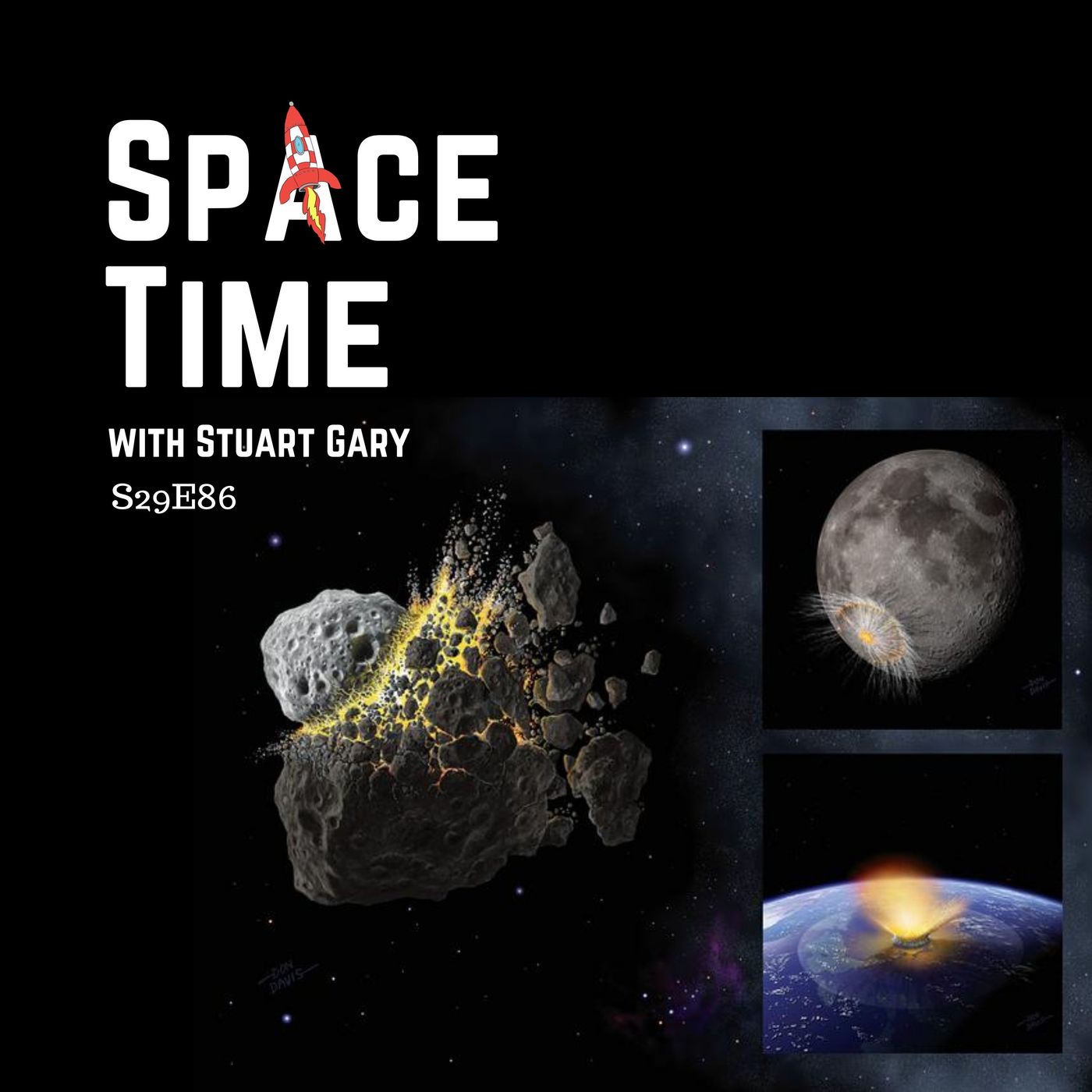
SpaceTime Series 29 Episode 86 The asteroid collision that changed life on Earth forever Astronomers have linked a massive collision in the main asteroid belt to a huge meteor bombardment in the inner solar system that may have changed life on Earth....
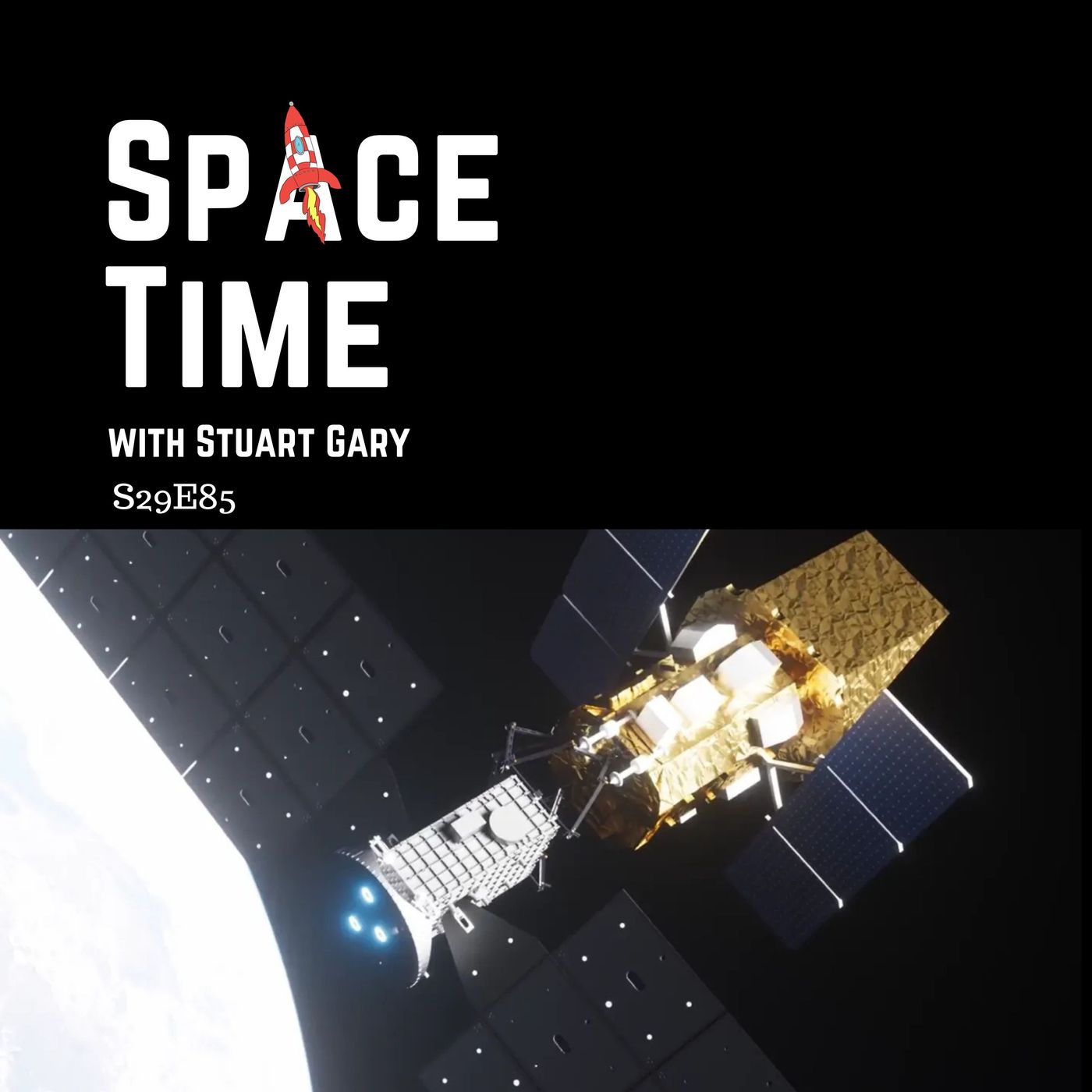
SpaceTime Series 29 Episode 85 Detecting nuclear weapons in space New modelling says small cube-sat sized spacecraft not much bigger than a fridge could be used to detect the presence of nuclear weapons on satellites in space. NASA’s rescue mission to...
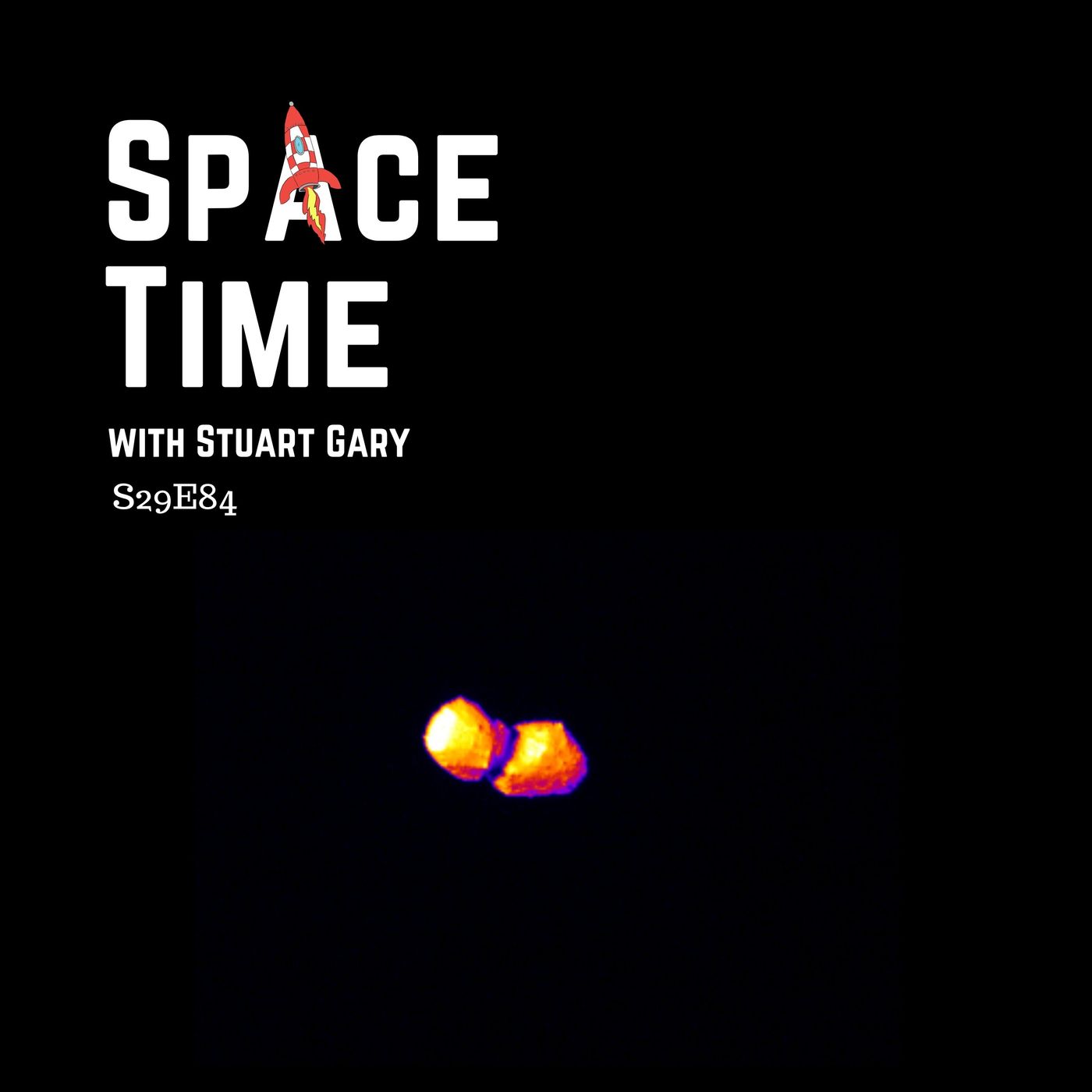
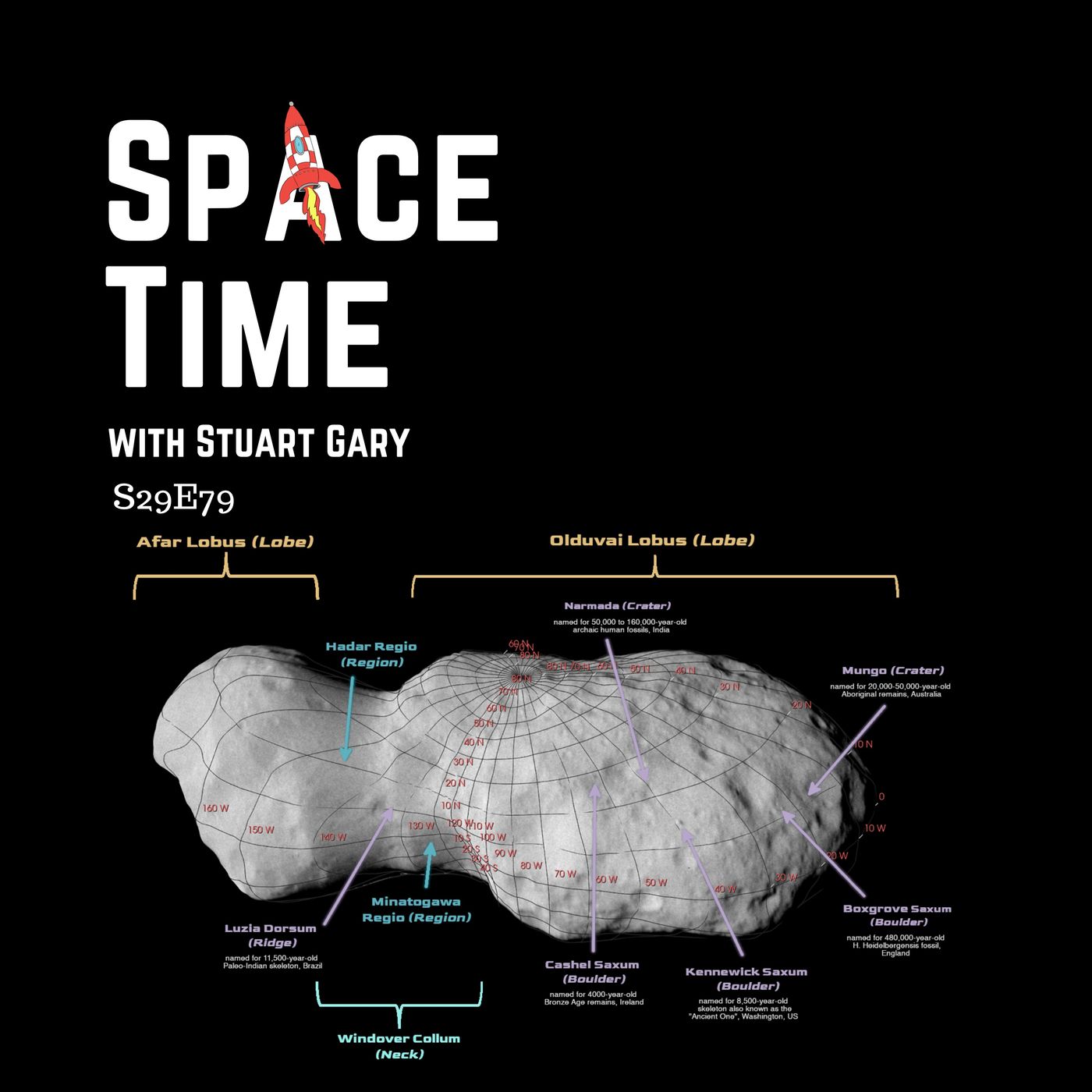
SpaceTime Series 29 Episode 84 Japan swoops past a cosmic snowman shaped asteroid Japan’s Hayabusa2 spacecraft has just swooped past a tiny asteroid in deep space that’s shaped like a snow man. Revealing the secrets of the ice moon Europa A new study...
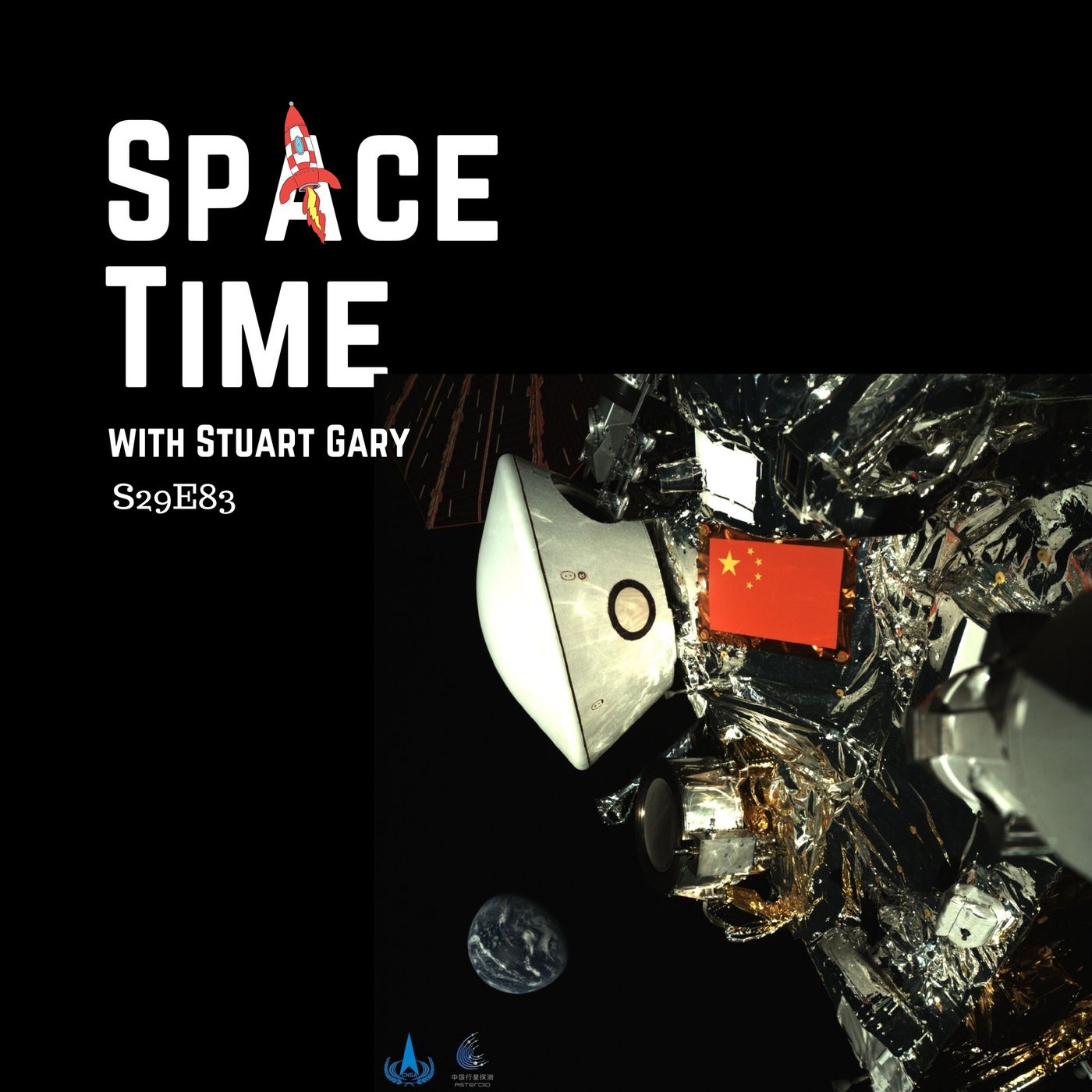
SpaceTime Series 29 Episode 83 Earth’s oldest known asteroid impact crater dated in Western Australia Scientists have determined the most precise age yet for the oldest known impact crater on Earth finding it to be some 3.024 billion years old. A...
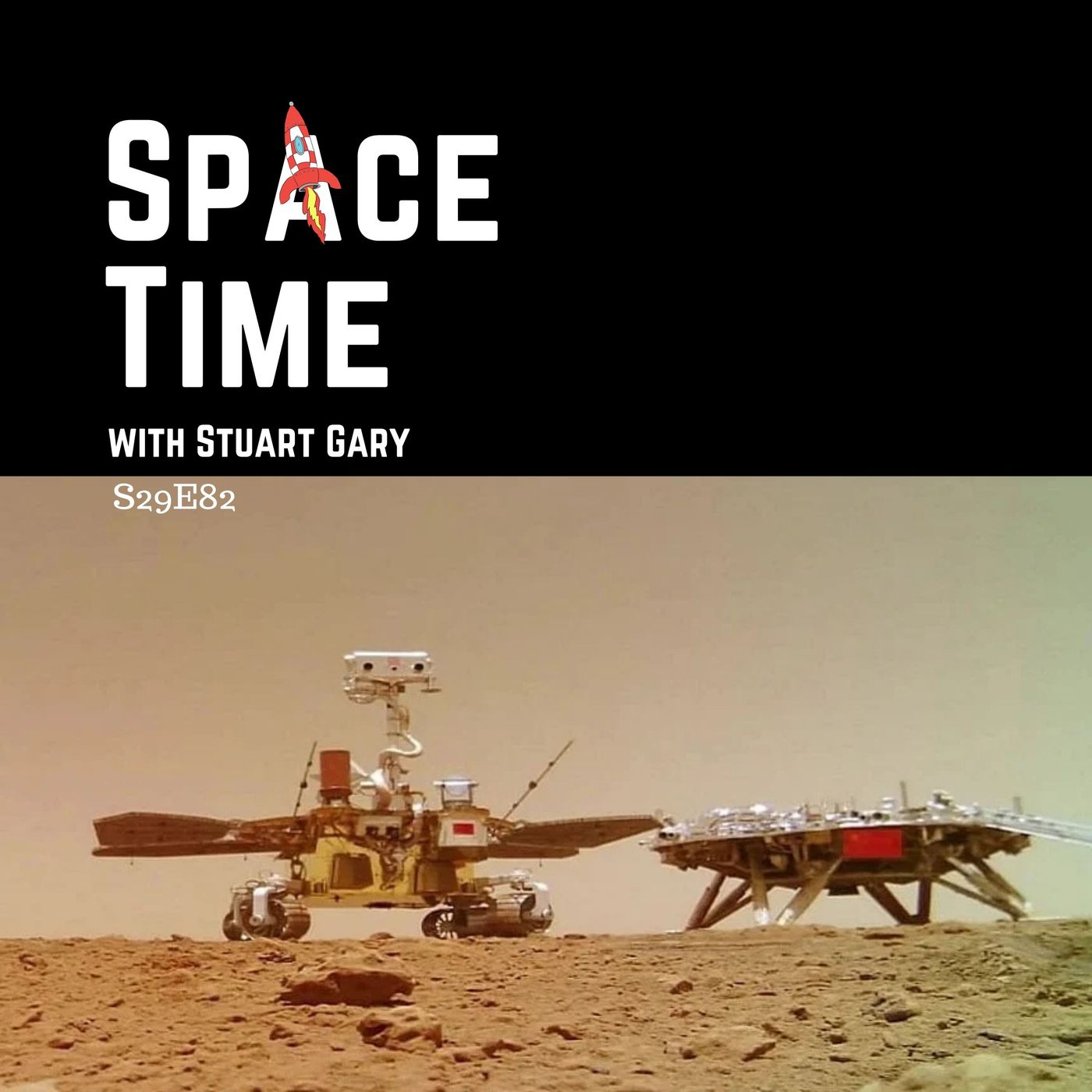
SpaceTime Series 29 Episode 82 China’s Mars sample return mission set for 2028 China says its planning to launch a Mars sample return mission in two years bringing back at least 500 grams of Martian regolith by 2031. Is science wrong about the...
Sponsor Link:
This episode of SpaceTime is brought to you by Inconi. Take back your privacy and data online with Incogni. Check out our special offer: https://www.incogni.com/stuartgary
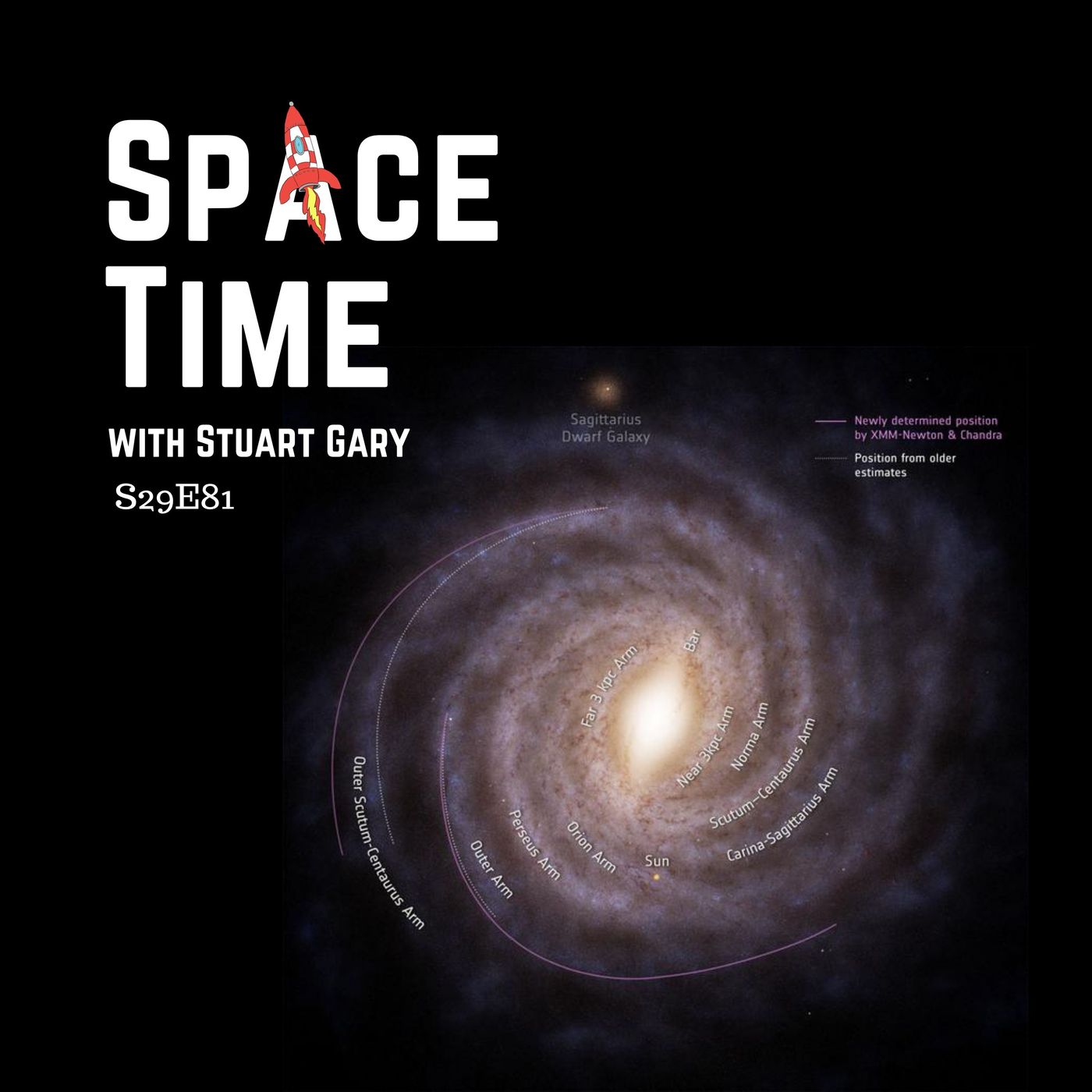
SpaceTime Series 29 Episode 81How a passing star redirected...
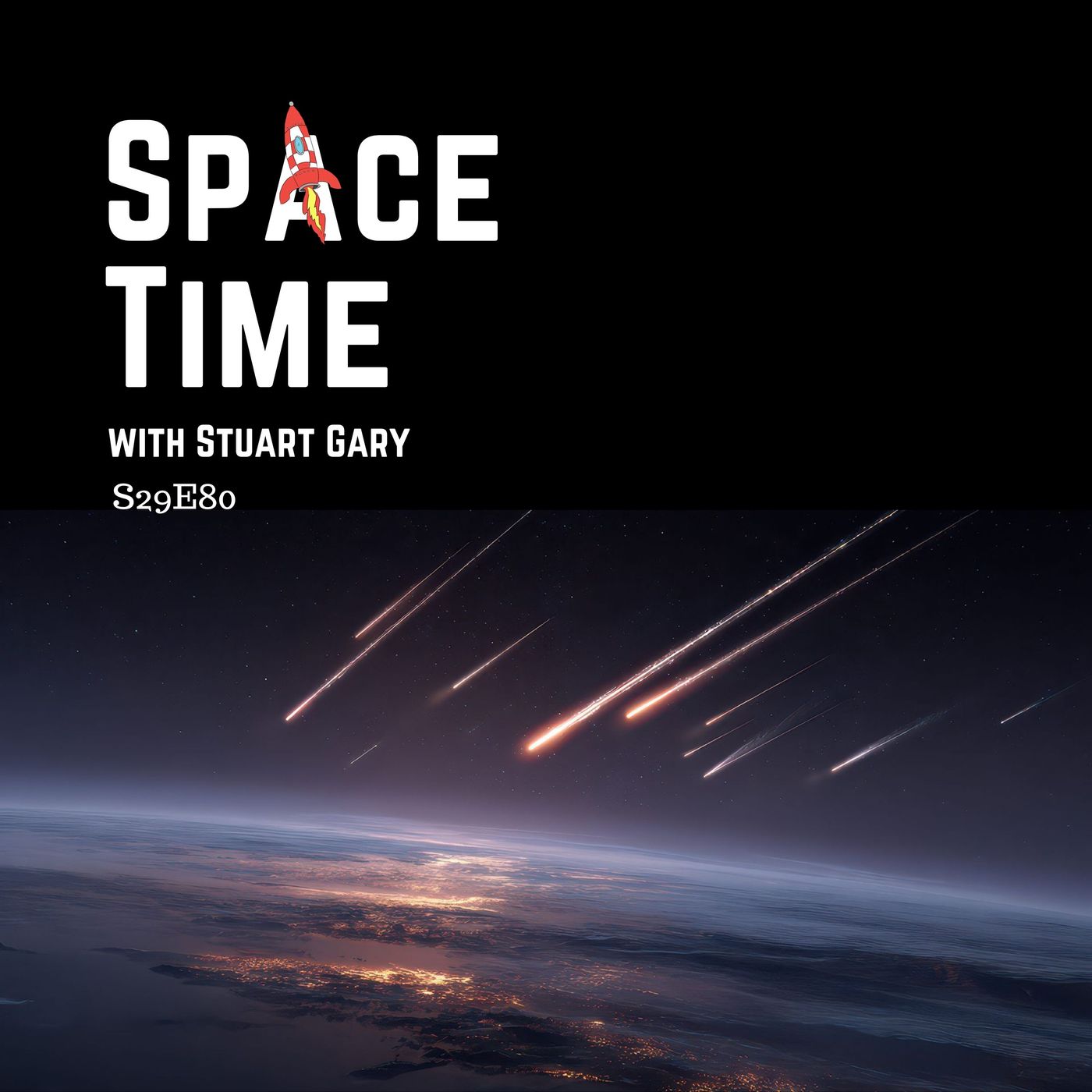
SpaceTime Series 29 Episode 80 Did ancient asteroid impacts prevent Earth’s continents from forming A new study suggests the barrage of asteroid impacts that slammed into the ancient Earth during the Hadean Eon between 4.6 and four billion years ago...
Sponsor Link:
This episode of SpaceTime is brought to you with the support of Incogni. If you worry about where your online data is going, you need Incogni. Worry no more. Check out our special SpaceTime offer (with 30 day money back guarantee) by...
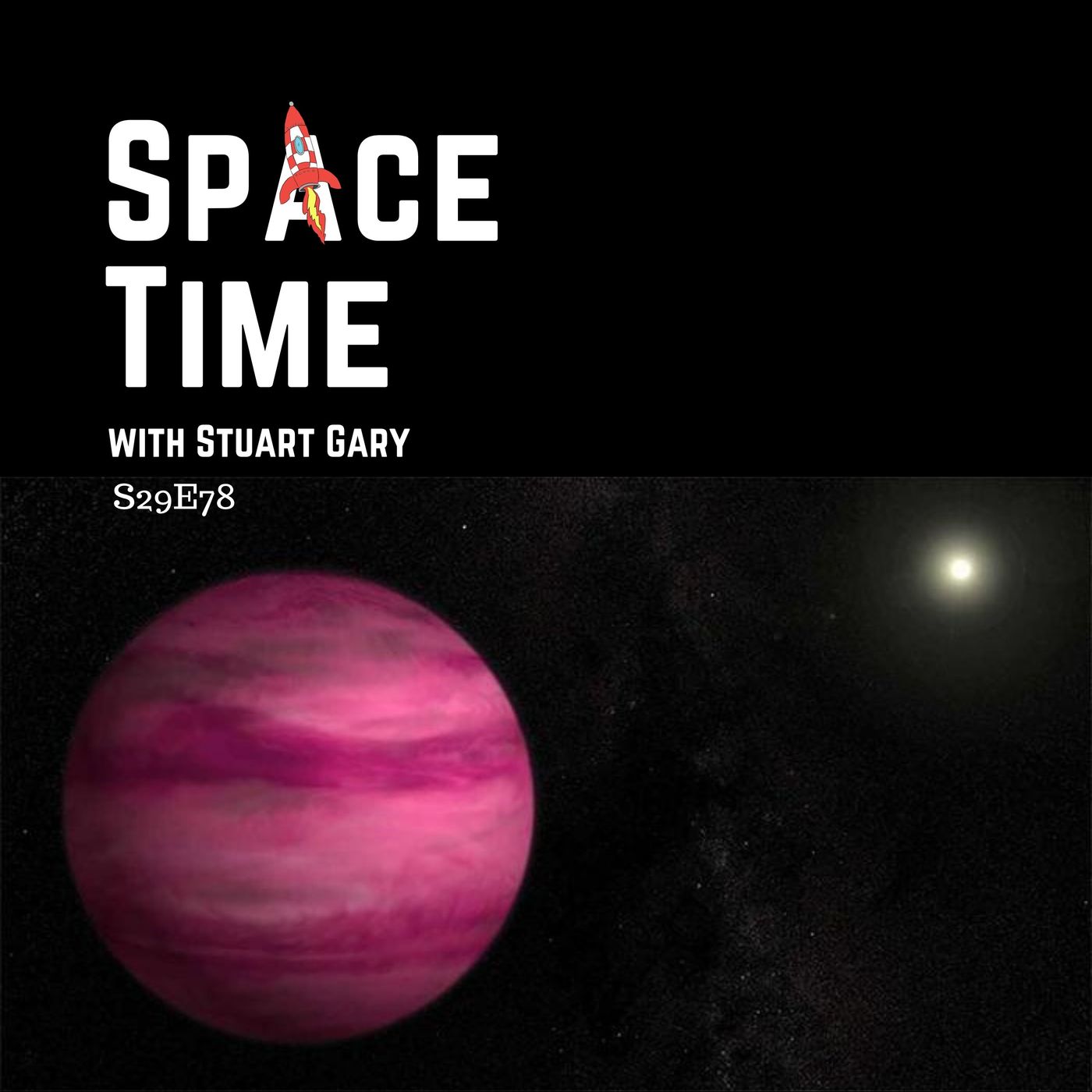
SpaceTime Series 29 Episode 78 Discovering how the cosmic dark ages ended Astronomers have discovered an early galaxy during the Era of Reionization –when the universe was transformed from the cosmic dark ages – when the cosmos went from being opaque...
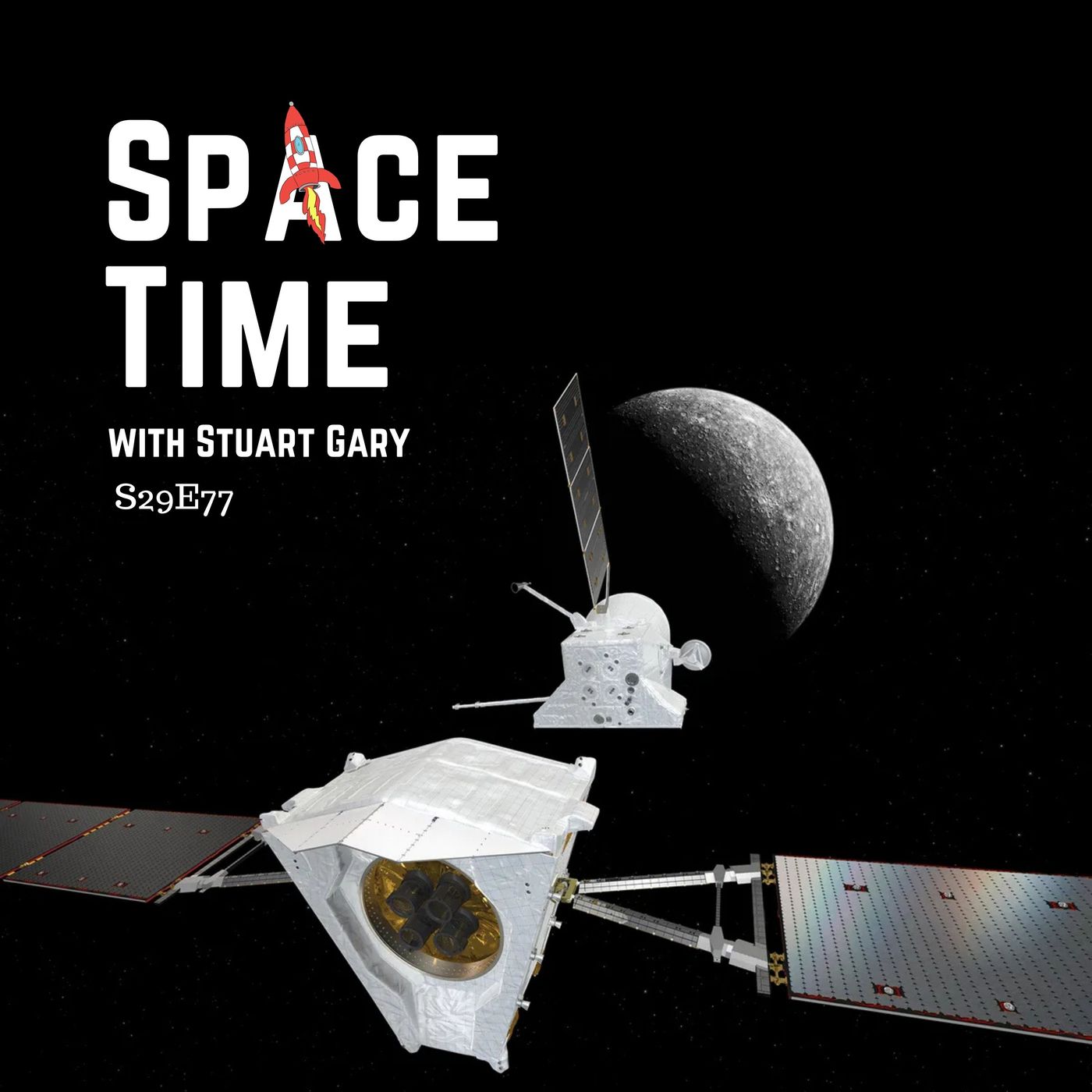
SpaceTime Series 29 Episode 77 BepiColombo mission finally reaches Mercury space After eight years of powered flight towards the planet Mercury, mission managers have finally turned off the BepiColombo spacecraft’s propulsion engines in preparation...
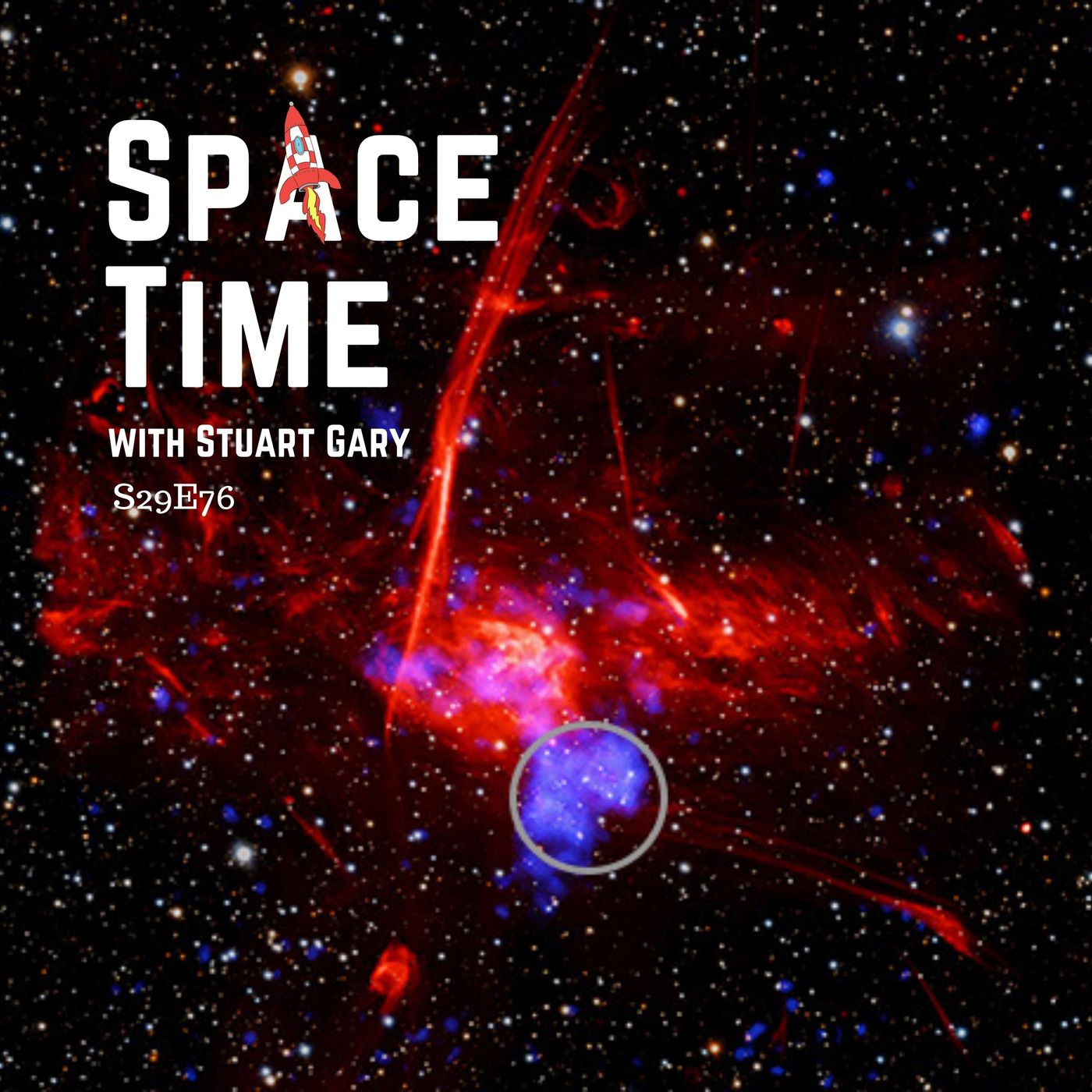
SpaceTime Series 29 Episode 76 A possible supernova remnant discovered in the galactic centre Astronomers may have discovered a supernova remnant near the supermassive black hole at the centre of our galaxy. A new quantum view of Big Bang A new study...