Skip to content
Artwork for Spaces Podcast
ArtsDesignSociety & CultureHistory

Spaces Podcast

LYNES // Gābl Media

Discover the powerful forces—environmental, political, cultural, and economic—that shape our built environment and, in turn, our lives. Hosted by award winning architect Dimitrius Lynch, each episode brings you insightful conversations with top industry professionals who reveal how our spaces evolve and impact society. From historical shifts to future trends, SPACES Podcast uncovers the stories behind the places we inhabit and explores how these transformations will continue to influence us all. Tune in to this leading architecture + design podcast to understand the connections between the spaces around us and the lives we lead.

Play
  • 32 episodes
  • weekly
  • Avg 38 min
  • English
Counted on this page — what you have heard stays on this device, so it is not something the list can be paged by.
  • S8 · E209
    June 10 · 44 min

    209. Building Communities that Combat Loneliness with Colby Cox

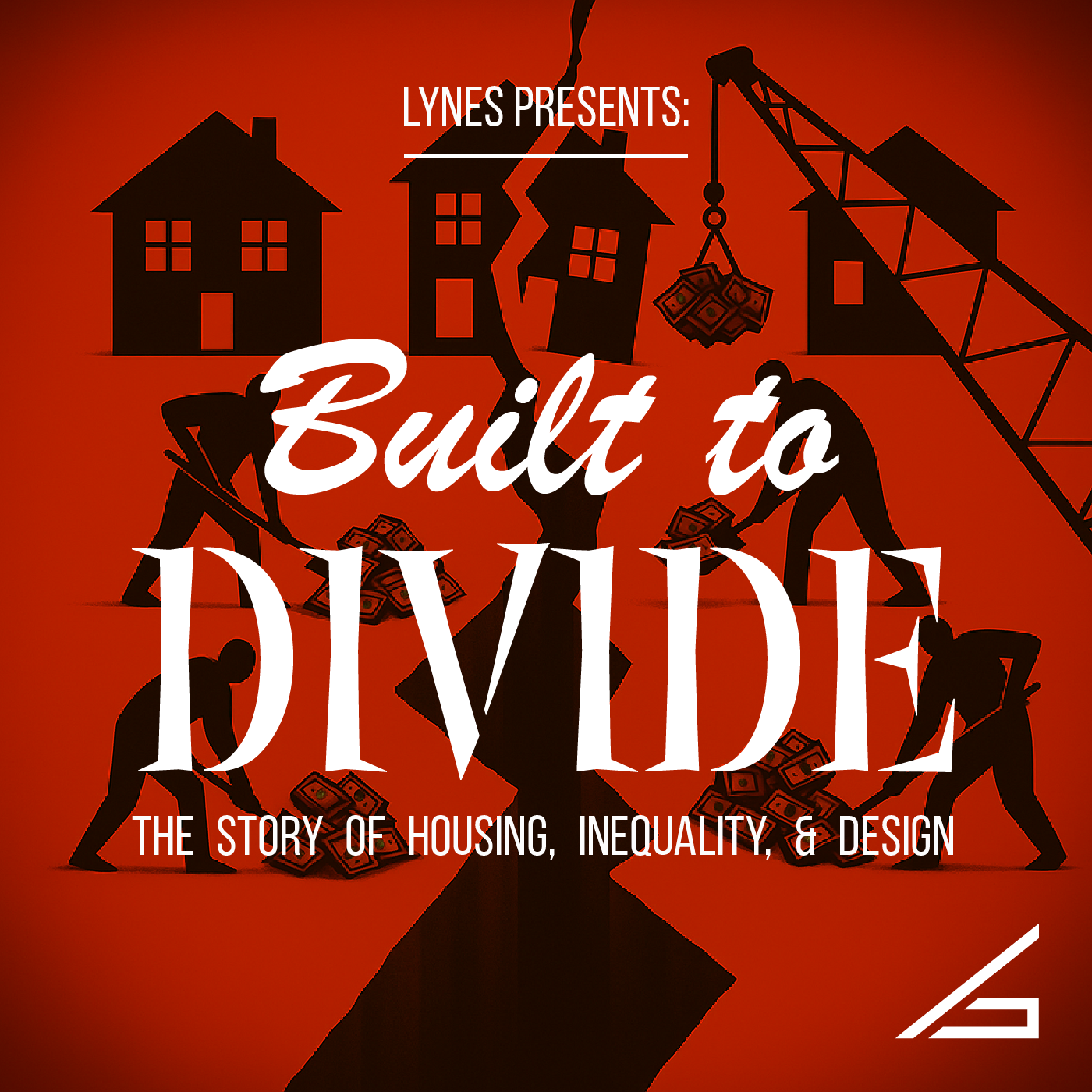
    In this episode of SPACES, Dimitrius sits down with Colby Cox, founder and CEO of Convergence Communities, to explore how the built environment can either isolate us or help bring us back together. Colby has spent more than two decades developing mixed-use, master-planned communities rooted in human connection, wellbeing, and intentional living. For him, development is not just about what pencils out on a pro forma. It is about legacy: how a place feels 50 or 100 years from now, how it supports the people who live there, and whether it helps create a true sense of belonging. Through projects like The Granary in Milton, Delaware, Colby is challenging the conventional suburban model by rethinking porches, lot sizes, shared green space, public amenities, programming, and community gathering places. His goal is not simply to build houses, but to create places that gently pull people out of isolation and into relationship with their neighbors, their town, nature, and themselves. The conversation explores why many modern neighborhoods fail to foster connection, how fear and liability often shape development decisions, and why the return on investment in real estate should include more than dollars and cents. Colby also shares how his team is experimenting with ideas like a brewery incubator, meditation gardens, shared living models, and community-serving amenities designed to invite the surrounding town in—not wall residents off from it. This is a conversation about development, loneliness, legacy, and the role of design in rebuilding social connection. As discussed: The Granary Convergence Communities Built to Divide Podcast Series LYNES If you enjoy our content, you can check out similar content from our fellow creators at Gābl Media. Spaces Podcast Spaces Podcast website LYNES // Gābl Media All rights reserved
  • S8 · E208
    June 3 · 20 min

    208. Why Your Budget Is Probably Wrong

    In this episode of SPACES, Dimitrius explores why most project budgets are inaccurate and how to create realistic estimates for construction projects, especially in Southern California. He emphasizes the importance of scope clarity, understanding cost layers, and early planning to avoid costly mistakes. He breaks down: Why most project budgets are inaccurate The importance of scope clarity in budgeting Understanding the layers of construction costs The role of soft costs and contingency How to define your project scope effectively If you’re planning a kitchen remodel, addition, ADU, or small commercial tenant improvement in Southern California, this episode provides foundational insight to help you develop your project budget. Before You Build Guidebook Download LYNES If you enjoy our content, you can check out similar content from our fellow creators at Gābl Media. Spaces Podcast Spaces Podcast website LYNES // Gābl Media All rights reserved

  • S8 · E207
    May 27 · 42 min

    207. Office to Housing Conversion with Michael Bohn

    In this episode of SPACES, Dimitrius speaks with Michael Bohn, AIA, Partner at Studio One Eleven, about the growing opportunity to convert underused office buildings into housing. As office vacancy rates remain elevated in many cities and communities continue to face severe housing shortages, adaptive reuse offers a powerful path forward—one that can reduce waste, lower embodied carbon, preserve community character, and bring new life to struggling urban districts. Michael brings more than 35 years of architectural experience and leads Studio One Eleven’s affordable, modular, and adaptive reuse work. His projects span transit-oriented development, urban infill, mixed-use communities, and office-to-housing conversions across Southern California. Together, Dimitrius and Michael discuss why office-to-housing conversion is about more than filling empty buildings. They explore the practical challenges of changing a building’s use, including floor plate depth, natural light, plumbing, structural upgrades, leases, façades, mechanical systems, and construction surprises. Michael also explains why adaptive reuse ordinances are essential for cities that want to make these projects viable. Studio One Eleven LYNES If you enjoy our content, you can check out similar content from our fellow creators at Gābl Media. Spaces Podcast Spaces Podcast website LYNES // Gābl Media All rights reserved

  • S8 · E206
    May 20 · 17 min

    206. Understanding Project Scope

    In this episode of SPACES, Dimitrius highlights how one of the biggest mistakes owners make happens before they hire a contractor, define a budget, or submit plans: they don’t fully understand what kind of project they’re actually taking on. And that misunderstanding can dramatically impact cost, timeline, permitting, engineering, and overall project complexity. He breaks down the critical differences between: Renovations Remodels Additions ADUs Rebuilds …and explains why these categories are not interchangeable. Drawing from more than 20 years of experience, Dimitrius walks through the hidden structural, seismic, permitting, and systems implications that owners often overlook—especially when projects move beyond cosmetic updates into layout changes, structural modifications, or additions. If you’re planning a kitchen remodel, addition, ADU, or small commercial tenant improvement in Southern California, this episode provides foundational clarity before you begin spending money or hiring a team. Before You Build Guidebook Download LYNES If you enjoy our content, you can check out similar content from our fellow creators at Gābl Media. Spaces Podcast Spaces Podcast website LYNES // Gābl Media All rights reserved

    • Transcript
  • S8 · E205
    May 13 · 41 min

    205. The Critical Role of Daylight with Joe Menchefski

    In this episode of SPACES, Joe Menchefski shares his journey from chemical engineering to sustainable design and highlights the importance of daylighting in architecture. He discusses the challenges of glare and thermal discomfort in buildings, and explains innovative solutions like diffused glazing that enhances natural light while minimizing discomfort. Joe identifies the health implications of natural versus artificial light, the importance of design considerations, and the future trends in daylighting and sustainability. He also touches on the Better Buildings for Humans podcast, where he explores the trade-offs in building design and the importance of connecting with the natural world. Better Buildings for Humans podcast Advanced Glazings Ltd. LYNES If you enjoy our content, you can check out similar content from our fellow creators at Gābl Media. Spaces Podcast Spaces Podcast website LYNES // Gābl Media All rights reserved

  • S8 · E204
    May 6 · 49 min

    204. Why California Housing is So Expensive, What 2026 Governor Candidates Got Wrong (and Right)

    In this episode, Dimitrius breaks down why California housing costs are so high, exploring systemic drivers beyond just impact fees, contractor fees, and material prices. He reflects of the 2026 California Governor candidates housing platforms, dives into policy and structural factors influencing housing costs, and shares insights from his new guidebook, Before You Build, offering valuable guidance for homeowners and builders alike. Before You Build Guidebook Download Built to Divide Podcast Series LYNES If you enjoy our content, you can check out similar content from our fellow creators at Gābl Media. Spaces Podcast Spaces Podcast website LYNES // Gābl Media All rights reserved Mentioned in this episode: Unstruct Unstruct Design Vault

  • S8 · E203
    April 29 · 1 hr 3 min

    203. Off-Grid, the Hot Rod of Buildings, with David Sellers

    This episode of SPACES features David Sellers, Principal Architect and co-founder of Hawaii Off-Grid, a pioneering firm committed to designing only net-zero new buildings. David shares his journey from Texas to Hawaii, detailing the experiences that shaped his commitment to sustainable architecture. He discusses the evolution of off-grid architecture, the importance of net-zero buildings, and the innovative materials and technologies that are transforming the industry. Sellers emphasizes the need for adaptability in design to address climate change and the significance of financial incentives in promoting sustainable practices. He also highlights the role of community collaboration in achieving these goals and expresses his excitement for the future of architecture. Hawaii Off Grid Surf Block Maui LYNES If you enjoy our content, you can check out similar content from our fellow creators at Gābl Media. Spaces Podcast Spaces Podcast website LYNES // Gābl Media All rights reserved Mentioned in this episode: Design Vault Unstruct

  • S8 · E202
    April 22 · 14 min

    202. Most Problems Start Before Construction

    In this episode of SPACES, Dimitrius shares practical insights on avoiding common pitfalls in construction projects, emphasizing the importance of clear scope, accurate budgeting, strategic team assembly, and proactive planning to prevent costly reactive problem solving during construction. Before You Build Guidebook Download LYNES If you enjoy our content, you can check out similar content from our fellow creators at Gābl Media. Spaces Podcast Spaces Podcast website LYNES // Gābl Media All rights reserved Mentioned in this episode: Unstruct Design Vault

  • S8 · E201
    April 15 · 28 min

    201. Revolutionizing Lease Arbitrage with Alex Passler

    In this episode of SPACES, I learn how Vallist is revolutionizing office design by creating high-quality shared spaces that cater to modern work needs. Discover insights from expert Alex Passler. In today’s rapidly evolving work environment, the design of office spaces is more crucial than ever. With the rise of hybrid work strategies, companies are reevaluating how their office spaces function. Alex Passler, founder of Vallist, offers a fresh perspective on this transformation, drawing from his extensive experience in the co-working sector. We explore key insights about the future of office design and how Vallist aims to reshape the shared workspace landscape. Alex Passler has been a significant player in the real estate and co-working industries for over three decades. His journey began at IWG, where he contributed to the evolution of smaller office spaces into community-oriented environments. His experience includes a pivotal role at WeWork, where he helped expand the brand in Asia. Today, with Vallist, Alex is focused on creating a management platform that prioritizes quality and community in shared spaces. As discussed in the show: Vallist [EXPRESS] 'Noise & Mental Wellness' LYNES If you enjoy our content, you can check out similar content from our fellow creators at Gābl Media. Spaces Podcast Spaces Podcast website LYNES // Gābl Media All rights reserved Mentioned in this episode: Unstruct Design Vault

  • February 18 · 50 min

    12: We're Not Done - LYNES Presents: Built to Divide

    In this powerful season finale of Built to Divide, Dimitrius Lynch dismantles the myths that have kept America’s housing crisis misunderstood for decades. Drawing from personal experience, economic history, and policy analysis, the episode reveals how housing transformed from shelter into one of the most powerful vehicles for wealth extraction in modern society. From restrictive zoning and financial deregulation to labor shifts, political incentives, and the collapse of social infrastructure, Lynch exposes the deeper machinery driving unaffordability — and why tidy explanations often distract from systemic truths. But this is not an episode about despair. It is about agency. Listeners are guided toward a practical path forward: legalizing more housing where opportunity exists, redesigning communities for connection rather than isolation, stabilizing vulnerable households, and reshaping financial incentives so that housing builds security instead of fragility. At its core, the episode asks a defining question for the next generation: Will we continue treating housing as a competitive asset — or reclaim it as the foundation of human stability? Because the future of our cities isn’t predetermined. It is designed. And as Lynch reminds us — we’re not done building. Episode Extras - Photos, videos, sources and links to additional content found during research. Episode Credits: Production in collaboration with Gābl Media Written & Executive Produced by Dimitrius Lynch Audio Engineering and Sound Design by Jeff Alvarez Mentioned in this episode: DATM

    • Transcript
  • February 11 · 1 hr 32 min

    11: The Tea Leaves of Feudalism 2.0 - LYNES Presents: Built to Divide

    What if the future of America doesn’t resemble a democracy — but a modern form of feudalism? In this gripping episode of Built to Divide, Dimitrius Lynch traces a chilling throughline from 19th-century “other-ism” to the emerging architecture of concentrated power shaping today’s housing markets, financial systems, and governance models. Beginning with the displacement of Chinese and Japanese laborers and the weaponization of fear for economic gain, the episode reveals how crisis has repeatedly been used to reorganize ownership — transferring land, wealth, and opportunity upward. Then the lens shifts to the present. Faith merges with policy. Technology challenges democracy. Capital consolidates control. From Project 2025 and the modern Religious Right… to technocratic visions backed by Silicon Valley billionaires… to privately governed cities, crypto-finance ecosystems, and institutional ownership of housing — a new hierarchy begins to take shape. This isn’t about conspiracy. It’s about alignment. As financial power grows increasingly intertwined with political influence, the episode asks a sobering question: Are we witnessing the quiet construction of Feudalism 2.0 — a system where stability is privatized and dependence becomes structural? If housing is the operating system of economic security, what happens when ownership concentrates and access becomes subscription-based? Listen now to understand the forces redrawing the boundaries of belonging — and why the future of housing may depend on whether we recognize the machine before it fully locks into place. Episode Extras - Photos, videos, sources and links to additional content found during research. Episode Credits: Production in collaboration with Gābl Media Written & Executive Produced by Dimitrius Lynch Audio Engineering and Sound Design by Jeff Alvarez

  • February 4 · 1 hr 28 min

    10: Divide & Conquer - LYNES Presents: Built to Divide

    In this episode of Built to Divide, Dimitrius Lynch traces how crisis becomes opportunity — not for everyone, but for those positioned to acquire when others are forced to let go. From psychological influence campaigns and the weaponization of belief to pandemic-era wealth acceleration, this episode reveals how instability reshapes ownership itself. Lynch connects redlining to modern rent burdens, shows how algorithmic pricing may be rewriting competition, and examines how disasters — from COVID-19 to California wildfires — can trigger generational wealth transfers. You’ll hear how institutional investors, lobbying power, and financialization collide with housing supply constraints, why innovation alone cannot solve affordability, and how narratives shape public policy long before laws are written. This is not simply a story about housing. It is a story about power. About who gets to own the future — and who keeps paying for it. If you want to understand why the wealth gap widens after every crisis, why housing increasingly behaves like a financial instrument, and how division itself becomes strategy, this is an episode you cannot afford to miss. Additional Content: 'Changing the Conversation with NIMBYs' with Chris Adams The Revolutionary Power of Biobased Materials with Jacob Waddell Net Zero Community: Veridian at County Farm Pod Hotels: Stay Open Hyperframe Episode Extras - Photos, videos, sources and links to additional content found during research. Episode Credits: Production in collaboration with Gābl Media Written & Executive Produced by Dimitrius Lynch Audio Engineering and Sound Design by Jeff Alvarez

    • Transcript
Showing 21–32 of 32 episodes