Skip to content
Artwork for Short Wave
ScienceAstronomyLife SciencesNatureNewsDaily News

Short Wave

NPR

New discoveries, everyday mysteries, and the science behind the headlines — in just under 15 minutes. It's science for everyone, using a lot of creativity and a little humor. Join hosts Emily Kwong and Regina Barber for science on a different wavelength.

Support public media by joining NPR+ at plus.npr.org. You’ll get perks for over 25 NPR podcasts, including sponsor-free listening for Short Wave.
Play
  • 60 episodes
  • daily
  • Avg 13 min
  • English

Support the show

Goes straight to the publisher. podnod takes nothing.

Counted on this page — what you have heard stays on this device, so it is not something the list can be paged by.
  • Friday · 12 min

    One of the toughest parts of ADHD is left out of the diagnosis

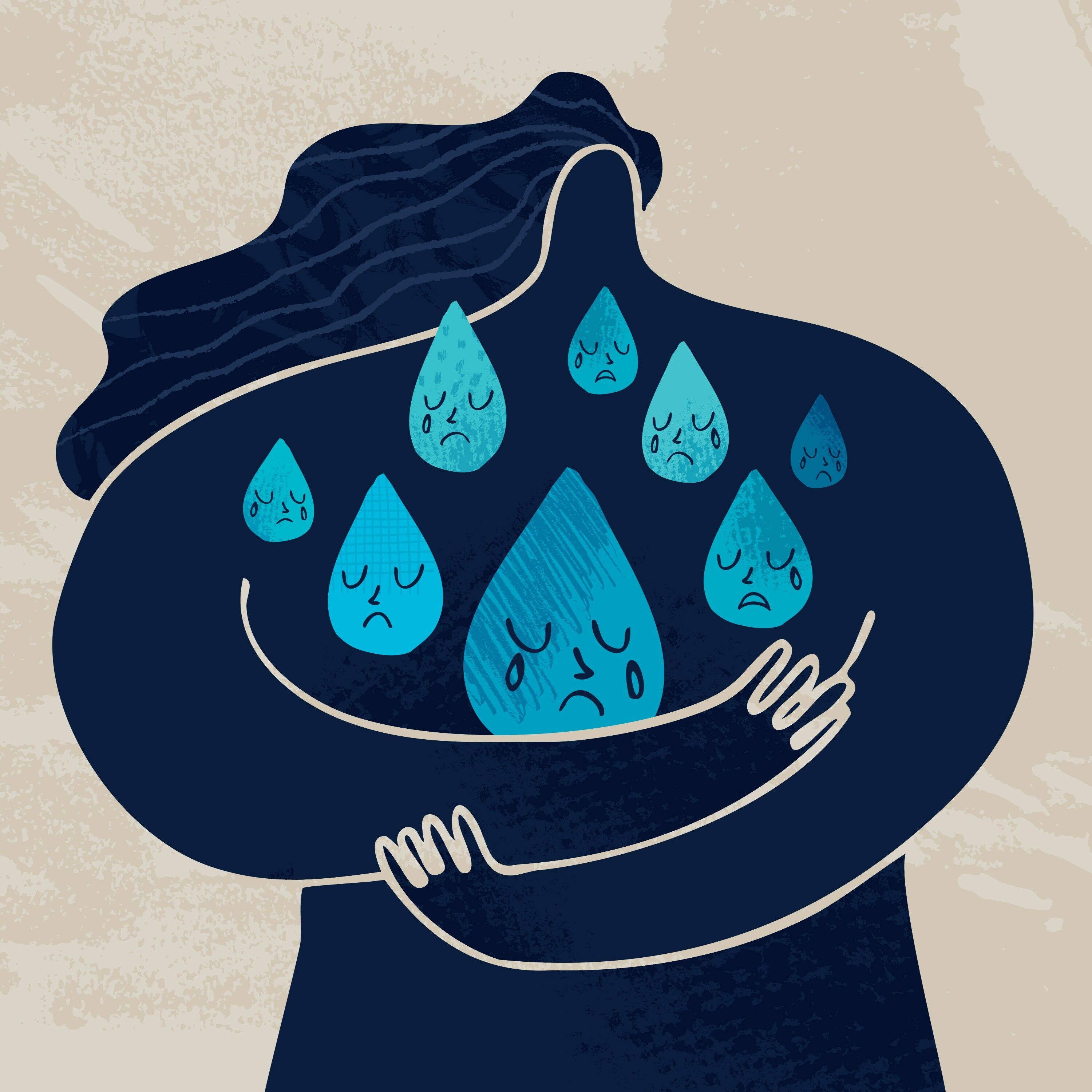
    ADHD diagnoses are on the rise in the United States, but what if professionals are missing a key part of the disorder? In the 1970s, some clinicians recognized a lot of their ADHD patients had trouble with emotional regulation. But because it was easier to measure behavior rather than emotions, the criteria eventually fell off the radar. Today in the U.S., emotional dysregulation is not a part of the ADHD diagnostic criteria in the Diagnostic and Statistical Manual of Mental Disorders (DSM). Dr. Sasha Hamdani thinks that needs to change. In today’s episode, she talks about her book Too Sensitive, and explains what is going on in the brains of people with Rejection Sensitive Dysphoria. Interested in more mental health science? Email us your question at shortwave@npr.org. Support public media with NPR+ and enjoy perks for over 25 podcasts like this one. This show’s perks include sponsor-free listening. Learn more at plus.npr.org. Wender, P. H. (1971). Minimal Brain Dysfunction in Children. Wiley-Interscience. https://pubmed.ncbi.nlm.nih.gov/4581984/ Barkley, R. A. (2015). Emotional dysregulation is a core component of ADHD. In R. A. Barkley (Ed.), Attention-Deficit Hyperactivity Disorder: A Handbook for Diagnosis and Treatment (4th ed., pp. 81–115). Guilford Press. https://www.guilford.com/excerpts/barkley2.pdf?t=1 Shaw, P., Stringaris, A., Nigg, J., & Leibenluft, E. (2014). Emotion dysregulation in attention deficit hyperactivity disorder. American Journal of Psychiatry, 171(3), 276–293. https://doi.org/10.1176/appi.ajp.2013.13070966 Faraone, S. V., et al. (2019). Emotional dysregulation in adults with attention deficit hyperactivity disorder: Validity, aetiology, and clinical implications. Neuroscience & Biobehavioral Reviews, 107, 132–142.https://doi.org/10.1016/j.neubiorev.2019.08.021 Bondü, R., & Esser, G. (2015). Justice and rejection sensitivity in children and adolescents with ADHD symptoms. European Child & Adolescent Psychiatry, 24(2), 185–198.https://doi.org/10.1007/s00787-014-0560-9 Cleveland Clinic. (2022). Rejection Sensitive Dysphoria (RSD): Symptoms & Treatment. Cleveland Clinic Health Library. https://my.clevelandclinic.org/health/diseases/24099-rejection-sensitive-dysphoria-rsd See pcm.adswizz.com for information about our collection and use of personal data for sponsorship and to manage your podcast sponsorship preferences. NPR Privacy Policy


  • #1565
    Wednesday · 14 min

    What's missing from the lethal injection conversation

    You might have seen the news that Christa Pike, a convicted murderer in Tennessee, did not die from the injections given to her as part of her death penalty sentence last week. After her failed execution, she was hospitalized, where she continues to receive critical medical care, according to her attorneys. Her survival is singular, but her mishandled execution is not. A review of executions carried out between 1890 and 2010 indicated that three out of every hundred executions were botched – and that lethal injection executions, which began in 1982, have a more frequent incidence of complications than any other method. All of this has re-raised the question of how humane lethal injections are as a form of execution. So, today on the show, we speak to anesthesiologist Gail Van Norman, a medical expert who testified about Christa’s case and many other lethal injection executions. She told us how she and other experts predicted much of how Christa's execution would unfold. Read a perspective piece from one of the seven media witnesses to last week's failed execution. Interested in more science and criminal justice stories? Email us your question at shortwave@npr.org. Support public media with NPR+ and enjoy perks for over 25 podcasts like this one. This show’s perks include sponsor-free listening. Learn more at plus.npr.org. See pcm.adswizz.com for information about our collection and use of personal data for sponsorship and to manage your podcast sponsorship preferences. NPR Privacy Policy

  • Tuesday · 12 min

    Science-backed guidance for healthy screen time

    We’re all aware – and wary – of doomscrolling. Lots of screen time can be bad for us. But what if that’s not always the case? We spoke with the author of a study that found a positive relationship between screen time and brain development in young people. This episode, we sort through what to actually worry about when it comes to screen time – and what guidelines already exist that can empower you and the kids in your life. Interested in learning more about how screen time affects your brain? Email us your question at shortwave@npr.org. Support public media with NPR+ and enjoy perks for over 25 podcasts like this one. This show’s perks include sponsor-free listening. Learn more at plus.npr.org. See pcm.adswizz.com for information about our collection and use of personal data for sponsorship and to manage your podcast sponsorship preferences. NPR Privacy Policy

  • #1563
    Monday · 13 min

    The genetic secret helping bats survive a deadly epidemic

    We’re easing you into Halloween season with an episode about bats. There’s a silent serial killer decimating little brown bats as they hibernate. White nose syndrome has driven populations across the U.S. to almost the brink of extinction over the last decade. But recently, conservation biologist Giorgia Auteri and her team noticed several genetic mutations in the survivors. These mutations could explain how natural selection has shifted the existing population – and inform conservation efforts in the future. Interested in more animal science? Email us your question at shortwave@npr.org. Support public media with NPR+ and enjoy perks for over 25 podcasts like this one. This show’s perks include sponsor-free listening. Learn more at plus.npr.org. See pcm.adswizz.com for information about our collection and use of personal data for sponsorship and to manage your podcast sponsorship preferences. NPR Privacy Policy

  • October 2 · 9 min

    Eating alone may be secretly spiking your blood sugar

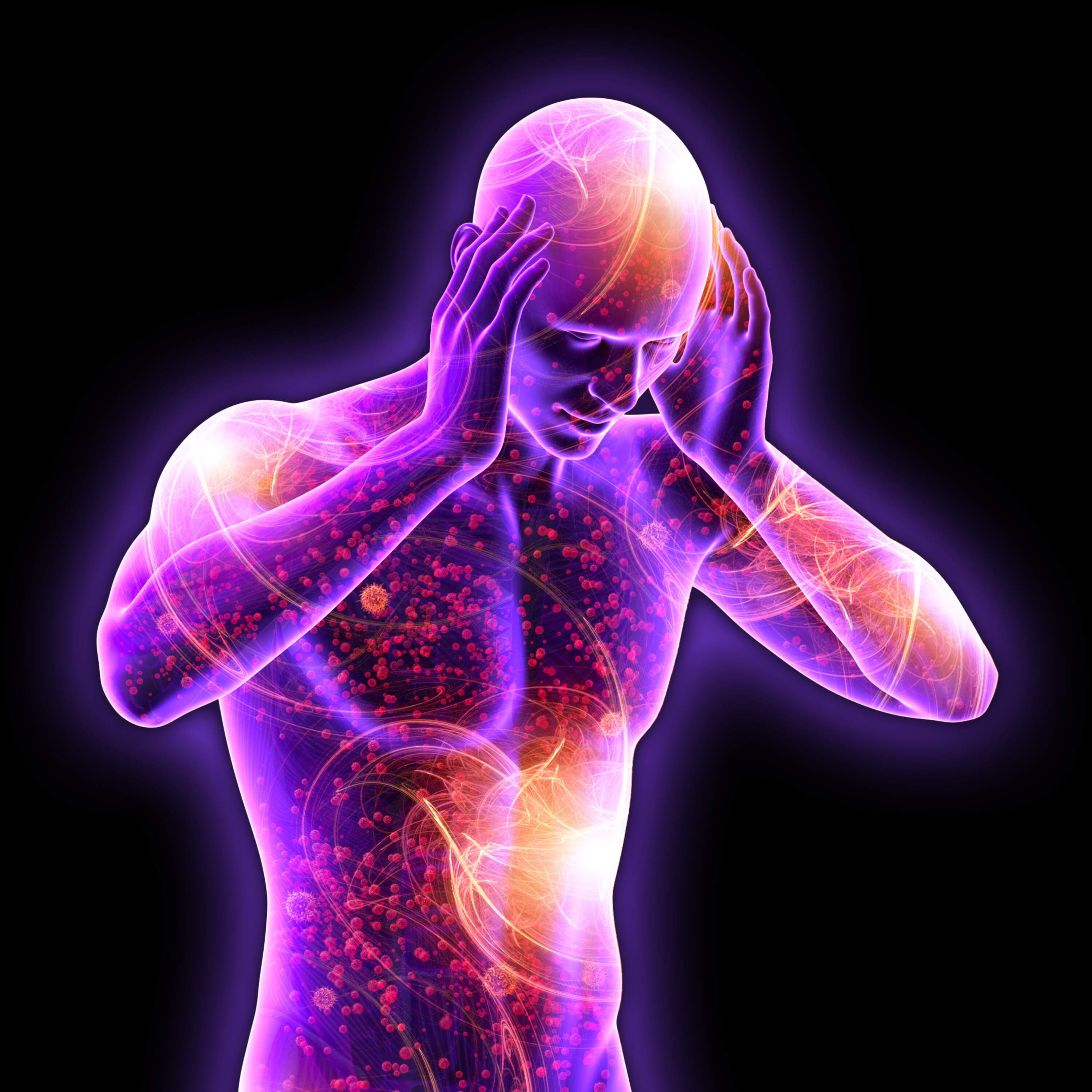
    Being more social has a ton of benefits: lower stress, decreased inflammation – even living a longer life! Recently, some scientists have added lowering your blood sugar to the list. To figure it out, researchers had people break bread both in duos and alone. And they think the results could tell us something about the roots of our social nature. Consider it another reason to prioritize our social lives. Interested in more science in the news? Email us your question at shortwave@npr.org. Support public media with NPR+ and enjoy perks for over 25 podcasts like this one. This show’s perks include sponsor-free listening. Learn more at plus.npr.org. See pcm.adswizz.com for information about our collection and use of personal data for sponsorship and to manage your podcast sponsorship preferences. NPR Privacy Policy
  • September 30 · 13 min

    How much of Earth's life is still undiscovered?

    If you, like us, clicked on the cute cat photos posted everywhere recently, announcing the discovery of the first new cat species in more than a century, you might have wondered how rare it is to find a new species. Turns out, it’s not! We live in an era of “unprecedented” discovery, says John Wiens, a professor of ecology and evolutionary biology at the University of Arizona. And scientists say we’re still just scratching at the surface of how much life exists on Earth. Interested in more science in the news? Email us your question at shortwave@npr.org. Support public media with NPR+ and enjoy perks for over 25 podcasts like this one. This show’s perks include sponsor-free listening. Learn more at plus.npr.org. See pcm.adswizz.com for information about our collection and use of personal data for sponsorship and to manage your podcast sponsorship preferences. NPR Privacy Policy

  • #1560
    September 29 · 14 min

    What social media gets wrong about inflammation

    Inflammation is all over our feeds. Influencers claim it’s the reason you're bloated or fatigued, the source of digestive problems and the cause of more serious illnesses like Alzheimer's or cardiovascular disease. But how much of that is scientifically backed, and how viable are the solutions you see on social media? Short Wave talks to immunologist Shruti Naik to separate the health from the hype. Interested in more wellness science? Email us your question at shortwave@npr.org. Support public media with NPR+ and enjoy perks for over 25 podcasts like this one. This show’s perks include sponsor-free listening. Learn more at plus.npr.org. See pcm.adswizz.com for information about our collection and use of personal data for sponsorship and to manage your podcast sponsorship preferences. NPR Privacy Policy

  • September 28 · 13 min

    A fall mystery: why do only certain leaves turn red?

    Leaves turn yellow in the fall because Chlorophyll breaks down, revealing the yellow pigment that was there all along. But why red? Red is a different story altogether. Leaves have to make a new pigment to turn red. Why would a dying leaf go an extra mile to do that? Scientists don’t really know. NPR science correspondent Nell Greenfieldboyce reports on the leading hypotheses out there. Read more of Nell's reporting on this topic. Interested in more seasonal science? Email us your ideas at shortwave@npr.org. Support public media with NPR+ and enjoy perks for over 25 podcasts like this one. This show’s perks include sponsor-free listening. Learn more at plus.npr.org. See pcm.adswizz.com for information about our collection and use of personal data for sponsorship and to manage your podcast sponsorship preferences. NPR Privacy Policy
  • September 25 · 12 min

    'Super' El Niño is coming. What should you expect?

    The world is bracing for the worst effects of a Super El Niño. Or a Godzilla El Niño. But what does that really even mean? For millennia El Niño has shaped weather across the globe, fueling flooding in parts of the U.S., droughts and wildfires in Australia and Indonesia, and disrupting fisheries across the Pacific. Scientists have long wondered if human activities — chiefly the burning of fossil fuels — are making El Niños stronger. Now, on the eve of the strongest El Niño on record, a team of researchers think they have an answer. Interested in more science behind the weather? Email us your question at shortwave@npr.org. Support public media with NPR+ and enjoy perks for over 25 podcasts like this one. This show’s perks include sponsor-free listening. Learn more at plus.npr.org. See pcm.adswizz.com for information about our collection and use of personal data for sponsorship and to manage your podcast sponsorship preferences. NPR Privacy Policy
  • #1557
    September 23 · 14 min

    Vaccinated or not, we’re on the brink of a measles epidemic

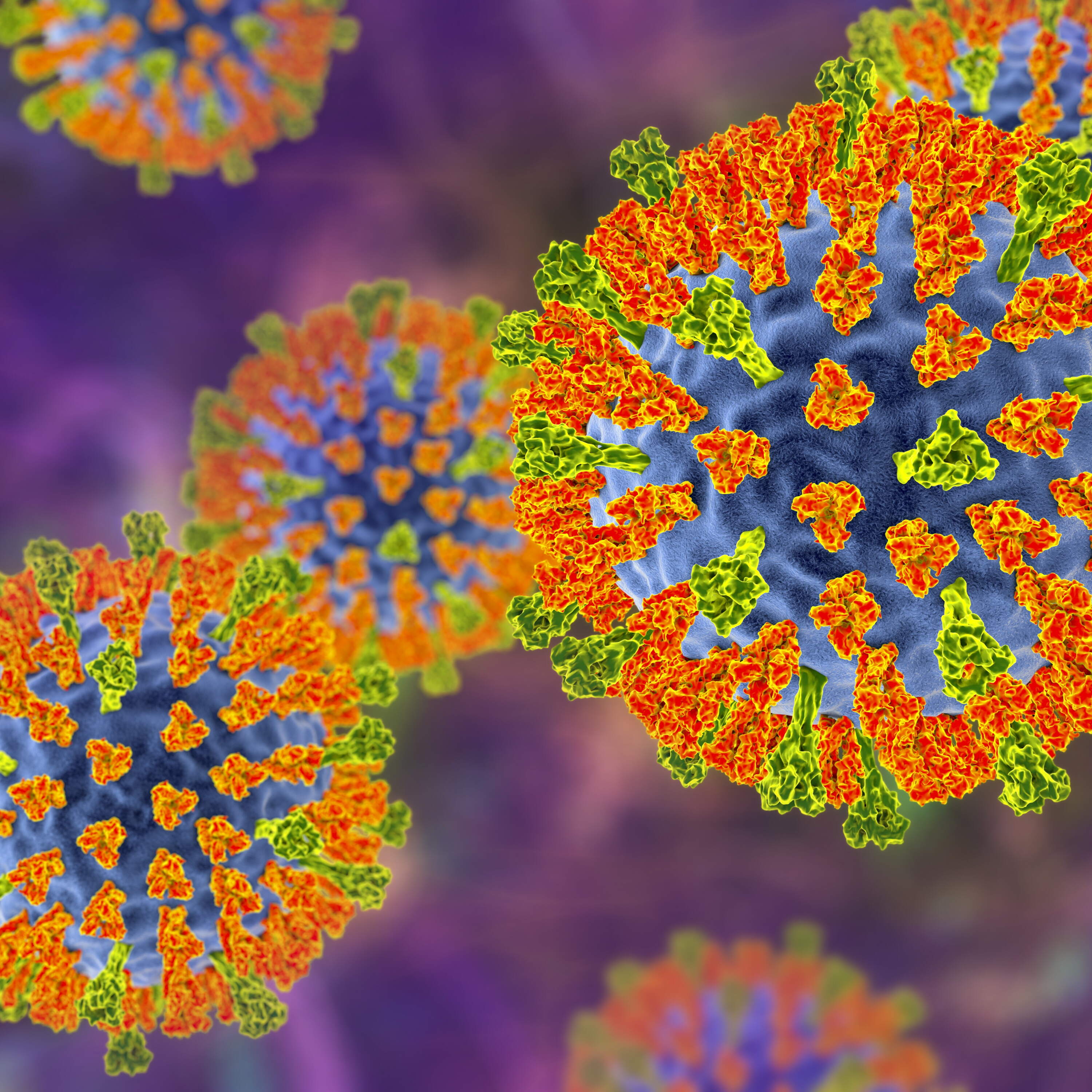
    Measles is making a comeback. Ongoing outbreaks in Pennsylvania, South Carolina, Texas, and Utah have documented hundreds of cases, mostly among unvaccinated people. And while local and federal politicians debate the definitions and impact of those measles-associated deaths, health experts worry that we’re overlooking the real problem: the threat of a full-scale epidemic. Today, we talk to one of those experts – epidemiologist Michael Mina – to figure out who’s most at risk and whether there’s any way for us to turn this epidemic around. Interested in more health and medical news? Email us your question at shortwave@npr.org. Support public media with NPR+ and enjoy perks for over 25 podcasts like this one. This show’s perks include sponsor-free listening. Learn more at plus.npr.org. See pcm.adswizz.com for information about our collection and use of personal data for sponsorship and to manage your podcast sponsorship preferences. NPR Privacy Policy

  • #1556
    September 22 · 12 min

    The science of self-worth (and how to boost yours)

    Your self-worth today can be affected by your memories. But you have power over those memories – when you re-experience them. By doing that, you can reshape your self-esteem for the better and change your perspective. That idea and the broader science of self-worth are at the heart of Marisa Franco’s new book Worth. It’s so intriguing to us, we couldn’t pass up the chance to share it with you. That’s why today’s episode is a peek at a conversation Marisa had about self-worth on NPR’s self-help podcast Life Kit. Interested in more psychology episodes? Email us your question at shortwave@npr.org – it may become a future episode! Support public media with NPR+ and enjoy perks for over 25 podcasts like this one. This show’s perks include sponsor-free listening. Learn more at plus.npr.org. See pcm.adswizz.com for information about our collection and use of personal data for sponsorship and to manage your podcast sponsorship preferences. NPR Privacy Policy

  • September 19 · 10 min

    Why we should all be 'bookmaxxing'

    Remember your mom, dad and teachers telling you to read because it’s good for you? Well, a compilation of the latest research shows they were right. “Reading is one of the simplest and most accessible activities for actually supporting cognitive performance, brain health, mental health, but also overall wellbeing throughout our lives,” said Christelle Langley, a cognitive neuroscientist at the University of Cambridge and co-author of review, published in the journal Psychological Medicine. The review looked specifically at recreational reading — reading for fun — and found broad benefits for children, adolescents and older adults. This episode, we dive deep into the joys and health benefits of bookmaxxing. Interested in the science of reading? Email us your question at shortwave@npr.org. Support public media with NPR+ and enjoy perks for over 25 podcasts like this one. This show’s perks include sponsor-free listening. Learn more at plus.npr.org. See pcm.adswizz.com for information about our collection and use of personal data for sponsorship and to manage your podcast sponsorship preferences. NPR Privacy Policy

  • #1554
    September 18 · 14 min

    The latest on AI panic — and whether it's justified

    AI is in the news again – for its potential to end civilization. A researcher at Anthropic resigned very publicly last week, citing concerns about the accelerating capabilities of AI and what he called “irresponsible” behavior from major AI companies Anthropic and OpenAI. Following his resignation, the leaders of both companies called for an internationally cooperative, industry-wide slowdown on advanced AI development. And Wednesday, OpenAI disclosed six more incidents of “unexpected or concerning model behavior” and debuted a new framework for reporting misalignments. So, given all these events, how worried should we be about the future of AI? And what safety measures are – or could be – set in place to safeguard humanity? NPR’s power and policy reporter Huo Jingnan reports. Interested in more science and technology news? Email us your question at shortwave@npr.org. Support public media with NPR+ and enjoy perks for over 25 podcasts like this one. This show’s perks include sponsor-free listening. Learn more at plus.npr.org. See pcm.adswizz.com for information about our collection and use of personal data for sponsorship and to manage your podcast sponsorship preferences. NPR Privacy Policy

  • September 16 · 13 min

    When batteries get a facelift, so does renewable energy

    For years, renewable energy companies have faced a problem: How to store the mass amounts of energy they produce for later use. Batteries may be just the solution. In California, there's now enough grid-scale battery storage to power millions of homes for a few hours. Battery power is often the second largest source of energy on a given day in the state. So, we're revisiting the fast-growing technology with Cooper Katz McKim, a producer on The Indicator from Planet Money. Listen to the three-part battery series. Have questions about the future of energy? Contact us at shortwave@npr.org. Support public media with NPR+ and enjoy perks for over 25 podcasts like this one. This show’s perks include sponsor-free listening. Learn more at plus.npr.org. See pcm.adswizz.com for information about our collection and use of personal data for sponsorship and to manage your podcast sponsorship preferences. NPR Privacy Policy

  • September 15 · 13 min

    Why you'll probably be misdiagnosed in your lifetime

    Nearly every person will experience at least one diagnostic error in their lifetime. That means either a delayed diagnosis, a wrong diagnosis – or no diagnosis at all. That’s according to a report by the National Academies of Sciences, Engineering and Medicine from 2015 on diagnostic error. Today on the show we talk to a physician who was personally affected by the crisis, and New York Times editor and author of the book The Elusive Body: Patients, Doctors and the Diagnosis Crisis. If you liked this episode, check out these other episodes: - How science is taking tripping mainstream - What If You Took The "Trip" Out Of Ketamine? - Could Psychedelics Become Tripless? - The Reality Of OCD Interested in more medical science? Email us your question at shortwave@npr.org. Support public media with NPR+ and enjoy perks for over 25 podcasts like this one. This show’s perks include sponsor-free listening. Learn more at plus.npr.org. See pcm.adswizz.com for information about our collection and use of personal data for sponsorship and to manage your podcast sponsorship preferences. NPR Privacy Policy
  • September 14 · 13 min

    Should race affect BMI guidelines? Doctors are split

    BMI is a quick, cheap way for doctors to estimate body fat and screen for conditions like heart disease and diabetes. But medicine has long known that BMI is problematic and unnuanced. By using it, groups of people have fallen through the cracks and conditions have been caught late. So, some doctors want to add nuance – to consider race when using BMI. But using race in medicine comes with its own problems. So what’s the way forward? To find out, we talk to Katie Wu, a science writer at The Atlantic. Read more of Katie’s reporting on BMI and race. Interested in more science health stories? Email us your question at shortwave@npr.org. Support public media with NPR+ and enjoy perks for over 25 podcasts like this one. This show’s perks include sponsor-free listening. Learn more at plus.npr.org. See pcm.adswizz.com for information about our collection and use of personal data for sponsorship and to manage your podcast sponsorship preferences. NPR Privacy Policy
  • #1550
    September 11 · 13 min

    How scientists discovered that animals are doctors, too

    When people are sick, we seek out medications and treatments to help heal. For a long time, scientists thought that was a uniquely human ability. But it turns out, many other animals do a version of it too! And since the late 1980s, western researchers have been trying to get a peek behind the curtain. And aside from just cataloguing all the cool examples just to know, there’s a real hope that studying animals’ medical cabinets may be the most promising way to expand our own. We get into the weeds with freelance science journalist Mandy Nguyen. Interested in more animal stories? Email us your ideas and questions to explore at shortwave@npr.org. They may become a future episode! Support public media with NPR+ and enjoy perks for over 25 podcasts like this one. This show’s perks include sponsor-free listening. Learn more at plus.npr.org. See pcm.adswizz.com for information about our collection and use of personal data for sponsorship and to manage your podcast sponsorship preferences. NPR Privacy Policy
  • September 9 · 14 min

    Lindsay Clancy and postpartum psychosis

    The trial around Lindsay Clancy may be over for now, but it still leaves us with questions. On today’s episode, we talk to psychiatrists and patients to answer them: What is postpartum psychosis, exactly? Why don’t we know more about it? And what can you do if you are worried about a postpartum loved one? Interested in more stories on mental health? Email us your question at shortwave@npr.org. Support public media with NPR+ and enjoy perks for over 25 podcasts like this one. This show’s perks include sponsor-free listening. Learn more at plus.npr.org. See pcm.adswizz.com for information about our collection and use of personal data for sponsorship and to manage your podcast sponsorship preferences. NPR Privacy Policy
  • #1548
    September 8 · 11 min

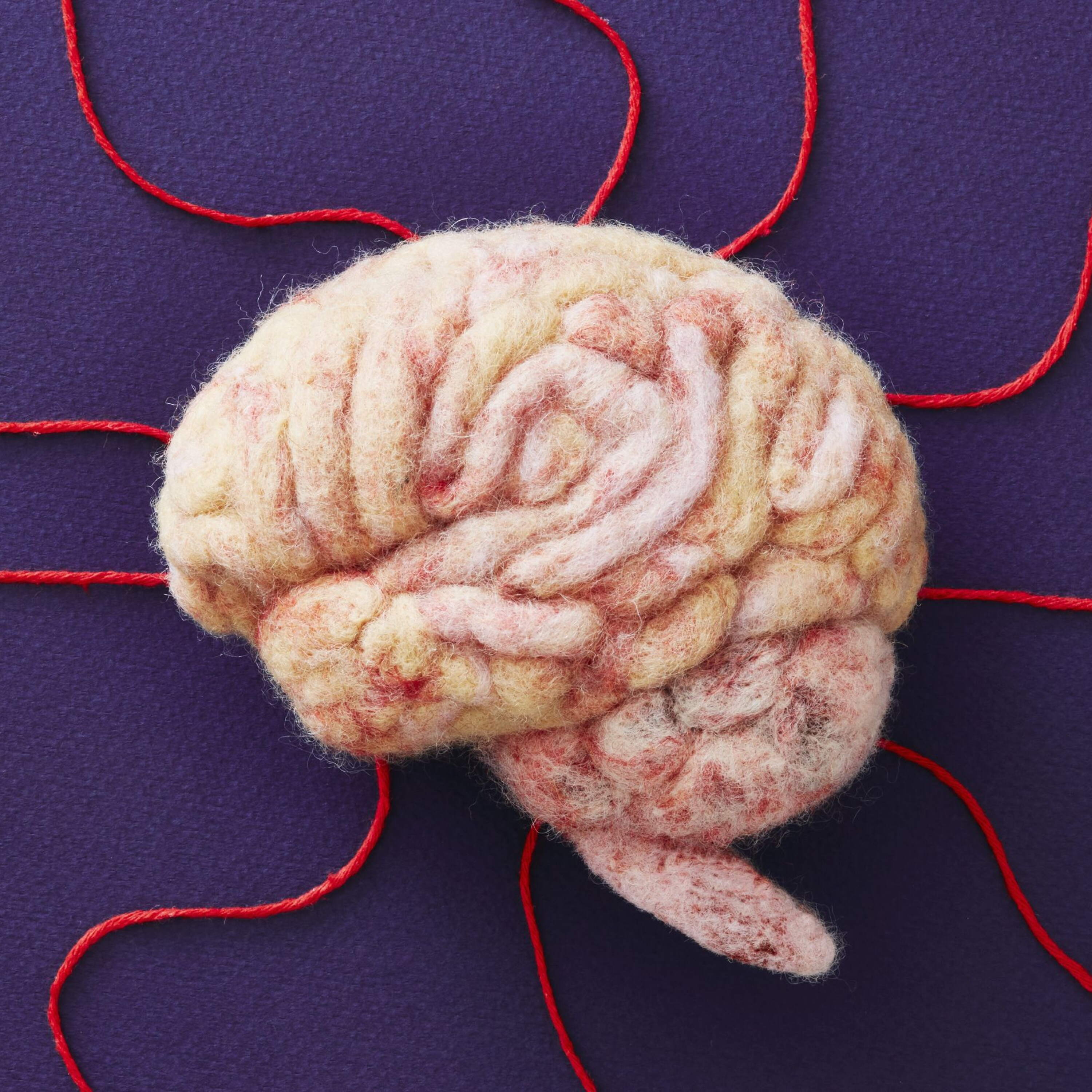
    How hurricanes triggered lizard evolution

    Hurricane season is upon us and it turns out that these powerful storms can quickly affect the biology of animals. After hurricanes Irma and Maria hit the islands that make up Turks and Caicos about a decade ago, the silver key anole adapted. They now have a shorter fourth toe on their hind legs! That could help them cling to objects better. But how do you know unless you put lizards in front of a fan and record how long they can hold on? This study is out now in the journal Current Biology. Interested in more science in the news? Email us your question at shortwave@npr.org. Support public media with NPR+ and enjoy perks for over 25 podcasts like this one. This show’s perks include sponsor-free listening. Learn more at plus.npr.org. See pcm.adswizz.com for information about our collection and use of personal data for sponsorship and to manage your podcast sponsorship preferences. NPR Privacy Policy

  • September 7 · 13 min

    When is your brain actually 'adult'?

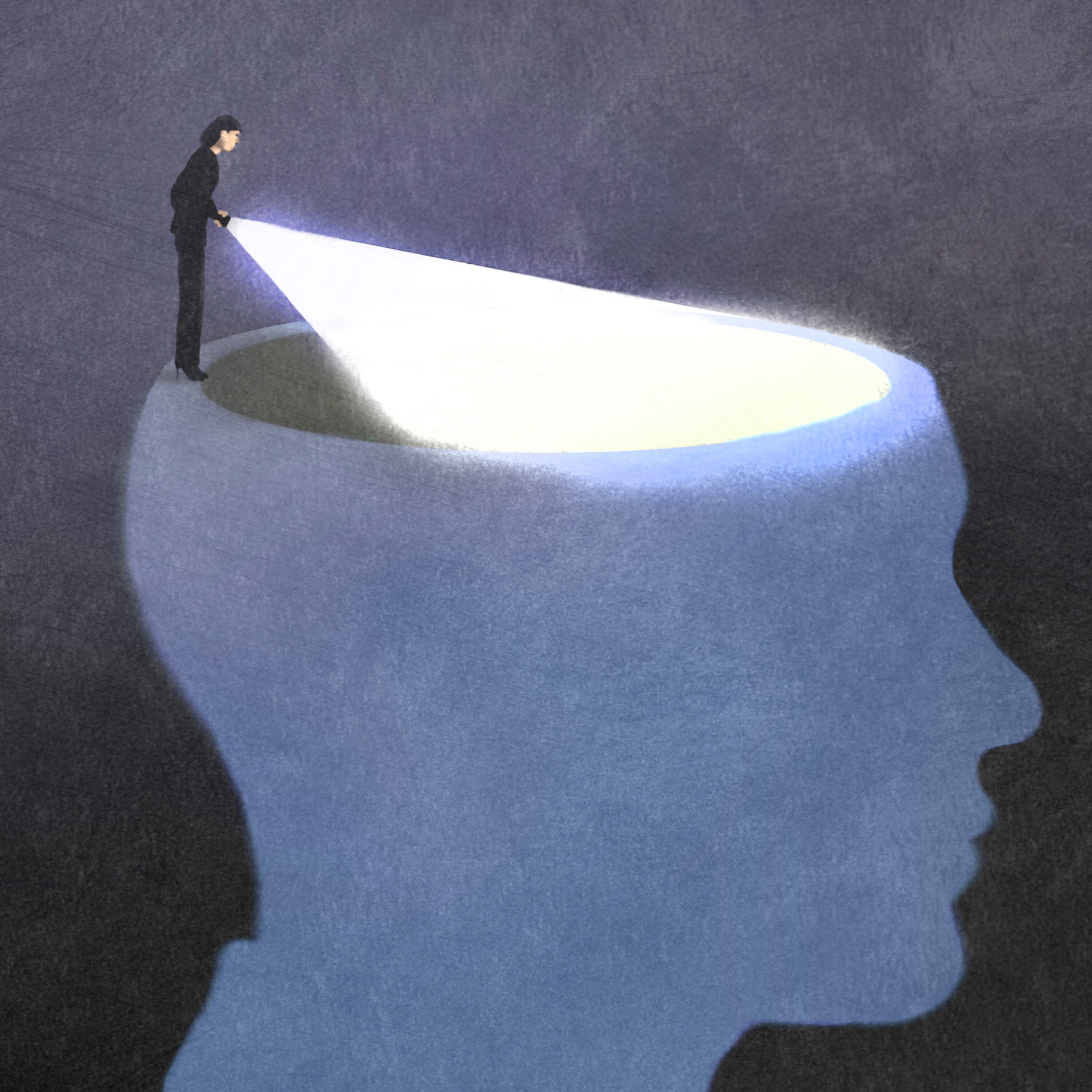
    Summer is winding down and school is back. And all of that has us thinking about this idea that something happens in the human brain when we turn 25. Suddenly, we can rent a car without fees. Make rational decisions. We may even regret some of our past… indiscretions. All because we’re developed…right? Well, a paper in the journal Nature suggests that may not be the case. Neuroscientists found four distinct turning points in brain development across the human lifespan – and that the brain may be in its “adolescent” phase until about the age of 32. (Encore episode) Interested in more of the science inside your brain? Email us your question at shortwave@npr.org. Support public media with NPR+ and enjoy perks for over 25 podcasts like this one. This show’s perks include sponsor-free listening. Learn more at plus.npr.org. This episode was produced by Rachel Carlson. It was edited by Rebecca Ramirez. Tyler Jones checked the facts. The audio engineer was Kwesi Lee. See pcm.adswizz.com for information about our collection and use of personal data for sponsorship and to manage your podcast sponsorship preferences. NPR Privacy Policy

Showing 1–20 of 60 episodes