Skip to content
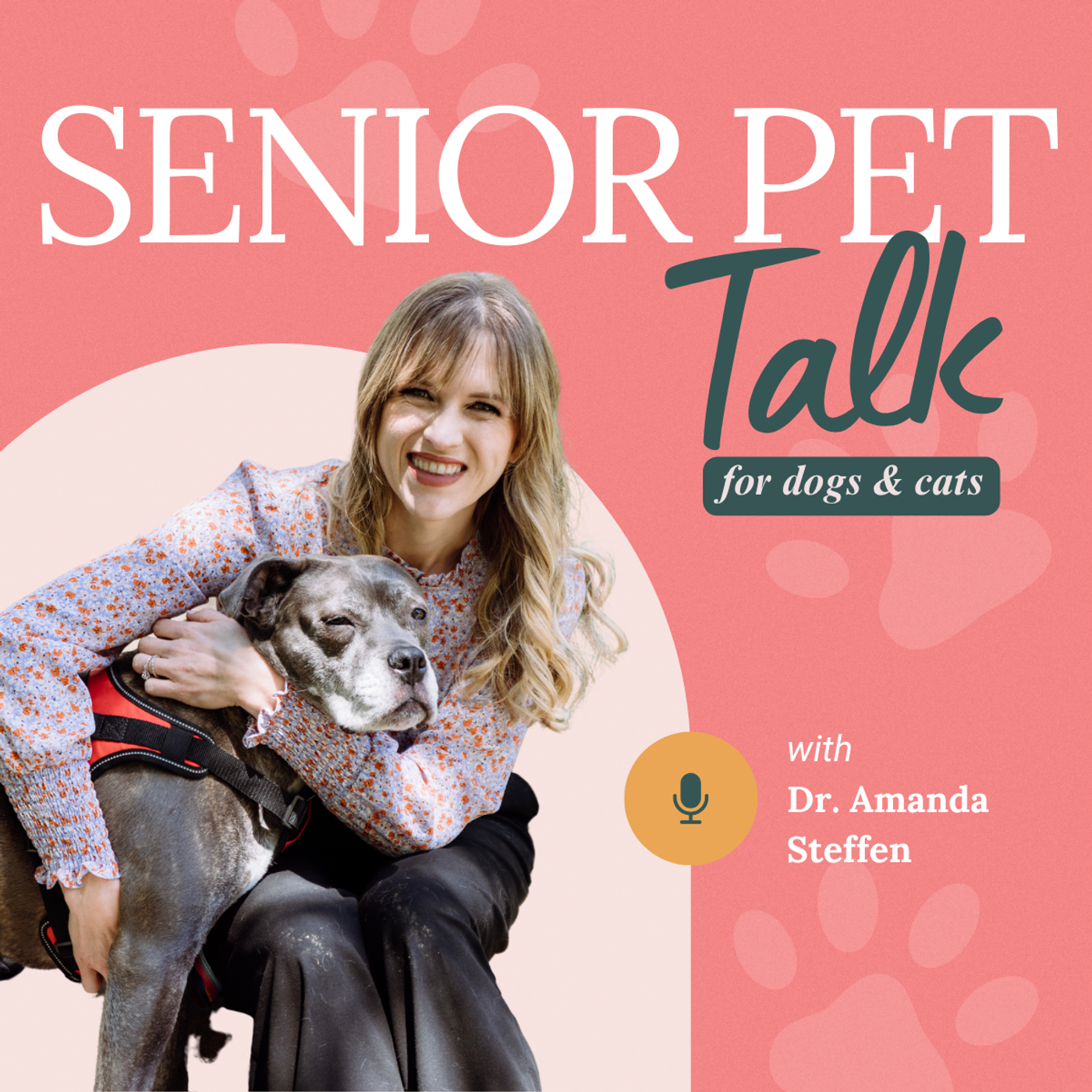
Artwork for Senior Pet Talk | for dogs + cats
Kids & FamilyPets & AnimalsHealth & FitnessMedicine

Senior Pet Talk | for dogs + cats

Dr. Amanda Steffen

Senior Pet Talk is your whole medicine approach guide to becoming the most prepared and informed advocate for your senior pet. Bring what you learn here into every vet visit, every care decision, and every stage of the journey ahead.

Every week, integrative veterinarian Dr. Amanda Steffen — founder of Floyd's Tale Mobile Veterinary Services, creator of the Senior Pet Roadmap, and certified veterinary acupuncturist with over a decade in senior pet care — breaks down the science of aging in plain language so you can recognize changes sooner, understand your options, and advocate confidently for the pet you love.

Her approach blends western medicine and eastern wisdom — acupuncture, Chinese herbs, rehabilitation, palliative care, nutrition, and more — because the best care plan uses every tool available.

You'll learn to tell normal aging from what needs attention, recognize hidden pain, understand integrative medicine, and navigate this chapter with clarity and grace — covering everything from dementia and kidney disease to nutrition, acupuncture, quality of life, and end-of-life planning.

Solo episodes, expert interviews, and real stories from pet parents living this right alongside you.

Everyone is doing the best they can with the information they have. This show gives you more of it.

Follow Senior Pet Talk and find Dr. Amanda on Instagram at @‌dr.amanda.vet.

Play
  • 31 episodes
  • weekly
  • Avg 36 min
  • English
Counted on this page — what you have heard stays on this device, so it is not something the list can be paged by.
  • S1 · E30
    Thursday · 55 min

    30. Ozone for Your Pet with Jonathan Lowe

    Is ozone therapy safe for pets? Today, Dr. Amanda is joined by special guest Jonathan Lowe, founder of O3Vets and O3Pets, to talk about how ozone therapy is used in veterinary care, including how it works, the ways it’s administered, safety considerations, and where it fits alongside conventional and integrative treatments. They discuss: What ozone therapy is Ways to administer ozone, including injections and other treatment methods How ozone may support the body Whether ozone therapy is safe for your pet Common uses, how often it’s typically given, and options for at-home care How ozone can be used alongside conventional veterinary treatments Pairing ozone with other integrative therapies Common misconceptions about ozone therapy Ozone therapy may be another great option for you as a pet owner if other approaches have had limited results. Ready to learn more? Listen in now. LINKS Connect with Jonathan and O3Pets Website: https://www.o3pets.com/ Instagram: https://www.instagram.com/o3pets/ Facebook: https://www.facebook.com/o3pets Facebook group: https://www.facebook.com/groups/petozone YouTube: https://www.youtube.com/@Ozone4Pets Sign up for Dr. Steffen’s email list and grab the freebies here: http://www.seniorpetconnection.com/freebies Follow Senior Pet Talk and find Dr. Amanda on Instagram at @‌dramandasteffen. Website: http://seniorpetconnection.com Book your personalized virtual consultation: https://bit.ly/SPTConsult TRANSCRIPT TIME STAMPS 00:00 - Meet Jonathan, O3Pets, and O3Vets 03:57 - Ozone therapy basics 06:56 - Ways to administer ozone 08:48 - How ozone supports the body 11:07 - How safe is ozone therapy? 18:15 - Treatment methods and ozone injections 23:38 - Ultraviolet blood irradiation 26:47 - Ozone for autoimmune conditions 30:07 - Combining ozone with other treatments 33:31 - How often ozone is used and common uses 39:50 - Pairing ozone with integrative therapies 43:33 - Common ozone therapy misconceptions 47:53 - Ozonated products for home care 51:19 - How to find a trained ozone veterinarian Disclaimer: Senior Pet Talk is not a substitute for professional veterinary care or the clinical judgment of a licensed veterinarian. This podcast is for educational purposes only and should not be used to diagnose, treat, or make medical decisions for your pet. Always consult your veterinarian regarding your pet's specific health needs.

    • Transcript
  • S1 · E29
    November 12 · 30 min

    29. What Pain Meds Should Senior Dogs Use?

    What pain meds should my senior pet be taking? When your vet hands you a prescription for your senior pet, do you know what that medication is actually doing, what side effects to watch for, or how long your pet should be taking it? Today, Dr. Amanda talks all about pain medications for senior pets because understanding what we're giving our pets, why we're giving it, and what to expect can help us make more informed decisions alongside our veterinarian. In this episode, we cover: Why understanding a pain medication's purpose, potential side effects, and recommended duration matters. How arthritis can affect joints throughout the body and how uncontrolled pain can impact your pet's sleep, appetite, activity, and behavior. What wind-up pain is How NSAIDs help reduce joint inflammation, common gastrointestinal side effects, and potential liver and kidney concerns How Adequan supports cartilage and joint fluid in pets with arthritis. Where gabapentin fits into a short-term pain flare plan. How medications like Amantadine and Subcutaneous ketamine can help address pain signals in the brain. When acetaminophen may be considered as an add-on to a pain management plan. What to know about Librela, including its potential benefits and risks. Emerging options like stem cell therapy and other approaches to managing chronic pain. If you have a senior dog or cat living with arthritis or chronic pain, this episode will help you better understand the options available and have more informed conversations with your veterinarian about finding the right pain management plan for your pet. LINKS Missed the episode on subtle signs of arthritis pain? Catch it here! Interested in joining the course? Check it out at http://seniorpetconnection.com/roadmap Sign up for Dr. Steffen’s email list and grab the freebies here: http://www.seniorpetconnection.com/freebies Follow Senior Pet Talk and find Dr. Amanda on Instagram at @‌dramandasteffen. Website: http://seniorpetconnection.com Book your personalized virtual consultation: https://bit.ly/SPTConsult TRANSCRIPT TIME STAMPS 00:00 Understanding pain medication options for senior pets 05:24 NSAIDs for long-term arthritis relief 09:44 How Adequan supports aging joints 14:26 What happens when first-line treatments aren't enough 17:26 Understanding wind-up pain in senior pets 22:39 Acetaminophen and Librela: benefits and risks 26:10 Exploring Stem Cell Therapy 28:23 Flare plans and what comes next Disclaimer: Senior Pet Talk is not a substitute for professional veterinary care or the clinical judgment of a licensed veterinarian. This podcast is for educational purposes only and should not be used to diagnose, treat, or make medical decisions for your pet. Always consult your veterinarian regarding your pet's specific health needs.

    • Transcript
  • S1 · E28
    November 5 · 30 min

    28. Fix your Senior Cat's Litter Box

    Your senior cat has used the litter box perfectly their entire life, and now they’re going by the couch, in your bed, or in the closet, and you have no idea why? The good news is that sometimes the fix is really cheap and really easy. Today, Dr. Amanda talks about your senior cat’s litter box and everything that goes with it. She discusses: Why senior cats may start urinating or defecating outside the litter box Checking for medical causes first, including urinary infections, stones, kidney disease, and more Litter box size and accessibility The type of litter to consider, and how often to clean and sanitize the boxes Why boxes should be placed near areas where senior cats spend time, in quiet locations away from food and water Why automatic robot litter boxes may be difficult for senior cats Listen in to find one practical adjustment you can make today. It could be the difference between your senior cat using the litter box or going outside of it, and having comfort when they do. LINKS Sign up for Dr. Steffen’s email list and grab the freebies here: http://www.seniorpetconnection.com/freebies Follow Senior Pet Talk and find Dr. Amanda on Instagram at @‌dramandasteffen. Website: http://seniorpetconnection.com Book your personalized virtual consultation: https://bit.ly/SPTConsult TRANSCRIPT TIME STAMPS 00:00 - Why senior cats may suddenly avoid the litter box 02:21 - Medical causes of litter box problems 04:38 - Choosing the right litter box 09:32 - Litter types and how often to clean 11:38 - How many litter boxes you need and where to put them 16:36 - Robot litter boxes: pros and cons 19:08 - DIY boxes and safer access 23:08 - The senior cat litter box checklist 26:52 - Pick one change to make today Disclaimer: Senior Pet Talk is not a substitute for professional veterinary care or the clinical judgment of a licensed veterinarian. This podcast is for educational purposes only and should not be used to diagnose, treat, or make medical decisions for your pet. Always consult your veterinarian regarding your pet's specific health needs.

    • Transcript
  • S1 · E27
    October 29 · 27 min

    27. Herbs, Acupuncture, and the Gut-Brain Relationship in Pet Dementia

    Is there anything you can do to help your pet with dementia? More than you might think! In this episode, Dr. Amanda shares stories, research, and treatment options that may help support brain health and improve some dementia-related symptoms in dogs and cats, including approaches you may not have heard of before. She discusses: The gut-brain connection and how the gut microbiome may relate to cognitive health Studies exploring the connection between gut bacteria and dementia Early research on fecal microbiome transplants in dogs How traditional Chinese veterinary medicine looks at brain health as part of the whole body Food therapy and why dental health, digestive issues, and pain should be considered when pets show dementia-like signs Why some gut-based treatments can be more challenging in cats, along with other approaches being explored Herbal formulations used to support cognitive function and calmness Cody’s experience with acupuncture If your dog or cat has dementia and you’ve been told there’s nothing you can do except wait for it to progress, this episode is for you. There may be more ways to support your pet’s comfort and cognitive health than you realize. Tune in to learn about options you can discuss with your veterinarian. LINKS Sign up for Dr. Steffen’s email list and grab the freebies here: http://www.seniorpetconnection.com/freebies Follow Senior Pet Talk and find Dr. Amanda on Instagram at @‌dramandasteffen. Website: http://seniorpetconnection.com Book your personalized virtual consultation: https://bit.ly/SPTConsult TRANSCRIPT TIME STAMPS 00:00 - What pet dementia really looks like 02:09 - How the gut affects brain health 07:50 - Studies on microbiome transfer 08:28 - Why brain health starts with the whole body 12:34 - Exploring fecal transplants and ozone therapy 14:45 - Herbal support for pet dementia 21:42 - Acupuncture and Cody’s story Disclaimer: Senior Pet Talk is not a substitute for professional veterinary care or the clinical judgment of a licensed veterinarian. This podcast is for educational purposes only and should not be used to diagnose, treat, or make medical decisions for your pet. Always consult your veterinarian regarding your pet's specific health needs.

    • Transcript
  • S1 · E26
    October 22 · 33 min

    26. Set Up Your Pet's Home for Success with Dementia

    Did you know there’s a way to set up your home that can support your aging pet’s brain? Today, Dr. Amanda talks about how the right home setup can help improve quality of life for senior dogs and cats dealing with dementia, or cognitive decline. She discusses: Ways to adapt the home and daily routine to support senior dogs and cats with cognitive decline How nightlights and a smaller, safer sleeping area can help Enrichment activities that provide mental stimulation, including puzzle feeders, treat searches, scent games, toy rotation, and more Options for pets with limited mobility, such as stroller walks and physical therapy Balancing enrichment with routine and predictability Why it helps to keep furniture, food and water bowls, and litter boxes in familiar places Practical home modifications to improve safety and comfort Why routine blood pressure checks matter for senior cats Listen in to learn how to set up your home to support your pet and their brain health. LINKS How do I know if my pet has dementia? Listen in here! Or missed the episode on pheromones? Catch it here! Sign up for Dr. Steffen’s email list and grab the freebies here: http://www.seniorpetconnection.com/freebies Follow Senior Pet Talk and find Dr. Amanda on Instagram at @‌dramandasteffen. Website: http://seniorpetconnection.com Book your personalized virtual consultation: https://bit.ly/SPTConsult TRANSCRIPT TIME STAMPS 00:00 - Introduction to home setup for aging pets 01:48 - Floyd's story and lessons learned 04:03 - Practical modifications: nightlights and space reduction 06:12 - Signs of dementia in pets 08:08 - Behavioral enrichment and senior dog classes 09:47 - Enrichment activities: puzzle toys, scent games, and more 12:09 - Home safety: lighting, gates, and environment consistency 14:09 - Activities for cats: puzzle feeders, bird watching, and more 16:05 - Physical therapy and routine for cognitive health 17:58 - The importance of routine and predictability 21:52 - Blood pressure in senior cats Disclaimer: Senior Pet Talk is not a substitute for professional veterinary care or the clinical judgment of a licensed veterinarian. This podcast is for educational purposes only and should not be used to diagnose, treat, or make medical decisions for your pet. Always consult your veterinarian regarding your pet's specific health needs.

    • Transcript
  • S1 · E25
    October 15 · 29 min

    25. The Truth About Medications for Dementia

    What should you know as a pet parent when it comes to medications for dementia? Today, Dr. Amanda gets into medications and other supportive options that may help with the signs of the disease. She discusses: Common symptoms of dementia The one U.S.-approved medication for canine cognitive dysfunction, selegiline, including how it’s used, how long it can take to see an effect, and the kinds of signs it may help most Possible side effects, and the need to consider interactions with other medications that may increase the risk of serotonin syndrome Other symptomatic treatments, including trazodone and gabapentin Supplements and supportive options like melatonin and pheromone products for dogs and cats Listen in to hear the medication options, what Dr. Amanda has seen, and what she recommends as an integrative veterinarian. LINKS Missed the core exercises episode? Catch it here! Sign up for Dr. Steffen’s email list and grab the freebies here: http://www.seniorpetconnection.com/freebies Follow Senior Pet Talk and find Dr. Amanda on Instagram at @‌dramandasteffen. Website: http://seniorpetconnection.com Book your personalized virtual consultation: https://bit.ly/SPTConsult TRANSCRIPT TIME STAMPS 00:00 - Early signs of dementia in senior pets 05:21 - Selegiline for cognitive dysfunction 09:45 - Serotonin syndrome risks to know about 12:14 - Sleep aids for nighttime restlessness: trazodone and gabapentin 19:10 - Supportive supplements: melatonin and pheromones 24:44 - Integrative options for dementia care 26:42 - Final thoughts on medication and dementia Disclaimer: Senior Pet Talk is not a substitute for professional veterinary care or the clinical judgment of a licensed veterinarian. This podcast is for educational purposes only and should not be used to diagnose, treat, or make medical decisions for your pet. Always consult your veterinarian regarding your pet's specific health needs.

    • Transcript
  • S1 · E24
    October 8 · 1 hr 5 min

    24. The Grief All Pet Parents Face with Special Guest Dr. Jenn of Sage Paws

    Have you felt sad about losing your pet while they're still here? That's what Dr. Amanda and her special guest, Dr. Jen, a veterinarian and expert in end-of-life pet care, dig into today. They cover anticipatory grief, how pet parents can recognize it in themselves, and ways to stay present and support their pets through this difficult time. Their discussion focuses on: What anticipatory grief is, and how it differs from post-loss grief Signs pet parents can recognize in themselves that they're grieving Tools and techniques to stay present with your pet The importance of creating a plan for end-of-life care and aftercare Cultural and personal beliefs about death, and how they shape pet care decisions Supporting family members and partners through pet loss The role of community and support networks in grief management This episode is for anyone caring for a senior pet or facing end-of-life decisions. LINKS Connect with Dr. Jenn on Instagram or on her website https://www.sagepaws.com/! Sign up for Dr. Steffen’s email list and grab the freebies here: http://www.seniorpetconnection.com/freebies Follow Senior Pet Talk and find Dr. Amanda on Instagram at @‌dramandasteffen. Website: http://seniorpetconnection.com Book your personalized virtual consultation: https://bit.ly/SPTConsult TRANSCRIPT TIME STAMPS 00:00 - Introduction to anticipatory grief in pets 01:04 - What anticipatory grief is and how it differs from post-loss grief 03:35 - The emotions and uncertainty that come with anticipatory grief 07:13 - Signs you might be grieving before the loss 10:10 - Tools to stay present with your pet 15:12 - The role of rituals and memories 20:35 - Supporting yourself and your pet during end-of-life 27:14 - Planning for end-of-life and aftercare 33:59 - Personal beliefs and cultural perspectives on death 43:44 - Creating a meaningful goodbye Disclaimer: Senior Pet Talk is not a substitute for professional veterinary care or the clinical judgment of a licensed veterinarian. This podcast is for educational purposes only and should not be used to diagnose, treat, or make medical decisions for your pet. Always consult your veterinarian regarding your pet's specific health needs.

    • Transcript
  • October 1 · 38 min

    23. Diet for Brain Health in Senior Pets

    Did you know that 28% of dogs and cats over the age of 11 have dementia? That's what Dr. Amanda is talking about today, focusing on nutrition and supplementation as practical ways to support brain health. She covers: Prescription diets for dogs, including Hill's Brain Diet and Purina Pro Plan NeuroCare Which ingredients matter most Research showing improvements in learning, memory, and dementia-related signs, while noting results aren't identical for every pet For cats, the more limited brain-diet options available Why cats have different nutritional needs, and why home-cooked diets for cats require careful formulation and veterinary guidance A review of common supplements used for cognitive support Listen in for more on nutrition and diet as it relates to brain health for your pet. LINKS Want to learn more about DISHAALV? Listen to the episode! Sign up for Dr. Steffen’s email list and grab the freebies here: http://www.seniorpetconnection.com/freebies Follow Senior Pet Talk and find Dr. Amanda on Instagram at @‌dramandasteffen. Website: http://seniorpetconnection.com Book your personalized virtual consultation: https://bit.ly/SPTConsult TRANSCRIPT TIME STAMPS 0:00 - Brain health in senior pets 1:18 - Nutrition for senior minds 5:16 - Prescription brain diets 8:29 - Key ingredients in brain diets 18:41 - Fresh food and what the research shows 21:58 - Cognitive diet options for cats 25:15 - Supplementing senior brain health 29:59 - Omega-3s and MCT support 33:26 - CBD, milk thistle, and more 36:02 - Tailoring care to each pet Disclaimer: Senior Pet Talk is not a substitute for professional veterinary care or the clinical judgment of a licensed veterinarian. This podcast is for educational purposes only and should not be used to diagnose, treat, or make medical decisions for your pet. Always consult your veterinarian regarding your pet's specific health needs.

    • Transcript
  • S1 · E22
    September 24 · 43 min

    22. 7 Reasons I'm Wary of "Longevity Medicine" and What to Ask Instead

    If someone said they could scan your 11-year-old pet, hand you a "biological age," and slow down their aging, would you buy it? In this episode, Dr. Amanda talks about longevity medicine in senior pets, walking through 7 reasons to be careful with anyone using the term "longevity medicine," and 6 questions you can ask instead to get to what will actually help your pet. She discusses: Why we should be careful with the term "longevity medicine" Why the goal should be healthspan, not just lifespan Why the term itself is unclear How marketing can move ahead of the evidence, especially when studies get simplified or overstated The lack of FDA-approved drugs or supplements proven to extend a pet's lifespan The risk of over-testing and over-treating when age gets treated like a disease 6 questions to ask when you hear a longevity claim Why it's worth focusing on the basics that actually matter Listen in for a reminder to focus on giving your senior pet a good life, not just a longer one. LINKS Sign up for Dr. Steffen’s email list and grab the freebies here: http://www.seniorpetconnection.com/freebies Follow Senior Pet Talk and find Dr. Amanda on Instagram at @‌dramandasteffen. Website: http://seniorpetconnection.com Book your personalized virtual consultation: https://bit.ly/SPTConsult TRANSCRIPT TIME STAMPS 0:00 - The longevity medicine debate 03:38 - Reason 1: Why healthspan matters more than lifespan 06:25 - Reason 2: There's no clear definition of longevity 08:13 - Reason 3: Evidence trails the marketing 12:28 - Reason 4: Why there's no proven lifespan drug 17:25 - Reason 5: Testing age as a disease 24:15 - Reason 6: Simple tactics you can do 27:08 - Reason 7: The longevity guilt trap 29:06 - 6 questions to ask before buying longevity claims 34:17 - Focus on the basics Disclaimer: Senior Pet Talk is not a substitute for professional veterinary care or the clinical judgment of a licensed veterinarian. This podcast is for educational purposes only and should not be used to diagnose, treat, or make medical decisions for your pet. Always consult your veterinarian regarding your pet's specific health needs.

    • Transcript
  • S1 · E21
    September 17 · 43 min

    21. Love Your Senior Pet the Way They Need

    How do I love my senior pet the way they need? Today, Dr. Amanda talks about how caring for senior dogs and cats means adapting the way we show affection as their bodies, brains, and preferences change. She gets into: The grief and guilt that can come up when pets can no longer do the activities they once loved, and how to keep the bond in new ways Respecting their boundaries and staying connected through gentler interaction Practical ways to support senior pets, including sniff walks, stroller walks, rehab exercises, and more Enrichment tools like lick mats and snuffle mats for mental stimulation and a sense of purpose Why it's important to check for other causes of behavior changes, like pain or anxiety, before assuming it's just aging or dementia Predictable routines, especially in the evening, to help reduce stress and support pets with cognitive changes If you're a pet caregiver, listen in for some encouragement to stay present, and a reminder that loving a senior pet well may look different than it used to. LINKS Sign up for Dr. Steffen’s email list and grab the freebies here: http://www.seniorpetconnection.com/freebies Follow Senior Pet Talk and find Dr. Amanda on Instagram at @‌dramandasteffen. Website: http://seniorpetconnection.com Book your personalized virtual consultation: https://bit.ly/SPTConsult TRANSCRIPT TIME STAMPS 00:00 - Why senior pet care is emotional, not just tactical 04:28 - Her personal experience with her heart dog, Floyd 09:49 - Gentle ways to bond with a senior pet 17:57 - Massages can be quality time together 21:40 - Brain games for senior pets 28:30 - Why predictable bedtime routines can help 35:29 - Loving a senior pet well doesn't mean loving them the same way you always have 40:53 - Cherishing the moment and staying present Disclaimer: Senior Pet Talk is not a substitute for professional veterinary care or the clinical judgment of a licensed veterinarian. This podcast is for educational purposes only and should not be used to diagnose, treat, or make medical decisions for your pet. Always consult your veterinarian regarding your pet's specific health needs.

    • Transcript
  • S1 · E20
    September 10 · 44 min

    20. The Real Uncensored Answers About Librela

    Is Librela safe for my pet? In this episode, Dr. Amanda talks about Librela for senior dogs, including what the drug is, how it works, and why it's such a debated topic. She discusses: What Librela is Osteoarthritis and why it's so common in senior pets, and why pain management decisions can be difficult How we approach Librela treatment in practice, usually starting with other options first and using a multimodal plan The studies behind Librela, including placebo-controlled trials and head-to-head comparisons with Meloxicam and Galliprant Safety concerns and reported adverse events, including neurologic signs, increased drinking and urination, and more How we use Librela in specific cases, especially when other options aren't enough or aren't appropriate Listen in if you want to make an informed decision and learn more about the risks and benefits of Librela so you can choose what's best for your dog. LINKS Sign up for Dr. Steffen’s email list and grab the freebies here: http://www.seniorpetconnection.com/freebies Did you miss the move it or lose it episode? Listen in here! Follow Senior Pet Talk and find Dr. Amanda on Instagram at @‌dramandasteffen. Website: http://seniorpetconnection.com Book your personalized virtual consultation: https://bit.ly/SPTConsult TRANSCRIPT TIME STAMPS 00:00 Introducing Librela 02:47 What Librela actually is 08:52 Human trials and FDA history 13:16 Does Librela work? 19:27 Librela safety concerns 30:04 Hidden conditions and side effects 32:38 Multimodal pain management 33:44 Dr. Amanda's approach to Librela 40:37 What are your thoughts on Librela? Disclaimer: Senior Pet Talk is not a substitute for professional veterinary care or the clinical judgment of a licensed veterinarian. This podcast is for educational purposes only and should not be used to diagnose, treat, or make medical decisions for your pet. Always consult your veterinarian regarding your pet's specific health needs.

    • Transcript
  • S1 · E19
    September 3 · 24 min

    19. Move It or Lose It - Safe Exercises for Senior Pets

    What are some safe exercises for my senior pet? In this episode, Dr. Amanda talks about how to help senior dogs and cats stay active and keep moving safely as they age. She explains: Why movement still matters The importance of maintaining a healthy body condition and monitoring muscle condition over time How in-person rehabilitation evaluations can help, especially for pets with mobility issues Simple, safe exercises for both senior dogs and senior cats What types of movement or activity to avoid Integrative and rehabilitation approaches that can support long-term mobility Muscle wasting and frailty in senior pets can be improved, and adding safe exercises into your pet's daily routine can make a real difference in their comfort and mobility. If this sounds like your senior dog or cat, this episode is for you. LINKS Sign up for Dr. Steffen’s email list and grab the freebies here: http://www.seniorpetconnection.com/freebies Did you miss the protein episode? Listen in here! Follow Senior Pet Talk and find Dr. Amanda on Instagram at @‌dramandasteffen. Website: http://seniorpetconnection.com Book your personalized virtual consultation: https://bit.ly/SPTConsult TRANSCRIPT TIME STAMPS 00:00 Quick check-in and getting started on safe senior pet movement 04:12 Why arthritis and muscle loss are so common 05:59 Protecting joints and muscle as pets age 09:12 Simple exercises for dogs 17:05 Simple exercises for cats 20:18 Setting up your home to support movement for cats 21:20 Integrative options for mobility 22:50 Wrapping up Disclaimer: Senior Pet Talk is not a substitute for professional veterinary care or the clinical judgment of a licensed veterinarian. This podcast is for educational purposes only and should not be used to diagnose, treat, or make medical decisions for your pet. Always consult your veterinarian regarding your pet's specific health needs.

    • Transcript
  • S1 · E18
    September 1 · 32 min

    18. Is This Lump a Problem?

    Is this lump a problem? Today, Dr. Steffen covers how to evaluate skin masses, lumps, and bumps on senior pets, and why you shouldn't assume a mass is harmless based on appearance alone. She explains: Why terms like "tumor" or "mass" don't automatically mean cancer, but a meaningful number of skin masses can be cancerous and should be checked What pet parents can monitor at home, including how keeping a monthly record with photos and notes can help track changes and give your vet better information The rule of ones for dogs The 3-2-1 rule for cats The usual diagnostic steps, starting with a fine needle aspirate and, if needed, a biopsy Why early testing can make treatment easier How integrative options like herbs or other supportive therapies may come into play Listen in if you have questions about lumps and bumps on your dog or cat. LINKS Sign up for Dr. Steffen’s email list and grab the freebies here: http://www.seniorpetconnection.com/freebies Follow Senior Pet Talk and find Dr. Amanda on Instagram at @‌dramandasteffen. Website: http://seniorpetconnection.com Book your personalized virtual consultation: https://bit.ly/SPTConsult TRANSCRIPT TIME STAMPS 00:00 Quick check-in and getting started on pet lumps and bumps 05:12 Why wait and see can backfire 08:32 Where integrative medicine fits in 09:40 Red flags to call your vet 11:00 The rule of ones and 3-2-1 for cats 13:35 More on mast cell tumors 15:44 Removing a new mass, starting with FNA 19:33 What a biopsy is and how it's done 23:06 4 things you can check at home 28:52 Integrative and holistic treatment options 30:49 Wrapping up and recap Disclaimer: Senior Pet Talk is not a substitute for professional veterinary care or the clinical judgment of a licensed veterinarian. This podcast is for educational purposes only and should not be used to diagnose, treat, or make medical decisions for your pet. Always consult your veterinarian regarding your pet's specific health needs.

    • Transcript
  • S1 · E17
    August 27 · 39 min

    17. The 10-Minute Monthly Checkup That Could Add Years to Your Pet's Life

    What should I check on my aging pet every month? In this episode, Dr. Steffen shares a once-a-month, 10-minute senior pet checkup she calls her Aging Gracefully checklist, something you can do at home to catch changes earlier in dogs and cats. She covers: Why small changes can be easy to miss unless you track them over time Weight and body condition Eating, drinking, and gastrointestinal signs, and why trends matter more than single isolated events Litter box and bathroom changes, and how shifts in frequency, location, or amount of urination and defecation can be early signs of disease Mobility changes, including stiffness, difficulty with stairs, and trouble rising Gum and dental checks Eye cloudiness, ear discharge, skin and coat changes, lumps and bumps, nail changes, and lymph node checks Resting breathing rate and cognitive changes such as wandering, staring, getting lost, pacing, and altered recognition Listen in for the simple things that can help you catch problems early, and help give your pet a longer, happier, healthier life. LINKS Sign up for Dr. Steffen’s email list and grab the freebies here: http://www.seniorpetconnection.com/freebies Follow Senior Pet Talk and find Dr. Amanda on Instagram at @‌dramandasteffen. Website: http://seniorpetconnection.com Book your personalized virtual consultation: https://bit.ly/SPTConsult TRANSCRIPT TIME STAMPS 00:00 Why monthly checkups matter more than you think 03:18 The key health indicators worth tracking 04:27 Rusty's diabetes diagnosis 08:02 Watching for weight and muscle loss 11:25 When appetite and eating habits start to change 14:32 Drinking, urination, and GI signs to watch 17:53 Litter box and movement changes in cats 22:38 Signs your pet might be uncomfortable or have mobility issues 27:09 Dental health and how to check their mouth 31:33 Checking breathing rate and respiratory health 34:03 Spotting cognitive changes and signs of dementia 35:18 Where to grab the free checklist and get support Disclaimer: Senior Pet Talk is not a substitute for professional veterinary care or the clinical judgment of a licensed veterinarian. This podcast is for educational purposes only and should not be used to diagnose, treat, or make medical decisions for your pet. Always consult your veterinarian regarding your pet's specific health needs.

    • Transcript
  • S1 · E16
    August 25 · 36 min

    16. How to Make Your Home Senior Pet Friendly

    Is your home set up for your senior pet? Today, Dr. Steffen focuses on how a senior pet's home environment affects daily comfort and mobility. Senior pets spend most of their time at home, so layout and surfaces around the house can really improve their quality of life. She talks about: Ways to make floors safer, especially hardwood and laminate surfaces Ramps, stairs, and stair treads for access to couches, beds, and different levels of the home Bedding recommendations and tips on where to place them Why furniture changes should be kept to a minimum, especially as vision changes The benefits of nightlights in dark areas, raised food and water bowls, and keeping essentials available on each floor For senior cats: low-entry litter boxes and other small home changes worth making Listen in if you're ready to make some small home changes that can make a meaningful difference, are fairly inexpensive, and help support your senior pet's comfort and easy access around the house. LINKS Follow Senior Pet Talk and find Dr. Amanda on Instagram at @‌dramandasteffen. Website: http://seniorpetconnection.com Book your personalized virtual consultation: https://bit.ly/SPTConsult TRANSCRIPT TIME STAMPS 00:00 - Introduction to the senior pet home environment 02:20 - Orthopedic beds and flooring considerations 06:01 - How flooring affects senior pets' confidence 08:20 - Using rugs, mats, and traction aids 13:21 - Training stairs and ramps for safe mobility 17:14 - Choosing the right beds and where to place them 20:02 - Safety tips for stairs, falls, and vision changes 25:32 - Lighting, accessibility, and home layout 29:21 - Litter box and feeding station setup 32:15 - Recap of key home modifications for senior pets Disclaimer: Senior Pet Talk is not a substitute for professional veterinary care or the clinical judgment of a licensed veterinarian. This podcast is for educational purposes only and should not be used to diagnose, treat, or make medical decisions for your pet. Always consult your veterinarian regarding your pet's specific health needs.

    • Transcript
  • S1 · E15
    August 20 · 54 min

    15. Age Is Not a Disease: Rethinking Senior Pet Care with Dr. Hunter (Part 2)

    Age is not a disease. We're back with Part 2 of our conversation with Dr. Steffen and Dr. Hunter, where they continue digging into senior pets, sharing takes on tools, quality of life, integrative medicine, and common misconceptions. They discuss: The practical challenges that come with aging dogs and cats The need for more at-home support, especially for larger pets How senior status is often met with denial from pet parents, and why it helps to prepare early for changes in mobility and lifestyle More quality-of-life conversations, including how owners define their non-negotiables and why their own limits matter too Integrative medicine, and how their views on it have changed over time How pain often shows up as subtle behavior changes Thoughts on clinic setup for senior appointments, including easier access and more time for exams Listen in to hear their thoughts on managing aging pets and improving their well-being. LINKS Follow WAG Vet on Instagram WAG Vet Website Want a deeper dive on supplements? Listen to the episode here Follow Senior Pet Talk and find Dr. Amanda on Instagram at @‌dramandasteffen. Website: http://seniorpetconnection.com Book your personalized virtual consultation: https://bit.ly/SPTConsult TRANSCRIPT TIME STAMPS 00:00 - Why senior pets need more at-home support 05:34 - Talking through quality of life with pet owners 11:31 - Dr. Hunter's thoughts on integrative medicine 17:55 - Choosing supplements you can actually trust 23:21 - The biggest misconceptions senior pet owners walk in with 27:29 - Why dental pain is such a big source of discomfort 34:22 - Setting up the clinic for senior pets 37:37 - One thing to start doing tomorrow for your senior pet 40:24 - Wishing for a magic wand for dementia and arthritis 49:34 - Clinic memories and closing out Disclaimer: Senior Pet Talk is not a substitute for professional veterinary care or the clinical judgment of a licensed veterinarian. This podcast is for educational purposes only and should not be used to diagnose, treat, or make medical decisions for your pet. Always consult your veterinarian regarding your pet's specific health needs.

    • Transcript
  • S1 · E14
    August 18 · 46 min

    14. Senior Pet Care in General Practice with Dr. Hunter (Part 1)

    What vets wish pet parents knew about senior pet care. In this first part of a 2-part series, Dr. Steffen is joined by one of her best friends and general practice vet, Dr. Terrence Hunter, who now owns his own practice, WAG Vet. They share experiences from veterinary medicine, explore senior pet care, and why thorough exams and client communication matter so much. They chat about: Personal memories from their time in practice together Seeing senior pets in general practice, and how much of what he sees now is senior animals What senior pet parents often come in too late for Common senior pet problems not to be alarmed by Recognizing quality of life changes End-of-life conversations, cost discussions, and why senior appointments need more time This is a great episode for hearing some common misconceptions pet owners have about aging pets, and the things vets wish you knew when it comes to caring for your senior pet. LINKS Follow WAG Vet on Instagram WAG Vet Website Follow Senior Pet Talk and find Dr. Amanda on Instagram at @‌dramandasteffen. Website: http://seniorpetconnection.com Book your personalized virtual consultation: https://bit.ly/SPTConsult TRANSCRIPT TIME STAMPS 00:00 - Introduction to Dr. Hunter 04:05 - Stories Dr. Steffen and Dr. Hunter share about working together 12:17 - Animal care stories involving goats and chickens 15:22 - What it's like seeing senior pets 17:11 - Subtle signs owners often miss 20:25 - What senior pet parents come in too late for 25:40 - Recognizing quality of life changes 28:38 - Normal aging signs vs. when to seek veterinary advice 32:59 - The hardest conversations to have with pet parents 40:21 - Making time for seniors in a practice setting 45:36 - Part one wrap-up Disclaimer: Senior Pet Talk is not a substitute for professional veterinary care or the clinical judgment of a licensed veterinarian. This podcast is for educational purposes only and should not be used to diagnose, treat, or make medical decisions for your pet. Always consult your veterinarian regarding your pet's specific health needs.

    • Transcript
  • S1 · E13
    August 13 · 38 min

    13. Is My Senior Dog Having an Emergency? What to Watch For

    How do I know if my dog is having a medical emergency? Last week was all about common cat emergencies, and today we're focusing on dogs. Dr. Amanda walks through 5 common emergencies she sees and the signs to watch for, so you can feel more prepared as a pet parent. Including: Sudden collapse (fainting, internal bleeding, hemangiosarcoma): what it can mean and what to check first Bloat (GDV) and the warning signs Preventive gastropexy for high-risk breeds Pain flare-ups from arthritis, disc disease, or dental issues, and why having a "flare plan" with your vet matters Labored breathing and neurologic emergencies like seizures and vestibular disease How to check resting respiratory rate, spot abnormal gums, and recognize signs like head tilt or stumbling Listen in for practical tips, warning signs, and why proactive care matters so much so that you can prepare and respond effectively for your pet. LINKS Missed the cat emergencies episode? Listen in here! Follow Senior Pet Talk and find Dr. Amanda on Instagram at @‌dramandasteffen. Website: http://seniorpetconnection.com Book your personalized virtual consultation: https://bit.ly/SPTConsult TRANSCRIPT TIME STAMPS 00:00 - Senior pet emergencies and why they matter 02:12 - Understanding sudden collapse and its causes 05:15 - Hemangiosarcoma 13:21 - Bloat (Gastric Dilatation-Volvulus, GDV) in large breeds 21:18 - Recognizing pain and managing flare-ups 25:43 - Breathing emergencies 28:56 - Neurologic emergencies: seizures and vestibular disease 34:52 - Preparing for emergencies and why quick action matters Disclaimer: Senior Pet Talk is not a substitute for professional veterinary care or the clinical judgment of a licensed veterinarian. This podcast is for educational purposes only and should not be used to diagnose, treat, or make medical decisions for your pet. Always consult your veterinarian regarding your pet's specific health needs.

    • Transcript
  • S1 · E12
    August 11 · 39 min

    12. 5 Common Senior Cat Emergencies Every Owner Should Know

    How do I know if my cat is having a medical emergency? In today's episode, Dr. Amanda Steffen walks through 5 common senior cat emergencies. If you've ever found yourself wondering whether you needed to rush to the emergency hospital or get to your family vet urgently because something felt off with your cat, this one's for you. She covers: Respiratory distress, including heavy breathing, belly breathing, or panting Kidney disease is common in older cats and can present with vomiting, lethargy, and changes in urination Why cats not eating for more than 24 hours becomes serious quickly Saddle thrombus (aortic thromboembolism), where a cat suddenly can't use one or both back legs and may cry out in pain Diabetic ketoacidosis, especially in diabetic or newly diagnosed cats, which can cause vomiting, weakness, appetite loss, and more. How to have open conversations with your vet about symptoms, testing, and budget, and why quick action can make a major difference This is a great way to know what to watch for and what to expect if you ever end up at the emergency vet with your senior cat. LINKS Follow Senior Pet Talk and find Dr. Amanda on Instagram at @‌dramandasteffen. Website: http://seniorpetconnection.com Book your personalized virtual consultation: https://bit.ly/SPTConsult TRANSCRIPT TIME STAMPS 00:00 - Why senior cats need their own care considerations 02:20 - Signs and urgency of respiratory distress in cats 04:53 - Understanding normal vs. abnormal breathing rates 07:44 - Common causes of respiratory distress in senior cats 11:18 - What to expect if your cat is hospitalized for breathing issues 14:28 - Kidney failure symptoms and emergency response 17:13 - Diagnostic testing for kidney disease and GI issues 21:55 - Preventing kidney failure 22:23 - Inappetence and vomiting as emergency signs 27:21 - Saddle thrombus symptoms and emergency treatment 32:13 - Diabetic ketoacidosis in senior cats and its urgency Disclaimer: Senior Pet Talk is not a substitute for professional veterinary care or the clinical judgment of a licensed veterinarian. This podcast is for educational purposes only and should not be used to diagnose, treat, or make medical decisions for your pet. Always consult your veterinarian regarding your pet's specific health needs.

    • Transcript
  • S1 · E11
    August 6 · 42 min

    11. Are You Exhausted as a Senior Pet Parent?

    Caregiver burden and exhaustion are real, even for pet parents. Today, let's talk about the impact caregiving has on you, not just your pet. Dr. Amanda covers: The impact senior pet caregiving has on us as pet parents The caregiver burden in practical terms: missing social events, work interruptions, and the constant worry about leaving your pet alone Anticipatory grief, guilt, and hindsight bias, including how hard it is to make treatment decisions without knowing the outcome The challenge of deciding when it's time to let a pet go, and why that decision feels emotionally difficult even when it's made with care 5 ways to support yourself and your pet better, including making a flare plan Identifying end-of-life red flags in advance Caregiving is hard, but no one has to do it alone, and that support can make the process more manageable. Listen in if you want to feel less alone and more understood in what you're going through. LINKS Follow Senior Pet Talk and find Dr. Amanda on Instagram at @‌dramandasteffen. Website: http://seniorpetconnection.com Book your personalized virtual consultation: https://bit.ly/SPTConsult TRANSCRIPT TIME STAMPS 00:00 - The emotional impact of caring for senior pets 02:23 - Understanding caregiver burden and its effects 05:04 - What research says about stress and depression in pet owners 06:36 - Assessment tools for caregiver burden 10:26 - Why self-care and recognizing stress matters 13:17 - Understanding anticipatory grief and its effects 17:17 - Deciding when to consider euthanasia 21:32 - Living in the moment: your pet's perspective on pain and suffering 22:55 - The role of veterinary support and planning 25:09 - Creating a flare plan for emergencies 29:23 - Recognizing red flags in pet health 32:01 - Talking openly with your vet about end-of-life care 35:23 - Self-care tips for pet owners 38:24 - Asking for help and building your support team 40:07 - Final encouragement and self-compassion Disclaimer: Senior Pet Talk is not a substitute for professional veterinary care or the clinical judgment of a licensed veterinarian. This podcast is for educational purposes only and should not be used to diagnose, treat, or make medical decisions for your pet. Always consult your veterinarian regarding your pet's specific health needs.

    • Transcript
Showing 1–20 of 31 episodes