SecurityCafe – Lateral Movement: Human stories behind 40 years of cyberattacks, with David Dewulf
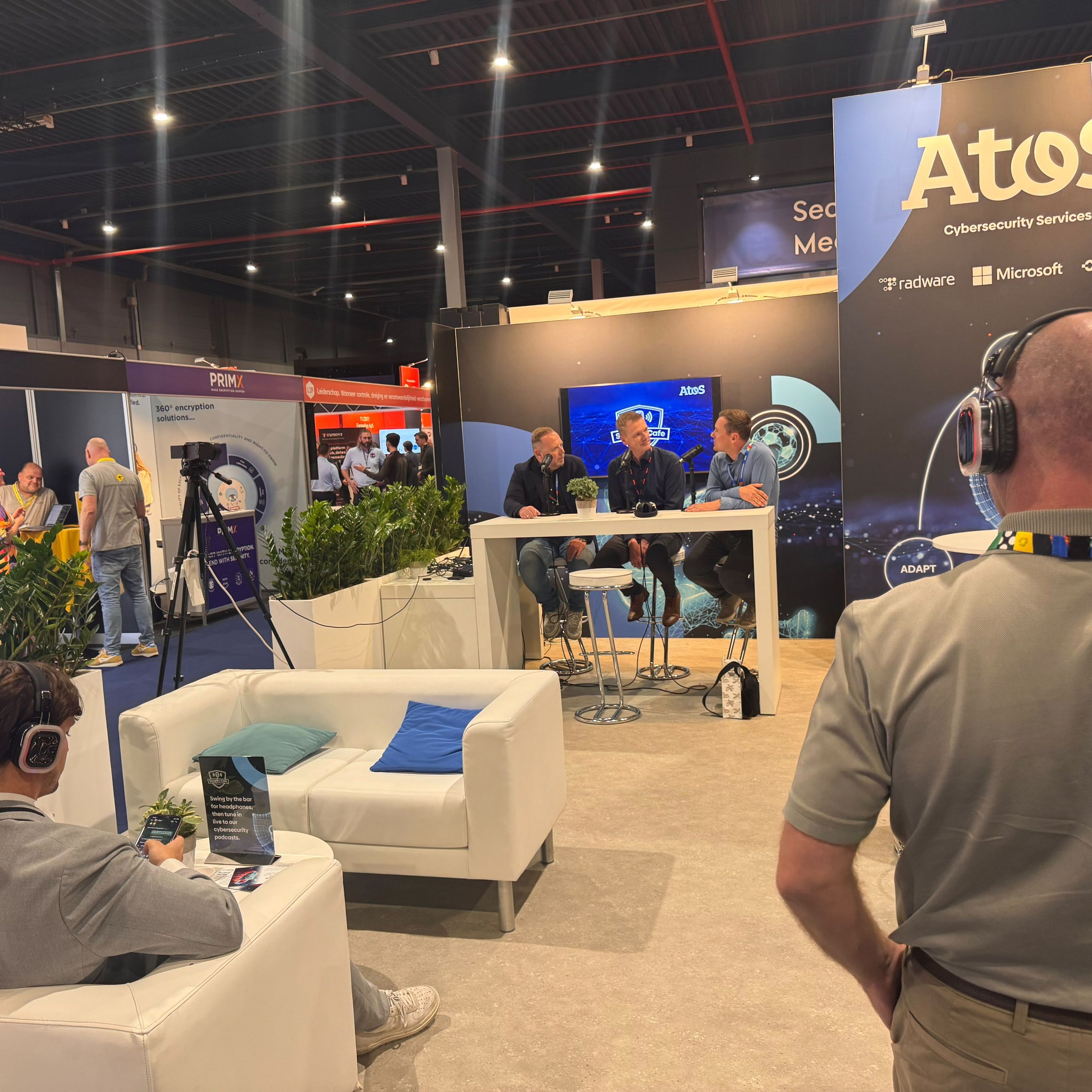
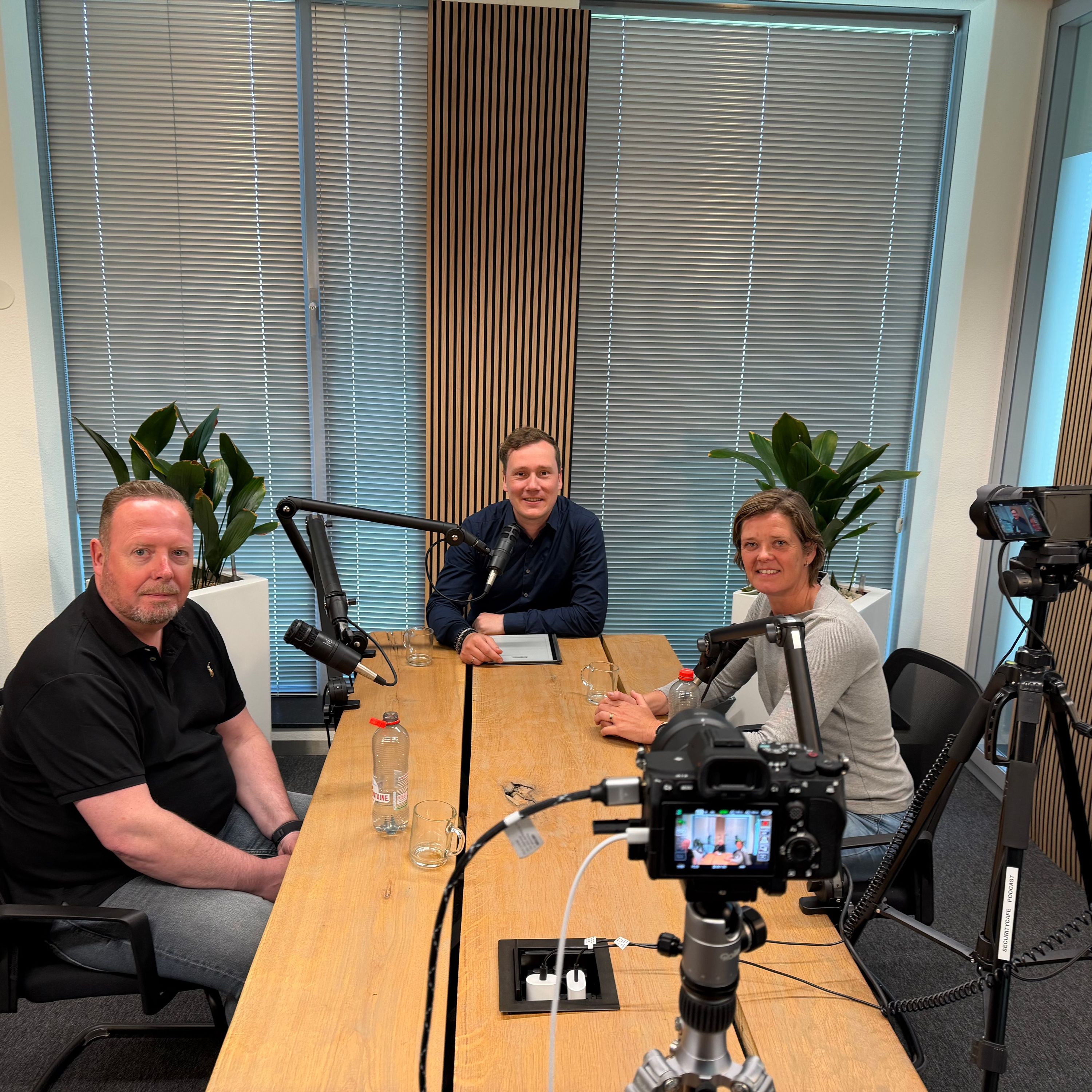
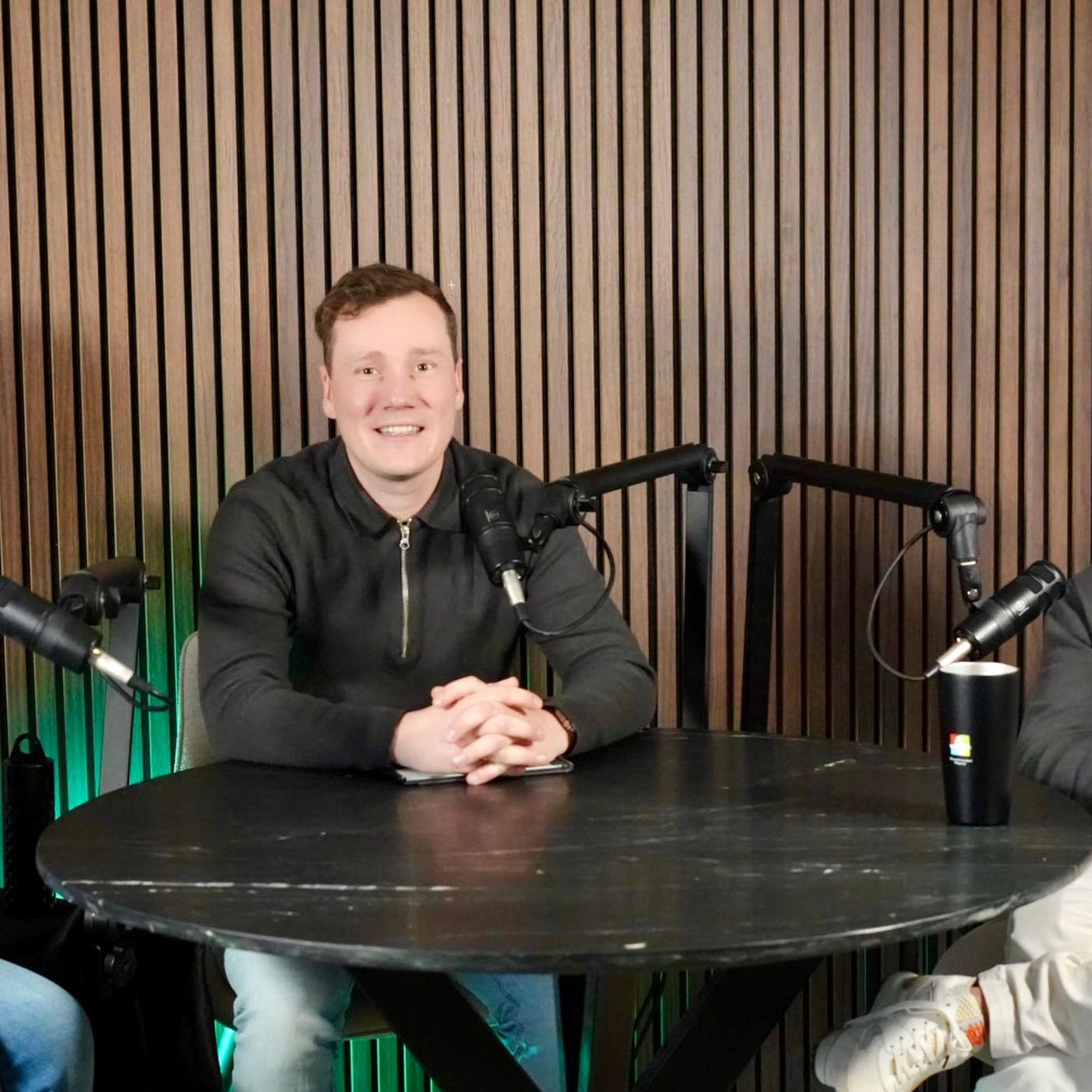
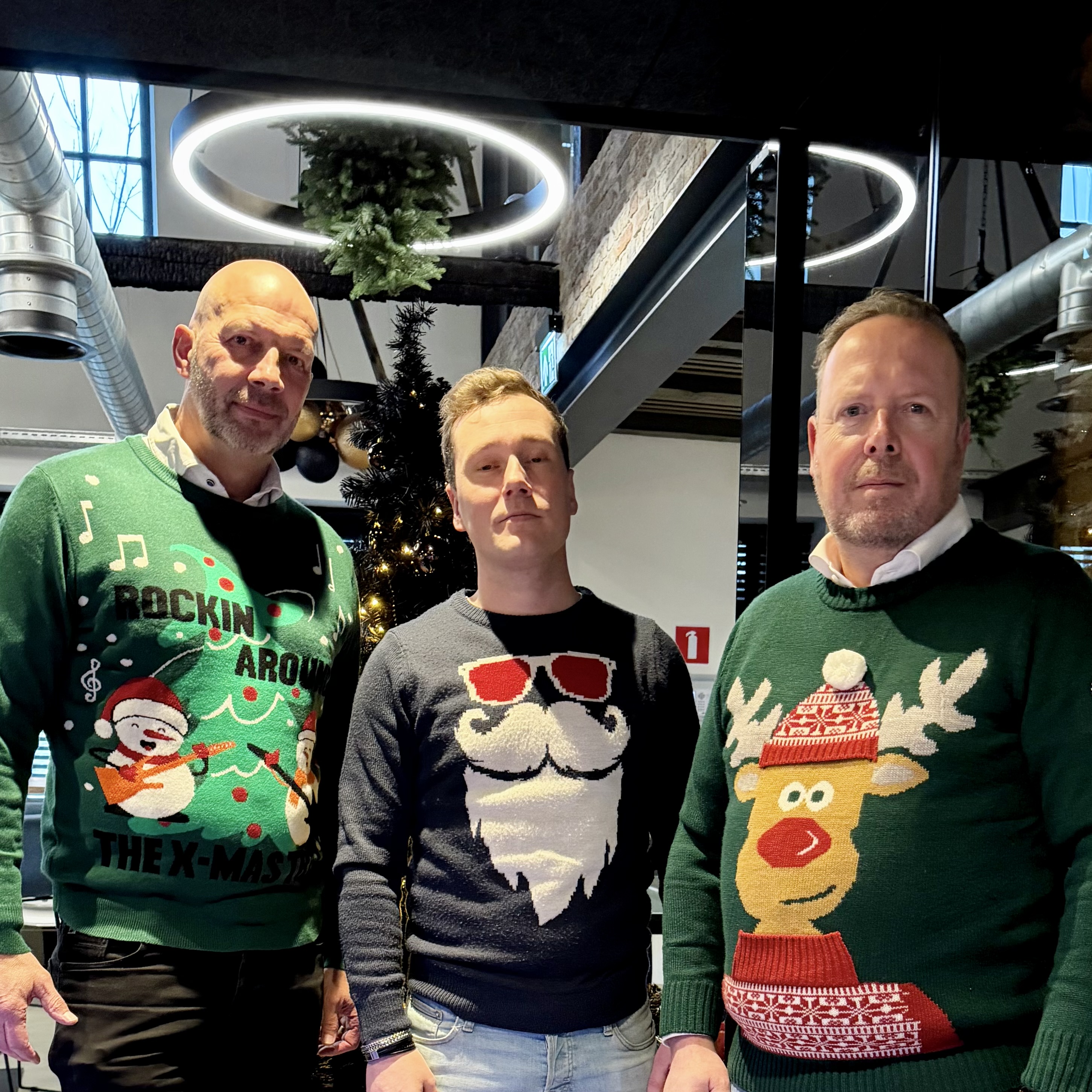
SecurityCafe – Lateral Movement: the human stories behind 40 years of cyberattacks, with David Dewulf Quint Ketting and Menno van der Horst talk with David Dewulf (Atos, cybersecurity lead Benelux and Northern Europe) about his book Lateral Movement: forty years of cyberattacks, from Morris to Mythos, seen through the people involved. Plus cloud outages, AI attack frameworks, NIS2 as a checkbox, and why "the user clicked" is never the full story. Timestamps 00:08 Welcome and introduction 00:50 News: cloud outages, patching without testing, technical debt 02:47 Dependency rather than sovereignty: plan B, NIS2, DORA and the CrowdStrike lesson 07:11 Introducing David Dewulf 07:55 Why this book: attacks as human stories, never a single mistake, and cybercrime following the same dynamics as ordinary crime 10:40 The responder's view: every incident calls for creativity 11:48 Humans on every side, and APT groups make mistakes too 14:17 ARTEX: AI attack agents that explain themselves in the logs 16:23 APT sophistication: Sandworm, Turla, TV5Monde, and actors who stay under the radar for years 18:16 Getting a persistent actor out often means rebuilding the network 18:32 SQL Slammer: machine speed in 2003, without any AI 19:59 From the Morris worm to ILOVEYOU: how fast the attack surface grew 20:41 Social engineering is still number one: from ILOVEYOU to Lapsus$ and Scattered Spider 22:36 Stop trying to patch the human. Responsibility lies with the organisation 25:21 HackShield, and NIS2 detection without controls ("cameras but no locks") 27:11 Compliance helps but does not protect you. "Good guys in, bad guys out" is over 30:39 Resilience: removing an advanced actor can take years 32:32 The stories that stayed with David: Lapsus$ and Scattered Spider, and NotPetya at Maersk 36:00 The Slammer anecdote: using the worm to deploy the patch 37:52 Motivations shift: from fame to money, economic power, disruption and disinformation 38:51 Cyberspace is real life, and what we teach kids at school has to change 40:17 Our laws were written for a world we no longer live in 40:37 What to read: Lateral Movement Key takeaways A breach is never one person's mistake. It builds up through decisions made by many people over time. Initial access will happen. Segmentation, detection and preparation decide how far an attacker gets. Compliance is a starting point, not protection. Resilience is about how well you have prepared to respond. Map your dependencies. What do you need in order to keep doing business when a key provider goes down? AI speeds attackers up, but they still exploit the same old weaknesses. Social engineering has worked for 30 years and will keep working. Design controls for that. Mentioned Lateral Movement: Forty Years of Cyberattacks from Morris to Mythos, by David Dewulf: https://www.successstore.com/lateral-movement-forty-years-of-cyberattacks-from-morris-to-mythos.html HackShield: https://www.hackshield.nl ARTEX (FBI flash alert FLASH-20261113-001): https://cloudsecurityalliance.org/articles/artex-and-autonomous-offensive-frameworks NIS2 Directive: https://digital-strategy.ec.europa.eu/en/policies/nis2-directive DORA: https://www.eiopa.europa.eu/digital-operational-resilience-act-dora_en Not independently verified Patching under time pressure as the root cause of the recent outages is a hypothesis Quint puts forward, not a confirmed cause. That fully removing an advanced actor usually takes years is based on the hosts' own incident response experience. Powered by Atos
- Transcript