
Skip to content
Artwork for Science Tech Brief By HackerNoon
ScienceNewsTech News

Science Tech Brief By HackerNoon

HackerNoon

Learn the latest science updates in the tech world.

Play
  • 24 episodes
  • Avg 12 min
  • English
Counted on this page — what you have heard stays on this device, so it is not something the list can be paged by.
  • July 14 · 1 hr 5 min

    240 Blog Posts To Learn About Beginners Guide

    This story was originally published on HackerNoon at: https://hackernoon.com/240-blog-posts-to-learn-about-beginners-guide. Learn everything you need to know about Beginners Guide via these 240 free HackerNoon blog posts. Check more stories related to science at: https://hackernoon.com/c/science. You can also check exclusive content about #beginners-guide, #learn, #learn-beginners-guide, and more. This story was written by: @learn. Learn more about this writer by checking @learn's about page, and for more stories, please visit hackernoon.com.

  • July 12 · 24 min

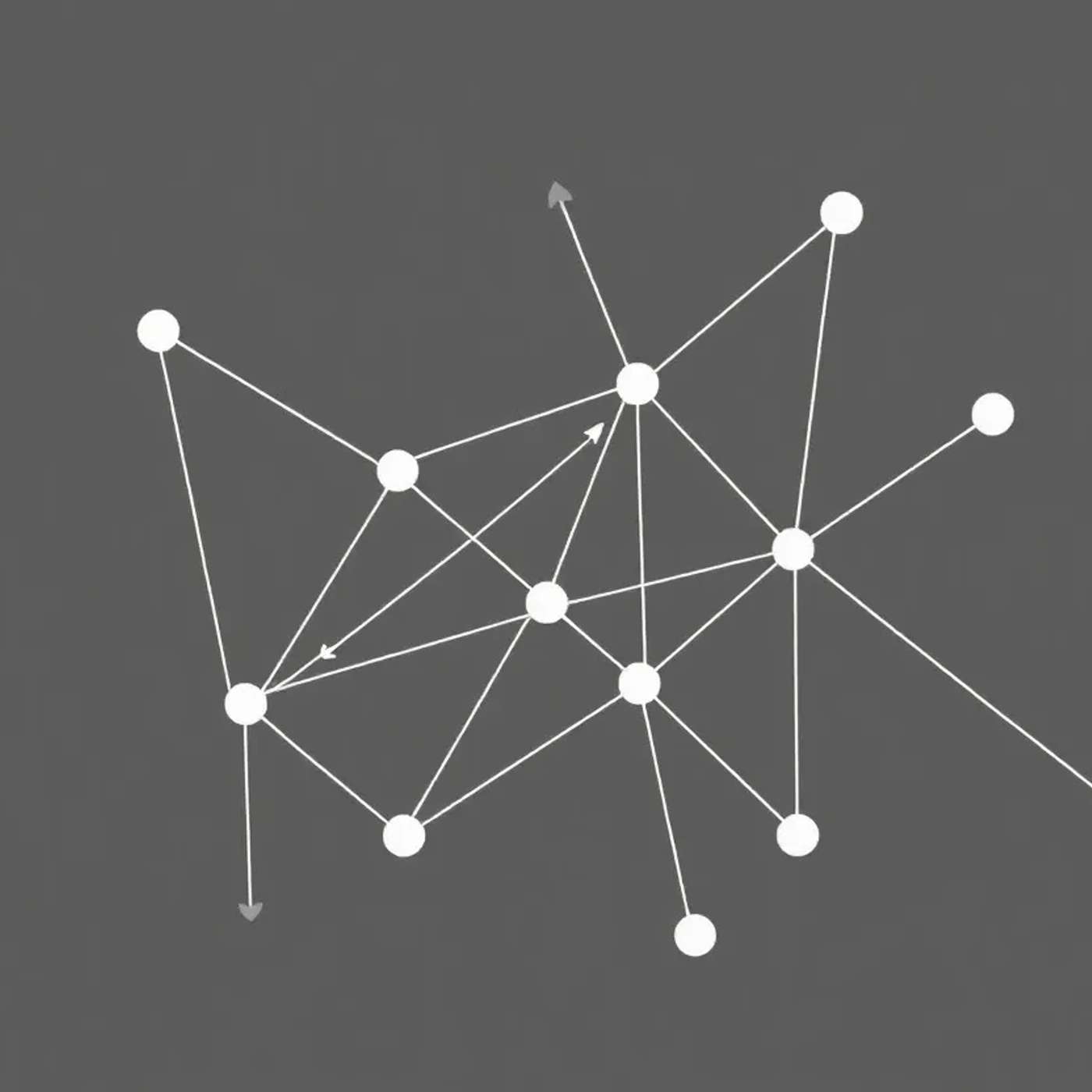
    Floyd-Warshall Algorithm: Handling Paths Longer Than Three Edges Without Fixed Maximum Length Assump

    This story was originally published on HackerNoon at: https://hackernoon.com/floyd-warshall-algorithm-handling-paths-longer-than-three-edges-without-fixed-maximum-length-assump. Learn why the Floyd-Warshall algorithm does not assume paths of three edges and how dynamic programming finds shortest paths of any length. Check more stories related to science at: https://hackernoon.com/c/science. You can also check exclusive content about #graph-theory, #floyd-warshall-algorithm, #shortest-path-algorithm, #floyd-warshall-vs-dijkstra, #matrix-update-algorithm, #optimal-graph-theory, #floyd-warshall-path-length, #floyd-warshall-programming, and more. This story was written by: @ethcarv. Learn more about this writer by checking @ethcarv's about page, and for more stories, please visit hackernoon.com. The Floyd-Warshall algorithm does not assume shortest paths are limited to three edges. Instead, it uses dynamic programming to iteratively refine a distance matrix, treating every vertex as a potential intermediate node. This process naturally discovers optimal paths of any length, making Floyd-Warshall a powerful all-pairs shortest path algorithm for dense weighted graphs.

  • July 10 · 7 min

    How to Reduce Digital Fatigue in Interfaces

    This story was originally published on HackerNoon at: https://hackernoon.com/how-to-reduce-digital-fatigue-in-interfaces. Digital fatigue is more than screen time. Learn how design decisions contribute to cognitive overload and what designers can do to reduce it. Check more stories related to science at: https://hackernoon.com/c/science. You can also check exclusive content about #design, #web-design, #product-design, #user-interface, #ui-design, #ui-ux, #digital-fatigue, #what-is-digital-fatigue, and more. This story was written by: @tandronova89. Learn more about this writer by checking @tandronova89's about page, and for more stories, please visit hackernoon.com. If users feel tired, distracted, or overwhelmed while using your product, the problem may not be their attention span. Digital fatigue is frequently the result of design decisions that create unnecessary cognitive load. From notifications and endless choices to confusing interfaces, small UX decisions can gradually drain users’ mental energy. Good design doesn’t compete for attention - it helps users spend less of it.

  • July 10 · 14 min

    Quantum Mechanics and the Psychology of Uncertainty

    This story was originally published on HackerNoon at: https://hackernoon.com/quantum-mechanics-and-the-psychology-of-uncertainty. Why Feynman’s famous declaration that "nobody understands quantum mechanics" remains relevant today. Check more stories related to science at: https://hackernoon.com/c/science. You can also check exclusive content about #quantum-mechanics, #cybernetics, #technopolitics, #quantum-computing, #quantum-theory, #quantum-superposition, #uncertainty-principle, #hackernoon-top-story, and more. This story was written by: @rosspeili. Learn more about this writer by checking @rosspeili's about page, and for more stories, please visit hackernoon.com. The article argues that quantum mechanics has already transformed society, not primarily through quantum computers but by changing how people think about uncertainty, possibility, and reality. It blends history, philosophy, and popular culture to suggest that quantum theory's most enduring influence may be psychological rather than technological.

Showing 21–24 of 24 episodes