Skip to content
Artwork for Science Friday

Science Friday

Science Friday

Science Friday, as heard on PRI, is a weekly discussion of the latest news in science, technology, health, and the environment hosted by Ira Flatow. Ira interviews scientists, authors, and policymakers, and listeners can call in and ask questions as well.

Play
  • 23 episodes
  • daily
  • Avg 17 min
  • English
Counted on this page — what you have heard stays on this device, so it is not something the list can be paged by.
  • #1411
    Yesterday · 12 min
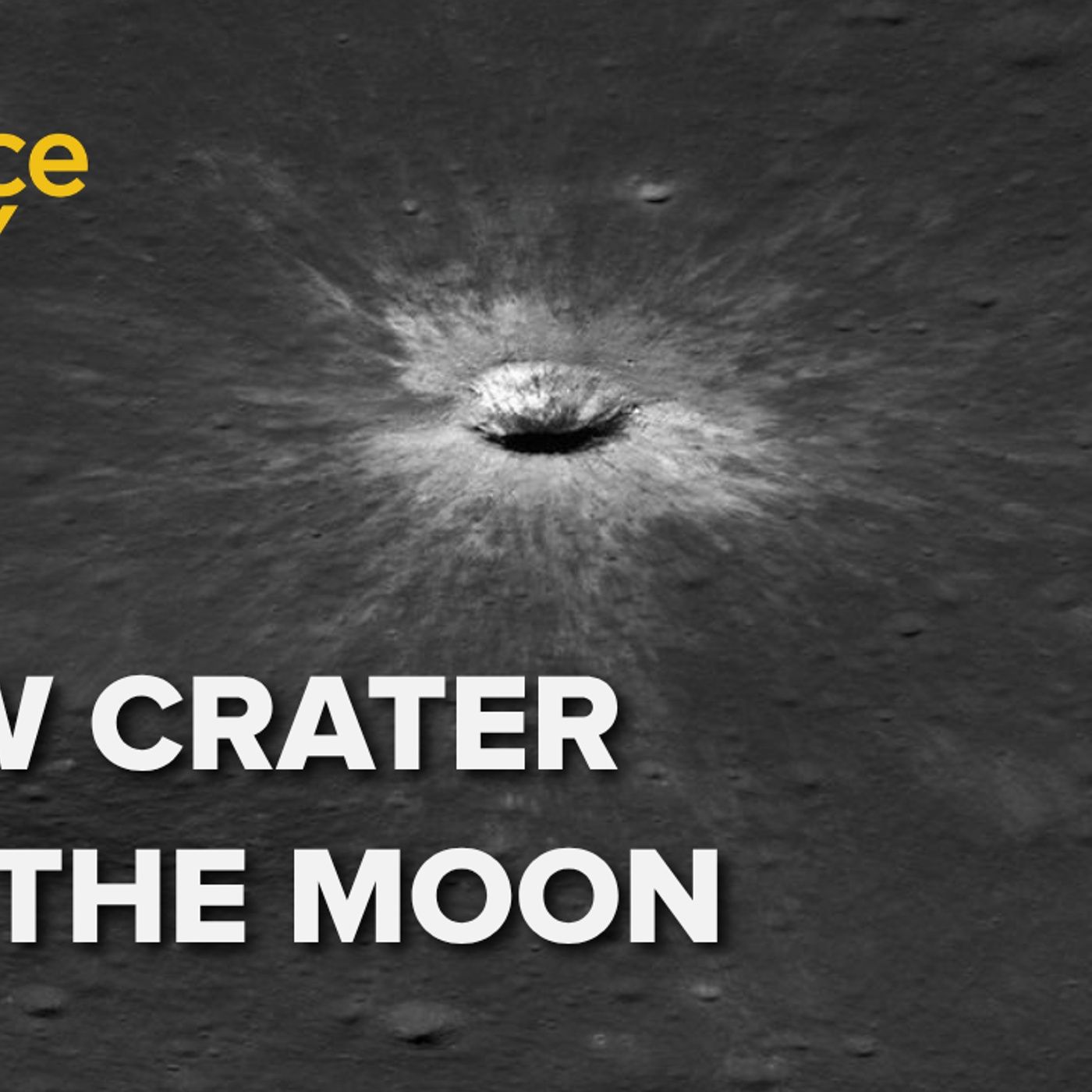
    1411: What is the Kelvin wave on the West Coast?

    A Kelvin wave has reached California and is creeping up the West Coast, raising both sea levels and concerns from government officials. This kind of massive internal wave begins in the western Pacific Ocean and then travels eastward to the Americas...

  • #1410
    Thursday · 18 min

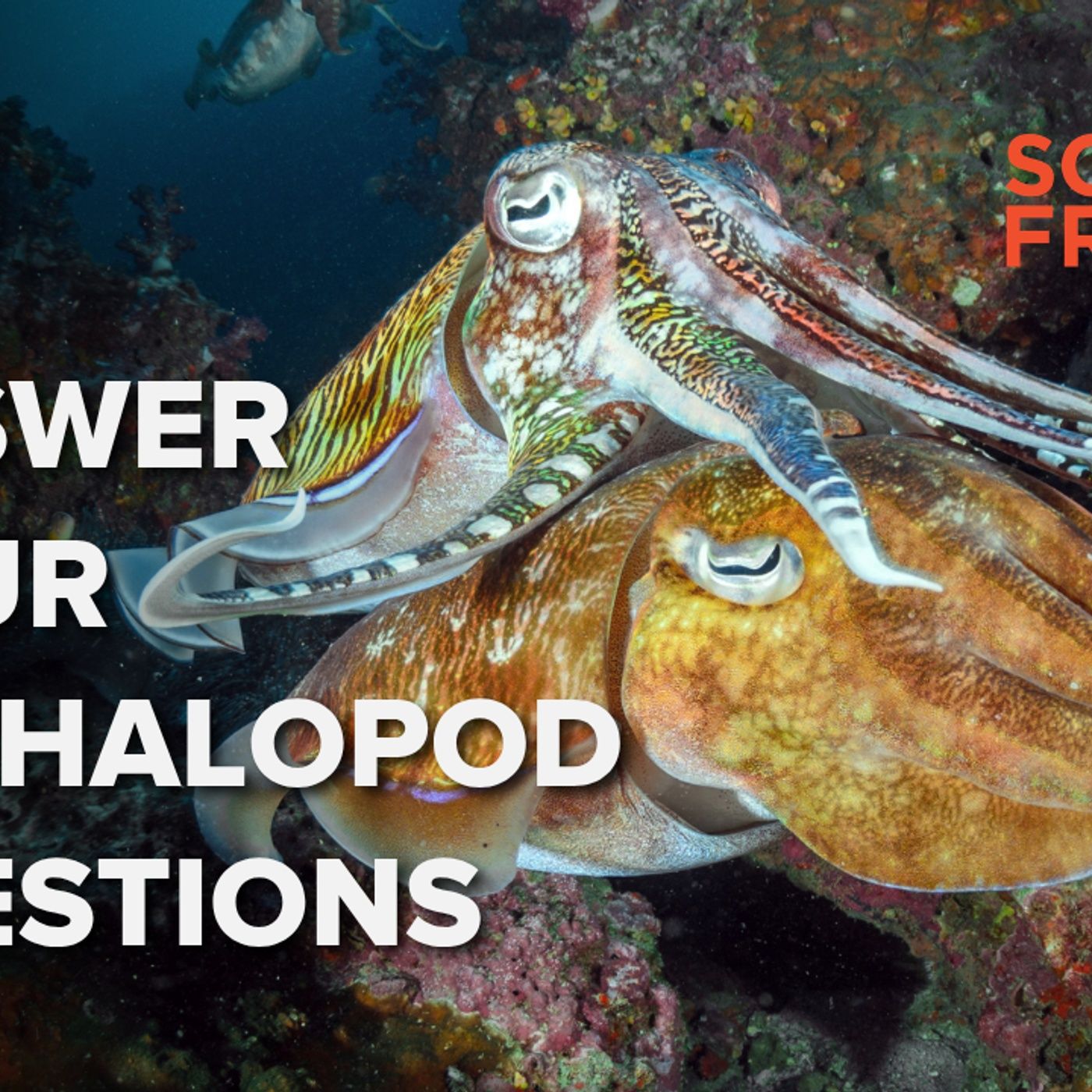
    1410: The punk rock life of cephalopods

    Cephalopods https://www.sciencefriday.com/segments/punk-rock-life-of-cephalopods/ for being smart and majestic. And while that may be true, the life of a cephalopod can also be dark and gritty. Have you heard of octopus death spirals? How about...

  • #1408
    Tuesday · 15 min

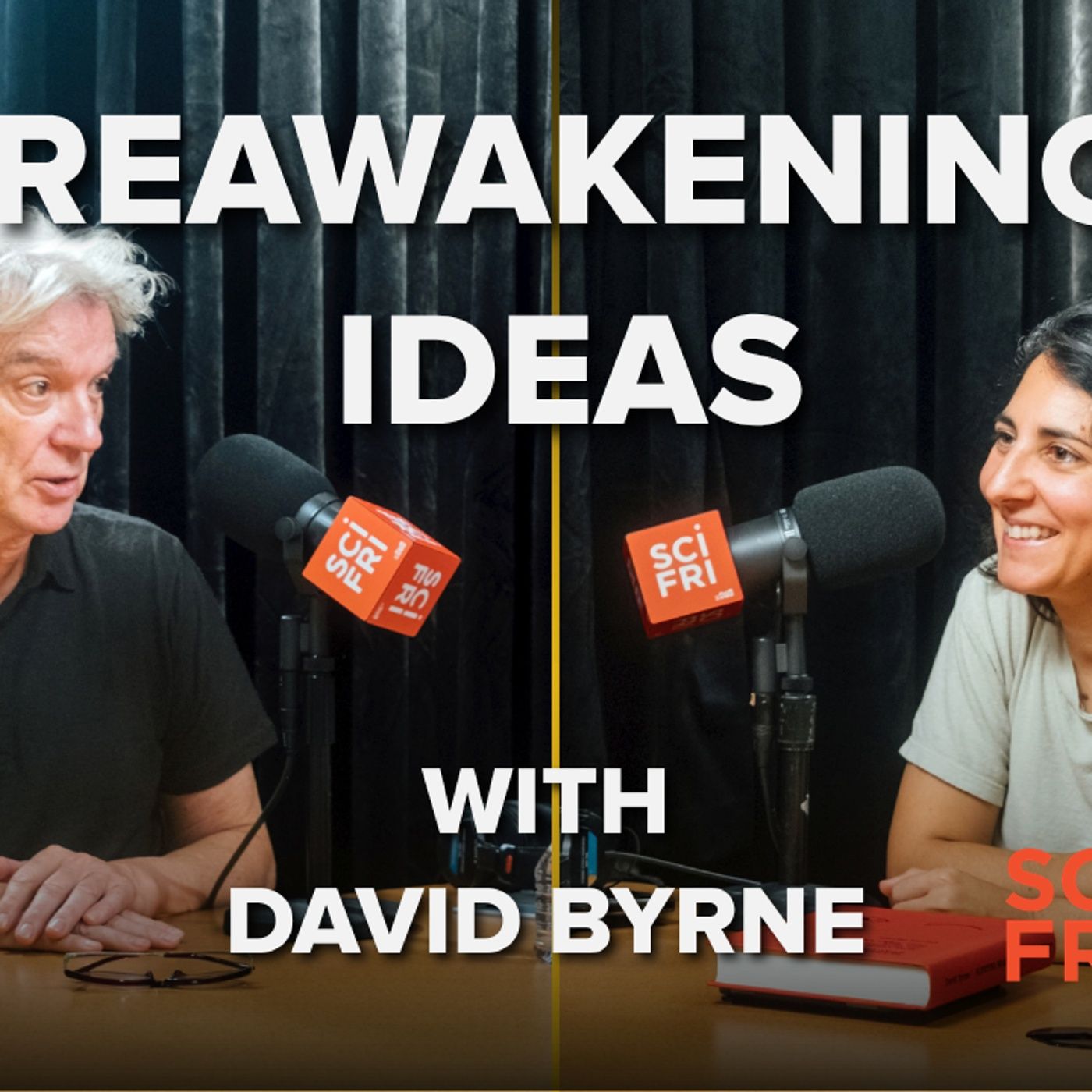
    1408: How important ideas get reawakened, with David Byrne

    On Science Friday, we love to talk about ideas, especially ideas that have the power to shape the future. But there are plenty of https://www.sciencefriday.com/segments/how-important-ideas-get-reawakened-with-david-byrne/ that almost don’t make it out...

  • Monday · 15 min

    The History of Concrete with John Wilson

    John Wilson’s new documentary, “The History of Concrete,” has a subject matter that to most people may seem gray, drab, and boring. The https://www.sciencefriday.com/segments/the-history-of-concrete-with-john-wilson/. Alongside facts about concrete’s...

  • #1406
    October 2 · 12 min

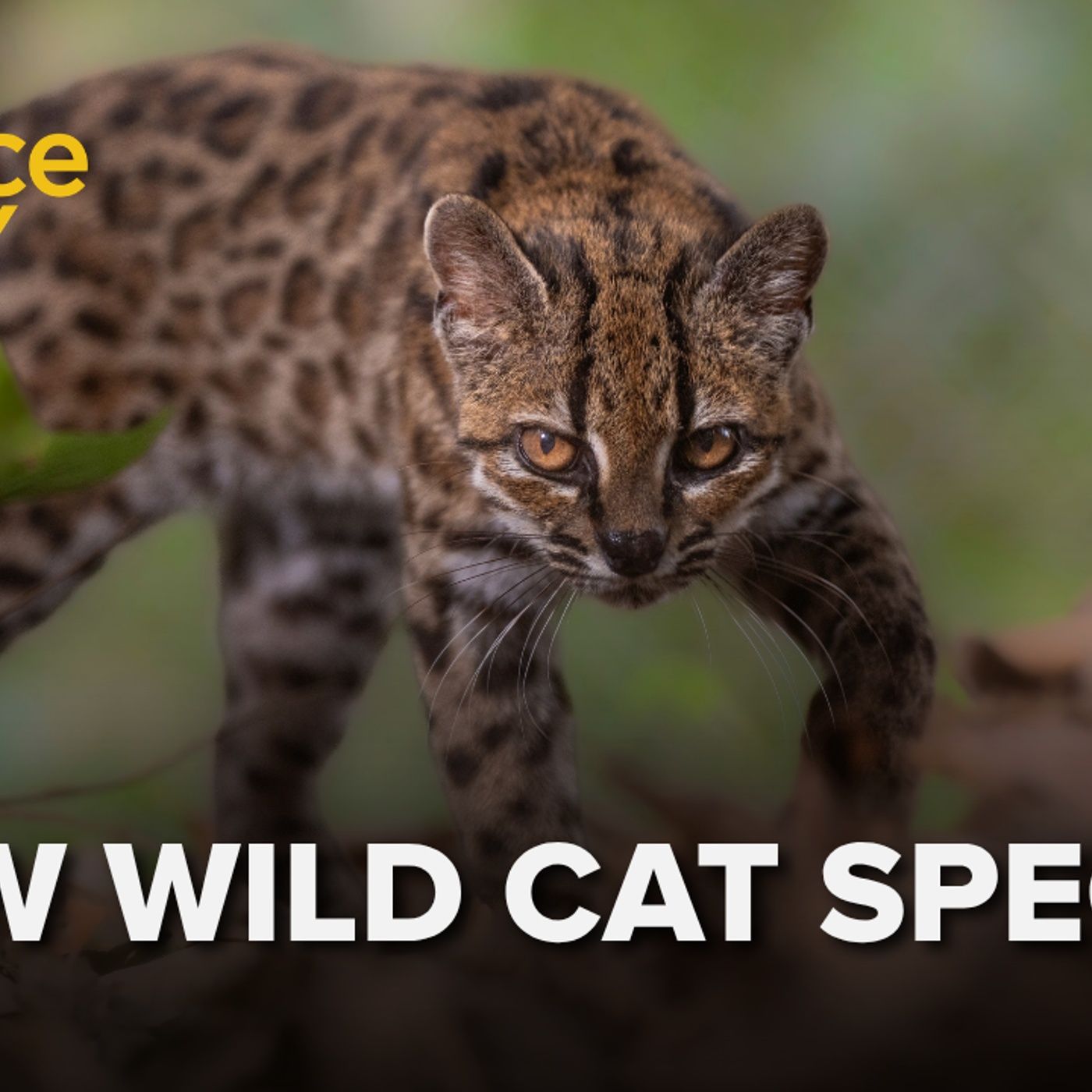
    1406: The tilcayo is the new wild cat on the block

    Big news for tiny cats: an itty-bitty three-pound https://www.sciencefriday.com/segments/the-tilcayo-is-the-new-wild-cat-on-the-block/—called the tilcayo—is the first new wild cat species described in more than a hundred years. Tilcayo pics have been...

  • #1405
    October 1 · 17 min

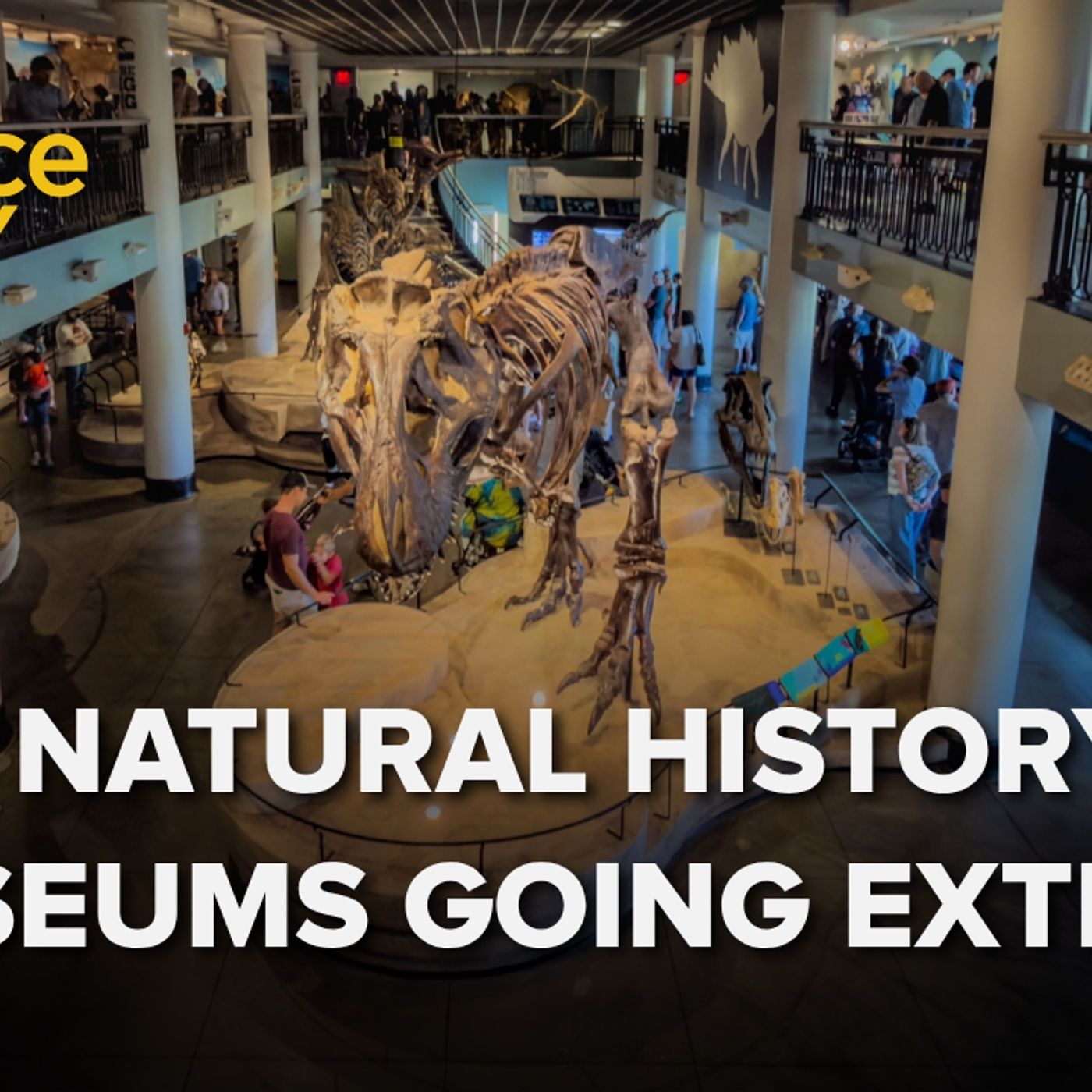
    1405: Are natural history museums going extinct?

    Leaders of the Academy of Natural Sciences of Drexel University say they can’t afford to keep the museum open to visitors. And there are rumors that https://www.sciencefriday.com/segments/are-natural-history-museums-going-extinct, in Hays, Kansas, may...

  • #1404
    September 29 · 21 min

    1404: Did the COVID pandemic stunt kids’ development?

    It’s a conversation at playgrounds and in classrooms: parents and teachers worry that kids who spent formative years at home during the COVID-19 pandemic are set back, emotionally, socially or academically. But...

  • #1403
    September 28 · 18 min

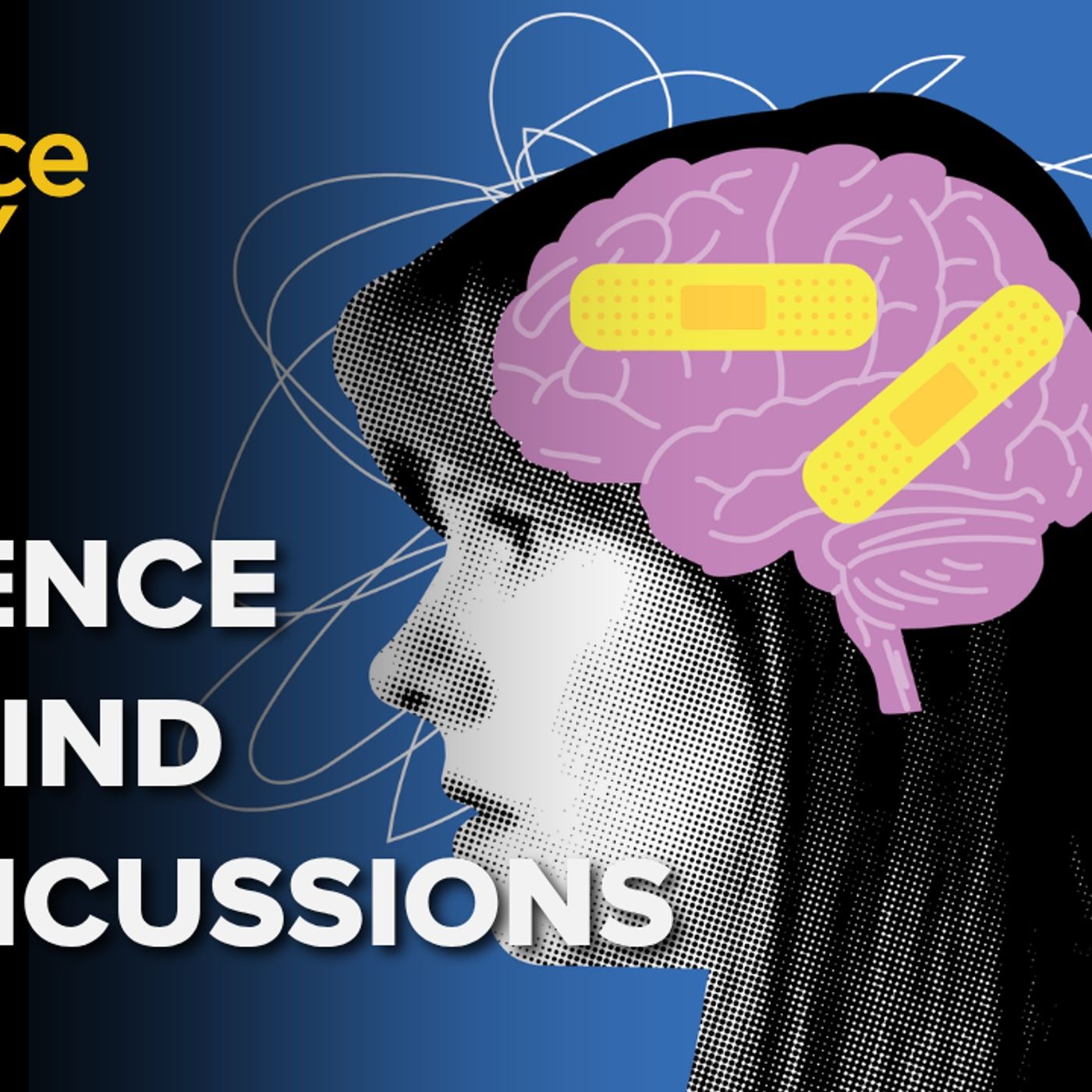
    1403: How do concussions affect the brain?

    Football season is upon us and a new study is making headlines. Researchers found that roughly 1 in 4 NFL players will develop CTE, a neurodegenerative disease, in their lifetime. While most of us are not professional athletes, concussions are still a...

  • #1402
    September 25 · 11 min

    1402: Are new treatments for celiac disease on the horizon?

    For celiac disease sufferers, avoiding gluten is the only way to avoid symptoms. But that’s not always easy to do. Researchers are working on https://www.sciencefriday.com/segments/are-new-treatments-for-celiac-disease-on-the-horizon/, including one...

  • #1401
    September 24 · 22 min

    1401: Everyone is calling for safer AI. So what does that mean?

    AI safety has dominated the news cycle for weeks, precipitated in part by an AI attack where a bunch of OpenAI’s agents teamed up and hacked another AI platform, Hugging Face, without humans knowing. Since then, multiple AI researchers have come...

  • #1400
    September 23 · 18 min

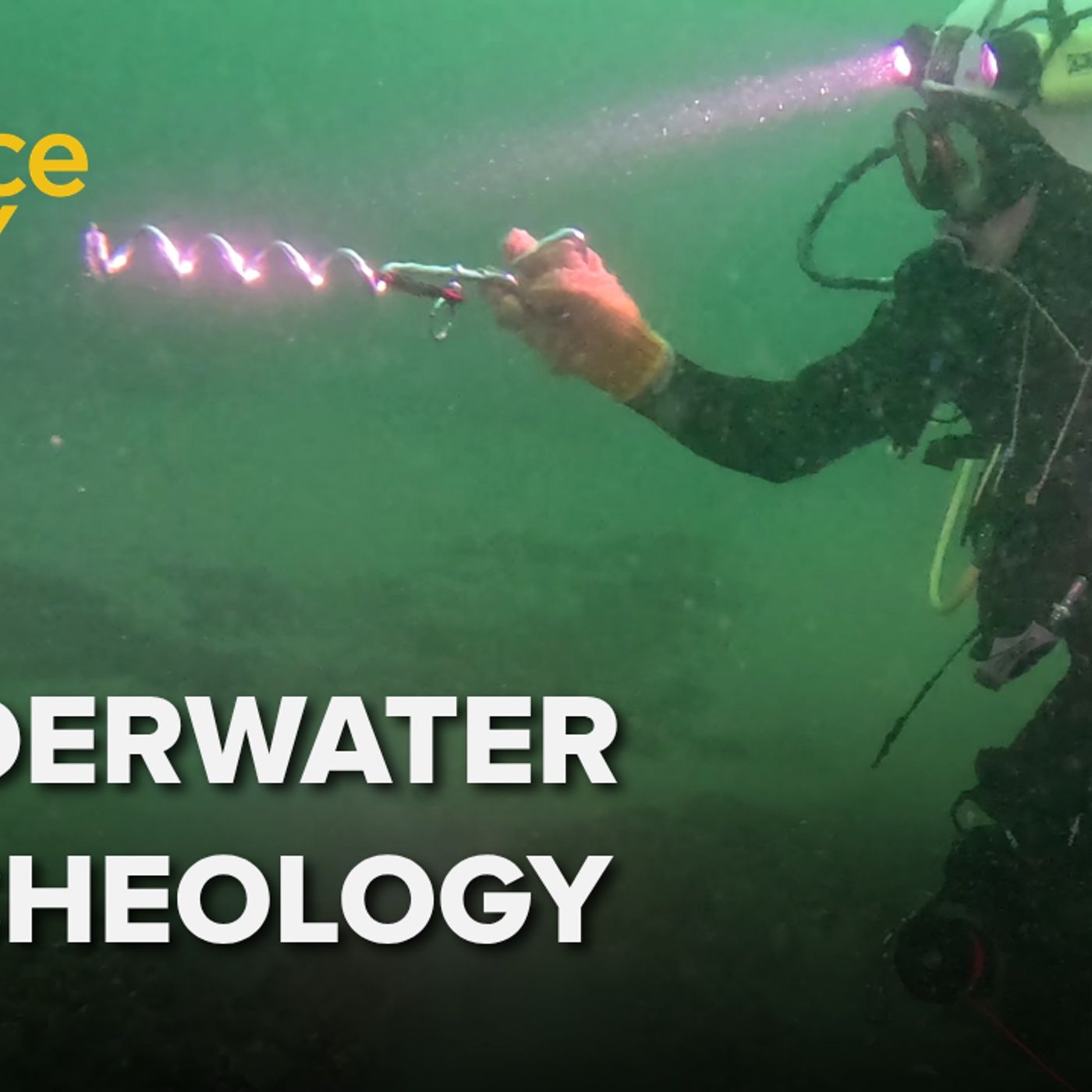
    1400: Underwater archeology reveals clues about Ice Age humans

    During the last ice age, America’s coastlines and waterways looked much different than they do today. When glaciers melted, coasts and shorelines were inundated, burying early human settlements underwater. This is where underwater archeology comes in....

  • #1399
    September 22 · 12 min

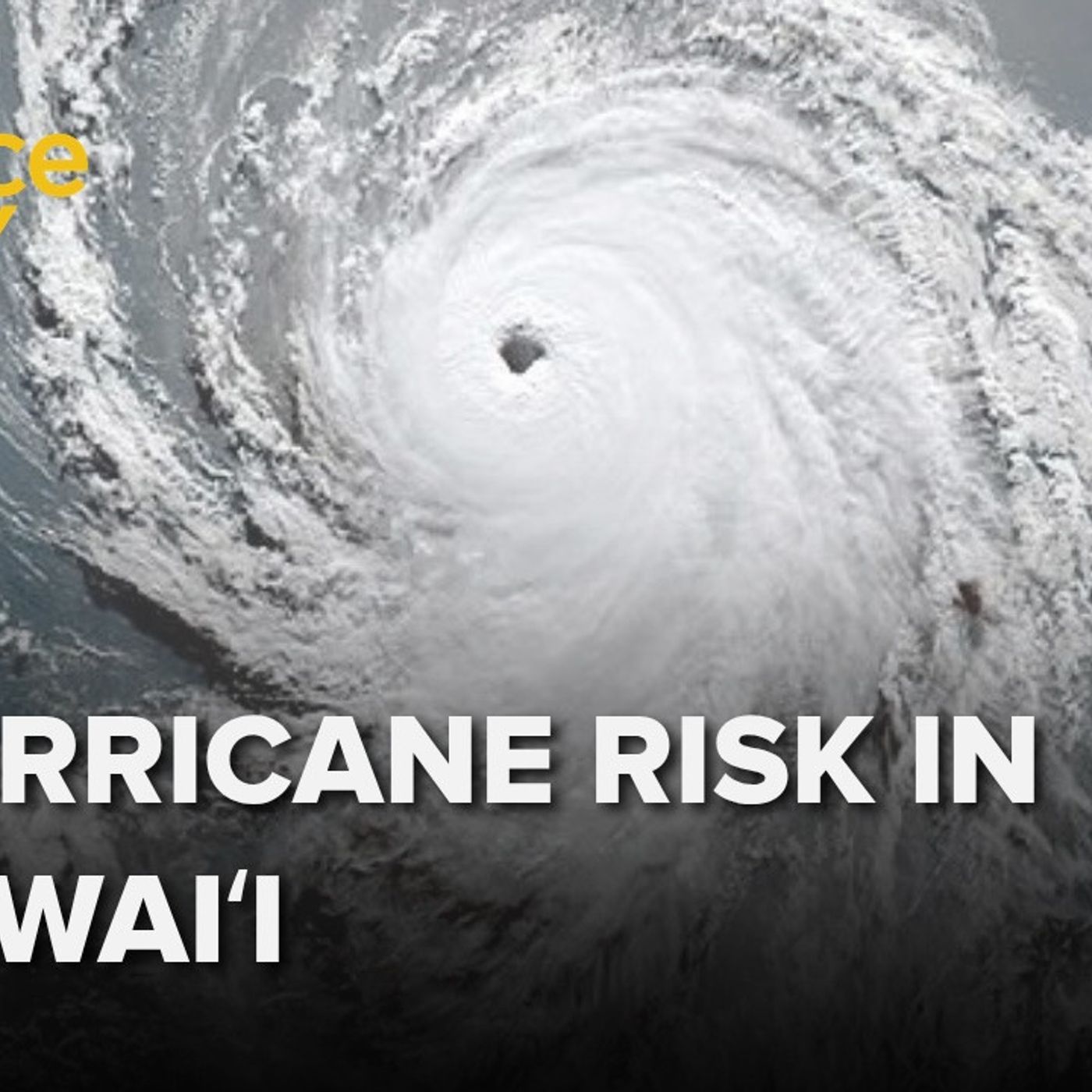
    1399: Climate change is increasing hurricane risk for Hawaiʻi

    The Hawaiian Islands tend to be insulated from the worst effects of hurricanes, but this summer has been different. In mid-August, Hurricane Lala pummeled the Big Island, damaging homes and roads and causing flooding and power outages. Then a few...

  • #1398
    September 21 · 18 min

    1398: Bringing hard electronics into soft and squishy bodies

    A lot of things in life are squishy, including your skin, your organs, and all the goo inside you. But technology tends to be rigid and hard. Figuring out how to get those two worlds to work together can be challenging. How do you connect an...

  • #1397
    September 18 · 18 min

    1397: What is lymphatic drainage, anyway?

    There’s a new wellness trend focused on an obscure capillary system that moves fluid around the body. Things like lymphatic walking, vibration plates, and compression boots have been touted as ways to stimulate the lymphatic system to combat bloating,...

  • #1396
    September 17 · 18 min

    1396: Hot flashes and hormone therapy: the science of perimenopause

    Perimenopause affects more than 4 billion people, but has historically been neglected by medicine. It’s the time before menopause when hormones start fluctuating wildly, leaving women with brain fog, hot flashes, dropping bone density, and mood...

  • #1395
    September 16 · 25 min

    1395: Telling the tale of human origins, one fossil tooth at a time

    Where did we come from? How did humanity, with our complicated civilizations and all our human quirks and foibles, come to be? Much of what we know about those questions traces back to important fossil finds in Ethiopia.  Paleoanthropologist Yohannes...

Showing 1–20 of 23 episodes