Artwork for Right Side Up Podcast with Danielle Strickland
Religion & Spirituality

Right Side Up Podcast with Danielle Strickland

Danielle Strickland

welcome. I'm hoping it's here you will find subversive ideas, disruptive thoughts, experience and hope, some spiritual depth and genuine questions... this is a way of one beggar telling another beggar where to find some bread. I'm glad you are here.

daniellestrickland.substack.com
  • 20 episodes
  • Updated June 16

Episodes20

  • June 16 · 24 min

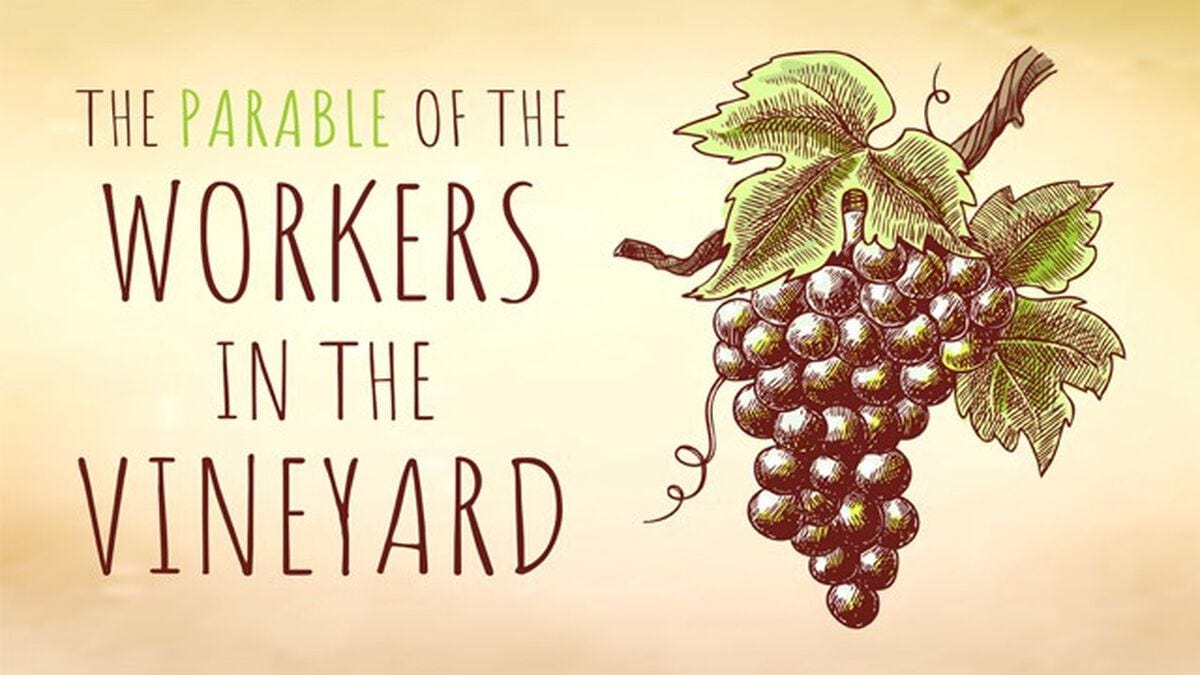
    The Workers in the Vineyard AKA The Workers in the Vineyard (yes really)

    In this episode, we dive deep into the parable that challenges our notions of fairness and generosity. Why do we feel envy when others receive blessings we think they don’t deserve? This story isn’t just about labourers; it’s a message about the kingdom of God where everyone has enough. What if the true essence of this parable is a reminder that generosity can redefine our understanding of fairness? It’s not about what we earn but the grace we receive. So, let’s reflect: Are we ready to embrace a world where generosity reigns over competition? What does that look like for you? This series was originally preached at James’ church Wellspring Worship Centre - a diverse and Jesus loving community found in Toronto. Get full access to Right Side Up: Danielle Strickland at daniellestrickland.substack.com/subscribe

  • June 10 · 40 min

    Jesus Interrupted - With Meredith Miller

    In this engaging interview, Meredith Miller shares her insights on teaching the Bible to children and adults, emphasizing wonder, imagination, and faithfulness. Discover how her approach transforms biblical storytelling into a space of curiosity and trust, fostering a deeper connection with God’s story. You can check out Meredith’s substack here (and you really should) And you can subscribe to Danielle’s substack below Get full access to Right Side Up: Danielle Strickland at daniellestrickland.substack.com/subscribe
  • June 1 · 39 min

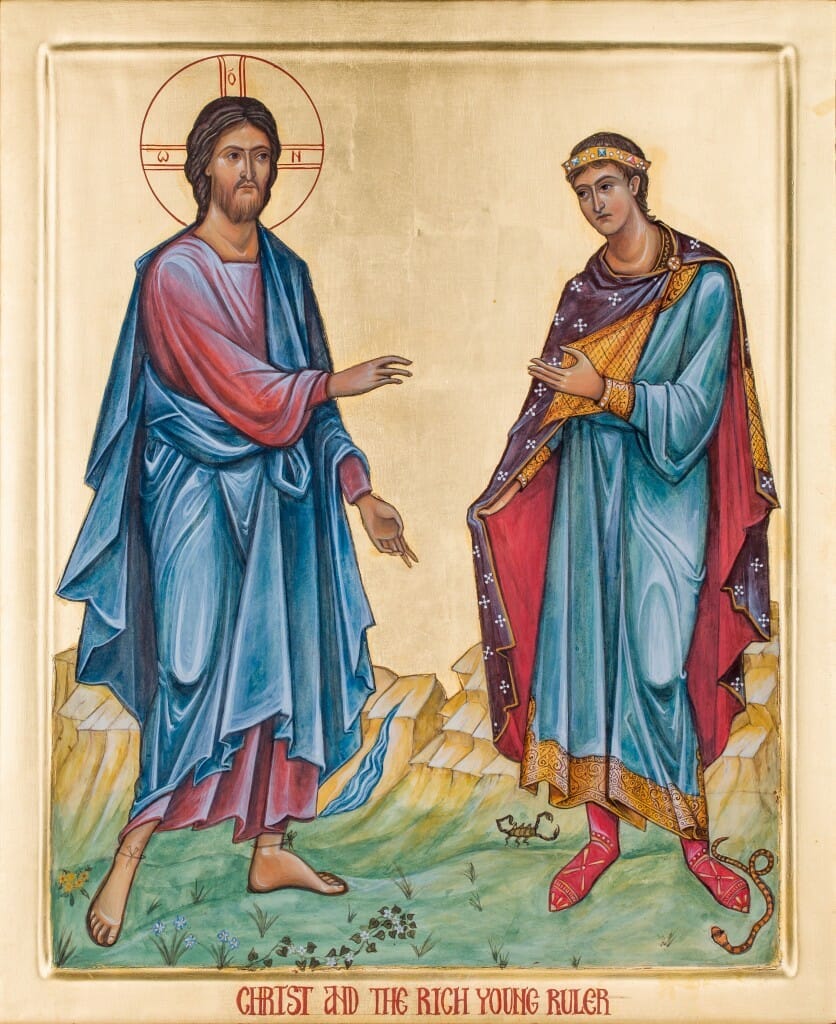
    The Rich Young Ruler AKA The Only Man that Jesus ever Loved

    Mark 10 And as he was setting out on his journey, a man ran up and knelt before him and asked him, “Good Teacher, what must I do to inherit eternal life?” And Jesus said to him, “Why do you call me good? No one is good except God alone. You know the commandments: ‘Do not murder, Do not commit adultery, Do not steal, Do not bear false witness, Do not defraud, Honor your father and mother.’” And he said to him, “Teacher, all these I have kept from my youth.” And Jesus, looking at him, loved him, and said to him, “You lack one thing: go, sell all that you have and give to the poor, and you will have treasure in heaven; and come, follow me.” Disheartened by the saying, he went away sorrowful, for he had great possessions. And Jesus looked around and said to his disciples, “How difficult it will be for those who have wealth to enter the kingdom of God!” And the disciples were amazed at his words. But Jesus said to them again, “Children, how difficult it is to enter the kingdom of God! It is easier for a camel to go through the eye of a needle than for a rich person to enter the kingdom of God.” And they were exceedingly astonished, and said to him, “Then who can be saved?” Jesus looked at them and said, “With man it is impossible, but not with God. For all things are possible with God.” Peter began to say to him, “See, we have left everything and followed you.” Jesus said, “Truly, I say to you, there is no one who has left house or brothers or sisters or mother or father or children or lands, for my sake and for the gospel, who will not receive a hundredfold now in this time, houses and brothers and sisters and mothers and children and lands, with persecutions, and in the age to come eternal life. But many who are first will be last, and the last first.” Summary In this episode of "Right Side Up," Danielle Strickland and James Sholl explore the concept of viewing the world through a different lens, particularly in how we interpret the Bible. They discuss the importance of challenging traditional perspectives and the impact of wealth on spiritual life. The conversation delves into the story of the rich man in the Bible, emphasizing Jesus' unique expression of love towards him and the broader implications of wealth as a perceived blessing. The hosts reflect on societal norms, inherited wealth, and the transformative power of generosity, encouraging listeners to practice giving as a way to combat scarcity mindsets. They also touch on cultural insights from the Blackfoot tribe, contrasting them with Western individualism. This series was originally preached at James’ church Wellspring Worship Centre - a diverse and Jesus loving community found in Toronto. Get full access to Right Side Up: Danielle Strickland at daniellestrickland.substack.com/subscribe

  • May 25 · 43 min

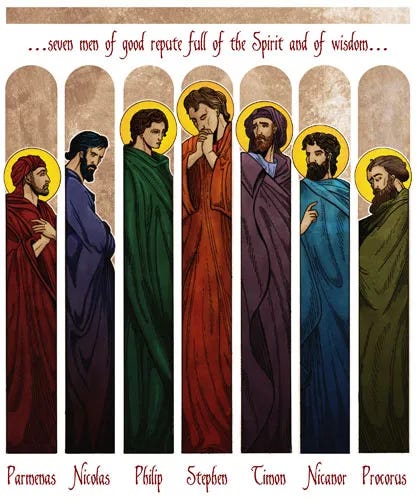
    The Choosing of the Seven AKA Racism: The Church's original sin

    Acts 6 In those days when the number of disciples was increasing, the Hellenistic Jews among them complained against the Hebraic Jews because their widows were being overlooked in the daily distribution of food. So the Twelve gathered all the disciples together and said, “It would not be right for us to neglect the ministry of the word of God in order to wait on tables. Brothers and sisters, choose seven men from among you who are known to be full of the Spirit and wisdom. We will turn this responsibility over to them and will give our attention to prayer and the ministry of the word.” This proposal pleased the whole group. They chose Stephen, a man full of faith and of the Holy Spirit; also Philip, Procorus, Nicanor, Timon, Parmenas, and Nicolas from Antioch, a convert to Judaism. They presented these men to the apostles, who prayed and laid their hands on them. So the word of God spread. The number of disciples in Jerusalem increased rapidly, and a large number of priests became obedient to the faith. Summary In this episode of "Right Side Up," Danielle Strickland and James Sholl explore themes of inclusion, power dynamics, and community within the early church, as depicted in Acts 6. They discuss how the early church addressed issues of neglect and racism by empowering marginalized groups, specifically the Hellenists, to lead and distribute resources. This approach is highlighted as a model for modern communities to correct systemic imbalances and foster inclusivity. The conversation emphasizes the importance of listening to underrepresented voices and sharing power to reflect the spirit of the gospel. This series was originally preached at James’ church Wellspring Worship Centre - a diverse and Jesus loving community found in Toronto. Get full access to Right Side Up: Danielle Strickland at daniellestrickland.substack.com/subscribe
  • May 18 · 43 min

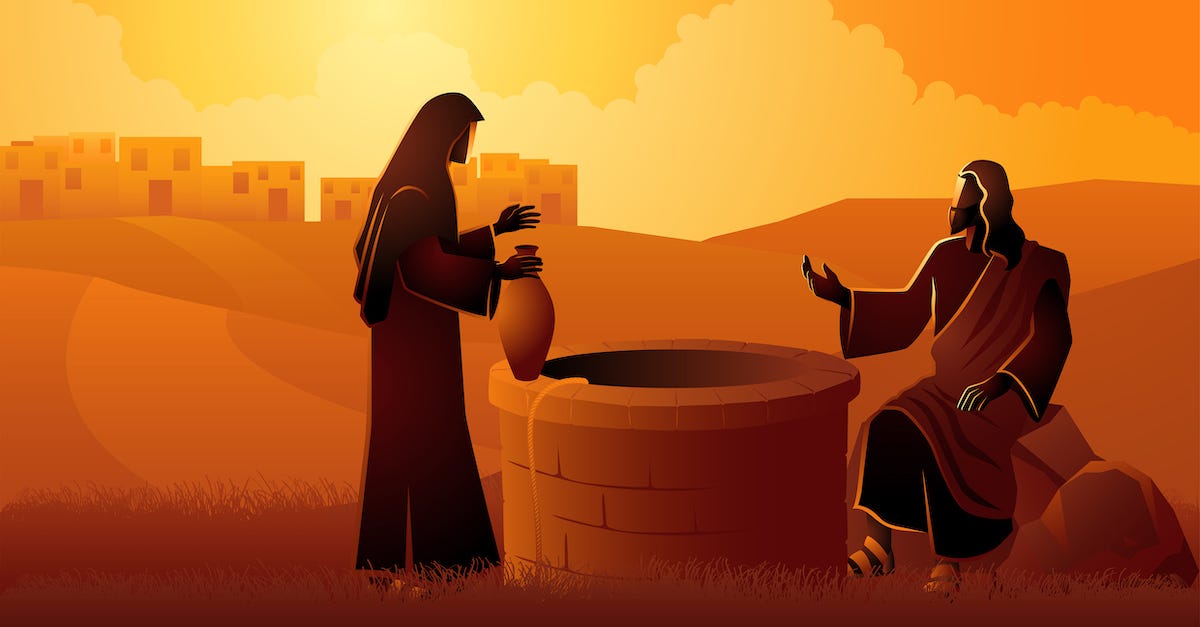
    The Woman at the Well AKA Jesus meets the First Evangelist

    John 4 Now Jesus learned that the Pharisees had heard that he was gaining and baptizing more disciples than John— although in fact it was not Jesus who baptized, but his disciples. So he left Judea and went back once more to Galilee. Now he had to go through Samaria. So he came to a town in Samaria called Sychar, near the plot of ground Jacob had given to his son Joseph. Jacob’s well was there, and Jesus, tired as he was from the journey, sat down by the well. It was about noon. When a Samaritan woman came to draw water, Jesus said to her, “Will you give me a drink?” (His disciples had gone into the town to buy food.) The Samaritan woman said to him, “You are a Jew and I am a Samaritan woman. How can you ask me for a drink?” (For Jews do not associate with Samaritans.) Jesus answered her, “If you knew the gift of God and who it is that asks you for a drink, you would have asked him and he would have given you living water.” “Sir,” the woman said, “you have nothing to draw with and the well is deep. Where can you get this living water? Are you greater than our father Jacob, who gave us the well and drank from it himself, as did also his sons and his livestock?” Jesus answered, “Everyone who drinks this water will be thirsty again, but whoever drinks the water I give them will never thirst. Indeed, the water I give them will become in them a spring of water welling up to eternal life.” The woman said to him, “Sir, give me this water so that I won’t get thirsty and have to keep coming here to draw water.” He told her, “Go, call your husband and come back.” “I have no husband,” she replied. Jesus said to her, “You are right when you say you have no husband. The fact is, you have had five husbands, and the man you now have is not your husband. What you have just said is quite true.” “Sir,” the woman said, “I can see that you are a prophet. Our ancestors worshiped on this mountain, but you Jews claim that the place where we must worship is in Jerusalem.” “Woman,” Jesus replied, “believe me, a time is coming when you will worship the Father neither on this mountain nor in Jerusalem. You Samaritans worship what you do not know; we worship what we do know, for salvation is from the Jews. Yet a time is coming and has now come when the true worshipers will worship the Father in the Spirit and in truth, for they are the kind of worshipers the Father seeks. God is spirit, and his worshipers must worship in the Spirit and in truth.” The woman said, “I know that Messiah” (called Christ) “is coming. When he comes, he will explain everything to us.” Then Jesus declared, “I, the one speaking to you—I am he.” Just then his disciples returned and were surprised to find him talking with a woman. But no one asked, “What do you want?” or “Why are you talking with her?” Then, leaving her water jar, the woman went back to the town and said to the people, “Come, see a man who told me everything I ever did. Could this be the Messiah?” They came out of the town and made their way toward him. Meanwhile his disciples urged him, “Rabbi, eat something.” But he said to them, “I have food to eat that you know nothing about.” Then his disciples said to each other, “Could someone have brought him food?” “My food,” said Jesus, “is to do the will of him who sent me and to finish his work. Don’t you have a saying, ‘It’s still four months until harvest’? I tell you, open your eyes and look at the fields! They are ripe for harvest. Even now the one who reaps draws a wage and harvests a crop for eternal life, so that the sower and the reaper may be glad together. Thus the saying ‘One sows and another reaps’ is true. I sent you to reap what you have not worked for. Others have done the hard work, and you have reaped the benefits of their labor.” Many of the Samaritans from that town believed in him because of the woman’s testimony, “He told me everything I ever did.” So when the Samaritans came to him, they urged him to stay with them, and he stayed two days. And because of his words many more became believers. They said to the woman, “We no longer believe just because of what you said; now we have heard for ourselves, and we know that this man really is the Savior of the world.” This series was originally preached at James’ church Wellspring Worship Centre - a diverse and Jesus loving community found in Toronto. Get full access to Right Side Up: Danielle Strickland at daniellestrickland.substack.com/subscribe
  • April 27 · 34 min

    The Woman Caught in Adultery AKA The Men Caught in Hypocrisy

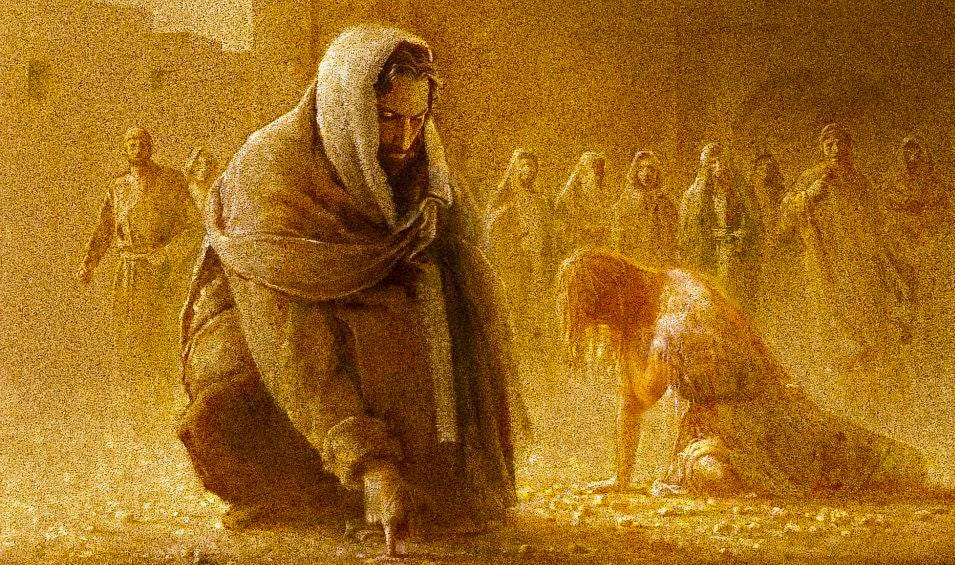
    John 8:2-11 At dawn he appeared again in the temple courts, where all the people gathered around him, and he sat down to teach them. The teachers of the law and the Pharisees brought in a woman caught in adultery. They made her stand before the group and said to Jesus, “Teacher, this woman was caught in the act of adultery. In the Law Moses commanded us to stone such women. Now what do you say?” They were using this question as a trap, in order to have a basis for accusing him. But Jesus bent down and started to write on the ground with his finger. When they kept on questioning him, he straightened up and said to them, “Let any one of you who is without sin be the first to throw a stone at her.” Again he stooped down and wrote on the ground. At this, those who heard began to go away one at a time, the older ones first, until only Jesus was left, with the woman still standing there. Jesus straightened up and asked her, “Woman, where are they? Has no one condemned you?” “No one, sir,” she said. “Then neither do I condemn you,” Jesus declared. “Go now and leave your life of sin.” Painting by Yongsung Kim This series was originally preached at James’ church Wellspring Worship Centre - a diverse and Jesus loving community found in Toronto. Get full access to Right Side Up: Danielle Strickland at daniellestrickland.substack.com/subscribe
  • April 20 · 26 min

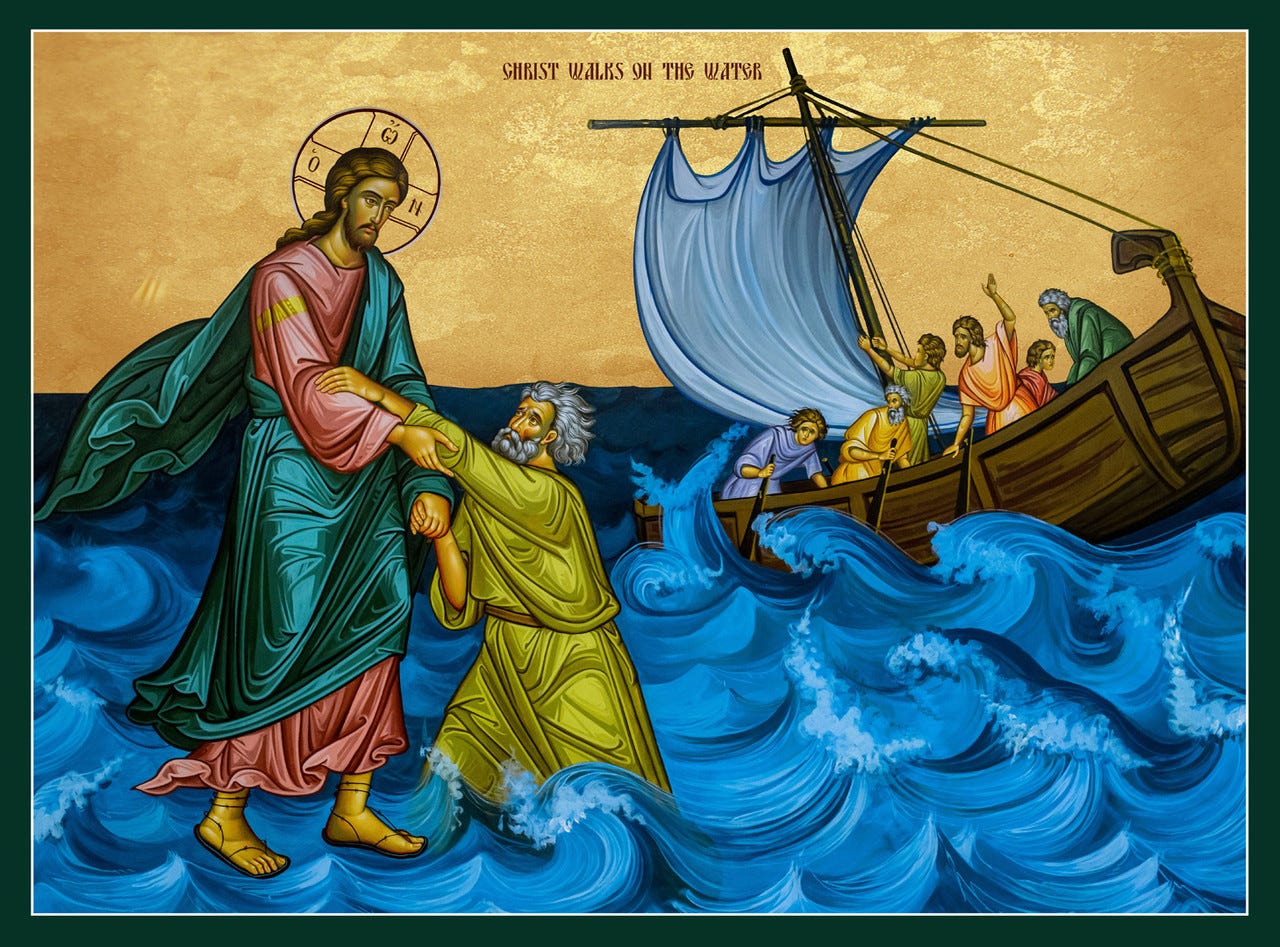
    Also Known As - Peter Walks on Water

    Matthew 14:22-31 Immediately Jesus made the disciples get into the boat and go on ahead of him to the other side, while he dismissed the crowd. 23. Later that night, he was there alone, 24 and the boat was already a considerable distance from land, buffeted by the waves because the wind was against it. 25 Shortly before dawn Jesus went out to them, walking on the lake. 26 When the disciples saw him walking on the lake, they were terrified. “It’s a ghost,” they said, and cried out in fear. 27 But Jesus immediately said to them: “Take courage! It is I. Don’t be afraid.” 28 “Lord, if it’s you,” Peter replied, “tell me to come to you on the water.” 29 “Come,” he said. Then Peter got down out of the boat, walked on the water and came toward Jesus. 30 But when he saw the wind, he was afraid and, beginning to sink, cried out, “Lord, save me!” 31 Immediately Jesus reached out his hand and caught him. “You of little faith,” he said, “why did you doubt?” Can’t you just hear the disappointment Once again Peter you’ve tried and you failed. Much better to be those disciples who didn’t try at all. And the artwork around this…really reflects Peter’s failure. But what if we read this differently. What if read this as Jesus helps Peter walk on water. This series was originally preached at James’ church Wellspring Worship Centre - a diverse and Jesus loving community found in Toronto. Get full access to Right Side Up: Danielle Strickland at daniellestrickland.substack.com/subscribe
  • April 14 · 30 min

    Also Known As - Re-Imagining our Bible's Sub-headings

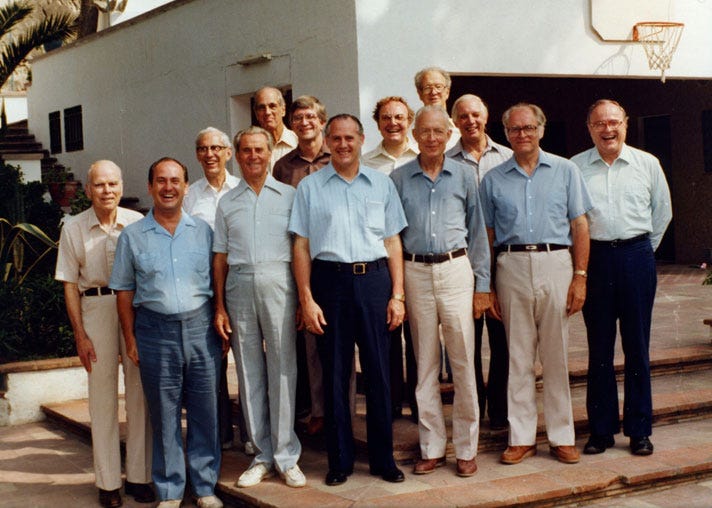
    For the next few weeks we shall be focusing on some of the sub-headings in the bible - things that translators have added to help make the bible more accessible. But also take a closer look at how they can sometimes miss a lot of the story. These sub-headings shape our reading of the text. If a sub- heading tells me about a prodigal son I’m not likely to pay as much attention to the other characters in the parable. Ultimately these subtitles were put there by people, often with very good intentions to help make the bible easier to read…but sometimes they miss the point. And sometimes scripture is just so rich that there is no way that a few words could sum it up. So join us as we flip the script and dig deeper into the scripture that we love so much. Here is the picture of the NIV translation team that we mentioned in the podcast This series was originally preached at James’ church Wellspring Worship Centre - a diverse and Jesus loving community found in Toronto. Get full access to Right Side Up: Danielle Strickland at daniellestrickland.substack.com/subscribe
  • April 1 · 49 min

    Brian Zahnd takes us to Prayer School

    Summary Pastor Brian Zahnd shares his spiritual journey from the Jesus movement to a more contemplative faith, emphasizing the importance of prayer, pilgrimage, and prophetic witness in today’s church. The discussion explores themes of deconstruction, renewal, and the transformative power of slow, intentional spiritual practices. “I try to write what I cannot not write.” Key Topics Spiritual journey from the Jesus movement to contemplative faith The role of prayer and prayer school in spiritual renewal Pilgrimage as a spiritual discipline and renewal tool The impact of cultural and political shifts on faith and church This book looks even more beautiful in real life! Chapters 00:00 Introduction to Brian Zahnd 02:51 Brian’s Journey and Transformation 05:43 Critique of American Christianity 08:32 The Role of Prayer in Spiritual Awakening 11:09 The Importance of Liturgy and Community 13:42 The Future of Brian’s Work and Writing 16:36 Pilgrimage and Spiritual Practices 24:09 The Camino de Santiago: A Journey of Transformation 28:33 Walking into Peace: The Impact of Pilgrimage 30:03 The Slow Pace of Life: Embracing Simplicity 33:36 Contemplative Leadership: A New Model for the Church 38:12 Navigating Conflict with Grace: The Cost of Compassion 43:16 Finding Wisdom in Stillness: A Prayer for Patience Right Side Up: Danielle Strickland is a reader-supported publication. To receive new posts and support my work, consider becoming a free or paid subscriber. Get full access to Right Side Up: Danielle Strickland at daniellestrickland.substack.com/subscribe
  • February 11 · 44 min

    For the Love of Women: Uprooting and Healing Misogyny in Our World

    Summary In this episode of "The Right Side Up," hosts James Sholl and Danielle Strickland engage in a profound conversation with Dorothy Greco about her book, "For the Love of Women: Uprooting and Healing Misogyny in America." The discussion delves into the complexities of misogyny, exploring its pervasive impact across various spheres of life, including healthcare, the workplace, and the church. Greco shares her personal journey, highlighting her experiences as a woman navigating a male-dominated world and the importance of addressing misogyny to foster healing and empowerment for women. The conversation emphasizes the need for men to listen, learn, and become allies in the fight against misogyny, ultimately advocating for a more inclusive and equitable society. 'You can't heal what you won't name and talk about.' Takeaways * ‘You can’t heal what you won’t name and talk about.’ * ‘Misogyny is a persistent, insidious belief that men’s ideas are more important than women’s.’ * ‘If you don’t fit the stereotype, you feel the effects of rejection and identity issues.’ * ‘Change is hard work, and it takes a long time to challenge presuppositions.’ * ‘Men need to learn what it means to listen to and value women.’ Chapters 00:00 Introduction to Dorothy Greco and Her Book 01:04 Dorothy’s Background and Journey 08:55 Defining Misogyny and Its Impact 16:37 Men as Allies in the Fight Against Misogyny 23:55 The Role of the Church in Addressing Misogyny 30:16 Transformative Change and Empowerment for Women 40:35 Hope for Future Generations Follow more of Dorothy’s work here James, Danielle’s co-host, is the pastor of Wellspring Worship Centre in Toronto which you can find out more about here Right Side Up: Danielle Strickland is a reader-supported publication. To receive new posts and support my work, consider becoming a free or paid subscriber. Get full access to Right Side Up: Danielle Strickland at daniellestrickland.substack.com/subscribe

  • Dec 29, 2025 · 55 min

    Hell Bent - How the fear of Hell holds Christians back from a Spirituality of Love with Brian Recker

    Summary In this conversation, James Sholl and Danielle Strickland engage with Brian Recker, author of ‘Hell Bent’, discussing his journey from fundamentalism to a more expansive understanding of faith. They explore themes of deconstruction, the implications of hell in Christianity, and the importance of justice over punishment. The conversation emphasizes the need for authenticity in spirituality and the liberating experience of finding Jesus beyond traditional frameworks. ‘I began, very strongly, to feel that who we were in Evangelicalism did not reflect the spirituality of Jesus’ Takeaways * Brian Recker’s book ‘Hell Bent’ explores the fear of hell in Christianity. * Deconstruction often begins with questioning fundamental beliefs. * The political climate can significantly impact one’s faith journey. * Grieving the loss of traditional faith structures is a common experience. * Finding Jesus outside of traditional frameworks can be liberating. * The concept of hell often reflects a punitive view of God. * Justice in Christianity should focus on restoration, not punishment. * Fear-based spirituality can hinder genuine connection with God. * Authenticity in faith leads to deeper belonging and community. * The journey of faith can be both challenging and transformative. Chapters 00:00 Introduction and Background Noise 01:53 Introducing Brian Recker and His Book 03:51 Brian’s Journey from Fundamentalism to Evangelicalism 07:26 The Impact of Politics on Faith 11:23 Deconstruction and the Search for Authenticity 14:45 Encountering Jesus Amidst Deconstruction 18:33 Prayer and Spiritual Practices 22:04 Listening to Marginalized Voices 25:40 The Concept of Hell and Its Implications 29:57 The Nature of God’s Justice 32:20 Rethinking Judgment and Redemption 33:56 God vs. Empire: A New Perspective 35:56 The Consequences of Spirituality 37:48 The Role of Hell in Faith 42:56 Love Over Fear: A New Approach to Faith 47:36 Connecting with the Right God 53:51 Finding Genuine Belonging Get full access to Right Side Up: Danielle Strickland at daniellestrickland.substack.com/subscribe

  • Dec 21, 2025 · 48 min

    Better Ways to Read The Bible with Zach Lambert

    Join us for an incredible conversation with Zach Lambert about his book ‘Better Ways to Read the Bible’ where we talk about just what is happening with Christianity today, the ways that the Bible has been weaponized, and the way that we can reclaim it! Get full access to Right Side Up: Danielle Strickland at daniellestrickland.substack.com/subscribe
  • Nov 11, 2025 · 45 min

    Spiritual Flourishing in a Productivity-Driven Culture with Bette Dickinson

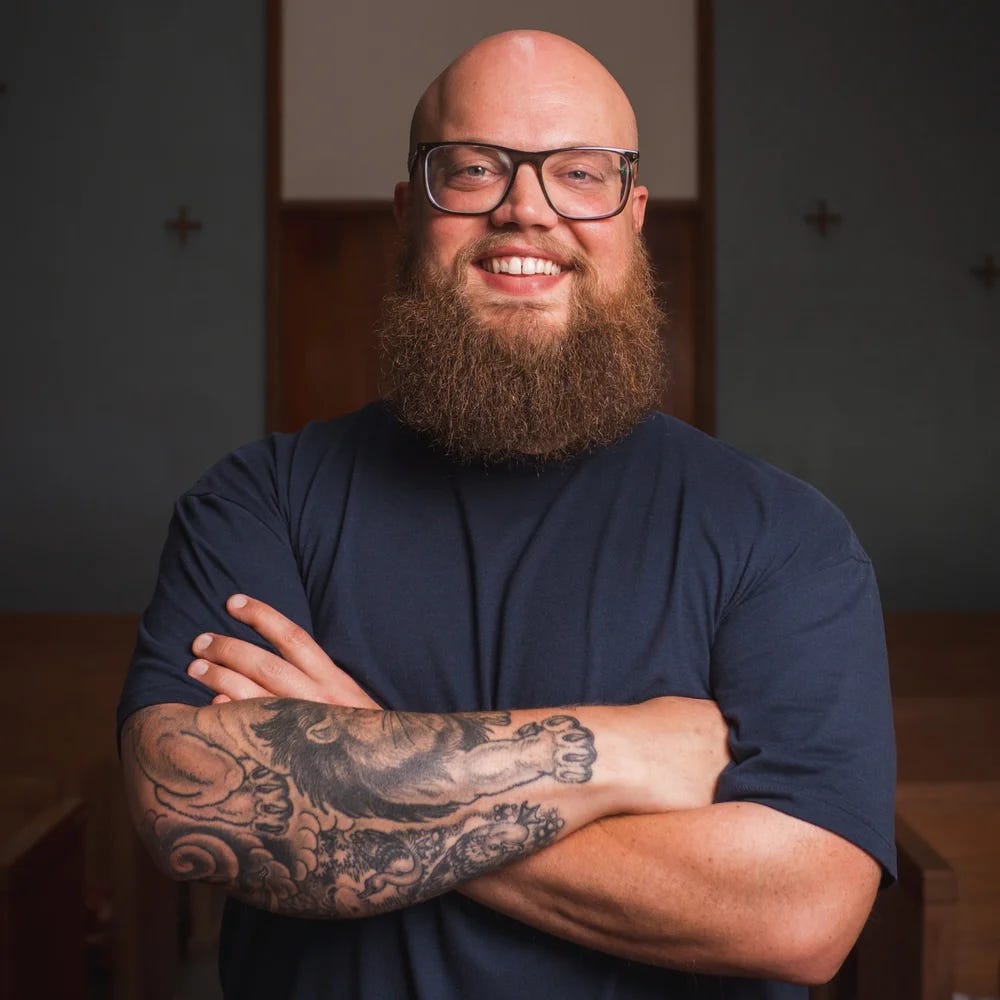
    Summary In this conversation, Danielle Strickland and Bette Dickinson explore the themes of spiritual flourishing, the importance of embodied encounters, and the need to dethrone the powers of industrialization in our spiritual lives. They discuss the significance of quality over quantity in spiritual growth, the role of relationships in flourishing, and the concept of creating an understory of mutuality. The conversation also delves into the cyclical nature of life, the importance of rest and dormancy, and God’s desire for our flourishing. Ultimately, they emphasize the need for a prophetic imagination to awaken us to a different way of living that prioritizes connection and community. 00:00 Introduction to The Art of Vine Making 01:19 Spiritual Flourishing in a Productivity-Driven Culture 03:55 Embodied Encounters and Spiritual Formation 05:45 Dethroning the Powers of Disconnection 09:38 The Contrast Between Industrialized and Organic Approaches 13:26 Quality Over Quantity in Ministry 17:00 Creating an Understory of Flourishing 18:25 The Role of Shepherding in Deliverance 22:59 Awakening to Prophetic Imagination 27:46 Flourishing vs. Productivity 33:16 The Cycles of Life and Ministry 38:52 Seasons of the Soul 44:25 Embracing Flourishing and Surrender ‘Does God view us like a microwave?’ Takeaways * Spiritual flourishing is a journey that requires community engagement. * Embodied encounters with nature can deepen our spiritual experiences. * Dethroning the powers of industrialization is essential for spiritual growth. * Quality of spiritual life is more important than quantity of output. * Relationships are key to flourishing in our spiritual lives. * Creating an understory of mutuality fosters a sense of belonging. * Shepherding is a model for liberation and care in our communities. * The prophetic imagination can awaken us to new possibilities. * Each season of life has its own significance and purpose. * God desires for us to flourish and grow in our spiritual journeys. Check out Bette’s wonderful website here - https://www.bettedickinson.com/ Get full access to Right Side Up: Danielle Strickland at daniellestrickland.substack.com/subscribe
  • Oct 9, 2025 · 41 min

    The Justice of Jesus w/ Joash Thomas

    Summary In this conversation, Joash P. Thomas discusses his book ‘The Justice of Jesus’ and explores the themes of justice, faith, and the impact of colonization on modern Christianity. He emphasizes the importance of centering marginalized voices and the need for the church to engage in justice work without the constraints of colonial frameworks. The discussion also touches on the complexities of mission work, the role of empathy, and the call to live a flourishing life now, rather than focusing solely on the afterlife. ‘Justice is a communal exercise’ Takeaways * Joash wrote a book called ‘The Justice of Jesus’. * Justice should not be pigeonholed into biblical or social categories. * All justice is ultimately God’s justice. * We can’t change the past, but we can be faithful in the present. * The gospel centers marginalized voices. * Decolonization is essential for understanding justice. * Empathy is crucial in addressing historical injustices. * The church must engage in justice work today. * Mission work can have both beautiful and harmful outcomes. * Living a flourishing life now is a key aspect of faith. Chapters 00:00 Introduction and Background of Joash P. Thomas 02:41 The Justice of Jesus: A New Perspective 05:45 Decolonizing Justice and Faith 08:04 The Impact of Colonization on Justice 10:50 Understanding the Complexity of Colonization 13:37 The Duality of Good and Harm in Mission Work 20:04 The Complexity of Divine Action Amidst Human Atrocity 21:59 The Now of the Gospel: Living in Abundance 23:44 Reckoning with Colonial Narratives and Their Impact 26:09 Centering Marginalized Voices in the Gospel 27:56 Transformation Through Empathy and Understanding 29:43 Navigating the Tension Between Prophetic and Priestly Calls 32:16 Historical Trauma and Its Effects on Power Dynamics 36:16 Co-opting Liberation: The Need for Reflection 37:52 Hope in the Global Church: Moving Forward Together Get full access to Right Side Up: Danielle Strickland at daniellestrickland.substack.com/subscribe

  • Oct 1, 2025 · 44 min

    Revolutionising Relationships (pt. 2) - The Gift of Singleness w/ Karissa Sovdi

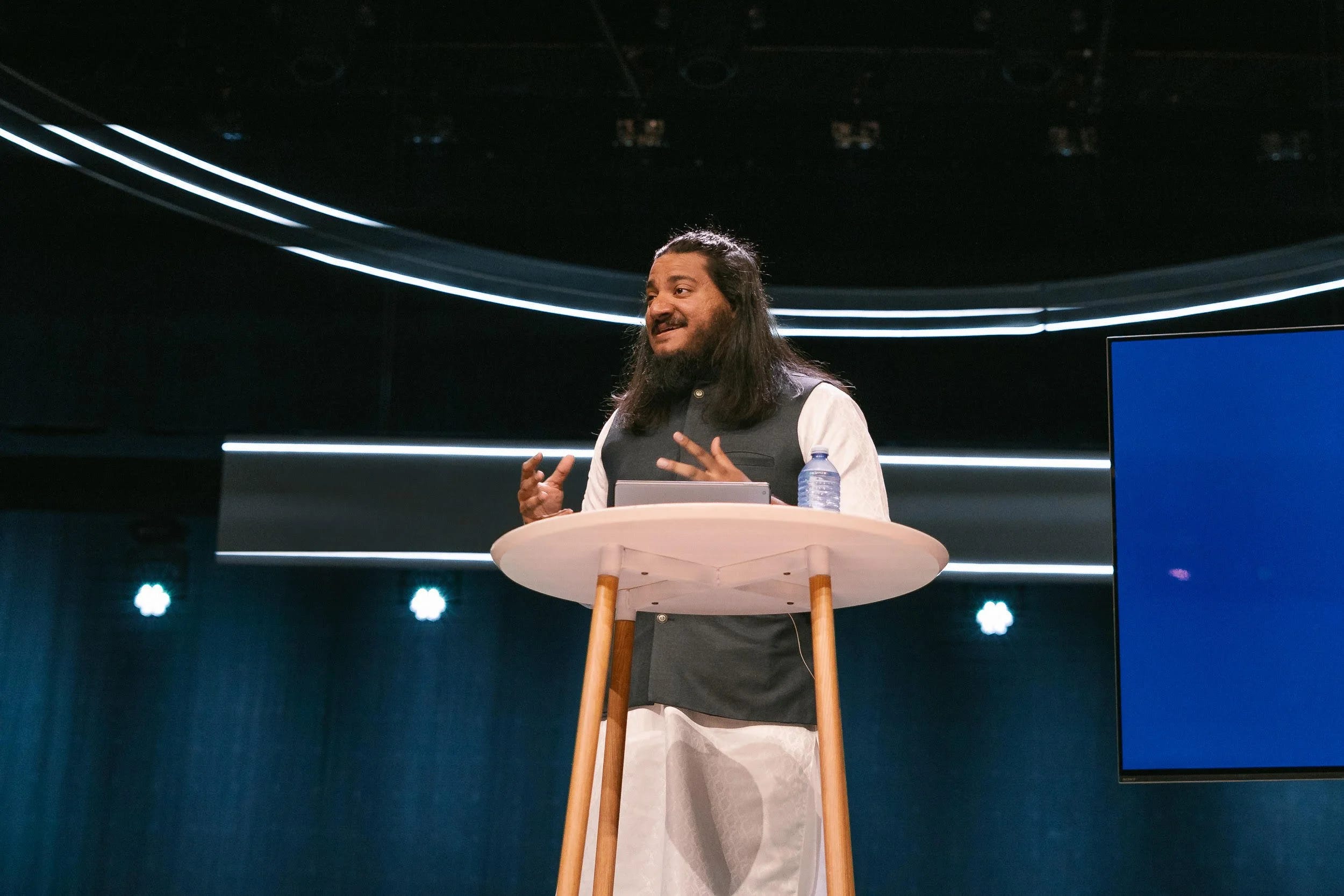
    Summary In this episode of the Right Side Up podcast, hosts Danielle Strickland and James Sholl engage in a profound conversation with Karissa Sovdi about the complexities of singleness within the church. They explore the societal and theological implications of viewing singleness as a problem to be solved rather than a valid and fulfilling life choice. The discussion touches on the idolatry of marriage and family, the importance of celebrating life milestones beyond traditional markers, and the need for genuine community and friendship. Karissa shares her personal journey of dismantling the ‘future wife’ identity and embracing the gift of singleness, while also addressing the burdens and misconceptions surrounding it. The episode concludes with practical advice for living a fulfilling single life and the importance of inclusivity in church communities. Check out more from Karissa at Surviving Christianity Unmarried ‘I never really identified as a person; I identified as a future wife’ Takeaways * Singleness is often viewed as a problem rather than a valid life choice. * The nuclear family is idolized in North American Christianity. * Celebrating milestones beyond marriage is essential for community. * Eternal life and fulfilment can start now, not just in marriage. * Celibacy and singleness can be gifts that allow for deeper connections with God. * Friendship is crucial and often overlooked in discussions about singleness. * Comparison can lead to feelings of inadequacy and loneliness. * The church needs to create inclusive spaces for singles. * Marriage should not be seen as the ultimate goal or solution to loneliness. * Practical steps can help individuals embrace and celebrate their singleness. Chapters 00:00 Introduction to the Karissa Sovdi 01:32 Exploring Singleness in the Church 03:50 Dismantling the Future Wife Identity 07:43 The Idolatry of Family and Marriage 11:02 Celebrating Life Beyond Marriage 14:41 The Gift of Singleness and Celibacy 18:50 Understanding Celibacy and Singleness 21:15 The Role of Friendship in Singleness 24:54 The Burden of Singleness in Church 29:37 Reimagining Community and Connection 32:11 Jesus’ Example of Singleness 35:17 The Crisis of Loneliness and Friendship 38:29 Practical Steps for Living Singleness Well 42:52 Conclusion and Resources Get full access to Right Side Up: Danielle Strickland at daniellestrickland.substack.com/subscribe
  • Sep 5, 2025 · 56 min

    Revolutionizing Relationships

    Summary In this engaging conversation, Sheila Wray Gregoire discusses her groundbreaking work, 'The Great Sex Rescue,' which reveals the dissatisfaction of evangelical women in marriages due to toxic beliefs about gender roles. The discussion emphasizes the importance of mutual respect, healthy communication, and the need for empowerment and non-compliance in challenging patriarchal structures and her latest book ‘The Marriage You Want’. Sheila highlights the role of religion in relationships and the necessity of addressing toxic teachings within the church. The conversation concludes with a call to action for individuals to seek healthier, more fulfilling marriages based on equality and partnership. “Healthy communication is the key to a successful marriage.” "Healthy communication is key to a successful marriage." Takeaways * The Great Sex Rescue highlighted the dissatisfaction of evangelical women in marriages. * Toxic beliefs about gender roles can lead to harmful practices in relationships. * Religiosity can be beneficial, but toxic teachings can negate those benefits. * Healthy marriages are built on mutual respect and partnership. * Women should not feel obligated to fulfill male desires at the expense of their own needs. * Doubt and deconstruction can lead to a deeper understanding of faith. * Empowerment and non-compliance are essential for women in toxic environments. * Healthy communication is key to a successful marriage. * The church must address and change toxic teachings about gender roles. * Jesus' teachings promote equality and mutual respect in relationships. Chapters 00:00 Introduction to Sheila Wray Gregoire 00:58 The Great Sex Rescue: A Turning Point 04:34 Research Findings on Women's Satisfaction 09:13 The Impact of Toxic Beliefs 13:48 Challenging Patriarchy in Marriage 18:52 The Role of Religion in Relationships 23:44 Navigating Toxic Church Environments 28:29 Building Healthy Marriages 33:10 Empowerment and Non-Compliance 38:04 The Importance of Mutual Respect 42:49 The Future of Marriage and Relationships 47:42 Conclusion and Call to Action 56:29 Black and White Bold Modern Podcast YouTube Intro.mp4 Get full access to Right Side Up: Danielle Strickland at daniellestrickland.substack.com/subscribe

  • Jul 11, 2025 · 58 min

    The Dark reality and effects of pornography on a generation with Melinda Tankard Reist

    Melinda Tankard Reist is an author, speaker, media commentator, blogger and advocate for women and girls. She is best known for her work addressing sexualisation, objectification, harms of pornography, sexual exploitation, trafficking and violence against women. Summary In this conversation, Danielle Strickland and her co-host James Sholl engage with Melinda Tankard Reist, a passionate advocate against the exploitation of women and children through pornography. They discuss the alarming rise of harmful sexual behaviors among youth, the cultural attitudes that normalize pornography, and the role of technology in perpetuating exploitation. Melinda shares insights from her research and experiences, highlighting the urgent need for collective action to combat these issues. The conversation emphasizes the importance of empathy, awareness, and advocacy in creating a safer world for women and girls. Takeaways * Melinda Tankard Reist is a passionate advocate against pornography and exploitation. * The rise of harmful sexual behaviors among youth is alarming and needs urgent attention. * Cultural attitudes often normalize pornography, making it difficult to combat its effects. * Technology plays a significant role in perpetuating exploitation and harmful behaviors. * Empathy is crucial in understanding the impact of pornography on individuals and society. Collective action is necessary to address the systemic issues surrounding pornography. * There is hope for change, as many individuals are beginning to recognize the harms of pornography. * Education and awareness are key in fighting against the normalization of pornography. * The fight against exploitation requires both personal and political action. * We must not be naive about the dangers posed by the pornography industry. Sound bites "We need a global ban on AI deep fake." "We are losing empathy and this is my biggest fear." "We deserve more than porn. We deserve to be loved." Important Links For parents: What you need to know: https://culturereframed.org Discussing with kids: https://parents.thorn.org/situation/ Parental online controls: https://www.bark.us Fighting Back: Fight The New Drug: https://fightthenewdrug.org Resisting porn: https://resistporn.org READING LIST 'Behind the Classroom Door', MTR, Eureka Street ,https://melindatankardreist.com/2025/05/behind-the-classroom-door-sexual-harassment-is-becoming-routine/ ‘P*rn’s grooming starts young’, MTR, Eureka Street https://melindatankardreist.com/2023/07/prns-grooming-starts-young-mtr-eureka-street-essay/ “It makes my skin crawl”: sexual moaning rise in schools’, MTR, https://melindatankardreist.com/2022/06/it-makes-my-skin-crawl-sexual-moaning-rise-in-schools/ 'Secondary Schools and a duty of care to keep students safe from harmful sexual behaviours', 'Off The Cuff' podcast, Kelly Humphries with guests Melinda Tankard Reist and Maha Melhem: https://kellyhumphries.com/podcast_episodes/maha-melhem-melinda-tankard-reist-the-complex-storm-harmful-sexual-behaviours-prn/ 'Digital Dangers: AI Weaponization and Online Exploitation', 'Off the Cuff' podcast, Kelly Humphries with guests Melinda Tankard Reist and Maha Melhem: https://kellyhumphries.com/podcast_episodes/digital-dangers-ai-weaponization-and-online-exploitation/ Digital Dangers: AI Weaponization and Online Exploitation | Kelly Humphries AI weaponization, sextortion, and the exploitation of young people are on the rise, creating a digital nightmare for vulnerable youth. Join me, along with Melinda Tankard Reist and Maha Melham, as we delve into this digitally dark world of online exploitation. kellyhumphries.com 'Adolescence: It's time for Katie's story', MTR, MTR blog: https://melindatankardreist.com/2025/05/adolescence-its-time-for-katies-story/ Never Again? Addressing Sexual Violence Must Include P*rnography’, Melinda Tankard Reist, ABC Religion & Ethicshttps://www.abc.net.au/religion/never-again-addressing-sexual-violence-must-include-pornography/10094568 ‘Growing Up in P*rnland: Girls Have Had It with Porn Conditioned Boys, Melinda Tankard Reist, ABC Religion & Ethics,https://www.abc.net.au/religion/growing-up-in-pornland-girls-have-had-it-with-porn-conditioned-b/10097244 ‘In a society where male violence seems inevitable we need much more than education and awareness’, Michael Salter, The Guardian, Tuesday April 30, 2024 https://www.theguardian.com/commentisfree/2024/apr/30/in-a-society-where-male-violence-seems-inevitable-we-need-much-more-than-education-and-awareness ‘Sexual violence is pushing girls out of school’, UK Agenda Alliance https://www.agendaalliance.org/news/sexual-violence-absenteeism-girls-school/ Children now ‘biggest perpetrators of sexual abuse against children’https://www.theguardian.com/society/2024/jan/10/children-now-biggest-perpetrators-of-sexual-abuse-against-children?utm_source=linkedin&utm_medium=social&utm_content=ap_qf09zbmvhm ‘There are reports some students are making sexual moaning noises at school. Here’s how parents and teachers can respond’, Daryl Higgins, Gabrielle Hunt, The Conversation, January 31, 2024 https://theconversation.com/there-are-reports-some-students-are-making-sexual-moaning-noises-at-school-heres-how-parents-and-teachers-can-respond-220136 ‘Child sexual abuse by different classes and types of perpetrator: Prevalence and trends from an Australian national survey’, Ben Mathews et al, Child Abuse & Neglect, Vol 147, January 2024, 106562https://www.sciencedirect.com/science/article/pii/S0145213423005501?via%3Dihub Our Watch P*rnography, young people and preventing violence against women https://media-cdn.ourwatch.org.au/wp-content/uploads/sites/2/2020/11/20022415/Pornography-young-people-preventing-violence.pdf National Plan to Address Violence Against Women https://www.dss.gov.au/ending-violence#:~:text=The%20National%20Plan%20outlines%20what,stop%20it%20before%20it%20starts. Chapters 00:00 Introduction to the Conversation 02:15 The Dark Reality of Pornography 10:49 The Impact of Pornography on Youth 16:58 Cultural Attitudes Towards Pornography 23:00 The Role of Technology in Exploitation 32:14 The Fight Against Exploitation 42:45 Hope and Change in the Fight Against Pornography Get full access to Right Side Up: Danielle Strickland at daniellestrickland.substack.com/subscribe

  • Jul 4, 2025 · 50 min

    Racial Justice: A Call to Action with Dr. Jemar Tisby

    Jemar Tisby is a New York Times bestselling author, national speaker, and public historian on a mission to deliver truths from the Black experience with depth and clarity. Summary In this conversation, Danielle Strickland and James Scholl engage with Dr. Jemar Tisby, a historian and author, to explore the complex relationship between racism and spirituality. They discuss Tisby's personal journey into racial justice, the impact of the Black Lives Matter movement, and the importance of moving from racial reconciliation to racial justice. The conversation delves into the historical context of racism in America, the role of the church, and the spiritual nature of racism. Tisby emphasizes the need for collective action, the significance of unsung heroes in the fight for justice, and the importance of discipleship in addressing systemic injustices. The discussion concludes with practical steps for church leaders to foster a commitment to justice within their communities. Take-aways * Racism is a spiritual issue that requires a collective response. * The church has a responsibility to address systemic injustices. * Racial reconciliation often lacks the depth needed for true justice. * Understanding history is crucial to addressing current racial issues. * The Curse of Ham has been misused to justify racism. * Women played a vital role in the civil rights movement. * Discipleship should include a commitment to justice. * Awareness, relationships, and commitment are key to racial justice. * Activism often starts with small groups or individuals. * Hope exists in the ongoing fight for justice. Links Follow Dr. Jemar Tisby on Substack Get full access to Right Side Up: Danielle Strickland at daniellestrickland.substack.com/subscribe

  • Jun 23, 2025 · 51 min

    From 5% Nation to Biblical Scholar: Hakeem Bradley's Journey

    Summary In this conversation, Hakeem Bradley shares his journey from growing up in the 5% Nation to becoming a biblical scholar. He discusses the contrasting views on scripture between Islam and Christianity, his transition from pastoral ministry to biblical research, and the significance of Genesis in understanding powers and principalities. Hakeem emphasizes the importance of equity in the creation narrative and explores the cultural context of Genesis in relation to ancient Near Eastern texts. He also highlights the influence of Genesis on the Epistle of James and the role of the church in spiritual warfare. In this conversation, Hakeem Bradley and Danielle Strickland explore the themes of spiritual warfare, the power of love and generosity, the concept of original sin as passive participation, and the awakening potential of scripture. They discuss the authority given to humanity, the wisdom from above, and the true nature of power as demonstrated by Jesus. The dialogue emphasizes the importance of living generously and the transformative power of love in combating darkness. Takeaways * Hakeem Bradley's journey from the 5% Nation to biblical scholarship is profound. * The Bible can be a tool for liberation, not oppression. * Understanding the cultural context of scripture is crucial. * Genesis sets the foundation for understanding powers and principalities. * Equity is inherent in the creation narrative of Genesis. * The line of the woman and the line of the snake represent spiritual allegiances. * The wisdom from above is accessible to all believers. * The church has a role in crushing spiritual oppression. * Hakeem's work aims to equip families for biblical literacy. * The narrative of Genesis challenges patriarchal interpretations. We join in with Christ's mission to defeat darkness. * Living generously and hospitably is a form of spiritual warfare. * Original sin is about passive participation in evil. * Scripture serves as an awakening tool for believers. * Authority was given to humanity to rule wisely. * The snake symbolizes twisted authority in creation. * True power is often perceived as weakness in the world. * Choosing not to retaliate reflects true strength. * The wisdom of God is accessible to us now. * Engaging with scripture shapes our understanding and actions. About Hakeem Hakeem is a biblical scholar, teacher, blogger, and researcher. He has served various communities across the United States and Canada through preaching, teaching, and research. He holds a Master’s of Theological and Biblical Studies from Western Seminary and is a Ph. D. candidate in New Testament Studies at Ridley College (Melbourne). He works as an Associate Scholar at BibleProject, and serves as the chaplain for the College Park Skyhawks. Lastly, he is an Academic Fellow with the Center for Hebraic Thought. Get full access to Right Side Up: Danielle Strickland at daniellestrickland.substack.com/subscribe

  • Jun 13, 2025 · 46 min

    How EMBODIMENT might be the best way to fight against the POWERS that destroy.

    Summary In this conversation, Danielle Strickland, James Sholl, and Dr. Hilary McBride explore the complex relationship between religion, mental health, and societal systems. They discuss how religion can serve as both a source of support and a potential source of harm, particularly when it becomes a toxic system that prioritizes itself over the well-being of individuals. The conversation delves into the nuances of how charismatic leadership can manipulate followers and the importance of understanding the disconnection that can occur within religious contexts, ultimately leading to a deeper exploration of identity and belonging. In this conversation, Danielle Strickland and Hillary McBride explore the profound connection between embodiment, spirituality, and trauma. They discuss how disconnection from our bodies can lead to various forms of suffering and how reconnecting with our physical selves can be a pathway to liberation and healing. The dialogue emphasizes the importance of recognizing the value of our bodies, understanding cultural narratives that devalue them, and the spiritual significance of listening to our bodies. Through personal anecdotes and professional insights, they highlight practices for fostering a deeper connection with oneself and the world around us. Takeaways * Religion can be both a source of support and harm. * Cultural practices around spirituality can disconnect us from our spiritual longings. * Systems can serve their own purposes at the expense of individuals. * Charismatic leaders can create environments that feel safe but are toxic. * Attachment styles influence how individuals relate to systems. * Disconnection from self can lead to compliance in toxic systems. * Religious practices can exacerbate mental health issues for some. * Understanding the sacred purpose of systems is crucial. * Disconnection is a key factor in understanding oppression. Disconnection from the body can lead to suffering. * Embodiment is a pathway to spiritual and political liberation. * Recognizing the value of bodies is essential for healing. * Cultural narratives often devalue the body, especially for women. * Listening to our bodies can reveal deep truths about ourselves. * Trauma can create a disconnect from our physical selves. * Practices for embodiment can help reconnect with our bodies. * Spirituality is intertwined with our physical existence. * Memory is held in our bodies and influences our experiences. * The body can be a source of wisdom and guidance. Dr. Hillary McBride Get full access to Right Side Up: Danielle Strickland at daniellestrickland.substack.com/subscribe