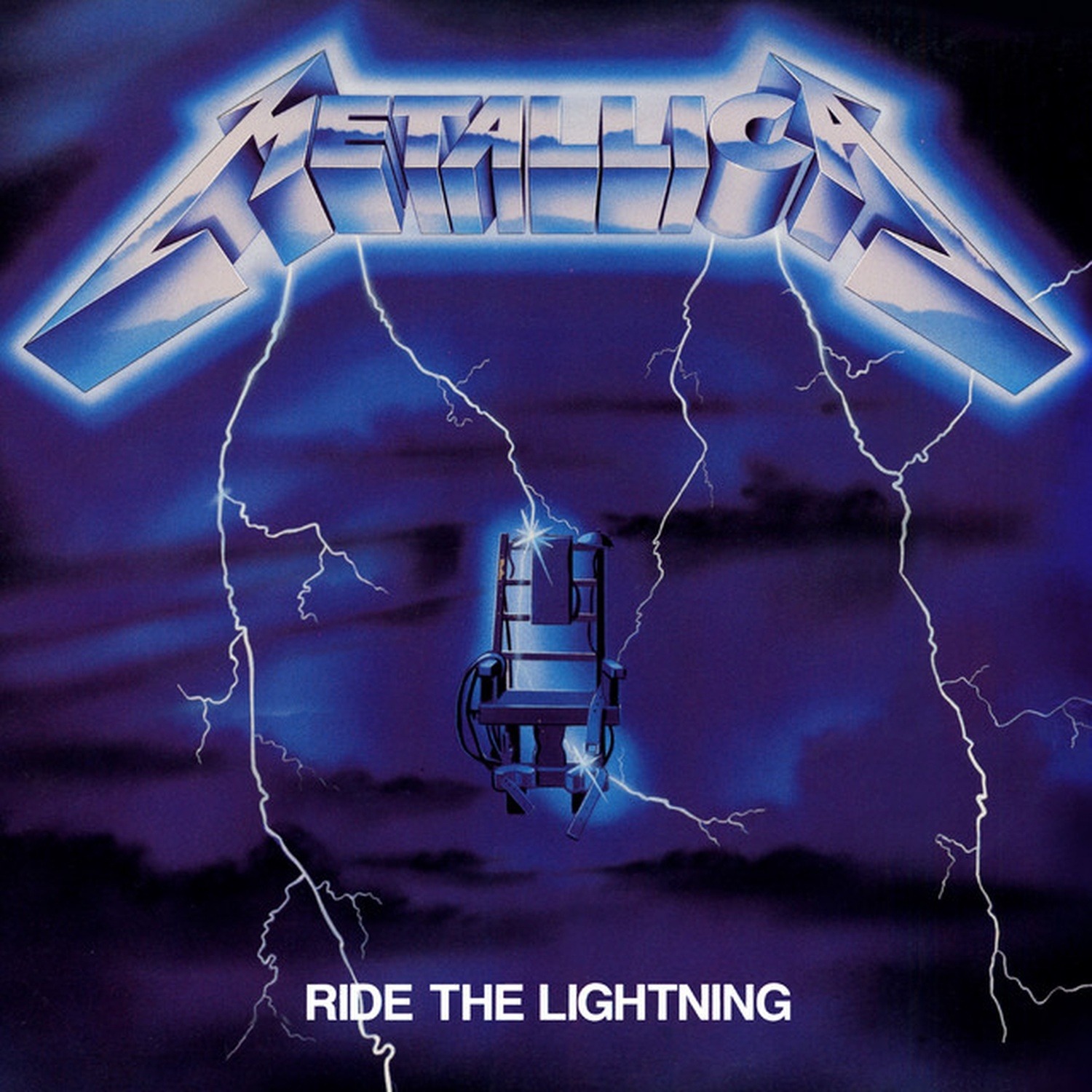
RIFF090 - Metallica - Ride the Lightning
transcript
show notes
When Lightning Strikes Twice and Belgium Shows Up Unexpectedly
Hosts: Neil & Chris
Duration: ~94 minutes
Release: 22 June 2026
Episode Description
Neil has officially flip-flopped. After crowning Master of Puppets the greatest album ever on a previous episode, he arrives here ready to hand the throne to Ride the Lightning, and honestly, his argument is hard to argue with. Recorded for a budget of $20,000 (that ended up costing $30,000), by a band nobody outside tape-trading circles had heard of, in 1984 of all years, this album somehow became one of the most important heavy metal records ever pressed.
This episode digs into why Ride the Lightning hits differently to its famous sibling. Neil makes the case that the slightly rawer playing, the emergent melody, and Fleming Rasmussen's hands-off production create a kind of accidental perfection that the more technically accomplished Master of Puppets can't quite replicate. It is the sound of a band not yet knowing how good they were, and that tension is everything.
What You'll Hear:
- The full band origin story, from Lars and James's first meeting through Dave Mustaine's exit, Ron McGovney's departure, and Cliff Burton's arrival on his own terms
- Why Cliff Burton's classical piano training fundamentally changed what Metallica was capable of writing, and how Kirk Hammett brought Exodus riffs into the mix
- The dynamic range of the album measured live using Neil's self-built Audio Forge tool, with comparisons to Siamese Dream and the Black Album
- How Joe Satriani, borrowed Anthrax gear, and stolen equipment all shaped the tone of this record
- A discussion of S&M, No Leaf Clover, and why orchestrated metal works when it works
- The Napster era, physical media's unlikely comeback, and a 23-year-old who had never seen a CD
Featured Tracks & Analysis:
Fade to Black gets real attention here, with Kirk Hammett recounting how Fleming Rasmussen pushed James Hetfield to slow down and actually sing rather than scream his way through every line. For Whom the Bell Tolls is traced back to Cliff Burton looping its intro in a rehearsal room until Lars noticed. Trapped Under Ice and Creeping Death both get origin stories, with the latter famously speeding up in rehearsal until the band realised faster was simply better. Call of Cthulhu is flagged as largely a Dave Mustaine composition, which adds an interesting wrinkle to how the album's credits read.
Tangential Gold:
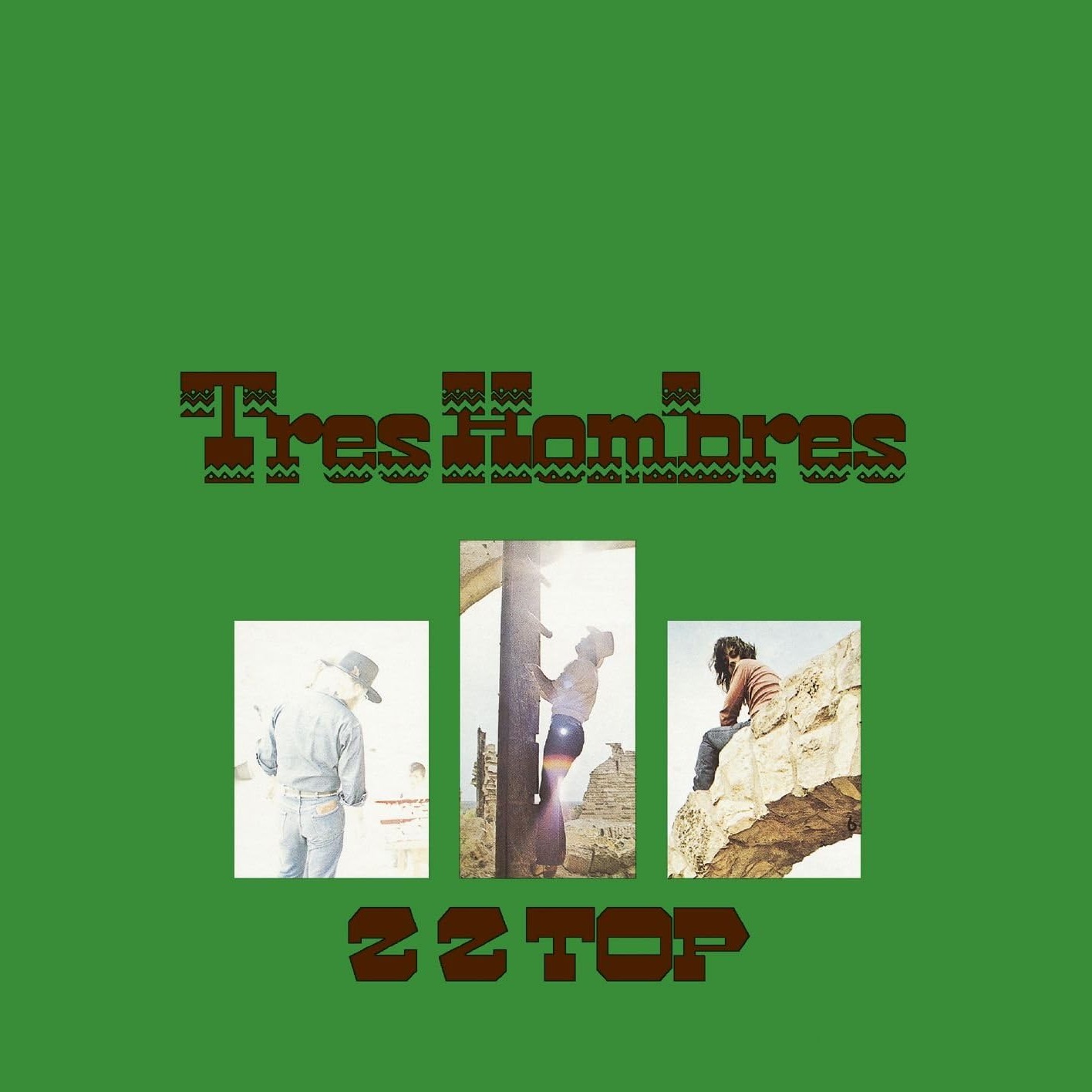
- Belgium has somehow become Riffology's second-biggest listening country since the ZZ Top episode, and nobody can fully explain it
- Neil's sons arm wrestle in a Carlisle record shop while he browses, and every other customer looks about thirteen years old
- A Roman Wall documentary in Carlisle that spent twenty minutes explaining that nothing ever happened on Hadrian's Wall
- AI, generic music, and why a kid in a bedroom will always outrun an algorithm
- Neil built his own dynamic range analysis software out of rage after another developer switched to a subscription model
Why This Matters:
Ride the Lightning is the sound of a band at a crossroads they did not know they were standing at. The riffs came from multiple sources, the gear was borrowed or stolen, the producer had to buy their previous album just to understand who he was working with, and none of it should have cohered into something this good. Neil and Chris trace exactly why it did, and why that kind of beautiful chaos is something no algorithm will ever replicate.
Perfect for: Metallica fans who have always quietly preferred Lightning to Puppets but never said it out loud, newcomers ready to hear why 1984 thrash metal still sounds this sharp, and anyone who wants the full backstory of how this lineup came together before the magic ran out.
You can find us here:
- Blog: https://riffology.co
- All Episodes: https://podkit.riffology.co/podcast
- iHeart: https://www.iheart.com/podcast/1323-riffology-iconic-rock-alb-176865775
- Apple: https://podcasts.apple.com/gb/podcast/riffology-iconic-rock-albums-podcast/id1691556696
- Spotify: https://open.spotify.com/show/1LIU9mein7QMw346q20nyy
- X: https://x.com/RiffologyPod
- Bluesky: https://bsky.app/profile/riffology.co
- Facebook: https://www.facebook.com/riffology
- Email: info@riffology.co