Artwork for Riffology: Iconic Rock Albums Podcast
Music

Riffology: Iconic Rock Albums Podcast

Riffology

Remember when payday meant choosing which CD or vinyl you were blowing it on? Standing in HMV doing the mental maths, convincing yourself two albums was basically essential. Riffology is Neil and Chris chasing that feeling again, one classic record at a time.


This is a show about the albums that raised us — Nirvana, Pearl Jam, Motley Crue, Def Leppard, Iron Maiden, Megadeth, Pink Floyd, Radiohead, Skunk Anansie, Gojira, Soulfly and the rest. If it’s 25+ years old, loud and iconic, we’re in.


Each episode is two Gen X mates diving into studio sessions, producer chaos and band drama plus the joy of taped-over cassettes, dodgy car stereos and sitting on the floor with a record sleeve.


We nerd out when we should: Albini vs Vig, room-miked vs close-miked, Neve consoles, dynamic-range disasters and those “how did this get approved?” moments.


If you grew up when albums were events, this is your place. Some weeks it’s an old favourite; other weeks it’s something you abandoned in ’94. Either way, Riffology’s here to talk rubbish, tell stories and remind you why these records mattered.

  • 20 episodes
  • Updated July 27

Episodes20

  • July 27 · 1 hr 14 min

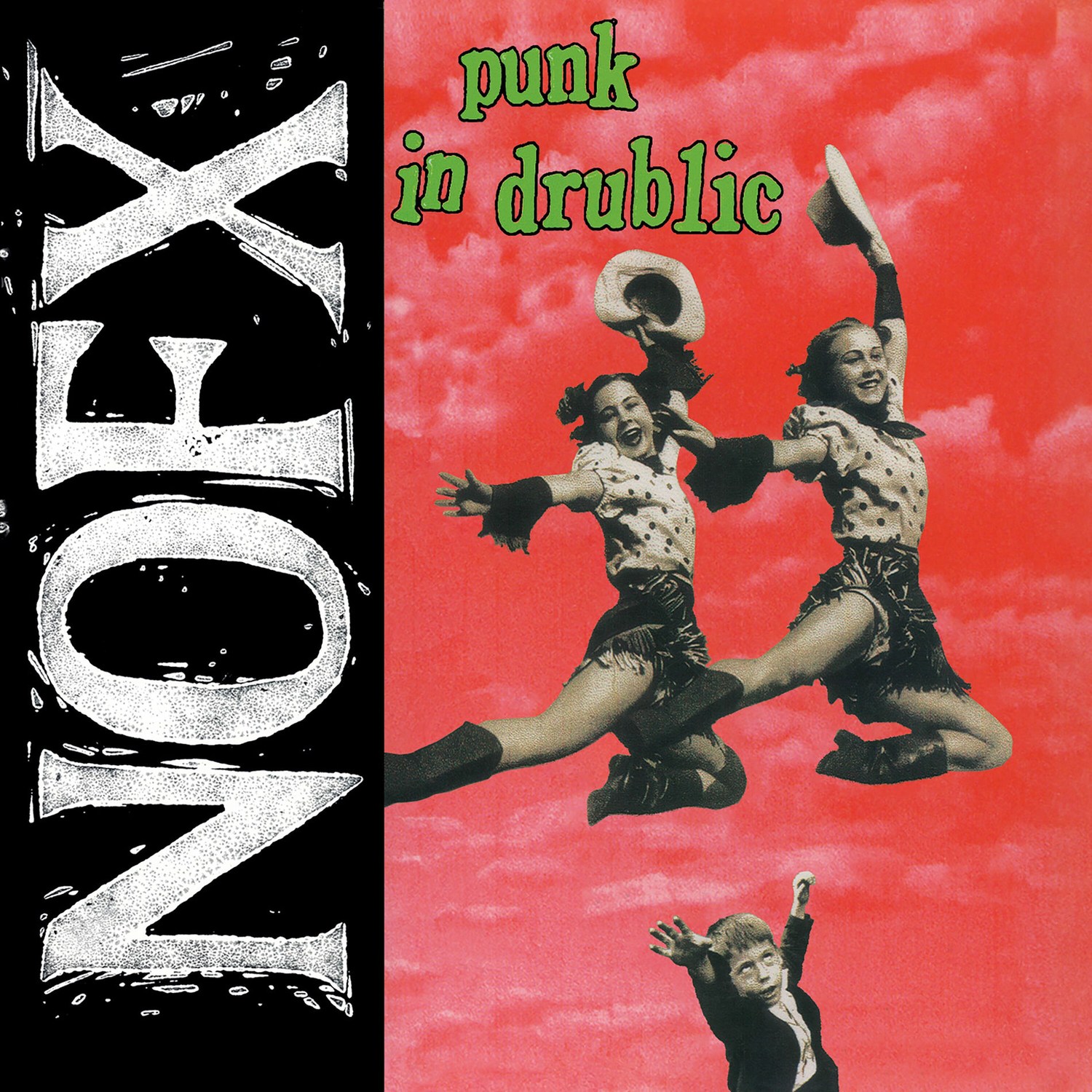
    RIFF093 - NOFX - Punk In Drublic

    When Saying No to the Major Labels Was the Whole Point Hosts: Neil & Chris Duration: ~75 minutes Release: 27 July 2026 Episode Description Seventeen songs. Thirty-nine minutes. One band who looked at the biggest year pop punk would ever have and said, thanks, but no thanks. NOFX's Punk in Drublic arrived in July 1994, the same year Dookie and Smash turned Californian pop punk into a gold rush, and Fat Mike responded by refusing interviews, shelving a finished MTV video, and pouring the money into building a label and a community instead. Chris comes at this one sideways. Like his relationship with Muddy Banks of the Wishkah or Counting Crows' Across a Wire, he knows a lot of these songs through the live versions first. Neil's route in was a poster at Reading or Leeds (he still isn't sure which), a set that didn't quite blow him away but left him desperate to own the record, followed by years of not being able to find a copy anywhere, back when supermarkets were shipping CDs from the Isle of Man to dodge the tax. What follows is a genuinely warm look at a band who chose their scene over their success, plus one of the most spectacular tangent runs in the show's history. What You'll Hear: Why Fat Mike turned down every major label offer, and how the money from this record funded a label NOFX themselves didn't sign to until 2000 The MTV video that was recorded, finished, and then quietly binned The Drunk in Public bootleg, spoonerisms, and the confusion that has followed this album for decades Ryan Greene producing a scene he reportedly knew nothing about, two weeks at West Beach Recorders, and almost no demos Fat Mike's aversion to rhymes and choruses, and his claim that nobody ever noticed Why the album charted nowhere, went gold six years later, and now sits high on every pop punk list going Featured Tracks & Analysis: The lads dig into Don't Call Me White and how consistently it gets misused and misread, to the point where Fat Mike started explaining it from the stage. The Brews, Lori Meyers and its argument that nobody has the right to tell anyone else how to live, and Linoleum, the Mark Curry kitchen-floor song that shaped Chris's picking hand, all get their moment. Plus that bone-dry guitar tone (allegedly via a Marshall stack borrowed from Europe), the conspiracy that the drums were sampled because they're simply too precise, and a full airing of the album's brilliant hidden track. Tangential Gold: Chris's teenage masterpiece Tic Tac Attack, the song nobody will let him retire An unexpectedly detailed and frankly medical explanation of life without a gallbladder Favourite dinosaurs, disputed Diplodocus naming, and Armstrong and Miller's mammoth dinner party The Greyfriars Bobby telling-off, Harry Potter gravestones, and a boy who wees in Belgium Woolworths staff discounts, pick 'n' mix horror stories, and a fed-up bingo caller who has lived in Neil's head for thirty years Why This Matters: This is the record where saying no became the statement. Not out of spite at the industry, but out of loyalty to the people, venues and labels that made the band possible in the first place. The songs are fast, funny and structurally awkward on purpose, which is exactly why they've aged so well while the era's bigger hits calcified. Perfect for: Pop punk lifers, anyone who has ever chosen the scene over the paycheque, and listeners who genuinely enjoy it when a music podcast wanders very, very far off piste. You can find us here: Blog: https://riffology.co All Episodes: https://podkit.riffology.co/podcast iHeart: https://www.iheart.com/podcast/1323-riffology-iconic-rock-alb-176865775 Apple: https://podcasts.apple.com/gb/podcast/riffology-iconic-rock-albums-podcast/id1691556696 Spotify: https://open.spotify.com/show/1LIU9mein7QMw346q20nyy X: https://x.com/RiffologyPod Bluesky: https://bsky.app/profile/riffology.co Facebook: https://www.facebook.com/riffology Email: info@riffology.co
  • July 13 · 1 hr 33 min

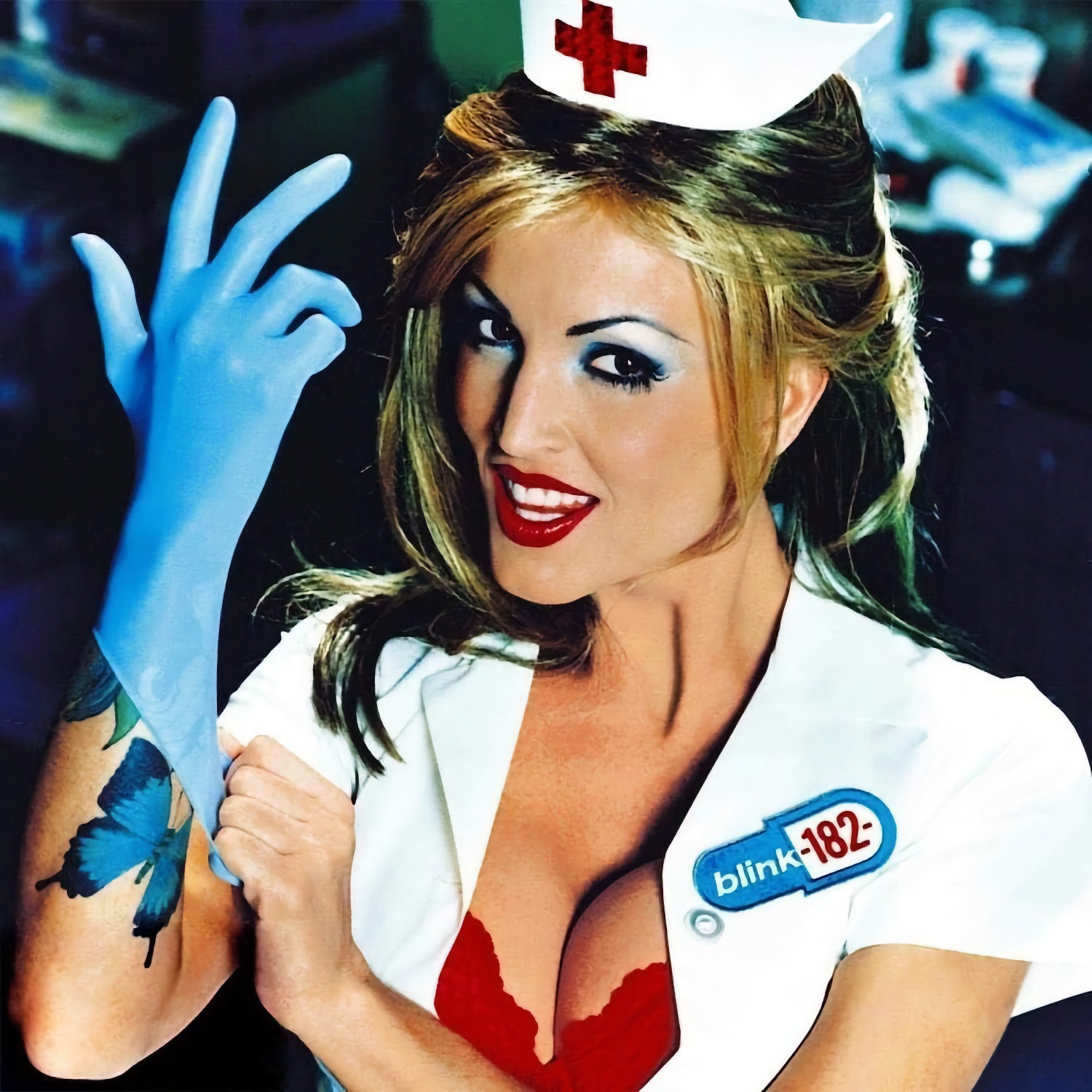
    RIFF092 - blink 182 - Enema of the State

    When Pop Punk Perfection Gets Recorded Without a Click Track Hosts: Neil & Chris Duration: ~94 minutes Release: 13 July 2026 Episode Description Neil and Chris dive into one of the defining records of the pop punk era, blink-182's 1999 landmark Enema of the State. The album that launched a thousand car journeys, a million singalongs, and one very confused Red Cross legal team. With 15 million copies sold and a sound that still holds up 25 years later, this is the record that sits at the exact inflection point between punk's underground roots and full-blown MTV commercial dominance. Neil brings his personal connection to the album front and centre, recalling how this would have been one of a handful of CDs living permanently in his car during his late-90s "big boy IT job" Thursday and Friday night out era. Chris meanwhile reflects on learning these songs through the young guitar students he was teaching at the time, hearing pop punk filtered back to him through the enthusiasm of the next generation. The episode traces the pop punk scene from its 924 Gilman Street Berkeley roots through Green Day and the Offspring's mid-90s commercial breakthrough, all the way to blink's pivotal role in launching a second wave that would eventually give way to Good Charlotte, Simple Plan, and Sum 41. If you want the deeper scene context, there's a companion blog post over at riffology.co covering the full arc. What You'll Hear: Why recording to analog tape without a click track gives this album a live energy that its successors never quite recaptured Travis Barker reportedly tracking the bulk of the drum parts in around eight hours, live, no headphones, no click The Red Cross legal dispute over the album cover's nurse hat, and why the band dropped the uppercase B from their name How the mischievous video era arguably did the band a disservice by cementing their reputation as a joke act The Adam's Song origin story, its connection to a comedy sketch, and the tragic real-world events that brought the band unwanted headlines The pop punk scene's eventual oversaturation and why it fizzled out by around 2004 Featured Tracks and Analysis: The boys play and discuss Aliens Exist, What's My Age Again, All the Small Things, and Adam's Song in detail, noting how the record balances outright silliness with genuine emotional weight. The guitar tone gets particular praise, described as exquisite for the genre, and the bottom end is called out as enormous for an album that was never done to click. A rare and happy accident of circumstance and speed. Tangential Gold: Chris's Roy Wood story, butchering "Wish It Could Be Christmas Every Day" in a pub in October, only for Roy Wood himself to knock on the door at the exact moment the last chord rang out Neil's Go Ape adventure with his 11-year-old, featuring an unexpectedly intimate encounter with a zip wire harness A middle-aged man at a Silverstone ice rink making the bold decision to push a four-year-old out of the way to grab their penguin skating aid Five police cars with unusual sirens passing the studio window mid-recording, sparking a detailed debate about siren hierarchy Why This Matters: Enema of the State is one of those records that sounds like it shouldn't work on paper but absolutely does in practice. A joke band, a rushed recording, a major label, a brand new drummer, and an analog studio produced something that still soundtracks weddings, pub gigs, and car journeys a quarter of a century later. Neil and Chris make the case that this deserves to be taken seriously as a piece of songwriting craft, not just nostalgia bait. Perfect for: Anyone who screamed along to this in a car in 1999 and wants to know why it still sounds so good, fans curious about the pop punk scene's origins and legacy, or anyone who has ever had an unfortunate experience with a zip wire harness. You can find us here: Blog: https://riffology.co All Episodes: https://podkit.riffology.co/podcast iHeart: https://www.iheart.com/podcast/1323-riffology-iconic-rock-alb-176865775 Apple: https://podcasts.apple.com/gb/podcast/riffology-iconic-rock-albums-podcast/id1691556696 Spotify: https://open.spotify.com/show/1LIU9mein7QMw346q20nyy X: https://x.com/RiffologyPod Bluesky: https://bsky.app/profile/riffology.co Facebook: https://www.facebook.com/riffology Email: info@riffology.co
  • June 29 · 1 hr 43 min

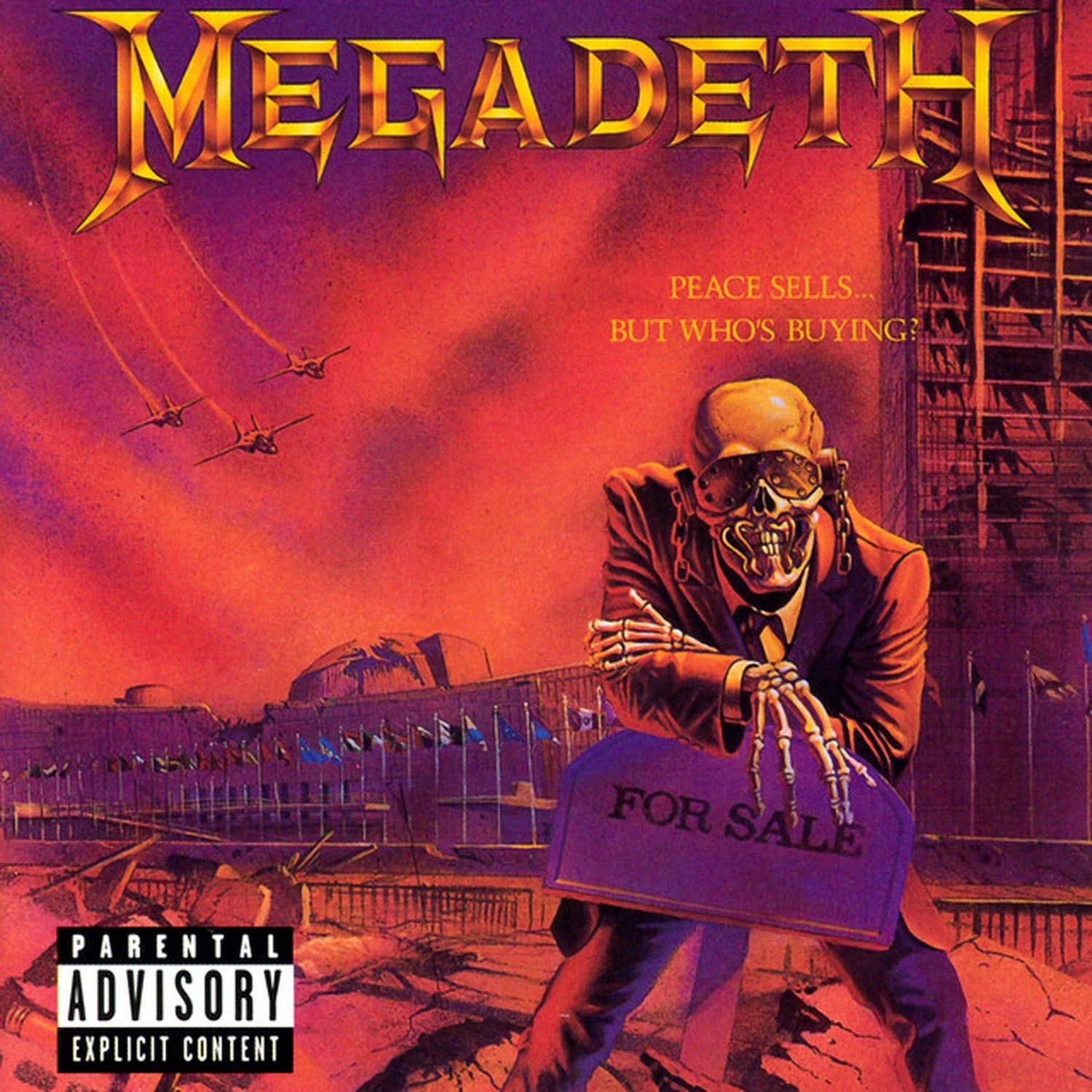
    RIFF091 - Megadeth - Peace Sells… But Who’s Buying

    When Jazz Meets Thrash and the Door Cards Won't Stop Rattling Hosts: Neil & Chris Duration: ~104 minutes Release: 29 June 2026 Episode Description It's Neil's birthday, it's 30 degrees in South Derbyshire, and the recording equipment failed the first time around. The universe, it seems, demanded a second take. This week Neil and Chris dig into Megadeth's 1986 landmark Peace Sells... But Who's Buying?, an album that arrived at exactly the right moment to soundtrack a cynical world and somehow sounded like nothing else around it. Neil's journey back to this record started in the most appropriate way possible: driving his old Porsche with rattling door cards, drunken passengers in the back, and Dave Mustaine snarling through the speakers. The experience sent him down a deep rabbit hole about production, jazz influences, and why this album occupies its own strange corner of metal history. The conversation covers the double life of this record, originally tracked on Combat Records with engineer Randy Burns before Atlantic bought the tapes, deemed them unacceptable, and handed them to Paul Lani for a full remix. Two very different versions exist, and Neil thinks the comparison tells you everything about what the record labels wanted versus what the band actually made. What You'll Hear: Why Chris Poland and Gar Samuelson's jazz backgrounds gave this album a quality that neither Slayer nor Metallica could match The Randy Burns vs Paul Lani mix debate, and where to find both versions today Dave Mustaine's rage, cynicism, and addiction as the emotional engine behind the record How the Big Four thrash bands all knew each other before their bands existed, and why none of them could sell an arena alone The PMRC era, Challenger, Chernobyl, and why 1986 gave Mustaine plenty to be furious about Why Megadeth were never quite cool enough to become uncool, and what that meant for their commercial ceiling Featured Tracks & Analysis: The title track gets detailed attention, with Neil tracing the riff back to a Reader's Digest quote Mustaine found while raiding a girlfriend's flat. Chris goes deep on the guitar technique, noting how the right hand picking on this record is unusually precise and percussive for the era, a combination of accuracy and aggression that creates what he calls a Wild Stallions quality. Devil's Island and Black Friday also feature, alongside embedded interview clips with Ellefson and Poland describing how the lineup came together. Tangential Gold: Neil sneaking into his own house at 4am and the chaos of ferrying drunken ladies in a rattling 911 A drawer full of remote controls, including a Sony unit for something Neil hasn't owned in 25 years Duff McKagan's memoir and the grim mechanics of functioning addiction on the road Margot Robbie quietly side-eyeing someone who claimed Metallica as their metal credentials Chris getting a look of pure disgust for suggesting Queen might be better than the Beatles, and being vindicated a decade later Why This Matters: Peace Sells sits in a genuinely unusual position in the metal canon, too jazzy for thrash purists, too venomous for the mainstream, and too technically adventurous for its own lineup to sustain. Neil makes a compelling case that the combination of Mustaine's fury and Poland and Samuelson's jazz instincts produced something unrepeatable, an album that influenced death metal, modern hardcore, and everything in between without ever quite getting its due outside the scene. Perfect for: Metal fans who want to go deeper than the greatest hits narrative, anyone curious about what the mid-80s underground actually sounded like before Metallica crossed over, and listeners who appreciate two people genuinely rediscovering an old favourite in real time. You can find us here: Blog: https://riffology.co All Episodes: https://podkit.riffology.co/podcast iHeart: https://www.iheart.com/podcast/1323-riffology-iconic-rock-alb-176865775 Apple: https://podcasts.apple.com/gb/podcast/riffology-iconic-rock-albums-podcast/id1691556696 Spotify: https://open.spotify.com/show/1LIU9mein7QMw346q20nyy X: https://x.com/RiffologyPod Bluesky: https://bsky.app/profile/riffology.co Facebook: https://www.facebook.com/riffology Email: info@riffology.co
  • June 22 · 1 hr 33 min

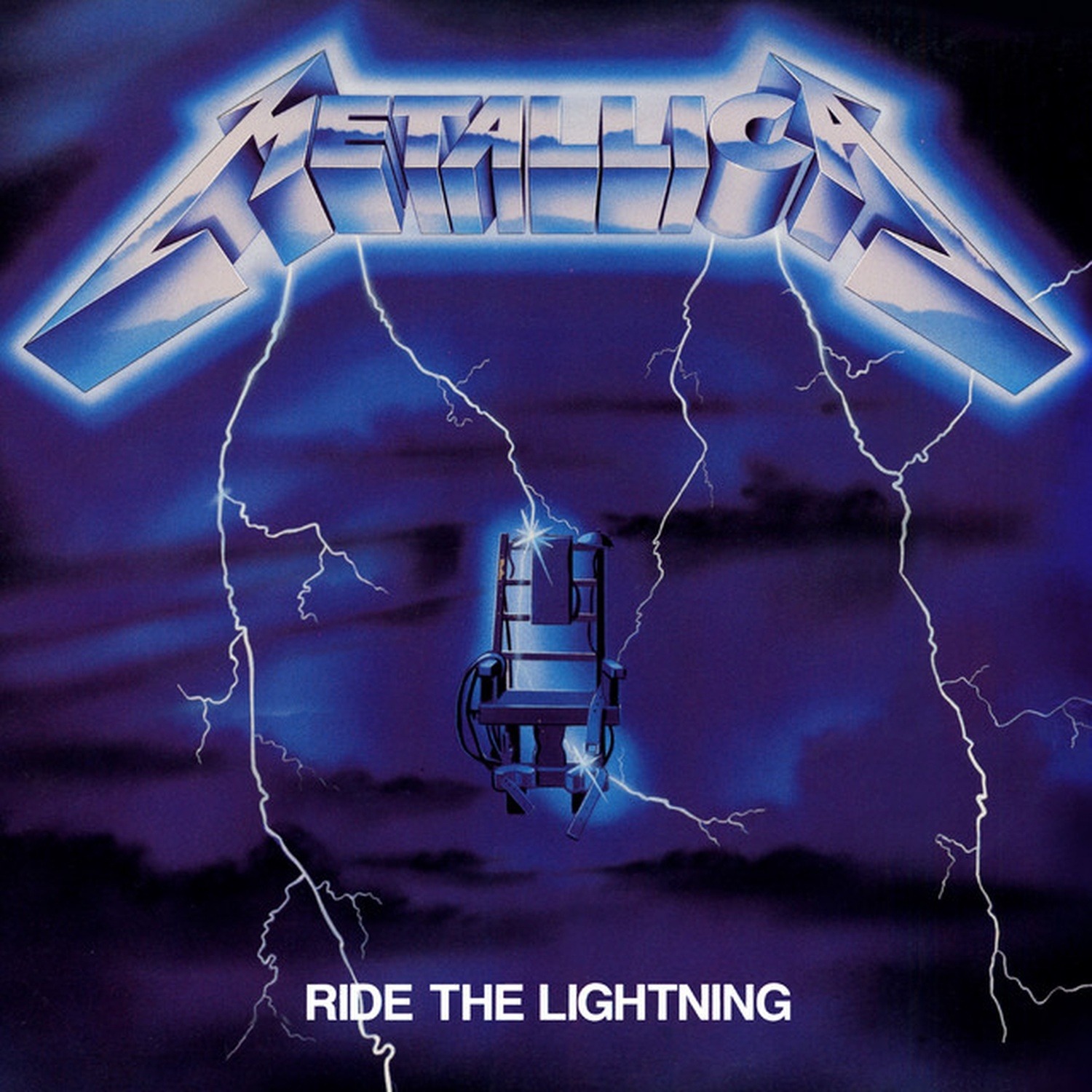
    RIFF090 - Metallica - Ride the Lightning

    When Lightning Strikes Twice and Belgium Shows Up Unexpectedly Hosts: Neil & Chris Duration: ~94 minutes Release: 22 June 2026 Episode Description Neil has officially flip-flopped. After crowning Master of Puppets the greatest album ever on a previous episode, he arrives here ready to hand the throne to Ride the Lightning, and honestly, his argument is hard to argue with. Recorded for a budget of $20,000 (that ended up costing $30,000), by a band nobody outside tape-trading circles had heard of, in 1984 of all years, this album somehow became one of the most important heavy metal records ever pressed. This episode digs into why Ride the Lightning hits differently to its famous sibling. Neil makes the case that the slightly rawer playing, the emergent melody, and Fleming Rasmussen's hands-off production create a kind of accidental perfection that the more technically accomplished Master of Puppets can't quite replicate. It is the sound of a band not yet knowing how good they were, and that tension is everything. What You'll Hear: The full band origin story, from Lars and James's first meeting through Dave Mustaine's exit, Ron McGovney's departure, and Cliff Burton's arrival on his own terms Why Cliff Burton's classical piano training fundamentally changed what Metallica was capable of writing, and how Kirk Hammett brought Exodus riffs into the mix The dynamic range of the album measured live using Neil's self-built Audio Forge tool, with comparisons to Siamese Dream and the Black Album How Joe Satriani, borrowed Anthrax gear, and stolen equipment all shaped the tone of this record A discussion of S&M, No Leaf Clover, and why orchestrated metal works when it works The Napster era, physical media's unlikely comeback, and a 23-year-old who had never seen a CD Featured Tracks & Analysis: Fade to Black gets real attention here, with Kirk Hammett recounting how Fleming Rasmussen pushed James Hetfield to slow down and actually sing rather than scream his way through every line. For Whom the Bell Tolls is traced back to Cliff Burton looping its intro in a rehearsal room until Lars noticed. Trapped Under Ice and Creeping Death both get origin stories, with the latter famously speeding up in rehearsal until the band realised faster was simply better. Call of Cthulhu is flagged as largely a Dave Mustaine composition, which adds an interesting wrinkle to how the album's credits read. Tangential Gold: Belgium has somehow become Riffology's second-biggest listening country since the ZZ Top episode, and nobody can fully explain it Neil's sons arm wrestle in a Carlisle record shop while he browses, and every other customer looks about thirteen years old A Roman Wall documentary in Carlisle that spent twenty minutes explaining that nothing ever happened on Hadrian's Wall AI, generic music, and why a kid in a bedroom will always outrun an algorithm Neil built his own dynamic range analysis software out of rage after another developer switched to a subscription model Why This Matters: Ride the Lightning is the sound of a band at a crossroads they did not know they were standing at. The riffs came from multiple sources, the gear was borrowed or stolen, the producer had to buy their previous album just to understand who he was working with, and none of it should have cohered into something this good. Neil and Chris trace exactly why it did, and why that kind of beautiful chaos is something no algorithm will ever replicate. Perfect for: Metallica fans who have always quietly preferred Lightning to Puppets but never said it out loud, newcomers ready to hear why 1984 thrash metal still sounds this sharp, and anyone who wants the full backstory of how this lineup came together before the magic ran out. You can find us here: Blog: https://riffology.co All Episodes: https://podkit.riffology.co/podcast iHeart: https://www.iheart.com/podcast/1323-riffology-iconic-rock-alb-176865775 Apple: https://podcasts.apple.com/gb/podcast/riffology-iconic-rock-albums-podcast/id1691556696 Spotify: https://open.spotify.com/show/1LIU9mein7QMw346q20nyy X: https://x.com/RiffologyPod Bluesky: https://bsky.app/profile/riffology.co Facebook: https://www.facebook.com/riffology Email: info@riffology.co
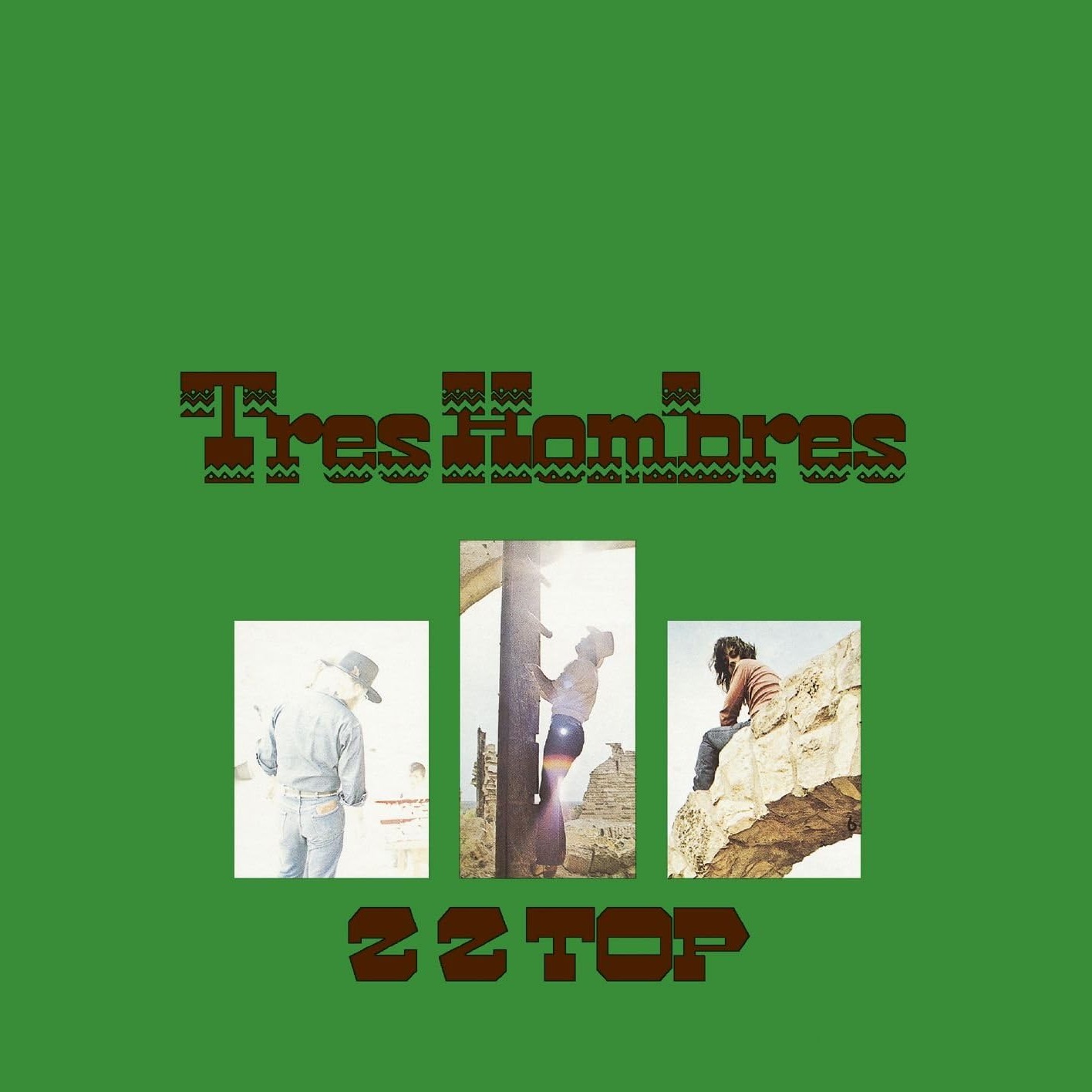
  • June 8 · 1 hr 28 min

    RIFF089 - ZZ Top - Tres Hombres

    When a Texas Road Trip Scene Sends You Down a Blues Rabbit Hole Hosts: Neil & Chris Duration: ~89 minutes Release: 8 June 2026 Episode Description It started with a Bentley, a long stretch of Texas highway, and the opening riff of La Grange dropping into a TV show called Landman. That was all Neil needed to drag ZZ Top's 1973 masterpiece Tres Hombres onto the Riffology turntable. Released on 26 July 1973, this is the album where Billy Gibbons, Dusty Hill and Frank Beard (the one without the beard) stopped trying to do everything at once and just got impossibly good at doing one thing right. Neil and Chris dig into why this record feels like a pivot point, a moment where deep Texas blues, gospel roots and something genuinely new collide into a sound that you can trace forward to Van Halen, Aerosmith and the entire Sunset Strip scene, while simultaneously tracing it back to John Lee Hooker and Slim Harpo. It's a 33-minute, 10-track album that knows exactly what it is, and that's a rare and brilliant thing. What You'll Hear: Why La Grange is basically a legally unpunishable theft from the public domain, and why the court agreed The dynamic range argument: why a DR score of 12.7 makes this album sound alive in a way modern metal releases at DR5 simply don't How the gatefold Tex-Mex spread got eaten by a German shepherd before anyone could photograph it The tape splice that turns "Waiting for the Bus" into "Jesus Just Left Chicago" in different time signatures and keys Why this album barely charted in the UK despite ZZ Top T-shirts being everywhere on British school playgrounds a decade later Frank Beard being credited as "Rube Beard" on the original sleeve because he was the only clean-shaven one Featured Tracks & Analysis: La Grange, Beer Drinkers and Hell Raisers, and Hot Blue and Righteous all get the spotlight. Neil makes a strong case that the songwriting simplicity here is the key: three chords, a hook, a riff that carries the whole song, and a solo that hangs off it. No eight-idea pile-ups, no overcrowding. Chris notes how tight the band plays as a unit, with Gibbons emerging as a far more extraordinary guitarist than his later MTV-era image ever suggested. Tangential Gold: Neil's smart cat flap, which locks at sunrise and sunset and sends him phone notifications A Dalmatian called Del Boy who investigated a girlfriend's short skirt and later urinated on a pristine Jaguar The state of British comedy, Bob Mortimer forcing lard through a picture of Jimmy Carr's face, and why American audiences might not get it A detour into copyright law, Taylor's Version, and why Moby's Play got complicated Why 1990s Lamborghinis were terrifying and brilliant and modern ones are just an Audi in a Halloween costume Why This Matters: Tres Hombres is the sound of a band finding their voice by stripping everything back. Just three people, no session players, recorded in Texas, and full of ideas that would quietly underpin a decade of hard rock to come. Neil and Chris capture exactly why this album still sounds honest, immediate and genuinely exciting fifty years on. Perfect for: Fans of ZZ Top wondering where to start, Southern rock and blues rock enthusiasts, anyone who's ever heard La Grange in a film or TV show and immediately needed to know more, and people who appreciate a podcast that treats a 33-minute album as worthy of 90 minutes of loving, chaotic attention. You can find us here: Blog: https://riffology.co All Episodes: https://podkit.riffology.co/podcast iHeart: https://www.iheart.com/podcast/1323-riffology-iconic-rock-alb-176865775 Apple: https://podcasts.apple.com/gb/podcast/riffology-iconic-rock-albums-podcast/id1691556696 Spotify: https://open.spotify.com/show/1LIU9mein7QMw346q20nyy X: https://x.com/RiffologyPod Bluesky: https://bsky.app/profile/riffology.co Facebook: https://www.facebook.com/riffology Email: info@riffology.co
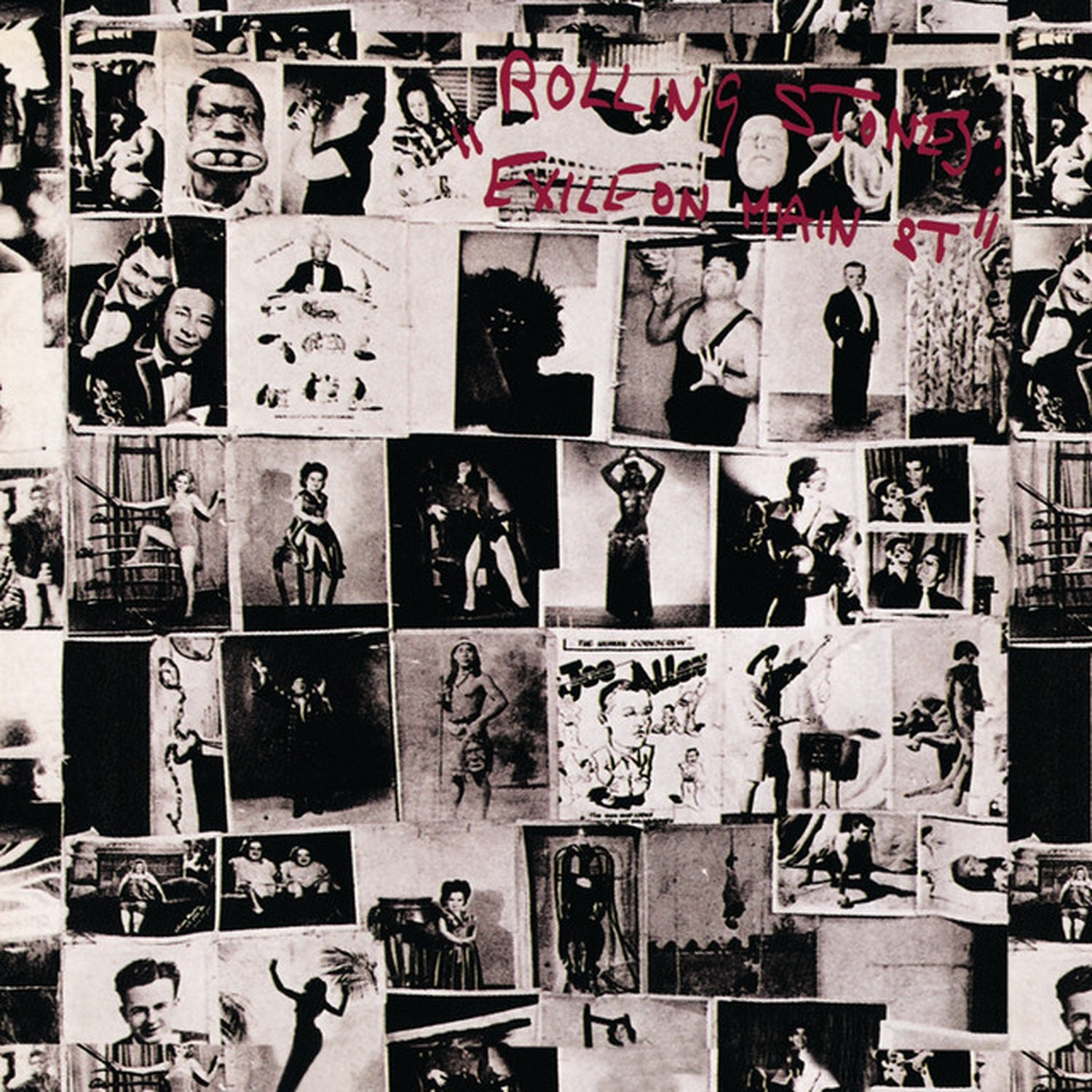
  • May 25 · 1 hr 18 min

    RIFF088 - The Rolling Stones - Exile on Main Street

    When Tax Exile Becomes Artistic Gold Hosts: Neil & Chris Duration: ~79 minutes Release: 25 May 2026 Episode Description Seven years after tackling Led Zeppelin's Physical Graffiti, Neil and Chris return to the double album format with another sprawling, sun-baked classic. The Rolling Stones' 1972 masterpiece Exile on Main Street gets the full Riffology treatment, recorded in conditions that eerily mirror the original sessions: no air, no breeze, and critically, a rapidly depleting supply of Cokes and fruit pastels. Neil comes in as a lifelong Stones fan, shaped by his mum's record collection and rediscovering the band repeatedly across decades. Chris arrives with a confession: he's never quite cracked the Stones, finding much of their output sounds like jams with words on top. This episode becomes a genuine and entertaining exploration of why that perception exists, and why Exile on Main Street might be the album that finally shifts the needle. The pair dig into the chaos behind the record: tax exile in the South of France, a dysfunctional band rarely all in the same room, a producer holding everything together while quietly developing his own habits, and Mick Jagger finishing the album in New York surrounded by session musicians, gospel singers, and at least one uncredited Dr. John. What You'll Hear: The full story of the UK supertax that drove the Stones and dozens of other artists out of Britain Why the album credits are a mess, and why Bill Wyman was very unhappy about it The gospel connection: how a chance visit to an Aretha Franklin recording session shaped the album's sound Chris's lightbulb moment realising the Stones are fundamentally an American-sounding band The legal battle with former manager Allen Klein, who successfully claimed publishing rights to five tracks after release Why Tumbling Dice took somewhere between 30 and 150 takes, depending on who you ask Featured Tracks and Analysis: Rocks Off, Tumbling Dice, Happy, Rip This Joint, Loving Cup and Shine A Light all get attention, with the hosts contrasting the tighter, more structured songs against the looser jam-heavy material. Neil makes the case that the album's disjointed, rambling quality is actually a perfect time capsule of where the Stones were emotionally and practically in 1972. Chris starts to come around. Tangential Gold: Neil's trip to Munich, including a vegan atheist teetotaller navigating beer halls, a very funny tour guide named Oz, and a near-midnight airport curfew drama The Ice King documentary and a surprisingly gripping history of commercial ice distribution Getting locked inside the recording space by an alarm system, with no supplies and growing desperation A late night argument with a very drunk colleague about photons, the speed of light, and why physics is apparently broken Why This Matters: Exile on Main Street sits at number seven on Rolling Stone magazine's greatest albums list and is the only album with a perfect Metacritic aggregate score of 100 on its reissue. Neil and Chris don't entirely agree with that consensus, and their honest pushback makes for a more interesting conversation than pure reverence would. This is an album that rewards repeated listening and honest interrogation in equal measure. Perfect for: Rolling Stones fans wanting a candid take, curious listeners who've always meant to properly engage with Exile, and anyone who enjoys music discussion that takes genuine detours through German city culture, 19th century ice logistics, and alarm system evasion tactics. You can find us here: Blog: https://riffology.co All Episodes: https://podkit.riffology.co/podcast iHeart: https://www.iheart.com/podcast/1323-riffology-iconic-rock-alb-176865775 Apple: https://podcasts.apple.com/gb/podcast/riffology-iconic-rock-albums-podcast/id1691556696 Spotify: https://open.spotify.com/show/1LIU9mein7QMw346q20nyy X: https://x.com/RiffologyPod Bluesky: https://bsky.app/profile/riffology.co Facebook: https://www.facebook.com/riffology Email: info@riffology.co
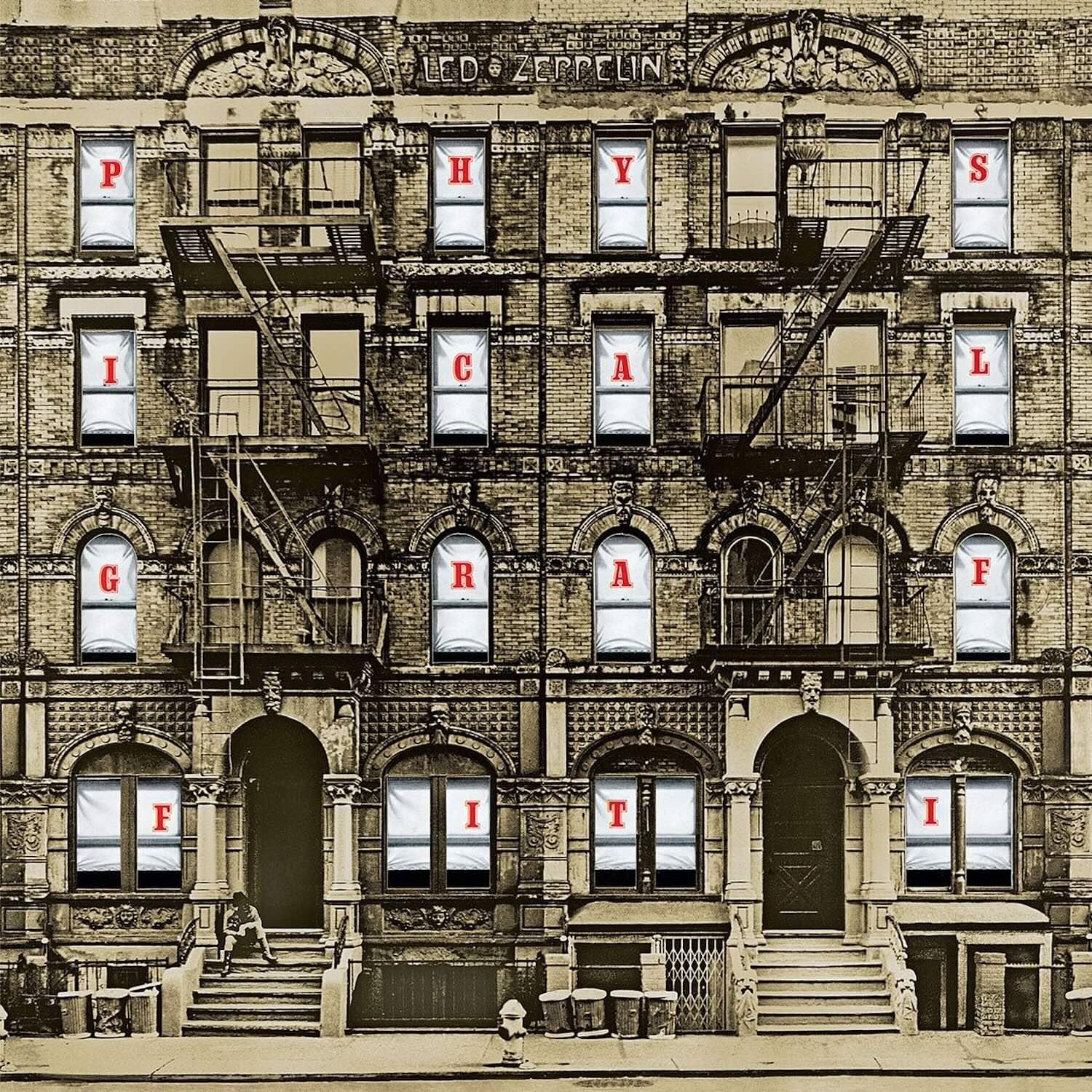
  • May 4 · 1 hr 44 min

    RIFF087 - Led Zeppelin - Physical Graffiti

    When the Riff Becomes a Religion and the Rules Don't Apply Hosts: Neil & Chris Duration: ~104 minutes Release: 4 May 2026 Episode Description Led Zeppelin's 1975 double album Physical Graffiti gets the full Riffology treatment, and it turns out that 82 minutes of music across four vinyl sides is a lot to reckon with. Neil arrives with a clear thesis: the first five tracks are phenomenal, and then the album "meanders off into a void." Chris arrives having remembered he actually loves the second half. Somehow they both end up agreeing that this record is one of the most improbable achievements in rock history. Recorded across multiple sessions spanning nearly five years, pulling from outtakes, live jams, and Headley Grange inspiration, Physical Graffiti shouldn't sound coherent. But it does. The hosts dig into why, tracing Jimmy Page's obsessive studio craft, John Bonham's stairwell drum sound, John Paul Jones's basslines that most people have never actually heard, and the strange alchemy of a band with nothing left to prove making something genuinely extraordinary. What You'll Hear: Why the vinyl format is the key to understanding the album's structure, four mini-albums rather than one sprawling mess Jimmy Page as painter rather than musician, layering sounds with a meticulous, almost obsessive studio approach The band's total refusal to play by industry rules, no singles in the UK, no videos, their own vanity label, and still hitting number one How Physical Graffiti's commercial success pulled the entire Zeppelin back catalogue back into the charts simultaneously The folk influence hiding underneath the blues and rock bombast, and how it connects to Page and Plant's later solo work Why Greta Van Fleet existing feels statistically improbable given how unique every element of this band actually is Featured Tracks and Analysis: Kashmir gets serious attention, with Chris noting its trance-like, circular riff structure and Neil connecting it to Maynard James Keenan's own description of it as a blueprint for Tool's ballads. The opening five tracks, including Custard Pie, In My Time of Dying, Houses of the Holy and Trampled Underfoot, are treated as a near-perfect run. The Trampled Underfoot riff's debt to Stevie Wonder's Superstition gets a nod, as does the discovery that John Paul Jones used the same Hohner D6 clavinet Wonder played on the original. In the Light emerges as Chris's favourite track on the record, its droning synth intro and folky energy a genuine surprise revisit. Tangential Gold: A detailed and affectionate defence of analog gear, hot-smelling amplifiers, satisfying clunks, and why electric cars with touch screens are making everyone worse The story of John Paul Jones nearly leaving Led Zeppelin to become a choirmaster at Winchester Cathedral A genuine concern about Gen Z abandoning stereo speakers entirely in favour of a single Bluetooth device A detour into AI models developing their own languages and what happens to human programmers when that arrives School nicknames from the 1980s that absolutely cannot be repeated in polite company but very much are Why This Matters: Physical Graffiti sits at the peak of what classic rock could be, a band at the height of their power, answerable to no one, building something that influenced everything from Pink Floyd's The Wall to Use Your Illusion to early Queen without ever quite being replicated. This episode captures both the reverence the album deserves and the honest admission that 82 minutes is a commitment even for fans. You can find us here: Blog: https://riffology.co All Episodes: https://podkit.riffology.co/podcast iHeart: https://www.iheart.com/podcast/1323-riffology-iconic-rock-alb-176865775 Apple: https://podcasts.apple.com/gb/podcast/riffology-iconic-rock-albums-podcast/id1691556696 Spotify: https://open.spotify.com/show/1LIU9mein7QMw346q20nyy X: https://x.com/RiffologyPod Bluesky: https://bsky.app/profile/riffology.co Facebook: https://www.facebook.com/riffology Email: info@riffology.co
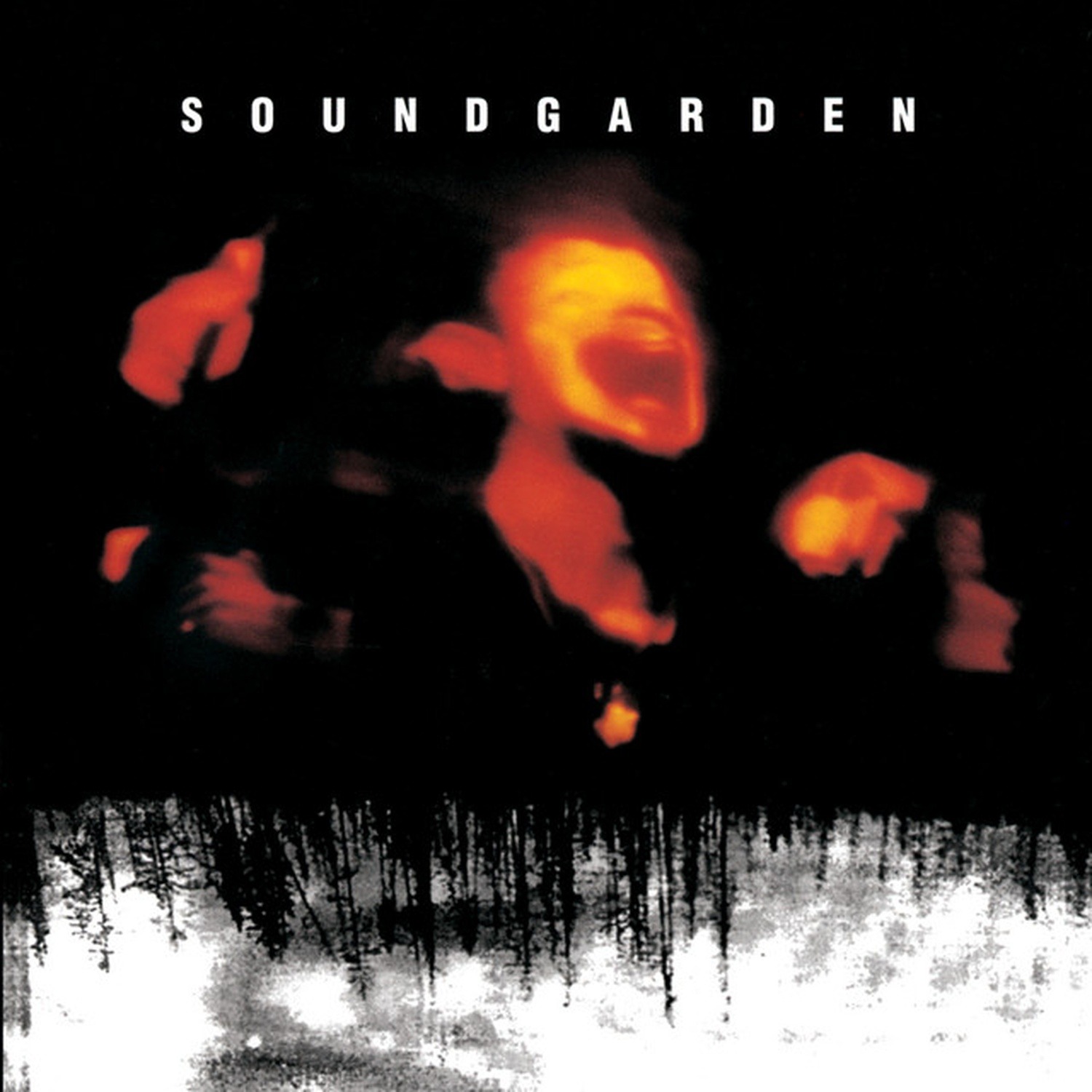
  • April 27 · 1 hr 41 min

    RIFF086 - Soundgarden - Superunknown

    When the Seattle Elder Statesmen Finally Get Their Due Hosts: Neil & Chris Duration: ~101 minutes Release: 27 April 2026 Episode Description This week Neil and Chris dig deep into what Chris calls, without hesitation, one of the greatest albums ever made. Soundgarden's 1994 masterpiece Superunknown gets the full Riffology treatment, and the verdict is emphatic. Released on 8th March 1994, the album debuted at number one, knocked Pink Floyd's Division Bell off the top spot, and sold nearly 10 million copies despite being, as both hosts agree, genuinely difficult to categorise. Neil came to Soundgarden late, arriving via Chris Cornell's solo work before a friend finally sat him down with the right tracks. Chris grew up with the singles first before discovering the deeper cuts later, and both agree the album rewards that second, third, and fourth listen in ways that most rock records simply do not. Recorded at Bad Animals Studio in Seattle on a Neve desk, produced by the relentless New York-based Michael Beinhorn, this is a record that sounds like nothing else from its era. What You'll Hear: Why Superunknown feels closer to Led Zeppelin and Black Sabbath than to Nirvana, despite the grunge label The five singles and what each one meant commercially and creatively, including the Grammy wins for Spoonman and Black Hole Sun How the album's sequencing, tempo shifts, and unusual time signatures work together as a deliberate, carefully constructed journey The New York producer theory, and why Beinhorn's outsider perspective may explain the album's distinctive tone The connection between Superunknown and Audioslave's debut, and which one Neil might actually prefer Featured Tracks and Analysis: The Day I Tried to Live earns the biggest praise of the episode, with Chris calling it simply the best song ever written and announcing plans to learn it. Black Hole Sun gets a full breakdown including the single-string slide guitar cheat, the Beatles-influenced fifth-interval vocal harmony, and Cornell's own admission that the lyrics mean absolutely nothing. Fourth of July closes the episode and both hosts agree it is among the heaviest things Soundgarden ever recorded, drop C tuning, Black Sabbath energy, and all. Tangential Gold: Neil washes his car and his fitness tracker congratulates him on a surfing session Chris recounts the pyrotechnics story from a Silverstone party gig where he told the effects crew "all of it" Neil's experience photographing the final Slayer tour and nearly losing his eyebrows to stage pyro A detour into the Aliens TV series and whether modern baddies are scary enough to cause cold sweats at 3am Neil discovers the Soundgarden sculpture in Seattle, which he had visited many times without ever connecting it to the band name Why This Matters: Superunknown arrived five weeks before Kurt Cobain's death, in a moment when the Seattle scene was simultaneously at its peak and beginning to fracture. The album outlasted the era that produced it precisely because it never fully belonged to that era. Neil and Chris make a compelling case that this is a record built to be discovered across decades, not consumed in a single sitting. Perfect for: Fans of intelligent, sprawling rock records who want to go beyond the singles, anyone curious about what grunge actually sounded like when the musicians involved had been playing together for a decade, and anyone who has ever told the pyrotechnics crew "all of it." You can find us here: Blog: https://riffology.co All Episodes: https://podkit.riffology.co/podcast iHeart: https://www.iheart.com/podcast/1323-riffology-iconic-rock-alb-176865775 Apple: https://podcasts.apple.com/gb/podcast/riffology-iconic-rock-albums-podcast/id1691556696 Spotify: https://open.spotify.com/show/1LIU9mein7QMw346q20nyy X: https://x.com/RiffologyPod Bluesky: https://bsky.app/profile/riffology.co Facebook: https://www.facebook.com/riffology Email: info@riffology.co
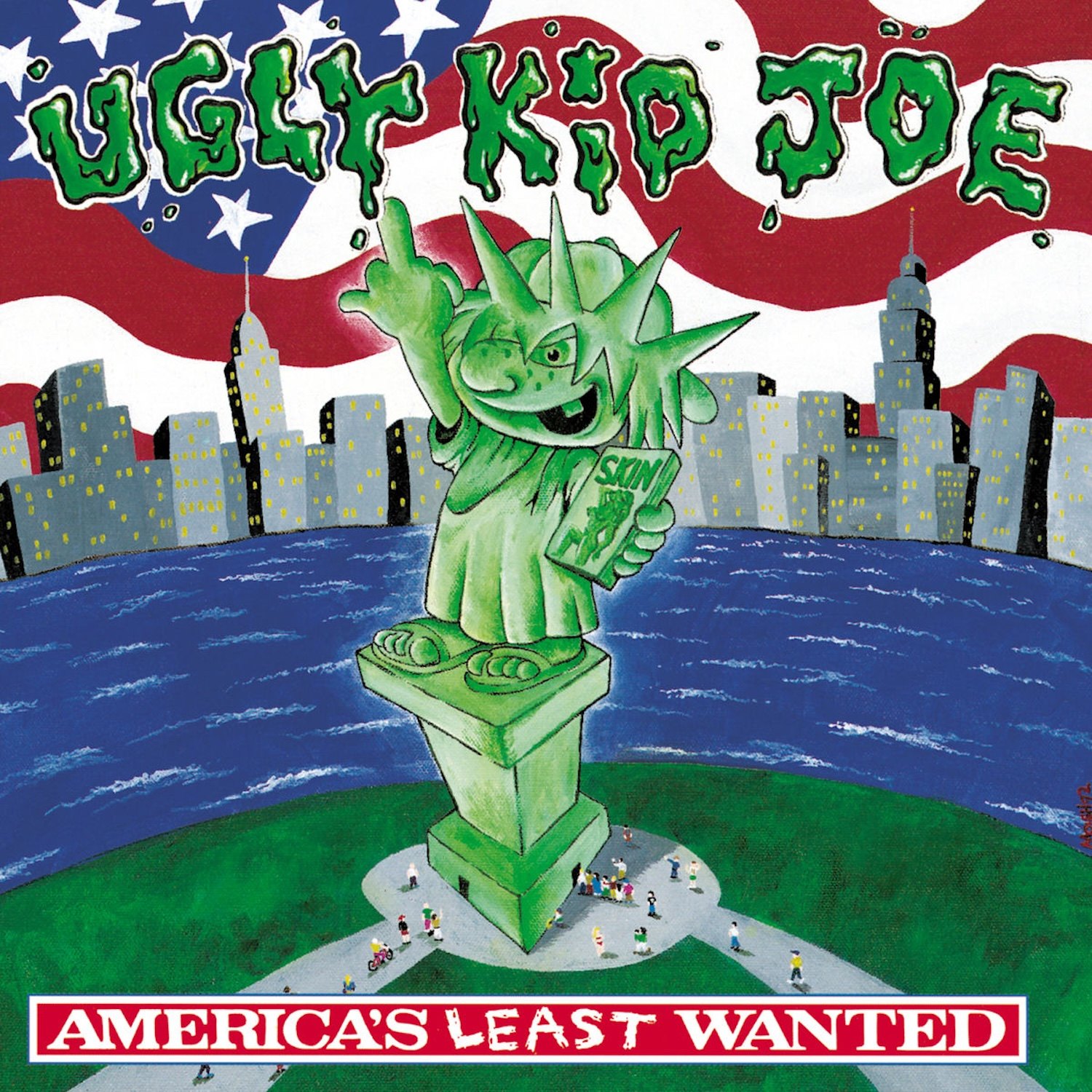
  • April 20 · 1 hr 18 min

    RIFF085 - Ugly Kid Joe - America's Least Wanted

    When Ugly Doesn't Fit Anywhere and That's Exactly the Point Hosts: Neil & Chris Duration: ~78 minutes Release: 20 April 2026 Episode Description Neil and Chris turn their attention to one of 1992's most unlikely success stories, Ugly Kid Joe's debut album America's Least Wanted. Born from a week spent with REM's more cerebral output, Neil found himself craving something crunchier, riffier, and a whole lot less earnest. One morning listen later and a long-forgotten favourite came roaring back. What struck him wasn't just how good the record still sounds, but how genuinely baffling it is that it ever worked at all. The band didn't fit the grunge scene, didn't fit thrash, didn't fit hair metal, and actively mocked the genre they were closest to. And yet 2.4 million copies worldwide suggests the world was more than happy to receive them. This episode digs into why, tracing the band's origins as a throwaway joke name, their rocket ride from a debut EP to major label success, and the frustrating inability to repeat the trick on anything that followed. What You'll Hear: Why Ugly Kid Joe's refusal to belong to any scene is precisely what made them connect with fans of all of them The story of producer Mark Dodson, his Judas Priest connections, and a Rob Halford cameo recorded in a single afternoon as a personal favour The album's iconic freckled mascot, its near-miss Mad Magazine lawsuit, and the censored retail pressings that followed Sandy Chapin personally approving the Cats in the Cradle cover, with proceeds supporting the Harry Chapin Foundation A rundown of where the band members ended up, including connections to Slipknot, Evanescence, and Godsmack Sound City Studios, the Neve console that also captured Rumours and Nevermind, and what that means for the album's sonic weight Featured Tracks and Analysis: The hosts give particular love to Panhandling Prince, singling out its funky undertow, phenomenal bass lines, and the squealing guitar solo that closes it out as evidence the album rewards deeper listening beyond the hits. The emotional weight of Cats in the Cradle gets a proper airing too, with Neil reflecting on how a song about fathers, sons, and missed time has a habit of making you want to put the phone down and go be present. Neighbour and Mr. Record Man round out the discussion, the latter read as a barely veiled attack on the industry written before things with Mercury Records went sideways. Tangential Gold: Swadhenge, the local roundabout decorated with rock-filled metal cages that has somehow made it onto Google Maps A police officer's surprisingly practical advice about where to dispose of a body (traffic island, apparently) Neil preparing a glove box full of CDs for a four-hour drive to Brighton, including Bush, Little Angels, and Ride the Lightning A summer job in a Summerfields supermarket that lasted precisely long enough to send Neil back to university Lindsay's Spotify playlist of songs featuring unexpected bagpipes, currently holding at three entries Why This Matters: America's Least Wanted is a better album than most people remember, and a stranger commercial success than almost anyone gives it credit for. Neil and Chris make a convincing case that its longevity comes not from fitting a moment but from refusing to. The attitude carried it somewhere the genre labels couldn't. Perfect for: Fans who remember the single but forgot there You can find us here: Blog: https://riffology.co All Episodes: https://podkit.riffology.co/podcast iHeart: https://www.iheart.com/podcast/1323-riffology-iconic-rock-alb-176865775 Apple: https://podcasts.apple.com/gb/podcast/riffology-iconic-rock-albums-podcast/id1691556696 Spotify: https://open.spotify.com/show/1LIU9mein7QMw346q20nyy X: https://x.com/RiffologyPod Bluesky: https://bsky.app/profile/riffology.co Facebook: https://www.facebook.com/riffology Email: info@riffology.co
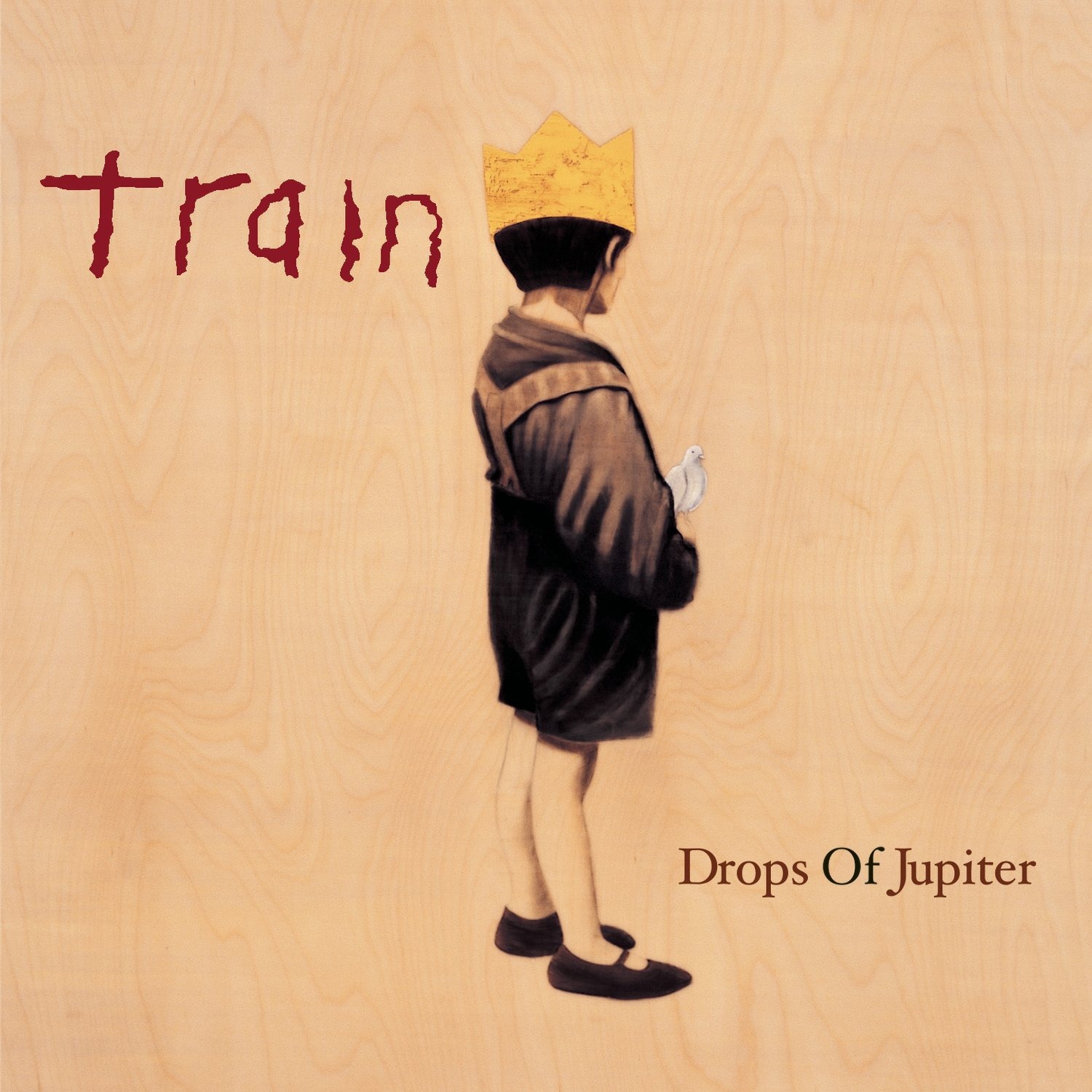
  • April 13 · 1 hr 24 min

    RIFF084 - Train - Drops of Jupiter

    When A Dream Wrote The Song That Changed Everything Hosts: Neil & Chris Duration: ~85 minutes Release: 13 April 2026 Episode Description Train's 2001 album Drops of Jupiter is one of those records that arrived via a girlfriend rather than a record shop, sitting in that curious no-man's land between rock and pop where critics couldn't quite place it but ten million people absolutely could. Neil and Chris dig into an album that neither of them would necessarily have picked up on their own, and find something genuinely moving underneath the radio-friendly surface. The centrepiece of the episode is the extraordinary story behind the title track. Pat Monahan's mother had recently died, his marriage was falling apart, and the record label had just told him there were no singles on the album. Then he woke from a dream with every lyric and melody fully formed, wrote the whole thing in fifteen minutes, and flew to New York with a demo in his pocket. The label president heard it, shut his eyes, and said "Song of the Year." He wasn't wrong. What You'll Hear: The remarkable origin story of Drops of Jupiter, written in a dream about Pat Monahan's late mother Producer Brendan O'Brien's extraordinary back catalogue and why his "room to breathe" approach suited this record perfectly Why the critics completely missed it, scoring it near the bottom while the public pushed it to ten million sales over a slow, grinding chart climb The September 11 connection that killed the planned second single video and forced a last-minute change Mississippi, the album's closing Jeff Buckley tribute, and why both hosts consider it a hidden highlight The 20th anniversary SACD reissue and a broader conversation about analog warmth versus digital production Featured Tracks & Analysis: The boys play three tracks in full including Respect, which predated the album on the Dawson's Creek Volume 2 soundtrack, the title track Drops of Jupiter complete with an interview clip from Pat Monahan himself, and the saxophone-laced closer Mississippi. Chris notes that the drums sit perfectly in the pocket throughout the whole record, with the bass lines coming alive particularly in the final three songs. The strings and piano that anchor the title track are flagged as surprisingly dominant for a guitar band, and both hosts agree the deep cuts reward repeated listening far more than the big single alone suggests. Tangential Gold: Neil's confession about replacing his shoelaces with elastic ones, inspired by his lazy teenage son, and the liberating freedom of never tying a bow again A physiotherapist's blunt diagnosis that Neil is "an old man who doesn't move enough," dismissing his Couch to 5K efforts with magnificent contempt The frog spawn mystery, the Straight of Hormuz not actually being straight, and what it would look like to launch Jeff Bezos into space with only Amazon deliveries for company The Charlie Sheen Christmas Day arrest that somehow involved a disagreement about this very album Why This Matters: Drops of Jupiter is a reminder that the most enduring records are often the ones written from genuine pain rather than commercial ambition. The label said there was no single. The critics said it was a pub band Counting Crows. The public disagreed for 54 consecutive weeks on the Adult Contemporary chart. Neil and Chris make a compelling case that the album has aged better than almost anything competing with it at the time, and that its reputation still sits unfairly below what it deserves. Perfect for: Fans of early 2000s adult rock who know the single but haven't visited the full album in years, anyone curious about the intersection You can find us here: Blog: https://riffology.co All Episodes: https://podkit.riffology.co/podcast iHeart: https://www.iheart.com/podcast/1323-riffology-iconic-rock-alb-176865775 Apple: https://podcasts.apple.com/gb/podcast/riffology-iconic-rock-albums-podcast/id1691556696 Spotify: https://open.spotify.com/show/1LIU9mein7QMw346q20nyy X: https://x.com/RiffologyPod Bluesky: https://bsky.app/profile/riffology.co Facebook: https://www.facebook.com/riffology Email: info@riffology.co
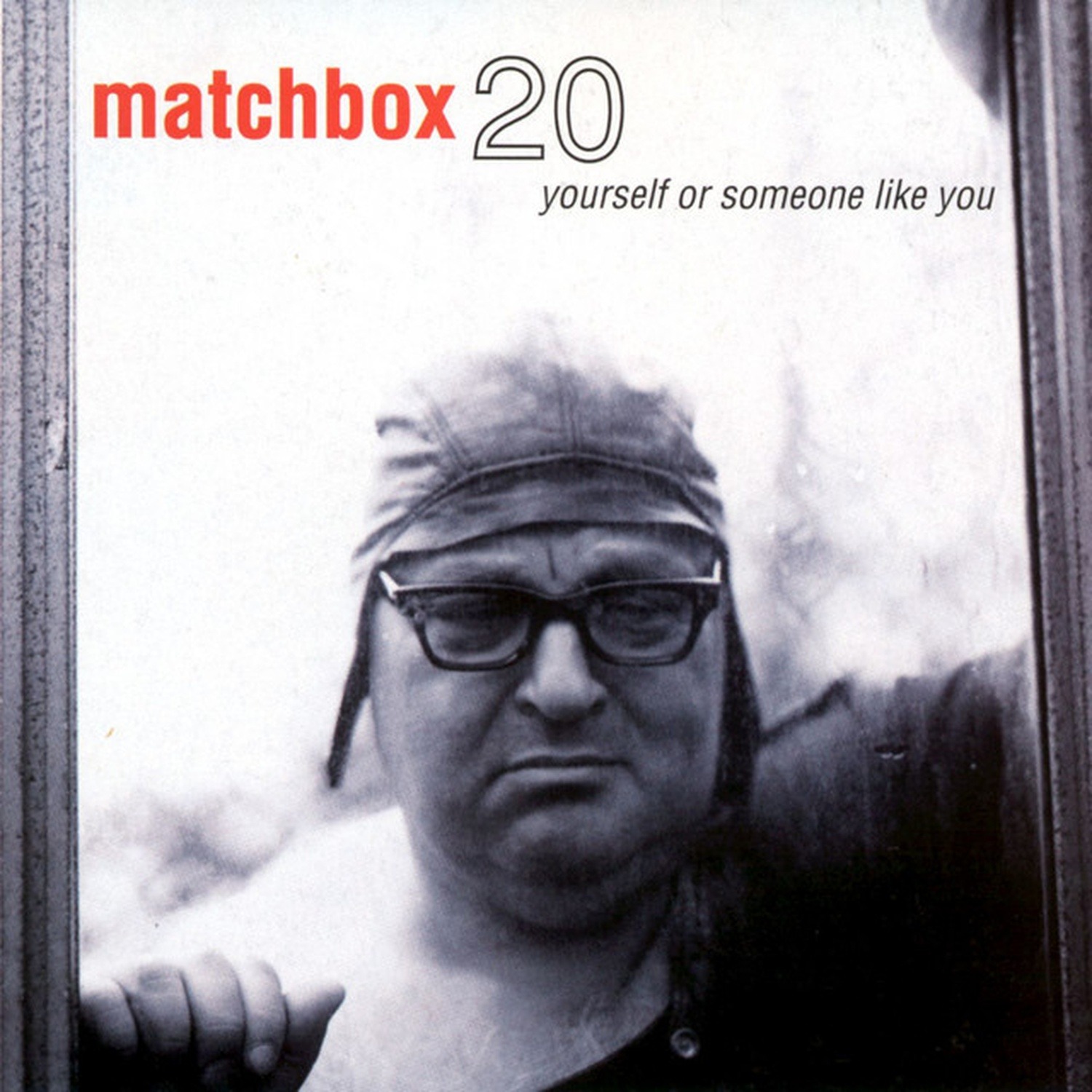
  • April 6 · 1 hr 26 min

    RIFF083 - Matchbox 20 - Yourself or Someone Like You

    When a Jersey Number Changes Everything and 15 Million People Prove the Critics Wrong Hosts: Neil & Chris Duration: ~87 minutes Release: 6 April 2026 Episode Description Neil and Chris turn their attention to Matchbox 20's landmark debut, Yourself or Someone Like You, a record that sold 15 million copies worldwide while barely causing a ripple in the UK. Released in 1996 and selling just 610 copies in its first week, this is the ultimate slow-burn success story, and one that Neil has been singing along to in the car ever since he first heard it on cassette. For Chris, this one slipped by during his early dive into heavier territory, Fear Factory, Korn, Green Day, but coming back to it now he can't quite believe he missed it. The guitars are crystal clear, every lyric lands immediately, and the whole thing feels effortless despite being one of the most polished records of its era. Think Collective Soul, think Third Eye Blind, think something you can play to your mum but still absolutely belt in the car. Rob Thomas's storytelling sits at the heart of this episode. Neil draws direct comparisons to Alanis Morissette in the way Thomas puts you inside a scene within a couple of bars, and the discussion keeps returning to just how personal and autobiographical this record really is. What You'll Hear: The surprising origin of the band name, spotted on a softball jersey in a diner by guitarist Paul Doucette The full story of Tabitha's Secret, the band Rob Thomas left before forming Matchbox 20, including the lawsuit over 3am and why the same song appeared twice with different singers Producer Matt Serletic's crucial role, from co-writing Push to producing I Don't Want to Miss a Thing for Aerosmith The Frank Torres cover story, the man photographed for the album art who sued the band in 2005 Why Atlantic refused to release Push or 3am as commercial singles even as the album became a phenomenon A specially edited audio comparison melding the Tabitha's Secret version of 3am directly into the Matchbox 20 recording Featured Tracks & Analysis: Push, 3am, Long Day, and Real World all get proper attention, with discussion of how Push was born from a single random word in a hotel room and why Rob Thomas spent years explaining the song was about emotional manipulation directed at him, not by him. The episode also touches on the album's structure, big radio singles up front, slow-burning deeper cuts like Kody toward the end, and why the whole thing repays repeat listens in a way that still holds up nearly 30 years on. Tangential Gold: Neil's new car CD player and why holding a physical disc still feels magical The metrics versus Imperial debate, triggered by Neil's Artemis moon mission tracker going viral with 150,000 visitors in a few hours Lizzie's Woolworths pick and mix revelations, and why she never touched it again after stocktake day The Barbie movie, Ryan Gosling, and Rob Thomas bracing for the worst before realising Ken actually made Push look pretty good Why This Matters: This is an episode about a record that critics dismissed, the public loved, and time has been very kind to. Neil and Chris make a convincing case that Matchbox 20 deserve considerably more respect than they typically receive, and that Yourself or Someone Like You sits comfortably alongside the best guitar-driven albums of the 1990s. Next up, the lads are heading to Train's Drops of Jupiter. You can find us here: Blog: https://riffology.co All Episodes: https://podkit.riffology.co/podcast iHeart: https://www.iheart.com/podcast/1323-riffology-iconic-rock-alb-176865775 Apple: https://podcasts.apple.com/gb/podcast/riffology-iconic-rock-albums-podcast/id1691556696 Spotify: https://open.spotify.com/show/1LIU9mein7QMw346q20nyy X: https://x.com/RiffologyPod Bluesky: https://bsky.app/profile/riffology.co Facebook: https://www.facebook.com/riffology Email: info@riffology.co
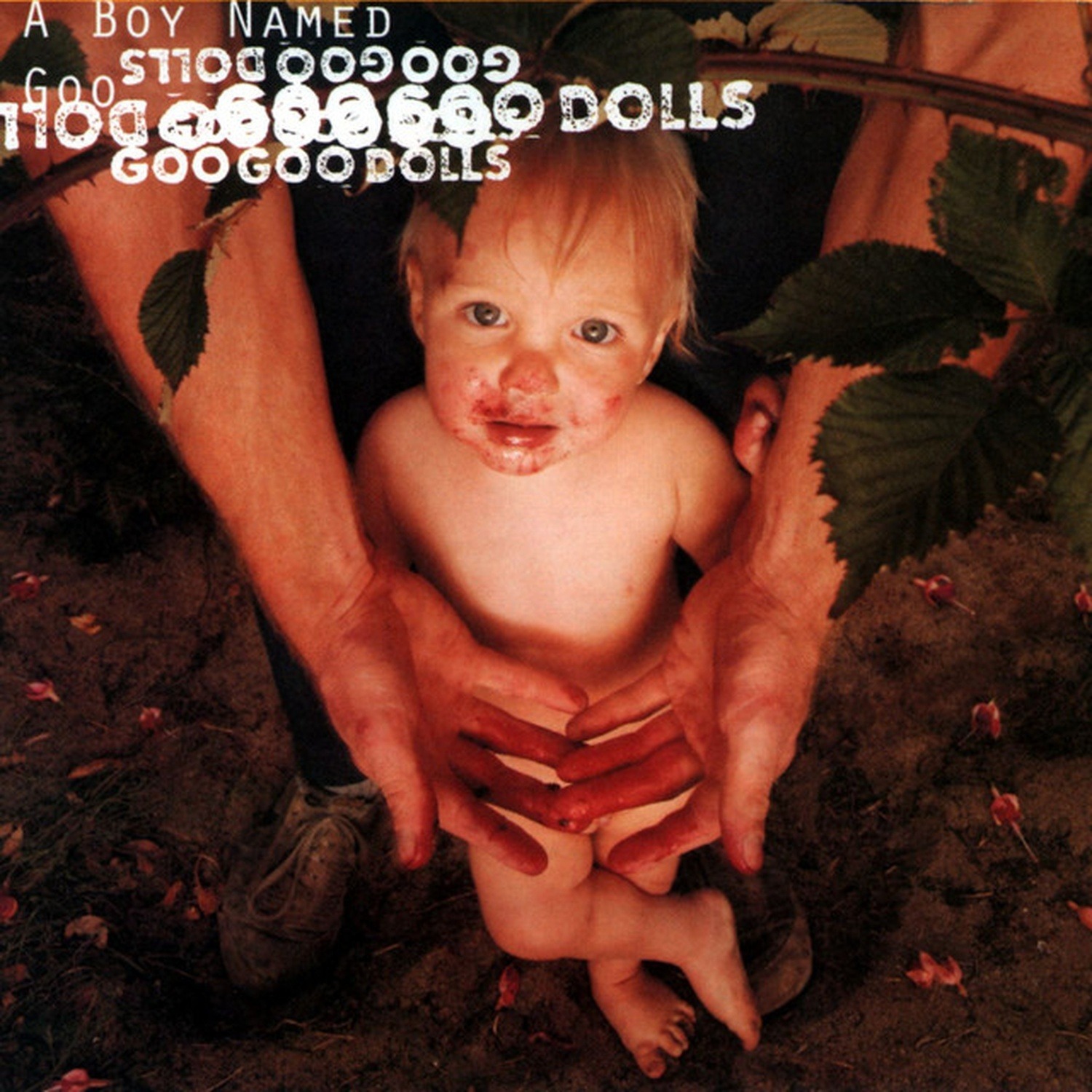
  • March 23 · 1 hr 35 min

    RIFF082 - The Goo Goo Dolls - A Boy Named Goo

    When Buffalo's Best Kept Secret Finally Got Its Name Called Hosts: Neil & Chris Duration: ~95 minutes Release: 23 March 2026 Episode Description Neil and Chris dive into A Boy Named Goo by the Goo Goo Dolls, the 1995 album that sold two million copies in the US, made absolutely no impression on the UK charts, and somehow still managed to leave most people unaware it existed. This is the record that contains Name, the song that accidentally became a hit when KROQ radio put it on rotation mid-way through filming a completely different music video. The band had to drop everything and rush out a new video instead. Classic. Neil makes no secret of his deep affection for this era of the Goo Goo Dolls, insisting that this album and its predecessor Superstar Car Wash represent two of the greatest guitar records most people have never heard. Chris, who was firmly in Offspring and Green Day territory when this came out, admits he's surprised he missed it entirely at the time. The album sits right at the pivot point where John Rzeznik's pop songwriting instincts were starting to surface beneath a still-scrappy, punky exterior, and both hosts find that tension genuinely compelling. There's also the grim business reality behind the record. Despite the album's success, the band received essentially nothing due to a punishing Metal Blade contract that swallowed royalties and charged studio costs back to the band. They ended up touring relentlessly with Bush and No Doubt just to cover their legal bills while fighting to get out of the deal. What You'll Hear: The story of how Name became a hit almost by accident, and why nobody expected it Why the final two tracks feel like they belong on a different album entirely (they were last-minute covers added after the drummer quit over a royalties dispute) The Metal Blade contract breakdown and how a multi-million selling album paid the band virtually nothing Neil's ongoing quest to find a reasonably priced vinyl copy of this album (currently running at 330 Canadian dollars plus shipping) The Britpop context that explains why this passed the UK by completely Featured Tracks & Analysis: The hosts spend time with Name, breaking down its unusual guitar tuning where Rzeznik replaces the B string with a second high E string to stop it snapping under the tension of the open tuning. The track was written about MTV host Lisa Kennedy Montgomery, who Rzeznik found genuinely inspiring. Naked also gets attention, with both hosts flagging it as a standout alongside Name. The production throughout, handled by Lou Giordano of the Fort Apache Boston scene, gets praise for keeping genuine rough edges while still sounding considered. Tangential Gold: Neil discovers his old car has a CD slot with a glovebox groove perfectly sized for a disc, which he considers an engineering triumph A detour into Commodore 64 copy protection, cassette tape counter numbers, and Monkey Island's eleven floppy disks Neil's ill-fated attempt to steal a sunflower from a field and the domestic fallout that followed A preview of next week's Matchbox 20 episode, including the story of how the album nearly came out under the name The Woodshed Diaries Why This Matters: A Boy Named Goo sits in a strange blind spot in music history. Too polished for the band's original punk fanbase, not yet famous enough for the Iris crowd, it was heard mostly by people who stumbled across it sideways. Neil's argument throughout is simple: the songwriting is exceptional, the production has aged remarkably well, and this record deserves far more attention You can find us here: Blog: https://riffology.co All Episodes: https://podkit.riffology.co/podcast iHeart: https://www.iheart.com/podcast/1323-riffology-iconic-rock-alb-176865775 Apple: https://podcasts.apple.com/gb/podcast/riffology-iconic-rock-albums-podcast/id1691556696 Spotify: https://open.spotify.com/show/1LIU9mein7QMw346q20nyy X: https://x.com/RiffologyPod Bluesky: https://bsky.app/profile/riffology.co Facebook: https://www.facebook.com/riffology Email: info@riffology.co
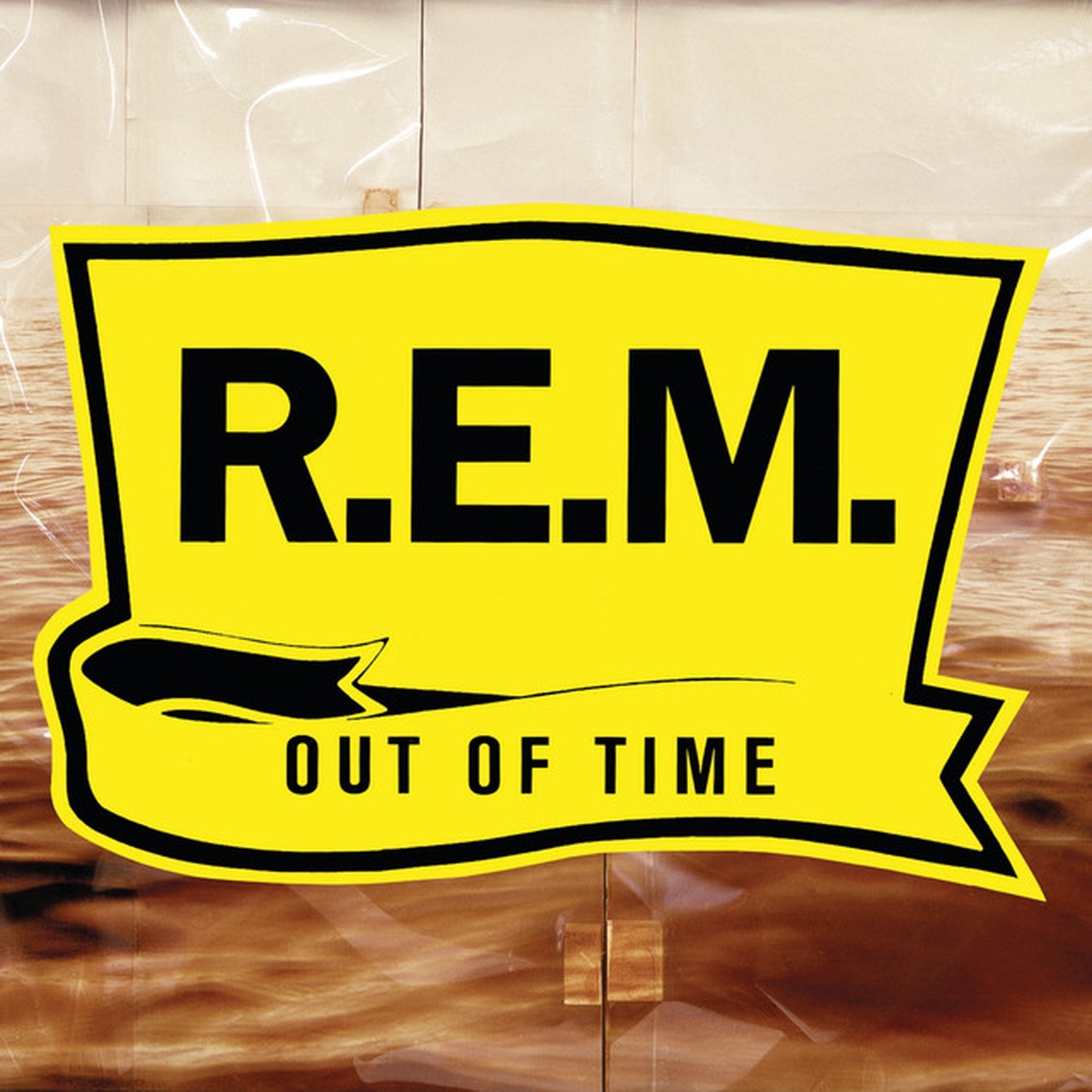
  • March 16 · 1 hr 11 min

    RIFF081 - REM - Out of TIme

    When Running Out of Time Turns Into Your Biggest Ever Hit Hosts: Neil & Chris Duration: ~71 minutes Release: 16 March 2026 Episode Description Neil and Chris dig into REM's landmark 1991 album Out of Time, the record that accidentally turned a cult band into a mainstream phenomenon. Named in a last-minute panic when Warner Brothers rang demanding a title, the album somehow managed to sell over 20 million copies without a single tour date to support it. That's either genius or extremely good luck, and the boys aren't entirely sure which. What strikes them most is how strange and adventurous the album actually is underneath those two massive singles. Mandolins, strings, saxophone, flugel horn, a guest rapper, and vocal duties shared around the band, this is a record that didn't sound like anything else in 1991, sitting oddly alongside Nirvana, Metallica and Guns N' Roses in a year dominated by big rock statements. And yet somehow it connected with everyone. What You'll Hear: How Losing My Religion was never meant to be a single, Warner Brothers hated it, and the band insisted anyway Michael Stipe's improvised single-take vocal on Country Feedback and why it was never re-recorded The album's unusual recording locations including Paisley Park, Prince's Minneapolis studio Why Neil used to use this album and Automatic for the People as hi-fi demonstration records in audio shops The rejected album titles including Imitation Crab Meat, Cat Butt and Trolling for Olives Peter Buck's mandolin playing, entirely live with mistakes left in, and why that matters Featured Tracks and Analysis: The episode gives particular attention to Losing My Religion, Country Feedback, Half a World Away and Shiny Happy People. Neil reflects on the album's remarkable sonic quality across any playback system, from cheap earbuds to expensive separates, and both hosts note how the record flows beautifully despite containing songs that are wildly different in style, tempo and instrumentation. The shift away from driven electric guitars toward a more baroque, Americana-influenced palette is a central thread throughout. Tangential Gold: A lengthy detour into the price of vinyl at HMV Burton, Discogs as the only sensible alternative, and Leo's orthodontist appointments as the catalyst for all of it Chris's college sound engineering years, learning to mix on gear that still sits in the corner of his old college gathering dust Neil accidentally setting fire to an anechoic chamber at Loughborough University with a soldering iron The great tangy Jelly Tots versus black and red Fruit Pastels debate, with thanks to listener Lynsey for the sweet delivery Why This Matters: Out of Time is one of those albums that sounds like it should not have worked commercially and yet became one of the defining records of the early 90s. Neil and Chris capture why it still resonates, not as a nostalgia piece but as a genuinely unusual, carefully crafted piece of work that sits outside the trends of its era entirely. Perfect for: REM fans revisiting a classic, anyone curious about how a five-minute mandolin track with no chorus became a global hit, and listeners who enjoy thoughtful album discussion with a healthy amount of sweet-based digression. You can find us here: Blog: https://riffology.co All Episodes: https://podkit.riffology.co/podcast iHeart: https://www.iheart.com/podcast/1323-riffology-iconic-rock-alb-176865775 Apple: https://podcasts.apple.com/gb/podcast/riffology-iconic-rock-albums-podcast/id1691556696 Spotify: https://open.spotify.com/show/1LIU9mein7QMw346q20nyy X: https://x.com/RiffologyPod Bluesky: https://bsky.app/profile/riffology.co Facebook: https://www.facebook.com/riffology Email: info@riffology.co
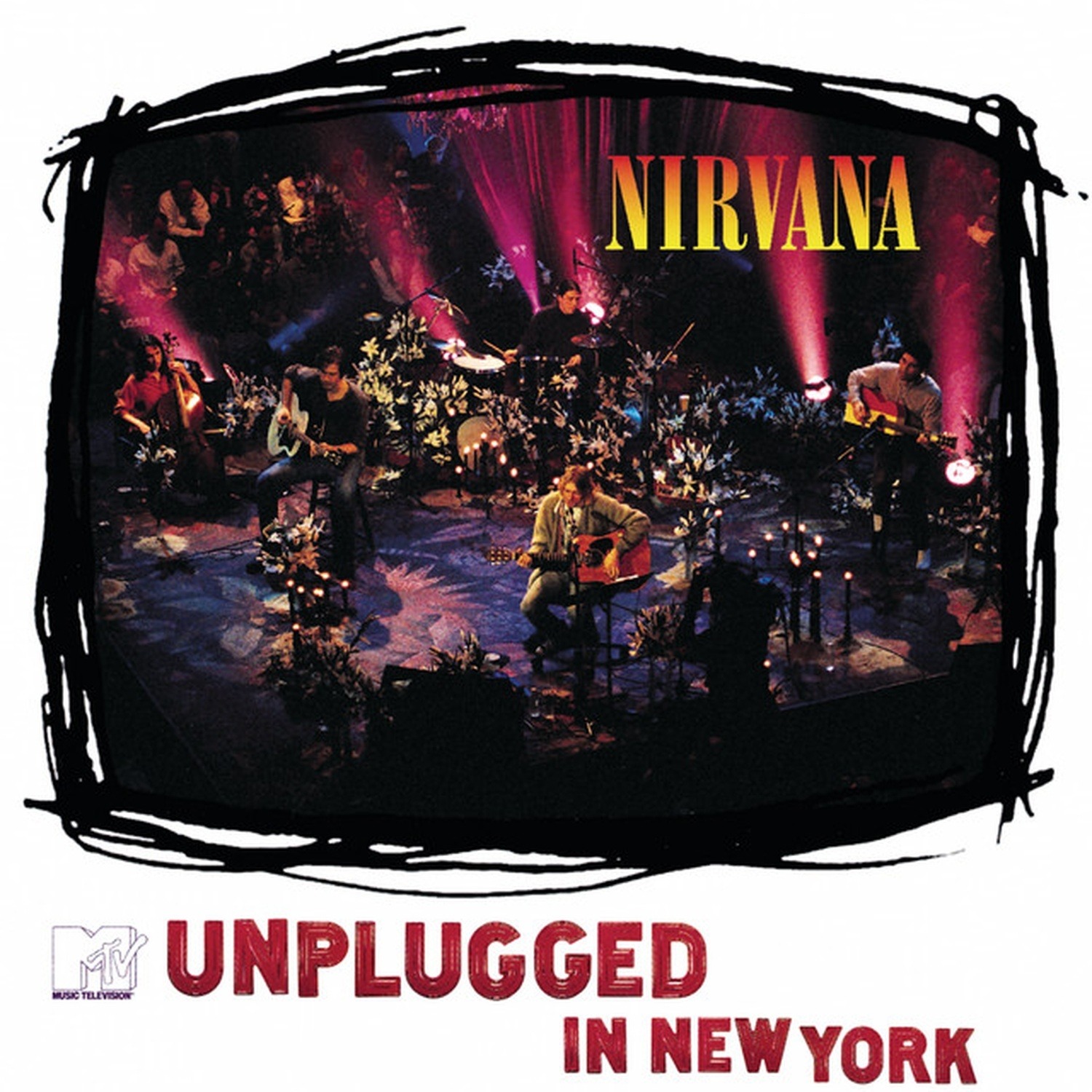
  • March 2 · 1 hr 16 min

    RIFF080 - Nirvana - MTV Unplugged

    When the Funeral Flowers Were Real and Nobody Knew It Yet Hosts: Neil & Chris Duration: ~77 minutes Release: 2 March 2026 Episode Description Neil and Chris sit down with one of the most quietly devastating records ever committed to tape: Nirvana's MTV Unplugged in New York, recorded on 18th November 1993 and released almost a year later, after Kurt Cobain was already gone. What was supposed to be a reluctant, contractually awkward TV taping became something nobody in that room fully understood until much later. This episode digs into exactly why that happened, and why it still matters. The hosts explore the full context behind the recording, from Kurt's repeated refusals and the day-before drug comedown that nearly killed the show, to the single-take performance that no other MTV Unplugged artist ever managed. Neil and Chris talk about what it means that Kurt got everything he asked for, the meat puppets, the funeral flowers, the office chair, the hidden amp, and still thought it was a disaster when it was over. What You'll Hear: Why Kurt despised the MTV Unplugged format and what it took to get him there at all The deliberate choice to play almost no Nevermind material, and what that says about where Kurt's head was Dave Grohl's struggles with playing quietly enough, and how a pair of brushes solved it The Martin D18 guitar's journey from a $5,000 purchase to a $6 million auction result, now in the Royal College of Music The green cardigan, the wrong-name cello introduction, and the hidden Fender Twin Reverb masquerading as a monitor Why the audience's stunned silence after the final song convinced Kurt the whole thing had flopped Featured Tracks and Analysis: Neil and Chris move through key moments including Dumb, Polly, Come As You Are, and the closing Where Did You Sleep Last Night, noting how the stripped-back format transforms Kurt's voice into something rawer and more exposed than any studio record allowed. The deliberate choice to sing Meat Puppets covers in uncomfortably high keys is discussed as entirely intentional, a decision to make the strain audible. Chris also flags Kurt's use of chorus effect, which somehow managed to be cool in a way nobody else has quite pulled off since. Tangential Gold: Italian cars, Ducatis, and the unique personality of machines that look beautiful but won't start in cold weather A detour into Little Angels reuniting, why they never broke America, and why that still stings A suspected ATM ram-raid at the local garage that prevented the purchase of Bongo Cokes Neil's son alphabetising the vinyl collection and having strong feelings about box sets A spirited debate about which REM album to cover next, with Out of Time emerging as the likely winner Why This Matters: This record sits in a category that very few albums ever reach. It is not just a live document or an acoustic reimagining. It is a time capsule, a last testament, and an accidental self-portrait of an artist who thought the night had gone badly. Neil puts it plainly: this one transcends the usual question of how much you like an album. It just does something else entirely. Perfect for: Anyone who owns this on vinyl and loses 45 minutes every time they put it on, fans curious about the chaos behind the recording, and anyone who wants to understand why a single office chair and a hidden amplifier ended up mattering quite so much to music history. You can find us here: Blog: https://riffology.co All Episodes: https://podkit.riffology.co/podcast iHeart: https://www.iheart.com/podcast/1323-riffology-iconic-rock-alb-176865775 Apple: https://podcasts.apple.com/gb/podcast/riffology-iconic-rock-albums-podcast/id1691556696 Spotify: https://open.spotify.com/show/1LIU9mein7QMw346q20nyy X: https://x.com/RiffologyPod Bluesky: https://bsky.app/profile/riffology.co Facebook: https://www.facebook.com/riffology Email: info@riffology.co
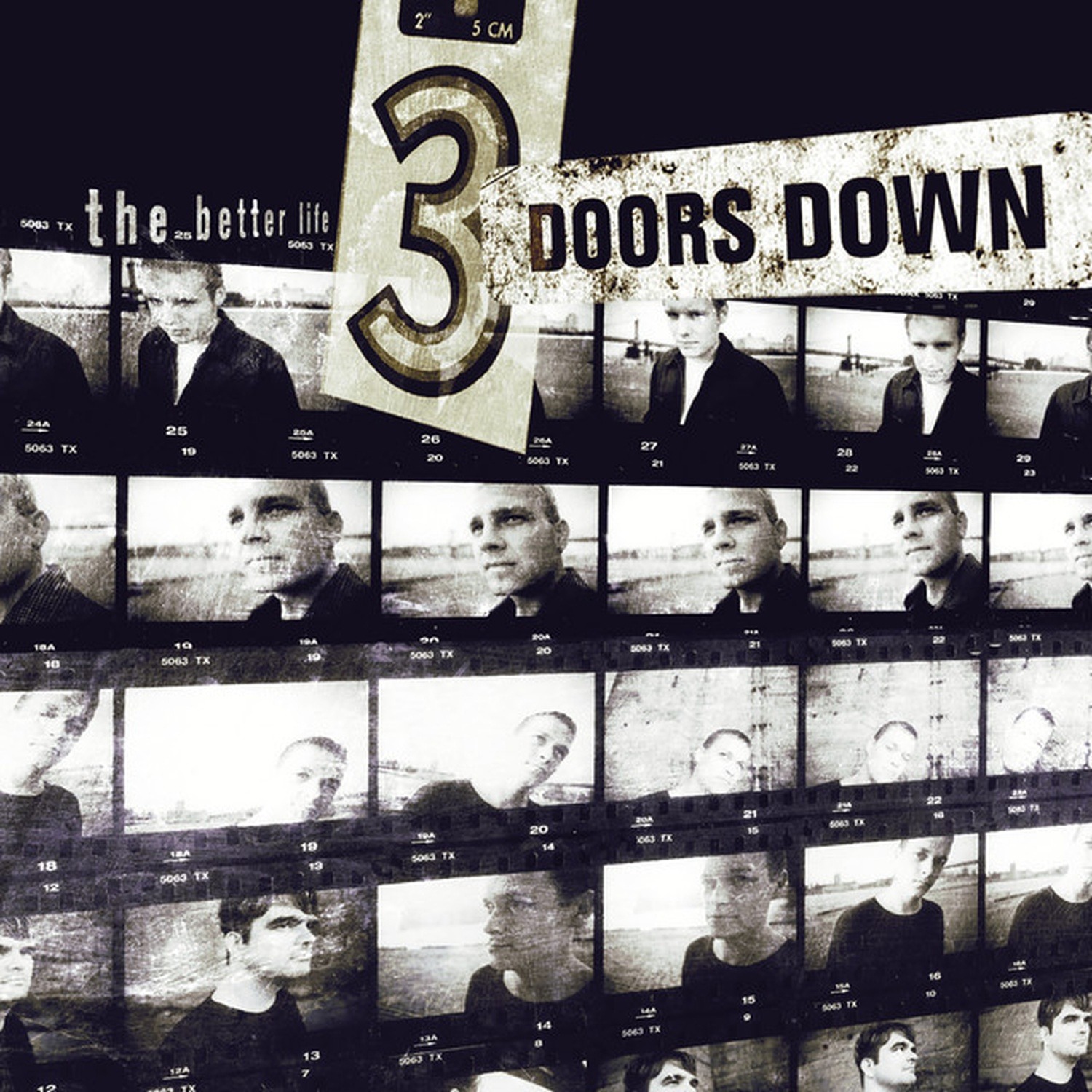
  • February 16 · 1 hr 38 min

    RIFF079 - 3 Doors Down - The Better Life

    When Mississippi Kids Storm the Stratosphere Hosts: Neil & Chris Duration: ~98 minutes Release: 16 February 2026 Episode Description This week, Neil and Chris dive into Three Doors Down's 2000 debut The Better Life, an album that captured American radio rock at its peak. Released just as the CD era crested, this record sold 7 million copies and launched four singles into rotation, yet somehow feels like the most approachable rock album of its generation. The hosts explore how these small-town Mississippi teenagers went from playing four songs on repeat at local bars to recording at legendary Ardent Studios, all while drummer Brad Arnold doubled as lead vocalist because nobody else wanted the job. The episode arrives as both a 26th-anniversary celebration and a tribute to Brad Arnold, who passed away in February 2026. Through interviews with the band and deep listening to tracks like "Be Like That" and "Kryptonite," Neil and Chris unpack what made this album resonate so widely, from its radio-ready production to its earnest storytelling about addiction, aspiration, and small-town life. What You'll Hear: How "Kryptonite" was written in algebra class and took two years to sell its first thousand copies The unique challenge of Brad Arnold drumming and singing simultaneously on the entire album Why the production still sounds exceptional on everything from cheap earbuds to high-end systems The band's overnight transformation from obscurity to arena tours after one radio station took a chance Critical reception versus commercial reality in the post-grunge landscape Featured Tracks & Analysis: Neil champions "Be Like That" as the album's storytelling peak, praising its sharp acoustic guitar production and emotional depth. The hosts dissect "Loser," written about a friend's addiction struggles, and discuss how its 21-week run at number one on rock radio actually cemented the band's longevity more than their massive hit "Kryptonite." They analyze the album's consistent sonic fingerprint, thick guitar crunch balanced with space for bass, all designed for maximum radio translation. Tangential Gold: Rally driving etiquette, Colin McRae's unlicensed helicopter adventures, and the proper Swedish response to rolling a car Bob's tank in the garage and the local newspaper photo that followed Why teenagers with stolen diggers targeting cash machines was a genuine IT crisis in the early 2000s The bitter disappointment of discovering red and black Fruit Pastels have disappeared from the local shop How rock stars get dumped at the roadside after tours and why addiction fills the gap Why This Matters: The Better Life represents a specific moment when regional scenes could still break nationally through radio, when bands could be simultaneously massive and humble, and when production served songs rather than spectacle. This episode captures both the album's underdog charm and the price of sudden success, honoring Brad Arnold's legacy while celebrating a record that's aged far better than its critical reception suggested. Perfect for: Post-grunge enthusiasts, fans of American rock radio's golden era, anyone interested in how small-town bands navigated sudden fame, and listeners who appreciate when hosts value tangential conversation as much as album analysis. You can find us here: Blog: https://riffology.co All Episodes: https://podkit.riffology.co/podcast iHeart: https://www.iheart.com/podcast/1323-riffology-iconic-rock-alb-176865775 Apple: https://podcasts.apple.com/gb/podcast/riffology-iconic-rock-albums-podcast/id1691556696 Spotify: https://open.spotify.com/show/1LIU9mein7QMw346q20nyy X: https://x.com/RiffologyPod Bluesky: https://bsky.app/profile/riffology.co Facebook: https://www.facebook.com/riffology Email: info@riffology.co
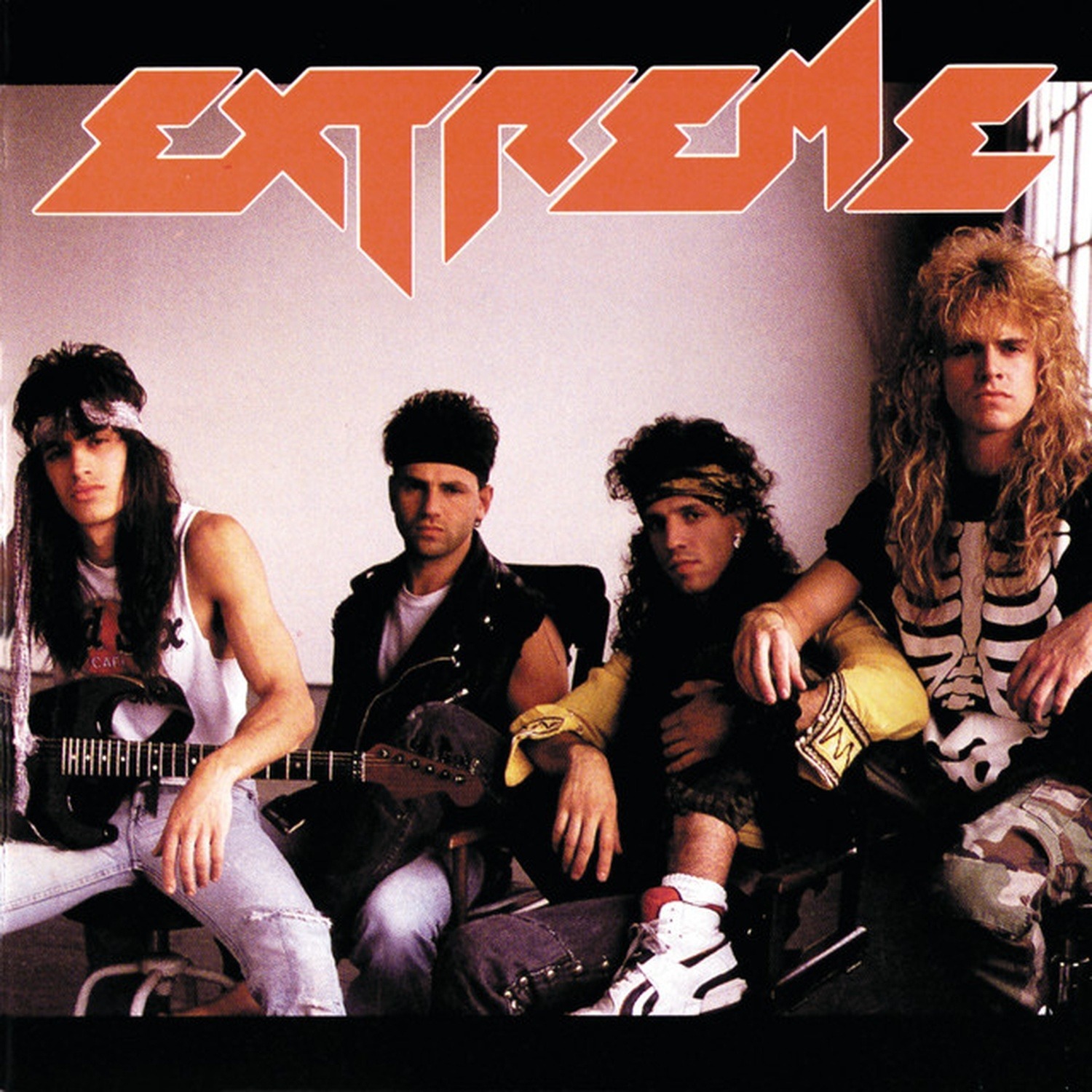
  • February 9 · 1 hr 12 min

    RIFF078 - Extreme - Extreme

    When a 22-Year-Old Guitar Wizard Caught Lightning Before Grunge Hosts: Neil & Chris Duration: ~73 minutes Release: 9 February 2026 Episode Description Neil and Chris dive into Extreme's 1989 self-titled debut, a record that arrived at the worst possible moment for hair metal, yet showcased one of rock's most exceptional guitarists right before the scene imploded. Nuno Bettencourt was just 22 when he recorded this album, and the hosts make a compelling case that he belongs in the same rarified air as Eddie Van Halen, Jeff Beck, and Guthrie Govan as guitarists who make their instruments "speak." This isn't the Extreme most people know from "More Than Words." This is the prototype, the band finding its voice while trying to fit into the late-80s hard rock mold. The hosts trace how Extreme evolved from this somewhat conventional debut into the funky, conceptual rock opera approach of Pornograffiti, with this album serving as the fascinating blueprint where you can hear Nuno wearing his Van Halen influences on his sleeve before developing his own unmistakable style. What You'll Hear: Why Nuno Bettencourt is criminally underrated compared to the usual guitar hero pantheon How producer Reinhold Mack's Queen experience influenced the album's layered approach The origin story involving a pub fight that allegedly formed the band Gary Cherone's embarrassment about "Kid Ego" and the album's attempts at social commentary Why "Play With Me" works in both Bill & Ted and Stranger Things The band's trajectory from Boston unknowns to supporting Aerosmith's massive Pump tour Featured Tracks & Analysis: The episode breaks down "Little Girls" and its bonkers opening guitar work, the oddball curveball of "Mutha (Don't Wanna Go to School Today)," and the genuinely weird "Rock a Bye Bye" which hints at the rock opera ambitions that would define later albums. Special attention goes to "Play With Me" and its classical music integration, particularly Mozart's "Ronda Alla Turca," showcasing how the band was already experimenting beyond typical hair metal formulas. Tangential Gold: The ongoing saga of someone stealing their Bongo Coke supply Neil's shoulder injury from catching his sleeve on the staircase (and his terrible physiotherapist) The "water otter/beaver/badger" kettle naming confusion that lasted five years Why Ghostbusters is "too slow" for modern kids and what that says about attention spans David Coverdale's complete disregard for political correctness and why he gets away with it Why This Matters: This album represents the last gasp of earnest 80s hard rock before grunge swept it away. The hosts convincingly argue that had this arrived three years earlier, Extreme would have been massive. Instead, they had to reinvent themselves with Pornograffiti. The episode captures a band with immense talent trying to navigate commercial expectations while hints of their true identity peek through the cracks. Perfect for: Guitar enthusiasts, fans of late-80s rock history, anyone interested in how bands evolve between debut and breakthrough, and listeners who enjoy hosts who turn equipment naming conventions into five-year office jokes. You can find us here: Blog: https://riffology.co All Episodes: https://podkit.riffology.co/podcast iHeart: https://www.iheart.com/podcast/1323-riffology-iconic-rock-alb-176865775 Apple: https://podcasts.apple.com/gb/podcast/riffology-iconic-rock-albums-podcast/id1691556696 Spotify: https://open.spotify.com/show/1LIU9mein7QMw346q20nyy X: https://x.com/RiffologyPod Bluesky: https://bsky.app/profile/riffology.co Facebook: https://www.facebook.com/riffology Email: info@riffology.co
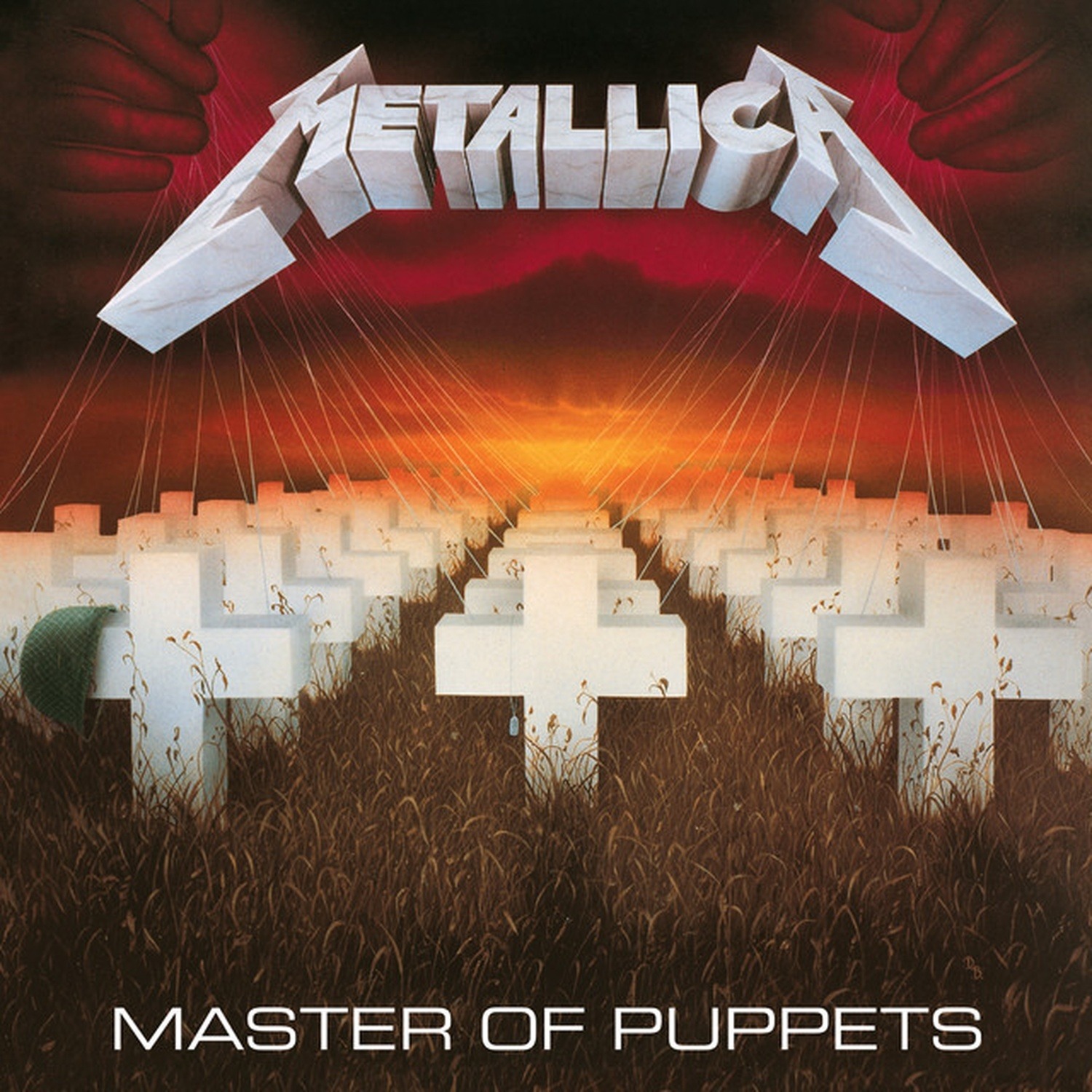
  • January 19 · 2 hr 4 min

    RIFF077 - Metallica - Master of Puppets

    When eight-minute songs feel like three-minute punches Hosts: Neil & Chris Duration: ~124 minutes Release: 19 January 2026 Episode Description Neil and Chris dive into Metallica’s Master of Puppets, not just as a landmark metal record, but as a moment-in-time document, the “perfect storm” of power, groove, precision, and emotion. Neil argues it’s one of the greatest albums ever made, full stop, placing it alongside canon-level heavyweights, while Chris digs into why it still feels like a band completely locked in with each other. Along the way, they explore the wider Metallica arc, from the raw thrash roots of Kill ’Em All, through the “peak metal” pairing of Ride the Lightning and Puppets, and into the proggy pivot of …And Justice for All and the later mainstream explosion. It’s also an episode shot through with grief and “what if” questions, especially around Cliff Burton, his musical influence, and how different Metallica might have been if he’d lived. What You'll Hear: Why Neil thinks Master of Puppets is the best metal album ever made, even if he reaches for Ride the Lightning more often The Cliff Burton era, his theory background, harmonies, and why the band still sounds like it misses him Thrash vs prog vs hard rock, and where this album sits in Metallica’s evolution Analog-era discipline, no Pro Tools, no click, and the “band on their A game” feel How Metallica went from underground scene heroes to the inflection point of “One” and beyond Featured Tracks & Analysis: They spotlight key moments across the record, including “Welcome Home (Sanitarium)” as a shared favorite, praising its atmosphere and production, plus deep appreciation for “Orion” as a Cliff-driven instrumental epic. They also touch on “Master of Puppets” and the cultural jolt of its Stranger Things resurgence, proof that a long, heavy 1986 track can still become a modern “hero moment.” There’s also talk of why the album has zero filler, how each track keeps a distinct identity despite the long runtimes, and why the band’s relentless touring ethic helped build the legend. Tangential Gold: Vinyl nerd corner, dead wax inscriptions, Metallica’s “Obey your remaster,” and why collectors obsess over run-out grooves A detour through Stranger Things needle-drops and how licensing can resurrect catalog music Nicknames as culture, from schoolyard lore to workplace “Comet” disasters The running joke of “tattoo flaps” as the only acceptable tattoo solution Why This Matters: Master of Puppets captures Metallica at a rare intersection, youthful hunger, elite musicianship, and a widening musical vocabulary, all recorded with analog constraints that demanded real performances. The episode frames the album as both a pinnacle and a turning point, the last statement before tragedy reshaped the band’s trajectory. Perfect for: metal fans, music history nerds, vinyl collectors, and anyone curious how a supposedly “long and complex” album became a timeless, mainstream-touching classic. You can find us here: Blog: https://riffology.co All Episodes: https://podkit.riffology.co/podcast iHeart: https://www.iheart.com/podcast/1323-riffology-iconic-rock-alb-176865775 Apple: https://podcasts.apple.com/gb/podcast/riffology-iconic-rock-albums-podcast/id1691556696 Spotify: https://open.spotify.com/show/1LIU9mein7QMw346q20nyy X: https://x.com/RiffologyPod Bluesky: https://bsky.app/profile/riffology.co Facebook: https://www.facebook.com/riffology Email: info@riffology.co
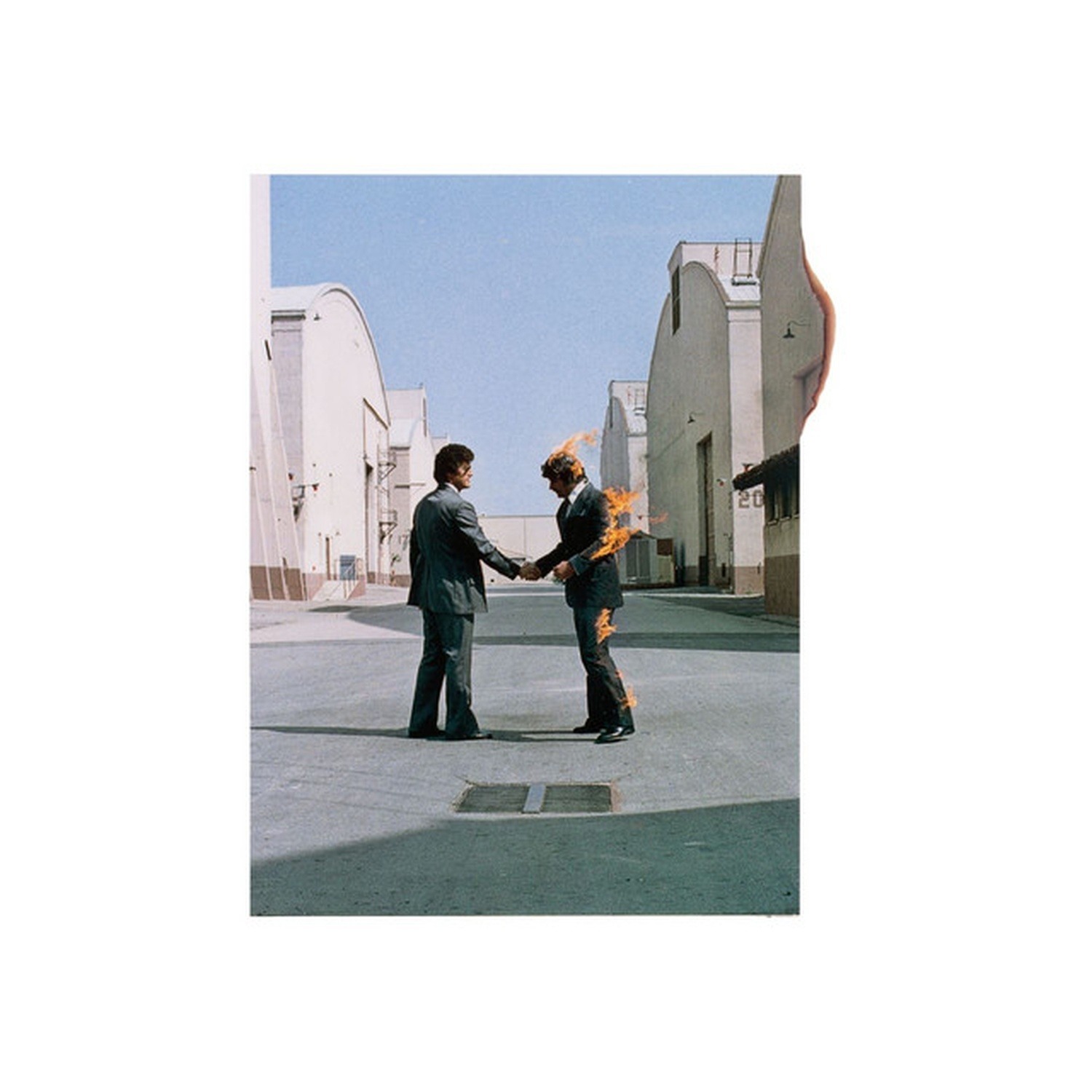
  • January 12 · 1 hr 40 min

    RIFF076 - Pink Floyd - Wish You Were Here

    When a black shrink wrap hides the most emotional record in the rack Hosts: Neil & Chris Duration: ~101 minutes Release: 12 January 2026 Episode Description Neil and Chris dive into Pink Floyd’s Wish You Were Here, a record that feels less like a set of songs and more like a single long thought, drifting through absence, grief, cynicism, and that hollow “where did you go?” ache. They start with the band’s post-Dark Side paralysis, the pressure to “do another one of those,” and how the confusion in Abbey Road slowly turned into something focused, human, and quietly devastating. Along the way, the hosts bring it home, from Neil’s comfort ritual of a Pink Floyd bath when he’s ill, to Chris’s deep love of the album’s loneliness and sadness. They argue (gently) with the idea that it’s “just about Syd,” framing Syd instead as a catalyst for a wider theme, absence, and why the album keeps finding new meaning as you get older. What You'll Hear: Why Wish You Were Here isn’t “tracks,” it’s an emotional arc Post-Dark Side pressure, writers’ drift, and finding the idea through faffing about The record-business bite of “Have a Cigar” and “Welcome to the Machine” Hipgnosis artwork, black shrink wrap, and the album’s visual theme of absence The band’s changing dynamic and why this is framed as the last fully collaborative Floyd album Featured Tracks & Analysis: The conversation spotlights the titanic bookends of “Shine On You Crazy Diamond” (including the iconic opening notes) and the emotional center, “Wish You Were Here”, praised for some of the most resonant lyrics in rock. Chris gets nerdy about the 12-string guitar and why the intro only feels “right” with those octave pairs, plus the radio concept and the surprise of alternate arrangements, including a violin-led version. They also call out how synth textures shape the album more than you might remember, subtly shifting your “frequency” into the record’s world. Tangential Gold: Windows 95 launch nostalgia and iconic everyday “noise branding” detours The must-play rule, hand someone a 12-string and they play “Wish You Were Here” A deep cut on the Hipgnosis documentary Squaring the Circle Noel Gallagher, opinions-on-sticks, and the fear of having an opinion in 2026 Teasing the next run, Metallica is coming, starting with Master of Puppets Why This Matters: Wish You Were Here captures a band at the height of success who still felt lost, and somehow turned that disorientation into a record that listeners keep using as a mirror. Neil and Chris unpack how the album’s “too long” pieces become necessary space, letting emotions unfold rather than being packaged into tidy singles. Perfect for: listeners who love classic album deep-dives, studio stories, lyric meaning, and thoughtful detours that still circle back to the music. You can find us here: Blog: https://riffology.co All Episodes: https://podkit.riffology.co/podcast iHeart: https://www.iheart.com/podcast/1323-riffology-iconic-rock-alb-176865775 Apple: https://podcasts.apple.com/gb/podcast/riffology-iconic-rock-albums-podcast/id1691556696 Spotify: https://open.spotify.com/show/1LIU9mein7QMw346q20nyy X: https://x.com/RiffologyPod Bluesky: https://bsky.app/profile/riffology.co Facebook: https://www.facebook.com/riffology Email: info@riffology.co
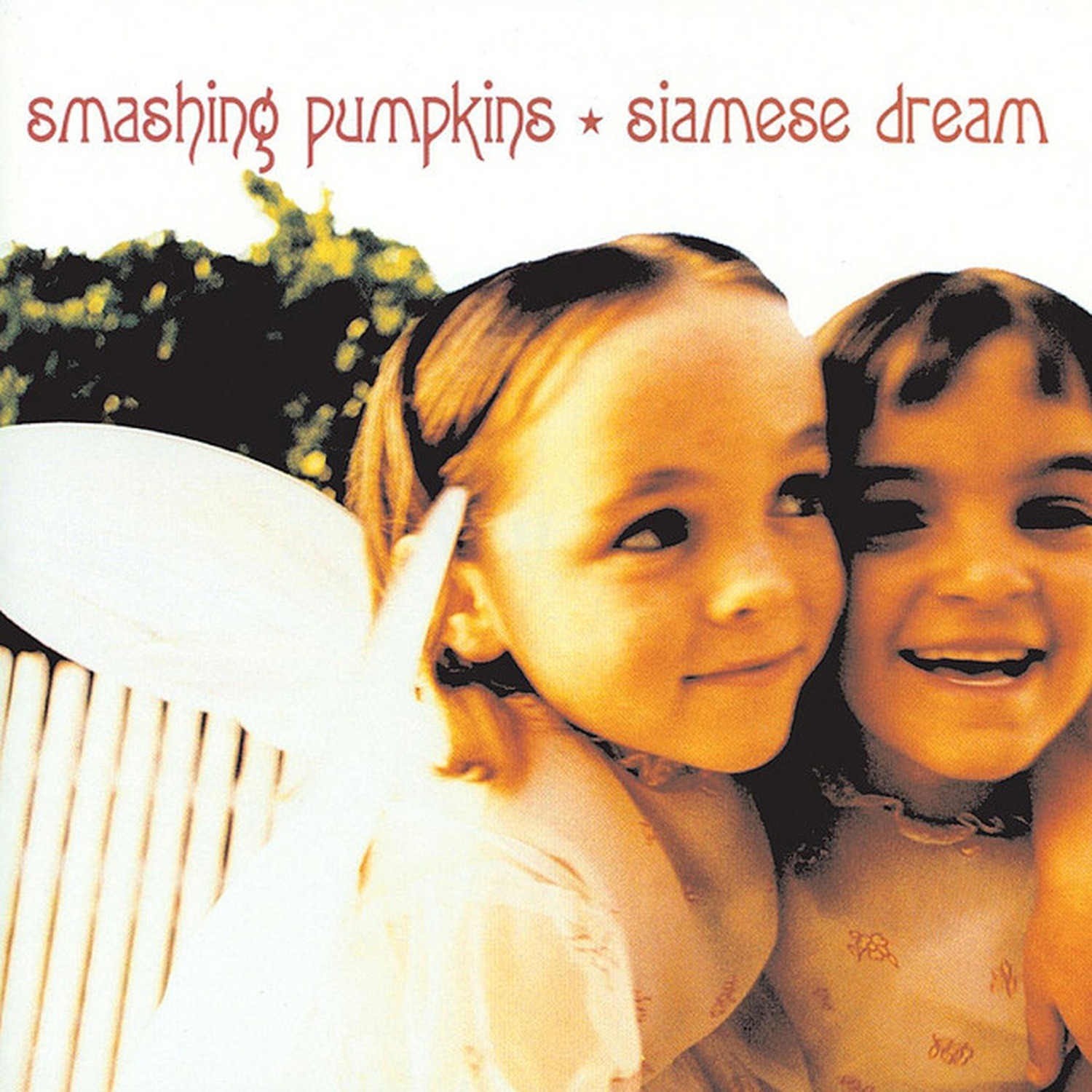
  • January 5 · 1 hr 29 min

    RIFF075 - The Smashing Pumpkins - Siamese Dream

    When a guitar tone becomes a time machine Hosts: Neil & Chris Duration: ~89 minutes Release: 5 January 2026 Episode Description Neil and Chris finally tackle The Smashing Pumpkins’ Siamese Dream, an album that hits like a personal memory as much as a rock record. For Chris, it is a private-room, headphones-on relationship, the kind where the opening of “Cherub Rock” can still trigger a lump in the throat. For Neil, it’s a later-life discovery that only gets deeper the more you learn about the chaos behind it. Pulling in long-form interview clips (with a very open admiration for Rick Beato’s world), they unpack how this record was made under pressure, dysfunction and near-collapse, then somehow emerged as a layered, melodic, analog monster. From Butch Vig’s post-Nevermind gravity to Billy Corgan’s perfectionism, it’s a story about obsession paying off, even when everyone involved is barely holding it together. What You'll Hear: The band’s fragile, combustible state heading into the sessions, including breakups, addiction and Billy’s darkest period Why Butch Vig mattered here, and the “you stole my guitar sound” Nirvana shadow The case for “overproduced” as a compliment, and what “overproduced” meant in an analog, tape-based workflow Billy’s “vision” mindset, including the reality of re-recording band parts to chase the idea The lore and truth behind the iconic cover photo, and how it became a myth Featured Tracks & Analysis: Key songs get spotlighted for both meaning and mechanics, including “Today” (written after deciding not to die), the orchestral punch and pop ambition of “Disarm” (plus its BBC controversy), and the emotional weight of “Spaceboy.” They also dig into “Mayonaise” as a fan-beloved deep cut, and how the album’s guitar layering became so complex it required diagrams just to navigate. There’s also love for Jimmy Chamberlin’s drumming as a melodic voice, not just timekeeping, the kind of playing that makes the entire band feel alive and unpredictable. Tangential Gold: A nostalgic detour into Bo’ Selecta, Craig David and unintended career damage A quick, pointed detour into AI as a “vision amplifier” versus “slop generator” A surprise chat on YUNGBLUD’s “Zombie” collaboration with the Pumpkins Cold-weather suffering, parkrun logistics, and the reality of aging into needing a heated blanket Next week’s pick, Pink Floyd’s Wish You Were Here Why This Matters: Siamese Dream is more than a 90s classic, it’s a blueprint for making something huge without sounding generic. This episode frames it as a record born from pressure, rivalry, and meticulous craft, then asks the bigger question, what happens when an artist like Billy Corgan has no one left to push back? Perfect for: Smashing Pumpkins lifers, 90s alt-rock obsessives, producers and guitar nerds, and anyone who loves albums with messy backstories and immaculate sound. You can find us here: Blog: https://riffology.co All Episodes: https://podkit.riffology.co/podcast iHeart: https://www.iheart.com/podcast/1323-riffology-iconic-rock-alb-176865775 Apple: https://podcasts.apple.com/gb/podcast/riffology-iconic-rock-albums-podcast/id1691556696 Spotify: https://open.spotify.com/show/1LIU9mein7QMw346q20nyy X: https://x.com/RiffologyPod Bluesky: https://bsky.app/profile/riffology.co Facebook: https://www.facebook.com/riffology Email: info@riffology.co

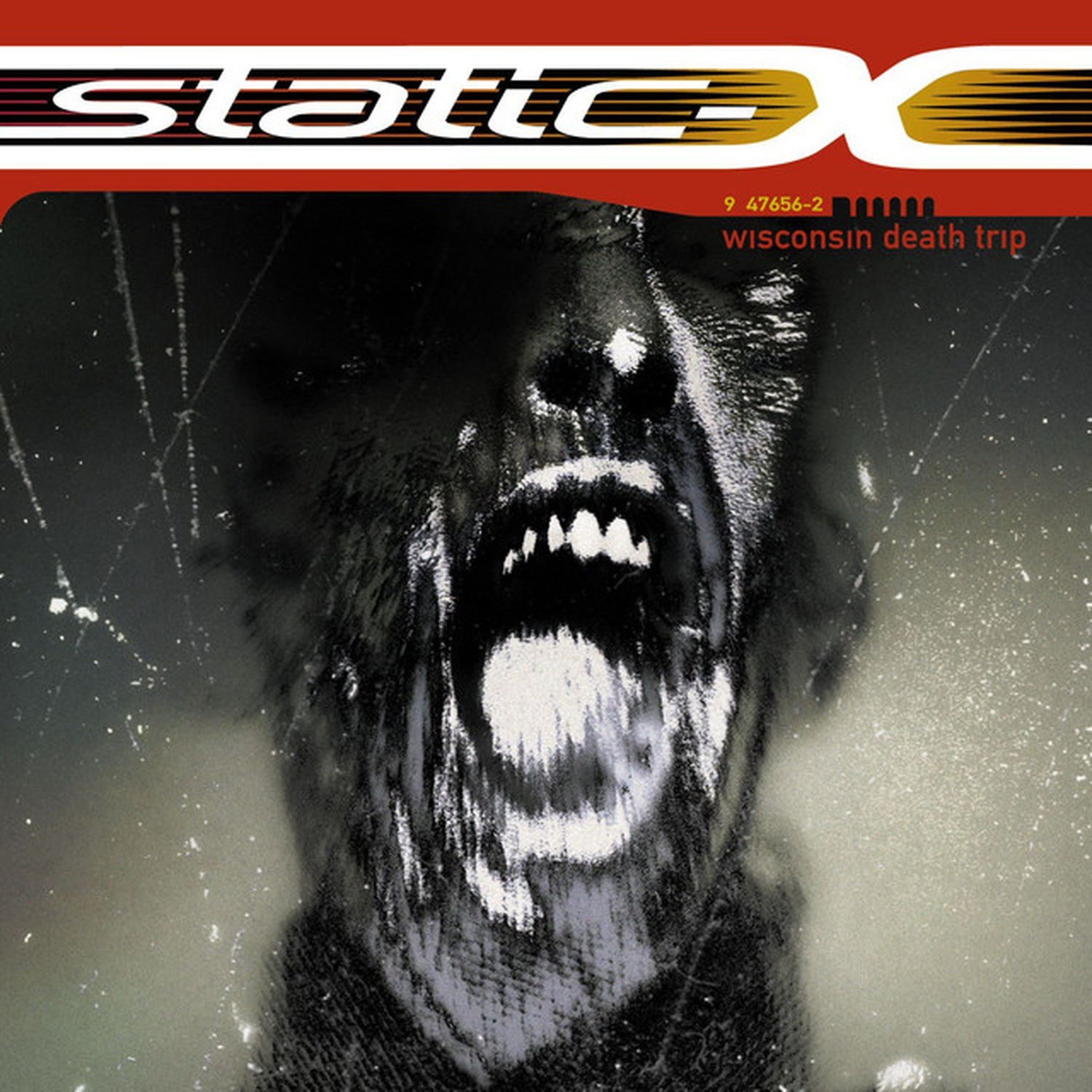
  • Dec 28, 2025 · 1 hr 35 min

    RIFF074 - Static-X - Wisconsin Death Trip

    When Evil Disco Becomes a Genre Hosts: Neil & Chris Duration: ~96 minutes Release: 28 December 2025 Episode Description Static-X's 1999 debut Wisconsin Death Trip marked a pivotal moment in industrial metal, blending crushing riffs with techno grooves to create what Wayne Static called "evil disco." Neil dives deep into his personal connection with this record, recounting a hilarious tale of getting a server rack wedged in a bank lift while this album blasted in the background during his IT days. The album emerged from a band still finding their sound, influenced by Prong and Fear Factory but carving out something distinctly their own. Warner Brothers' gamble on signing a heavy band in 1999 paid off, with Wisconsin Death Trip eventually going platinum despite the music industry's struggles with piracy and the Napster era. What You'll Hear: How Billy Corgan of Smashing Pumpkins helped form Static-X and nearly joined the band The innovative DIY piezoelectric drum trigger system Koichi Fukuda built for recording Why the band wanted "Wisconsin Death Trip" as their name but the label said it was too long The album's origins from a creepy 1973 book about 1890s rural Wisconsin deaths How producer Ulrich Wilde stepped in when they couldn't afford Terry Date The recent reimagined vinyl release featuring never-before-seen studio footage of Wayne Featured Tracks & Analysis: Push It dominated rock clubs of the era, while Love Dump showcases the band's signature ability to shift from staccato Prong-style riffs into hypnotic rhythmic grooves. The closing track December, written during Wayne's time in Deep Blue Dream with Billy Corgan, feels distinctly different from the rest of the album. The hosts discuss how the album is full of hidden movie samples, from Planet of the Apes to the 1989 film Begotten. Tangential Gold: Neil's catastrophic server rack incident involving a bank lift, hung-over IT workers, and Paradise Lost on repeat A spirited debate about AI creating rocket engines versus writing ballads The Justin Hawkins vs Youngblood feud and why they should just do a song together Chris's decorating playlist and why Static-X is perfect for mindful painting The wild west days of 90s IT before change management forms existed Why This Matters: Wisconsin Death Trip arrived at a creative peak for rock music, when bands were genuinely innovating rather than being derivative. The hosts explore how this album, recorded in just four weeks, influenced an entire generation and soundtracked countless video games from Duke Nukem to Brutal Legend. It's a reminder of what happens when musicians experiment without boundaries. Perfect for: Industrial metal fans, anyone nostalgic for late-90s rock clubs, IT workers with war stories, and listeners who appreciate albums that still sound fresh 25 years later. You can find us here: Blog: https://riffology.co All Episodes: https://podkit.riffology.co/podcast iHeart: https://www.iheart.com/podcast/1323-riffology-iconic-rock-alb-176865775 Apple: https://podcasts.apple.com/gb/podcast/riffology-iconic-rock-albums-podcast/id1691556696 Spotify: https://open.spotify.com/show/1LIU9mein7QMw346q20nyy X: https://x.com/RiffologyPod Bluesky: https://bsky.app/profile/riffology.co Facebook: https://www.facebook.com/riffology Email: info@riffology.co