Skip to content
Artwork for Restaurant Technology Podcast
TechnologyBusiness

Restaurant Technology Podcast

Cali BBQ Media

Restaurant Technology is a weekly business news series hosted by Cali BBQ Media Founder Shawn Walchef. Keep up to date on the latest stories, insights, and thought leadership in the modern restaurant technology landscape.

restauranttechnology.substack.com
Play
  • 20 episodes
  • Avg 7 min
  • English
  • September 23 · 9 min

    5 Lessons I Learned From Interviewing the Top CEOs in Hospitality

    Running a restaurant will consume you if you get trapped in the daily firefight. Between broken ice machines, labor shortages, food cost spikes, guest complaints, and vendor delays, it is easy to spend 100% of your energy just trying to make it to last call. At Cali BBQ, we’ve been grinding on the restaurant side for 18 years. On the media side, we’ve been at it for almost a decade. And for the first 5 years of running Cali BBQ Media, we made zero dollars. It wasn’t until we figured out how to build real digital hospitality and monetize media that we started securing major brand partnerships with companies like Toast, Pepsi, Restaurant365, Uber, Google, and Ring. The top leaders in hospitality do not just survive the day. They play the long game. Restaurant owners cannot afford to think like traditional restaurant owners anymore; we have to operate like media companies, technology adopters, and community builders. Here are five hard-earned lessons from sitting down with the CEOs, founders, and operators shaping the future of our industry. 1. Dream Big (And Stay Grounded on the Floor) If you want to access the top minds in your industry, you have to be willing to pitch a vision that sounds ridiculous to average thinkers. When Cali BBQ switched point-of-sale systems from Aloha to Toast in 2020, I told Will Eppard, Toast’s sales director in San Diego at the time, that I was going to interview the cofounders of Toast. He laughed. Because at the time, it sounded absurd. We were a local BBQ joint running a media experiment that hadn’t generated a dime in profit. Two years later, after interviewing then-CEO Chris Comparato, I was invited to speak on a customer panel in front of 1,300 Toasters at their sales kickoff. Right after that keynote, I sat down with co-founder Aman Narang (now CEO) to record an episode of Restaurant Influencers. That moment started with a massive goal and years of small, daily actions. What stood out from Aman was the mindset behind the tech: the best technology leaders obsess over their customers’ problems. Toast was built by founders sitting inside restaurants, watching ticket bottlenecks in real time, and writing code to solve operational pain points. Dream as big as possible, but stay obsessively close to the operator. 2. Play the Long Game (Relationships Compound) The high-value interview, the strategic partnership, or the major brand deal almost never happens on the first ask. It often doesn’t happen on the second or third ask either. Sometimes it takes 25 touchpoints across multiple years. When we went heavy into ghost kitchens during the pandemic, we took major risks. Through that entire buildout, I told the team at CloudKitchens that eventually I was going to sit down with Travis Kalanick, co-founder of Uber and founder of CloudKitchens, to talk about why a barbecue brand was building a media company. Eventually, it happened. Travis didn’t just grant the sit-down, he turned the tables and interviewed me in front of his entire CloudKitchens all-hands team. That door opened because we stayed consistent when there was no instant payout. In media, tech, and restaurants, trust compounds over time. Keep showing up, keep getting better, and play the long game. 3. Real Leaders Want to Share the Struggle One of the biggest misconceptions in business is that top-level CEOs are completely unreachable. Some are guarded, but the most impactful leaders actually want to share their origin stories, their struggles, and what they’re building. That was my experience with Jordan Boesch, co-founder and CEO of 7shifts. We originally reached out because our restaurant needed to upgrade from legacy scheduling software like HotSchedules to a modern, cloud-based workflow. That initial operational reach-out turned into Jordan appearing on Digital Hospitality, Rising Tides Live, and Restaurant Influencers published by Entrepreneur Magazine. We’ve reconnected in person multiple times at the National Restaurant Association Show in Chicago. What makes Jordan stand out is his openness. He regularly talks about product missteps, hard customer feedback, and the relentless work required to scale software. Great leaders are always seeking raw feedback from operators in the trenches to build better products. 4. Earn Visibility Before You Need It Nobody starts on the keynote stage. Everyone starts small, makes embarrassing mistakes, and figures out the playbook on the fly. Look at Troy Hooper. Before building Kiwi Restaurant Group and scaling Pepper Lunch across North America as CEO of Hot Palette America (and now Strategic Advisor to the Board), he was showing up daily on Clubhouse during the pandemic. He was giving away advice for free, testing ideas, and building relationships on LinkedIn and Instagram before the massive expansion deal was ever on the table. Now he hosts his own show The Pineapple Perspective and shows up weekly on Rising Tides Live. Modern leadership is not granted by a title on a business card, it is earned by showing up consistently before anyone gives you a platform. Be visible, be useful, and build in public long before the crowd arrives. 5. Build Your Own Media Engine The single biggest lesson from interviewing world-class hospitality leaders is simple: Great leaders create their own media. They stop waiting for local newspapers, food critics, or trade magazines to tell their story. They build the digital infrastructure themselves. If you do not control your narrative, third-party delivery apps, review sites, and algorithms will control it for you. Omnichannel content (short-form video, podcasts, LinkedIn updates, YouTube series) is how you build trust at scale. Media is how prospective franchisees understand your vision. It is how top-tier talent discovers your culture before applying. It is how vendors, investors, and guests connect with your brand before ever stepping through the front door. The difference between good operators and industry-defining leaders is not that leaders have secret answers. It is that they are better at asking hard questions, telling honest stories, and staying visible long enough for scale to find them. That is how a single barbecue restaurant in San Diego transformed into a media company. That is how cold DMs turned into key partnerships, and how those partnerships turned into brand revenue. If you’re an operator navigating tech shifts, bad leases, or figuring out how to build your brand online, reach out on DM @Shawnpwalchef. Stay curious. Get involved. Ask for help. -Shawn This is a public episode. If you would like to discuss this with other subscribers or get access to bonus episodes, visit restauranttechnology.substack.com
  • September 11 · 10 min

    We Opened 3 Ghost Kitchens. They Failed. But Why?

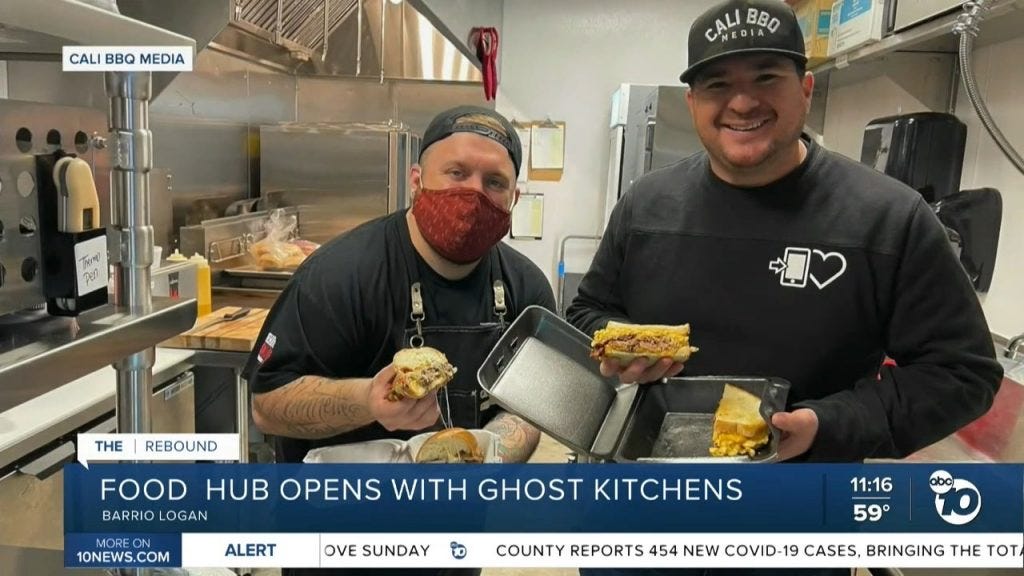
    We opened three ghost kitchen locations during the pandemic. And every single one of them failed. Writing that still stings. Restaurant operators don’t want to talk about the locations that bombed, the capital that vaporized, or the decisions that looked brilliant on a whiteboard but were brutal on a P&L. But at Cali BBQ and Cali BBQ Media, our guiding principle is to build in public. If we only talk about our wins, we aren’t helping anyone else survive and scale in this industry. We bet on ghost kitchens because San Diego County has over 3 million people, and asking everyone to drive to our original Spring Valley location for craft barbecue was a broken growth model. The thesis seemed strong: make the ribs, tri-tip, and wedding beans at our master kitchen, ship it out to 200-square-foot distribution nodes across the county, and let delivery apps handle the last mile. At under $50,000 per location, it looked like a low-risk expansion play. The demand was there, but the unit economics were a total trap. We were paying premium rent for small spaces designed purely for fulfillment. There was no storefront, zero foot traffic, and no physical place to build true local culture. Worse, we didn’t own the customer, the delivery platforms did. You can put QR codes in bags and push content on YouTube, TikTok, and Instagram all day, but when a platform takes 20 percent to 25 percent of your gross sales and holds your customer data hostage, the math catches up with you fast. Take December 2022 at one of our ghost kitchen locations: * Delivery Commissions: $3,391.03 * Food Cost: $4,069.23 * Labor: $3,687.11 * Rent & Utilities: $5,320.00 * Fees & Maintenance: $906.92 Gross Revenue: $13,564.10 Net Monthly Loss: -$3,810.19 Yes, we were making negative money. Orders were flying out the door, but we were burning cash. Volume without margin isn’t growth, it’s a slow death. We shut all three locations down after doing our best to make them work. It hurt, but the experiment wasn’t a waste. It’s important to look for lessons from failure. Those ghost kitchens taught us how to treat barbecue as a hub-and-spoke distribution model. The prep workflows and staging systems we perfected during that failure became the exact blueprint we used to open at Snapdragon Stadium and the 32nd Street Navy Base. Today, we feed thousands of fans at concerts, SDSU football games, and 55,000 military personnel on base—not through third-party apps, but through high-volume institutional partnerships and digital hospitality. Failure gave us a sustainable model. We wanted to be the greatest ghost kitchen operator in the country, but losing that bet made us better operators, better storytellers, and a stronger business. If you’re an operator who has taken a hit on a new technology, a bad lease, or a failed experiment, don’t hide it. Reach out to me on DM @Shawnpwalchef to tell me what what you learned. Like my Grandfather taught me: Stay curious. Get involved. Ask for help. -Shawn This is a public episode. If you would like to discuss this with other subscribers or get access to bonus episodes, visit restauranttechnology.substack.com
  • August 21 · 7 min

    Every Restaurant Has An Orange Tree Story. What’s Yours?

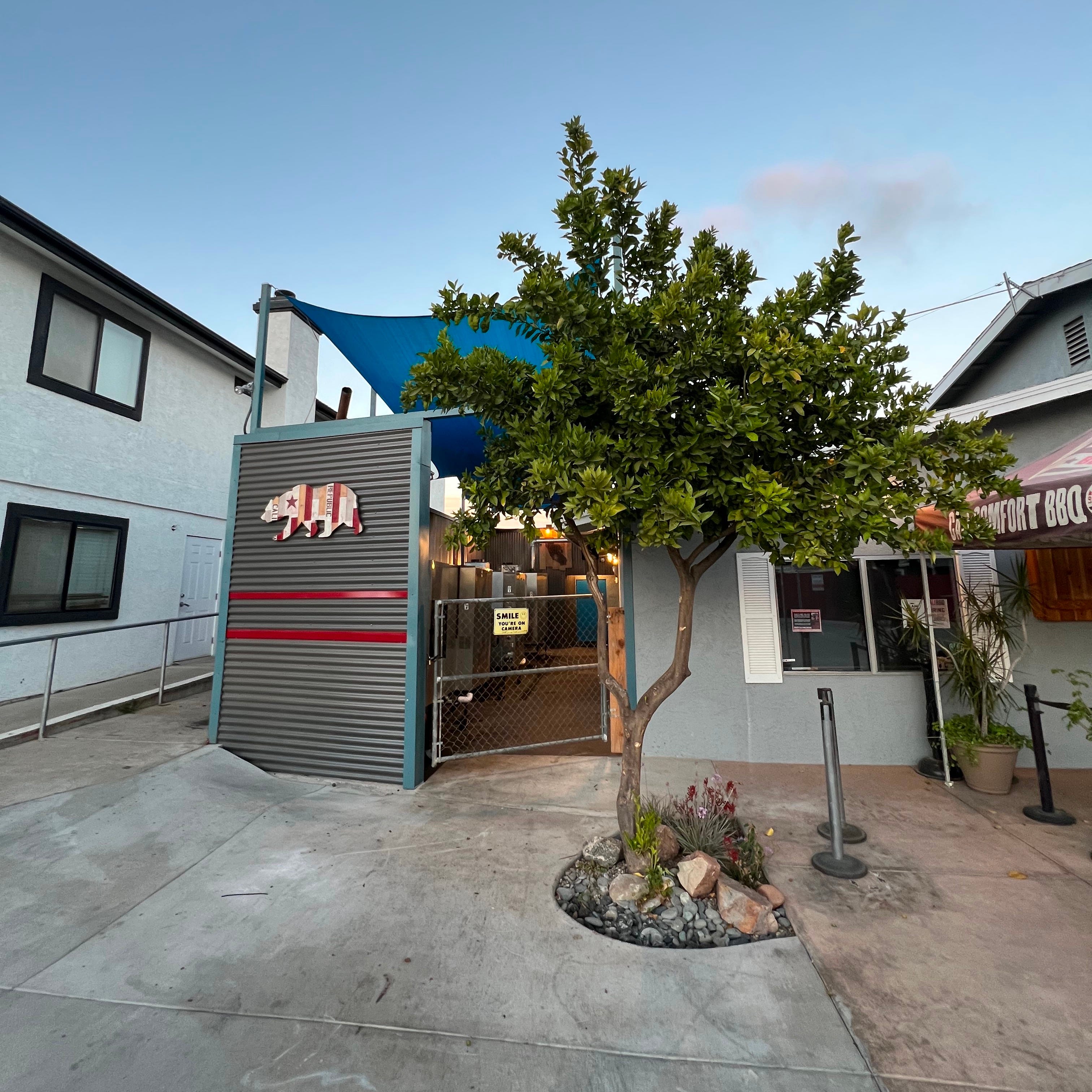
    Most restaurant owners think they do not have a story to tell on social media. They are too busy to post. They’re worried that food costs are up. Labor is tight. The ice machine is broken. Someone called out. A vendor is late. There’s always an excuse to not post. So when people like me say, “You should tell more stories online,” it feels like one more thing on the really big to do list. But storytelling does not have to start with a camera crew, a viral idea, or a polished brand campaign. It can start with an orange tree. At Cali BBQ, there is an orange tree outside the restaurant. On the surface, it is just a tree. It is not the barbecue smoker. It is not the menu. It is not the tri-tip or any of the things that look obvious from the outside the business. It’s a tree that holds our history. It connects back to family. My Bulgarian grandfather bought the property in the late 1970s. He and my uncle planted fruit trees, flowers, and built a fountain. Years later, Cali BBQ opened in that same spot. The business became a sports bar destination, survived hard years, made mistakes, opened ghost kitchens, closed ghost kitchens, and kept going. And the orange tree continued to survive. Later, during the pandemic, Cali BBQ started to transform into what we started calling “the Amazon of BBQ.” We added new smokers, changed the back patio, and needed more space for trucks and operations. The practical business decision was obvious: remove the orange tree. But my wife Rosi said no. She fought for the tree because it meant something. It was tied to family, to Bulgaria, to gardens, to memory, to the life around the restaurant that existed before the current version of the business. The business needed to grow. She was right, the tree needed to stay. It’s a part of our story. Most owners miss this. They think their story has to be just about the product. Now here’s a thought exercise for you to try: What object inside your restaurant carries more meaning than a stranger would ever know? Whatever you thought of just now is a story that should be told. It might be a photo on the wall. A recipe from a grandparent. A table that has been there since day one. The point is not the object. The point is the meaning attached to it. That is my Orange Tree Theory. Restaurant owners spend so much time inside the four walls that they forget to step back and see what the business actually represents. The orange tree is a reminder to change perspective. Get outside the building. Look at the restaurant the way a guest, a family member, or an old friend might see it. I’ve told my orange tree story on stages, in videos (like the one you can watch at the top of this post), and in conversations with other restaurant owners. Now people fly into San Diego, visit Cali BBQ, and ask if they can take a picture with the tree. That’s because the story gave the right people a reason to care. This is a lesson for every restaurant owner and small business owner trying to figure out social media. You do not need to invent a brand story. You already have one. You just need to find your Orange Tree. Then tell people why it matters. -Shawn (@shawnpwalchef) This is a public episode. If you would like to discuss this with other subscribers or get access to bonus episodes, visit restauranttechnology.substack.com
  • June 27 · 1 min

    EVERY RESTAURANT HAS A STORY: The Food and Family Behind Aristos

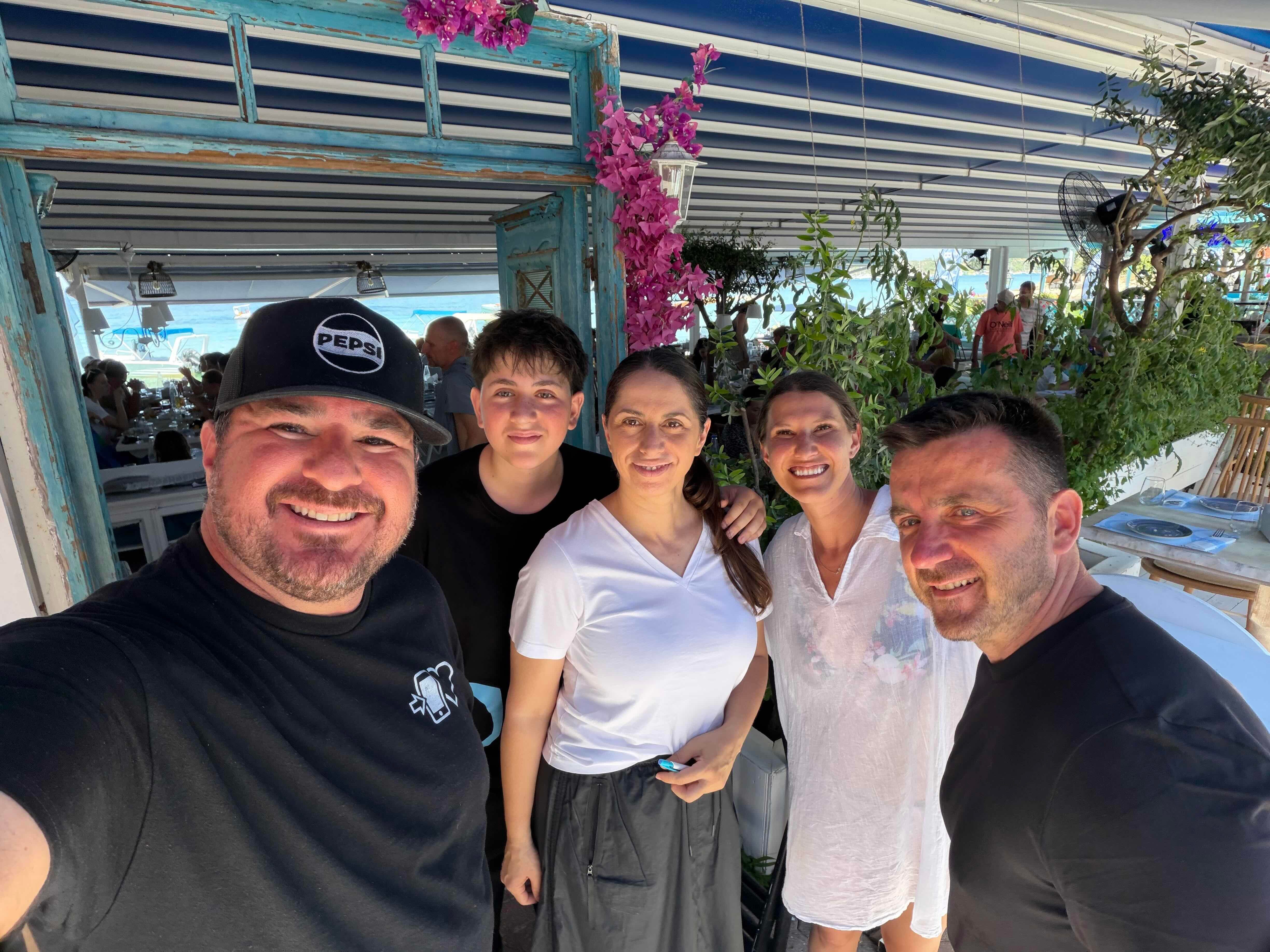
    Most people go to Greece for the water. It has this beautiful postcard blue that doesn’t look real until you’re standing in it. The water is memorable, for sure but something I’ll remember much more is a restaurant owner I didn’t expect to meet, who couldn’t get a word out as his eyes filled with tears. But before we get into that story and lesson, I want to tell you how we ended up here. Greece was our vacation after a whirlwind work trip with Toast in London and then Dublin. We planned a lot of those trips in advance but when we got to our vacation spot we left our fate in the hands of humans and code. Every AI tool I poked at, from Claude to Gemini to ChatGPT, to ask where the best seafood on the coast was, kept spitting back the same name: Aristos. Our rental host also told us to go there, too. The tour boat company even said we had to try it. Artificial intelligence and human intelligence, pointing at the exact same door. Here’s what I think: When the algorithms and the locals agree, you go. We came into Ormos Panagias by boat. No reservation, no plan, just salt and diesel in the air and somebody grilling close by. A kid caught our line and tied us off a few steps from Aristos Restaurant like he’d done it ten thousand times, because he had. A table opened the second we walked up. The kind of timing you stop questioning. Our chairs sat right in the sand. The Aegean Sea kept rolling in beside us like it was part of the service. While we waited on the food, there was a paper placemat on the table. An old black and white photo of a harbor, a few boats, a village built into the rock. A few lines of text under it. I read it the way you read anything in front of you when you’re hungry and happy. Then they walked us into the fish cooler and told us to pick, and I forgot all about it. Local fish. Grilled shrimp. Sushi. Calamari. It was as good as anything I’ve ever tasted. But the food is never the story. The food is the bait. I’ll be honest. This was a family vacation. Barefoot, board shorts, zero plans to work. We did not come to Greece to shoot restaurant interviews. But when a story is sitting right in front of you, you do not let it walk out the door. You investigate. You pull out the phone in your pocket and you tell the thing that needs telling. So somewhere in the meal I told our server the truth. That I’m a podcaster from California who shows up in restaurants and pulls the stories out of the people running them. I asked if the owner was around. A few minutes later, Aristos walked over. Not from an office. There was no office. He was on the floor, running tables, working the room with his wife, one eye on a son expediting plates out of the kitchen. Two generations on the floor. One lunch service. Nobody hiding behind a desk. He gave me a few minutes. Walked me across the little street to the building where it actually started, the original room from 1971. He stopped me in front of a framed black and white photo on the wall and said, this is where it all started. And I froze. Because I knew that photo. It was the same one from the placemat on my table. The harbor. The boats. The village in the rock. I’d been holding his family’s origin story in my hands an hour earlier and didn’t know it. Grandpa, barba Mitsos, who started the whole thing in 1971 by teaching his village how to fish. Hard work, simplicity, and love. That was the recipe, printed right there. The same photo on the wall of the first building. And in front of every single guest, every single meal. With this much attention to detail everywhere I looked, that was no accident. So I had to ask him why. He told me about 2003. The promise he made his mother that he’d protect what they built. The hospitality. The standards. All of it. That photo wasn’t decoration. It was the contract. To his late mother. To his grandfather. Signed and re-signed every time a guest sits down and finds it waiting at the table. So I told him what I actually believed. That his grandfather and his mother would be proud as hell of what he’s built. And the man couldn’t speak. The tears came first. Not sad ones. Tears for the fifteen-hour days. For carrying somebody else’s promise like it was his own spine. For building something good enough that the next generation actually wants it. I got a little wrecked too. Standing there barefoot in my board shorts, the Aegean a few feet away, the original building at my back. Salt water on both sides of me, the sea and my own face. Because this is the whole reason I do the work. Technology changes. Algorithms change. Platforms show up, disappear, and take your reach with them. But the great ones still get built the way they always have. One family. One guest. One meal. One promise kept. Every restaurant has a story. A beginning. A contract. A family commitment. Most of them just never tell you. Aristos hands you his before the food even arrives. And here’s the part that sticks with me. The machines and the humans both sent me to the same place. But only one of them could tell me why it mattered. AI found me the meal. Aristos gave me the story. And all it took to capture it was the phone in my pocket and the instinct to never let an opportunity like that pass. If you’re going to Greece, go to Aristos Restaurant. I’ll tell anyone who’ll listen. Not just because it’s one of the best seafood meals of my life. Because once you hear Aristos tell it, you know exactly what’s on the menu. They’re serving legacy. -Shawn Every time you share one of our posts, you’re helping inspire other people to take their hospitality to the next level. This is a public episode. If you would like to discuss this with other subscribers or get access to bonus episodes, visit restauranttechnology.substack.com
  • June 13 · 2 min

    Taste of Dublin 🇮🇪

    This is a public episode. If you would like to discuss this with other subscribers or get access to bonus episodes, visit restauranttechnology.substack.com
  • May 31 · 1 min

    The Future of Tech is Agentic: How Toast IQ Already Saved Us $4,000 in Labor

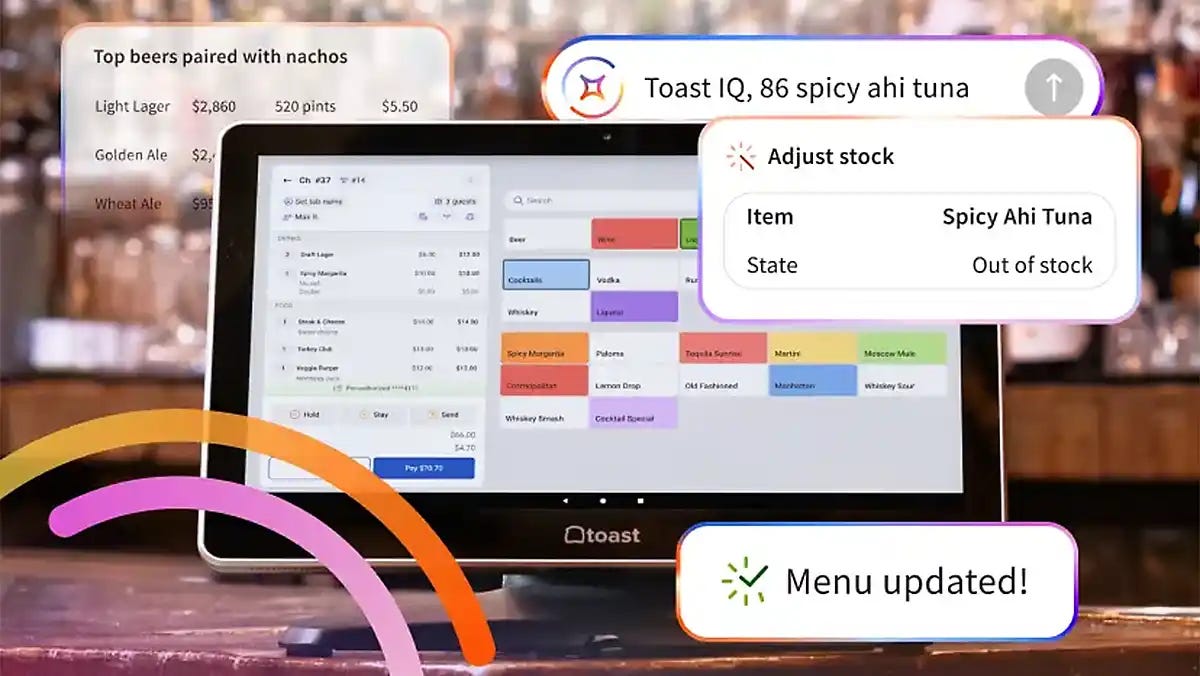
    PRODUCTS DISCUSSED: * Toast IQ - learn more * Toast IQ Grow - learn more * Toast Seamless Checkout - learn more * Toast Finance - learn more When I talk to product innovators and executive leadership to break down the latest technology innovations, I always have a specific mission: extract real-world operational ROI. We spent time at the National Restaurant Show capturing explainer videos and other interesting stories on the floor with the exact people building these sorts of tools. What we learned from Toast at the Show marks a fundamental shift for independent restaurants. If you want ROI, here’s a story for you. Toast IQ: The $4,000 Labor Saving Use Case Historically, my restaurant Cali BBQ in San Diego opened at 10:00 AM for NFL Sundays, but recently shifted to 11:00 AM. We were actively debating whether we should switch back to 10:00 AM to capture early breakfast traffic. In the past that would have been an easy yes. Open an hour early, just in case. Why not? The answer was right in front of us, we just didn’t know how to look for it. We learned an important and valuable lesson when we looked at the actual data provided by Toast. Massive data analysis and lots of time used to be required to project labor costs versus historical sales. Instead of building manual spreadsheets, we opened Toast IQ and asked it to analyze the move. * The Speed: In less than a minute, the AI parsed our historical multi-location Sunday data. * The Decision: It mapped out historical labor costs against projected morning revenue gaps and clearly advised us not to open the extra hour early. * The ROI: By trusting that data-driven insight, we kept our doors closed until 11:00 AM and saved $4,000 in unnecessary labor costs right out of the gate. One of the greatest pain points for modern restaurant owners is that we are absolutely drowning in data, but we don’t have the time to act like data scientists. We’re busy. No wants to spend hours drilling down into fragmented analytics dashboards just to figure out a basic operational scheduling shift. Toast IQ solves this by putting a conversational, natural-language AI assistant directly inside the Toast Web dashboard. Instead of digging through legacy reports, you just ask it a question in plain text. Toast also spotlighted Toast IQ Actions. The AI can now execute changes directly from the chat interface. You can update menu pricing, add immediate upsell prompts (which drive checks 35% higher on average), or toggle item availability via text. To support diverse back-of-house teams, it natively understands and replies in multiple languages, including Spanish, Chinese, and Korean. We are moving past the era of the passive point-of-sale system that simply collects data and forces you to analyze it. The future is Agentic — with tech infrastructure that actively runs your marketing, automatically prompts your high-margin menu upsells, forecasts your cash flow, and handles administrative execution. Toast IQ Grow: Automating Your Marketing Burden Marketing is usually the very first thing independent owners drop when the kitchen gets slammed. Toast used the show floor to highlight Toast IQ Grow for operators who are simply too busy running a restaurant to act as full-time digital marketer. This is an all-in-one growth suite that pairs Toast’s core marketing ecosystem (Email, SMS, loyalty, gift cards) with their brand-new AI Marketing Agent (Beta) and a dedicated human Marketing Success Manager for a flat monthly rate. Powerful software + smart AI + human oversight. That’s a powerful equation. We watched a tech demo with Jake from the Toast team showing how an empty content calendar can be completely populated in minutes. You simply type a goal into the chat. Something like: “Drive more weekday traffic; plan one email and one Instagram post per week to push traffic Tuesday through Thursday.” Because the marketing tool is natively connected to your POS, the AI automatically cross-references your guest base, your highest-margin menu items, and your slow windows to generate high-retention campaigns. The Numbers: * Emails sent using the AI Marketing Agent are driving 7%+ more sales attributed directly to link clicks compared to campaigns created by humans alone. * On average, restaurants utilizing the combined human-and-AI managed service see an 8% increase in total sales compared to cohort venues, with top-performing operators hitting 40%+ revenue growth. Seamless Checkout: Erasing End-of-Meal Friction The “dropped check dance” at the end of a full-service meal is painful for guests and a massive margin-killer for table turns. Everyone hates waiting 15 minutes to catch a server’s eye just to pay a bill. We looked at a handheld terminal demo with Alexandra from the Toast team to break down their new Seamless Checkout feature, which completely eliminates this bottleneck: * A guest inputs and saves their credit card on file when booking a table via Toast Tables or Resy. * The server runs service completely as normal via their handheld terminal. * When the guests are ready to split, the server brings up the reservation on the Toast handheld, verifies the card is on file, and confirms the charge. * The guest signs, tips right on the screen, and walks out. Guests still retain the complete flexibility to split the bill or change to a physical card if they want, but for regulars and business diners, it creates an ultra-premium, frictionless exit that turns tables faster and keeps a busy service lane moving. Toast Finance: Proactive Cash Flow Management Waiting until the 20th of the next month for an accountant to hand you a statement to see if you actually made money is a stressful way to live. We synced up with Michel Rbeiz, Senior Vice President and General Manager of FinTech at Toast, to talk about how they are tackling cash flow anxiety. Michel walked us through the Toast Finance interface, which aims to make manual book reconciliation obsolete. * Unified Financial Picture: The platform continuously pulls together all internal Toast processing accounts and external connected commercial bank accounts into a single dashboard updated in real time. * Self-Reconciling Books: Built with AI to automatically categorize sales and expenses on the fly, offering proactive cash flow forecasting. * Rapid Access to Capital: If the system detects a tight cash window or an immediate expansion opportunity, the dashboard displays pre-approved Toast Capitalbalances. The live demo showed pre-approvals (up to $200,000) accessible within 1 to 2 business days without traditional banking red tape. Takeaway Walking away from the show, one truth stands out above all else: The era of the passive, data-collecting point-of-sale system is dead. The future belongs to platforms that don’t just show you a spreadsheet of your operational mistakes, but actively execute marketing campaigns, automatically prompt high-margin menu pairings, forecast your cash flow hurdles, and give you immediate conversational answers to save you thousands of dollars in labor on a Sunday morning. Your tech infrastructure has to work just as hard as you do. It’s time to stop chasing the artificial intelligence hype and start implementing tools that help you Make Busy Happen. Are You Built For Busy? Do you want to try out Toast? Send me a DM and click this link so I can help get you set-up with the right people. Note: Shawn Walchef is a compensated spokesperson for Toast. Savings claim self-reported by customer, based on executing on Toast IQ’s suggestions resulting in labor and food waste savings over an 18-week period. Individual results will vary. This is a public episode. If you would like to discuss this with other subscribers or get access to bonus episodes, visit restauranttechnology.substack.com
  • May 16 · 4 min

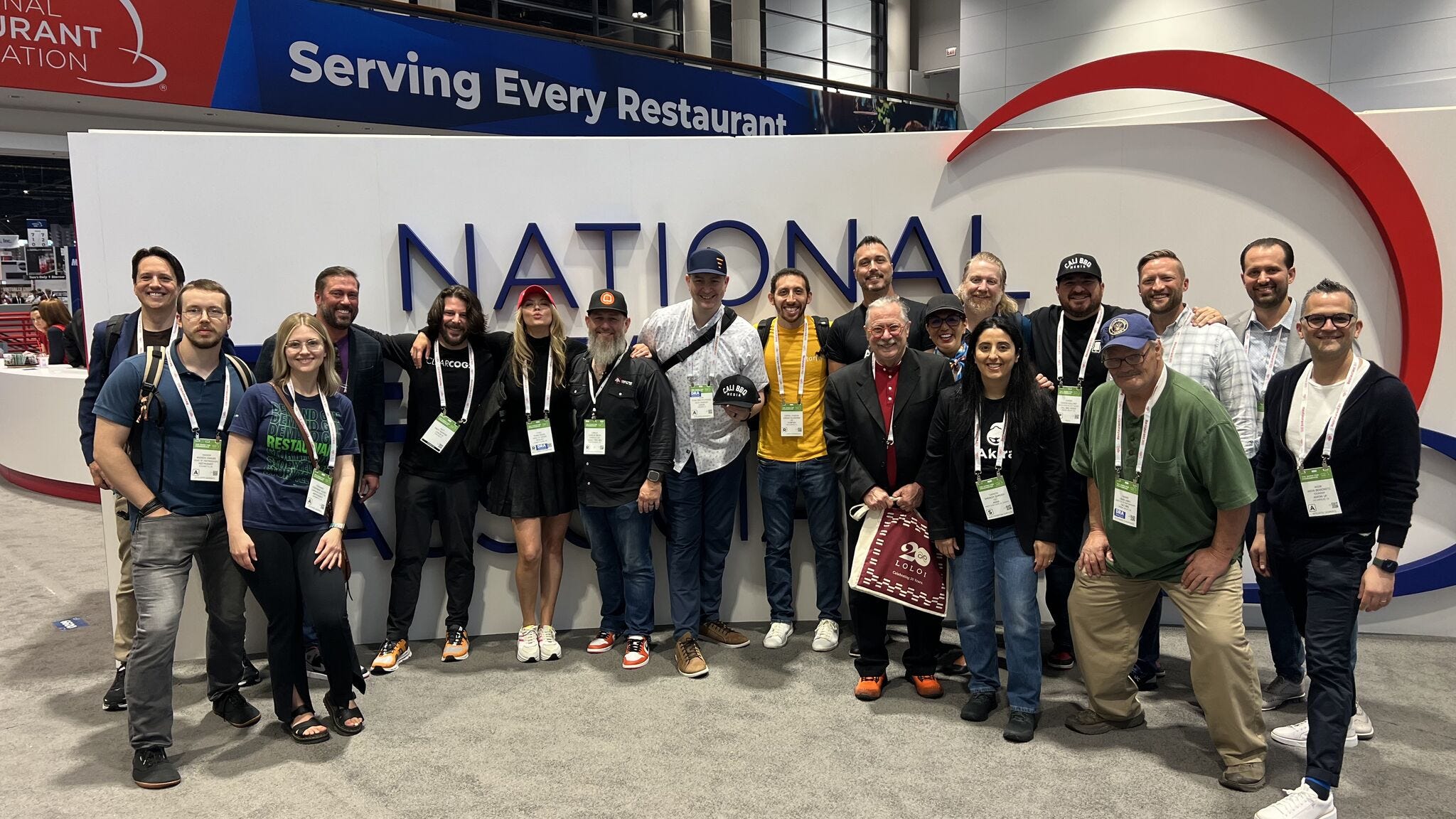
    Welcome to the World Cup of the Restaurant Industry: Live in Chicago 2026

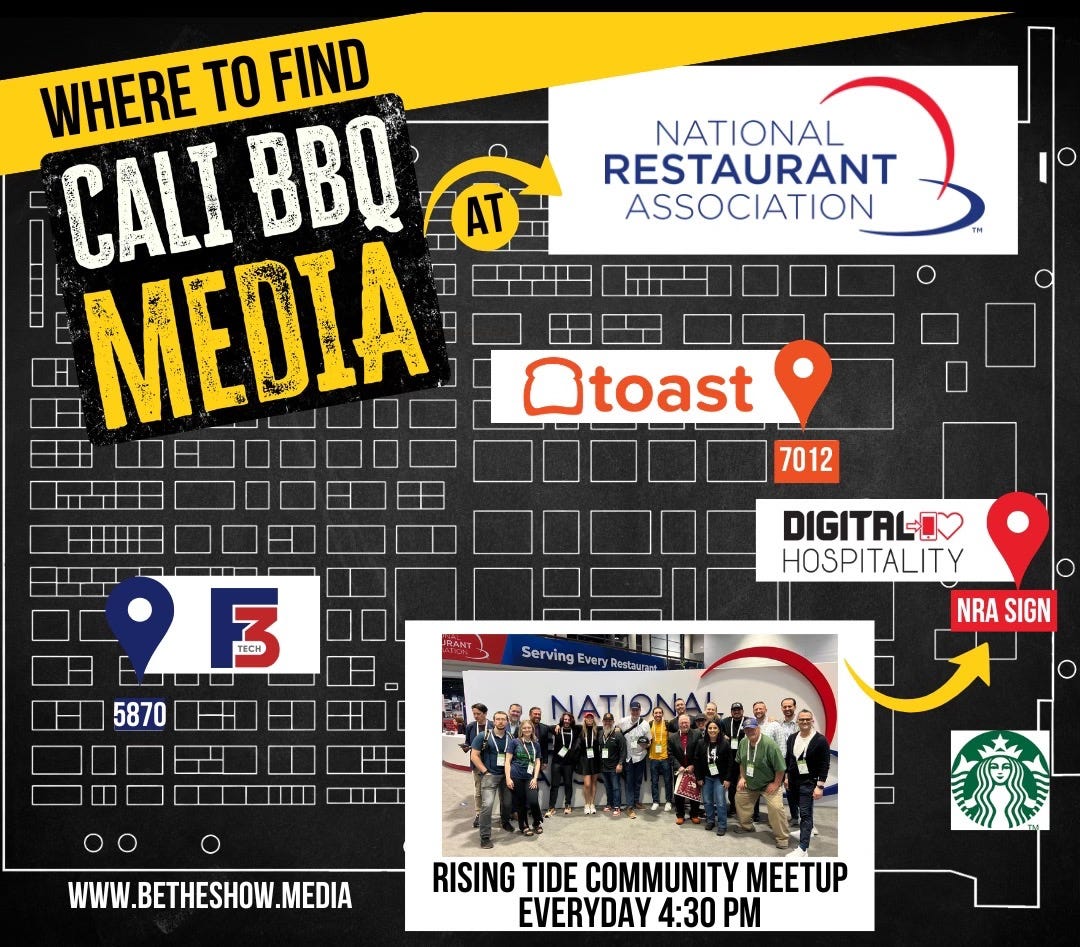
    Tips for Surviving The Restaurant Show I caught up with our good friend Michael Ungaro from San Pedro Fish Market (Kings of Fish Media) right as the Show opened to get his top tips for navigating the weekend: * Get your badge early: Do not wait in the brutal lines at the convention center. Try to print your badge at your hotel lobby or get to McCormick Place incredibly early before the crowds hit. * Wear comfortable shoes: You are walking 12 football fields across three different halls—Lakeside, South Hall, and North Hall. Treat this like an athletic event. * The Uber Trick: When the show floor closes, don’t even try to call a rideshare to the main entrance. You’ll be stuck waiting for hours. Walk a few blocks away from the main hub first, then call your ride. * Document the journey: Take photos of the people you meet and grab their digital business cards. The relationships you build in these hallways can become lifelong friendships. The energy right now at McCormick Place for the 2026 National Restaurant Show is completely off the charts. If you are in the restaurant business, hospitality, or digital media, like me, this isn’t just another industry trade show. This is our World Cup. To give you an idea of the sheer scale of what’s happening in Chicago this week, we are talking about 53,000+ hospitality leaders, 2,200 vendors, and 12 football fields of pure innovation spanning three massive halls. It is impossible to overstate how massive this event is. A huge shoutout to the National Restaurant Association Show team for partnering with Cali BBQ Media to help us bring this raw, unfiltered look to our community. We have two full media teams on the ground, and we are tracking down stories across every aisle. While we are exploring the entire floor and capturing everything from new industry trends to deep tech, we have a few key anchor partnerships we are shouting out today. The Toast Booth #7012: We hit the ground running this morning and made a big stop to visit our close partners at Toast. They are the technology backbone of our actual restaurants at Cali BBQ, and they are the title sponsors of our Restaurant Influencers podcast series. We checked out their latest tech innovations and talked with their team about how operators can use technology to build more profitable, efficient businesses. The F3 Tech Booth #5870: Our friends at F3 Technologies have generously opened up their booth space to serve as one of our live content and podcast studios for the weekend. We are recording episodes right from the floor. If you are walking the halls, keep your eyes open—we might just pull you into the booth to share your story with the world. As we always say: Be the show, not the commercial. Magic Happens in the Hallways One of the greatest lessons I’ve ever learned as a restaurant owner is that you have to get out of your four walls. Growth happens when you put yourself in rooms like this, because you never know who you are going to meet. Right as the doors opened, we ran into Damien and Dan, two operators who traveled all the way from British Columbia, Canada. They told us they watch our content and came to the show for the very first time to find a next-gen POS system and check out new equipment. They bought a bar and nightclub a year and a half ago and are gearing up to launch their full restaurant concept. Naturally, we told them to head straight to the Toast booth and tell them Shawn sent them! That is the exact ROI of this show: connecting people, sharing resources, and lifting up the community. Meet Up With Us: 4:30 PM @ The Sign We don’t want to just connect with you through a screen, we want to meet you in real life. Every single day of the Restaurant Show, we are hosting a casual gathering for our community of restaurateurs, tech founders, creators, and storytellers. * When: 4:30 PM Daily * Where: Right by the big National Restaurant Association sign in the North Hall Come hang out, talk shop, network, and be part of the Rising Tides community. Because a rising tide lifts all ships. Make sure to subscribe to our Restaurant Technology Substack and follow along on social media @shawnpwalchef and @calibbqmedia so you don’t miss a single update, video drop, or interview from the floor. This is a public episode. If you would like to discuss this with other subscribers or get access to bonus episodes, visit restauranttechnology.substack.com
  • May 13 · 27 sec

    National Restaurant Show 2026: Will I See You at the Big Sign?

    The National Restaurant Show is our industry’s World Cup. But you don’t win the World Cup by sitting in the nosebleeds. To win in the restaurant industry in 2026, you need to be on the pitch with the builders, the dreamers, and the leaders who are drawing up the winning plays for the next decade. You need to be where the momentum is. That is why, every single day of the show at 4:30 PM, we are gathering the community at the big NRA sign across from Starbucks in the North Hall. This is a daily community meet-up for the people who want to be in the center of the action. If you want to know what’s actually happening in this industry, you need to be at this sign. * Come meet us. * Take a selfie. * Exchange social contacts. * Share your story. Because the truth is, nobody rises alone. *** National Restaurant Association Show 2026 May 16–19, 2026 McCormick Place, Chicago, IL www.nationalrestaurantshow.com *** The First Pilgrimage to Chicago It wasn’t always this way. Five years ago, I left my restaurant in San Diego to attend the National Restaurant Association Show in Chicago for the first time. I didn’t have a plan, but I brought the essentials: * My family, The Walchef Wolfpack. * Cameras. * Curiosity. I had little idea what to expect. At the time, Cali BBQ Media was just taking off, having formed from inside my restaurant Cali BBQ. We had recently launched Restaurant Influencers with Entrepreneur Media because the team at Toast believed in the vision enough to sponsor our video podcast series before most people even understood what we were building. I was a newcomer looking for a map. I started texting everyone I knew from Clubhouse, where we were hosting a weekly live meet-up at the time: “Troy Hooper, where do I go?” “Who do I need to meet?” “How do I make the most of this thing?” I asked Carl Orsbourn who the best storytellers in Chicago were, and he connected me to the legendary Geoff Alexander from Wow Bao. We even ended up hosting a Rising Tides restaurant influencer meetup at Sweet Baby Ray’s BBQ with Duce Raymond, where we made lots of amazing content and ate lots of amazing barbecue. And suddenly, something happened. The Restaurant Show stopped feeling like a trade show. It started feeling like the center of the restaurant universe. Every year since that first trip, the friendships I’ve formed have deepened. The conversations have sharpened. The opportunities have multiplied. But more than anything, my belief in this industry has grown. This Show changes people. It isn’t because of the shiny booths or the late-night parties. It’s because when you put operators, creators, technologists, dreamers, and builders into one city together, momentum becomes contagious. How to Change Your Trajectory If you want to change the trajectory of your business, you can’t just watch from the sidelines. You need to make the pilgrimage. * Shake hands. * Film the content. * Ask the “dumb” questions. * Walk until your feet hurt. * Take meetings you’re not ready for. * Introduce yourself before you think you deserve to. That is exactly how growth happens. For the fifth straight year, we’ll be documenting every moment of the show with Cali BBQ Media. We are here to tell the stories of the people who make this industry great. Join The Rising Tides We are back in Chicago because we believe in the power of “Rising Tides.” We believe that when one of us wins, we all win. WHERE: The big National Restaurant Show sign (North Hall, across from Starbucks) WHEN: Every day @ 4:30 PM WHY: To connect, share, and draw up winning plays together. I’ll see you at the sign. #2026RestaurantShow WATCH: Rising Tides Live - What To Know About National Restaurant Show This is a public episode. If you would like to discuss this with other subscribers or get access to bonus episodes, visit restauranttechnology.substack.com
  • May 2 · 9 min

    Do You Want To Build The Amazon of Restaurants?

    The restaurants who are stuck in the past are DOA. If you aren’t building your business like Amazon did — leveraging technology, storytelling, and logistics — you’re going to struggle to survive in 2026 and beyond. I’ve been in this game for 18 years at my family owned restaurant Cali BBQ in San Diego. I’ve survived the Great Recession of 2008 and a global pandemic in 2020 by making every mistake possible. Mistakes are what lead to growth. The secret to modernizing your restaurant isn’t just better food; it’s becoming a Digital Hospitality company. Here is your 5-step playbook to becoming the “Amazon of Restaurants” in your market. 1. Become a Media Company First Amazon isn’t just a retailer. It’s also content ecosystem. To win today, you must be a media company, a technology company, and a restaurant. This is driven by our signature Four P’s content strategy: PLAN * Choose one idea that feels natural to share this week. * Decide your message: “What do I want people to know, feel, or do?” * Pick a time when you can capture it without interrupting operations. PRODUCE * Use your phone — prioritize good lighting and clear audio. * Keep it short and engaging; aim for 15–60 seconds if it’s video. * Record extra angles or clips for variety. PUBLISH * Post in vertical format for better mobile engagement. * Add a short, personal caption that tells the story. * Include hashtags relevant to your restaurant, location, and audience. PROMOTE * Share the content on multiple platforms. * Encourage your team to share it from their own profiles. * Reply to comments and messages to start conversations. Stop making commercials. People want stories. Use your smartphone to capture the daily life of your restaurant and publish it on YouTube, TikTok, Instagram, LinkedIn, and everywhere else you can. 2. Own Your Digital Real Estate In the old days, it was about your physical “location, location, location”. In 2026, it’s digital location. You must own your website, your email list, and your data. Stop relying on third parties to hold your customer relationships hostage. Build a deep CRM so you can reward your loyalists who want to celebrate birthdays, anniversaries, and holidays with you. If you don’t own the data, you don’t own the customer. JOIN THE MOVEMENT: If this insight helps you, share this article with one other restaurant owner. A rising tide lifts all ships. 3. Deploy Strategic AI and Automation Digital hospitality is our deep thesis. Technology makes us more profitable, more scalable, and more impactful. At Cali BBQ, we use Palona AI and my automated voice clone Shawn AI to answer our phones and take orders. On our busiest day of the year—Father’s Day—Palona AI handled 156 calls that would have otherwise gone to a busy staff member. The result? An 18% sales lift because we never missed a guest. We integrate these tools directly through Toast to keep our tech stack seamless. 4. Create Multiple Revenue Streams Look at Amazon Prime and Thursday Night Football. They’ve created a system where you can watch a game and buy a product with one click. Your restaurant should be no different. Think beyond the four walls of your brick-and-mortar. We are moving toward a world of TikTok Shop live streams and point-of-sale integrations where customers can buy your BBQ or Consumer Packaged Goods (like bottled sauces or canned drinks) while they watch your content. 5. Master Frictionless Online Ordering Digital hospitality is making it as easy as possible for someone to buy from you. Whether it’s takeout, in-store, catering, or gift cards, your website—like ours at calibbq.media—must be frictionless. We partnered with Toast to solve our online ordering problems during the pandemic, and it changed everything. When you make it easy to buy 45 racks of ribs for a tailgate, that is true hospitality. Think bigger. We have to leverage technology to connect with more people and run more profitable businesses. Don’t be afraid to look stupid while you’re learning—get it wrong so you can eventually get it right. Stay Curious, Get Involved, Ask For Help @Shawnpwalchef This is a public episode. If you would like to discuss this with other subscribers or get access to bonus episodes, visit restauranttechnology.substack.com
  • April 24 · 1 min

    Built For Busy: Celebrating Restaurant Hustle at the Crossroads of the World

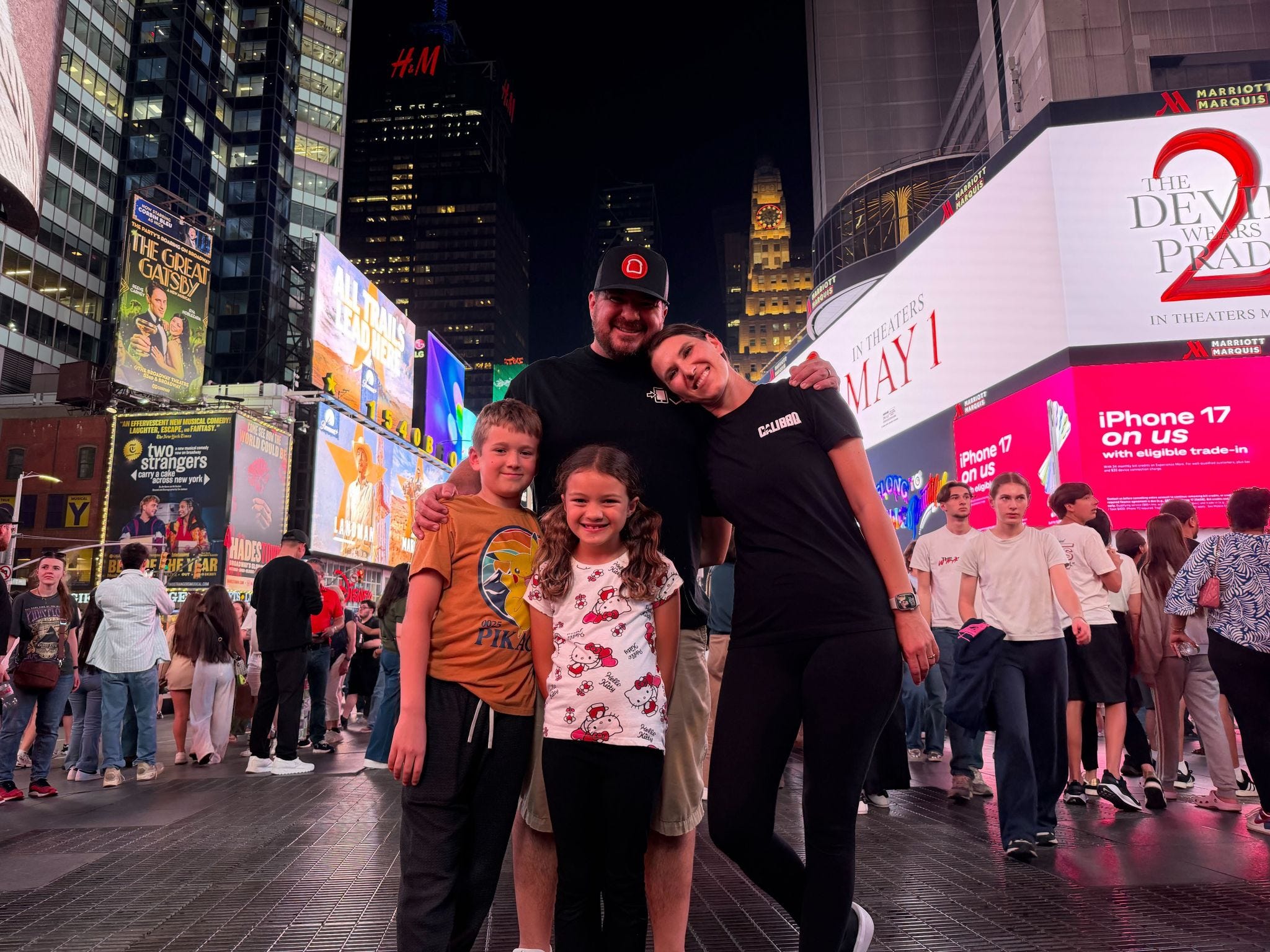
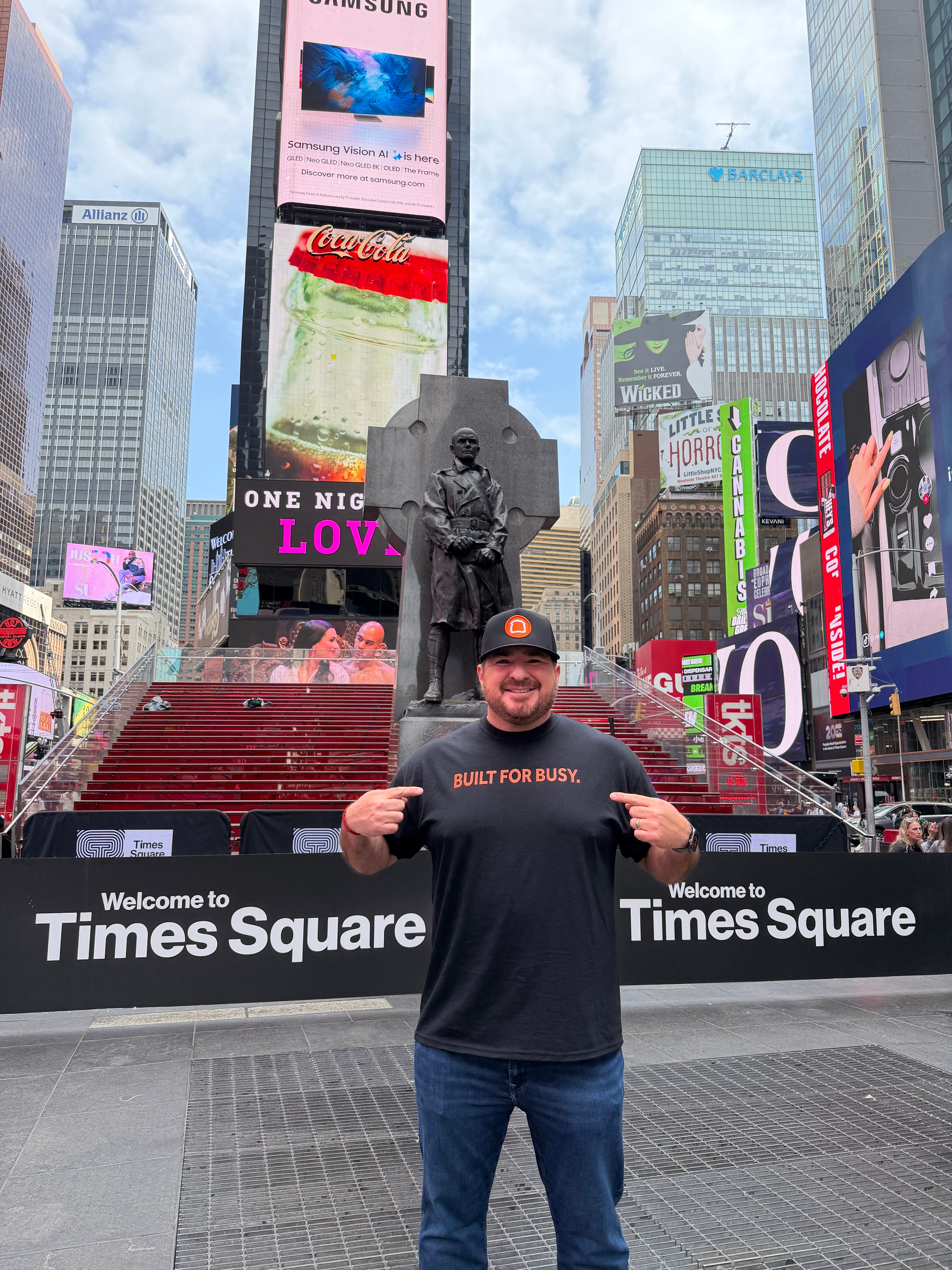
    I didn’t bring my family to Times Square just for a billboard. I brought my wife and kids because this business costs something important: Late nights, missed weekends, and holidays that don’t feel like holidays. For the last 18 years, building my San Diego restaurant Cali BBQ has meant sacrifice from the people behind the scenes. The ones who wait up, believe in the dream, and carry the weight with you. That’s why this “Built For Busy” campaign kick-off moment with our partners at Toast hit differently. Behind the lights and the noise, every restaurant is a family business, whether the world sees it or not. We talk a lot about systems, tech, and operations. But the truth is simple: you can’t build for busy without the people who hold it up when it gets hard. This billboard wasn’t just a marketing asset. It was a statement to the ones who have been in the trenches since we opened on Troy Street in 2008. The Art of the Living Billboard Times Square on a Thursday morning is a symphony of sirens, delivery trucks, and tourists. Most people see that chaos and want to escape it. But for a restaurant operator, that noise is music. It’s the sound of an economy that is alive. Last week, we went to the Crossroads of the World to celebrate the people who actually keep those lights on. While the billboards above were making a statement, Toast was making a commitment to the NYC restaurant industry with an activation called Windows to Success. Rather than buying traditional ad space, Toast turned the storefronts of iconic New York spots like Carmine’s in Times Square and Poppy’s in Brooklyn into “living billboards.” They framed the windows with custom graphics that turned every kitchen into a stage. This campaign is the next chapter for Toast, focusing on the pride and dedication at the heart of business ownership. It’s a brand evolution designed for the 164,000+ businesses they serve. As Kelly Esten, Chief Marketing Officer at Toast, put it: “For business owners, being busy is the point—it’s the proof of progress. This dedication to building products designed to help our customers succeed in a rapidly-changing world is at the heart of Built For Busy.” That represents exactly how Toast understands this industry. They aren’t just selling software; they are building tools like Toast IQ—an AI assistant designed to act as an operator’s right hand during a Friday night rush. Standing in the noise with the Toast team, my family, our amazing Cali BBQ Media crew, and a crowd of operators reminded me of one thing: showing up is the most important thing you can do for your community. “Busy” means your systems are holding strong. It means your people are focused. It means your technology is acting as your right hand so you can keep your head up and focus on the guest. Eighteen years after starting Cali BBQ, we aren’t just surviving the rush. We are built for it thanks to Toast and our other restaurant technology partners. The lesson from our Built For Busy trip to NYC is something we’ve known for many years as restaurateurs. The hustle isn’t the hurdle. It’s the reward. This is a public episode. If you would like to discuss this with other subscribers or get access to bonus episodes, visit restauranttechnology.substack.com
  • April 21 · 14 min

    LIVE from Restaurant Leadership Conference 2026

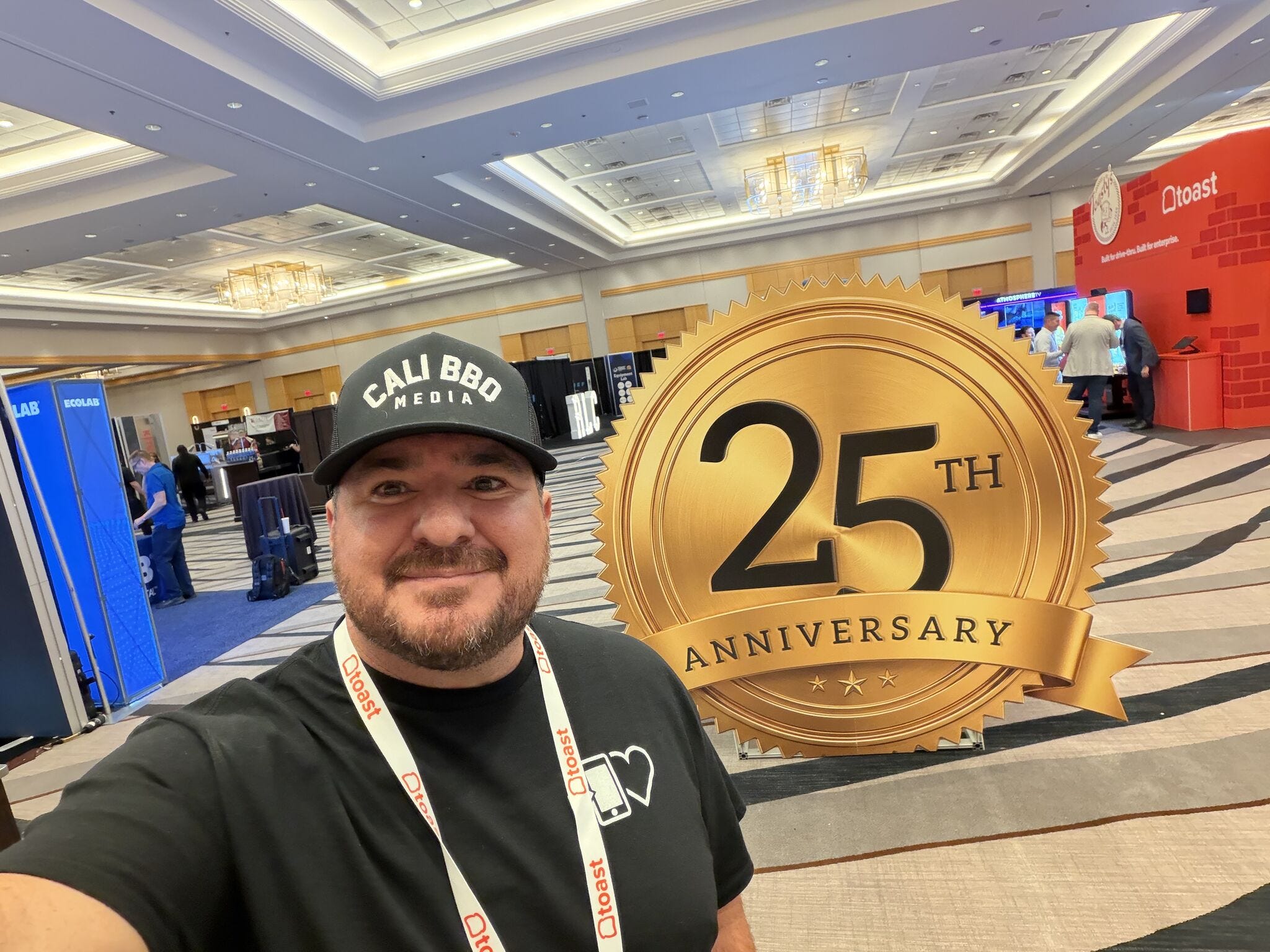
    Influential people have told me for years that I needed to get to Phoenix for the Restaurant Leadership Conference (RLC). Now that I’m here at the JW Marriott Desert Ridge for the Informa event’s 25th anniversary, I see the story isn’t just on the stage. It’s in the hallways. At the top of this post, you can watch my live video from the event co-hosted with Troy Hooper, CEO of Pepper Lunch, a Japanese fast-casual brand with more than 560 restaurants in 17 countries. RLC is full of power players just like Troy. Marcus Viscidi from Informa shared the power of this event: there are roughly 950 executives attending who represent over 300,000 restaurant locations. That is massive scale. But RLC has this unique way of stripping away the titles. Troy told me about standing on the lawn on night one, having a casual conversation with a woman for ten minutes before realizing he was talking to the wife of Peter Cancro, the CEO of Jersey Mike’s. That is the “secret sauce” of this event. Whether you’re a founder with five units or the CEO of a global powerhouse, you’re in the same “nooks and crannies,” having the same intimate conversations. We are all equals here, trying to up-level the industry together. The Business of Being Human For the technology partners and suppliers watching us, the lesson is clear: participate, don’t just pitch. Marcus and the Informa team have built a foundation where people can “build their own adventure”. In 2026, that adventure included: * Morning Connections: Golf tournaments, hiking, yoga, and even a gun club excursion designed to get people out of their shells. * The Pickleball Shift: The Pepper Lunch team doubled down on the experience with a legendary pickleball party, featuring DJs and a full bar. Why does a DJ at a pickleball court matter for your bottom line? Because you might spend three hours in a relaxed environment with a C-suite decision-maker. They might not be the one clicking “buy” on your software, but that top-down relationship provides the validation and access you need to move the needle. Real Tech for Real Problems When we did get into the Marketplace, the innovation was focused on one thing: Enterprise Scale. I caught up with Kelly Esten, Chief Marketing Officer at Toast. They are the title sponsor this year (Cali BBQ Media is also a sponsor), and they aren’t slowing down. Last year was about the kiosk; this year, they are showcasing a massive Enterprise Drive-Thru product. It’s a clear signal that the “big players” are now looking for the same agility that smaller brands have enjoyed for years. We also saw the latest from partners like PepsiCo, Restaurant365, Popmenu, and more — all focused on making your restaurant operations leaner and more connected. The conversation doesn’t stop in Phoenix. Marcus and his team are already planning for RLC 2027, and the 2026 calendar is just heating up. If you want to stay in the room where these decisions are made, you need to join us at: * Food on Demand (Dallas): May 5th–6th. This is the place for anyone serious about the delivery and tech ecosystem. * National Restaurant Association Show (Chicago): May 16-19. The “Super Bowl” of our industry. With 70,000 people and 700,000 square feet of space, it’s the only event that brings the entire food service ecosystem together. RLC 2026 proved that when you lead with hospitality and intention, the business follows. Will I see you there next year? This is a public episode. If you would like to discuss this with other subscribers or get access to bonus episodes, visit restauranttechnology.substack.com
  • April 16 · 13 min

    Built For Busy - Times Square Live with Toast

    To any operator reading this. We got into this business praying for busy. Not the slow nights, not the empty dining rooms. We dreamed about the chaos. The tickets stacking, the line out the door, the kind of busy that tests everything you’ve built. I remember opening our doors in 2008 on Troy Street in Spring Valley. No guarantees, just belief, grit, and the hope that one day we’d earn the kind of volume that forces you to grow or get exposed. Eighteen years later, we’re still here. Still standing, still learning. And this weekend, while Cali BBQ celebrates 18 years in business, we’re also part of something bigger, Toast Built For Busy campaign. That’s not a coincidence, that’s the work. Because “busy” isn’t just volume. It’s pressure, it’s responsibility, it’s showing up for your team and your guests when everything is moving fast and nothing can break. The truth is, most people romanticize restaurants until they feel a Saturday night rush. Operators know better. Busy means your systems matter, your people matter more, and your technology better not fail you when it counts. That’s why partnerships matter. Toast helps us manage the chaos so we can stay focused on what actually matters - hospitality. Not perfect, not polished, real. This moment isn’t just about a billboard in Times Square, that fades. This is about the operators in the trenches, the ones opening early, closing late, and doing it again tomorrow. We’re not chasing busy anymore, we’re built for it. #toastbuiltforbusy This is a public episode. If you would like to discuss this with other subscribers or get access to bonus episodes, visit restauranttechnology.substack.com
  • April 13 · 11 min

    Toast on Tour - San Diego

    This is a public episode. If you would like to discuss this with other subscribers or get access to bonus episodes, visit restauranttechnology.substack.com
  • April 9 · 30 sec

    Built for Busy: Join the NYC Meet-Up in Times Square on April 16

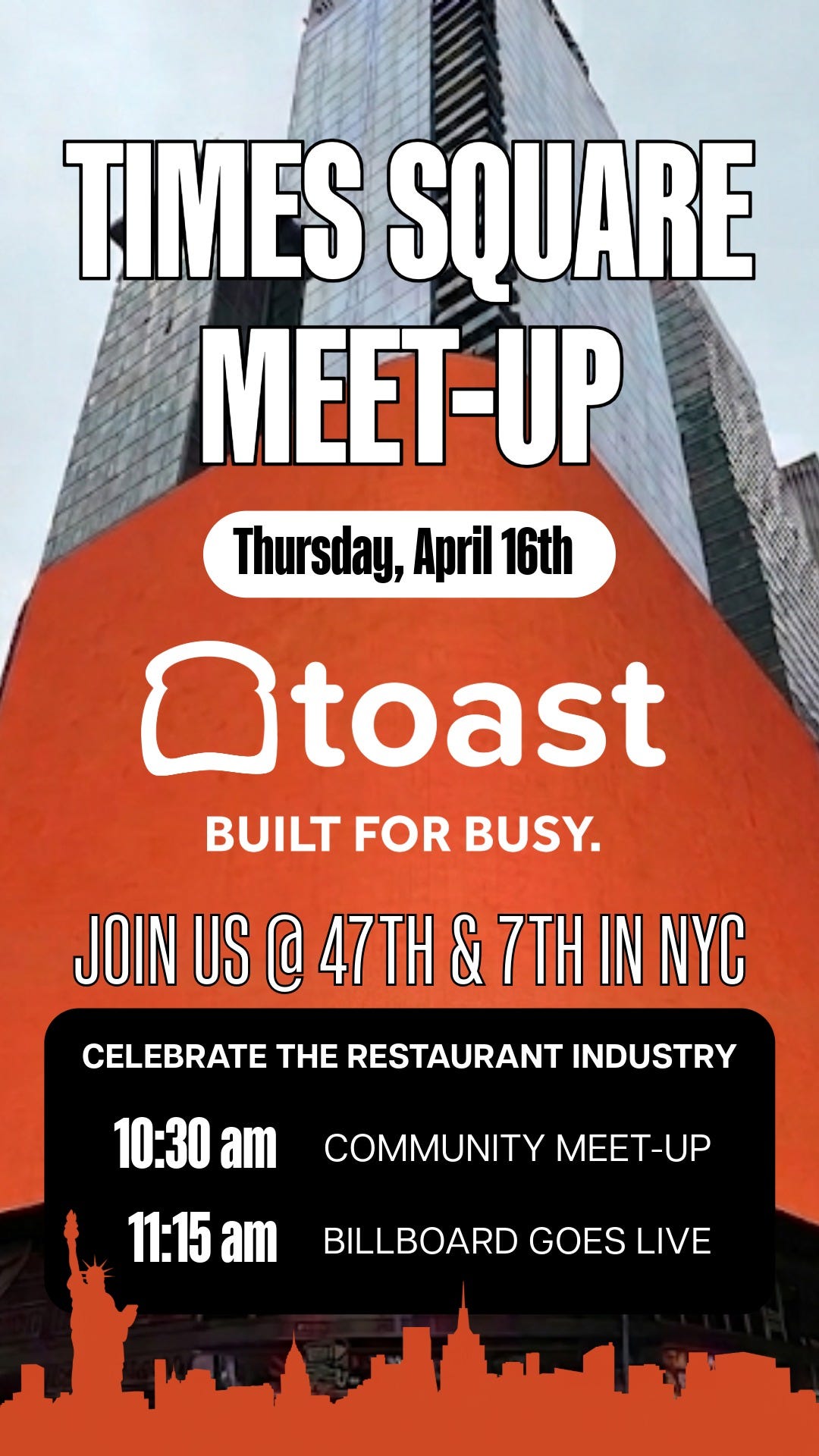
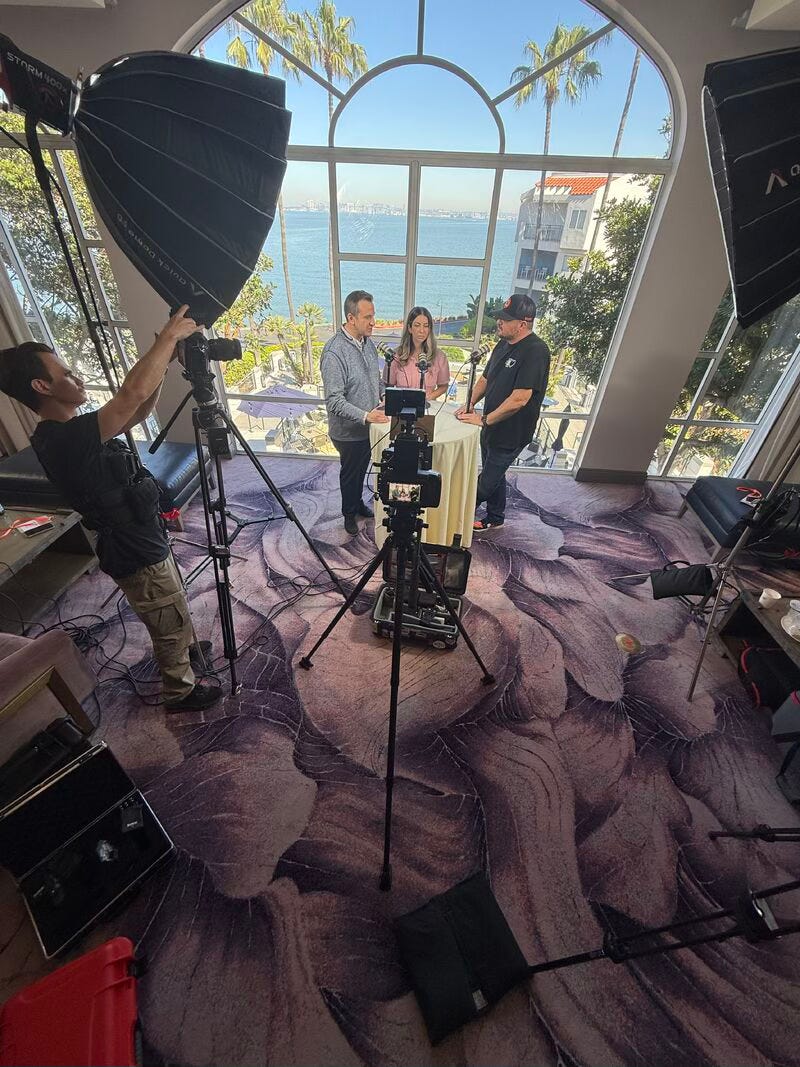
    TIMES SQUARE MEET-UP DATE: Thursday, April 16thTIME: 10:30am (Meet-Up) ; 11:15-11:20am (Toast Billboard Goes Live)WHERE: 47th St. and 7th Avenue in Times Square NYCONLINE: Watch LIVE right here on Substack as it happens New York City, let’s make this one count. We’re taking over Times Square with Toast. At 10:30am you are invited to join us on the corner of 47th Street and 7th Avenue in the busiest intersection in the world to kick-off Toast’s new Built for Busy campaign. We will be sharing stories, making content, and honoring the hard-working spirit that makes the restaurant industry so incredible. This isn’t just about a new campaign. This is about our industry showing up to support each other. If you can’t make it to New York, you can also watch our live feed right here on Substack. Bring your team, bring your energy, bring that Built for Busy mindset. Will I see you in NYC next week? Let me know. This is a public episode. If you would like to discuss this with other subscribers or get access to bonus episodes, visit restauranttechnology.substack.com
  • March 21 · 2 min

    2026 Media Global Tour: Join Me This Summer in Vegas, Chicago, London, and Beyond

    “Stay curious, get involved, and ask for help.” These are the three lessons my grandfather taught me, and they guide every move we make at Cali BBQ Media. We just wrapped up an incredible experience at the Restaurant Franchise and Innovation Summit (RFIS) in my hometown of San Diego. It was a powerful time making content and connections. I had the honor of being a speaker, and it was great to see other heavy hitters (and friends) in our community, like Troy Hooper and Michael Ungaro, also taking the stage to move this industry forward. As a restaurant owner and operator, I know that the most important thing you can do is invest in your own education. That’s why we’ve evolved into a full-fledged media company that travels to the biggest and most important events in our industry. We aren’t just there to attend; we’re there to tell stories from the ground about how technology and innovation are helping businesses improve. We want to connect with the best technology operators, restaurateurs, and storytellers on the planet. Here is where we will be this summer—reach out so we can collaborate or connect. March 23–26: Las Vegas | Pizza Expo + Bar & Restaurant Show Right after RFIS, we are heading to Vegas for the Pizza Expo and also the Bar and Restaurant Show. We want to capture stories about how you are learning and what tools you’re using to level up your business. If you’re going to be in Las Vegas for either of these, please reach out to us. * Learn More: International Pizza Expo and Bar & Restaurant Expo Late March / Early April: Washington, D.C. + Baltimore After Vegas, we’re heading to the East Coast for the first time to tell restaurant stories in D.C. and Baltimore. We want to talk to technology companies and operators who have customers in these cities. Whether it’s for our Restaurant Influencers show or Digital Hospitality, we want to highlight your story. * Get in touch with us: BeTheShow.media April 19–22: Phoenix | Restaurant Leadership Conference I’m heading to Phoenix for my first time at the Restaurant Leadership Conference. I’ve heard phenomenal things about this show—it’s where the best leaders in our industry go to sharpen their skills. If you’re attending, please let me know. * Learn More: Restaurant Leadership Conference Early May: Austin + Dallas | Food On Demand Our Texas swing starts with a filming trip to Austin followed immediately by the Food On Demand conference in Dallas. Food On Demand is one of the most important delivery and off-premises events in our entire industry. We hope to see you in Dallas. * Learn More: Food On Demand Conference May 16–19: Chicago | National Restaurant Association Show This is the “Super Bowl” of our industry. If you’ve followed our content, you know we do a lot of work at the National Restaurant Show with our partners. We’d love to meet you, talk shop, and share stories from the floor in Chicago. * Learn More: National Restaurant Association Show Late Summer: London + Dublin | Toast Stories International To end the summer, Cali BBQ Media is going international. We’re heading to London and Dublin to tell new Toast stories. If you know any innovative restaurants in the UK or Ireland, we can’t wait to meet them and share their journey. Let’s Connect At Cali BBQ Media, we believe every business must think like a media company to thrive today. We began as restaurant operators and are now also a full-service media agency ready to help you tell your story through professional podcasting, video production, and digital strategy. Visit us at betheshow.media to see how we can help your brand stand out. Will you be at any of these stops? Reply to this post or DM me. This is a public episode. If you would like to discuss this with other subscribers or get access to bonus episodes, visit restauranttechnology.substack.com
  • March 13 · 10 min

    Survival, Scaling, and the Restaurant Tech Stack Behind Ravenous Pig

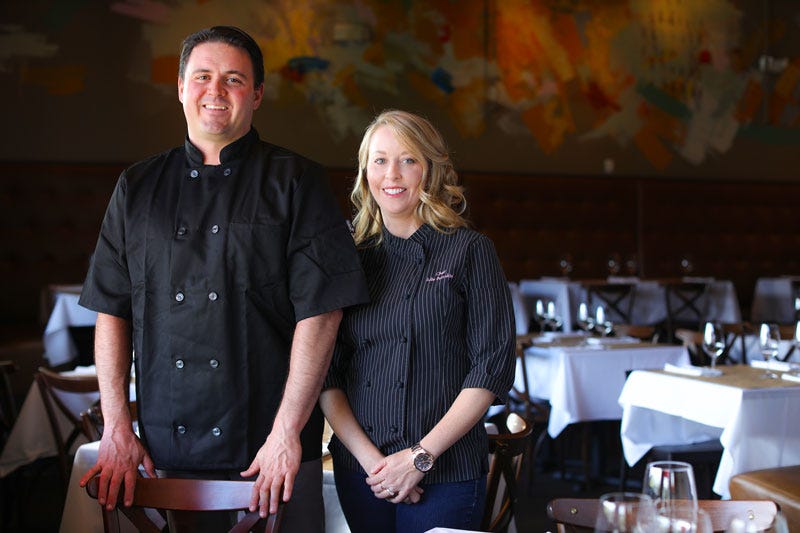
    In this Restaurant Tech Tour, we visited James Petrakis at his Ravenous Pig in Florida to discuss the strategic tech stack that transformed a “survival-mode” startup into a hospitality group that now includes The Polite Pig at Disney Springs and a brewery operation. When James and Julie Petrakis opened The Ravenous Pig in 2007, they were filling a void in an Orlando market dominated by chains. The husband-and-wife team, both alumni of the Culinary Institute of America, returned to their roots in Winter Park to pioneer a craft food movement rooted in “everything scratch-made”. The early days were defined by grit rather than glamour. Cash was so tight that after his car was stolen, James biked to work while finishing a restaurant he could barely afford to open. Today, that resilience has paid off: James is a seven-time James Beard Best Chef South semifinalist, and The Ravenous Pig holds a prestigious Michelin Bib Gourmand recognition. WATCH MORE: James Petrakis on Restaurant Influencers on Entrepreneur.com Their menu remains an “American Gastropub” powerhouse, featuring progressive, farm-to-table dishes like Wagyu Filets, Tomahawks, and ducks that have transformed Orlando into a serious food destination. inKind: The Capital and Marketing Engine For Petrakis, inKind became the bridge to sustainable growth. inKind is a digital financing and loyalty platform that provides restaurants with upfront capital in exchange for digital gift certificates sold to their customer base. Over time, the pre-paid credit model—where guests purchase dining credit in advance—evolved into a tool that his regulars embraced. This transformed initial financial relief into a powerful loyalty and marketing engine that kept the lights on and the business moving forward even when margins were thin. * Capital Without the Bank: By leveraging inKind, Petrakis accessed funding without the rigid constraints or collateral requirements of traditional bank loans. * Automated Marketing: James replaced expensive PR firms with inKind’s native marketing tools and email blasts, which he found provided significantly more “bang for his buck”. * Frictionless Loyalty: Because the certificates are digital and stored in the guest’s email, regulars can’t lose them, creating a “loyalty engine” that provides reliable revenue. Toast: Maximizing Efficiency To manage multiple high-volume concepts, James consolidated his entire operation onto Toast. Toast is an all-in-one point-of-sale and management system designed specifically to help restaurants improve operations and increase sales. * Handheld Productivity: In the Ravenous Pig Beer Garden, five servers can manage a crowd of 200 people using Toast handheld technology. * Increased Sales: By using handhelds, orders go straight to the bar and kitchen instantly. This allows servers to stay on the floor, focusing entirely on hospitality and selling more beer. * Operational Simplicity: James noted that the system’s ease of use made it simple to roll out across the entire group, including their massive Polite Pig operation at Disney Springs. 7shifts: Streamlining Labor With some employees staying for nearly two decades, James prioritizes “quality of life.” To manage complex scheduling across his empire, he relies on 7shifts. 7shifts is a team management platform that helps restaurants simplify scheduling, communication, and labor compliance. It ensures the team has the stability they need—a cornerstone of the “family” culture the Petrakis duo has built. Resy: Managing Guest Experience To handle the flow of a Michelin-recognized dining room, the group utilizes Resy for reservations. Resy is a hospitality technology platform that powers restaurant reservations and table management. This ensures a seamless guest experience from the appetizers to the final course, which Shawn Walchef noted “keeps raising the bar”. The Strategy of Craft: Batching and Brewery Economics Petrakis also shared two key “insider” strategies that keep the business lean: * Cocktail Batching: To avoid “10-minute wait” times for craft cocktails, the bar batches its top-selling drinks for speed. This efficiency ensures guests get their first round fast, encouraging them to order more. * Vertical Integration: The brewery operation ($50 per keg via a distributor vs. $375 per keg on-premise) is only sustainable because Petrakis is his own best customer. By selling 50% of his beer at his own locations like Disney Springs and the airport, he keeps the high “on-premise” profit margin for himself. Thanks for checking out Restaurant Technology! Please share to grow our community. This is a public episode. If you would like to discuss this with other subscribers or get access to bonus episodes, visit restauranttechnology.substack.com
  • March 3 · 24 min

    Go Inside NYC's Famous Levain Bakery on a Restaurant Tech Tour

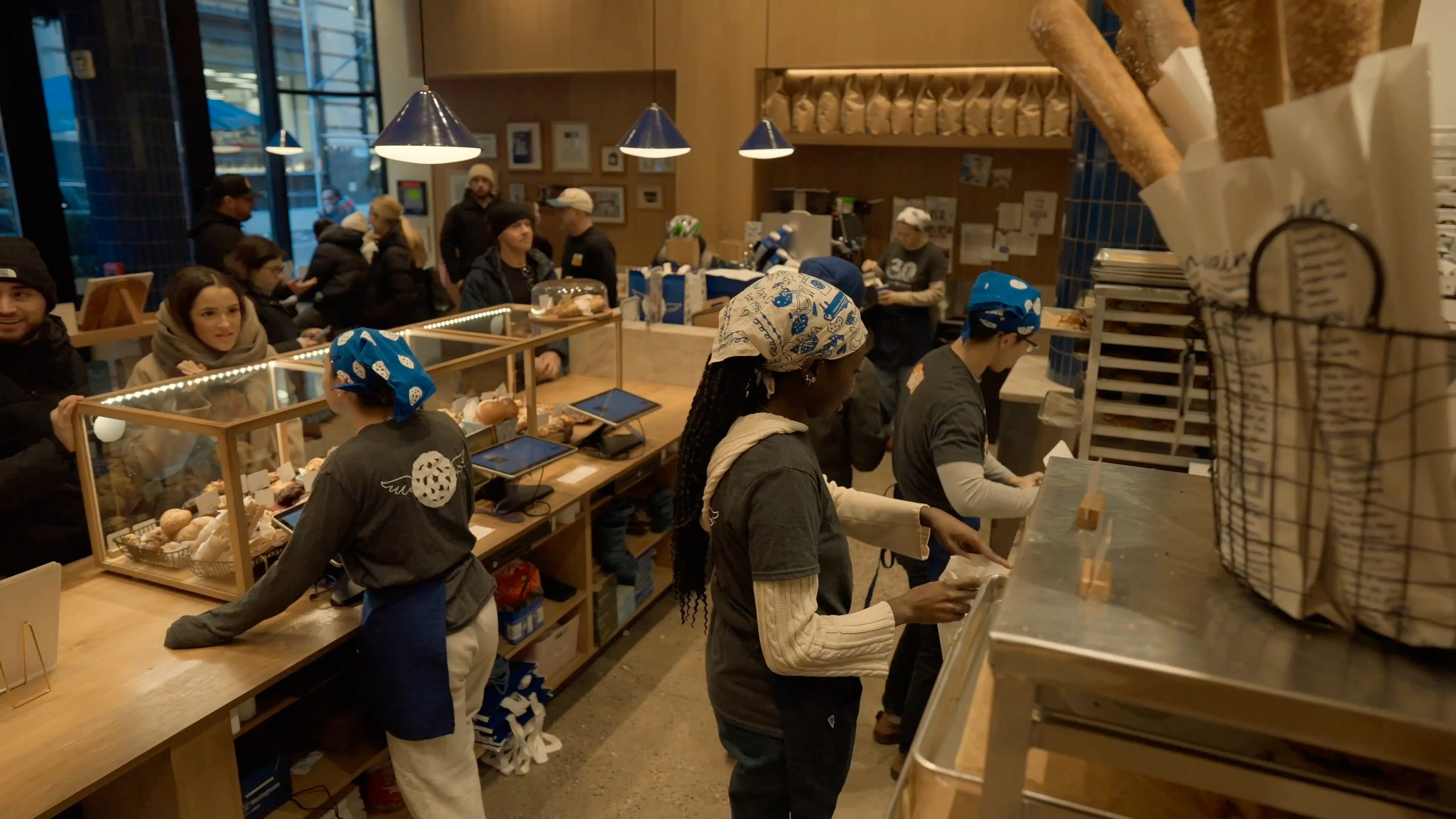
    At a Glance: How Levain Bakery Powered Their 19-Location Expansion * Tech Vision: CTO Gustavo Cardona, a former NASA data analyst applied an “engineer’s point of view” to the cookie business. * Visibility Boost: A partnership with Marqii that streamlined Google Business Profiles, leading to a 13% increase in “noticeability” in just four months. * Core Engine: Toast serves as the exclusive POS, utilized for its robust API and Kitchen Display Systems (KDS) to sync high-volume storefronts. * Freshness Guarantee: Using PDQ (Pretty Damn Quick) as an Order Management System to ensure e-commerce customers are only charged the day their cookies are baked and shipped. When you think of Levain Bakery, you might picture the legendary six-ounce cookies and lines stretching around New York City blocks. But behind that warm, gooey center is a sophisticated technological engine designed for growth. The leader of the company’s tech vision? Gustavo Cardona who’s tech journey led him from NASA to a cookie company that has scaled to almost 20 locations. I was lucky enough to spend time with Gustavo inside Levain Bakery where I got a chance to try their absolutely amazing treats. A former engineer who once worked at the Space Telescope Science Institute on data for the Hubble telescope, Gustavo treats the bakery’s tech stack like a precision instrument. His “small but mighty” team uses an “engineer’s point of view”— A/B testing new tools to ensure they maintain the brand’s soul while operating at an enterprise scale. LEARN MORE about the story of Levain Bakery on our Restaurant Influencers video podcast series on Entrepreneur.com. 1. The Operational Heart: Toast For Levain, Toast is the central nervous system of every physical bakery. Gustavo moved the brand to Toast specifically for its customizable platform and robust API. In a high-velocity environment like Levain Bakery, the back-of-house needs to stay perfectly synchronized with the front-of-house rush. He highlights the impact of Toast’s Kitchen Display Systems (KDS): “First of all, back of the house, simple KDS. All the orders come through... storefront and marketplace, it’s all that.” This integration allows the team to manage a high volume of orders in real-time without losing the “neighborhood bakery” quality. 2. Owning the Map: Marqii & Google Business Profiles One of the most significant hurdles for a growing brand is digital “fragmentation.” With 19 locations, keeping Google Business Profiles accurate and engaging is a massive undertaking. Levain utilizes Marqii to solve this. By centralizing their profiles, Marqii acts as a single source of truth for location data and store hours. * The 13% Noticeability Bump: On the advice of the Marqii team, Levain simplified their naming convention on Google (changing specific neighborhood titles to simply “Levain Bakery”). The result was a 13% increase in noticeability in just four months. * Search Optimization: Marqii helps them capture customers who aren’t just searching for the brand, but are searching for keywords like “best chocolate chip cookies in New York.” 3. The Digital “20th Location”: PDQ Levain’s e-commerce business has become so large that Gustavo considers it their 20th location. To manage the complexity of shipping a perishable product, they rely on Pretty Damn Quick (PDQ) as their Order Management System (OMS). PDQ allows Levain to execute a custom “bake-to-ship” workflow: “The day we bake it, the day we ship it, the day we charge it. Because now we know you’re going to get your cookies.” This logic ensures that customers are only billed once the product is fresh and ready for transit, maintaining the high standards Levain is known for. 4. Data-Driven Insights: MRI Software & Verkada To understand the “Levain Impact” in new markets like Beverly Hills or Chicago, the team relies on foot-traffic intelligence. By using MRI Software integrated with Verkada camera systems, Levain tracks traffic patterns moving both inside and outside their stores. This data is funneled into Tableau, which Gustavo also uses as an inventive intermediary to bridge data from the Toast API into their NetSuite finance platform. This high-level visualization ensures every expansion move is backed by hard data rather than guesswork. Levain’s success proves that high-tech and high-touch aren’t mutually exclusive. By empowering primary partners like Toast to handle operations and Marqii to dominate search, Gustavo Cardona has cleared the path for his team to focus on what matters most: the community and the cookies. This is a public episode. If you would like to discuss this with other subscribers or get access to bonus episodes, visit restauranttechnology.substack.com
  • February 18 · 7 min

    Feeding People, Not Landfills with Food Donation Technology

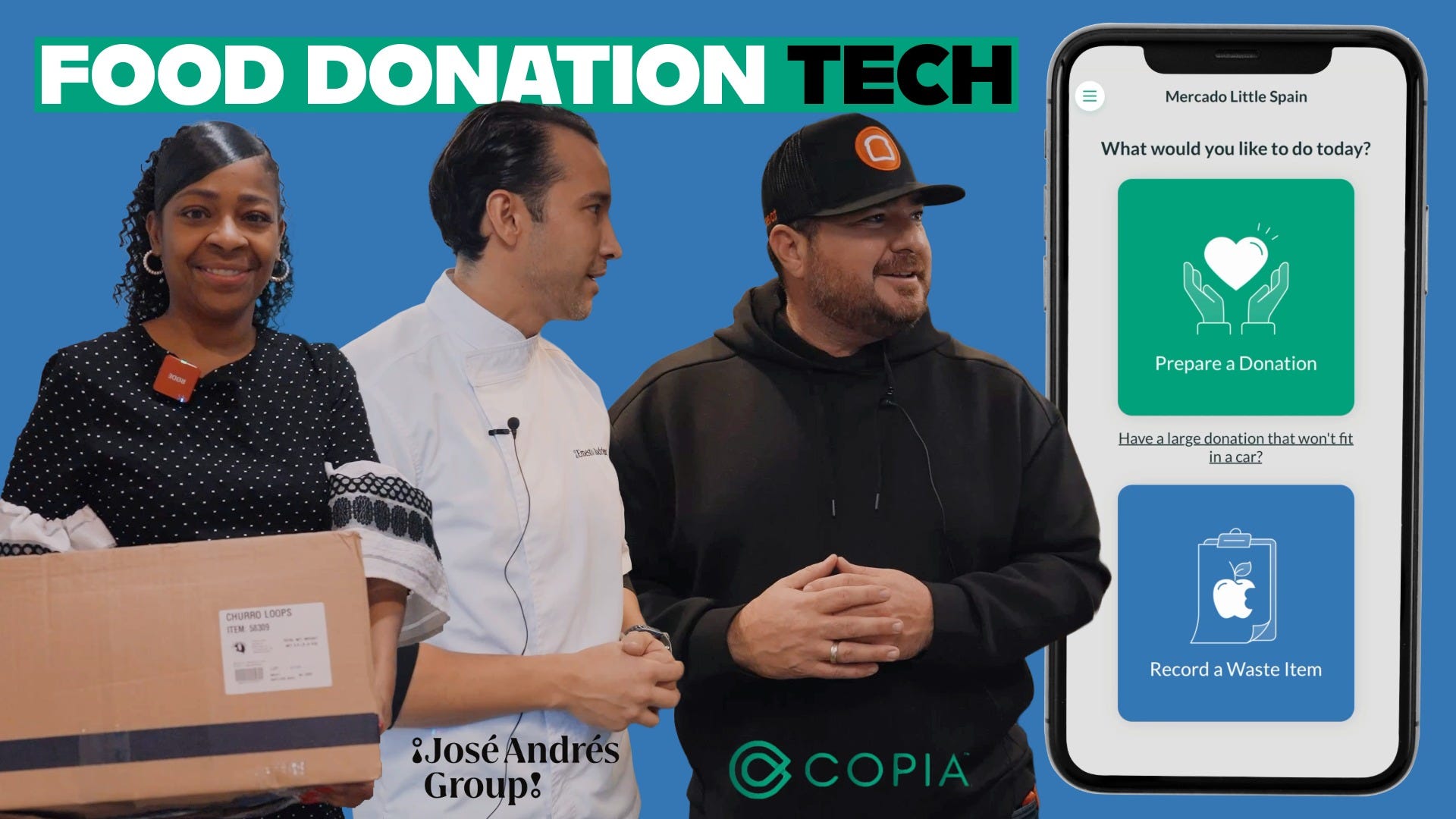
    The US food system has a staggering logistical failure: while 60+ million tons of food are tossed into landfills each year, millions of Americans still face food insecurity. I wanted to introduce you to Copia, a technology platform that automates food redistribution to solve the logistics of hunger. To see how technology can finally bridge the gap between fine dining and frontline need, we took a journey to New York City so we could document the “full circle” of food rescue. As Copia CEO Kimberly Smith told me, the hospitality industry has always wanted to help, but the barrier has always been friction: “The reality is if it’s too slow, it’s not reliable, it’s inefficient, you’re going to throw it away because that’s the easiest thing to do.” We started in the 35,000-square-foot kitchen of Mercado Little Spain in Hudson Yards, a flagship of the José Andrés Group (JAG). JAG, a world-renowned hospitality organization led by Chef José Andrés, has become the gold standard in food donation because they have made it operationally efficient and seamless to turn what was once a wasted commodity into a valuable asset. ‘Three-Minute Habit’ In the Little Spain commissary kitchen, Head Chef Ernesto Rodriguez walked through a process that has transformed a once-burdensome task into a seamless daily habit. * Designated Storage: Surplus food is moved to a designated fridge for Copia. * Safety & Tracking: Items like world-class Spanish paella are weighed and marked with prep labels and temperature checks. * The Technology: To trigger a pickup, they use the Copia app. “We just click it, put the weight, click submit, and then we have just a delivery guys come here and pick up everything. Copia handles the rest,” Chef Ernesto explained. This is the same fantastically prepared food that was served to guests just hours earlier. It is repurposed to help those in need. The “magic” that makes this stick is the Copia app, which handles the logistics that usually lead to waste. Kimberly Smith said this entire digital log takes just three minutes a day, removing the excuse that donation is too time-consuming for a high-volume team. Once the chef hits submit, the platform manages the logistics, dispatching drivers to pick up the items so the kitchen can focus on its next service. The Quality of Dignity Following the delivery led to Chance for Change, a program by the Neighborhood Coalition for Shelters (NCS). This facility provides counseling and support for community members managing homelessness and substance use disorders. Here, the arrival of Michelin-standard food from a group like JAG does more than just fill a plate—it restores a sense of dignity. Drucilla Williams, a LCSW from Chance for Change, explained the profound psychological shift that happens when high-end hospitality meets social services. “I think that sometimes that people think because they’re homeless that they don’t have a say, they don’t have an opinion, they don’t have choices, right? They enjoy the quality of the food. They enjoy the amount of the food. All of those things really help them engage and feel comfortable.” By seeing the process go from a kitchen scale to a community table, the lesson becomes clear. “You can take your surplus food instead of throwing it into landfill, you feed people instead,” she said. The Takeaway This partnership serves as a proof point for the entire restaurant world. If a fine-dining powerhouse can seamlessly integrate a donation program into their operations, then you can too. Most people enter the hospitality business not to make a lot of money, but to make an impact. By utilizing technology like Copia to bridge the gap between service and social responsibility, restaurants can finally align their daily operations with that core mission. Having your food arrive at shelters is a way to make an impact in the very communities where your restaurant operates. * Copia: gocopia.com | @gocopia * José Andrés Group: joseandres.com | @joseandresgroup * Mercado Little Spain: littlespain.com | @littlespain Ready to start your own donation story? Visit gocopia.com or download the app on the Apple or Google store to get donating today. Please share this newsletter with someone who might learn something from it. This is a public episode. If you would like to discuss this with other subscribers or get access to bonus episodes, visit restauranttechnology.substack.com
  • February 6 · 5 min

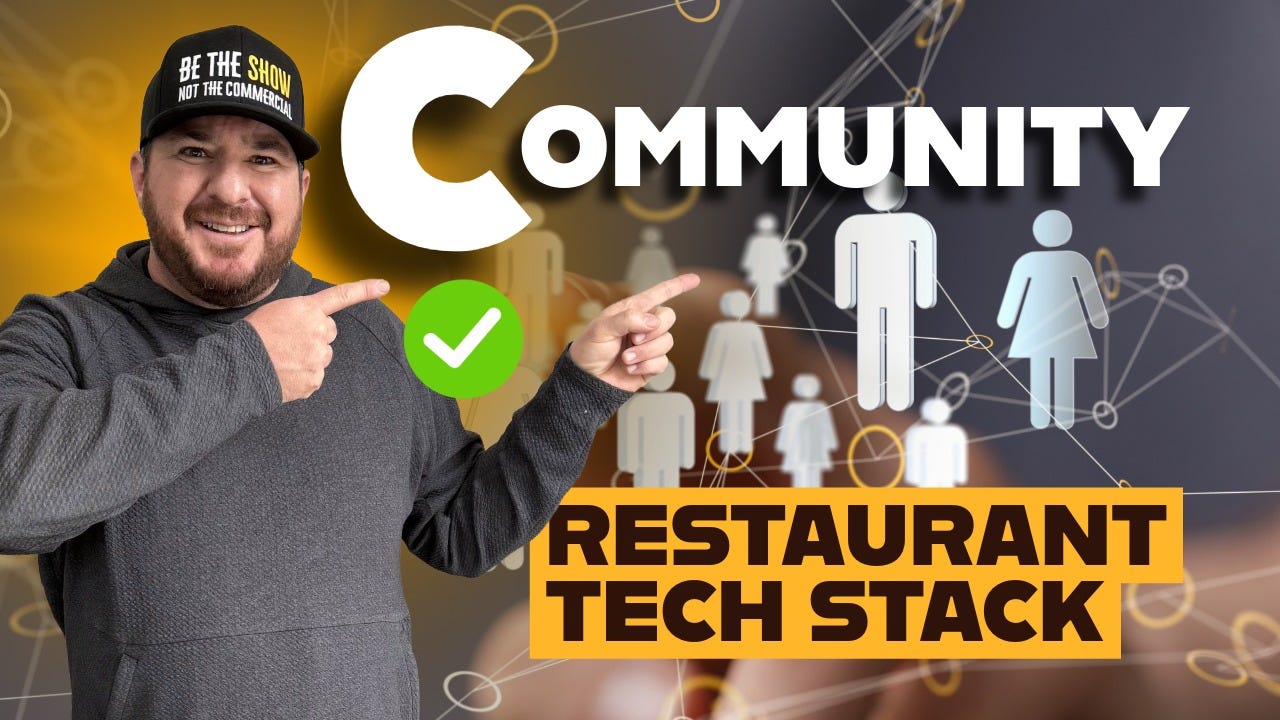
    Community Technology For Your Restaurant | TECH STACK RUNDOWN

    TECH MENTIONED: * Toast Marketing — Retargeting and Loyalty * Marqii — One-Stop Listing Management * Google Business Profile — Local Search Visibility * Palona.ai — AI Voice Automation * Ovation — Real-Time Guest Feedback You can also join the conversation on our Rising Tides Live series every Wednesday and Friday at 10am (PST) What’s on your Community Tech Stack? Building a restaurant is about the people who gather around the table as much as it’s about the meal. At my restaurant Cali BBQ in San Diego, we’ve found that magic happens when the connection you build with guests continues long after they’re done eating. My mission with my company Cali BBQ Media is to share the tools that have helped us turn casual guests into a true, lasting community. This is the second installment in our 4 Cs series (Commerce, Community, Content, Communication). We previously broke down our Commerce tech stack, and we are releasing the next two soon—Communication and Content—so make sure to subscribe so you don’t miss those deep dives into how we run our business. Here is the breakdown of the Community Tech Stack we use to stay connected. 1. The Digital Front Door: Your Website The most important asset in our community stack is our own website. While social media is great for reach, your website is where you truly own the relationship. I see so many owners creating incredible content on social media, but that work often stays on those platforms instead of living on their own “digital storefront”. By hosting content, selling BBQ, and managing catering orders on our site, we can re-target the guests who visit us and treat them with actual loyalty. It’s the one place where content, commerce, communication, and community all live under one roof. * Link: CaliBBQ.media * Link: BeTheShow.media 2. The Relationship Driver: Toast Marketing Maintaining deep relationships with guests is hard work, and I’m so happy that Toast built marketing tools directly into their platform. It prevents us from having to manage six different disconnected systems just to stay in touch with our community. We use the data from people spending money online and in our restaurant to retarget them through integrated loyalty, email, and SMS marketing. It allows us to reach back out to the people who already love what we do and keep that conversation going. * Link: Toast Marketing & Loyalty 3. The Listings Master: Marqii There are dozens of spots online where your restaurant information lives, from TripAdvisor and Yelp to Tesla and Apple Maps. It is incredibly easy for someone to get your hours of operation or your menu wrong. We use Marqii as our single source of truth. Instead of logging into every individual site to fix a typo or update holiday hours, we use one dashboard to push the correct info everywhere. It even allows us to respond to all our reviews from one place, ensuring our community feels heard without our team getting lost in a dozen different browser tabs. * Link: Marqii 4. The Local Hub: Google Business Profile Google is making massive investments in how small businesses show up locally. If you are a restaurant owner, this is digital real estate you cannot ignore. We treat our Google Business Profile as a living document. Keeping it updated is the fastest way to stay connected to the local community exactly when they are searching for what we do in real-time. If you haven’t logged in lately, now is the time to get it updated and engage with the people looking for you. * Link: Google Business Profile 5. The 24/7 Host: Palona.ai We now have “Shawn AI” answering our phones. It’s an incredible automation that ensures we never miss a community connection just because the restaurant is busy. On Father’s Day alone—one of our busiest days of the year—Palona.ai answered over 150 calls that my staff didn’t have to touch. The AI gives directions and even allows guests to place orders via Toast using Voice AI. It keeps the phones ringing and the guests happy without adding stress to the team during the holiday rush. * Link: Palona.ai 6. The Problem Solver: Ovation Ovation is one of our favorite tools because it allows us to have a conversation with a guest before a bad experience becomes a permanent public review. If we forget a side of jalapeño cheddar cornbread in a to-go order, the guest can text the manager on duty immediately through the app. This gives us a chance to fix the problem in real-time. When we make it right, it actually encourages people to write more five-star reviews on the platforms that matter. It’s about being proactive and leading with hospitality. * Link: Ovation 7. The Live Connection: Rising Tides & Pitch the Tide To build community, you have to stay connected and avoid “posting and ghosting” on social media. We host live shows every week to stay connected with other owners and our local fans. Rising Tides is our virtual town square where owners, operators, and tech pros gather every Wednesday and Friday at 10 a.m. Pacific to share secrets. We also just launched Pitch the Tide on Fridays, where tech brands pitch their products and you—the community—get to ask questions and give them direct feedback. It’s all about lifting each other up. * Link: Rising Tides Live Join the Digital Hospitality Community We’ve been in the restaurant business for almost two decades, and the media business for half of that. We’re giving away everything we’ve learned for free on this Substack and wherever you find our content. Whether you have questions about newsletters, B2B content marketing, or social media, we have the resources to help you. Make sure to subscribe so you don’t miss the next part of our 4 Cs series! This is a public episode. If you would like to discuss this with other subscribers or get access to bonus episodes, visit restauranttechnology.substack.com

Showing 1–20 of 20 episodes