Skip to content
Artwork for Research Translation Podcast
ScienceHealth & Fitness

Research Translation Podcast

David Newman

Translating Medical and Health Research For All

researchtranslation.substack.com
Play
  • 22 episodes
  • weekly
  • Avg 30 min
  • English
Counted on this page — what you have heard stays on this device, so it is not something the list can be paged by.
  • Yesterday · 39 min

    Two New Statin Trials the AHA Won’t Want to Talk About

    Once again the audio this week is for people who enjoy a bit more wonkiness. Below is what ChatGPT wrote when I pasted in the transcript and asked for a piece emulating my voice. And as always, I still couldn’t stop myself from editing pretty heavily. Enjoy! RT is fully reader-supported. To help me keep doing it, please become a paid subscriber. Just when I thought I was out, they pulled me back in. I’d finished my cholesterol series, a history of the Lipid Hypothesis, and a review of data on statins for primary prevention. Now, along come two major trials published within days of each other—one in the New England Journal of Medicine and one in The Lancet Healthy Longevity. Both were publicly funded, a rarity for statin trials. Both studied older people without cardiovascular disease. And both tell us—again—that lowering cholesterol in primary prevention neither prolongs nor improves life. The larger trial was STAREE, a huge Australian study of nearly 10,000 adults age 70 and older. Half received 40 milligrams of atorvastatin daily while the rest received placebo, for a median of six years. This was an ultra-idealized group. Participants lived independently, were cognitively and functionally intact, and had no known cardiovascular disease, diabetes, dementia, or major illness. Their doctors had to approve them, and they even completed a four-week run-in period proving they would reliably take the pill. In other words these were healthy people, optimized to see benefits and less likely to suffer harms. The investigators originally planned two major composite outcomes. The first asked whether statins reduced cardiovascular deaths, heart attacks, or strokes. Then, if the drugs accomplished this task, the researchers would calculate the true prize: Overall deaths, dementia, or disability. Drum roll, please. The cardiovascular outcome occurred in 4.7% of the atorvastatin group and 6.3% of the placebo group—a statistically significant difference of 1.6%. That means 98.4% of participants saw no benefit. Put another way, roughly 63 people had to take atorvastatin for six years for one of them to avoid an event. But which event? Remember, there were three. There was no significant reduction in cardiovascular death, or stroke. The difference in the overall outcome was driven overwhelmingly by a 1.1% reduction in nonfatal heart attacks. IMHO, that endpoint deserves serious skepticism. Nonfatal heart attacks are included in trials because they’re supposed to predict what people care about: disability and death. But enormous meta-analyses of coronary trials show that these events do not reliably track with mortality. Which means ‘nonfatal heart attack’ probably does not mean what most people think it means. Most of us imagine crushing chest pain, a damaged heart, an emergency stent, and a life permanently shortened. But many events called heart attacks in modern trials may instead be small blood test changes seen during medical stressors like pneumonia, surgery, sepsis, or other hospitalizations—events with little or no lasting effect on lifespan or quality of life. STAREE’s protocol says the investigators planned to distinguish and track these ‘type 2’ heart events, but the paper did not report it. They did show us, however, that despite a 1.1% reduction in nonfatal cardiovascular events, there was no reduction in death. Or dementia. Or disability. Or hospitalizations. It is worth pausing for a moment to contemplate and summarize: The researchers performed a 10,000 person, publicly funded, decade-long randomized trial to determine whether statins delayed or prevented death, dementia, or disability. They did not. It’s a stinging rebuke to any notion that statins have a meaningful medical impact in primary prevention. Which is incredible—because we haven’t yet looked at the drugs’ harms. Perhaps we should. Diabetes and related events were 1.3% more common with atorvastatin. Musculoskeletal problems were 2.6% more common. Overall adverse events were 4.3% more common. The clean comparison for benefits vs harms therefore, is a 1.1% reduction in nonfatal heart attacks versus a combined 3.9% increase in diabetes-related and musculoskeletal problems. The harms were more than three times as common as the only benefit. Case closed. Although there is, (to me), an interesting footnote. When the trial began in 2015, coronary revascularization was not part of the primary outcome. Nine years into the study, the researchers were seeing fewer cardiac events than expected, so they added it. To repeat: Nine years into the trial they changed their primary outcome. You will not find that disclosure anywhere in the published manuscript. To discover it, you have to dig through the trial’s 182-page protocol. The New England Journal of Medicine either failed to notice this tectonic change or allowed the authors to bury it. Either possibility is worth pondering. (And in a future piece I will, because NEJM’s failure to even pretend to uphold the central purpose of trial registration—preventing selective outcome reporting—is breathtaking). Adding revascularization increased the reported benefit from 1.6% to 2.3%. But outside an active heart attack, placing a coronary stent does not prevent future heart attacks, or strokes, or deaths. COURAGE, ISCHEMIA, and other trials settled that question. A procedure that does not prevent meaningful outcomes cannot legitimately stand in for them, a fact that many cardiology researchers have openly discussed. Moreover, ‘revascularization’ carries a built-in bias in any statin trial. Cardiologists are more likely to suspect coronary disease, refer for angiography, and place a stent when cholesterol is higher. But statins lower cholesterol. Participants in the placebo group are therefore more likely to undergo stent procedures. Even accepting the altered endpoint, the difference in groups was driven entirely by nonfatal heart attacks and revascularizations—1.1% and 0.7%, respectively. Meanwhile, diabetes and musculoskeletal harms still totaled 3.9%. Harms therefore outnumbered cardiovascular benefits by more double, even while statins had no impact on the true prize, death, dementia, or disability. On to the second trial. SAGA/SITE was a smaller and simpler trial conducted across France. It enrolled roughly 1,200 primary-prevention adults aged 75 or older who were taking statins. They were randomized to either continue or stop. After three years, stopping produced no increase in mortality, heart attacks, or any other major outcome. Nothing measurable was lost by discontinuing the drug. In summary, STAREE and SAGA answer two sides of the same question: What happens when healthy older people start statins? They do not live longer, avoid dementia, remain independent, or stay out of the hospital—and statin harms far outnumber their plausible benefits. What happens when they stop statins? Nothing bad. What strikes me is not that these results differ from any other primary-prevention literature. They don’t. What differs is clarity. These publicly funded trials present the individual outcomes plainly enough for everyone to see what industry-run statin trials spent decades hiding. In fact, older adults are precisely the people in whom statins should have had their best chance to produce a meaningful advantage. Yet the results were exactly the same as dozens of other trials. Statins lowered cholesterol. But they didn’t help people. Get full access to Research Translation at researchtranslation.substack.com/subscribe

  • September 1 · 37 min

    Do Black Doctors Save More Black Babies?

    Today’s post, for efficiency reasons, is another freestyle audio. For my devoted readers who are strongly allergic to audio, I’ve asked ChatGPT to write a short summary piece in my style, which I’ve lightly edited. That’s what you see below. Enjoy! RT is totally reader-supported. To support its survival, please chip in by becoming a paid subscriber. I am sorry to report that coffee is strongly associated with lung cancer. True fact: Many studies from many countries have confirmed this finding. That statement is therefore statistically true—but deeply misleading. Coffee drinkers develop more lung cancer because they are slightly more likely to smoke. Remove smoking from the equation, and the coffee–cancer relationship disappears. Smoking is what epidemiologists call a confounder. I prefer the more cinematic term: lurking variable. It’s hiding in the fog, waiting to make two unrelated things look causally connected. Keep that coffee example in mind. In 2020, researchers published a provocative study in the prestigious journal Proceedings of the National Academy of Sciences. Using Florida hospital records, they examined roughly 1.8 million Black and white newborns and asked whether babies fared better when their physician was the same race. The racial disparity was enormous. Black infant mortality was about 0.9%, compared with 0.3% among white infants. The headline finding was even more explosive: Black newborn mortality was approximately 0.9% under white physicians but 0.4% under Black physicians. White infant mortality did not meaningfully change with physician race. The researchers knew confounding was a problem. They adjusted for insurance, year, hospital and 65 commonly recorded diagnoses. Those adjustments eliminated roughly 80% of the original difference—but a smaller association remained. Then the paper crossed a crucial scientific line. This was an observational study. It could identify an association, but it could not establish cause and effect. Nevertheless, the authors wrote that Black physicians “systemically outperform” their colleagues when caring for Black newborns. They suggested that Black families might understandably seek Black physicians. The media went wild. The finding even entered a Supreme Court affirmative-action case, where Justice Ketanji Brown Jackson cited it as evidence of the importance of Black physicians. Given how the study was written and where it was published, believing its conclusion was entirely reasonable. The failure belonged to the scientific gatekeepers who allowed an observational association to be presented as a causal effect. Then came the lurking variable. In 2024, another research team obtained the original data and reproduced the analysis. They got essentially the same initial results. Then they added one variable the original study had omitted: very low birth weight. This wasn’t an obscure technicality. Very low birth weight is the dominant predictor of newborn mortality. Black infants weighing less than 1,500 grams were far more likely to have been treated by white physicians. Approximately 3.4% of the Black infants cared for by white doctors were in this extremely high-risk group, compared with 1.4% of those cared for by Black doctors. The white physicians were treating substantially sicker babies. Once researchers adjusted for birth weight, the supposed survival advantage associated with having a Black physician disappeared. That does not mean racial concordance never matters. Randomized research has found that Black patients may communicate better with Black physicians and follow their recommendations more closely. It also does nothing to erase the appalling racial disparity in infant mortality. What it means is that this particular study did not prove Black doctors save more Black babies. It found an association created by differences in how critically ill infants were distributed among physicians. The larger failure was editorial. Scientists make mistakes. That is why prestigious journals have expert reviewers and editors. They are supposed to prevent association from being dressed up as causation—especially when the result is destined to shape headlines, public policy and Supreme Court arguments. The lesson is simple: when you encounter a dramatic study, ask whether it was randomized or observational. If it was observational, you are looking at an association. Somewhere in the fog, a lurking variable may still be waiting. When in doubt, remember the coffee. Get full access to Research Translation at researchtranslation.substack.com/subscribe

  • August 21 · 40 min

    The Bonkers Theory Driving The New Cholesterol Guideline

    This week is the culmination of months of research and data review, so it’s longer than usual. Obviously, the big question we all should be asking about the new AHA guideline is, what changed? With no new trials, what led the committee to believe more young and healthy people need to take pills for cholesterol? It took some digging but it turns out, like Prego sauce, it’s in there. Enjoy. The Epicycle From a garden in ancient Egypt’s bustling city of Alexandria, Ptolemy tracked the heavens. A scholar of optics, music, and mathematics, he had a problem. The planets were supposed to travel in circles around Earth. Instead, they occasionally slowed, stopped, and wandered backward across the sky. Mars, named for a god known to be levelheaded, was especially wayward. To solve the incongruities, Ptolemy perfected a system of circles upon circles. Each planet would travel around a small circle, the ‘epicycle’, whose center traveled a much larger circle around Earth. Ptolemy’s calculations were brilliant, and dramatically improved predictions in the night sky. And yet, we now know, it was all wrong. All of it. Ptolemy hadn’t corrected the theory. He’d made a false theory exquisitely good at accommodating reality. He had spent his genius pruning the branches of a tree that was rotten at the root. Thomas Kuhn, author of The Structure of Scientific Revolutions, used epicycles as the perfect example of an ingenious answer—to the wrong question. In the 2nd century the task of astronomers became explaining observations that clashed with visions of Earth at the center of the universe. So they did. Because questioning the premise was unacceptable. Could such a thing happen today? RT is 100% reader-supported. I need help to keep doing it. Please become a paid subscriber. The New Guideline After guidelines in 2013 and 2018 drew controversy for expanding cholesterol testing and treatment beyond what the evidence seemed to show, in March the American Heart Association released a guideline that goes further. Much further. The new recommendations extend cholesterol testing and treatment to hundreds of millions more people. Teenagers should be tested routinely, and (at least) every five years. Children should be tested at age 9. And the risk of heart disease should no longer be estimated based on 10-year risk, but 30-year risk. All of which is new. For decades, arguments in favor of treating cholesterol in healthy people, while hotly contested, hewed to existing trial data. Benefits claimed in trials, and the risk groups in which they appeared, were touchstones of the AHA guideline. Not anymore. Blowing past the boundaries of existing evidence, the new guideline makes no effort to distinguish fact from conjecture. So what new data prompted this change? What trial or analysis showed long-term benefits from testing and treating healthy people? None. No randomized trial—the gold standard—has ever shown that testing healthy children, treating very-low-risk adults, or continuing treatment for decades, improves anything. In fact, a recent large, high quality trial found that in older adults with no heart disease stopping statins was perfectly safe and led to no problems, cardiac or otherwise. All of which means this is not a change based on high-level evidence. Rather, it is a change based on ideology. The Language of an Ideology Recognizing they were breaking new ground, the guideline writers open with a section titled ‘What Is New’. It starts with Take Home Messages. Here’s the first: “Treat dyslipidemia earlier to reduce lifelong risk of prolonged exposure to atherogenic lipoproteins.” This is a recurring theme. The phrases ‘lifelong risk’ and ‘prolonged exposure’, used throughout the document, are new. A search of the previous guideline finds the word ‘exposure’ on just one page, in the reference list, citing studies on in utero exposure to statins. In contrast, the new guideline uses the term 39 times, in every case to describe the human body’s ‘exposure’ to lipids. Similarly, ‘lifelong’ is a word not found anywhere in the previous guideline. From whence does this new language, bursting with new ideology, come? A careful reading of the recommendations and their citations reveals two supporting bodies of evidence. The first seminal reference—and the most influential—is a 2012 paper prominently cited in the guideline’s sections on young people and healthy adults. In lipidology, it is regarded as a landmark. And its title is almost uncanny: “Effect of Long-Term Exposure to Lower LDL Cholesterol Beginning Early in Life on the Risk of Coronary Heart Disease—A Mendelian Randomization Analysis.”(The boldface is mine.) Lay those words over the new guideline and the fit is almost exact. The paper doesn’t just support the guideline’s new philosophy, it supplies the new language. Oddly, though, it was a late starter. The paper’s influence seems to have been growing for more than a decade, yet the 2018 guideline never mentioned or cited it. In 2026 it stands as one of the most cited cardiology papers of its era—or any other. Importantly, the study employed a design known as Mendelian randomization that is distinctive, and often misunderstood—which may be precisely why it’s so influential. Pillar One of the New Ideology: The Mendelian ‘Randomization’ Studies Led by cardiologist Brian Ference, the 2012 study retrospectively analyzed medical and genetic data from 300,000 people. The focus was comparing rates of heart disease among people who have genes known to be associated with lower LDL, to rates of heart disease in people without such genes. People with the genes, they found, did indeed have lower LDL. Moreover, for each 40 mg/dL lower, the researchers reported a 55% lower rate of coronary diagnoses. They then compared this to lifelong treatment with statins. So noted: Genes associated with lower LDL were associated with fewer coronary diagnoses. But where, you might ask, was the 'randomization’ mentioned in the study’s title? Answer: There was none. As noted above, the gold standard of evidence is the randomized trial, in which researchers basically flip a coin to randomly assign people to treatments. Because coin flips are 50/50, all of the important (and unimportant) personal characteristics—age, sex, socioeconomics, smoking, etc.—end up distributing equally between groups. Roughly half of a study’s diabetics, for instance, will end up in each group. Same for other attributes. So in terms of characteristics that could potentially bias a group toward, or away from, outcomes like heart disease the groups end up being very similar. Which means treatment is the only major difference between groups and any difference in outcomes is likely caused by the treatment. This is the beauty of randomization. By isolating one thing—treatment—as the only major difference between groups, randomized trials are able to accomplish something no observational study ever can. But Mendelian randomization does nothing like this. MR is an observational design that sorts people based on genes, comparing people who do and don’t have the gene. In genetically homogeneous settings like families, for instance comparing siblings, this type of analysis can be useful because attributes like environment, other genes, upbringing, and culture, are all similar. In such cases a single gene can be discovered as the reason for a particular outcome. And because the process of gene selection in meiosis has some randomness to it, researchers call the comparison ‘Mendelian randomization’. But the cleanliness of that comparison instantly disappears when using the method in large databases of unrelated people. The subjects don’t share attributes the way people in a family do, therefore dividing them by genes can lead to huge group imbalances that bias toward—or away from—outcomes like heart disease. This is because groups defined by their genes are (duh) more likely to be from related families, ancestors, regions, towns, cultures, and environments. When one group disproportionately shares any of these features the groups become inherently imbalanced. In other words, in MR studies people are not only NOT randomly assigned to groups, they’re intentionally grouped by genetic similarity, INCREASING the chance of imbalances in drivers of outcomes like heart disease. The researchers can try to adjust for those differences (as most observational studies do) but adjusting is not randomizing. Which is why randomized trials are special, and ‘Mendelian randomization’ is just a euphemism for observational studies grouped by genes. The Ference study is, unfortunately, hopelessly flawed for many reasons that extend well beyond the inherent weakness of MR (see footnotes). But there’s probably just one reason it became a landmark, and launched a movement in cardiology: the word ‘randomization’ in the title. The sad truth is that methodologic literacy among doctors is low. It takes training and time to understand research and research design, and most doctors don’t have the time, education, or interest to know that in this setting Mendelian randomization is among the lowest forms of evidence. Indeed, anyone who understands the evidence hierarchy would know that the recent, 2025 Global Cardiovascular Risk Consortium study of prospectively collected data on cardiac risk factors—the one we discussed last week—is an infinitely more valid test of whether higher LDL cholesterol is associated with heart disease (which is the question the Ference study was ostensibly asking, albeit in a clumsier, less direct, less valid way). This is because the Ference paper is a weak, badly confounded, retrospective database study of the association between certain genes and soft surrogates for heart disease. Shall we compare that to a 2 million person, carefully collected prospective dataset with nearly 50 years of follow-up? One of these things just doesn’t belong here. Unless, of course, you give it the name ‘randomization’ and then report a result that supports the orthodoxy on cholesterol. In which case, cardiologists and Cholesterolites everywhere start batting their eyelashes. There are other Mendelian randomization studies cited in the guideline (also mostly by Ference) and they share the same inherent flaws. They also make the same basic claim: Genes associated with lower LDL are also associated with fewer coronary diagnoses. But the genes weren’t actually the idea that made the 2012 Ference study a cult classic. The idea that captured the cardiology community was ‘exposure’—right there in the title. Ference argued that people with the right genes had spent entire lifetimes with lower LDL—and therefore reduced ‘exposure’ to LDL. And this is what led the cholesterol advocates to start counting ‘Lipid-Years.’ Pillar Two of the New Ideology: Lipid-Years The second supporting body of literature took Ference’s concept and ran with it, in hopes of connecting the next dot. Leaving the genes behind, they began counting years of cholesterol ‘exposure’ and linking the totals to heart disease. The most cited of these studies, from 2015, is from the Framingham Offspring cohort. The researchers identified 1,478 people free of heart disease at age 55, and counted the years in which each person had an elevated LDL during the two preceding decades, between ages 35 and 55. People were then divided according to their previous ‘exposure to hyperlipidemia’: zero years, 1 to 10 years, or 11 to 20. Over the following 15 years, they found, the respective rates of coronary diagnoses were 4%, 8%, and 17%. Lipid-years of exposure, yo. Mic drop. Except, of course, it will be no surprise to hear that lipid-years wasn’t the only factor that was different about these groups. People with higher cholesterol were also more likely to be men. And smokers. And diabetic. And hypertensive. And obese. Lo and behold, when the authors adjusted for these (obviously) confounding differences, the association between LDL-years and heart disease diagnoses shrank—and nearly disappeared. The hazard ratio fell from 2.0 to 1.4, and the confidence interval extended to as low as 1.05, almost touching 1, which would mean no statistical difference. In short, this highly confounded retrospective database study with lots of statistical hand-waving barely found a small association between LDL-years and soft endpoints for coronary disease. Once again, let us compare this to the best, largest prospective dataset in history which also examined elevated LDL, using a different method—and found it was associated with longer life and less heart disease. The next major paper on lipid-years that’s cited in the guideline is from CARDIA, a long-running observational study of nearly 5,000 young adults. This time researchers calculated the ‘area under the curve’ for each person’s LDL from age 18 to 40, estimating LDL-years. Then, after age 40, they tracked diagnoses that may be related to coronary disease. They found that each additional ‘100 LDL-years’ was associated with a 5% relative increase in coronary events. But once again, critical confounders like diabetes and high blood pressure rose dramatically with LDL-years. And yet the researchers paid these confounders very little attention. They did not calculate ‘blood-pressure-years’, ‘obesity-years’, ‘smoking-years’, or ‘diabetes-years’. Those factors were represented by single measurements around age 40 (with smoking reduced to “ever smoked”). LDL-years therefore became the trashcan for an entire cumulative metabolic history, that the study never measured equally for the other variables. Once again, it might be worth comparing this to history’s biggest, best study of LDL—but in this case that would be weird. Because CARDIA is one of the cohorts in the global risk study that debunked LDL as a risk factor. Yes, ladies and gentlemen, after fancy statistical dancing, methodologic gaming, one-sided calculations, and analytic shenanigans, the lipid-years researchers were able to make LDL look like a culprit. Which must have taken effort when the same data is part of the world’s most rigorous study showing LDL levels were definitively NOT associated with either heart disease or death. There are a few more ‘lipid-years’ studies cited by the guideline, and they’re similar to the two reviewed above. They’re equally unconvincing, partly because none shows that lipid-years identifies anyone ordinary lipid testing would have missed. Elevated LDL levels overwhelmingly mean LDL has been elevated for years. So what, exactly, does counting lipid-years add? In the end, the two pillars of the AHA’s new ideology collapse under the crushing weight of… reading the studies. ‘Mendelian randomization’ is double-speak for shitty, confounded retrospective data, and ‘lipid-years’ is a rhetorical flourish used to twist data that, in its untampered form, already found no association with heart disease. Naming the New Ideology Here, again, is the first ‘Take Home Message’ in the new guideline: “Treat dyslipidemia earlier to reduce lifelong risk of prolonged exposure.” And from a passage about kids: “Prolonged and persistent exposure to lipids accelerates the risk of ASCVD.” Another from a discussion on young adults: “Cumulative exposure to hyperlipidemia… increases risk in a dose-dependent fashion.” Exposure. Persistent exposure. Cumulative exposure. Dose-dependent risk. Your honor: These are terms lifted directly from the lexicon of toxicology. The AHA never quite calls lipid a toxin. That would be tricky, considering that lipids are used to construct every cell membrane in the body and cholesterol is required to produce hormones, bile acids, vitamins, and every neuron and nerve sheath. But the guideline quietly uses the lingo of poisoning. ‘Lipid-years’ is simply a bastardized form of pack-years, the accepted metric for tallying toxicity due to cigarette smoke. So, is cholesterol a toxin? Here are some examples of known toxicity, which we can compare to what we see with LDL. For instance, as children’s lead exposure rises, their measured IQ declines. Note the dose-response relationship. Dose goes up, IQ goes down. Similarly, as cigarette exposure accumulates, mortality rises. Again, the relationship is mathematically and visibly consistent. As occupational asbestos exposure increases, mesothelioma becomes more common. The solid line tells a predictable tale of increase, starting from zero. The curves are not all perfectly straight, but they move inexorably in the expected direction: more exposure, more harm. Now, look at LDL and mortality. At the low end—as is always true for LDL—mortality is highest at the lowest end of the curve. There is no comparable toxin that sees a mortality spike at its LOWEST levels. But LDL does. Moreover, elevated LDL doesn’t show an association with mortality until it is well above 200. Remember, that’s LDL, not total cholesterol. Before then, it’s below the expected mortality line—associated with longer life and less heart disease. Then, at 250 mg/dL and above, we all agree that LDL is pathologic, abnormal, and may contribute to cardiovascular and mortality risk. Nobody refutes this. But the LDL curve is visibly nothing like the known toxin curves. At low levels lead exposure does not make children smarter. If you’re just a ‘casual smoker’, cigarettes don’t extend life. And at low doses asbestos doesn’t protect workers from mesothelioma. Yet that’s how LDL behaves. In other words, again, not like a toxin at all. Which is a problem the guideline never confronts, because it never admits to the ideology. The authors simply recite words like ‘exposure’, ‘dose’, and ‘duration’, as though semantic hypnosis could transform a molecule needed by every human cell into a poison. Mendelian ‘randomization’, lipid-years, and the borrowed language of toxicology all perform the same function: They preserve the Lipid Hypothesis by attempting to explain away findings that are incompatible with it. Another word for that is epicycle. The Epicycle, Revisited On careful inspection, randomized trials did not deliver what the Lipid Hypothesis promised for low-risk people. They didn’t find that treating ‘elevated’ cholesterol lengthened life, while other claimed benefits were tiny and mostly made of procedures and false surrogates. One response to this would be to reconsider the theory. Another is to change the rules of the game entirely. The new guideline claims toxic damage starts in childhood, accumulates over a lifetime, and remains invisible to the primitive metrics of current care. And everyone, everywhere, carries the toxin. Therefore everyone, everywhere, is at risk. It’s an ingenious epicycle for the Lipid Hypothesis: The failure of existing evidence to find the predicted benefit is transformed into proof that medicine simply hasn’t looked far enough into the future, or tested and treated enough people. Ptolemy was among the finest minds of his time. So are many of today’s cardiologists. Their problem is not intelligence. Their problem is ideology. The cholesterol-centered universe has become too foundational to question—politically, professionally, and intellectually. Welcome to 2026, and cardiology’s newest epicycle. Research Translation is 100% reader-supported. To continue, I need help. Please become a paid subscriber. FOOTNOTES: Get full access to Research Translation at researchtranslation.substack.com/subscribe

  • August 15 · 27 min

    The Statin Hazard Hidden for Twelve Years

    In the coming episodes I’ll be explaining the AHA’s rationale for their new guidelines, which call for aggressive expansion in cholesterol testing and treatment. Obviously, that means walking through the data that form the basis for any claim that cholesterol is currently under-treated. But to understand the atmosphere the guideline writers were working in, I think it’s also important to see how the walls were closing in. New data like the 2025 study I discussed last week are increasingly challenging the rationale for primary prevention focused on cholesterol. Today’s translation is about another study in that category. Enjoy, and stay tuned. It only gets better. RT is FULLY reader-supported. Please support us by becoming a paid subscriber. I wondered if I had missed something. The American Heart Association was recommending more cholesterol testing, lower targets, and more pills, at younger ages. Maybe some major trial had been published? Perhaps a new data analysis? So I scoured the recent literature and, BOOM—found it. A huge new study from 2024, cited in the AHA guidelines, that should transform how we think about the world’s most prescribed cholesterol drugs, statins. But not in a good way. To understand the new paper we must go back to 2012, when the infamous CTT group published a review of statin data that led to a rapid increase in prescribing around the world. Analyzing 174,000 trial participants from 27 trials, the authors described a 1.1% reduction in cardiovascular events among low risk people as a benefit that “greatly exceeds any known hazards.” This was a shift. For high risk people like those with known heart disease, despite a surprisingly small impact, statin therapy had long been standard. But using the drugs in healthy people was, and is, controversial. The real possibility of adverse effects is harder to justify in someone who is healthy. The AHA nonetheless strongly recommended statins in primary prevention, and cited the CTT review as evidence. So where does the CTT data come from? The Cholesterol Treatment Trialists began as a group of Oxford researchers with multiple ties to statin manufacturers. For years the group has enjoyed exclusive access to the secret statin files: patient-level data from company trials that few people have seen. The group accesses the files only under signed privacy agreements that keep them from showing the data to others. Which brings us to the 2024 report. Just like the 2012 paper, it is a data review by the CTT group, this time focused on on statin-induced diabetes in 23 trials of 154,000 participants. The researchers found that five years of statin drugs at the lowest dose caused diabetes in roughly 0.5% of people, and at higher doses 6.5%. For healthy people these numbers represent a daunting and serious risk—and a startling confession. In their 2012 review the group mentioned only the low end of this range (0.5%), then insisted a 1.1% benefit “greatly exceeds any known hazards.” But a range up to 6.5% means that for millions of people currently on statins, their risk of the drug giving them diabetes is five to ten times higher than any chance of the it preventing a coronary event. Worse yet, even at 0.5%, diabetes is still more common than any patient-centered benefits. That’s because the paltry 1.1% benefit claimed by the CTT group was always a house of cards. A careful breakdown shows that half of it is a reduction in deaths the data never found, and stent procedures that don’t prevent heart attacks or strokes. Those aren’t benefits. The remainder of that ‘benefit’, at roughly 0.5%, is mostly ‘nonfatal MI’—as defined by each trial. These are typically minor events that have been proven not to affect longevity and, when counted as a ‘benefit’, are totally unmoored from the life-saving effect people generally take statins for. As you can see in the figure below, a diabetes range of 0.5% to 6.5% (even in highly selected trial populations) diabetes therefore easily eclipses, and then rapidly dwarfs, any real benefits of the drug. All of which raises an obvious question: How could the CTT know the diabetes risk, but not count the condition as a ‘known hazard’? Answer: By ignoring that diabetes is a human disease, with human costs. In the discussion section of its 2012 report, the group describes diabetes only as a contributor to future cardiovascular events. It never even considers the possibility that developing diabetes is itself a serious harm. To state the obvious, a diagnosis of diabetes carries a profound burden: dietary restrictions, medical visits and laboratory monitoring, drugs, and a long-term risk of serious complications. If that isn’t a ‘known hazard’, what is? But that was their 2012 review. What does the CTT group say about diabetes now that they know the risk often far exceeds any benefit? Today’s CTT website summarizes their 2024 findings this way: “Statins can cause a small increase in blood sugar levels, so people at high risk may develop diabetes sooner.” Huh??? The clear message—that people who experience statin-induced diabetes would have developed it anyway—is false. Not true. The CTT data shows that 0.5% to 6.5% of people got diabetes over and above the placebo group. That is not developing it ‘sooner’. That is developing it more. Obviously, studies have to stop tracking outcomes at some point, and on a hypothetical timeline we can always make their ridiculous argument. When a blood pressure medicine reduces deaths in a trial, we could say “Whatever! Everyone’s gonna die at some point, the drugs just pushed it back a little!” So to suggest it somehow does not count because someone’s glucose levels began near the threshold is totally disconnected from their human experience. Finally, it’s not just “people at high risk” who get diabetes from statins. Their data show it’s a side effect anyone can suffer. Nearly 40% of statin-induced diabetes in the analysis occurred in people whose pre-drug glucose levels were not even in the top quartile. The AHA’s new statin push is, fortunately, not based on this paper. In fact, it’s not based on anything new. It is rooted in an old idea getting new traction, perhaps to save the dying Lipid Hypothesis. Next week we will name and explore that old idea. But for now it is worth revisiting a different old—and equally wrong—idea, the one that underlies most current statin prescriptions: That in low risk people statin benefits exceed the harms. That is wrong—and it took the CTT group twelve years to show us the data that proves it. Get full access to Research Translation at researchtranslation.substack.com/subscribe

  • August 9 · 42 min

    The Cholesterol Study the AHA Is Afraid to Discuss

    When I do a public-facing summary and critical appraisal of a study I typically do it verbally and free-form. No script, no notes. After years of journal clubbing and presenting lectures and talks, that’s how I feel most comfortable. I’m trying something new this week and I'd like your feedback. I write my own material, though ever since I lost the world’s best editor (my mom) I use AI for copy editing (proof reading, basically). But today I asked AI to craft an 800-word summary of the audio. For those who stick to the written word, I would love your feedback. Does this work for you? How you feel about it? You can also read the transcript (click above) to see if reading that is better or worse than the AI summary below. It’s an experiment. I’m open to any input. Thank youuu! RT is fully reader-supported. Please consider becoming a paid subscriber! In March 2025, the New England Journal of Medicine published the most definitive study in history on cardiovascular risk factors: “Global Effect of Cardiovascular Risk Factors on Lifetime Estimates.” The Global Cardiovascular Risk Consortium assembled individual-level data from 2.1 million people in 133 prospective cohorts across 39 countries and six continents. These were the world’s best cardiovascular databases: large, carefully conducted studies in which participants were interviewed, examined, tested, and followed over many years—sometimes for decades. The researchers examined five classic cardiovascular risk factors at age 50: smoking, diabetes, hypertension, abnormal body weight, and elevated cholesterol. They then estimated how each factor was associated with years of life and years lived free from cardiovascular disease. Having all five factors was devastating. Compared with people who had none, women with all five lost 13 years free from cardiovascular disease and 15 years of life. Men lost 11 cardiovascular-disease-free years and 12 years of life. The individual findings confirmed what the best prior data had suggested. Smoking and diabetes were the worst factors, each associated with approximately five or six years of life lost. Hypertension was associated with roughly two years lost. Abnormal body weight had little association at the conventional cutoff, although extreme obesity was associated with shorter life. Then there was cholesterol. The researchers defined elevated cholesterol as non-HDL of at least 130 mg/dL—the guideline-based definition used by the American Heart Association. By that definition, elevated cholesterol was not associated with more cardiovascular disease or an earlier death. It was associated with the opposite: approximately an additional year of life and an additional year free from cardiovascular disease. Only when cholesterol reached the highest one or two percent of the regional distribution—roughly an LDL >190—did it become associated with shorter life and more cardiovascular disease. In other words, the study found risk only at extremely high levels that overlap with the familial-hypercholesterolemia range. For ordinary people labeled as having ‘high cholesterol’ because their LDL is 150 or 160, the standard threshold did not identify increased risk. It identified longer life and less heart disease. The study also examined what happened when a risk factor present between ages 50 and 55 disappeared between ages 55 and 60. Eliminating hypertension and stopping smoking were both associated with additional years of life. But moving from high to normal cholesterol produced no benefit. Again, the result ran in the opposite direction: 0.2 years of life lost for women and 0.3 for men, although the differences were not statistically significant. This was observational research, not a randomized trial, so it cannot prove cause and effect. I am not saying that people should deliberately raise their cholesterol to live longer. But even in observational data, the lack of association is a powerful finding. This central finding is unavoidable. In the largest and most rigorous cardiovascular-risk data set ever assembled, elevated cholesterol according to the AHA’s standard definition was not a risk factor for heart disease or death. Smoking, diabetes, and hypertension were confirmed. Cholesterol was not. That finding strikes at the foundation of the Lipid Hypothesis—the governing theory of modern cardiology, which says cholesterol causes heart disease and that lowering cholesterol will therefore prevent disease and extend life. The Lipid Hypothesis and this study cannot both be true. If elevated cholesterol is not a risk factor, it cannot be the primary cause of heart disease. Yet the American Heart Association’s new cholesterol guideline doubles down. It expands cholesterol testing and treatment while never citing, discussing, or even acknowledging this study. A guideline devoted to cholesterol completely ignores the largest and best study ever published on cholesterol as a cardiovascular risk factor. And the cardiology community is not discussing it. I recently spoke with a brilliant, trained lipidologist who had never heard of the paper. When he read it, he was aghast. The weird silence is why this study matters. Read it. Bring it to your doctor. Discuss it with your friends. Challenge it if you can. But the world’s most important data on cardiovascular risk cannot simply be ignored because it threatens cardiology’s governing theory. Get full access to Research Translation at researchtranslation.substack.com/subscribe

  • August 4 · 1 hr 6 min

    The Cholesterol Charade: How Statins Debunked the Lipid Hypothesis

    I originally posted this in 2024 and there have been major, relevant study publications since then. I hate seeing my material out of date, so I’ve added the findings into this new updated version, and tried to polish things. It’s a big piece to take in, more like a chapter than my bite-size weekly, so be prepared. Also, apologies if it’s a repeat for you, I’ll be back with new material next week. Enjoy! At his 1933 presidential inauguration Franklin Delano Roosevelt was a picture of fortitude. Americans, he thundered, had nothing to fear but fear itself. And he proved it, leading a crippled and wary nation to victory in history’s deadliest war. But during a 12-year presidency, increasingly flea-bitten by a failing heart, FDR and his doctors should have been afraid. In the early twentieth century high blood pressure, or hypertension, was seen as a clever trick of nature. Increasing the heart’s force and tightening blood vessels, the theory went, were evolutionary workarounds to push blood through stiff, aging arteries. Lowering a person’s blood pressure, it was thought, could leave blood trickling like water in an outsized drainpipe. Vessels needed high pressure to force oxygen and nutrients through capillary walls into hungry tissues. Today’s term for most high blood pressure, ‘essential’ hypertension is a vestige of this flawed thinking. High BP, we now know, is not essential. It’s bad. In 1932, during Roosevelt’s first presidential campaign, his blood pressure was 140/100. The 50-year old statesman was in excellent health and his physicians were delighted. But five years later in 1937, Roosevelt’s health had begun to fail and Surgeon General Ross T. McIntire recorded FDR’s pressure at 162/98. Then, in 1940 it was 178/88, and a year later 188/105. Dr. McIntire, a believer in essential hypertension, called this “normal for a man of his age.” In March 1944 after years of conspicuously declining vigor and a blood pressure at 200/108, Roosevelt saw one of America’s first heart specialists, Howard Bruenn. From Bruenn’s notes: “He appeared to be very tired and his face was very gray. Moving caused considerable breathlessness.” Bruenn also described FDR as “in good humor, a testament to the president’s disposition and stoicism.” The cardiologist correctly surmised high blood pressure was the problem, and diagnosed FDR with hypertensive cardiac failure. But he prescribed reduced salt and digitalis, a drug that increases cardiac force. While the president’s lungs cleared slightly, improving his fatigue and shortness of breath, his blood pressure rose to 226/118. Bruenn then began FDR on a trial of phenobarbital, a powerful soporific used today only as a last resort for uncontrollable seizures and general anesthesia. This did little for his blood pressure, but he was certainly sleeping well. Through the fall of 1944 despite increasing his medicines, Bruenn routinely noted pressures up to 240/130. Then, in late November, 260/150. By January 1945 at his fourth, much quieter inauguration FDR was a feeble man. Drawn and short of breath with a bluish hue, his blood pressure was 280/130. His heart was enlarged and inefficient, his lungs full of the backwash from a failing pump. At the Yalta Conference in February Winston Churchill’s physician, Lord Charles Moran, was aghast. “The Americans here cannot bring themselves to believe that he is finished” Moran said, then predicted FDR had two months to live. Two months later, on April 12th at his Little White House in Warm Springs, Georgia, the 64-year old president clutched his head, lost consciousness, and died from a massive cerebral hemorrhage. The stroke was caused by a decade of runaway hypertension. Bruenn, a dedicated and respected clinician, was at the president’s side throughout. He recorded blood pressures “well over 300.” Research Translation is 100% reader-supported. Become a paid subscriber, please, so I can keep it going. Framingham FDR’s death sent shivers down the spine of American medicine and spawned a movement. In 1948 President Harry S. Truman signed into law the National Heart Act, which did not equivocate: “The Nation’s health is seriously threatened by diseases of the heart and circulation, including high blood pressure.” The law created the National Heart Institute, soon to be the most funded National Institute of Health. Recognizing the chicken-egg questions that plague heart disease, the Institute generated an ambitious project aiming to enroll and follow more than five thousand healthy American men and women. The Framingham Heart Study, unprecedented in scope, would become the most important research of the 20th century—for better and for worse. Originally conceived as a trial comparing treatments, experts realized there were none to compare. With not one pill, tincture, or procedure ever proven to cure or even improve heart disease, they had no control group. There were abundant theories (like essential hypertension) but no data. The plan therefore shifted from treatment to observation. The ‘trial’ became a cohort study observing a group for decades, while patiently recording blood pressure, lifestyle, cholesterol, and other characteristics. The goal was to find the predictors and seeds of heart disease. For participants, the researchers chose Framingham, Massachusetts, a blue-collar community a short drive from Harvard, the project’s nerve center. Despite how mundane the research sounds compared to today’s high speed, high tech, profit-driven palette, the Framingham Study was revolutionary. Before it, research was focused almost exclusively on illness. New antibiotics fought infection, insulin treated diabetes, and surgery could cure or mitigate common emergencies. The Framingham Heart Study was different, moving upriver to prevent disease—pulling people out before the rapids. It was risky, expensive, and long-term, bucking norms. In a culture of staunch traditionalism the Framingham researchers were epidemiological activists, charting a new path for public health. And it worked. The researchers soon identified characteristics that emerged, intuitively and statistically, as powerful harbingers. In a famous 1961 paper the investigators dubbed these ‘factors of risk’, coining a term for the ages. Some of the most powerful risk factors were immutable: age, sex, and family history. ‘Heart disease’ is a misnomer since the condition is foremost an affliction of blood vessels. Just as skin wrinkles, vessels age. The loss of elasticity in artery walls makes them vulnerable to nicks and tears. These blemishes become the building blocks of arterial plaque and fibrosis, the sine qua non of heart disease. Thus the chance of heart problems increases with age and often hews closely to family history. And for reasons that are foggy even today, men have twice the risk as women. But some risk factors held promise as targets. The most powerful was a habit. Regardless of age or sex, smoking cigarettes was associated with two to eight times the risk of heart attacks, strokes, and death. There was also a strong dose-response relationship: the more cigarettes, the more heart problems. Diabetes, a condition with its own path to blood vessel damage, also doubled the chance of heart attack or stroke. The condition was less common in the 1950s but when present it was no less ominous. Next up was FDR’s demon, hypertension. At almost the same levels as smoking and diabetes, high blood pressure was a strong predictor of disease and death. And like smoking, higher pressure meant greater risk. FDR’s blood pressure, the research showed, was a time bomb. Randomized trials soon followed, showing blood pressure control prevented heart attacks, strokes, and deaths. Antihypertensive treatment, which continues to extend and improve the lives of hundreds of millions, is a direct outgrowth of the Framingham project. But to the surprise of many, at the lowest rung on the ladder was cholesterol. In the early publications cholesterol was mathematically linkable to heart attacks and deaths, but compared to sex, age, smoking, diabetes, and blood pressure, the association was tenuous at best. And it waned with time. As the study wore on, a clear picture took shape for smoking, diabetes, and hypertension. But not for cholesterol. In the study’s 1993 final report on cholesterol, a paper with more than three decades of data, the investigators were forced to concede cholesterol had no association with mortality. After early reports in which cholesterol seemed to be a risk factor (albeit the weakest) this conclusion was a stunning reversal. There simply was no statistical relationship between early death and elevated cholesterol. When broken down into narrow age ranges, the youngest men in the study, particularly those in their thirties and forties, saw a weakly elevated risk for mortality with very high cholesterol (>300 total). But between ages 50 and 70, when most major heart problems occur, the two were unrelated. Then, beyond age 70 low cholesterol became a risk factor for death. The researchers strongly cautioned against lowering cholesterol in people over 65. Of the four big, modifiable risk factors touted in the early stages of the data—smoking, hypertension, diabetes, and cholesterol—three had stood the test of time, but one did not. Incredibly, however, in a presumptuous and ill-fated leap, ten years before the final Framingham report the American Heart Association and the NIH began collaborating to develop a consensus on cholesterol. Conferences were held and papers published extolling the Lipid Hypothesis, a theory asserting cholesterol is the primary cause of heart disease, and lowering cholesterol prevents it. This, the experts declared—before the data were in—was proven “beyond a reasonable doubt.” The Cholesterol Zeitgeist It is ironic that cholesterol, always the weakest factor and the one debunked in the final paper, became the best known. But by 1993, when the researchers published their conclusions, cholesterol was cardiology’s whipping boy. The lesions that define coronary artery disease, after all, have cholesterol in them. In 1856, Rudolf Virchow first described atheromatous plaques pockmarking the vessels of people who died from heart disease. Like infesting lumps under the paint of a tunnel’s inner wall, some were large enough to block passages altogether. Cutting them open and placing his dissections under a microscope Virchow found collagen, overgrown smooth muscle cells, cell debris, fibrin, other proteins—and cholesterol. First described as a component of gallstones in 1769, cholesterol was later found in the bloodstream, then identified as a key component of eggs and red meats. This led Alexander Ignatowski, a researcher working with Ivan Pavlov, to overfeed rabbits with meats, eggs, and dairy products. Ignatowski hoped to accelerate the ageing process, and indeed he found atherosclerosis, a known hallmark of ageing, in his gluttonous rabbits. Later, in 1970 Ancel Keys, history’s most famous diet researcher, published the Seven Countries study. It seemed to confirm Ignatowski’s findings, suggesting an association between high dietary cholesterol and heart disease. Debate rages even today, however, about the study. It turns out Keys’ team examined 22 countries but only reported the results from seven. Missing were countries like France where heart disease was uncommon but foods high in cholesterol (think cheese) were dietary staples. Ancel Keys rose to prominence railing against cholesterol, before he had data. Critics say his reports and results were manipulated to confirm his theory. But the American Heart Association gladly accepted Keys’ conclusions, and the zeitgeist followed. When, in 1991, George Wendt as a Bears fan on Saturday Night Live blamed his heart attack on a piece of “sassage” in his heart, the transition was complete. Foods high in cholesterol like eggs, cheese, red meat, and butter were slammed in campaigns while foods packed with sugar and carbohydrates were lauded as ‘heart healthy’. (After surgery in 2012 Wendt still joked about his “coronary kielbosis”). Best of all, deaths from heart disease were declining, and had been since the 1960s. Though the trend began before cholesterol pills or angioplasty even existed, experts everywhere patted themselves on the back. The cause of heart disease, and the path to reversing it, had seemingly been solved. Reality Correlation does not equal causation. Reading comprehension, for instance, is strongly associated with shoe size. That’s because five-year-olds and twenty-five-year-olds often have different reading comprehension—but not because of their feet. Declining heart disease and the cholesterol zeitgeist was another confounded association. While a drop in heart deaths may have occurred as cholesterol angst was rising, the two are unrelated, a fact that became clearest in the late 1980s when some of the most anticipated drugs in history failed, in spectacular fashion. To understand just how seriously things backfired when the first major cholesterol-lowering pills were studied, consider an editorial from February, 1992 in the BMJ, one of the world’s top medical journals. Titled “Should There Be a Moratorium on the Use of Cholesterol Lowering Drugs?” the paper was written by two prominent experts and epitomized the soul-searching tone that surrounded the infamous fibrate debacle. Fibrate drugs like gemfibrozil rev up enzymes to remove cholesterol from the blood, and in one sense the drugs worked exactly as intended. In another, far more accurate sense, they were a catastrophe. Compared to a placebo the fibrate drugs reduced cholesterol and triglyceride levels, which led to precisely the intended effect, fewer heart attacks. But there was a rub: More people were dying. Despite fewer heart attacks people who took fibrate drugs were dying so frequently that any potential advantage from heart attacks was eclipsed. And no one could figure out why. Some participants died from seemingly random causes like car accidents while others taking fibrates contracted more fatal cancers. Either way, there was a clear and consistent trend: more people died while on fibrates. This essentially ended mass prescribing of fibrates and plunged the AHA and cardiology community into crisis. They had been pushing the Lipid Hypothesis for years, while quietly hoping trials would prove them right. And things were even bleaker for pharmaceutical companies. For them the crisis was not theoretical, it was existential. By 1992 the industry had bet the farm on an exciting new class of cholesterol-lowering drugs: The statins. Research Translation is 100% reader-supported. Become a paid subscriber, pretty please, so I can keep it going. Statins With instant amnesia the cardiology community abandoned fibrates and began prescribing statins. Atorvastatin (Lipitor) alone generated more than $150 billion in sales, the most ever for a single drug, and statins became the most successful drug class in history. But the debate over whether they work was burning hot. Which is odd, since there are dozens of publicly available trial reports, with data from more than a quarter million study participants. With this plethora of data the answer should be simple math. But it’s not. Because the data are hidden. Lovastatin was released in 1987. Next came simvastatin, pravastatin, and fluvastatin. All were approved or in development during the fibrate crisis, and each company reacted decisively, with journal articles hyping their new drugs, glowing assessments by paid experts, and sometimes far-fetched theories to explain away the fibrate deaths. Their most chilling and novel tactic, however, was to keep an iron grip on the data. Transparency would not burn them again. In a clear reversal of accepted practice in the sciences, drug manufacturers refused to allow independent groups to even see, much less analyze, the data from their trials. The scientific community has therefore only seen the slices of data presented by company authors. These reports, published in prestigious journals, are typically 5-10 page papers distilled from tens of thousands of pages of trial data. Outside of a small group of researchers who signed nondisclosure agreements (and in most cases have financial ties to the makers) no one has ever been allowed to see the original data. Obviously, this is a problem. Pharmaceutical companies have not exactly earned the public trust. Recent history is littered with examples of fraudulent and misrepresentative drug company reports. In the Vioxx (Merck), Neurontin (Pfizer), and Oxycontin (Purdue) scandals, companies were caught red-handed doctoring or manipulating results, or making claims they knew to be untrue. With a few keystrokes or a clever analysis, a drug’s failure or even its fatal danger magically becomes a triumphant study and a fawning headline. It is estimated that 50,000 Americans died from an effect plainly visible in Merck’s data on Vioxx, but omitted from journal reports.[1] This history of misrepresentation through puffed-up papers is why a careful reading of the statin studies leads to a conclusion that is, frankly, hard to fathom: Even in the companies’ curated, hand-written study reports, the drugs were no better than a placebo. Understanding Statin Data Before diving into the data some prep is necessary. Think back to the self-doubting 1990s editorials. Recall cholesterol-lowering drugs reduced heart attacks, but increased deaths. That is not a success story. One of my mentors often invoked the old saw about a surgeon who informs a horrified wife that the operation was a success, but the patient died. Medical reports can be similar, touting benchmarks like heart attacks or cholesterol levels while ignoring what matters—living longer and better. Therefore, first, when reading studies it is crucial to recognize surrogates like blood pressure and cholesterol. People want to avoid high blood pressure and high cholesterol because they want to live longer and better. Which is why studies had to show blood pressure drugs could help them achieve those aims. And they did. People taking the drugs in trials had fewer strokes (a major source of disability and suffering) and died less. Dying less and better quality of life—not lower blood pressure—is why antihypertensive drugs are considered effective. Second, statins probably do help people after a heart attack or stroke. People who have had heart attacks or strokes have cardiovascular disease, and are therefore in the highest risk category for future strokes or early death. The best treatment for people with heart disease is to quit smoking, improve diet and exercise, tame blood pressure, and even lower cholesterol. In that order. To be sure, even for this group studies show the impact of lowering cholesterol is frustratingly small (96% reaped no reward in statin studies). Still, the benefits can outweigh the harms, making cholesterol-lowering a reasonable addition to other treatments. But a defining claim of the Lipid Hypothesis is that cholesterol causes heart disease—not that it’s a small-time contributor in people who already have it. For the Lipid Hypothesis to be right, as cardiologists and the NIH insisted, lowering cholesterol should give healthy people, not just heart patients, demonstrably longer and better lives. This pivotal distinction, however, led to a prickly dilemma for drug companies. Because they didn’t care whether the AHA was presumptuous, or jumped ahead of the evidence. They needed the Lipid Hypothesis to be right for a different reason: If it was, their target could be everyone—not just heart patients. If even healthy people should be on statins (every day for the rest of their lives) the pills could be endless profit machines. So they did a switcheroo. The Data: WOSCOPS The West of Scotland Coronary Prevention Study (WOSCOPS) is widely known as the first mega-trial to show statins work for ‘primary prevention’ patients, i.e. people who do not already have heart disease. But why did the drug companies travel to the west of Scotland for this? Because the region was known to have among the world’s highest burdens of undiagnosed heart disease. And genetically high risk. And obesity. And smoking. And sedentary lifestyle. Especially in the west. Particularly among men. The average participant in WOSCOPS was an obese, sedentary, smoking Scotsman (no women allowed) with a cholesterol level of 272. Participants were, in other words, diligently screened to create a group that was not even remotely similar to what most physicians and public health researchers call ‘primary prevention’. The researchers acknowledged this in a 1992 methodology paper. “The term ‘primary prevention’ is a misnomer in this type of study since all subjects will have coronary artery disease to a greater or lesser degree,” they admitted. Then, three years later, when reporting their results in the prestigious New England Journal of Medicine, the authors described their study as falling “strictly into the primary-prevention category.” This brazen bait-and-switch was only seen by the few who read the technical background papers. But it is also what makes the findings from WOSCOPS so jarring—because the drugs still failed. Despite lowering LDL cholesterol by 26%, and despite five years of statins for sedentary smoking men with astronomical cholesterol, immutable genetic risk, and underlying heart disease, neither deaths nor strokes were less common in the men who took statins. The one statistical difference favoring statins was in nonfatal heart attacks, at 1.6%.[2] This meager difference is what led companies and cardiologists everywhere to declare victory. Coming in the shadow of the fibrate debacle this was an audacious bit of spin. After all, the fibrates had proven that a drop in nonfatal heart attacks did not reliably signal better health, and could even be accompanied by increasing deaths. But statins, it seemed, had not increased deaths. Which raised a new question. What is the trade-off? All drugs have serious harms (there’s no free lunch in pharmaceuticals). The question, then, is how many people taking a drug can be expected to experience harms that worsen their life. Statins, it turns out, cause diabetes in about 0.5-2% of people taking them, and chronic muscle damage and pains in at least 5%.[3] When comparing harms and benefits, it is also worth noting that, despite their frightening name nonfatal heart attacks in trials may be more important on paper than in patients’ lives. Extensive research has shown that heart attacks recorded in treatment trials tend to be minor, do not shorten life, and have no association with serious disability or death. In fact they often trigger healthy habits like exercise and eating right, leading to potentially longer and better lives. And while heart attacks are, at least in theory, something to avoid, what if the alternative is diabetes and muscle damage? Described mathematically, statins help about 1 in 60 people avoid a nonfatal heart attack, but cause diabetes for up to 1 in 50 and muscle problems for 1 in 20. These harms, occurring in roughly 7% or more of people who take statins, outpace the benefit more than four times over. But it’s worse: The 1.6% benefit is a best-case scenario derived from genetically star-crossed men with heart disease. Everyone else can expect an even lower rate of return. So what does it all mean? First and foremost, it means we’re fighting over scraps. WOSCOPS, and all of the data since, showed statins did not help with the real prize, living longer and better. They neither lengthened life nor prevented strokes in true primary prevention. Then, for the rare person who avoided a nonfatal heart attack, more than one person also contracted diabetes, a chronic and potentially devastating condition. Add to that another three or more people with muscle damage, and the scales seem hopelessly tipped. Shown these benefits and harms, how many would take a drug every day for the rest of their lives? Perhaps most importantly, WOSCOPS answered the biggest question about the Lipid Theory: Either the theory is wrong, or the impact of lowering cholesterol was so small that 5,000 men with heart disease wasn’t enough to find it. The Data: Statin Studies After WOSCOPS As of this writing WOSCOPS has been cited more than 7,000 times in scientific journals, paraded as proof of a life-saving effect the study never found. The AHA and other guidelines continue to routinely cite WOSCOPS when recommending statins for primary prevention. But WOSCOPS is not alone. Dozens of company-run statin studies have been conducted and almost all, like WOSCOPS, used cutesy design tricks like ‘run-out’ phases (removing people who experience adverse effects), while ignoring or failing to report diabetes and muscle problems. And like WOSCOPS, all of the company trials enrolled ultra-high-risk people. One landmark review of studies, written by company-funded researchers and covering 170,000 study participants and 27 trials, is routinely cited by guidelines. The authors conclude the benefit of statins, at 1.1%, “greatly exceeds any known hazards” for primary prevention. But even this paltry 1.1% combined lots of endpoints together, more than half of which were procedures like stents, a notoriously biased outcome.[4] Focusing on what matters, the statins did not reduce deaths in people who live at typical primary prevention risk levels.[5] [6] As for strokes, the paper doesn’t report total numbers.[7] But a review by the United States Preventive Services Task Force estimates (optimistically) a 0.32% decrease in strokes with statins. Unfortunately this includes participants with heart disease, contaminating the math for primary prevention. Even accepted at face value, however, it means fewer than 1 in 300 people who took a statin for 5 years avoided a stroke.[8] These numbers tell an astounding story: Even data curated and laundered by drug companies show a) the drugs neither improved nor extended lives, and b) they harmed more people than they helped. But sponsored researchers, talking heads, and doctors everywhere have for years painted a different picture. Confirmation bias is powerful, and statin reports were spun to confirm a manufactured consensus. And yet the irony is that statin trials weren’t eligible to confirm anything. They were the second test of the Lipid Hypothesis after the fibrates. And the theory failed. Again. It’s Not Just Statins Fibrates and statins are among the best-known cholesterol-lowering drugs, but the PCSK9 inhibitors are even more jaw-dropping. A lab creation crafted to collect and clear cholesterol, these drugs do something scientists did not think possible. They nearly eradicate cholesterol from the bloodstream. The statins block the enzyme HMG-CoA reductase, lowering cholesterol by about 20-30%. This was revolutionary. But the PCSK9 drugs drop levels by up to 80%. For people who start with a cholesterol of 200 the drugs routinely drop it to 50 or lower. If the Lipid Hypothesis is true, these new-fangled techno-gems should be saving millions of lives. But they’re not. Because they also failed. Despite endless fanfare, a furious advertising blitz, and a Cadillac price tag, comprehensive reviews show that even among ultra-high risk secondary prevention patients, the drugs have no impact on mortality and at best a less than 1% effect on strokes. In other words the PCSK9 drugs represent a third, even more convincing failure of the Lipid Hypothesis. But that’s not all. The same is true for CETP inhibitors, also known as the trapibs, which have the kind of dramatic cholesterol effects that make a lipidologist jump for joy. The drugs slash LDL, the ‘bad’ cholesterol, while boosting HDL, the ‘good’ stuff. In trials this translated into exactly zero reduction in heart problems, but a single year of treatment did inexplicably increase deaths by 60% relative. On an absolute scale, this meant for every year of treatment 1 in 250 people taking the drug died because of it, while no one saw a single benefit of any kind. Thus despite having theoretically ideal effects on cholesterol—even better than statins—the trapib drugs turned out to be quiet killers. Research Translation is 100% reader-supported. Become a paid subscriber, please please please, so I can keep it going. Why Doesn’t Lowering Cholesterol Work? Framingham’s final report on cholesterol was a clear flag. But many papers have since confirmed and helped elucidate the failure of the Lipid Hypothesis. In 2015 the Journal of the American Medical Association published a paper studying people with a first-time heart attack. While Framingham and other studies studied healthy people, the JAMA paper examined people with a new diagnosis of heart disease. As expected, the study showed nearly a third of first-time heart attack victims were smokers, a rate about twice that among the US general population. Also expected, more than half had high blood pressure, compared to just 29% in the general population. And almost two thirds were overweight or obese, nearly double the US population rate. But another finding stood out: just 28% of people having their first heart attack had high cholesterol—and that was less than the prevalence in the general population, at about 34%. High cholesterol therefore stood alone among ‘risk factors’ as more common in the general population than in people who just had their first heart attack. When people with a first heart attack are less likely to have high cholesterol than everyone else, is it a ‘risk factor’? And if 28% had high cholesterol, then 72%, nearly three quarters of people having their first heart attack, had normal cholesterol. Finally, in 2025 history’s largest and most important study of cardiac risk factors was published in the vaunted New England Journal of Medicine, and it closed the door on cholesterol for good. With 2 million participants from 33 countries and up to nearly 50 years of follow-up, the report confirmed the Framingham finding that cholesterol is not associated with early death—then it went a step further. Of the five classic risk factors proposed by Framingham, hypertension, smoking, diabetes, obesity, and high cholesterol, the data found that only elevated cholesterol (as defined by the AHA, an LDL of greater than 130) was a negative risk factor. In other words, it was protective against both heart problems and death. In this largest, most rigorous study ever done, having an elevated LDL cholesterol was associated with living longer, and fewer heart problems. From the 2025 NEJM study, the figure above shows associations with heart disease (top box), and mortality (bottom box) for the five classic risk factors. I have placed red circles to highlight the places in the data where the bars go to the left of the line representing zero, suggesting protection rather than risk.[9] Much like in the Framingham’s data, the other four classic risk factors were confirmed. Smoking and diabetes were the most powerful (by far), taking 5-6 years of life each, while high blood pressure and obesity were less powerful, but still on the ‘danger’ side of the ledger. In the study’s primary figure, however, it is plain to see that elevated cholesterol stood alone—not just debunked as a risk factor, but in fact protective against both death and heart disease. These findings, combined with statin trial data, mean lowering cholesterol for primary prevention isn’t just a waste of money (though the numbers are staggering—2002-2018 Americans spent almost half a trillion on statins, then $500m/year more on PCSK9s). It is also dangerously misleading. Smoking, diabetes, diet, physical activity, and high blood pressure are powerful, proven risk factors that can be modified, making them worthy targets. Yet cholesterol has been a scapegoat for so long it is routinely the first thing people defer to. “Heart attack? Nah, my cholesterol is fine.” But 72% could have said the same thing minutes before their first heart attack. They also might have used this misplaced confidence to justify complacency. And there’s evidence to suggest they do. People who take a statin become more sedentary and eat more. The former may be related to muscle pains and damage, and both are frightening. So why did so many people with a first heart attack have normal cholesterol? Why isn’t cholesterol the risk factor we thought it was? There’s lots of biochemistry and physiology, most of it not clarifying enough to dive into, but a few obvious points deserve attention. First, in 2014 an advisory group reversed the U.S. government’s long-held position on dietary cholesterol. After an extensive review of data they concluded “cholesterol is not considered a nutrient of concern.” Alas, it seems, humans are not rabbits, and atherosclerosis, a sign of ageing across the animal kingdom, is not synonymous with heart disease. For starters, cholesterol molecules in food are not the same as those in blood. Each ingested cholesterol molecule is broken down and most are reconstituted, after which the body chooses their destination. Only a fraction goes to the bloodstream, and only a fraction of those is destined for artery walls. And when they arrive in the artery wall they constitute just a fraction of the plaque in which they reside, alongside collagen, overgrown smooth muscle cells, cell debris, fibrin, and other proteins. The small fraction of a fraction represented by cholesterol probably explains why statins may help a small percentage of people at highest risk, those with heart disease. But it is conspicuously inconsistent with the Lipid Hypothesis, which suggests cholesterol is the predominant cause. And it cannot begin to overcome the dangers and downsides of taking statins for everyone else. What, Then, Does Matter? Exercise. Unfortunately, lifestyle interventions like diet and exercise are impossible to study as rigorously as pills. For starters there is no placebo version, making comparisons messy and conclusions hard to prove. But data strongly suggest exercise adds years, perhaps a decade or more. Better yet, those tend to be high quality years. Compare that to a report of statin studies which found the drugs added an average of roughly four days of life (at best, i.e. in secondary prevention). Diet may be crucial too. As with exercise, the data are often shaky since studies randomizing people to eat only broccoli vs only steak for decades won’t happen. Which is why food headlines flip-flop constantly. But in a few good trials there have been victories. Chief among them is the Lyon, or Mediterranean, Diet. And the name is misleading because it’s not a ‘diet’, it’s more like a vacation on the French Riviera. There is little about the Mediterranean Diet that includes sacrifice or suffering. And yet it’s many times more powerful than any drug to prevent heart attacks, strokes, and deaths. As Rita Redberg, a brilliant researcher and cardiologist has said, “If the Mediterranean Diet were a pill, it would be a blockbuster.” Even better, Mediterranean Diet wasn’t compared to a typical Western diet of highly processed foods. In its first major trial, it was compared to the American Heart Association diet which has, for decades, been aimed at (you guessed it) lowering cholesterol. And while this is now a debunked approach it is probably still healthier than what many Westerners eat. If the Mediterranean Diet prevents heart attacks, strokes, and deaths compared to the AHA diet, imagine how powerful it can be for everyone else. The cholesterol obsession has also had tragic consequences. In the 1980’s the American diet began transitioning away from cholesterol and toward sugar and carbohydrates. The American body transitioned in parallel. The US is now mired in an epidemic of overweight and obesity. Revelations from 2016 show the sugar industry quietly paid for this transition, and the AHA played ball. In 2015 cardiologist Dr. Barbara Roberts explained the AHA’s racket of charging millions to manufacturers for certifying their sugar-packed foods with a ‘heart healthy’ stamp of approval, based on cholesterol content. Why Did Doctors Fall For It? A number of researchers, scientific authors, cardiology experts, and others, have written about and explored the factors that drove the statin deception. For those interested in a more technical view, what follows is an explanation of the most common sleights of hand in the statin trials. In trials only about 1%, or 1 in 100 who took a statin, lived longer and that occurred only among people with known heart disease. The companies often reported these benefits, however, as a “10% proportional reduction.” If 10% of participants who took a placebo died compared to 9% of those taking a statin, this is a 10% proportional reduction. If you start at 10 and drop to 9, you’ve cut 10% off. The drug makers therefore buried their claims in massive pools of data and presented them in relative, rather than absolute terms. Doctors bought in, partly because of the imprimatur of media like the New England Journal of Medicine (where the editors were often among the ‘experts’). Another clever trick remains hidden in plain sight. The largest and most cited statin reviews were written by the Oxford University-based ‘Cholesterol Treatment Trialists’ group. Recall this group will not, because of their agreements with industry, show anyone else the original data. But their reviews share a peculiar characteristic: they show results per-cholesterol reduction. Instead of reporting deaths on statins vs deaths on placebos, they show results based on cholesterol level. Differences in the number of heart attacks, for instance, are presented as ‘number of heart attacks avoided per 1 mmol/L reduction in LDL’. They do the same for every other endpoint including stents, strokes, and more. Results are never shown by comparing the actual numbers from each group. The authors claim this allows for equal comparisons across trials of different doses and different effects. But this is unique. Landmark trials proving blood pressure medicines work did not show their effects per-blood pressure reduction. This type of result, sometimes of academic interest, can help tailor treatment or tweak dosing decisions. But it is simply never the determinant of whether a drug works. That’s because different people have different responses to antihypertensive drugs. The same is true for cholesterol, and anything else. Which is why these outcomes are called ‘surrogates’. A drug’s important effects—living longer and better—are often untethered to the surrogate they target. For some people even a small drop in blood pressure may be life-saving. Others can have a disabling stroke despite perfect blood pressure control. And during the fibrate trials cholesterol dropped while deaths rose. Had results in the fibrate trials been reported based on per-cholesterol-reduction, the increase in deaths may have been missed. Moreover, recent research shows in the case of statins, the LDL cholesterol reductions the drug induces may have little or no relationship to the clinical effects that matter. Which means it is deeply misguided, and potentially very misleading, to present statin data based on per-cholesterol reductions. The crucial question when reading a trial report is therefore whether a drug, and especially a statin, prevents important events, and how many. No fancy dancing, no statistical converting, no per-this or per-that. Did it work and how much? The incredible, singular pass given the statin drugs is baffling. It may be part of a broad and unthinking acceptance of cholesterol theory. After all, if cholesterol is what matters why not report deaths and strokes not as an end in themselves, but according to the real prize, cholesterol reduction? Of course, the drug makers did more than just play with statistics and flood the literature with disinformation. Company reps still buy meals for doctors’ offices and staff every day. They continue to ply physicians with trips, ‘conferences’, lectures, gifts, and shiny quid pro quos. They also make FDA-approved commercials that lead patients to beg doctors for $6,000-a-year cholesterol drugs that are proven not to work. All of which, combined with the trickery above, has been more than enough to penetrate the minds of the best and brightest providers in the world. Conclusion Statins are a reasonable drug for Familial Hypercholesterolemia, a genetic mutation in which levels are often 350 and above. And, arguably, for people with established heart disease, though there are more powerful and important steps to consider first (exercise, diet, BP control, quitting smoking, etc.). And statins are, hopefully, not killers. I’m treading carefully here, since there are people still working to make the statin data available and I do not yet know what an honest reading of the numbers will show. History suggests companies that hide data do so for a reason. There are certainly important side effects with statins, including muscle problems and diabetes, but so far the data haven’t looked like they did with fibrates, where heart attacks dropped and deaths rose. So that’s nice. The tragedy of FDR’s untreated hypertension spawned the Framingham project, which confirmed that early death and hypertension are associated. This, in turn, led to rigorous trials testing medicines. The approach was methodical, careful, and scientifically sound. Studies at each stage yielded consistent, unassailable findings confirming high blood pressure causes heart disease, and lowering it saves lives. But the final Framingham findings for cholesterol were not like hypertension, and they came just as the cardiology community was declaring cholesterol its next moonshot. But the Framingham results were a red light that dieters, doctors, and drug makers blew right through. Some were filled with the hubris of prior success, others thirsty to monetize a cultural myth, but most were just credulous and complicit. And all they had to do was read the studies. By distracting from the forest while parading the trees, statin makers pulled off an uncanny deception. But with an eye to what truly matters, there’s just no way around it: The cholesterol theory failed. FOOTNOTES: [1] It’s worse. 50K is the estimate from one study attempting to gauge the damage done just by misrepresenting one drug, Merck’s Vioxx. The opiate crisis is obviously associated with dizzying numbers (hundreds of thousands) of deaths, and it’s nearly impossible to precisely attribute which of these are a direct result of oxycontin misrepresentations. With Pfizer’s Neurontin the subterfuge has mostly led to a different crisis: more than a decade of irrational prescribing and misleading publications about a drug that simply doesn’t work any better than placebo for the overwhelming majority of those prescribed it. See John Abramson’s second book ‘Sickened’ for more. Abramson, an expert witness in numerous legal cases, is one of a small handful of people in the world who has seen the original trial data behind many drugs. [2] In the original paper the numbers are 6.5% vs 4.6%, for a 1.9% difference. But this included ‘silent MIs’, i.e. heart attacks that are never felt or experienced by patients and instead are diagnosed retrospectively by cardiologists interpreting EKGs performed at routine visits. This method of diagnosing heart attacks has now been largely debunked, since EKGs often change for reasons other than ‘silent’ heart attacks. I therefore use a back-calculation from data in WOSCOPS Table 2, subtracting the silent MIs, to find 5.0% vs 3.4%. [3] In a carefully designed randomized trial statins caused muscle damage and pains in 5% taking the drugs. However the duration of therapy in the trial was 6 months. Compare this to the benefits of statins, measured over 5-7 years in most studies like WOSCOPS. Therefore 5% is a very conservative estimate, since it is highly likely that as statin therapy continues the proportion of people experiencing these muscle effects will rise. If the effect was linear over time the equivalent percentage who get muscle damage and pain due to statins would be 50% (though it may well not be linear). Compared to the 1.6% who avoid a nonfatal heart attack after 5 years of statins, this would be a 17 times greater chance of experiencing a harm. As it stands, even using the most conservative under-estimate, the harm would be more than three times as frequent as the benefit. [4] A seminar in research deception could be given on how stents create and falsely inflate ‘benefits’ when used as an endpoint in most cardiac studies. For starters, cardiologists who place stents are strong believers in the cholesterol theory. So when cholesterol levels are higher, those cardiologists are both more likely to believe patients ‘require’ stents, and more likely to place them. Statins lower cholesterol. Therefore stent procedures become less likely on this basis alone. Thus unless a statin failed to lower cholesterol levels there will always be more stents in the group taking statins. Second, and most importantly, unless one is in the midst of a (big) heart attack stents are proven not to extend life or prevent future heart attacks. This means that placing stents didn’t stave off an impending heart attack or death, as was first assumed when this metric was used as an endpoint in trials during the 1980s and 1990s. They don’t do that, and therefore adding them in to the composite endpoint improperly implies that they are some sort of surrogate for a prevented death or heart problem. They’re not. This second point alone (in addition to the cholesterol-dependent caprice with which they are placed) makes them a totally inappropriate and deeply misleading metric in trials of preventive therapies. [5] Page 14 of the online supplement accompanying the report shows for those at <10% risk over 5 years (already higher than most primary prevention groups) there was no difference in mortality between taking a placebo and a statin. [6]Also worth noting is most people taking statins in the community, as opposed to in studies, are healthy. One pair of UK researchers studied statin trials to determine the drugs’ effect on healthy people. Their conclusion: “No such studies have been conducted.” Other researchers have also documented the gaps between published studies and how the drugs are used in practice. [7] In the data supplement accompanying the review, on p9 strokes are listed by subtype (ischemic and hemorrhagic), but not combined together. In the lowest risk group (primary prevention) there is no statistical reduction in ischemic strokes, and for the next higher risk group the results are borderline. This suggests no benefit, but no calculation combining the two groups is shown. Moreover, when combined with hemorrhagic strokes, which tend to be far more disabling and were consistently higher in the statin groups, it is likely there is no benefit and there may even be harm. Only about half of ischemic strokes are disabling, while most hemorrhagic strokes are. [8] This too is inflated, since a) it’s a good bet the one person who avoided a stroke was in the high-risk category, i.e. not a primary prevention patient, and b) half of nonfatal strokes leave no residue or disability. [9] First, the source for this is a March, 2025 NEJM publication. For the nitpickers (I love you so!) who are wondering about what the ‘regional SD’ numbers represent, this is the study authors’ attempt to find a way of making cholesterol look like a risk factor. I would imagine they were flabbergasted to find that it was the opposite, and went searching for a mathematical tweak to address such heresy. The way they did it was to move the goalposts. Instead of using LDL >130 mg/dL as their cutoff for cholesterol (the AHA’s cutoff), they switched it two standard deviations above the regional average. In other words, people whose cholesterol is in the top 2% of all cholesterol values in the region. In the U.S., for instance, this would start at an LDL of roughly 190, and would include all of the people with Familial Hypercholesterolemia, whose LDL’s can be as high as 500 or more. Basically, rare and egregiously elevated levels that are, IMHO, very reasonable to consider treating—which is why no one debates about it. But it does point out, I think, a pretty interesting fact: the top 2% of outliers with exceptionally elevated LDL levels are being thrown in with the larger population of people who are ‘above the AHA cutoff of 130’. Which means that rare outlier cholesterol levels are contaminating the pool of people with much more normal LDL levels like 130-170, and making their risk look much higher than it is. Which, of course, probably means that if we were able to remove them from the calculations in the 2025 paper, an ‘elevated LDL’ would be even more protective, adding more years of life and reducing cardiac problems even more. Get full access to Research Translation at researchtranslation.substack.com/subscribe

  • July 28 · 27 min

    The Failure of Cardiology's Plumbing Theory

    “Sandy,” I called over my shoulder. “Back in two!” I pressed the metal square on the ER’s back wall and strode into the hall toward the lounge, where lunch awaited. Behind me I heard a grunt. A well-dressed man lay face down, a pool of blood spreading from his midsection. He wore a hospital bracelet. Sticking my foot between the closing doors, I called back into the ER. “Sandy, check that—crash cart to the hall, Code Blue!” The man, I soon learned, had just undergone coronary angiography, ordered by his cardiologist to investigate the cause of a fainting spell. Good news? They found no blockages. Bad news? His femoral artery, punctured for the procedure, reopened on the way out. Once we controlled the bleeding and stabilized him, I asked his cardiologist about the angiography, since fainting spells are virtually never caused by coronary occlusions. “You never know,” he said. “Sometimes we find something we can open up!” RT is 100% reader-supported. Become a paid subscriber so I can keep it going, please! For more than half a century, cardiology has been organized around a simple, intuitive story: Coronary arteries get blocked, blood flow drops, heart muscle starves, people get sick and die. Fix the blockage, restore flow, save a life. Easy peasy! Plumbing problem, plumbing solution. And it has shaped an industry, from angiograms to stents to bypass surgery. But the story is mostly a fairytale, other than one specific scenario. That scenario is the acute, large-vessel blockage—in other words, a big old-fashioned heart attack. When a fresh clot suddenly blocks an artery, opening the artery can save lives. It is one of the great triumphs of modern medicine, and it is real. Almost everywhere else, however, the plumbing theory has failed. For decades, coronary stents were deployed with confidence and satisfaction. Tight lesion? Open it. Abnormal stress? Stent it. The assumption—better flow equals better outcomes—was seldom questioned. Then, trials tested the assumption. Trial after trial showed the same thing: For people not actively in the throes of a heart attack, stenting doesn’t extend lives. Or prevent future heart attacks. Or strokes. And while it seemed to reduce symptoms like chest pain, even that turned out to be wrong. When stenting was compared to fake stenting (artery secretly not opened, no stent placed) the improvement in symptoms was exactly the same. Incredibly, despite this evidence, most of the 1.2 million stents placed annually in the U.S. are still done for non-heart attack cases. Equally disturbing, coronary artery bypass grafting surgery (CABG), the grafting of clean vessels from other parts of the body to bypass clogged heart arteries, is the world’s most common major heart operation, with about 400,000 annually in the U.S. But despite an air of heroism and fancy gizmos—saws! operating rooms! bypass machines!—this procedure, too, is on shaky ground. There are a handful of controlled trials from the 1970s-1990s and most found no mortality benefit. This was despite comparing bypass to nonsurgical treatments that were much less effective than those routinely used today. In more recent data, three of four major trials again found no mortality benefit. Which just means the justification for the great majority of bypass surgeries rests not on proof, but on an abiding faith in the plumbing theory. In reality, coronary disease is not primarily a problem of pipes slowly closing. It is a diffuse, partly inflammatory, biologically active process. Heart attacks, the great danger of coronary disease, occur not due to gradual closure but due to plaque rupture. This sudden, as-yet unpredictable event occurs not in lesions that are tight, but in lesions that are unstable. Which is why the great majority of heart attacks arise from arteries that were never clogged enough to stent. This also explains why therapies that do work for heart disease, like blood pressure control and smoking cessation and diet, don’t fit the plumbing metaphor. They don’t fix pipes. They quiet inflammation and stabilize plaques. They change the ecosystem, not the tunnel. Which brings us back to the man bleeding in the hallway. The angiogram nearly took his life. More than one person in fifty having the procedure suffers a major complication—including kidney injury, stroke, heart attack, or death. In the United States, that means more than 10,000 people each year severely harmed, permanently disabled, or killed. So why was he in the cath lab to begin with, undertaking all that risk? Getting a coronary angiogram for a fainting spell is like getting a CAT scan of the foot for a headache. But to a cardiology brain hijacked by the notion of plumbing and roto-rooters, every problem looks like a pipe that needs checking. The plumbing model flatters our visual instincts, rewards intervention, and turns complicated biology into a target that can be dilated, bypassed, and billed. Most of all, it feels like doing something. “Sometimes,” the cardiologist said, “we find something we can open up!” That sentence contains the entire plumbing theory. But finding something we can open is not the same as finding something we should. Get full access to Research Translation at researchtranslation.substack.com/subscribe

  • July 20 · 24 min

    Is Your Doctor A Cholesterol Bully?

    A friend of mine has a cholesterol of 258. Recently, when his new doctor saw this for the first time, she flipped. In addition to scolding him for not being on drugs, visibly shaken, she threatened to send him to the ER. For what, exactly, I cannot say. Emergency cholesterol-ectomy? Waterboarding? I found the story amazing, and emblematic of our cholesterol obsession, in which the molecule matters far more than the human. Later that evening NBC’s national news hammered the point home, gushing about a “gamechanger” new cholesterol pill, a “breakthrough,” “more effective than statins.” Let us clarify what they mean by effective. The new drug is enlicitide, approved by the FDA last week. I wrote about it in February when the first major trial results were published. Like other PCSK9 drugs, it lowered cholesterol dramatically—more ‘effectively’ than statins. But incredibly, it did not even pretend to reduce heart problems or deaths. It simply lowered cholesterol. Yay? This is objectively deranged, and perfectly highlights just how massive the chasm has become between the conventional wisdom on cholesterol and biological reality. So, before we go any further, let’s ground ourselves in a few basic, irrefutable facts. First, according to the American Heart Association, ‘elevated cholesterol’ means an LDL of 130 or higher (my friend’s is 160). And it may be useful to know that elevated cholesterol is not a risk factor for heart disease or death. Ya heard? Last year the biggest, best ever study of cardiac risk showed that calling cholesterol a risk factor is, and has always been, a mistake. With over 2 million participants in dozens of countries, some followed for nearly 50 years, the study found that an LDL >130 is associated with LIVING LONGER and FEWER HEART PROBLEMS. Facts. See figure below, and note that when the bars extend to the right of the vertical line, it means more CV disease (panel A) and higher mortality (panel B). Which is true for all of the risk factors EXCEPT FOR CHOLESTEROL, whose bars fall left of the lines. In contrast, high blood pressure, diabetes, obesity, and smoking were confirmed as true, and often powerful, risk factors, particularly diabetes and smoking. I am not making this up. Check my work. Though yes, I concede: The AHA, medical establishment, and mass media have all pretended not to notice the study (or any of its many progenitors). Importantly, a true understanding of these numbers requires nuance. In reality, about 1% of the population has familial hypercholesterolemia, with LDL levels routinely over 200. Particularly above 300, there is a meaningful association with heart disease and death. But including these people in the calculations pulls the overall average higher. Therefore it is true that for some people with LDL >130 (mostly way higher) cholesterol is a genuine risk factor. But incredibly, that also means the risk of ‘elevated cholesterol’ for people like my friend is even farther to the left—even more protective—than the study’s numbers suggest. All of which helps explain a finding that often shocks people: A careful reading of the data shows that, other than for people with known heart and vascular disease, lowering cholesterol does not extend lives and comes with very real dangers. Indeed, cholesterol reduction has been famously unsafe with some drugs. The fibrate and trapib medications, for instance, both reduced cholesterol—but increased deaths. Even statins, which are comparatively safe, can have serious and life-affecting dangers. This is why even the AHA, the world’s most cholesterol-obsessed group, only recommends lowering cholesterol when the baseline risk of a heart problem is high enough (specifically, 7.5%) that it outpaces the risks of the drug. When my friend and I did what his doctor should have, checked his risk on the AHA calculator, it was 4%. Plugging this into the RT statin checker, which personalizes benefits and harms, we saw that he is far more likely to be harmed than helped by statins. Even using the AHA’s happiest (read: b******t) numbers, statins are 4 to 15 times more likely to give him diabetes or painful muscle damage than to help him. And no matter how we slice the data, the drugs will not extend his life. But his doctor never checked. She simply saw an ‘elevated’ cholesterol—in a thin, athletic, otherwise healthy person—and lost her s**t. So whether it’s threatening healthy people with the ER, or news anchors gushing over a drug that lowers a number but doesn't extend a life, this is how modern medicine thinks about cholesterol. Molecules matter more than humans. Until that changes, the real breakthrough will never come from a new pill. It will only come from being informed, and using that information to stand up to cholesterol bullies. Get full access to Research Translation at researchtranslation.substack.com/subscribe

  • July 14 · 29 min

    Tamiflu, and the Fatal Mistake of Doing Something

    As a long time critic of Tamiflu and its brethren, I have often heard defenders make the following last ditch plea to justify its use: “What about people in the ICU with the flu?? Without it they could die!.” The unspoken insanity behind this claim is a powerful, almost gravity-like bias in medical culture: the urge to intervene. At the bedside of a critically ill patient, doing something simply feels better. But in medicine there is no free lunch. Sometimes, doing something is a grave mistake. At a conference last month, researchers presented unpublished results from the first ever trial of Tamiflu for people critically ill due to influenza. Despite the absence of trial data, major guidelines (CDC, WHO, IDSA) have for years strongly recommended the drug in such patients. But Tamiflu in the ICU, we learned, has been a decades-long massacre. The trial was abruptly halted when a safety committee saw, after enrolling 652 people, that Tamiflu increased deaths by more than 40%. Based on these preliminary data, it appears that guideline-based ICU care has probably killed hundreds of thousands of people. To grasp the absurdity of ever having used Tamiflu in the ICU, we first have to look at how poorly the drug performs in the best of circumstances. As the Cochrane group famously found after a years-long battle to unearth the drug makers’ hidden data, Tamiflu was a bad drug to begin with. When the data were in, Tamiflu and its class didn’t reduce hospitalizations, or pneumonias, or critical illness—the marketing claims that led governments to stockpile the drug, and millions of doctors to prescribe it. The sole ‘benefit’ found in trials was a symptom reduction of less than one day (out of seven)—but even that was available only when the drug was started in the first 48 hours of illness. This is why Tamiflu’s only FDA approved use in treating flu is for “uncomplicated illness with symptoms no more than 2 days.” That should make its use very rare, since most people don’t seek medical care for a flu-like illness unless it becomes severe, or long-lasting. Which means only the hypochondriac who panics at every tickle in their throat can reap the awesome one-day reward. And only if they have easy access to their (poor) doctor. Unfortunately for the hypochondriac, even that dubious benefit is basically erased by side effects like nausea and vomiting. Therefore in the exquisitely rare, very best case scenario, Tamiflu means trading a few hours of sniffles for a day of hugging the toilet. Extending this silliness to the ICU was always nonsense. If it barely works for mild outpatients in a strict 48-hour window, why on earth would it save the life of someone on a ventilator who is virtually always days or weeks into their illness? And should we really toss yet another chemical into their body, then cross our fingers? It was an insane proposition from the start. So how did guideline writers justify it? With observational studies. The most famous, most cited paper is a review combining many observational studies. It is also a twisted, misleading, and smug spin job that was funded—shocker—by Roche, the maker of Tamiflu. But guideline committees fell for it. Even more shocking? Seven of the 18 IDSA guideline committee members disclosed financial ties to the makers of either Tamiflu, or drugs in its class. For a quick primer on how observational studies misrepresented Tamiflu, see the Paxlovid version of this eerily similar story. In short, they’re hopelessly contaminated by biases, most prominently the healthy user bias. Which means observational studies don’t show people getting healthier because of the drug, they show people getting the drug because they’re healthier. This is because in the real world the decision to give a drug is not random, therefore people who receive it are fundamentally different from those who don’t, in ways a spreadsheet can never fully capture. Observational studies of drug effectiveness are designed to find a difference and almost always do—one that favors the drug. This is why using observational data to craft recommendations is a reliable path to both bad care, and ignominious reversal—because most drugs don’t work for most conditions, but most observational studies will find they do. Crucially, the critics of Tamiflu are not visionaries. We have simply done an honest reading of the evidence, using elementary scientific principles, common sense, and the discipline to resist a bias to ‘do something’. To the IDSA and others who agitated for Tamiflu in the ICU, let this be a lesson: We should have waited to see randomized trial data before unleashing a drug on our sickest and most vulnerable. Instead, we let a bias to ‘do something’ override the fundamentals of evidence, and of science. The cost of that mistake is a body count we are just beginning to comprehend. Get full access to Research Translation at researchtranslation.substack.com/subscribe

  • July 7 · 20 min

    Is Moderate Alcohol Consumption Dangerous?

    Last month the Journal of Studies on Alcohol and Drugs (‘JSAD’) published a large data review comparing mortality rates in light-to-moderate drinkers with mortality among people who don’t drink alcohol. The NY Times and others gleefully picked up the story, trumpeting the most provocative finding: Up to 1 in 25 moderate drinkers will die because of their alcohol intake. SAD! As always, the study deserves a close look. For my part, I did not know about the SAD journal, so this was a welcome chance for me to see what kind of SAD research it’s offering. It turns out the SAD paper is a review of earlier studies. No new data is offered. The researchers selected their data from earlier studies of “conditions with established causal relationships to alcohol.” Hmmm. There are only a few such causes of death that are ‘established’. For instance, deaths due to alcoholic liver failure, and fatal drunk driving accidents. Both can comfortably be attributed to alcohol. In contrast, as I’ve written before and shown extensively, on careful inspection almost every cancer that researchers have often claimed is caused by alcohol turns out to have, at best, a fatuous statistical association with alcohol. Indeed, not one of those associations can plausibly be described as causal (much less ‘established’) by any honest expert of epidemiology or research translation. This mis-attribution of cancer deaths isn’t a new problem. In 2024 the Surgeon General launched a campaign making frightening claims about the dangers of moderate alcohol intake and cancer, only to be embarrassed a few days later when a comprehensive review by the National Academy of Sciences—written by real researchers, carefully and honestly examining the data—found the opposite. Having sifted the alcohol data myself, I can confirm these findings. I can also testify to the hidden agenda driving many public health claims on alcohol: In 2009, while I was teaching a class in research translation at Columbia University, a prominent public health official asserted that “There is no level of alcohol consumption that can be considered safe.” When my students and I emailed him to ask about the claim, he basically admitted that he knew this was untrue, but hoped scaring people might reduce drunk driving. SAD? Back to the SAD study: There is a wonderful and informative figure in the paper that, to my eye, answers a question the headlines never asked: What exactly are these ‘alcohol deaths’? The figure above shows accumulating causes of death in different color bands, on a graph that plots number of deaths against alcohol consumption. First, note that most deaths ‘caused by alcohol’ in men are due to injuries. Hmmm. How might we understand this finding in the context of the evening drink that most headline readers are now second-guessing? For instance, did my father’s longstanding tradition of an evening martini put him at risk of a tragic refrigerator incident? If so, I never saw any close calls. On the other hand, I suppose I can understand how, for people who find high speed driving and forestry irresistible after their martini, moderate drinking may represent a serious threat. Fortunately, my father doesn’t have that problem. After ‘injuries’, the next most important cause of death due to alcohol in the Figure is liver cirrhosis, for both men and women. Cirrhosis deaths rise with alcohol intake, as one would expect. But remarkably, the risk begins to appear in the Figure at one drink per week. Obviously, that suggests a problem in the data: reporting bias. These data are based on survey studies, and—shocker—people aren’t always honest about their drinking. Which seems pret-ty obvious when a study claims that a drink a week can cause fatal liver disease. Because that isn’t how liver disease works. In a recent review more narrowly focused on cirrhosis risk, alcohol consumption was not even statistically associated with cirrhosis until respondents reported at least two drinks per day. It took five drinks a day for the numbers to look consistent and causal. But do we even need studies to know that claim was bunk? The notion that a drink a week can kill someone due to liver failure doesn’t pass the whiff test. Instead, it says more about the reliability of the data than it says about alcohol. SAD! Finally, the figure makes it clear that if we remove injuries (don’t play with chainsaws) and remove liver failure (your ‘one’ drink shouldn’t be a Venti) all of the remaining risk was due to cancer. Here, once again, the problem is real—but it is relegated to severe alcoholics. I’ve been through these data over and over and I invite you to check my work. In short, esophageal and liver cancers occur more often in very heavy drinkers, but in moderate drinkers the numbers are barely different. For most other cancers the numbers are similar for moderate- and non-drinkers. There are even a few cancers (kidney, thyroid, lymphoma) mathematically less common in drinkers than non-drinkers. Which brings us to an interesting finding: Check out the red areas on the graphs. Cardiovascular deaths, the most common cause of death, were LOWER with moderate alcohol intake. HAPPY! Unfortunately, none of the associations found in the underlying studies represents a cause-and-effect relationship. Even the ones we like. There is neither an important protective effect nor a mortality risk. Whether the category is cardiovascular death or cancer, the small differences found between moderate- and non-drinkers aren’t because of drinking habits. They are because people who do and don’t drink are different to begin with: genetically, environmentally, culturally, socio-economically, geographically, and otherwise. So they have different rates of cancer. Is moderate alcohol intake a threat to your health? The NY Times wants you to think so, as do the public health experts who wrote the study. But most readers who see the headline will naturally picture damage done by alcohol itself. Yet the majority of colored territory in the figure is for injuries—drunk driving, falls, drownings, violence, and other behavioral consequences that can be associated with alcohol use. Apparently the greatest danger from moderate drinking isn’t liver failure. It’s an irresistible urge to climb ladders, operate chainsaws, and drive into trees. Meanwhile, non-injury deaths in this dataset are almost entirely due to severe alcoholism. Headlines like “1 in 25 killed by moderate drinking” sound frightening because they invite you to picture something the study never actually observed: ordinary people dying because they enjoy a glass of wine with dinner. That’s not what this paper found. Instead, it bundled alcoholism, injuries, and weak associations into one emotionally charged statistic, then attached the words ‘moderate alcohol intake’. That’s how SAD research, and SAD translation works. It isn’t built on outright fabrication. Instead, it’s built on selecting words that lead people to picture something the data never actually showed. Get full access to Research Translation at researchtranslation.substack.com/subscribe
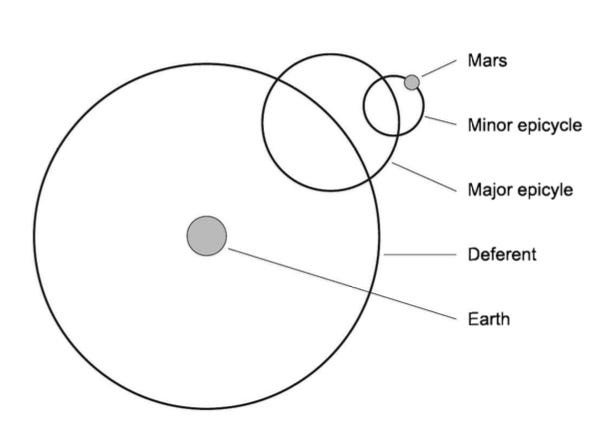
  • July 2 · 27 min

    Alzheimer's and Amyloid, A Summary

    What you see below is not grape soda. It is urine from a human being—Purple Urinary Bag Syndrome, as it’s called, is quite something to behold. But it is brief, and happens when bacteria interact with the plastic of a urinary bag. Treating the underlying infection (typically mild, if there is one) is all that’s required. The color is a distraction. At the Royal Psychiatric Clinic in Munich, Germany, in 1906 a similar distraction was discovered by an enterprising young neurologist named Alois Alzheimer. On slides from the brain of a woman who died of early-onset dementia, Dr. Alzheimer saw plaques that looked deeply abnormal, crying out for explanation. Surely something so striking must be the cause, he thought. But that is not a question that can be answered by gestalt, as the German doctor might have said. It is a question for wissenschäft — for science. In part 1 we reviewed two autopsy studies from the 1990s, the first real scientific test of Dr. Alzheimer’s hypothesis that amyloid plaques cause dementia. His Amyloid Hypothesis failed: both found no association between amyloid burden and dementia. In Part 2 we saw landmark studies from the early 2000s that again disproved the Hypothesis. In a mouse model of Alzheimer’s the plaques appeared—but only after dementia developed. Karl Popper, the father of modern scientific reasoning, would have called these findings ‘black swans’—each one potent enough by itself to discard the Amyloid Hypothesis. Popper argued that the surest path to truth is not proving hypotheses, but trying to disprove them. His touchstone example was black swans, clear proof that “All swans are white” is a hypothesis to be discarded. Despite repeated black swans for the Amyloid Hypothesis, in 2005 amyloid devotées pressed forward with a novel vaccine for people with early Alzheimer’s. The vaccine successfully cleared amyloid from the brain—and their dementia progressed, unchecked. It was the most irrefutable black swan yet. By every standard of scientific reason, the Amyloid Hypothesis was dead. Some amyloid researchers pivoted, perhaps desperately, hoping to find invisible precursors that might salvage a role for amyloid. This also did not end well: In Part 3 we reviewed the precursor ‘star-56’, presented in a 2006 paper. Its ‘discovery’ turned out to be, arguably, the greatest fraud in the history of modern neuroscience. We also saw that while amyloid’s star fell to earth, the clinical enterprise became increasingly invested in amyloid plaques. Imaging companies engineered PET scans to visualize them, chemistry companies developed blood tests to detect them, and pharmaceutical companies created dozens of drugs to remove them. Which led to something remarkable—though eerily familiar. Instead of asking whether removing amyloid helps people, the field gradually began asking whether removing amyloid… removes amyloid. The endpoint changed. The question was no longer whether people improved, it was whether amyloid improved. In Part 4 we therefore saw industry trials designed to find differences between their drug and a placebo that people could not perceive. Amyloid was removed. People didn’t get better. Then, in Part 5, we saw the final capitulation. Medical journals called amyloid drugs ‘disease-modifying’. PET scans and blood assays that were actually for amyloid became, in the lingo of the establishment, “tests for Alzheimer’s.” Alzheimer’s Disease, in other words, became Amyloid Disease. How could this happen? History is our guide—we have seen this movie before. Doctors and scientists, like all of us, are irresistibly attracted to elegant explanations. One lesion, one pathway, one cure. This plaque causes Alzheimer’s. This cholesterol causes heart disease. This tear causes knee problems. Human biology, however, is virtually never that simple. Which is why the history of medicine is littered with visually striking pathology that rises to mythical, unimpeachable status. Doctors, industries, and systems inevitably stake careers—and commerce—on finding and fixing these culprits. Remove amyloid! Open arteries! Repair cartilage! Lower cholesterol! It then takes generations to wind down the mythology. Why does this pattern repeat, and redound? Because humans and their systems are easily captivated by stories and pictures—in other words, by gestalt. In some domains, like art, this works in our favor. But in pursuit of scientific truth it does not. The purpose of wissenschäft, of science as described by Popper, is to force us, repeatedly and sometimes painfully, to abandon the theories that fail—the path to truth. Scientific, and thus human, progress depends on finding black swans, and even welcoming them. Sadly, after more than a century of amyloid research, including hundreds of billions in grants, laboratories, scanners, blood tests, and drugs, people with Alzheimer’s suffer much as they always have. Not because science failed—because we failed to follow it. Instead of abandoning a theory that failed, we abandoned scientific method. And in doing so, we abandoned the patient. Because disease is not what appears under a microscope. Disease is what happens to people. Get full access to Research Translation at researchtranslation.substack.com/subscribe
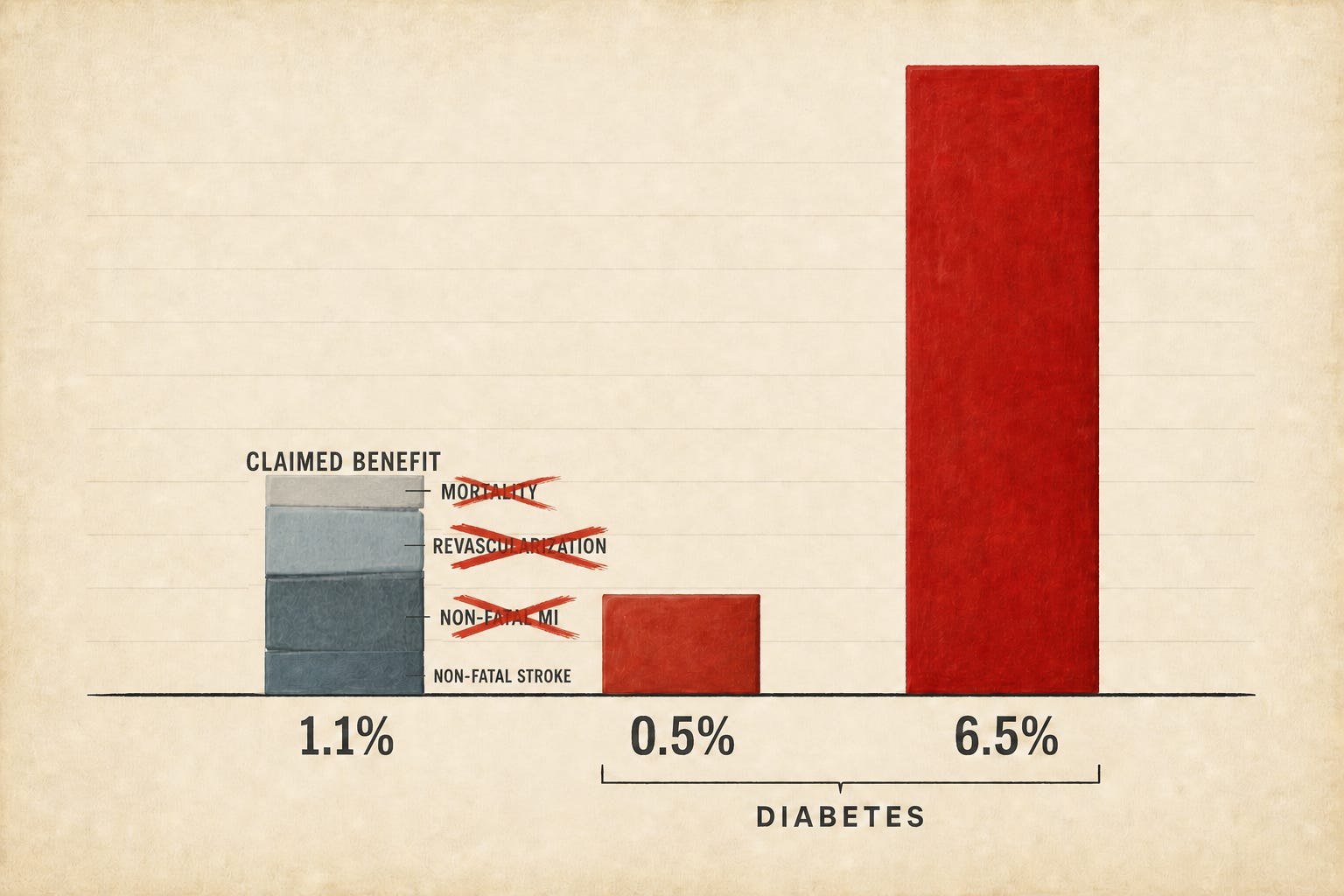
  • June 26 · 18 min

    Alzheimer's and Amyloid 5: The Big Mistake

    In part 2 of this series I described a trial in which researchers developed a novel vaccine for Alzheimer’s patients, designed to rid the brain of amyloid. The vaccine worked, clearing amyloid—but their dementia progressed, unabated. This was, in other words, a full debunking of any notion that amyloid plaques are the cause of Alzheimer’s and that removing them can cure the disease. Interestingly, in a 2008 follow-up report on the study, a curious turn of phrase caught my eye: Do you see it? Did you feel the tectonic shift? In a single sentence the authors both tout their success with “disease modification,” and concede that removing amyloid didn’t help people. In other words, the ‘disease’ was not memory loss or crippling cognitive decline. It was amyloid. Which they ‘modified’. The operation was a success—but the patient died. RT is fully reader-supported. To keep doing it, I need help. Please consider paying for a subscription. Lest you believe this kind of language is isolated or antique, this week’s Journal of the American Medical Association, the worlds most circulated medical journal, includes an article about Alzheimer’s, with a review of the history of amyloid targeting. In it the author, an NIH neuroscientist, describes the anti-amyloid drug Aduhelm as “the first ever disease-modifying drug,” while acknowledging that it failed to help people. He also describes the two recent anti-amyloid drugs as beneficial, and ends with a breathless look to the future of amyloid research. Why should this language matter? Here is why: Incredibly, this 2024 NY Times article describes a study of a novel blood test for brain amyloid. Not for dementia. Or cognitive decline. Or human suffering. In other words, not for Alzheimer’s Disease—not as it is experienced by people—but for amyloid. Yet, the headline calls it ‘Alzheimer’s’. This is where decades of amyloid-centered thinking inevitably led. It began with the identification of brain amyloid, moved to the invention of highly specialized PET scans to see amyloid, and culminated in a blood test whose only purpose is to detect fragments of the amyloid seen on PET scans. The new blood tests are therefore not tests for Alzheimer’s disease. They are tests for amyloid, which they detect readily. And that is why they constantly miss Alzheimer’s when it is truly present, while labeling people with Alzheimer’s who don’t have it. (For the numbers, check out my 2024 piece). The test, in other words, fails miserably to identify Alzheimer’s Disease, because amyloid and Alzheimer’s are not the same thing. The distinction may seem trivial, but it represents one of the most consequential shifts in modern medicine. For more than a century, Alzheimer’s was a human condition: progressive loss of memory, reasoning, language, independence, and ultimately self. It was a disease experienced by patients and families. Amyloid was just one proposed explanation. But when it repeatedly failed, something happened: Rather than abandon the explanation, the field redefined the disease. The question quietly changed from ‘Does this person have Alzheimer’s dementia?’ to ‘Does this person have amyloid?’ Everything else followed naturally. PET scans no longer needed to identify dementia—just amyloid. Blood tests no longer needed to predict who would lose their memory, they only needed to detect amyloid. Drugs no longer needed to help people, they had to remove amyloid. The microscope, the scanner, and the laboratory, all quietly replaced the patient. This is the Big Mistake, the same mistake that medicine repeatedly makes. In cholesterol, LDL gradually became more important than survival, or quality of life. In orthopedics, MRI abnormalities became more important than pain, or function. And now, in Alzheimer’s, amyloid became more important than dementia. People want to live longer and better, while doctors aim to seek pathology and diagnose disease. Doctors, and by extension the medical establishment, fail most tragically when they forget to put people first. Disease is not what appears on a PET scan, or an MRI, or in a cholesterol test, or under a microscope, or in a test tube. Disease is what happens to people. When medicine forgets that distinction, it treats pathology, not patients. And that is how Alzheimer’s gradually ceased to mean dementia, and came to mean amyloid. That is the Big Mistake. Next week we’ll talk about how intelligent, compassionate physicians can be swept up by pathology what it all means, and how you can avoid the traps that have been laid by a multi-industry machine carefully crafted to profit from the Big Mistake. Get full access to Research Translation at researchtranslation.substack.com/subscribe

  • June 17 · 29 min

    Alzheimer's and Amyloid 4: The Long Mistake

    Over the first three parts in this series we followed the rise and fall of the Amyloid Hypothesis. The plaques failed. The idea of toxic precursors failed. The most influential oligomer paper in the field was ultimately retracted. By any ordinary standard of scientific reasoning, this should have marked the end of amyloid as a central explanation for Alzheimer’s Disease. Instead, something remarkable happened: As the scientific case for amyloid weakened, the clinical investment in amyloid accelerated. Drug companies continued developing anti-amyloid therapies. Regulators continued evaluating them. Researchers continued measuring amyloid. Billions of dollars flowed into a treatment strategy increasingly disconnected from the evidence. The result was the modern anti-amyloid drugs. What follows is two short essays I wrote about the clinical trials that won FDA approval for two of them. In both cases drug makers quite literally designed the trials to prove that the drugs DON’T help people with Alzheimer’s, apparently with full confidence that they could spin the results to suggest the opposite. It is among the most brazen examples of FDA game theory, and snake oil sales, that I can recall in decades of reviewing FDA trials. New Alzheimer’s Drugs Are Bringing Back the Wrong Memories Apr 03, 2024 I remember when, in 1999, the FDA approved Vioxx, a pain reliever that went on to kill an estimated 50,000 Americans. According to whistleblowers the FDA not only had the data to prevent the tragedy, they obstructed the investigation. I also remember the inspiring story of Frances Kelsea, an FDA physician who in 1960 refused to approve thalidomide despite approval in dozens of other countries, and industry pressure. The drug caused over 10,000 birth defects worldwide, but just 17 in the US where it was never approved. Now, in 2024, the FDA is on the verge of approving a third Alzheimer’s Disease drug. The first was Aduhelm in 2021, the second was Leqembi, in 2023. Donanemab, the third, is under review. The three are extremely similar. They’re all monoclonal antibodies, they all reduce amyloid plaques in the brain, and they all don’t work. In the 1980s researchers discovered amyloid plaques were associated with Alzheimer’s, spawning the ‘amyloid hypothesis’. If the plaques cause cognitive decline, it was hoped, removing them may slow or even reverse Alzheimer’s. Unfortunately, the theory has been dashed. First, studies show many with Alzheimer’s have no brain amyloid. Second, scientific reviews show at least 72 anti-amyloid agents have been researched, and none have worked. This includes nine monoclonal antibodies, a class that has failed so miserably and consistently a 2021 meta-analysis announced “the time has come to divert therapeutic efforts away from AAB [amyloid] immunotherapy.” Abject failure is certainly the case for Aduhelm. Two FDA studies were halted early for futility, and an expert panel voted 9-1 against approval (the FDA approved it anyway). Meanwhile, Leqembi ‘slowed cognitive decline’ by just 0.45 points on an 18-point scale, less than half the 1-point minimum deemed meaningful. Finally, the donanemab trial used a 144-point scale and reported a 3-point edge, well below the 9-point minimum determined by the company’s own research. These failures highlight a crucial distinction: statistical versus clinical differences. Studies often find a ‘statistical’—meaning mathematically identifiable—difference between groups. But research is a human task and thus inherently biased, so trial results commonly lean toward the drug. Particularly in large trials (the Alzheimer’s trials enrolled thousands) this often leads to a ‘statistical’ difference. But a clinical difference affects people’s lives. Which is why there are thousands of studies examining and meticulously defining the ‘minimal clinically important difference’ for scales like those in the Alzheimer’s trials. Those studies tell us the ‘differences’ in the antibody drug trials were so small that people with the disease, their families, and their doctors, would literally never notice them. In other words, they’re not real differences. Another issue may also be confusing starry-eyed loyalists. The drugs removed amyloid plaques quite effectively—a finding that closes the door on the amyloid hypothesis. Vanquishing amyloid plaques didn’t help people with Alzheimer’s. The chicanery of parading differences well below the thresholds for true benefit is happening now for a reason: We’re heading into a perfect storm of potential profit for AD drugs. Nearly 7 million in the US have symptomatic Alzheimer’s, with an expected doubling by 2050. This will likely balloon with the use of new, flawed blood tests that severely over-diagnose Alzheimer’s. And the drug, given through IV infusions, costs nearly $30K per year (not including infusion costs, facility fees, and other charges). A final tidbit: The drugs cause brain swelling, headaches, confusion, and occasionally death—in huge numbers. Donanemab, the latest, caused 24% of people’s brains to swell, while another 9% suffered infusion reactions. That’s 1 in 3 people seriously harmed by the drug, and zero helped. What’s worse, as noted in these pages, one can always expect the harms to be greater and the benefits smaller than reported in trials. As the FDA wrestles with the amyloid drugs, it seems natural to remember the agency’s heroic performance on harmful drugs of the past. But an effective Alzheimer’s treatment would bring back different memories. Why the Alzheimer’s Drugs Won’t Make Your Burger Better Feb 04, 2025 I like a burger. With cheese. And lettuce and tomato and maybe onion and ketchup or sauce (house choice). I prefer it rare. Really rare. Like, true blue. This last part is the downfall of many a burger joint where, fearing liability, kitchens won’t make a rare burger. To me, besides corrupting its taste, this means dubious beef. Sushi, steak tartare, and raw bar items are much riskier than anything cooked, but they’re still common menu items. A kitchen that won’t make a rare burger doesn’t trust its sourcing and prep for burger meat. Sad! But crucially, rare burgers aren’t just hard to find, they’re also tricky to make because they must—MUST—be seared on the outside and lightly cooked on the inside. This delicate contrast, a pillowy but juicy inside with a firm outer layer, is the mouth-watering soul of a great burger. So for home burgering, I got a meat thermometer. To my surprise, the first time I used it the reading was 122.68°. Impressive precision! But this number was, as the kids say, TMI (not to mention sus). Because while my gifted palate is a wonder of epicurean virtuosity, I cannot tell a 1° difference in temperature, much less 0.01°. Those decimal points are not helping me. I can tell rare from medium-rare (I think). That’s about 10° different. Which means somewhere between 1° and 10°, for me, the difference becomes perceivable and thus potentially meaningful. If I was bored and curious I might experiment to find the threshold, and in research parlance we would call it the ‘clinically significant’ difference. This principle, also known as the minimal clinically important difference (or ‘MCID’), defines the smallest improvement patients and doctors are able to perceive, a starting point for judging whether treatments provide a meaningful benefit. Curiously, however, all three FDA-approved Alzheimer’s drugs were tested in studies that are the equivalent of a 2-decimal point thermometer. Each trial enrolled way more people than needed to find improvements in dementia. Why? Because the more participants, the smaller a difference a study can find. But my thermometer, for instance, can detect differences that are much too tiny to matter. And so can studies. In research this is called over-powering, but in trials it’s very unusual. After all, genuinely helpful drug effects, even lowly MCIDs, aren’t tiny. So why would researchers go looking for tiny differences? Who even has the money and resources to enroll way too many people in a randomized trial?? Oh. Wait. As discussed in these pages before, a jarring attribute of the Alzheimer’s drugs is that trials proved they do not make a perceivable difference. One hapless employee at Eli Lilly even spent years studying (and writing at least seven reports) to establish the MCID for cognitive impairment. He found it was at least 5 points on a 144-point scale for mild disease and 9 points for early Alzheimer’s. But his company’s drug Kisunla produced scores within 3 points of a placebo—in other words, indistinguishable from placebo. Meanwhile Biogen and Eisai’s drug Leqembi was within 0.45 points of placebo on an 18-point scale—also less than half the established MCID of 1 point. How could this happen? Were the studies purposefully over-powered? Or did they stumble upon tiny differences while seeking meaningful ones? In the Kisunla report Eli Lilly says they aimed to find a 3-point difference (!!!). The authors calculated that 1,000 participants would give them a 95% chance, or ‘power’, to find it. So they enrolled 1,000 people. Then they enrolled 736 more. What about Leqembi? The FDA approval trial also, amazingly, targeted 0.4 points better than placebo (!!!). This, they found, required 1,566 participants—and they enrolled nearly 1,800. This is over-over-powering. The original plans were over-powered, and then each study ADDED extra enrollments. These are confessions, hidden in plain sight in the methods sections of the papers, and they mean the companies knew before the trials started that their drugs don’t help. So they targeted statistical—not perceivable—differences, then convinced the FDA to approve the drugs.1 Bonus question: How could the companies feel confident the studies would generate a statistical advantage for their drug? Answer: The double-dog placebo. In their brilliant, deeply researched investigation Jeanne Lenzer and Shannon Brownlee describe a woman who was convinced, and whose friend was convinced, Leqembi was rapidly improving her memory. But she was receiving a placebo. As placebo researcher Irving Hirsch explains in his wonderful book, placebo effects are common, but they’re reliably larger when people experience drug side effects. Side effects effectively unblind study participants, letting them know they’re on a real drug and amplifying their expectations, excitement, and thus placebo effects. One of the great ironies of modern scientific rigor, therefore, is that ineffective drugs in double-blinded trials can generate statistical advantages if they have harmful side effects. People given Leqembi in trials had infusion reactions 19% more often than those given placebos, and brain swelling 11% more often. That’s a lot of unblinding, easily enough double-dog placebo to virtually guarantee an advantage.2 My burger thermometer gives me too much information, and so did the trials for the new Alzheimer’s drugs. Deliberately over-powered trials are a smoking gun, telling us what the companies knew all along: Their drugs don’t work. The story of the anti-amyloid drugs is often presented as a story of disappointing results. Placed within the chronology of amyloid research they are better described as a story of entirely predictable results. By the time these drugs entered clinical trials, the Amyloid Hypothesis was decimated. Plaques did not track with disease. Dementia could appear before plaques. Removing plaques did not stop dementia. The proposed replacement—the Amyloid Precursor Hypothesis—fared no better, collapsing under a combination of failed replication, failed trials, and outright fraud. The drug trials therefore did not rescue the theory. They confirmed its failure. This is why the central mystery of the Alzheimer’s story is not scientific, it is etiologic: How did this happen and why? If the plaques failed, why did amyloid remain the target? When the precursors failed, how could amyloid still be of interest? If removing amyloid then failed to help patients, why are we still chasing it? The answer lies in one of the most successful acts of disease redefinition in modern medicine. Next time we’ll examine the blood tests, PET scans, and diagnostic criteria that transformed amyloid from a failed explanation into the disease itself. Get full access to Research Translation at researchtranslation.substack.com/subscribe
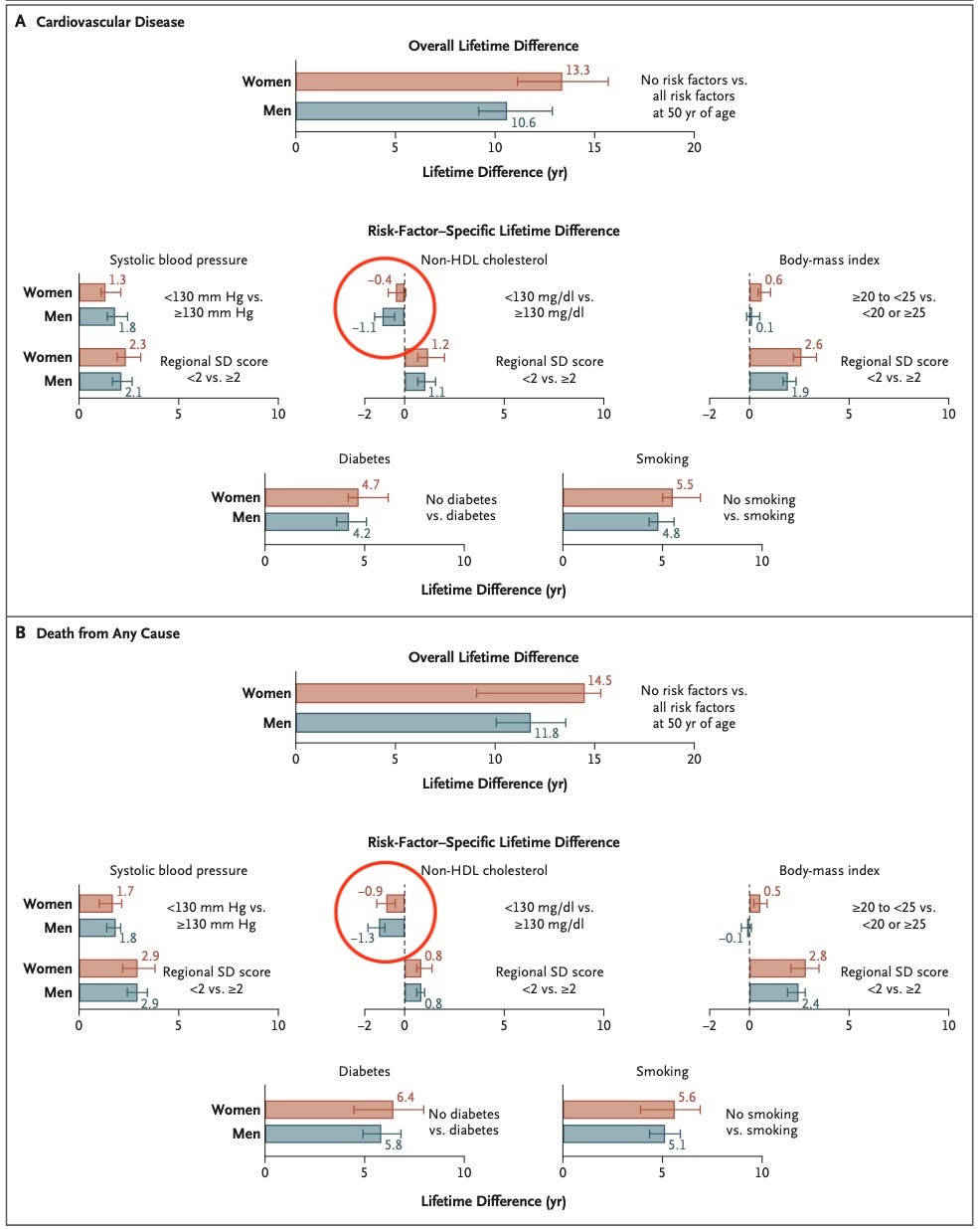
  • June 10 · 29 min

    Alzheimer's and Amyloid 3: The Mistake of the Invisible Friend

    Neuroscientists are not famous for being dumb. So when the following timeline unfolded, they should have understood exactly what it meant: First, autopsy studies in 1991 and 1992 found that amyloid plaques—supposedly the cause of Alzheimer’s, as the centerpiece of the Amyloid Hypothesis—did not scale with the disease. Then, in 2001 and 2002, researchers published data showing that an Alzheimer’s mouse model developed dementia—before ever developing plaques. Finally, in 2004 a vaccine successfully removed plaques from the brains of Alzheimer’s patients—yet their dementia continued to spiral, unabated. RT is fully reader-supported. For the price of a cup of coffee once a month from you, I can continue RT—please become a paid subscriber. It is hard to imagine a more obvious demise for the Amyloid Hypothesis. Some researchers, however, particularly those with funding and livelihoods tied to it, concentrated on the possibility that amyloid precursors might still be involved. If true, such a finding could preserve a role for amyloid researchers and their laboratories. But most precursors, detailed above, were well known, well studied, and stubbornly non-toxic. They could not explain the Alzheimer’s hallmarks of damaged tissue, lost synapses, and tangled detritus. Except, perhaps, for one, which remained a mystery. ‘Soluble oligomers’, theoretically the building blocks of fibrils, are exceedingly difficult to isolate because they are transient, tiny, and live in a dissolved state. Few labs had ever found them, much less studied their effects. Which is why it was blockbuster news in 2006 when Sylvain Lesné, at the University of Minnesota lab, pulled off a miracle with the potential to energize (read: fund) amyloid theorists everywhere. Despite the world’s prior work yielding—at best—messy, shaky evidence of oligomers, Lesné reported a clean, concrete, and copious yield of a new oligomer named beta-amyloid-*56, or ‘star-56’. Based on gel photos in Lesné’s paper the oligomer was clearly detectable in a mouse’s brain just days before the onset of dementia. Based entirely on this 2006 paper (since no other lab has ever reproduced the star-56 finding), for 16 years the star shone bright, offering an exciting new offshoot: The Amyloid Precursor Hypothesis. Then, barely in its adolescence, the new star flickered—and died. Matthew Schrag, an MD/PhD neuroscientist at Vanderbilt University, was hired by investors who suspected that an anti-amyloid drug maker’s claims were exaggerated. Schrag dug deep into the Amyloid Hypothesis and its derivatives, and came to Lesné’s study. In 2022, on a geeky post-publication review site called PubPeer, Schrag posted the following images and coolly accused the report of being a fraud. Soon, other super-sleuths jumped in. By the end, multiple forensic investigators and leading researchers flagged over 70 images from Lesné papers as likely to have been tampered with. For those interested in a full anatomy of the fraud, you can find it in Science, where the story broke. On PubPeer you can also read the often cringe-worthy, years-long dialogue between the researchers, Schrag, and others. In 2024 the paper was retracted after the Minnesota group (sans Lesné) finally conceded it had to be. Then, in a real head-scratcher, the senior author Dr. Ashe published a new paper purporting to show that the original claims were all correct. The whole saga, she seemed to suggest, was just a silly misunderstanding. Who cares if you can’t see our friend Snuffleupagus—we can! The response from the research community was a collective eye roll. Dr. Schrag, for one, wasn’t having it. When Ashe touted their new paper in the PubPeer string, Schrag eviscerated each and every claim, concluding that the new version “objectively falls short of reproducing the earlier result.” Awkward. In any case, with the Amyloid Hypothesis dead, the crucial question was whether the Amyloid Precursor Hypothesis was viable, and the best answer is this: It’s been two decades, and no other research group has been able to even confirm the existence of star-56, much less replicate its effects. The few other oligomers that have been isolated suffer the same problem. The cherry on this debunking pie is the story of the BACE and GSI drugs, which inhibit the ‘secretase’ enzymes and therefore reduce virtually every precursor: monomers, oligomers, fibrils, and plaques. In clinical trials comparing them to a placebo, neither drug class improved dementia—they both worsened it. So, um, no. The Amyloid Precursor Hypothesis is no more viable than its fallen father. Next week, we’ll examine the unblushing audacity of anti-amyloid drug makers, who continue to make it clear that for them, amyloid IS the disease. Get full access to Research Translation at researchtranslation.substack.com/subscribe

  • June 3 · 22 min

    Alzheimer’s and Amyloid 2: Mistakes Of Mice and Men

    Last week we reviewed two seminal studies from the 1990s, both showing mathematically that amyloid plaques are, at best, an inconsistent bystander in Alzheimer’s Disease. Plainly, they are not the driving cause. Hardcore believers may have ignored or rationalized the findings from these small but pivotal autopsy studies. A decade later however, there would be no refuge and no rescue when two trials shook the neurology community, forcing even the most avid and invested supporters to abandon ship. Of Mice To test dementia treatments, researchers needed test subjects. In the early ‘90s geneticists made a game-changing discovery: A tiny fraction of people (roughly 1%) possess a rare genetic mutation directly linked to amyloid processing. Star-crossed and dementia-bound, those who carry the mutation typically develop early-onset Alzheimer’s and massive amounts of amyloid plaque. In 1996, researchers at the University of Minnesota famously spliced these defective genes into a mouse, creating the Tg2576 animal model—a transgenic mouse with early cognitive decline and heavy accumulations of amyloid. Recognizing the goldmine this could represent to a pharmaceutical industry that had for years been stalking amyloid researchers for an animal model, the Minnesota group patented their technique. Each time it was used in labs around the world, they would reap rewards. Equipped with an Alzheimer’s model for lab testing, the establishment, and drug companies everywhere, smelled victory: They finally had dementia in a cage. But when they tested the mice in memory mazes, there was a problem. A big one. From a 2004 paper by the Minnesota researchers, conceding the timeline for pathological developments in their mouse model: “…memory deficits appear at 6 months, whereas amyloid plaques first appear at 8 months.” Here it is in the original paper (‘Swedish mutation’ is shorthand for their transgenic mice): In other words, the mice had dementia before they ever had plaques. To state the obvious, a cause cannot arrive after its effect. Of Men Despite complete biological failure, first in autopsy studies and then in the only validated animal model, the pharmaceutical industry pushed forward into human trials of treating amyloid plaques. In 1999, Elan Pharmaceuticals launched a clinical trial injecting 300 Alzheimer’s patients with synthetic amyloid to provoke their immune systems, and allow their own antibodies to scrub the plaques from their brains. It worked. In what can only be considered an ingenious feat of bio-engineering, amyloid was successfully vanquished from the brains of the vaccinated. There were, however, two issues—and they were doozies. First, the trial was halted abruptly when 6% of people developed life-threatening brain swelling. But second—the true nightmare for amyloid believers—came in the form of autopsy reports from trial subjects. Under the microscope it was clear the vaccine had scrubbed massive patches of the brain clean of amyloid. Yet people with clean brains had progressed to profound dementia, dying of Alzheimer’s. From the autopsy study: In other words, getting rid of amyloid failed to achieve its only mission: helping people with Alzheimer’s. Instead, it inflamed and endangered their brains. Of the Invisible At this point, the Amyloid Hypothesis was dead. Observational data showed plaques didn’t correlate with dementia. Animal models proved the plaques came too late to be a cause. And a human vaccine proved that clearing them was both dangerous, and fruitless. By every standard of scientific reasoning the hypothesis was debunked. But billions of dollars in pharmaceutical development and countless careers were chained to it. The establishment needed a loophole. And who better to provide it than the researchers who crafted the mouse model, patented its use, and continued to work feverishly on amyloid. The Minnesota researchers were believers, and they found a pivot: Perhaps, they decided, plaques were not the cause, but the fallout—ashes of a fire that devastated the synapses. The real flame, they now proposed, was not the mature plaque but ‘soluble oligomers’, early-stage toxic clumps of amyloid that lived invisibly in the brain’s cellular fluid. The Minnesota group tweaked their failed theory and presented the new version publicly—before telling the world they had disproved the old one. Before anyone knew what was happening the Amyloid Hypothesis had died, and come back as a ghost. Like a ghost, the new version was invisible— including to the people who proposed it. Until someone could directly or indirectly visualize them, soluble oligomers were little more than an idea, making them impossible to disprove. But that knife cut both ways. With the original theory debunked, a mutated vestige was all that remained. Hanging by a thread, the Amyloid Hypothesis was speeding toward the waste bin of scientific history. To save it, the establishment would need indisputable proof of one thing: Toxic pre-plaque clumps, floating in the brains of mice, perfectly timed to the onset of dementia. Guess what they found. Next week, you’ll see how a doctored photo became the most disastrous scientific fraud of the century. Get full access to Research Translation at researchtranslation.substack.com/subscribe
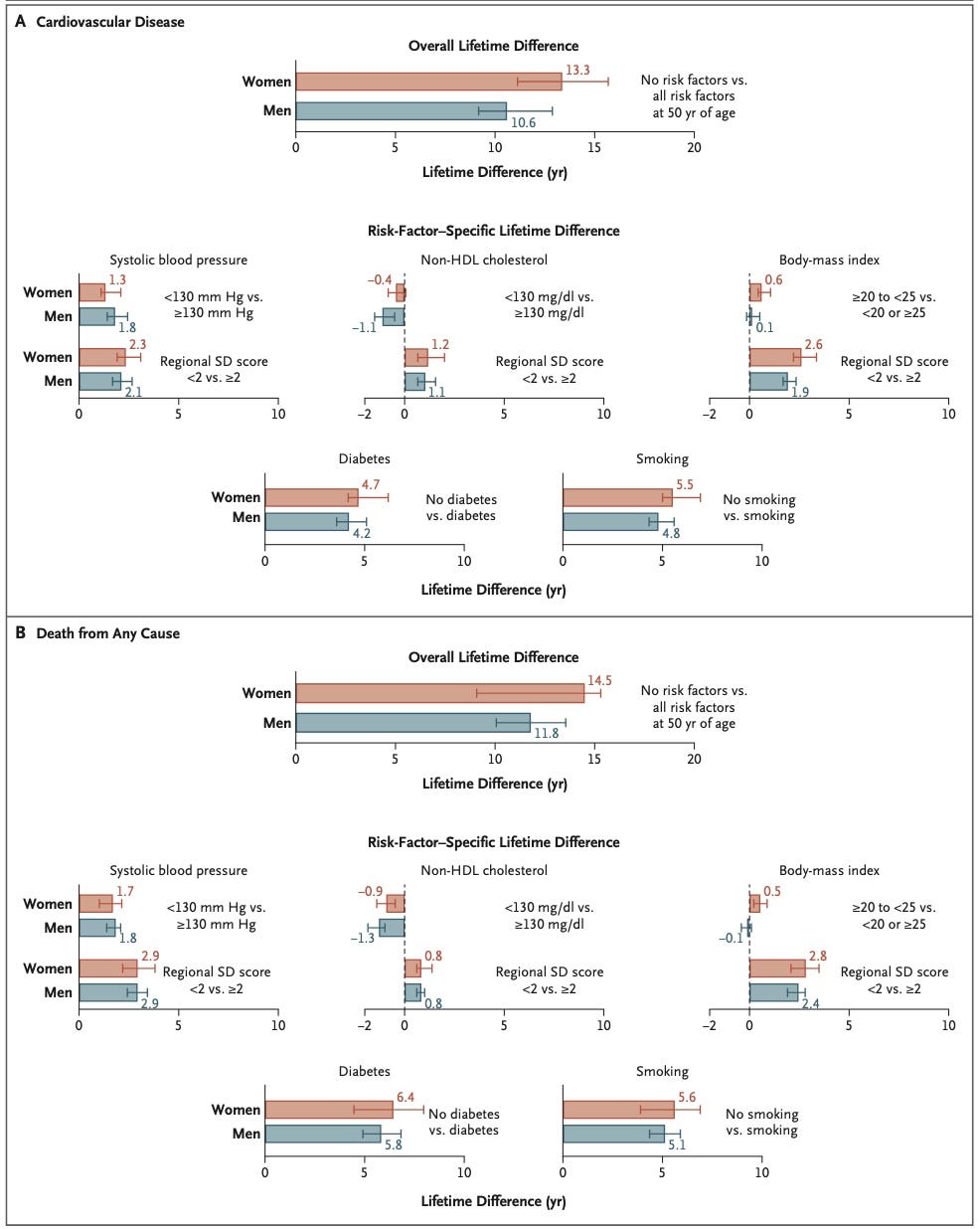
  • May 28 · 20 min

    Alzheimer's and Amyloid Part 1: The First Mistake

    Note: If you haven’t, please read Jeanne Lenzer’s recent piece, “The Campaign to Turn Healthy People into Alzheimer’s Patients.” Jeanne is a brilliant and ferocious journalist, and her piece prompted me to dig into the research history behind it. The next few weeks will be like the Cholesterol Mistake Series: short pieces describing precisely how Alzheimer’s research has been misinterpreted and distorted. The Alzheimer’s Mistake Series is my attempt to explain how we got here. “Is it some weird poison??” Nicole, our PA, held up a catheter bag. The urine in it was purple—bright purple. “I drew bloods, started a line, and paged renal. Antibiotics?” She added, grimacing, “This can’t be good.” I looked first at the chart, then at the man, who sat comfortably, sipping ginger ale and giggling at The Price is Right. “No need,” I said. “And you can cancel the consult.” RT is entirely reader-supported. I’d like to keep doing it, so please become a paid subscriber. Purple Urinary Bag Syndrome, as it’s known, is a thing—and it is something to behold. The enzymes and bacteria in urine can, on rare occasion, blend to form a witch’s brew that looks like grape soda. But the color, which lasts hours to days, is typically the only ‘problem’ in PUBS. The condition is all bark, and no bite. Which means there’s no reason to risk antibiotic resistance and side effects, or a monster hospital bill for a monster work-up. In essence, PUBS is little more than a master class in visual distraction. Purple urinary bag syndrome Unfortunately, that is a pitfall that has historically sent modern medicine into convulsions of self-defeat. Today, for instance, we are living with the fallout from a distraction first glimpsed in 1906 by a German researcher named Alois Alzheimer. Dr. Alzheimer first identified the amyloid plaque, a nasty looking clump of waste found in the brain of a woman who had died of severe, early-onset dementia. That plaque spawned a neurology obsession. Later named Alzheimer’s Disease, the condition is a syndrome of clinical dementia with memory loss that was eventually defined partly by the detection and measurement of those clumps, which are often present on autopsy. Amyloid plaques But they’re not always present. Autopsy data show that amyloid plaques are an inconsistent presence in Alzheimer’s—nowhere near the kind of reliable presence that might suggest amyloid as the main cause of Alzheimer’s. Yet sadly, much like cholesterol and the Lipid Hypothesis, in the 1990s dementia researchers bypassed the most fundamental rule of epidemiology: Before you crown a risk factor the main cause, you must prove it IS a risk factor. The rule is unforgiving. If a single factor causes a disease, it should mathematically and reliably predict the disease. With smoking and lung cancer, that association is ironclad. With blood pressure and strokes, it does not falter. But with Alzheimer’s Disease and its supposed culprit—beta-amyloid protein—the association failed from the beginning. (Sound familiar?). Two seminal papers, one by Terry in 1991 and a second by Arriagada in 1992, are among the most cited studies in the history of the field. Both are autopsy studies, and both found zero statistical relationship between amyloid plaque burden and clinical dementia. Title page and a scatterplot from Arriagada et al, 1992, showing no association (‘NS’ = nonsignificant) between amyloid plaque—the target of current Alzheimer’s drugs—and Alzheimer’s Disease In late 1991 Terry et al. found memory loss had no connection to amyloid plaques, and a year later Arriagada’s scatterplots (above) confirmed the same finding visually. Despite these landmark reports being fundamentally inconsistent with amyloid plaques as a cause of Alzheimer’s, the neurology research community swept them aside and plowed forward with the Amyloid Hypothesis. Why? Perhaps, in part, because under a microscope the plaques look like wreckage—they are visually striking. But they are a distraction. In neurology this discrepancy is called the ‘clinico-pathologic disconnect’ and in the research community it is widely known: The brains of many who die with Alzheimer’s have little or no plaque, and most who die with plaque have little or no Alzheimer’s. In fact, autopsies show that the brains of cognitively normal elderly people are often riddled with amyloid plaques. And yet, even as this disconnect became obvious, the die had already been cast. Starting in the late 1980s billions of research dollars and pharmaceutical budgets were being chained to the Amyloid Hypothesis, the unassailable premise that amyloid plaques cause Alzheimer’s Disease. This bizarre conclusion, unsupported by the most basic standards of evidence, spawned careers, research centers, and massive clinical trials, all laser focused on preventing and removing amyloid plaques. Therefore, predictably, when the research from these endeavors began rolling in, the amyloid chickens came home to roost. Next week, in Part 2, I’ll show you how demented mice and the trial of a highly toxic vaccine led unscrupulous researchers to invent a savior for their failed Hypothesis. And how it became one of the most famous, and disastrous, scientific frauds of the century. Get full access to Research Translation at researchtranslation.substack.com/subscribe

  • May 20 · 33 min

    The Ghost On the Balance Sheet of Cancer Screening

    Cancer screening has always hidden its dark side. Behind the simple messaging and pink ribbons is a long history of complicated truths, failed trials, and titanic spending. Now, with a novel blood test flooding the market and media misrepresenting new data, it’s a good time to clarify the simplest truth of all about cancer screening: the balance sheet. To read it correctly, however, you must first learn a jargon term: all-cause mortality. Let us start with a scenario described in the book Hippocrates’ Shadow (ahem, my book): Imagine a treatment so effective that no heart attack patient ever dies—we call it the HeartSaver 3000. When the HeartSaver touches a patient’s chest their heart attack is immediately halted. Historically, up to 10% of such people die but with the HS-3000, heart attack mortality drops to zero. Unfortunately, the Heartsaver also induces fatal strokes—in about 10% of people. The good news is ‘heart attack mortality’ drops by 10%. The bad news is ‘stroke mortality’ rises by 10%. And all-cause mortality stays the same. In trials, cancer screening is like a Heartsaver. Mammograms have never reduced all-cause mortality in any trial or combination of trials. The same is true for PSA and colonoscopy screening. Advocates for screening know this and instead tout reductions in breast cancer mortality or prostate cancer mortality (see, for instance, this week’s ebullient headlines on PSA). But all-cause mortality is the endpoint that matters because it measures deaths, not death-certificate labels. Breast cancer mortality asks whether fewer women died with breast cancer listed as a cause. All-cause mortality asks whether fewer women died. If screening improves the first but not the second, the benefit may be a reshuffling of causes rather than a reduction in deaths. So why, in trials of screening, does breast and prostate cancer mortality go down but NOT all-cause mortality? What other deaths balance out the ledger? Frustratingly, we don’t know. Researchers did not painstakingly account for each exact cause of death in millions of participants, so all we know is that overall deaths did not drop, but breast and prostate cancer mortality did. Which means we’re left to guess about why. And, predictably, those guesses run in two opposing directions. Here’s the guess most popular among screening advocates: There aren’t enough people in screening trials. Since only 2% of people die of breast or prostate cancer, the argument goes, it is very difficult for that 2% to sway the overall numbers. Advocates often argue, therefore, that all-cause mortality is an unfair metric, because even 600,000 women in mammogram trials and 800,000 men in PSA trials isn’t enough. The benefit, they argue, is so small that it would take millions of people in studies before enough breast or prostate cancer deaths accrued to move the needle on all-cause mortality. For skeptics, a different guess is more popular: Either screening doesn’t save lives, or it kills enough people to balance out any lives saved. This argument is grounded in the fact that biopsies, chemotherapy, and major surgeries like mastectomy are substantially increased by screening. Fatal complications of these treatments, even if rare, thus counterbalance any lives saved. These are guesses, not facts. But they highlight a point that is irrefutable, and must be dealt with: Either trials haven’t been large enough to show screening saves lives, or screening doesn’t save lives. Those are the only options. With this fact established, the pro versus con ledger for cancer screening takes on a different hue. On the ‘pro’ side there is a single claim, and it is hypothetical. On the ‘con’ side there are proven harms, and they are legion. For example, more than half of women experience a false cancer scare in ten years of mammograms. MORE THAN HALF. Meanwhile, even if you believe the claimed benefit is real, it amounts to roughly 1 person per thousand. Below is a table of benefits and harms with screening mammography per 1,000 women over ten years, according to the United States Preventive Services Task Force: This balance sheet is, I think, worth putting price tags on. False positives leading to biopsy cost roughly $3,000 each. Unnecessary cancer diagnosis checks in at about $78,000 each. Also of note: More than half of women will suffer the personal cost of weeks to months of anxiety when they’re told they may have cancer (though 95% of the time or more testing will show this was wrong). For prostate cancer screening in men, this number is roughly a quarter, or 1 in 4. Here is a similar table for prostate cancer screening: Each false positive is, again, about $3,000. Each needle biopsy episode is roughly $10,000. One unnecessary cancer diagnosis costs about $100,000. In addition, treating impotence costs in the range of $5,000 each, while urinary incontinence generates an average bill of $15,000 each. And while that’s an astonishing amount of money, here is the expense virtually no one says out loud: Screening does not merely find disease, it manufactures patients. A woman with a false-positive mammogram becomes a patient until the extra images, ultrasound, MRI, biopsy, pathology report, and follow-up visit say otherwise. A man with an elevated PSA becomes a patient through repeat blood tests, MRI, prostate biopsy, pathology, urology visits, and sometimes a cancer diagnosis—that would never have harmed him. Many then become surgical patients, radiation patients, incontinence patients, impotence patients, surveillance patients. This is not free, and it is not even close. The screening test is just the first bill of many. The real business model in cancer screening is the cascade. A positive screen creates appointments. Appointments create images. Images create biopsies. Biopsies create diagnoses. Diagnoses create procedures. Procedures create complications. Complications create more appointments. The cancer screening machine does not consume one dollar at a time. It consumes in cascades of care that cost thousands to hundreds of thousands each. One estimate is that cancer screening directly costs the U.S. about $43 billion a year. Add the downstream fallout—false-positives, workups, biopsies, complications, overdiagnosis, overtreatment, surgery, radiation, chemotherapy, surveillance, and treatment of harms—and the total rises to an estimated $70 billion in medical spending. Cancer screening is often sold as a cheap front door to prevention. It is not. The real bill is in the same neighborhood as stroke care—less like a preventive service and more like a chronic care industry. And of course, these numbers do not include anxiety, or lost work, or travel, or the hours spent on hold with billing departments (the most American cancer of all?). The usual response to all of this from screening advocates is that screening is worth it because it saves lives. But the best evidence has found no such thing. What it shows is a small shift in cancer-specific death certificates, purchased with a gargantuan increase in false alarms, procedures, diagnoses, and treatments. This is the difficult truth behind the easy math: When a medical intervention does not clearly reduce all-cause mortality, but clearly creates millions of downstream medical events, the affordability problem is not mysterious. We are not paying to prevent deaths—that is a wishful ghost that cannot be found on the balance sheet. We are paying to diagnose, chase, biopsy, irradiate, cut out, monitor, and medically manage vast numbers of manufactured ‘patients’. That is not prevention. It is a multi-billion-dollar ghost story that sells reassurance, manufactures disease, and then bills for the cleanup. Get full access to Research Translation at researchtranslation.substack.com/subscribe
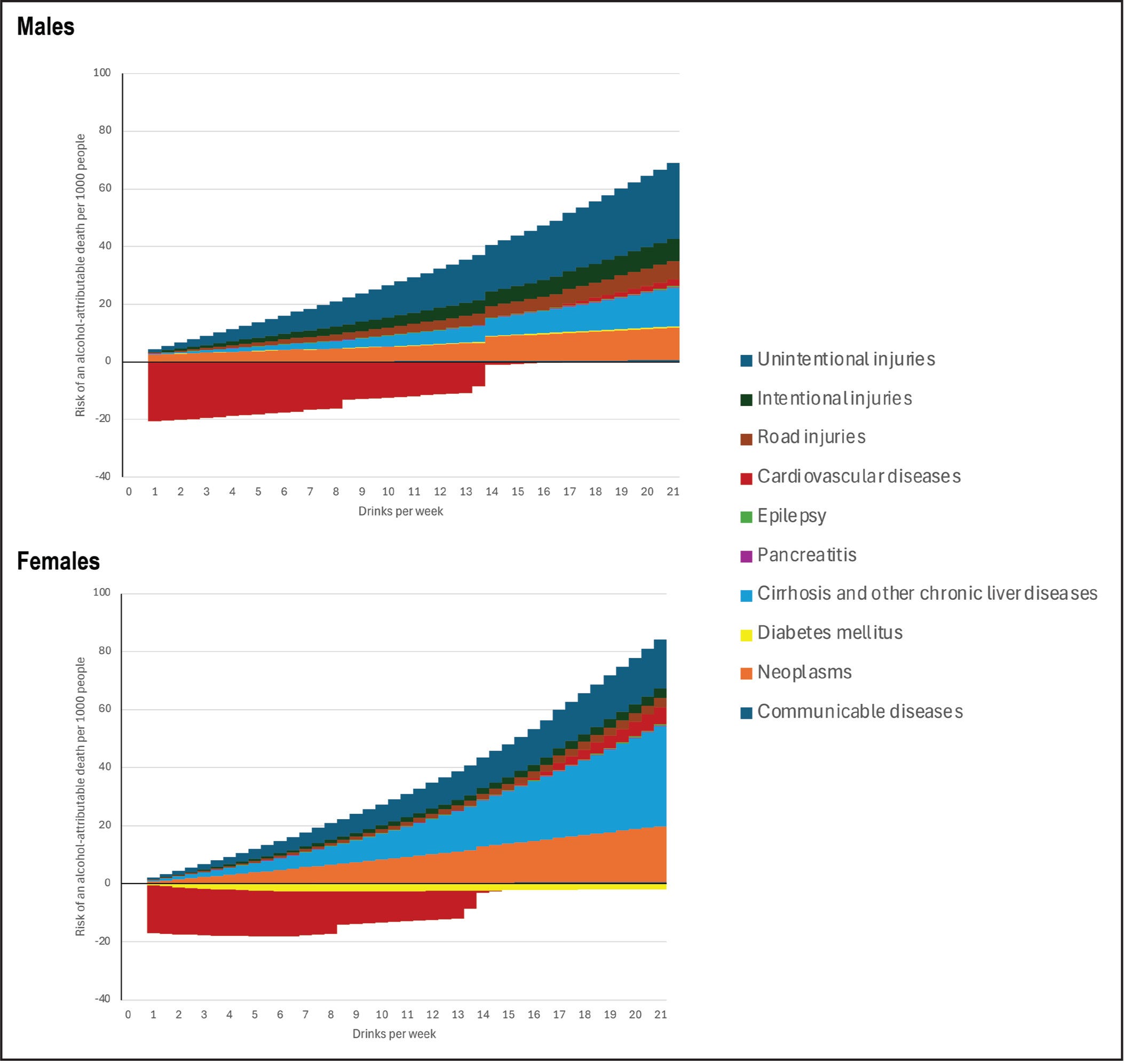
  • May 12 · 24 min

    Surgery To Treat Knee Degeneration Increased Knee Degeneration

    Dr. Katz, the attending ER doctor, walked ahead of me as we left the bedside of a woman with abdominal pain and vomiting. “What’s the most common reason for emergency surgical admission to the hospital?” Wanting to impress him, I stumbled. “Um, appendicitis?” “In the top three, but no.” Dr. Katz sat down and began typing. I tried again. “Gall bladder?” He didn’t look up. “Also top three—one left.” Defeated, I mumbled. “Small bowel obstruction?” Attending: “Correct. And the most common reason for small bowel obstruction?” This one I knew. “Adhesions from prior surgery.” Dr. Katz kept typing but freed a hand briefly to point at me. “Nailed it. So, in summary, what’s the most common reason for emergency surgery?” Finally understanding, I shook my head in amazement. “Prior surgery.” “Yessssss” he said, still typing. ------ Research Translation is 100% reader supported—to help me continue, become a paid subscriber. This is not just a clever teaching pearl. It goes to the core of modern medicine’s deepest problems. Because medicine has a habit of creating self-sustaining ecosystems. And nowhere is this more visible than orthopedic surgery. Each year in the U.S. hundreds of thousands of people undergo arthroscopic surgery for meniscal tears and degenerated knees. Yet for decades sham-controlled trials have shown the surgeries to be roughly as effective as sham surgery, during which surgeons only pretend to operate. But the surgeries continue. On April 29th the 10-year follow-up of the FIDELITY trial was published. The trial assigned people to surgery versus fake surgery for meniscal tears of the knee. First reported in 2013, there was no benefit after one year. Then, same results at two years and five years. Through it all, the only obvious harms seemed to be the cost, pain, inconvenience, and surgical risk of the procedure itself. By ten years, however, things changed. People in the real surgery group had more arthritis, more knee pain, and needed more surgeries. Major corrective surgery including knee replacement was roughly three times more frequent. Disaster. This is the orthopedic equivalent of the cobra effect. In colonial India British officials, alarmed by venomous cobras, offered bounties for dead snakes. Enterprising citizens promptly began killing cobras. Then they began breeding more of them, in order to kill them. Eventually the government canceled the program. Whereupon the now-worthless cobras were released into the wild. The result: More cobras than ever. Modern orthopedics is eerily similar. Knee pain leads to MRI, which reveals ‘abnormalities’: torn meniscus, ratty cartilage, degeneration. Surgery follows. Then complications, accelerated arthritis, persistent pain, more imaging, more surgery. The system feeds itself. Cardiology has long struggled with what’s called the oculostenotic reflex—the irresistible urge to open any narrowed artery once it’s seen. Orthopedics suffers from its own version: the orthoquixotic reflex, the irresistible urge to heroically repair structural abnormalities. See a tear, repair it. See degeneration, shave it. See asymmetry, align it. Like Don Quixote charging windmills, modern orthopedics often mistakes visible imperfection for an enemy that must be defeated. In a Finnish study I covered recently, 96% of MRIs in healthy adults with perfectly functioning shoulders had surgically ‘fixable’ findings. That’s a lot of windmills. And yet trials show we are aggressively tilting at them—roughly a million or more elective surgeries each year in the U.S. that are done to fix ‘abnormalities’ seen on imaging, despite randomized trials repeatedly failing to show meaningful benefit. This includes surgeries for meniscus degeneration, acute meniscal tear, osteoarthritis, rotator cuffs, ACL repair, shoulder decompression, and more. One of the most extraordinary recent examples came not in elderly knees, but in children. In the CRAFFT trial children with dramatically displaced wrist fractures were randomly assigned to surgical fixation or casting with no manipulation. The result: No important differences between groups including, incredibly, for short-term function. Above is one example of a nine year old’s awful-looking wrist fracture. Pictures A and B are front and side views at the time of injury, showing both bones are displaced and ‘off-ended’. Two years later, panels C and D, there’s no trace of injury—after no manipulation, operation, hardware, or anesthesia of any kind. Kids, man. One would think adults, and degenerating joints, might be different. But adult versions of the CRAFFT trial keep giving us the same answer. To be clear, orthopedic surgery is a crucially important specialty. When bones are shattered and joints disrupted, surgery can be miraculous. But the FIDELITY trial now suggests the orthoquixotic reflex is not merely generating unnecessary surgeries. It may be creating a vast new population of patients harmed by the surgeries themselves. Get full access to Research Translation at researchtranslation.substack.com/subscribe

  • May 7 · 30 min

    Paxlovid: A Requiem

    Paxlovid is dead. Again. Last month Pfizer’s pill for Covid failed in two large trials published together in the New England Journal of Medicine. The bigger one, with roughly 1,700 participants per group, found 14 people assigned to Paxlovid were hospitalized versus 11 in the control group. No benefit—and leaning in the wrong direction. This was a long time coming. But it’s definitely been coming. I’ve written a handful of pieces on Paxlovid, including the hidden studies, nasty side effects, FDA path, and more. Which is why a post-mortem might tell us something about our information ecosystem, and how careful translation of research has the potential to change the world. To illustrate, below is a timeline of Paxlovid’s major trials. Green dots indicate a trial that found benefit, red dots mean a trial in which the drug failed. RT is 100% reader-supported, and I’d love to keep doing it. To help that happen, please become a paid subscriber. The first trial, a green dot from 2022, represents the trial that led to the FDA’s Emergency Use Authorization. It was preliminary, rushed, and never intended as a final answer. In it, researchers tested the drug exclusively in people who were unvaccinated and had never been exposed to Covid—a group that no longer exists. In every trial since then, done in populations relevant to today, the drug has failed. The red dots, representing six additional trials, all found no benefit. To my mind the key moment occurred in July 2022 (the dashed vertical line). This is the date of a press release notifying Pfizer’s investors that Paxlovid’s second trial, which enrolled people vaccinated or previously exposed to Covid, was stopped early for futility. The drug failed to reduce hospitalization or death, and failed to reduce symptoms of Covid. No benefit in any outcome. This result should have forced everyone to wonder: Can Paxlovid help people in the current world? The answer was no. Paxlovid failed not just for high-risk people with Covid, it also failed as Covid prevention, for severe Covid, and in Long Covid. By mid-2023 the data were consistent. Worse yet, the evidence for rebound, a relapse illness commonly caused by Paxlovid, was piling up. With that in mind, now look at the blue dots. These are NY Times headlines, which were telling a starkly different story. Paxlovid, according to the Times, was beneficial and underused. Which raises a critical point about medical evidence. For serious research translators, randomized trials are not one input among many. They are at the top of a hierarchy. They are the method we use to strip away bias—to neutralize the hidden distortions that make ineffective treatments appear useful. This is why when randomized trial evidence is available, it replaces weaker forms of evidence. It doesn’t sit beside them. It supersedes them. And yet with Paxlovid the NY Times repeatedly used weaker studies to rhetorically discredit randomized trials. Their 2025 headline, “Paxlovid Improved Long Covid Symptoms In Some Patients” is shocking, partly because it was based on a 13-person case series. Case series are—literally—the lowest form of scientific evidence available. Two years earlier, Paxlovid had failed in a double-blinded randomized trial for Long Covid. In fact, just months after the headline, it failed again in a second randomized trial, which the Times neither covered nor even acknowledged. In this way, quietly, the NY Times inverted the evidence hierarchy, trumpeting weaker studies in order to discredit and eclipse the results of much stronger ones. But the Times is not alone. They simply co-opted and amplified the opinions of ‘experts’, the CDC, the FDA, the AMA, and more. How did these people and institutions get Paxlovid so wrong? Institutions optimize for their own incentives: Media organizations optimize for engagement. Pharmaceutical companies optimize for sales. Professional societies optimize for relevance and authority. Public health agencies optimize for actionable guidance. Conventional wisdom is therefore held hostage by the institutions with the power and influence to sculpt it—even when they prefer the opposite of truth. But this is the path to irony, because science will always move toward truth, and falsehoods will be revealed. And when they are the institutions that used their influence for self interest will find that influence slipping away. Which is how we got here. The real lesson, therefore, is not that medicine gets things wrong. Of course it does. Urgent first studies of potentially profitable pandemic cures will often be wrong. Think remdesivir, molnupiravir, and others. But rigorous evidence translation sees those errors in real time, and can hold institutions accountable before they dig in—saving them, and the rest of us, from themselves. Which raises an interesting question for today: The mad scramble to restore institutional influence is now underway—who will blink first? Which major institution will formally correct before the others? It has been four years since Pfizer announced their drug failed in the only relevant population. Two years since those data were formally published. And two weeks since large new trials beat a dead horse by burying Paxlovid yet again. As of this writing, perhaps unsurprisingly, the NY Times has offered zero news coverage of the new trials. Nor is the Times unusual. Yale Medicine still strongly promotes Paxlovid on its public website. Google’s AI overview still says the drug reduces hospitalization and death. The first page of a google search is dominated by FDA, CDC, Pfizer, and Wikipedia entries, all presenting Paxlovid as a lifesaver. Which helps to clarify the lesson of the Paxlovid timeline. Bad science is not the greatest danger. Science usually self-corrects. The greater danger is institutional pride and inertia: the years-long gap between when science settles a question and when institutions are willing to absorb the answer. That gap is costing billions, distorting public understanding, and exposing millions to a harmful drug that simply did not—and does not—work. But the evidence was there all along. Research Translation is totally reader-supported. If you dig it, please become a paid subscriber so I can keep it up! Get full access to Research Translation at researchtranslation.substack.com/subscribe
  • April 29 · 13 min

    Cholesterol 5: The Power at Your End of the Stethoscope

    During the Cholesterol Mistake series, we’ve walked through the unraveling of a medical dogma. First, we saw how the Lipid Hypothesis violates the seminal rule of risk factors. Next, we watched the goalposts shift from extending life to chasing non-fatal laboratory endpoints. Then, in trial appendices, we found the Big Mistake: tallying checkbox diagnoses while ignoring what matters to people. Along the way, with new eyes we saw the subterfuge in a breaking cholesterol trial that failed to help humans, yet claimed victory. Then we unwound the stilted logic and murky math that allows a guideline to quietly serve itself. Finally, we discussed ideologic gumption, the driver of a religious faith—cholesterolism—that eschews reason, logic, and scientific method. How do we stop the momentum? How do we right-size cholesterol culture and help 25 million healthy people avoid a lifetime of pills that, if informed, most would not choose? The answer lies in a simple truth: There is more power at your end of the stethoscope than you have ever been led to believe. For decades, the clinic dynamic has been asymmetrical. The doctor holds the clipboard, interprets the guidelines, and hands down a prescription. But reform doesn’t start with new guidelines from the AHA. It starts with information symmetry (the goal of this Substack). The solution to the Cholesterol Mistake—and nearly every other systemic problem in modern medicine—is to stop asking for the prescription and start asking for the information. Here, then, is a playbook for your next appointment. When your doctor suggests taking—or staying on—a statin, do not accept or refuse. Instead, ask for the math. Right there in the exam room ask your doctor to pull up the guideline’s new calculator. Together, calculate your 10-year risk for ASCVD. With the result in hand insist on absolute truth, not relative. If the drug offers a ‘30% relative reduction’ and your baseline risk is 5%, together you can calculate your absolute reduction as 1.5% over ten years. With that 1.5%—a 1 in 67 chance of benefit—hanging in the air, ask the critical follow-up: “What is my chance of getting diabetes or muscle damage from the drug during that same decade?” To make the numbers transparent, use the Research Translation calculator—crafted just for statins, and just for this conversation: Doctors overwhelmingly have good intentions, but they’re trapped in an experiential delusion, conditioned to treat the guideline rather than the person. By forcing them to articulate the absolute benefits alongside harms, you can break the spell. Any physician unable to explain the data behind the pill will suddenly have to figure out how. Evidence-based medicine isn’t just for doctors. The data belongs to you. By insisting on seeing the science, you restore the balance of power. The era of blindly swallowing the Lipid Hypothesis is over. It is time to do the math—and show it. Get full access to Research Translation at researchtranslation.substack.com/subscribe

Showing 1–20 of 22 episodes