Skip to content
Artwork for Reasonably Optimistic
NewsNews CommentaryPoliticsTechnology

Reasonably Optimistic

The Washington Post

Enough with the doom and gloom — we’re ready to talk about how America can thrive. Hosted by Washington Post Opinion columnist Megan McArdle, “Reasonably Optimistic” is your weekly conversation about how America can get unstuck and build a better future. Stop feeding your rage and start embracing our possibilities. Episodes drop Wednesdays.

Play
  • 34 episodes
  • a few times a week
  • Avg 34 min
  • English
Counted on this page — what you have heard stays on this device, so it is not something the list can be paged by.
  • July 10 · 21 min

    The problem with ‘Tax the rich!’

    A trillion dollars seems like enough money to solve almost anything. We could end world hunger, wipe out medical debt, shrink the federal deficit and still have plenty left over. So when people talk about Elon Musk’s potential trillion-dollar fortune, or the wealth of billionaires more broadly, it’s natural to ask: Why don't we simply tax the rich and use the money to fix our country’s biggest problems? Host Megan McArdle argues that while taxing billionaires may sound morally obvious, billiona

  • July 8 · 31 min

    How populists turn distrust into power

    Populist candidates have a way of making politics feel simple. They tell voters that the problem is obvious, the villains are known and the solution is to break through corrupt institutions standing in the way. That message can be emotionally powerful, but what happens after populists win? Why do they so often win the crowd but lose the plot? Host Megan McArdle is joined by Richard Hanania, a political scientist and writer whose ideological journey has taken many turns. His new book, "Kakistocr

  • July 3 · 18 min

    Why Europeans are falling in love with America

    As European tourists travel across the United States for World Cup matches, many are discovering an America they didn’t expect: vast landscapes, friendly strangers, huge portions, small-town surprises and a sense of abundance that Americans often take for granted. Their reactions are going viral, offering a fresh reminder that the United States can look very different from the outside than it does on social media or the news. Host Megan McArdle argues that Americans have become too pessimistic

  • July 1 · 32 min

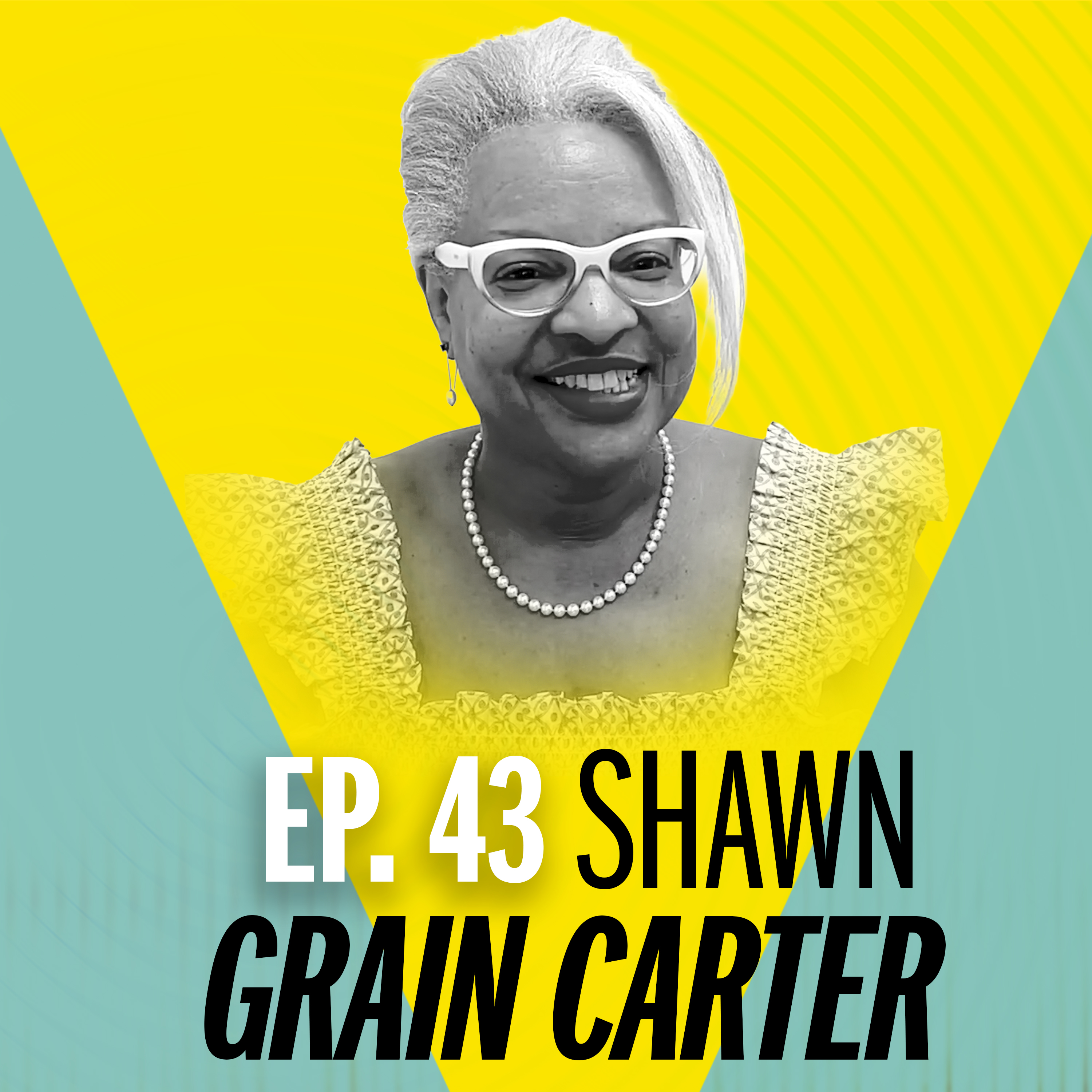
    What happened when fashion moved online

    There was a time when shopping for clothes meant walking into a department store and hoping the limited sizes and styles available at that exact moment might fit. Then, the internet changed everything. Online shopping didn’t just make fashion more convenient; it expanded what retailers could offer, what customers could demand and who got to dictate trends. Host Megan McArdle is joined by Shawn Grain Carter, a professor at the Fashion Institute of Technology and former Bloomingdale’s buyer who h

  • June 26 · 17 min

    What's behind the South's sudden boom

    Millions of Americans have moved to the South in recent years. The usual explanations — lower taxes, cheaper housing and warmer weather — are only part of the story. Host Megan McArdle explores the economic and historical forces driving the century-long transformation of America’s fastest-growing region.

  • June 24 · 37 min

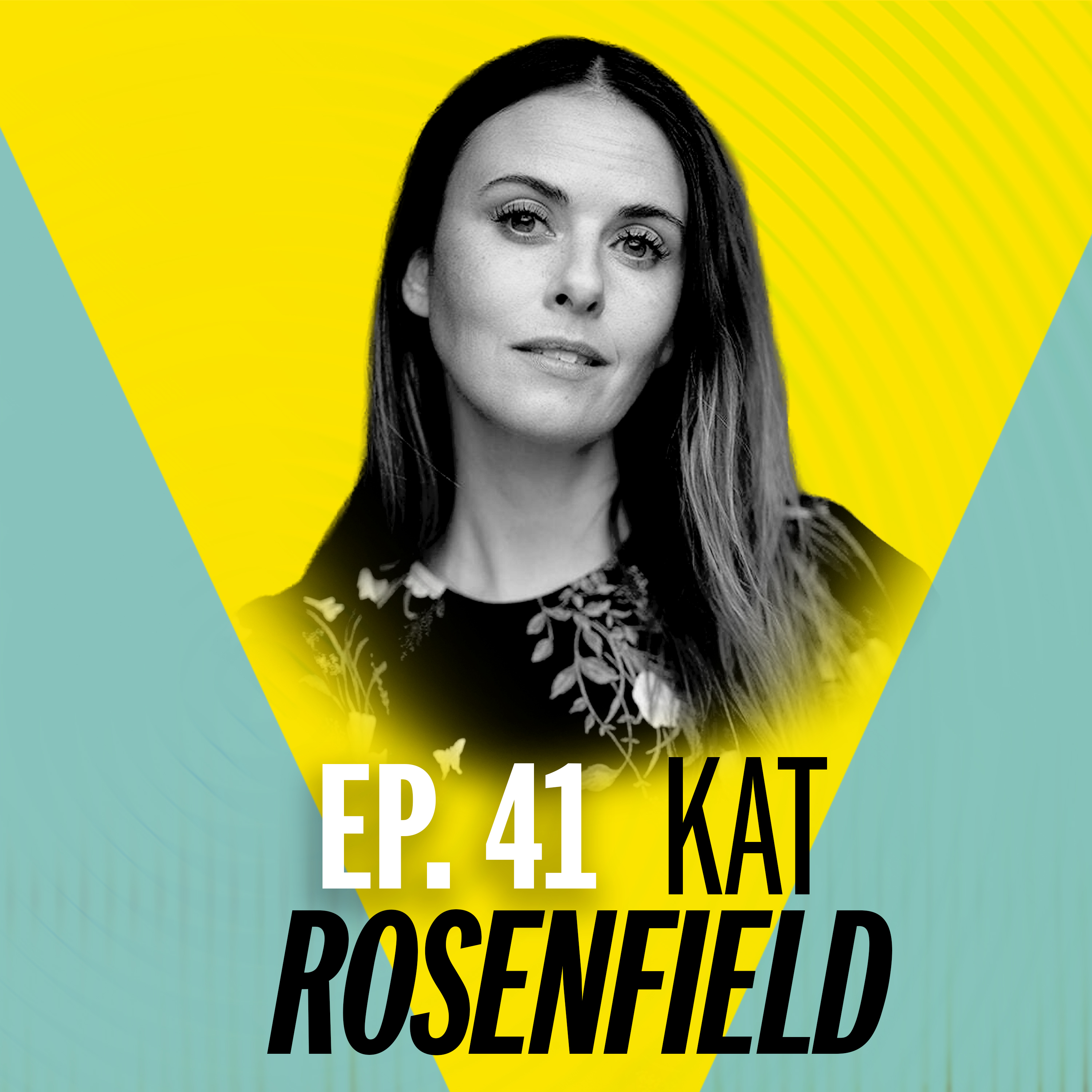
    Modern dating is miserable. Can it be fixed?

    Host Megan McArdle talks with culture writer Kat Rosenfield about how dating apps, therapy-speak and online gender wars have changed romance — making flirtation feel risky, rejection feel catastrophic and desire feel suspect. They discuss the lost art of approaching people in real life, what older courtship norms got right and Rosenfield’s new novel, “How to Survive in the Woods.”

  • June 19 · 13 min

    Voters can push back against unsavory politicians

    Political parties keep asking voters to overlook scandals, bad judgment and unstable behavior because the other side is worse. Senate candidates Graham Platner and Ken Paxton are only the latest examples. Host Megan McArdle argues that character still matters in politics — and that voters are not helpless victims of polarization.

  • June 17 · 35 min

    Is there such a thing as too much empathy?

    Is empathy destroying the West? That's the provocative claim at the center of Gad Saad's new book, "Suicidal Empathy." Host Megan McArdle is joined by Saad, a professor at the University of Mississippi, to discuss the trade-offs societies make in the name of compassion and whether America has the capacity to absorb differences.

  • June 12 · 20 min

    Gen Zers don’t cook. It’s costing them.

    Eating food cooked at home has traditionally been considered a cheaper option to ordering takeout. So why are so many in Gen Z choosing food away from home? Host Megan McArdle explores how convenience, changing expectations and the modern economy have transformed the way we eat.

  • June 10 · 37 min

    Do aliens exist? I asked an astrophysicist.

    Are humans alone in the universe? The answer is more complicated than science fiction might suggest. Scientists have discovered billions upon billions of potentially habitable planets. But if life is possible elsewhere, why haven’t we found it? Host Megan McArdle talks with astrophysicist Adam Frank, author of “The Little Book of Aliens.” They discuss the search for alien life, why intelligent civilizations may be harder to find than microbes and the limits of what UFOs can reveal.

  • June 5 · 18 min

    How weddings got so expensive

    The average wedding now costs $36,000, and many couples feel like they are being taken for a ride. From weekend bottlenecks and customization to family dynamics and the pressure to get everything right, the answer is more complicated than simple price gouging. Host Megan McArdle explores why modern weddings have become so expensive.

  • June 3 · 38 min

    Why $1 million doesn’t feel rich for Gen Z

    The average American household is now worth more than $1 million. Yet Gen Z is increasingly pessimistic about its economic future. Why does it feel like so many people are falling behind? Is homeownership out of reach? And how can young people build wealth in an economy that seems both richer and more uncertain than ever? Megan McArdle talks with Ed Elson, co-host of Prof G Markets, about wealth inequality, housing affordability, social media and the frustrations shaping younger generations' o

  • May 29 · 28 min

    Why everyone is talking about peptides

    Peptides are suddenly everywhere — touted by influencers, biohackers and longevity enthusiasts as the next breakthrough in wellness. But what exactly are they, and how much do we actually know about the risks? Host Megan McArdle talks with physician and Washington Post columnist Dr. Leana Wen about the booming peptide economy, the rise of gray-market injections and why so many people are turning to online health communities instead of doctors. As wellness culture pushes further into self-experi

  • May 27 · 23 min

    What’s going on with Ebola and hantavirus?

    Trust in public health institutions has fractured since the covid-19 pandemic began, even as the threat of new outbreaks remains. Ebola is spreading in parts of Central Africa. Hantavirus has left some cruise ship passengers under quarantine. Neither is a repeat of covid-19 — and public health officials say the risk to most Americans remains low — but even distant outbreaks now provoke fear, skepticism and debate. Host Megan McArdle talks with physician and Washington Post contributing columnis

Showing 21–34 of 34 episodes