Skip to content
Artwork for Rapid Synthesis: My KM Pipeline, keeps me mobile and learning!

Rapid Synthesis: My KM Pipeline, keeps me mobile and learning!

Benjamin Alloul πŸ—ͺ πŸ…½πŸ…ΎπŸ†ƒπŸ…΄πŸ…±πŸ…ΎπŸ…ΎπŸ…ΊπŸ…»πŸ…Ό

This podcast series serves as my personal, on-the-go learning notebook. It's a space where I share my syntheses and explorations of artificial intelligence topics, among other subjects. These episodes are produced using Google NotebookLM, a tool readily available to anyone, so the process isn't unique to me.

Play
  • 39 episodes
  • Avg 46 min
  • English
Counted on this page β€” what you have heard stays on this device, so it is not something the list can be paged by.
  • Monday Β· 56 min

    T3 Code, built for one developer and honest about it

    T3 Code looks like the answer to a real problem: one open-source place to run Claude Code, Codex, Cursor and OpenCode, from your phone, instead of six terminal windows. This episode tests that promise against the project's own issue tracker and arrives somewhere more interesting than yes or no. We follow the local agent server from its turn lifecycle to its git checkpoints, then put it through the jobs a buyer actually cares about. Can you switch models mid-thread without losing the work? What happens to a running turn when you close the laptop? What does a single-user trust boundary mean when that server holds your provider credentials and a shell? The findings are concrete. Synchronous database writes on the event loop produced freezes measured in minutes, checkpoint capture leaked roughly 94 gigabytes of abandoned directories, and a mid-turn provider switch killed the active run eight times out of eight. Against that, the economics are genuinely clean: MIT licensed, no token resale, your existing subscriptions. The verdict: adopt it as a solo developer on an always-on machine behind Tailscale or SSH, and wait if you need a team. Eight chapters, wry and specific.
  • Monday Β· 21 min

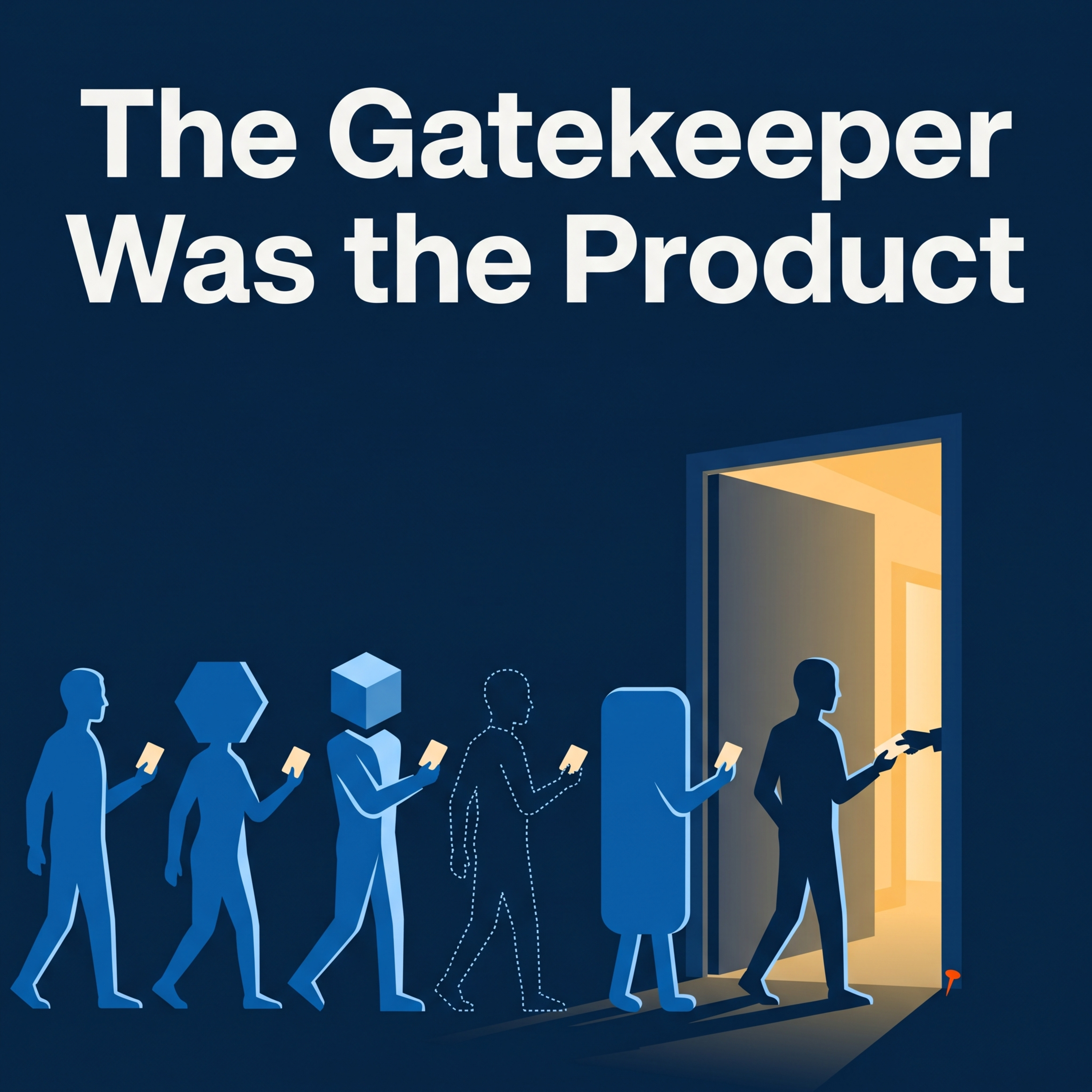
    The Gatekeeper Was the Product

    Workday closed its purchase of C1.ai on 23 November 2026 and never published a price. That silence is part of the story. C1.ai is ConductorOne, an identity governance company founded in 2020 and renamed in April 2026, and what Workday bought is the layer that decides which employee, which service account and which AI agent may touch which system, for how long and on whose authority. This episode separates the verifiable core from the marketing: an AWS case study with Brex, 400-plus claimed connectors, one SOC 2 Type II audit, and a set of MCP and LLM gateways released weeks before the deal signed with no independent benchmark behind them. On a nine-dimension comparison against Glean, Microsoft, Salesforce, ServiceNow, Sierra, Sana and Writer, C1.ai scores 24 out of 40. Then we follow Workday's six acquisitions in fifteen months and test three explanations against the evidence: an agent control plane, a defensive hedge, or integration drag. We close with the four questions a buyer should force into writing before signing, and the one footnote that will finally reveal the price.

  • #2
    November 18 Β· 35 min

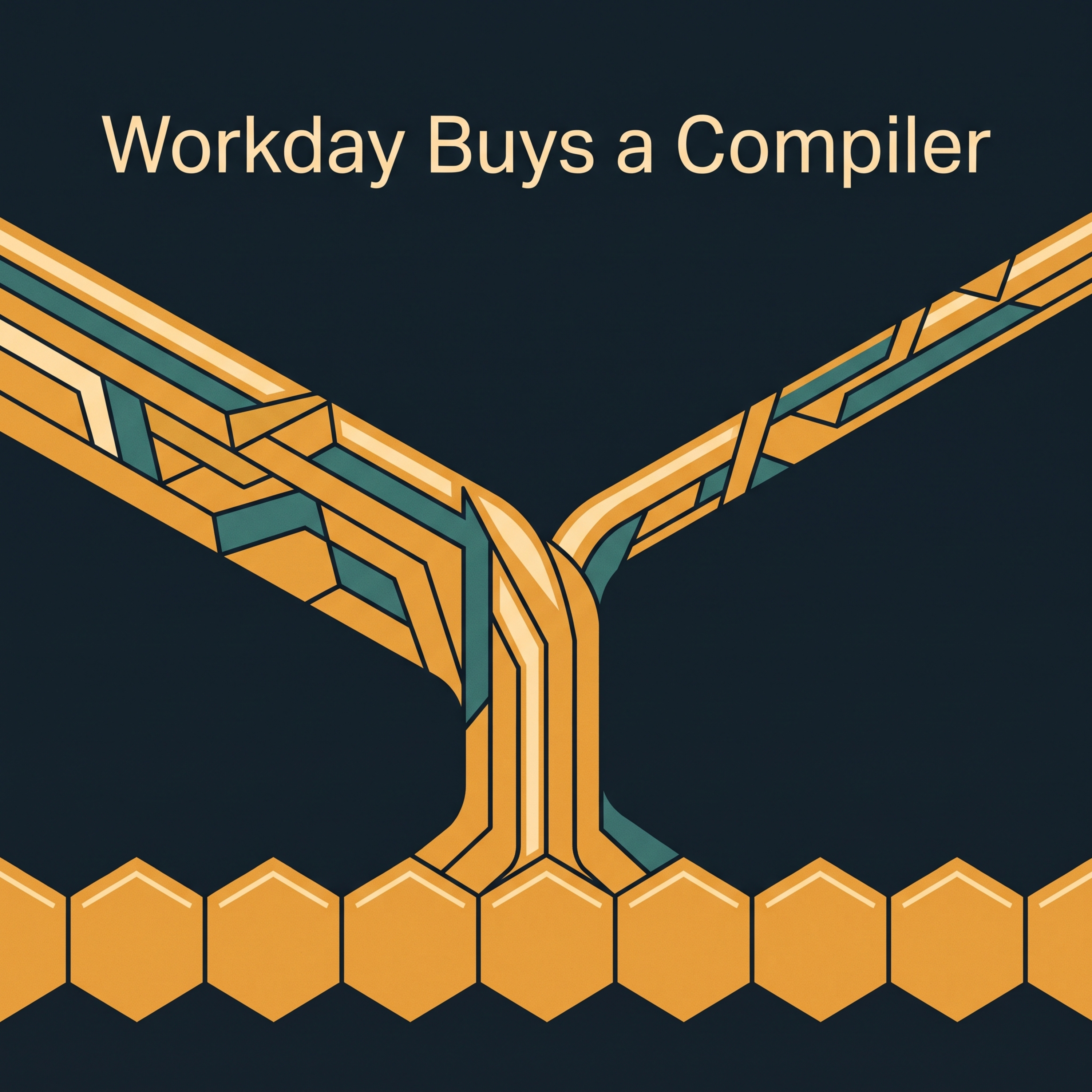
    Workday Buys a Compiler

    Workday says it will apply Honeydew's definitions directly to live Workday data, with no extracts, so agents act on today's ledger rather than yesterday's copy. This episode tests that claim. It separates what Workday is actually buying from what the announcement assumes, walks through the architecture that would have to exist, and checks Workday's record with earlier data and analytics acquisitions. The strategic argument holds: an AI model should not improvise the calculation behind a payroll number. The technical argument is narrower than the release suggests, because the live-data route already runs through zero-copy integrations, and the genuinely hard problem is making permissions block a query before it runs. Built from public sources, with every inference marked as an inference. Part two of two.

  • #1
    November 18 Β· 37 min

    Define Once, Compile Everywhere. Compiled, Not Guessed.

    A dashboard, a chat assistant, and an AI agent each answer "what is our headcount?" with a different number, and none of them is obviously wrong. That is the problem a semantic layer exists to solve. This episode is an independent teardown of Honeydew, the semantic layer Workday announced it intends to acquire on 18 November 2026. It covers where the business definitions physically live, what the compiler actually guarantees and what it does not, how access control travels from a user through to the warehouse, what the product costs at list price, and which buyer should walk away. The verdict is favourable but narrow: a warehouse-native compiler is the right control point for a team reconciling metrics across many BI surfaces, and the advantage thins as dbt and native warehouse semantic views mature. Built from public sources, with vendor claims labelled as vendor claims. Part one of two.

  • October 14 Β· 1 hr 3 min

    Unlimited OCR, Limited Reach

    The most-hyped open OCR model of 2026 is not the best one. Baidu's Unlimited-OCR made a splash by reading an entire multi-page PDF in a single pass. This episode unpacks what that one-shot trick costs, and who should actually use it. We explain the constant-memory attention design that keeps throughput flat across dozens of pages, then look at the catch. To fit a whole document into one pass, the model drops to a downscaled Base mode of about 256 visual tokens per page, and fine footnotes, dense tables and small type start to slip. We walk the scoreboard on OmniDocBench and olmOCR-Bench, where PaddleOCR-VL, olmOCR-2, DeepSeek-OCR 2 and MonkeyOCRv2 each win a slice. We examine the disputed 5,580 tokens-per-second claim, which is Baidu's own single-source figure, and the flat decoding latency that does hold up. Then we cover the deployment reality: dedicated Docker images, a mandatory custom logits processor, and no GGUF or llama.cpp support. The verdict is that Unlimited-OCR is a specialist engine for long, unchunked, text-heavy documents, not a general default. If you run a document pipeline, this episode tells you when to reach for it, and when to reach for something else.

  • October 2 Β· 49 min

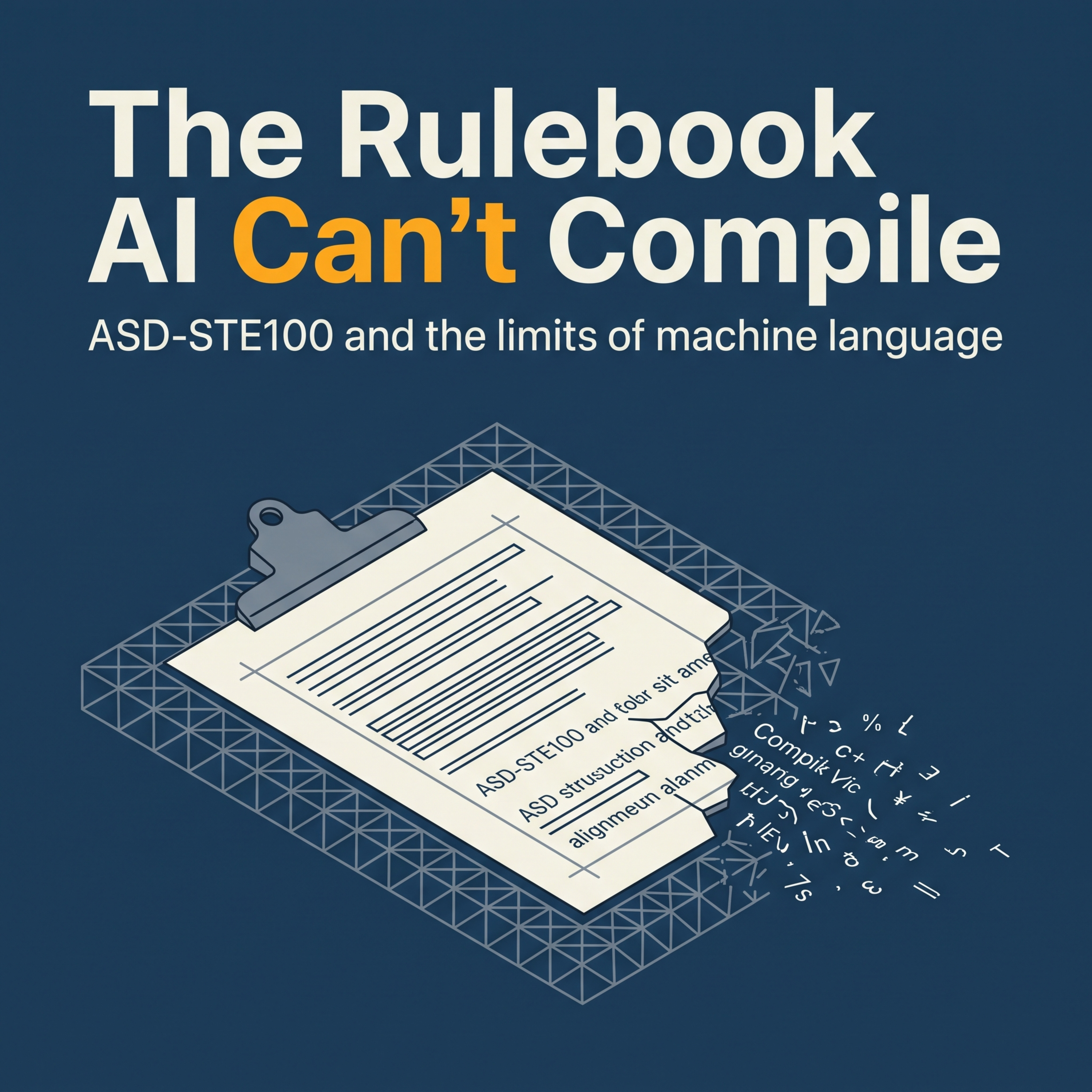
    The Rulebook AI Can't Compile

    More than 80 percent of the technicians who service Western commercial aircraft are non-native English speakers, and that single number is why aviation built ASD-STE100: a controlled language of 53 writing rules and about 875 to 900 approved words, run on one axiom β€” one word, one part of speech, one meaning. Issue 9, published in January 2025, turned it into an international standard. This episode asks what happens when engineers point that 1986 rulebook at language models, and the answer is deflationary. It is genuinely useful as a prompt heuristic that strips filler and hedging, and as a way to normalise training corpora β€” but it is not a formal grammar. It has no context-free grammar, its technical nouns and verbs are open-class, and checking a word's part of speech needs a real parse, so it cannot drive logit-level constrained decoding. Along the way: where the standard came from, why it is free but still proprietary, the 1990s evidence that it works, what adoption costs, and how it compares with Boeing Simplified English, Caterpillar Technical English, Attempto Controlled English and plain language. A 1986 aviation standard, and the limits of constraining machine language.

  • September 20 Β· 42 min

    Skip the Generation - Logit-Readout Architectures and OpenJEV

    Explores a shift in AI architecture toward logit-readout paradigms, often referred to as "System One" decision models, which prioritize speed and structure over conversational text generation. By analyzing the Typesafe Jev hosted baseline alongside several open-source implementations like OpenJEV and mini-JEV, the sources demonstrate how reading raw token probabilities in a single forward pass can reduce latency by 3x to 7x compared to traditional grammar-constrained generation. While these methods effectively eliminate JSON syntax errors and provide high accuracy for categorical routing, the documentation notes that they struggle with probabilistic calibration and long-context efficiency. The sources ultimately distinguish between four divergent OpenJEV repositories, ranging from MLX-based scorers for Apple Silicon to cross-encoders capable of playing video games. This overview serves as a technical guide for developers choosing between low-latency logit extraction for discrete choices and generative decoding for complex, multi-field outputs.

  • September 20 Β· 51 min

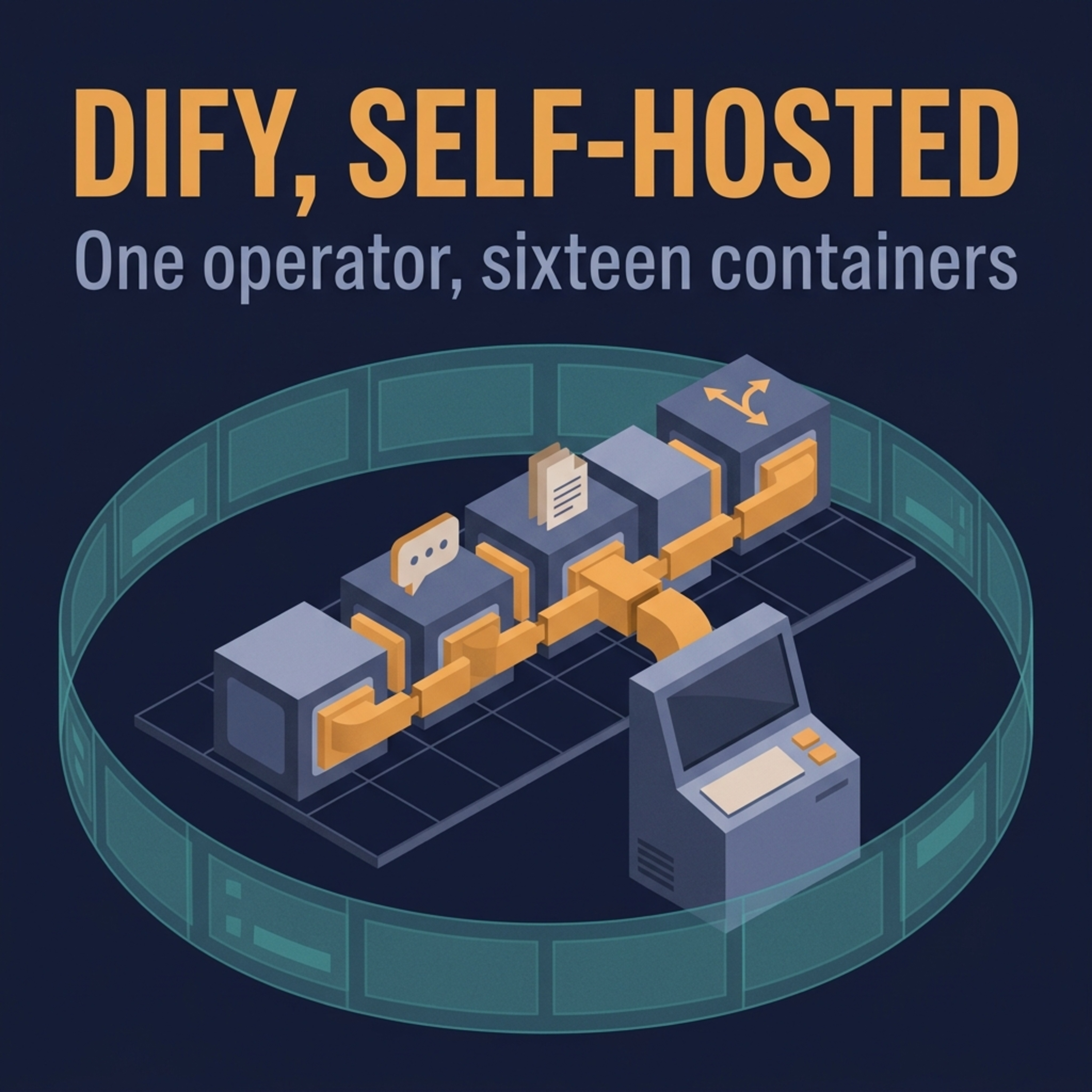
    Dify Solo Self-Hosting

    Dify Community Edition requires a shift in perspective, as the platform operates as a complex enterprise-grade microservices architecture rather than a simple developer tool. While official guides suggest lower requirements, empirical data confirms a stable deployment needs at least 8 GiB of RAM and 4 vCPUs to handle its sixteen interconnected containers and resource-intensive background tasks. Successful management for a solo operator involves using Docker Compose on a native Linux filesystem to avoid the performance and permission issues typical of Windows environments. Security is a paramount concern, as a critical race condition exists during initial installation that could allow unauthorized users to claim administrative control if the server is exposed prematurely. Furthermore, operators must maintain stringent backup routines that include both database records and disk-bound encryption keys to prevent the permanent loss of model credentials. Ultimately, the documentation highlights that while Dify offers powerful RAG and agentic workflow capabilities, it demands a high level of operational discipline and specific hardware thresholds to function reliably.

  • September 20 Β· 45 min

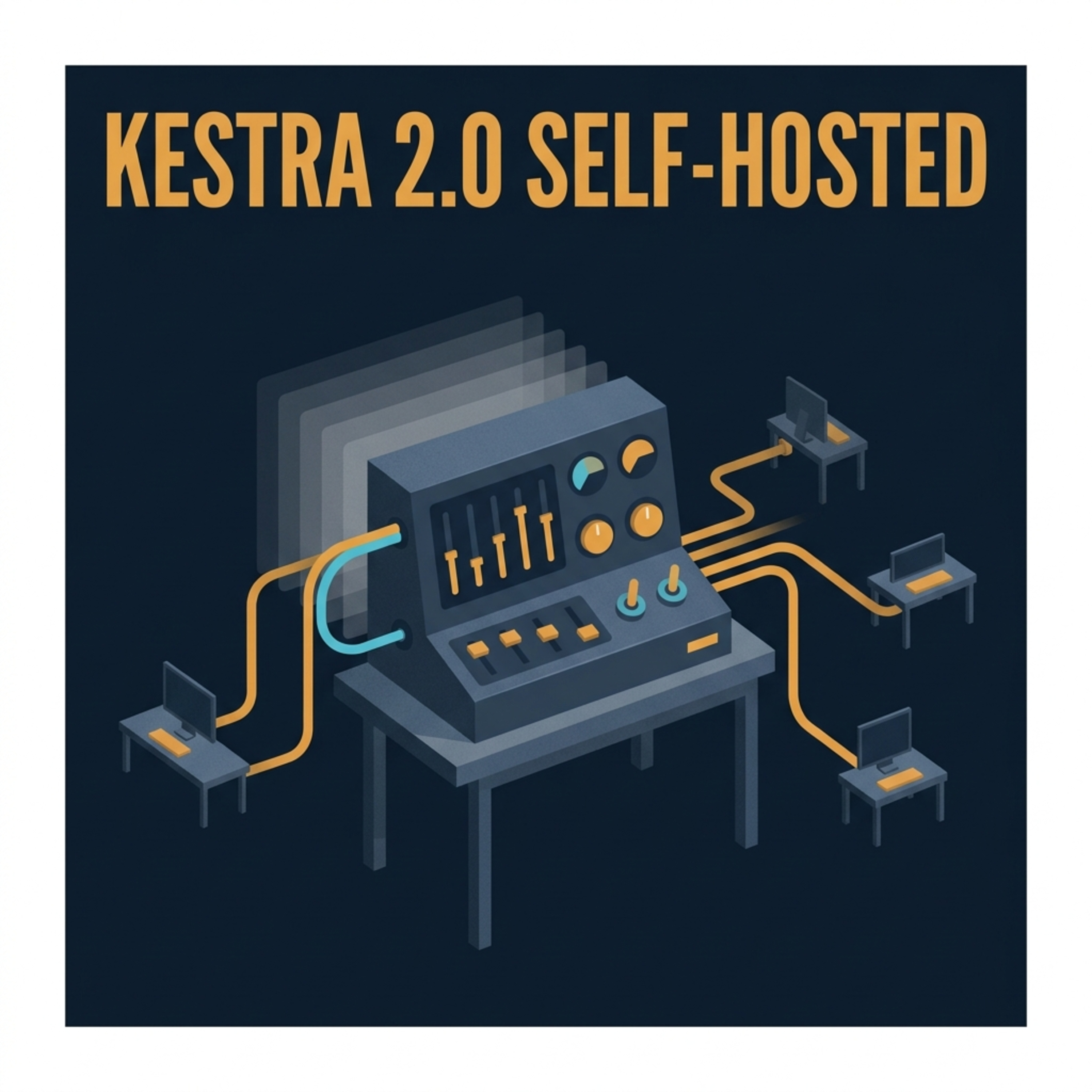
    Kestra 2.0 Self-Hosting Strategy and Architecture

    Evaluates the optimal self-hosting strategies for Kestra 2.0, specifically recommending a Docker Compose standalone deployment backed by PostgreSQL for individual operators. It warns against using the unstable embedded H2 database for anything beyond brief testing and rejects split-component architectures due to their excessive memory demands. The analysis details critical technical requirements, such as mounting the Docker socket for containerized task execution and aligning host paths to ensure seamless script performance. Additionally, the guide identifies Linux as the premier host environment while highlighting specific pitfalls for Windows WSL2, NAS appliances, and Apple Silicon hardware. Finally, it contrasts Kestra with alternative automation tools like n8n and Windmill, concluding that Kestra is best suited for declarative, container-isolated workflows rather than simple event relays.

  • September 19 Β· 46 min

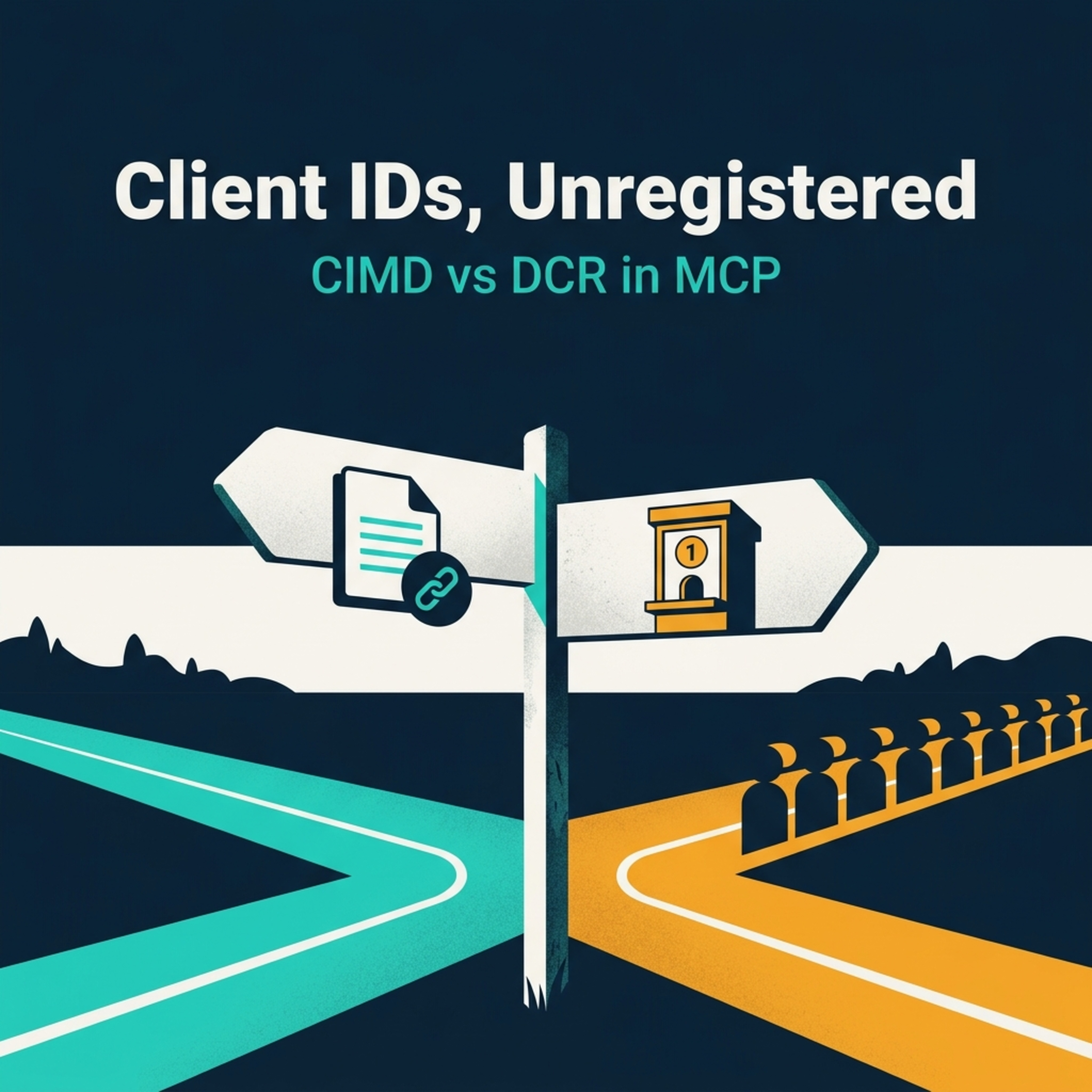
    CIMD and DCR: Decentralized Architectures for OAuth Registration

    Outline the transition from Dynamic Client Registration (DCR) to OAuth Client ID Metadata Documents (CIMD) within decentralized AI architectures like the Model Context Protocol (MCP). While DCR traditionally allows applications to register with a server at runtime, it creates significant operational burdens including database bloat and security vulnerabilities like phishing. In contrast, CIMD allows a client to use a stable HTTPS URL as its identifier, shifting the responsibility of hosting metadata to the client and enabling servers to stay stateless. This architectural shift enhances security and portability by anchoring application identity to verified domains rather than server-issued opaque strings. Currently, major identity providers and agent frameworks are adopting this model to facilitate more scalable, secure, and automated onboarding across diverse software ecosystems. Under modern MCP specifications, CIMD is now the preferred method for identification, relegating older registration protocols to backward compatibility roles.

  • September 17 Β· 43 min

    AI Agents in Physical Fabrication

    Current state of artificial intelligence agents within physical fabrication and lightweight robotics from mid-2024 to mid-2026. The text highlights a major divide between shipped, deterministic software, such as code-mediated CAD engines and automated slicing pipelines, and experimental demonstrations like autonomous robot control and multi-part assembly. While tools for instant manufacturing quotes and visual print defect detection are technically mature, more complex tasks remain hindered by geometric ambiguity and physical unreliability. Consequently, the analysis emphasizes that human validation is still mandatory across most fabrication stages to ensure mechanical precision and safety. Emerging trends suggest a future shift toward direct neural modeling of solid geometry and more standardized robotic communication protocols.

  • #2
    September 17 Β· 48 min

    Agent Canvas - Part 2 - The Canvas and the Rails

    Evaluates two primary architectural frameworks for creating agent-driven user interfaces in enterprise systems: MCP Apps and Google’s A2UI. MCP Apps prioritizes flexibility by allowing servers to deliver complete, sandboxed web applications, though this can obscure visibility for security audits. In contrast, A2UI uses a declarative, data-centric approach that ensures high security and visual consistency by utilizing the host's native components. The sources suggest that a hybrid model is the most effective strategy, employing A2UI for regulated, high-stakes core functions while reserving MCP Apps for complex third-party tools. This dual-lane system is managed by a centralized governance gateway to maintain strict compliance and transactional integrity. Ultimately, the analysis helps architects navigate the trade-offs between developer expressiveness and corporate liability in generative AI environments.

  • #1
    September 17 Β· 32 min

    Agent Canvas - Part 1 - Who holds the brush?

    Evaluates two primary architectural frameworks for creating agent-driven user interfaces in enterprise systems: MCP Apps and Google’s A2UI. MCP Apps prioritizes flexibility by allowing servers to deliver complete, sandboxed web applications, though this can obscure visibility for security audits. In contrast, A2UI uses a declarative, data-centric approach that ensures high security and visual consistency by utilizing the host's native components. The sources suggest that a hybrid model is the most effective strategy, employing A2UI for regulated, high-stakes core functions while reserving MCP Apps for complex third-party tools. This dual-lane system is managed by a centralized governance gateway to maintain strict compliance and transactional integrity. Ultimately, the analysis helps architects navigate the trade-offs between developer expressiveness and corporate liability in generative AI environments.

  • September 14 Β· 53 min

    Unsloth: Engineering Accelerated LLM Fine-Tuning on Consumer Hardware

    Unsloth is an open-source library designed to accelerate the fine-tuning of large language models while significantly decreasing VRAM requirements through specialized Triton kernels. By manually optimizing mathematical operations, the framework prevents the buildup of memory-heavy intermediate states, allowing high-performance training on consumer-grade GPUs and free cloud environments. The software has recently expanded to support complex architectures like Mixture-of-Experts (MoE) and memory-efficient reinforcement learning via its "Standby" architecture. While it offers substantial speed and efficiency gains over standard tools, the project relies on aggressive monkey-patching and features a dual-licensing structure that splits core routines from its high-level interface. Ultimately, Unsloth serves as a vital tool for individual practitioners and researchers who need to maximize the potential of limited hardware for modern AI development.

  • September 14 Β· 21 min

    Cloudflare AI Hosting and Architectural Alternatives

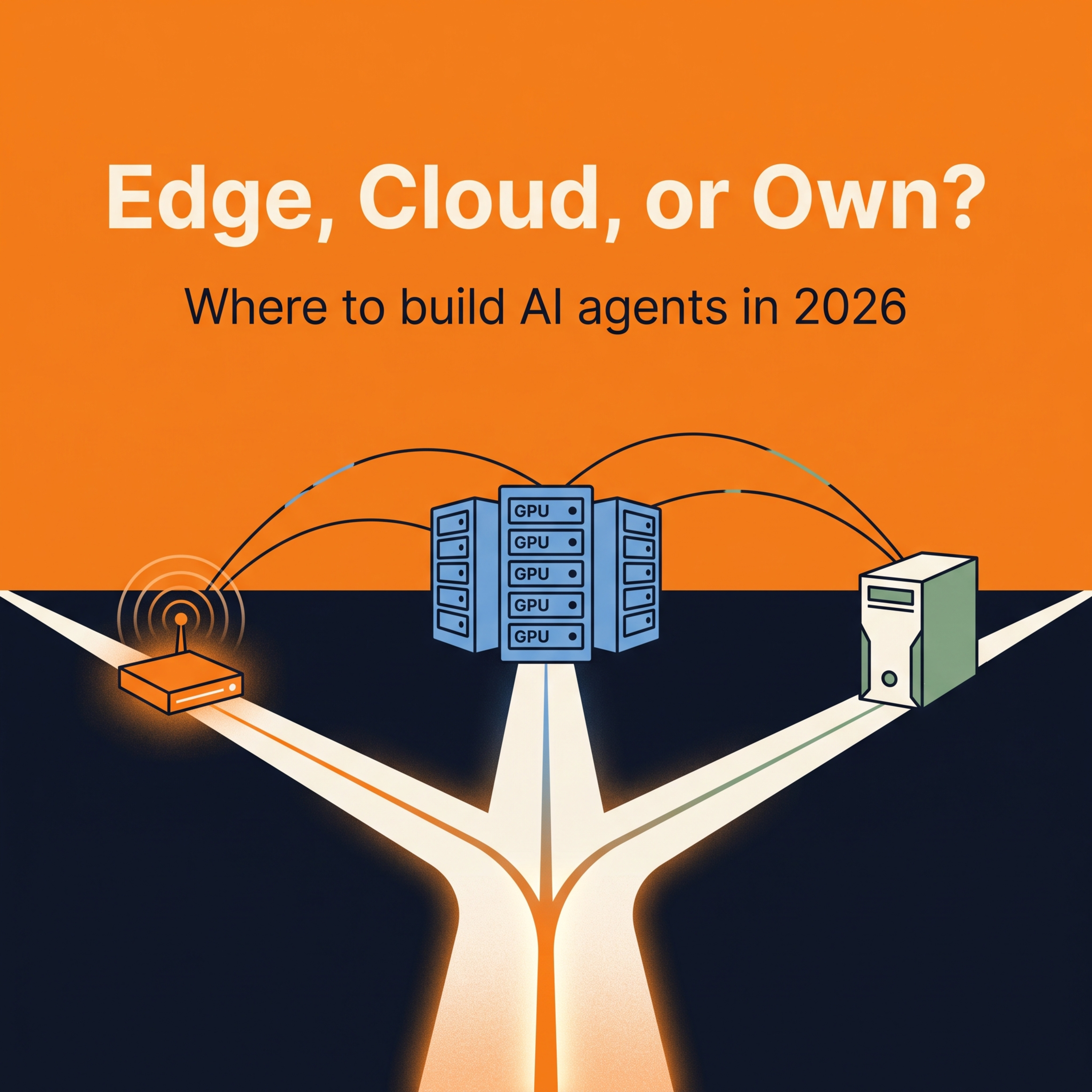
    Cloudflare AI platform alongside competing architectures from AWS Bedrock, developer-focused stacks like Vercel, and self-hosted GPU environments. The documentation highlights Cloudflare’s edge-native advantage, specifically its ability to maintain persistent state and execute sandboxed code with lower latency and cost than centralized hyperscalers. While AWS is noted for its superior enterprise compliance and access to proprietary models, Cloudflare is recommended for interactive agents and retrieval-augmented generation due to its integrated developer experience. The comparison also includes a detailed Total Cost of Ownership analysis, revealing that Cloudflare is most economical for low-to-medium traffic, whereas self-hosted vLLM stacks become the most cost-effective at massive scales. Ultimately, the sources provide a strategic framework for engineering teams to select infrastructure based on scaling limits, security requirements, and operational complexity.

  • September 13 Β· 21 min

    Hard-Wired Silicon: AMD's Taalas Acquisition

    AMD’s acquisition of Taalas, a semiconductor startup that develops specialized silicon for Large Language Model inference. Unlike traditional GPUs that load data from external memory, the Taalas architecture physically integrates neural network weights into the chip’s hard-wired circuitry through a unique manufacturing process. This "Hard Coded Inference" approach enables massive gains in speed and energy efficiency for single-user tasks by eliminating the need to move data between processors and memory. However, this method results in model immutability, meaning any software updates require manufacturing a new physical chip. Consequently, AMD plans to use these accelerators for ultra-low-latency decoding alongside more flexible hardware rather than replacing general-purpose GPUs entirely. The sources conclude that while Taalas excels in conversational and real-time AI, it remains limited by small memory capacities and a lack of architectural flexibility.

  • September 12 Β· 45 min

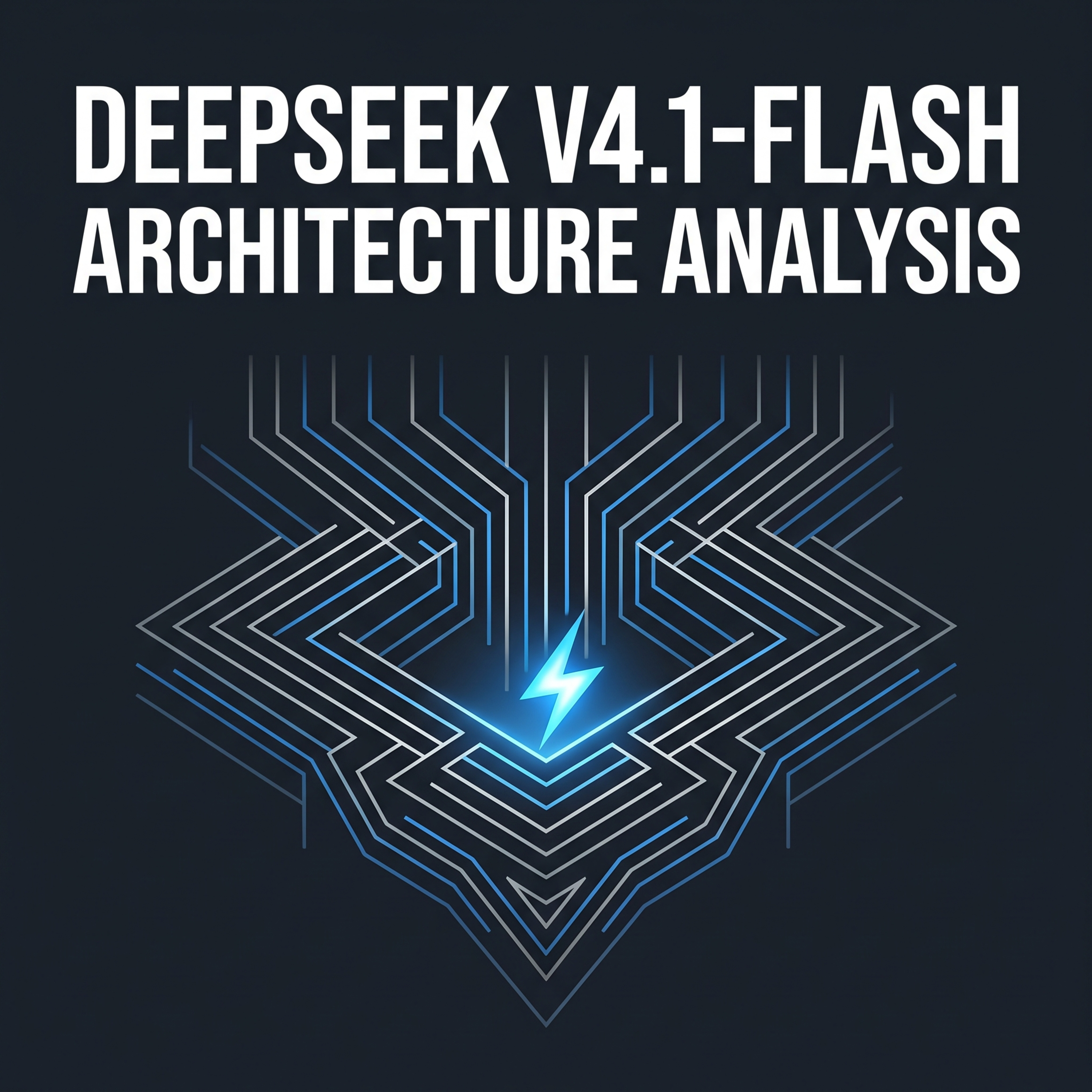
    DeepSeek-V4.1-Flash Architecture Analysis

    DeepSeek-V4.1-Flash architecture, a high-scale language model designed to optimize the technical and economic challenges of long-context workloads. By utilizing an asymmetric Causal Encoder-Decoder structure and MXFP4 cache compression, the model significantly reduces computational waste and memory demands during data ingestion. These innovations allow for a massive 748-billion-parameter scale while maintaining efficiency through a Mixture-of-Experts backbone and advanced memory hierarchy. Furthermore, the model features native multimodal integration, unifying text and visual processing into a single foundational framework. Its extreme operational efficiency enables a disruptive asymmetric pricing model, offering substantially lower costs compared to industry competitors. Ultimately, the source describes how these algorithmic breakthroughs minimize hardware bottlenecks and reshape the financial landscape of Large Language Model deployment.

  • September 12 Β· 50 min

    The Sovereign Architect: OpenCode and the Autonomous Agent Frontier

    Examines the OpenCode and OpenWork ecosystems, which offer an open-source, model-agnostic framework for autonomous AI agents. OpenCode serves as a technical foundation for software development, utilizing a client-server architecture and specialized protocols to execute code and manage file systems. OpenWork builds upon this by providing a collaborative workspace that enables teams to automate diverse business tasks, such as data analysis and browser orchestration, across numerous AI providers. The analysis compares these tools against proprietary competitors like Claude Code and Google Antigravity, highlighting trade-offs between sovereign data control and operational speed. Ultimately, the sources suggest a shift toward modular harnesses that decouple AI reasoning from specific execution environments to ensure enterprise flexibility.

  • September 11 Β· 55 min

    Detecting and Countering AI Misuse: September 2026 Report

    Source : https://www.anthropic.com/threat-intelligence-report-september-2026 This Anthropic threat intelligence report from September 2026 details the evolving ways malicious actors attempt to exploit Claude AI models for harmful activities. The documentation highlights a shift toward autonomous cyber operations, where state-sponsored groups and criminals use AI to automate the entire cyber kill chain, from reconnaissance to data exfiltration. Notable case studies include a Russian espionage group that used AI to dynamically retool malware to evade detection and opportunistic hackers who accelerated mass data theft through automated credential harvesting. Anthropic emphasizes that AI has significantly lowered the barrier to entry for sophisticated attacks, allowing individual operators to perform at the level of well-resourced organizations. To combat these emerging threats, the company shares indicators of compromise and technical workflows to help the broader security community strengthen collective defenses.

  • May 29 Β· 55 min

    Gemini Embedding 2: Architectural Innovations and Multimodal Fusion

    Architecture and performance of Gemini Embedding 2, a native multimodal model that maps text, images, audio, and video into a single mathematical space. Unlike traditional systems that rely on separate encoders or text transcriptions, this model uses bidirectional attention and direct sensory processing to preserve nuances like document layouts and vocal tones. It employs Matryoshka Representation Learning, allowing developers to shrink vector sizes for efficiency without losing significant accuracy. High-quality synthetic data and contrastive learning were used during training to ensure the model outperforms competitors in complex tasks like coding and cross-modal retrieval. Real-world applications for this technology include multimodal RAG, where AI systems can simultaneously "read" text and "see" diagrams to answer user queries. Ultimately, the sources highlight how this unified approach simplifies enterprise data infrastructure while establishing new benchmarks for zero-shot robustness across diverse scientific and creative fields.

Showing 1–20 of 39 episodes