Skip to content
Artwork for Raising Men
Kids & FamilyParenting

Raising Men

Shaun Dawson

Raising Men is a podcast about parenting, masculinity, and the lifelong journey of raising sons—and ourselves—to be men of courage, character, and purpose. Hosted by Shaun Dawson, each episode features real conversations with parents, leaders, and thinkers redefining what it means to raising men in today’s world.

Play
  • 23 episodes
  • a few times a week
  • Avg 34 min
  • English
Counted on this page — what you have heard stays on this device, so it is not something the list can be paged by.
  • #73
    Monday · 36 min

    Navigating Pornography Culture and Teaching Boys How to Partner with Liz Ortenburger

    In this episode of Raising Men, Shaun Dawson sits down with Liz Ortenburger, CEO of SafeNest, Nevada's largest non-profit addressing domestic and sexual violence, to navigate some of the most daunting topics facing parents today. Together, they confront the reality of early digital exposure and pornography, discussing how accidental access impacts developing adolescent brains and skews expectations around intimacy. Liz offers a refreshing, proactive perspective, urging parents to replace shame and avoidance with early, open conversations. Moving beyond traditional masculine stereotypes, Liz and Shaun examine how fathers, coaches, and mentors can guide boys to evolve from the historical expectations of protecting and providing into becoming true partners in their relationships. Key Takeaways Teach Kids to Swim, Don't Just Build Fences: Digital filters alone cannot stop pornography exposure; parents must actively educate children early so they can navigate accidental exposure with critical thinking instead of shame. Shift from Protect and Provide to Partner: Modern masculinity requires expanding traditional roles to teach young men how to build healthy, equal, and collaborative partnerships with women. Role Models and Mentors Matter: While parental shame pushes boys into secrecy, constructive accountability from respected mentors, coaches, and peer circles effectively redirects harmful behaviors. Uncorrected Behavior Is Condoned Behavior: In youth environments like sports locker rooms, unaddressed misogynistic or harmful banter is perceived by developing brains as approved behavior. Value Diversity of Experience: True cultural progress and healthy environments require valuing individual life journeys and diverse perspectives rather than relying on rigid categorical metrics. "If you are not having the conversation with your kids, Pornhub is having it for you." — Liz Ortenburger "What does not get corrected gets condoned." — Liz Ortenburger "We have to start teaching young boys how to protect, provide, and partner." — Liz Ortenburger 00:00:00 - Unannounced Mom Knocking Teaser 00:00:25 - Guest Intro Liz Ortunburger 00:02:23 - Modern Evolution of Pornography 00:04:26 - Brain Development and Addiction 00:07:48 - Avoiding Shame in Conversations 00:11:00 - Guiding Healthy Youth Development 00:14:05 - Value of Male Role Models 00:17:46 - Shaping Locker Room Culture 00:20:20 - Extreme Consequences of Ignorance 00:23:30 - Protecting Providing and Partnering 00:28:40 - Modeling Healthy Adult Relationships 00:35:45 - Safe Nest Contact Info Books, Links and Frameworks Mentioned SafeNest: Nevada's largest non-profit addressing domestic and sexual violence https://safenest.org/ Scott Galloway: Bestselling author and statistician referenced for his writings on manhood (Notes on Being a Man) Mentorship Programs: Big Brothers Big Sisters, 100 Black Men, Gentlemen by Choice, Coaching Boys into Men Protect, Provide, and Partner: Framework for expanding traditional masculine development to include healthy, collaborative relationship skills Car Windshield Conversations: Tactical approach for discussing uncomfortable or sensitive topics with teens in low-pressure settings Liz Ortenburger on LinkedIn: https://www.linkedin.com/in/liz-ortenburger-9539aa32/

    • Transcript
  • #72
    Thursday · 15 min

    The Truth about Testosterone

    In this episode of Raising Men, host Shaun Dawson introduces a new format focused on cultivating one of the most critical skills in modern masculinity: evaluating claims to discover what is actually true. Prompted by a viral quote claiming American teenagers have lower testosterone levels than 68-year-old men, Shaun uses this episode to practice moving from reactive emotional responses to disciplined, analytical thinking. Drawing from personal experiences—like how updated science changed his view on artificial sweeteners—and Stoic philosophy, he sets the stage for checking complex health claims. Shaun breaks down the current debates surrounding male hormone decline into three distinct perspectives: the alarmists who view it as a cultural and health crisis, the skeptics who consider it a moral panic driven by flawed data and weight gain, and the commercial entities capitalizing on the controversy. This episode lays the groundwork for critical thinking before diving directly into the scientific literature in part two. Key Takeaways Move from Conan to Sherlock: Emotional or outrageous health claims target our reactive, survival-focused brain first; true critical thinking requires passing those claims to our analytical prefrontal cortex before accepting or spreading them. Seek Out the Steel Man: Avoid creating easily defeatable "straw man" versions of opposing arguments; instead, find and evaluate the strongest, most serious version of a claim. Question the Source of Nuance: Scientific understanding evolves over time, and even if popular claims turn out to be partly right or wrong, the underlying mechanisms are often vastly different from public perception. Beware Outrage as a Business Model: Media outlets, political commentators, and commercial sellers profit off controversy and fear regardless of the truth, making healthy skepticism essential. Trace Claims to Primary Sources: Before repeating headlines or accepting sweeping statistics about male health, follow the citations down to the original scientific studies to evaluate the actual data. 00:00 Intro & Teenager Testosterone Claim 00:43 Evaluating Claims & Personal Misconceptions 03:15 Artificial Sweetener Research Shift 03:52 Epictetus & Evaluating Harsh Appearances 04:56 Steel-Manning the Testosterone Decline 06:01 Deteriorating Male Reproductive Health Studies 07:03 Camp 1: Crisis & Action 09:29 Camp 2: Moral Panic View 11:13 Lab Differences & Weight Factors 12:56 Camp 3: Commercial Interests 13:48 Outrage as a Business Model 14:32 Chasing Evidence for Next Week Books and Frameworks mentioned Conan Brain vs. Sherlock Holmes Brain Framework: Shaun's neuroscience metaphor contrasting the reactive, survival-driven amygdala with the analytical, regulating prefrontal cortex[cite: 1, 3]. Steel Man vs. Straw Man: The philosophical practice of evaluating the strongest possible version of an opposing argument. Epictetus on "Harsh Appearances": Stoic philosophy encouraging individuals to examine impressions before accepting them as reality. Tucker Carlson's The End of Men (2022): Documentary segment referenced regarding testosterone trends and red light therapy. 2022 & 2025 Gut Microbiome & Sucralose Clinical Trials: Studies cited by Shaun regarding artificial sweeteners, gut bacteria changes, and insulin sensitivity. European Fertility Conference (July 2026 Analysis): Pooled study analysis mentioned regarding male reproductive health and testosterone data.

    • Transcript
  • #71
    September 14 · 49 min

    Navigating the Complex World of Neurodivergent Boys with Dr. Katrina Ostmeyer

    In this episode of Raising Men, host Shaun Dawson sits down with Dr. Katrina Ostmeyer—CEO of Beyond the Individual, Associate Professor of the Practice at the University of Kansas, licensed psychologist, and Board Certified Behavior Analyst. Beyond her clinical and academic credentials, Dr. Ostmeyer brings invaluable lived experience as the mother of a neurodivergent boy. Together, they navigate the complex landscape of raising sons whose minds do not fit into standard conventional boxes. The conversation explores the key diagnostic differences between boys and girls, how to distinguish normal boyhood energy from neurodivergence, and the delicate balance between behavioral interventions and medication. Dr. Ostmeyer highlights a transformative, strength-based perspective on neurodiversity, framing labels not as lifelong limitations, but as personal shortcuts for understanding a child's unique needs. This episode provides actionable insights and grounded encouragement for parents aiming to help their sons thrive. Key Takeaways Diagnosis vs. Normal Development: Evaluating whether a child's behavior requires formal intervention comes down to whether it causes significant impairment and if simple environmental adjustments can resolve the issue first. Shift to Strength-Based Care: Modern clinical approaches are moving away from trying to "fix" neurodivergent children, focusing instead on leveraging their unique personal strengths to help them achieve their goals. Behavior as Functional Data: Misbehavior or defiance should be viewed as communication and analyzed functionally to understand why it is happening rather than simply labeling the child. Accommodations Build Skills: Accommodations at school or home are not about lowering standards permanently; they are tools designed to support children while they build essential skills. Parenthood Over Perfection: The ultimate objective of parenting is not raising a perfectly behaved child in every moment, but equipping boys with the independence and resilience needed to become happy, functioning adults. "There’s a lot of variation in the population... and it’s really not a problem unless it’s a problem." — Dr. Katrina Ostmeyer "A disorder says you have a problem... but moving away from 'let's fix this' to 'what do you want your life to be and how do we help you recognize what you're working with' is where the field is going." — Dr. Katrina Ostmeyer "Our goal at the end of the day is not to have a perfectly behaved child; it’s to help raise functioning, successful, and happy adults." — Dr. Katrina Ostmeyer Transcript Summary 00:00 Introduction 02:26 Balancing clinical expertise with raising a neurodivergent son 03:52 Gender disparities and diagnostic bias 04:54 Disambiguating natural male energy from clinical neurodivergence 07:01 Rethinking classroom environments and expectations for young boys 12:27 Evolutionary perspectives on ADHD and shifts in treatment options 16:30 Moving from negative disability labels 23:20 Understanding childhood defiance 27:46 Real world parenting stories 35:28 Early childhood milestones and determining when to seek professional help 39:50 Reframing neurodivergence through strengths and personalized support systems 47:08 Dr Ostmeyer's core principle for parents raising excellent men Books, Links and Frameworks Mentioned Beyond the Individual: https://www.beyondtheindividual.com PSYPACT (Psychology Interjurisdictional Compact): Telehealth authority framework across 44 states. Diagnostic and Statistical Manual of Mental Disorders (DSM-4 / DSM-5): Referenced diagnostic frameworks for ADHD and Autism. 504 Plan Framework: Educational accommodation framework used in public schools. American Academy of Pediatrics (AAP) Guidelines: Reference framework for treating ADHD. Berry Picking Paradigm: Evolutionary psychology framework regarding foraging behaviors and ADHD traits.

    • Transcript
  • #70
    September 11 · 17 min

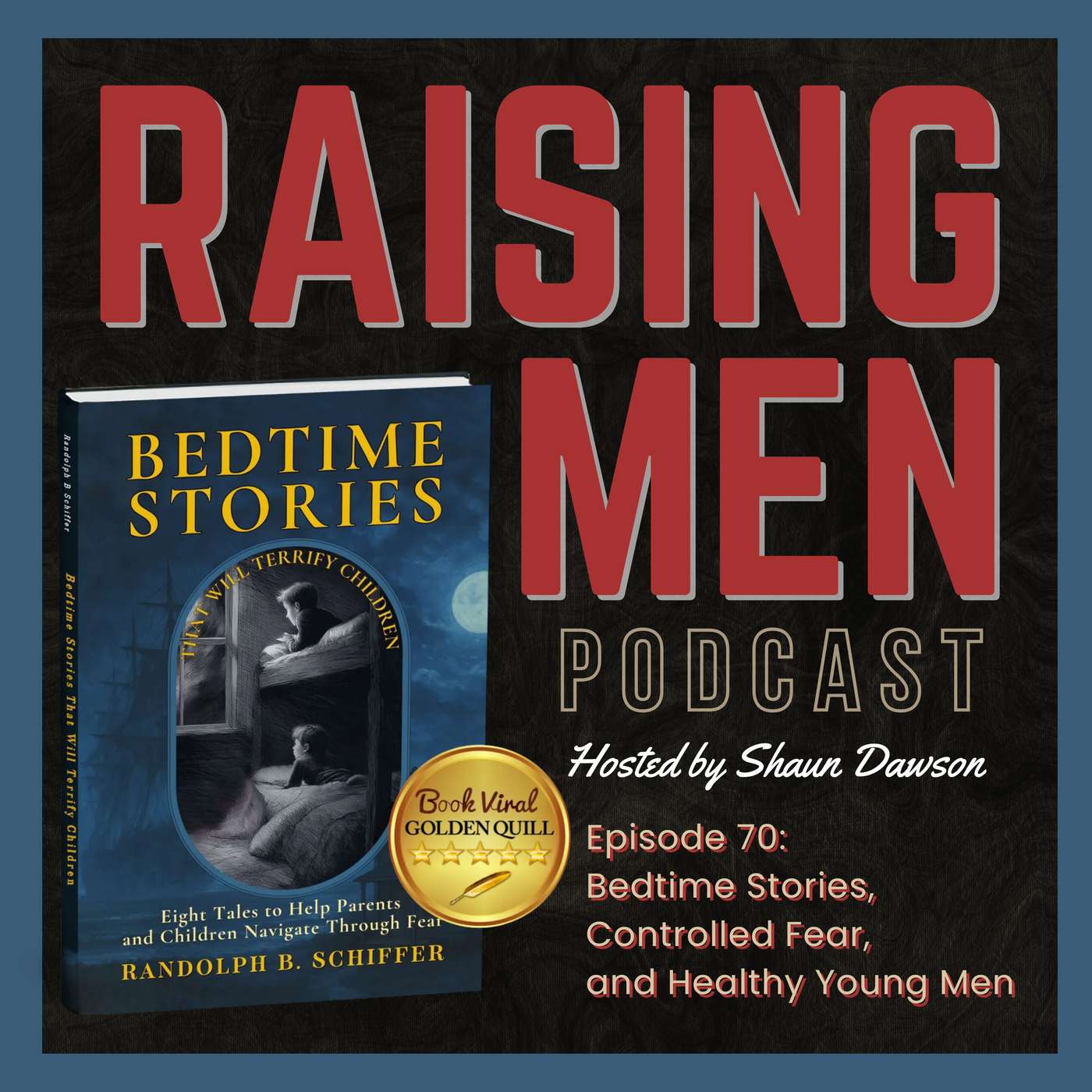
    Bedtime Stories, Controlled Fear, and Healthy Young Men

    In this episode of Raising Men, host Shaun Dawson shares a special solo reading inspired by a recent conversation with Dr. Randolph Schiffer, author of Bedtime Stories That Will Terrify Children. Exploring how experiencing controlled fear in a safe environment is essential for a boy's emotional health, Shaun reads "Dog"—a story about two young brothers navigating late-night dread inside a forest cedar house. As sounds echo through the dark, seven-year-old Brenton and five-year-old Randy must find the courage to confront the unknown together. From cold floors to a shaking white door, the tale reveals how fear gives way to brotherhood, resilience, and unexpected relief. Join Shaun for a story about stepping into the dark, overcoming panic, and discovering what really lies on the other side. KEY TAKEAWAYS Experiencing controlled fear helps young men develop emotional resilience and courage in safe environments. Older siblings carry the natural weight of responsibility, but brothers draw strength from each other when facing the unknown. Courage is dynamic—its loss is common, but its resurrection allows even the youngest to take action. Imagined fears in the dark are often far more terrifying than the reality waiting on the other side. True strength involves taking small, shared steps forward together when facing panic. Books, Links and Frameworks Mentioned Bedtime Stories That Will Terrify Children by Dr. Randolph Schiffer https://www.amazon.com/Bedtime-Stories-That-Terrify-Children-ebook/dp/B0FVG5S1RH Controlled Fear Framework: Facing fear in safe environments to build emotional health in boys https://randolphbschiffer.com/home

    • Transcript
  • #69
    September 7 · 34 min

    Why Boys Need Controlled Fear with Dr. Randolph B. Schiffer

    In this episode of Raising Men, host Shaun Dawson welcomes Dr. Randolph B. Schiffer, a neurologist, former Marine infantry officer, and founding director of the Cleveland Clinic's Center for Brain Health. Together, they examine how modern parenting culture often protects children from discomfort, inadvertently creating a fearful society that avoids failure, responsibility, and risk. Dr. Schiffer explains that while fear is built into human biology, courage—the capacity to think, speak, and act despite fear—is a skill that must be learned. Drawing from his experiences in combat during Vietnam, decades in medicine, and creating stories for his young son during a battle with leukemia, Dr. Schiffer highlights the transformative power of storytelling. By internalizing heroic figures, children learn to process fear, build resilience, and cultivate self-curiosity. This conversation provides actionable insights on modeling emotional processing to raise courageous men. Key Takeaways Courage Is Learned, Not Innate: While fear is hardwired into infants and young toddlers, courage—the capacity to think, speak, and act despite fear—must be actively learned and modeled by adults. Overprotection Creates Cultural Anxiety: Shielding children from upsetting experiences or fearful situations creates long-term societal anxiety, leading to a fear of failure, responsibility, and life itself. Dads Must Model Fear Processing: Parents often fail to talk explicitly about their own fears, missing a crucial opportunity to model for their children how to process and overcome frightening situations. Storytelling Serves as an Emotional Anchor: Fictional and heroic characters stay with children forever, giving them internal models to navigate moral conflict, pain, and adversity. Self-Curiosity Is the Ultimate Operating Principle: Developing self-curiosity about who we are and who we wish to be is the most valuable skill for raising men of character. "Courage, the capacity to speak, think, and act in spite of our fears, that is not built in. We have no courageous infants or young toddlers that I ever saw. That has to be learned." - Dr. Randolph B. Schiffer "If the lead figures, the heroes in the story, are shown to overcome fear, frustration... those figures from the story stay with them forever." - Dr. Randolph B. Schiffer "Self-curiosity about who we are and who we wish to be—if that can be begun and nurtured and modeled, that's the most valuable skill of all." - Dr. Randolph B. Schiffer CHAPTER MARKERS 00:00 - The distinction between innate fear and learned courage 00:37 - Introduction to Dr. Randolph B. Schiffer and brain health 01:58 - How overprotective parenting creates a fearful culture 05:45 - Navigating modern cultural expectations for young men 09:07 - Why parents must model processing their own fears 12:26 - Using storytelling to teach children resilience and values 14:12 - The neurological connection between memory and emotional arousal 18:47 - Redefining truth and lying in parental storytelling 22:52 - Lessons on internalized hero figures from combat in Vietnam 24:46 - Writing bedtime stories to help a son battle childhood leukemia 30:13 - The long-term psychological impact of war and medical service 32:05 - One key operating principle for raising men of courage Books, Links and Frameworks Mentioned Book: Bedtime Stories That Will Terrify Children by Dr. Randolph B. Schiffer https://www.amazon.com/dp/B0FVG5S1RH?lv=shuf&channelId=500&plpRedirect=mhFallback Literature/Pop Culture Reference: Frank Merriwell (fictional heroic athlete from Yale used as an internalized model of courage) Framework: Learned Courage Model (fear is an innate biological impulse, whereas courage requires adult modeling and intentional practice) Framework: Emotional Memory Colocation (the brain's memory and fear systems are co-located in the medial temporal lobes, making emotionally charged stories stick permanently)

    • Transcript
  • #68
    September 3 · 14 min

    The Blueprints of Grace and Honor

    In this episode of Raising Men, Shaun Dawson explores the cultural noise surrounding trans issues, encouraging listeners to approach complex debates with grace, protection, and humility rather than online outrage. Shaun reflects on a story from The Bulwark Daily podcast about Julia Curlee, the first openly transgender CIA officer, and her daily security briefings with former Vice President Mike Pence. Despite Pence holding public, conservative convictions that conflicted with Curlee’s identity, he maintained an exemplary professional relationship with her defined by meritocracy, dignity, and honor. Highlighting this interaction, Shaun outlines a blueprint for modern, healthy masculinity: holding firm personal convictions without demeaning or victimizing others. He emphasizes the importance of utilizing the strategic "Sherlock brain" over impulsive reactions, prioritizing long-term character, and remembering the real human beings behind hot-button cultural debates. Key Takeaways Default to Grace and Protection: Modern healthy masculinity requires reacting to protect rather than attack, aiming to lower the emotional temperature around hot-button debates. Hold Convictions Without Dehumanizing: It is possible to maintain deep personal convictions while treating people with professional excellence, honor, and dignity. Sherlock Brain Over Conan Brain: Use thoughtful, regulated logic to override impulsive reactions when encountering unfamiliar perspectives or experiences. Social Media is Signal, Not Connection: Online platforms encourage virtue and vice signaling rather than meaningful dialogue, making it essential to remember the human being behind the screen. Mind the Permanent Record: Words and actions on digital platforms leave a lasting legacy, requiring long-term value alignment and critical thinking. "One of the core principles of healthy masculinity that we have excavated on this show is that we need to reactively protect as opposed to attack." — Shaun Dawson Transcript Summary 00:07 Recommended episode of The Bulwark Daily podcast 00:38 Sharing personal honesty regarding experience and qualifications on broader cultural trans debates 01:54 The importance of extending grace and recognizing real human struggles behind nomenclature 02:48 Revisiting healthy masculinity principles of protective behavior and lowering emotional temperatures 04:16 Social media as a platform for virtue or vice signaling rather than thoughtful debate 05:27 Introducing Julia Curlee, the first CIA officer to transition openly 06:10 Explaining Curlee’s daily intelligence briefing responsibilities for former Vice President Mike Pence 07:19 Examining Pence’s professional treatment of Curlee based strictly on merit and excellence 08:57 Describing Pence's respectful interaction with Curlee's mother and honoring her career 10:02 Outlining the blueprint for modern healthy masculinity found in holding convictions with dignity 10:53 Engaging the strategic Sherlock brain over the impulsive Conan brain 12:25 Teaching sons long-term value alignment and considering the human on the other side of the screen Books, Links and Frameworks Mentioned The Bulwark Daily Podcast https://www.thebulwark.com/podcast/the-bulwark-podcast Cowards are Running This Country: https://open.spotify.com/episode/1hdsF5c0pYrZHn13DgqxRq Secret Preview: The Mike Pence Story That Makes Trump Look Even Worse https://www.youtube.com/watch?v=nwcRVBN0Iag Two-Brain Theory (Conan the Barbarian vs. Sherlock Holmes Brain) — A metaphor for emotional regulation and using the prefrontal cortex over the amygdala.

    • Transcript
  • #67
    August 31 · 38 min

    The Tension of Authority and Affection with Dr. Mike Ayers

    In this episode of Raising Men, host Shaun Dawson sits down with Dr. Mike Ayers, author of Father Friend: How Intentional Dads Lean In, Lead Well, and Love Big at Every Stage, to discuss what it takes to stop parenting on autopilot and build an intentional roadmap for raising sons. Drawing from over 25 years of studying developmental psychology and organizational leadership, Dr. Mike explains how fathers can transition from direct command-and-control tactics into trusted lifelong advisors as their children grow. He outlines the core philosophy of the "Father Friend" model—balancing the tension between authority and affection—and breaks down the four developmental stages of parenting alongside seven essential competencies every dad needs, including self-awareness, affirmation, and sacrifice. Together, they explore practical tools for managing anger, navigating the unique needs of boys, and avoiding the trap of passive parenting. Key Takeaways Love Must Be Intentional: Most fathers naturally love their children, but without intentionality, life causes dads to drift into career focus, leading to long-term regret. Balance Authority and Affection: Successful fatherhood lives in the tension between being an authority figure who directs and leads, and being a friend who connects emotionally. Parenting Styles Must Evolve: A father’s leadership style should adapt to the child’s developmental stage rather than relying on a single, rigid approach. Self-Awareness Drives Character Growth: Children naturally test boundaries and push buttons; a father's willingness to grow his own character is the foundational skill of parenting. Instill Belief in Your Sons: While love communicates value to a boy, active belief in his capabilities builds the self-efficacy needed to face life's challenges. "Love says I'm valued; belief says I'm capable." — Dr. Mike Ayers "Love is giving to someone what they need when they need it." — Dr. Mike Ayers "Stop surviving the days and instead start shaping the years." — Dr. Mike Ayers Books, Links and Frameworks Mentioned Father Friend: How Intentional Dads Lean In, Lead Well, and Love Big at Every Stage by Dr. Mike Ayers https://books.google.com.ph/books/about/Father_Friend.html?id=SczsEQAAQBAJ&redir_esc=y Father Friend Website: https://www.fatherfriend.net/ Situational Leadership Model (Ken Blanchard): Framework adapting leadership behavior based on the follower's development level. The Monks of New Skeet: Referenced for their philosophy on dog training and spirit enablement.

    • Transcript
  • #66
    August 27 · 21 min

    Redefining Consent for Every Area of Life with Tiffany Braxton

    In this follow-up conversation, host Shaun Dawson reunites with Tiffany Braxton, author of Consent Comics, to unpack why traditional cultural messaging around consent often turns men off—and how to reframe it productively. Moving past narrow sexual contexts, Tiffany presents consent as an accessible, everyday framework for living that centers on recognizing, enforcing, and respecting healthy boundaries across time, personal space, and relationships. Shaun and Tiffany discuss her book’s visual roadmaps, such as "Navigating Consent" and "What a Consensual Yes Feels Like," exploring how these tools empower both children and adults to honor their own boundaries and those of others. Together, they explore the nuance between coercion and encouraging curiosity, the danger of living in a boundaryless world of mistrust, and why enforcing boundaries is an essential mark of healthy masculinity. This episode offers a refreshing, empowering guide to practicing consent as a holistic lifestyle. Key Takeaways Consent Extends Far Beyond Sex: Consent applies to time, space, personal belongings, and emotional boundaries, offering a complete roadmap for everyday life. Rules Are Too Rigid: Teaching consent through rigid rules fails across nuanced situations; instead, consent must be built on genuine curiosity, trust, and emotional safety. A Consensual Yes Creates Safety and Mutual Joy: Enforcing boundaries ensures that saying "yes" brings feelings of freedom, security, excitement, and certainty rather than pressure. Self-Respect Is Part of the Equation: Respecting a decision includes respecting your own internal "no," even when you feel societal or social pressure to comply. Healthy Boundaries Define True Masculinity: Enforcing, protecting, and respecting boundaries—and creating a culture where others can do the same—is a foundational pillar of healthy masculinity. "When you look at someone as a valuable human being capable of controlling the thing within their life, then you realize that you're also the same." — Tiffany Braxton "Consent isn't rocket science. Consent is something that we can all understand... for me, consent is so much more than just a yes or a no. It's a way of living." — Tiffany Braxton "You are invited and you are not the problem—you are 100% a part of the solution, and the solution is for all of us." — Tiffany Braxton 00:00 Welcome back and reframing consent beyond cultural messaging 00:40 Viewing consent as enforcing and respecting healthy boundaries 02:13 Introducing Consent Comics and navigating the decision tree roadmap 03:22 Why consent applies to time, belongings, and space rather than just sex 05:42 Explaining the "Navigating Consent" flow diagram for kids and adults 07:40 Respecting your own decision when you need to say no 08:14 Defining what a true consensual yes feels like 11:04 Encouraging friends versus pressuring them to cross boundaries 13:34 Why genuine curiosity beats rigid rules in relationships 17:17 Inviting men into the conversation on the Consent Comics website 19:39 Enforcing and protecting healthy boundaries as healthy masculinity 20:58 Wrap up Books, Links and Frameworks Mentioned Books & Publications: Consent Comics by Tiffany Braxton https://consentcomics.com/ Frameworks & Concepts: Navigating Consent Decision Tree: A simplified visual roadmap asking "Is it mine? Is it yours? Is it ours?" to determine boundary permissions. What a Consensual Yes Feels Like: A resource mapping out the emotional benchmarks (safety, certainty, freedom, joy) required for genuine consent. Curiosity vs. Pressure Framework: Distinguishing between pressuring someone into compliance versus asking curious questions out of care and trust.

    • Transcript
  • #65
    August 24 · 53 min

    How Parents Can Teach Respect and Boundaries at Home with Tiffany Braxton

    In this episode of Raising Men, Shaun Dawson sits down with author, activist, and educator Tiffany Braxton to explore consent, personal power, and respect. Overloaded with cultural baggage and zero-sum framing, the conversation around boundaries often alienates men and boys by painting them strictly as aggressors. Tiffany reframes this dynamic through her book, Consent Comics, which uses layered storytelling to present consent as a universal principle of mutual care, relationship safety, and human dignity rather than a set of rigid rules. Together, they discuss moving away from shame-based narratives, the power of active parental modeling, and the importance of teaching young boys to respect boundaries without sacrificing their emotional openness or spontaneity. Tiffany shares personal insights on establishing safety within relationships, helping children express autonomy, and creating a culture where a clear "no" is met with respect and zero negative consequences. Key Takeaways Consent is built on mutual respect and safety, not rigid rules or us-versus-them antagonisms. Framing boys purely as potential aggressors causes them to withdraw or embrace toxic narratives. Respecting a boundary without consequences is the baseline of any healthy relationship. Children learn boundary setting and enforcement best through daily parental modeling. Effective consent preserves spontaneity by prioritizing an empowered, enthusiastic choice. "I want each and every one of us to feel like we have the space that is safety around our bodies and ultimately our decisions, regardless of who we are." "When you make it where someone feels respected when they are not in the mood and they don't want to do these things, then all the other moments are so much better." 00:00 Framing the consent conversation 02:24 Me Too culture 05:39 Practical problem-solving 07:51 Balancing spontaneous intimacy 09:23 Reaching male audiences 20:38 Why traditional consent discussions alienate young men 23:07 Using comics and gender-neutral characters to show boundaries 28:46 Healthy mutual consent versus over-complicated rules 32:32 Defining healthy masculinity through safety and respect 41:09 Recognizing nonverbal ways people express a no 54:09 Modeling boundaries and autonomy for younger children Books, Links and Frameworks Mentioned Consent Comics by Tiffany Braxton https://consentcomics.com/ The Different Ways People Say No (Resource Framework)

    • Transcript
  • #64
    August 20 · 11 min

    Performative Strength vs Authentic Power

    In this solo episode of Raising Men, Shaun Dawson explores what it truly looks like to protect the people relying on us. Drawing from the historical covert trip President George W. Bush took to Baghdad in 2003, Shaun contrasts performative thumping of the chest with the quiet, risk-absorbing nature of genuine protective masculinity. Shaun outlines how modern culture floods young men with performative dominance games, and reframes true strength as quiet, deliberate, and grounded. Bringing these lessons into the home, he provides actionable strategies for parents to manage their own power, regulate their reactions during conflict, and protect their children's dignity both in private and across public platforms. Key Takeaways Protective Masculinity Absorbs Risk: Genuine protection means taking on personal risk to minimize danger for others, rather than exposing them to harm for personal glory or photo opportunities. Conan vs. Sherlock Brain: The reactive amygdala ("Conan brain") relies on posturing and noise, while the regulated prefrontal cortex ("Sherlock brain") focuses quietly on achieving the actual goal. Strength Beats Posturing: Teaching boys performative dominance makes them anxious and brittle, whereas modeling quiet competence builds resilient character. Protect Your Child's Dignity: Exploiting a child's vulnerable moments online for public validation sacrifices their trust to feed the parent's ego. Regulation Requires Space: Utilizing tools like a three-second pause prevents reactive emotional outbursts and models controlled, healthy authority. "If you expose your people to danger just to prove how brave you are, just to satisfy your own ego, you're not protecting them. You're using them." — Shaun Dawson Transcript Summary 00:00 What does it actually look like to protect your people 00:53 George W. Bush's secret 2003 Thanksgiving trip to Baghdad 02:28 Performative politicians vs quiet risk absorption 03:52 Serving food in pitch darkness without demanding applause 04:30 The Conan brain versus the Sherlock brain 05:39 Posturing insecurity vs grounded strength 06:34 The crisis of performative masculinity facing young men 07:42 Handling parental authority with Sherlock brain 09:00 Protecting children's dignity in the social media age 10:05 Practice the three-second pause during household conflict 11:01 Correcting behavior quietly in one-on-one safe spaces 11:24 Building men who carry the weight without being loud Books, Links and Frameworks Mentioned Meditations by Marcus Aurelius Steven Stosny's Adult vs. Toddler Brain Model (Referenced via Shaun's Conan the Barbarian vs. Sherlock Holmes Brain framework) Will Storr's Status Dynamics Research The Three-Second Pause: A behavioral regulation framework where a parent steps into the prefrontal cortex ("Sherlock brain") before responding to conflict. Raising Men: https://raising.men

    • Transcript
  • #63
    August 17 · 40 min

    Why Parenting Boys is Harder Than Ever with Jennifer L. W. Fink

    Jennifer L.W. Fink returns to Raising Men to explore why raising boys today feels increasingly complex and how parents can guide them with clarity and intentionality. Bringing decades of experience as a nurse, mother of four sons, and author of Building Boys, Jennifer addresses the cultural pressures, pathologized narratives, and digital environments shaping young males. Together, Shaun and Jennifer unpack the developmental differences between boys and girls, highlighting how misunderstandings about male growth often lead to unnecessary friction at home and in school. They discuss the unique challenges of modern parenting, from hyper-scrutiny on social media to the loss of traditional community institutions, and offer practical ways mothers and fathers can foster real-world connections. Ultimately, Jennifer shares why looking past idealized expectations to truly connect with the boy right in front of you is the most powerful principle for raising great men. Key Takeaways Developmental Timing Matters: Male developmental progress often differs from female timelines, and expecting young boys to sit still or perform academically too early can lead to unnecessary pathologizing. Connection Over Absence of Sickness: True health and positive growth require active, forward-thinking support rather than simply trying to avoid negative outcomes or misbehavior. Role Models Don't Need Perfection: Male influences and mentors do not have to be flawless to provide valuable guidance, life lessons, and positive examples for young boys. Digital Pressures Require Vigilance: Modern boys face intense online environments, making intentional offline experiences and real-world relationships crucial for their growth. Mothers and Fathers Face Distinct Pressures: Parents carry intense societal expectations regarding their sons' performance and behavior, making clear communication and patience essential. Chapter Markers 04:39 Why Building Boys was written and released in paperback 08:17 Health vs absence of sickness in raising boys 10:30 Expectations vs reality and developmental differences 14:17 Navigating school systems and male teacher shortages 19:48 Why parenting boys is harder today than a decade ago 22:23 Social media algorithms and permanent digital records 27:20 Crumbling community institutions and parental pressure 31:01 Finding masculine role models for sons without fathers in the home 34:10 Embracing imperfection in mentors and role models 38:47 The danger of seeking perfection over good guidance 40:51 The one principle for raising excellent men: Connect with the boy in front of you Books, Links and Frameworks Mentioned Building Boys: Raising Great Guys in a World That Misunderstands Males by Jennifer L.W. Fink https://www.bloomsbury.com/us/building-boys-9798216455615/) & use promo code GLR RN2 On Boys Podcast hosted by Jennifer L.W. Fink https://www.jenniferlwfink.com https://www.on-boys-podcast.com/ Suffering Model: Suffering occurs when expectations do not match reality, which can be used intentionally to drive growth or unintentionally through misunderstandings.

    • Transcript
  • #62
    August 13 · 17 min

    Guided Meditation with Marc Krusin

    In this live short episode, host Shaun Dawson sits down with mindfulness expert Marc Krusin to step away from the standard interview format and experience a live guided meditation. Addressing his own daily struggles with staying relaxed and present, Shaun invites Marc to lead a five-part foundational mindfulness exercise designed to quiet a racing mind. Together, they explore box breathing, thought observation, and sensory awareness. Key Takeaways Box breathing serves as an incredibly effective, accessible tool to instantly soothe the nervous system and relax the physical body. Actively observing and counting your thoughts automatically slows them down by creating distance between your identity and the mental noise. Genuine mindfulness means training an awareness muscle to consistently return to the present moment without passing judgment on your mental state. Shifting attention away from specific content to focus on the physical space around you gives an overstimulated mind a rare opportunity to rest. Intuitive solutions, professional efficiency, and deeper relationship connection emerge naturally when we stop chasing every passing thought. We think we are our thoughts. We think that what we're thinking is literally us. But when we start to have the intention to observe them, that means that if we're observing them, they can't be us. Presence allows us to just be infinitely more efficient and effective in terms of our thinking and in terms of our tasks and in terms of our workflow. 00:00 Welcome 01:15 Four-count box breathing exercise 01:42 Live breathing 03:29 Watching the mind exercise 04:43 Observing and counting internal thoughts 05:34 Tracking racing thoughts 06:04 Consciousness observing our thoughts 11:21 Shaun’s mountain ski lift metaphor 15:30 Practicing sensory awareness 22:54 The costs of context switching and the benefits of mindfulness Books, Links and Frameworks Mentioned Email: marc@marckrusin.com https://www.marckrusin.com/ Website: The Bright Path https://www.thebrightpath.com/en/ Framework - Box Breathing: Inhale for 4 counts, hold for 4 counts, exhale for 4 counts, hold for 4 counts. Framework - Watching the Mind: The intentional act of observing and counting thoughts to build an awareness muscle and separate identity from mental chatter. Framework - Spatial Awareness Rest: Intentionally shifting attention from specific objects or content to rest on the physical space between yourself and your device, or the space within the entire room.

    • Transcript
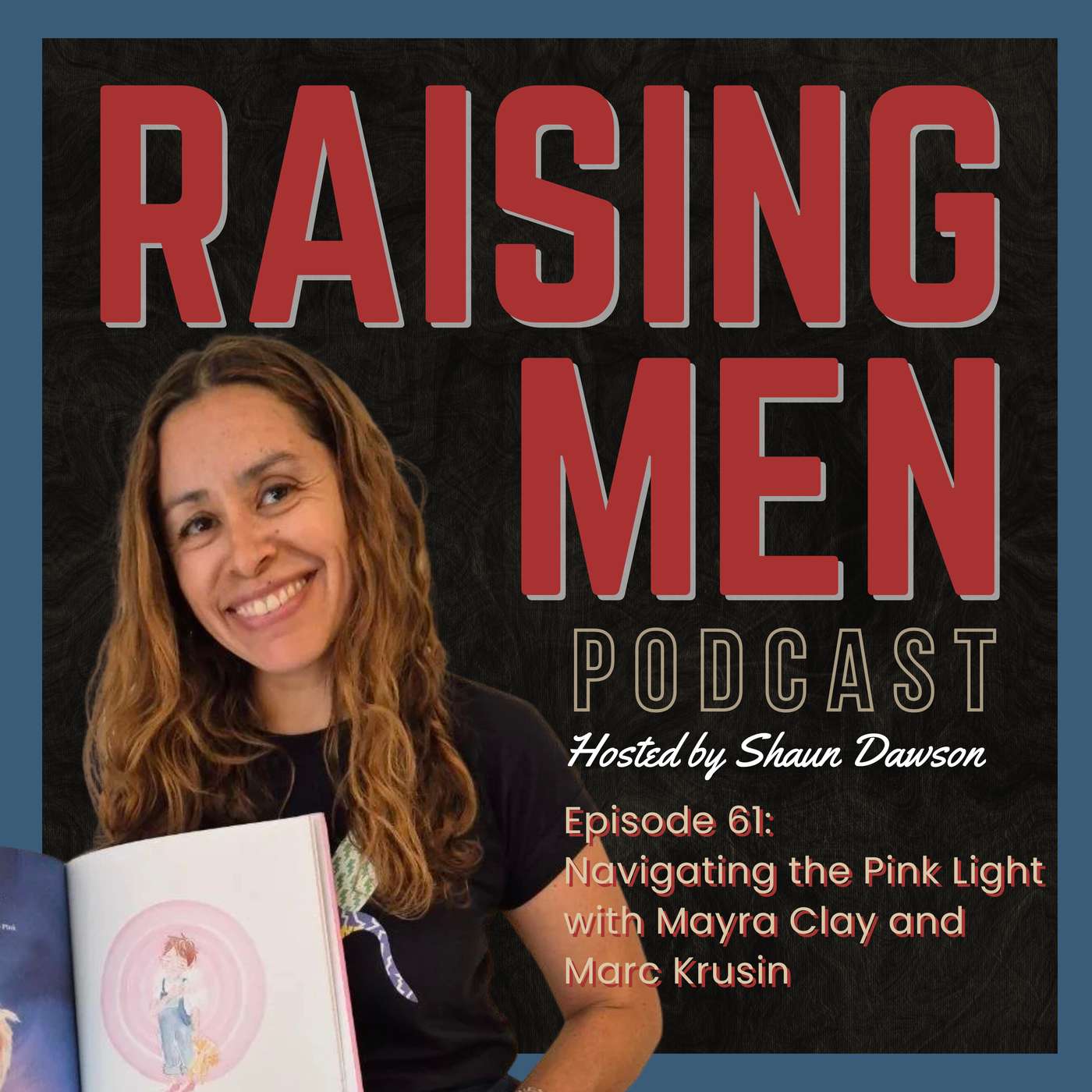
  • #61
    August 10 · 38 min

    Navigating the Pink Light with Mayra Clay and Marc Krusin

    Modern parents face the ongoing challenge of raising children in an "always on" world saturated with digital noise. In this episode, host Shaun Dawson sits down with London-based meditation teachers Mayra Clay and Marc Krusin to discuss how emotional awareness, stillness, and presence can transform family dynamics. Myra and Mark share how Bright Path Ascension Meditation techniques offer a practical way to quiet the mind without requiring hours of isolated retreat. They emphasize that true strength lies in internal awareness rather than mere external composure, shedding light on the distinction between inner peace and outer stillness. The conversation explores how parents model emotional regulation for their sons, navigating intense childhood triggers through calm presence rather than frustration. By shifting away from control and embracing simple daily practices, parents can help their children develop long-term internal resilience. Key Takeaways Inner Peace vs. Outer Stillness: True meditation and presence address internal mental turmoil rather than forcing an artificial state of external quiet. Leading by Example: Children absorb emotional regulation by watching their parents remain calm and fully present during challenging moments. Flexible Integration: Ascension meditation techniques can be practiced with eyes open during daily interactions, seamlessly fitting into a busy schedule. Separating Frustration from Correction: Addressing a child's unkind or dangerous behavior from a state of pure presence is far more effective than reacting out of personal anger or embarrassment. The Limited Window: The timeframe during which children are deeply open to parental guidance is short, making daily presence essential. "It's not about escaping from daily life, it's about becoming fully present within daily life. "Children are so present, they're often not really the ones that are a problem... it's really us that try and control them. "There is a fundamental distinction between inner turmoil and outer freneticness." 00:00 Digital noise and raising sons in an always-on world 01:05 Introduction 02:08 Explaining the foundations of Bright Path Ascension Meditation 03:40 Shaun on levelheadedness, triggers, and childhood anger 06:33 Inner turmoil versus outer stillness in active children 08:33 Modeling emotional presence and self-regulation for kids 13:30 Using prefrontal cortex awareness over reactive emotional states 19:20 Practicing eyes-open meditation techniques during daily routines 22:28 The origin and message behind The Boy in the Pink Light 27:03 Cultural perspectives on masculinity between Mexico and the UK 31:46 How internal emotional stress affects young boys beneath the surface 34:48 One principle for parents: getting present and honoring the short window Books, Links and Frameworks Mentioned Bright Path Ascension Meditation: A simple meditation practice based on praise, gratitude, love, and appreciation, adaptable for eyes-closed or eyes-open daily use. The Boy in the Pink Light: A children's book by Mayra Clay designed to guide kids and parents toward internal heart-centered awareness. Conan the Barbarian vs. Sherlock Holmes Brain: Shaun Dawson's neuroscience metaphor contrasting reactive amygdala responses with logical prefrontal cortex processing.

    • Transcript
  • #60
    August 6 · 49 min

    How a Father's Calm Sets the Tone for the Home with Mike Elliot

    In this episode of Raising Men, host Shaun Dawson sits down with relational guide Mike Elliott to explore what it truly means to lead a family with presence, purpose, and emotional safety. Moving beyond the traditional mandate of simply providing a paycheck, Mike breaks down how true security is created when a father cultivates a home where vulnerability and connection can thrive. The conversation examines the loss of cultural rites of passage, defining how healthy initiation requires both intentional challenge and a supportive community to integrate lessons into manhood. Shaun and Mike address the trap of "mental masturbation"—over-consuming self-help content without taking real-world action—and illustrate how an under-resourced man can inadvertently create unsafety at home. Ultimately, this powerful episode serves as a compelling call for men to seek authentic brotherhood, confront their inner wounds, and embrace the tenderness of their own hearts. Key Takeaways Emotional safety in the home is a father's most essential provision, rendering material wealth meaningless if relationships remain toxic or disconnected. Healthy initiation requires intentional tension and pressure followed by community integration to transform a boy into a grounded man. Over-consuming information without real-world application acts as a distraction that leaves men weaker and disconnected from their bodies. An under-resourced man who neglects his physical, mental, or spiritual well-being becomes reactive and creates unsafety for his family. True brotherhood relies on relational reciprocity, requiring men to build safe spaces where they can express vulnerability and hold each other accountable. If we don't have emotional safety in our homes, the paycheck and how it is used is worthless. - Mike Elliott If we have an under resourced man, we have a dangerous man. - Mike Elliott True leadership that's embodied and connected to real life is a man that is so clear in the direction that he's going that the environment he creates around his very presence is nourishing to himself and to everyone around him." - Mike Elliott 00:00 - The essence of true brotherhood and emotional legacy 01:34 - Introducing relational guide Mike Elliott 02:24 - Redefining the provider role beyond the paycheck 06:50 - Money as a tool vs a false sense of security 12:16 - Understanding the ancient framework of male initiation 17:36 - Why community integration converts challenge into strength 21:30 - Overcoming information overload and mental masturbation 25:36 - Defining embodied leadership in everyday life 28:00 - The danger of an under-resourced and disconnected man 34:31 - How parental presence supports a child's emotional health 40:24 - Finding the core relationships that sharpen your character 46:00 - Embracing the tenderness of a man's hear Books, Links and Frameworks Mentioned Dr. Dan Siegel's Childhood Integration Framework – Psychological work on emotional health and how parents make sense of their past. The Initiated Man – Mike Elliott's training program and community designed for male initiation. Skool Community – The online platform hosting the Initiated Man community https://skool.com/initiatedman Relational Reciprocity Framework – The practice of mutual accountability and safe vulnerability between trusted men.

    • Transcript
  • #59
    August 3 · 52 min

    Moving from Conflict To Alpha Leadership with Todd Sarner

    In this episode of Raising Men, host Shaun Dawson sits down with licensed psychotherapist and parent coach Todd Sarner to discuss navigating daily family conflict and moving from constant power struggles to deep connection. Focusing on the turbulent preschool years, Todd breaks down the underlying developmental and attachment dynamics that drive toddler behavior and morning meltdowns. Together, they explore why standard disciplinary power struggles backfire when dealing with an undeveloped prefrontal cortex and how viewing behavior through a "deficit model" rather than a "conflict model" transforms a parent's response. From managing screen time and junk connection to stepping firmly into the "alpha position" as a calm leader, Todd offers actionable wisdom for fathers striving to build lasting emotional safety. Key Takeaways Locking Horns Means You've Already Lost: When parents engage in power struggles with preschoolers, they step out of the "alpha position" (the calm, protective papa bear) and become a frustrated peer. Preschoolers Lack Functional Frontal Lobes: A four-year-old’s prefrontal cortex is not yet connected to the cerebral cortex, meaning they lack the brain wiring to temper strong emotions or hold competing thoughts simultaneously. Behavior is Instinctive Separation Anxiety: Morning meltdowns and defiance are often driven by instinctual separation anxiety regarding upcoming transitions (like daycare), leading to built-up frustration and aggression. Shift from Conflict to Deficit: Viewing a child’s misbehavior as an intentional attack gridlocks the relationship, whereas viewing it as a skill deficit allows parents to lead with compassion and guidance. Proactive Connection Beats Reactive Discipline: Parents need to top up a child's "connection cup" before transitions occur and bridge separation by giving them vivid pictures of upcoming reunions. "Alpha is more like you're a mama bear or you're a papa bear and that your job is to take care of them... When you're locking horns with a four-year-old, you're not being a papa bear. You're being a frustrated peer." "When you take a three or four year old, it's almost everything... Attachment science is very clear... The number one thing that determines how we think, how our personalities develop, how we behave, is how secure we feel on our primary attachments." "You are the answer for your child. Not an expert, not Sean, not Todd, not anyone else... Your kid doesn't need you to be perfect. They just need you to try to understand these things." 00:00 - Introduction and background in sportscasting and baseball teams 04:13 - Setting the conversation agenda around early childhood challenges 08:42 - Managing sensitivities around sharing personal family stories publicly 11:38 - Official podcast intro welcoming Todd Sarner 13:34 - Shaun shares daily morning power struggles with his four-year-old daughter 15:00 - Understanding the alpha position versus engaging as a frustrated peer 18:28 - The neuroscience of the undeveloped prefrontal cortex in preschoolers 20:35 - Attachment science, separation anxiety, and instinctual behavior 24:10 - Strategies for bridging separation and topping up connection early 29:08 - Conflict mindset versus deficit model in parenting and marriage 35:37 - Managing the three cups: Connection, Frustration, and Frenetic Energy 40:26 - The impact of screens, dopamine loops, and junk connection on development 58:10 - Closing principle: Being the Mother Goose leader your child needs Books, Links and Frameworks Mentioned Books Mentioned The Calm and Connected Parent by Todd Sarner https://www.amazon.com/dp/B0G2XB2RB2 The Weathermaker (Upcoming) by Todd Sarner Simplicity Parenting & The Soul of Discipline by Kim John Payne https://www.amazon.com/dp/0345548671 Hold On to Your Kids by Dr. Gordon Neufeld https://www.amazon.com/dp/0375760288 Links & Social Media Website: Transformative Parenting https://transformativeparenting.com/ Frameworks Mentioned The Alpha Position: Stepping into the role of a compassionate, protective leader (mama/papa bear) rather than an authoritarian dictator or a peer. Conflict Model vs. Deficit Model: Moving from believing a child/partner is causing trouble intentionally to recognizing they lack the skills or emotional capacity in that moment. The Three Cups Framework: Balancing a child's needs across three distinct areas: Connection Cup, Frustration Cup, and Frenetic Energy Cup. Bridging Separation: Using mental images, notes, or rituals to help a child maintain a sense of connection through periods of physical absence. The Mother Goose Principle: Leading from the front by setting clear structures and routines rather than negotiating or pushing from behind.

    • Transcript
  • #58
    July 30 · 14 min

    What Sadistic AI, Bare feet, and a Talking Cat All Have to do with Raising Men

    Shaun Dawson dives into an unexpected source of parenting wisdom: the bestselling sci-fi series Dungeon Crawler Carl by Matt Dinniman. Behind its absurd premise—a man in his boxers and a leather jacket navigating a brutal, subterranean reality-TV death trap with his ex-girlfriend’s cat—lies a surprisingly tactical manual for modern male agency. Shaun draws parallels between protagonist Carl’s sudden descent into a rigged system and the overwhelming challenges faced by young men today. Rather than panicking or adopting a victim mentality, Carl shifts from his reactive "Conan brain" to his strategic "Sherlock brain," demonstrating self-mastery, logic, and protective values under extreme pressure. Drawing on insights from previous podcast guests, Shaun breaks down how fathers can model emotional regulation, teach their sons to embrace agency over despair, and guide them through their own modern "dungeons" without resorting to rigid aggression or passive avoidance. Key Takeaways Dungeon Crawler Carl as a Modern Metaphor: The abrupt, unfair world collapse in the book mirrors how the modern world, filled with constant digital stimulation and shifting rules, often feels to young boys today. Conan Brain vs. Sherlock Brain: When facing chaotic or unfair situations, boys are tempted to react from their amygdala ("Conan brain") with panic or anger. Self-mastery comes from shifting into the prefrontal cortex ("Sherlock brain") to strategically ask, "What is my next move?". Agency Over Victimhood: The system wants young men to feel like victims because victims panic and make entertaining mistakes. True strength lies in taking complete ownership of the parts of life you can control. Values Define True Strength: Real strength isn't posturing or puffing out your chest; it's standing between harm and the people you're responsible for while maintaining disciplined values. Co-Regulating Through Distress: When kids spiral, get angry, or face fears, fathers must stay in their "Sherlock brain" to model emotional regulation rather than reacting to their child's anger with aggression. "And it turns out that it's also kind of a tactical manual for modern male agency disguised as a ridiculous sci-fi book series." — Shaun Dawson Shaun Dawson introduces an unexpected source of tactical manual lessons for modern male agency The wild opening premise of Dungeon Crawler Carl by Matt Dinniman Comparing Earth's flattened structure to the modern world young men face today How young men are nudged toward passive consumption anger and despair Shifting out of the reactive Conan Brain and into the strategic Sherlock Brain Recalling David Rossi's framework on processing emotional data vs spiritual self-mastery Overriding physical panic by choosing values and something bigger to protect Connecting Aaron Blaine's Green Beret principles of evaluating ground realities and serving last Why posturing isn't real strength and the trap fathers fall into during kid distress How the dungeon wants people to act like victims and why we must reject that identity A personal moment with Shaun's son realizing his parents will eventually die Shaun's unexpected joy in discovering the massive Dungeon Crawler Carl fanbase at Comic-Con Books, Links and Frameworks Mentioned Books & Media Dungeon Crawler Carl (Book Series) by Matt Dinniman Dungeon Crawler Carl (Audiobook Version) 00:00 – Introduction: Tactical manual disguised as sci-fi 01:30 – The wild premise of Dungeon Crawler Carl 03:20 – Parallels between the dungeon and modern boyhood challenges 04:44 – Systems nudging young men toward despair and outrage 05:20 – Conan Brain vs. Sherlock Brain under pressure 06:56 – Processing emotional data: Lessons from Dave Rossi 08:30 – Overriding physical panic by protecting core values 09:22 – Green Beret principles: Lessons from Aaron Blaine 10:49 – Real strength vs. posturing and dad traps 12:54 – Rejecting victimhood and keeping personal agency 14:39 – A father's role when sons face life's heavy dungeons Podcast Episodes & Guests Mentioned Episode 12: Dave Rossi https://raising.men/episodes/the-imperative-habit-of-raising-conscious-young-men-with-dave-rossi Episode 15: Aaron Blaine https://raising.men/episodes/battles-before-the-battlefield-aaron-blaine-on-becoming-the-father-he-never-had Episode 10: Dr. Daniel Singley https://raising.men/episodes/the-psychology-of-raising-emotionally-healthy-boys-with-dr-daniel-singley Frameworks & Concepts Two-Brain Theory (Conan the Barbarian Brain vs. Sherlock Holmes Brain): A neuroscience metaphor contrasting the reactive, survival-driven amygdala (Conan) with the deliberate, strategic prefrontal cortex (Sherlock)[cite: 1, 2]. Emotional Data vs. Meaning (Dave Rossi): Recognizing fear, anger, and panic as raw biological feedback (data) rather than letting impulse define the outcome. Evaluating Ground Realities (Aaron Blaine / Military Leadership): Accepting the unchosen environment as it is, maintaining core values, and executing with calm discipline

    • Transcript
  • #57
    July 27 · 1 hr

    Rebuilding Character and Leading Through Turbulence with Brandon Martini

    In this episode of Raising Men, host Shaun Dawson sits down with Brandon Martini, the co-founder of Stratus Financial and host of the Aviation Mentors podcast. Brandon shares his incredible journey from maxing out credit cards to build a successful flight school from a maintenance closet, all the way to navigating a devastating professional betrayal that nearly ruined his entire business operations. Beyond his achievements in professional aviation, Brandon opens up honestly about the deep personal growth that came from unexpected early fatherhood and long term co-parenting challenges. He completely dismantles the toxic "myth of normality" perpetuated by social media highlights and explains why comparison negatively affects individual self-esteem. Through tales of business resilience and shifting family dynamics, Brandon provides actionable wisdom on leading his son by example. Ultimately, he delivers a powerful conversation centered around emotional intelligence, overcoming severe adversity, and the singular principle that guides all his relationships: radical honesty and directness. Key Takeaways The Myth of Normality: There is no universal standard for a normal life, especially in the era of social media highlights; true stability comes from defining and embracing your own unique normal. Resilience Through Betrayal: Professional hardships and employee betrayals can cause immense emotional stress, but maintaining operational integrity and high standards ensures long term vindication and survival. Value Creation vs. Fixed Pie Mindset: Success in business and life comes from a synergistic mindset focused on growing the pie and creating true value alongside others, rather than fighting over a fixed resource. Emotionally Mature Co-Parenting: Successful co-parenting requires putting personal egos aside to focus entirely on maximizing a child's potential, transforming past relational failures into supportive partnerships. Honesty and Directness as a Foundation: Raising healthy men requires modeling absolute honesty and directness in all relationships, allowing people to know exactly where you stand even if it causes temporary discomfort. “There's no such thing as normal. There's only such thing as your normal.” “Industries are small, people will always remember.” “If you are honest and direct with people, sometimes you'll piss them off, but at least they know where you stand.” 00:00 The myth of normality and social media highlights 00:45 Welcome Brandon Martini co founder of Stratus Financial 01:43 Finding a grandfather's logbook and gaining a passion for flying 04:00 Maxing out credit cards to build a flight school from a closet 06:04 Partner disputes over minimum wage laws and expanding the company 07:43 Facing a massive business betrayal from a disgruntled employee 12:13 Vindication after a rival flight academy collapses in three months 21:26 Navigating early fatherhood and life changes in your early twenties 25:50 Developing emotional maturity and the secrets to successful co-parenting 33:22 Teaching kids how to navigate comparison and establish their own normal 40:15 Parental boundaries and building a safe environment for open discussion 57:42 The number one principle for raising healthy men honesty and directness Books, Links and Frameworks Mentioned Aviation Mentors Podcast: Brandon Martini's podcast focused on aviation mentorship. https://podcasts.apple.com/us/podcast/aviation-mentors/id1643985141 Stratus Financial: The financial firm co-founded by Brandon Martini to assist aspiring pilots. https://stratus.finance/meet-brandon-martini-stratus-financial-co-ceo/ Westbound Flight Academy: The short-lived rival flight school mentioned during the business betrayal discussion. 141 Certification: The FAA procedural framework utilized by Brandon's flight school to ensure top-tier maintenance and training operations. The Fixed Pie vs. Variable Pie Mentality: A conceptual framework shared during the episode regarding value creation, collaboration, and growing resources rather than dividing them.

    • Transcript
  • #56
    July 23 · 35 min

    How Manly Are You?

    What does a healthy vision of masculinity actually look like, and how do we measure our progress toward it? In this episode of Raising Men, host Shaun Dawson is joined live by Don Ross, creator of Manhood Tribes, to take and dissect Don’s “How Manly Are You?” questionnaire. Together, they walk through Shaun’s live self-assessment—covering everything from emergency eye-flushing home repair mishaps and physical capability to time margin, male friendships, and standing up against power abuse. Don breaks down the underlying framework of the quiz: the 5 Marks of Manhood (Strength, Courage, Skill, Honor, and Allegiance). They unpack why strength is built for service, how honor requires relational depth within a male tribe, and how true allegiance means aligning daily time and mind share with core values. This conversation provides an honest, practical mirror for any man looking to track his growth and show up better for his family. Key Takeaways Strength Is Built for Service: True masculine physical strength is not about vanity or aesthetic perfection; it is about developing a capable body that can handle daily demands and step up during emergencies to protect and serve others. Courage Means Moving Toward Fear: Courage is not the absence of fear or bravado, but the active choice to lean into discomfort—whether facing physical danger or initiating a hard, necessary conversation. Honor Is an Inherently Relational Trait: Honor cannot exist in isolation. It is earned horizontally within a trusted tribe of peers who share your values, challenge your shortcomings, and hold you accountable. Allegiance Requires Mind Share and Margin: True allegiance is demonstrated through how you manage authority, habits, and time. Overcommitted schedules and lack of margin rob men of the ability to live intentionally according to their core principles. Masculinity Is Dynamic, Not Static: Growth in manhood is an ongoing journey rather than a single destination. Periodic self-assessment helps men identify seasonal blind spots and continuously level up across different life chapters. Transcript Summary 00:10 Introduction to Don Ross and the How Manly Are You Questionnaire 00:46 Shaun begins rating himself on home repairs and shares a water heater disaster 04:32 Assessing physical strength, reliability, emergency readiness, and work relationships 05:35 Shaun reflects on male friendships and the origin of the Raising Men project 07:12 Evaluating personal influences, harmful substances, and workout consistency 08:50 Discussing time margin, overcommitment, and lessons from a family ski trip 11:59 Evaluating body confidence, service to others, and standing up to power abuse 13:50 Rating skill collection, working with partners, and personal honesty 15:13 Quiz completion and introducing the 5 Marks of Manhood 16:37 Defining Strength and Courage beyond cultural stereotypes 20:41 Exploring Skill and the impact of relational mentorship versus YouTube learning 22:46 Deep dive into Honor, peer pressure, and the necessity of male tribes 28:11 Defining Allegiance, next steps, and wrap-up Books, Links and Frameworks Mentioned Books & Publications How to Be a Man by Don Ross Links & Community Manhood Tribes: https://manhoodtribes.com https://www.manhoodtribes.com/show https://youtube.com/@manhoodtribes Manhood Tribes by Don Ross: https://www.amazon.com/dp/B0CRB7PSR7?lv=shuf&channelId=500&plpRedirect=mhFallback How to be a Man by Don Ross: https://www.amazon.com/dp/B0FPM3HWGL?lv=shuf&channelId=500&plpRedirect=mhFallback Frameworks Mentioned The 5 Marks of Manhood: A framework defining the core baseline characteristics found across historical male culture: Strength: Physiological capability cultivated to serve and protect. Courage: Moving toward physical, emotional, or social fear rather than avoiding it. Skill: Developing and passing on practical abilities that add value to the community. Honor: The horizontal relational currency earned within a peer group sharing high moral standards. Allegiance: The vertical orientation to authority, core spiritual/philosophical principles, and self-mastery over time and vices

    • Transcript
  • #55
    July 20 · 47 min

    Why Every Father Needs a Tribe with Don Ross

    Together, Shaun and Don dive deep into the cultural confusion surrounding modern masculinity and the isolation epidemic trapping today's fathers. Don shares his raw, personal journey of overcoming an addiction to pornography by bringing his struggles out of the dark and into the light with a trusted brother. This conversation serves as a powerful tactical guide for any father wanting to build a life-changing brotherhood for himself while modeling authentic, honorable connection for his sons. Key Takeaways Willpower Alone Fails against Vices: Modern vices like internet pornography and sports gambling are psychologically designed to hijack the male brain, meaning raw discipline and willpower are rarely enough to break free. The Isolation Epidemic Is Real: Men are currently facing a widespread isolation crisis. While many do not explicitly identify it as "loneliness," they lack even a single trusted friend they can turn to during a personal crisis. Shame Drives Struggles Underground: Shaming behavior—whether used by a parent toward a son or by a man toward himself—festers toxic habits in the dark; true freedom requires bringing hidden struggles out into the light. The Three Pillars of a Tribe: Building a transformative brotherhood requires three critical components: a clear vision of manhood, deep camaraderie that goes beyond surface hobbies, and an intentional pursuit of personal freedom. Honor Is Taught through Peer Circles: True honor is about carrying your own weight and doing right by your peers. Boys naturally seek the approval of their friends, making it essential to guide them toward healthy, value-aligned friend groups. "The missing piece to overcoming their toughest challenges isn't willpower, it's not discipline, it's not even prayer—it's community." "We have a weird kind of paradox in our culture for men where we don't want to ask for the help that we would willingly offer if we were in our own shoes." "Shame thrives in darkness and in hiddenness. The moment that you start to bring it out into the light with another human being... those lies don't make sense anymore." Links and Websites Manhood Tribes Website: https://www.manhoodtribes.com How Manly Are You Quiz: https://www.howmanlyareyou.com Pop Culture References Ted Lasso (TV Show): Mentioned by Shaun and Don during a discussion on male intimacy, noting the benchmark connection between Ted Lasso and Coach Beard, as well as the dynamic of the "Diamond Dogs".

    • Transcript
  • #54
    July 16 · 10 min

    Grief Legacy and the True Cost of Waiting to Have Kids

    Thirty years ago, Shaun Dawson sat by his mother's bedside in Albuquerque, New Mexico, watching her take her final breath. In this deeply moving and intensely personal solo episode, Shaun looks back at the raw reality of that loss and the decades of grief that followed. He unpacks the complex emotions of a young college student wrestling with anger, resentment, and a profound sense of impending loss—emotions that still spark moments of shame and reflection today. Shaun shares the beautiful, funny, and deeply human moments of his mother’s final days, including the invaluable guidance of hospice care and the legacy left behind in a series of cassette tapes. Ultimately, this episode is a contemplation on legacy, the choices we make as parents, the biological cost of starting a family later in life, and how we can consciously choose to honor those who shaped us. Key Takeaways Grief is an active choice: While the pain of early loss is imposed upon us, over time we can consciously choose how we engage with and process our grief. The mythologizing of parents: Over decades of absence, we tend to turn lost parents into mythological figures, but rediscovering their raw, messy humanity is where true connection lies. The double-edged sword of older parenting: Waiting to have children offers the advantages of wealth, wisdom, and patience, but it comes with the painful risk of missing out on their adulthood. Forgiveness over resentment: Confronting youthful anger and the shame of how we treated loved ones during stressful times is a necessary step toward healing. Hospice care is an essential bridge: Hospice workers serve a dual client system, gently guiding both the terminal patient and the grieving family through the threshold of death. "I realized that this was inevitable and I could fight it and make it worse or I could try and make it as wonderful as I could." — Shaun Dawson 00:00 - Shaun reflects on the thirty-year anniversary of his mother's passing 01:00 - The indispensable role of hospice care for patients and families 02:00 - A backlit nurse raises the question of angels at the bedside 03:20 - Shifting from fighting the inevitable to making the end wonderful 04:30 - Reflecting on a risky three-week road trip before her passing 06:20 - Facing the anger, resentment, and youthful shame of those final months 07:50 - A mother’s quiet act of absolute grace and unconditional forgiveness 08:30 - Rediscovering a mother's raw humanity through inherited audio cassette tapes 09:50 - Pondering paternal legacy and how technology prevents parental mythologizing 11:40 - The painful trade-offs and biological costs of starting a family later in life 14:30 - Watching children grow from seeking closeness to wanting independence 15:50 - Recognizing the unconscious triggers of annual grief and honoring her legacy Concept: The Mythological Parent vs. The Human Parent — Understanding and accepting parents as real, flawed human beings rather than flawless archetypes. Concept: Unconscious Grief Triggers — How seasonal anniversaries manifest as physical and emotional stress before the conscious mind connects them to past trauma. Resource: Hospice and Palliative Care Services — Referenced for their vital dual support of terminal patients and their grieving families.

    • Transcript
Showing 1–20 of 23 episodes