Skip to content
Artwork for Radio Diaries

Radio Diaries

Radio Diaries & Radiotopia

First-person diaries, sound portraits, and hidden chapters of history from Peabody Award-winning producer Joe Richman and the Radio Diaries team. From teenagers to octogenarians, prisoners to prison guards, bra saleswomen to lighthouse keepers. The extraordinary stories of ordinary life. Radio Diaries is a proud member of Radiotopia, from PRX. Learn more at radiotopia.fm

Play
  • 20 episodes
  • Avg 17 min
  • English
  • August 13 · 31 min

    Guest Spotlight: Phonograph

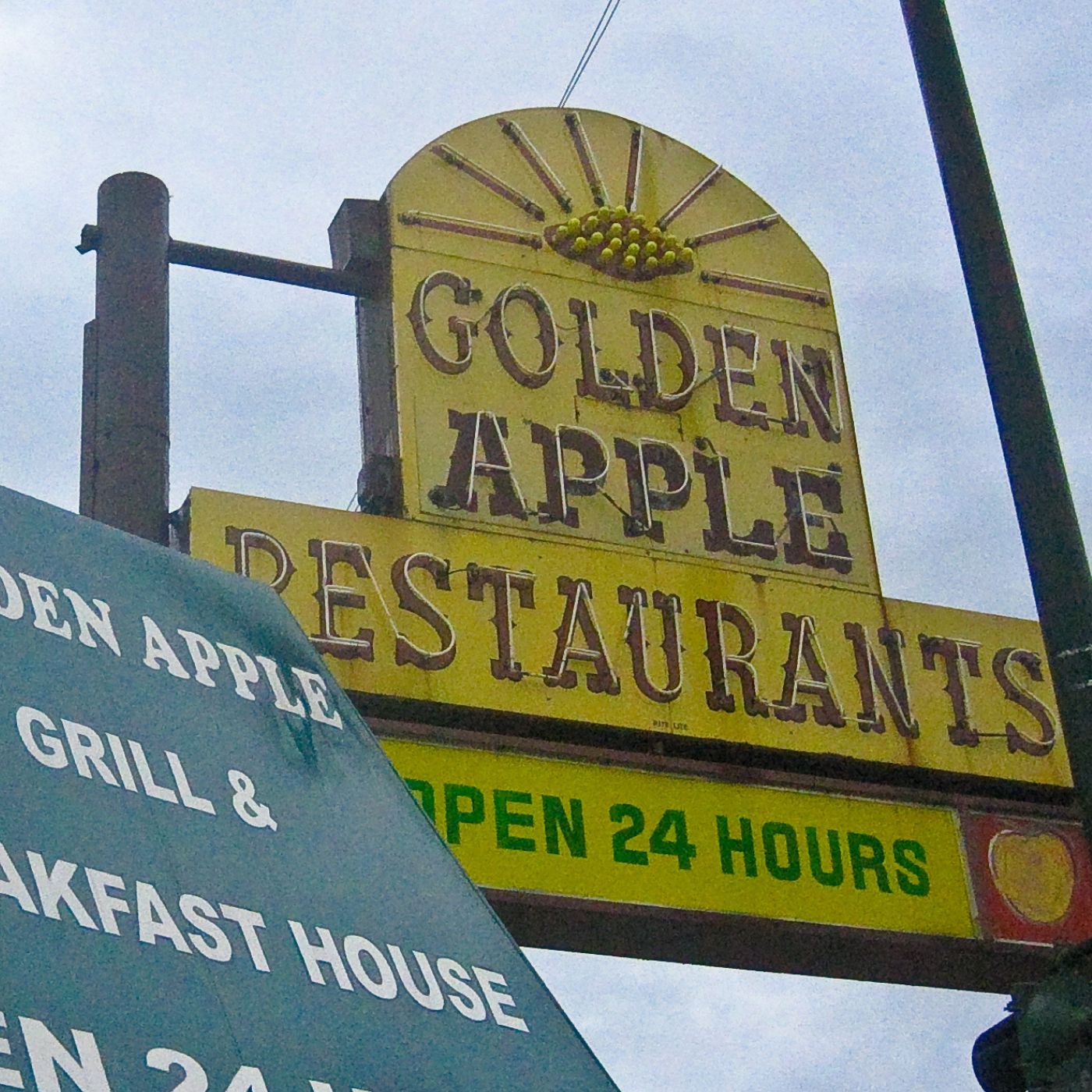
    This week we're featuring an episode of Phonograph, a podcast that deconstructs the history and art of audio storytelling. The hosts of Phonograph recently invited Radio Diaries' Joe Richman on their show to talk about "24 Hours at the Golden Apple," a classic episode of This American Life that he helped produce. The Golden Apple is a diner in Chicago, and back in 2000, a group of producers took shifts hanging out there over 24 hours and talking to as many people as they could. Joe's story focused on the friendship between two high school students, Danielle and Allison, who he met during his shift. Here's an excerpt of Phonograph where Joe talks about making this story, and what it's like to listen back to it more than two decades after it first aired. Learn about your ad choices: dovetail.prx.org/ad-choices
  • July 16 · 14 min

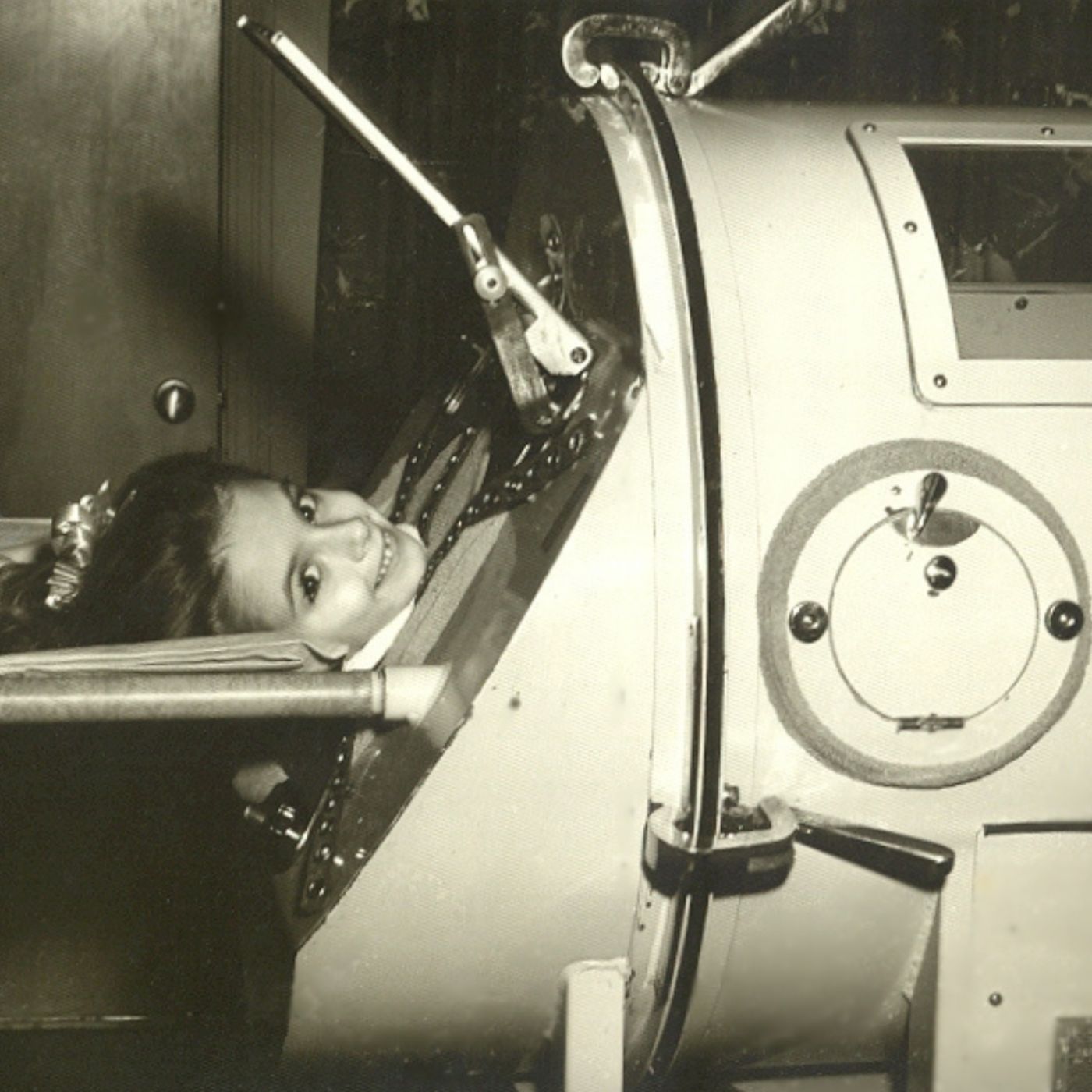
    My Iron Lung: Remembering Martha Lillard

    A few years ago we did a story about Martha Lillard, a woman who had spent most of her life sleeping in a device called an iron lung. Martha had caught polio in the early 1950s, and, like many polio survivors, she had difficulty breathing on her own. Her iron lung was a big metal ventilator that fit her entire body inside and used bellows to suck air in and out, helping her to breathe. Martha was the last person in the U.S. to use one. Martha Lillard died on June 26, 2026. As a remembrance, we're revisiting our story about her. Learn about your ad choices: dovetail.prx.org/ad-choices
  • June 16 · 15 min

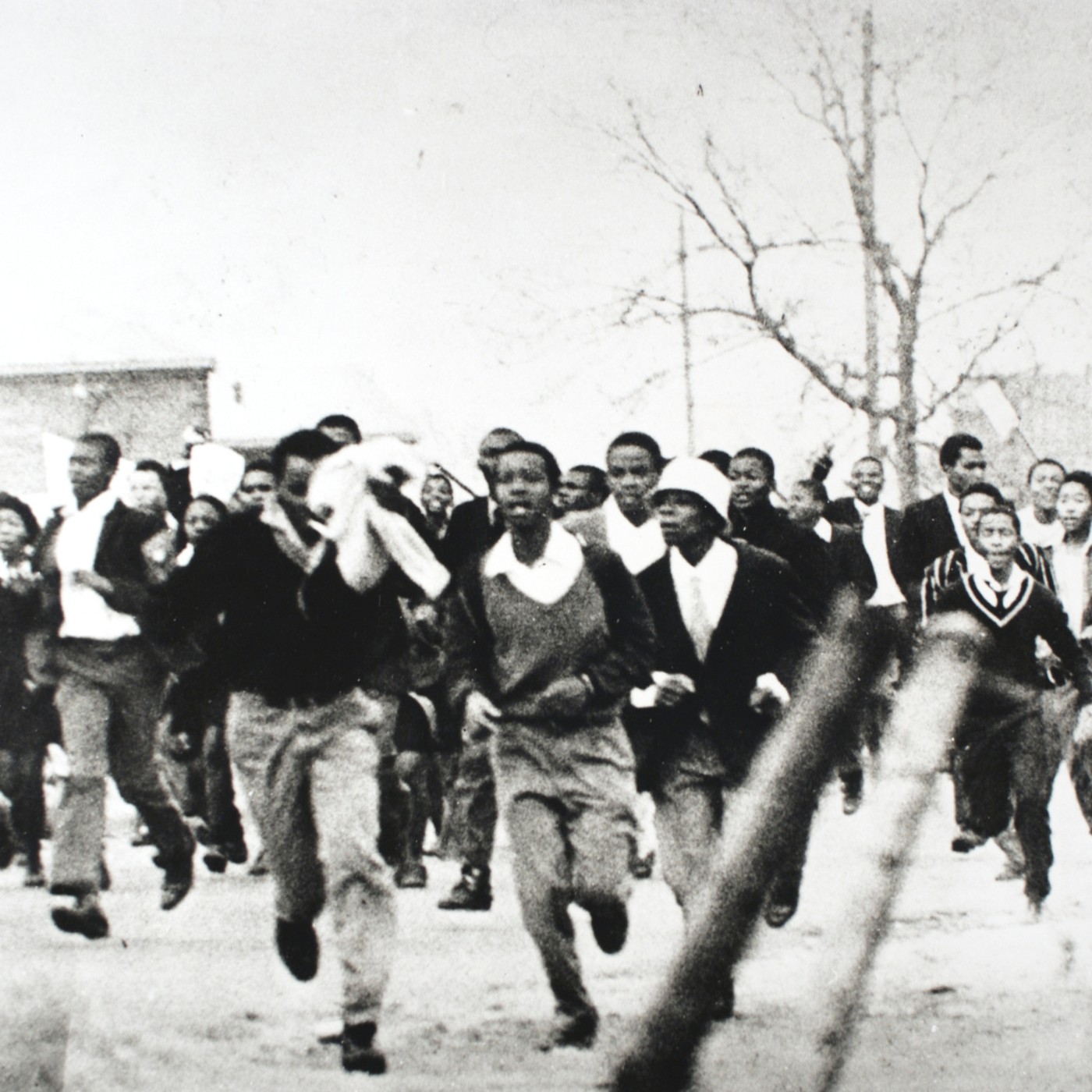
    Soweto 1976

    Fifty years ago, a group of schoolchildren in South Africa changed history. For decades, the whites-only government of South Africa had brutally enforced a policy of racial segregation known as apartheid—and had crushed any opposition just as ruthlessly. By the 1970s, an entire generation of anti-apartheid fighters had been silenced. May were imprisoned or killed. But on June 16, 1976, students in Soweto township outside Johannesburg decided to hold a protest against a government policy mandating that all classes be taught in Afrikaans, the language of South Africa's rulers. This is their story. Learn about your ad choices: dovetail.prx.org/ad-choices
  • June 4 · 16 min

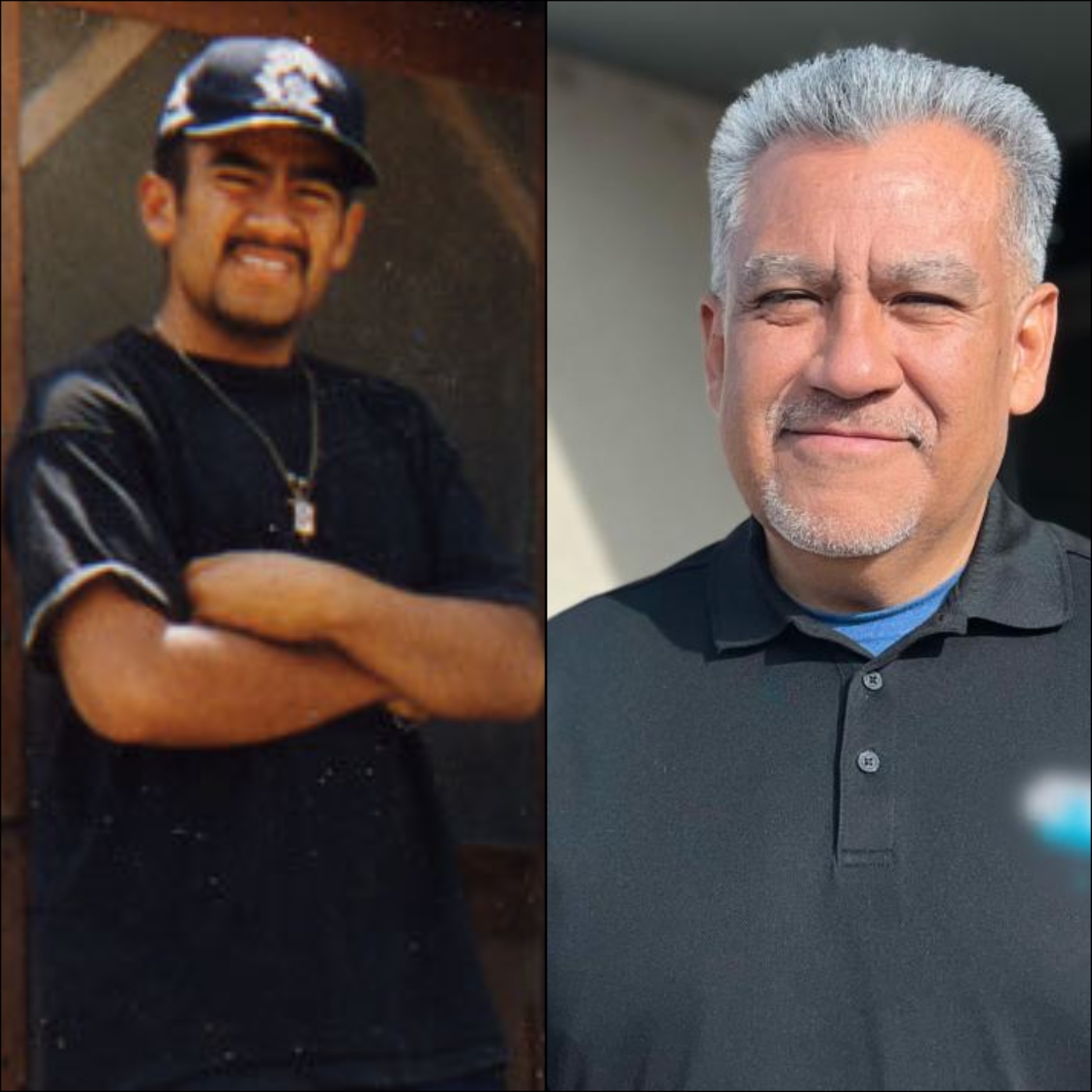
    30 Years of Teenage Diaries

    This year marks 30 years since we first worked with teenagers to record stories about their lives. Over the years, people have often asked us, whatever happened to them? What happened to Juan, Amanda, Melissa, Frankie, and Josh? We’re going to find out. In honor of three decades, we’re setting out to make a new series with our original teenage diarists. And we’re turning to you, our listeners, for help. If you donate now you’ll get an exclusive look behind the scenes as we make these stories. And for the next two weeks we have a generous match, so every dollar you contribute will be doubled: www.radiodiaries.org/donate This week on the show, we’re revisiting Juan’s teenage diary, and have a sneak peek of Joe’s recent trip to see him in Colorado. Learn about your ad choices: dovetail.prx.org/ad-choices
  • May 21 · 21 min

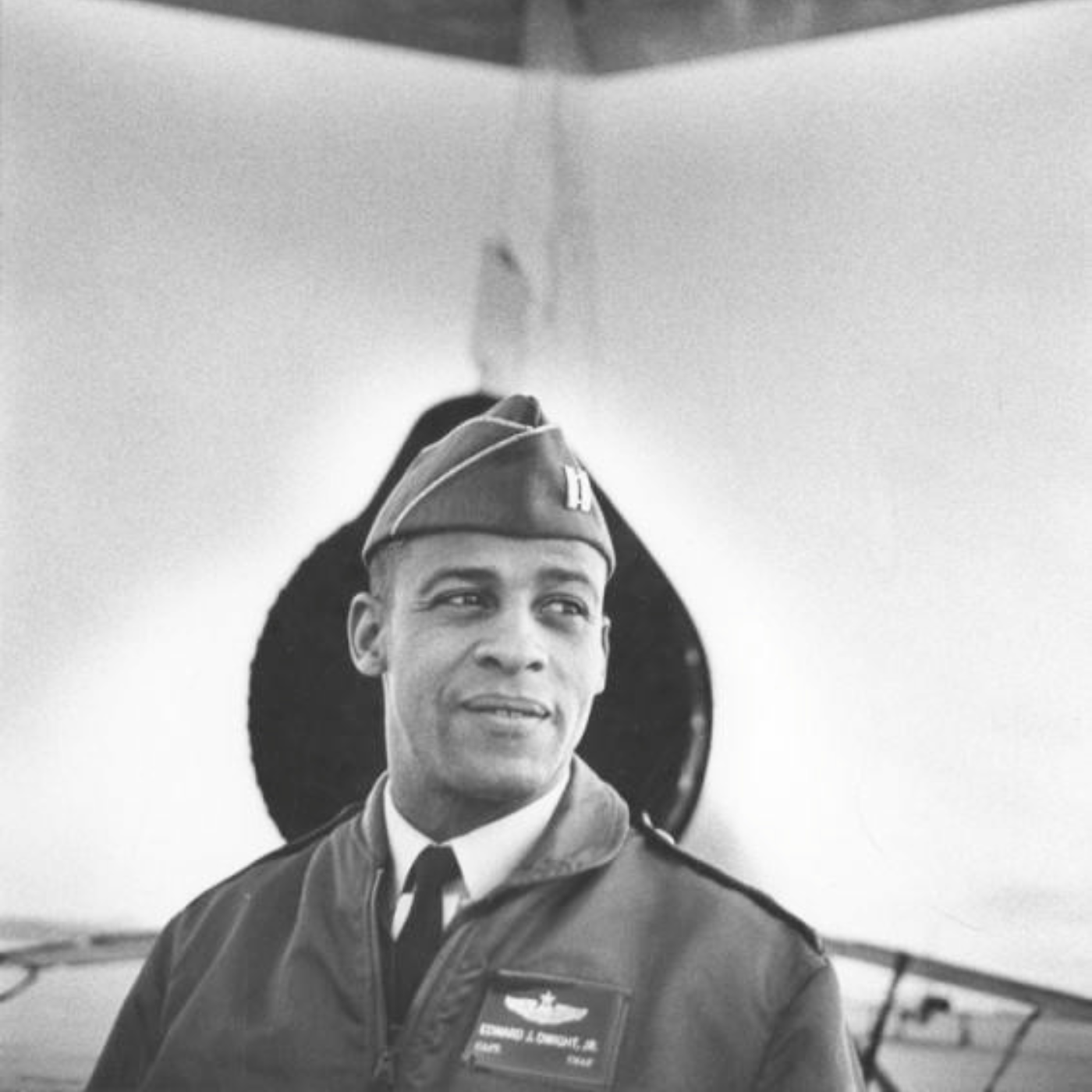
    The Almost Astronaut

    When it comes to the space race, we all know names like Neil Armstrong and Yuri Gagarin. But in most moments in history, there are a few names that fall through the cracks. One of those names is Ed Dwight. When Ed Dwight was selected to train to become an astronaut, many thought he would become the first Black man to go to space. But Ed faced some unexpected hurdles. Today on the show, we bring you his story. Learn about your ad choices: dovetail.prx.org/ad-choices
  • May 7 · 27 min

    Willie McGee and the Traveling Electric Chair

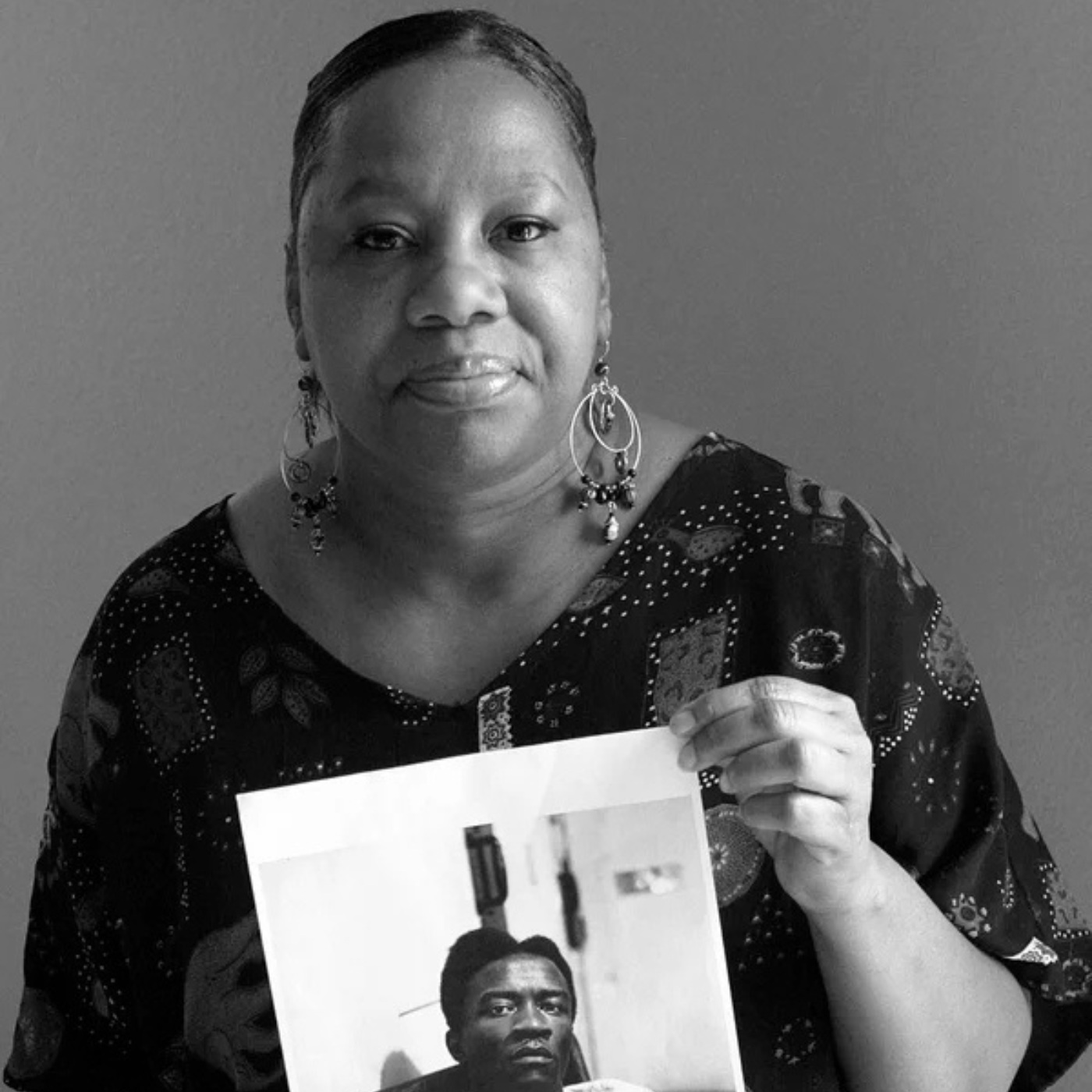
    This episode includes topics and archival audio that some people will find disturbing. Seventy-five years ago, on the night of May 7th, 1951, close to a thousand people gathered around the courthouse in the small town of Laurel, Mississippi. They came to witness an execution. Willie McGee was a young Black man who had been accused of raping a white woman and sentenced to death. Six decades later, Bridgette McGee-Robinson teamed up with Radio Diaries to find the truth about what happened to her grandfather. Learn about your ad choices: dovetail.prx.org/ad-choices
  • April 23 · 20 min

    Sealab: A Home on the Ocean Floor

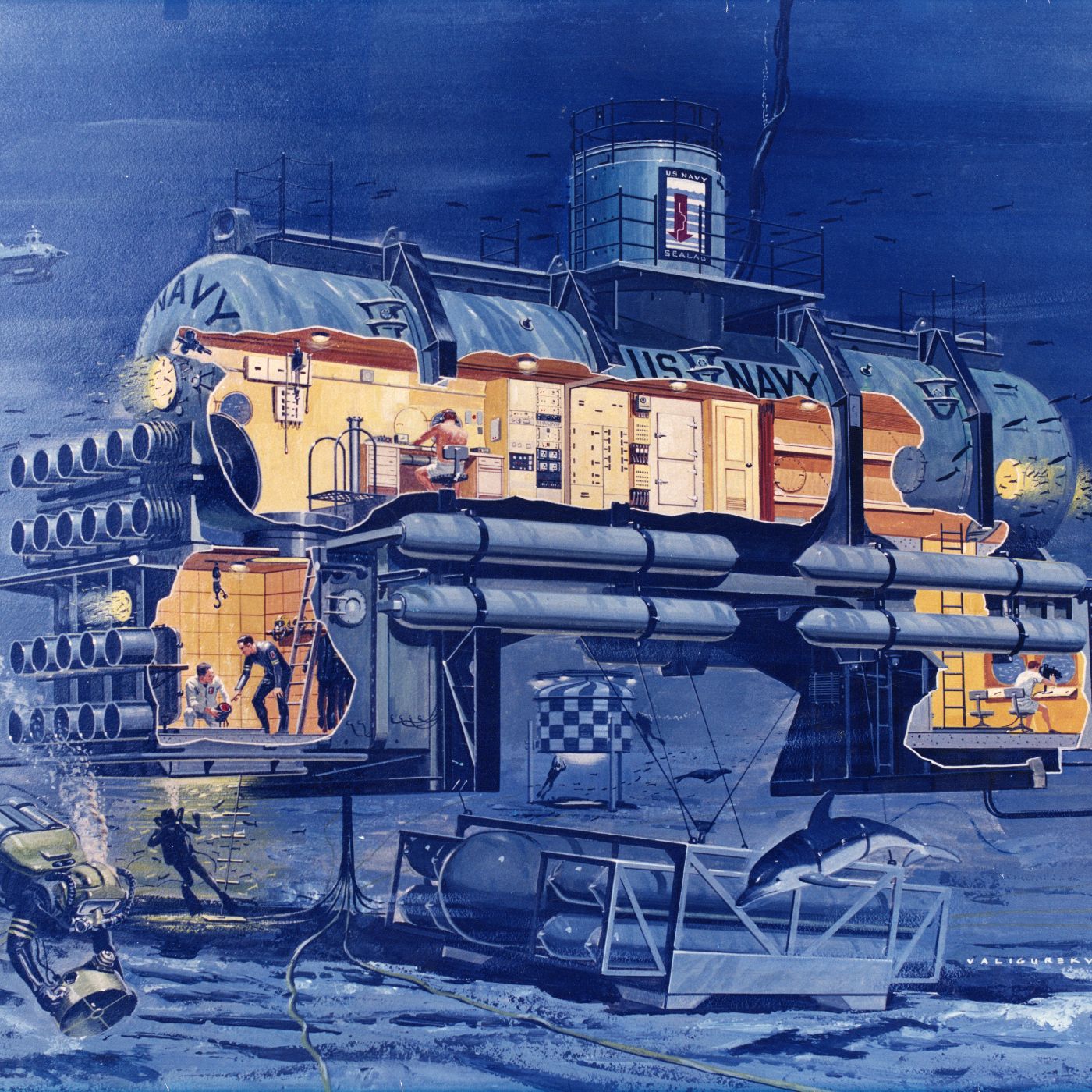
    From ancient myths of sea monsters lurking below to Jules Verne's Twenty Thousand Leagues Under the Sea, the ocean has long been both a source of fear and fascination. For Captain George Bond, a Navy medical officer in the 1960s, the deep sea was humanity's next frontier. Undersea agriculture, deep sea mining, and human colonies on the ocean floor made up his dream for the future. Today we bring you the story of the U.S. Navy's little-known experiment building homes on the ocean floor. They called it, Sealab. Learn about your ad choices: dovetail.prx.org/ad-choices
  • April 2 · 38 min

    Guest Spotlight: William Parker's War on Slave Catchers

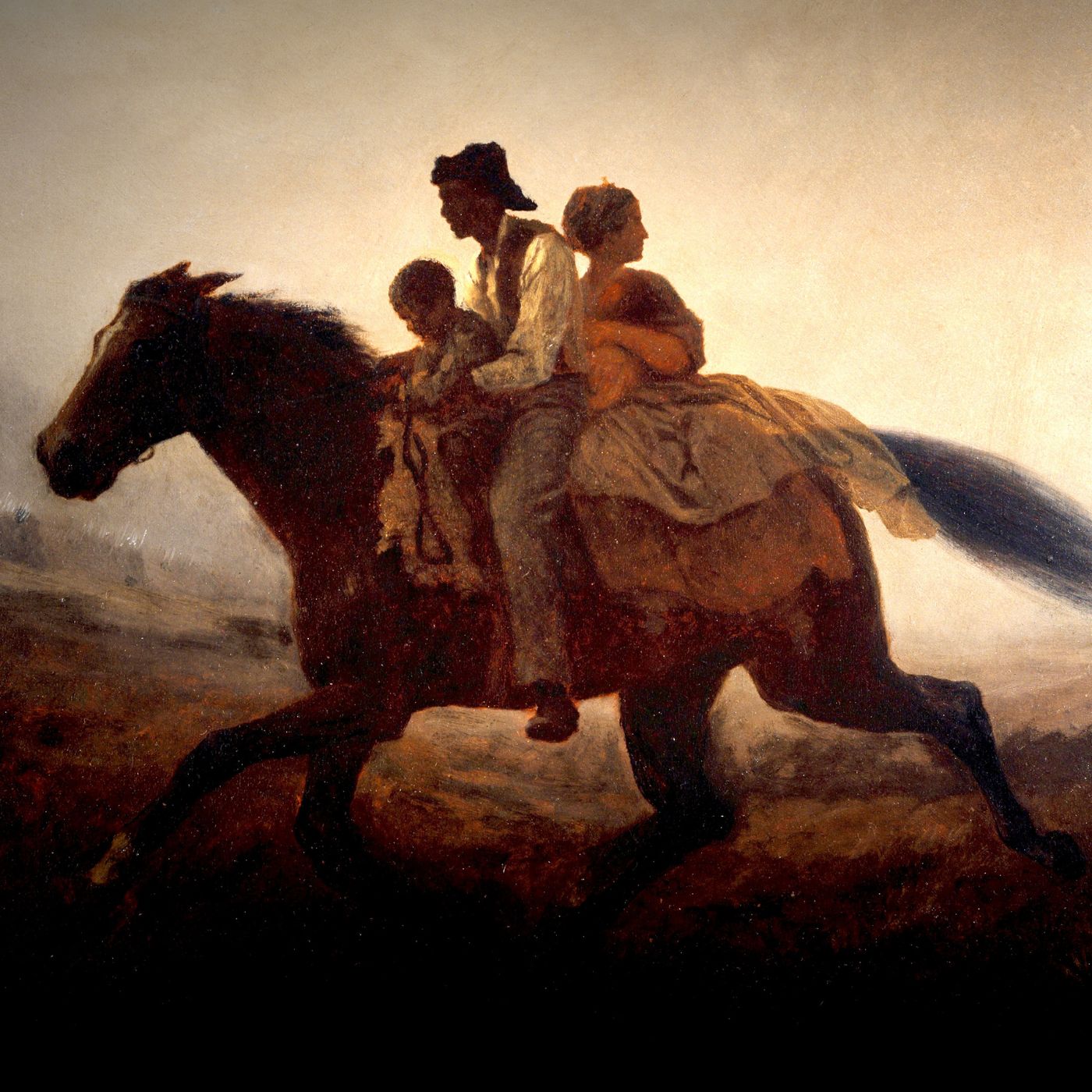
    This week we're bringing you a story from our friends at History This Week, a podcast from the History Channel. April 3, 1951. A man who escaped slavery is grabbed off the streets of Boston and thrown into a carriage. He fights back, shouting to the crowd, but it doesn’t matter. Under a new federal law, even the North isn’t safe. The Fugitive Slave Act has turned cities like Boston into hunting grounds. Freedom seekers are being captured, and ordinary citizens are being forced to help. But across the North, resistance is growing. In Pennsylvania, a man named William Parker is building a network to fight back. When slave catchers come to his door, that resistance explodes into violence. How did one law push the country dramatically closer to war? And what happens when the people targeted by this law refuse to surrender? Learn about your ad choices: dovetail.prx.org/ad-choices
  • March 27 · 16 min

    Detained: A Homecoming

    Last week, Leqaa Kordia, young Palestinian woman from Paterson, New Jersey, walked out of an ICE detention center in Texas. Kordia had been held for more than a year. Radio Diaries has been following her story and recorded Kordia while detention. Now, we bring you her first interview since her release. Learn about your ad choices: dovetail.prx.org/ad-choices
  • March 19 · 12 min

    The Real Refugees of Casablanca

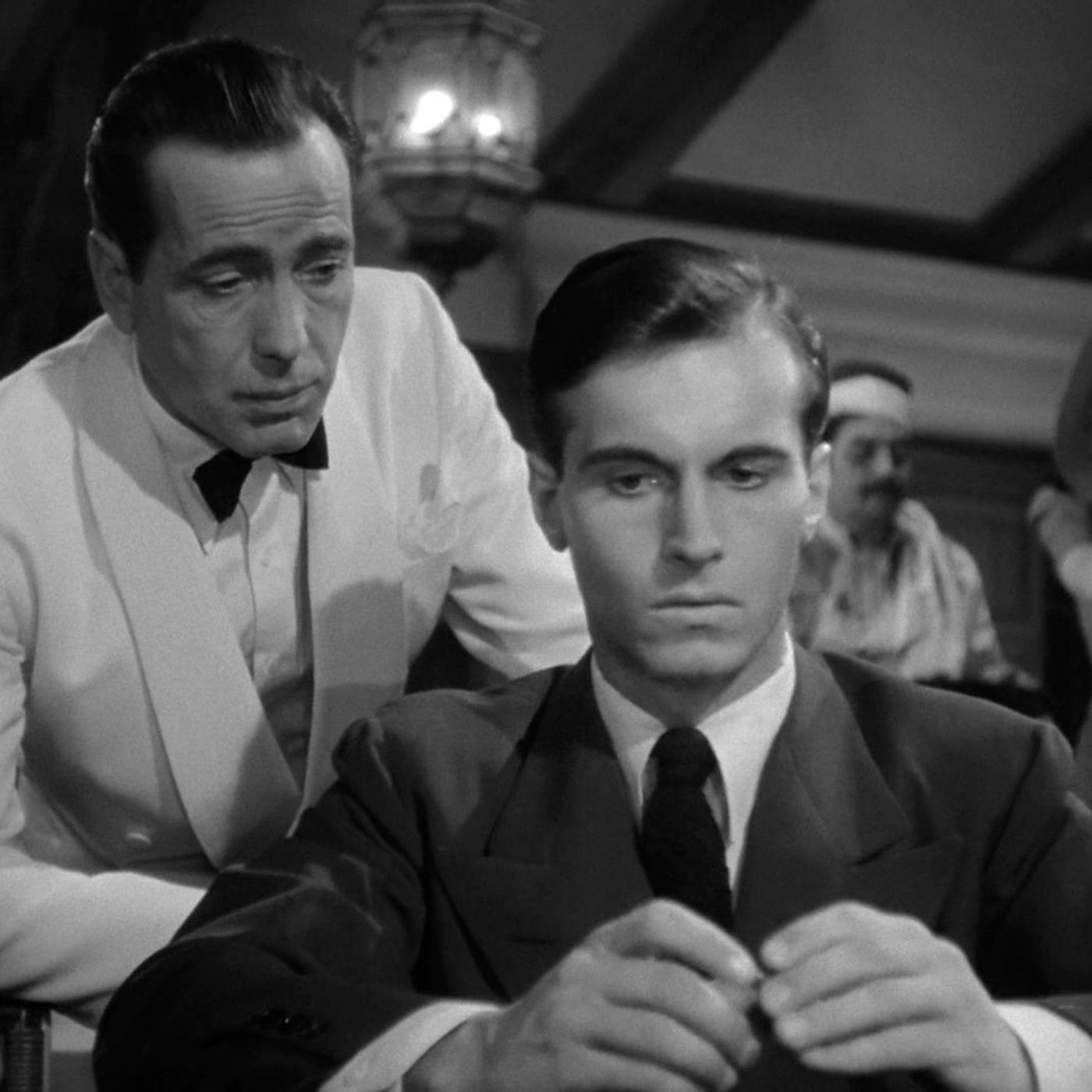
    When the Hollywood classic, Casablanca, was released in 1943, moviegoers were thrilled by the love story. Humphrey Bogart stars as the cynical owner of Rick’s Cafe, a nightclub in Morocco. Ingrid Bergman is his old flame, Ilsa, now married to Victor Laszlo, a dashing resistance leader hunted by the Nazis. Many of the characters at Rick's Café are European refugees trying to make their way to America. What most viewers didn't know is that those characters were played by actors who themselves had recently fled the Nazis. This casting choice lent the film an authenticity that helped deliver its message: that a war far from our borders was a war worth waging. Learn about your ad choices: dovetail.prx.org/ad-choices
  • February 26 · 18 min

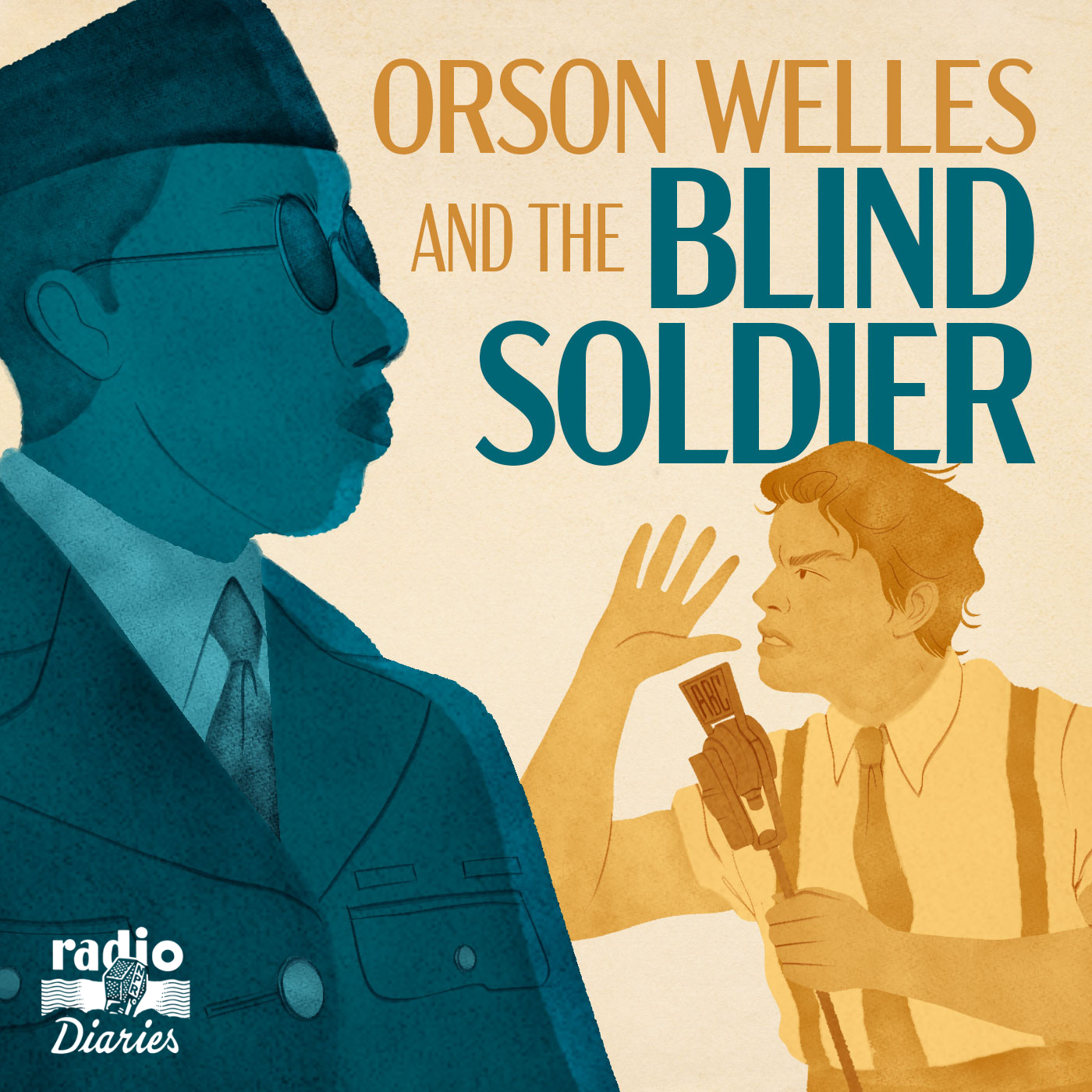
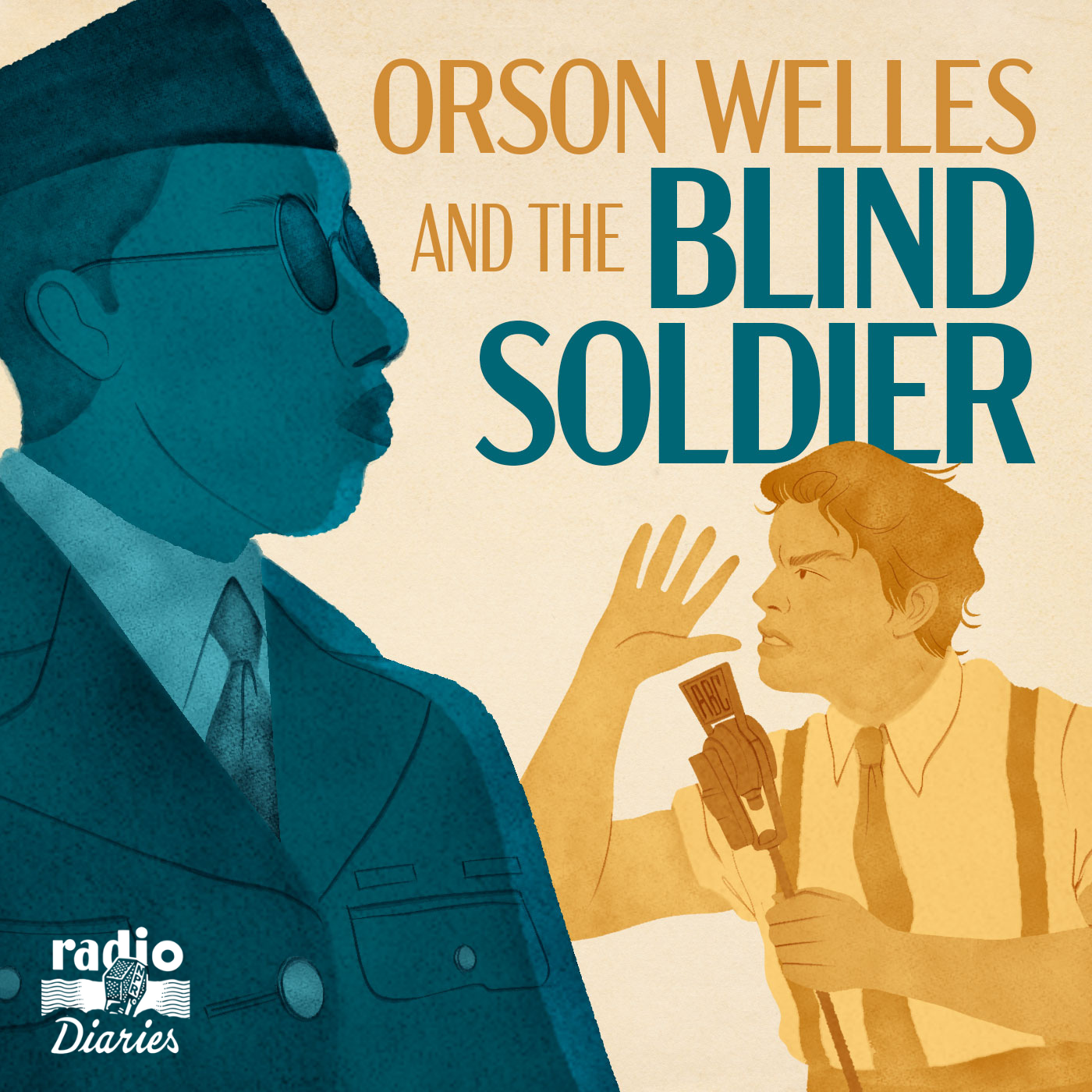
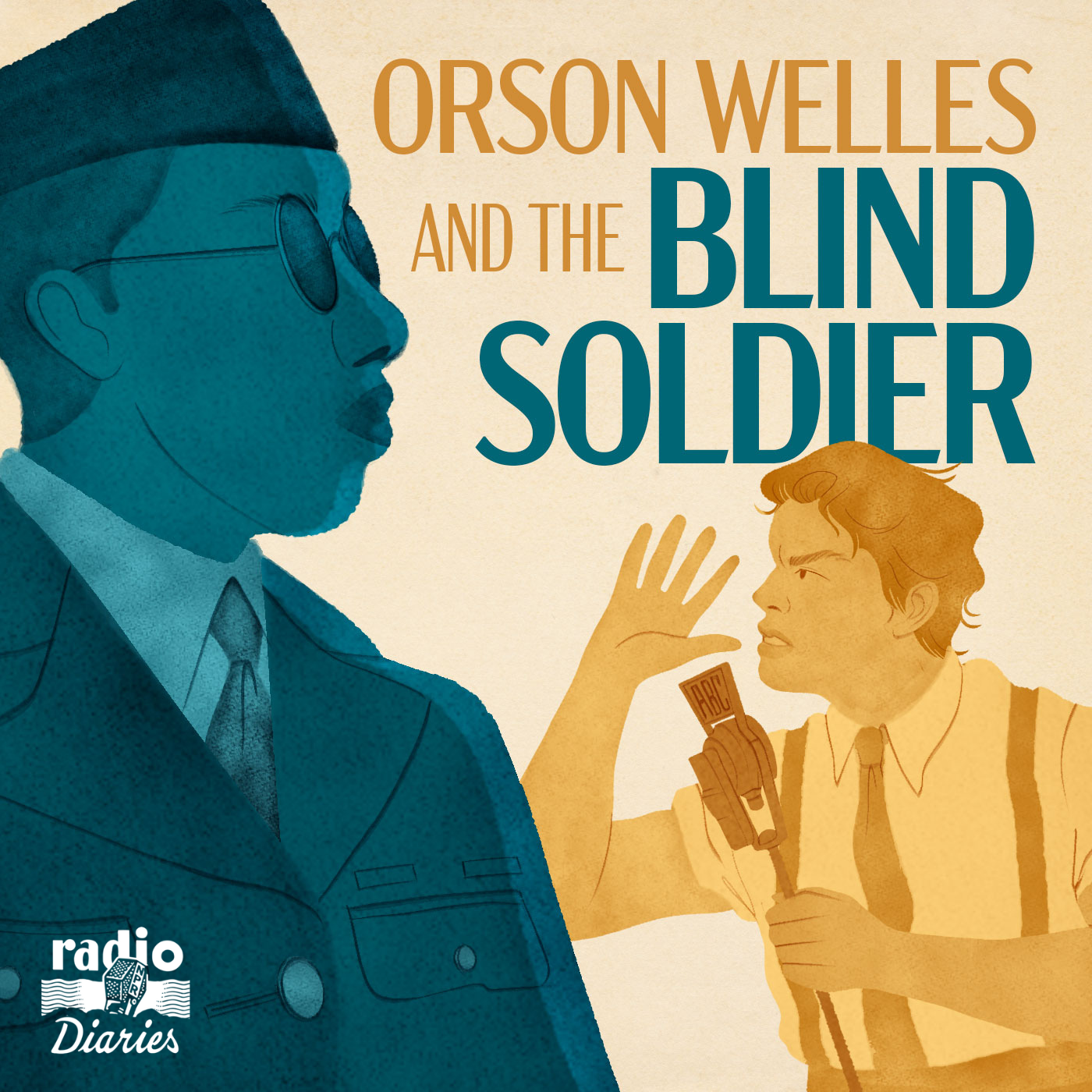
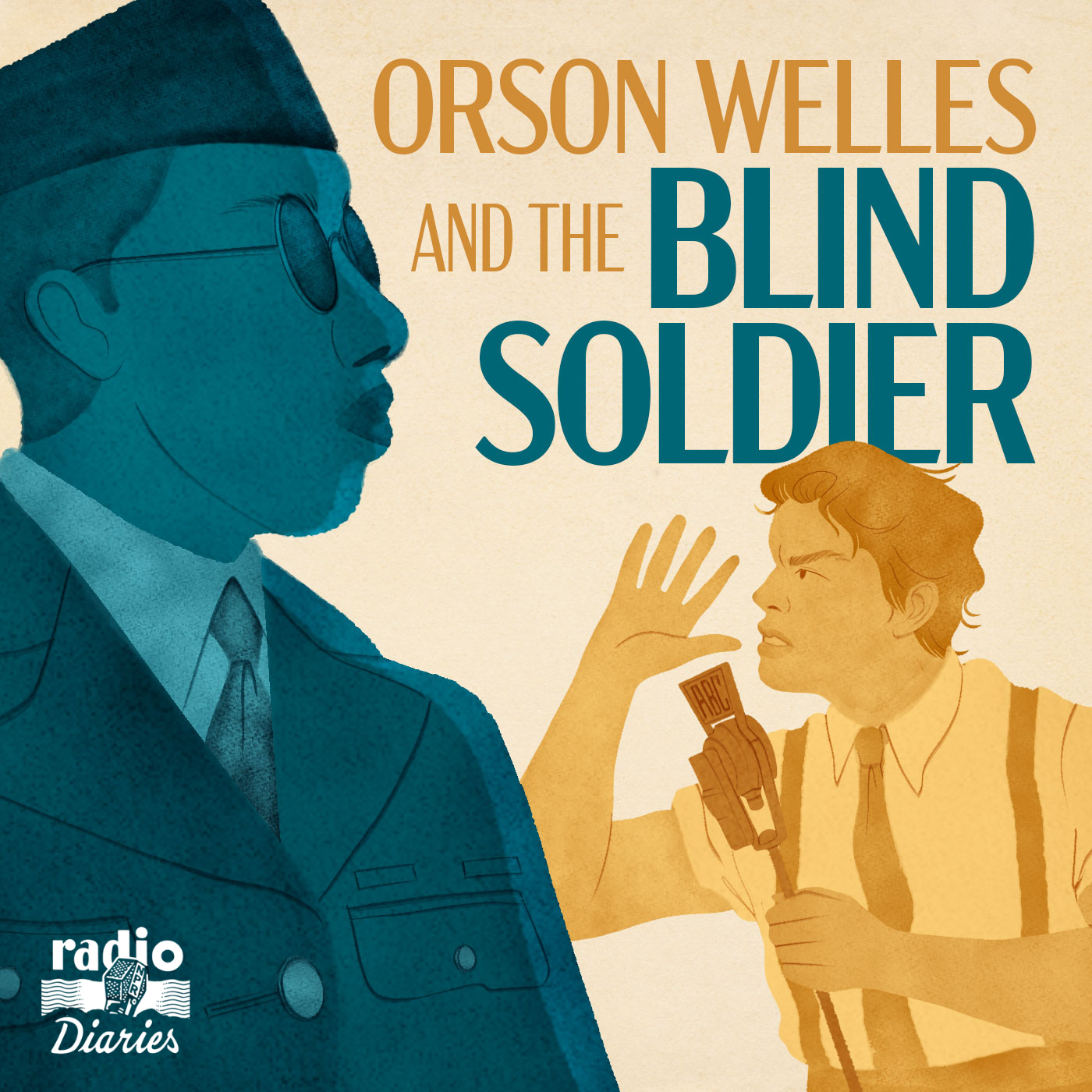
    Orson Welles and the Blind Soldier 3: The Trial

    This is the final episode of our series about Isaac Woodard, a Black soldier who was beaten and blinded by a white police officer in 1946. In the last episode, radio host Orson Welles, who was investigating the case, learned the officer's identity. Isaac Woodard himself told a reporter, "Nothing they can do to the police officer will give me my eyes back, but if they punish him good and legal it may keep the same thing from happening to some more of our boys coming back home. I want him punished." But demanding accountability and getting it were two different things—especially in the Jim Crow South. This week, the officer goes to trial, and the President of the United States takes notice. Learn about your ad choices: dovetail.prx.org/ad-choices

  • February 19 · 13 min

    Orson Welles and the Blind Soldier 2: Officer X

    Last week, we shared the story of Isaac Woodard, a Black soldier who was brutally beaten by a white police officer in South Carolina. No one knew the name of the police officer. Or even the town where it happened. Not even Woodard himself. By the summer of '46, the case was gaining national attention thanks to Orson Welles, who was investigating the crime, week-by-week, on his radio show. Today, episode 2 of our series Orson Welles and the Blind Soldier, about an incident in a small, southern town that became a spark in the growing civil rights movement. --- Thanks to Richard Gergel for his book Unexampled Courage and Indiana University’s Lilly Library for archival audio. Music from Matthias Bossi and Duke Ellington. Learn about your ad choices: dovetail.prx.org/ad-choices
  • February 12 · 12 min

    Orson Welles and the Blind Soldier 1: The Bus Ride

    In 1946, radio host Orson Welles heard of a shocking crime. A black soldier had been brutally beaten by a white police officer. No one knew the identity of the cop, or even where it happened. So Welles vowed to solve it... on the air.

  • February 9 · 4 min

    TRAILER: Orson Welles and the Blind Soldier

    On February 12, 1946, an African American soldier heading home from WWII was attacked by a white police officer somewhere in South Carolina. The soldier's name was Isaac Woodard. No one knew the identity of the officer who attacked Woodard. No one even knew which town it had happened in. So when the famous radio host Orson Welles heard about the case, he vowed to solve it on the air. Radio Diaries and Radiotopia bring you a new series about a crime in a small southern town that led to the desegregation of the United States military. The first episode drops February 12th on the Radio Diaries Podcast. Learn about your ad choices: dovetail.prx.org/ad-choices
  • January 14 · 11 min

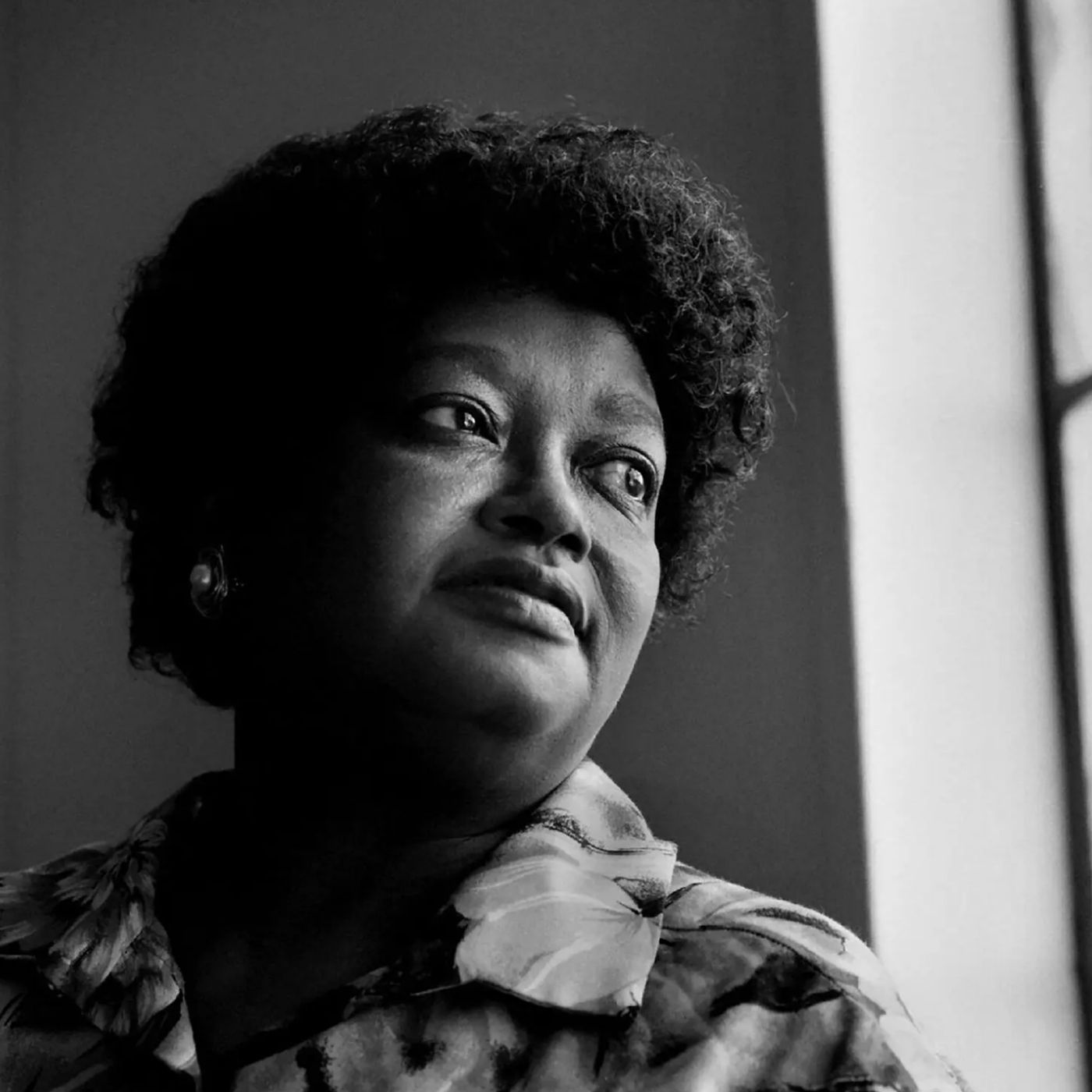
    Remembering Claudette Colvin

    A little over a decade ago, we went to interview a woman at her small one-bedroom apartment in a sprawling complex in the Bronx. She was living a quiet and somewhat anonymous life. But many years earlier, she had done something remarkable. The woman’s name was Claudette Colvin. In 1955, she was a 15-year-old girl growing up in Montgomery, Alabama. On March 2nd of that year, Colvin refused to give up her seat to a white passenger on a public bus, and was arrested. This was nine months before Rosa Parks would do the exact same thing. But while Rosa Parks became an icon of the Civil Rights movement, Colvin spent most of her life in obscurity. Claudette Colvin passed away this week, at age 86. We’re remembering her by revisiting the story we did with her in 2015. Learn about your ad choices: dovetail.prx.org/ad-choices
  • Dec 18, 2025 · 12 min

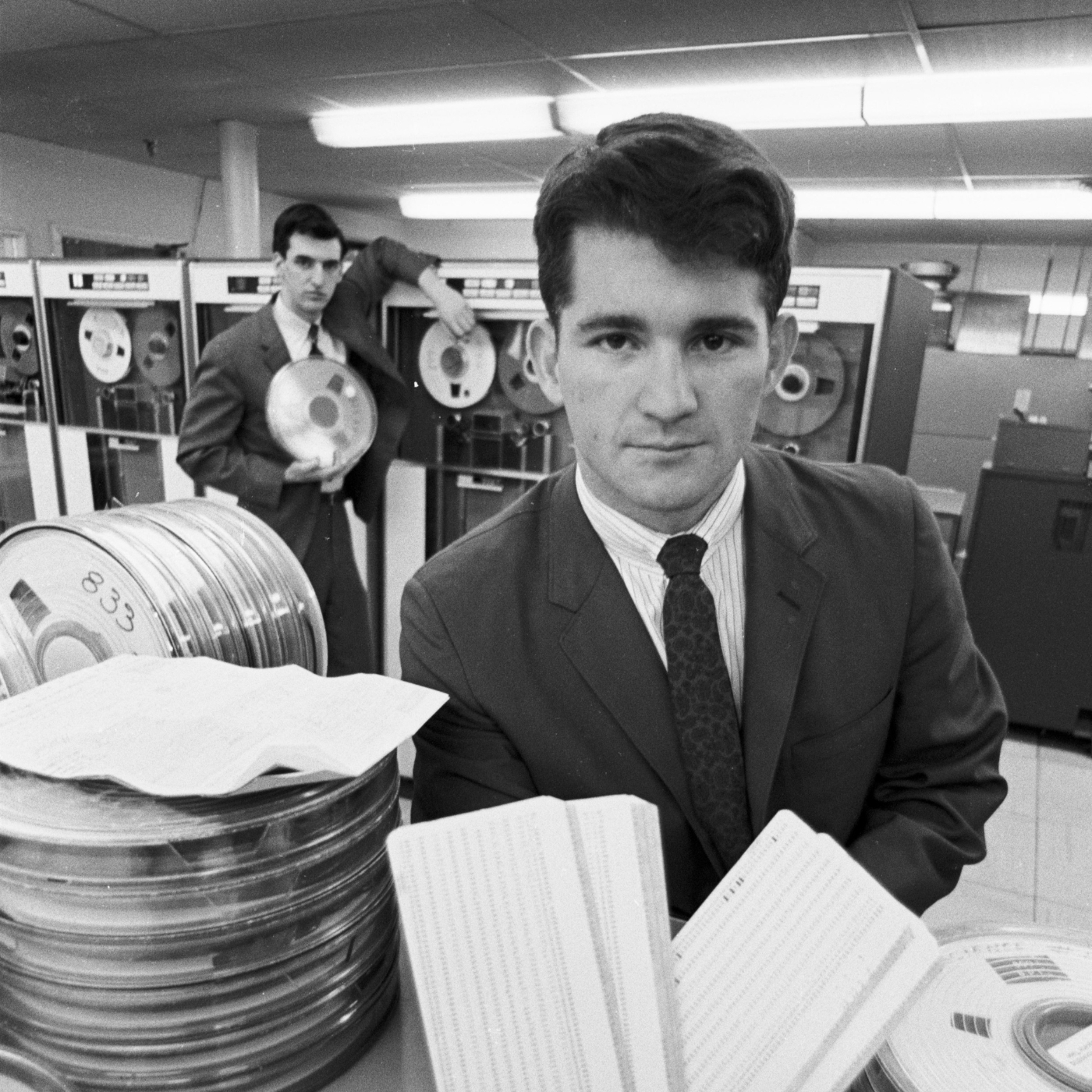
    The First Computer Dating Service: Operation Match

    Looking for love is an art, not a science. People have been trying to crack the code, with mixed success, for a long time. This week we're going back to the 1960s, when a couple Harvard students had an idea. Businesses had started using a new technology called the computer to process payroll or match a client with the right type of insurance. What if these same computers could be used to get a date? This is the story of the very first computer dating service, Operation Match. Learn about your ad choices: dovetail.prx.org/ad-choices
  • Nov 20, 2025 · 16 min

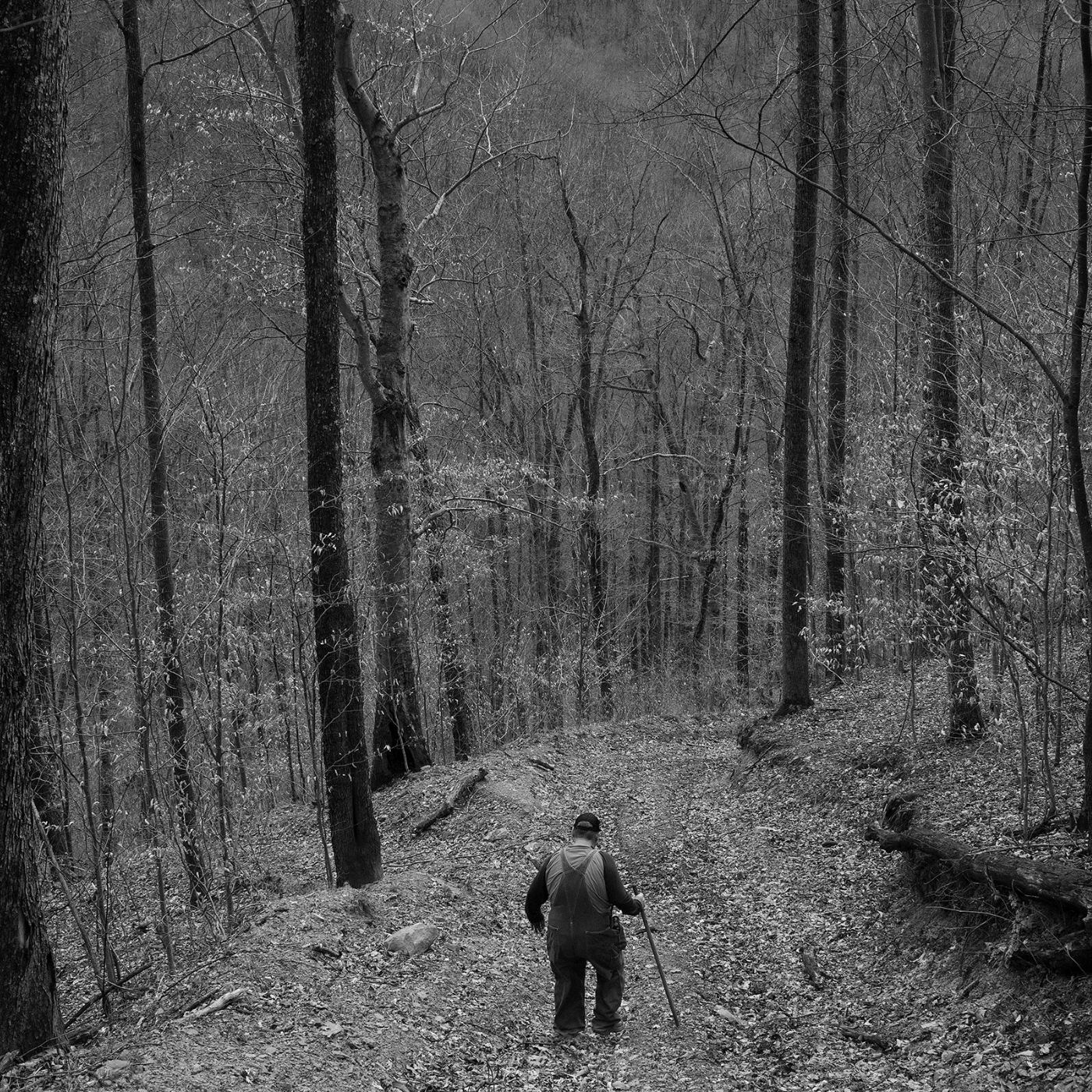
    This Short Life

    Today on the show, we sit down with photographer Andrew Lichtenstein to discuss his new book, THIS SHORT LIFE, which combines photo essays with audio testimonies about 12 Americans, from a West Virginia coal miner to a Maine farmer, all united by how the struggles of their past have shaped their present. You'll hear audio testimony from some of the people in the book. Buy THIS SHORT LIFE here. If you liked this story, find more of our work at radiodiaries.org and follow us on Bluesky, Instagram and Facebook @radiodiaries. To support our work, go to www.radiodiaries.org/donate. Learn about your ad choices: dovetail.prx.org/ad-choices
  • Nov 3, 2025 · 11 min

    Detained: The Last Columbia Protester

    In April 2024, over 100 students were arrested during protests outside Columbia University, calling for a ceasefire in Gaza. Leqaa Kordia, a young Palestinian woman living in Paterson, New Jersey, was one of them. Kordia was let go after the protests. But months later, ICE officials took her into custody and put her on a plane to a detention facility in Texas. Kordia has now been detained there for more than seven months. She is the last Columbia protestor still in detention. Kordia's cousin, Hamzah Abushaban, talks to Kordia through a detention phone line almost every day. Today on the show, we'll hear one of those phone calls. Learn about your ad choices: dovetail.prx.org/ad-choices
  • Oct 23, 2025 · 17 min

    Identical Strangers

    Paula Bernstein and Elyse Schein were both born in New York City and adopted as infants. When they were 35 years old, they met and found they were “identical strangers.” This story originally aired on NPR in 2007. Liked this story? Donate and find more of our stories at www.radiodiaries.org. Follow us @radiodiaries on Bluesky and Instagram. Learn about your ad choices: dovetail.prx.org/ad-choices
  • Oct 2, 2025 · 16 min

    The Gospel Ranger

    This is the story of a song, "Ain't No Grave Gonna Hold My Body Down." It was written by a 12-year-old boy on what was supposed to be his deathbed. But the boy didn't die. Instead, he went on to become a Pentecostal preacher, and later helped inspire the birth of Rock & Roll. The boy's name was Brother Claude Ely, and he was known as The Gospel Ranger. Learn about your ad choices: dovetail.prx.org/ad-choices
Showing 1–20 of 20 episodes