I Had Anorexia for Years. Here's What Actually Helped Me Recover
transcript
show notes
What actually helps someone recover from anorexia?
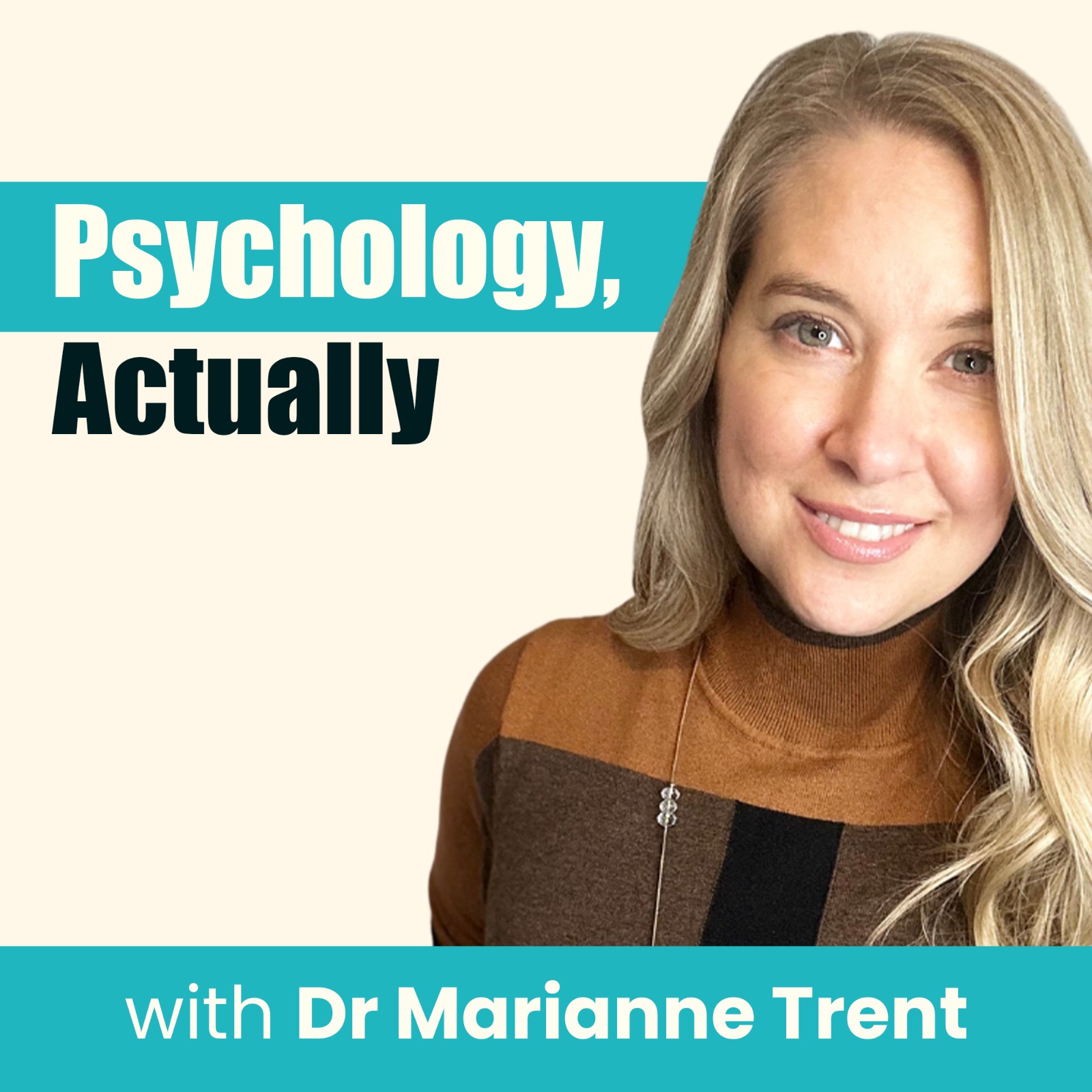
After developing anorexia as a teenager, Tiffany Luxford spent approximately two years receiving inpatient treatment. Today, she is fully recovered and using her lived experience to improve how eating disorders are understood and supported. In this episode of Psychology, Actually, Tiffany joins Dr Marianne Trent to share what genuinely helped her recover, what she wishes had been different during treatment, and why compassion, connection and feeling understood matter.
Together, they explore the emotional distress behind eating disorders, the role of trauma, control and self-criticism, and why separating the person from the eating disorder can help reduce shame and blame. Whether you have experienced an eating disorder, are supporting someone through recovery or work within mental health services, this conversation offers valuable insight and hope.
#AnorexiaRecovery #EatingDisorderRecovery #PsychologyActually
Highlights
- 00:00 Understanding the person behind the eating disorder
- 01:02 Avoiding triggering imagery and numbers
- 02:43 Eating disorders are more than physical symptoms
- 03:31 Understanding distress and control
- 05:03 Loving food while living with anorexia
- 06:19 Tiffany’s experience of anorexia and inpatient treatment
- 08:59 How compassion can support recovery
- 09:14 Separating the person from the eating disorder
- 10:36 What Tiffany needed during treatment
- 12:35 The role of trauma
- 13:33 What full recovery feels like
- 14:53 Can eating disorder thoughts return?
- 16:16 Rebuilding a healthier relationship with exercise
- 17:14 Moving beyond comparison
- 19:38 Externalising the eating disorder
- 22:35 Reducing shame and self-blame
- 23:41 The value of lived experience
- 25:45 Why recovery stories matter
- 28:21 Tiffany’s TEDx talk and The Recovery Wave
- 30:07 Final thoughts
Links:
📲 Connect with Tiffany Luxford on LinkedIn: https://www.linkedin.com/in/tiffany-luxford-505013179/
🫶 To join my podcast membership to get early access to episodes and support the show head to: https://the-aspiring-psychologist.captivate.fm/support or to the Apple Podcasts App: https://podcasts.apple.com/gb/podcast/the-aspiring-psychologist-podcast/id1605628278 or to YouTube: https://www.youtube.com/channel/UCOwjrIP_jatiqlAivJE2mgQ/join
📚 To check out The Clinical Psychologist Collective Book: https://amzn.to/3jOplx0
📖 To check out The Aspiring Psychologist Collective Book: https://amzn.to/3CP2N97
💡 To check out or join the aspiring psychologist membership for just £30 per month head to: https://www.aspiring-psychologist.co.uk/membership
🖥️ Check out my short courses for aspiring psychologists and mental health professionals here: https://www.aspiring-psychologist.co.uk/online-courses
Ask Marianne your most pressing psychology career question and she will send you a FREE bespoke reply! Grab your free psychology success guide here and fill in the most pressing concern box: https://www.aspiring-psychologist.co.uk (scroll to the bottom of the page)
✍️ Get your FREE Supervision Shaping Tool now: https://www.aspiring-psychologist.co.uk/free-resources
📱Connect socially with Marianne and check out ways to work with her, including the Aspiring Psychologist Book, Clinical Psychologist book and The Aspiring Psychologist Membership on her Link tree: https://linktr.ee/drmariannetrent
💬 To join my free Facebook group and discuss your thoughts on this episode and more: https://www.facebook.com/groups/aspiringpsychologistcommunity
Like, Comment, Subscribe & get involved:
If you enjoy the podcast, please do subscribe and rate and review episodes.
⚠️ Disclaimer
This content is for informational and educational purposes only. It does not constitute medical, psychological, or professional advice. Any actions taken based on this content are at your own risk.
© Dr Marianne Trent
Mentioned in this episode:
The Clinical Psychologist Collective Book
This episode is brought to you by The Clinical Psychologist Collective Book. Check it out, leave a review or buy your copy here: https://amzn.to/3jOplx0
- https://www.linkedin.com/in/tiffany-luxford-505013179/linkedin.com
- https://the-aspiring-psychologist.captivate.fm/supportthe-aspiring-psychologist.captivate.fm
- https://podcasts.apple.com/gb/podcast/the-aspiring-psychologist-podcast/id1605628278podcasts.apple.com
- https://www.youtube.com/channel/UCOwjrIP_jatiqlAivJE2mgQ/joinyoutube.com