Skip to content
Artwork for Protein Production Technology Podcast
Science

Protein Production Technology Podcast

FPG Media

Helping the industry understand how it will revolutionize modern protein production and help build a healthier, more efficient, and sustainable global protein system

  • 20 episodes
  • Updated Wednesday

Episodes20

  • Wednesday · 1 hr 3 min

    Episode 38: CDMOs Are Not a Shortcut – They’re a Strategy In Partnership With YD Labs

    Powered by Protein Production Technology International Should food and fermentation companies build their own manufacturing capabilities - or can the right partners get them to market faster and more efficiently? In this episode of the Protein Production Technology International podcast, Nick Bradley was joined by Ariel Blumovich of YD Labs, David Ziskind of Mach Global Advisors, Tzvi Zvirin of BioArmix, Arnon Heyman of IBI Ag, and Ori Zakin of BioRaptor.AI to explore the evolving role of CDMOs in food and biotechnology scale-up. The panel challenged the perception that contract development and manufacturing organizations are simply outsourced service providers, discussing how strategic partnerships can help companies accelerate development, reduce capital requirements, and access expertise that would be difficult to build internally. The conversation examined one of the most important questions facing growth-stage companies: what should be built in-house and what should be entrusted to external partners? Speakers shared practical insights into protecting intellectual property, structuring long-term collaborations, and creating governance frameworks that allow innovation to flourish without compromising competitive advantage. Drawing on real-world experiences from across the food tech and biotechnology sectors, the discussion also explored why some CDMO relationships thrive while others fail, highlighting the importance of trust, transparency, aligned incentives, and continuous collaboration. From manufacturing strategy and partnership models to investment considerations and scale-up planning, the episode offered a practical framework for companies seeking to grow without overbuilding infrastructure too early. A must-listen for founders, R&D leaders, operations teams, investors, and anyone navigating the complex decisions required to scale food and fermentation technologies successfully.
  • July 29 · 1 hr 4 min

    Episode 39: IP as a Growth Engine: Unlocking Investment in Food Tech In Partnership with HGF

    Powered by Protein Production Technology International A breakthrough ingredient or production process may create headlines, but can it create a defensible business? In this episode of the Protein Production Technology International podcast, Nick Bradley was joined by Kerry Rees and Andrew Tindall of HGF, alongside Gilbert Verschelling of The Protein Brewery, Tim Fronzek of Nosh.bio, and Casey Lippmeier of Checkerspot, to explore how alternative protein companies can build intellectual property strategies that support long-term commercial success. The panel discussed why effective IP management extends far beyond filing patents, examining how founders can align protection strategies with business objectives, fundraising plans, partnerships, and commercialization roadmaps. The conversation explored the balance between patents and trade secrets, the risks of over-filing, and how companies can ensure their most valuable innovations remain protected as they scale. The speakers also shared insights into what investors look for when assessing technology businesses, explaining why strong IP portfolios can strengthen a company's position but are rarely enough on their own. Market traction, execution capability, regulatory progress, and commercial readiness all play critical roles in building investor confidence. From collaboration agreements and freedom-to-operate considerations to licensing strategies and enforcement, the discussion offered practical guidance for founders navigating one of the most important - and often misunderstood - aspects of building an alternative protein company. A must-listen for founders, R&D leaders, investors, legal teams, and anyone seeking to transform innovation into a scalable and defensible business.

  • July 22 · 32 min

    Special Episode: John Krzywicki - Checkerspot

    Powered by Protein Production Technology International What does it take for a biotechnology company to evolve from a promising startup into a commercially focused nutrition business? In this episode of the Protein Production Technology International podcast, Nick Bradley sat down with John Krzywicki, CEO of Checkerspot, to discuss the company's journey from developing industrial materials to commercializing high-value nutritional ingredients derived from microalgae. Krzywicki shared how Checkerspot is using heterotrophic microalgae and precision fermentation to produce specialty fats and oils, including ingredients designed to replicate those found naturally in human breast milk. The conversation explored why microalgae offers unique advantages as a production platform and how advances in biotechnology are opening new opportunities in infant nutrition and broader health applications. The discussion also provided a candid look at the realities of scale-up, including resource allocation, capital efficiency, and the strategic decisions required to focus on the most commercially attractive opportunities. Krzywicki explained why partnerships have played a critical role in the company's growth and how Checkerspot's licensing-led approach is designed to accelerate adoption while minimizing capital requirements. From ingredient innovation and commercialization to manufacturing strategy and market focus, the episode highlighted the challenges and opportunities facing biotechnology companies as they transition from technology development to sustainable business growth. A must-listen for fermentation companies, ingredient developers, nutrition brands, investors, and anyone interested in the commercialization of next-generation food ingredients.

  • July 15 · 49 min

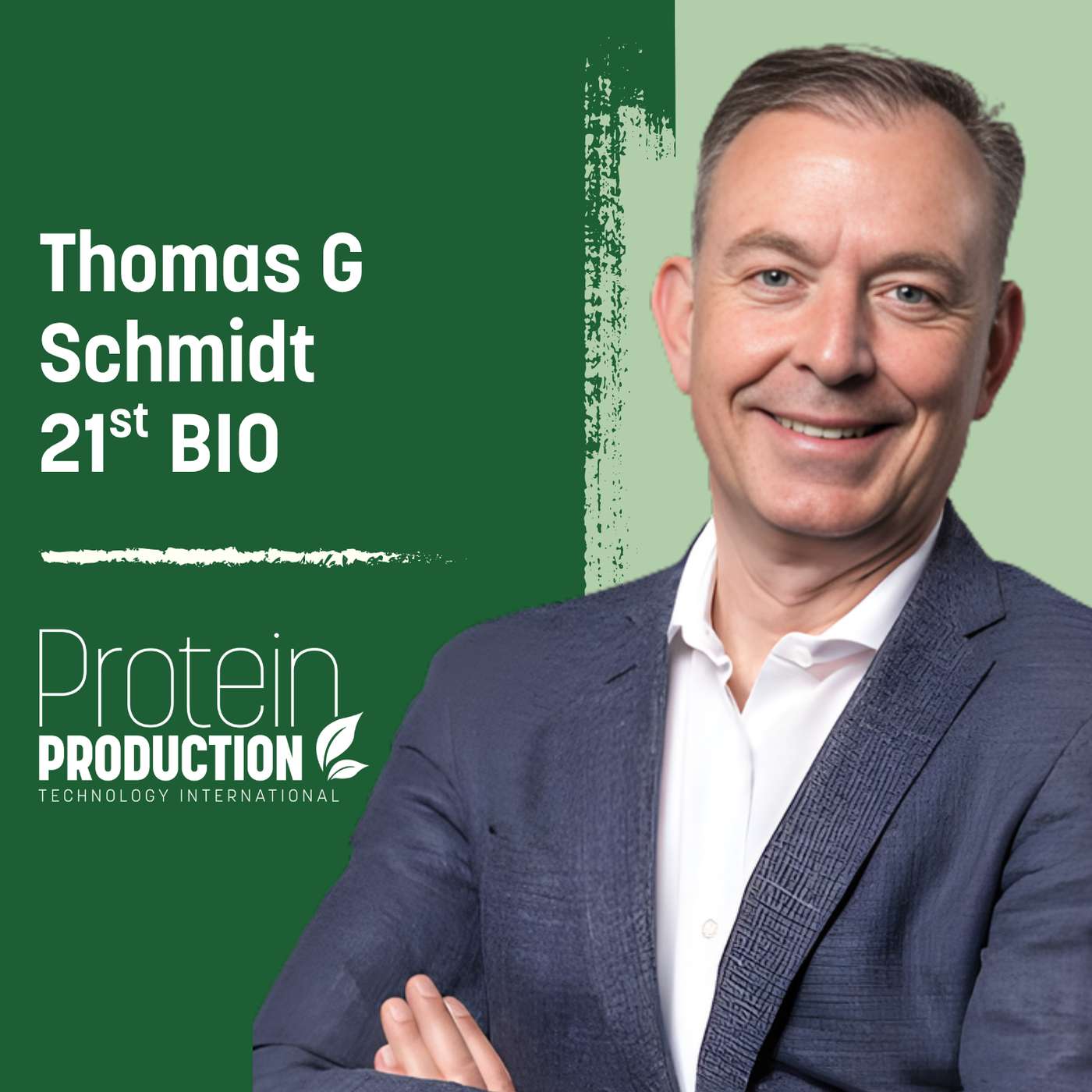
    Special Episode: Thomas G Schmidt - 21st BIO

    Powered by Protein Production Technology International Why do so many promising biotechnology breakthroughs fail to reach commercial scale? In this episode of the Protein Production Technology International podcast, Nick Bradley sat down with Thomas G. Schmidt, CEO of 21st.BIO, to discuss one of the industry's biggest challenges: bridging the 'Valley of Death' between laboratory success and industrial-scale production. Drawing on the company's roots within the Novo Group ecosystem, Schmidt explained how 21st.BIO is helping startups accelerate commercialization by providing access to proven technology platforms, industrial expertise, and large-scale production capabilities. The conversation explored why scientific innovation alone is rarely enough and why companies must demonstrate credible pathways to manufacturing at scale. Schmidt also shared his perspective on the future economics of precision fermentation, including why achieving competitive production costs, improving titers, and maximizing carbon conversion efficiency will be critical to long-term success. The discussion examined 21st.BIO's work with beta-lactoglobulin (BLG), the importance of moving beyond sustainability-focused narratives, and the need to build businesses that can compete on performance and economics. The episode also looked at how biotechnology can evolve from replicating existing proteins to creating entirely new nutritional possibilities, unlocking greater efficiency and helping meet growing global demand for protein. From scale-up and manufacturing to investment, partnerships, and the future of precision fermentation, this conversation offered valuable insights into what it will take to transform breakthrough science into commercially viable food production. A must-listen for fermentation companies, investors, food manufacturers, technology developers, and anyone interested in the realities of scaling the next generation of protein production.

  • July 8 · 26 min

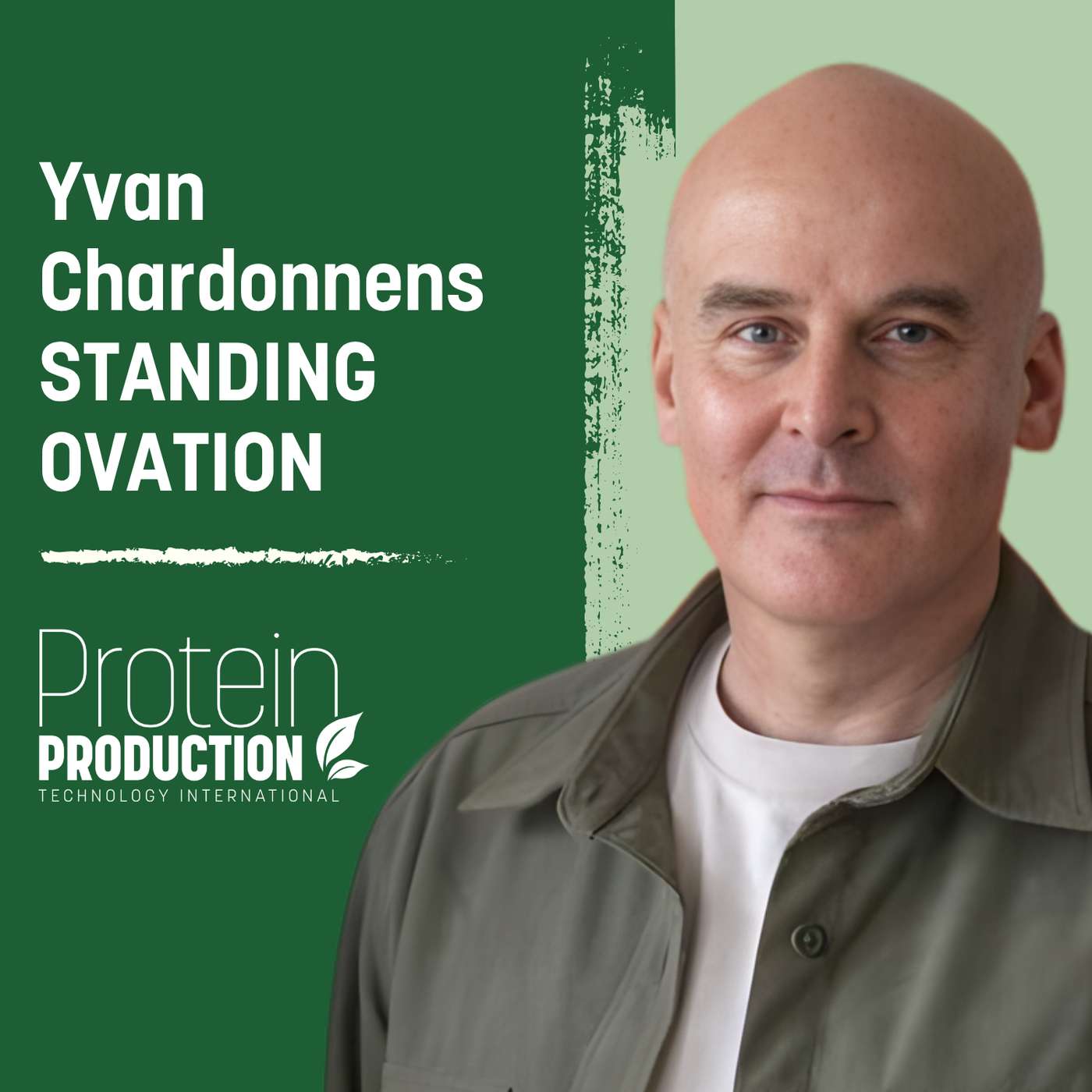
    Special Episode: Yvan Chardonnens - STANDING OVATION

    Powered by Protein Production Technology International Can dairy proteins be produced without cows while still delivering the taste, texture, and functionality consumers expect? In this episode of the Protein Production Technology International podcast, Nick Bradley sat down with Yvan Chardonnens, CEO of Standing Ovation, to discuss how precision fermentation is being used to produce animal-free casein and what that could mean for the future of dairy. Chardonnens explained why casein remains one of the most challenging and important dairy proteins to replicate, particularly for applications such as cheese, where melt, stretch, and texture are critical. The conversation explored Standing Ovation's approach to producing casein through fermentation, as well as the company's broader ambition to help address growing global protein demand. A key focus of the discussion was Standing Ovation's circular economy model, which utilizes dairy industry side streams such as acid whey as fermentation feedstocks. Chardonnens shared how this approach can reduce production costs while creating new value streams for dairy processors, demonstrating how traditional and emerging food technologies can work together. The episode also examined partnerships with major dairy companies, progress toward regulatory approval in the USA, and the potential role of hybrid dairy products in introducing fermentation-derived proteins to consumers. From food sovereignty and sustainability to commercialization and consumer acceptance, this conversation offered a detailed look at how precision fermentation could help reshape the future of dairy production. A must-listen for dairy companies, food manufacturers, fermentation innovators, investors, and anyone interested in the next generation of functional proteins.

  • July 1 · 50 min

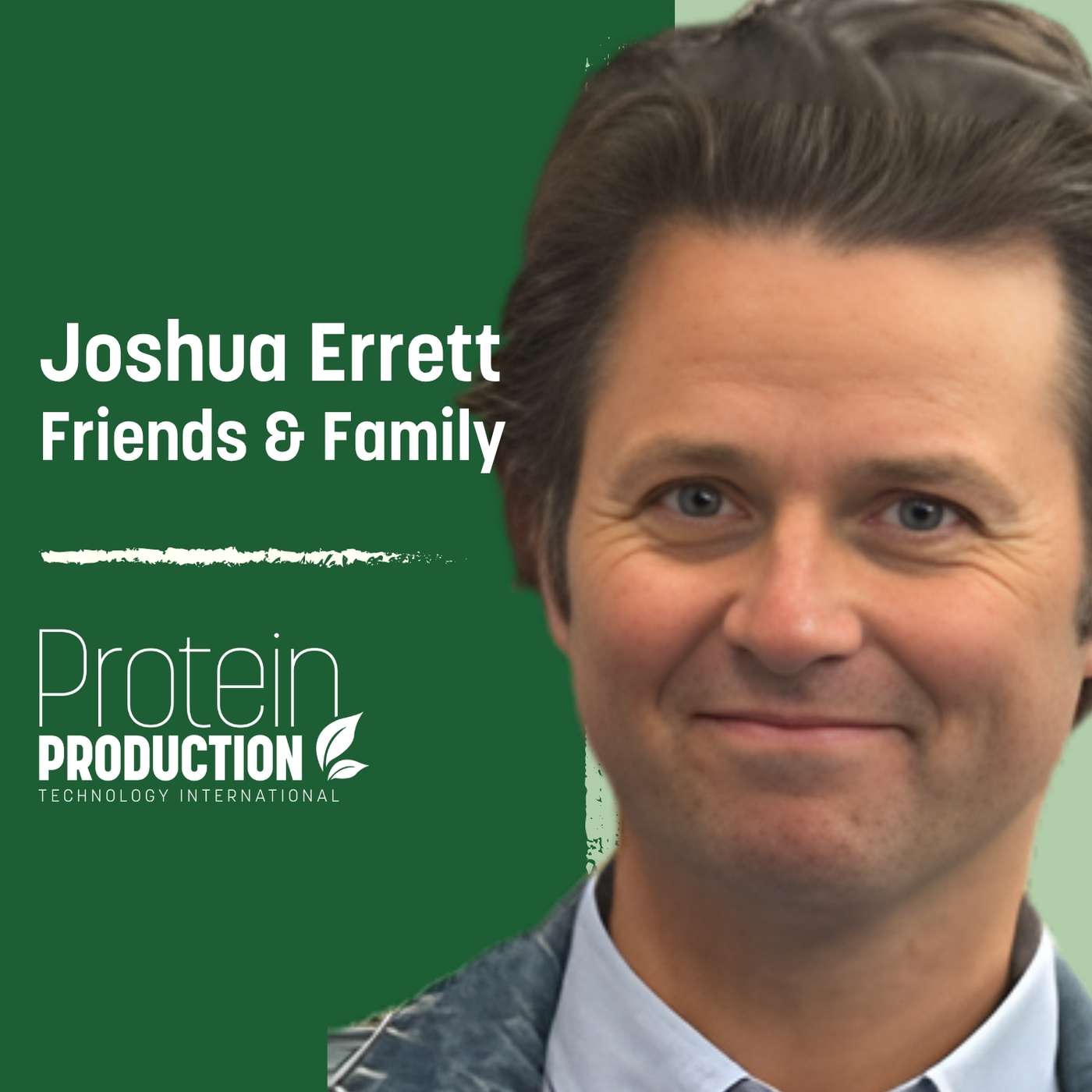
    Special Episode: Joshua Errett - Friends & Family

    Powered by Protein Production Technology International What if cultivated meat's first commercial breakthrough comes through pet food rather than human food? In this episode of the Protein Production Technology International podcast, Nick Bradley sat down with Joshua Errett, Founder and CEO of Friends & Family Pet Food Company, to discuss the launch of cultivated pet food in Singapore and why he believes the category could become one of the most important early markets for cultivated proteins. Drawing on more than a decade in the alternative protein sector, Errett shared his perspective on the industry's evolution and explained why he views cultivated meat as an entirely new ingredient platform rather than simply an alternative to conventional meat. The conversation explored changing consumer expectations around pet nutrition, the growing shift away from highly processed kibble, and the opportunity to deliver fresher, higher-quality ingredients for companion animals. Errett also discussed the limitations of traditional rendering processes, the importance of preserving protein quality and essential amino acids, and why communicating clear nutritional benefits matters more than focusing on the technical details behind production. From commercialization and consumer acceptance to sustainability and animal health, the discussion offered a fascinating look at how cultivated proteins could reshape one of the world's largest and fastest-growing pet food markets. A must-listen for pet food manufacturers, cultivated meat companies, investors, and anyone interested in where alternative proteins may achieve their next major commercial milestone.

  • June 24 · 32 min

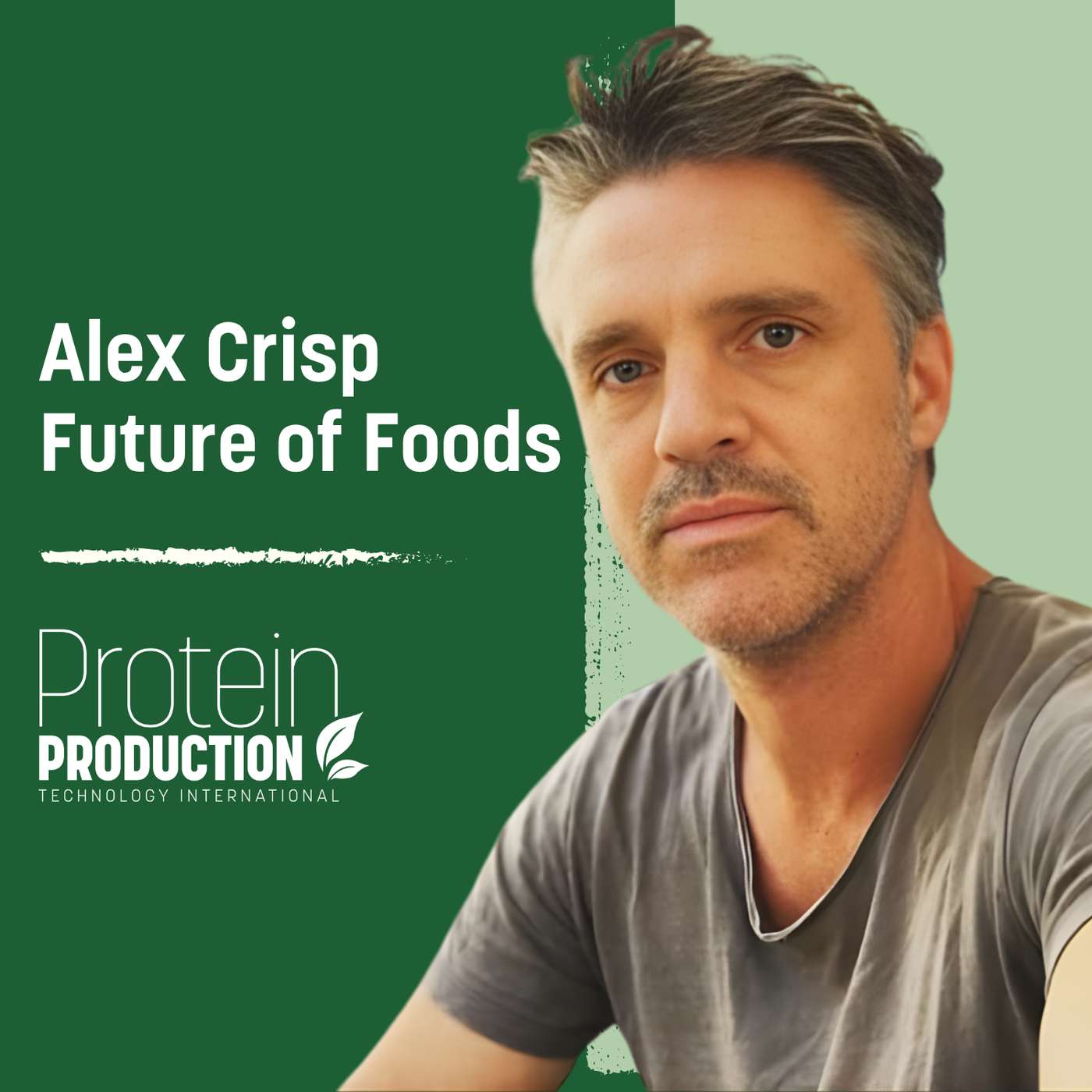
    Special Episode: Alex Crisp - Future of Foods

    Powered by Protein Production Technology International How do you tell the story of an industry that is constantly reinventing itself? In this episode of the Protein Production Technology International podcast, Nick Bradley sat down with Alex Crisp, founder and host of the Future Foods Podcast, to discuss the evolution of alternative protein storytelling and the role media plays in shaping public understanding of food innovation. Drawing on an unconventional background spanning law, teaching, and amateur dramatics, Crisp reflected on his journey from curious industry newcomer to one of the sector's most recognizable podcast hosts. The conversation explored how alternative protein narratives have matured, why transparency and authenticity matter more than ever, and how communicators can bridge the gap between complex science and mainstream audiences. The discussion also examined the industry's expanding focus beyond cultivated meat, including growing interest in mycelium, fermentation, and broader sustainable food solutions. Throughout the episode, Crisp shared his perspective on building trust, avoiding hype, and creating meaningful conversations that resonate with both industry insiders and the wider public. A must-listen for founders, researchers, communicators, investors, and anyone interested in how the future of food is being explained, debated, and understood.

  • June 17 · 59 min

    Episode 37: The Hybrid Meat Advantage: Unlocking Better Taste, Texture, Economics & Sustainability In Partnership With Roquette

    Powered by Protein Production Technology International What happens when alternative protein developers stop asking whether products should be plant-based or meat-based and start combining the best of both worlds? In this episode of the Protein Production Technology International podcast, Caroline Cotto of NECTAR, Mylène Potier of Gira, Marc Renauld of Roquette, and Marion Lefebvre of Roquette explored why hybrid meat is emerging as one of the most commercially compelling opportunities in food innovation. The discussion examined how combining complementary protein sources can help overcome some of the industry's biggest formulation challenges, including taste, texture, structure, nutrition, and affordability. The panel also shared insights into how hybrid approaches can improve product performance while helping manufacturers navigate cost pressures and scale production more effectively. From ingredient functionality and consumer acceptance to real-world product development strategies, the conversation highlighted why hybrid meat is increasingly being viewed not as a compromise, but as a practical route to bringing better products to market. A must-listen for product developers, ingredient suppliers, food manufacturers, retailers, and anyone interested in the next phase of alternative protein innovation.

  • June 10 · 1 hr 2 min

    Episode 36: Financing a First-of-a-Kind: How Growth-Stage Fermentation Companies Bridge the Capital Gap In Partnership with Unibio

    Powered by Protein Production Technology International Building a successful fermentation company is one thing. Financing a commercial-scale facility is another entirely. In this episode of the Protein Production Technology International podcast, Diana Rucinschi of the European Innovation Fund, David Ziskind of Mach Global Advisors, Aakriti Mehta of Channel Capital Advisors, and Spencer White of Unibio joined host Nick Bradley to tackle one of the industry's biggest challenges: bridging the capital gap between pilot success and industrial deployment. The panel explored why venture capital alone cannot fund the next generation of fermentation infrastructure, what lenders and project financiers need to see before committing capital, and how companies can combine equity, debt, strategic partnerships, offtake agreements, and public-private funding to unlock growth. From becoming genuinely 'finance-ready' to reducing risk for investors and infrastructure partners, the discussion offered a practical look at how fermentation companies can move beyond promising technology and into commercial-scale manufacturing. A must-listen for founders, investors, CFOs, and anyone involved in scaling fermentation from demonstration to industrial reality.

  • June 5 · 1 hr 5 min

    Episode 41: Kjeldahl versus Dumas: Rethinking Protein Measurement for Next-Generation Foods In Partnership With Xylem/Gerhardt

    Powered by Protein Production Technology International A protein ingredient is only as valuable as the data behind it. But as alternative proteins become more diverse, accurately measuring protein content is becoming increasingly complex. In this episode of the Protein Production Technology International podcast, Nick Bradley was joined by Bryan Tracy of Superbrewed Food, Muyiwa Akintoye of Planetary, Abhishek Bhattacharya of RISE Research Institutes of Sweden, Dr Lukas Brieger of C. Gerhardt GmbH, and Michelle Kuzio of Xylem Lab Solutions to explore one of the industry's most important - and often overlooked - challenges: determining what protein is actually present in next-generation foods. The discussion examined why traditional protein measurement methods can produce unexpected results when applied to plant proteins, microbial biomass, fermentation-derived ingredients, and other emerging food systems. The panel explored the implications of non-protein nitrogen, complex ingredient compositions, and the analytical decisions that can significantly influence reported protein values. The speakers also compared the strengths and limitations of Kjeldahl and Dumas methodologies, discussing how laboratories balance accuracy, speed, automation, safety, and sustainability when selecting analytical approaches. The conversation highlighted why protein measurement is not simply a laboratory exercise, but a critical factor in product development, labeling, regulatory compliance, and commercial credibility. From analytical validation and scale-up to the future of protein characterization, the episode offered practical insights into the science underpinning the alternative protein industry. A must-listen for food scientists, analytical laboratories, ingredient manufacturers, quality assurance professionals, regulatory specialists, and anyone working to bring next-generation protein products to market.

  • May 20 · 28 min

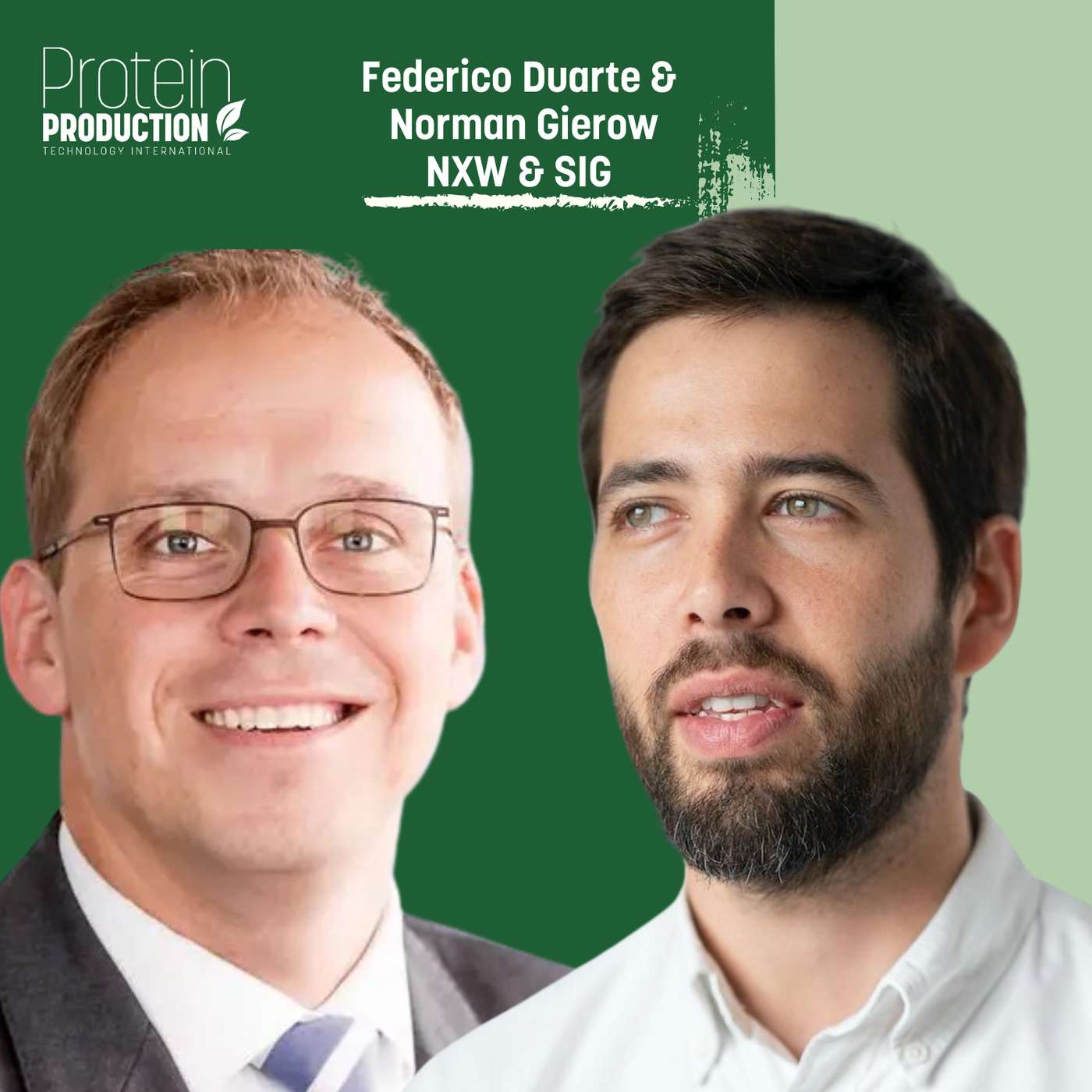
    Special Episode: Federico Duarte & Norman Gierow - NXW & SIG

    In this episode of the PPTI podcast, Federico Duarte, CEO of Nutrition from Water, and Norman Gierow, Director of Global Customer Marketing at SIG, discussed a new partnership focused on delivering affordable, sustainable protein at scale. They introduced Marine Whey, a platform built on microalgae-derived proteins, and explained how the approach is designed to deliver high digestibility, neutral taste, and broad functionality across applications including beverages, baked goods, and powders. The conversation highlighted why affordability remains central to addressing global nutrition challenges, particularly in emerging markets, and how biomass fermentation could help lower the cost of protein compared to traditional sources. Gierow also outlined the role of aseptic packaging in enabling shelf-stable products with extended shelf life, supporting distribution without refrigeration while contributing to sustainability goals. Together, they emphasized the importance of collaboration between ingredient developers, packaging companies, and consumer brands to accelerate access to nutritious, climate-friendly protein on a global scale. Powered by Protein Production Technology International

  • May 13 · 39 min

    Special Episode: Katharina Burdorf & Pia Meinlschmidt - Hydrosol & Planteneers

    In this episode of the PPTI podcast, Katharina Burdorf of Hydrosol and Pia Meinlschmidt of Planteneers explored the rapidly evolving world of hybrid proteins. They discussed how combining conventional meat with plant-based or cultivated ingredients can deliver improvements in nutrition, sustainability, and sensory performance, while also helping address cost and scalability challenges. A key theme was consumer perception, with Burdorf noting that the term 'hybrid' can be confusing unless it is communicated as a natural upgrade rather than a compromise. Meinlschmidt focused on the importance of future-proofing plant-based formulations so they can integrate seamlessly with cultivated fats and cells as they become commercially viable, highlighting their potential to enhance juiciness, flavor, and clean-label positioning. Together, they outlined how hybrid formats could act as a practical, near-term bridge toward more sustainable diets, with success depending on strong technical functionality, regulatory progress, and clear, effective communication. Powered by Protein Production Technology International

  • May 6 · 32 min

    Special Episode: Alex Devereux - ANDFOODS

    Powered by Protein Production Technology International In this episode of the PPTI podcast, Alex Devereux, CEO at Andfoods, shared how the company is reimagining dairy alternatives for foodservice. Based in New Zealand and expanding rapidly across Asia, Andfoods is focused on developing next-generation plant-based products that deliver on functionality, taste, and scalability. The conversation explored the challenges of creating alternatives that work seamlessly in professional kitchens, where performance is just as critical as flavor. Devereux also outlined the company’s broader mission to meet growing demand for high-quality, sustainable dairy-free options, while ensuring products can be used reliably across diverse foodservice environments.

  • April 29 · 23 min

    Special Episode: Severin Eder - Catchfree

    In this episode of the PPTI podcast, Severin Eder, co-founder of Catchfree, reflected on the company’s rapid first year and the journey from pilot scale to commercially ready alternative seafood products in just 12 months. He shared how a combination of expertise in gastronomy and food science helped the team move quickly, while staying focused on product quality and consumer experience. The conversation explored key lessons from that fast-track launch, including the importance of team alignment and making clear, confident decisions early on. Eder also highlighted the role of creating genuine 'wow moments' for consumers, and how delivering on taste and experience is central to Catchfree’s ambition to redefine seafood without compromise. Powered by Protein Production Technology International

  • April 22 · 1 hr 3 min

    Episode 28: Microorganisms Unleashed: The Future of Alternative Proteins Starts in the Fermenter In Partnership with Angel Yeast

    In this episode of the PPTI podcast, Nick Bradley was joined by Florian Viton, SVP Global Head of Strategic Innovation at CJ Foods; Robyn Eijlander, Program Manager Cellular Agriculture and Science Innovation Manager at NIZO; Spencer Nie, Senior Engineer at the Yeast Protein Research Institute at Angel Yeast; Adam Leman, Lead Scientist, Fermentation at The Good Food Institute; Winston Sun, Global Product Manager at Angel Yeast Europe; and Sunil Sukumaran, Chief Technology Officer at Perfect Day, to explore how microorganisms are shaping the future of sustainable protein. The discussion focused on the growing role of microbial proteins derived from yeast, fungi, bacteria, and microalgae, and how advances in fermentation are enabling scalable, nutritious, and environmentally efficient alternatives to traditional protein sources. Speakers examined the science behind these systems, including their amino acid profiles, digestibility, and functional performance across a range of food applications. The conversation also addressed the realities of scaling microbial protein production, from process optimization and cost reduction to navigating regulatory pathways. Alongside this, the panel explored how fermentation technologies are opening new opportunities across food, beverage, and nutrition, supported by increasing investment and industry interest. A key theme throughout was the balance between innovation and practicality, with a focus on how microbial proteins can move from promising technology to commercially viable ingredients that meet both industry and consumer expectations. Together, the discussion highlighted why microorganisms are becoming central to the next generation of protein production, as the sector looks for solutions that combine performance, scalability, and sustainability. Powered by Protein Production Technology International

  • April 15 · 42 min

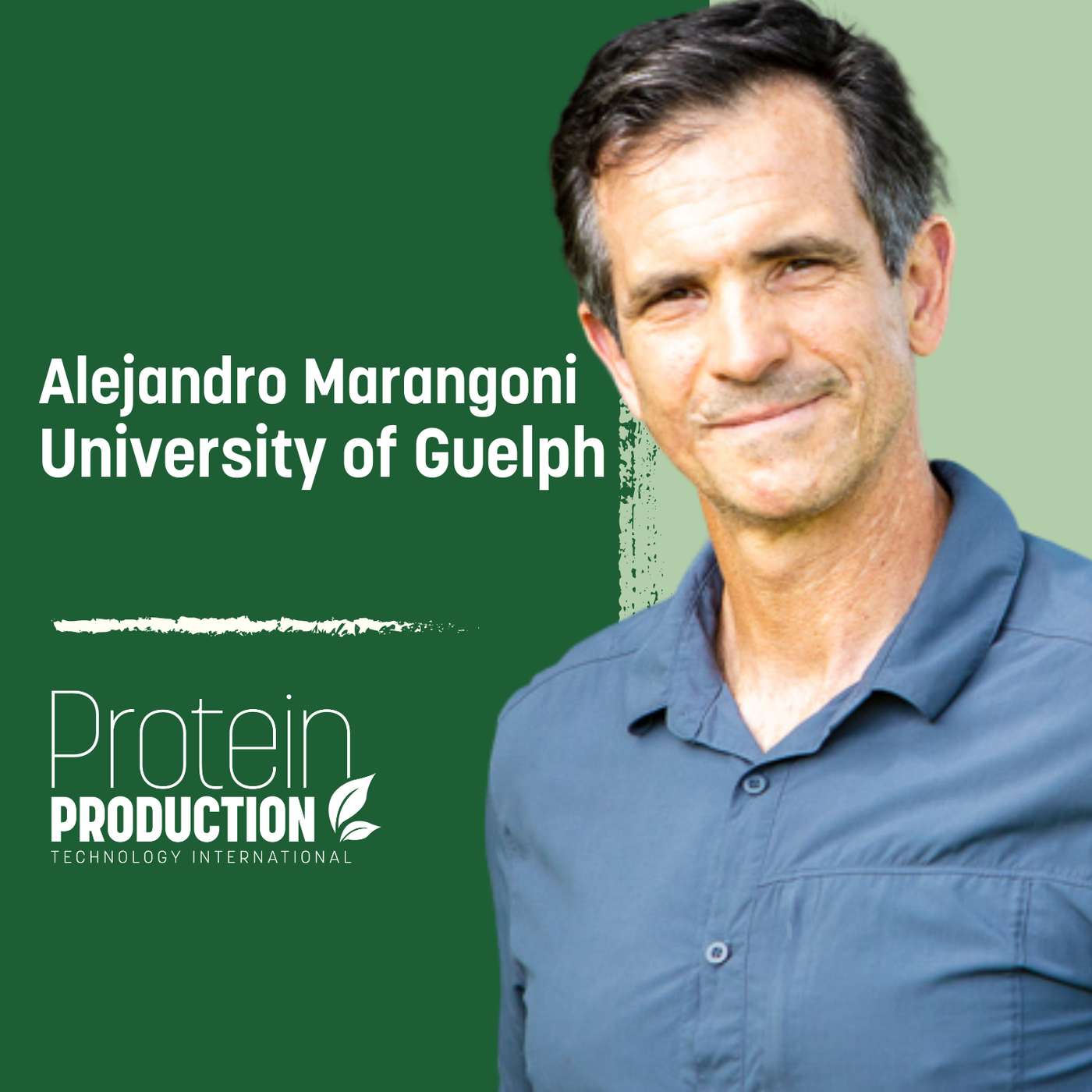
    Special Episode: Alejandro Marangoni - University of Guelph

    In this episode of the PPTI podcast, Dr Alejandro Marangoni, Professor at the University of Guelph, explored how the food industry understands the roles of fats and proteins in next-generation food systems. Drawing on decades of research at the intersection of functionality, nutrition, and sustainability, he unpacked the challenges of replacing animal fats and dairy proteins with plant-based alternatives. The conversation examined how concerns around consumer health, palm oil, and biodiversity have driven the search for more sustainable fat and protein solutions, and why innovation in this space needs to consider the entire food matrix, not just individual ingredients. Marangoni also addressed some of the biggest misconceptions in plant-based dairy, including the assumption that all alternatives match the nutritional profile of traditional dairy. While he noted that achieving comparable nutrition is possible, he emphasized that many current products still fall short. Powered by Protein Production Technology International

  • April 8 · 24 min

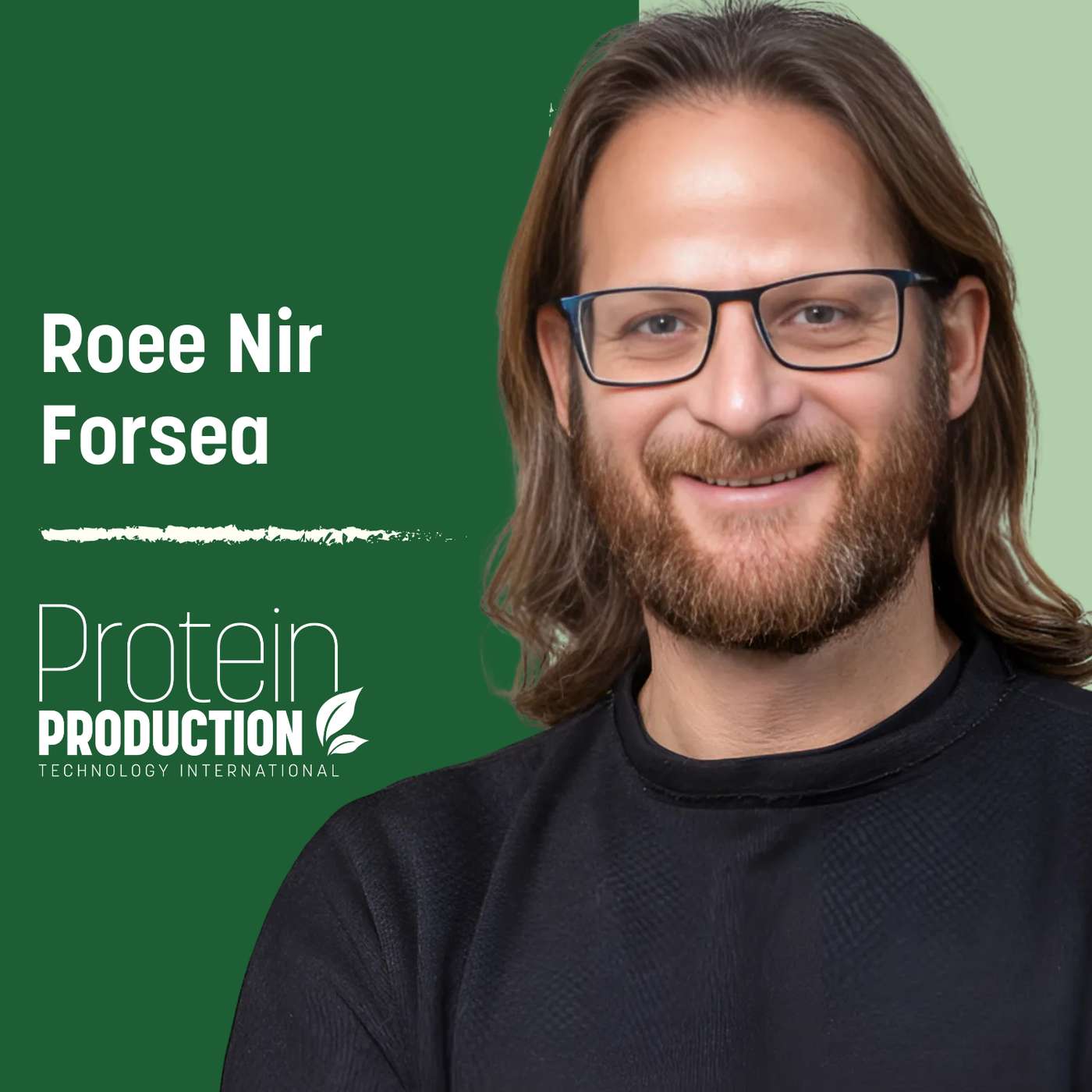
    Special Episode: Roee Nir - Forsea

    In this episode of the PPTI podcast, Roee Nir, CEO and co-founder of Forsea, discussed the company’s mission and its role in shaping the future of alternative proteins. He shared how Forsea is approaching the development of next-generation seafood, and how the team is navigating both technical challenges and consumer expectations in a category that is still taking shape. The conversation explored the importance of pairing scientific innovation with clear, effective communication, particularly as companies work to explain complex technologies to a wide range of audiences. Roee also highlighted the role of storytelling across different formats, from written articles to podcasts and video, and why translating technical breakthroughs into accessible messages is critical for engaging consumers, partners, and policymakers. Together, the discussion offered insight into how Forsea is working toward scalable, sustainable seafood solutions that can meet growing global demand while reducing pressure on ocean ecosystems. Powered by Protein Production Technology International

  • March 25 · 59 min

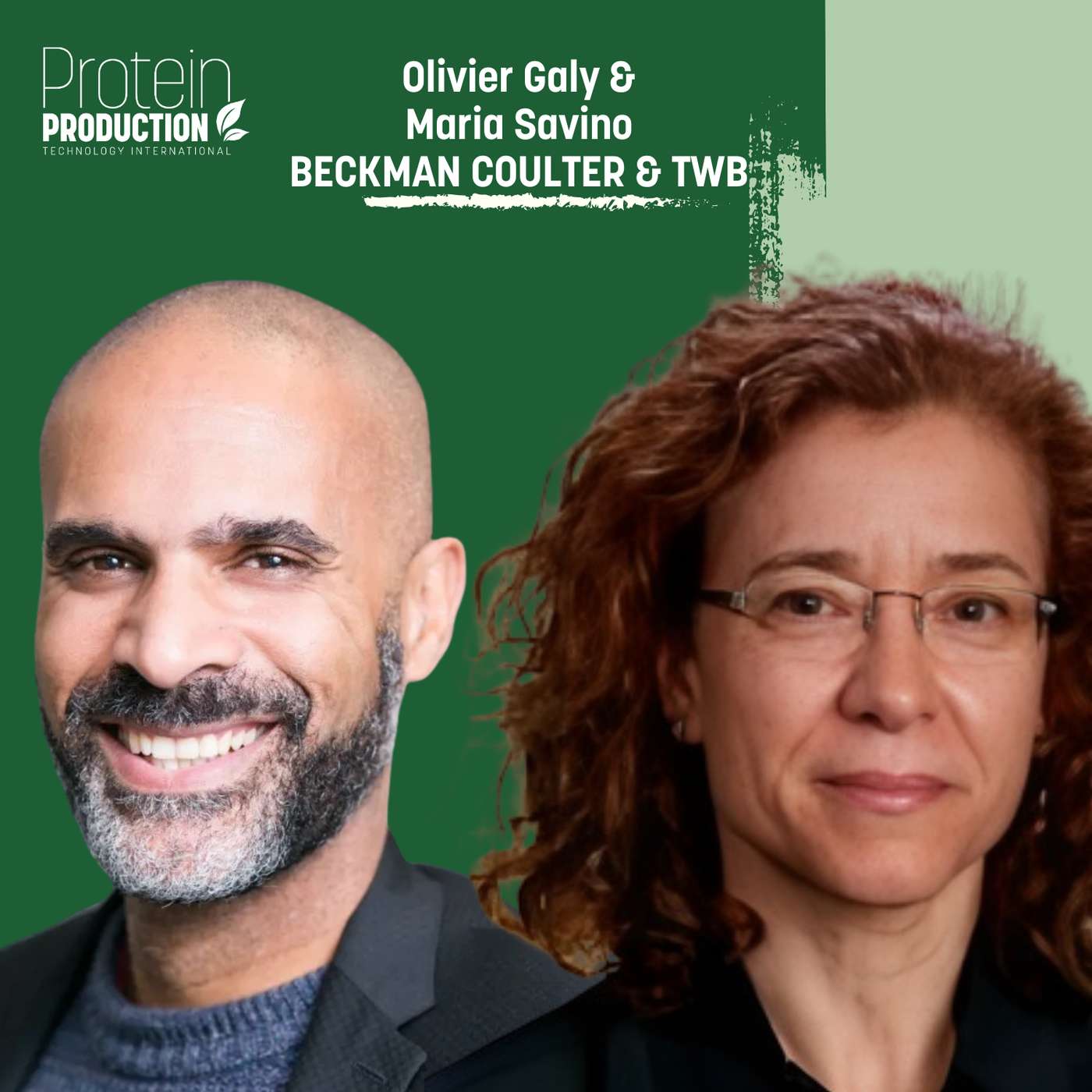
    Episode 35: From the Strain to Scale-up: How to Secure Scaling Up With a Biofoundry In Partnership with Beckman Coulter

    In this episode of the PPTI podcast, host Nick Bradley was joined by Olivier Galy, Chief Technology Officer at Toulouse White Biotechnology (TWB), and Maria Savino, Global Segment Development Manager at Beckman Coulter Life Sciences, to discuss how automation and high-throughput workflows are helping accelerate the path from strain development to scale-up. The conversation explored the growing role of biofoundries as R&D becomes more complex, and how these environments bring together data integration, miniaturization, and standardized workflows to reduce both risk and cost. Savino outlined how modern laboratory tools support DNA assembly, screening, and early-stage optimization, while Galy explained how these systems allow teams to explore larger design spaces, improve strain performance, and better prepare for industrial conditions. They also discussed how companies can adopt automation in a practical way without disrupting existing infrastructure, and why aligning strain engineering, screening, and process design from the outset is critical to achieving smoother industrialization. Powered by Protein Production Technology International

  • March 24 · 1 hr 1 min

    Episode 34: What’s At Stake When Sustainable Food Isn’t Safe? in Partnership with Merck

    In this episode of the PPTI podcast, Nick Bradley was joined by Ida Aabrandt Søndergaard, Head of Global Regulatory Affairs at Solar Foods; Sam Santiago, Global Product Manager Innovation F&B IPLCM at Merck; Sarah (Sally) Powell-Price, Regulatory Affairs SME at MilliporeSigma; and Naya McCartney, Regulatory Safety Scientist at Vow, to explore one of the most critical challenges facing alternative proteins: food safety. As the industry moves toward scale, the discussion focused on how safety frameworks must evolve alongside innovation. From novel ingredients and cell lines to precision-fermented fats and functional proteins, the panel examined how companies can ensure robust safety standards without slowing down development. The conversation covered emerging risks across different production platforms, the realities of navigating global regulatory expectations, and the importance of building safety and quality systems that can scale with production. The speakers also explored how lessons from traditional food and biopharma sectors can be applied to next-generation protein companies, particularly when it comes to data integrity, traceability, and contamination control. A key theme throughout was the need to integrate safety considerations early in R&D, rather than treating them as a downstream requirement. The panel also addressed how companies can communicate safety clearly and transparently to regulators and consumers, helping to build trust as new products reach the market. Together, they provided a practical view of how the industry can balance speed, innovation, and responsibility as it works toward delivering safe, scalable, and sustainable food systems. Powered by Protein Production Technology International

  • January 22 · 1 hr 3 min

    Episode 29: Building Better Nutrition: A Systems View on Innovation, Sustainability & Functionality In Partnership with PFX Biotech

    In this episode of the PPTI Podcast, experts from research, biotechnology, and food innovation discussed how systems thinking could help reshape the future of nutrition. The panel included Annick Verween of VIB; Ali Osman, Diana Oliveira, and Harry Barraza of PfX Biotech; Amy Williams of The Good Food Institute Europe; Filipa Soares of Cell4Food; and David Laubner of Sennos. The conversation explored the role of precision fermentation, the importance of shared standards and metrics, and how digital and sensor technologies are improving production efficiency. Panelists also discussed the potential of bioactive ingredients and the need for closer collaboration across science, technology, regulation, and markets to support scalable, sustainable food systems. Powered by Protein Production Technology International