Skip to content
Artwork for Preconceived
Society & CultureEducationSelf-ImprovementPhilosophy

Preconceived

Snack Labs

Preconceived, hosted by Zale Mednick, dives deep into the intricacies of human experience, challenging the assumptions that shape our understanding of the world. In each episode, Zale engages with leading experts, thought leaders, and individuals with unique perspectives to uncover the layers beneath societal norms and expectations. From exploring cultural phenomena to dissecting scientific breakthroughs, Preconceived invites its listeners to question their preconceptions about love, life, technology, health, history, and beyond.


With a blend of curiosity and critical thinking, Zale navigates through complex topics, offering his audience a chance to gain new insights and broaden their horizons. Whether it's debunking myths, confronting biases, or simply indulging in the joy of learning something new, Preconceived is more than just a podcast; it's an invitation to view the world through a different lens.


Join Zale Mednick every week on Preconceived for enlightening conversations that promise to inspire, inform, and intrigue. Perfect for the inquisitive mind, this podcast is a must-listen for anyone eager to challenge their understanding of the world and embrace the complexity and beauty of human existence.


Hosted on Acast. See acast.com/privacy for more information.

Play
  • 20 episodes
  • fortnightly
  • Avg 47 min
  • English
  • August 18 · 56 min

    316. Christopher Nolan's 'The Odyssey': Who Was Odysseus and Why Does He Still Matter?

    In the wake of Christopher Nolan’s The Odyssey, there has been enormous interest in Homer’s ancient Greek epic—and in Odysseus, the hero at its center. Who was Odysseus, why has The Odyssey remained relevant for nearly 3,000 years, and what does this story have to say about human nature today? We also explore what Christopher Nolan’s The Odyssey is trying to tell us, how it compares with Homer’s original story, and whether Nolan has captured what makes Odysseus such a fascinating and enduring character. Classicist and Homer expert Joel Christensen joins the podcast to explore The Odyssey, Greek mythology, Odysseus, and why this ancient story still resonates today. Learn more about Joel Christensen and his books: Joel Christensen | Why Odysseus? | The Oxford Critical Guide to Homer’s Odyssey Hosted on Acast. See acast.com/privacy for more information.

  • August 11 · 43 min

    Is God Good? Rethinking the Bible's Most Difficult Question

    From a young age, many of us are brought up believing that God is the embodiment of perfection - that God is good, merciful, and reflective of the values we hold so dear in our daily lives. But on closer look, the Judaeo-Christian God that is portrayed in the Old and New Testaments can often be quite violent, vengeful, and even egotistical, demanding complete and utter loyalty from his followers. So how do we reconcile the ideals we hope God would have, with the actual portrayal of God in the Bible? Dr. Pete Enns joins the podcast. Hosted on Acast. See acast.com/privacy for more information.
  • August 9 · 2 min

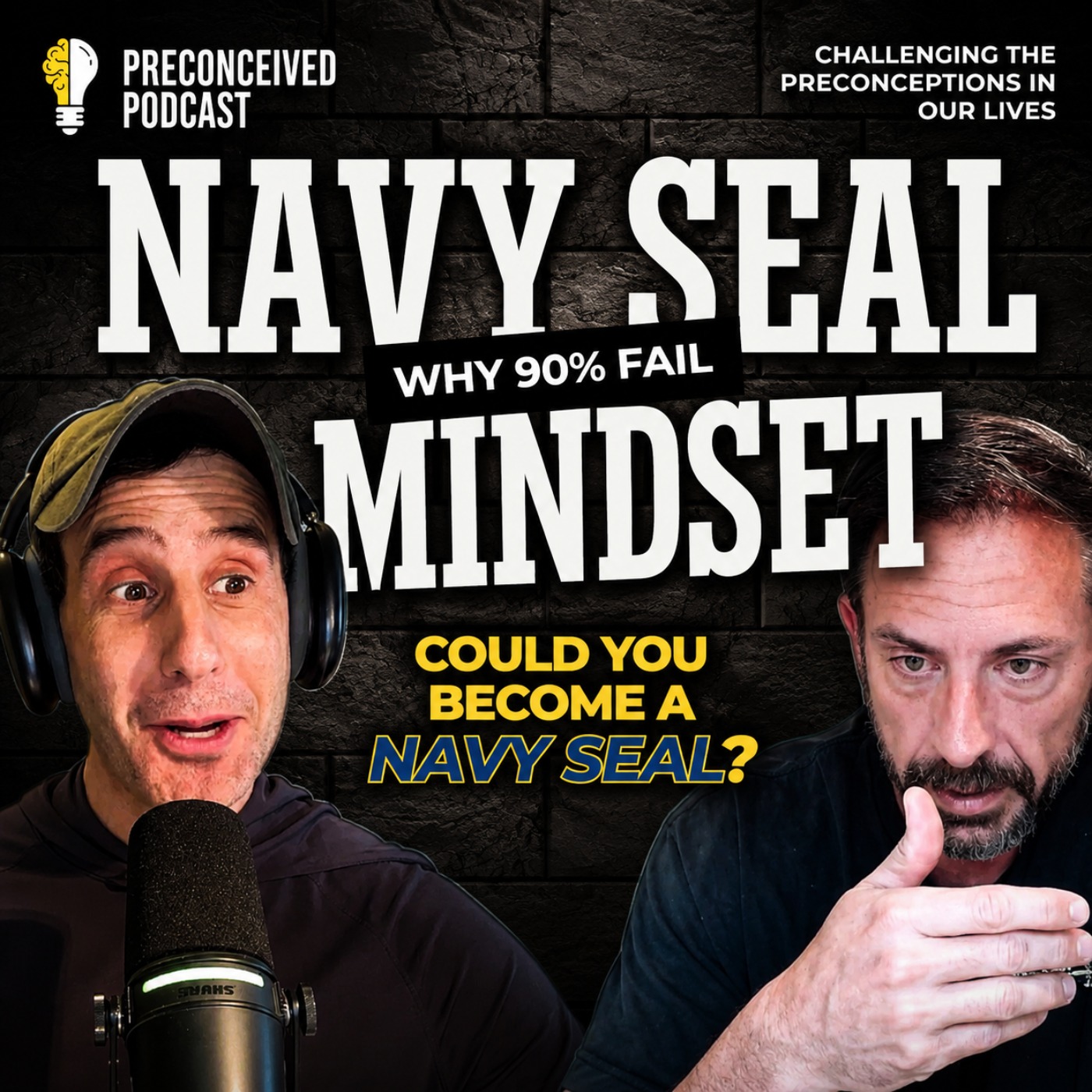
    Preconceived is on YouTube!

    Preconceived Podcast is you on YouTube @preconceivedpodcast. If you prefer watching over listening to your podcasts, you can check out all new episodes on your new and revamped YouTube channel. Be sure to subscribe at https://www.youtube.com/@preconceivedpodcast Hosted on Acast. See acast.com/privacy for more information.
  • July 28 · 57 min

    315. What If? The Psychology of Regret and Life's Biggest Decisions

    In this episode, Zale discusses with Dr. Barry Schwartz, a renowned psychologist and author, how modern society's abundance of choices impacts our happiness, decision-making, and regret. They explore how too many options can lead to paralysis, the role of social comparison, and the importance of setting "good enough" standards for a more satisfying life. Main Topics: The concept of counterfactual thinking and its influence on regret How choice overload affects decision-making and happiness The balance between freedom and constraints in societal decision-making The psychological impact of social media on comparison and micro-decisions Practical strategies for embracing "good enough" to reduce paralyzing perfectionism The historical shift from normative life paths to individual choice Learn from Barry The Paradox of Choice by Barry Schwartz Choosing Wisely by Barry Schwartz Barry Schwartz - TED Talks Hosted on Acast. See acast.com/privacy for more information.
  • July 14 · 54 min

    314. The Navy SEAL - Rethinking Mental Toughness

    What really separates elite performers from everyone else? In this episode of Preconceived, Zale sits down with former Navy SEAL officer Rich Diviney to challenge the myth of the "superhuman" SEAL and explore what truly drives performance under pressure. Rich explains the difference between skills and attributes, why SEAL training is designed to push candidates to their limits, and how qualities like resilience, adaptability, situational awareness, and compartmentalization determine success in uncertain environments. He also discusses the emotional impact of falling short of a goal and what failure can teach us about growth and identity. Should we judge ourselves by how we perform in our toughest moments, or is that too simplistic? This conversation explores performance, self-awareness, and why the way we respond to adversity can shape who we become. Learn more about Rich Diviney and explore his books - https://theattributes.com/ Want to learn about your own attributes? Take this Assessment - https://learn.theattributes.com/mastering-uncertainty Hosted on Acast. See acast.com/privacy for more information.
  • June 30 · 58 min

    313. The Truth About Cocaine

    Most of us think we know cocaine — a glamorous party drug with a dark side, a scourge of the 80s, a straightforward villain in the story of addiction. But what happens behind the scenes - in the months of work and miles of travel that take the coca leaf of Central and South America to the consumers all around the world? Emilia Ziosi is a researcher and science communicator whose work has focused largely on the cocaine trade. In this episode, Zale and Emilia dig into the assumptions we carry about cocaine and where they actually come from, including: - How cocaine was used medically for decades — and why that history got buried - What's actually happening in the brain during cocaine use, and why the "addiction = weak willpower" framing misses the point - The racial politics behind cocaine prohibition and how moral panic shaped drug policy - Why cocaine's cultural image has shifted so dramatically across time and class - What harm reduction gets right that abstinence-only approaches keep getting wrong - Whether we're asking the right questions when it comes to drug policy reform Preconceived is a weekly Society & Culture podcast where each episode challenges a widely-held assumption. Hosted by Zale Mednick. New episodes every week. Hosted on Acast. See acast.com/privacy for more information.
  • June 16 · 34 min

    312. The Neuroscience of Thriving: Emotional Fitness, Social Connection & Why Your Brain Feels Off

    What does it actually mean to thrive—not emotionally, but biologically? In this episode, neuroscientist Paul Zak breaks down the brain science behind emotional fitness, social connection, and the kinds of experiences that make life feel deeply engaging rather than merely comfortable. We explore whether thriving is a measurable state of the nervous system, why modern life may be quietly working against it, and how factors like immersion, awe, and human connection shape the way our brains function over time. Learn more about Dr. Paul Zak at https://pauljzak.com/ Learn about his app at https://your6.com/ Hosted on Acast. See acast.com/privacy for more information.

  • June 2 · 1 hr 1 min

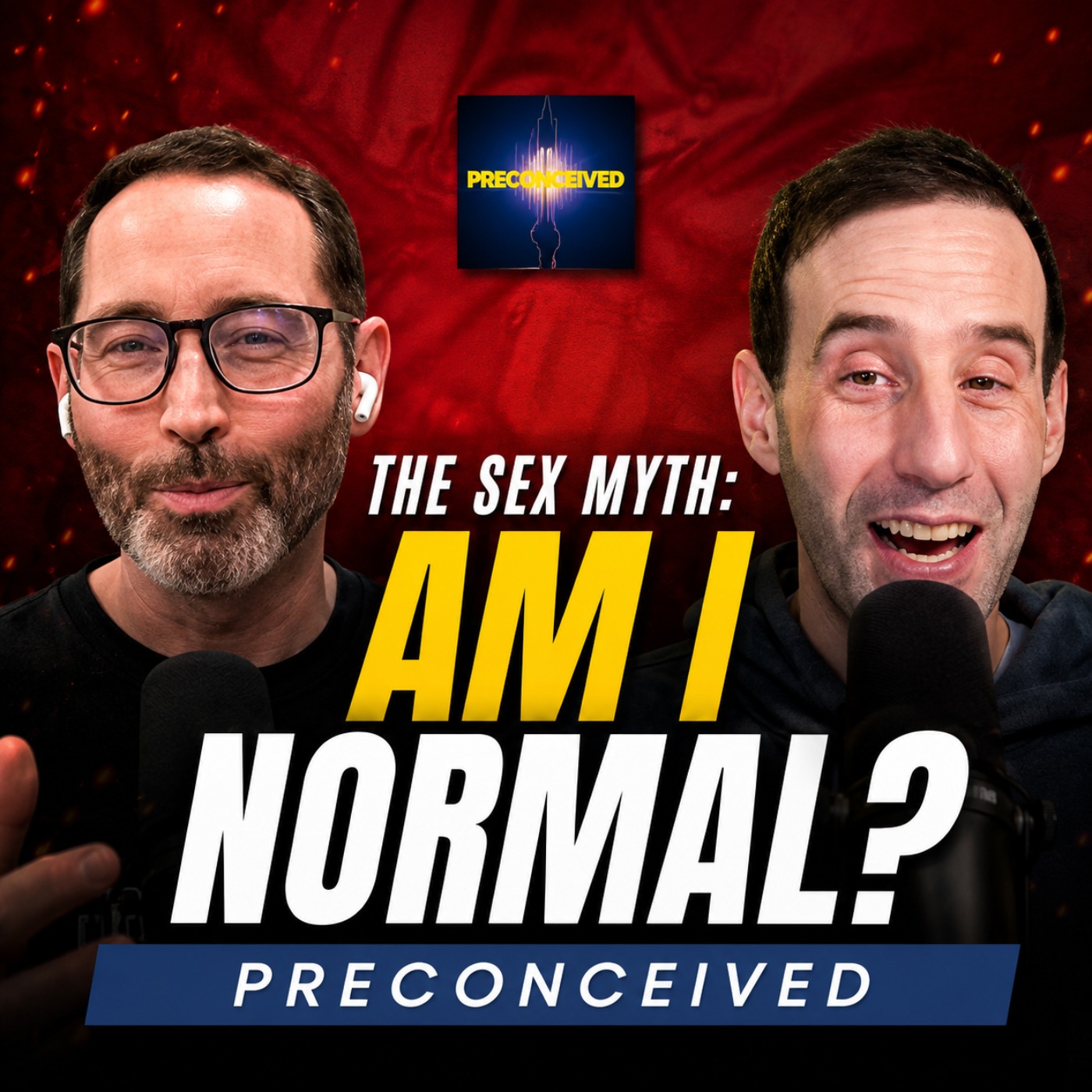
    311. What is Normal Penis Size? Male Sexual Performance and Anxiety

    In recent years, conversations around sex have become far more attentive to women’s experiences, desires, and frustrations — and for good reason. But in the process, have we stopped talking honestly about male sexuality? In this episode, Zale sits down with sex therapist and author Chris Donaghue to explore the psychology of male sexual performance, insecurity, validation, and desire. From penis size and performance anxiety, to casual sex, long-term relationships, and what actually makes someone “good in bed,” this conversation examines the fears men rarely admit out loud — and asks what healthy male sexuality could look like without shame, pressure, and distorted expectations. Learn more about Dr. Chris Donaghue and his books at https://www.drchrisdonaghue.com/ Hosted on Acast. See acast.com/privacy for more information.

  • May 19 · 49 min

    310. Can Science Fully Explain Consciousness?

    Is human consciousness simply the product of brain activity — or does reducing human experience to biology leave something essential out? In this episode, philosopher, physician, and former clinical neuroscientist Raymond Tallis joins the show to challenge reductionist views of the mind, unpack the limits of neuroscience, and explore what makes human beings distinct. Best known for his critiques of “neuromania” and scientism, Tallis discusses consciousness, free will, language, AI, and why he believes human life cannot be fully explained by neurons alone. Hosted on Acast. See acast.com/privacy for more information.

  • May 5 · 42 min

    309. Can a Chemical Make You Moral? The Science of Oxytocin

    What if our sense of right and wrong isn’t just philosophical, but biological? In this eye-opening episode, Dr. Paul Zak reveals that a single molecule—oxytocin—could hold the key to understanding trust, empathy, and virtue itself. Imagine being able to measure compassion in a blood sample or enhance generosity with a nasal spray. Is morality purely a matter of choice, or are we wired for virtue? Join Zale as he learns how neurobiology may be reshaping our moral landscape. Learn more about Dr. Paul Zak at https://pauljzak.com/ Check out Paul's app - Your Six - at https://your6.com/ Hosted on Acast. See acast.com/privacy for more information.

  • April 21 · 52 min

    308. Is AI Coming For Your Job?

    In this episode, Zale is joined by Mark McNeilly to explore the transformative power of AI, its implications for the future of work, society, and creativity, and how individuals and organizations can adapt. Which jobs are most at risk with the advent of AI? Has society at large been downplaying the real concerns of of AI replacing our roles? Zale and Mark discuss the nuances of AI development, adoption barriers, ethical considerations, and practical strategies for leveraging AI responsibly. Check out Mark McNeilly's blog at https://markmcneilly.substack.com/ Hosted on Acast. See acast.com/privacy for more information.

  • April 7 · 45 min

    Why Do People Cut Themselves?

    We learn from an early age that it’s not acceptable to harm others. Many would say it’s something we don’t even need to really learn – that it’s a natural human instinct to not want to cause harm. With that perspective, it’s natural that it would be extremely challenging for people to understand why someone would harm themselves. Why would some voluntarily elect to hurt themselves? Non-suicidal self injury refers to this practice, encompassing the terms self-harm, cutting, and other harmful practices. Dr. Chris Simpson, author of 'Cutting and Self Harm', joins the podcast. Check out Chris's book, 'Cutting and Self Harm', at https://www.barnesandnoble.com/w/cutting-and-self-harm-chris-simpson-phd/1121005370 Hosted on Acast. See acast.com/privacy for more information.

  • March 24 · 1 hr 18 min

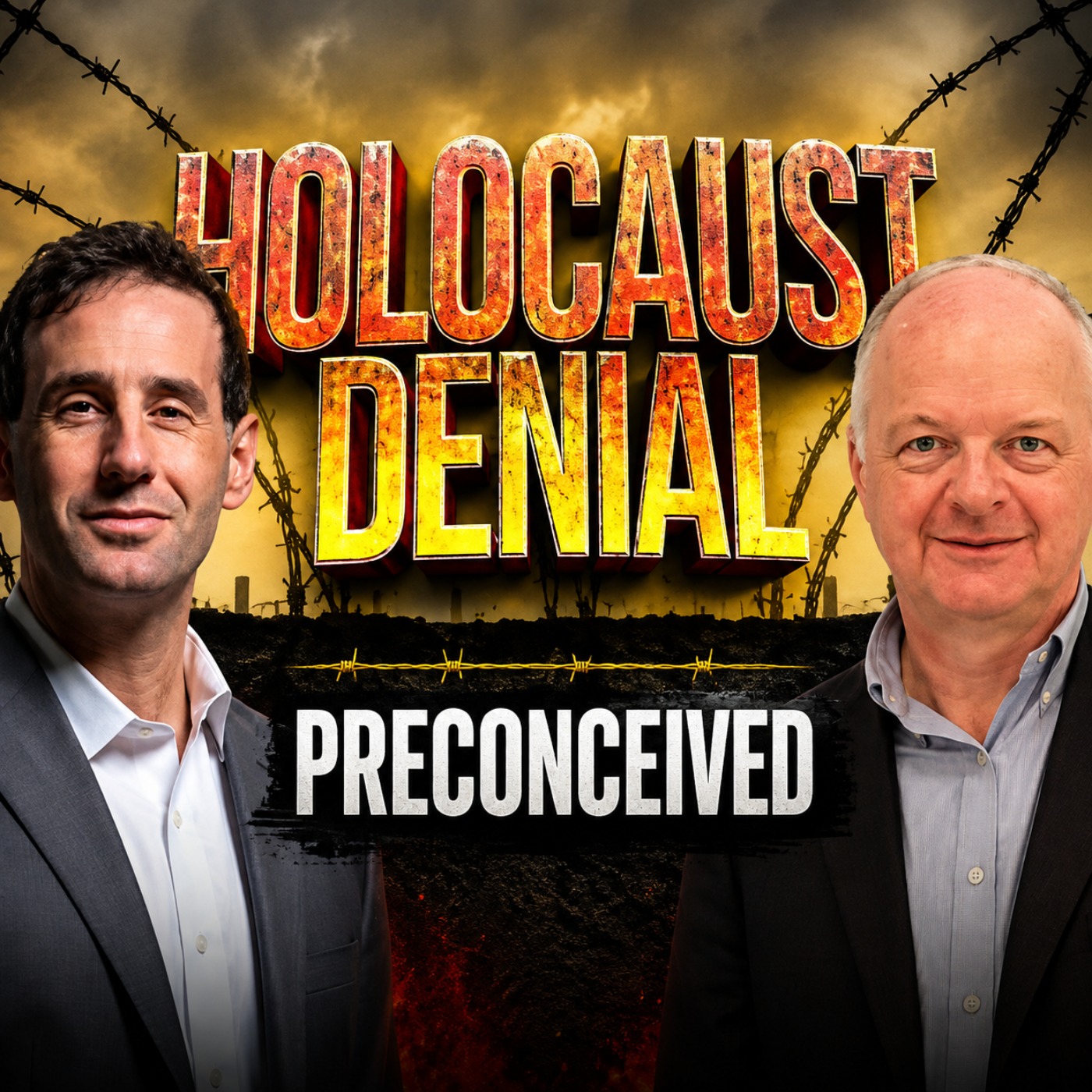
    307. Why Do People Deny the Holocaust? Understanding Holocaust Denialism

    We know the Holocaust to be true, yet many deny it. How is it possible to deny fact? In this episode, Robert Jan van Pelt delves into the perplexing world of Holocaust denial, exploring how meticulous forensic analysis and evidence-based reasoning challenge these unfounded claims. Through architectural blueprints and forensic investigations, he demonstrates the undeniable proof of homicidal gas chambers and the strategies denialists use to dismiss evidence. The episode also addresses the modern challenges of misinformation, AI, and anti-Semitism, emphasizing the importance of critical thinking and education in defending truth. As the discussion unfolds, it becomes clear that understanding the roots of anti-Semitism is crucial to addressing its resurgence today, offering listeners a comprehensive view of how history, evidence, and ethical integrity play pivotal roles in combating denialism. Hosted on Acast. See acast.com/privacy for more information.

  • March 10 · 40 min

    306. The Art of War Explained: Sun Tzu’s Strategy in Today’s World

    On this episode of Preconceived, explore the timeless principles of Sun Tzu’s The Art of War and their application in today’s military tactics and business strategies. Join us as Mark McNeely dives into how indirect approaches, restraint, and strategic character leadership shape success across domains. This episode tackles controversial questions such as: Can the principles of The Art of War justify ruthless business tactics? Is deception a necessary evil in both warfare and business? How do Sun Tzu’s strategies align or conflict with modern ethical standards? Should leaders prioritize strategic success over moral integrity? Hosted on Acast. See acast.com/privacy for more information.

  • February 24 · 43 min

    305. Can You Fall In Love With AI?

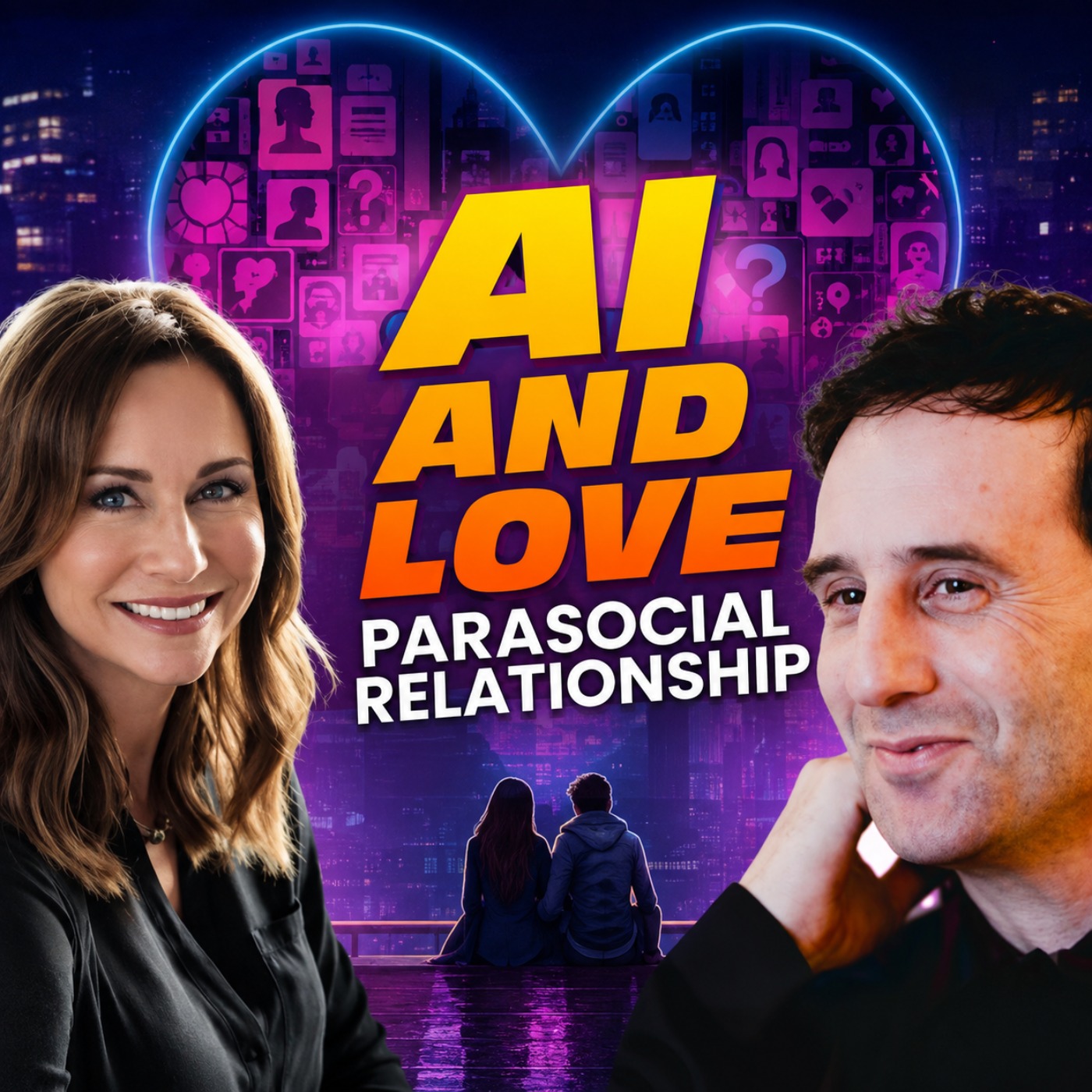
    Is it possible to love an AI? In this episode, we delve into the fascinating intersection of artificial intelligence and romantic relationships. Dr. Marnie Feuerman joins us to discuss the potential benefits, risks, and ethical considerations of AI in our intimate lives. Discover how AI might fulfill our deepest needs for love and connection, and where it falls short. Learn more about Dr. Marnie Feuerman at https://www.drmarnionline.com/ Hosted on Acast. See acast.com/privacy for more information.

  • February 10 · 46 min

    304. Do People Feel Guilty After Cheating?

    In this episode of Preconceived, Zale explores the often misunderstood topic of infidelity, revealing why cheating is more common and psychologically complex than it appears on the surface. Joined by Dr. Dylan Selterman, a Johns Hopkins psychology professor, this discussion uncovers the motivations, psychological factors, and societal influences around cheating in relationships. Notably, the episode delves into the surprising revelation that many individuals do not regret cheating, examining the underlying psychological and emotional factors that contribute to this mindset. Learn more about Dylan Selterman at https://www.dylanselterman.com/ Hosted on Acast. See acast.com/privacy for more information.

  • February 3 · 58 min

    What Is Life Really Like In North Korea?

    There is perhaps no country in the world more perplexing and bewildering than North Korea. Considered by many as a silo shut off from the rest of the world, much of North Korea is shrouded in mystery. Unfortunately, much of that mystery involves a dictatorial regime and severe oppression of its peoples. But what exactly does it look like inside of North Korea? What are our preconceptions about North Korea, and equally important, what are the preconceptions that North Koreans might hold about the rest of the world? Brandon Gauthier joins the podcast. Hosted on Acast. See acast.com/privacy for more information.

  • January 27 · 44 min

    303. Why Do People Become War Journalists - and What Does It Do To them?

    In this episode of Preconceived, Zale engages with Dr. Anthony Feinstein to explore the intricate world of war journalism. They discuss the psychological hurdles faced by war correspondents, the motivations that drive them into conflict zones, and the unique challenges they encounter compared to military personnel. Dr. Feinstein shares insights from his pioneering research on the mental health of journalists, highlighting the importance of understanding trauma and the moral responsibilities of news organizations. This conversation offers a deep dive into the resilience and courage required in one of the world's most demanding professions. Hosted on Acast. See acast.com/privacy for more information.

  • January 13 · 31 min

    302. Defensive Pessimism - Are There Some Benefits to Negative Thinking?

    In this episode of Preconceived, Zale explores the concept of happiness and melancholy with Professor Julie Norem, a psychology expert from Wellesley College. They delve into the strategy of defensive pessimism, discussing how it can be a beneficial approach for managing anxiety and achieving goals. The conversation also touches on societal pressures to maintain constant happiness and the value of embracing negative emotions as part of a rich, authentic life. Check out Julie's book at https://www.amazon.ca/Positive-Power-Negative-Thinking/dp/0465051391 Hosted on Acast. See acast.com/privacy for more information.

  • January 6 · 55 min

    301. Is Democracy Dying?

    In this episode of Preconceived, Zale explores the concept of democracy and its current state in the world, particularly in the United States. He is joined by Peter Biro, a lawyer, writer, and NGO leader, who discusses the importance of not taking democracy for granted and the potential threats it faces. The conversation delves into the meaning of democracy, its perceived sanctity, and the role of liberal constitutionalism in combating democratic backsliding. Hosted on Acast. See acast.com/privacy for more information.

Showing 1–20 of 20 episodes