Skip to content
Artwork for Philosophy For Our Times

Philosophy For Our Times

IAI

Philosophy for our Times is a free philosophy podcast bringing you the latest talks and debates from the world’s leading thinkers. We host weekly episodes on today’s biggest ideas in news, society, culture, politics, science and arts. Subscribe today to never miss an episode.

Play
  • 26 episodes
  • weekly
  • Avg 35 min
  • English
Counted on this page — what you have heard stays on this device, so it is not something the list can be paged by.
  • Tuesday · 38 min

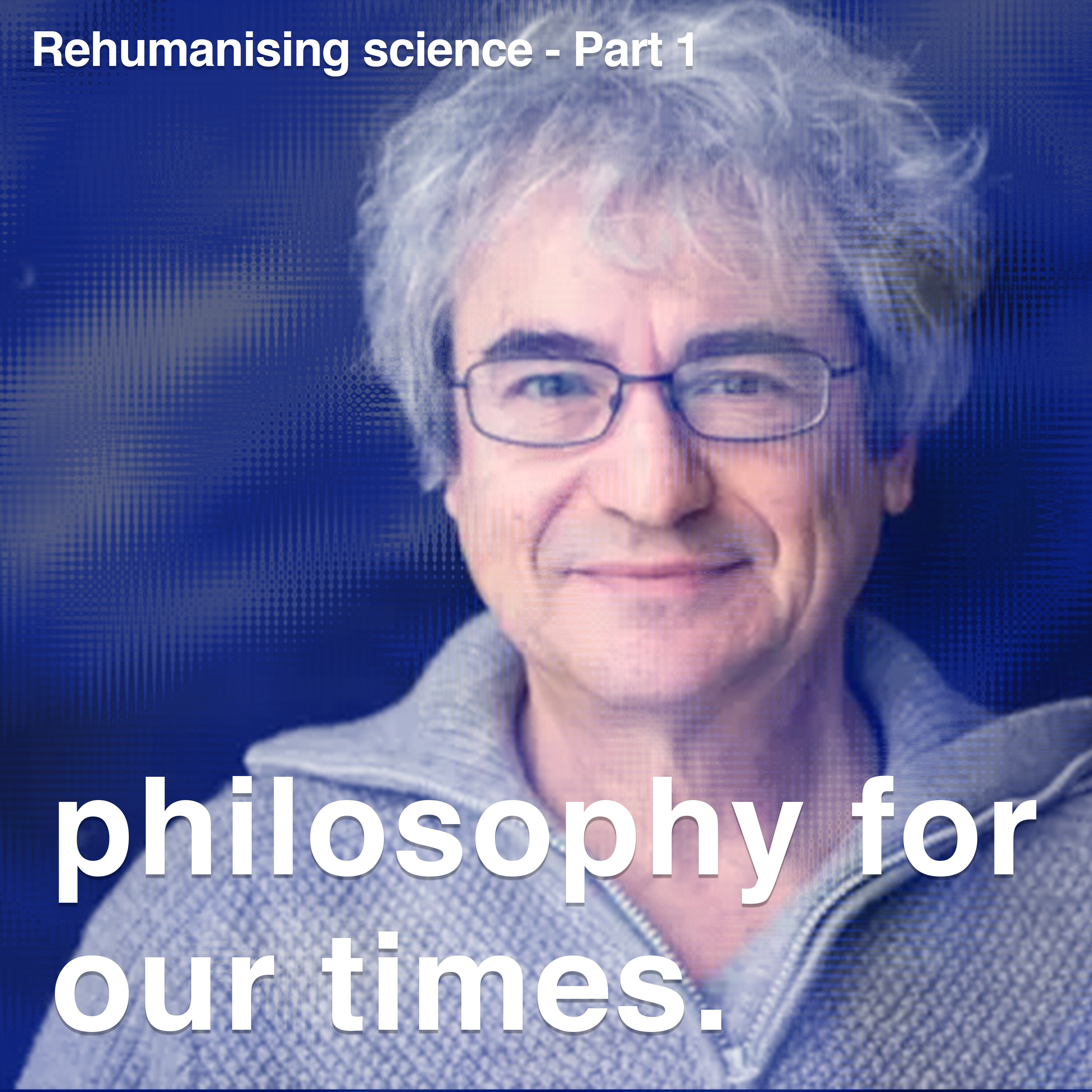
    Rehumanising science | Carlo Rovelli - Part 1

    Are electrons real? What is the connection between physics and Buddhism? Is now the time to rehumanise science? Eastern philosophies have been an integral part of scientific thought and the development of multiple fields for millennia. Individuality and innovation have resulted in breakthrough after breakthrough, pushing the boundaries of the known in an ever-advancing march. However, Carlo Rovelli argues that science, especially physics, is leaving its philosophical roots behind, to the detriment of clarity and productive discourse. Theoretical physicist Carlo Rovelli is a pioneer of theories like Loop Quantum Gravity, White Holes, and the relational interpretation of quantum mechanics. His books include Seven Brief Lessons on Physics, which has been translated into 41 languages and sold over a million copies, as well as the bestselling Reality Is Not What It Seems (2015) and White Holes (2023). He was named one of the 100 most influential thinkers in the world by Foreign Policy magazine, and is Emeritus Professor at the Centre de Physique Théorique of Marseille, as well as holding positions at the Santa Fe Institute and the Perimeter Institute. Don't hesitate to email us at podcast@iai.tv with your thoughts or questions on the episode! To witness such talks live buy tickets for our upcoming festival: https://howthelightgetsin.org/festivals/ And visit our website for many more articles, videos, and podcasts like this one: https://iai.tv/ You can find everything we referenced here: https://linktr.ee/philosophyforourtimes See Privacy Policy at https://art19.com/privacy and California Privacy Notice at https://art19.com/privacy#do-not-sell-my-info.
  • September 8 · 37 min

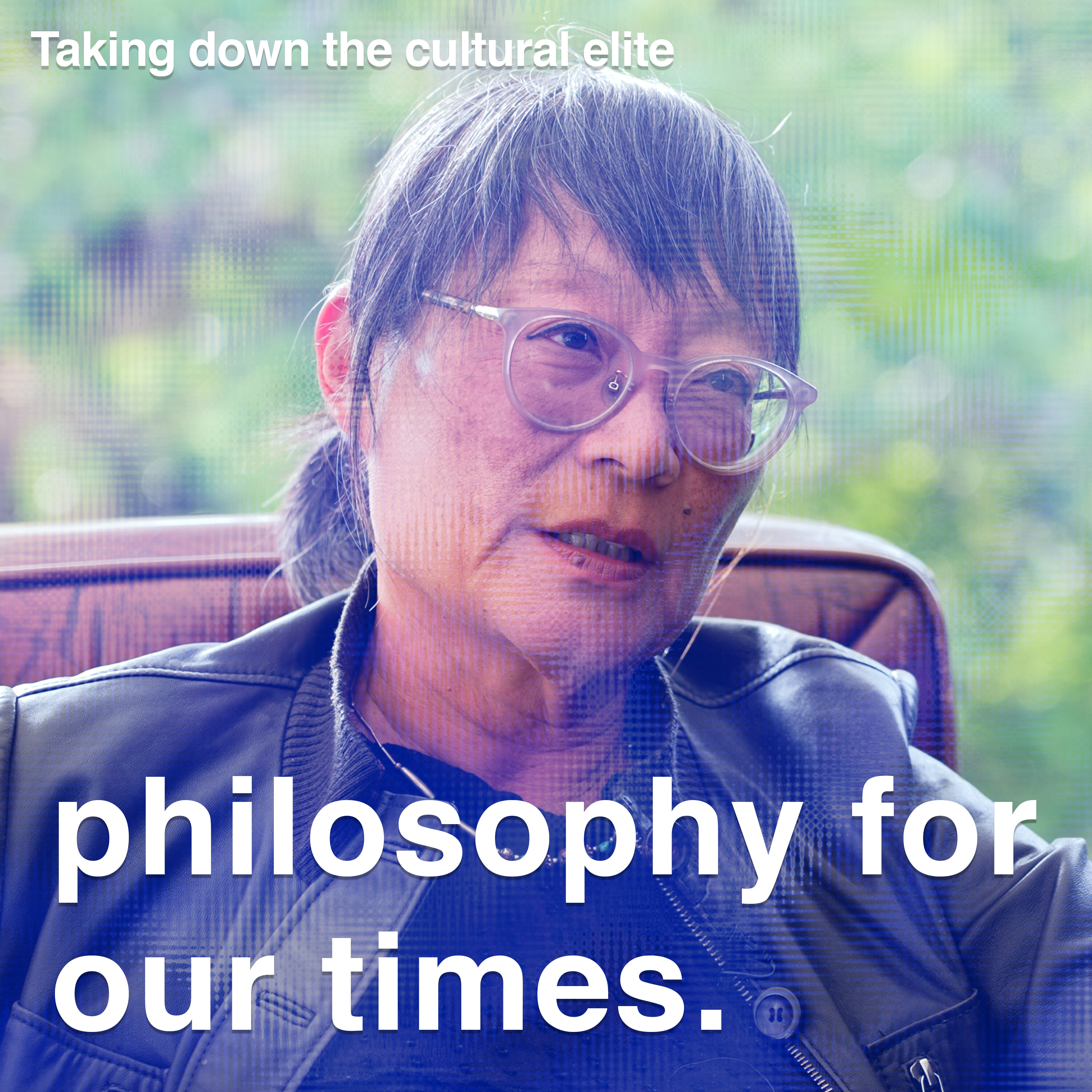
    Taking down the cultural elite | Catherine Liu

    What is managerialism? Why is the meritocracy sliding into technocracy? Does suffering make us seem more pure? We tend to think that today’s progressive politics advances equality through moral awareness and identity. But Catherine Liu argues that it has been captured by the professional managerial class, which replaces material redistribution with virtue signalling and cultural status. In this interview, Liu examines how universities, identity politics and trauma culture can obscure class struggle and what a renewed working-class politics might look like. Catherine Liu is an American cultural theorist, critic, and professor of Film and Media Studies at the University of California, Irvine. A sharp public intellectual, Liu is best known for her incisive critiques of elite liberalism, academic hypocrisy, and the commodification of virtue. She brings together Marxist cultural analysis with polemic flair, offering a compelling—and at times confrontational—challenge to the moral self-image of the contemporary professional class. Don't hesitate to email us at podcast@iai.tv with your thoughts or questions on the episode! To witness such talks live buy tickets for our upcoming festival: https://howthelightgetsin.org/festivals/ And visit our website for many more articles, videos, and podcasts like this one: https://iai.tv/ You can find everything we referenced here: https://linktr.ee/philosophyforourtimes See Privacy Policy at https://art19.com/privacy and California Privacy Notice at https://art19.com/privacy#do-not-sell-my-info.
  • September 1 · 47 min

    The chains of freedom | Daniel Markovits, Elizabeth Anderson, Yaron Brook

    Is freedom always an absolute good? For freedom to be beneficial and practical, does it need constraining? Are attacks on freedom really the first step to tyranny? From freedom from tyranny and poverty to the right to free speech, we assume freedom is always desirable. But critics argue the consequences of freedom are less obviously desirable than we imagine and frequently unknown. Kafka wrote, "It is often better to be in chains than to be free," and Sartre that, "we're condemned to be free" since we are responsible for everything we do. And in wealthier countries where citizens are freer from the hunt for basic necessities like food, water, and housing, studies show depression and anxiety are more prevalent, not less. Daniel Markovits is Professor of Law at Yale Law School and the Founding Director of the Center for the Study of Private Law. He is the author of the bestselling book The Meritocracy Trap Elizabeth Anderson is Professor of Public Philosophy, Politics and Economics at the University of Michigan. She specialises in moral, social and political philosophy, as well as feminist theory and the philosophy of economics and the social sciences. Yaron Brook is an entrepreneur, writer, activist, and political scientist. He is currently chairman of the board of the Ayn Rand Institute and host of the Yaron Brook Show. Isabel Hilton hosts. Don't hesitate to email us at podcast@iai.tv with your thoughts or questions on the episode! To witness such talks live buy tickets for our upcoming festival: https://howthelightgetsin.org/festivals/ And visit our website for many more articles, videos, and podcasts like this one: https://iai.tv/ You can find everything we referenced here: https://linktr.ee/philosophyforourtimes See Privacy Policy at https://art19.com/privacy and California Privacy Notice at https://art19.com/privacy#do-not-sell-my-info.
  • August 25 · 29 min

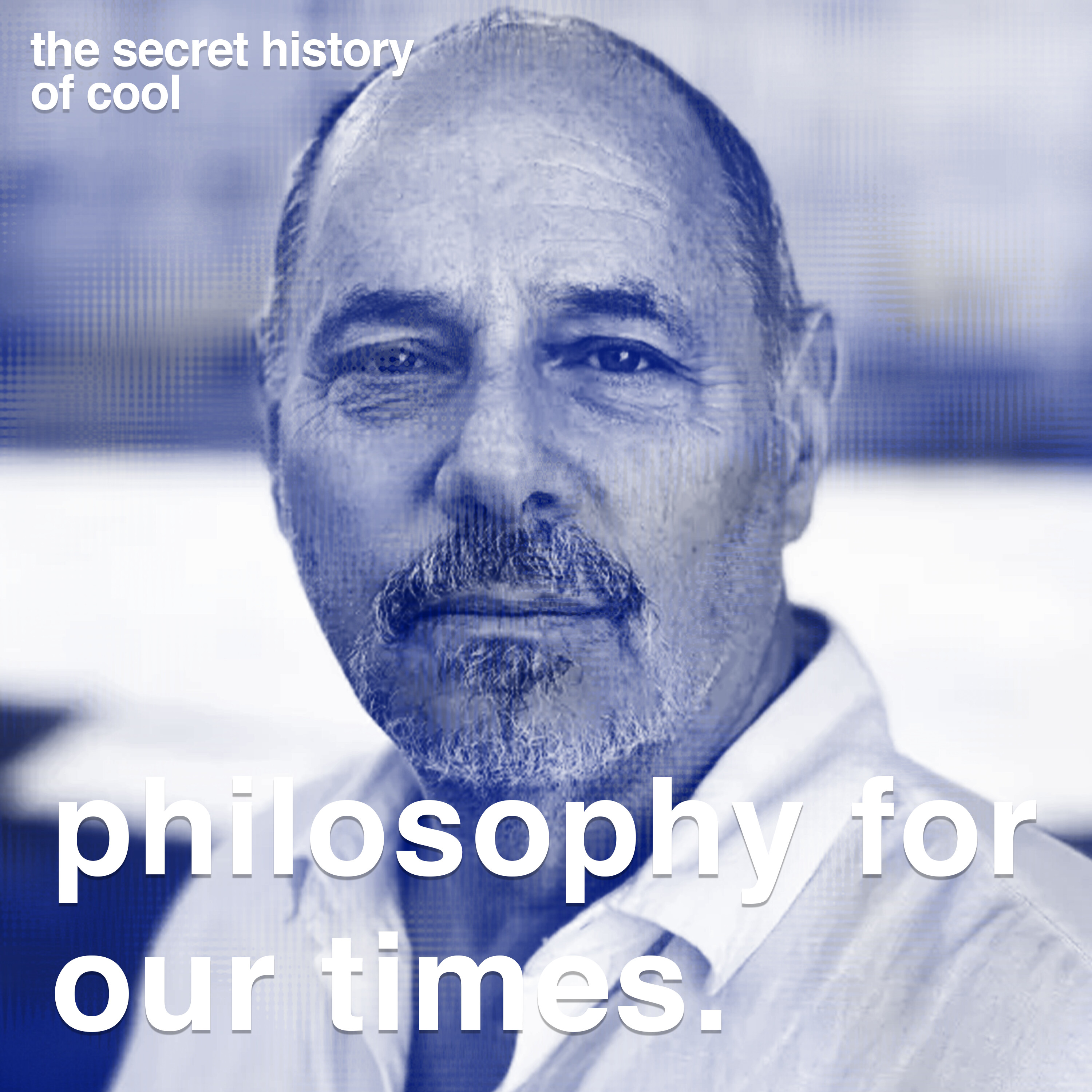
    The secret history of cool | Joel Dinerstein

    Who was the first person to be cool? What connects the civil rights movement and Albert Camus' 'The Rebel'? How has the coopting of black terminology impacted American society more broadly? From James Dean to Kate Moss, we know cool when we see it. But its history goes back to jazz music and the civil rights movement. Academic Joel Dinerstein reveals the forgotten history of this elusive concept. "Entertaining and insightful" - New York Times Joel Dinerstein is the author of The Origins of Cool in Postwar America (University of Chicago, 2017) and Clark Chair of American Civilisation at Tulane University and writes about race, cool, and popular music. Don't hesitate to email us at podcast@iai.tv with your thoughts or questions on the episode! To witness such talks live buy tickets for our upcoming festival: https://howthelightgetsin.org/festivals/ And visit our website for many more articles, videos, and podcasts like this one: https://iai.tv/ You can find everything we referenced here: https://linktr.ee/philosophyforourtimes See Privacy Policy at https://art19.com/privacy and California Privacy Notice at https://art19.com/privacy#do-not-sell-my-info.
  • August 18 · 33 min

    Rebalancing the global order | Kishore Mahbubani

    Is it truly the beginning of the end of Western dominance? Where did it all go wrong? And is this more than just an upheaval of the status quo? For centuries, Western powers dominated the global order and mistook that moment for permanence. Join Former President of the UN Security Council. Kishore Mahbubani, who argues the shift now underway is not upheaval but historical rebalancing. Asian and other non-Western societies are not “rising” but returning to their natural weight in world affairs. The danger lies in Western refusal to accept this reality. The West's clinging to primacy is distorting policy and fueling conflict. "Arguably Asia's most influential thinker." - Martin Wolf Kishore Mahbubani is a Singaporean diplomat and scholar. A former President of the UN Security Council, his work examines the geopolitics of Asia's return to the global centre stage. Don't hesitate to email us at podcast@iai.tv with your thoughts or questions on the episode! To witness such talks live buy tickets for our upcoming festival: https://howthelightgetsin.org/festivals/ And visit our website for many more articles, videos, and podcasts like this one: https://iai.tv/ You can find everything we referenced here: https://linktr.ee/philosophyforourtimes See Privacy Policy at https://art19.com/privacy and California Privacy Notice at https://art19.com/privacy#do-not-sell-my-info.
  • August 11 · 44 min

    The future of the right | Sohrab Ahmari, Gawain Towler, Rachel Maclean, Mark Littlewood

    Is the populist right opposed to liberalism and the free market? Does this mark a change in what it is to be right-wing, or was it a mistake to see populism as far right in the first place? Or is there an unavoidable conflict on the right between maintaining the status quo and being conservative, and enabling change through the free market? At the outset of the use of the term, to be on the right was to back the aristocracy, authority and the status quo. In contrast, the liberals, known as Whigs in 18th century Britain, backed change, freedom and the rights of the individual. But in recent decades to be in favour of the free market and against the state itself came to be seen as right-wing. Now there's a further twist. The new populist right, often described as far right by its critics, has become critical of some aspects of the free market. Trump's tariffs are in support of current jobs and against the market. Le Pen is against big corporations. Reform in favour of state ownership of key services. Sohrab Ahmari is a celebrated journalist and cultural critic and co-founder of Compact magazine and author of Tyranny, Inc. Gawain Towler is a British political strategist, journalist, and long-standing figure in the Eurosceptic movement. Best known for his work in party communications and media strategy, he currently serves on the governing board of Reform UK. Rachel Maclean is a former UK minister, Conservative peer, and is Director of Strategy to the Leader of the Opposition. Mark Littlewood is a libertarian economist and media commentator known for his provocative advocacy on free markets, regulation, and public policy. He’s currently director of the think tank Popular Conservatism. Hosted by Roger Hearing. Don't hesitate to email us at podcast@iai.tv with your thoughts or questions on the episode! To witness such talks live buy tickets for our upcoming festival: https://howthelightgetsin.org/festivals/ And visit our website for many more articles, videos, and podcasts like this one: https://iai.tv/ You can find everything we referenced here: https://linktr.ee/philosophyforourtimes See Privacy Policy at https://art19.com/privacy and California Privacy Notice at https://art19.com/privacy#do-not-sell-my-info.
  • August 4 · 35 min

    Love is more than magic | Alain de Botton

    What do voyeurs want? What can the Greeks teach us about love? Why do we pursue those who we now are going to hurt us? Despite our longing for lasting connection, love often falters on the rocks of misunderstanding and unmet expectations. Philosopher and founder of The School of Life, Alain de Botton, explores how romantic ideals mislead us and why emotional maturity, not chemistry, holds the key to enduring intimacy. Drawing on philosophy and psychology, he examines how our childhood shapes desire and how love, far from being a mystical or ethereal force, is a demanding skill we must patiently and consciously learn. "One of our most consistently illuminating writers on contemporary culture." — John Gray Alain de Botton is the bestselling philosopher redefining how we understand love, work, and meaning in the modern world. He first rose to prominence with Essays in Love, a novel-philosophy hybrid that became an international bestseller. He has since authored several bestselling works that blend literary elegance, psychological insight, and philosophical depth. Don't hesitate to email us at podcast@iai.tv with your thoughts or questions on the episode! To witness such talks live buy tickets for our upcoming festival: https://howthelightgetsin.org/festivals/ And visit our website for many more articles, videos, and podcasts like this one: https://iai.tv/ You can find everything we referenced here: https://linktr.ee/philosophyforourtimes See Privacy Policy at https://art19.com/privacy and California Privacy Notice at https://art19.com/privacy#do-not-sell-my-info.
  • July 28 · 40 min

    In the name of reason | Steve Fuller, Miriam Schoenfield, Dan Sperber

    Is the future one where we accept tribalism and conflict as inherent in the human condition, where moral and scientific beliefs based on reason are badges, shaped by class, nation, ethnicity and culture? Or is reason more important than ever, not as a route to truth, but as a means to test the effectiveness and consequences of a given outlook? And can we reclaim reason as a method for resisting the crowd rather than following it? Reason was supposedly the great liberator – an Enlightenment gift that freed us from blind adherence to tradition and the authority of church and state. But today, many now contend this is a comforting myth. For as Benjamin Franklin put it, reason merely helps us “make a reason for everything one already has a mind to do.” Furthermore, studies confirm people with more developed reasoning skills are more susceptible to groupthink and polarization, not less. For the more rational we are, the better we are at justifying what we already believe – especially when it aligns with our social circle. Dan Sperber is a distinguished anthropologist and philosopher who is the author of several critically-acclaimed books, including The Enigma of Reason. Steve Fuller is a professor of sociology at the University of Warwick. He is the author of dozens of books, including Post-truth: Knowledge as a Power Game. Miriam Schoenfield is a leading epistemologist, Associate Professor of Philosophy at the University of Texas at Austin, and award-winning essayist. Jack Symes is a public philosopher and writer. He is the producer of The Panpsycast Philosophy Podcast and editor of the Bloomsbury series Talking about Philosophy. He is currently Teacher and Researcher at Durham University, UK. Don't hesitate to email us at podcast@iai.tv with your thoughts or questions on the episode! To witness such talks live buy tickets for our upcoming festival: https://howthelightgetsin.org/festivals/ And visit our website for many more articles, videos, and podcasts like this one: https://iai.tv/ You can find everything we referenced here: https://linktr.ee/philosophyforourtimes See Privacy Policy at https://art19.com/privacy and California Privacy Notice at https://art19.com/privacy#do-not-sell-my-info.
  • July 21 · 21 min

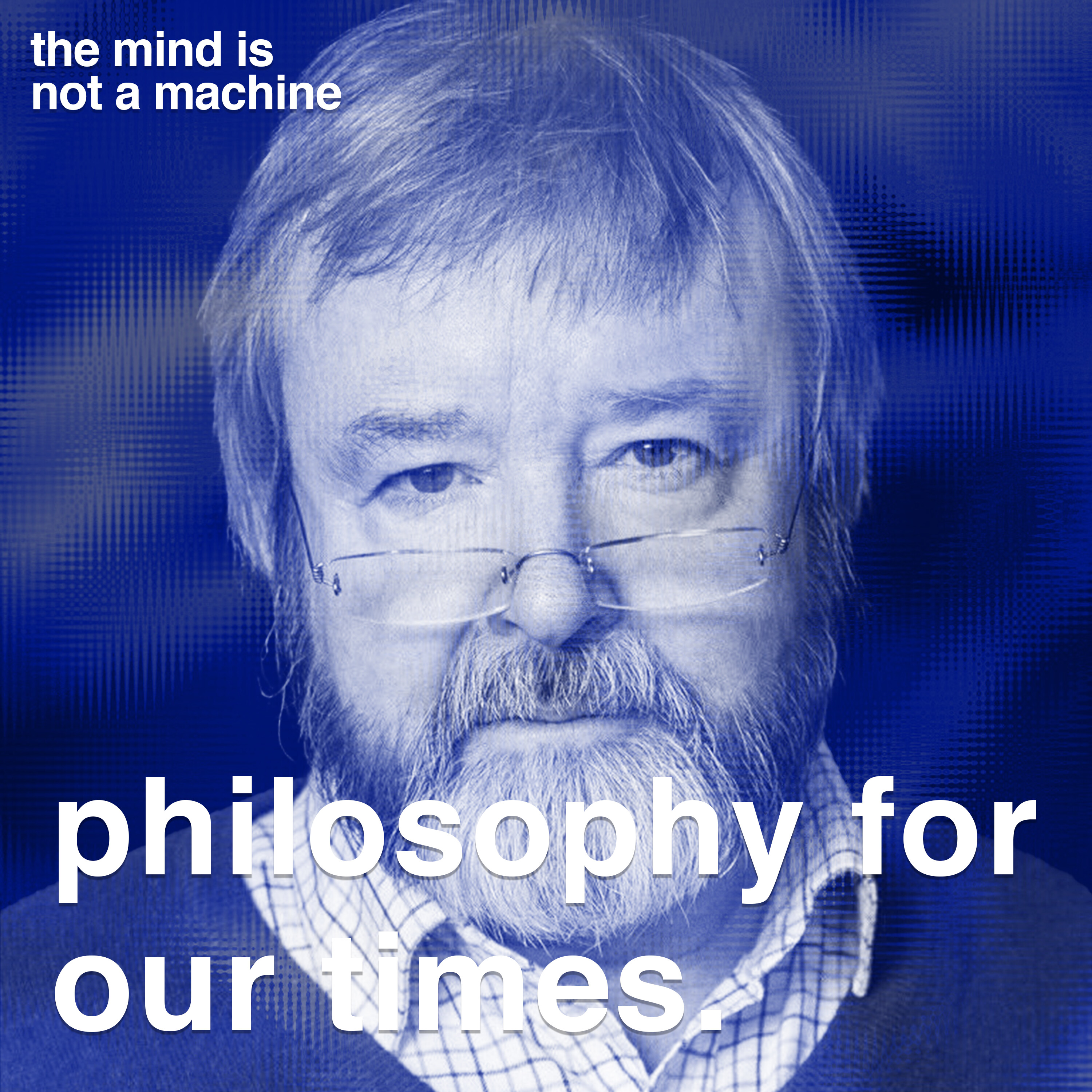
    The mind is not a machine | Iain McGilchrist

    For most scientists, the mind is little more than a machine. With the rise of AI, some now claim that computers may themselves become conscious. For acclaimed neuroscientist, psychiatrist, and philosopher Iain McGilchrist, this is a profound mistake. The attempt to explain the mind in purely mechanistic terms reflects the flawed assumptions of materialism and reductionism – both symptoms of a civilisation dangerously dominated by left-hemisphere thinking. To understand mind and matter, he argues, we need to restore the right hemisphere to its rightful primacy and move beyond materialism. Iain McGilchrist is a distinguished British neuroscientist, psychiatrist and philosopher. A former Fellow of All Souls College, Oxford, Iain McGilchrist also worked as a consulting psychiatrist, and is known for his influential work on the relationship between the structure of our brains, human cultures and our understanding of the world. Oliver Adelson is Philosophy Desk Lead at the Institute of Art and Ideas. He is also Head of Speaker Booking for the IAI's HowTheLightGetsIn Festival. Don't hesitate to email us at podcast@iai.tv with your thoughts or questions on the episode! To witness such talks live buy tickets for our upcoming festival: https://howthelightgetsin.org/festivals/ And visit our website for many more articles, videos, and podcasts like this one: https://iai.tv/ You can find everything we referenced here: https://linktr.ee/philosophyforourtimes See Privacy Policy at https://art19.com/privacy and California Privacy Notice at https://art19.com/privacy#do-not-sell-my-info.
  • July 14 · 26 min

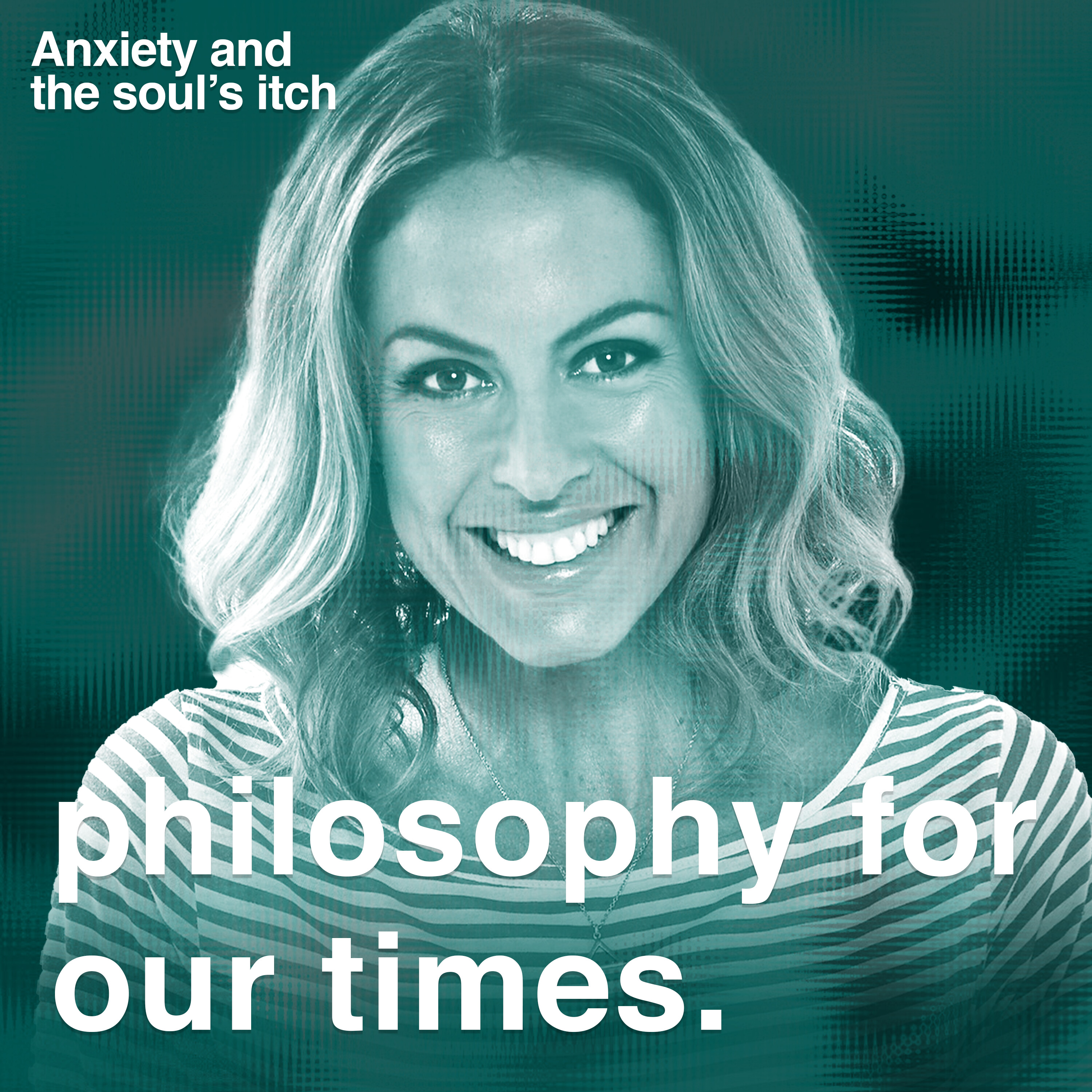
    Anxiety and the soul's itch | Sarah Wilson

    Is anxiety something to be embraced, rather than fixed? Why are more and more of us feeling the 'soul's itch'? How we can start living more meaningfully? Anxiety is often understood as a problem to fix. But Sarah Wilson argues that it can be a vital signal - a "soul's itch" calling us to deeper attunement with our moral purpose. In this talk, Sarah describes how technological acceleration, neoliberal society and disconnection from nature can cause us to miss these signs, and how we can live more defiantly and meaningfully. Sarah Wilson is multi-New York Times bestselling author, social philosopher and philanthropist. She edited Cosmopolitan Australia at 29 and founded the global I Quit Sugar movement. Don't hesitate to email us at podcast@iai.tv with your thoughts or questions on the episode! To witness such talks live buy tickets for our upcoming festival: https://howthelightgetsin.org/festivals/ And visit our website for many more articles, videos, and podcasts like this one: https://iai.tv/ You can find everything we referenced here: https://linktr.ee/philosophyforourtimes See Privacy Policy at https://art19.com/privacy and California Privacy Notice at https://art19.com/privacy#do-not-sell-my-info.
  • July 7 · 22 min

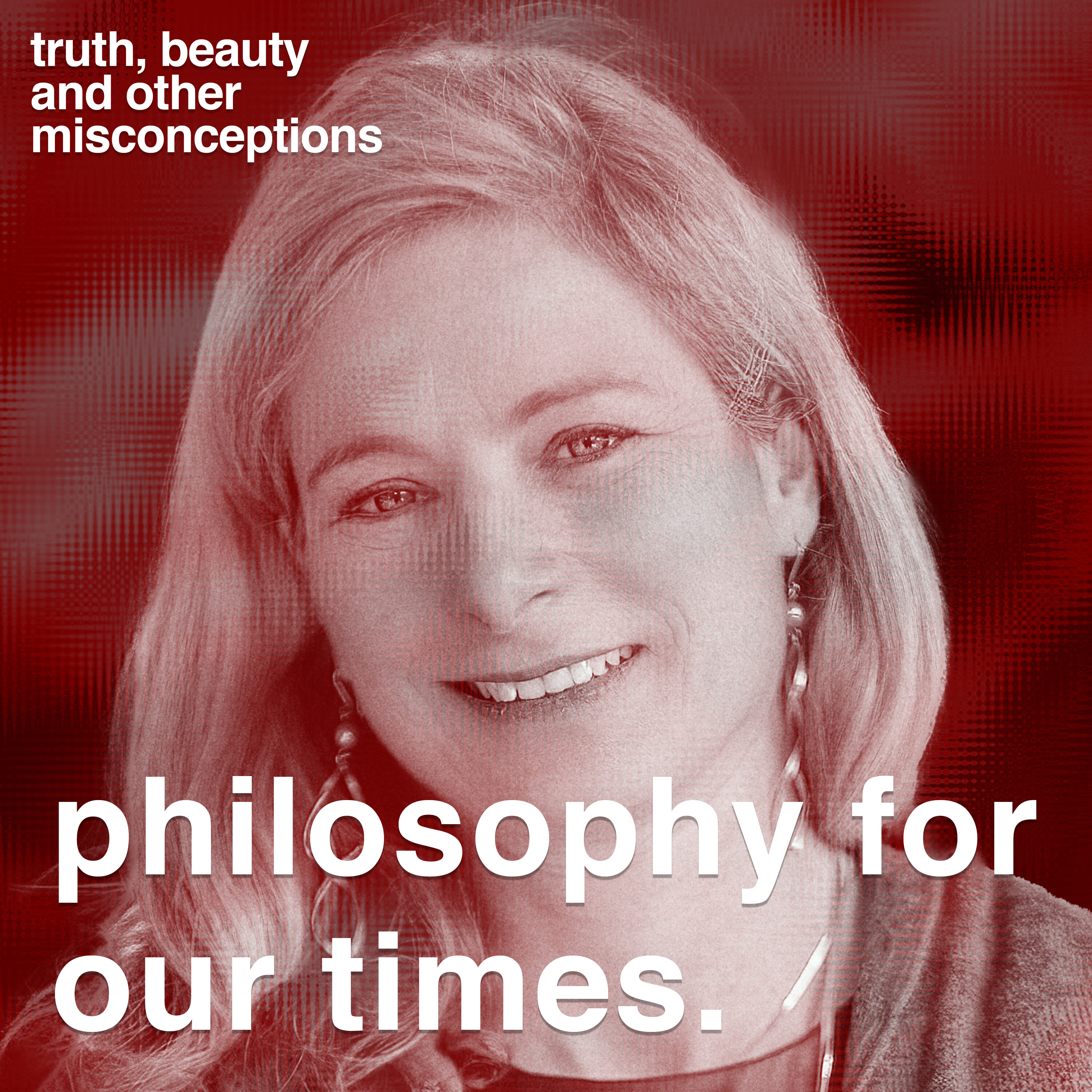
    Truth, beauty and other misconceptions | Lisa Randall

    Is beauty a reliable indicator of scientific truth? Or is it merely a distraction? Some of the best scientists throughout history have equated beauty with truth. But is this a mistake? Join pioneering physicist Lisa Randall to discuss the allure and dangers of equating beautiful advances with scientific achievement. Specifically, the talk will cover the subjective nature of beauty, and instances where beauty succeeded and where it failed, bringing in notions of symmetry and symmetry breaking. One of the most daring theoretical physicists alive today, Lisa Randall is the Frank B. Baird, Jr. Professor of Science at Harvard University. Randall's books Warped Passages and Knocking on Heaven's Door have both been on the New York Times 100 notable books lists See Privacy Policy at https://art19.com/privacy and California Privacy Notice at https://art19.com/privacy#do-not-sell-my-info.
  • June 30 · 32 min

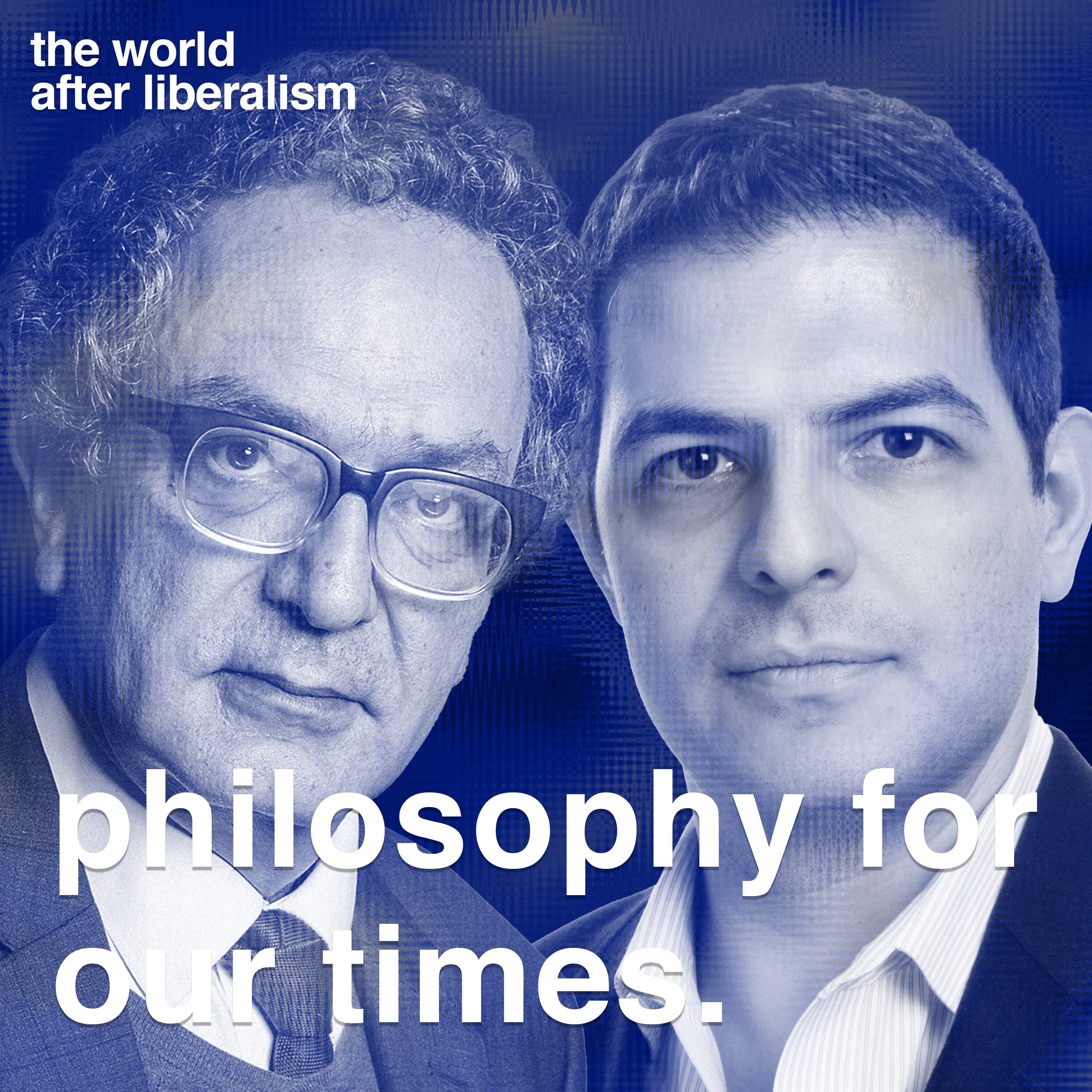
    The world after liberalism | Maurice Glasman & Sohrab Amari

    Is this the end of liberalism, or just another temporary crisis? If it is the end, what will follow it? And where did it all go wrong? Since the end of WWII, the Western world has been governed by liberal principles. But as faith in liberalism fades, many are asking: what deeper vision should guide our societies going forward? Join Blue Labour founder Maurice Glasman and author of Tyranny Inc., Sohrab Ahmari, as they diagnose the roots of the current crisis and explore possibilities for what lies beyond the faltering liberal world order. Both Glasman and Ahmari's diverging visions call for ideas and morality to lead politics, not the other way around. Don't hesitate to email us at podcast@iai.tv with your thoughts or questions on the episode! To witness such talks live buy tickets for our upcoming festival: https://howthelightgetsin.org/festivals/ And visit our website for many more articles, videos, and podcasts like this one: https://iai.tv/ You can find everything we referenced here: https://linktr.ee/philosophyforourtimes See Privacy Policy at https://art19.com/privacy and California Privacy Notice at https://art19.com/privacy#do-not-sell-my-info.
  • June 23 · 30 min

    Why artists shouldn't fear AI | Jaron Lanier

    What does originality mean in the age of AI? Why should artists resist the temptation to fear AI? What role will human creativity play in the future we're building? Jaron Lanier, a visionary computer scientist, artist, composer, futurist, and writer, discusses his latest artistic ventures and the importance of originality in art. Lanier shares insights into how technology intersects with creativity, the challenges of maintaining authenticity in a digital age, and the evolving role of the artist in shaping the future. Don’t miss this opportunity to hear from one of the most forward-thinking minds of our time as he reflects on the future of art and innovation. Don't hesitate to email us at podcast@iai.tv with your thoughts or questions on the episode! To witness such talks live buy tickets for our upcoming festival: https://howthelightgetsin.org/festivals/ And visit our website for many more articles, videos, and podcasts like this one: https://iai.tv/ You can find everything we referenced here: https://linktr.ee/philosophyforourtimes See Privacy Policy at https://art19.com/privacy and California Privacy Notice at https://art19.com/privacy#do-not-sell-my-info.
  • June 16 · 37 min

    Copying consciousness: the future of mind uploading | Anders Sandberg

    What makes you 'you'? If scientists made a digital replica of your mind, would this new 'you' be conscious? And what does this all mean for what it means to exist? Whole-brain emulation (often called “mind uploading” in science fiction) refers to the possible future ability to scan a human brain in such detail that a digital replica could be created, capable of functioning, and perhaps even experiencing the world, like the original. While we are far away from this now (the current record is a fruit fly) an increasing number of neuroscientists and entrepreneurs are betting that we may be closer than most think. What is happening in the world of computational neuroscience, and will the world be ready for it? Don't hesitate to email us at podcast@iai.tv with your thoughts or questions on the episode! To witness such talks live buy tickets for our upcoming festival: https://howthelightgetsin.org/festivals/ And visit our website for many more articles, videos, and podcasts like this one: https://iai.tv/ You can find everything we referenced here: https://linktr.ee/philosophyforourtimes See Privacy Policy at https://art19.com/privacy and California Privacy Notice at https://art19.com/privacy#do-not-sell-my-info.
  • June 9 · 28 min

    The return of idealism | James Tartaglia

    Is materialism mistaken in its understanding of consciousness? How can dividing experience into the phenomenal and the transcendent provide a new angle from which to view consciousness? Have you ever wondered what philosophical jazz sounds like? The world's greatest minds have struggled over the question of consciousness for centuries. Idealism, the idea that reality is the product of the mind, was a popular idea in the 19th century. But over the last hundred years, materialism became the dominant metaphysics. With faith in materialism starting to wane, philosopher James Tartaglia breaks down the consciousness misconceptions and discusses why he believes that idealism is making a comeback. Don't hesitate to email us at podcast@iai.tv with your thoughts or questions on the episode! To witness such talks live buy tickets for our upcoming festival: https://howthelightgetsin.org/festivals/ And visit our website for many more articles, videos, and podcasts like this one: https://iai.tv/ You can find everything we referenced here: https://linktr.ee/philosophyforourtimes See Privacy Policy at https://art19.com/privacy and California Privacy Notice at https://art19.com/privacy#do-not-sell-my-info.
  • June 2 · 29 min

    Reimagining the right | Richard Tice

    Is this the end of Britain's two-party system? How has Reform brought together seemingly contradictory left- and right-wing ideas? Why do they think that we should get used to climate change instead of trying to fix it? The world has seemingly grown tired of liberal ideas, and the populist right is in the ascendant. They are winning elections, leading polls, and gaining political influence everywhere from the US to Italy, Argentina, France, Germany, and the UK. Join the next most powerful man in Reform UK after Nigel Farage, Deputy Leader Richard Tice, as he argues that the renewal of right-wing thinking and common-sense ideas will continue to reshape and transform global politics for the next century. Don't hesitate to email us at podcast@iai.tv with your thoughts or questions on the episode! To witness such debates live buy tickets for our upcoming festival: https://howthelightgetsin.org/festivals/ And visit our website for many more articles, videos, and podcasts like this one: https://iai.tv/ You can find everything we referenced here: https://linktr.ee/philosophyforourtimes See Privacy Policy at https://art19.com/privacy and California Privacy Notice at https://art19.com/privacy#do-not-sell-my-info.
  • May 26 · 27 min

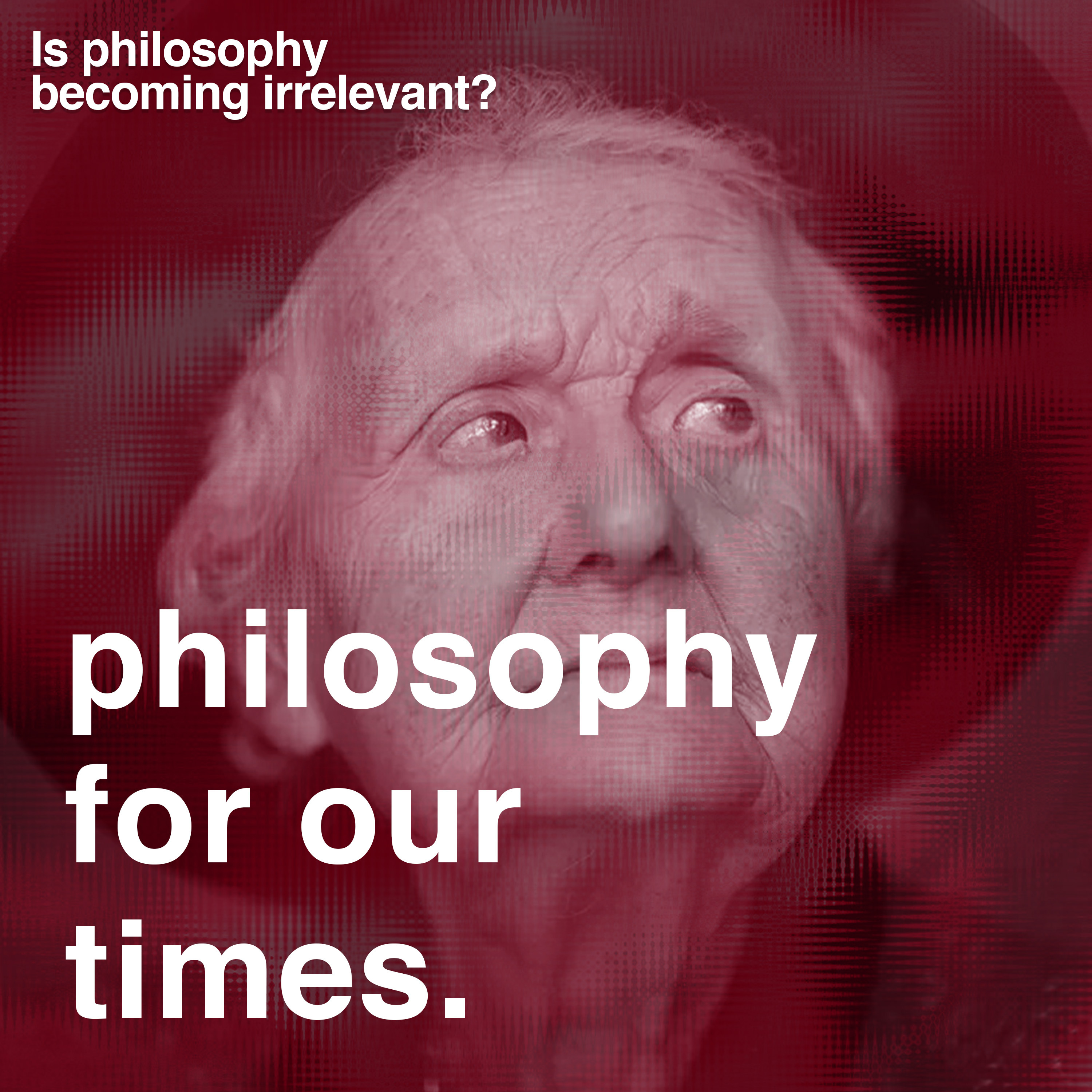
    Is philosophy becoming irrelevant? | Mary Midgley

    Does philosophy still matter in today's world? If so, why are students less and less interested in studying in it? In a special episode from the IAI archives, Mary Midgley addresses the declining interest in philosophy among young people. Instead of an outdated discipline for old people with too much time on their hands, Midgley argues that philosophy is more important than ever if we wish to understand the world around us, beyond the narrow spheres of the traditional sciences. Don't hesitate to email us at podcast@iai.tv with your thoughts or questions on the episode! To witness such talks live, check out our philosophy festivals: https://howthelightgetsin.org/festivals/ And visit our website for many more articles, videos, and podcasts like this one: https://iai.tv/ You can find everything we referenced here: https://linktr.ee/philosophyforourtimes See Privacy Policy at https://art19.com/privacy and California Privacy Notice at https://art19.com/privacy#do-not-sell-my-info.
  • May 19 · 40 min

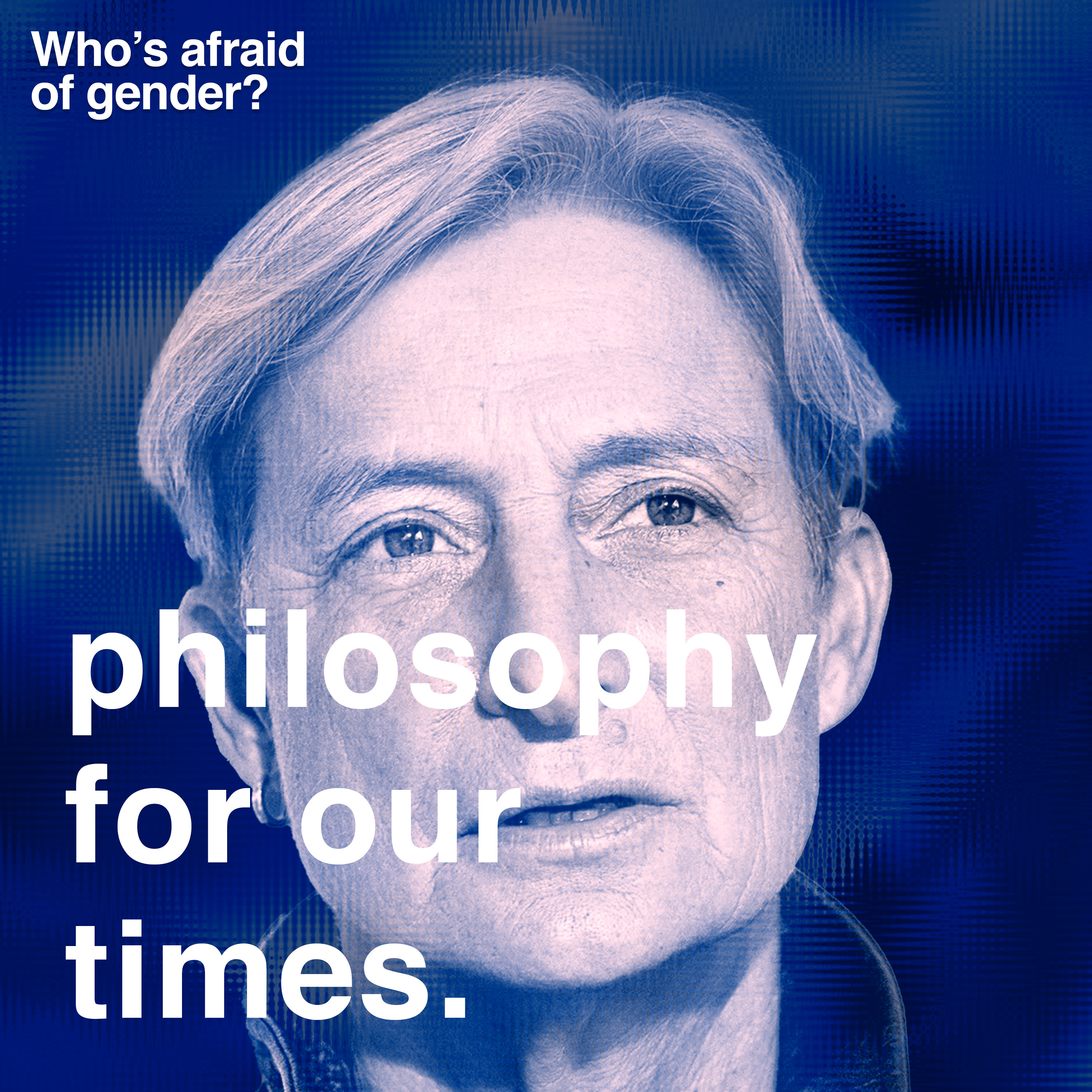
    Who's afraid of gender? | Judith Butler

    Why has gender identity become such a controversial talking point in modern politics? Judith Butler, pioneering gender theorist whose changed the way we think about gender and sexuality, explores the topic of their most recent book, Who's Afraid of Gender? (March 2024). Butler offers a compelling and powerful diagnosis of the anxieties and fears that make up today's wars over gender. In this talk, Butler will explore how, despite 'gender' being the most fraught issue of our times, there is still cause for hope. This timely and timeless intervention continues to imagine new possibilities for freedom and solidarity. Judith Butler is Distinguished Professor in the Graduate School and formerly the Maxine Elliot Chair in the Department of Comparative Literature and the Program of Critical Theory at the University of California, Berkeley. They are most well-known for their ground-breaking book Gender Trouble (1990) and their theory of performativity. Don't hesitate to email us at podcast@iai.tv with your thoughts or questions on the episode! To witness such debates live buy tickets for our upcoming festival: https://howthelightgetsin.org/festivals/ And visit our website for many more articles, videos, and podcasts like this one: https://iai.tv/ You can find everything we referenced here: https://linktr.ee/philosophyforourtimes See Privacy Policy at https://art19.com/privacy and California Privacy Notice at https://art19.com/privacy#do-not-sell-my-info.
  • May 12 · 14 min

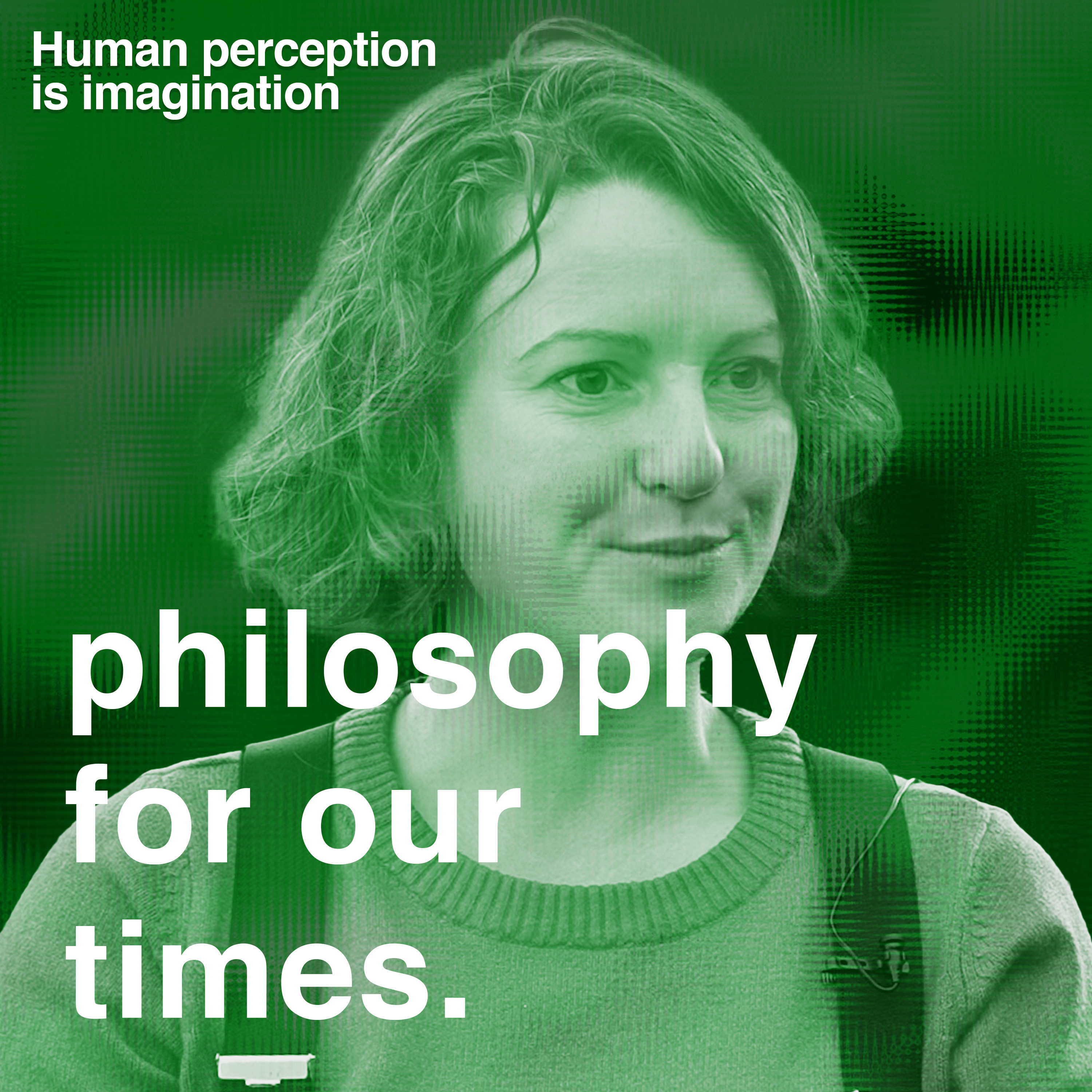
    Human perception is imagination | Nadine Dijkstra

    Nadine Dijkstra is a Principal Investigator at the Institute of Neurology at UCL. Her research in Imaging Neuroscience explores how the brain generates mental images and differentiates them from actual perception. Utilizing neuroimaging, psychophysics, machine learning, and computational modeling, Dijkstra addresses fundamental questions about the overlap between perception and imagery. Recently, Dijkstra has been leading the Imagine Reality Lab at UCL's Department of Imaging Neuroscience, focusing on the intersection of imagination and reality. Dijkstra's 2023 paper in Nature Communications showed the brain evaluates images against a 'reality threshold' to distinguish between images and perception. Her work also investigates how changes in these neural processes could impact mental health. Check out our new series, Ideas for Our Time: https://youtu.be/nYS4FylZJ2Q Don't hesitate to email us at podcast@iai.tv with your thoughts or questions on the episode! To witness such debates live buy tickets for our upcoming festival: https://howthelightgetsin.org/festivals/ And visit our website for many more articles, videos, and podcasts like this one: https://iai.tv/ You can find everything we referenced here: https://linktr.ee/philosophyforourtimes See Privacy Policy at https://art19.com/privacy and California Privacy Notice at https://art19.com/privacy#do-not-sell-my-info.

  • May 5 · 30 min

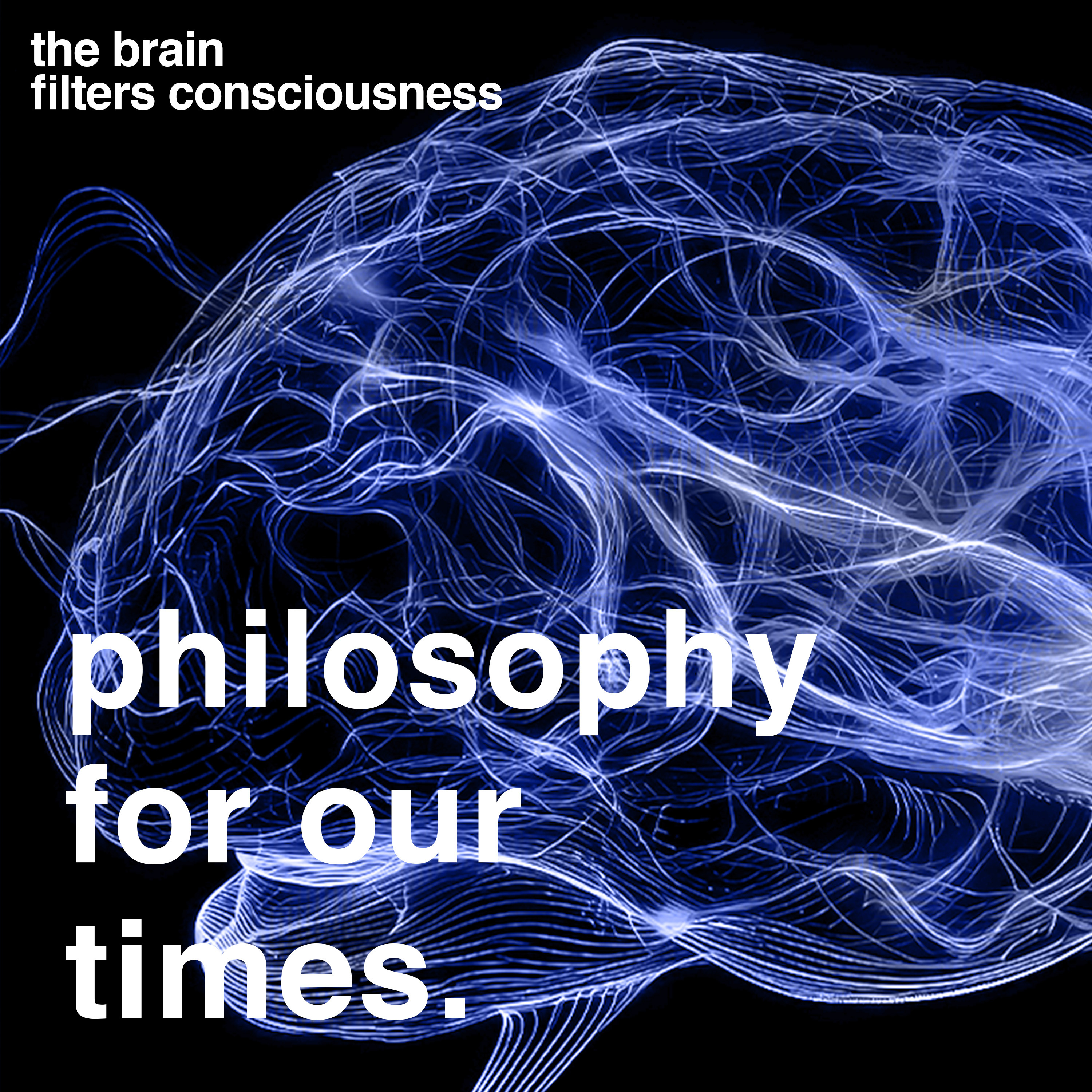
    The brain filters consciousness | Alex Gomez-Marin

    Is the brain actually productive? Or is it instead permissive, simply acting as a filter through which consciousness passes? Can near death experiences help us to get closer to understanding the true nature of the brain? Neuroscientist and theoretical physicist Àlex Gómez-Marín argues that the brain may not produce consciousness, but instead filter or permit it. Tracing a provocative history from Galileo to modern consciousness science, he argues that scientific progress came by prioritising what can be measured, leaving inner experience behind. Using his own near-death experience and cases like terminal lucidity, he calls for a more open, rigorous “Science 2.0” that takes anomalous experiences seriously. Don't hesitate to email us at podcast@iai.tv with your thoughts or questions on the episode! To witness such debates live buy tickets for our upcoming festival: https://howthelightgetsin.org/festivals/ And visit our website for many more articles, videos, and podcasts like this one: https://iai.tv/ You can find everything we referenced here: https://linktr.ee/philosophyforourtimes See Privacy Policy at https://art19.com/privacy and California Privacy Notice at https://art19.com/privacy#do-not-sell-my-info.

Showing 1–20 of 26 episodes