Skip to content
Artwork for PathBreakers
BusinessNon-Profit

PathBreakers

The Kresge Foundation

PathBreakers is a video podcast from The Kresge Foundation featuring community leaders who are reimagining what's possible in American cities. Hosted by Tracey Pearson and Jamie Bennett, with special guest hosting by Rip Rapson, each episode is an intimate conversation about the vision and determination it takes to create change. Season 2 goes into four cities with one central question: Who has power to shape what happens in their city? Detroit. New Orleans. Memphis. Fresno. Sixteen conversations with the community leaders and mayors building the future of their cities block by block.

Play
  • 22 episodes
  • weekly
  • Avg 35 min
  • English
Counted on this page — what you have heard stays on this device, so it is not something the list can be paged by.
  • S2 · E10
    Wednesday · 28 min

    Hugo Morales is preserving culture and protecting community over the airwaves

    Hugo Morales grew up picking produce in the farm fields of Fresno with his family. When he returned to Fresno after college, he saw that his community – the Central Valley’s half-million Latino farmworkers – barely had radio in their own language, much less a radio station controlled by their own community. In 1976, Hugo and a group of activists and artists set out to change that. And by 1980, Radio Bilengüe – the nation’s first multilingual news and cultural radio station built to empower the Latino community – was broadcasting live from Fresno. Over the last 45 years, Radio Bilengüe has grown into the largest public radio network of its kind in the United States with 30 public radio stations and 75 affiliate stations across five states. In this episode Hugo shares about: Flyering on telephone polls to get the station started What it means for a community to own its narrative by owning its own airwaves How the station blends music, culture, and hard news to support cultural preservation and community safety How his other organizing work in and around Fresno is interconnected with Radio Bilengüe Ways the radio station has literally saved lives And Radio Bilengüe’s plans for a bricks and mortar cultural center in downtown Fresno Next episode, meet Dr. Sarait Martinez, who leads the only Indigenous women-led organization serving Indigenous communities in the Fresno region. She's working to close the harmful structural gaps created when institutions don’t account for distinct Indigenous languages or cultural context. Subscribe to PathBreakers on [Spotify] | [Apple Podcasts] | [YouTube] Tune in to Radio Bilengüe at RadioBilengue.org Listen all of Season 2 at https://pathbreakers.kresge.org Co-Hosts: Tracey Pearson and Jamie Bennett Producer: Juliet Hinely Managing Editor: Krista Jahnke Production support: Jennifer Kulczycki and Tracey Pearson Special thanks on this episode to Kresge’s American Cities Program, especially Chantel Rush Tebbe and Anand Sharma. Thanks for listening!
  • S2 · E9
    September 9 · 32 min

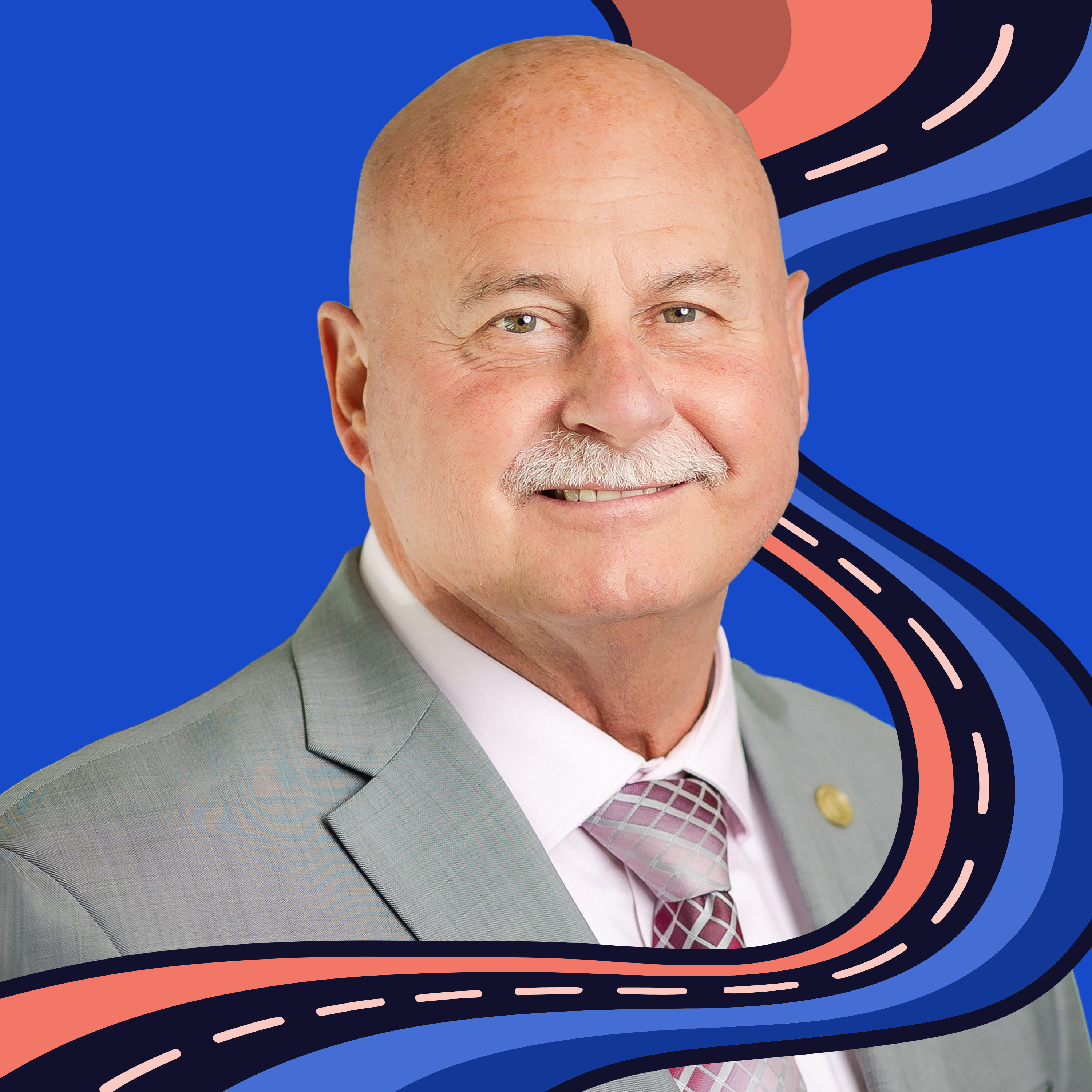
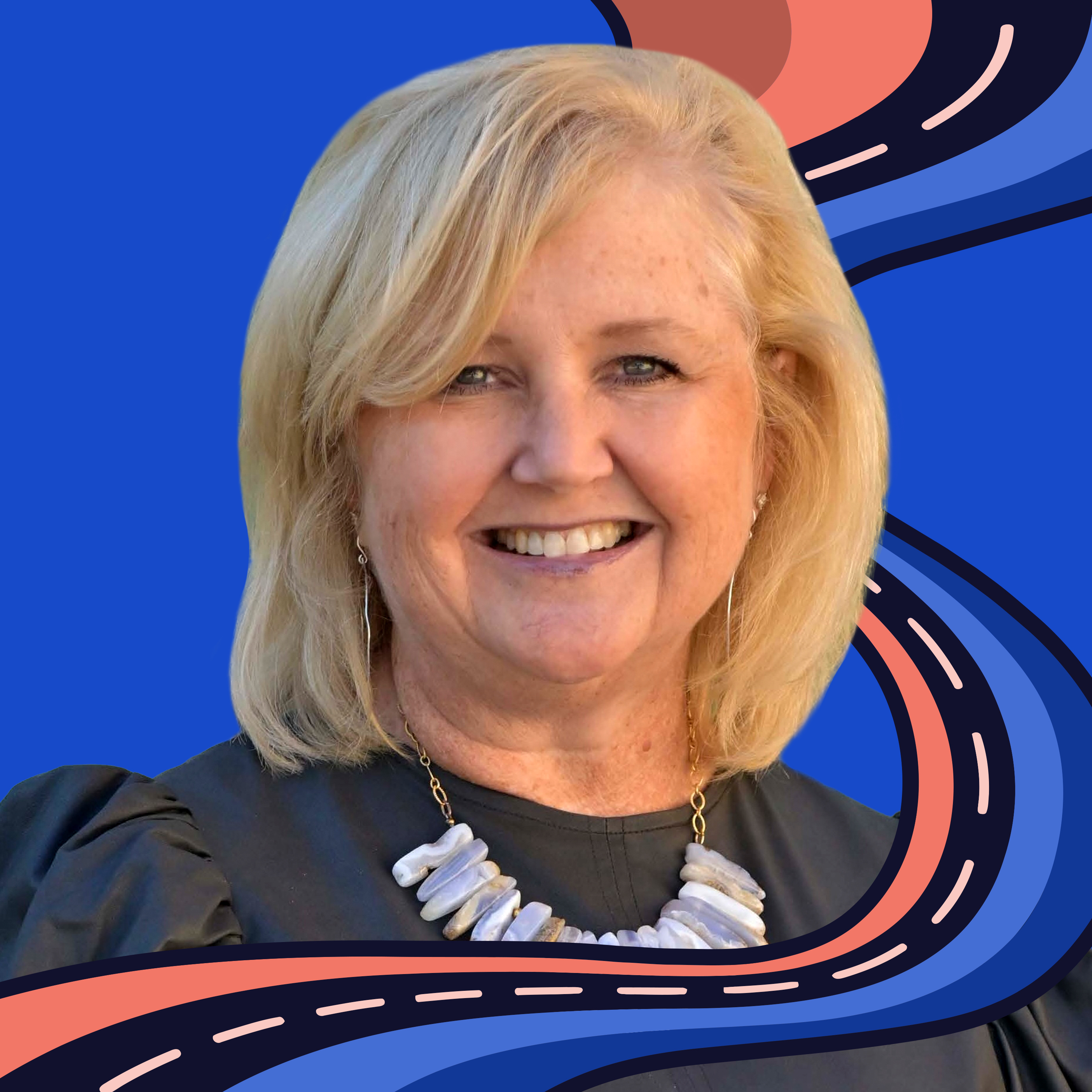
    Mayor Jerry Dyer is building Fresno’s economy beyond the farm

    Fresno, California is smack-dab in the middle of the state, halfway between Los Angeles and San Francisco, a city surrounded by farmland. But Fresno is the 9th most diverse city in the nation. And its population and history is deeply shaped by Indigenous communities like Mixtecs and Zapotecs, Chicano farmworkers, and large Southeast Asian communities too. Fresno has historically been a city whose story has been told by outside forces — agribusiness interests, state planners, commercial media, national narratives that flatten its complexity. All season, we've been asking “who has the power to shape their city?” And a city like Fresno is the perfect place to ask: whose story gets to shape the way things work? Whose story is this city? To kick off our Fresno City Series, Kresge President and CEO, Rip Rapson, sits down with Jerry Dyer – Fresno’s 26th mayor and its longest-serving police chief before that – for a conversation at the historic Warnors Theater. Mayor Dyer shares: What makes Fresno “four cities in one,” How Interstate 5 was routed to bypass the Central Valley and the economic isolation that followed Changes, advancements and challenges in the agricultural economy that built the region The benefits he sees in blending the long-standing agricultural economy with a developing manufacturing economy. His ambitious downtown and Chinatown revitalization plans he hopes will define his legacy. Plus culinary districts, adaptive reuse housing projects, brewery districts, and more. And before Mayor Dyer and Rip Rapson dive in, Co-hosts Tracey and Jamie share some good news about the PathBreakers podcast. Next episode (out September 16th) we meet the first of our three featured Fresno PathBreakers. Each of our upcoming guests are leading projects and building systems across Fresno for cultural inclusion and preservation. Next week we’ll talk to Hugo Morales of Radio Bilingüe. Hugo built a community and cultural news radio station from scratch when he realized his community – and Fresno’s half-million farmworkers – couldn’t get programming in their own languages. Subscribe to PathBreakers on [Spotify] | [Apple Podcasts] | [YouTube] Learn more about Mayor Dyer: https://www.fresno.gov/mayor/ Listen to all of Season 2 at https://pathbreakers.kresge.org Host: Rip Rapson, President & CEO, Kresge Foundation Co-Hosts: Tracey Pearson and Jamie Bennett Producer: Juliet Hinely Managing Editor: Krista Jahnke Production support: Jennifer Kulczycki and Tracey Pearson Video interview captured and edited by by Meza Studio Logo animation: Collin Leix Special thanks on this episode to Nicole Owens and her team at the Warnors Theater, Jennifer Kulczycki Director of External Affairs and Communications at Kresge, and to Kresge’s American Cities and Arts Programs, especially Kara Elliott-Ortega and Katie Van Dusen. Thanks for listening! And please stay tuned for more from Fresno.
  • S2 · E8
    July 29 · 32 min

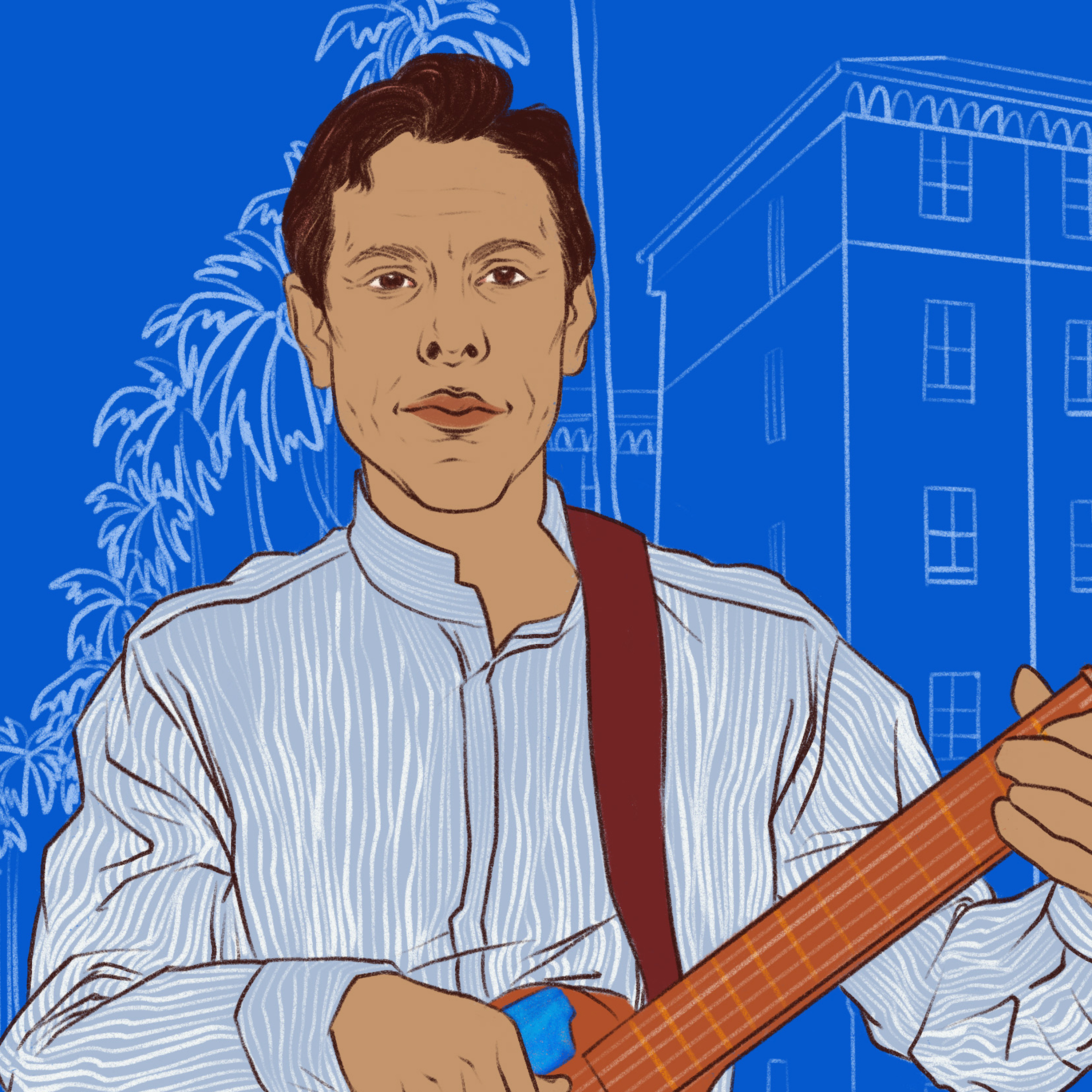
    Anna McQuiston is Toppling Barriers to Collaboration in the MidSouth

    Anna McQuiston says the MidSouth is at a tipping point. While the region – which comprises 6 counties and 38 cities across West Tennessee, East Arkansas, and North Mississippi – has been facing population loss, it also has potential for upwards of 100,000 new jobs in the next 10 years. How do you ensure that those jobs go to locals who have been sticking it out in leaner times? And how do you build infrastructure to support a thriving region with leadership that will collaborate rather than compete for resources? As Executive Director of the MidSouth Development District, Anna McQuiston says it all comes down to the magic of teams that can trust each other. In this episode, co-hosts Tracey Pearson and Jamie Bennett talk with Anna McQuiston about: How Anna gets mayors and civic leaders across the region to “get real” with each other and share experiences, information and ideas without competition and posturing. The importance of regionalism and pooling resources to build stability across the region. Her findings from the recent “State of the Region” convening she organized to address shared challenges and opportunities for leaders across the MidSouth. How she approaches the balance of stabilizing long-time families and attracting new residents to the region. The advice she was given the summer before graduate school that she uses every single day. *** Stay tuned for our next city series all about what PathBreakers are up to in Fresno, California. Our Fresno series launches in September. *** Subscribe to PathBreakers on [Spotify] | [Apple Podcasts] | [YouTube] Learn more about the MidSouth Development District at https://www.midsouthdd.org/ Preview all of Season 2 at https://pathbreakers.kresge.org Co-Hosts: Tracey Pearson and Jamie Bennett Producer: Juliet Hinely Managing Editor: Krista Jahnke Production support: Jennifer Kulczycki and Tracey Pearson Graphics: Alejandro Herrera Logo animation: Collin Leix Special thanks on this episode to Kresge’s American Cities Program, especially Chantel Rush Tebbe and Anand Sharma.

  • S2 · E7
    July 22 · 33 min

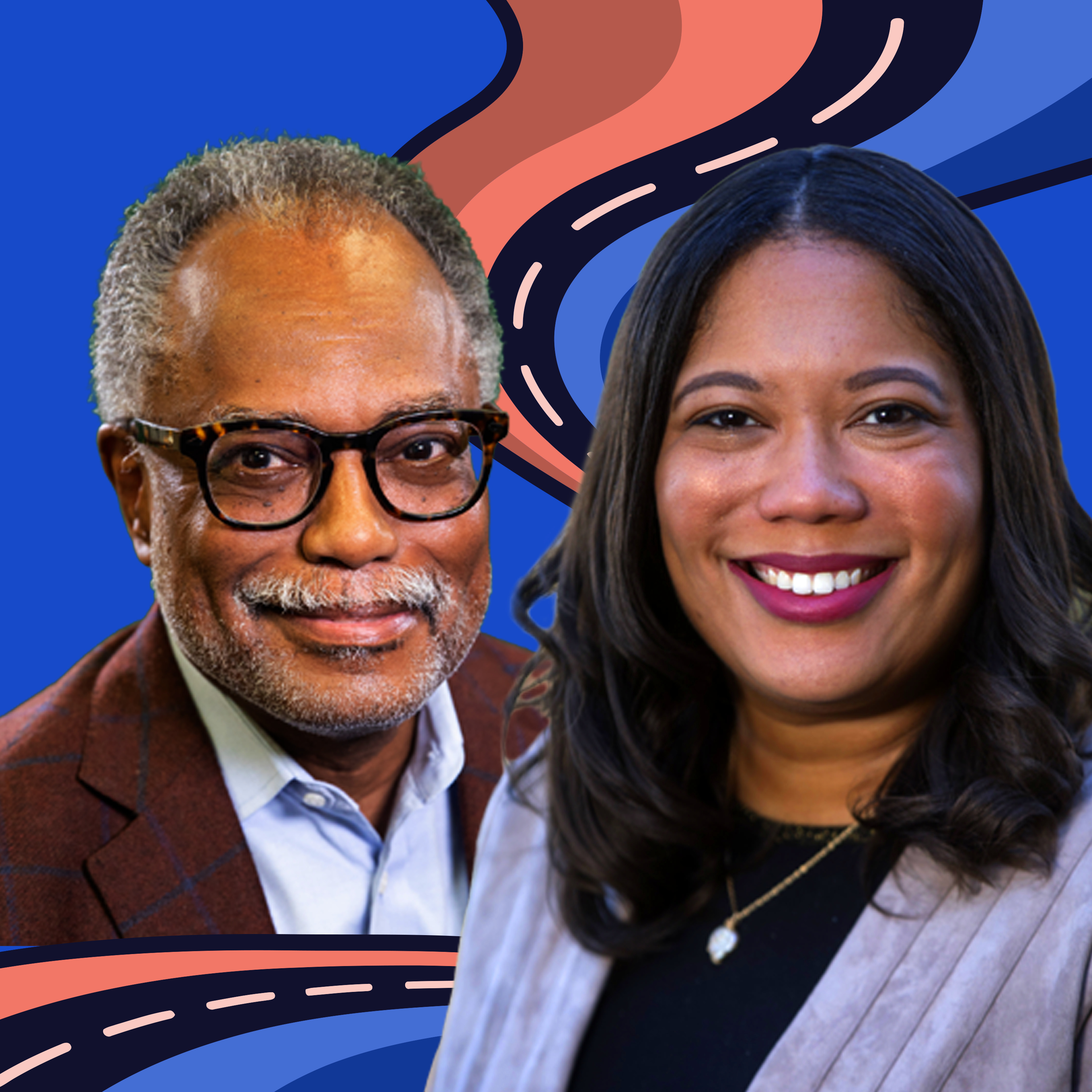
    Archie Willis and Alex Willis-Boddie are Restoring Neighborhood Anchors

    Most real estate developers have dollar signs in their eyes. But in the rare instance when the developers actually come from the communities being redeveloped, they are able to see the equations very differently. This is the case for father-daughter real estate development duo Archie Willis and Alex Willis-Boddie at ComCap Partners, a South Memphis-based real estate development and public finance firm focused on equitable community development in historically Black neighborhoods. Traditional developers would say ComCap projects will never “pencil out,” but Alex and Archie’s methods and track record show otherwise when it comes to community benefit. In this episode, co-hosts Tracey Pearson and Jamie Bennett talk to Archie and Alex about: How their methods for community engagement and trust-building are central to their approach. The complex "capital stacks" they build (involving low-income housing tax credits, new market tax credits, philanthropic funds, public subsidies, and partnerships with local, state, and federal agencies) to fill funding gaps and make their projects happen. Several large-scale redevelopment projects they’ve done recently, like their transformation of old public housing in South Memphis into mixed-income housing and community hubs, as well as the adaptive reuse of vacant schools like Northside High School into workforce development centers. Some of the Willis family legacy in Memphis, including the landmark civil rights work of Archie’s father, and their generational commitment to making a difference in the lives of local residents. *** Next episode (out July 29th) we zoom up to the regional level and talk to Anna McQuiston of MidSouth Development District, who brings together mayors and municipal governments across a three-state mid-south region to collaborate for the resources and plan for a future that will stabilize families in Memphis and beyond. *** Subscribe to PathBreakers on [Spotify] | [Apple Podcasts] | [YouTube] Learn more about ComCap Partners at https://comcap-partners.com Preview all of Season 2 at https://pathbreakers.kresge.org Co-Hosts: Tracey Pearson and Jamie Bennett Producer: Juliet Hinely Managing Editor: Krista Jahnke Production support: Jennifer Kulczycki and Tracey Pearson Graphics: Alejandro Herrera Logo animation: Collin Leix Special thanks on this episode to Kresge’s American Cities Program, especially Chantel Rush Tebbe and Anand Sharma.

  • S2 · E6
    July 15 · 34 min

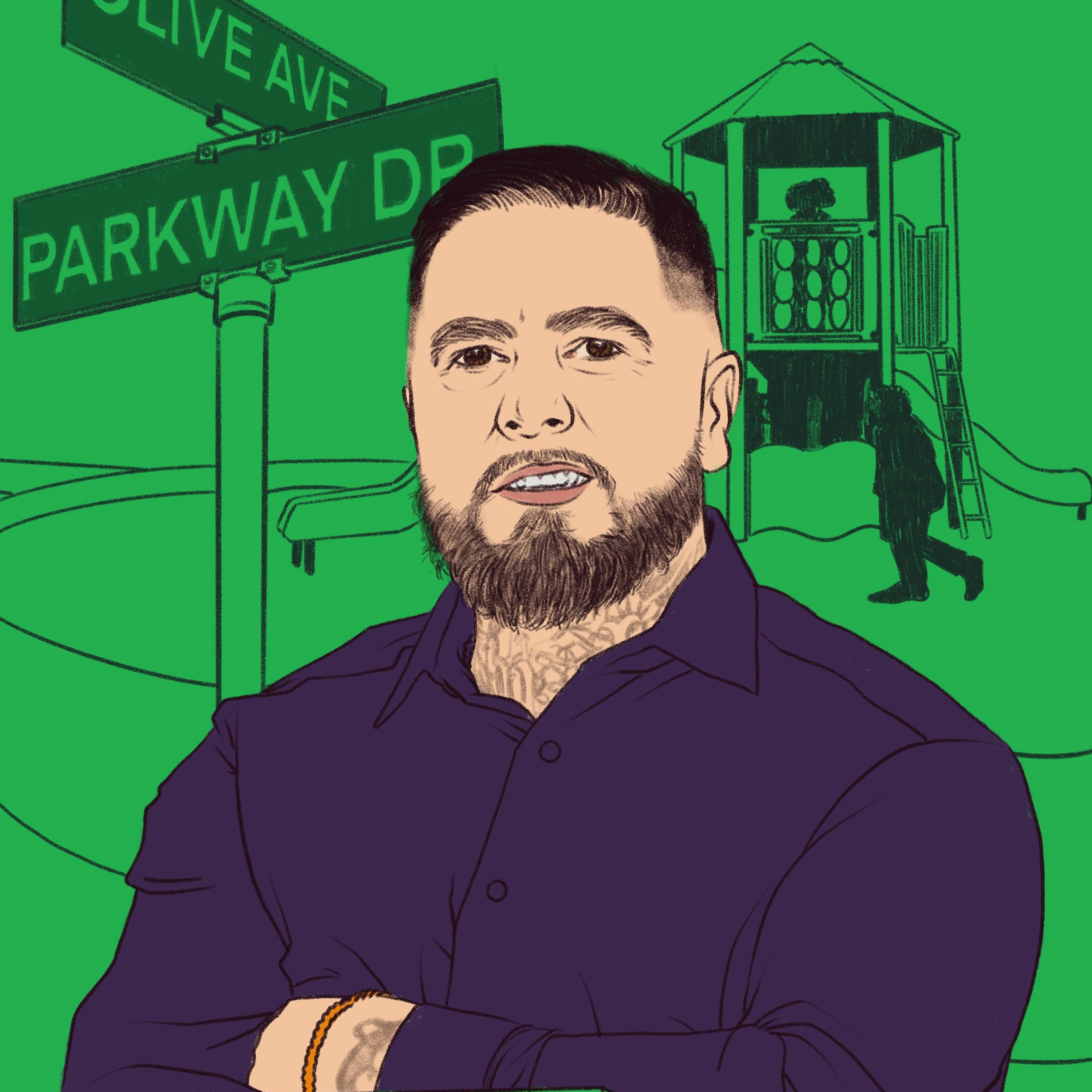
    Marlon Foster is Stabilizing Families in South Memphis

    There’s a two-mile corridor along Walker Avenue in South Memphis that Marlon Foster calls The Knowledge Quest Kid Zone. It’s a multi-site neighborhood campus dedicated to holistically and measurably improving the lives of South Memphis kids and the parents and adults around them. In a zip-code where the statistics reveal a history of severe disinvestment, Marlon Foster’s Knowledge Quest is helping families rebuild stability household by household. Through our Memphis episodes we are asking “What does it take to create a city with long-term family stability?” At Marlon Foster’s Knowledge Quest campus, the answers are already in the neighborhood. In this episode, co-hosts Tracey Pearson and Jamie Bennett talk to Marlon about: How stabilizing the life of a child requires stabilizing the life of the family around that child. The “two gen”, asset-based, and “H20” models through which Knowledge Quest frames their work with children, parents, and community. The research behind Adverse Childhood Experiences and the importance of preventing long-term negative outcomes. Marlon’s 27-year journey building Knowledge Quest – from a single “office” in the backroom of his grandmother’s house to a multi-building campus offering after-school programs, early childhood education, family stability centers, a teen tech center and a 3 acre USDA-certified organic urban farm. *** Next episode (out July 22nd) we head over to Archie Willis and Alex Willis-Boddie’s offices at ComCap Partners – a Memphis-based real estate development firm that specializes in developing real estate in historically Black neighborhoods that have suffered from disinvestment and redlining, and require creative financing solutions beyond traditional market forces. *** Subscribe to PathBreakers on [Spotify] | [Apple Podcasts] | [YouTube] Learn more about Knowledge Quest at https://knowledgequest.org/ Preview all of Season 2 at https://pathbreakers.kresge.org Co-Hosts: Tracey Pearson and Jamie Bennett Producer: Juliet Hinely Managing Editor: Krista Jahnke Production support: Jennifer Kulczycki and Tracey Pearson Graphics: Alejandro Herrera Logo animation: Collin Leix Special thanks on this episode to Kresge’s American Cities Program, especially Chantel Rush Tebbe and Anand Sharma, and to the Human Services Program, especially Dr. Raquel Hatter. Thanks for listening! And please stay tuned for more from Memphis.
  • S2 · E5
    July 8 · 35 min

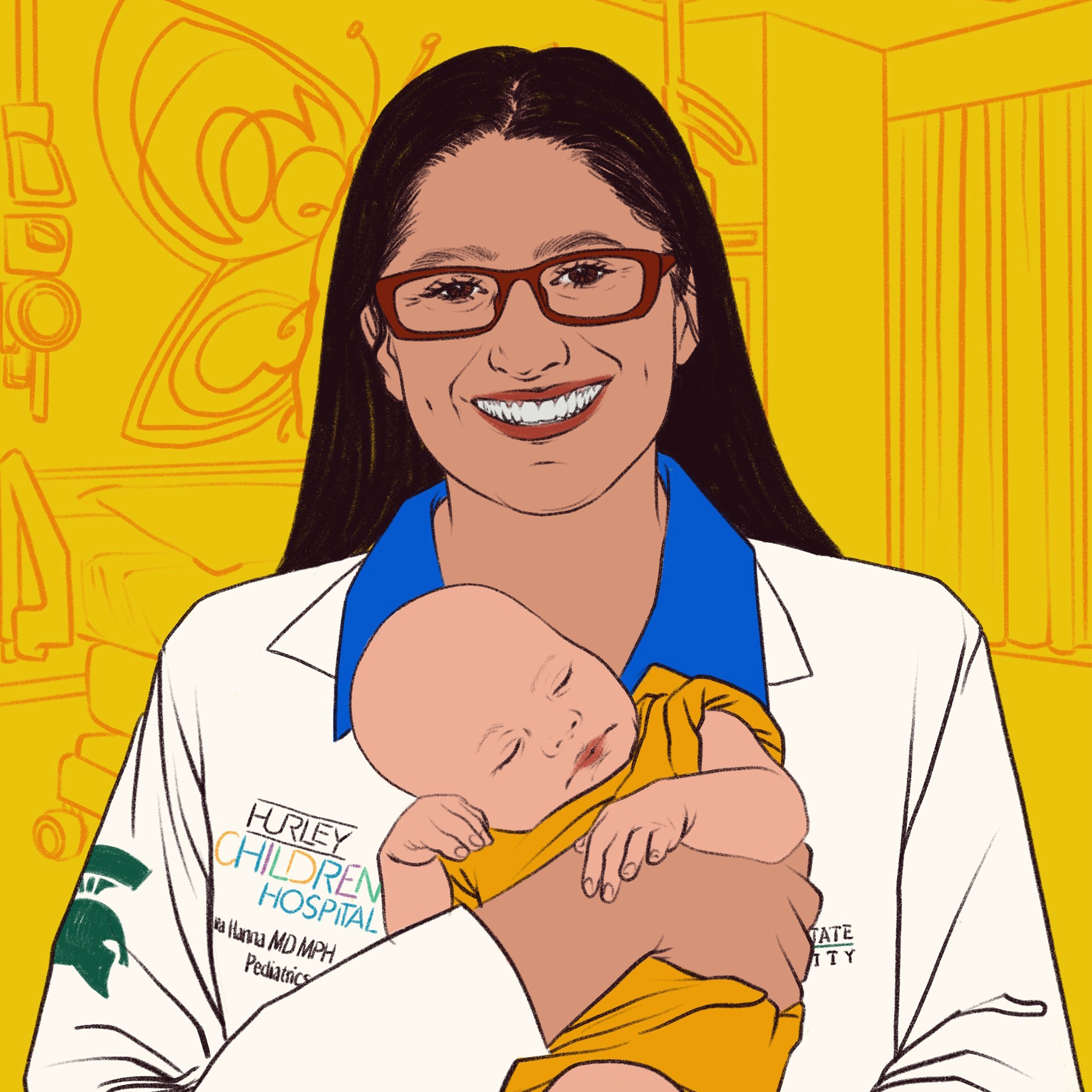
    Mayor Paul Young is Fighting for Memphis Families

    Memphis is a city with serious momentum and serious ambition. Neighborhoods that were written off are being reinvested. Families who have been here for generations are choosing to stay and build. Leaders across sectors are making long-term bets on the city’s future — not just on downtown, but on the communities that have always been the real foundation of Memphis. Memphis is growing. But who gets to shape what this growth means? And what does it take to ensure the people who are already there — and the children growing up there now — inherit a city where they can thrive long-term? In this first episode of our Memphis city series, Kresge President and CEO, Rip Rapson, interviews Memphis Mayor Paul Young on location at Cossitt Library, the city’s original public library. They discuss: Mayor Young’s “Memphis Story” – from growing up as a preacher’s kid, to going to school for city planning, and then later becoming the city’s housing director before being elected mayor in 2024. The importance of civic commons, creative hubs, and inclusive public spaces for cross-community connections. His programs supporting youth employment and family economic mobility, including partnerships with local businesses and holistic support for families. His dual approach to community safety that has resulted in a 42% reduction in crime in the last 2 years. His vision for Memphis becoming one of the nation’s fastest-growing and most equitable cities, ensuring that long-term residents benefit from the city’s growth and revitalization. Next episode (out July 15th) we head into Memphis neighborhoods. First stop: South Memphis, where we meet Marlon Foster, Founder and Executive Director of Knowledge Quest – a neighborhood-based community development organization whose foundational belief is that you can’t stabilize the life of a child without also stabilizing the life of the family around that child. Stay tuned! Subscribe to PathBreakers on [Spotify] | [Apple Podcasts] | [YouTube] Learn more about Mayor Young: https://memphistn.gov/government-mayor/ Preview all of Season 2 at https://pathbreakers.kresge.org Host: Rip Rapson, President & CEO, Kresge Foundation Co-Hosts: Tracey Pearson and Jamie Bennett Producer: Juliet Hinely Managing Editor: Krista Jahnke Production support: Jennifer Kulczycki and Tracey Pearson Video interview captured by IFS Productions Interview Video Editor: Mark Marx and Carmel Flanagan Logo animation: Collin Leix Special thanks on this episode to everyone at the Cossitt Library, to Kresge’s American Cities Program, especially Chantel Rush Tebbe and Anand Sharma, and to the Human Services Program, especially Dr. Raquel Hatter. Thanks for listening! And please stay tuned for more from Memphis.
  • S2 · E4
    June 2 · 28 min

    Simone Sagovac is Organizing for Community Benefits

    When a $6 billion bridge comes to your neighborhood, who decides what the residents get in return? Simone Sagovac and the community-elected Southwest Detroit Community Benefits Coalition have spent nearly 20 years ensuring that the answer is written by residents, not imposed by developers or government. Southwest Detroit sits at one of the busiest freight crossings in North America. The Ambassador Bridge — currently the only U.S.-Canada crossing that allows large commercial trucks — funnels tens of thousands of semi-trucks through the area every day. But those trucks don't stay on the highway. For decades, drivers have cut through residential streets to reach intermodal facilities, using neighborhood roads as shortcuts. And the impacts to the neighborhood are tremendous. Residents can't sleep because of the noise. House foundations crack from the constant vibration. Kids aren't allowed to play outside because of traffic and pollution. Asthma rates are double elsewhere in the city. When a federal environmental impact study concluded in 2008 that a second bridge could be built nearby (doubling truck traffic from 10,000 to 20,000 trucks per day) the Coalition was formed to challenge that finding and force a reckoning. In this episode, co-hosts Tracey Pearson and Jamie Bennett speak to Simone at a pivotal moment – just as the new Gordie Howe International Bridge is soon set to open, and enforcement of newly secured trucking and pollution regulations will be put to the test. In this episode they discuss: The industrial history and vibrant social culture of the Delray neighborhood The organizing and advocacy that secured $48 million in community benefits addressing environmental health, housing stability, job access, and quality of life. The extensive data sets collected over time by teams of trained neighborhood volunteers that helped them make their case The parallel city-wide Trucks Off Our Streets initiative that is reducing freight trucks on neighborhood streets across Detroit Learn more: About Kresge: https://kresge.org/pathbreakers-podcast/ About the coalition: https://swdetroitcbc.org/ About Trucks Off Our Streets: https://www.trucksoffourstreets.org/ Stay tuned for our Memphis city series launching this July. In Memphis, we will talk to Mayor Paul Young and three pathbreaking Memphians about what it takes to create a city where families can thrive for generations.

  • S2 · E3
    May 26 · 29 min

    Caitlin Murphy is Leading Neighborhood Development without Displacement

    A commercial corridor in Detroit went from 10% occupancy to a thriving neighborhood hub–and they’re just getting started. In this episode, co-hosts Tracey Pearson and Jamie Bennett talk to Caitlin Murphy about how one Northwest Detroit alliance is building opportunity block by block. Our Detroit arc continues with the long-term work of corridor revitalization. Murphy and Live6's work demonstrates that building neighborhood opportunity requires coordinated action across multiple fronts simultaneously — and that the work moves "at the speed of trust" with residents leading the way. This episode reveals that neighborhood revitalization isn't about attracting outsiders; it's about creating conditions where current residents can stay, thrive, and build wealth. They discuss: *Ways they are lowering barriers to business ownership and incubating new neighborhood businesses *How they help residents living in homes with “tangled titles” sort out the paperwork and start receiving the benefits of home ownership *What their recent Michigan Main Street designation means for the corridor *And why Live6 intentionally staffs its organization with longtime neighborhood residents Learn more: About Kresge: https://kresge.org/pathbreakers-podcast/ About Live6 Alliance: https://www.live6detroit.org/ This episode is part of the Detroit arc of PathBreakers Season 2, “Building Neighborhoods of Opportunity.” The arc explores how Detroit neighborhoods are forging their own pathways to opportunity — through information access, place-based economic revitalization and community organizing. Stay tuned for our finale episode of the Detroit city series featuring Simone Sagovac of the Southwest Detroit Community Benefits Coalition. In that episode Tracey,Jamie , and Simone discuss how the Coalition secured community benefits from a $6 billion international bridge that opens in the neighborhood this year. And then in July we launch our second city series all about Memphis, Tennessee, and what it takes to build a city where families can thrive for generations. CREDITS: Hosts: Tracey Pearson and Jamie Bennett Producer: Juliet Hinely Managing Editor: Krista Jahnke Show Art: Alejandro Herrera PathBreakers is produced by the Kresge Foundation, founded in 1924 with a mission to promote human progress.

    • Transcript
  • S2 · E2
    May 20 · 28 min

    Orlando Bailey's Newsroom is Accountable to its Readers

    You can’t shape your neighborhood if you don’t know what’s happening to it. In this episode, co-hosts Tracey Pearson and Jamie Bennett talk to Orlando Bailey about how he runs a newsroom to build infrastructure for neighborhood power. They discuss: *Outlier Media’s innovative reader engagement and lead generating strategies like TXT OUTLIER and Detroit Documenters. *How Outlier has created an information ecosystem where residents can access the facts they need to navigate complex systems — from property tax appeals to housing assistance to understanding what decisions are being made at City Council. *How information becomes infrastructure, and that journalism designed to serve (rather than extract from) communities becomes a tool for neighborhood self-determination. Orlando Bailey is an Emmy Award-winning journalist and lifelong Detroiter raised on the city’s east side. Before joining Outlier, he served as Engagement Director at BridgeDetroit and as Chief Development Officer for the Eastside Community Network. Learn more: About Kresge: https://kresge.org/pathbreakers-podcast/ About Outlier: https://outliermedia.org/ Detroit Documentors: https://outliermedia.org/detroit-documenters/ TXT Outlier: https://outliermedia.org/txt-outlier/ The Speculators of Detroit: https://outliermedia.org/detroit-speculators-property-speculation/ This episode is part of the Detroit arc of PathBreakers Season 2, “Building Neighborhoods of Opportunity.” The arc explores how Detroit neighborhoods are forging their own pathways to opportunity — through information access, place-based economic revitalization and community organizing. Stay tuned for conversations with: Caitlin Murphy, Live6 Alliance — place-based commercial corridor revitalization in Northwest Detroit Simone Sagovac, Southwest Detroit Community Benefits Coalition — securing community benefits from a $6 billion international bridge CREDITS: Hosts: Tracey Pearson and Jamie Bennett Producer: Juliet Hinely Managing Editor: Krista Jahnke Show Art: Alejandro Herrera PathBreakers is produced by the Kresge Foundation, founded in 1924 with a mission to promote human progress.

  • S2 · E1
    May 13 · 26 min

    Detroit Mayor Mary Sheffield is Tending to Every Neighborhood

    Season 2 of PathBreakers opens in Detroit — Kresge's hometown and a city whose comeback story has been told for a decade. But as hosts Tracey Pearson and Jamie Bennett note, that story has largely been written through the lens of downtown. The real test of Detroit's revival is whether neighborhoods share in it. In November 2025, Detroit voters made a decisive choice: by the widest margin in the city's history, they elected Mary Sheffield mayor. The daughter of a civil rights leader, the youngest city council member in Detroit history at 26, and now the first woman to serve as Detroit's mayor, Sheffield didn't run on a downtown comeback story. She ran on neighborhoods first. In this episode, Kresge President & CEO Rip Rapson sits down with Mayor Sheffield on the Marygrove Conservancy campus — where Sheffield anchored her transition — for a wide-ranging conversation about what governing for neighborhoods actually looks like. They discuss: * Her "stabilize, support, grow" framework for neighborhood investment * Centering children and families — from Rx Kids cash prescriptions to bus passes for every Detroit public school student * The new Office of Poverty Elimination and the appointment of Dr. Luke Shaefer of U-M Poverty Solutions * Detroit's property tax burden — among the highest in the country — and what reform could mean for residents and development * How the city is navigating the loss of $800M+ in federal funds * What she'd ask of Detroit's philanthropic and corporate community Next week: we leave City Hall and head into the neighborhoods. Meet Orlando Bailey, Executive Director of Outlier Media — the newsroom built on the premise that journalism should serve the people who need information most. Learn more about Mayor Sheffield: Preview all of Season 2 *CREDITS* Host: Rip Rapson, President & CEO, Kresge Foundation Producer: Juliet Hinely Managing Editor: Krista Jahnke Production support: Jennifer Kulczycki and Tracey Pearson Video interview produced by Mark Marx Director of Photography: Rodney Johnson Audio Technician: Keith Schembri Associate Producer: Bria Brown Video Editor: Carmel Flanagan Logo animation: Collin Leix Special thanks: Wendy Lewis Jackson and Jonathan Hui (Kresge Detroit program)

    • Transcript
  • May 6 · 1 min

    Trailer: PathBreakers Season 2 Premieres May 13th!

    Four American cities. Sixteen people working to improve where they live. One central question: Who has power to shape what happens in their city? In Detroit, New Orleans, Memphis, and Fresno, we talk with community leaders building neighborhoods of opportunity, reclaiming narrative power, and creating the conditions for families to thrive. And we sit down with city leaders to ask what it looks like from City Hall. Hosted by Tracey Pearson and Jamie Bennett, with mayoral episodes hosted by Kresge President & CEO Rip Rapson. Our first city series on Detroit premieres May 13th 2026. New episodes drop on Wednesdays. Preview our whole season at pathbreakers.kresge.org

    • Transcript
  • S1 · E13
    Sep 12, 2025 · 44 min

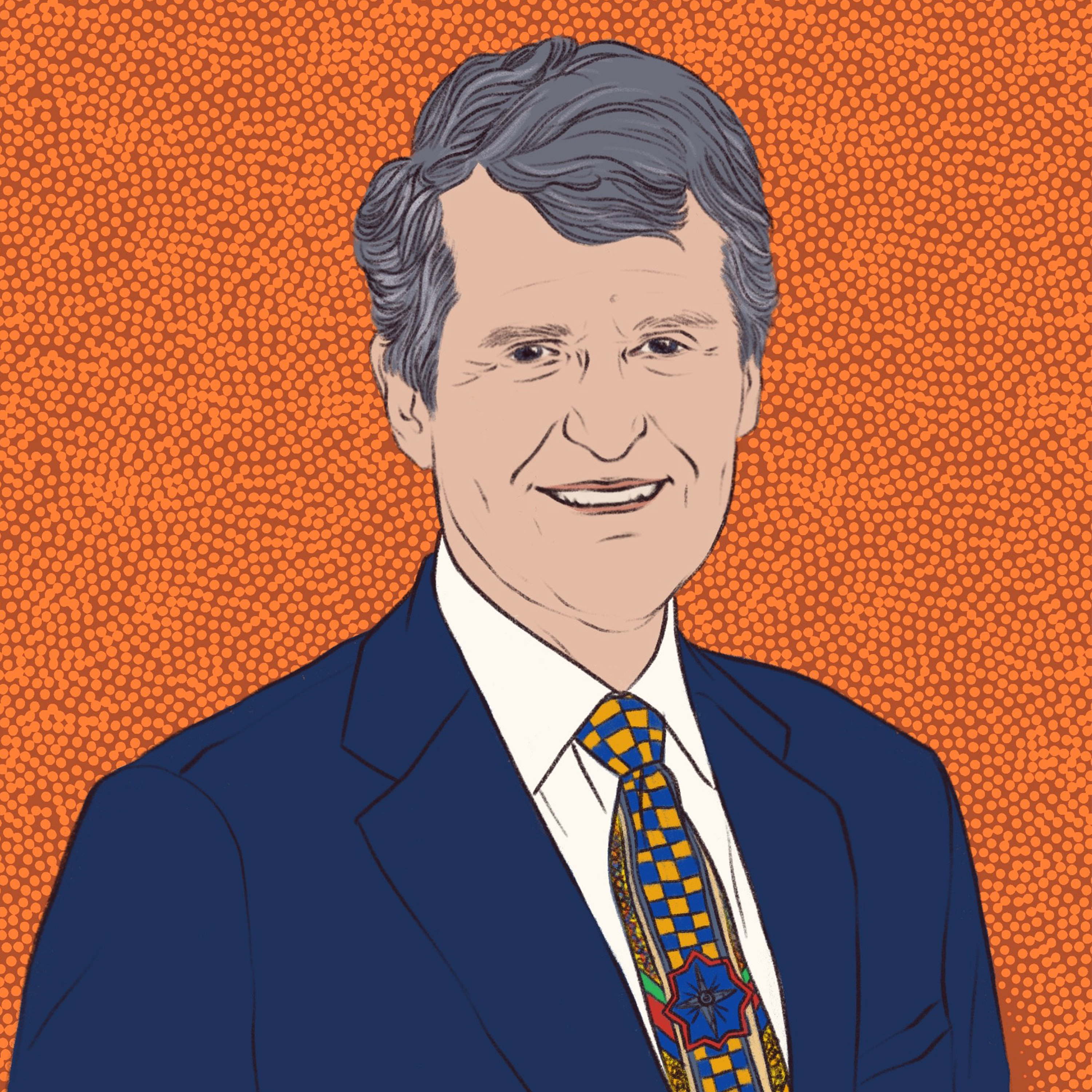
    Rip Rapson is Leading Kresge into a New Chapter

    In this special season finale episode, hosts Tracey Pearson and Jamie Bennet welcome Kresge Foundation President & CEO Rip Rapson back to reflect back on the stories heard throughout the series and to share an exciting announcement about the future of Kresge. In this conversation, Rip also looks back on his journey to Detroit, reflecting on formative experiences and the influences his architect father and librarian mother had on his development as a leader, thinker, and citizen. And Rip does not escape the PathBreakers “lightning round” tradition … Tracey and Jamie ask Rip 10 “hard-hitting” questions with surprising answers. Read more about Kresge’s big news Read Rip’s book, Drawn to Challenge See Rip Rapson’s Drawings: Visual Maps to Change

    • Transcript
  • S1 · E12
    Sep 3, 2025 · 45 min

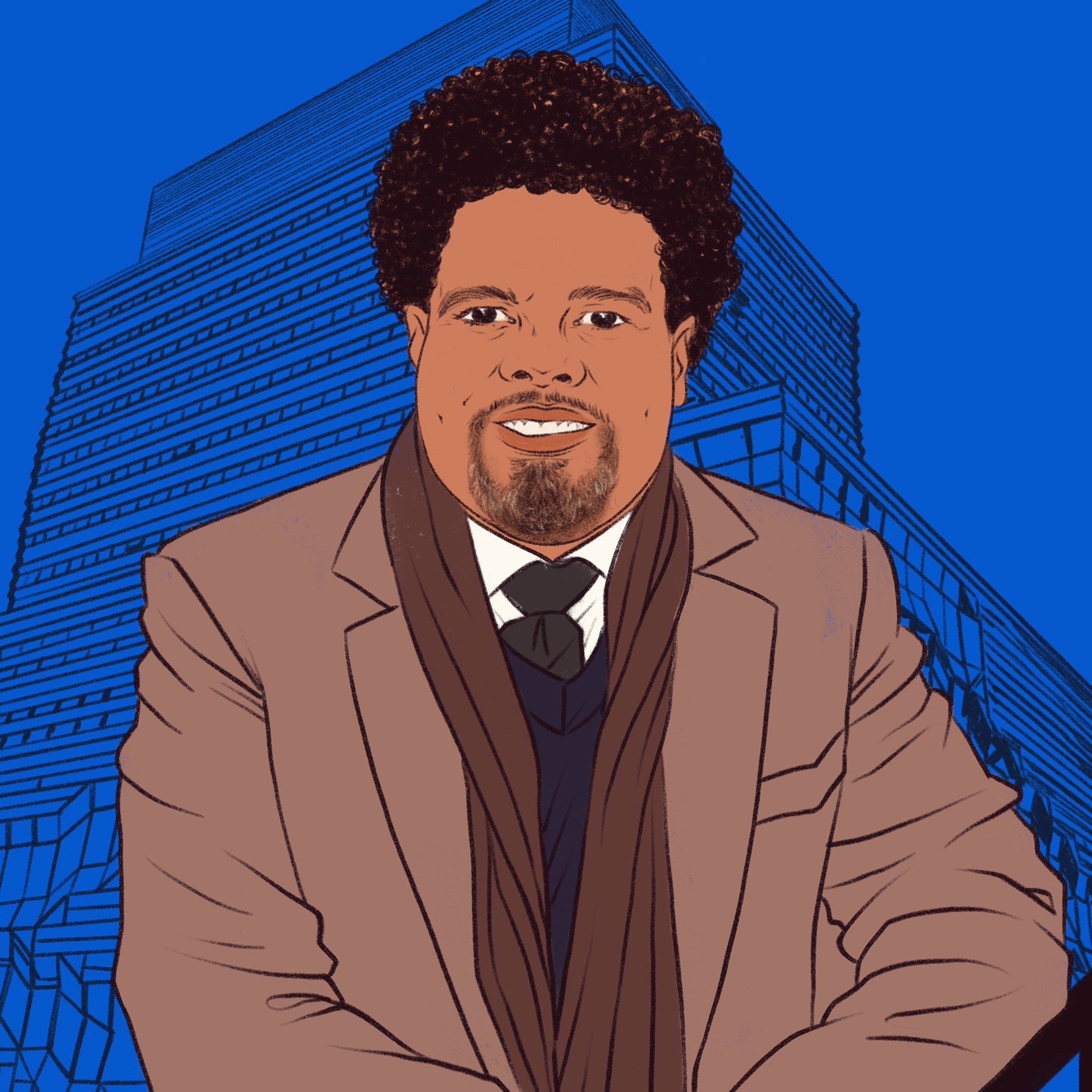
    Dr. Darrick Hamilton is Utilizing Academic Research for Social Action

    What is the purpose of an economy? What if economies were centered on people instead of money? What if everyone had access to both income AND wealth? These are the questions Dr. Darrick Hamilton works to problem-solve at the Institute on Race, Power, And Political Economy – an academic center he founded and directs at the New School in New York City, where he and his colleagues work to create “knowledge for action.” In this episode, Dr. Hamilton delivers some “Political Economics 101” delving into inclusive economic rights, human-centered economies, and trust-based governance. He also explains how his Baby Bonds program is leveling the economic playing field for over 33,000 babies in Connecticut and how investing in low-income and low-wealth people leads to positive economic benefits for everyone. Learn more about the Institute on Race, Power, And Political Economy Learn more about Baby Bonds

    • Transcript
  • S1 · E11
    Aug 27, 2025 · 39 min

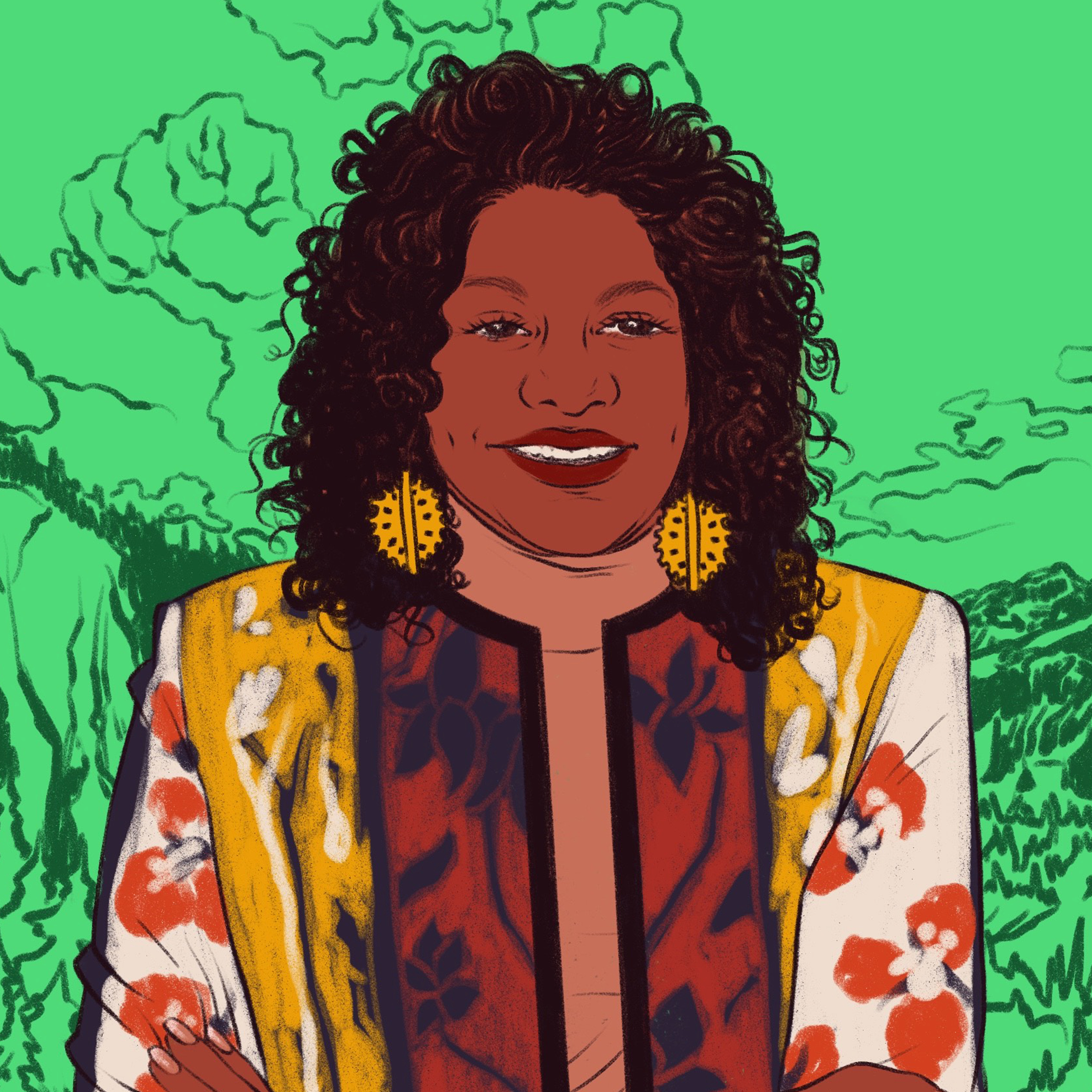
    Dr. Beverly Wright is Cultivating the Next Generation of Climate Leaders

    Dr. Beverly Wright has been working in climate and environmental justice since before the movement had a name. After 30+ years of leading groundbreaking community-based participatory research in her hometown of New Orleans, Dr. Wright is a celebrated pioneer of the field. Since 1992 she has been the visionary executive director of the Deep South Center for Environmental Justice, the organization which she also founded. In this episode, Dr. Wright reflects on a post-Katrina New Orleans and her journey from sociologist to movement leader. She also discusses the “communiversity” learning model that she developed for the Deep South Center and the ways they are cultivating the next generation of climate leaders. Learn more about The Deep South Center for Environmental Justice

    • Transcript
  • S1 · E10
    Aug 20, 2025 · 44 min

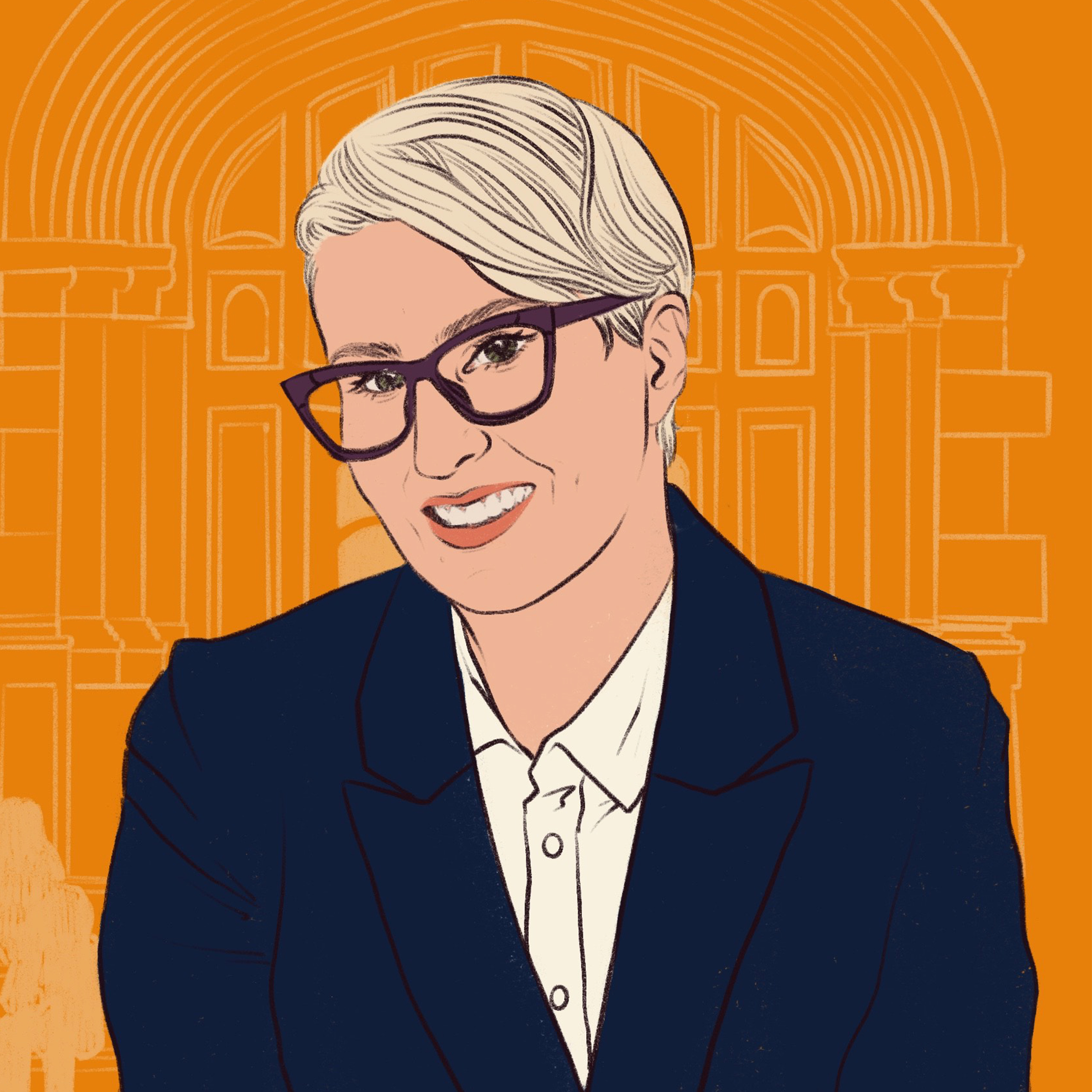
    Dr. Bridget Burns is Fostering Inter-Institutional Problem Solving at Colleges Across the Country

    After a challenging experience of her own as a low-income, first-gen college student, Dr. Bridget Burns understood that higher education was not “user-friendly” for everyone. And from that, her career mission became clear: transform colleges and universities into places where low-income, first-generation and students of color could not just navigate, but thrive. Dr. Bridget Burns is the CEO of the University Innovation Alliance, a multi-campus laboratory for student success innovation. In this episode, Dr. Burns shares her approach to fostering trust and openness in a competitive community and discusses how empathy is the first step in design. She discusses the UIA Listening Lab model for collecting student feedback and also reflects how the principles of improv theater inform her approach to problem-solving. Read more about the University Innovation Alliance Find free resources from the UIA Watch the documentary Unlikely featuring Dr. Burns

    • Transcript
  • S1 · E9
    Aug 13, 2025 · 41 min

    Cardell Orrin is Catalyzing Community to Support Education in Tennessee

    Cardell Orrin spent years as a high-level IT strategist and engineer. Now, as the executive director of Stand for Children Tennessee, he is “debugging” the processes by which parents and community members in Tennessee engage with their local school boards and state representatives. It’s a debugging that’s needed across America’s school systems. In this conversation, Cardell reflects on a childhood of being “dragged around to school board meetings” by his mother, and the “cynical optimist” problem-solving mindset it helped him develop. Cardell also discusses the specific ways Stand for Children Tennessee helps connect the dots for citizens who want to get involved in education advocacy, and what is at risk when a state proposes taking over a local school district. Read more about Stand for Children Tennessee Learn more about the 901 Moral Budget Coalition

    • Transcript
  • Aug 6, 2025 · 40 min

    Samantha Hamilton is Bringing Community Voices to Climate Response in Western Massachusetts

    The natural topography and the social geography of Springfield, Massachusetts make it a place especially vulnerable to climate change. Samantha Hamilton is bringing Springfield residents together to develop climate solutions for their city. Samantha Hamilton is the Director of Coalition Building and Community Engagement at the Public Health Institute of Western Massachusetts in Springfield, MA. In this episode she explains how diverse coalitions – including a broad spectrum of residents, nonprofits, and municipal organizations – are best equipped to tackle complex and interconnected issues like air quality, housing, education, and health disparities. She also talks about her strategies for cultivating commitment in community participation, and how resident-guided problem solving can inform and impact local and state policy.

    • Transcript
  • S1 · E7
    Jul 30, 2025 · 42 min

    Quetzal Flores is Centering Culture in East LA Community Powerbuilding

    Quetzal Flores is a Grammy-winning musician who combines his immense creative skillset and his deep knowledge of cultural traditions to ignite community participation in resistance and resilience. In this conversation, Quetzal recounts growing up “in movement” with parents who were deeply involved in the civil rights organizing of the Chicano Movement. He describes East LA's historical significance, its current cultural landscape, and what's at stake in the neighborhood today. Quetzal also reflects on the musical and cultural experiences that have shaped his approach to community powerbuilding. Learn more about the Community Power Collective Hear music from the band Quetzal Watch some beautiful music videos from Quetzal and his band

    • Transcript
  • S1 · E6
    Jul 23, 2025 · 42 min

    Richard Burrell is Making Space for Healing in Fresno, California

    As a kid, Richard Burrell lived in the motels along Parkway Drive in Fresno, California. As an adult he founded and runs an organization that supports the wellbeing of the kids who live there now. Richard Burrell is the founder and executive director of Live Again Fresno, a nonprofit after-school and community support organization that “co-powers” children and families in Fresno’s most vulnerable communities by providing mentorship, education, and holistic support to break cycles of poverty and build brighter futures. In this conversation, Richard reflects on his own childhood growing up on “Motel Drive” and the day he informally started what has now formally grown into Live Again Fresno. Richard’s work exemplifies the healing powers of trauma-informed frameworks and the importance of organizational leadership living in deep relationship with the community it serves. Learn more about Live Again Fresno Read more about the documentary Richard was part of called Motel Drive

    • Transcript
  • S1 · E5
    Jul 16, 2025 · 39 min

    Dr. Mona Hanna is Writing Cash Prescriptions for Families in Michigan

    Dr. Mona Hanna, affectionately known as “Dr. Mona”, is best known as the pediatrician who exposed the Flint water crisis. She is also the associate dean for Public Health at Michigan State University and now the founder of RxKids – a cash prescriptions program for expectant mothers in Michigan and currently the largest cash-transfer program in the country. In this episode, Dr. Mona reflects on how her experience in medical school and her experience navigating the Flint water crisis inform her approach to public health. She also discusses the impact and financial efficiency of RxKids, and how a program like RxKids – which centers love and trust by design – significantly improves health outcomes for babies and new mothers. Find Dr. Hanna’s book, What the Eyes Don’t See, and learn more about RxKids: https://rxkids.org/ What the Eyes Don't See

    • Transcript
Showing 1–20 of 22 episodes