Skip to content
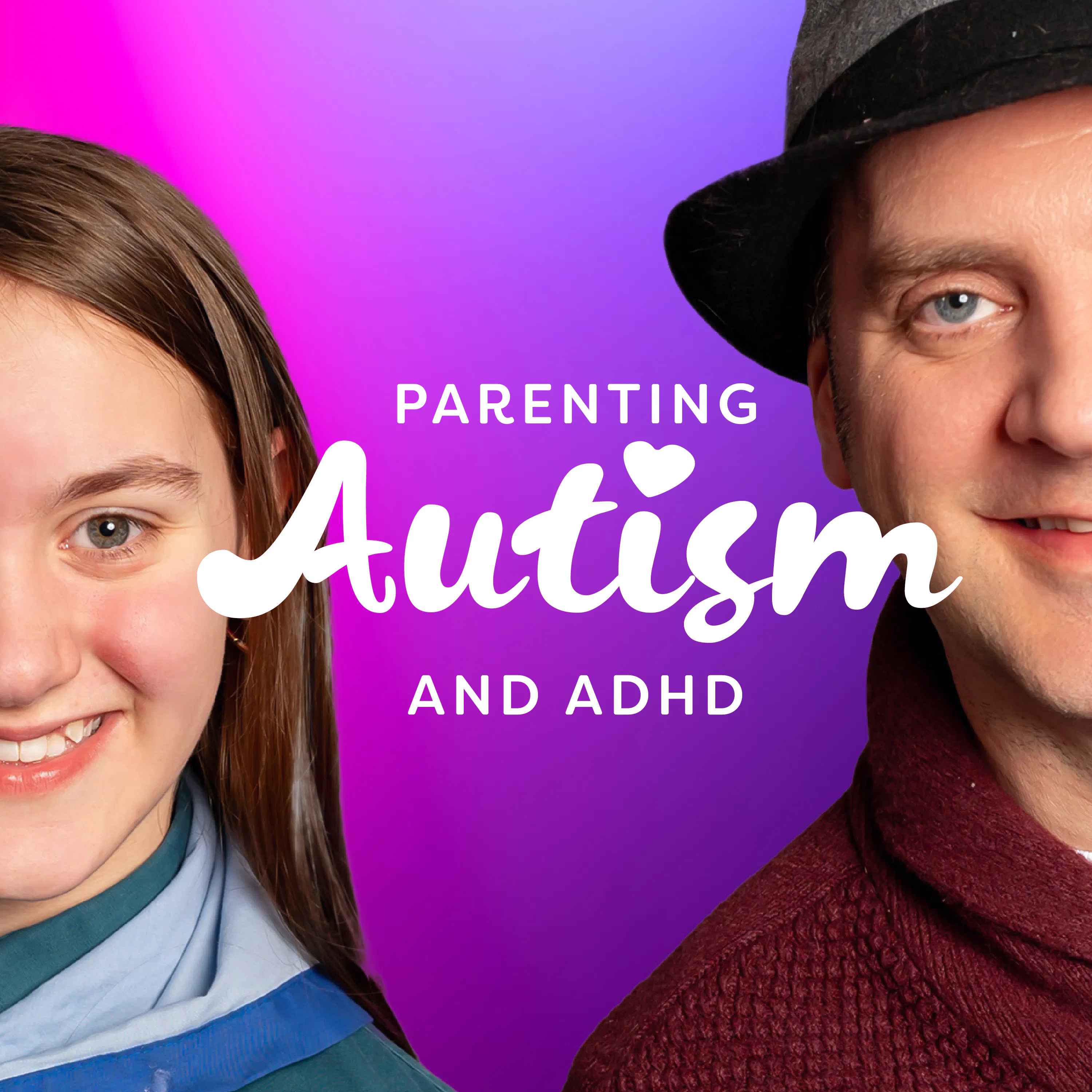
Artwork for Parenting Autism and ADHD
Kids & FamilyParentingHealth & FitnessMental HealthEducation

Parenting Autism and ADHD

Cliff Kilmister

Discover my website, Books, YouTube channel, and more: https://helpanxiety.org/podcast Parenting Autism and ADHD is a podcast designed to support parents and carers of children with autism, ADHD, Sensory Processing Disorder (SPD), and other neurodevelopmental challenges, as well as children struggling with school attendance, even if they haven’t yet been diagnosed. Each episode offers practical guidance on helping your child attend school with less stress, manage meltdowns, and navigate obstacles in the education system. Through expert advice, real-life stories, and actionable strategies, we aim to empower you to overcome school refusal, sensory sensitivities, and behavioural struggles with confidence.  Our mission is to build a supportive community where parents and carers can connect, share experiences, and access the tools they need for their child’s success, while fostering collaboration between parents and teachers to create a strong, unified support system.


Play
  • 33 episodes
  • weekly
  • Avg 44 min
  • English
Counted on this page — what you have heard stays on this device, so it is not something the list can be paged by.
  • #76
    Yesterday · 42 min

    Navigating the Workplace, School Shame, and Neurodivergent Burnout with Ellie Kay

    In this episode I’m joined by Ellie Kay who shares her own journey with ADHD and dyslexia. Ellie is a workplace mediator, coach for neurodivergent individuals and career changers, to talk about the exhausting, often invisible barriers we face when trying to navigate a world that wasn't built for our brains. We cover a lot, including why traditional management styles so often fail neurodivergent employees, how old school shames and strict rules leave lifelong marks, and why forcing yourself to fit into a broken corporate mould leads straight to burnout. If you're wondering how to get past the point of just surviving, figure out what workplace accommodations you actually need and how to get them, or know when it’s time to walk away from a job that is draining your spirit, this episode will help. EPISODE REVEALS When your brain processes tasks differently you face additional hurdles. You know they are there, but the chances are your manager has no idea they exist. Many managers are promoted without any additional support or training. So, they don´t have the softer communication skills needed to properly support neurodivergent staff. ADHD operates much more like an "interest-based operating system" than a true deficit, where engagement, passion, and environment dictate your ability to function and succeed. If you dread going to work every Sunday and a manager repeatedly refuses to offer basic understanding or flexibility, it’s a clear sign that you need to reassess your path. BEST MOMENTS "You only get one life, so make sure you're with the right person and make sure you're in the right job." "If your workplace isn't suiting you well in terms of your needs and requirement, your happiness, then it's time to reassess and think about moving on." "Quite a lot of neurodivergent people need a break in between tasks to get their head out of one task before starting another one." ABOUT THE GUEST https://www.elliekay.co.uk/ https://www.linkedin.com/in/elliekayuk/ Email: hello@elliekay.co.uk RESOURCES Famisafe Parental control App Link: https://wondersharesoftware.pxf.io/ParentingAUDHD What to Do When Your Child Shuts Down: Real-World Parenting Strategies for Neurodivergent Kids Who Shut Down, Refuse School, or Just Stop communicating with you: https://amzn.eu/d/0fBIfbhR CLIFF´S SERVICES Are you struggling with anxiety and want support from someone who has been there and come out the other side? - Message Cliff here and take advantage of his founding members offer: https://m.me/cliff.kilmister CONTACT ME Instagram: https://www.instagram.com/cliff_kilmister08 X (Twitter): https://x.com/KilmisterCliff Facebook: ⁠https://www.facebook.com/cliff.kilmister YouTube: https://www.youtube.com/@ParentingAutismandADHD HOST BIO Cliff Kilmister is a dedicated parent, advocate, and cat whisperer with firsthand experience raising a child with autism, ADHD, and Sensory Processing Disorder (SPD). Having navigated the challenges of school refusal, meltdowns, and sensory sensitivities, Cliff brings an empathetic, real-world perspective to the podcast. When he's not helping his child thrive, he’s dodging the evil stares of his three cats, who are plotting to take over the world (fortunately, they still haven’t figured out how to use the tin opener). Cliff offers practical advice, expert insights, and personal stories to help families facing similar struggles. Cliff is focused on connecting with professionals and networks to raise awareness about the growing need for the education system to adapt to the increasing neurodiverse population. Join the community on Patreon to share experiences, access exclusive content, and work together for change! This Podcast has been brought to you by Disruptive Media. https://disruptivemedia.co.uk/

  • #75
    November 4 · 36 min

    From Overwhelm to Calm: ADHD Anxiety and Overwhelm Firefighting and Effective Long Term Help with Naomi Pegden

    Discover my website, Books, YouTube channel, and more: https://helpanxiety.org/podcast In this episode I'm joined by Naomi Pegden, a craniosacral therapist, clinical massage practitioner and silent counselling practitioner, to talk about anxiety, overwhelm and the nervous system for neurodiverse people. Naomi shares her own experience of a brain that goes blank under pressure, a mistake-filled week that sent her spiralling, and the simple things that help her and her clients come back to the present. We also try some of it out together. Naomi guides us through a breathing exercise with a longer out-breath and an eye exercise to stimulate the vagus nerve, so you can try them yourself wherever you're listening. If you feel like your brain has too many tabs open, or you're hard on yourself when things go wrong, this one is for you. EPISODE REVEALS When pressure hits, the brain can go blank and take a lot of coaxing to come back online. Our bodies stay in fight or flight because the tiger has been replaced by an email or a boss wanting a chat, and that never-ending stress feeds brain fog and memory problems. Evidence of a link between ADHD and hypermobility is emerging. Craniosacral therapy and silent counselling are very gentle ways to help the body let go of what it's holding on to, which helps lots of neurodiverse people. The five senses grounding exercise, box breathing and a longer out-breath all help to tell your brain that you're safe again, so you can break the cycle. Two mistakes in a day does not mean you're not coping. Everyone makes mistakes. Rephrase things in your mind, e.g. I made 2 mistakes, so what, nobody died or got injured, it is not a disaster. BEST MOMENTS "Acting normal, you're hiding what you are, so you're constantly wearing a mask, and that mask will slip, and it gets tiring, and that's that leads to burnout.” "The inner voice is horrendous. The best thing you can do is actually name it. Give it a stupid name." "Silent counselling just puts a little hole in the bottom of the bucket." "Just take a step back and breathe." ABOUT THE GUEST www.nptherapies.co.uk WhatsApp - 078 250 45420 RESOURCES Famisafe Parental control App Link: https://wondersharesoftware.pxf.io/ParentingAUDHD What to Do When Your Child Shuts Down: Real-World Parenting Strategies for Neurodivergent Kids Who Shut Down, Refuse School, or Just Stop communicating with you: https://amzn.eu/d/0fBIfbhR CLIFF´S SERVICES Are you struggling with anxiety and want support from someone who has been there and come out the other side? - Message Cliff here and take advantage of his founding members offer: https://m.me/cliff.kilmister CONTACT ME Instagram: https://www.instagram.com/cliff_kilmister08 X (Twitter): https://x.com/KilmisterCliff Facebook: ⁠https://www.facebook.com/cliff.kilmister YouTube: https://www.youtube.com/@ParentingAutismandADHD HOST BIO Cliff Kilmister is a dedicated parent, advocate, and cat whisperer with firsthand experience raising a child with autism, ADHD, and Sensory Processing Disorder (SPD). Having navigated the challenges of school refusal, meltdowns, and sensory sensitivities, Cliff brings an empathetic, real-world perspective to the podcast. When he's not helping his child thrive, he’s dodging the evil stares of his three cats, who are plotting to take over the world (fortunately, they still haven’t figured out how to use the tin opener). Cliff offers practical advice, expert insights, and personal stories to help families facing similar struggles. Cliff is focused on connecting with professionals and networks to raise awareness about the growing need for the education system to adapt to the increasing neurodiverse population. Join the community on Patreon to share experiences, access exclusive content, and work together for change! This Podcast has been brought to you by Disruptive Media. https://disruptivemedia.co.uk/

  • #74
    October 28 · 41 min

    From Alarm to Action: The Four Rooms, Neurodivergence and Finding Your Momentum with Andy Baker

    Discover my website, Books, YouTube channel, and more: ⁠https://helpanxiety.org/podcast In this episode I’m joined by returning guest Andy Baker and Eva to talk about entrepreneurship and finding a way of working and navigating the world that truly works for you. Andy shares his four-rooms model, that helps neurodivergent people to better understand how they, as an individual, respond to pressure, generate ideas, and taking action. Using Andy's model will help you to determine what mental state you are in at any particular moment so that you can adjust things to better navigate that task or situation. Enabling you to stop yourself from becoming stuck in overwhelm, able to take full advantage of your creative and productive periods and get into those states more often. EPISODE REVEALS Self-employment can provide autonomy and boost creativity, but it also involves boundaries and accountability. For many people with ADHD, worry or pressure pushes them to enter alarm mode. A state where everything feels urgent which leads to rushing and making mistakes. When they feel threatened many neurodiverse people withdraw. Entering the “cave room” in their mind, a state that can be difficult to emerge from. The "studio room" state is for ideas and planning; the "workshop room" state enables you to take action. Andy explains how to enter these productive "rooms" more often. Ask what your future self needs and try to respond with empathy rather than criticism. BEST MOMENTS "Everything's urgent. Everything's needs doing now - 1000 tabs open at the same time, multitasking all over the place, and generally struggling to be productive because you're too busy being busy." “It's not about beating you up. It's just about recognising where you are and which direction or what small step could I take to move me in the right direction” ABOUT THE GUEST https://www.andybaker.xyz/ https://www.able-training.co.uk/podcast/ https://www.able-training.co.uk/ Books – Targeting the positive - https://www.amazon.co.uk/Targeting-Positive-Behaviours-that-Challenge/dp/1839979003 The Momentum Room - https://www.amazon.co.uk/Momentum-Room-pressure-self-sabotage-high-performance/dp/1918283125 Previous episode with Andy Baker - https://podcasts.apple.com/gb/podcast/beyond-labels-person-centred-support-for-every-child/id1810681675?i=1000729414484 RESOURCES Famisafe Parental control App Link: https://wondersharesoftware.pxf.io/ParentingAUDHD What to Do When Your Child Shuts Down: Real-World Parenting Strategies for Neurodivergent Kids Who Shut Down, Refuse School, or Just Stop communicating with you: https://amzn.eu/d/0fBIfbhR CLIFF´S SERVICES Are you struggling with anxiety and want support from someone who has been there and come out the other side? - Message Cliff here and take advantage of his founding members offer: https://m.me/cliff.kilmister CONTACT ME Instagram: https://www.instagram.com/cliff_kilmister08 X (Twitter): https://x.com/KilmisterCliff Facebook: ⁠https://www.facebook.com/cliff.kilmister YouTube: https://www.youtube.com/@ParentingAutismandADHD HOST BIO Cliff Kilmister is a dedicated parent, advocate, and cat whisperer with firsthand experience raising a child with autism, ADHD, and Sensory Processing Disorder (SPD). Having navigated the challenges of school refusal, meltdowns, and sensory sensitivities, Cliff brings an empathetic, real-world perspective to the podcast. When he's not helping his child thrive, he’s dodging the evil stares of his three cats, who are plotting to take over the world (fortunately, they still haven’t figured out how to use the tin opener). Cliff offers practical advice, expert insights, and personal stories to help families facing similar struggles. Cliff is focused on connecting with professionals and networks to raise awareness about the growing need for the education system to adapt to the increasing neurodiverse population. Join the community on Patreon to share experiences, access exclusive content, and work together for change! This Podcast has been brought to you by Disruptive Media. https://disruptivemedia.co.uk/

  • #73
    October 21 · 39 min

    Get Curious, Not Furious: A Coaching Approach to Neurodivergence for Grandparents with Jean Ramsay

    Discover my website, Books, YouTube channel, and more: ⁠https://helpanxiety.org/podcast If you’re a grandparent or family member supporting a neurodivergent young person, it can be hard to know what’s behind their behaviour, or how best to help. Today, we sit down with Jean Ramsay of Coaching for Schools, to talk about what she learned from a career in teaching. We cover how to look beyond behaviour and “get curious instead of furious,” and why focusing on strengths and taking the role of coach makes such a difference. Jean explains how to offer support through structure, visual reminders and providing time to process, while creating space for connection, confidence and fun. EPISODE REVEALS Neurodivergent young people aren’t choosing to struggle. Often, their behaviour is communicating that something else is going on. Get curious before reacting to their behaviour Start with acceptance. Focus on strengths, listen without judgement, and work with your grandchild, child or student to remove barriers. Routines, visual reminders and time to process all help. The goal isn’t to make young people fit rigid expectations. It´s to provide them with the support they need to thrive as themselves. BEST MOMENTS "I think the fact that I found studying so difficult made me a really good teacher because I got the kids in the class who were struggling." "Don’t get furious, get curious. So, what’s underneath that behaviour?" “If your grandchild is acting out what is underneath that, it could be that somebody started bullying them at school.” "Please just accept your neurodivergent young person. They’re not choosing it." How to work with Jean Ramsey ADHD & Education Coach Book a free 30 min discovery call: https://coachingforschools.com/free-30-minute-consultation/ Jean offers a 13 week group coaching program for newly assessed ND families who are feeling overwhelmed, which is also available as a self-study course, or 1:2:1 coaching. Including training for grandparents and ADHD and EBSA training for schools Everything is available at www.coachingforschools.com Beginners’ Guide to ADHD - https://coachingforschools.com/understanding-adhd/ Parents’ Guide to EBSA - https://coachingforschools.com/parents-guide-to-ebsa/ You tube: https://www.youtube.com/@jeanramsey1250 https://www.linkedin.com/in/jeanramseycoach/ RESOURCES Famisafe Parental control App Link: https://wondersharesoftware.pxf.io/ParentingAUDHD What to Do When Your Child Shuts Down: Real-World Parenting Strategies for Neurodivergent Kids Who Shut Down, Refuse School, or Just Stop communicating with you: https://amzn.eu/d/0fBIfbhR CLIFF´S SERVICES Are you struggling with anxiety and want support from someone who has been there and come out the other side? - Message Cliff here and take advantage of his founding members offer: https://m.me/cliff.kilmister CONTACT ME Facebook: ⁠https://www.facebook.com/cliff.kilmister YouTube: https://www.youtube.com/@ParentingAutismandADHD Instagram: https://www.instagram.com/cliff_kilmister08 X (Twitter): https://x.com/KilmisterCliff HOST BIO Cliff Kilmister is a dedicated parent, advocate, and cat whisperer with firsthand experience raising a child with autism, ADHD, and Sensory Processing Disorder (SPD). Having navigated the challenges of school refusal, meltdowns, and sensory sensitivities, Cliff brings an empathetic, real-world perspective to the podcast. When he's not helping his child thrive, he’s dodging the evil stares of his three cats, who are plotting to take over the world (fortunately, they still haven’t figured out how to use the tin opener). Cliff offers practical advice, expert insights, and personal stories to help families facing similar struggles. Cliff is focused on connecting with professionals and networks to raise awareness about the growing need for the education system to adapt to the increasing neurodiverse population. Join the community on Patreon to share experiences, access exclusive content, and work together for change! This Podcast has been brought to you by Disruptive Media. https://disruptivemedia.co.uk/

  • #72
    October 14 · 47 min

    WHY AM I STRUGGLING AT WORK? | The Hidden Reason Nobody Talks About with Jodie Steele

    If you regularly come home from work completely wiped out or spend the weekend worrying about a meeting on Monday, you are not alone, lots of neurodiverse people feel that way. Today, sit down with Jodie Steele, the founder of NeuroTalks, to discuss why that happens and what you, your employers and others can do to solve this issue. We cover why it isn’t usually the person who is struggling that needs fixing, burnout, masking, and psychological safety. As well as how a lack of clear communication leaves neurodivergent people feeling anxious and second guessing themselves. Jodie explains why how supportive managers can help people do well in the workplace by making often small, inexpensive changes – changes that benefit everyone. EPISODE REVEALS Workplace issues often stem from a lack of shared understanding, rather than bad intent. Managers may have had little training in neurodiversity, and employees may not know how to communicate their needs effectively. Clear communication eases anxiety e.g. explaining the purpose of a meeting gives people less room to worry about what might go wrong. Many neurodiverse people don´t disclose a disability or ask for adjustments. Often, they do not feel psychologically safe doing so. Small changes, often low cost, make a huge difference e.g. quiet spaces, regular breaks, flexibility around cameras in meetings and better communication. A company that supports neurodivergent employees automatically creates a workplace that is more supportive for everyone, improving productivity in the process. BEST MOMENTS "Some of the most intelligent people in the world have neurodivergence …There's a lot of superpowers that can be harnessed. So, I help create and guide employers to create high-performance work environments that don't burn staff out." "When you improve the weakest part of the system, you improve the overall system." "We are not talking about organisations spending a lot of money." EPISODE RESOURCES www.linkedin.com/in/jodie-steele/ www.neurotalks.co.uk www.alchemysoulstravel.com www.instagram.com/alchemy_souls_travel/ Free resources for managers and HR: https://neurotalks.co.uk/workbooks-resources/ Previous Jodie Steele episode - https://podcasts.apple.com/gb/podcast/from-breakdown-to-breakthrough-overcoming-adhd-burnout/id1810681675?i=1000737332519 RESOURCES Famisafe Parental control App Link: https://wondersharesoftware.pxf.io/ParentingAUDHD What to Do When Your Child Shuts Down: Real-World Parenting Strategies for Neurodivergent Kids Who Shut Down, Refuse School, or Just Stop communicating with you: https://amzn.eu/d/0fBIfbhR CLIFF´S SERVICES Are you struggling with anxiety and want support from someone who has been there and come out the other side? - Message Cliff here and take advantage of his founding members offer: https://m.me/cliff.kilmister CONTACT ME Instagram: https://www.instagram.com/cliff_kilmister08 X (Twitter): https://x.com/KilmisterCliff https://www.facebook.com/cliff.kilmister X - @KilmisterCliff https://www.youtube.com/@ParentingAutismandADHD HOST BIO Cliff Kilmister is a dedicated parent, advocate, and cat whisperer with firsthand experience raising a child with autism, ADHD, and Sensory Processing Disorder (SPD). Having navigated the challenges of school refusal, meltdowns, and sensory sensitivities, Cliff brings an empathetic, real-world perspective to the podcast. When he's not helping his child thrive, he’s dodging the evil stares of his three cats, who are plotting to take over the world (fortunately, they still haven’t figured out how to use the tin opener). Cliff offers practical advice, expert insights, and personal stories to help families facing similar struggles. Cliff is focused on connecting with professionals and networks to raise awareness about the growing need for the education system to adapt to the increasing neurodiverse population. Join the community on Patreon to share experiences, access exclusive content, and work together for change! This Podcast has been brought to you by Disruptive Media. https://disruptivemedia.co.uk/

  • #71
    October 7 · 59 min

    Channel 4's The Great ADHD Myth: The Inside Story On What They Didn't Show with Sarah Warley

    Sarah Warley joins us to discuss her experience with appearing on Channel 4’s controversial documentary The Great ADHD Myth, including the last-minute title change, why so much of her contribution never made it into the programme, what was cut and the debate it sparked across the ADHD community. We talk about why diagnosis should be the start of the journey, not the end; possible links between the Moro reflex and sensory overwhelm; and how nutrition and other biological factors may influence symptoms. Sarah also shares practical ideas from her CARE framework, discusses medication alongside other approaches, and reflects on why neurodivergent strengths may matter even more in the age of AI. Sarah, founder of The Key Clinic, has spent more than a decade helping families explore evidence-based support. She knows that every person is different, and that understanding what’s behind that particular person´s difficulties is an effective way to move forward Whether you're a parent, neurodivergent yourself, or simply trying to understand ADHD better, this conversation is packed with practical ideas and hope. EPISODE REVEALS The debate around ADHD has started to become so polarised that the people actually living with neurodivergence are at risk of being lost in the middle. A diagnosis should be a starting point, not a verdict. There are many potential underlying contributors that are worth investigating, including sensory sensitivities, retained reflexes, gut health related issues and nutrient imbalances. Neurodivergent brains have strengths e.g. creativity, the ability to think laterally and big-picture thinking. We need to get better at recognising and leveraging those strengths. Just because someone has a diagnosis doesn’t mean their difficulties are set in stone. The goal isn’t to change who they are, but to remove the barriers getting in their way. BEST MOMENTS “I thought, well, this is good. You know, we can talk about all those different things. That's not what happened. I mean, oh my goodness! At the 11th hour, they changed the name of it to the Great ADHD Myth.” "We're not trying to cure someone, we're not trying to fix someone, but we're trying to remove the bits that are getting in the way of them being able to be their best selves.” "Don't try and be perfectionist. Start with where you're at." ABOUT THE GUEST https://bebright.ai https://www.thekeyclinic.co.uk/ RESOURCES Famisafe Parental control App Link: https://wondersharesoftware.pxf.io/ParentingAUDHD What to Do When Your Child Shuts Down: Real-World Parenting Strategies for Neurodivergent Kids Who Shut Down, Refuse School, or Just Stop communicating with you: https://amzn.eu/d/0fBIfbhR CLIFF´S SERVICES Are you struggling with anxiety and want support from someone who has been there and come out the other side? - Message Cliff here and take advantage of his founding members offer: https://m.me/cliff.kilmister CONTACT ME Instagram: @cliff_kilmister08 https://www.facebook.com/cliff.kilmister X - @KilmisterCliff https://www.youtube.com/@ParentingAutismandADHD HOST BIO Cliff Kilmister is a dedicated parent, advocate, and cat whisperer with firsthand experience raising a child with autism, ADHD, and Sensory Processing Disorder (SPD). Having navigated the challenges of school refusal, meltdowns, and sensory sensitivities, Cliff brings an empathetic, real-world perspective to the podcast. When he's not helping his child thrive, he’s dodging the evil stares of his three cats, who are plotting to take over the world (fortunately, they still haven’t figured out how to use the tin opener). Cliff offers practical advice, expert insights, and personal stories to help families facing similar struggles. Cliff is focused on connecting with professionals and networks to raise awareness about the growing need for the education system to adapt to the increasing neurodiverse population. Join the community on Patreon to share experiences, access exclusive content, and work together for change! This Podcast has been brought to you by Disruptive Media. https://disruptivemedia.co.uk/

  • #70
    September 30 · 59 min

    Is ADHD even a Disorder? — With Hypnotherapist Chris Marsh

    In this fascinating episode, I’m joined by Chris Marsh, an ADHD specialist, root cause therapist and fellow neurodivergent thinker, for a deep conversation about ADHD, trauma, anxiety, productivity, healing and what it really means to be “normal.” We explore why so many neurodiverse people spend their lives feeling like they’re getting things wrong - particularly at school and work - and how years of negative feedback can create anxiety, people-pleasing, imposter syndrome and low self-worth. We discuss procrastination, hyperfocus, creativity, meditation, hypnosis and the subconscious mind, including how Chris uses root-cause therapy to help people understand and change deeply embedded patterns. Before venturing into the spiritual side of things with past-life regression, shamanic healing, meditation experiences and cacao ceremonies. This is a conversation about finding ways to work with yourself rather than constantly fighting against yourself. EPISODE REVEALS Procrastination isn’t laziness. It’s a natural signal that your fast-switching brain needs a timeout to clear gridlock and unlock creative flow. Root causes sit in the subconscious. Talking therapy rationalises experiences - real shifts happen at a subconscious level where protective fear patterns can finally be released. World-changing innovation comes from diverse thinking. Breakthroughs require someone to look at established wisdom, refuse to accept it, and obsessively hyperfocus on a new idea until they determine whether it works. Meditation gives your brain the chance to reset. Hypnosis goes even deeper and Reiki can help your body as well as your brain to deeply reset. A neurodiverse brain isn't built for flatline productivity. Forcing a 9-to-5 output ignores how an ADHD mind works. Engaging the body with activities like running or gym work distracts the conscious mind, letting the subconscious untangle complex problems. BEST MOMENTS “It's only considered disordered because it doesn't fit in with the societal expectations” “Find your way of doing stuff, your normal” "People are either in suffering or healing...until you make that choice it won´t work." “I fixed more problems running down the canal than I did sat at my desk” ABOUT THE GUEST linkedin.com/in/chris-marsh-7678b64 www.developlink.com email: chris.marsh@developlink.com www.facebook.com/DevelopLinkwww.instagram.com/developlink_uk/ Helen Valentino episode - https://podcasts.apple.com/us/podcast/thriving-not-surviving-rsd-burnout-and-gentle-adhd/id1810681675?i=1000751281425&l=vi RESOURCES Famisafe Parental control App Link: https://wondersharesoftware.pxf.io/ParentingAUDHD What to Do When Your Child Shuts Down: Real-World Parenting Strategies for Neurodivergent Kids Who Shut Down, Refuse School, or Just Stop communicating with you: https://amzn.eu/d/0fBIfbhR CLIFF´S SERVICES Are you struggling with anxiety and want support from someone who has been there and come out the other side? - Message Cliff at: https://m.me/cliff.kilmister CONTACT ME Instagram: @cliff_kilmister08 https://www.facebook.com/cliff.kilmister X - @KilmisterCliff https://www.youtube.com/@ParentingAutismandADHD HOST BIO Cliff Kilmister is a dedicated parent, advocate, and cat whisperer with firsthand experience raising a child with autism, ADHD, and Sensory Processing Disorder (SPD). Having navigated the challenges of school refusal, meltdowns, and sensory sensitivities, Cliff brings an empathetic, real-world perspective to the podcast. Cliff offers practical advice, expert insights, and personal stories to help families facing similar struggles. Cliff is focused on connecting with professionals and networks to raise awareness about the growing need for the education system to adapt to the increasing neurodiverse population. Join the community on Patreon to share experiences, access exclusive content, and work together for change! This Podcast has been brought to you by Disruptive Media. https://disruptivemedia.co.uk/

  • #69
    September 23 · 42 min

    The Communication Mistake That Leaves Autistic Children and Adults Feeling Misread and Unseen with Sam Loprete

    In this episode I sit down with autism coach Sam Loprete to talk about growing up undiagnosed, feeling “odd but not sure why,” and only later discovering you have ADHD. We swap stories about childhood moments that were seen as shyness or bad behaviour, but were really signs of overwhelm, unclear rules, and needs no one thought of. Sam explains how simple curiosity from others in your life at the right time can change everything, and why being truly listened to is so powerful for autistic adults. We also look at masking as a choice rather than a rule and share practical ways to catch harsh self-talk and replace it with kinder, more accurate thoughts, for yourself or for your child. EPISODE REVEALS You’re not broken; there are reasons for your behaviour. Overwhelm, unclear rules, or your social battery running low often explains shutdown or odd behaviour. Having someone who is calm, curious, and non-judgmental to listen to you help you untangle your thoughts and identify what really matters for you makes a huge difference. When your brain is being mean and attacking you, gently challenge it instead of letting it run the show. Think about when masking genuinely helps you and when it costs too much energy. Masking is exhausting so deciding whether to continue to use it and in what circumstances helps. Do your best to meet others halfway to help close the communication gap. But be honest about how much bandwidth you have and remember that it won’t always work perfectly (and that’s okay). BEST MOMENTS “I spent a lot of time needlessly hating myself or not understanding what was happening.” “Thank your brain - it may not feel like it, but your brain is trying to keep you safe.” “You can't do it when the meltdown or the shutdown is in place. You've got to strike while the iron's cold." ABOUT THE GUEST Sam Loprete helps autistic adults and chronic overthinkers sort through too many thoughts, find the issue that actually matters, and choose a next move that makes sense to them. You can bring him any decision, conflict, problem, or mental pile without organizing it first; Sam listens closely, asks direct questions, reflects patterns, and helps you separate facts from fears, assumptions, values, and expectations. He doesn’t diagnose or tell you how to live. Sam works with autistic you in a flexible, collaborative way, adjusting to fit how your mind works. samloprete10792@gmail.com https://calendly.com/samloprete10792/free-1-hour-discovery-call RESOURCES Famisafe Parental control App Link: https://wondersharesoftware.pxf.io/ParentingAUDHD What to Do When Your Child Shuts Down: Real-World Parenting Strategies for Neurodivergent Kids Who Shut Down, Refuse School, or Just Stop communicating with you: https://amzn.eu/d/0fBIfbhR CLIFF´S SERVICES Are you struggling with anxiety and want support from someone who has been there and come out the other side? - Message Cliff here and take advantage of his founding members offer: https://m.me/cliff.kilmister CONTACT ME Instagram: @cliff_kilmister08 ⁠https://www.facebook.com/cliff.kilmister X - @KilmisterCliff https://www.youtube.com/@ParentingAutismandADHD HOST BIO Cliff Kilmister is a dedicated parent, advocate, and cat whisperer with firsthand experience raising a child with autism, ADHD, and Sensory Processing Disorder (SPD). Having navigated the challenges of school refusal, meltdowns, and sensory sensitivities, Cliff brings an empathetic, real-world perspective to the podcast. Cliff offers practical advice, expert insights, and personal stories to help families facing similar struggles. Cliff is focused on connecting with professionals and networks to raise awareness about the growing need for the education system to adapt to the increasing neurodiverse population. Join the community on Patreon to share experiences, access exclusive content, and work together for change! This Podcast has been brought to you by Disruptive Media. https://disruptivemedia.co.uk/

  • #68
    September 16 · 49 min

    Inside a Neurodiverse/Neurotypical Relationship: Making Sure You Both Thrive With Niall Arraglen

    Today, I sit down with learning disabilities dementia nurse and trainer Niall Arraglen, who shares what he’s learned from life inside a neurodiverse civil partnership with his AuDHD partner, Julia. From late ADHD diagnosis and the impact perimenopause/menopause has on ADHD and Autism to time blindness, noise, tidiness, and emotional bandwidth, Niall opens up about the real, everyday relationship dynamics behind the labels. Together, we explore how partners can move from frustration to understanding and patience using self-reflection, and practical tweaks. If you love, live with, or support someone who’s neurodivergent, or you are yourself neurodivergent, this honest conversation will provide insights that help you to feel seen, less alone, and empowered. EPISODE REVEALS In mixed neurodiverse, neurotypical relationships both partners need to be aware of their behaviour patterns and why they act the way they do and to be willing to work at changing what they can. Understand and accept that there are some things your neurodiverse partner cannot change. Find gentle ways to adapt to and accommodate those things. Tailor the way the family works to play to each other’s strengths. For example, if one of you is obsessively tidy but doesn’t see dirt, they keep the home tidy, while you clean. Don’t be resentful about the accommodations you make for your partner’s neurodivergence or the adaptations you make or your neurotypical partner. Instead, see learning to be patient, adaptable and accepting as an opportunity to grow personally. ADHD and Autism symptoms and your ability to adapt and cope with them can evolve. In particular, during menopause or perimenopause or with HRT treatment. Be aware of this, so you can recognise big changes and adapt quickly. BEST MOMENTS "Just because I can't explain how Julia's brain works doesn't mean that there's anything wrong with it." "Our partners with ADHD might not always have the energy or the attention to show up in the relationship like we expect them to." "There are times where we need to care for ourselves so that we can care better for each other down the line." "Labelling is really useful because once you know what you can then figure out how why and come up with different ways of connecting with your partner and understanding." ABOUT THE GUEST https://www.arraglen.com/ RESOURCES Famisafe Parental control App Link: https://wondersharesoftware.pxf.io/ParentingAUDHD What to Do When Your Child Shuts Down: Real-World Parenting Strategies for Neurodivergent Kids Who Shut Down, Refuse School, or Just Stop communicating with you: https://amzn.eu/d/0fBIfbhR CLIFF´S SERVICES Are you struggling with anxiety and want support from someone who has been there and come out the other side? - Message Cliff here and take advantage of his founding members offer: https://m.me/cliff.kilmister CONTACT ME Instagram: @cliff_kilmister08 Facebook: ⁠https://www.facebook.com/cliff.kilmister X - @KilmisterCliff YouTube - https://www.youtube.com/@ParentingAutismandADHD HOST BIO Cliff Kilmister is a dedicated parent, advocate, and cat whisperer with firsthand experience raising a child with autism, ADHD, and Sensory Processing Disorder (SPD). Having navigated the challenges of school refusal, meltdowns, and sensory sensitivities, Cliff brings an empathetic, real-world perspective to the podcast. When he's not helping his child thrive, he’s dodging the evil stares of his three cats, who are plotting to take over the world (fortunately, they still haven’t figured out how to use the tin opener). Cliff offers practical advice, expert insights, and personal stories to help families facing similar struggles. Cliff is focused on connecting with professionals and networks to raise awareness about the growing need for the education system to adapt to the increasing neurodiverse population. Join the community on Patreon to share experiences, access exclusive content, and work together for change! This Podcast has been brought to you by Disruptive Media. https://disruptivemedia.co.uk/

  • #67
    September 9 · 26 min

    From Meltdown to Momentum: How The ADHDump App Gets You There with Christina Forster

    In this episode I sit down with Christina Forster, a nurse, mum of five including two with autism and one with a fitting condition. She is the co‑creator of the ADHDump app which was born the day her husband realised he could no longer cope with driving to work with his head full of tasks he hadn´t done and knew he would never remember to do. For neurodivergent adults who feel like life is one long string of “I’ll do it later”, ADHDump turns car-thoughts, passing worries and random to-dos into one spoken brain dump that resurfaces twice a day in calm 8am / 8pm check-ins you can actually act on. For partners who’ve quietly become the executive function for every member of the family, shifting tasks into the app – scanning letters, breaking rooms into tiny steps, pushing deadlines into calendars – means you no longer have to think for everyone just to keep the wheels on. EPISODE REVEALS In ADHD households, one partner can end up carrying the executive function for everyone - appointments, finding things and keeping the family on track. Over time, that load often becomes too much. ADHD overwhelm snowballs quickly. Losing your keys can mean being late, forgetting everything else, doom scrolling, snapping and ending the day with guilt. Just trying harder does not work with ADHD. Using tools to get things out of your head, stored safely with a summary reminder of your tasks delivered only twice a day, does work. No more notes you forget to look at. Saying things out loud for the app to capture enables you to catch thoughts before they disappear. Big jobs feel easier when broken into steps e.g. make the bed, pick up the clothes, tick it off, move on. Show the app the job and let it give you the steps and checklist. Brain-dumping as things happen improves therapy outcomes. You share your real examples and patterns with your therapist instead of your highly flawed recollection of what happens to you. BEST MOMENTS "Without the app, other people might struggle … that could lead to, and probably has, divorce separations. Because the partner just can't continue to be the executive function, because of the load." "Take some time before rushing in." "Maybe today it seems hard, but you'll get through. Tomorrow's coming. Tomorrow's another day." "Don't try to think you have to do everything. Everybody has a strength." ABOUT THE GUEST https://adhdump.com.au/ https://apps.apple.com/au/app/adhdump/id6760986953 https://play.google.com/store/apps/details?id=au.com.adhdump&pcampaignid=web_share RESOURCES Famisafe Parental control App Link: https://wondersharesoftware.pxf.io/ParentingAUDHD What to Do When Your Child Shuts Down: Real-World Parenting Strategies for Neurodivergent Kids Who Shut Down, Refuse School, or Just Stop communicating with you: https://amzn.eu/d/0fBIfbhR CLIFF´S SERVICES Are you struggling with anxiety and want support from someone who has been there and come out the other side? - Message Cliff here and take advantage of his founding members offer: https://m.me/cliff.kilmister CONTACT ME Instagram: @cliff_kilmister08 https://www.facebook.com/cliff.kilmister X - @KilmisterCliff https://www.youtube.com/@ParentingAutismandADHD HOST BIO Cliff Kilmister is a dedicated parent, advocate, and cat whisperer with firsthand experience raising a child with autism, ADHD, and Sensory Processing Disorder (SPD). Having navigated the challenges of school refusal, meltdowns, and sensory sensitivities, Cliff brings an empathetic, real-world perspective to the podcast. Cliff offers practical advice, expert insights, and personal stories to help families facing similar struggles. Cliff is focused on connecting with professionals and networks to raise awareness about the growing need for the education system to adapt to the increasing neurodiverse population. Join the community on Patreon to share experiences, access exclusive content, and work together for change! This Podcast has been brought to you by Disruptive Media. https://disruptivemedia.co.uk/
  • #66
    September 2 · 32 min

    The Neurodiverse Truth About Reading, Notes, and Forgetting Everything in Pivotal Moments

    Neurodiversity doesn’t just show up in diagnoses - it shows up in “wrong” spoons, cupboards you can’t keep tidy, shouting “will you shut up” in class when the noise is too much, and sitting on your phone at parties because you can’t face small talk. In this episode, Eva and I share how ADHD and autism really feel in day‑to‑day life: popcorn reading that feels like torture, rereading the same line over and over, forgetting to turn the oven off for hours, racing through shops to escape the crowds, and struggling with interviews and eye contact even when you’re more than capable. If you’ve ever come home completely wiped out from normal social stuff or wondered why your child can talk nonstop about their special interests but forgets everything else, this episode will help you feel seen and understood. EPISODE REVEALS Neurodiversity often shows up in tiny details that look silly to others. For example, a spoon that is too heavy, the wrong shape or sounds wrong if it touches your teeth. Those micro‑sensory experiences can shape your whole day. Forgetting to turn the oven off, leaving doors open for now reason and struggling to keep cupboards organised aren’t laziness. They are examples of how ADHD/autistic brains juggle (and drop) multiple tasks at once. Popcorn reading, noisy classrooms and group support sessions can be genuinely distressing for someone who is neurodiverse even for chatty or confident kids who seem fine on the outside. Parties, shops, and boot fairs can swing from fun to unbearable in seconds. Hiding behind your phone or snapping “shut up!” are often signs of overload, rather than bad behaviour. Writing things down, moving your body e.g. stimming and leaning into special interests can all help soothe looping thoughts and social anxiety. BEST MOMENTS "You're neurodiverse, and you can turn anything into a stimming tool." "Make notes…. park it on that page and get it out of your brain." "If I'm overstimulated, it's not just my problem. It's now everyone's." "My brain has auditory processing issues. I only hear bits of a sentence sometimes" RESOURCES Evas channel: https://youtube.com/shorts/vX4xOtMG95w?si=uqWJ-TF8zzWrRMIS Famisafe Parental control App Link: https://wondersharesoftware.pxf.io/ParentingAUDHD My new sci fi book: https://amzn.eu/d/03OVCuJN Multiverse Vortex: The Mandela Effect Book 2 – Sci-Fi Thriller of Time Travel and Survival in Parallel Worlds (The Mandela Effect Series) What to Do When Your Child Shuts Down: Real-World Parenting Strategies for Neurodivergent Kids Who Shut Down, Refuse School, or Just Stop communicating with you: https://amzn.eu/d/0fBIfbhR CLIFF´S SERVICES Are you struggling with anxiety and want support from someone who has been there and come out the other side? - Message Cliff here and take advantage of his founding members offer: https://m.me/cliff.kilmister CONTACT ME Instagram: @cliff_kilmister08 Facebook: ⁠https://www.facebook.com/cliff.kilmister X - @KilmisterCliff YouTube - https://www.youtube.com/@ParentingAutismandADHD HOST BIO Cliff Kilmister is a dedicated parent, advocate, and cat whisperer with firsthand experience raising a child with autism, ADHD, and Sensory Processing Disorder (SPD). Having navigated the challenges of school refusal, meltdowns, and sensory sensitivities, Cliff brings an empathetic, real-world perspective to the podcast. When he's not helping his child thrive, he’s dodging the evil stares of his three cats, who are plotting to take over the world (fortunately, they still haven’t figured out how to use the tin opener). Cliff offers practical advice, expert insights, and personal stories to help families facing similar struggles. Cliff is focused on connecting with professionals and networks to raise awareness about the growing need for the education system to adapt to the increasing neurodiverse population. Join the community on Patreon to share experiences, access exclusive content, and work together for change! This Podcast has been brought to you by Disruptive Media. https://disruptivemedia.co.uk/

  • #65
    August 26 · 37 min

    The Great ADHD Myth? Do You Feel Safe?

    In this episode, I unpack why I chose not to watch Channel 4’s The Great ADHD Myth - and why sometimes protecting your peace is more important than having an opinion on everything. I explore the power of attention, anxiety, boundaries, and the reminder from Nikki Masterman that one television programme doesn’t change who we are, what we experience, or the support and protections available to us. This episode is also about why you don’t have to watch something that triggers you, argue with everyone online, or prove that your experience is real. Sometimes the most powerful choice is simply not to give something your attention. Your energy really does go where your attention flows. EPISODE REVEALS ADHD is not a social construct; it’s a daily lived reality that has a massive impact on all aspects of your life. You and the people who know you and your family fully understand that. “The Great ADHD Myth” documentary doesn’t change the reality of ADHD or autism. Nor does it change your legal right to support at work and school. What you watch and share feeds the very narratives you’re resisting. The most powerful response to those that doubt that ADHD exists or constantly criticise how you deal with being neurodiverse and the way society supports you, is to give them nothing- No views, clicks or outrage. You’re allowed to protect your energy; you don’t have to watch programmes that you know will trigger anxiety or shame. Choose to spend your time in higher‑vibration spaces: podcasts, communities and with professionals who validate your experience and help you feel safe, heard, seen and supported. Creating boundaries around media, work and systems are acts of self‑kindness that protect both you and your neurodivergent children. BEST MOMENTS "ADHD is not a social construct. It is a real challenge for individuals in life, and I see it daily with clients, my family, and even within myself.” – Nikki Masterman "Nothing has changed. My ADHD didn't change because of Channel Four releasing a broadcast television programme. You're safe. I'm safe." "Energy flows where attention goes." RESOURCES Niki Masterman´s review of The Great ADHD Myth - https://www.linkedin.com/posts/nikkimasterman_adhd-neurodiversity-inspiredhr-activity-7496197221898457088-WjVf Famisafe Parental control App Link: https://wondersharesoftware.pxf.io/ParentingAUDHD What to Do When Your Child Shuts Down: Real-World Parenting Strategies for Neurodivergent Kids Who Shut Down, Refuse School, or Just Stop communicating with you: https://amzn.eu/d/0fBIfbhR CLIFF´S SERVICES Are you struggling with anxiety and want support from someone who has been there and come out the other side? - Message Cliff here and take advantage of his founding members offer: https://m.me/cliff.kilmister CONTACT ME Instagram: @cliff_kilmister08 Facebook: ⁠https://www.facebook.com/cliff.kilmister X - @KilmisterCliff YouTube - https://www.youtube.com/@ParentingAutismandADHD HOST BIO Cliff Kilmister is a dedicated parent, advocate, and cat whisperer with firsthand experience raising a child with autism, ADHD, and Sensory Processing Disorder (SPD). Having navigated the challenges of school refusal, meltdowns, and sensory sensitivities, Cliff brings an empathetic, real-world perspective to the podcast. When he's not helping his child thrive, he’s dodging the evil stares of his three cats, who are plotting to take over the world (fortunately, they still haven’t figured out how to use the tin opener). Cliff offers practical advice, expert insights, and personal stories to help families facing similar struggles. Cliff is focused on connecting with professionals and networks to raise awareness about the growing need for the education system to adapt to the increasing neurodiverse population. Join the community on Patreon to share experiences, access exclusive content, and work together for change! This Podcast has been brought to you by Disruptive Media. https://disruptivemedia.co.uk/
  • #64
    August 19 · 50 min

    Why Traditional Sleep Advice Fails ADHD & Autistic Children with Michelle Cyril

    For neurodivergent families sleep problems are common, but most traditional sleep strategies simply don't work. Today, a paediatric sleep specialist, Michelle Cyril joins me, to explore why sleep can be particularly challenging for autistic and ADHD children, who become adults that struggle with it too. Michelle shares how her own experience led her to combine evidence-based sleep practice with a neuro affirming approach. We explore calming busy brains at bedtime, meeting nighttime sensory needs, demand stacking, bedtime routines, screens, nutrition, and body clocks. Most importantly, we look at ways to make bedtime more predictable, less pressured, and more suited to the individual child. EPISODE REVEALS Identifying a sleep window that works for your child is more useful than following a fixed number, e.g. 8 hours. Compressing your sleep block, so you stay asleep for longer, then, gradually stretching that block out is effective. Bringing joy, laughter, sensory support, and connection into bedtime can help both parent and child become more regulated. Laughter disengages the fight or flight response. Complicated nighttime sleep routines create a sensory nightmare. Simplifying things e.g. showering in the morning, cleaning teeth after eating tea instead of just before bed reduces that burden. Processing the day and planning for tomorrow before bedtime helps to switch the brain off. Screen time is not necessarily a bad thing. But keep screens out of the bedroom. Sleep becomes easier when children learn to recognise tiredness. Consistent wake times and exposure to daylight in the morning helps support the body clock. BEST MOMENTS “Why do so many neurodivergent brains seem to treat bedtime as merely a suggestion, I go to bed and my head hits the pillow, and I'm awake.” “It's about getting into a rhythm rather than a routine.” “Sleep deprivation just ripples and affects so many other things,” “Sometimes just trusting your own instincts as a parent isn't such a bad thing after all.” ABOUT THE GUEST https://familysleepspecialist.co.uk Book a FREE call - https://bit.ly/FREE-Call-MichelleCyril FREE Facebook group - https://bit.ly/NeurodivergentSleepHelp FREE Guide - HELP your autistic and ADHD child switch off their busy brain at bedtime - https://welcome.familysleepspecialist.co.uk/busy-brains-guide RESOURCES Famisafe Parental control App Link: https://wondersharesoftware.pxf.io/ParentingAUDHD What to Do When Your Child Shuts Down: Real-World Parenting Strategies for Neurodivergent Kids Who Shut Down, Refuse School, or Just Stop communicating with you: https://amzn.eu/d/0fBIfbhR CLIFF´S SERVICES Are you struggling with anxiety and want support from someone who has been there and come out the other side? - Message Cliff here and take advantage of his founding members offer: https://m.me/cliff.kilmister CONTACT ME Instagram: @cliff_kilmister08 ⁠https://www.facebook.com/cliff.kilmister X - @KilmisterCliff https://www.youtube.com/@ParentingAutismandADHD HOST BIO Cliff Kilmister is a dedicated parent, advocate, and cat whisperer with firsthand experience raising a child with autism, ADHD, and Sensory Processing Disorder (SPD). Having navigated the challenges of school refusal, meltdowns, and sensory sensitivities, Cliff brings an empathetic, real-world perspective to the podcast. When he's not helping his child thrive, he’s dodging the evil stares of his three cats, who are plotting to take over the world (fortunately, they still haven’t figured out how to use the tin opener). Cliff offers practical advice, expert insights, and personal stories to help families facing similar struggles. Cliff is focused on connecting with professionals and networks to raise awareness about the growing need for the education system to adapt to the increasing neurodiverse population. Join the community on Patreon to share experiences, access exclusive content, and work together for change! This Podcast has been brought to you by Disruptive Media. https://disruptivemedia.co.uk/
  • #63
    August 12 · 1 hr 3 min

    You Can’t Ignore the Senses: Understanding the Hidden Triggers Behind Some ADHD or Autism Meltdowns with Jacki Edry

    Today, I am joined by Jacki Edry, an autism and neurodiversity advocate with more than 40 years of experience. Jacki shares her journey from volunteering with autistic children as a teenager to supporting her own son, whom she recognised as potentially autistic at a very young age. In 2013, Jacki discovered she had a massive brain stem tumour. Her recovery gave her a unique firsthand understanding of sensory processing challenges and how they can affect the way we interpret the world around us. We explore how sensory processing difficulties can affect learning, behaviour, meltdowns and shutdowns - and why these should be understood as communication rather than simply as misbehaviour. Jacki also shares practical ways to support children and adults experiencing sensory and processing challenges, including environmental adjustments, assistive technology and sensory-friendly approaches that can significantly improve quality of life. EPISODE REVEALS · Sometimes what looks like overwhelm is actually a processing problem. If you can´t see or hear properly, the brain can’t take in, filter, organise or make sense of what is going on around you. Making everyday environments confusing, frightening and exhausting. · Visual and auditory processing differences can profoundly change how you experience the world. Lights, movement, background noise and competing voices can make it difficult to understand what’s happening. · Check for visual, auditory and interpretation issues. Many of these issues can be corrected or diminished. Look beyond the diagnosis. · Don´t just stick with the regular tests. A regular hearing test will only pick up whether you can hear the beeps and totally miss the fact there is a delay in the words reaching your brain for interpretation or the inability to pick one voice out from background noise. BEST MOMENTS “You can't argue with the senses.” “A meltdown always always has a reason.” “It doesn't get better just because you know it - because you've been through that situation 1000 times.” “Stimming is not a behaviour. It looks like a behaviour. It's a symptom of a dysregulated system.” “Don't give it a label. Let's figure out how to help.” ABOUT THE GUESTS https://www.jackiedry.com/ https://www.linkedin.com/in/jacki-edry-7583346/ Facebook @jackisbooks Irlen syndrome: https://irlen.com/ RESOURCES Famisafe Parental control App Link: https://wondersharesoftware.pxf.io/ParentingAUDHD What to Do When Your Child Shuts Down: Real-World Parenting Strategies for Neurodivergent Kids Who Shut Down, Refuse School, or Just Stop communicating with you: https://amzn.eu/d/0fBIfbhR CLIFF´S SERVICES Are you struggling with anxiety and want support from someone who has been there and come out the other side? - Message Cliff here and take advantage of his founding members offer: https://m.me/cliff.kilmister CONTACT ME Instagram: @cliff_kilmister08 ⁠https://www.facebook.com/cliff.kilmister X - @KilmisterCliff https://www.youtube.com/@ParentingAutismandADHD HOST BIO Cliff Kilmister is a dedicated parent, advocate, and cat whisperer with firsthand experience raising a child with autism, ADHD, and Sensory Processing Disorder (SPD). Having navigated the challenges of school refusal, meltdowns, and sensory sensitivities, Cliff brings an empathetic, real-world perspective to the podcast. When he's not helping his child thrive, he’s dodging the evil stares of his three cats, who are plotting to take over the world (fortunately, they still haven’t figured out how to use the tin opener). Cliff offers practical advice, expert insights, and personal stories to help families facing similar struggles. Cliff is focused on connecting with professionals and networks to raise awareness about the growing need for the education system to adapt to the increasing neurodiverse population. Join the community on Patreon to share experiences, access exclusive content, and work together for change! This Podcast has been brought to you by Disruptive Media. https://disruptivemedia.co.uk/
  • #62
    August 5 · 59 min

    From Anxiety and Depression to a Monk Sandwich and Himalayan Meditation

    Is your child (or you) living with invisible pain - anxiety, overwhelm, thoughts of not wanting to be here? Do you minimise it because “others have it worse,” are you quietly worried what might happen if things keep going as they are? Today I’m joined by Piers Day, anxiety, and suicide‑prevention specialist, who’s spent nearly 30 years working with teens, young adults, and their families. We talk suicidal thinking, ADHD and rejection sensitivity, anxiety loops, labels, medication, Reiki, monks, and Piers shares one tiny daily practice that can literally change everything. This episode could change the way you see anxiety. EPISODE REVEALS · Anxiety is often your mind trying to protect you. But it is easy for it to get stuck in that groove, like a vinyl record, which leaves you very vulnerable. · Suicide leaves a grief that takes far, far longer to heal. · Labels like anxious, depressed, non‑compliant or challenging don’t stay neutral. They can easily turn into negative programmes that your child starts to live up to, instead of a passing state they, like everyone else, occasionally move through. · Swapping the term “he has anxiety” for specific, here‑and‑now language helps to keep things in context e.g. "he’s really worried about his maths test right now" instead of “he has anxiety” That better reflects reality an experience that can change, not a fixed identity. · You can’t change past events, but you can change the way you think about them, what it means to you and, therefore, how it affects you, now. · Simple daily tools are transformative. Examples include finger breathing and creating the perfect affirmation for you. They help to calm overwhelm in virtually any real-world situation. · Asking for help isn’t weakness; it’s the moment things can start to get better. BEST MOMENTS “Your mind has one thing to do, and that is to protect you.” “Anxiety isn't weakness; it's our mind trying to protect us.” “Ask for help.” "We are so immature as human beings when it comes to the power of our mind." ABOUT THE GUEST https://piersday.com/ https://www.suffolkhypnotherapy.co.uk/ Life Talks with Piers Day - https://podcasts.apple.com/gb/podcast/life-talks-with-piers-day/id1746173210 https://www.thelivinggame.co.uk/ RESOURCES Evas channel: https://youtube.com/shorts/vX4xOtMG95w?si=uqWJ-TF8zzWrRMIS Famisafe Parental control App Link: https://wondersharesoftware.pxf.io/ParentingAUDHD What to Do When Your Child Shuts Down: Real-World Parenting Strategies for Neurodivergent Kids Who Shut Down, Refuse School, or Just Stop communicating with you: https://amzn.eu/d/0fBIfbhR CLIFF´S SERVICES Are you struggling with anxiety and want support from someone who has been there and come out the other side? - Message Cliff here and take advantage of his founding members offer: https://m.me/cliff.kilmister CONTACT ME Instagram: @cliff_kilmister08 Facebook: ⁠https://www.facebook.com/cliff.kilmister X - @KilmisterCliff YouTube - https://www.youtube.com/@ParentingAutismandADHD HOST BIO Cliff Kilmister is a dedicated parent, advocate, and cat whisperer with firsthand experience raising a child with autism, ADHD, and Sensory Processing Disorder (SPD). Having navigated the challenges of school refusal, meltdowns, and sensory sensitivities, Cliff brings an empathetic, real-world perspective to the podcast. When he's not helping his child thrive, he’s dodging the evil stares of his three cats, who are plotting to take over the world (fortunately, they still haven’t figured out how to use the tin opener). Cliff offers practical advice, expert insights, and personal stories to help families facing similar struggles. Cliff is focused on connecting with professionals and networks to raise awareness about the growing need for the education system to adapt to the increasing neurodiverse population. Join the community on Patreon to share experiences, access exclusive content, and work together for change! This Podcast has been brought to you by Disruptive Media. https://disruptivemedia.co.uk/
  • #61
    July 29 · 33 min

    Magpie Minds: Collecting, Obsessing and Regulating in Neurodivergent Kids with OCD

    Today we are talking about OCD. For so many of us in neurodivergent families, “OCD” doesn’t look like a TV stereotype. It looks like dishwashers that have to be stacked just so, teddies arranged in invisible themes, and kids who can’t settle until every collection is complete. In this episode I sit down with my daughter Eva to explore our shared “operating system”: my dishwasher rules and Star Trek comic sets, her Builder Bears, dinosaurs and engine-obsessed brain, our two-week Minecraft phases, and the painful lessons of Roblox scams. I unpack what’s really going on underneath these quirks, and how you can start working with, not against, your child’s systems – protecting them online without shame, honouring their rituals without letting them run the house, and using shared special interests as one of the strongest bridges to connection in a neurodivergent family. EPISODE REVEALS Often, OCD acts as a regulating tool; it helps to bring order and control. It is a regulation tool rather than your child being difficult. Joining your child´s world instead of dismissing things as phases can help to bring you closer and gives you a chance to have fun collecting or playing together. Creative outlets are a good way for young people to express themselves, process experiences and regulate their emotions. A calm, peaceful home is not created by “fixing” behaviours, understanding what is going on in your child´s brain and adapting where needed works better, overall. BEST MOMENTS "If that is not done correctly, I can't even look in that drawer, which is weird because I'm quite messy person." "Our family hasn't been trying to fix each other. It's been taking the time to understand, adapt, to empathise, and to connect." "That deeper understanding has strengthened the bond between us, and I genuinely believe it's one of the biggest reasons we're as close as we are today." "It helps me regulate my emotions if I post something sad." RESOURCES Evas channel: https://youtube.com/shorts/vX4xOtMG95w?si=uqWJ-TF8zzWrRMIS Famisafe Parental control App Link: https://wondersharesoftware.pxf.io/ParentingAUDHD What to Do When Your Child Shuts Down: Real-World Parenting Strategies for Neurodivergent Kids Who Shut Down, Refuse School, or Just Stop communicating with you: https://amzn.eu/d/0fBIfbhR CLIFF´S SERVICES Are you struggling with anxiety and want support from someone who has been there and come out the other side? - Message Cliff here and take advantage of his founding members offer: https://m.me/cliff.kilmister CONTACT ME Instagram: @cliff_kilmister08 Facebook: ⁠https://www.facebook.com/cliff.kilmister X - @KilmisterCliff YouTube - https://www.youtube.com/@ParentingAutismandADHD HOST BIO Cliff Kilmister is a dedicated parent, advocate, and cat whisperer with firsthand experience raising a child with autism, ADHD, and Sensory Processing Disorder (SPD). Having navigated the challenges of school refusal, meltdowns, and sensory sensitivities, Cliff brings an empathetic, real-world perspective to the podcast. When he's not helping his child thrive, he’s dodging the evil stares of his three cats, who are plotting to take over the world (fortunately, they still haven’t figured out how to use the tin opener). Cliff offers practical advice, expert insights, and personal stories to help families facing similar struggles. Cliff is focused on connecting with professionals and networks to raise awareness about the growing need for the education system to adapt to the increasing neurodiverse population. Join the community on Patreon to share experiences, access exclusive content, and work together for change! This Podcast has been brought to you by Disruptive Media. https://disruptivemedia.co.uk/

  • #60
    July 22 · 50 min

    What the F*ck Do You Do Next? Non‑Violent Resistance (NVR) for Aggression, School Refusal and Violence with Tyler Baldwin

    Is your kid aggressive, disruptive, always getting into trouble? Are they labelled defiant, non-compliant, challenging? Do you dread another phone call from school? Wondering what happened this time. But what if those behaviours aren't the problem at all? Today I'm joined by Tyler Baldwin, a trauma-informed NVR practitioner. We're talking about aggression, school refusal, violence, boundaries, and one simple question: What the f**k do you do if you've ever felt like nothing you've tried is working? This episode could change the way you see your child. EPISODE REVEALS Non‑Violent Resistance (NVR) helps parents, teachers and carers de‑escalate when kids get frustrated and aggressive, without becoming aggressive or violent themselves. You can't control a child's behaviour, but you can control your own presence, your consistency, and your own response. For many neurodivergent kids, the punish‑punish‑punish approach doesn’t work and often makes things worse. Small daily habits change brains. The 1% tweaks you make under pressure in tone, posture, body language and that pause before reacting gradually rewire your patterns and shift your child’s behaviour. Boundaries work when they’re calm, pre‑decided, and consistently followed through, not when they’re shouted in the heat of the moment. Explain things. If someone doesn't understand a rule, they are going to push back. You don’t have to deal with every issue in the moment. Your first job is safety and regulation be that through breathing, stepping away or calming your body. Teaching or consequences can wait until you’re both calm. It’s okay to say, “We’re going to talk about this later,” and come back hours or even days afterwards. The behaviour is still addressed, just at a time when your child is calm enough to really learn. BEST MOMENTS “My role was running an intervention, hopefully getting parents to de-escalate situations as opposed to escalate them, build the relationship, and keep those kids at home as opposed to sending them into care." "If there's one thing that you go into with any interaction, what is the unmet need here, and what can I do about it?" "Regulate yourself first, connect before you correct. Look beyond the behaviour because behaviour is communication. " ABOUT THE GUEST http://www.stay-grounded.co.uk/ RESOURCES Famisafe Parental control App Link: https://wondersharesoftware.pxf.io/ParentingAUDHD What to Do When Your Child Shuts Down: Real-World Parenting Strategies for Neurodivergent Kids Who Shut Down, Refuse School, or Just Stop communicating with you: https://amzn.eu/d/0fBIfbhR CLIFF´S SERVICES Are you struggling with anxiety and want support from someone who has been there and come out the other side? - Message Cliff here and take advantage of his founding members offer: https://m.me/cliff.kilmister CONTACT ME Instagram: @cliff_kilmister08 ⁠https://www.facebook.com/cliff.kilmister X - @KilmisterCliff https://www.youtube.com/@ParentingAutismandADHD HOST BIO Cliff Kilmister is a dedicated parent, advocate, and cat whisperer with firsthand experience raising a child with autism, ADHD, and Sensory Processing Disorder (SPD). Having navigated the challenges of school refusal, meltdowns, and sensory sensitivities, Cliff brings an empathetic, real-world perspective to the podcast. When he's not helping his child thrive, he’s dodging the evil stares of his three cats, who are plotting to take over the world (fortunately, they still haven’t figured out how to use the tin opener). Cliff offers practical advice, expert insights, and personal stories to help families facing similar struggles. Cliff is focused on connecting with professionals and networks to raise awareness about the growing need for the education system to adapt to the increasing neurodiverse population. Join the community on Patreon to share experiences, access exclusive content, and work together for change! This Podcast has been brought to you by Disruptive Media. https://disruptivemedia.co.uk/

  • #59
    July 15 · 41 min

    10 Seemingly Small Things That Drive Autism & ADHD Families Absolutely Mad

    In this light-hearted episode, Eva and me swap our top 10 annoyances: from phones getting blamed for everything and being talked over, to school rules that don’t make sense, “you’re so lazy” comments, and being told off in PE when you’re actually in pain. Along the way we unpack PDA, selective hearing, unclear instructions, bullying over teddy bears, and why drawing in class might be the only way some kids can actually listen. Hopefully, you will find this episode to be a light-hearted and relatable look at life inside a neurodiverse family - where everyone’s a bit annoying, everyone’s a bit sensitive, and love lives right alongside all the eye-rolls. EPISODE REVEALS In a neurodiverse family it is super easy to drive each other crazy loud chewing might drive your autistic son mad because it overwhelms him, while the fact he doesn´t appear to be paying attention when you talk to him is exasperating you. Neurodiverse children often need a bit more of an explanation or to be told something more than once. Vague directions like “just sort it out” and rules that don’t make sense can trigger PDA responses; clarity, detail and collaboration reduce friction. One person drifting off mid conversation can make communication more challenging. Drawing, fidgeting, and looking away can be powerful tools for focus; not making eye contact doesn’t mean a child isn’t listening. A bit of extra understanding and patience really helps to keep the peace and turn home into a safe and nurturing place for everyone. Humour always helps. BEST MOMENTS "Please don´t cancel me for this episode - I felt like I should cut more of this than I actually did." "Selective hearing - If I don't hear the full word, my brain fills in the gaps and makes stuff up." "We're all a little bit annoying. We're all a little bit quirky, and somehow we still love each other, anyway." RESOURCES Eva’s channel: https://youtube.com/shorts/vX4xOtMG95w?si=uqWJ-TF8zzWrRMIS Famisafe Parental control App Link: https://wondersharesoftware.pxf.io/ParentingAUDHD What to Do When Your Child Shuts Down: Real-World Parenting Strategies for Neurodivergent Kids Who Shut Down, Refuse School, or Just Stop communicating with you: https://amzn.eu/d/0fBIfbhR CLIFF´S SERVICES Are you struggling with anxiety and want support from someone who has been there and come out the other side? - Message Cliff here and take advantage of his founding members offer: https://m.me/cliff.kilmister CONTACT ME Instagram: @cliff_kilmister08 Facebook: ⁠https://www.facebook.com/cliff.kilmister X - @KilmisterCliff YouTube - https://www.youtube.com/@ParentingAutismandADHD HOST BIO Cliff Kilmister is a dedicated parent, advocate, and cat whisperer with firsthand experience raising a child with autism, ADHD, and Sensory Processing Disorder (SPD). Having navigated the challenges of school refusal, meltdowns, and sensory sensitivities, Cliff brings an empathetic, real-world perspective to the podcast. When he's not helping his child thrive, he’s dodging the evil stares of his three cats, who are plotting to take over the world (fortunately, they still haven’t figured out how to use the tin opener). Cliff offers practical advice, expert insights, and personal stories to help families facing similar struggles. Cliff is focused on connecting with professionals and networks to raise awareness about the growing need for the education system to adapt to the increasing neurodiverse population. Join the community on Patreon to share experiences, access exclusive content, and work together for change! This Podcast has been brought to you by Disruptive Media. https://disruptivemedia.co.uk/

  • #58
    July 8 · 49 min

    When ADHD Meets Addiction: Learning to Step Back from the Edge with Hamish Niven

    An ADHD brain that’s always on the go can easily push you into a life lived on the edge. You work harder, say yes to more and keep sprinting long after your nervous system is done. Trying to slow down naturally fails so you start relying on something else that will put the brakes on for you, something to take the edge off. For my guest Hamish Niven, the host of The Brave Man Project podcast, that was alcohol. Over time, that crutch stop feeling dangerous to him and start feeling normal. Eventually, he found himself doing things like drink driving and thinking that was OK. Together, we explore how neurodivergent brains slide from burnout into self-medication, how masking and late diagnosis feed that cycle, and why shame and judgement only drive it deeper underground. This is a conversation about understanding your wiring, reclaiming your story from shame, and discovering that kindness and self-compassion can be the start of real change. EPISODE REVEALS Your brain is different, not defective. It is not unusual for people with ADHD to experience addiction. Alcohol, drugs, gambling, overworking etc, can all act as a crutch. But…eventually that crutch breaks. To address your addiction, you need to recognise you have it, understand why you are leaning on it and make lifestyle changes, so you no longer need it. Hamish shares practical ways to do this in the episode. Work with your energy, not against it. Shame and self‑attack keep you stuck; curiosity and self‑compassion help you thrive. You’re allowed to design a life, work rhythm, relationships, and support system that actually fits the way you are wired. You are doing all right and change is possible without hating yourself into it. BEST MOMENTS " You cannot solve addiction, you have to change your lifestyle … when you do that, the need for the alcohol, the drugs, the gambling, the overworking, whatever dissipates because you don't need it." "I'm a star trying to fit into a circle. You can't do it. You can bend the pointy bits in, but it doesn't work. It doesn't keep you thriving." “It works, alcohol works. Full stop. It f**ng does. It numbs. It protects you. However, you're leaning on something … it's a crutch, it will break.” ABOUT THE GUEST Podcast: The Brave Man Project - goes live 15th July 2026 https://beacons.ai/hamishniven The Samaritans – Call free – 116 123 RESOURCES Famisafe Parental control App Link: https://wondersharesoftware.pxf.io/ParentingAUDHD What to Do When Your Child Shuts Down: Real-World Parenting Strategies for Neurodivergent Kids Who Shut Down, Refuse School, or Just Stop communicating with you: https://amzn.eu/d/0fBIfbhR CLIFF´S SERVICES Are you struggling with anxiety and want support from someone who has been there and come out the other side? - Message Cliff here and take advantage of his founding members offer: https://m.me/cliff.kilmister CONTACT ME Instagram: @cliff_kilmister08 Facebook: ⁠https://www.facebook.com/cliff.kilmister X - @KilmisterCliff YouTube - https://www.youtube.com/@ParentingAutismandADHD HOST BIO Cliff Kilmister is a dedicated parent, advocate, and cat whisperer with firsthand experience raising a child with autism, ADHD, and Sensory Processing Disorder (SPD). Having navigated the challenges of school refusal, meltdowns, and sensory sensitivities, Cliff brings an empathetic, real-world perspective to the podcast. Cliff offers practical advice, expert insights, and personal stories to help families facing similar struggles. Cliff is focused on connecting with professionals and networks to raise awareness about the growing need for the education system to adapt to the increasing neurodiverse population. Join the community on Patreon to share experiences, access exclusive content, and work together for change! This Podcast has been brought to you by Disruptive Media. https://disruptivemedia.co.uk/

  • #57
    July 1 · 31 min

    5 Things Autistic People Do That Others Don’t

    Neurodiverse people aren’t “too sensitive.” Our brains are processing far more than most people´s. In this episode I explore five everyday behaviours often seen in autistic and ADHD people but rarely seen in others - rehearsing conversations, crashing after socialising, being overwhelmed by background noise, forgetting basic needs like food and water, and only realising what was really going on hours or days later. I share how each of these shows up in ADHD vs autism, why they’re often misread as laziness, rudeness, or drama and what’s really happening in your brain and nervous system. This episode will help you to swap shame and self‑blame for understanding and kinder ways of supporting yourself and your children. EPISODE REVEALS Whether you suffer from ADHD, Autism, or both, which is far more common than you think, learning to be kind yourself is the key to coping with the extra issues you have to deal with Replaying conversations in your head is common with ADHD because you are working hard not to forget, blurt or go off track. With autism it is a symptom of carefully using scripting to decode social rules and avoid getting it wrong. Looking fine but crashing immediately after interacting with others is often means ADHD brains have been forcing focus and inhibition, while autistic brains have been masking and analysing every interaction. Background noise wrecks focus. For ADHD minds, attention is drawn to every single sound. That creates full‑body overload. With autism all sounds arrive at once. There is no background noise, every sound has to be processed simultaneously. Forgetting self‑care, eating or drinking is rarely laziness. In ADHD hyperfocus and time blindness pull attention away from the body. While for autistic people interoception often mutes hunger and thirst. Blanking in the moment but suddenly understanding what someone is telling you hours or days later shows up in both ADHD and Autism. BEST MOMENTS "The more you know yourself, the more you understand why you're different, the easier … it gives you another tool in your toolbox to understand who you are." "Replaying conversations afterwards, and the fear of judgement over and over again in your mind. It goes round and round. What could I have done differently. You beat yourself up. This is where the kindness comes in play.” RESOURCES Famisafe Parental control App Link: https://wondersharesoftware.pxf.io/ParentingAUDHD What to Do When Your Child Shuts Down: Real-World Parenting Strategies for Neurodivergent Kids Who Shut Down, Refuse School, or Just Stop communicating with you: https://amzn.eu/d/0fBIfbhR https://www.newmetherapy.com CLIFF´S SERVICES Are you struggling with anxiety and want support from someone who has been there and come out the other side? - Message Cliff here and take advantage of his founding members offer: https://m.me/cliff.kilmister CONTACT ME Instagram: @cliff_kilmister08 Facebook: ⁠https://www.facebook.com/cliff.kilmister X - @KilmisterCliff YouTube - https://www.youtube.com/@ParentingAutismandADHD HOST BIO Cliff Kilmister is a dedicated parent, advocate, and cat whisperer with firsthand experience raising a child with autism, ADHD, and Sensory Processing Disorder (SPD). Having navigated the challenges of school refusal, meltdowns, and sensory sensitivities, Cliff brings an empathetic, real-world perspective to the podcast. When he's not helping his child thrive, he’s dodging the evil stares of his three cats, who are plotting to take over the world (fortunately, they still haven’t figured out how to use the tin opener). Cliff offers practical advice, expert insights, and personal stories to help families facing similar struggles. Cliff is focused on connecting with professionals and networks to raise awareness about the growing need for the education system to adapt to the increasing neurodiverse population. Join the community on Patreon to share experiences, access exclusive content, and work together for change! This Podcast has been brought to you by Disruptive Media. https://disruptivemedia.co.uk/

Showing 1–20 of 33 episodes