Skip to content
Artwork for Para Bellum History

Para Bellum History

Para Bellum History

Para Bellum History is a history podcast that explores the epic battles, legendary leaders, and defining moments that shaped civilizations. From ancient history to civilizations lost, each episode dives into military history, powerful empires, and the lives of great historical figures.

Whether you’re fascinated by Rome, Greece, or ancient Mesopotamia, this podcast brings the past to life with engaging storytelling and rich historical detail.

Perfect for history buffs, students, and curious minds, Para Bellum History makes the complex moments of our past both accessible and unforgettable.

Play
  • 22 episodes
  • Avg 26 min
  • English
Counted on this page — what you have heard stays on this device, so it is not something the list can be paged by.
  • S1 · E50
    August 31 · 19 min

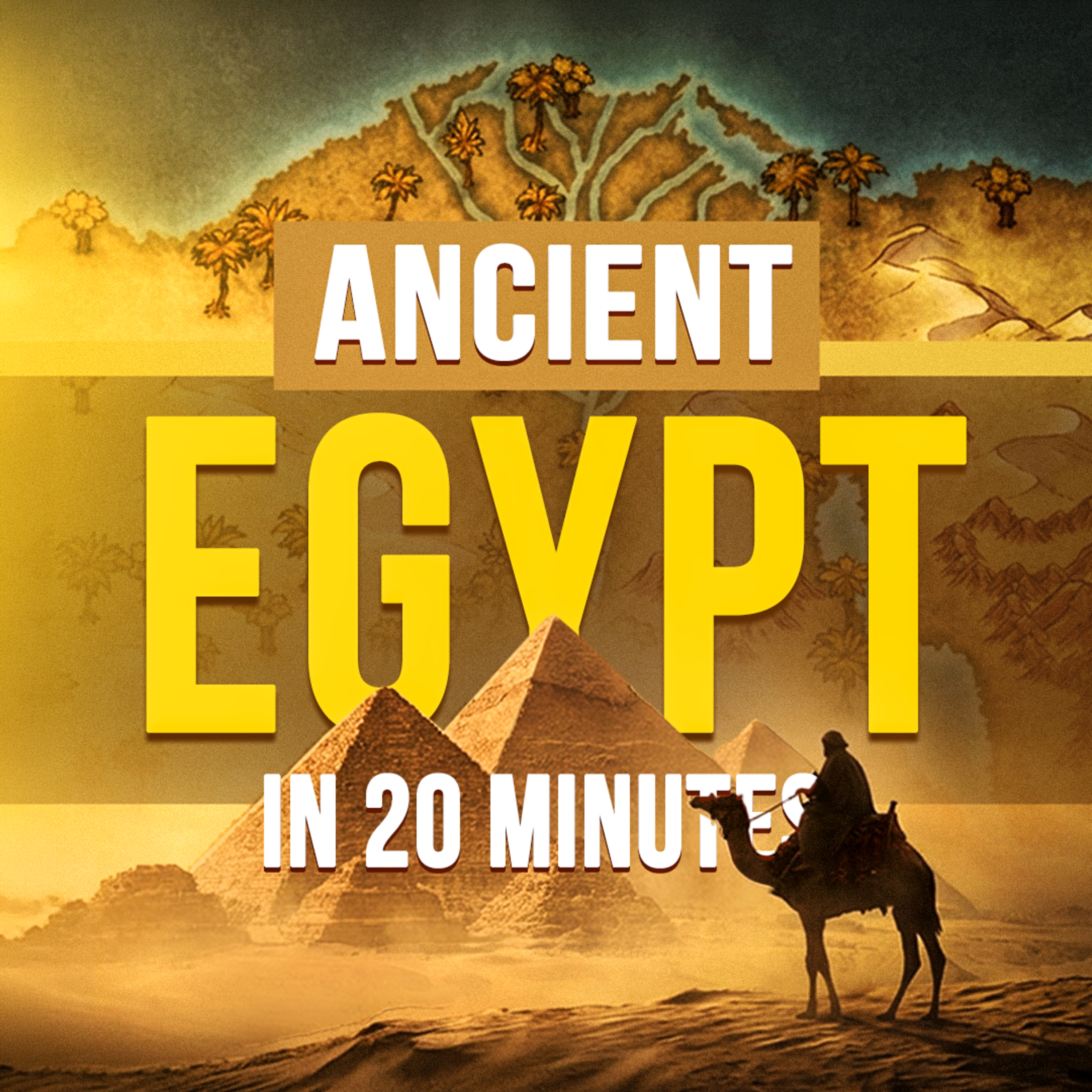
    Ancient Egypt in 20 Minutes | Ancient Civilization Podcast

    Ancient Egypt lasted for more than three thousand years, from the unification of Upper and Lower Egypt to the death of Cleopatra and the Roman conquest. In this video, we trace the complete history of Ancient Egypt: the rise of the first pharaohs, the construction of the pyramids, the Old, Middle, and New Kingdoms, the Hyksos invasion, Egypt's imperial expansion, the reigns of Hatshepsut, Akhenaten, Tutankhamun, and Ramesses II, the Bronze Age collapse, and the arrival of the Assyrians, Persians, Greeks, and Romans. We also explore the achievements that made Egyptian civilization so influential, including monumental architecture, writing, literature, mathematics, astronomy, administration, and one of the world's earliest calendars. 🔔 Subscribe to the podcast so you don’t miss other stories from the ancient world, where the truth is often more dramatic than fiction. This Episode on Youtube: https://youtu.be/jrNtl_OMA30 Visit our website: ⁠⁠⁠⁠⁠https://parabellumhistory.com⁠⁠⁠⁠⁠ Our merchandise store: ⁠⁠⁠⁠⁠https://parabellumstore.creator-spring.com/⁠⁠⁠⁠⁠ Music from our podcast: ⁠⁠⁠⁠⁠https://share.epidemicsound.com/xk7k44/?playlist=kgati2pa4pi3mz2hsib867syv6zjdzqh⁠⁠⁠⁠⁠ Listen early & support the channel on Patreon: ⁠⁠⁠⁠⁠https://patreon.com/ParaBellumHistoryChannel⁠⁠⁠⁠⁠ 🎤 ⁠Voiceover by: Nick Banas Instagram: ⁠⁠⁠⁠⁠https://www.instagram.com/nickbanas⁠

  • S1 · E49
    August 24 · 25 min

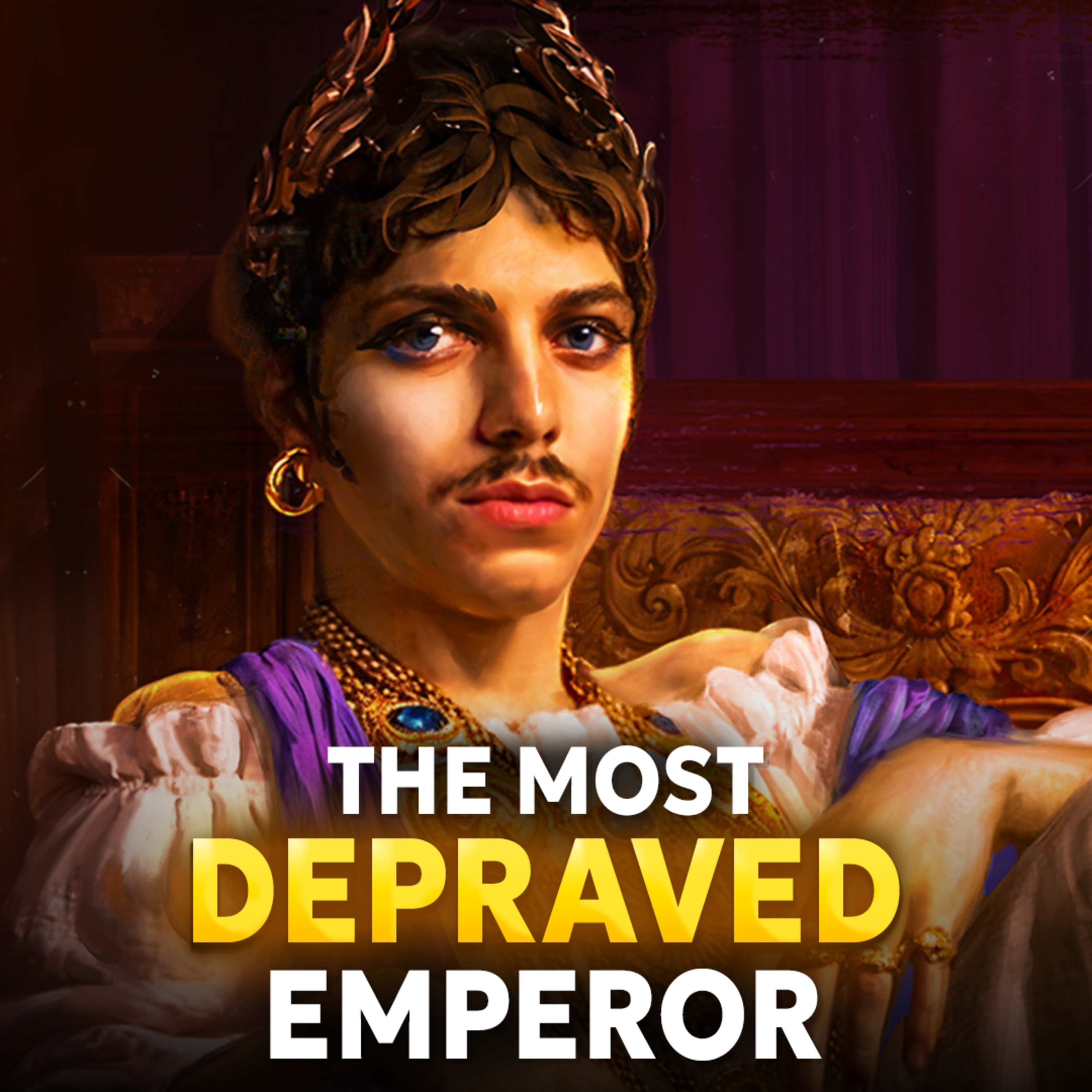
    Elagabalus — The Emperor Rome Wanted To Forget | Ancient Rome Podcast

    Elagabalus went down in history as one of Rome’s most scandalous emperors. Ancient authors accused him of sexual depravity, insane extravagance, bizarre religious rituals, and complete contempt for Roman traditions. After his death, the Senate even ordered his name to be erased from inscriptions, his statues destroyed, and all memory of him removed from history. But who was he really? In this episode, we will explore how a fourteen-year-old Syrian priest came to sit on the throne of the Roman Empire, why he proclaimed the god Elagabal the supreme deity of Rome, and how his religious reforms turned the Senate, the army, and the Praetorian Guard against him. We will also examine the most famous stories about his reign: lavish banquets, showers of rose petals, numerous marriages, favourites, women’s clothing, and reports that he wished to change his sex. How much can these accounts be trusted? Where do historical facts end and political propaganda begin? This is the story of a teenager who was given absolute power over the greatest empire of his time, of the clash between Syrian and Roman religious traditions, and of a ruler whom Rome first killed and then tried to erase from memory. Subscribe to the channel so you do not miss our new episodes about the history of the ancient world. 🔔 Subscribe to the podcast so you don’t miss other stories from the ancient world, where the truth is often more dramatic than fiction. This Episode on Youtube: ⁠⁠⁠⁠https://youtu.be/ST5fymnc-iE Visit our website: ⁠⁠⁠⁠⁠https://parabellumhistory.com⁠⁠⁠⁠⁠ Our merchandise store: ⁠⁠⁠⁠⁠https://parabellumstore.creator-spring.com/⁠⁠⁠⁠⁠ Music from our podcast: ⁠⁠⁠⁠⁠https://share.epidemicsound.com/xk7k44/?playlist=kgati2pa4pi3mz2hsib867syv6zjdzqh⁠⁠⁠⁠⁠ Listen early & support the channel on Patreon: ⁠⁠⁠⁠⁠https://patreon.com/ParaBellumHistoryChannel⁠⁠⁠⁠⁠ 🎤 ⁠Voiceover by: Nick Banas Instagram: ⁠⁠⁠⁠⁠https://www.instagram.com/nickbanas⁠

  • S1 · E47
    August 17 · 21 min

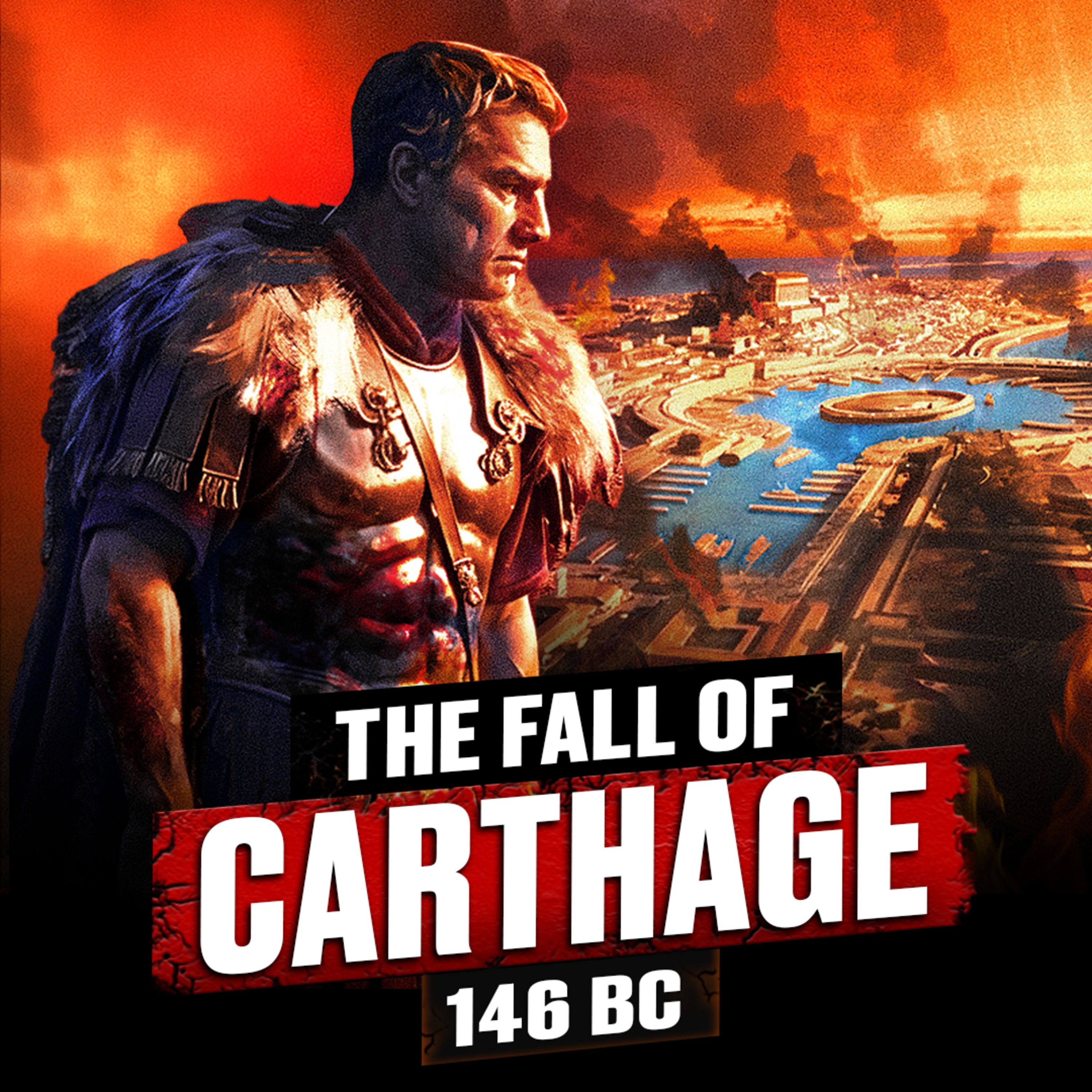
    The Fall of Carthage: The Third Punic War | 146 BC | Ancient Civilization Podcast

    Why did Rome destroy Carthage even after it had ceased to be a serious military threat? How did an unarmed city withstand the Roman army for three years? And what really happened during the final, brutal siege that erased ancient Carthage from history? This podcast tells the complete story of the Third Punic War and the destruction of Carthage. After its defeat in the Second Punic War, Carthage surrendered its fleet, lost most of its territory, paid tribute to Rome, and accepted severe restrictions on its ability to wage war. Yet the city recovered economically, alarming Roman politicians such as Cato the Elder, who repeatedly declared: “Carthage must be destroyed.” When the Numidian king Masinissa invaded Carthaginian territory, Carthage finally fought back without Roman permission. Rome used this violation of the peace treaty as a pretext for war. The Carthaginians surrendered their weapons and handed over hundreds of noble children as hostages, only to learn Rome’s final demand: the population had to abandon the coast so that Carthage itself could be destroyed. Faced with the loss of their city, the Carthaginians chose resistance. Slaves were freed, temples and buildings were dismantled for materials, statues were melted down for weapons, and women cut off their hair to make ropes for siege engines. Against all expectations, the defenders repelled the first Roman assaults and nearly destroyed the Roman fleet with fire ships. The siege dragged on until Scipio Aemilianus took command. He restored discipline in the Roman army, cut Carthage off from supplies, blockaded its harbors, and defeated the remaining Carthaginian forces outside the city. Famine and disease devastated the population, but Carthage still refused to surrender.In 146 BC, the Romans launched their final assault. For six days and six nights, Roman soldiers fought through the streets, houses, rooftops, and multi-story buildings of Carthage. Tens of thousands were killed or enslaved. The city was looted, burned for seventeen days, and demolished.This is the story of Cato the Elder, Masinissa, Hasdrubal, Scipio Aemilianus, the Third Punic War, and the final fall of one of the ancient Mediterranean’s greatest civilizations. 🔔 Subscribe to the podcast so you don’t miss other stories from the ancient world, where the truth is often more dramatic than fiction. This Episode on Youtube: ⁠⁠⁠⁠https://youtu.be/uxuHaUdrpgc Visit our website: ⁠⁠⁠⁠⁠https://parabellumhistory.com⁠⁠⁠⁠⁠ Our merchandise store: ⁠⁠⁠⁠⁠https://parabellumstore.creator-spring.com/⁠⁠⁠⁠⁠ Music from our podcast: ⁠⁠⁠⁠⁠https://share.epidemicsound.com/xk7k44/?playlist=kgati2pa4pi3mz2hsib867syv6zjdzqh⁠⁠⁠⁠⁠ Listen early & support the channel on Patreon: ⁠⁠⁠⁠⁠https://patreon.com/ParaBellumHistoryChannel⁠⁠⁠⁠⁠ 🎤 ⁠Voiceover by: Nick Banas Instagram: ⁠⁠⁠⁠⁠https://www.instagram.com/nickbanas⁠

  • S1 · E47
    July 10 · 23 min

    The Trojan War - What Really Happened? | Historical Deep Dive Podcast

    Who were the real people behind the legends of Achilles, Agamemnon, and Hector? Was the Trojan War an actual historical conflict, or simply a story created by Homer? And what do archaeology and Hittite records reveal about one of history's most famous wars? In this episode, we separate myth from history by examining the latest archaeological discoveries, Bronze Age inscriptions, and the evidence uncovered at the ancient city of Troy. From Heinrich Schliemann's excavations at Hisarlik to recently deciphered Hittite diplomatic texts, we explore what scholars know—and what remains a mystery—about the conflict that inspired the Iliad. Discover how Troy grew into a major Late Bronze Age city, why its strategic location made it the center of international rivalry, and how its relationship with the Hittite Empire placed it at the crossroads of great-power politics. Learn why most historians identify Troy with the Hittite city of Wilusa, who the mysterious Ahhiyawa were, and how these records transformed our understanding of the Trojan War. We also investigate the historical basis of Homer's greatest heroes. Could Paris really have been the Hittite ruler Alaksandu? Was Agamemnon based on a powerful Mycenaean king? Did Achilles preserve the memory of a real Bronze Age warrior? And what can archaeology tell us about the legendary Trojan Horse? Combining archaeology, ancient texts, and modern historical research, this documentary explores how centuries of oral tradition transformed a real Late Bronze Age conflict into one of the greatest epics ever written. If you enjoy well-researched podcasts on ancient history, archaeology, and the civilizations of the ancient world, don't forget to like, subscribe, and let us know what topic you'd like to see next. 🔔 Subscribe to the podcast so you don’t miss other stories from the ancient world, where the truth is often more dramatic than fiction. This Episode on Youtube: ⁠⁠⁠⁠https://youtu.be/pcYg1Tm2Htg⁠⁠⁠⁠ Visit our website: ⁠⁠⁠⁠⁠https://parabellumhistory.com⁠⁠⁠⁠⁠ Our merchandise store: ⁠⁠⁠⁠⁠https://parabellumstore.creator-spring.com/⁠⁠⁠⁠⁠ Music from our podcast: ⁠⁠⁠⁠⁠https://share.epidemicsound.com/xk7k44/?playlist=kgati2pa4pi3mz2hsib867syv6zjdzqh⁠⁠⁠⁠⁠ Listen early & support the channel on Patreon: ⁠⁠⁠⁠⁠https://patreon.com/ParaBellumHistoryChannel⁠⁠⁠⁠⁠ 🎤 ⁠Voiceover by: Nick Banas Instagram: ⁠⁠⁠⁠⁠https://www.instagram.com/nickbanas⁠

  • S1 · E46
    July 3 · 21 min

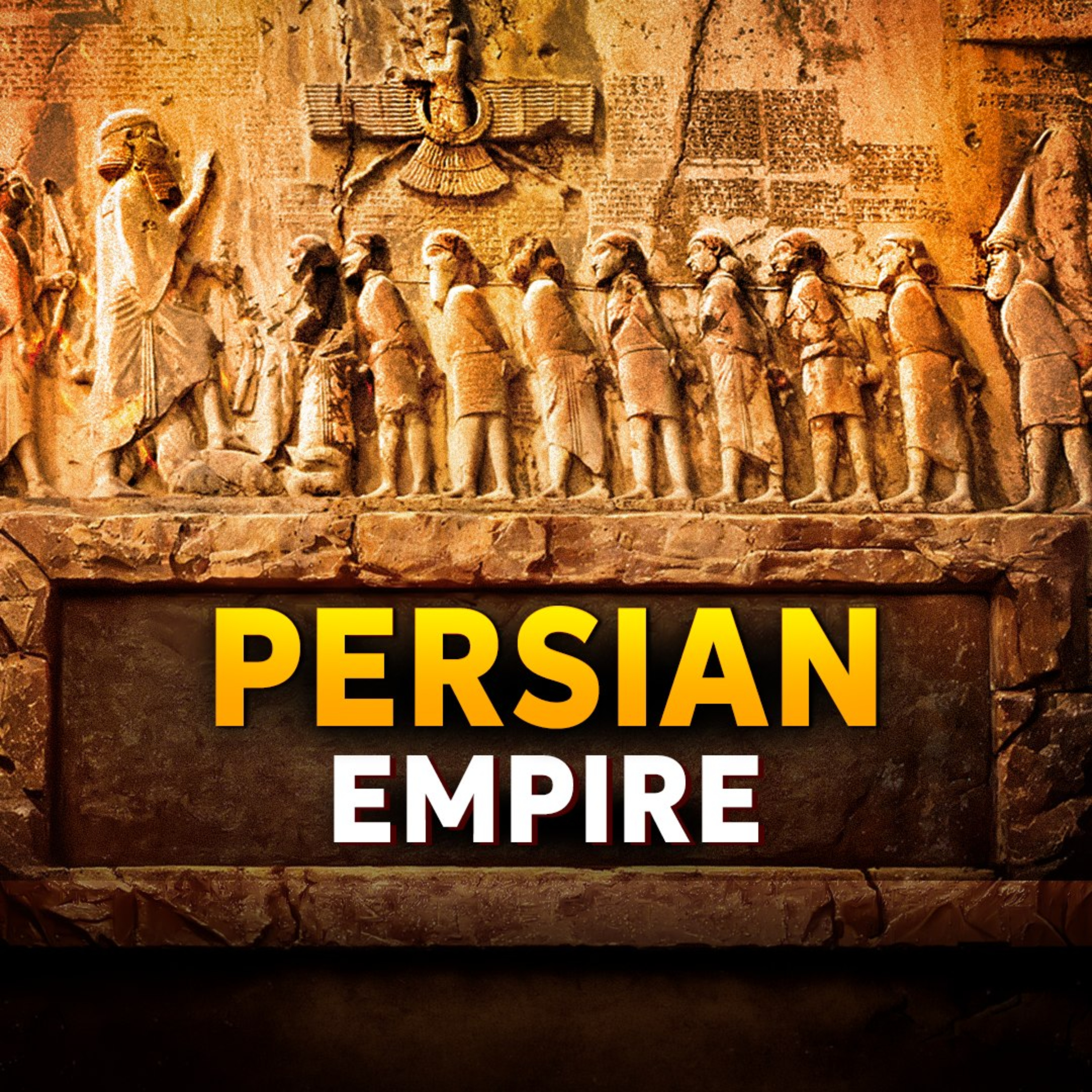
    Ancient Persia - Rise of Ancient Superpower | Ancient Civilizations Podcast

    Most people today know of Rome, Greece, or Egypt—but what about ancient Persia? What was happening beyond the Mediterranean world, in the lands of modern-day Iran, where one of the most powerful empires in history once rose? In this full-length historical podcast, we explore the fascinating story of the Achaemenid Empire, from its humble nomadic origins to its staggering heights under legendary rulers like Cyrus the Great, Darius I, and Xerxes, and finally to its dramatic fall at the hands of Alexander the Great. At its peak, the Persian Empire was the largest the world had ever seen—stretching from the Aegean Sea to the Indus Valley, from the Caucasus Mountains to the deserts of Egypt. Nearly half of the global population lived under its rule. But what made this empire so successful? And how did it all unravel? 🔍 What You’ll Learn in This Episode: The true origins of the Persians and Medes and their migration from Central Asia The foundation of the empire under Cyrus the Great, and his revolutionary approach to conquest and governance How Cyrus captured Babylon and liberated the Jews, becoming a revered figure in the Bible The reigns of Cambyses II, Darius I, and Xerxes, and the empire’s golden age Administrative innovations like the satrapy system, imperial road networks, and the introduction of a standardized currency The monumental cities of Persepolis, Pasargadae, Susa, Ecbatana, and BabylonThe religion of Mazdaism (early Zoroastrianism) and the Persians' respect for religious diversity The elite Persian warriors known as the Immortals, and the structure of the Persian military The story behind the legendary battles of Marathon, Thermopylae, and Salamis The Persian response to Greek resistance, and the empire's decline in the wake of Greek victories How Alexander the Great brought about the end of the Achaemenid Empire—and what came after 📚 This is not just a military history. We dive deep into the culture, administration, religion, and daily life of the Persian Empire, offering a balanced and fact-checked view that goes beyond the biased accounts of ancient Greek writers like Herodotus, Xenophon, and Ctesias. 🌍 The Persian legacy didn’t end with Alexander. It lived on through the Seleucid, Parthian, and Sasanian empires—and continues to influence the modern world today, from the Persian language to the lingering traditions of Zoroastrianism. 🔔 Subscribe to the podcast so you don’t miss other stories from the ancient world, where the truth is often more dramatic than fiction. This Episode on Youtube: ⁠⁠⁠⁠https://youtu.be/pcYg1Tm2Htg⁠⁠⁠⁠ Visit our website: ⁠⁠⁠⁠⁠https://parabellumhistory.com⁠⁠⁠⁠⁠ Our merchandise store: ⁠⁠⁠⁠⁠https://parabellumstore.creator-spring.com/⁠⁠⁠⁠⁠ Music from our podcast: ⁠⁠⁠⁠⁠https://share.epidemicsound.com/xk7k44/?playlist=kgati2pa4pi3mz2hsib867syv6zjdzqh⁠⁠⁠⁠⁠ Listen early & support the channel on Patreon: ⁠⁠⁠⁠⁠https://patreon.com/ParaBellumHistoryChannel⁠⁠⁠⁠⁠ 🎤 ⁠Voiceover by: Nick Banas Instagram: ⁠⁠⁠⁠⁠https://www.instagram.com/nickbanas⁠

  • S1 · E45
    June 14 · 20 min

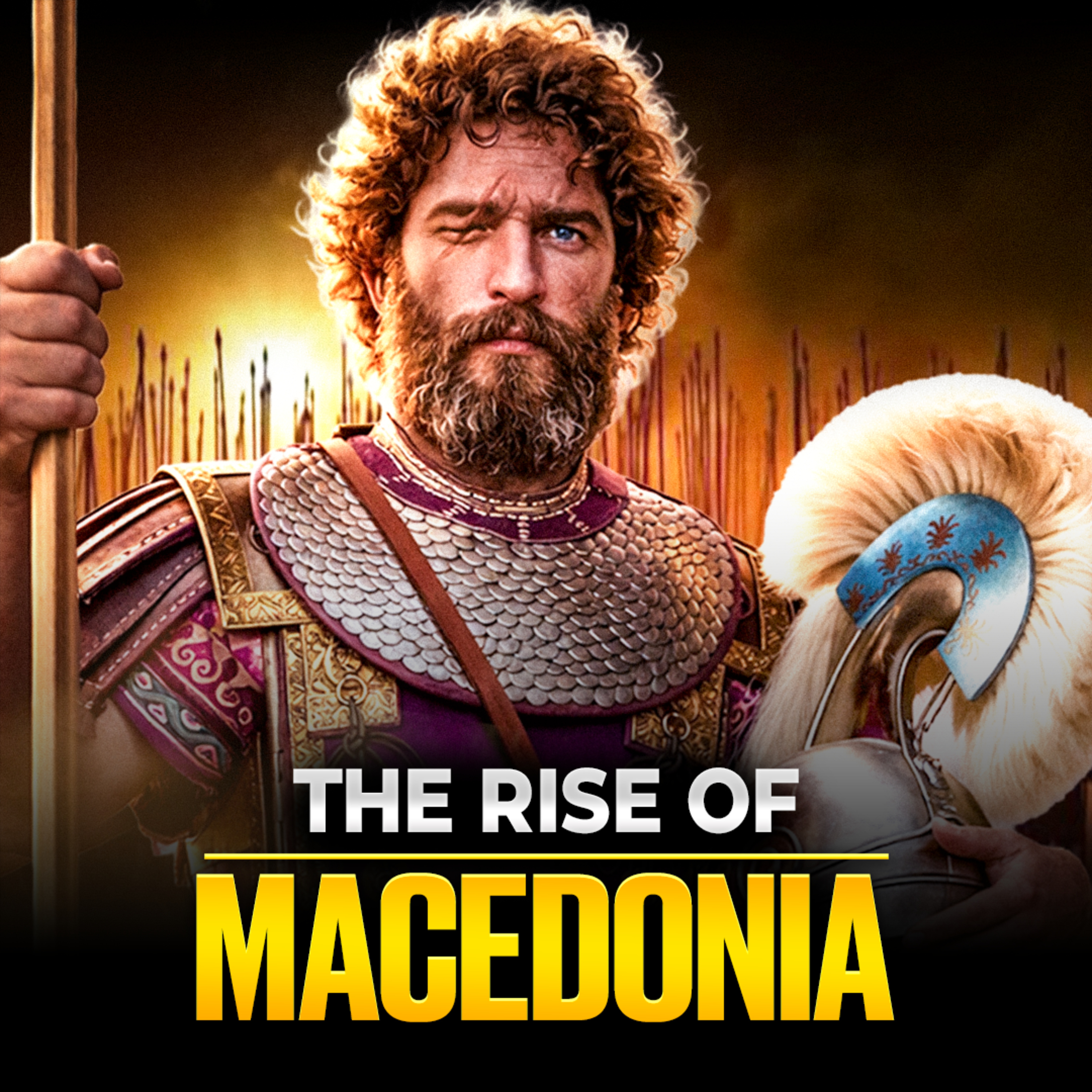
    Rise of the Empire of Alexander the Great | Ancient History Podcast

    In the 4th century BC, Macedonia stood on the fringe of the Greek world. Many Greeks regarded its people as semi-barbaric, while the kingdom itself was plagued by foreign invasions and internal instability. Everything changed when Philip II came to power. He transformed a weak frontier kingdom into the most formidable military power in Greece. Through sweeping military reforms, the creation of the famous Macedonian phalanx, and a series of brilliant campaigns, Philip conquered the Greek city-states and brought Greece under his leadership. In this episode, we explore the Greco-Persian Wars, the Peloponnesian War, and the decline of the Greek poleis. We examine Philip II’s military reforms, the rise of Macedon, the Battle of Chaeronea, the formation of the Corinthian League, and the preparations for a grand campaign against the Persian Empire. You will also learn about the mysterious assassination of Philip II, the rise of the young Alexander the Great, the destruction of Thebes, and the events that paved the way for one of the greatest conquests in human history.This is the story of how Alexander’s empire was born. 🔔 Subscribe to the podcast so you don’t miss other stories from the ancient world, where the truth is often more dramatic than fiction. This Episode on Youtube: ⁠⁠⁠⁠https://youtu.be/pcYg1Tm2Htg⁠⁠⁠⁠ Visit our website: ⁠⁠⁠⁠⁠https://parabellumhistory.com⁠⁠⁠⁠⁠ Our merchandise store: ⁠⁠⁠⁠⁠https://parabellumstore.creator-spring.com/⁠⁠⁠⁠⁠ Music from our podcast: ⁠⁠⁠⁠⁠https://share.epidemicsound.com/xk7k44/?playlist=kgati2pa4pi3mz2hsib867syv6zjdzqh⁠⁠⁠⁠⁠ Listen early & support the channel on Patreon: ⁠⁠⁠⁠⁠https://patreon.com/ParaBellumHistoryChannel⁠⁠⁠⁠⁠ 🎤 ⁠Voiceover by: Nick Banas Instagram: ⁠⁠⁠⁠⁠https://www.instagram.com/nickbanas⁠ #history #alexanderthegreat #macedonia #philipii #ancientgreece #ancienthistory

  • S1 · E44
    May 25 · 28 min

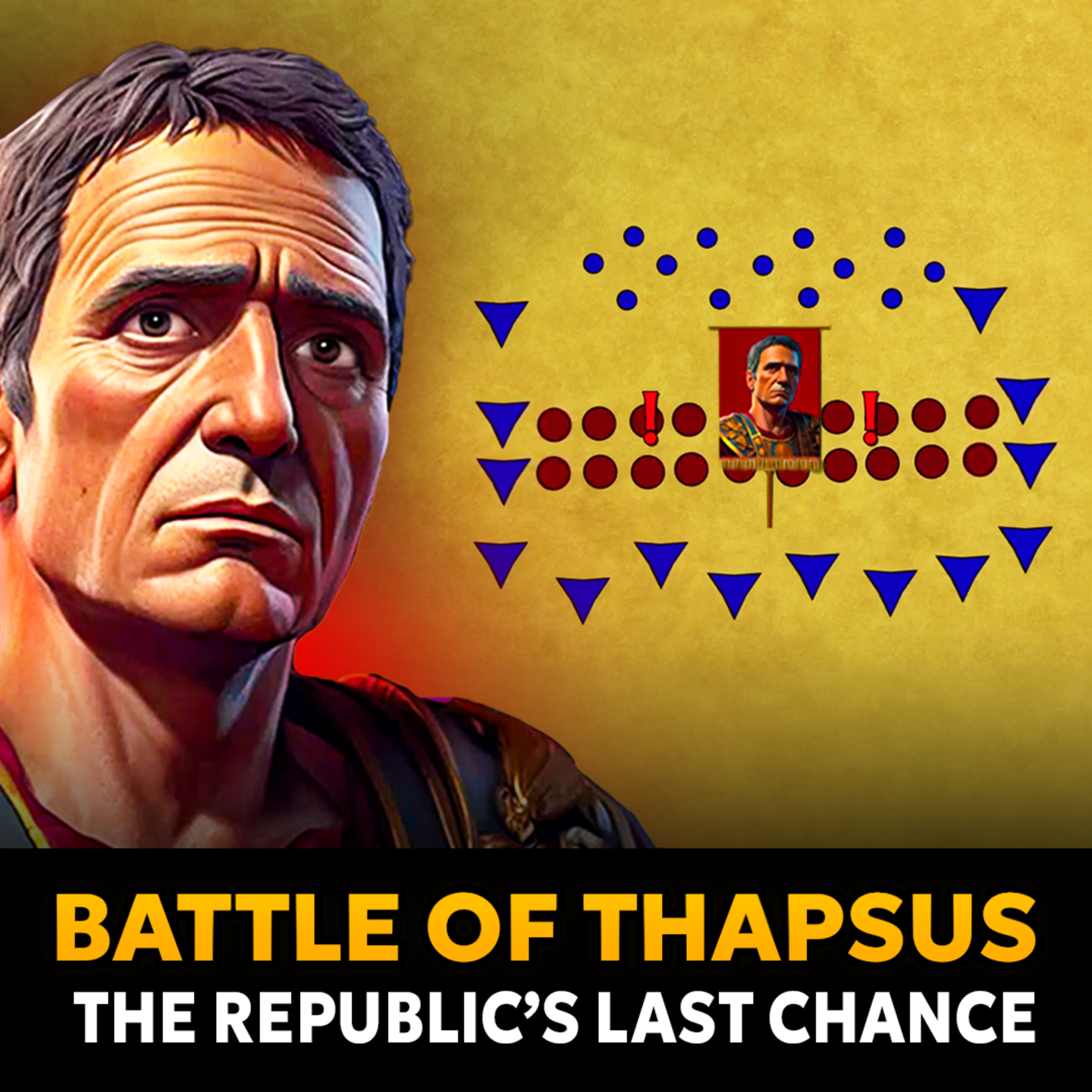
    Caesar's Civil War - Battle of Thapsus | Ancient Roman History Podcast

    The Battle of Thapsus was the final major battle of Julius Caesar’s Civil War — a desperate last stand by the defenders of the Roman Republic against Caesar’s growing dictatorship. In this documentary-style history podcast, we follow the dramatic African campaign of 46 BC, when Caesar faced the combined forces of Metellus Scipio, Cato the Younger, Titus Labienus, King Juba of Numidia, and the surviving Pompeians. Vast armies, Numidian cavalry, war elephants, brutal desert warfare, and political desperation all converged near the city of Thapsus in what became one of the decisive battles of ancient Rome. This episode explores Caesar’s difficult landing in North Africa, the disaster at Ruspina, the deadly tactics of Numidian cavalry, the siege operations around Uzita and Thapsus, and the final climactic battle that shattered organized resistance to Caesar’s rule. We also examine the deaths of Cato, Scipio, and Juba, the collapse of the optimates, and why Thapsus marked the beginning of the end for the Roman Republic itself. Drawing on ancient sources such as Caesar’s Commentarii de Bello Africo, Appian, Cassius Dio, Plutarch, and Suetonius, this documentary reconstructs one of the most important turning points in Roman history. 🔔 Subscribe to the podcast so you don’t miss other stories from the ancient world, where the truth is often more dramatic than fiction. This Episode on Youtube: ⁠⁠⁠⁠https://youtu.be/pcYg1Tm2Htg⁠⁠⁠⁠ Visit our website: ⁠⁠⁠⁠⁠https://parabellumhistory.com⁠⁠⁠⁠⁠ Our merchandise store: ⁠⁠⁠⁠⁠https://parabellumstore.creator-spring.com/⁠⁠⁠⁠⁠ Music from our podcast: ⁠⁠⁠⁠⁠https://share.epidemicsound.com/xk7k44/?playlist=kgati2pa4pi3mz2hsib867syv6zjdzqh⁠⁠⁠⁠⁠ Listen early & support the channel on Patreon: ⁠⁠⁠⁠⁠https://patreon.com/ParaBellumHistoryChannel⁠⁠⁠⁠⁠ 🎤 ⁠Voiceover by: Nick Banas Instagram: ⁠⁠⁠⁠⁠https://www.instagram.com/nickbanas⁠

    • Transcript
  • S1 · E43
    April 28 · 24 min

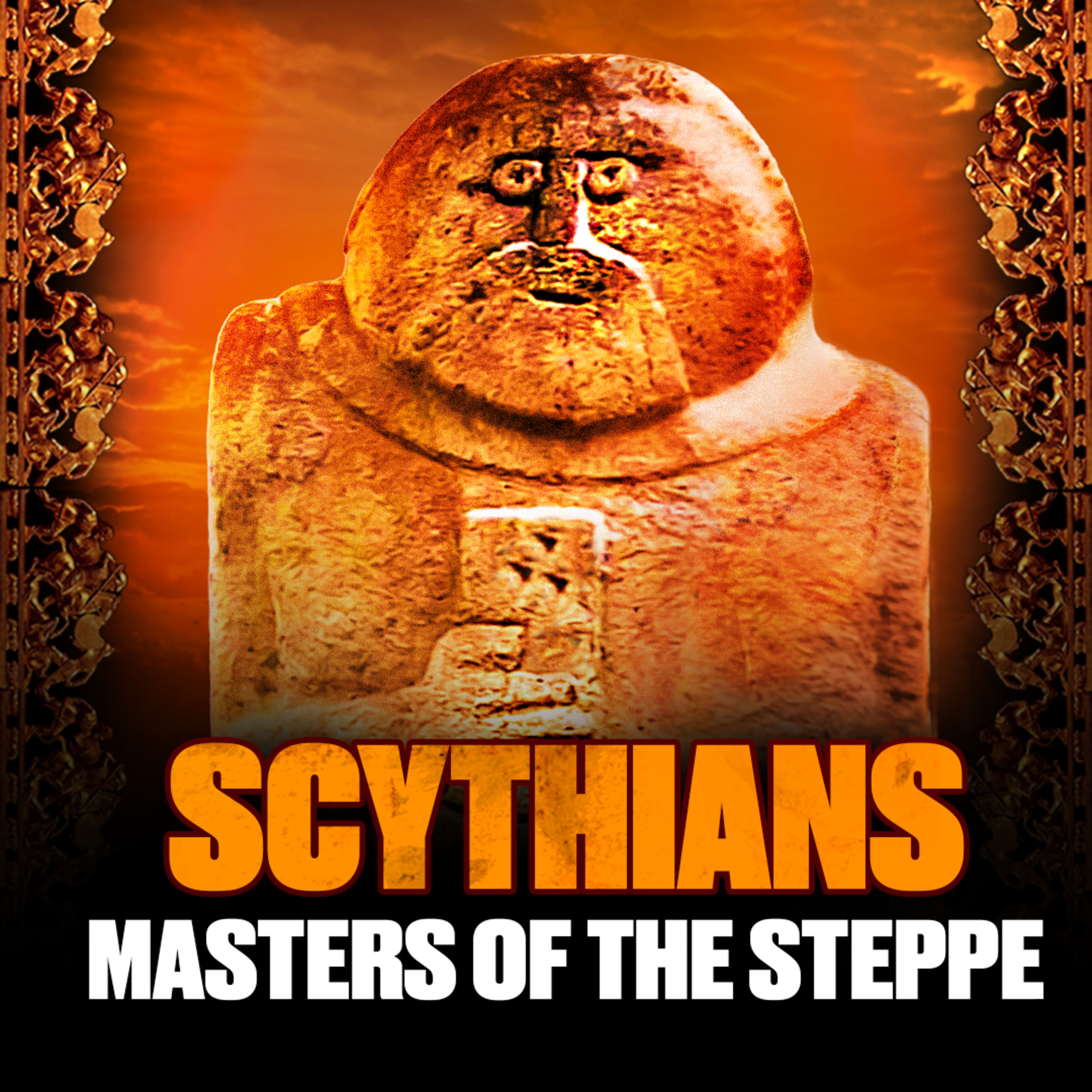
    Who Were the Scythians? | Ancient Civilizations Podcast

    Who were the Scythians, and how did they become the rulers of the Eurasian steppe? In this episode, we explore the complete history of the Scythians — from their origins and the rise of the nomadic world to their wars with Persia, interactions with the Greeks, and eventual decline. You'll learn where the Scythians came from, how the nomadic way of life emerged, why mounted warriors became the dominant force of the steppe, and how they challenged the greatest empires of their time. We examine their military tactics, the role of the bow and cavalry, and explain why even powerful states like the Persian Empire failed to subdue them. We also take a closer look at Scythian society, culture, and daily life: how they looked, what they believed, how they fought, and the customs that made them some of the most formidable warriors of the ancient world. You will also discover their connections with Greek colonies, their trade networks, and the origins of the legends about the Amazons. Finally, we explore why the Scythians declined as a dominant power and what legacy they left behind. Their influence did not disappear — it became the foundation for many of the nomadic cultures that shaped Eurasian history for centuries. 🔔 Subscribe to the podcast so you don’t miss other stories from the ancient world, where the truth is often more dramatic than fiction. This Episode on Youtube: ⁠⁠⁠⁠https://youtu.be/LltHhisaVAA Visit our website: ⁠⁠⁠⁠⁠https://parabellumhistory.com⁠⁠⁠⁠⁠ Our merchandise store: ⁠⁠⁠⁠⁠https://parabellumstore.creator-spring.com/⁠⁠⁠⁠⁠ Music from our podcast: ⁠⁠⁠⁠⁠https://share.epidemicsound.com/xk7k44/?playlist=kgati2pa4pi3mz2hsib867syv6zjdzqh⁠⁠⁠⁠⁠ Listen early & support the channel on Patreon: ⁠⁠⁠⁠⁠https://patreon.com/ParaBellumHistoryChannel⁠⁠⁠⁠⁠ 🎤 ⁠Voiceover by: Nick Banas Instagram: ⁠⁠⁠⁠⁠https://www.instagram.com/nickbanas⁠

    • Transcript
  • S1 · E42
    April 23 · 36 min

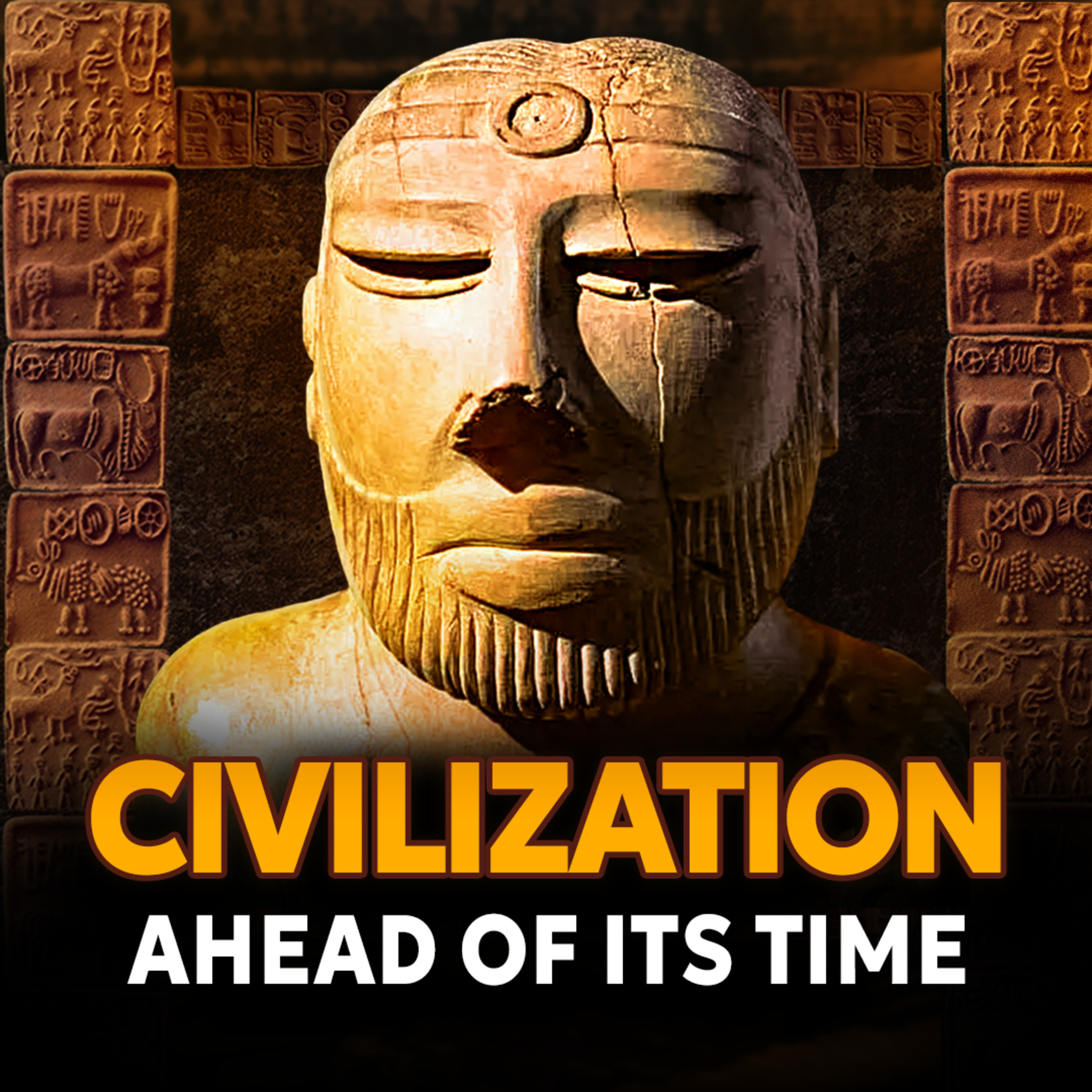
    How did the Indus Valley Civilization collapse? | Ancient Unknown Civilizations Podcast

    The Indus Valley Civilization is one of the most mysterious and, at the same time, one of the largest civilizations of the ancient world. It existed alongside Egypt and Mesopotamia, yet it remains largely unknown to us. We do not know the names of its rulers, we cannot read its writing, and we only partially understand how this society was organized. In this episode, we will explore the history of the Harappan civilization from its origins to its decline. How did the first settlements in the Indus Valley emerge? Why did one of the most advanced cultures of the Bronze Age arise exactly here? What did their cities look like, with their straight streets, drainage systems, and careful planning? And why did these people, who were ahead of their time, eventually disappear? We will talk about the daily life of the inhabitants of Harappa and Mohenjo-daro, their economy, crafts, and trade with Mesopotamia. We will also examine the mystery of the Indus script, which has yet to be deciphered, and try to understand what these people believed in, despite the absence of temples and texts familiar to us. This episode also looks at the main theories behind the decline of the Indus Valley Civilization: climate change, resource depletion, shifts in river courses, and the possible impact of migrations. Was it a sudden catastrophe, or a slow process that unfolded over centuries? This is the story of a civilization that built some of the most advanced cities of its time, yet left behind more questions than answers.If you enjoy history podcasts about the ancient world, forgotten civilizations, and the archaeology, make sure to like the episode, subscribe to the podcast, and share your thoughts in the comments. Your support helps us grow and allows us to create more in-depth historical documentaries. 🔔 Subscribe to the podcast so you don’t miss other stories from the ancient world, where the truth is often more dramatic than fiction. This Episode on Youtube: ⁠⁠⁠⁠https://youtu.be/-4yoRP9n3JY Visit our website: ⁠⁠⁠⁠⁠https://parabellumhistory.com⁠⁠⁠⁠⁠ Our merchandise store: ⁠⁠⁠⁠⁠https://parabellumstore.creator-spring.com/⁠⁠⁠⁠⁠ Music from our podcast: ⁠⁠⁠⁠⁠https://share.epidemicsound.com/xk7k44/?playlist=kgati2pa4pi3mz2hsib867syv6zjdzqh⁠⁠⁠⁠⁠ Listen early & support the channel on Patreon: ⁠⁠⁠⁠⁠https://patreon.com/ParaBellumHistoryChannel⁠⁠⁠⁠⁠ 🎤 ⁠Voiceover by: Nick Banas Instagram: ⁠⁠⁠⁠⁠https://www.instagram.com/nickbanas⁠

    • Transcript
  • S1 · E41
    April 8 · 31 min

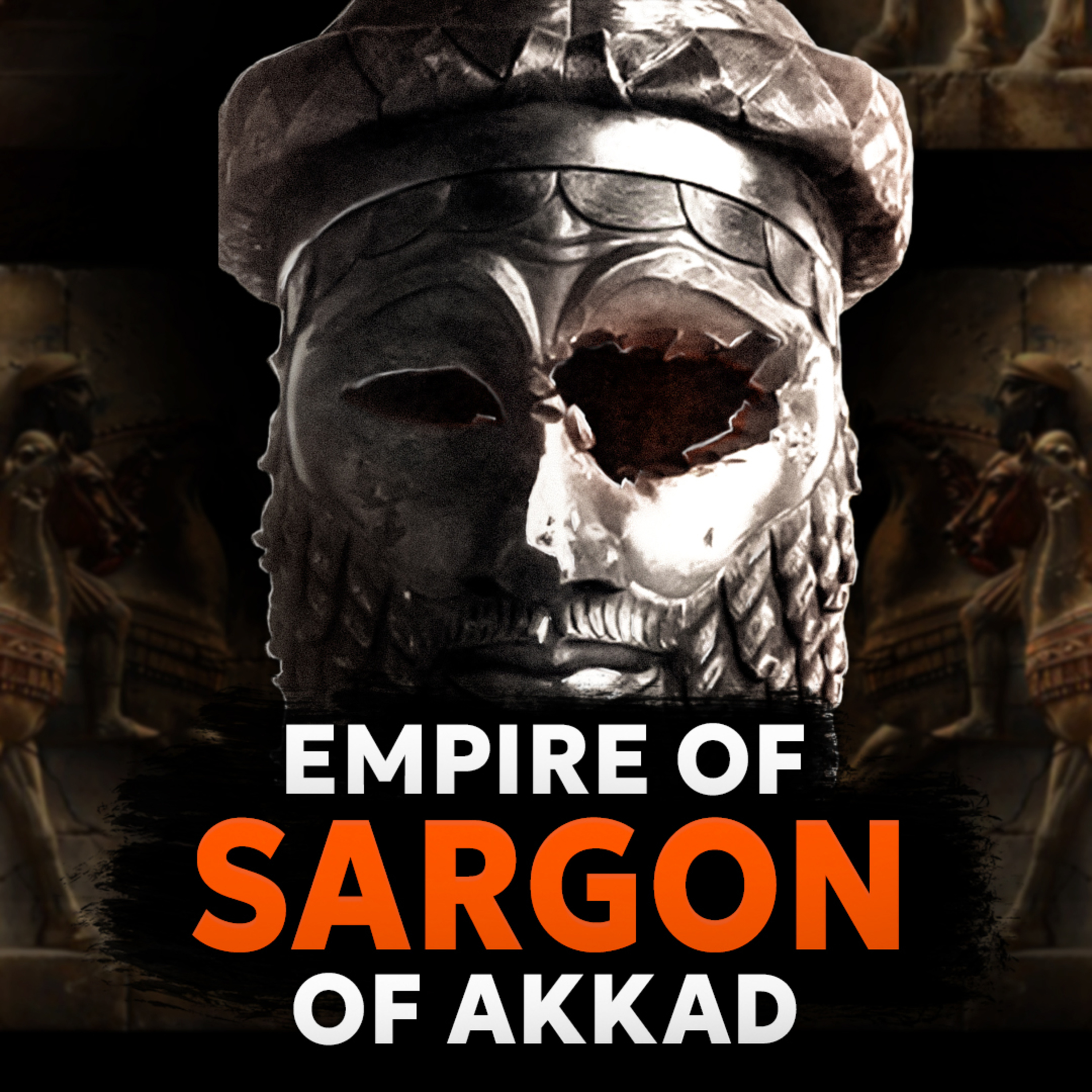
    Akkad — From Greatness to Collapse | Ancient Civilizations Podcast

    The Akkadian Empire was the first true empire in human history — a state that united Mesopotamia under a single ruler for the first time. In this episode, we explore how Sargon of Akkad rose from obscurity to conquer Sumer, defeat Lugalzagesi, and build a centralized state stretching from the Persian Gulf to the Mediterranean.You will learn how Sargon transformed warfare with military reforms, created one of the first professional armies, and established a system of governance that allowed him to control dozens of cities with different cultures and religions. We also examine the role of religion and power, including the rise of Naram-Sin, who declared himself a god in an attempt to secure absolute authority over the empire.But empires built on conquest face constant pressure. After Sargon’s death, revolts spread across Mesopotamia, rulers like Rimush and Manishtushu struggled to maintain control, and external threats grew stronger. We cover the rise of enemies such as Gutians and the weakening of Akkadian power under Shar-Kali-Sharri.Finally, we explore the collapse of the empire — from internal instability and political fragmentation to environmental factors like drought that may have pushed the system beyond its limits.This is the story of how the world’s first empire was created, how it functioned, and why it ultimately fell. A story that shaped the future of civilizations like Babylon and Assyria, and defined what an empire would look like for thousands of years to come.#AkkadianEmpire #Sargon #AncientHistory #Mesopotamia #FirstEmpire #History 🔔 Subscribe to the podcast so you don’t miss other stories from the ancient world, where the truth is often more dramatic than fiction. This Episode on Youtube: ⁠⁠⁠⁠https://youtu.be/pcYg1Tm2Htg⁠⁠⁠⁠ Visit our website: ⁠⁠⁠⁠⁠https://parabellumhistory.com⁠⁠⁠⁠⁠ Our merchandise store: ⁠⁠⁠⁠⁠https://parabellumstore.creator-spring.com/⁠⁠⁠⁠⁠ Music from our podcast: ⁠⁠⁠⁠⁠https://share.epidemicsound.com/xk7k44/?playlist=kgati2pa4pi3mz2hsib867syv6zjdzqh⁠⁠⁠⁠⁠ Listen early & support the channel on Patreon: ⁠⁠⁠⁠⁠https://patreon.com/ParaBellumHistoryChannel⁠⁠⁠⁠⁠ 🎤 ⁠Voiceover by: Nick Banas Instagram: ⁠⁠⁠⁠⁠https://www.instagram.com/nickbanas⁠

    • Transcript
  • S1 · E40
    March 30 · 38 min

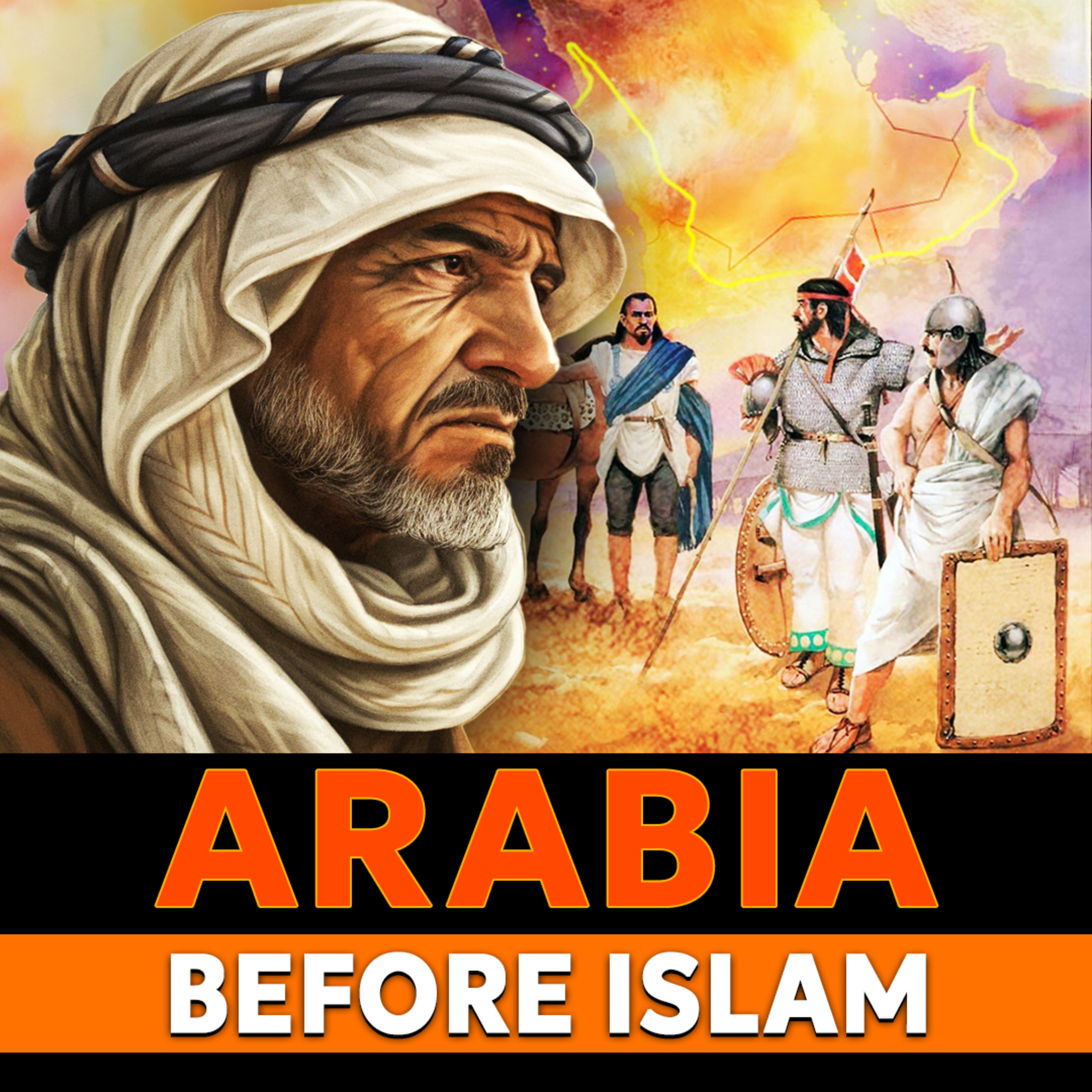
    Arabia Before Islam | Ancient Civilizations Podcast

    Most people think of Arabia only as the birthplace of Islam, but long before the 7th century the peninsula was home to complex societies, powerful kingdoms, and vast trade networks that connected the ancient world.In this video, we explore the history of Arabia before Islam, starting with the prehistoric period when the region was far greener than today, filled with lakes, rivers, and wildlife. We follow the transformation of this landscape into desert and how early communities adapted to it.You will learn about the first urban centers in Arabia, including the trade civilizations of Dilmun and Magan, and how they linked Mesopotamia with the Indus Valley. We examine the rise of the great South Arabian kingdoms such as Saba, Qataban, Hadramaut, and Himyar, their advanced irrigation systems, and their control over the lucrative trade in frankincense and myrrh.We also look at the nomadic Arab tribes mentioned in Assyrian and Babylonian sources, their role in regional politics, and their interactions with empires like Assyria, Persia, and Rome. The video covers the Nabataeans and their capital Petra, one of the most remarkable cities of the ancient world, as well as the development of the Arabic script.Finally, we turn to Mecca and Medina before Islam, exploring their economic and religious importance, the role of the Kaaba, and the social changes that set the stage for the rise of Islam.This is the story of Arabia before Islam, a region that was far more complex, connected, and historically significant than it is often assumed. 🔔 Subscribe to the podcast so you don’t miss other stories from the ancient world, where the truth is often more dramatic than fiction. This Episode on Youtube: ⁠⁠⁠⁠https://youtu.be/pcYg1Tm2Htg⁠⁠⁠⁠ Visit our website: ⁠⁠⁠⁠⁠https://parabellumhistory.com⁠⁠⁠⁠⁠ Our merchandise store: ⁠⁠⁠⁠⁠https://parabellumstore.creator-spring.com/⁠⁠⁠⁠⁠ Music from our podcast: ⁠⁠⁠⁠⁠https://share.epidemicsound.com/xk7k44/?playlist=kgati2pa4pi3mz2hsib867syv6zjdzqh⁠⁠⁠⁠⁠ Listen early & support the channel on Patreon: ⁠⁠⁠⁠⁠https://patreon.com/ParaBellumHistoryChannel⁠⁠⁠⁠⁠ 🎤 ⁠Voiceover by: Nick Banas Instagram: ⁠⁠⁠⁠⁠https://www.instagram.com/nickbanas⁠

    • Transcript
  • S1 · E39
    March 14 · 30 min

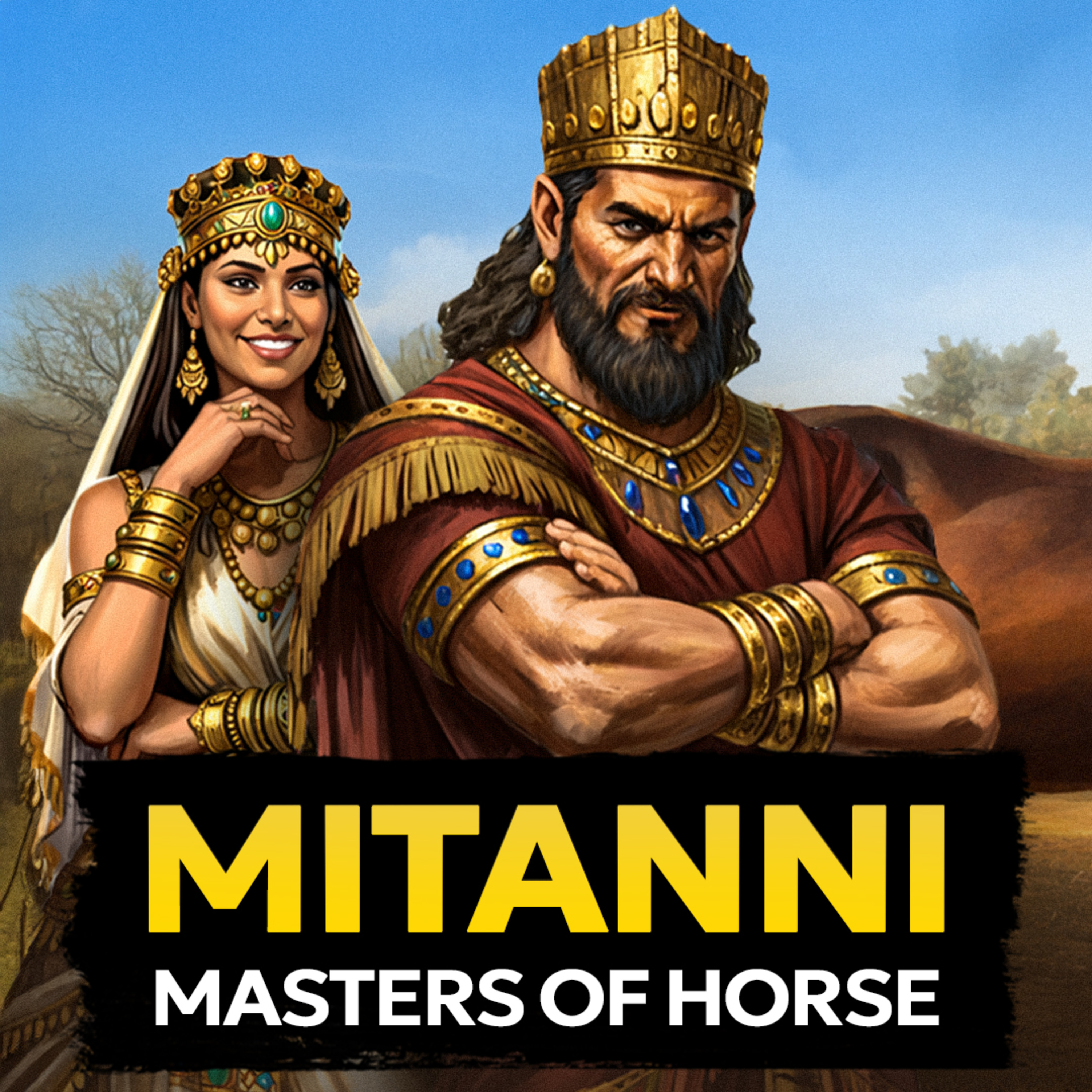
    Mitanni: The Lost Empire of the Ancient Near East | Ancient Civilization Podcast

    Discover the forgotten empire of Mitanni — one of the great powers of the Ancient Near East that once rivaled Egypt, the Hittites, and Babylonia. For more than two centuries this mysterious kingdom controlled northern Mesopotamia, dominated key trade routes, and shaped the geopolitical balance of the Bronze Age world.In this episode we explore the rise, power, and dramatic fall of the Mitanni kingdom. You will learn how a Hurrian-speaking population ruled by an Indo-Aryan warrior elite created one of the most formidable military systems of the Bronze Age, built around highly trained war horses and fast chariots.The story begins with the remarkable horse-training manual of Kikkuli, a 3,500-year-old text that describes a sophisticated 214-day conditioning program for war horses. Modern researchers have tested these methods and found them strikingly similar to modern sports training principles.We also examine the fascinating mystery of the Mitanni ruling class. Their kings bore Indo-Aryan names, their military aristocracy used Sanskrit-derived terminology, and their treaties invoked Vedic gods such as Mitra, Varuna, Indra, and the Nasatyas. How did elements of Vedic culture appear in the heart of the Ancient Near East?The episode traces Mitanni’s rise during the political chaos that followed the fall of Babylon, its wars with Egypt under Thutmose III, and the powerful reign of King Shaushtatar. At its height, the Mitanni state stretched from the Mediterranean to the Zagros Mountains and commanded a vast network of vassal kingdoms.We will also look at the diplomatic world of the Late Bronze Age great powers through the famous Amarna letters, where Mitanni kings corresponded with Egyptian pharaohs as equals and sealed alliances through royal marriages.Yet despite its wealth and power, Mitanni vanished almost completely from historical memory. Internal dynastic struggles, the rise of the Hittite Empire under Suppiluliuma I, and the growing strength of Assyria ultimately destroyed the kingdom. By the thirteenth century BC, Mitanni had disappeared as an independent state.Why did such a powerful kingdom leave behind so few traces? Why do we still not know the exact location of its capital, Washukanni? And how did this once-dominant empire fade so completely from history?If you enjoy history podcasts about the ancient world, forgotten civilizations, and the archaeology of the Near East, make sure to like the episode, subscribe to the channel, and share your thoughts in the comments. Your support helps the podcast grow and allows us to create more in-depth historical documentaries. 🔔 Subscribe to the podcast so you don’t miss other stories from the ancient world, where the truth is often more dramatic than fiction. This Episode on Youtube: https://youtu.be/VNof2ewgPJI Visit our website: ⁠⁠⁠⁠⁠https://parabellumhistory.com⁠⁠⁠⁠⁠ Our merchandise store: ⁠⁠⁠⁠⁠https://parabellumstore.creator-spring.com/⁠⁠⁠⁠⁠ Music from our podcast: ⁠⁠⁠⁠⁠https://share.epidemicsound.com/xk7k44/?playlist=kgati2pa4pi3mz2hsib867syv6zjdzqh⁠⁠⁠⁠⁠ Listen early & support the channel on Patreon: ⁠⁠⁠⁠⁠https://patreon.com/ParaBellumHistoryChannel⁠⁠⁠⁠⁠ 🎤 ⁠Voiceover by: Nick Banas Instagram: ⁠⁠⁠⁠⁠https://www.instagram.com/nickbanas⁠

    • Transcript
  • S1 · E38
    February 24 · 28 min

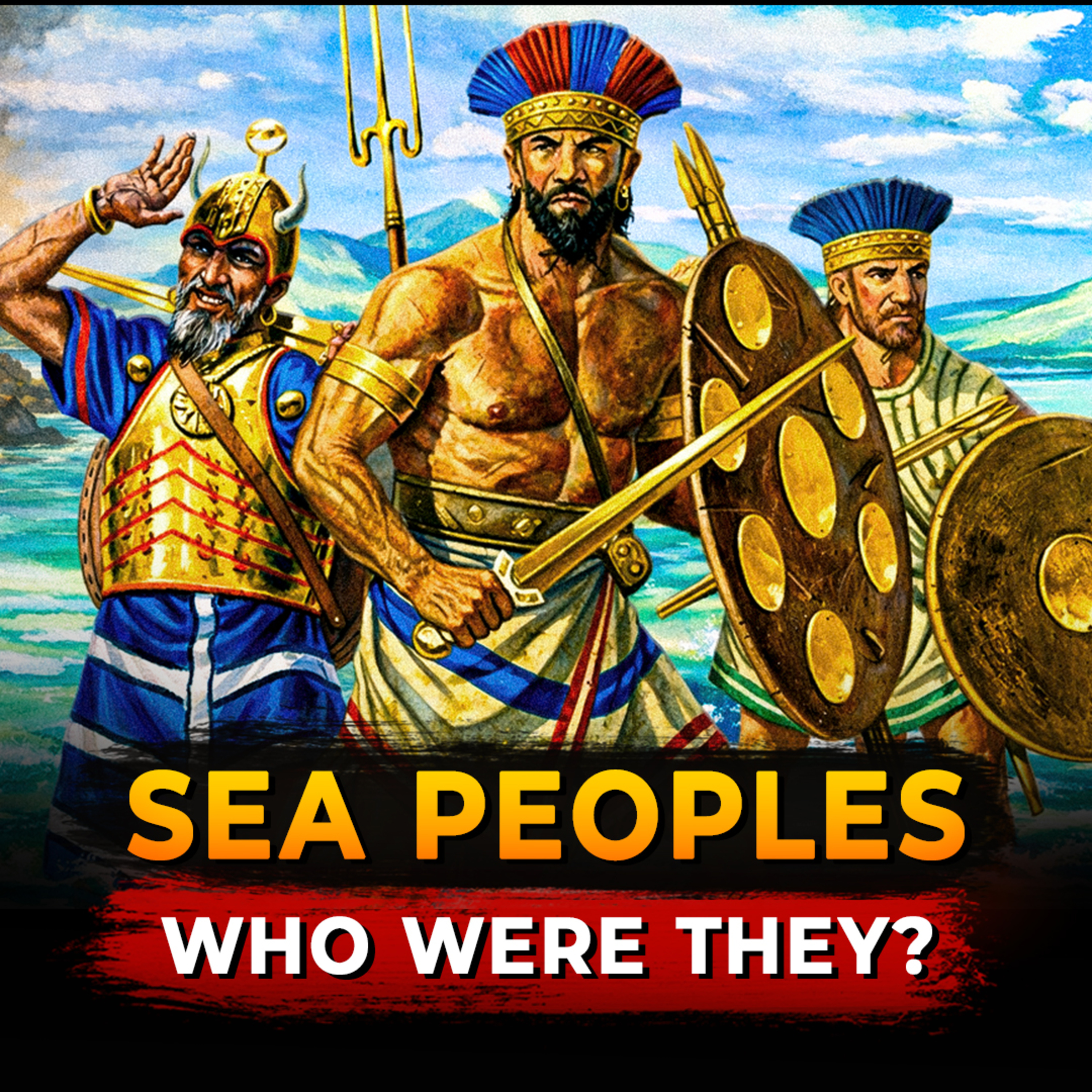
    Sea Peoples - Who Were They? | Ancient Civilization Podcast

    Around 1200 BC, the Bronze Age world collapsed. Great powers fell, cities burned, and entire regions were plunged into chaos. At the center of this upheaval were the mysterious Sea Peoples — a loose coalition of maritime raiders and migrating groups whose movements reshaped the ancient Mediterranean forever.In this episode, we examine the historical evidence for the Sea Peoples using Egyptian inscriptions from Karnak and Medinet Habu, letters from Ugarit, Hittite records, and archaeological discoveries from across the Aegean, Anatolia, the Levant, and the central Mediterranean. We explore their role in the fall of the Hittite Empire, the destruction of Ugarit, the crisis in Mycenaean Greece, and the weakening of Egypt, Assyria, and Babylonia.Who were the Peleset — and were they the biblical Philistines?Were the Ekwesh and Denyen really the Achaean Greeks and Homer’s Danaans?Did the Sherden come from Sardinia?Were the Teresh connected to the Etruscans?What do we know about the Lukka, Shekelesh, Weshesh, and Tjekker?Drawing on archaeology, linguistics, ancient texts, and modern scholarship, this video breaks down the leading theories about each group and separates evidence from speculation. We examine Egyptian battle reliefs, Mycenaean shipwrecks, Anatolian inscriptions, and the wider context of drought, migration, piracy, and systemic collapse at the end of the Late Bronze Age.The story of the Sea Peoples is not just about invasion and destruction. It is about migration, adaptation, and the transformation of the ancient world. From the ruins of the Bronze Age emerged the Iron Age civilizations that would shape classical history — the Phoenicians, the Greeks, the Assyrians, and beyond.If you are interested in ancient history, the Bronze Age collapse, the Trojan War era, the Philistines, Mycenaean Greece, the Hittite Empire, or the origins of Mediterranean civilizations, this podcast offers a detailed and evidence-based exploration of one of history’s greatest turning points. 🔔 Subscribe to the podcast so you don’t miss other stories from the ancient world, where the truth is often more dramatic than fiction. This Episode on Youtube: ⁠⁠⁠⁠https://youtu.be/pcYg1Tm2Htg⁠⁠⁠⁠ Visit our website: ⁠⁠⁠⁠⁠https://parabellumhistory.com⁠⁠⁠⁠⁠ Our merchandise store: ⁠⁠⁠⁠⁠https://parabellumstore.creator-spring.com/⁠⁠⁠⁠⁠ Music from our podcast: ⁠⁠⁠⁠⁠https://share.epidemicsound.com/xk7k44/?playlist=kgati2pa4pi3mz2hsib867syv6zjdzqh⁠⁠⁠⁠⁠ Listen early & support the channel on Patreon: ⁠⁠⁠⁠⁠https://patreon.com/ParaBellumHistoryChannel⁠⁠⁠⁠⁠ 🎤 ⁠Voiceover by: Nick Banas Instagram: ⁠⁠⁠⁠⁠https://www.instagram.com/nickbanas⁠

    • Transcript
  • S1 · E37
    February 12 · 30 min

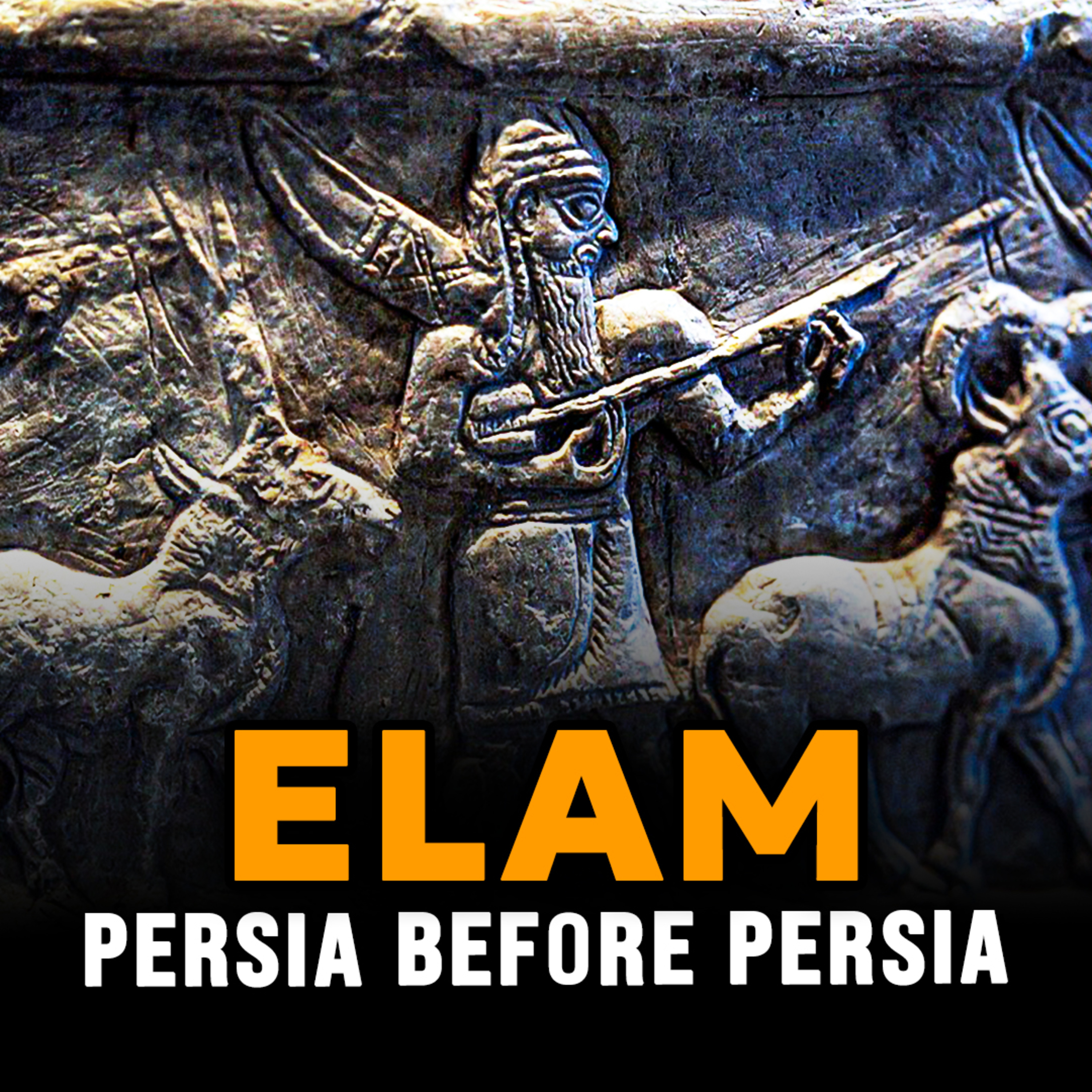
    Elam – Forgotten Civilization of Iran | Ancient Civilization Podcast

    Elam existed for nearly three thousand years — alongside Sumer, Babylon, and Egypt — yet it remains one of the least known civilizations of the ancient world. This video brings Elam back into the story of history: from the rise of Susa and Anshan and the mystery of Proto-Elamite writing, to the golden age of Chogha Zanbil, the campaigns of Shutruk-Nahhunte, and the height of Elamite power. We then follow the dramatic decline — the dark centuries, fragmentation, and the fatal clash with Assyria that ended with Ashurbanipal’s destruction of Susa. But the story does not end there. Elamite traditions, language, and administration lived on within the Achaemenid Persian Empire, in the archives of Persepolis, the Behistun inscription, and a cultural legacy that survived into the Roman era. This is the history of a civilization that shaped the ancient Near East for centuries — and left monuments and texts that still stand and speak today. 🔔 Subscribe to the podcast so you don’t miss other stories from the ancient world, where the truth is often more dramatic than fiction. This Episode on Youtube: ⁠⁠⁠⁠https://youtu.be/pcYg1Tm2Htg⁠⁠⁠⁠ Visit our website: ⁠⁠⁠⁠⁠https://parabellumhistory.com⁠⁠⁠⁠⁠ Our merchandise store: ⁠⁠⁠⁠⁠https://parabellumstore.creator-spring.com/⁠⁠⁠⁠⁠ Music from our podcast: ⁠⁠⁠⁠⁠https://share.epidemicsound.com/xk7k44/?playlist=kgati2pa4pi3mz2hsib867syv6zjdzqh⁠⁠⁠⁠⁠ Listen early & support the channel on Patreon: ⁠⁠⁠⁠⁠https://patreon.com/ParaBellumHistoryChannel⁠⁠⁠⁠⁠ 🎤 ⁠Voiceover by: Nick Banas Instagram: ⁠⁠⁠⁠⁠https://www.instagram.com/nickbanas⁠

    • Transcript
  • S1 · E36
    January 22 · 37 min

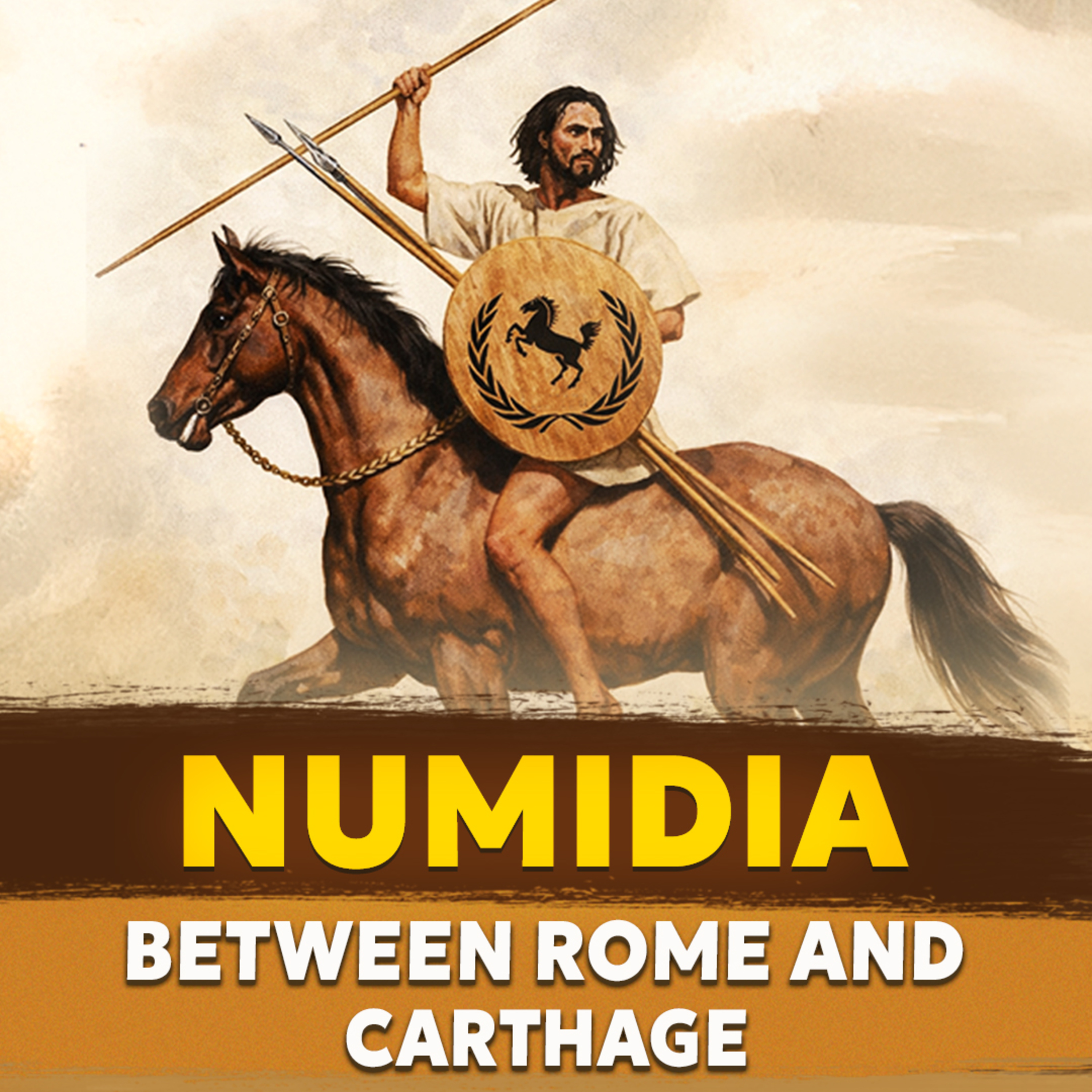
    Ancient Numidia - Rise and Fall | Ancient Civilizations Podcast

    Numidia was one of the most influential yet overlooked powers of the ancient Mediterranean. Rising from the Berber highlands of North Africa, it helped decide the outcome of the Punic Wars, shaped the fate of Rome and Carthage, and transformed the region into the grain heartland that fed the empire. This episode explores Numidia’s origins, its famous light cavalry, the reign of Masinissa, the transformation of a pastoral society into an agricultural powerhouse, the Jugurthine War, and the kingdom’s final downfall during the Roman civil wars. Featuring Polybius, Sallust, Cassius Dio and other ancient sources alongside modern scholarship, this episode of our podcast traces how Numidia turned neglected lands into a breadbasket, fielded cavalry that dominated the battlefield at Cannae and Zama, and produced figures such as Masinissa, Sophonisba, Jugurtha, and Juba. It also examines Numidia’s cultural synthesis — Berber, Punic, Greek, and Roman — its cities, religion, trade networks, and long-term legacy in North Africa. Topics include: Numidian origins; Massylii and Masaesyli; Second Punic War; Hannibal and Scipio Africanus; Numidian light cavalry tactics; Masinissa’s agricultural reforms; Numidian grain exports; urbanization and trade; Punic and indigenous cults; Jugurthine War; Sallust’s account of corruption; Sulla and Marius; Bocchus of Mauretania; fall of Numidian independence; Roman Africa Nova; Africa Proconsularis; Berber identity; legacy in modern Algeria. For anyone interested in: ancient history, Carthage, Rome, Berbers, North Africa, Punic Wars, military history, cavalry tactics, Mediterranean history, agrarian economies, classical antiquity, forgotten kingdoms, documentary history, and historical archaeology. 🔔 Subscribe to the podcast so you don’t miss other stories from the ancient world, where the truth is often more dramatic than fiction. This Episode on Youtube: ⁠⁠⁠⁠https://youtu.be/pcYg1Tm2Htg⁠⁠⁠⁠ Visit our website: ⁠⁠⁠⁠⁠https://parabellumhistory.com⁠⁠⁠⁠⁠ Our merchandise store: ⁠⁠⁠⁠⁠https://parabellumstore.creator-spring.com/⁠⁠⁠⁠⁠ Music from our podcast: ⁠⁠⁠⁠⁠https://share.epidemicsound.com/xk7k44/?playlist=kgati2pa4pi3mz2hsib867syv6zjdzqh⁠⁠⁠⁠⁠ Listen early & support the channel on Patreon: ⁠⁠⁠⁠⁠https://patreon.com/ParaBellumHistoryChannel⁠⁠⁠⁠⁠ 🎤 ⁠Voiceover by: Nick Banas Instagram: ⁠⁠⁠⁠⁠https://www.instagram.com/nickbanas⁠

    • Transcript
  • S1 · E35
    January 15 · 34 min

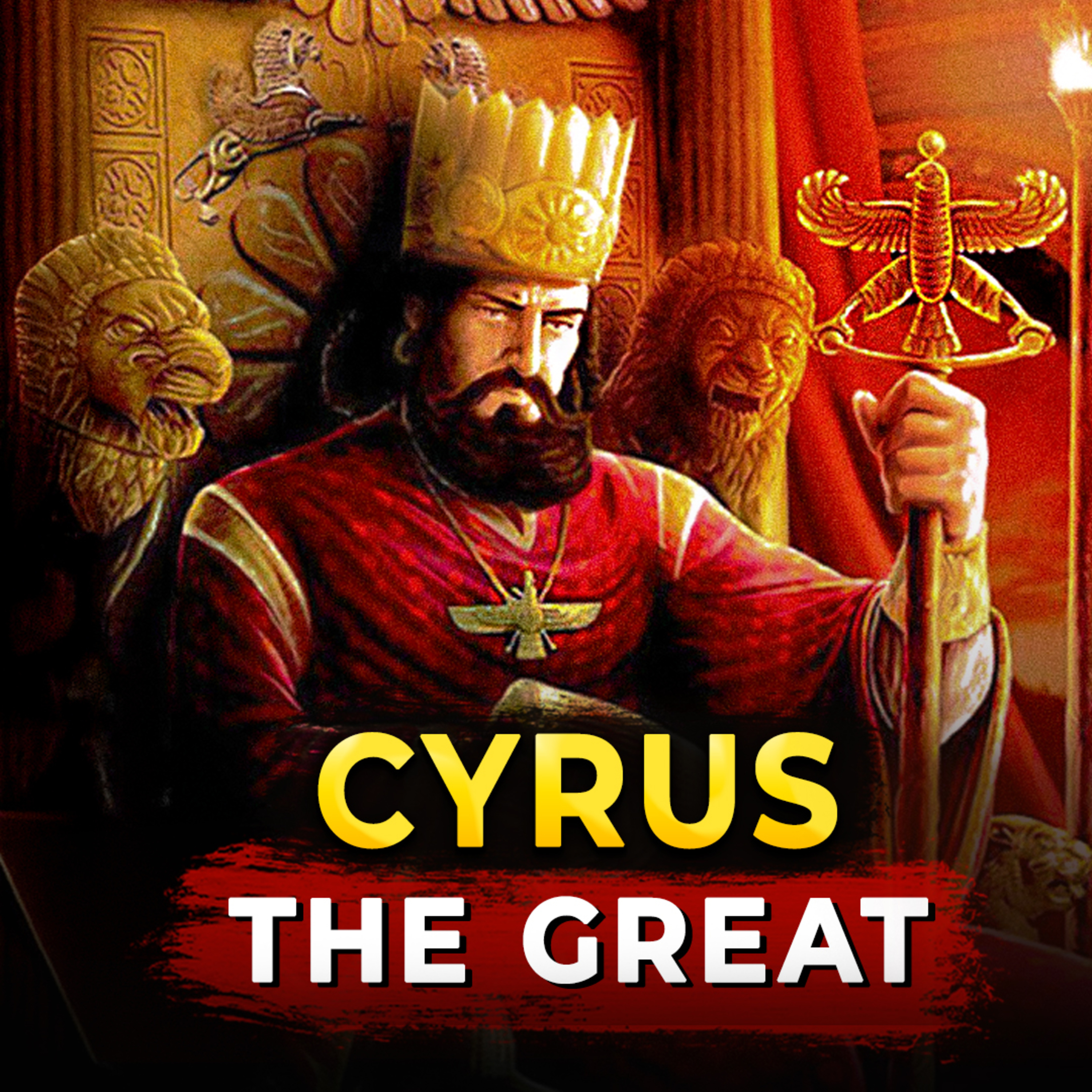
    Cyrus the Great: The Rise of the Achaemenid Empire | Ancient Civilizations Podcast

    Cyrus the Great was one of the most influential rulers in ancient history — founder of the Achaemenid Empire and the man who created the largest empire the world had ever seen up to that point. In this documentary-style history episode, we explore the full life of Cyrus the Great, from his mysterious origins in Persia to his rise against the Median Empire, his legendary conquests of Lydia and Babylon, and his final campaign against the Massagetae. Drawing on ancient sources such as Herodotus, Xenophon, and Ctesias, the episode examines how Cyrus combined military brilliance with an unusually tolerant and pragmatic style of rule. We look at his treatment of conquered peoples, his policy of religious freedom, the Cyrus Cylinder, and why the Jewish tradition uniquely remembers him as a messiah. This episode also explains how the Persian Empire was governed through satrapies, how the Immortals functioned as an elite fighting force, and why Cyrus’s administrative system outlived him by centuries. Finally, we reconstruct the dramatic accounts of his death and legacy, including the famous story of Queen Tomyris. This is the complete story of Cyrus the Great — king of kings, liberator of nations, and one of the most remarkable figures of the ancient world. 🔔 Subscribe to the podcast so you don’t miss other stories from the ancient world, where the truth is often more dramatic than fiction. This Episode on Youtube: ⁠⁠⁠⁠https://youtu.be/pcYg1Tm2Htg⁠⁠⁠⁠ Visit our website: ⁠⁠⁠⁠⁠https://parabellumhistory.com⁠⁠⁠⁠⁠ Our merchandise store: ⁠⁠⁠⁠⁠https://parabellumstore.creator-spring.com/⁠⁠⁠⁠⁠ Music from our podcast: ⁠⁠⁠⁠⁠https://share.epidemicsound.com/xk7k44/?playlist=kgati2pa4pi3mz2hsib867syv6zjdzqh⁠⁠⁠⁠⁠ Listen early & support the channel on Patreon: ⁠⁠⁠⁠⁠https://patreon.com/ParaBellumHistoryChannel⁠⁠⁠⁠⁠ 🎤 ⁠Voiceover by: Nick Banas Instagram: ⁠⁠⁠⁠⁠https://www.instagram.com/nickbanas⁠

    • Transcript
  • S1 · E34
    January 9 · 23 min

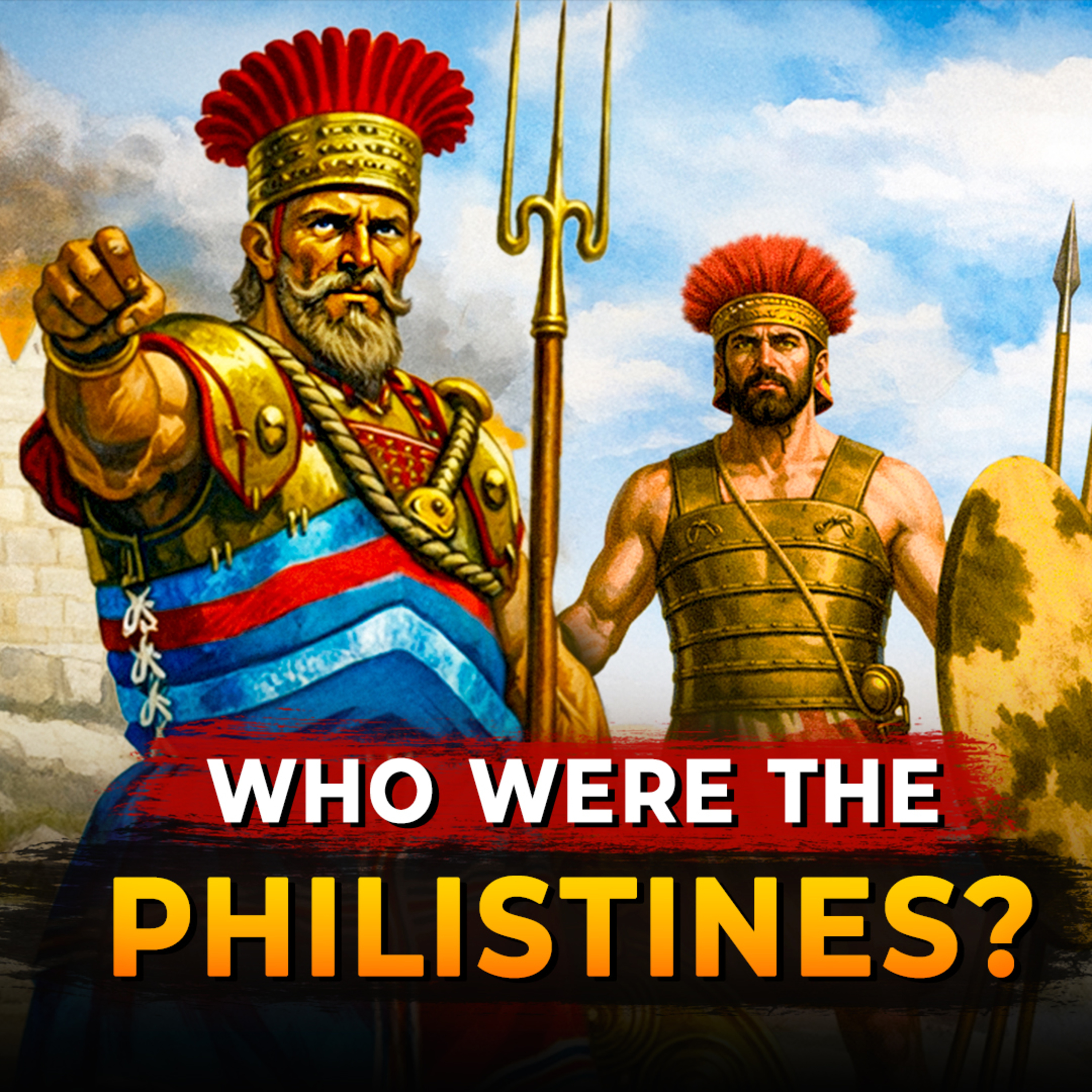
    Who Were the Philistines? | Ancient History Podcast

    This documentary explores the real history of the Philistines — one of the most misunderstood peoples of the ancient world. Known today mainly as the biblical enemies of Israel, the Philistines were in fact a powerful Iron Age civilization whose cities ranked among the largest and richest in the eastern Mediterranean.The episode traces their origins in the chaos of the Late Bronze Age collapse, when drought, famine, and mass migrations reshaped the ancient world. Drawing on Egyptian inscriptions, archaeology, and modern DNA studies, it explains how the Sea Peoples — identified in Egyptian sources as the Peleset — were defeated by Ramesses III and resettled in southern Canaan, where they merged with the local population and formed what later sources call the Philistines.You will learn how the Philistine Pentapolis — Gaza, Ashkelon, Ashdod, Ekron, and Gath — functioned as a unique political confederation, why their material culture points to Aegean origins, and how their early use of iron technology gave them a decisive military edge over their neighbors. The video also examines their religion, language, and rapid cultural assimilation into the Semitic world, including the worship of deities such as Dagon and Baal-Zebub.A major focus is the long conflict between the Philistines and the Israelites, including the historical background behind figures like Saul, David, and Goliath, as well as archaeological finds from Gath that shed light on biblical traditions. The story then follows Philistia under Assyrian domination, its transformation into an industrial powerhouse producing olive oil on a massive scale, and its eventual destruction by the Neo-Babylonian Empire under Nebuchadnezzar II.Finally, the documentary explains how the Philistines disappeared as a distinct people through deportation and assimilation, yet left behind one of the most enduring names in history. From Peleset and Pelištim came the term Palestine, later used by Greek authors such as Herodotus and ultimately adopted by Rome when Emperor Hadrian renamed the province Syria Palaestina.This episode is based on primary sources, archaeology, and modern scholarship, offering a full historical reconstruction of who the Philistines really were — beyond myth, polemic, and later tradition. 🔔 Subscribe to the podcast so you don’t miss other stories from the ancient world, where the truth is often more dramatic than fiction. This Episode on Youtube: ⁠⁠⁠⁠https://youtu.be/pcYg1Tm2Htg⁠⁠⁠⁠ Visit our website: ⁠⁠⁠⁠⁠https://parabellumhistory.com⁠⁠⁠⁠⁠ Our merchandise store: ⁠⁠⁠⁠⁠https://parabellumstore.creator-spring.com/⁠⁠⁠⁠⁠ Music from our podcast: ⁠⁠⁠⁠⁠https://share.epidemicsound.com/xk7k44/?playlist=kgati2pa4pi3mz2hsib867syv6zjdzqh⁠⁠⁠⁠⁠ Listen early & support the channel on Patreon: ⁠⁠⁠⁠⁠https://patreon.com/ParaBellumHistoryChannel⁠⁠⁠⁠⁠ 🎤 ⁠Voiceover by: Nick Banas Instagram: ⁠⁠⁠⁠⁠https://www.instagram.com/nickbanas⁠

    • Transcript
  • S1 · E33
    Dec 25, 2025 · 13 min

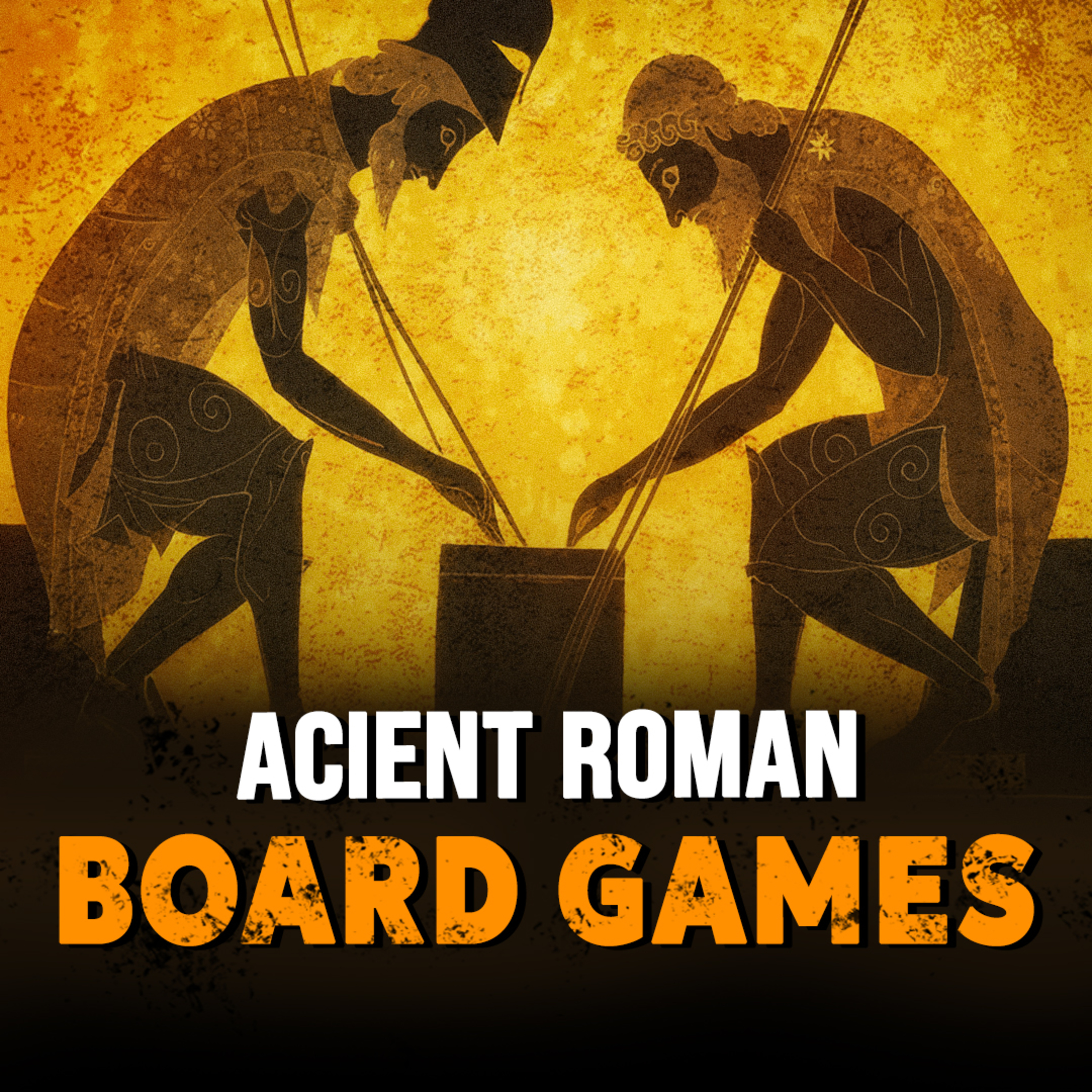
    Ancient Roman Board Games | Roman History Podcast

    What games did the ancient Romans actually play — before chess, playing cards, or modern board games even existed? In this episode, we explore the real games of ancient Rome, reconstructed from archaeological finds, ancient texts, and surviving game boards scratched into stone floors across the empire.You’ll learn how Romans played mill (nine men’s morris), one of the oldest board games in the world, found carved into temples, palaces, gladiator schools, and even brothels. We examine how the rules worked, how they differed in antiquity, and why this simple game became so widespread. We then turn to latrunculi, the most mysterious Roman strategy game — frequently mentioned by ancient authors, yet still only partially understood today. Using evidence like the famous Colchester burial, we explore how scholars attempt to reconstruct its board, pieces, and possible rules.The video also covers Roman dice and gambling games played with astragali — real animal bones that gave us the modern term “dice.” You’ll learn how Romans gambled, how cheating was prevented, and which combinations were considered lucky or powerful. We examine “twelve lines,” the Roman ancestor of backgammon, along with simple alignment games like terni lapilli, the ancient version of tic-tac-toe.Beyond adult games, we look at children’s play in ancient Rome — including walnut games that involved building and destroying miniature fortresses. Finally, we explore one of the strangest finds in Roman archaeology: tesserae lusoriae, ivory tablets that may point to a lost Roman word game — or perhaps something else entirely.This is a journey into Roman everyday life, showing how play, strategy, luck, and competition shaped leisure across the ancient world — and how some Roman games may still be influencing what we play today. 🔔 Subscribe to the podcast so you don’t miss other stories from the ancient world, where the truth is often more dramatic than fiction. This Episode on Youtube: ⁠⁠⁠⁠https://youtu.be/pcYg1Tm2Htg⁠⁠⁠⁠ Visit our website: ⁠⁠⁠⁠⁠https://parabellumhistory.com⁠⁠⁠⁠⁠ Our merchandise store: ⁠⁠⁠⁠⁠https://parabellumstore.creator-spring.com/⁠⁠⁠⁠⁠ Music from our podcast: ⁠⁠⁠⁠⁠https://share.epidemicsound.com/xk7k44/?playlist=kgati2pa4pi3mz2hsib867syv6zjdzqh⁠⁠⁠⁠⁠ Listen early & support the channel on Patreon: ⁠⁠⁠⁠⁠https://patreon.com/ParaBellumHistoryChannel⁠⁠⁠⁠⁠ 🎤 ⁠Voiceover by: Nick Banas Instagram: ⁠⁠⁠⁠⁠https://www.instagram.com/nickbanas⁠

    • Transcript
  • S1 · E32
    Dec 22, 2025 · 22 min

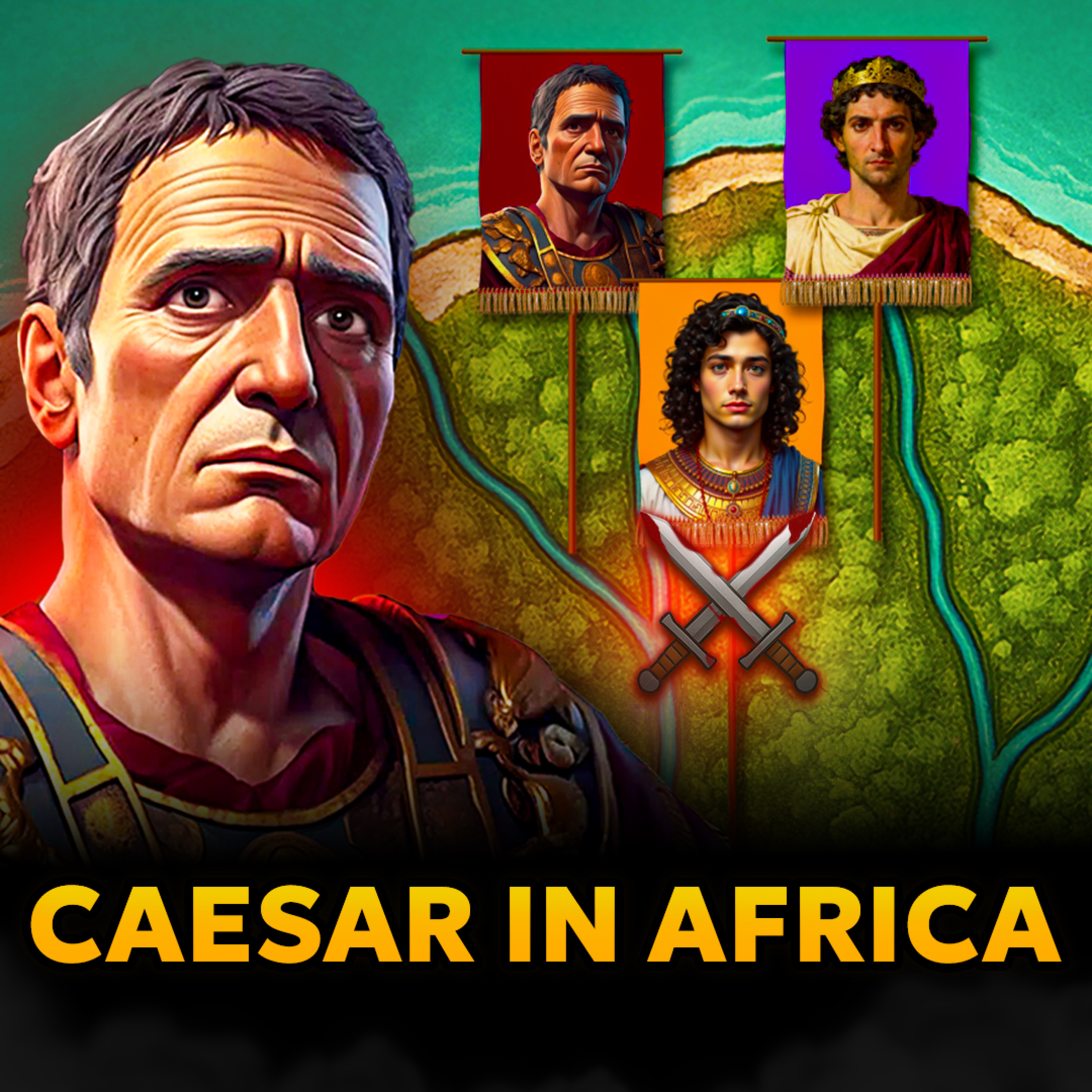
    Caesar in Africa – The Alexandrian War | Ancient Roman History Podcast

    Journey into one of the most dramatic episodes of Julius Caesar’s life — the brutal Alexandrian War, his alliance with Cleopatra, the battle for the Pharos lighthouse, and the campaign that ended with the immortal words *Veni, vidi, vici*. This episode follows Caesar after the Battle of Pharsalus as he arrives in Egypt with only a small force, expecting diplomacy but finding himself trapped in a hostile capital, outnumbered six to one. Inside Alexandria, a deadly dynastic conflict unfolds between Cleopatra, her brother Ptolemy XIII, and the powerful courtiers who control the young king. From Cleopatra’s legendary secret entrance into the palace to the burning of the Egyptian fleet and the fighting around the Great Library, the story reveals how close Caesar came to defeat — even death. You’ll hear how the Alexandrian War reshaped the ancient world: the rise of Cleopatra as ruler of Egypt, the fall of Ptolemy XIII and Arsinoë’s capture, and Rome’s growing control over the Nile. The podcast also covers Caesar’s lightning campaign against Pharnaces, culminating in his swift victory at Zela, as well as the political turmoil awaiting him back in Rome — including the shocking mutiny of his own veterans. Perfect for listeners interested in ancient history, Caesar’s military genius, the Ptolemaic dynasty, and the real events behind the legend. If you enjoy deep-dive historical storytelling, 🔔 Subscribe to the podcast so you don’t miss other stories from the ancient world, where the truth is often more dramatic than fiction. This Episode on Youtube: ⁠⁠⁠⁠https://youtu.be/yLcPbmDxBQk Visit our website: ⁠⁠⁠⁠⁠https://parabellumhistory.com⁠⁠⁠⁠⁠ Our merchandise store: ⁠⁠⁠⁠⁠https://parabellumstore.creator-spring.com/⁠⁠⁠⁠⁠ Music from our podcast: ⁠⁠⁠⁠⁠https://share.epidemicsound.com/xk7k44/?playlist=kgati2pa4pi3mz2hsib867syv6zjdzqh⁠⁠⁠⁠⁠ Listen early & support the channel on Patreon: ⁠⁠⁠⁠⁠https://patreon.com/ParaBellumHistoryChannel⁠⁠⁠⁠⁠ 🎤 ⁠Voiceover by: Nick Banas Instagram: ⁠⁠⁠⁠⁠https://www.instagram.com/nickbanas⁠

    • Transcript
  • S1 · E31
    Dec 18, 2025 · 14 min

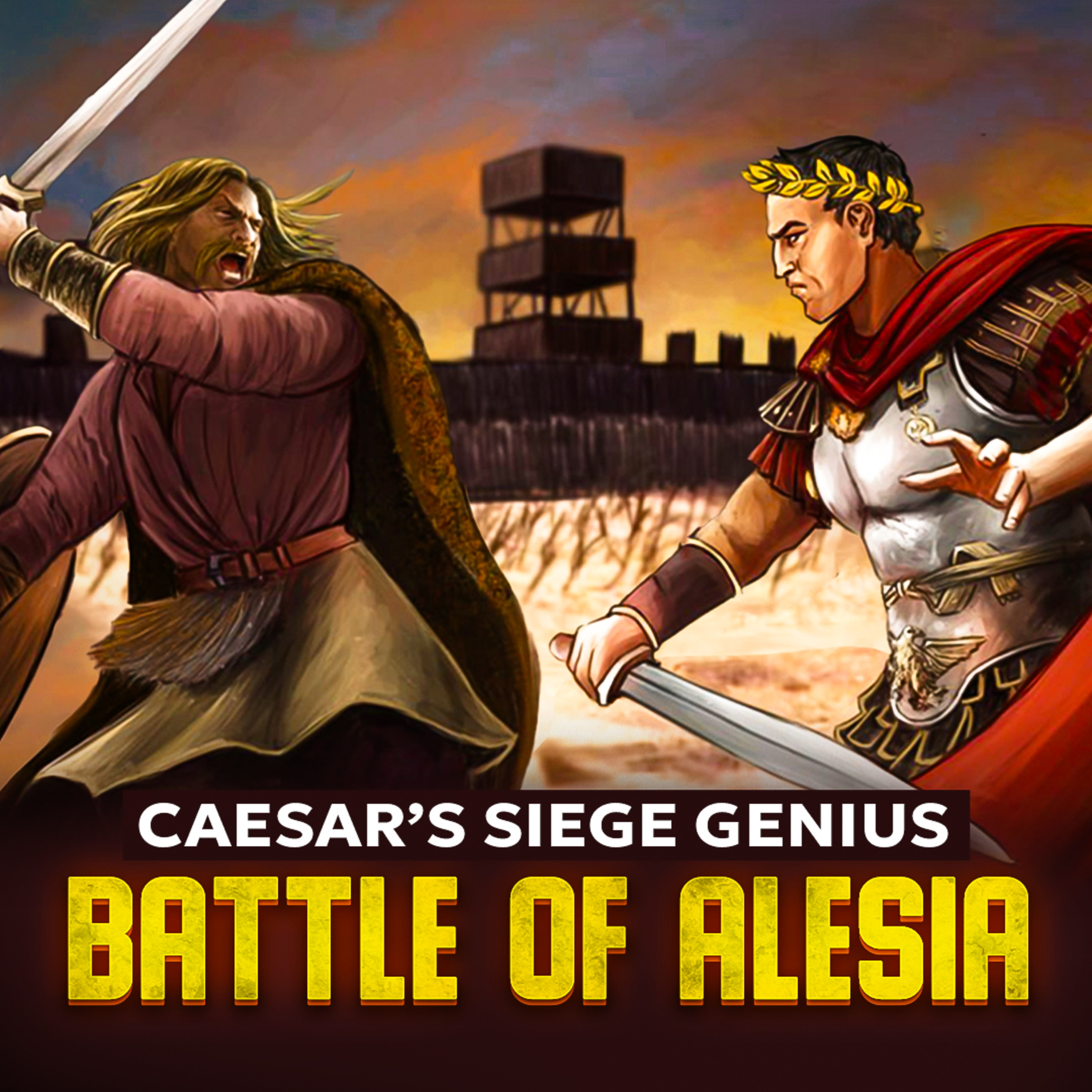
    Battle of Alesia 52BC – The Deciding Battle of Caesar's Gallic War | Ancient Roman Battle Podcast

    Travel back to 52 BC, when Julius Caesar faced the greatest challenge of his Gallic campaign. After years of conquest, Gaul erupted in a massive rebellion led by Vercingetorix — a charismatic war leader who united nearly all Gallic tribes against Rome. What followed was a chain of battles, scorched-earth tactics, desperate marches, and relentless cavalry clashes that pushed Caesar’s army to the brink.This episode tells the full story of the road to Alesia: the disaster at Gergovia, the rise of Gallic resistance, the dramatic cavalry battle that changed Caesar’s strategy, and the rebel leader’s decision to make his stand at the fortress city of Alesia.Here you’ll see how Caesar responded with one of the most extraordinary engineering feats of the ancient world — building two vast rings of fortifications stretching more than 35 kilometers. Inside Alesia, famine spread. Outside, a massive relief army gathered to break the siege. Between these two forces stood Caesar’s legions, surrounded, outnumbered, and fighting for survival.Watch the dramatic final assault unfold: the simultaneous attacks from inside and outside, the collapse of Roman lines, the desperate counterattack, and Caesar’s personal charge that broke the Gauls and decided the fate of an entire land.The surrender of Alesia ended the last great Gallic rebellion. Vercingetorix was captured, paraded through Rome, and executed — while Caesar’s victory paved his path to absolute power. 🔔 Subscribe to the podcast so you don’t miss other stories from the ancient world, where the truth is often more dramatic than fiction. This Episode on Youtube: ⁠⁠⁠⁠https://youtu.be/VXhRUyqj4yM Visit our website: ⁠⁠⁠⁠⁠https://parabellumhistory.com⁠⁠⁠⁠⁠ Our merchandise store: ⁠⁠⁠⁠⁠https://parabellumstore.creator-spring.com/⁠⁠⁠⁠⁠ Music from our podcast: ⁠⁠⁠⁠⁠https://share.epidemicsound.com/xk7k44/?playlist=kgati2pa4pi3mz2hsib867syv6zjdzqh⁠⁠⁠⁠⁠ Listen early & support the channel on Patreon: ⁠⁠⁠⁠⁠https://patreon.com/ParaBellumHistoryChannel⁠⁠⁠⁠⁠ 🎤 ⁠Voiceover by: Nick Banas Instagram: ⁠⁠⁠⁠⁠https://www.instagram.com/nickbanas⁠

    • Transcript
Showing 1–20 of 22 episodes