Skip to content
Artwork for Other Peoples Parenting
Kids & FamilyParentingArtsBooksComedy

Other Peoples Parenting

Schuyler Hurwitz and Karen Quinn

'Other People's Parenting' is hosted by mother daughter duo Karen Quinn (New York Times best selling author of The Ivy Chronicles , founder of early childhood education companies Habit Coach and Testing Mom) and Schuyler Hurwitz (amateur parent). They read contemporary, classic, and controversial parenting books and give you the gist with a sense of humor, so you can implement the methods or just be able to discuss them at school functions.

Play
  • 20 episodes
  • weekly
  • Avg 56 min
  • English
  • S2 · E7
    Wednesday · 42 min

    Oreo Gate: When a Cookie in a Lunch Box Becomes a Parenting Debate

    “Oreo Gate” is the latest social media debate centered around a seemingly simple question. Should parents put Oreos in their kids’ lunchboxes if one child in the class isn’t allowed to have them? It’s one thing if we’re talking food allergies – this would be a clear safety issue. Most schools have legitimate policies around allergens, and those rules exist to protect children. But asking families to avoid packing a beloved food like an Oreo simply because another child isn’t permitted to eat one is a different story. Parents argue that children will inevitably encounter other kids eating different foods, and that learning to navigate those differences is part of growing up. Others feel that minimizing situations where a child feels excluded is a reasonable act of kindness and consideration, particularly when it comes to young children who just want a yummy treat. In this episode of “Other People’s Parenting,” we explore some of the questions brought up by the Oreo Gate posts. These include: · Should parents shield their children from envy, even when the target of envy is a simple Oreo cookie? · Building resilience – Is it reasonable for parents to demand that the community conforms to their child or should they teach their child to conform to the community? · When you ban a food, will that backfire, making a child want it even more? Does forbidding “unhealthy” treats lead to eating disorders? · How do we teach kids to eat healthy foods without labeling foods as good or bad? · How do you get a young child to follow your house rules when they aren’t at home? · Is a Mom Group Chat the best place to resolve conflicts between our kids and families? · Should young children be responsible when they share their Oreo with a child who isn’t allowed to have Oreos? · When is it right to get the school involved in a conflict between parents in a classroom? · Will the name “Michelle” soon be synonymous with “Karen”? · When will Michelle give up and give Ava an Oreo for God’s sake! This tension is what has made “Oreo Gate” so fun to follow online: Where does reasonable accommodation end and parental responsibility begin? This debate isn’t really about Oreos. It’s about how much responsibility a community should take for managing children’s feelings, differences, and experiences and whether the answer should be handled by individual families, schools, or some combination of the two. Takeaways: In this episode, we delve into the controversy surrounding a mother's reaction to her child's exposure to Oreos, highlighting the complexities of parenting in a social media age. We explore how parental control over children's diets can lead to social isolation and the importance of teaching children resilience in the face of peer pressure. The discussion emphasizes the necessity for parents to communicate openly with their children, ensuring that they feel safe expressing their desires and frustrations. We also address the potential psychological effects on children when parents impose strict dietary restrictions, which can foster feelings of entitlement and anxiety about food choices. Links referenced in this episode: testingmom.com habitcoach.com tiktok.com instagram.com Companies mentioned in this episode: Habit Coach Testing Mom Oreo TikTok

    • Transcript
    • Chapters
  • S2 · E6
    August 19 · 55 min

    'More Than Happy': Insights from Amish Parenting

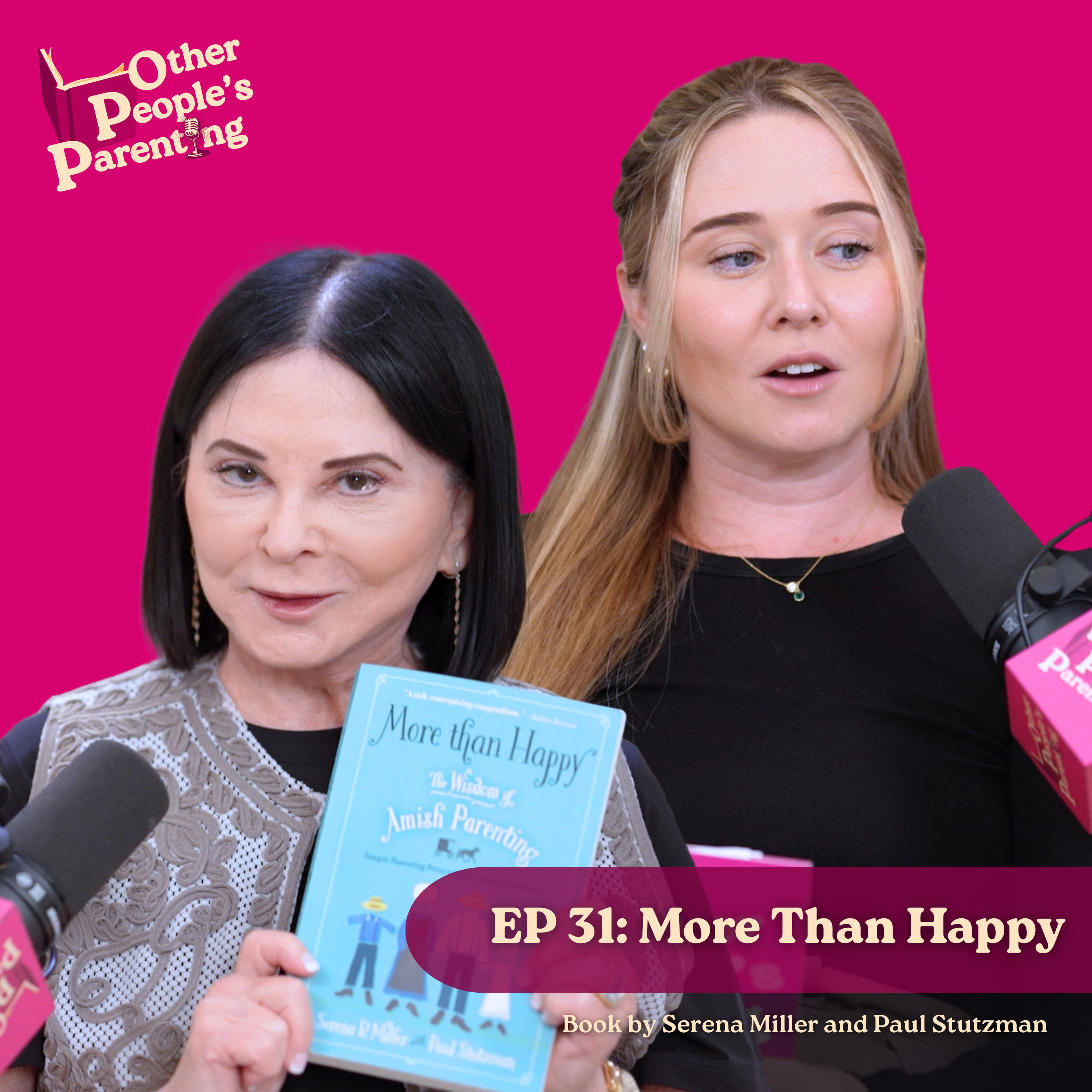
    More Than Happy: The Wisdom of Amish Parenting, by Serena Miller and Paul Stutzman How to Get Amish Level Obedience Without the Bonnets! This week on the “Other People’s Parenting” podcast, we are looking at parents who don’t need parental control apps because they don’t even have electricity! Yes, we are delving into the book “More Than Happy: The Wisdom of Amish Parenting,” by Serena Miller and Paul Stutzman. Miller is the author of several “clean Amish romance novels,” and Stutzman was born into an Amish family and later became a Mennonite, which is the less strict version of being Amish. In this episode, we explore some of the more unique practices of Amish parenting, such as their emphasis on community, family, discipline, and other day-to-day practices and cultural influences that make Amish children so mature and well-adjusted. Some of the questions we explore include: · Why are Amish children so well behaved? · How do Amish parents discipline their children? Do the Amish spank their kids? · How do the Amish get their children to help with chores without complaining? · How do the Amish build such a strong work ethic in their kids? · How do Amish children entertain themselves without television, video games, cell phones or screens? · Does limiting technology make Amish children happier? · Why do Amish children stop going to school after 8th grade? · Why do Amish families drive buggies and live off the grid? · Is the Amish faith imposed on Amish kids or do they have a choice? · What is Rumspringa and how does it help Amish teens decide whether to officially join the church? · What is the average size of an Amish family? · Do Amish wives have jobs? In discussing what it is like to bring up children in Amish homes, we reflect on how their culture and practices are applicable to modern parenting, urging parents to consider how elements of Amish wisdom can enhance their own family practices. Takeaways: The podcast episode thoroughly explores the principles of Amish parenting, emphasizing community, faith, and shared responsibilities that create a nurturing environment for children. Listeners gain insights into the unique practices of Amish families, including their approach to discipline, which focuses on teaching respect and responsibility rather than punitive measures. The discussion highlights the importance of selflessness in Amish culture, where children are taught that the needs of the family and community take precedence over individual desires. Rumspringa is introduced as a significant rite of passage for Amish teenagers, allowing them to experience the outside world before making a lifelong commitment to their community and faith. Companies mentioned in this episode: Habit Coach Testing Mom More Than Happy Serena Miller Amish Helping Fund

    • Transcript
    • Chapters
  • S2 · E5
    August 12 · 1 hr 14 min

    Crib Sheet (Featuring Jersey Banks of The Urban Cowboy)

    In this week’s episode, we are joined by Jersey Banks, who is the co-founder of The Urban Cowboy Hotels and Lodge, and mother to a 6-year-old daughter. Here, we discuss Emily Oster’s book, “Crib Sheet.” Emily Oster is an economics professor at the University of Chicago who spends her life looking at research studies and data, evaluating the quality of information and conclusions in studies. In her parenting books, she tells us which parenting studies we can rely on and which are flawed. In “Crib Sheet,” Oster looks at questions parents face in the first three years of parenting:  Should I bathe my baby immediately after birth?  Should I circumcise my newborn son?  Should I let the hospital give my newborn routine blood and hearing tests?  Should I room in with my baby in the hospital?  What do I do if my baby loses weight in the first few days?  What does it mean if my baby has jaundice?  How do I swaddle my baby? And why swaddle?  My baby has colic. What do I do?  What symptoms can I expect after giving birth? Vaginal tearing? Bleeding? A floppy stomach? Serious complications after giving birth to look for?  When can I exercise after giving birth?  When can I have sex after giving birth?  How to handle postnatal blues or depression?  Is it better to breastfeed? Is it okay to bottle-feeding my newborn?  What is nipple confusion?  Can I eat fish after giving birth? Can I drink coffee while nursing?  What is the safest way for me to set up my baby’s crib?  Is co-sleeping with my baby safe?  Which vaccines are safe for me to give my baby?  Should I work or should I be a stay-at-home mom?  Is day care safe for my baby? Is having a nanny better than daycare?  Should I sleep train my child? What does the data say?  How do I introduce solid foods to my baby?  What do I do if my child isn’t reaching their milestones? Are developmental delays treatable?  Can I allow my toddler to watch television or to play games on screens?  When will my child start to talk? If my baby isn’t talking, when do I worry?  How should I potty train my toddler?  How should I discipline my toddler?  How do I choose a pre-school or nursery school program?  What is the best way to space out my children? This being an Emily Oster's book, she examines each of these aspects of parenting through the lens of empirical research and statistical analysis. We highlight the necessity of discerning credible studies from flawed ones, and Oster provides parents with the tools to make informed decisions regarding child raising choices. Our discussion touches upon the critical topics mentioned, emphasizing the importance of making evidence-based parenting choices. We also talk about our personal experiences as mothers. Ultimately, this episode is interested in how data-driven insights can empower mothers and fathers to navigate the complexities of raising children in today's world. Takeaways: The podcast highlights the importance of Emily Oster's research in dispelling common misconceptions about parenting practices. Listeners are encouraged to approach parenting decisions based on data rather than societal pressures or anecdotal evidence. The episode emphasizes that parental choices regarding work versus stay-at-home parenting should be tailored to individual family needs. It is noted that children's developmental progress and well-being are significantly influenced by the quality of childcare arrangements they receive. Companies mentioned in this episode: Habit Coach Testing Mom Urban Cowboy Lodge Emily Oster Clif Bars

    • Transcript
    • Chapters
  • S2 · E4
    August 5 · 52 min

    'Yesteryear': A Journey Through Parenting and Identity

    Think your morning routine is chaotic? At least you aren’t churning butter in 1855. Let’s talk Yesteryear. This week’s episode dives into a book that has been dominating our book clubs, social media feeds, and group chats. We are talking about Yesteryear by Caro Claire Burke. This is a fictional story that critiques contemporary parenting dynamics through the lens of a trad-wife influencer who grapples with her curated online persona and the reality of her unhappy existence. Does this remind you of anyone or anything…Hannah Neeleman of Ballerina Farm perhaps? In Yesteryear, we meet Natalie, a glamorous, high-profile influencer who runs Yesteryear Ranch. On the outside, she is the ultimate tradwife — she bakes sourdough from scratch, wears gorgeous vintage dresses, has a beautiful family, and claims she is quite literally perfect at being alive. As modern moms, we all know that behind every perfectly carefully edited, aesthetic grid post, there is a chaotic reality. In this book, the line between performance and reality doesn't just blur—it fractures. The story takes us back and forth between Natalies modern, expertly selected and presented online life and a mysterious, grueling 1855 pioneer timeline, building up incredible psychological suspense that asks a massive question: What happens to a mother when the pressure to maintain a perfect illusion completely takes over? Whether you love scrolling through lifestyle influencers for inspiration, or you find yourself longing for a simpler life, this book holds up a fascinating, dark mirror to modern motherhood. Join us as we consider the societal pressures on women within the context of traditional and modern roles and discuss Natalie’s eventual unraveling as she confronts the absurdities of her lifestyle choices. So, grab your coffee or a glass of wine and let's talk about Yesteryear. Takeaways: This episode dives into the complexities of parenting as portrayed in the fictional narrative of Yesteryear. The discussion emphasizes the impact of societal expectations on women's roles in both contemporary and historical contexts. An exploration of mental health themes is evident, highlighting the struggles of the protagonist amidst societal pressures. The contrasting lifestyles of traditional and modern parenting are examined, raising questions about personal fulfillment and societal norms. Links referenced in this episode: TestingMom.com BallerinaFarm.com KissingMom.com HabitCoach.com Companies mentioned in this episode: Habit Coach Ballerina Farm Yesteryear Ranch Ruby Frankie Testing Mom

    • Transcript
    • Chapters
  • S2 · E3
    July 29 · 1 hr 2 min

    Do You Want to Be a Tradwife? The Agony and Ecstasy of Total Dependency

    On this episode of 'Other People's Parenting' hosted by mother daughter duo Karen Quinn (New York Times best selling author of The Ivy Chronicles , founder of Habit Coach and Testing Mom) and Schuyler Hurwitz (amateur parent) we wanted to discuss Trad Wives before we review New York Times bestseller, “Yesteryear” (coming next week) by Caro Claire Burke. Yesteryear is about Natalie Heller Mills, a mother of 5 who lives on Yesteryear Ranch in Idaho. She is a tradwife influencer with a huge social media following of people who love her and think she represents the ideal of American motherhood, and people who hate her, and think she’s everything that’s wrong with women today. What is a tradwife? She is someone who follows traditional values and traditional living. She avoids modern appliances, devotes herself to childrearing, homemaking, and self-sufficiency. She aims to live off the land, making clothing, baking bread and food from scratch. The tradwife is a popular Tik Tok trend now, led by social influencers such as Nara Smith and Hannah Neeleman of Ballerina Farms. These Tik Tok stars are in fact breadwinners and working women, which is the opposite of who they purport themselves to be. It appears that Natalie, the heroine of Yesteryear, is modeled after these real-life influencers. Ultimately, we cover an article about Belle Burden’s memoir “Strangers,” another New York Times bestseller, about a high-society stay-at-home mom whose marriage collapses after her husband’s affair. This book is an important discussion point in the tradwife movement because it exposes the dangers of turning financial control over to your partner, showing that even great wealth cannot protect a woman who checks out of understanding her family’s financial situation. This book serves as a stark financial warning for women ceding control to their husbands. Articles discussed include: My Day with the Trad Wife Queen and What it Taught Me The Woman Who Taught Me to Be a Tradwife – Over Bible Study, Donuts, and Group Tea, I learned the Rules of Submission My Goal With this Prenup is to Avoid What Happened to Belle – Women See Belle Burden’s Strangers as the New Marriage Manuel The Unglamorous Truth About the Average Tradwife – Most Stay-at-home Wives Simply Can’t Afford Childcare In this episode, we delve into the complex phenomenon of tradwives and their implications in contemporary parenting dynamics. We explore the multifaceted lives of women like Hannah Neelman, who embody both traditional roles and entrepreneurial spirit. The discussion highlights the contradictions faced by tradwives, as they navigate societal expectations and personal aspirations. We emphasize the importance of financial literacy for women, especially those in traditional marriage roles, to ensure their independence and security. Links referenced in this episode: ballerinafarmlife.com habitcoach.com testingmom.com newyorktimes.com thecut.com theatlantic.com hulu.com Companies mentioned in this episode: Habit Coach Testing Mom Ballerina Farm JetBlue Times of London Bravo The McBees Taylor Sheridan New York Times The Atlantic New York Magazine The Cut Bell Burden

    • Transcript
    • Chapters
  • S2 · E2
    July 22 · 51 min

    The Ferber Method - Is It Really Just Cry It Out?

    On this episode of 'Other People's Parenting' hosted by mother daughter duo Karen Quinn (New York Times best selling author of The Ivy Chronicles , founder of Habit Coach and Testing Mom) and Schuyler Hurwitz (amateur parent), we were inspired to read “Solve Your Child’s Sleep Problems,” by Richard Ferber, M.D., after so many other books we’ve read came out against “sleep training” children. In other books, Dr. Ferber’s sleep training is known reductively as the “cry it out method.” Books like “Being There,” “Good Inside” and “The Book You Wish Your Parents Had Read,” all criticize sleep training. So, we decided to read Ferber’s book and see what all the fuss was about. In this edition, Dr. Ferber updated his message to correct widespread misconceptions regarding his methods. He says his goal has always been to help parents understand how sleep works, determine the causes of their children’s sleep problems, and choose the sleep treatment that fits their own philosophy of child rearing. He says that many people have misunderstood his work and incorrectly described it. He states that leaving a child in a crib to cry for long periods of time until they fall asleep is not a method he approves of. In this episode, we cover the misconceptions surrounding Dr. Ferber’s method, along with methods for undoing troublesome sleep associations babies must unlearn before they can soothe themselves to sleep. He demonstrates the “Progressive-Waiting” sleep- training to help children to give up old bad habits and put themselves to sleep without fuss. Karen and Schuyler have both used this method to great success! In this episode, we reflect on balancing your child’s sleep needs with the wellbeing of parents and discuss how this particular book is more of an encyclopedia to be referred to as sleep problems come up from infancy through adolescence. We believe that there are benefits to implementing a structured sleep training approach and dispel the myth that there are negative outcomes for children who go through the Ferber Method of sleep training. Takeaways: The podcast emphasizes the importance of understanding and applying Dr. Ferber's sleep training methods, which are often misrepresented. Listeners are informed that the Ferber Method is not solely about letting children cry it out, but rather about fostering independent sleep skills. The hosts share personal experiences illustrating the challenges of sleep training and the emotional toll it can take on parents and children alike. The episode highlights the necessity of a consistent sleep routine for children, which is crucial for their development and well-being. The discussion touches on common misconceptions about sleep training and the psychological implications of well-rested parents on child-rearing. Listeners are encouraged to explore the nuances of sleep issues and recognize that each child's needs may vary significantly. Links referenced in this episode: testingmom.com studyisland.com mobymax.com brainpop.com scholastic.com Companies mentioned in this episode: Habit Coach Testing Mom Dr. Ferber Theorist Studios TestingMom.com Study Island Moby Max Brain Pop Scholastic

    • Transcript
    • Chapters
  • S2 · E1
    July 15 · 52 min

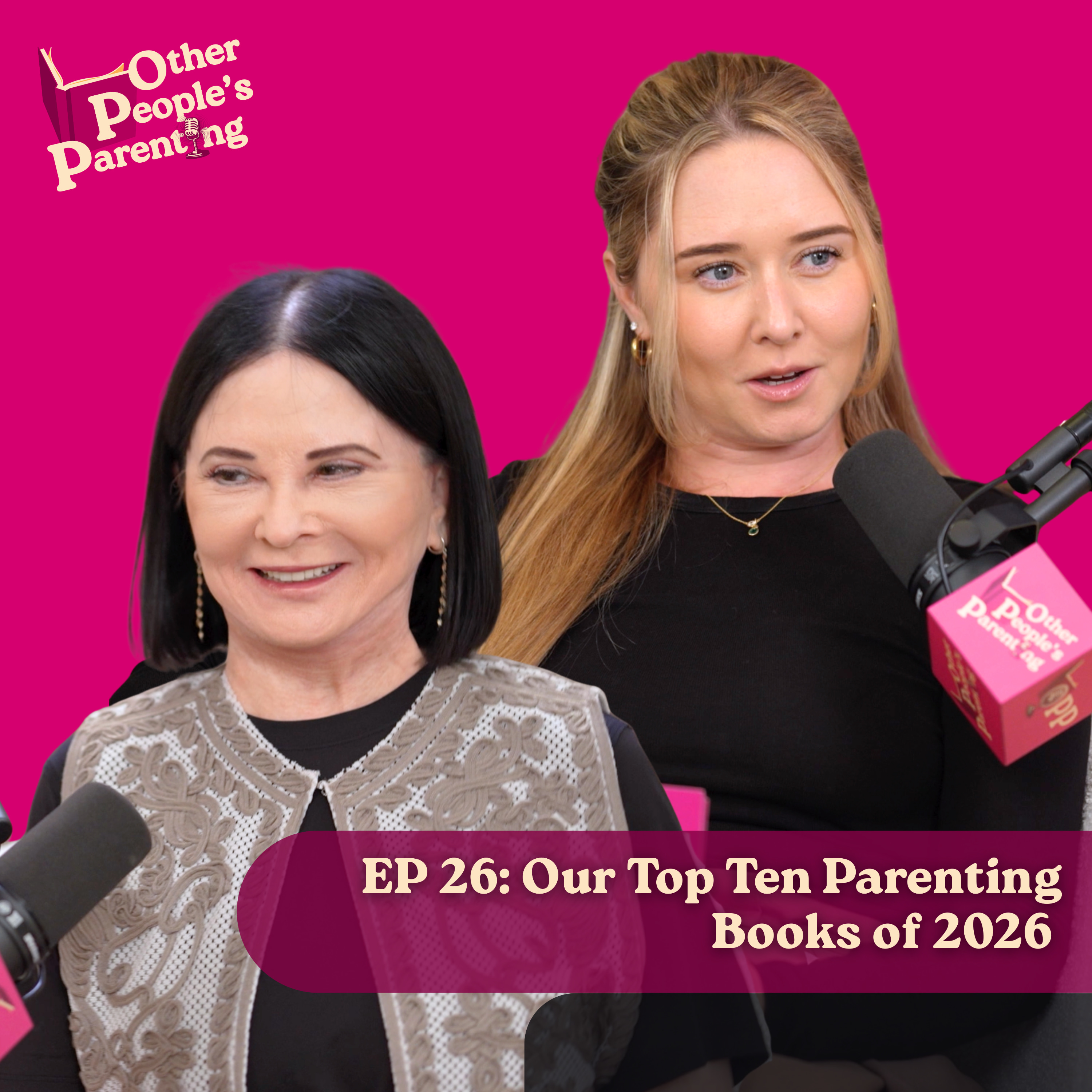
    Our Top Ten Parenting Books of 2026

    On this episode of 'Other People's Parenting' hosted by mother daughter duo Karen Quinn (New York Times best selling author of The Ivy Chronicles , founder of Habit Coach and Testing Mom) and Schuyler Hurwitz (amateur parent) - we discuss notable parenting books, as we endeavor to provide our listeners with an overview and insightful analysis of the literature that shapes contemporary parenting practices. As we embark on this engaging exploration, we delve into a recap of our favorite books from the previous season, organized from ten to one allowing for a structured and coherent examination of each. We aim to highlight the good points and key messages conveyed, while also reflecting upon the personal anecdotes and insights that have emerged from our own experiences as mothers in the realm of parenting. We strive to foster a meaningful dialogue that encourages our listeners to engage with this literature and apply its teachings in their own parenting journeys. We hope that this episode not only serves as an informative resource but also inspires a deeper understanding of the complexities and nuances inherent in the art of parenting! The episode presents a thorough exploration of parenting literature, as conveyed by hosts Schuyler Hurwitz and her mother, Karen Quinn, in their podcast 'Other People's Parenting.' The hosts reflect on notable parenting books reviewed in the previous season, showcasing their insights and experiences with each text. A significant theme that emerges is the detrimental influence of diet culture on children's self-perception, as articulated in Virginia Soul Smith's 'Fat Talk: Parenting in the Age of Diet Culture.' This book prompts a critical examination of societal attitudes towards weight and their implications for child development, urging parents to foster healthier relationships with food and body image. They engage with the arguments presented in 'The Anxious Generation,' which posits that overexposure to screens contributes to heightened anxiety among youth. This discussion is enriched by empirical evidence that highlights the need for parents to navigate technology's pervasive presence in their children's lives thoughtfully. As the episode progresses, the hosts thoughtfully recap their favorite books from the prior season, structured in reverse order to captivate both new and returning listeners. Takeaways: This episode offers a comprehensive recap of our favorite parenting books from Season One, highlighting key insights and lessons learned. We discuss the significant impact of technology and societal pressures on modern parenting, emphasizing the importance of emotional well-being for children. The value of understanding diverse parenting approaches from around the world is explored, revealing different cultural attitudes towards child-rearing. We emphasize the necessity of fostering a growth mindset in children, encouraging perseverance and resilience in the face of challenges. Links referenced in this episode: testingmom.com Companies mentioned in this episode: Habit Coach Testing Mom

    • Transcript
    • Chapters
  • S1 · E25
    July 1 · 54 min

    Kids Who Go No Contact - Navigating Stories of Estrangement

    On this episode of the podcast, 'Other People's Parenting. hosted by mother daughter duo Karen Quinn (New York Times best-selling author of The Ivy Chronicles, founder of Habit Coach and Testing Mom) and Schuyler Hurwitz (amateur parent) - we discuss the top 10 favorite parenting books reviewed in Season 1 of the ‘Other People’s Parenting’ podcast, and what we learned from each book. We also cover our 2 least favorite books of the season. Here they are: 1. Hunt, Gather, Parent, by Michaeleen Doucleff An American mother who grew up in an angry home and is struggling with raising her willful 3-year-old (Rosy) brings her Rosy with her as she lives and learns about parenting in Indigenous populations – the Maya in Yucatan, the Intuit in the Arctic Circle, the Hadzabe in Tanzania. 2. Battle Hymn of the Tiger Mother, Amy Chua This was supposed to be a story of how Chinese parents are better at raising kids than Western ones. But instead, it’s about a bitter clash of cultures, a fleeting taste of glory, and how I was humbled by a 13-year-old. The author is a Yale law professor (Chinese) married to a Jewish Yale law professor.The book came out in 2011 and caused controversy. It’s written like a memoir, felt half serious, half tongue in cheek. She talks about raising her daughters under an authoritative (but also warm) parenting style she called Chinese Parenting or Tiger Parenting. 3. Testing for Kindergarten: Simple Strategies to Help Your Child Ace the Test For Public School Placement, Private School Admissions, Gifted Program Qualification, by Karen Quinn Book tells parents not to go crazy cramming for private school / Gifted admissions tests.Instead, understand the skills being tested are the same skills your child is supposed to master in the first 5 years. You can help them master these skills through everyday interactions and play. Book covers the 7 abilities kids need to score high on IQ and group ability (gifted) tests and how to instill them through daily life. Skills are – Language, Knowledge/comprehension, Memory, Math, Visual Spatial Reasoning, Thinking, Motor Skills + (bonus skills) attention, listening, processing speed. 4. Mindset, by Carol Dweck After decades of research, world-renowned Stanford University psychologist Carol S. Dweck, discovered a simple but groundbreaking idea: the power of mindset. In this book, she shows how success in school, work, sports, the arts, and almost every area of human endeavor can be dramatically influenced by how we think about our talents and abilities. People with a fixed mindset - those who believe that abilities are fixed - are less likely to flourish than those with a growth mindset - those who believe that abilities can be developed. 5. Good Inside, by Dr. Becky Kennedy This book says that current discipline models like time outs, stickers, rewards, punishment – are based on changing outside (observable) behavior rather than non-observable mental states that lead to the behavior. She believes in changing parenting mindset from consequences to connecting with the child, while still maintaining boundaries and parental authority. 6. Bringing Up Bebe, by Pamela Druckerman This was the first book we ever read. We learned how differently children are raised in France. The book offers helpful tips and insights in the French philosophy of child-rearing. It was fascinating. We thought many of their “ways” were worth adopting in America. 7. The Anxious Generation – How the Great Rewiring of Childhood is Causing an Epidemic of Mental Illness, by Jonathan Haidt This book traces the dramatic decline in youth mental health, linking smartphones and social media to rising rates of depression and anxiety while offering solutions to parents and society. 8. Smart But Scattered, Peg Dawson and Richard Guare For parents of kids age 4 – 13 who have difficulties with 1) getting started, 2) staying focused, 3) impulse-control, 4) emotional control, 5) managing time, 6) organization, 7) planning and prioritizing, 8) remembering things, 9) being flexible, 10) working towards a goal, 11) self-awareness (meta-cognition). 9. 5 Love Languages of Children – by Gary Chapman and Ross Campbell Every child has a primary language in which they understand their parent’s love best.This book teaches you how to recognize and speak your child’s main love language as well as the other 4 love languages you can use to help your child know he is loved so they can grow into a loving responsible adult. 10. Fat Talk – Parenting in the Age of Diet Culture – by Virginia Sole-Smith This book challenges deeply held beliefs about food, weight, and the role of parents in shaping kids' eating habits and body image – It’s a well-researched book with lots of advice about a very difficult topic. And our two least favorite books of Season 1 were: Being There – Why Prioritizing Motherhood in the First 3 Years Matters, by Erica Komisar, LCSW This book argues that the first 3 years of a child’s life a mom’s physical presence is best – this is a formative window for kids – if you can possibly not work, work part time, work from home, do this. All mothers should reconsider the amount of time you commit to a job or other activities. 1-2-3 Magic, by Thomas W. Phelan Control Obnoxious Behavior with the 1-2-3 Counting System – This book teaches a discipline approach that has parents counting bad behavior. “That’s one” for the first instance of misbehavior, “that’s two,” and “that’s three,” at which point the parent is put into a time out. The parent stays calm while counting, and they don’t argue with the child or talk about what the child is doing wrong. After the time-out, the child is released with no discussion of the offending behavior. Links referenced in this episode: testingmom.com Companies mentioned in this episode: (make these links) Habit Coach Testing Mom

    • Transcript
    • Chapters
  • S1 · E24
    June 24 · 52 min

    Mom Test - From Snacktime to Startup

    On this episode of 'Other People's Parenting' hosted by mother daughter duo Karen Quinn (New York Times best selling author of The Ivy Chronicles , founder of Habit Coach and Testing Mom) and Schuyler Hurwitz (amateur parent) - we discuss the nuances of entrepreneurship, particularly as it pertains to mothers seeking to establish businesses inspired by their experiences with their children. We explore the pivotal premise of the book "The Mom Test," which emphasizes the importance of soliciting genuine feedback from potential customers rather than relying on the often biased opinions of close associates, such as family members. The discussion reveals that successful business ventures stem from identifying real problems that consumers face and assessing their willingness to invest in solutions. Additionally, we share personal anecdotes that illustrate the transformative power of parental inspiration in the entrepreneurial journey. Ultimately, our conversation underscores the necessity of adaptability, patience, and authenticity in navigating the complex landscape of business ownership. We reflect on the tremendous support received from our audience and the joy derived from sharing our parenting insights and experiences. This unexpected pivot leads us to discuss the fundamental principles of starting a business, emphasizing the importance of identifying genuine problems that consumers face and ensuring that any product or service developed truly addresses these needs. Takeaways: The podcast emphasizes the importance of gathering genuine feedback from potential customers before launching a business. Listeners are encouraged to start small with their business ideas and evolve based on customer input and market demand. We share personal anecdotes, highlighting the necessity of adaptability and scrappiness in the face of unforeseen challenges in entrepreneurship. A significant point made is that entrepreneurs should remain true to themselves to build authentic connections with their audience. It is discussed that patience is key in the business journey, as success often takes longer than originally anticipated. The importance of understanding one's unique selling proposition in a competitive market is also underscored, guiding the direction of a new business. Links referenced in this episode: habitcoach.com testingmom.com Companies mentioned in this episode: Habit Coach Testing Mom Rob Fitzpatrick Nosy Boo

    • Transcript
    • Chapters
  • S1 · E23
    June 17 · 45 min

    Danish Parenting - The Secret Sauce of Danish Childhood

    On this episode of 'Other People's Parenting' hosted by mother daughter duo Karen Quinn (New York Times best selling author of The Ivy Chronicles , founder of Habit Coach and Testing Mom) and Schuyler Hurwitz (amateur parent) -our discussion revolves around the exploration of the Danish approach to parenting, which is characterized by a profound emphasis on fostering happiness and resilience in children. We delve into the principles outlined in the book "The Danish Way of Parenting," where the authors advocate for a parenting style that prioritizes play, authenticity, reframing, empathy, and a sense of togetherness encapsulated by the concept of 'Hygge'. Throughout our discussion, we highlight the significance of allowing children to engage in unstructured play and the profound impact it has on their socialization and emotional development. We reflect on the cultural nuances that differentiate Danish parenting from prevalent practices in other societies, particularly in terms of emotional honesty and the lack of punitive measures in child-rearing. Join us as we uncover the invaluable insights and methodologies that contribute to the contentment of Danish children and, by extension, their families. We delve into how the Danish approach to raising children is grounded in five essential principles: play, authenticity, reframing, empathy, and a rejection of ultimatums. This parenting style is characterized by a focus on the emotional well-being of children, which the authors argue is integral to fostering resilience and happiness in adulthood. The conversation emphasizes the significance of play, which is regarded as a fundamental aspect of child development in Denmark. Danish parents prioritize allowing their children unstructured playtime, which not only nurtures creativity but also cultivates social skills and emotional intelligence. This stands in stark contrast to parenting practices in other cultures, where children are often subjected to intense academic pressures and structured schedules from an early age. We discuss how this liberating approach enables children to explore their environment freely, developing autonomy and a sense of self. In addition to play, the discussion touches upon the concept of 'hygge,' which embodies a sense of coziness and togetherness central to Danish culture. We advocate for creating warm family interactions that enrich emotional connections. We also reflect on the importance of emotional authenticity—acknowledging both positive and negative feelings without shielding children from life's complexities. The episode ultimately serves as a compelling argument for re-evaluating conventional parenting techniques in favor of a more holistic, child-centered approach that aligns with the Danish ethos. Takeaways: The Danish method of parenting emphasizes the importance of play, allowing children to engage freely without adult interference, thus fostering autonomy and creativity in their development. In Denmark, there is a strong focus on emotional honesty, where parents model their own emotions for children, allowing them to understand and accept a full spectrum of feelings. The concept of 'Hygge' in Danish culture promotes a sense of coziness and togetherness, encouraging families to spend quality time together in a warm and inviting atmosphere. Danish parenting values promoting social skills and emotional intelligence over academic achievement, leading to a more well-rounded and resilient adult. Danish parents employ a method of reframing situations positively, teaching children to focus on the silver linings and to develop a resilient mindset towards challenges. Overall, the Danish parenting style encourages a communal sense of well-being, fostering a culture where children's happiness is prioritized alongside their individual growth. Links referenced in this episode: Testingmom.com Companies mentioned in this episode: Habit Coach Testing Mom Testingmom.com Disney Hans Christian Andersen Montessori LEGO Scholastic Moby Max Brain Pop

    • Transcript
    • Chapters
  • S1 · E22
    June 10 · 1 hr 14 min

    Battle Hymn of the Tiger Mother - The Original Parenting Debate That Broke The Internet (Featuring Sandy Cho)

    On this episode of 'Other People's Parenting' hosted by mother daughter duo Karen Quinn (New York Times best selling author of The Ivy Chronicles , founder of Habit Coach and Testing Mom) and Schuyler Hurwitz (amateur parent) -is the exploration of the parenting philosophies articulated in Amy Chua's controversial book, "Battle Hymn of the Tiger Mother." We delve into the differences between Eastern and Western parenting styles, examining the implications of Chua's "Tiger Mom" approach, which emphasizes rigorous discipline, high expectations, and a results-oriented mindset. We juxtapose these methodologies with personal anecdotes and reflections from our guest, Sandy Cho, who offers invaluable insights drawn from her own upbringing in a similar framework. The conversation reveals the complexities and nuances that accompany strict parenting, shedding light on both the potential benefits and psychological toll it may impose on children. Ultimately, we aim to foster a deeper understanding of how these parenting styles manifest in contemporary society, and whether they yield the desired outcomes for the next generation. Takeaways: The podcast explores the distinctions between Western and Chinese parenting styles, particularly highlighting the intense expectations placed upon children. We discuss the cultural implications of parenting styles, emphasizing that the approach taken by parents can significantly affect children's outcomes. A key insight shared was the importance of balancing strictness with support, illustrating that parenting styles must adapt to individual children's needs. The episode features Sandy Cho who provides a personal account of growing up under a strict parenting style, revealing both the benefits and challenges associated with it. The discussion touches upon the pressure to achieve excellence, as illustrated through anecdotes about the guests' upbringing and their experiences in competitive environments. Ultimately, the podcast advocates for understanding and flexibility in parenting, acknowledging that different children may require different approaches to thrive. Links referenced in this episode: habitcoach.com Companies mentioned in this episode: Habit Coach Testing Mom Harvard Yale Stanford

    • Transcript
    • Chapters
  • S1 · E21
    June 3 · 49 min

    How To Talk To Teens - Turning Eye Rolls into actual Conversations

    On this episode of 'Other People's Parenting' hosted by mother daughter duo Karen Quinn (New York Times best selling author of The Ivy Chronicles , founder of Habit Coach and Testing Mom) and Schuyler Hurwitz (amateur parent) -we dive into communication between parents and their teenage children, centering around the book "How to Talk So Teens Will Listen and Listen So Teens Will Talk" by Adele Faber and Elaine Mazlish. We explore the authors' theory that effective communication methods are crucial for fostering understanding and empathy in familial relationships, particularly during the tumultuous teenage years. The discussion highlights various techniques that parents can employ to enhance their interactions, emphasizing the importance of listening and responding to their children’s feelings without resorting to punishment. This episode serves as a valuable resource for parents navigating the complexities of adolescence while seeking to maintain open and constructive dialogues with their children. Takeaways: In this episode, we discussed the parenting book titled 'How to Talk So Teens Will Listen and Listen So Teens Will Talk', highlighting its unique first-person narrative style, which is uncommon in parenting literature. We emphasized the importance of effective communication techniques outlined in the book, which aim to foster better relationships between parents and their teenagers, reducing conflict. The episode highlighted that the problems teens face today differ from those mentioned in the book, yet the communication strategies proposed remain relevant and useful. We noted that the book is concise, filled with illustrations which aid in understanding, making it accessible and engaging for parents dealing with challenging adolescent situations. During the discussion, we explored the significance of expressing feelings without resorting to insults, advocating for empathy in conversations with teenagers. We concluded that while the authors have passed, their teachings continue through workshops that assist parents in learning how to effectively communicate with their children. Links referenced in this episode: testingmom.com studyisland.com mobymax.com scholastic.com habitcoach.com otherpeoplesparenting.com Companies mentioned in this episode: Habit Coach Testing Mom Teen TestingMom.com Study Island Moby Max Brain Pop Scholastic Dr. Becky Adele Faber Elaine Mazlish

    • Transcript
    • Chapters
  • S1 · E20
    May 27 · 1 hr 1 min

    Fat Talk - How to Parent in a World Obsessed with Weight

    On this episode of 'Other People's Parenting' hosted by mother daughter duo Karen Quinn (New York Times best selling author of The Ivy Chronicles , founder of Habit Coach and Testing Mom) and Schuyler Hurwitz (amateur parent) - we explore the book "Fat Talk: Parenting in the Age of Diet Culture," which delves into the relationship between parenting, body image, and societal expectations regarding weight. We examine how diet culture impacts both parents and children and the detrimental effects of fat bias and the often harmful messaging surrounding weight. We discuss fostering an environment where children can appreciate their bodies, regardless of societal standards. By addressing the challenges parents face in navigating these complex issues, we aim to provide insights that promote a healthier, more compassionate approach to body image within families. As we dissect the book we reflect on our own experiences and the broader implications for raising children in a culture fixated on thinness. We reflect on our own experiences, revealing how societal pressures have shaped our understanding of weight and parenting. We advocate for a paradigm shift in how we perceive fatness, emphasizing the importance of fostering a nurturing environment that encourages self-acceptance and body positivity in children. We also explore the practical aspects presented in Smith's book, particularly the language parents use when discussing body image with their children. They highlight the detrimental effects of negative rhetoric surrounding weight and the need to cultivate conversations that promote acceptance and love. By sharing anecdotes from the book, we illustrate the psychological consequences of weight bullying and the impact of diet culture on children's mental health. The episode serves as a vital reminder of the responsibility parents hold in shaping their children's perceptions of their bodies and the importance of fostering a culture of acceptance that transcends societal standards. We critique the broader societal implications of diet culture, especially within educational institutions. We express concern over practices such as BMI screenings in schools, which we argue can exacerbate anxiety and body image issues among children. We advocate for a more holistic approach to health that prioritizes mental well-being over numerical assessments of fitness. This episode is a clarion call for societal change, urging listeners to engage in conversations that support body diversity and challenge the harmful narratives that dominate contemporary culture. Takeaways: This episode delves into the profound impact of diet culture on parenting and child development. The book discussed, 'Fat Parenting in the Age of Diet Culture,' offers critical insights into body image issues. Parents are encouraged to foster a positive body image in their children, emphasizing acceptance over criticism. The podcast highlights the harmful consequences of weight stigmatization and the importance of understanding body diversity. Links referenced in this episode: habitcoach.com testingmom.com Companies mentioned in this episode: New York Times Habit Coach Testing Mom Virginia Soul Smith American Academy of Pediatrics Meta Instagram TikTok Lizzo Megan Thee Stallion Ashley Graham Paloma El Cesar Kelly Clarkson

    • Transcript
    • Chapters
  • S1 · E19
    May 20 · 52 min

    Good Inside - The Parenting Rules Most of Us Weren’t Taught.

    On this episode of 'Other People's Parenting' hosted by mother daughter duo Karen Quinn (New York Times best selling author of The Ivy Chronicles , founder of Habit Coach and Testing Mom) and Schuyler Hurwitz (amateur parent) -The focus is the exploration of Dr. Becky Kennedy's parenting philosophy as articulated in her book "Good Inside." We consider that misbehavior in children serves as a window into their emotional states and unmet needs, rather than a reflection of their character. Throughout the discussion, we examine the significance of fostering emotional intelligence and resilience in children, emphasizing the necessity for parents to approach conflicts with empathy and understanding. We also appreciate the book's structured approach, which offers practical frameworks and specific strategies for addressing common parenting challenges, thereby equipping caregivers with the tools necessary for effective guidance. This episode covers the transformative power of nurturing a compassionate, connected relationship between parents and their children. Takeaways: In this episode, we explore Dr. Becky Kennedy's book, "Good Inside," which provides valuable insights into understanding children's behavior beyond mere discipline. The podcast emphasizes the importance of viewing misbehavior as a clue to a child's emotional needs rather than a reflection of their character. Listeners are encouraged to adopt the perspective of assuming the best in children, known as the 'most generous interpretation', to foster better communication. A critical takeaway from the discussion includes recognizing that children's emotional development is influenced by their early years and the attachment they form with caregivers. Links referenced in this episode: habitcoach.com otherpeoplesparenting.com Companies mentioned in this episode: Habit Coach Testing Mom Dr. Becky Kennedy Testing Mom

    • Transcript
    • Chapters
  • S1 · E18
    May 13 · 1 hr 5 min

    Being There - The First Three Years Don’t Come With A Redo Button.

    On this episode of 'Other People's Parenting' hosted by mother daughter duo Karen Quinn (New York Times best selling author of The Ivy Chronicles , founder of Habit Coach and Testing Mom) and Schuyler Hurwitz (amateur parent) - we discuss the importance of maternal presence during the formative years of a child's life, as posed by Erica Commissar's book, "Being There: Why Prioritizing Motherhood in the First Three Years Matters." We talk through our opposite opinions of the content, particularly regarding the implications of a mother's absence and the societal pressures surrounding motherhood and career aspirations. The conversation covers balancing professional obligations with the emotional and developmental needs of children, emphasizing that while some aspects of the book resonate, others warrant scrutiny due to their potential to induce guilt in working mothers. We advocate for a more inclusive perspective that recognizes the nature of parenting and the varied circumstances that families encounter. This book focuses on the compelling argument that a mother's presence during the years of infancy is paramount to the emotional and psychological development of the child. Throughout our discussion, we dissect the author's assertions, noting that while one of us finds profound resonance in the author's perspective, the other perceives an overtly prescriptive stance that may not universally apply. The conversation covers the delicate balance between maternal employment and child-rearing, ultimately questioning the societal implications of the author's thesis. Takeaways: This episode examines the book 'Being There: Why Prioritizing Motherhood in the First Three Years Matters', authored by Erica Commissar. We explore our differing interpretations of the book's core thesis, focusing on maternal presence during early childhood. We expressed concerns about the implications of guilt placed upon working mothers by the book's arguments. The discussion also emphasized the need for societal support for working mothers, noting that economic factors often dictate parenting choices. The podcast highlights the importance of being emotionally present for children, regardless of whether the mother can stay home full-time. The episode concludes with a reflection on the balance between career and motherhood, advocating for individual choice in parenting. Links referenced in this episode: testingmom.com habitcoach.com Companies mentioned in this episode: Habit Coach Testing Mom Erica Commissar Gail Sheehy Dr. Ellen Jacobs Kardashians Testing Mom

    • Transcript
    • Chapters
  • S1 · E17
    May 6 · 46 min

    Mom Groups - Because Parenting Isn’t Stressful Enough.

    On this episode of 'Other People's Parenting' hosted by mother daughter duo Karen Quinn (New York Times best selling author of The Ivy Chronicles , founder of Habit Coach and Testing Mom) and Schuyler Hurwitz (amateur parent) - the discussion revolves around the dynamics of mom groups, an exploration prompted by recent discussions surrounding the experiences of celebrities like Ashley Tisdale. We explore the nature of these groups, which can range from supportive and nurturing to toxic and exclusionary, reflecting the complexities of female friendships. We highlight both the challenges and benefits associated with motherhood and communal support, emphasizing that while some groups may foster camaraderie and understanding, others can perpetuate feelings of isolation and inadequacy. The discussion also touches upon the importance of moderation and the potential need for structured guidance within these social circles, as evidenced by the experiences of a long-standing mom group that has successfully navigated interpersonal conflicts over the years. We invite listeners to consider the significance of finding or cultivating a healthy support system in their parenting journeys, as the right group can profoundly impact one’s experience of motherhood. Articles Discussed: Breaking Up With My Toxic Mom Group The Reason UES Momma's Disappeared Marriage, Kids, Careers: For 44 Years They've been Talking it Out Takeaways: In this episode, we explore the complexities and dynamics of mom groups, emphasizing their potential to either nurture or harm women's friendships. We discuss the recent controversy surrounding Ashley Tisdale's experiences in a toxic mom group, highlighting the social pressures involved in motherhood. The episode underscores the importance of supportive communities for mothers, contrasting healthy groups with those that foster exclusion and negativity. We examine a long-standing mom group in Long Island that has thrived for decades, showcasing the benefits of facilitated discussions and mutual support. Listeners are encouraged to seek out or create local mom groups that foster genuine connection and support without excessive barriers to entry. Throughout the episode, we reflect on our personal experiences with group dynamics, emphasizing the value of communication and understanding in nurturing friendships. Links referenced in this episode: testingmom.com otherpeoplesparenting.com thecut.com nymag.com Companies mentioned in this episode: Habit Coach Testing Mom Ashley Tisdale Facebook The Cut New York magazine New York Times Moby Max Brain Pop Scholastic Testing Mom

    • Transcript
    • Chapters
  • S1 · E16
    April 29 · 1 hr 2 min

    Dad Truths - The Unfiltered Truth About Fatherhood

    On this episode of 'Other People's Parenting' hosted by mother daughter duo Karen Quinn (New York Times best selling author of The Ivy Chronicles , founder of Habit Coach and Testing Mom) and Schuyler Hurwitz (amateur parent) -we explore a parenting book that offers valuable insights into the experiences of fathers, particularly emphasizing the unique challenges they face in contemporary parenting. We delve into the humor and heart author Mike Julianelle (@dadandburied) leads with addressing the often unrecognized burdens of parenting. Our conversation highlights the importance of shared responsibilities and the necessity for fathers to be actively engaged in nurturing their children. The book not only illuminates the practical aspects of parenting but also fosters a deeper understanding of the emotional landscape of fatherhood. Takeaways: The podcast emphasizes the unique challenges and experiences of parents in navigating the complexities of child-rearing. We explore the concept that parenting books are often geared towards mothers, leaving a significant gap in literature that addresses fathers specifically. Throughout the episode, we delve into the notion that no parent is ever truly prepared for the responsibilities of raising a child, highlighting the unpredictability of parenting. The discussion reflects on the societal expectations placed on mothers versus fathers, illustrating the differing perceptions of parental involvement and competency. We discuss the importance of open communication between partners in parenting, particularly about the division of responsibilities and emotional labor. The podcast also touches on the funny and poignant reality of parenting, where every new stage brings its own set of challenges that require adaptability and resilience. Links referenced in this episode: habitcoach.com expectingbetter.com Companies mentioned in this episode: Habit Coach Testing Mom Mike Julianelle (@dadandburied) Expecting Better Emily Oster

    • Transcript
    • Chapters
  • S1 · E15
    April 22 · 51 min

    Calm The Chaos - Parenting the Most Challenging Child

    On this episode of 'Other People's Parenting' hosted by mother daughter duo Karen Quinn (New York Times best selling author of The Ivy Chronicles , founder of Habit Coach and Testing Mom) and Schuyler Hurwitz (amateur parent) -we talk about the insights found in the book "Calm the Chaos" by Dana Abraham, which presents a framework intended for parents grappling with the complexities of raising children exhibiting challenging behaviors. Abraham believes the key to navigating such tumultuous parenting landscapes lies in fostering positive interactions, establishing effective communication, and employing structured strategies to cultivate emotional regulation in children. Throughout the episode, we reflect on the necessity of understanding the underlying causes of disruptive behaviors, emphasizing that all behavior is a form of communication. We also explore the significance of maintaining your composure during volatile moments, serving as a stabilizing presence for your child. As we delve deeper into the various techniques proposed by Abraham, we advocate for a tailored approach, recognizing that parental strategies must be adaptable to the unique dynamics of each family. The podcast delves into the intricacies of parenting, specifically focusing on the challenges faced by parents of children who exhibit disruptive behavior. Schuyler Hurwitz and Karen Quinn, illuminate the themes presented in Dana Abraham's book, *Calm the Chaos*, which aims to provide insights and strategies for managing and understanding the emotional turmoil that can arise within the family dynamic. The discussion reveals the emotional weight borne by parents who feel overwhelmed, often questioning their ability to effectively nurture their children in the face of chaos. We examine the author's perspective that behavior is a form of communication, urging parents to uncover the underlying needs that drive their child's actions. They emphasize the importance of positive interactions and the necessity for parents to maintain their own emotional reserves in order to foster a supportive environment for their children. Overall, the episode serves as a poignant reminder that amidst the challenges of parenting, understanding and connection remain paramount to fostering harmony within the familial structure. Takeaways: In this episode, we delve into the parenting book entitled 'Calm the Chaos', authored by Dana Abraham, which provides valuable insights for parents. The author emphasizes the importance of understanding that all behavior is communication, which can help parents address their children's needs effectively. A significant takeaway from the discussion is the concept of positive interactions, highlighting the necessity of five positive interactions for every negative one. The podcast underscores the necessity of parents maintaining their energy reserves, suggesting practical strategies like journaling and self-care to manage stress. The episode articulates a framework for supporting children who may struggle with behavioral issues, encouraging a focus on root causes rather than punitive measures. Lastly, we explore the idea of reframing a child's struggles as potential superpowers, which can lead to positive outcomes and personal growth. Companies mentioned in this episode: Habit Coach Testing Mom Calm the Chaos Dana Abraham Zara Bed, Bath and Beyond

    • Transcript
  • S1 · E14
    April 15 · 53 min

    The Whole Brain Child - Get All Parts of Your Child’s Brain to Work Together for One Happy Kid

    On this episode of 'Other People's Parenting' hosted by mother daughter duo Karen Quinn (New York Times best selling author of The Ivy Chronicles , founder of Habit Coach and Testing Mom) and Schuyler Hurwitz (amateur parent) - the focus of this discussion revolves around the book "The Whole Brain Child," by Daniel Siegel and Tina Payne Bryson, which explains the relationship between various functions of the brain and child development. Throughout the episode, we delve into the significance of integrating the emotional and logical aspects of a child's brain, emphasizing the necessity of fostering emotional intelligence alongside cognitive skills. We cover several practical strategies presented in the book, such as “connect and redirect” and “name it to tame it,” which can be instrumental in nurturing a child’s emotional resilience and ability to articulate their feelings. Additionally, we examine the importance of storytelling as a therapeutic tool, allowing children to process their experiences and fears in a constructive manner. Through a series of anecdotes, we illustrate how children process emotions and the importance of parents being attuned to these dynamics. The episode also touches upon the necessity for children to narrate their experiences as a means of emotional integration, highlighting strategies such as 'connect and redirect' to effectively manage emotional outbursts. By advocating for open communication and understanding the child's perspective, the discussion underscores the critical role of empathy in parenting, allowing parents to navigate the often tumultuous waters of childhood emotions with grace and insight. Takeaways: This podcast episode delves into the complexities of parenting, emphasizing the importance of understanding children's brain development and emotional regulation. The hosts discuss a parenting book that provides strategies for integrating various brain functions to enhance children's emotional and cognitive growth. Listeners are encouraged to foster open communication with their children, allowing them to express their feelings and recount their experiences to aid emotional processing. The conversation highlights the significance of empathy, suggesting that parents should model empathetic behavior and promote family bonding through shared activities and fun. Links referenced in this episode: testingmom.com Habitcoach.com Companies mentioned in this episode: Habit Coach Testing Mom Daniel Siegel Tina Payne Bryson

    • Transcript
    • Chapters
  • S1 · E13
    April 8 · 1 hr 4 min

    Hunt, Gather, Parent - What Ancient Cultures Teach Us About Raising Children

    On this episode of 'Other People's Parenting' hosted by mother daughter duo Karen Quinn (New York Times best selling author of The Ivy Chronicles , founder of Habit Coach and Testing Mom) and Schuyler Hurwitz (amateur parent) -we discuss the insights in the book "Hunt Gather Parent" by Mickalene Duclef, Ph.D. The central idea is that contemporary Western parenting often overestimates children’s emotional capabilities while underestimating their physical abilities. This episode encourages an exploration of alternative parenting philosophies, particularly those observed in diverse cultures where children are raised with significantly less direct interference from adults, allowing them to develop autonomy and emotional intelligence. We consider the benefits of integrating communal activities into parenting, encouraging children to engage in responsibilities and chores that foster independence and confidence. Join us as we unpack these transformative ideas and reflect on their implications for our own parenting practices! In an analysis of 'Hunt Gather Parent' by Mickalene Duclef, Schuyler and Karen dissect the fundamental parenting principles outlined in the book. They emphasize the author's quest to understand why children in certain indigenous cultures exhibit qualities of cooperation, emotional control, and adaptability that seem diminished in Western societies. Through anecdotes and cultural observations, the book believes that children thrive in environments that promote independence and collaborative efforts. They advocate for the adoption of these principles in our own parenting, suggesting that a shift away from hyper-involvement and constant stimulation can lead to greater emotional resilience and self-sufficiency in children. They argue that the Western approach often overlooks the innate capabilities of children, placing undue burdens on parents to constantly guide and instruct. By sharing personal reflections on their parenting journeys, they illustrate the transformative potential of embracing a more communal and less prescriptive parenting style, ultimately encouraging listeners to consider the broader implications of their approaches to child-rearing. Takeaways: The podcast episode discusses the book 'Hunt Gather Parent', which explores global parenting practices. The authors highlight the importance of allowing children to develop autonomy within a supportive environment. Cultural differences in parenting strategies reveal that Western methods may sometimes hinder children's emotional growth. Implementing communal parenting practices can enhance children's confidence and their ability to contribute meaningfully to the family. The episode emphasizes the significance of modeling behavior for children to learn effectively from their surroundings. Overall, the discussion provides valuable insights for modern parents seeking to improve their parenting approaches. Links referenced in this episode: testingmom.com Companies mentioned in this episode: Habit Coach Testing Mom Hunt Gather Parent Mickalene Douclef, Ph.D. Study Island Moby Max Brain Pop Scholastic

    • Transcript
    • Chapters
Showing 1–20 of 20 episodes